








 I Prodotti Online e il Greenwashing: Come Difendersi da un Fenomeno in Aumento
Il commercio online sta avanzando in modo prepotente nelle abitudini dei consumatori, forte di alcune peculiarità che aiutano il fenomenodi Marco ArezioVelocità di consegne, semplicità nell’acquisto, cataloghi molto ampi, economicità dei prezzi e comodità rispetto all’acquisto in un negozio fisico, specialmente in periodi come questi dove vi sono restrizioni nella mobilità. Una corsa alle vendite on line è fatta anche da produttori di articoli che fino a poco tempo fa non utilizzavano questo canale e, quindi, il bacino dell’offerta è diventato veramente enorme. Tra migliaia di offerte per articoli simili, il marketing ha affinato tecniche persuasive verso i clienti sapendo cosa i consumatori si aspettano di trovare in un prodotto. La Commissione Europea e le autorità nazionali di tutela dei consumatori hanno indagato sulle offerte di alcuni prodotti nel mercato on line e hanno notato una massiccia presenta di messaggi fuorvianti, esagerati e, a volte, falsi, in merito al greenwashing. Poiché i consumatori che utilizzano il servizio degli acquisti on line sono anche clienti che richiedono generalmente prodotti più sostenibili, le informazioni sui prodotti in vendita da parte dei produttori o la pubblicità sull’articolo, sono spesso intrise di affermazioni che richiamano la sostenibilità e la riciclabilità dello stesso. Termini come riciclato, verde, green economy, ecologico, biologico, impatto zero, e molti altri spesso si trovano sulle confezioni ma, in realtà, non rispecchiano sempre la filiera produttiva dell’articolo, dando al cliente informazioni non corrette e senza supportare le affermazioni con prove. Uno studio della Comunità Europea ha valutato 344 dichiarazioni di sostenibilità "apparentemente dubbie" fatte online dalle aziende, la maggior parte delle quali nei settori dell'abbigliamento e dei tessuti, dei cosmetici, della cura della persona e delle apparecchiature domestiche. Nel 42% dei casi le autorità di controllo nazionali hanno appurato che le affermazioni stampate sugli imballi fossero false, ingannevoli o potenzialmente ingannevoli per i consumatori, quindi da considerare come una pratica sleale secondo il diritto dell’Unione Europea. Queste informazioni che il consumatore trova sugli imballi non sono sufficienti per permettere una corretta scelta del prodotto e, nel 37% dei casi, vengono utilizzati termini volutamente vaghi senza dati a supporto chiari e certificati. Il commissario europeo per la giustizia Didier Reynders, ha affermato che mentre alcune aziende si sforzano di produrre prodotti realmente eco-compatibili, altre prendono una strada più breve e senza costi, attraverso l’uso di affermazioni vaghe, false o esagerate. Per parlare di un settore in cui il fenomeno è sotto gli occhi di tutti, possiamo citare il comparto della produzione e raffinazione dei carburanti fossili, le cui società stanno spendendo enormi risorse economiche per crearsi una reputazione più verde. Ma interessante è anche notare, per esempio, le informazioni che i consumatori possono trovare su un flacone di detersivo, in cui si legge spesso la frase: Prodotto Riciclabile. Non vi è dubbio che sia una affermazione corretta, un flacone in HDPE fatto con polimero vergine è riciclabile, ma è fuorviante, se anche abbinato a sigle o disegni che fanno immaginare la natura e la cura dell’ecosistema, inducendo il consumatore ad acquistare un flacone che non segue i principi dell’economia circolare. Infatti, il flacone per rispettare i canoni della circolarità delle materie prime deve essere fatto in plastica riciclata e, sull’etichetta, ci dovrà essere riportata una frase simile a: flacone fatto con materiale riciclato che può essere riciclato nuovamente. La Commissione Europea ha inviato agli stati membri un avviso di attenzione verso queste pratiche scorrette con l’esortazione di vigilare e punire chi trasgredisce le regole. Da parte del consumatore è sempre importante informarsi prima di effettuare un acquisto, cercando di farsi un quadro chiaro di cosa è riciclato, riciclabile o falsamente tale, mettendo a confronto più prodotti e le informazioni che i produttori distribuiscono al mercato.
SCOPRI DI PIU' L’Italia e il Caro Energia: Sfide e Opportunità per un Settore Manifatturiero in Difficoltà
Il costo dell'energia in Italia, il più alto d'Europa, mette in crisi la competitività dell'industria manifatturieradi Marco ArezioLa recente analisi dei prezzi medi mensili delle borse elettriche in Europa, dal gennaio all'ottobre 2024, mostra una chiara disparità tra l'Italia e gli altri paesi europei. Secondo i dati, l'Italia guida la classifica con un prezzo medio di 103,7 euro/MWh, seguita a distanza da Germania (71,4 euro/MWh), e dall'area media dei paesi UE (61,4 euro/MWh). Altre nazioni, come il Portogallo, la Spagna e la Francia, registrano prezzi inferiori, mentre l'area scandinava si distingue per il costo particolarmente basso di 36,5 euro/MWh. Questa significativa differenza di costo energetico pone l'industria italiana in una posizione di svantaggio rispetto ai concorrenti europei, un problema particolarmente grave per un paese a forte vocazione manifatturiera come l'Italia. Le Cause delle Disparità nei Costi Energetici a) Dipendenza Energetica e Infrastrutture L'Italia è storicamente un paese con una bassa produzione di energia da fonti domestiche, costretta a importare una grande quantità di risorse energetiche, specialmente gas naturale. Questo rende l'Italia vulnerabile alle fluttuazioni dei prezzi sui mercati internazionali e ai problemi di approvvigionamento, soprattutto in un contesto di crescente domanda globale e di turbolenze geopolitiche. Inoltre, le infrastrutture energetiche italiane, pur migliorate negli ultimi anni, scontano ancora una mancanza di investimenti adeguati rispetto a quelle di paesi come la Germania e la Francia, rendendo l'energia più costosa da distribuire e meno efficiente. b) Lentezza nella Transizione Energetica Sebbene l'Italia abbia avviato un'importante transizione verso le energie rinnovabili, come il fotovoltaico e l'eolico, il ritmo di sviluppo è ancora inferiore rispetto ad altri paesi europei. Questa lentezza è dovuta a vari fattori, tra cui una burocrazia complessa e frammentata, che rende difficile e dispendioso ottenere permessi per nuovi impianti, e a una rete elettrica non sempre adeguata a sostenere l'incremento delle fonti rinnovabili. In confronto, l'area scandinava ha investito massicciamente nelle rinnovabili, riuscendo così a mantenere i costi energetici bassi. c) Regolamentazioni e Tasse Un altro elemento di costo per l'energia in Italia è rappresentato dal peso delle imposte e delle accise, che sono tra le più elevate in Europa. Questi oneri fiscali incidono direttamente sul prezzo finale dell'energia, aggravando ulteriormente il costo per le imprese e i consumatori. La Germania, pur avendo un carico fiscale significativo, è riuscita a compensare grazie a un sistema più efficiente di incentivi e sovvenzioni, che in Italia ancora fatica a prendere piede in modo efficace e diffuso. Impatti sul Settore Manifatturiero Italiano L'elevato costo dell'energia ha un impatto devastante sulla competitività del settore manifatturiero italiano, che rappresenta una parte cruciale dell'economia nazionale. Le imprese italiane, soprattutto le piccole e medie, sono costrette a fare i conti con costi di produzione superiori rispetto ai concorrenti europei, limitando la capacità di competere sui prezzi e, in alcuni casi, minacciando la loro stessa sopravvivenza. Per settori energivori come quello siderurgico, chimico, plastico e della carta, l'incidenza del costo energetico sul totale dei costi di produzione è particolarmente elevata, con ripercussioni significative sull'intera catena di valore. Inoltre, le aziende italiane sono costrette a ridurre i margini di profitto o a trasferire parte dei costi sui consumatori finali, con il rischio di perdere quote di mercato, sia a livello domestico che internazionale. Questo svantaggio competitivo si ripercuote negativamente sull'occupazione e sull'indotto, minando la stabilità di un comparto che è stato tradizionalmente il cuore pulsante dell'economia italiana. Possibili Soluzioni e Strategie per un’Industria Competitiva a) Aumentare gli Investimenti nelle Energie Rinnovabili Per ridurre il gap con gli altri paesi europei, è essenziale che l'Italia acceleri la sua transizione energetica verso le fonti rinnovabili. Questo richiede non solo incentivi e finanziamenti per nuovi impianti, ma anche una semplificazione burocratica che renda più rapido e meno costoso l’iter di approvazione per le nuove installazioni. L’aumento della capacità di produzione da rinnovabili, in particolare in regioni con alto potenziale solare ed eolico, potrebbe ridurre sensibilmente la dipendenza energetica dall'estero e, conseguentemente, i costi di approvvigionamento. b) Efficientamento Energetico e Innovazione Tecnologica Un’altra strategia chiave per ridurre i costi energetici è investire nell’efficienza energetica delle industrie. Adottare tecnologie avanzate per la gestione e il monitoraggio dei consumi, come l'Internet of Things (IoT) e l’intelligenza artificiale, permette di ottimizzare l'uso dell'energia, riducendo gli sprechi e migliorando la sostenibilità dei processi produttivi. Alcune aziende italiane stanno già sperimentando questi approcci, ma è necessario un impegno più ampio e coordinato per ottenere risultati significativi. c) Politiche di Sostegno e Riforma delle Tasse È urgente che il governo italiano metta in atto politiche di sostegno concrete per le imprese energivore, riducendo il carico fiscale sull'energia e introducendo meccanismi di compensazione per i settori più colpiti. In questo senso, potrebbe essere utile ispirarsi a modelli di successo adottati da altri paesi europei, come la Germania, dove le industrie ad alta intensità energetica godono di agevolazioni fiscali e di sussidi mirati. Allo stesso tempo, una riforma delle tasse sull'energia potrebbe ridurre il peso sui consumatori e migliorare la competitività delle imprese. d) Promuovere la Collaborazione Europea L’Italia potrebbe beneficiare di una maggiore integrazione con il mercato energetico europeo, sfruttando accordi bilaterali e programmi di cooperazione per l’acquisto e la condivisione di energia a costi inferiori. Collaborare con altri paesi dell'Unione Europea, in particolare con quelli che hanno un surplus di energia rinnovabile, potrebbe rappresentare una soluzione temporanea per mitigare i costi e garantire una maggiore stabilità nell'approvvigionamento. Conclusione L'Italia si trova di fronte a una sfida importante: garantire un futuro sostenibile e competitivo per il proprio settore manifatturiero nonostante le attuali difficoltà legate al costo dell'energia. Le disparità nei prezzi energetici rispetto al resto d'Europa rappresentano un ostacolo significativo, ma non insormontabile. Con una strategia coordinata che coinvolga sia il settore pubblico che quello privato, investendo in rinnovabili, efficienza energetica e politiche di supporto mirate, l'Italia può superare questa crisi energetica e consolidare la propria posizione di leadership nel manifatturiero europeo. Il percorso non sarà facile, ma è una strada obbligata per garantire la competitività del paese e la sostenibilità del suo sviluppo industriale.© Riproduzione Vietata
SCOPRI DI PIU'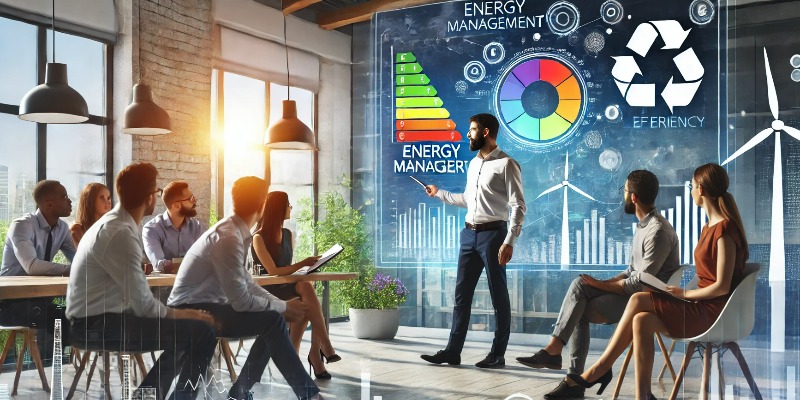 Crescita Record degli Energy Manager nelle Aziende Italiane nel 2023
Nel 2023, l'Italia ha nominato 2.498 energy manager, un record ventennaledi Marco ArezioIl 2023 è stato un anno memorabile per la figura dell'energy manager in Italia, segnando un record di nomine mai raggiunto negli ultimi vent'anni. Con un totale di 2.498 nomine, il numero di energy manager attivi nel Paese ha visto un incremento del 19% rispetto al periodo 2014-2020 e dell'1% rispetto al triennio 2020-2023. Questo dato, che emerge dal rapporto "Energy manager in Italia 2024" presentato dalla Federazione per l'uso razionale dell'energia (Fire), riflette una rinnovata attenzione verso la gestione efficiente dell'energia in un contesto di crescenti preoccupazioni ambientali ed economiche. La Funzione dell'Energy Manager L'energy manager è una figura cruciale nelle aziende italiane, responsabile della conservazione e dell'uso razionale dell'energia. Questo ruolo, obbligatorio per le aziende e gli enti che superano una certa soglia di consumo energetico, mira a ottimizzare l'efficienza energetica e ridurre gli sprechi. Nel 2023, degli energy manager nominati, 1.728 provengono da soggetti obbligati, segnando un incremento del 17% rispetto al periodo 2014-2020 e del 2% rispetto al triennio 2020-2023. Un Trend in Crescita Post-Crisi La crescita record di nomine nel 2023 rappresenta una significativa inversione di tendenza rispetto agli anni precedenti, caratterizzati da una diminuzione delle nomine dovuta alla crisi pandemica e alla crisi dei prezzi energetici. La riduzione dei consumi energetici in settori come l'industria e i trasporti aveva infatti portato a un calo nell'investimento in figure specializzate come gli energy manager. Tuttavia, il 2023 ha visto un rilancio, con un aumento delle nomine che riflette una rinnovata attenzione verso l'efficienza energetica e la sostenibilità. Diversità e Competenze degli Energy Manager Un altro dato significativo che emerge dal rapporto di Fire riguarda la diversità e le competenze degli energy manager. Nel 2023, sono state nominate 178 donne, rappresentando circa il 10% del totale. Questo indica un lento ma crescente riconoscimento della necessità di diversificare il settore, anche in termini di genere. In termini di qualifiche, il 79% degli energy manager possiede una laurea tecnica, mentre l'1% ha una laurea non tecnica e il 16% un diploma tecnico professionale. Questi dati sottolineano l'importanza di una formazione specifica e avanzata per affrontare le sfide della gestione energetica. Inoltre, il 67% degli energy manager sono dipendenti delle aziende coinvolte, mentre il 37% sono consulenti esterni. Questo dato evidenzia la crescente tendenza delle aziende a integrare competenze specializzate all'interno delle loro strutture organizzative. Certificazioni e Sistemi di Gestione dell'Energia Un altro aspetto rilevante è la crescita del numero di energy manager che possiedono la certificazione di esperti in gestione dell'energia (Ege). Il 21% dei dipendenti e il 73% dei consulenti hanno ottenuto questa certificazione, dimostrando un impegno crescente verso la professionalizzazione e la competenza nel settore. Inoltre, è in aumento anche il numero di energy manager che operano all'interno di un sistema di gestione dell'energia (Sge), un indicatore chiave della maturità delle aziende in termini di gestione energetica. Prospettive Future Guardando al futuro, la crescente nomina di energy manager e l'incremento delle loro competenze rappresentano un segnale positivo per l'economia energetica italiana. La gestione efficiente dell'energia non solo contribuisce a ridurre i costi operativi delle aziende, ma anche a mitigare l'impatto ambientale delle attività industriali. Con una crescente attenzione verso la sostenibilità e l'efficienza energetica, il ruolo dell'energy manager diventa sempre più centrale nel panorama industriale e aziendale. In conclusione, il 2023 ha segnato un punto di svolta per la figura dell'energy manager in Italia. La crescita record di nomine e l'aumento delle competenze e delle certificazioni riflettono una crescente consapevolezza dell'importanza della gestione energetica. Questo trend positivo, se sostenuto, potrebbe portare a significativi benefici economici e ambientali per il Paese, contribuendo a un futuro più sostenibile e efficiente dal punto di vista energetico.
SCOPRI DI PIU'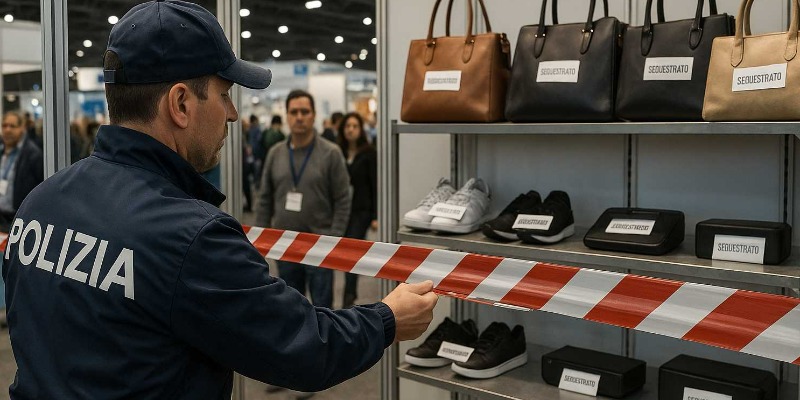 Sequestro di Merce Contraffatta in Fiera: Come Proteggere il Proprio Marchio durante le Esposizioni Internazionali
Come agire tempestivamente per ottenere il sequestro di prodotti contraffatti durante fiere ed eventi internazionalidi Marco ArezioPartecipare a una fiera internazionale è per molte aziende un momento cruciale: l’occasione per presentare nuovi prodotti, stabilire contatti commerciali e rafforzare la reputazione del proprio marchio a livello globale. Tuttavia, queste stesse manifestazioni rappresentano anche un terreno fertile per la contraffazione, con espositori che presentano prodotti copiati, imitazioni di marchi e merce non autorizzata che minaccia l’investimento e la reputazione delle imprese legittime. Per questo motivo, conoscere le procedure e le strategie per ottenere il sequestro immediato di merce contraffatta in fiera o durante esposizioni internazionali diventa un’esigenza imprescindibile per ogni imprenditore attento alla tutela dei propri diritti. Il contesto legale: proteggere il proprio marchio nelle fiere Nel contesto delle fiere internazionali, la tutela dei diritti di proprietà industriale è disciplinata sia da norme nazionali sia da convenzioni internazionali, come la Convenzione di Parigi e gli accordi TRIPS (Trade-Related Aspects of Intellectual Property Rights). L’Unione Europea, inoltre, ha adottato regolamenti specifici per favorire l’intervento delle autorità doganali e giudiziarie in caso di violazione dei diritti di proprietà intellettuale durante eventi pubblici. Le fiere, infatti, sono considerate luoghi pubblici e aperti, dove la semplice esposizione di merce può integrare già di per sé un’ipotesi di violazione dei diritti di marchio, brevetto, design o diritto d’autore, anche in assenza di vendita effettiva. Questo principio è stato confermato da numerose sentenze in Italia e in altri Paesi europei, riconoscendo il diritto del titolare a richiedere misure cautelari immediate, tra cui il sequestro dei beni esposti. Come prepararsi: prerequisiti fondamentali per la tutela Prima di partecipare a una fiera, l’imprenditore deve assicurarsi di avere a disposizione una documentazione chiara e aggiornata sui propri diritti di proprietà industriale (certificati di registrazione di marchi, brevetti, design, documentazione relativa a prodotti originali, foto, cataloghi, ecc.). Questo materiale sarà essenziale per poter dimostrare, in caso di controversia, la titolarità e la validità dei propri diritti, facilitando l’attività degli organi preposti al sequestro. È altresì importante monitorare il catalogo degli espositori e, ove possibile, effettuare controlli preventivi sulle aziende partecipanti, in modo da individuare in anticipo potenziali rischi di contraffazione. La procedura per ottenere il sequestro in fiera Se durante la manifestazione viene individuato uno stand che espone merce sospetta di contraffazione, l’imprenditore o il suo legale devono agire con tempestività. Ecco le principali tappe della procedura, spiegate in modo operativo: 1. Raccolta delle prove La prima azione da compiere è la raccolta delle prove. È fondamentale documentare la presenza della merce contraffatta attraverso fotografie dettagliate degli stand, dei prodotti e di eventuali brochure, nonché annotare i riferimenti dell’espositore (nome, numero stand, ragione sociale, dati di contatto). Spesso le stesse società fieristiche forniscono servizi di sorveglianza o, comunque, possono essere coinvolte come testimoni. 2. Intervento immediato delle autorità Occorre rivolgersi prontamente alla Polizia Giudiziaria presente in fiera o, in mancanza, chiamare le Forze dell’Ordine (Carabinieri, Guardia di Finanza, Polizia Locale). In molti Paesi e nelle principali fiere italiane ed europee, sono presenti presidi specifici delle forze dell’ordine proprio per far fronte a situazioni di emergenza legate alla contraffazione. 3. Richiesta di sequestro: istanza al Pubblico Ministero Per ottenere il sequestro, è necessario presentare una denuncia-querela al Pubblico Ministero territorialmente competente (di norma quello della sede in cui si svolge la fiera). La denuncia può essere depositata anche tramite il legale di fiducia e deve contenere: - I dati del titolare del diritto leso- La descrizione della presunta violazione e dei prodotti contraffatti- La documentazione a sostegno della titolarità e della validità dei diritti- Le prove raccolte durante la fieraIl Pubblico Ministero, se ritiene fondata la richiesta, può disporre con urgenza il sequestro della merce e dei materiali promozionali esposti, delegando le forze dell’ordine all’esecuzione immediata del provvedimento. 4. Le misure cautelari in sede civile Oltre alla via penale, è possibile agire in sede civile chiedendo l’emissione di un provvedimento d’urgenza (ex art. 700 c.p.c. in Italia), finalizzato al sequestro dei beni e all’inibitoria dell’esposizione. Questa strada può essere particolarmente efficace se si vuole ottenere una tutela rapida ed efficace, evitando che la merce venga rimossa prima dell’intervento delle autorità. 5. Cooperazione con le autorità fieristiche È buona prassi coinvolgere anche la società organizzatrice della fiera, informando il responsabile legale dell’evento circa la presenza di merce sospetta. In molti casi, i regolamenti delle fiere prevedono già clausole che permettono l’allontanamento immediato degli espositori responsabili di violazioni della proprietà industriale, facilitando il lavoro delle autorità. Tempi e criticità della procedura La rapidità di intervento è essenziale: nelle fiere, i prodotti contraffatti possono essere rimossi in poche ore. Per questo motivo è fondamentale agire subito, senza esitare, e affidarsi a un legale esperto in diritto della proprietà industriale, possibilmente già presente sul posto o con esperienza specifica nelle procedure d’urgenza. È importante sottolineare che la procedura può incontrare ostacoli, soprattutto se gli espositori sono stranieri o se la fiera si svolge in Paesi con legislazioni meno rigorose in materia di proprietà intellettuale. In questi casi, può essere utile avvalersi di reti internazionali di avvocati o di associazioni di categoria che offrono assistenza su scala globale. Cosa succede dopo il sequestro: gli sviluppi giudiziari e le tutele successive Dopo il sequestro, la merce resta nella disponibilità delle autorità fino alla definizione della controversia. L’imprenditore potrà costituirsi parte civile in un eventuale procedimento penale o avviare un’azione civile per ottenere il risarcimento dei danni e la distruzione dei prodotti contraffatti. È consigliabile, inoltre, mantenere alta l’attenzione anche dopo la fiera, monitorando la presenza di eventuali altri episodi di contraffazione online e offline. Consigli pratici per imprenditori: prevenire e tutelarsi efficacemente- Registrare i propri diritti di proprietà industriale nei Paesi dove si partecipa a fiere- Preparare una documentazione chiara e aggiornata da portare in fiera- Formare il personale sulle procedure da seguire in caso di sospetta contraffazione- Avere sempre il contatto di un legale esperto in proprietà intellettuale disponibile per interventi urgenti- Stipulare polizze assicurative specifiche per la tutela del marchio e la gestione delle controversie internazionaliConclusioni: difendere il valore dell’innovazione Il sequestro di merce contraffatta in fiera non è solo un diritto dell’imprenditore, ma una scelta necessaria per difendere l’innovazione, il lavoro e la reputazione dell’azienda. Intervenire tempestivamente significa lanciare un segnale forte, tutelando non solo se stessi, ma anche l’intero mercato da pratiche scorrette che danneggiano la concorrenza leale. Investire in prevenzione, informazione e assistenza legale è la chiave per partecipare alle esposizioni internazionali con la sicurezza di poter far valere i propri diritti, proteggendo ogni giorno il valore costruito con impegno e passione. © Riproduzione VietataFontiUfficio Italiano Brevetti e Marchi (UIBM) – Ministero delle Imprese e del Made in ItalyOrganizzazione Mondiale della Proprietà Intellettuale (WIPO)Osservatorio Europeo sulle Violazioni dei Diritti di Proprietà Intellettuale (EUIPO Observatory)Guardia di Finanza – Attività di contrasto alla contraffazione
SCOPRI DI PIU' L'Influenza dell'Aspetto Fisico nella Carriera Aziendale: Opportunità e Difficoltà
Come le Valutazioni Basate sull’Aspetto Possano Favorire o Sfavorire i Dipendenti e le Strategie per Mitigare i Bias Inconsci nel Mondo del Lavorodi Marco ArezioNel mondo del lavoro, l’aspetto fisico di un dipendente può giocare un ruolo significativo nel determinare il suo successo o insuccesso. Nonostante le competenze e le qualifiche professionali dovrebbero essere i principali criteri di valutazione, spesso le apparenze fisiche influenzano le decisioni dei manager e le dinamiche lavorative. Questo articolo esplorerà i meccanismi attraverso i quali l'aspetto fisico può favorire o sfavorire un dipendente, analizzando l'impatto di queste valutazioni extra lavorative sulla vita professionale. I Vantaggi di un Aspetto Fisico Attraente Bias di Bellezza Gli studi dimostrano che le persone considerate fisicamente attraenti tendono a ricevere valutazioni più positive sul posto di lavoro. Questo fenomeno, noto come "bias di bellezza", suggerisce che le persone belle sono percepite come più competenti, intelligenti e affabili. Questo può portare a opportunità di carriera migliori, salari più elevati e promozioni più rapide. Migliori Relazioni Interpersonali L’aspetto fisico attraente può facilitare l’instaurazione di buone relazioni interpersonali con colleghi e superiori. Un dipendente piacevole alla vista può essere più facilmente accettato e integrato nei gruppi di lavoro, migliorando la collaborazione e la comunicazione all'interno del team. Presenza nei Ruoli di Facciata Le aziende spesso scelgono persone attraenti per ruoli che richiedono un'interazione costante con i clienti, come vendite, reception e relazioni pubbliche. In questi contesti, un aspetto fisico piacevole può migliorare l'immagine dell'azienda e aumentare la soddisfazione del cliente. Gli Svantaggi di un Aspetto Fisico Non AttraenteDiscriminazione e Pregiudizi I dipendenti che non rientrano negli standard di bellezza tradizionali possono affrontare discriminazioni sul posto di lavoro. Questi pregiudizi possono manifestarsi in vari modi, tra cui salari inferiori, minori opportunità di promozione e esclusione da progetti importanti. Auto-percezione e Autostima Le persone che non si sentono sicure del proprio aspetto fisico possono sviluppare una bassa autostima e una scarsa fiducia in sé stesse. Questo può influenzare negativamente la loro performance lavorativa, limitando le loro possibilità di successo e crescita professionale. Stereotipi Negativi Gli stereotipi legati all’aspetto fisico possono portare i manager a fare supposizioni errate sulle competenze e le capacità di un dipendente. Ad esempio, una persona con sovrappeso potrebbe essere percepita come meno disciplinata o meno in salute, indipendentemente dalle sue reali abilità e prestazioni. Meccanismi di Valutazione Extra Lavorativa Effetto Alone L’effetto alone è un bias cognitivo che porta a valutare una persona in modo positivo o negativo in base a una singola caratteristica, come l’aspetto fisico. Questo effetto può distorcere le valutazioni dei manager, portandoli a sovrastimare le capacità di un dipendente attraente o a sottovalutare quelle di uno meno attraente. Conformità Sociale Le norme sociali e culturali influenzano le percezioni dei manager sull’aspetto fisico. In molte culture, un aspetto curato e attraente è associato a successo e competenza. I manager possono quindi sentirsi spinti a conformarsi a queste aspettative, anche se non riflettono la realtà delle competenze del dipendente. Comunicazione Non Verbale L’aspetto fisico può influenzare anche la comunicazione non verbale sul posto di lavoro. I dipendenti attraenti possono ricevere più sorrisi, contatti visivi e segnali positivi dai colleghi e superiori, che possono a loro volta rafforzare la loro posizione e influenzare le valutazioni di performance. Strategie per Mitigare l'Impatto dell'Aspetto Fisico Formazione sui Bias Inconsci Le aziende possono organizzare corsi di formazione sui bias inconsci per i loro dipendenti e manager. Questa formazione può aiutare a riconoscere e mitigare i pregiudizi legati all’aspetto fisico, promuovendo un ambiente di lavoro più equo e inclusivo. Politiche di Diversità e Inclusione Implementare politiche che promuovano la diversità e l’inclusione può aiutare a ridurre l’impatto negativo delle valutazioni basate sull’aspetto fisico. Queste politiche possono includere la promozione di standard di bellezza più ampi e l’adozione di criteri di valutazione basati esclusivamente sulle competenze e le prestazioni. Feedback Costruttivo e Obiettivo I manager dovrebbero fornire un feedback costruttivo e basato su criteri oggettivi. Un sistema di valutazione delle prestazioni ben strutturato può ridurre l’influenza dei bias di bellezza e garantire che le decisioni di carriera siano basate su meriti reali. Conclusione L’aspetto fisico di un dipendente può avere un impatto significativo sulla sua carriera, influenzando le percezioni dei manager e le dinamiche lavorative. Sebbene le valutazioni extra lavorative basate sull’aspetto siano inevitabili, è fondamentale che le aziende riconoscano e affrontino questi bias per garantire un ambiente di lavoro equo e inclusivo. Promuovere la consapevolezza dei bias inconsci, implementare politiche di diversità e inclusione e fornire feedback obiettivo sono passi cruciali per mitigare l’impatto delle apparenze fisiche e valorizzare le competenze e le prestazioni reali dei dipendenti.
SCOPRI DI PIU' Rischi Termici ed Elettrici nella Lavorazione delle Materie Plastiche: Prevenzione, DPI e Procedure di Sicurezza
Come proteggere gli operatori da ustioni, scosse elettriche e incendi negli impianti di produzione plastica, adottando misure preventive, formazione e manutenzione adeguatadi Marco ArezioLa lavorazione delle materie plastiche include una vasta gamma di attività: estrusione, stampaggio a iniezione, soffiaggio, termoformatura e altre tecniche affini. Questi processi coinvolgono macchinari ad alta temperatura, componenti meccanici in movimento, dispositivi di riscaldamento e resistenze elettriche di vario tipo. Le condizioni termiche e l’energia elettrica in gioco generano rischi notevoli per gli operatori, che devono quindi essere adeguatamente formati ed equipaggiati per evitare incidenti ed esposizioni potenzialmente dannose. Le temperature elevate sono spesso necessarie per rendere la plastica malleabile o per fonderla e poterla modellare; d’altro canto, l’energia elettrica alimenta una molteplicità di impianti e dispositivi di controllo, e si unisce a vari sistemi di azionamento (motori, presse, rulli, nastri trasportatori). Se non correttamente gestiti, questi fattori di rischio possono tradursi in ustioni, incendi, scosse elettriche, cortocircuiti, malfunzionamenti e ulteriori problematiche, anche gravi. È importante ricordare che la sicurezza non è soltanto un obbligo giuridico, bensì una priorità imprescindibile per la salvaguardia della salute dei lavoratori. L’obiettivo di questo articolo è proprio fornire una panoramica sulle principali fonti di pericolo termico ed elettrico e illustrare gli accorgimenti per minimizzare i rischi, contribuendo a diffondere la cultura della prevenzione. I pericoli termici nella lavorazione delle materie plastiche 1. Fonti di calore e temperature in gioco Nei processi di stampaggio e lavorazione delle materie plastiche, le temperature raggiunte dai macchinari possono superare i 200-300 °C e, in alcuni casi, avvicinarsi o superare i 400 °C (a seconda del tipo di materiale lavorato). Le sorgenti di calore di cui occorre tenere conto includono: - Resistenze elettriche per il riscaldamento dei cilindri di estrusione. - Piastre riscaldanti utilizzate nel termoformatura. - Ugelli caldi negli impianti di stampaggio a iniezione. - Camere di fusione e canali caldi per mantenere il fuso di plastica alla temperatura necessaria. Sistemi di preriscaldo e asciugatura delle resine termoplastiche (ad es. essiccatori ad aria calda o deumidificatori industriali). La presenza di queste fonti di calore comporta rischi di contatto accidentale, ustioni, incendi e, in taluni casi, sviluppo di fumi o vapori che, se non adeguatamente evacuati, rappresentano un ulteriore pericolo per le vie respiratorie degli operatori. 2. Ustioni termiche e contatto accidentale Gli operatori possono subire ustioni di varia entità in caso di contatto diretto o anche indiretto (ad esempio, toccando zone vicine a parti molto calde) con cilindri, canali, camere di fusione. In attività dove la produzione è intensa e i tempi di fermo devono essere ridotti al minimo, si tende a operare vicino ai macchinari in funzione; spesso, infatti, ogni minuto di fermo macchina rappresenta un costo rilevante per l’azienda. Ciò porta a maggiore probabilità di avvicinarsi a componenti ancora caldi. Per la prevenzione di ustioni termiche: - Segnalare chiaramente le superfici calde con pittogrammi e cartelli che indichino il pericolo. - Adottare barriere fisiche (cancelletti, protezioni meccaniche) o schermi termici. - Utilizzare dispositivi di protezione individuale (DPI) adeguati: guanti termoresistenti, grembiuli ignifughi, maniche lunghe dove necessario, scarpe antinfortunistiche. - Formare gli operatori riguardo ai rischi specifici e alle procedure di messa in sicurezza (Lockout/Tagout, procedure di blocco e segnalazione) prima di eseguire manutenzioni o interventi di pulizia su macchinari caldi. 3. Rischio incendio e fumi ad alte temperature La plastica, per sua natura, può generare fumi potenzialmente tossici se surriscaldata oltre i limiti. Quando la temperatura di lavorazione è correttamente regolata, la plastica si fonde e si modella senza surriscaldarsi eccessivamente; tuttavia, un’anomalia nei sistemi di controllo, un guasto alle resistenze o un errato setting di temperatura può provocare un’incipiente combustione del materiale, sprigionando vapori e fumi nocivi. Diventa quindi cruciale: - Monitorare costantemente la temperatura con sensori e termocoppie correttamente tarati. - Effettuare manutenzione regolare sulle resistenze e sugli strumenti di controllo elettronico (termostati, PLC, pannelli di comando). - Garantire un adeguato sistema di aspirazione e ventilazione, in particolare in prossimità di zone critiche come le camere di fusione e i punti di immissione del materiale. - Predisporre impianti di spegnimento e rilevazione incendio (estintori a polvere o a CO₂, sensori di fumo o di temperatura anomala) in prossimità delle aree a maggior rischio. I pericoli elettrici nella lavorazione delle materie plastiche 1. Alti consumi energetici e sistemi di distribuzione Gli impianti di lavorazione delle materie plastiche sono energivori, richiedono cioè grandi quantitativi di energia elettrica per alimentare i motori di estrusori e stampi a iniezione, per mantenere la temperatura del fuso e per gestire i meccanismi idraulici o pneumatici associati. La rete di distribuzione elettrica industriale può essere a media tensione (MT) in ingresso allo stabilimento, poi convertita a bassa tensione (BT) e distribuita ai diversi reparti. Tale complessità esige: - Quadri elettrici correttamente dimensionati e installati in modo da evitare sovraccarichi. - Linee e cavi isolati e protetti per scongiurare contatti diretti o cortocircuiti. - Apparecchiature di protezione (interruttori differenziali, magnetotermici) adeguate ai carichi di corrente. - Canalizzazioni sicure per i cavi di potenza e segnaletica idonea per identificare i percorsi elettrici. 2. Pericolo di scossa elettrica e contatti diretti/indiretti Le presse, gli estrusori e gli altri macchinari industriali sono dotati di motori e di sistemi di controllo elettrici/elettronici. Il rischio di scossa elettrica può derivare sia dal contatto diretto con parti in tensione, sia dal contatto indiretto con componenti metallici accidentalmente in tensione a causa di un guasto. Le conseguenze di una scossa elettrica possono essere lievi (contrazione muscolare) o molto gravi (arresto cardiaco, ustioni interne), a seconda dell’intensità della corrente e della durata del contatto. Per prevenire tale rischio: - Verificare l’integrità degli isolamenti e l’assenza di parti scoperte o danneggiate. - Installare sistemi di messa a terra efficaci per scaricare la corrente di guasto. - Utilizzare interruttori differenziali a sensibilità adeguata (es. 30 mA per la protezione delle persone). - Formare adeguatamente gli operatori su come intervenire o, meglio, su come non intervenire quando il macchinario è in tensione. - Implementare procedure di Lockout/Tagout: rimozione di energia elettrica e applicazione di cartelli/segnalazioni prima di operazioni di manutenzione o pulizia. 3. Cortocircuiti e surriscaldamento dei circuiti elettrici I macchinari lavorano spesso in regime continuo e ad alto assorbimento di corrente. Un aumento anomalo della temperatura in un quadro elettrico, un malfunzionamento dei sistemi di raffreddamento o una ventola di raffreddamento guasta possono innescare cortocircuiti, fusione dei conduttori, scintille e, nel peggiore dei casi, incendi. Diventa fondamentale: - Pianificare una manutenzione periodica e verificare la tenuta dei morsetti, la pulizia delle ventole, l’integrità dei relè e degli interruttori magnetotermici. - Dotare i quadri elettrici di sistemi di raffreddamento e/o ventole di espulsione dell’aria, specialmente in ambienti caldi o polverosi. - Controllare la temperatura e l’umidità per ridurre la condensazione all’interno dei quadri (in alcune aziende si installano resistenze anti-condensa). - Adottare sensori termici in grado di avvisare se la temperatura interna ai quadri supera valori di soglia, inviando eventualmente allarmi in tempo reale. Misure di prevenzione integrata: formazione, DPI e procedure 1. Addestramento del personale e formazione continua La prevenzione dei rischi termici ed elettrici negli impianti di lavorazione delle materie plastiche passa innanzitutto attraverso la consapevolezza di chi opera su tali impianti. È fondamentale che i lavoratori ricevano periodicamente aggiornamenti formativi e addestramento specifico sulle seguenti tematiche: - Conoscenza delle macchine: funzionamento, cicli di produzione, parametri di processo e punti critici. - Rischi termici: come si originano, quali zone della macchina sono più pericolose, come evitare contatti diretti e prevenire incendi. - Rischi elettrici: come funzionano i circuiti di potenza e di controllo, importanza dell’isolamento, ruolo della messa a terra e degli interruttori differenziali. - Procedure di emergenza: gestione di un principio d’incendio, manovre di primo soccorso a un lavoratore folgorato, segnalazione immediata ai responsabili della sicurezza. - Corretta applicazione dei DPI (quando e come indossarli, come conservarli, quando sostituirli). La formazione non dev’essere intesa come un adempimento burocratico, ma come un percorso continuo di miglioramento, che va costantemente rinnovato in base all’evoluzione tecnologica e alle modifiche degli impianti. 2. DPI specifici per i rischi termici ed elettrici I dispositivi di protezione individuale rivestono un ruolo di primaria importanza in ambienti a rischio termico ed elettrico. Oltre ai DPI di base (elmetto, occhiali, scarpe antinfortunistiche, guanti), in certi contesti possono essere necessari: - Guanti in materiale resistente al calore (kevlar o nomex) per operazioni a contatto con superfici calde. - Abbigliamento ignifugo o termoresistente per ridurre il rischio di ustioni in caso di contatto o di fiammate momentanee. - Visiere/Schermi protettivi per il volto, soprattutto se si opera in prossimità di macchinari aperti o se si effettuano manutenzioni con rischio di schizzi di materiale fuso. - Guanti dielettrici e tappeti isolanti certificati, in caso di interventi che comportino l’esposizione a parti in tensione. Una corretta valutazione del rischio consente di identificare quali DPI siano obbligatori e come vada svolto il loro controllo periodico. 3. Procedure di manutenzione e Lockout/Tagout Un errore comune è ritenere che l’esperienza degli operatori sia sufficiente a garantire la sicurezza nelle procedure di manutenzione. L’adozione di procedure di Lockout/Tagout, cioè l’intervento di disattivazione dell’energia (elettrica, idraulica, pneumatica) e l’apposizione di un lucchetto o un cartello visibile, serve per impedire che il macchinario venga riattivato accidentalmente durante la manutenzione o la pulizia. Questa pratica, largamente diffusa negli impianti industriali più strutturati, riduce drasticamente il rischio di folgorazione e di contatto con elementi caldi e/o in movimento. Oltre a ciò, la manutenzione programmata è un altro pilastro fondamentale: componenti di riscaldamento (resistenze, termocoppie) e circuiti elettrici in buono stato diminuiscono la probabilità di surriscaldamento, scintille o anomalie. Verifiche periodiche agli organi di trasmissione (cinghie, ingranaggi) e ai sistemi di sicurezza (interruttori di emergenza, barriere protettive) rappresentano anch’esse un tassello essenziale per prevenire incidenti. Aspetti di primo soccorso e gestione delle emergenze Nonostante tutte le precauzioni, è indispensabile predisporre piani di emergenza e garantire la presenza di addetti al primo soccorso con formazione specifica. In caso di ustione termica, le manovre di primo soccorso si focalizzano nel raffreddamento immediato della zona ustionata (acqua fresca corrente per diversi minuti) e nella protezione della parte lesionata prima dell’arrivo del personale sanitario. Se invece si verifica una folgorazione, occorre innanzitutto scollegare la tensione (se possibile) per interrompere il passaggio di corrente attraverso la vittima; successivamente, è determinante la rapidità nel chiamare soccorso e, se necessario, nell’eseguire le manovre di rianimazione cardiopolmonare. Essenziale è anche il ruolo dell’evacuazione ordinata in caso di incendio o di allarme per surriscaldamento: i lavoratori devono conoscere le vie di fuga, le procedure di spegnimento e i punti di ritrovo definiti dal piano di emergenza aziendale. Conclusioni I pericoli termici ed elettrici negli impianti dedicati alla lavorazione delle materie plastiche sono reali e potenzialmente molto gravi, dal punto di vista sia fisico sia sanitario. Il calore estremo e l’elevata potenza elettrica impegnata nel ciclo produttivo espongono gli addetti a rischi di ustione, incendio, folgorazione e danneggiamento dell’apparato respiratorio (in caso di fumi tossici). Per contrastare tali rischi, è fondamentale adottare un approccio integrato alla sicurezza, che abbracci: - Formazione e addestramento continuo su procedure, comportamenti e cultura della prevenzione. - Adozione di DPI idonei e ben mantenuti. - Manutenzione programmata degli impianti, con procedure di Lockout/Tagout e verifiche periodiche. - Sistemi di monitoraggio per temperature e carichi elettrici, con controllo in tempo reale e allarmi tempestivi. - Piani di emergenza e addetti al primo soccorso capaci di intervenire rapidamente. Solo una sinergia tra tutti questi elementi può garantire la sicurezza dei lavoratori e la continuità produttiva degli impianti, facendo sì che l’innovazione industriale rimanga sostenibile anche dal punto di vista della tutela della salute e dell’incolumità del personale. In conclusione, la prevenzione dei pericoli termici ed elettrici negli impianti di lavorazione delle materie plastiche rappresenta un investimento sul presente e sul futuro di ogni realtà produttiva. Puntare sulla sicurezza, sulla formazione e sulla manutenzione periodica non deve mai essere considerato un costo inutile, bensì un passo imprescindibile per costruire un ambiente di lavoro sano, efficiente e rispettoso dei lavoratori.© Riproduzione Vietata
SCOPRI DI PIU' Donne Manager: Competenze e Vantaggi Strategici per il Successo Aziendale
Scopri come le donne leader stanno rivoluzionando il management con competenze distintive e una visione inclusivadi Marco ArezioNel panorama socio-economico contemporaneo, il ruolo delle donne nei ruoli dirigenziali si configura come un pilastro cruciale non solo per la promozione della parità di genere, ma anche per favorire la crescita sostenibile e l'innovazione strategica. Le evidenze scientifiche mostrano che una maggiore rappresentanza femminile nei vertici aziendali contribuisce a incrementare la performance finanziaria e la competitività delle organizzazioni. Ad esempio, un rapporto del Peterson Institute for International Economics rivela che le aziende con almeno il 30% di donne nei ruoli di leadership registrano una redditività superiore del 15% rispetto alla media. Questo articolo approfondisce le competenze distintive delle donne leader, analizzando il loro impatto positivo attraverso storie di successo e dati empirici. L’Empatia e l’Intelligenza Emotiva: Fondamenti di una Leadership Inclusiva Tra le qualità che distinguono le donne nei ruoli dirigenziali spicca l’empatia, un elemento chiave per una gestione efficace delle risorse umane e per la costruzione di ambienti lavorativi inclusivi. Un caso emblematico è quello di Belinda Johnson, ex COO di Airbnb, che ha implementato politiche orientate al benessere dei dipendenti, incrementandone la produttività e il senso di appartenenza. Comunicazione e Collaborazione: Pilastri di una Leadership Moderna La capacità di comunicare in modo chiaro e di favorire il dialogo costruttivo è un tratto distintivo delle donne leader. Questa qualità è stata esemplificata da Mary Barra, CEO di General Motors, che ha guidato l’azienda attraverso momenti di trasformazione grazie a una comunicazione trasparente ed efficace. Inoltre, leader come Kelly Steckelberg, CFO di Zoom, hanno dimostrato come la promozione di un approccio collaborativo possa incentivare l’innovazione e il rendimento aziendale. Multitasking e Gestione del Tempo: Strumenti per il Successo La capacità di gestire simultaneamente molteplici responsabilità è una competenza chiave delle donne nei ruoli dirigenziali. Indra Nooyi, ex CEO di PepsiCo, ha saputo coniugare con successo la gestione di strategie globali con una leadership orientata ai risultati, dimostrando il valore del multitasking in contesti complessi e dinamici. Settori di Eccellenza: Le Donne nei Ruoli Strategici Le donne apportano un valore unico in settori strategici come la gestione delle risorse umane, il marketing e il project management. Shannon Schuyler di PwC ha rivoluzionato il concetto di inclusione, migliorando il morale dei dipendenti e la reputazione aziendale. Allo stesso modo, Cathy Engelbert ha utilizzato l’empatia per ideare strategie di marketing innovative, mentre Julie Sweet, CEO di Accenture, ha guidato con successo progetti complessi, garantendo risultati eccellenti. L’Impatto della Diversità di Genere sulle Performance Aziendali Studi recenti evidenziano come la diversità di genere nei ruoli dirigenziali rappresenti un fattore determinante per il successo aziendale. Secondo il Peterson Institute for International Economics, le aziende con almeno il 30% di donne nei ruoli di leadership registrano una redditività superiore del 15%. Questo dato dimostra come la valorizzazione della diversità non sia solo una scelta etica, ma anche un vantaggio competitivo. Il Futuro del Management: Un Modello Inclusivo Promuovere la leadership femminile significa adottare un approccio al management che non solo riconosca il valore unico di ogni individuo, ma che sia anche orientato all’inclusione e alla diversità come fonti di innovazione. Angela Ahrendts, ex VP di Apple Retail, rappresenta un esempio emblematico di come il talento femminile possa trasformare interi settori: durante il suo mandato, ha introdotto strategie innovative per migliorare la customer experience, integrando visione strategica e sensibilità alle esigenze dei clienti. La capacità di introdurre cambiamenti significativi e di guidare con determinazione è oggi un elemento fondamentale per le organizzazioni che aspirano a prosperare in un contesto competitivo e in continua evoluzione. Conclusione Le competenze distintive delle donne, come l’empatia, la capacità comunicativa e il multitasking, offrono un valore aggiunto tangibile alle organizzazioni. Investire nella diversità di genere non è solo una questione di equità, ma una strategia vincente per migliorare la competitività e la reputazione aziendale.© Riproduzione Vietata
SCOPRI DI PIU' Dazi sulle Auto Elettriche Cinesi: L’Unione Europea tra Martello USA e Incudine Cinese
La crescente tensione commerciale vede Bruxelles costretta a manovrare con cautela tra gli aumenti tariffari imposti da Washington e le possibili ritorsioni di Pechinodi Marco Arezio La tensione tra Stati Uniti, Unione Europea e Cina, considerata ormai un rivale strategico, continua a crescere, sebbene non si possa ancora parlare di una guerra commerciale. L'ultimo G7 tenutosi a Stresa ha messo in luce le divergenze tra Washington e Bruxelles riguardo a Pechino. L'UE, internamente divisa, mantiene un approccio più cauto rispetto agli USA, temendo le ritorsioni cinesi. Infatti, a giugno, la Commissione Europea annuncerà nuovi dazi sulle auto elettriche prodotte in Cina, che passeranno dal 10% al 25%, una cifra comunque inferiore al 100% delle tariffe imposte dall'amministrazione Biden. La decisione di Bruxelles è il frutto di un'indagine sulle importazioni di veicoli elettrici dalla Cina, che si concluderà il 9 giugno. L'indagine mira a verificare se Pechino stia sovvenzionando pesantemente la propria industria, inondando il mercato europeo con veicoli elettrici a basso costo. Tale iniziativa è stata promossa dalla Francia, nonostante le riserve della Germania: Parigi spinge per una politica protezionista, mentre Berlino teme per le proprie esportazioni verso la Cina. L'Italia, come evidenziato a Stresa, è più vicina alle posizioni francesi. Il ministro dell'Economia Giorgetti ha dichiarato che "il tema dei dazi verso la Cina è un dato oggettivo, non una scelta politica" e che "l'Inflation Reduction Act degli USA ha costretto l'UE a riflettere su come comportarsi, altrimenti pagheremo due volte un deficit di competizione con gli USA e la Cina". Il 14 maggio scorso, la Casa Bianca ha annunciato un forte aumento dei dazi su alcuni prodotti cinesi per un valore di 18 miliardi di dollari, inclusi i veicoli elettrici, i pannelli solari e i semiconduttori (che raddoppiano fino al 50%), le batterie elettriche e i minerali critici necessari per produrle (al 25%), così come alcune importazioni di acciaio e alluminio. L'obiettivo dichiarato dagli USA è proteggere le industrie strategiche americane dalla competizione sostenuta dai sussidi cinesi. Gina Raimondo, segretaria del Commercio degli Stati Uniti, ha dichiarato: "Conosciamo le strategie della Repubblica Popolare Cinese, non possiamo permettere alla Cina di indebolire le catene di approvvigionamento statunitensi inondando il mercato con prodotti artificialmente economici". Questa mossa ha preoccupato l'Unione Europea, che teme un'invasione di auto elettriche cinesi nel mercato europeo. I veicoli elettrici sono solo parte del problema: Bruxelles sta conducendo diverse indagini su pratiche commerciali scorrette cinesi che potrebbero portare a nuovi dazi, inclusi dispositivi medici, macchine per controlli di sicurezza, turbine eoliche, pavimenti in legno e laminati in acciaio stagnato. Il cancelliere tedesco Olaf Scholz, durante una visita in Svezia, ha sottolineato che il 50% delle esportazioni di veicoli elettrici dalla Cina proviene da marchi occidentali con fabbriche nel Paese. Il premier svedese Ulf Kristersson ha criticato le tariffe americane definendole "stupide" e controproducenti per il commercio globale. Secondo il gruppo Transport & Environment, i veicoli elettrici di fabbricazione cinese rappresenteranno il 25% di tutte le vendite di auto a batteria nell'UE quest'anno, rispetto al 19,5% dello scorso anno. Bruxelles trova difficile reagire con la stessa intensità degli USA per due motivi: i produttori europei dipendono più dal mercato cinese rispetto a quelli statunitensi, e l'UE è meno incline a vietare gli investimenti diretti esteri cinesi, come dimostrato dalla decisione dell'Ungheria di accogliere BYD. I dazi americani non si limitano all'automotive. Biden manterrà gli aumenti tariffari su beni cinesi per un valore di oltre 300 miliardi di dollari, introdotti dal suo predecessore Trump, criticati da Biden stesso come "tasse sui consumatori americani". La Cina accusa Washington di voler impedire la competizione globale e avverte che questa decisione influenzerà negativamente la cooperazione bilaterale. Pechino ha investito per anni per diventare autosufficiente nei settori che Biden sta cercando di sviluppare negli USA. Produce un terzo dei prodotti manifatturieri mondiali, più di USA, Germania, Giappone, Sud Corea e Gran Bretagna messe insieme, come evidenziato dal New York Times. La mossa di Biden deve essere letta anche in chiave elettorale: il presidente deve contrastare Trump negli Stati della Rust Belt, dove l'industria automobilistica riceverà sussidi per facilitare la transizione all'energia pulita. Trump promette di imporre tariffe sulle auto elettriche cinesi, anche quelle provenienti da Paesi terzi come il Messico. Secondo fonti della campagna di Trump, l'ex presidente e i suoi consiglieri intendono imporre dazi maggiori sulle auto che entrano dal Messico se questo Paese non fermerà l'invio di auto elettriche cinesi. Trump ha dichiarato di voler tassare al 200% ogni auto proveniente da impianti cinesi in Messico e di aumentare del 10% i dazi su tutti i prodotti stranieri, con un aumento del 60% su quelli cinesi. Biden sostiene che l'approccio di Trump non ha funzionato e che la sua amministrazione sta cercando di aumentare la produzione americana e gli impieghi nei settori emergenti. Tuttavia, Biden continua a seguire alcune delle misure introdotte da Trump, come le restrizioni commerciali e i sussidi alle industrie americane. La differenza è che Biden punta sulla creazione di alleanze internazionali, anche con l'Europa, per contrastare la Cina, benché abbia fatto infuriare gli alleati imponendo tariffe su acciaio e alluminio provenienti dall'UE e dal Giappone.
SCOPRI DI PIU' Il Futuro dell’Africa: Crescita Economica, Innovazione e Sfide nei Prossimi 20 Anni
Scopri come l’Africa si sta trasformando: crescita economica, digitalizzazione, sviluppo industriale e agricolo, istruzione e le sfide dell’instabilità politica entro il 2044di Marco ArezioL'Africa è destinata a diventare uno dei motori della crescita globale nei prossimi due decenni. Con una popolazione in forte espansione, risorse naturali abbondanti e una crescente connettività digitale, il continente ha il potenziale per emergere come una delle regioni più dinamiche del mondo. Tuttavia, il suo sviluppo è strettamente legato a sfide cruciali come la governance, la stabilità politica e le riforme strutturali. Questo articolo analizza le prospettive di crescita dell'Africa, esplorando cinque settori fondamentali: economia, istruzione, industria, agricoltura e digitalizzazione. Infine, esamineremo le cause dell'instabilità politica e della violenza, elementi che potrebbero ostacolare lo sviluppo del continente. Crescita Economica dell’Africa: Un’Opportunità da 29 Trilioni di Dollari Secondo la Banca Africana di Sviluppo, l'economia africana crescerà in media del 4-5% annuo entro il 2044, con un PIL combinato che potrebbe raggiungere i 29 trilioni di dollari entro il 2050. Questa crescita sarà trainata da: ✅ Incremento demografico: la popolazione africana passerà da 1,3 miliardi a 2,5 miliardi entro il 2050, creando una forza lavoro giovane e dinamica. ✅ Espansione del mercato interno: il consumo privato supererà i 2,5 trilioni di dollari nel 2030, grazie a una classe media in crescita. ✅ Investimenti esteri diretti (FDI): si prevede un aumento del 50% entro il 2030, con Cina, USA ed Europa come principali investitori. ✅ Integrazione economica: l'African Continental Free Trade Area (AfCFTA), che copre 54 paesi e oltre 1,2 miliardi di persone, faciliterà il commercio intra-africano. Ostacoli da superare: la corruzione (il costo economico è stimato in 148 miliardi di dollari annui) e l’instabilità politica in alcune regioni. Istruzione in Africa: Investire nelle Nuove Generazioni L’istruzione è la chiave per lo sviluppo del continente. Attualmente, l'80% dei bambini africani è iscritto alla scuola primaria, ma solo il 40% prosegue gli studi secondari. Per colmare questo divario, si prevede: 📌 Un incremento del tasso di iscrizione alla scuola secondaria fino al 60% entro il 2040. 📌 Una crescita dell’istruzione digitale: oggi solo il 30% delle scuole africane ha accesso a Internet, ma questa percentuale salirà al 70% entro il 2030. 📌 Investimenti in formazione tecnica e professionale: entro il 2040, il 50% dei giovani africani sarà coinvolto in programmi di formazione specialistica. L’obiettivo è preparare milioni di giovani per le nuove sfide del mercato del lavoro globale, riducendo il tasso di disoccupazione giovanile, attualmente al 12,7%. Sviluppo Industriale in Africa: Dalla Materia Prima alla Produzione L’industrializzazione è essenziale per la crescita economica sostenibile dell’Africa. Oggi, il settore manifatturiero contribuisce solo al 10% del PIL, ma si prevede che questa quota raggiungerà il 20% entro il 2040. 🔹 Paesi emergenti come hub industriali: Etiopia, Nigeria e Kenya stanno diventando centri di produzione per tessile, elettronica e automotive. 🔹 Crescente urbanizzazione: entro il 2035, il 60% della popolazione africana vivrà in città, aumentando la domanda di beni e servizi. 🔹 Automazione e robotica: l’Africa investirà in tecnologie avanzate per migliorare la produttività nelle fabbriche. Con la giusta strategia industriale, il continente potrebbe diventare una delle principali potenze manifatturiere entro il 2050. Agricoltura Africana: Dal Sostentamento alla Rivoluzione Tecnologica L’agricoltura rappresenta ancora il 23% del PIL africano e impiega oltre il 50% della popolazione. Tuttavia, la produttività agricola è inferiore rispetto ad altre regioni. Entro il 2040, l’Africa adotterà nuove tecnologie per trasformare il settore: - Agricoltura di precisione con droni e AI per il monitoraggio delle colture. - Aumento della terra irrigata: oggi solo il 6% delle terre agricole è irrigato, ma questa percentuale crescerà al 20% entro il 2040. - Espansione delle esportazioni: entro il 2030, il 30% della produzione agricola africana sarà destinato ai mercati internazionali. L’obiettivo è rendere l’Africa autosufficiente e un grande esportatore globale di prodotti agricoli. Digitalizzazione in Africa: Il Futuro Passa dal Web La digitalizzazione sta rivoluzionando il continente. Oggi solo il 40% degli africani ha accesso a Internet, ma entro il 2040 questa percentuale salirà al 75%. 🚀 Crescita delle startup tech: le aziende africane stanno sviluppando soluzioni fintech e di e-commerce. 💳 Boom dei pagamenti digitali: oggi solo il 34% degli adulti africani ha un conto bancario, ma questa percentuale salirà al 60% entro il 2035. 📡 Espansione delle reti 5G: la copertura mobile crescerà esponenzialmente, migliorando la connettività nelle aree rurali. L’Africa digitale sarà un mercato da 75 miliardi di dollari entro il 2040. Instabilità Politica e Violenza in Africa: Le Cause Profonde Nonostante le prospettive positive, il continente è segnato da instabilità politica e conflitti. Le cause principali sono: - Confini artificiali post-coloniali, che hanno generato tensioni etniche e guerre civili. - Corruzione: l'Africa sub-sahariana è la regione più corrotta al mondo (indice di percezione della corruzione medio: 32 su 100). - Terrorismo e gruppi armati, che sfruttano la povertà per reclutare giovani. - Conflitti per le risorse: minerali, acqua e terra sono spesso oggetto di lotte territoriali. Stabilizzare il continente è essenziale per garantire una crescita sostenibile. Conclusione Nei prossimi vent’anni, l’Africa avrà un ruolo centrale nell’economia globale. Con riforme politiche, investimenti in istruzione e tecnologia e una maggiore integrazione economica, il continente potrebbe trasformarsi in un gigante economico. Tuttavia, senza stabilità politica e governance trasparente, il rischio di rallentamenti rimane elevato. L’Africa del 2044 sarà il simbolo della nuova crescita globale? Tutto dipenderà dalle scelte fatte oggi. © Riproduzione Vietata
SCOPRI DI PIU' Sicurezza elettrica negli impianti industriali: come prevenire gli archi elettrici e applicare la manutenzione predittiva
Dalla valutazione dei rischi alle strategie di manutenzione avanzata, una guida tecnica per migliorare la sicurezza elettrica in ambito industriale nel rispetto delle normative IEC, NFPA e ISOdi Marco ArezioLa gestione della sicurezza elettrica rappresenta una delle sfide centrali nella progettazione e conduzione di impianti industriali moderni. In un contesto in cui la complessità tecnologica è in costante aumento e le linee di produzione sono sempre più interconnesse, anche un singolo guasto elettrico può innescare conseguenze drammatiche. Incidenti apparentemente marginali, come un surriscaldamento localizzato o una scarica parziale, possono degenerare rapidamente in esplosioni, incendi o gravi danni fisici agli operatori. Prevenire questi rischi richiede non solo tecnologie affidabili, ma soprattutto un approccio integrato che combini progettazione sicura, manutenzione intelligente e piena aderenza agli standard tecnici internazionali. L'obiettivo è duplice: garantire l'incolumità dei lavoratori e preservare la continuità produttiva in un ecosistema industriale dove ogni secondo di fermo macchina si traduce in perdite significative.Il rischio di arco elettrico: natura del pericolo e fattori di innesco Tra i fenomeni più pericolosi in ambito elettrico industriale, l'arco elettrico occupa un posto di rilievo. Questo evento si verifica quando un'interruzione nel circuito crea un passaggio di corrente attraverso l'aria, generando una colonna di plasma ad altissima temperatura. Le conseguenze possono essere devastanti: esplosioni, ustioni gravi, emissione di radiazioni ultraviolette e lancio di materiale fuso. L'energia termica rilasciata in un arco può superare i 19.000 °C, una temperatura sufficiente a vaporizzare metalli e far collassare strutture in acciaio. Le cause principali di innesco includono il deterioramento degli isolamenti, la presenza di polvere o umidità nei quadri elettrici, l'uso di componentistica inadeguata, la manutenzione svolta senza adeguate precauzioni e, non da ultimo, errori umani. Anche una semplice vite allentata può trasformarsi in un punto critico per l'avvio di un arco. Identificare tempestivamente i punti deboli è essenziale. Analisi termografiche, sensori di sovratemperatura e sistemi di monitoraggio in tempo reale sono strumenti sempre più diffusi per riconoscere condizioni anomale prima che si trasformino in emergenze. Inoltre, è fondamentale che ogni intervento di manutenzione venga eseguito secondo procedure formalizzate, con l'applicazione rigorosa del protocollo Lockout/Tagout (LOTO). Incidenti elettrici: tipologie, dinamiche e conseguenze per persone e infrastrutture Quando l'elettricità sfugge al controllo, l'esito è spesso traumatico. Gli incidenti elettrici non si limitano a brevi interruzioni o piccoli disservizi: possono coinvolgere persone, danneggiare permanentemente le strutture e innescare crisi operative di lunga durata. Tra i rischi principali troviamo la folgorazione, dove la corrente attraversa il corpo umano, provocando danni che possono variare da lievi scosse fino all'arresto cardiaco. Anche piccole correnti, inferiori ai 100 mA, sono in grado di causare fibrillazioni ventricolari se il passaggio coinvolge il torace. A questo si aggiungono le ustioni elettriche, che si manifestano sia superficialmente sia a livello profondo, interessando tessuti e organi interni. Un altro pericolo è rappresentato dalle cadute accidentali dovute a contrazioni muscolari improvvise o alla perdita di equilibrio conseguente a una scossa, che possono verificarsi su scale, impalcature o piattaforme. Ma gli effetti non si fermano al corpo umano. Gli impianti industriali colpiti da un evento elettrico possono subire danni irreversibili: trasformatori bruciati, motori compromessi, sistemi di controllo inutilizzabili. Nei casi più gravi si verificano incendi che si propagano rapidamente, soprattutto in presenza di materiali combustibili o sostanze pericolose, con rischi ambientali rilevanti. A lungo termine, le vittime di incidenti elettrici possono riportare danni neurologici, paralisi parziali, disturbi sensoriali e anche sindromi da stress post-traumatico. Questi esiti, oltre al costo umano, comportano oneri sanitari, risarcimenti e assenze prolungate dal lavoro, con un impatto gestionale ed economico per l'impresa. Responsabilità che, in ultima istanza, ricadono sulla direzione aziendale. Il rispetto delle normative e l'applicazione rigorosa delle misure di prevenzione non sono semplici adempimenti: rappresentano un dovere strategico verso i lavoratori e un argine indispensabile contro i danni reputazionali e legali. Manutenzione predittiva e analisi condition-based La transizione da una manutenzione programmata a intervalli fissi verso un approccio basato sulla condizione reale degli impianti rappresenta un cambio di paradigma per la sicurezza e l'efficienza. La manutenzione predittiva, supportata da sensori intelligenti e analisi dati, consente di monitorare in tempo reale parametri vitali dei sistemi elettrici, anticipando i guasti prima che si manifestino. Attraverso l'impiego di tecnologie come l'analisi termografica, il monitoraggio della resistenza di isolamento, il controllo delle armoniche e l'analisi delle vibrazioni, è possibile costruire un quadro dinamico delle condizioni operative. I dati raccolti vengono poi elaborati da algoritmi predittivi, spesso basati su machine learning, che segnalano anomalie e suggeriscono interventi mirati. Questa strategia non solo riduce drasticamente il rischio di incidenti, ma migliora la disponibilità degli impianti, elimina costi inutili legati a manutenzioni preventive e incrementa la durata dei componenti. Inoltre, consente una migliore pianificazione degli interventi, riducendo i fermi produttivi e ottimizzando l'allocazione delle risorse. Normative e standard internazionali di riferimento L'inquadramento normativo rappresenta la cornice entro cui ogni impresa deve muoversi per assicurare la conformità dei propri impianti e tutelare i lavoratori. Le principali normative in materia di sicurezza elettrica includono: NFPA 70E (Stati Uniti): definisce le misure di sicurezza per prevenire incidenti da arco elettrico, includendo criteri di valutazione del rischio e l'obbligo di DPI specifici; IEC 61482: norma europea che regolamenta le caratteristiche e le prestazioni dei dispositivi di protezione contro l'arco elettrico; IEC 60364: standard internazionale per la progettazione degli impianti in bassa tensione; ISO 13849 e IEC 62061: relative alla sicurezza funzionale nei sistemi elettrici dei macchinari industriali; CEI 11-27: norma italiana che recepisce le direttive europee sulla sicurezza nei lavori elettrici. Adeguarsi a queste normative non significa solo evitare sanzioni, ma adottare un linguaggio comune e una metodologia condivisa a livello globale per affrontare la complessità della sicurezza elettrica. Conclusione: una responsabilità condivisa tra tecnica e strategia La sicurezza elettrica, oggi più che mai, si configura come un dominio interdisciplinare dove si incontrano ingegneria, gestione aziendale, tecnologia e formazione. Affidarsi a strumenti predittivi, rispettare le normative e promuovere una cultura della prevenzione sono azioni inscindibili, che ogni impresa deve assumere con consapevolezza strategica. L'investimento in sicurezza elettrica non è un costo da contenere, ma un pilastro per la resilienza dell'impresa, la fiducia del personale e la continuità operativa. © Riproduzione VietataFonti National Fire Protection Association (NFPA) – NFPA 70E International Electrotechnical Commission – IEC 61482, IEC 60364 ISO – ISO 13849, ISO 55000 CEI – CEI 11-27 European Agency for Safety and Health at Work (EU-OSHA) IEEE Transactions on Industry Applications Schneider Electric, Siemens, ABB – White papers e technical insights
SCOPRI DI PIU' Il Successo nel Management: Superare i Fallimenti con Entusiasmo
Come la resilienza e l'entusiasmo possono trasformare le sfide aziendali in opportunità di crescita e innovazione di Marco Arezio"Il successo è l'abilità di passare da un fallimento all'altro senza perdere l'entusiasmo." Questa frase racchiude una saggezza profonda, particolarmente rilevante nel mondo del management. Immaginiamoci un manager che affronta quotidianamente sfide, decisioni difficili e, inevitabilmente, qualche fallimento. È in questo contesto che l'entusiasmo e la resilienza diventano strumenti indispensabili. La Resilienza nel Management Nel management, la resilienza è come un muscolo che bisogna allenare continuamente. I manager devono prendere decisioni importanti spesso in condizioni di incertezza, e non tutte si rivelano vincenti. Ma è proprio la capacità di affrontare i fallimenti e imparare da essi che distingue un buon leader. Pensiamo a un manager che deve affrontare una crisi aziendale. La prima reazione potrebbe essere di panico, ma un leader resiliente mantiene la calma, analizza la situazione e pianifica i prossimi passi. Questo non solo aiuta a risolvere la crisi, ma trasmette anche sicurezza al team. È fondamentale non lasciarsi abbattere dai fallimenti, ma usarli come trampolino di lancio per migliorare e crescere. L'Importanza dell'Entusiasmo L'entusiasmo è l'ingrediente segreto che rende tutto possibile. È quel fuoco interiore che motiva, ispira e spinge a dare il meglio di sé. Un manager entusiasta ha il potere di trasformare un ambiente di lavoro grigio e monotono in un luogo vibrante e stimolante. Ricordo di un manager con cui ho lavorato tempo fa. Ogni mattina arrivava in ufficio con un sorriso, pieno di energia e pronto ad affrontare la giornata. Il suo entusiasmo era contagioso. Quando ci trovavamo di fronte a un problema, lui lo vedeva come una sfida entusiasmante da risolvere insieme, e questo atteggiamento ci motivava a cercare soluzioni creative e a non mollare mai. Applicazioni Pratiche nel Management Ma come si applica tutto questo nella pratica? Prendiamo ad esempio la gestione del cambiamento. Le aziende devono spesso adattarsi a nuove tecnologie, mercati in evoluzione o cambiamenti organizzativi. Questi processi possono essere stressanti e incontrare resistenze. Un manager resiliente e entusiasta guida il team attraverso queste transizioni, affrontando le difficoltà con un sorriso e una mentalità positiva. Inoltre, quando si tratta di problem solving, un approccio entusiastico è fondamentale. Invece di vedere i problemi come ostacoli insormontabili, li si affronta con creatività e ottimismo. Questo non solo porta a soluzioni più innovative, ma rafforza anche lo spirito di squadra, facendo sentire ogni membro del team parte di qualcosa di più grande.Il Ruolo della Formazione Continua Per mantenere alta la resilienza e l'entusiasmo, la formazione continua gioca un ruolo cruciale. I manager devono essere sempre aggiornati sulle nuove tendenze, tecnologie e migliori pratiche. Questo non solo li rende più competenti, ma offre anche nuovi stimoli e opportunità di crescita personale e professionale. Conclusione In definitiva, il successo nel management non si misura solo dai risultati immediati, ma anche dalla capacità di affrontare e superare i fallimenti con entusiasmo. Un manager che sa mantenere alto il morale del proprio team e che affronta le sfide con una mentalità positiva, costruisce le basi per un futuro solido e prospero. La citazione che abbiamo esaminato ci ricorda che il vero successo non sta nel non fallire mai, ma nel saper trasformare ogni fallimento in un'opportunità di crescita, mantenendo sempre vivo l'entusiasmo. E questa, in fondo, è la chiave per un management efficace e ispirato.
SCOPRI DI PIU'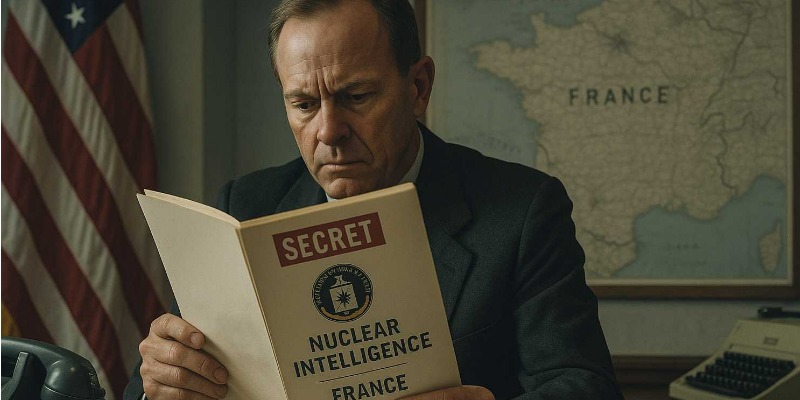 Francia vs. USA: la CIA e il furto dei segreti energetici europei
Un’inchiesta storica sulle operazioni di spionaggio industriale condotte dalla CIA negli anni ’90 contro le multinazionali francesi dell’energia e dell’aerospaziodi Marco ArezioNegli anni Novanta, l’Europa stava ridefinendo il proprio ruolo nel mondo globale. La Guerra Fredda era finita, l’Unione Sovietica si era dissolta e gli Stati Uniti si trovavano in una posizione di dominio senza rivali. Ma dietro il mito di una nuova era di collaborazione internazionale, nelle pieghe della competizione economica si muovevano forze oscure: la guerra silenziosa dei servizi segreti. La Francia, con le sue multinazionali dell’energia e dell’aerospazio, fu una delle principali vittime di questa lotta invisibile. I documenti e le rivelazioni trapelate a partire dalla metà degli anni ’90 portarono a galla un’operazione sistematica della CIA volta a sottrarre informazioni strategiche alle imprese europee, con l’obiettivo di favorire i colossi americani. Un nuovo nemico dopo la Guerra Fredda Per quasi mezzo secolo, le agenzie d’intelligence occidentali avevano avuto un compito chiaro: contenere l’influenza sovietica. Con la caduta del Muro di Berlino, quel nemico svanì improvvisamente, e il ruolo delle strutture spionistiche dovette essere reinventato. Negli Stati Uniti si diffuse la convinzione che la supremazia economica fosse il nuovo terreno di scontro. Le imprese americane dovevano essere protette dalla concorrenza “sleale” delle aziende europee e asiatiche, spesso accusate di ricevere sussidi governativi. Il terreno fertile fu quello dell’energia, settore in cui Francia e Stati Uniti si fronteggiavano con interessi contrapposti. Il cuore della questione: contratti miliardari Nel mirino della CIA finirono soprattutto i giganti francesi come Électricité de France (EDF), GDF (poi Engie), Elf Aquitaine e aziende legate al nucleare e all’aerospazio, come Aérospatiale. Le accuse emerse negli anni ’90 rivelarono che l’intelligence americana aveva messo in atto intercettazioni e attività di sorveglianza volte a carpire i segreti industriali e le strategie di negoziazione di queste società. L’obiettivo era duplice: da un lato, conoscere in anticipo le offerte francesi per contratti miliardari in Medio Oriente e Asia; dall’altro, trasmettere queste informazioni ai colossi americani come Exxon, Mobil o Boeing, che potevano così battere i concorrenti europei sul tempo. Il caso Elf Aquitaine e l’Algeria Uno degli episodi più discussi riguardò la compagnia Elf Aquitaine, all’epoca uno dei pilastri energetici francesi. Secondo testimonianze raccolte negli anni ’90, la CIA avrebbe spiato le trattative di Elf con il governo algerino per lo sfruttamento di giacimenti di gas e petrolio. Gli americani, grazie a intercettazioni e alleati locali, ottennero informazioni riservate sulle condizioni economiche delle offerte francesi, permettendo alle proprie aziende di avanzare proposte più competitive. Questi episodi alimentarono il sospetto che dietro la retorica della “lotta alla corruzione internazionale” – che gli USA portarono avanti attraverso leggi come il Foreign Corrupt Practices Act – vi fosse una strategia di intelligence mirata a colpire i rivali europei. Le rivelazioni di Le Monde e Time Fu soprattutto la stampa a portare alla luce lo scandalo. Nel 1993, il quotidiano francese Le Monde pubblicò una serie di inchieste che denunciavano l’esistenza di programmi di spionaggio industriale mirati contro l’Europa. Poco dopo, la rivista americana Time confermò, in un articolo divenuto celebre, che la CIA aveva effettivamente “riprogrammato” parte delle proprie attività verso la protezione degli interessi economici degli Stati Uniti. Le indagini giornalistiche, corroborate da dichiarazioni di ex agenti e parlamentari europei, misero in evidenza come la raccolta di dati economici fosse diventata una delle priorità dell’intelligence americana, spesso con la giustificazione che le aziende straniere godevano di “vantaggi sleali” dovuti al sostegno dei loro governi. La reazione francese e lo scandalo politico La Francia reagì con forza. Nel 1995, il presidente Jacques Chirac denunciò apertamente il rischio di una “guerra economica” condotta con mezzi occulti. All’interno dell’Eliseo si rafforzò la convinzione che l’alleanza transatlantica fosse in realtà un terreno ambiguo, dove gli interessi nazionali venivano sistematicamente sacrificati. A Parigi si rafforzò il ruolo della Direction Générale de la Sécurité Extérieure (DGSE), i servizi segreti francesi, che ottennero maggiori fondi e autonomia per proteggere le imprese nazionali. Nello stesso periodo si moltiplicarono i casi di “controspionaggio” volto a intercettare i tentativi americani. Le tecnologie della sorveglianza: da Echelon a internet Un punto centrale dell’inchiesta fu la scoperta del sistema Echelon, rete di sorveglianza globale gestita da Stati Uniti, Regno Unito, Canada, Australia e Nuova Zelanda. Nato negli anni della Guerra Fredda per monitorare le comunicazioni sovietiche, negli anni ’90 Echelon fu adattato allo spionaggio economico, permettendo l’intercettazione di telefonate, fax e prime comunicazioni elettroniche di governi e multinazionali. Attraverso questa infrastruttura, milioni di dati sensibili furono raccolti e analizzati. In Francia si parlò apertamente di “pirateria di Stato”, un’accusa che mise in crisi la fiducia tra Parigi e Washington. Una guerra invisibile e senza regole Il caso delle multinazionali francesi rivelò quanto fragile fosse il confine tra alleati e rivali. Per gli Stati Uniti, difendere la propria leadership significava anche non esitare a colpire partner storici come la Francia. Per i francesi, invece, fu la conferma che la globalizzazione non era affatto un terreno neutrale, ma un campo di battaglia in cui anche i governi “amici” giocavano sporco. Le conseguenze si riflettono ancora oggi: la diffidenza europea verso i colossi americani della tecnologia e dell’energia, così come la spinta a rafforzare un’autonomia strategica europea, hanno radici profonde negli episodi degli anni ’90. Lezioni dal passato A trent’anni di distanza, il caso della CIA e delle multinazionali francesi rimane un esempio paradigmatico di come lo spionaggio industriale sia diventato una dimensione strutturale della competizione internazionale. La guerra silenziosa degli anni ’90 anticipò dinamiche che oggi, con la digitalizzazione e il cyberspionaggio, sono all’ordine del giorno. Le domande di allora – fino a che punto uno Stato può spingersi per difendere le proprie imprese? Quali limiti etici esistono nello spionaggio economico? – restano senza risposte definitive. Ma il caso Francia vs. USA dimostra che, dietro le facciate ufficiali, la lotta per il potere economico è spietata e continua a muoversi nell’ombra.© Riproduzione Vietata
SCOPRI DI PIU' Clonazione digitale del brand: strategie legali per difendersi da siti, social ed e-commerce esteri non autorizzati
Come tutelare il proprio marchio online contro la contraffazione digitale internazionaledi Marco Arezio. Nel contesto sempre più globalizzato dell’economia digitale, la clonazione non autorizzata di un brand – attraverso siti web, profili social o e-commerce fasulli – rappresenta una minaccia concreta per la reputazione, il fatturato e la sicurezza commerciale delle imprese. L’imitazione digitale del marchio non solo crea confusione tra i consumatori, ma spesso comporta vere e proprie perdite economiche, oltre al rischio di associare il proprio nome a pratiche commerciali scorrette o illegali.Ma cosa può fare concretamente un imprenditore quando scopre che il proprio brand è stato "rubato" online, magari da un soggetto estero? Vediamolo in modo approfondito. La natura del fenomeno: quando il brand viene clonato Clonare un brand nel mondo digitale significa riprodurre senza autorizzazione elementi identificativi dell’impresa – come nome, logo, immagine coordinata, testi, cataloghi e perfino fotografie – per trarne un vantaggio commerciale, spesso sfruttando l’ignara fiducia dei consumatori. Questo avviene con: - Siti web clone, con dominio simile a quello originale (es. typo-squatting) - Pagine social false, che simulano l’identità ufficiale dell’azienda - Marketplace e-commerce esteri che vendono prodotti contraffatti spacciandoli per originali È una forma moderna di contraffazione che sfrutta l’assenza di controlli diretti e la complessità della normativa internazionale per proliferare rapidamente, spesso in giurisdizioni dove il marchio non è nemmeno registrato. Il diritto applicabile: tutela del marchio a livello internazionale In Italia, il marchio registrato è tutelato dal Codice della Proprietà Industriale (D.lgs. 30/2005). Tuttavia, se la violazione avviene all’estero – ad esempio tramite un e-commerce cinese o una piattaforma social con sede negli Stati Uniti – è fondamentale verificare: - Dove è stato registrato il marchio (Italia, Unione Europea, internazionalmente) - Se la registrazione include le classi merceologiche pertinenti - La giurisdizione e la legislazione del Paese in cui avviene la violazione La registrazione internazionale del marchio, tramite il sistema WIPO (World Intellectual Property Organization), è uno strumento efficace per estendere la protezione oltre i confini nazionali. Il protocollo di Madrid consente di proteggere il marchio in più Paesi con una sola domanda, facilitando l’azione legale contro i cloni digitali. Strategie legali per contrastare la clonazione online Quando si rileva un sito web, un profilo social o una vetrina e-commerce che utilizza abusivamente il marchio, è fondamentale agire tempestivamente. Ecco le principali azioni legali e amministrative che un imprenditore può intraprendere: 1. Invio di una diffida legale (cease and desist letter) Redatta da un avvocato specializzato in proprietà intellettuale, serve a formalizzare la richiesta di cessazione immediata dell’uso non autorizzato del brand. È spesso il primo passo prima di un’azione legale e, se ricevuta in una lingua comprensibile al destinatario, può avere un buon effetto dissuasivo. 2. Denuncia ai provider e alle piattaforme digitali Molti hosting provider, registrar di domini e social network (come Meta, TikTok, LinkedIn) offrono moduli per segnalare la violazione del marchio. In presenza di documentazione adeguata, possono rimuovere il contenuto abusivo in tempi rapidi, anche senza ricorso ai tribunali. 3. Richiesta di deindicizzazione e rimozione dai motori di ricerca Attraverso strumenti come Google Search Console, è possibile chiedere la rimozione dai risultati di ricerca di pagine web che violano i diritti di proprietà intellettuale. 4. Azioni giudiziarie nazionali o internazionali Nei casi più gravi, si può agire giudizialmente per contraffazione, concorrenza sleale o violazione del diritto di marchio. In ambito internazionale, ciò richiede una strategia coordinata con studi legali locali e l’eventuale assistenza di organismi di arbitrato o tribunali specializzati. 5. Richiesta di sequestro e blocco del dominio In alcuni Paesi, è possibile chiedere il sequestro del dominio fasullo e la sua riassegnazione, soprattutto se la registrazione è avvenuta in malafede e in violazione del marchio registrato (caso tipico del cybersquatting). L’importanza dell’attività preventiva Per ridurre il rischio di clonazione, è cruciale adottare alcune pratiche difensive: - Registrare il marchio in tutte le giurisdizioni rilevanti per l’attività; - Acquisire domini similari a quello principale (es. con estensioni diverse o varianti del nome); - Verificare regolarmente l’uso del brand online tramite software di monitoraggio o strumenti di alert automatici (es. Google Alert, SEMrush Brand Monitoring); - Creare un’identità digitale forte e verificata: ottenere il badge “verificato” su social network e piattaforme e-commerce rafforza l’autenticità e riduce il rischio di confusione da parte degli utenti. Il ruolo dei marketplace e degli enti di tutela Sempre più piattaforme di vendita online, come Amazon, Alibaba, Etsy, eBay, offrono programmi specifici per la protezione della proprietà intellettuale (es. Amazon Brand Registry, Alibaba IPP Platform). Iscriversi a questi programmi permette di: - Segnalare rapidamente gli abusi - Bloccare vendite non autorizzate - Raccogliere prove per eventuali procedimenti legali Inoltre, enti internazionali come l’EUIPO (Ufficio dell’Unione europea per la proprietà intellettuale) e l’ICANN (che regola l’assegnazione dei nomi di dominio) forniscono linee guida e strumenti per difendere efficacemente i diritti digitali. Conclusioni: agire oggi per proteggere il futuro del proprio brand La clonazione digitale di un marchio non è solo una seccatura temporanea, può intaccare gravemente la reputazione e il valore stesso dell’impresa. Per questo è fondamentale che ogni imprenditore – grande o piccolo – sviluppi una cultura della tutela preventiva e sia pronto a reagire in modo strutturato e consapevole di fronte a una violazione. Con l’aiuto di un consulente legale specializzato in diritto della proprietà intellettuale e con un’attività costante di sorveglianza digitale, è possibile limitare i danni e riaffermare il controllo sulla propria identità online, anche in un contesto internazionale sempre più complesso.© Riproduzione Vietata
SCOPRI DI PIU' Strategie Efficaci per Valutare i Candidati nei Colloqui di Lavoro
Come Discernere Competenze, Affidabilità e Compatibilità Culturale in Soli 30 Minuti di Marco ArezioNel contesto lavorativo attuale, dove la concorrenza per attirare e mantenere talenti di alto livello è più intensa che mai, la capacità di valutare efficacemente i candidati durante un colloquio di lavoro è diventata una competenza fondamentale per le aziende. La sfida che i responsabili delle risorse umane e i dirigenti devono affrontare è notevole: determinare le competenze, l'affidabilità, la correttezza e la determinazione di un candidato, nonché la sua compatibilità con la cultura aziendale, in soli 30 minuti di colloquio. Oltre alla complessità di questa valutazione, vi è un rischio concreto e significativo associato alla possibilità di fare una scelta sbagliata. Un errore nel processo di selezione può comportare non solo costi economici diretti, come quelli legati alla sostituzione del dipendente e alla riorganizzazione del team, ma anche impatti negativi sulla morale del team e sulla produttività aziendale. Questo articolo offre un insieme di strumenti pratici e strategie efficaci per navigare con successo il processo di selezione, mirando a minimizzare il rischio di errori e a garantire che ogni nuova assunzione contribuisca al successo complessivo dell'organizzazione. Valutazione delle Competenze e delle Capacità Per valutare in maniera accurata le competenze e le capacità di un candidato, è essenziale andare oltre le semplici affermazioni presenti nel curriculum. I colloqui devono essere strutturate in modo da costringere il candidato a dimostrare con esempi concreti le sue competenze, piuttosto che limitarsi a dichiararle. L'utilizzo di domande comportamentali e scenari ipotetici è particolarmente efficace in questo contesto. Queste tecniche incoraggiano i candidati a raccontare esperienze specifiche che dimostrano come hanno applicato le loro competenze in passato, offrendo così una visione più chiara delle loro reali capacità. Ad esempio, chiedere "Puoi raccontarci di una volta in cui hai dovuto lavorare sotto pressione per rispettare una scadenza?" permette di valutare non solo la capacità del candidato di gestire lo stress ma anche la sua organizzazione e efficienza nel lavoro. L'analisi delle risposte fornite può rivelare molto sulle competenze tecniche del candidato e sulla sua capacità di applicarle in situazioni reali. Affidabilità e Correttezza Quando si valutano l'affidabilità e la correttezza di un candidato, è cruciale adottare un approccio che vada oltre le impressioni superficiali per sondare la profondità del carattere e l'integrità professionale del candidato. Questi attributi sono fondamentali per prevedere non solo come un individuo si comporterà in situazioni lavorative quotidiane ma anche come reagirà di fronte a sfide etiche e pressioni. Metodi di Valutazione Verifica dei Riferimenti: Uno strumento importante per valutare l'affidabilità e la correttezza è la verifica dei riferimenti forniti dal candidato. Contattare ex datori di lavoro o colleghi può fornire preziose informazioni sul comportamento lavorativo del candidato, sulla sua etica professionale e sulla capacità di lavorare in team. Domande su Scenari Etici: Porre domande che presentano scenari etici può aiutare a comprendere meglio i principi morali del candidato. Ad esempio, chiedere "Come agiresti se scoprissi che un collega sta compiendo un'azione non etica sul lavoro?" può rivelare molto sulle priorità etiche del candidato e sulla sua propensione a prendere decisioni coraggiose. Analisi delle Risposte a Domande Situazionali: Le risposte a domande situazionali possono fornire indizi sull'affidabilità di un candidato. Ascoltare attentamente per valutare se il candidato dimostra un approccio coerente e responsabile nelle situazioni descritte è essenziale. Importanza nel Processo di Selezione L'importanza di valutare accuratamente questi tratti non può essere sottovalutata. Un candidato che dimostra un alto livello di affidabilità e correttezza è più probabile che mantenga un comportamento etico sotto pressione, contribuendo positivamente alla cultura aziendale e al morale del team. Questi aspetti sono particolarmente critici in ruoli che richiedono autonomia decisionale e gestione di risorse. Determinazione e Motivazione La determinazione e la motivazione di un candidato sono indicatori chiave del suo potenziale per contribuire al successo a lungo termine dell'azienda. Questi tratti riflettono la capacità di un individuo di perseguire obiettivi con tenacia e di mantenere un alto livello di prestazione anche di fronte alle sfide. Valutare accuratamente questi aspetti durante il colloquio di lavoro può aiutare i datori di lavoro a identificare candidati che non solo si adattano bene al ruolo ma sono anche propensi a impegnarsi e a crescere all'interno dell'organizzazione. Tecniche per Rilevare la Determinazione e la Motivazione Obiettivi a Lungo Termine: Chiedere ai candidati di descrivere i loro obiettivi a lungo termine può fornire insight sulla loro ambizione e sulle loro aspettative di carriera. Un candidato che ha obiettivi chiari e realistici è spesso più motivato e determinato a raggiungere il successo. Passioni e Interessi: Esplorare le passioni e gli interessi dei candidati può rivelare molto sulla loro motivazione intrinseca. I candidati che dimostrano entusiasmo per la loro professione o per particolari aspetti del ruolo a cui si candidano tendono ad avere una forte motivazione interna che li spinge a eccellere. Risposte a Sfide Passate: Chiedere ai candidati di raccontare come hanno affrontato sfide passate può offrire una visione della loro resilienza e determinazione. Le storie che includono superamento di ostacoli significativi o apprendimento da fallimenti evidenziano la capacità di persistere di fronte alle difficoltà. Valutare la Motivazione Comprendere le motivazioni dietro la scelta di candidarsi per una posizione e per un'azienda specifica è fondamentale. I candidati che dimostrano una profonda comprensione dei valori aziendali e una genuina passione per il ruolo offerto sono più propensi a essere motivati e impegnati nel loro lavoro. Inoltre, valutare se le motivazioni del candidato si allineano con le opportunità di crescita e sviluppo offerte dall'azienda può indicare una buona compatibilità a lungo termine. Interpretazione del Carattere e Compatibilità con la Cultura Aziendale La compatibilità di un candidato con la cultura aziendale è un fattore determinante per il successo a lungo termine sia dell'individuo che dell'organizzazione. Un candidato che si allinea bene con i valori, le aspettative e lo stile di lavoro dell'azienda è più probabile che si senta soddisfatto nel suo ruolo, mantenga un alto livello di impegno e contribuisca positivamente al clima aziendale. Durante il colloquio, è fondamentale cogliere gli elementi chiave del carattere del candidato e valutare la sua potenziale integrazione all'interno del team. Tecniche per Interpretare il Carattere Linguaggio del Corpo e Comunicazione Non Verbale: Il linguaggio del corpo del candidato, il contatto visivo, il tono della voce e la sua energia generale possono fornire indizi preziosi sul suo carattere. Ad esempio, l'apertura e la sicurezza possono indicare una predisposizione al lavoro di squadra e alla leadership. Domande sui Valori Personali: Chiedere ai candidati di descrivere i valori che considerano più importanti nel lavoro e nella vita può aiutare a valutare l'allineamento con i valori aziendali. La coerenza tra i valori del candidato e quelli dell'azienda è fondamentale per una buona integrazione. Feedback e Autocritica: Valutare come i candidati ricevono il feedback e se sono capaci di autocritica può indicare maturità e apertura al miglioramento, tratti desiderabili in qualsiasi ambiente lavorativo. Valutare la Compatibilità con la Cultura Aziendale La discussione sui valori aziendali e su come il candidato li percepisce e li incarna nelle sue esperienze lavorative passate è cruciale. Chiedere esempi concreti di come hanno vissuto o contribuito a simili valori in passato può offrire una visione profonda della loro compatibilità con la cultura aziendale. La compatibilità culturale non si limita a condividere gli stessi valori, riguarda anche il modo in cui le persone interagiscono, risolvono i conflitti e lavorano insieme per raggiungere obiettivi comuni. Valutare la capacità del candidato di adattarsi e contribuire attivamente alla cultura aziendale può essere determinante per prevenire dissonanze e favorire un ambiente lavorativo coeso e produttivo. Distinguere Fatti da Esagerazioni Nel contesto di un colloquio di lavoro, è naturale che i candidati desiderino presentarsi nella migliore luce possibile. Tuttavia, ciò può talvolta portare a esagerazioni o, in rari casi, a dichiarazioni fuorvianti riguardo alle proprie esperienze e competenze. Essere in grado di discernere la veridicità di quanto affermato da un candidato è una competenza critica per i selezionatori, al fine di assicurare che le decisioni di assunzione siano basate su valutazioni accurate. Strategie per Identificare Esagerazioni Richiesta di Dettagli Specifici: Una delle tecniche più efficaci per valutare l'accuratezza delle affermazioni di un candidato è richiedere dettagli specifici e esempi concreti. Chiedere di descrivere specifiche situazioni, progetti, risultati e le azioni intraprese può aiutare a verificare l'autenticità delle loro esperienze. Valutazione della Coerenza: Ascoltare attentamente le risposte dei candidati e valutare la coerenza delle loro dichiarazioni nel corso dell'intero colloquio. Incongruenze o cambiamenti nelle storie possono essere segnali di esagerazioni. Confronto con Competenze Note e Verificabili: Confrontare le affermazioni del candidato con le competenze e le esperienze richieste per il ruolo, così come con quelle verificabili tramite referenze o documentazione, può aiutare a identificare possibili discrepanze. Follow-up Approfondito: Per le affermazioni chiave o le esperienze che destano dubbi, un follow-up approfondito con domande mirate può chiarire eventuali ambiguità e fornire una migliore comprensione della veridicità delle dichiarazioni del candidato. L'Importanza di Un Approccio Equilibrato Mentre è essenziale essere vigili riguardo a possibili esagerazioni, è altrettanto importante mantenere un approccio equilibrato e aperto. L'obiettivo è creare un ambiente in cui i candidati si sentano a loro agio nel condividere le loro esperienze autentiche, senza la necessità di esagerare per impressionare. Conclusioni La capacità di valutare accuratamente le competenze, l'affidabilità, la correttezza, la determinazione, e la compatibilità culturale di un candidato in un colloquio di lavoro è fondamentale per prendere decisioni di assunzione informate e strategiche. Utilizzando tecniche mirate per esplorare in profondità le esperienze e i tratti dei candidati, i selezionatori possono ridurre significativamente il rischio di fare una scelta sbagliata. Allo stesso tempo, discernere tra fatti e esagerazioni garantisce che le decisioni siano basate su valutazioni precise, promuovendo così l'assunzione di talenti genuinamente allineati con le esigenze e i valori dell'azienda.
SCOPRI DI PIU' La Fumigazione dei Bancali nel Commercio Internazionale: Procedure, Rischi e Normative
L'importanza della fumigazione dei bancali per la sicurezza del commercio: dettagli tecnici, rischi sanitari, motivazioni e normative internazionalidi Marco ArezioLa fumigazione dei bancali rappresenta un tassello fondamentale nel panorama della logistica e del trasporto merci internazionale. Questo processo, che consiste nell'applicare trattamenti a base di pesticidi sotto forma di gas ai materiali di imballaggio in legno, mira a prevenire la diffusione transfrontaliera di organismi dannosi quali insetti, parassiti e malattie. La sua importanza trascende la mera esigenza logistica, toccando tematiche cruciali quali la sicurezza, la salute pubblica e la tutela degli ecosistemi. In un mondo sempre più globalizzato, dove merci e prodotti attraversano continenti in tempi brevissimi, assicurare che i bancali e altri imballaggi in legno siano liberi da potenziali vettori di patologie o infestazioni diventa imperativo. Questo articolo si propone di esplorare in maniera approfondita il processo di fumigazione dei bancali, analizzandone gli aspetti tecnici, i rischi per la salute, le implicazioni di una sua eventuale omissione, le motivazioni che ne sottendono la necessità e il quadro normativo internazionale che regola tale pratica. Il Processo di Fumigazione dei Bancali La fumigazione dei bancali è un procedimento che utilizza agenti chimici volatili per eliminare ogni forma di vita parassitaria presente nel legno. Questa pratica è particolarmente rilevante per i bancali utilizzati nel trasporto internazionale di merci, che possono diventare veicoli per la diffusione di specie invasive e organismi nocivi. I principali agenti fumiganti impiegati sono il bromuro di metile e il fosfuro di alluminio, entrambi noti per la loro capacità di penetrare in profondità nel legno e garantire l'eliminazione di insetti, larve e altri parassiti. La procedura di fumigazione inizia con un'ispezione preliminare, durante la quale ogni bancale viene esaminato per valutare la presenza di eventuali infestazioni. Successivamente, i bancali vengono sigillati in un'area o in un container appositamente predisposto per garantire la massima efficacia del trattamento. A questo punto, il prodotto fumigante viene rilasciato all'interno dell'area sigillata, permettendogli di penetrare profondamente nel legno. Dopo un periodo di esposizione sufficiente a garantire l'eliminazione dei parassiti, l'area viene aerata per disperdere il gas residuo. Infine, i bancali trattati vengono marcati con un sigillo che ne certifica la fumigazione secondo la normativa ISPM 15. Rischi Sanitari della Fumigazione La fumigazione dei bancali, sebbene essenziale per la prevenzione della diffusione di organismi nocivi, comporta rischi significativi per la salute umana, soprattutto per gli operatori che gestiscono direttamente i pesticidi. L'esposizione ai fumiganti, in particolare al bromuro di metile e alla fosfina rilasciata dal fosfuro di alluminio, può avere effetti acuti e cronici sulla salute. Gli effetti acuti includono problemi respiratori, irritazione delle vie aeree, tosse e, in casi gravi, edema polmonare o difficoltà respiratorie acute. Il contatto con la pelle può provocare irritazioni cutanee, dermatiti e, nel caso del fosfuro di alluminio, bruciature chimiche dovute alla reazione del fosfuro con l'umidità della pelle. Anche l'esposizione oculare agli agenti fumiganti può causare grave irritazione e danni alla vista. A lungo termine, l'esposizione cronica al bromuro di metile può causare danni neurologici, inclusi problemi di coordinazione, disturbi della memoria e sintomi di depressione. Sebbene i dati siano ancora oggetto di studio, esiste preoccupazione per il potenziale effetto cancerogeno della fosfina e di altri agenti fumiganti. Per minimizzare questi rischi, vengono adottate diverse misure di sicurezza, tra cui l'uso di dispositivi di protezione individuale (DPI) come maschere respiratorie, guanti resistenti ai prodotti chimici, occhiali di sicurezza e indumenti protettivi. Inoltre, il personale addetto alla fumigazione deve essere adeguatamente formato sulle procedure sicure e sui rischi legati all'uso dei pesticidi, e l'ambiente di lavoro deve essere costantemente monitorato per garantire che le concentrazioni di fumiganti nell'aria non superino i limiti di sicurezza stabiliti. Rischi Associati alla Mancata Fumigazione La fumigazione dei bancali non è solo una pratica di sicurezza per la prevenzione di rischi sanitari; la sua omissione può avere conseguenze gravi sia per la salute pubblica che per l'ecosistema. Bancali non trattati possono diventare vettori per la trasmissione di patogeni e parassiti che possono contaminare prodotti alimentari e altre merci, rappresentando un rischio diretto per la salute pubblica. La diffusione di specie invasive attraverso i bancali non fumigati può portare a infestazioni difficili da eradicare, con impatti negativi sull'agricoltura, sugli ecosistemi locali e sulla biodiversità. In termini economici, l'introduzione di specie invasive può danneggiare colture, foreste e piante, con conseguenze significative per i settori agricolo e forestale. Le infestazioni richiedono interventi costosi per il loro controllo e l'eradicazione, gravando sulle risorse economiche dei paesi colpiti. Motivazioni per la Fumigazione dei Bancali La fumigazione dei bancali è fondamentale per diverse ragioni, che vanno oltre la semplice conformità normativa. Assicurare che i bancali e altri imballaggi in legno non diventino vettori per la diffusione di specie invasive o malattie è essenziale per prevenire gravi danni agli ecosistemi e alla biodiversità. Inoltre, conformarsi alle normative internazionali e ai requisiti specifici dei paesi importatori garantisce il libero scambio di merci senza rischi per la salute pubblica o l'agricoltura. Proteggere gli ecosistemi locali e la biodiversità è una motivazione chiave per la fumigazione dei bancali. L'introduzione di specie invasive può minacciare gli ecosistemi nativi e l'agricoltura locale, causando danni irreparabili alla flora e alla fauna indigene. Normativa Internazionale Il quadro normativo internazionale che regola la fumigazione dei bancali è rappresentato principalmente dalla Convenzione Internazionale per la Protezione delle Piante (IPPC) e dalla norma ISPM 15 (International Standards for Phytosanitary Measures). La norma ISPM 15 stabilisce le linee guida per il trattamento dei materiali di imballaggio in legno utilizzati nel commercio internazionale e prevede due metodi di trattamento approvati: la fumigazione con bromuro di metile e il trattamento termico. I bancali trattati devono essere marcati con un sigillo specifico che ne certifica la conformità. Ogni paese può implementare requisiti aggiuntivi basati sulle proprie esigenze di protezione fitosanitaria, rendendo fondamentale per gli esportatori e gli importatori conoscere e rispettare questi requisiti per evitare ritardi doganali e garantire il flusso ininterrotto delle merci. I produttori e i gestori dei bancali devono seguire procedure rigorose per garantire che i loro prodotti siano conformi agli standard ISPM 15, e le certificazioni devono essere rilasciate da organismi accreditati che attestano la corretta applicazione dei trattamenti fitosanitari. Problematiche ed Opportunità Future La ricerca continua a esplorare alternative più sicure e sostenibili al bromuro di metile e ad altri agenti chimici tradizionalmente utilizzati nella fumigazione dei bancali. Le innovazioni in questo campo possono includere l'uso di trattamenti a base di calore, irradiamento o l'applicazione di biocidi ecocompatibili, che offrono efficaci soluzioni di decontaminazione riducendo al contempo l'impatto ambientale e i rischi per la salute. Mentre la norma ISPM 15 rappresenta un importante passo avanti verso l'armonizzazione delle pratiche fitosanitarie a livello globale, persistono sfide legate alle diverse interpretazioni e implementazioni nazionali. L'armonizzazione ulteriore delle normative e dei protocolli internazionali può facilitare il commercio, ridurre i ritardi nelle spedizioni e garantire che le misure di protezione siano applicate in modo uniforme e efficace in tutto il mondo. L'educazione e la formazione continua dei professionisti del settore sulla corretta applicazione dei trattamenti fumiganti e sulle pratiche di sicurezza rappresentano pilastri fondamentali per minimizzare i rischi per gli operatori e l'ambiente. L'investimento in programmi di formazione e certificazione può rafforzare la comprensione delle migliori pratiche e delle normative vigenti, migliorando l'efficacia generale dei programmi di fumigazione. Conclusione La fumigazione dei bancali è una pratica indispensabile nel contesto del commercio globale, essenziale per prevenire la diffusione di organismi nocivi e proteggere la salute pubblica e l'integrità degli ecosistemi. Nonostante le problematiche poste dall'uso di agenti chimici, l'evoluzione delle tecnologie e delle normative internazionali promette di offrire metodi di trattamento più sicuri ed efficaci. L'adozione di pratiche sostenibili e l'armonizzazione delle norme a livello internazionale sono fondamentali per garantire un equilibrio tra la sicurezza fitosanitaria e la protezione dell'ambiente, assicurando al contempo la fluidità e l'efficienza del commercio internazionale. In questo contesto, l'impegno di tutti gli attori coinvolti, dalle autorità regolatorie ai professionisti del settore, è cruciale per affrontare le sfide presenti e future, garantendo che la fumigazione dei bancali continui a svolgere il suo ruolo vitale nel proteggere la nostra salute e il nostro pianeta.
SCOPRI DI PIU' Il Mondo della Carta: Professioni e Competenze nel Cuore dell’Industria Cartaria
Un Viaggio tra le Diverse Figure Professionali e le Abilità Richieste per Innovare e Sostenere la Produzione della Carta, dalla Foresta al Mercato Globaledi Marco ArezioIl settore della produzione della carta rappresenta una delle industrie più antiche e, al contempo, innovative del mondo. La sua complessità non risiede solo nel prodotto finale, ma soprattutto nel variegato mosaico di professionalità e competenze necessarie per portare un semplice foglio di carta dalla foresta al consumatore. In questo viaggio, ogni passaggio coinvolge esperti in differenti campi, tutti impegnati a garantire efficienza, sostenibilità e qualità. Dalla Foresta alla Cartiera: La Gestione Forestale Il punto di partenza della produzione della carta è indiscutibilmente la foresta. La gestione forestale, dunque, è una delle prime tappe cruciali. I gestori forestali sono i custodi delle risorse naturali. La loro missione non è solo quella di assicurare una fornitura costante di legno, ma anche di preservare l'equilibrio ecologico. Per riuscirci, devono possedere una conoscenza approfondita delle dinamiche forestali, delle pratiche di silvicoltura sostenibile e delle tecniche di gestione del territorio. Devono essere capaci di valutare la salute delle foreste, pianificare a lungo termine e utilizzare strumenti tecnologici come i GIS per monitorare e gestire il territorio in modo efficace. L'Ingegneria Meccanica: Il Cuore della Produzione Quando si passa alla fase di lavorazione del legno e alla produzione della carta, l'ingegneria meccanica diventa protagonista. Gli ingegneri meccanici nel settore cartario sono responsabili della progettazione e manutenzione delle macchine utilizzate. Queste macchine sono complesse e richiedono una precisione elevata. Gli ingegneri devono possedere competenze avanzate di meccanica e ingegneria, saper utilizzare software di progettazione CAD e avere un'ottima capacità di problem solving. La manutenzione preventiva e correttiva è essenziale per evitare fermi macchina e garantire un flusso di produzione continuo ed efficiente. Il Ruolo Cruciale dell'Ingegneria Chimica Parallelamente, l'ingegneria chimica gioca un ruolo fondamentale nella trasformazione del legno in pasta di cellulosa e, successivamente, in carta. Gli ingegneri chimici devono comprendere i complessi processi chimici coinvolti, ottimizzare le reazioni per massimizzare l'efficienza e minimizzare gli sprechi. Devono essere esperti nelle tecniche di laboratorio e analisi chimiche, capaci di migliorare continuamente i processi industriali per aumentare la sostenibilità e la sicurezza. La gestione delle sostanze chimiche e il rispetto delle normative ambientali sono altrettanto cruciali. La Precisione dei Tecnici di Laboratorio La qualità della carta prodotta dipende in gran parte dal lavoro dei tecnici di laboratorio. Questi professionisti eseguono una serie di test fisici, chimici e biologici sui campioni di carta per assicurarsi che rispondano agli standard richiesti. Devono essere abili nelle tecniche di test e misurazione, avere un occhio attento per i dettagli e saper analizzare i dati raccolti per redigere rapporti tecnici precisi. La loro precisione e meticolosità sono essenziali per garantire che ogni foglio di carta abbia le caratteristiche desiderate. La Gestione della Produzione: Efficienza e Sicurezza Un altro aspetto cruciale della produzione della carta è la gestione della produzione. I responsabili della produzione devono coordinare tutte le attività operative, assicurandosi che i processi siano efficienti e sicuri. Devono possedere una profonda conoscenza della logistica, essere leader capaci di motivare e gestire il personale, e avere la capacità di ottimizzare i processi produttivi per gestire i costi e massimizzare la produttività. Inoltre, devono garantire il rispetto delle normative di sicurezza e ambientali, un compito che richiede una costante vigilanza e aggiornamento.Innovazione e Sostenibilità: Ricerca e Sviluppo La continua evoluzione del settore della carta richiede un costante impegno in ricerca e sviluppo (R&D). I professionisti in R&D lavorano su nuovi materiali, tecnologie e processi per migliorare le caratteristiche della carta e ridurre l'impatto ambientale della produzione. Questi esperti devono avere una solida formazione in chimica dei materiali e ingegneria chimica, capacità di condurre esperimenti innovativi e analizzare i risultati. La loro creatività e capacità di problem solving sono fondamentali per sviluppare nuove soluzioni sostenibili e mantenere l'industria all'avanguardia. Sostenibilità e Responsabilità Ambientale In un'epoca in cui la sostenibilità è diventata una priorità globale, la gestione ambientale è un aspetto cruciale del settore della carta. I professionisti della gestione ambientale lavorano per assicurarsi che le pratiche di produzione siano ecologicamente responsabili. Devono monitorare l'uso delle risorse, gestire i rifiuti, ridurre le emissioni e garantire che l'azienda rispetti tutte le normative ambientali. Questo richiede una profonda conoscenza delle normative e delle pratiche di sostenibilità, oltre a capacità analitiche per valutare l'impatto ambientale delle attività aziendali. Marketing e Vendite: Portare la Carta sul Mercato Infine, il marketing e le vendite sono essenziali per portare il prodotto finale sul mercato. I professionisti in questo settore devono comprendere le esigenze dei clienti, sviluppare strategie di mercato efficaci e gestire le relazioni con i clienti. Devono avere ottime capacità di comunicazione e negoziazione, una profonda conoscenza del mercato e delle tendenze di consumo, e la capacità di sviluppare campagne di marketing che evidenzino i punti di forza dei prodotti. Conclusioni Il settore della produzione della carta è un universo dinamico e affascinante, in cui ogni professione svolge un ruolo fondamentale per garantire efficienza, qualità e sostenibilità. Le competenze richieste sono molteplici e diversificate, e spaziano dalla gestione forestale all'ingegneria, dalla chimica alla gestione della produzione, dalla ricerca alla sostenibilità, fino al marketing e alle vendite. La crescente attenzione alla sostenibilità e all'innovazione richiede che i professionisti di questo settore investano nella formazione continua e nello sviluppo di competenze trasversali per adattarsi alle mutevoli esigenze del mercato. Solo attraverso un impegno costante e una visione integrata delle diverse professionalità coinvolte, il settore della produzione della carta potrà continuare a crescere e a contribuire in modo significativo all'economia globale.
SCOPRI DI PIU' Nascono le nuove professioni per l’economia sostenibile
Le università si stanno attrezzando per offrire i master in linea con il marcato che cerca esperti nelle nuove professioni emergenti nel campo dell’economia sostenibile e circolaredi Marco ArezioIl mondo si sta evolvendo verso un’attenzione sempre più marcata all’ambiente, al riciclo, al riuso, al risparmio delle materie prime, ad una produzione con il minor impatto ambientale possibile e ad una nuova riconsiderazione della natura. Questo genererà nuove professioni. Non sono solo appelli lanciati dalla Comunità Europea, che sta spingendo sull’accelleratore verso il cambiamento del modello produttivo, distributivo, energetico e logistico, prontamente derisa dai negazionisti dell’ambiente come gli Stati Uniti o gli indifferenti (apparentemente) come la Cina o l’India e i vari paesi satelliti. E’ sempre il mercato che coglie per primo le istanze del cambiamento che vengono dalla base, ed è sempre il mercato che si organizza per sostenere i cambiamenti epocali che stiamo vivendo, trascinando con sè anche la classe politica che deve legiferare in materia. Gli industriali hanno capito che devono assecondare la volontà della gente che sente in modo viscerale il problema dei cambiamenti climatici e che cerca di assumere comportamenti virtuosi con azioni che si riflettono sui consumi. Meno plastica, meno auto con motori termici, meno uso di corrente e di acqua, meno uso degli aerei, meno acquisto di prodotti che provengono da lontano e meno prodotti realizzati con materie prime vergini. Questo cambio di esigenze da parte della popolazione mondiale impatterà in modo sostanziale sui consumi e, quindi, anche sui processi produttivi, motivo per cui gli industriali non possono pensare di aspettare l’inerzia della politica. Lo dimostra il fatto che anche negli Stati Uniti, il tessuto industriale non si fa troppo impressionare dalla politica liberista e poco attenta all’ambiente che l’amministrazione Tramp si ostenta a difendere, contro ogni logica scientifica, muovendosi con iniziative che vanno incontro alle esigenze della popolazione in termini di rispetto per l’ambiente. Per questi motivi, nel prossimo decennio, si creeranno nuove figure professionali che dovranno governare, all’interno delle aziende, le produzioni di beni e servizi secondo un’ottica di economia circolare e sostenibilità. Per formare gli esperti dei settori che saranno tra i più richiesti dal mercato, le università stanno organizzando Master, attraverso i quali si possano certificare i nuovi tecnici delle discipline che riguardano il sistemi dei rifiuti, il controllo e gestione delle sostanze pericolose e dei rischi aziendali in funzione delle nuove normative ed infine, l’ambito della formazione tecnica sulle plastiche riciclate. L’esperto del sistema rifiuti avrà competenze specifiche nell’ambito della raccolta, trasporto, stoccaggio e smaltimento in relazione alle normative ambientali e produttive.L’esperto della sicurezza in ambito ambientale avrà competenze specifiche nelle sostanze pericolose, nella salute dei lavoratori in relazione al loro uso e al rispetto delle normative ambientali.L’esperto delle materie plastiche riciclate avrà competenze specifiche nel ciclo di lavorazione e riutilizzo dei rifiuti plastici, sotto forma di nuova materia prima, dando alle reti di vendita specifiche istruzioni sul loro uso nel campo dello stampaggio, estrusione, soffiaggio e termoformatura.Vedi le nuove professioni Il Sole 24 Ore
SCOPRI DI PIU'
