








 Low Self-Esteem in Managerial Positions. What Dangers and How to Handle the Problem?
The character components of managers, at all levels, are fundamental for the good health of the company In a modern and efficient business reality, of whatever size it is, the human component always makes the difference. This situation does not usually appear in the short life of companies, where technology and digital communications media ensure an important part of the success of the business, but if we consider a longer period of time, in which the competition has a certain balance on the field, human resources come into play to make the difference. Once you have acquired a certain position in the market, you have to compare yourself with other entrepreneurial realities, trying to stay as long as possible in a situation of relative competitiveness and business survival. Human resources, through their chains of command, bring motivation, ideas, commitment, dedication and strength to the brand, impressing small but constant differences in position between companies and company. These small successes or failures are determined by the quality of the members of the business teams who, through their commitment, their ability and their individual character, will determine improvements or worsening of positions on the market. The character of the managers plays a fundamental role, at all levels of command, not only the top ones, but very often, the intermediate ones have a fundamental role. The work teams have leaders who must know how to direct the components, encourage them, advise them and throw themselves into the fray with them, maintaining leadership, creating a positive and charismatic climate that galvanizes the work. He must be able to reward and punish, with the right moderation and impartiality, the team members without exceeding favoritism or excessive forgiveness, so as to give an equidistant image of the his work and underlining the importance of the group rather than the individual. This action implies a character of the manager who is confident and resolute, flexible but impartial, determined and independent, who is very clear on the objectives that have been entrusted to him by the 'agency. But what happens if in a leading position we find a person who is not sure of himself? The first problem to be faced is his need to continually confirm the legitimacy of his position, both towards his superiors and the people who depend on him. If in the first case, sometimes it is less impactful, however, the search for confirmations among the collaborators that he must direct creates a mixture of roles and a weakening of his position. The insecure leader needs a group of collaborators who praise him, reassure him, make him feel at the center of the project and fill his lack of safety. This situation, however, often splits work groups, as there are collaborators who expect to be guided and protected by the manager and not the other way around, putting in place bad light those who create a relationship of excessive confidence with the leaders. Furthermore, it often happens that during difficulties in achieving the objectives set by the company, this points the finger on the group leader who, to protect himself, will not protect the 'entire team, but he could blame those parts of people who do not support him as openly as he would like. Here the opposite mechanism is triggered by which the leader tries to defend himself, supporting his superiors, in order to safeguard his position at the expense of others. After the storm the insecure manager will probably put people not in favor of him on the sidelines, focusing only on those who support him, as, often, he remains a resentful person, who would like to have extended and unconditional support that would reassure him. It will create ambiguous, not sincere relationships, small vendettas, a certain laxity, a creeping resignation to do the bare minimum by one part of the team, creating inefficiency, loss of competitiveness and corporate value. To overcome these painful and inefficient relationships for the company, it is necessary to create work or listening groups, in which human resources are mixed, followed by leaders who have competence in the management of human resources or have a psychological background and relate, in order to free people, through the comparison on other issues, of the fear of coming out into the open. This is to investigate the positive and negative or dangerous sides that hover in the company's work groups, in order to collect as much information as possible, compare them, cross them and intervene. Automatic translation. We apologize for any inaccuracies. Original article in Italian.
SEE MORE Sustainable businesses and access to credit: the new financial paradigm between advantages and challenges
Sustainable companies obtain credit more easily, while SMEs must adapt to new requirements to access financingby Marco ArezioIn today's economic context, the credit market for businesses is undergoing profound transformation, where sustainability and risk management play an increasingly decisive role.The focus on ESG (Environmental, Social, and Governance) criteria has influenced credit access dynamics, especially for companies that integrate these principles into their operational and managerial strategies.Companies that operate with sustainable business models are gaining a significant competitive advantage in securing financing, especially in a scenario where banks and financial institutions adopt increasingly rigorous approaches to credit risk evaluation.The growing regulation at both European and international levels, along with the demand for more transparent and responsible markets, has led banks to favor companies with a long-term vision and responsible management of environmental and social risks.The evolution of the credit market for SMEsSmall and medium-sized enterprises (SMEs) are the backbone of the European and Italian economy, but their access to credit has become increasingly difficult due to a series of economic and financial factors.On one hand, the economic crisis and global uncertainties have led to stricter lending criteria by banks, which now require stronger guarantees and more detailed financial documentation.On the other hand, the evolution of banking policies towards sustainability criteria has added another filter in the granting of loans, with a growing focus on environmentally and socially responsible business practices.In this context, SMEs often struggle as they may lack the resources or structure to quickly adapt to new market demands. However, businesses that align with ESG criteria and demonstrate both financial and operational sustainability can access more favorable credit terms and more competitive interest rates.From the banks' perspective, such companies present a lower risk profile, both in terms of exposure to economic risks and potential reputational impacts related to sustainability issues.Financial benefits for sustainable companiesCompanies that adopt environmental, social, and governance practices are reaping a number of benefits, not only in terms of reputation but also from a financial perspective. Banks and credit institutions are increasingly rewarding such companies with access to dedicated financial instruments, such as green loans and sustainability-linked loans.From a technical-financial standpoint, the advantage for banks is twofold. First, sustainable companies tend to be more resilient and better prepared to manage risks associated with environmental, social, or regulatory crises. This reduces the risk of default, a critical factor in assessing creditworthiness.Second, companies that adopt ESG practices are often subject to greater transparency and reporting, both financially and operationally. This makes it easier for banks to assess risk, improving their ability to evaluate the long-term sustainability of a business.The specific advantages for companies include:More favorable credit terms: Lower interest rates and increased availability of funds for investments in sustainable projects.Access to new forms of financing: Financial instruments dedicated to sustainability are growing, both in number and variety, offering companies new financing opportunities on advantageous terms.Improved market reputation: The adoption of ESG practices enhances the company's perception by investors and consumers, strengthening its competitive position and, consequently, its financial solidity.The role of banks: A more selective approachIn the current context, banks are playing a crucial role in driving the shift towards a more sustainable economy. On the one hand, they are incentivized by increasingly stringent regulations that require greater attention to environmental and social risks. On the other hand, they recognize that financing sustainable companies can reduce the overall risk of their portfolios, improving their long-term resilience.The main changes banks are implementing include:Integration of ESG criteria in credit evaluation processes: Banks are increasingly adopting ESG criteria as an integral part of their risk assessment models. This involves a more thorough analysis of business operations and the environmental and social impact of the companies applying for credit.Dedicated financial products: Green loans and sustainability-linked loans are financial products specifically designed to support projects or companies that demonstrate a concrete commitment to sustainability.More advanced risk management policies: The adoption of sophisticated technologies and risk assessment models allows banks to more precisely identify sustainable financing opportunities.Solutions for SMEs in difficultySMEs facing difficulties in accessing credit can adopt a series of solutions to improve their credit profile and attract capital. Some of the most effective strategies include:Strategic partnerships: Collaborating with large companies already established in terms of sustainability can help SMEs develop new capabilities and improve their alignment with ESG criteria. This can lead to easier access to shared credit or favorable financing.ESG certifications: Obtaining sustainability certifications, such as ISO 14001 or other internationally recognized certifications, can greatly enhance a company's reputation and the trust of investors and banks.Alternative finance: In addition to traditional bank financing, SMEs can turn to alternative funding sources such as crowdfunding, venture capital, or sustainability-focused investment funds. These instruments offer greater flexibility and can provide a viable solution for companies that struggle to meet the strict requirements of traditional banks.Public incentives and concessional financing: In Italy and other European countries, there are numerous government programs and funds dedicated to companies embarking on sustainability paths. These programs can offer financing at concessional rates or in the form of non-repayable grants, facilitating access to capital.ConclusionsThe credit market is increasingly influenced by the growing focus on sustainability and ESG criteria, a shift that is benefiting companies more attentive to these aspects. While large enterprises are generally better positioned to adapt to these changes, SMEs can also seize the opportunities offered by the market through the adoption of sustainable business models and access to alternative financing forms.Banks, for their part, are redefining credit granting criteria to align with new market demands and international regulations. In this scenario, companies that demonstrate their commitment to sustainability not only improve their access to credit but also strengthen their competitive position and long-term resilience.© Reproduction Prohibited
SEE MORE The Matilda Effect in the World of Work: A History of Discrimination and the Struggle for Recognition
From Historical Marginalization of Women in Science to Contemporary ChallengesBy Marco ArezioIn the vast panorama of gender inequalities, the Matilda effect represents a particularly insidious and persistent phenomenon.This term describes the tendency to diminish or ignore the contributions of women in the scientific and academic fields, often attributing the merit of their successes to male colleagues.The recognition of this effect not only sheds light on a long history of discrimination but also invites reflection on current practices in the workplace and the need for systemic change.Origins of the Matilda EffectThe term "Matilda effect" was coined by science historian Margaret W. Rossiter in 1993. The name is a tribute to Matilda Joslyn Gage, a 19th-century women's rights activist and suffragist who denounced the tendency to deny recognition of women's contributions in various fields of knowledge.Gage, a key figure in the American feminist movement, was one of the first to identify and criticize this form of inequality.Matilda Joslyn Gage: A Pioneer of FeminismMatilda Joslyn Gage was born on March 24, 1826, in Cicero, New York. Raised in a family strongly committed to progressive causes, Gage developed a passion for justice and equality from a young age.Her father, a doctor and fervent abolitionist, instilled in her the importance of education and critical thinking.In 1852, Gage attended her first women's rights convention in Syracuse, New York. From that moment, she became a prominent figure in the suffrage movement, working closely with other leaders like Susan B. Anthony and Elizabeth Cady Stanton.Together, these women founded the National Woman Suffrage Association (NWSA), an organization dedicated to the fight for women's right to vote.Gage's Contributions and Unrecognized MeritsIn addition to her commitment to the suffrage movement, Gage wrote numerous articles and books on women's rights and history.Her book "Woman, Church and State" (1893) is a fundamental work that explores the historical and cultural roots of women's subordination. In this text, Gage harshly criticizes religious and political institutions for their role in perpetuating gender inequalities.Despite her numerous contributions, Matilda Joslyn Gage was often overshadowed by her more famous colleagues, such as Anthony and Stanton. This lack of recognition of Gage's merits is emblematic of the Matilda effect, which describes the historical tendency to deny women credit for their successes and discoveries.Historical Cases of the Matilda EffectThe Matilda effect is not limited to Gage's life but extends to many other women in the history of science and academia. Here are some significant examples:Lise Meitner: Austrian physicist of Jewish origin, crucially contributed to the discovery of nuclear fission. However, her colleague Otto Hahn received the Nobel Prize in Chemistry in 1944, without Meitner being mentioned.Jocelyn Bell Burnell: British astrophysicist, discovered pulsars in 1967 during her doctorate. The Nobel Prize in Physics in 1974 was awarded to her supervisor, Antony Hewish, ignoring Bell Burnell's fundamental contribution.Rosalind Franklin: Her X-ray research provided crucial data for the discovery of the DNA structure. However, James Watson and Francis Crick received the Nobel Prize in Physiology or Medicine in 1962, with little recognition of Franklin's work.Historical Roots of Gender DiscriminationTo fully understand the Matilda effect, it is essential to explore the historical roots of gender discrimination. The marginalization of women in science and academia has deep roots dating back centuries.During the Middle Ages and the Renaissance, access to formal education was almost exclusively reserved for men. Women who wanted to engage in scientific or academic research often had to do so informally or through the patronage of noble families.This drastically limited opportunities for women to gain official recognition for their contributions.In the 18th and 19th centuries, with the advent of scientific societies and academies, women were further excluded. These male-dominated institutions made it difficult for women to obtain prominent positions or publish their work.Even when women made significant discoveries, their work was frequently attributed to male colleagues.Changes in the 20th Century and BeyondDespite these challenges, the 20th century saw some significant progress. During World War II, many women were involved in scientific and technological research as men were at the front. This opened new opportunities, albeit often temporary.In the 1960s and 1970s, the feminist movement led to greater awareness of gender inequalities and pushed for institutional changes.Women began to enter universities and scientific institutions in greater numbers, obtaining academic and research positions.However, the Matilda effect remains a persistent problem, with many scientists and researchers continuing to struggle for the recognition they deserve.
SEE MORE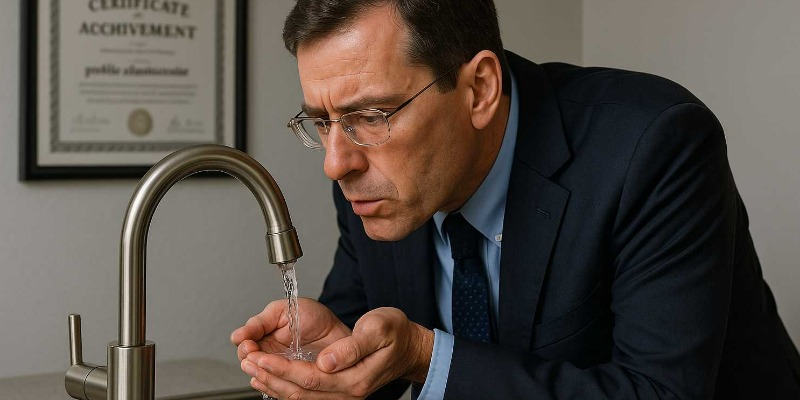 Legal responsibilities of public administrators in the management of drinking water: risks, rulings and protections
Analysis of civil, criminal, and administrative liability for the distribution of contaminated water, with references to the jurisprudence of the Court of Cassation and operational recommendations for the Public Administration by Marco Arezio Drinking water is not only a fundamental human right, but also an essential public service whose supply, quality, and safety are guaranteed by the State through a dense network of public administrations, management bodies, and regulatory authorities. For this very reason, public administrators—mayors, managers, technical and administrative officials of local authorities and public or mixed companies—play a central role in ensuring that the water distributed complies with the potability criteria established by national and European legislation. However, when contamination or non-compliant water distribution occurs, specific legal responsibilities, both civil and criminal, come into play, which can directly involve those with management or control functions. A thorough understanding of these responsibilities, also in light of the most recent case law of the Court of Cassation, is crucial to understanding the associated risks and providing concrete support to administrators in managing one of the most sensitive public assets. Drinking Water Management as a Public Service: Regulatory Framework The regulation of drinking water management and distribution is primarily entrusted to Legislative Decree No. 31 of February 2, 2001, implementing European Directive 98/83/EC, which establishes the quality requirements for water intended for human consumption. The legislative text places local authorities—particularly municipalities and delegated public or mixed companies—with the responsibility of ensuring that the water distributed to users is wholesome, clean, and compliant with the parameters established by law. From a legal perspective, the provision of drinking water is an essential public service, subject to stringent rules of accountability, transparency, and oversight. The primary obligation for public administrators is to adopt all necessary measures to prevent and mitigate any risk of contamination, and to promptly activate all required procedures in the event of non-compliance. Civil Liability of Directors and Management Bodies From a civil law perspective, the water utility (whether public, private, or mixed) is liable to users in the event of the distribution of undrinkable water or water that is otherwise harmful to health. This liability arises primarily from Article 2043 of the Italian Civil Code ("Compensation for unlawful acts"), according to which anyone who causes unjustified harm to another is obliged to compensate them. When the damage is caused by the organizational structure of a public entity, the entity itself is liable (pursuant to art. 28 of the Constitution), but liability may also extend to individual directors or officials who, through malice or gross negligence, have failed to adopt the necessary precautions. The Supreme Court of Cassation has clarified that a company's civil liability for the distribution of contaminated water can be constituted either by extracontractual liability (towards the community) or by contractual liability (towards individual users, by virtue of the supply relationship). In both cases, proof of contamination and the causal link with the damage suffered by users' health are essential elements for the recognition of the right to compensation (Supreme Court of Cassation, Civil Section III, June 24, 2008, no. 17194). Criminal Liability: Profiles and Limits If the distribution of unsafe water actually causes harm to public health, criminal liability arises in addition to civil liability. The charges may vary depending on the severity of the incident and the conduct of the administrators. Among the main ones, the Court of Cassation has identified the crime of adulteration or counterfeiting of food substances (Article 440 of the Criminal Code), also applicable to water intended for human consumption, and the crime of negligent disaster (Article 449 of the Criminal Code) in cases of widespread contamination with a serious impact on public health. No less relevant is the crime of dangerous throwing of objects (Article 674 of the Criminal Code), charged in cases of non-compliant water distribution, and that of failure to perform official duties (Article 328 of the Criminal Code) when the public official fails to activate the procedures for monitoring, reporting, or suspending distribution in the presence of known risks. The subjective element required by criminal law is at least gross negligence: the Court of Cassation has in fact reiterated (Cass. Pen. Sect. IV, 12/12/2012, no. 51657) that the criminal liability of public administrators is excluded if they have adopted all the measures required by the legislation and best practices in the sector, demonstrating the utmost diligence in prevention and control. Proof of Causal Link and the Role of Supreme Court Rulings A key point in determining legal liability is proving the causal link between the administrator's actions or omissions and the damage actually suffered by the community or individual user. The Supreme Court's case law consistently holds that such a connection must be rigorously proven, especially in criminal cases (Cass. Penal Section IV, 12/07/2012, no. 27442). That is, the mere existence of contamination is not enough: it is necessary to demonstrate that the administrator acted with negligence, imprudence, or incompetence, or that he failed to carry out required checks and communications. The Court also clarified that, where management of the service has been delegated to third parties, the responsibility for supervision and control remains with the political and administrative bodies, especially in the event that reports, alarms, or critical issues emerge that have been ignored (Cass. Penal Section VI, 18/10/2013, no. 44115). Prevention, Reporting and Emergency Management Obligations A particularly relevant aspect for public administrators concerns the obligation to act promptly in the event of suspected or confirmed contamination. The legislation imposes a series of specific requirements:- Immediate cessation of distribution in the presence of a health risk.- Prompt reporting to local health authorities and citizens.- Activation of control and remediation procedures.- Collaboration with supervisory bodies and transparency in communications. The Court of Cassation has repeatedly emphasized how timely and transparent communications are crucial elements in excluding criminal and civil liability on the part of directors (Cass. Pen. Sect. IV, 10/02/2011, no. 5023). In other words, even in the presence of unforeseeable contamination, an administrator who demonstrates having taken all required measures, immediately notifying the public and the authorities, cannot be held criminally or civilly liable, unless serious omissions or malicious conduct are discovered. Administrative and Accounting Responsibility Profiles The potential administrative and accounting liability of public administrators should not be overlooked, particularly when water contamination results in waste of public resources or financial losses, such as extraordinary cleanup or compensation costs. In such cases, the Court of Auditors may be called upon to assess the existence of gross negligence in the management of resources, resulting in the obligation to compensate the institution for the damages caused. Reference Case Law An analysis of case law shows that judges tend to distinguish between objective liability (a simple harmful event) and subjective liability (fault or intent).- Supreme Court of Cassation, Criminal Section IV, April 20, 2011, No. 16013: excludes criminal liability of a mayor for water contamination if immediate activation of emergency procedures is demonstrated.- Cass. Civ. Sect. III, 27/01/2010, no. 1756: confirms the civil liability of the entity for damages caused by the distribution of non-potable water, even in the absence of harm to health, when the right to use compliant water is violated.- Cass. Criminal Section IV, 12/12/2012, no. 51657: reiterates the centrality of proof of the causal link and the administrator's diligence. Conclusions and Practical Recommendations for Administrators The distribution of drinking water is one of the major responsibilities of public administration, both in terms of health protection and legal liability. Public administrators must always operate according to the principles of diligence, transparency, and timeliness, documenting every decision and action taken, maintaining constant contact with regulatory authorities, and ensuring maximum information for citizens. Only a prudent and proactive approach can protect administrators from civil, criminal, and accounting consequences in the event of unforeseen events, while also providing the community with the confidence needed for such an essential and sensitive service. © Reproduction Prohibited
SEE MORE Gallium, Germanium and Gold. The Raw Material War for Semiconductors
Since civilian and military electronics have become indispensable, those who hold the raw materials dictate the lawOur life is dominated by electronics, even for the most trivial operations that we do through a mobile phone , such as sending and receiving documents, paying, showing securities such as tickets or receipts, booking holidays, goods or services.You can turn on or off the heating, air conditioning, watering the garden, cool or heat the car, check where you have it parked, see the weather etc.. But all this technology, the one we can see and the one we don't know in detail, being part of a product, it needs materials to be able to live and some of these are decidedly rare, expensive and not available to everyone. We have become even more aware, since the outbreak of the Russian-Ukrainian war, that much, if not all, military technology does extensive use of semiconductors, both for active warfare and for control and interception. Missiles and drones that hit targets, guided bombs, electronic jamming warfare, are only part of the use that armies make in the military field. How microchips are made The construction of a microchip, also called an integrated circuit, is a complex process involving several manufacturing steps. The first phase, that of design, starts from the conception and design of the microchip. Engineers define the functionality and arrangement of components within the chip using specialized software. We then move on to the fabrication of wafers, made using silicon as a base material. A silicon wafer is produced by a process called "crystal growing". In this process, molten silicon is grown on a silicon seed to form a large crystal cylinder. Subsequently, the cylinder is cut into thin slices called wafers. Subsequently, the silicon wafers undergo a cleaning process to remove any surface impurities and ensure maximum purity of the material. At this point the creation of the circuit takes place, through the use of a series of photolithographic masks to "print" the model of the circuit on the wafer. The masks are made of a photosensitive material and are exposed to an ultraviolet light through the wafer. This process transfers the circuit model to the photosensitive layer of the wafer. After photolithography, the wafer undergoes a chemical etching process or plasma to remove the photosensitive layer and unwanted materials , leaving only the desired regions of the loop. Thin layers of materials are then added, such as metals (usually aluminum or copper), oxides and nitrites, using chemical deposition techniques vapor phase (CVD) or sputtering. These layers serve to form the contacts and insulate the various parts of the circuit. Another photolithography process is performed to define and etch the details of component structures on the chip, such as transistors, capacitors and lines of interconnection. After the second photolithography, layers of conductive metals are deposited and subsequently engraved to create the lines of interconnection that connect the various components on the chip. After the wafer is manufactured, the chips are tested to ensure that they function properly. Then, the working chips are cut from the wafer and are packaged in protective casings, often plastic or ceramic, with contact pins to connect them to external circuitry. What are the main raw materials used to produce semiconductors Microchips contain various materials, including some that can be considered "rare raw materials". The main components used are the following: Silicon is the predominant base material used to manufacture microchips. It is abundant in the earth's crust and is widely available. Gold is used for contacts and interconnections within microchips due to its excellent conductivity and corrosion resistance . Copper is used in the interconnections and printed circuits inside the microchip due to its high electrical conductivity. Copper is an abundant and widely used material in many industries. Aluminum is often used for contacts and conductor layers within microchips. It has good electrical conductivity and is widely available. Germanium is less common than silicon but can be used in some specialized applications such as high-speed transistors. Indium is used for the production of high-frequency transistors and liquid crystal displays (LCDs). It is a relatively rare and expensive material. Gallium is used in some high-performance semiconductor devices. It is a rare and expensive material. What are Gallium and Germanium Gallium is a chemical element that has the symbol Ga in the periodic table. It is a soft, light silver colored metal and is used in various technological applications, including semiconductors. It is often employed for the production of high-performance semiconductor devices such as high-frequency transistors, LEDs, lasers and thin-film solar cells. Gallium is relatively abundant in the earth's crust, but is usually extracted as a byproduct of aluminum ore processing. Germanium is a chemical element with the symbol Ge in the periodic table. It is a silver-gray semimetal and is widely used in semiconductor manufacturing. Germanium was one of the first materials used to make transistors and diodes, and is still used in high-performance semiconductor devices. It is also employed in optical fibers and lenses for infrared spectroscopy. Germanium is found primarily in zinc ore, sphalerite and argyrodite, and is mainly mined from zinc, copper and coal mines. World production of Gallium and Germanium As much as we all know the value of gold and its geographical origin, it is good to remember where gallium and germanium are extracted from and who holds the market. Let's see who are the major gallium producers updated to 2021: China is the world's leading producer of gallium, accounting for a significant share of global production. Japan is another major producer of gallium, with several companies involved in the production of this element. The United States also has a significant production of gallium, with several companies engaged in its extraction and production. Russia is a notable producer of gallium, with several mines and production facilities. Germany has a modest production of gallium. Major Germanium producers updated to 2021: China is the world's leading producer of germanium, accounting for a significant share of global production. Russia is a major producer of germanium, with several mines and processing plants. The United States also has a significant production of germanium, with active mines and companies engaged in its extraction. Canada is another country that contributes to the world's production of germanium. Belgium is home to some companies that deal with the processing and production of germanium. With a view to a shift of the global political-military axes and the birth of new international coalitions, the availability of raw materials and of rare earths for civil and industrial needs, becomes a political weapon, an economic blackmail, a strategic advantage. Automatic translation. We apologize for any inaccuracies. Original article in Italian.
SEE MORE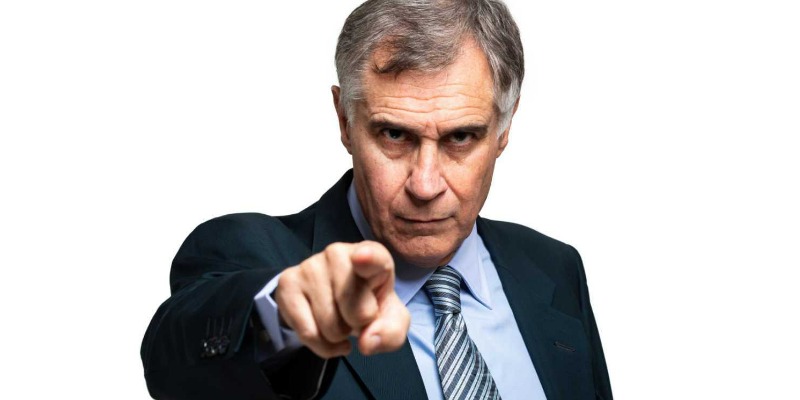 The Distorted Management of Power in the Company to Protect Yourself
A proven and dangerous way to manage collaborators so you don't get caught up in criticism or blameWe have spoken, in some previous articles, of the different managerial strategies on the management of the workers' activities of the own team, aimed at achieving the objectives assigned to each manager by the companies. In particular, the theme of “Divide et Impera” which pushes towards maximum competition between human resources, letting there be moments of friction and internal struggle, to raise the bar of professional tension more and more and facilitating the flow of constant adrenaline. The position of the manager who manages the fight from outside, the advantages or disadvantages of this practice, are elements to be taken with extreme pay attention to the implications that this approach can generate. The "divide and conquer" could lead to an advantage in corporate objectives, in particular conditions and with a careful internal analysis of the team by the manager, but it is, of course, not the only passive theory that a manager can introduce. In fact, another widespread practice of worker management can also emerge in companies, which is that of a team manager or several teams who “uses” collaborators to protect one's top position. They are complex managers, with an elusive character, with a way of reasoning that is not always linear, who make the manipulation of the workforce a means to consolidate one's position, absorbing the advantages of this management from the daily work, whether it concerns successes, therefore his victories, team failures, therefore defeats and the incapacity of individuals. The principle of their work is to involve collaborators in daily activities, transferring to them the concept of job responsibility and the enthusiasm of the objectives, with the ability to instill in people that sense of dedication to the cause and sacrifice. Gladly praise, push, scold, assign tasks asking for sharing to the group or individuals, makes a team and keeps the competition high, creates a sort of dependence on his collaborators, a subtle form of perpetual gratitude towards himself, a feeling of inexhaustible debt towards the boss, without ever, in any case, entering into choices and decisions directly. It pretends a constructive neutrality, a Franciscan form of aid to the growth of collaborators, a way of encouraging them to improve themselves professionally, through the assumption of own responsibilities towards the objectives and the company. He even creates an abstract form of gratitude from his collaborators, who see his figure as an almost disinterested guardian in his top position , which strives to make the managers of the future grow, which shares its intelligence to improve the deductive and decision-making capacity of its collaborators. Very often, however, it happens that the manager does not want to get his hands dirty with thorny, risky or uncomfortable decisions, which, however, his role would ask him to take on himself personally, also to protect his team. He is astute in understanding that his position depends on the good result of the work of his collaborators, whose merits he will assume when the team reaches or exceeds corporate objectives, but that in the event of errors or failures in the objectives, he must demonstrate his ability to intervene to remedy the situation so that it is clear to everyone that the negative event is not his responsibility. This attitude builds a clear communication with his superiors, about his efforts to find the culprit or culprits of the failure, demonstrating that his vision of the management or of the problem would have been different, and that within the team there could be some "bad apples" to isolate. A behavior suitable for floating on problems without being overwhelmed, having acted in such a way as to attribute the blame to those who have exposed themselves among themselves collaborators, naively thinking that the team as a whole, including the boss, shared the choices made. The collaborator who up to now has worked with satisfaction in bringing his own contribution to the company, experiencing the small limelight, enjoying the small envy of colleagues for one special professional relationship with the manager he depends on, he had the self-conviction that the group, including his contact person, had reasoned and decided together on the best paths to follow. Instead he will find himself isolated, in the guilt of having taken decisions independently, without the explicit and clearly communicated endorsement of his superior , with what was probably the routine, becomes the exception of never authorized behavior. What was clear to everyone, verbally, is no longer so for the superior and consequently probably also for his colleagues , who for obvious reasons could not take their defensive positions or even deny the evidence for convenience. The old grievances resurface, the dormant rivalries, the new alliances in the team, the environment becomes hot and thorny to the point that internal showdowns are possible . Any manager who adopts this defensive policy for his position, in a slightly different way depending on the company, the market and his character, will tend to worsening the condition of the collaborators on whom he has decided to blame for a negative situation, because saving them would mean, in some way, endorsing what they have done and what he should have done in their place. Machine translation. We apologize for any inaccuracies. Original article in Italian.
SEE MORE Africa’s Future: Economic Growth, Innovation and Challenges in the Next 20 Years
Discover How Africa is Transforming: Economic Growth, Digitalization, Industrial and Agricultural Development, Education, and the Challenges of Political Instability by 2044By Marco ArezioAfrica is set to become one of the key drivers of global growth over the next two decades. With a rapidly expanding population, abundant natural resources, and increasing digital connectivity, the continent has the potential to emerge as one of the most dynamic regions in the world. However, its development is closely tied to critical challenges such as governance, political stability, and structural reforms.This article analyzes Africa's growth prospects by exploring five key sectors: economy, education, industry, agriculture, and digitalization. Finally, we will examine the causes of political instability and violence, which could hinder the continent's progress.Africa’s Economic Growth: A $29 Trillion OpportunityAccording to the African Development Bank, Africa’s economy is expected to grow at an average annual rate of 4-5% by 2044, with a combined GDP potentially reaching $29 trillion by 2050.This growth will be driven by:✅ Demographic growth: Africa’s population will increase from 1.3 billion to 2.5 billion by 2050, creating a young and dynamic workforce.✅ Expansion of the internal market: Private consumption will exceed $2.5 trillion by 2030, fueled by a growing middle class.✅ Foreign direct investments (FDI): A projected 50% increase by 2030, with China, the USA, and Europe as major investors.✅ Economic integration: The African Continental Free Trade Area (AfCFTA), covering 54 countries and over 1.2 billion people, will facilitate intra-African trade.Challenges to overcome: Corruption (estimated economic loss of $148 billion annually) and political instability in certain regions.Education in Africa: Investing in the Next GenerationEducation is key to the continent’s development. Currently, 80% of African children are enrolled in primary school, but only 40% continue to secondary education.To bridge this gap, projections include:📌 An increase in secondary school enrollment rates up to 60% by 2040.📌 Growth in digital education: Today, only 30% of African schools have Internet access, but this figure is expected to rise to 70% by 2030.📌 Investment in technical and vocational training: By 2040, 50% of African youth will be engaged in specialized training programs.The goal is to prepare millions of young people for the evolving global job market and reduce youth unemployment, which currently stands at 12.7%.Industrial Development in Africa: From Raw Materials to ManufacturingIndustrialization is essential for Africa’s sustainable economic growth. Today, the manufacturing sector accounts for only 10% of GDP, but it is projected to reach 20% by 2040.🔹 Emerging countries as industrial hubs: Ethiopia, Nigeria, and Kenya are becoming major centers for textile, electronics, and automotive manufacturing.🔹 Rising urbanization: By 2035, 60% of Africa’s population will live in cities, increasing the demand for goods and services.🔹 Automation and robotics: Africa will invest in advanced technologies to improve factory productivity.With the right industrial strategy, the continent could become one of the world's leading manufacturing powerhouses by 2050.African Agriculture: From Subsistence to Technological RevolutionAgriculture still contributes 23% of Africa’s GDP and employs over 50% of the population. However, productivity levels remain lower than in other regions.By 2040, Africa will adopt new technologies to transform the sector:- Precision farming using drones and AI for crop monitoring.- Expansion of irrigated land: Today, only 6% of Africa's farmland is irrigated, but this will increase to 20% by 2040.- Growth in exports: By 2030, 30% of African agricultural production will be destined for international markets.The goal is to make Africa self-sufficient and a major global exporter of agricultural products.Digitalization in Africa: The Future is OnlineDigitalization is revolutionizing the continent. Today, only 40% of Africans have Internet access, but by 2040, this number will rise to 75%.🚀 Tech startup boom: African companies are developing fintech and e-commerce solutions.💳 Digital payment revolution: Currently, only 34% of African adults have a bank account, but this percentage will reach 60% by 2035.📡 Expansion of 5G networks: Mobile coverage will grow exponentially, improving connectivity in rural areas.The African digital market is expected to be worth $75 billion by 2040.Political Instability and Violence in Africa: The Root CausesDespite positive growth prospects, the continent is plagued by political instability and conflicts. The main causes include:🛑 Artificial post-colonial borders, which have led to ethnic tensions and civil wars.💰 Corruption: Sub-Saharan Africa is the most corrupt region in the world (average Corruption Perception Index score: 32 out of 100).💣 Terrorism and armed groups, which exploit poverty to recruit young people.🌍 Resource conflicts: Minerals, water, and land are often the cause of territorial disputes.Stabilizing the continent is essential for ensuring sustainable growth.ConclusionOver the next twenty years, Africa will play a central role in the global economy. With political reforms, investments in education and technology, and greater economic integration, the continent could transform into an economic powerhouse. However, without political stability and transparent governance, the risk of setbacks remains high.Will Africa in 2044 become the symbol of the new global growth era? The answer depends on the decisions made today.© All Rights Reserved
SEE MORE Greenwashing: how to confuse consumers
Marketing practices to build misleading or omissive product information Greenwashing is marketing aimed at building an image close to the customer’s expectations, in terms of the environment or other trends, which attributes values to the product or service that it does not really have. The story of this word, Greenwashing , was born in the States in the 60s of the last century when the public debate about ecology and a life more in tune with nature began. At that time some companies, riding the ecologist wave, gave themselves in an artificial way, a green image without modifying processes and products. The advertising empire Jerry Mander defined this practice as “ecopornography” in that he believed there was a similarity of behavior, towards people, between what was proposed with respect to what was actually offered. But it was from the nineties that, within the marketing policies and strategies, the use of a communication that was sometimes less truthful and exhaustive about the product or service itself, but more aimed at making it appear what you wanted to offer next to what people expected to receive. Greenwashing has not only been applied to industry or commerce, but politics has also taken possession of it, through slogans and brands that, for example, depict the protection of the environment, work, safety or other messages. Starting from 2012 the FederalTrade Commission has enacted clear consumer protection laws in the United States in an effort to prevent these unfair marketing practices. In Italy, for example, the antitrust sanctioned Eni with a fine of 5 million for the advertising promotion, considered deceptive and omissive, on the alleged bio qualities of its own EniDiesel + fuel. Greenwashing practices are numerous and aimed at different channels, acquiring different names: Greenwashing : indicates a strategy of some companies, organizations or political institutions that aim to build an image different from what it really is, inclined to protect the environment, following the needs of the people to whom it is addressed. Pinkwashing : indicates a communication that tends to charm a female audience by launching a message such as women’s empowerment, diverting the consumer’s attention to the qualities of the tight products. Genderwashing : indicates a communication that tends to involve the male audience with clear references to the elimination of gender differences, distancing the consumer on the judgment of the product itself. Raibowwashing : indicates a communication that tends to offer products substantially similar to the competition on which strong messages are exercised that overshadow the product itself. In the field of packaging, we can see an example in the marketing of detergent bottles, many still made with virgin HDPE, in recent times we have seen words such as "recyclable" or "green" appear on the labels when the bottle is always made with raw materials from fossil sources and not using recycled materials. Obviously the bottle is recyclable, but it was also before, so the message is a greenwashing. However, these practices, in general, are not only applicable to products or political messages, but are also widely used in corporate communications , in which the numbers, values and image of the company, for example, of an environmental nature , could affect the value of the company itself. Creating an “green” image in an artificial way, close to what the customer requires, has great impacts on consumers, shareholders and the market.Automatic translation. We apologize for any inaccuracies. Original article in Italian.
SEE MORE How Online Investments in Circular Economy Banner Advertising Are Changing
From Generalist Visibility to Certified Visibility: The New Frontier of Banner Advertising InvestmentsBy Marco ArezioIn recent years, the landscape of digital advertising has undergone a significant transformation. Advertisers are shifting from generalist visibility models to more targeted strategies based on certified and measurable visibility. This paradigm shift is particularly relevant for specific sectors such as circular economy, sustainability, environment, and slow life, where companies need a highly profiled audience that is genuinely interested in their products and services.The Limitations of Generalist VisibilityTraditionally, advertisers purchased banner ad spaces on generalist portals, with a guaranteed fixed cost and visibility that was not always verifiable. This model presented several disadvantages:Poor audience profiling: Views were not necessarily relevant to the advertiser’s sector.Difficulty in measurement: Traffic data was often non-transparent, making it hard to assess the return on investment.Waste of resources: Companies ended up paying for views that did not generate any real value.The Solution: The rMIX Certified BannerWith the advent of certified visibility, the concept of digital advertising has evolved. Specialized platforms like rMIX offer the opportunity to invest in banners with a guaranteed and verifiable number of views.How Does the Certified Banner Work?Target definition: The company selects the market segment it belongs to.Visibility choice: The client determines how many times their banner should be seen over a quarter, based on proposed targets (500,000, or more than 1,000,000 views).View guarantee: rMIX ensures that the banner is displayed precisely to the target audience, avoiding waste and maximizing campaign effectiveness.Transparent monitoring: Thanks to advanced analytics tools, the client can verify the campaign’s performance and the number of actual purchased views.Who Is This Marketing Investment For?The rMIX Certified Banner is the ideal solution for various types of businesses and professionals operating in the sustainability and circular economy sectors, including:Companies that produce or distribute sustainable products, seeking to increase their visibility among a targeted audience.Companies providing services for the circular economy, such as consulting, certifications, and waste management.Companies manufacturing recycling machinery or offering recycling services, looking for partners and clients in the environmental sector.Sustainability-focused media and educators, aiming to expand their audience and strengthen their authority.Green marketing and communication agencies, needing effective tools to promote their campaigns.Public institutions and non-profit organizations, engaged in awareness-raising and environmental education.Why Choose the rMIX Certified Banner?rMIX offers a unique opportunity for companies that want to maximize their visibility in a specific sector. With over 500,000 page views per month, the portal guarantees targeted and effective coverage.The Advantages of the Certified Banner- Precise targeting: The banner is displayed only to potential customers and suppliers in the desired sector (such as circular economy, environment, sustainability, and slow life).- Optimized investment: Each view is accounted for and verifiable, eliminating budget dispersion.- Flexible strategy: Companies can choose the number of desired views per quarter, adapting the campaign to their needs.- Enhanced brand awareness: Being present on a leading platform in the circular economy sector improves the brand’s reputation and credibility.ConclusionThe shift from generalist visibility to certified visibility marks a crucial change in digital advertising. For companies operating in sectors such as sustainability and the circular economy, tools like the rMIX Certified Banner represent a strategic opportunity to stand out in the market effectively and measurably.Investing in visibility has never been this transparent and efficient. Learn more about rMIX Certified Banner and take your company to the next level.Request a free quote with no obligation.
SEE MORE Vulnerability and Resilience in Workplaces: Interconnections between People and Organizations
How Individual and Organizational Vulnerabilities Influence Each Other and What Resilience Factors Can Improve Well-being and Productivity at Workby Marco ArezioIn modern work environments, the challenges that individuals and organizations face are numerous and complex.Economic pressures, technological changes, globalization, and sudden crises, such as the COVID-19 pandemic, have exacerbated existing vulnerabilities, while simultaneously requiring an increase in resilience at both individual and organizational levels.This article explores the interconnectedness between individual and organizational vulnerabilities, as well as the resilience factors that can be implemented to improve the overall well-being of both workers and businesses.Individual and Organizational Vulnerabilities: An Interconnected OverviewVulnerabilities in work contexts can manifest at both the individual and organizational levels, but these two dimensions are closely intertwined.A vulnerable worker, from an emotional or psychological standpoint, can affect the overall performance of the organization. Conversely, an organization with weak processes or systems can negatively impact the well-being of its employees.Individual VulnerabilitiesIndividual vulnerabilities in work settings can stem from various factors, including stress, anxiety, burnout, physical or mental health issues, and external pressures from personal life (such as financial difficulties or family problems).A work environment that is too demanding or lacking in support can aggravate these vulnerabilities, leading to decreased productivity and, in extreme cases, absenteeism or job abandonment.Organizational VulnerabilitiesAt the organizational level, vulnerabilities can arise from structural deficiencies, such as inadequate human resource management systems, ineffective leadership, or inadequate business strategies.For example, an organization that does not invest in the training and development of its employees may face high turnover or a demotivated and under-skilled workforce.The lack of effective communication processes, overly rigid company policies, or a toxic work environment are additional causes of organizational vulnerabilities that can worsen employees' psychological well-being, increasing costs related to illness and productivity loss.Interconnections Between Individual and Organizational VulnerabilitiesIndividual and organizational vulnerabilities do not exist in isolation. On the contrary, they are strongly interdependent and can influence each other in profoundly negative or positive ways, depending on the circumstances.The most evident example is how workers' psychological and physical well-being directly impacts productivity, innovation, and the overall quality of work.Examples of Negative InterconnectionAn employee suffering from chronic stress due to poor organizational management may become less productive, develop interpersonal conflicts, and, in some cases, increase the organization's financial vulnerability.If several individuals in an organization develop forms of psychosocial distress, the entire system can become less resilient to external challenges, such as market changes or sudden crises.Examples of Positive InterconnectionConversely, an organization that promotes psychological and physical well-being policies, offers support and flexibility to employees, and invests in professional development can make its workers more resilient, more motivated, and better equipped to face challenges.In this way, the resilience of individual employees feeds the overall resilience of the organization, creating a virtuous cycle.Individual and Organizational Resilience: Key Strategies and FactorsResilience is the ability to adapt and recover from stressful situations, change, or crises. In a work context, this ability is crucial to maintaining employee well-being and organizational competitiveness.Let’s now examine the main factors that can support resilience at both the individual and organizational levels.Individual ResilienceFor individuals, resilience is linked to factors such as:- Self-awareness and Emotional ManagementThe ability to recognize and manage one's emotions and stress reactions is crucial. Training programs on stress management and emotional intelligence development can help workers build greater resilience.- Social SupportStrong support from colleagues, supervisors, and friends greatly enhances a person’s ability to cope with difficult situations.- Continuous Learning and Personal GrowthEmployees who have opportunities to learn new skills and grow professionally are generally more resilient, as they feel more confident and capable of facing change.Organizational ResilienceAt the organizational level, factors contributing to resilience include:- Effective LeadershipLeadership that can inspire and guide during difficult times is essential for building a culture of resilience. Leaders must be able to communicate clearly, provide support, and make strategic decisions that help the organization respond quickly to crises.- Culture of Flexibility and AdaptabilityOrganizations that adopt flexible policies, such as remote work, time management, and continuous learning opportunities, create an environment where employees can more easily adapt to changes.- Well-being Support PoliciesImplementing employee assistance programs, psychological support, and initiatives to improve work-life balance helps build a more resilient and motivated workforce.The Role of Communication and TransparencyAnother key element in promoting resilience is organizational transparency. Open and honest communication, especially during times of crisis or significant changes, reduces uncertainty among employees and fosters trust.When workers feel informed and involved in decision-making processes, they are more likely to contribute innovative ideas and collaborate to overcome difficulties.Moreover, organizations that encourage two-way communication, where employees feel heard and valued, create an atmosphere of trust and psychological safety.This type of environment is essential for fostering resilience, as it reduces the fear of failure or expressing opinions that may seem unpopular.Building a Resilient Future: Well-being as a Strategic ObjectiveUltimately, resilience in work contexts requires a joint effort from both individuals and organizations.While it is important for each worker to develop their own stress management and adaptation skills, organizations also have the responsibility to create work environments that facilitate this development.Investing in policies and practices that promote well-being is not only an ethical issue but also a strategic one. A healthy and resilient workforce is more productive, more creative, and more loyal to the company.Moreover, resilient organizations are better equipped to face market uncertainties and sudden crises, ensuring their long-term sustainability.In conclusion, individual and organizational vulnerabilities are deeply interconnected, but through the development of resilience, it is possible to create a work environment where well-being and productivity reinforce each other.Only in this way can companies thrive in an increasingly volatile and competitive economic environment while protecting the health and happiness of their employees.© Reproduction Prohibited
SEE MORE How to Retain the Best Collaborators in the Company
Asking the question of how to retain the best human resources is an indication of attention towards your companyWe know that the world of work has always been fluid, both in situations of prosperity and crisis as it is always the people who ferry companies, in whatever situation the sea, calm or stormy, is found. While the less qualified or less collaborative professionals are a bit at the mercy of internal and external economic situations, the potentially better ones can be a resource in any provided the company can be found. But future leaders are capricious, attentive to internal dynamics, ambitious, are easily willing to elbow, but also to sacrifice themselves by infusing the company with important thrusts. They are always a little restless, they judge and compare, they test collaborators and direct superiors, they can be out of the box and thirsty for challenges, they are dynamic and competitive. They are people full of potential, but they must have a working context that understands them, makes them grow, gives them satisfaction and recognition, constantly over time, because they are a little daffodils. The managers on whom they depend must realize their potential and must be able to evaluate, case by case, the risks of losing them, because these professionals seek satisfaction in the market. Not all are the same and no boobs are looking for affirmations with the same intensity. There are those who seek the progression of their salary as a self-certification of their professional qualities, those seeking greater responsibility, those seeking both, those seeking a management training course of high level. All expectations that cannot always be satisfied with the old adage of salary increase, as not everyone puts it at the top of their priorities, indeed I would say that if a manager focuses only on that, he can run several risks. As you know, the ambitious who chase ever higher wages and make it a priority of their working life, are unlikely to be satisfied over time with the steps they have reached. They are the most difficult elements to hold back as they normally have a rather important ego and the satisfaction of achieving an increase dies after a short time, as the increase itself certifies in them the recognition of the “need” of the company in retaining it. They can feel indispensable and recognized as important elements and therefore they can make it a matter of continuous negotiations with the company, also probing the market to evaluate when or how request the next raise. Human resources who seek greater responsibility are those who derive personal satisfaction from their work, feed their self-esteem in the awareness of their role in society. They recognize themselves as useful, but not necessarily indispensable, to the progress of the company and consider their skills a glue in relations with the company, seeking itself, or on the market if there were no opportunities, prestigious positions. They are usually less impulsive, more balanced, but always ambitious and need to find what they are looking for, in a reasonable time, hardly barter their future and if disappointed they are willing to turn to the market. There are also elements that seek professional development linked to the improvement of managerial skills, who are willing to trade economic claims in the short-medium term with a training course , also international, which can become an indisputable business card for the future. These are also professional figures that can be easily lost if, hired, they are not offered a path of growth of an important level, with the consequent risk of losing them in a short time. As we have seen, the human resources to be hired or present in the company have different needs and managers, if they want to keep them in the company, must begin to understand how they are of character, which are their ambitions and what paths to take to create them a climate of satisfaction to keep them.
SEE MORE The New Industrial Paradigm: Employment Risks and Morale in Profit Management
How the Modern Managerial System Transfers Risks to Society, Concentrates Profits, and Threatens Economic and Social Sustainabilityby Marco ArezioIn recent years, the global industrial and managerial system has undergone profound transformations. On the one hand, market expansion and technological innovation have provided unprecedented growth opportunities. On the other, corporate management dynamics seem increasingly oriented toward short-term profit maximization, often at the expense of collective well-being. In this context, fundamental questions arise: what kind of model are we building? Can a system where risks are shared but profits remain concentrated be sustainable?A System in CrisisThe major economic crises of recent decades have highlighted a model struggling to balance collective responsibility and individual benefits. When things go wrong, the consequences frequently fall on workers, small suppliers, and governments, while in times of prosperity, profits are concentrated in the hands of shareholders and corporate managers.This dynamic is not just economic but also moral. Companies, which should be engines of innovation and development, risk becoming self-referential entities driven by short-term logic that minimizes their positive impact on society. This approach raises fundamental questions: is it fair to transfer entrepreneurial risks to society while retaining the profits for a select few? And what are the long-term consequences of this vision?The Risks to EmploymentOne of the most critical aspects of this model is its impact on employment. To maximize profits, companies often reduce operating costs through practices such as:Offshoring production: Moving operations to countries with cheaper labor often leads to job losses in their original locations, leaving local communities in distress.Automation and digitization: While essential for competitiveness, these innovations are often implemented without plans to retrain workers, exacerbating unemployment.Workforce reductions: In the name of efficiency, many companies cut staff to improve margins, leaving entire sectors in precarious conditions.These processes not only erode workers' economic security but also question the social role of businesses. If profit is pursued at the expense of people, what kind of future can we expect?The Morality of Risk and ProfitAt the core of these dynamics lies a fundamental asymmetry in risk management. When companies fail or face crises, the costs are often transferred to workers (through layoffs), suppliers (through unpaid bills), or states (through subsidies or financial bailouts). Conversely, during growth periods, profits are retained and distributed among managers and shareholders, often without benefiting the communities that contributed to the company’s success.This logic raises significant ethical concerns. Risk is an inherent element of entrepreneurship, but its management should be balanced. Shifting losses onto society while withholding gains undermines the social contract between businesses and society. Companies do not operate in isolation: they use public infrastructure, access natural resources, and benefit from a legal and political system that ensures stability. In this sense, excluding society from the redistribution of benefits is not only unfair but also shortsighted.Managers and Shareholders: The True Winners?At the heart of this dynamic is the increasingly dominant role of managers and shareholders. Corporate decisions are often driven by financial logic that rewards short-term outcomes, such as high dividends or stock buybacks, at the expense of investments in research, development, and sustainability.Managers, in particular, are incentivized through bonuses and rewards tied to short-term financial results, leading them to pursue goals that may conflict with the public good. This type of governance, focused exclusively on profit, risks stripping companies of their social function, turning them into value-extraction machines.ConclusionThe current industrial and managerial paradigm is at a crossroads. Continuing to prioritize short-term profits while transferring risks to society risks deepening inequalities and undermining economic and social sustainability. Conversely, adopting a more responsible and inclusive model could represent not only an ethical choice but also a winning strategy for the future.Businesses can no longer ignore their role in society. It is time to rethink how risks and benefits are distributed, abandoning a purely financial vision to embrace an approach centered on collective well-being. Only then can we build an industrial system capable of tackling the challenges of the 21st century and ensuring prosperity for all.© All Rights Reserved
SEE MORE Sentimental Relationships in a Work Team: What Effects on Results
How a Flirt in a business team could affect your job results Whether they are large companies, where there are different work groups divided for different internal activities, that of small companies, in which a single team takes care of business activities, the human component is the engine of any business. People always work closely and share, not only the budget objectives that the company has decided each year, but also the spaces and their time, through a sociability that allows them to carry on the activities for which they were hired. As in any social sphere within the work teams, balances must be created between people, invisible boundary lines, sometimes unwritten hierarchies and the comparison with different character reactions. As in a football, basketball or other collective sport, a great bet that the coach makes, in our case the manager or the manager of the team , is working to amalgamate the team members, smooth out the characters, increase collective trust, increase competitiveness, in practice applying what is called "team play". It seems simple to choose a certain number of collaborators, without knowing them, put them to work together and expect results after a certain period, assuming that these arrive in quantity and in the desired quality. It is true that someone wins the lottery, against millions of losers, but in the company, excessive gambling always falls on the leader. This should take care of having a cohesive, collaborative, confident team, with shared goals and with correct and constructive interpersonal relationships. To achieve such an important balance between people it is necessary to invest time between them, to know their defects and strengths, to share the collaborative sense of their professional relationships, in a way to reduce the innate individualisms in man and the sense of prevalence, one over the other, which would destroy the team spirit. To increase the sense of belonging to the team and reduce the sterile individual competition, which would lead to infighting, envy, teasing and actions that would negatively affect the company's results , it is also important to live together moments of common life outside the company context. A trip or a program of excursions, supported by the company, in cultural or leisure locations have the strength to increase that spirit of union and sharing, in a an area in which personal defenses are less rigid, people's confidences and knowledge show deeper and their bond with them. Change the mutual perception, moving the axis from a concept of colleague to one in person, with the hope that time will bring fewer colleagues to the company and more people. In work groups, especially the young ones, there are always hopes and expectations, even non-professional ones, where sentimental preferences are the order of the day. The world of work is no different than what can happen in moments of daily socializing, where people choose, or hope to do so, always pursuing search, consciously or not, of a human contact in different forms. When this approach becomes concrete within the same work team, especially if it is made up of many people, it is good to understand the situation and put in place I am aware of the possibility of a change in internal equilibrium. The flirtation between two members of the group could create envy and jealousy among some people who probably had mutual hopes towards one of the two, creating a sense of frustration and rejection , not only towards them, but also towards the group itself. This is where the threat to collective harmony comes into play, as there will be factions to which the episode will not create any side effects and, others, which will generate consequences . One or more frustrated people on the team will probably no longer be able to have constructive and collaborative relationships, but they will be able, consciously or unconsciously, to take punitive actions to the refusal immediately. This can create a growing friction between the group, perhaps without understanding the reasons and without knowing how to recover the constructive atmosphere of before. Only a careful observation of the individuals within the work team and their previous personal knowledge, can lead the manager to think that there are reasons of character extra work that are threatening the functioning of the group. In respect of the privacy of individuals, it is important to increase personal dialogue with all members, individually, and push them to externalize their problems and tell their vision difficulties of the group. By crossing the collected data, amalgamating them with those stored over time, comparing them with a before and after, it is possible to identify the problem areas, putting in place actions that defuse the negative feelings of the person or persons who are experiencing the moment badly. Automatic translation. We apologize for any inaccuracies. Original article in Italian.
SEE MORE A New Industrial Pact for Europe: The Antwerp Declaration
A Strategy for a Competitive and Sustainable Industry, Between Green Transition and European AutonomyBy Marco ArezioAt the heart of global transformations, European industry is facing unprecedented challenges. Between the need to decarbonize production activities and growing international competition, the Antwerp Declaration emerges as a strong and clear call to revive a crucial sector. This ambitious document, signed by companies and organizations, urges European leaders to adopt a European Industrial Deal that integrates with the Green Deal, ensuring a fair and sustainable transition for the continent.The goal is not only to mitigate the risks of globalization or reduce dependence on external raw materials but also to preserve Europe's industrial excellence, a cornerstone of its economic identity. Achieving this requires a plan that prioritizes innovation, competitiveness, and sustainability, laying the foundations for a more resilient future.A Vision for ChangeThe Antwerp Declaration begins with a crucial consideration: Europe cannot afford to lose its industrial fabric, especially at a time when the green transition requires colossal investments in clean technologies and infrastructure. Without a strong industrial policy, the risk is becoming dependent on essential products and raw materials from third countries, with all the geopolitical and economic implications this entails.To avoid this scenario, the document outlines a comprehensive strategy, starting with the need to place the European Industrial Deal as a priority in the 2024-2029 Strategic Agenda. Only an integrated vision, supported by concrete measures, can ensure that Europe retains its role as a global leader in quality production and technological innovation.Supporting Industry in the Green TransitionAt the core of the Declaration lies the commitment to make European industry a model of sustainability. The creation of a fund for clean technologies, the so-called "Clean Tech Deployment Fund," represents a fundamental step in this direction. This tool would help reduce risks for private investments, encouraging the spread of low-impact environmental technologies.Another critical point concerns energy. High energy costs are one of the main challenges for European businesses. To address this, the Declaration proposes prioritizing renewable sources, next-generation nuclear energy, and green hydrogen, ensuring accessible and competitive energy supplies.Infrastructure also plays a key role. Europe must accelerate the development of strategic projects, such as cross-border electricity grids, advanced recycling systems, and digitalization, to support a modern and sustainable industry.A Vision for Strategic AutonomyA recurring theme in the Antwerp Declaration is the importance of reducing Europe's dependence on external suppliers. The creation of a circular supply chain for critical raw materials is essential to achieve this goal. Through new global partnerships and enhanced domestic recycling capacities, Europe can secure the resources necessary to support its industrial transition.At the same time, it is vital to promote a single market for recycled materials, eliminating regulatory barriers that hinder the free movement of these products. This would strengthen not only the circular economy but also the overall competitiveness of European industry.Innovation and Governance: The Keys to SuccessThe Declaration also aims to create an ecosystem conducive to innovation. Investing in high-quality research, digitalization, and policies open to adopting new technologies is essential to keeping Europe competitive. For this reason, the document proposes protecting intellectual property rights and accelerating technology transfer from laboratory to market.Finally, a central element of the Declaration is the proposal to strengthen governance structures. Establishing a Vice President dedicated to the European Industrial Deal would ensure the harmonious integration of industrial policies with the Union's strategic priorities, providing effective coordination among member states.Conclusion: A Strong European Industry for a Sustainable FutureThe Antwerp Declaration represents a unique opportunity to shape the future of European industry. Through a shared strategy based on sustainability, innovation, and autonomy, Europe can successfully tackle the challenges of the 21st century.Maintaining a strong industry does not only mean safeguarding quality jobs but also ensuring that the green transition is inclusive and fair. The European Industrial Deal, as outlined in the Declaration, is not only a response to current challenges but an ambitious vision to build a more resilient and competitive Europe.© Reproduction Prohibited
SEE MORE rMIX the Portal of Recycling: the Gift of Synthesis and Trust
rMIX the Recycling Portal: the Gift of Synthesis and Trust All of us, every day, use the internet to do many important things for our company. We communicate, research, promote, purchase, inform, etc. The internet is an inexhaustible source of information that invites us to browse in the hope of finding what we are looking for. Very often we use search engines to find potential customers, suppliers, consultants, coming across a gargantuan job that involves two variables: time and trust . The problem arises precisely from the fact that, no matter how much we try to narrow down the field of research, the information is always greater than the time available to us and that the contacts found, especially the unknown ones, can always be a cause for doubt about the reliability of those who propose. We have therefore seen that time and trust govern the results of our work in the network and I believe it is important to make these two factors better visible. The weather Let's imagine that we are a company that uses a recycled polypropylene granule for the production of some items and that we want to find new suppliers compared to those we already have, so we type the keywords into Google: • Polypropylene : the results that the computer returns to us, in just one chosen language, are approximately 4.7 million . Definitely too many to analyze them all, so let's do an initial skimming. • Recycled polypropylene : the results that appear to us have dropped to around 129,000 , still too many compared to the analysis time that I can invest in a search, so let's skim further. • Recycled polypropylene in granules : the posts to be read have reached around 20,400 , which means that, by opening the ads and spending an average time of 2 minutes per contact to analyze the content, it will take me around 4 months , working all day , to select suppliers. Definitely impossible. Confidence Assuming that we managed to find some suppliers, unknown to us, who could apparently satisfy our needs, the problem of verifying their reliability arises . There are very few verification systems, as what appears online can be the result of artful manipulations to improve the appearance of the company or create a new façade, especially if it cannot be directly verified on site. Even the web portals in the sector, with free access to members , can do little to limit the phenomenon of identity fraud on the internet, which causes many problems for companies that venture into commercial contacts with these registered subjects. Time and Trust are the keys with which the r MIX recycling portal works . Using the platform you will already find a selection of companies in the world that offer or are looking for products or services already divided by family they belong to (plastic, metals, paper, wood, fabrics, rubber, glass, construction waste, machines, products made with materials recycled materials, consultancy, contract work, distributors, transport...). Obviously there aren't 4.7 million contacts, but if you don't find what you're looking for you can post a request and you can be contacted by anyone interested. As regards Trust , no one can register on the r MIX recycling portal automatically , they must send us their data first and, only after an internal evaluation, will the management decide whether to admit them to the portal. This is done to try to minimize the risk of fraud and mistaken identity. Furthermore, in the portal you will find a series of companies that have been and/or are known personally by our company, during the international commercial activities carried out in the past and the consultancy work we currently carry out. Subscribing to the portal will relieve you of many tasks, waste of time and risks in your work. Sign up on the rMIX portal
SEE MORE The Hidden Cost of Turnover: Why Retaining Talent is Essential for Companies
Replacing Employees Can Cost Up to Twice Their Annual Salary: Learn How Investing in Retention Enhances Performance and Reduces Business CostsBy Marco ArezioIn the realm of business management, employee turnover is a critical challenge, often underestimated in its economic and strategic implications. Some managers choose to replace employees who make salary or contractual requests, viewing it as a cost-saving measure. However, managerial literature demonstrates that this approach can be extremely costly: the global cost of turnover ranges from 50% to 200% of the employee's annual salary, encompassing both direct and indirect expenses.This dynamic highlights how managing human capital cannot be reduced to a simple equation of immediate expenditure. Instead, companies must consider long-term implications, carefully evaluating the impact of every decision related to personnel.The Economic Weight of TurnoverTurnover costs encompass a variety of factors that extend far beyond replacement expenses. The loss of an employee necessitates recruitment processes, including job postings, interviews, and often the intervention of recruiting firms. Added to this is the time required to train the new hire to reach the necessary levels of competence and productivity for the role.At the same time, indirect negative impacts on company performance occur. The loss of specific skills and experience, which are not easily transferable in the short term, results in decreased productivity. Furthermore, turnover can destabilize the team, affecting the morale and motivation of the remaining employees. This phenomenon is exacerbated in strategic or leadership roles, where the departure of a key figure can compromise the entire organizational system.A study by the Society for Human Resource Management (SHRM) emphasizes that turnover costs are not limited to immediate financial outlays but also affect the company's reputation and ability to attract new talent. Organizations perceived as unstable or less focused on employee value risk being less competitive in the job market.The Real Economic Impact: A Concrete Analysis for ManagersWhen addressing the issue of employee turnover, the associated costs are often underestimated or, worse, ignored. For managers, understanding these costs in tangible terms is essential to evaluate the real consequences of not retaining talent. Behind the choice to replace an employee lies economic implications that extend far beyond the simple recruitment of a new professional.Visible Costs: The Direct Impact of TurnoverThe first level of costs a manager can perceive is direct, tied to the process of replacing the employee. This includes evident expenses such as job postings, recruitment agency fees, and the internal personnel time spent managing interviews. Additionally, the training costs of the new hire are necessary to bridge the skill gap and integrate them into the operational flow.For instance, replacing an employee with an annual salary of €40,000 can easily incur initial recruitment and training expenses exceeding €10,000–15,000. However, this amount is just the tip of the iceberg.Hidden Impact: The Indirect Costs of TurnoverIndirect costs, less immediate but equally significant, emerge when considering the entire lifecycle of the replacement. Losing an employee affects not just the vacant role but also the organization more profoundly.First, an experienced employee brings unique knowledge, accumulated over time and often difficult to transfer. Their departure can lead to project delays, operational errors, and temporary inefficiencies. Additionally, replacing them takes time: new hires generally take 3 to 6 months to reach optimal productivity levels. During this period, the company suffers a loss in output, translating into missed revenues or increased pressure on remaining colleagues.Beyond the loss of skills, the impact on team morale must also be considered. High turnover destabilizes the work environment, fostering insecurities and demotivation. Remaining employees may feel overburdened or undervalued, creating a domino effect that further reduces overall productivity.Corporate Reputation as an Intangible CostIn an era where employee opinions are easily shared on public platforms, high turnover can damage the company’s image. Negative reviews on employer evaluation sites like Glassdoor, or word-of-mouth within the industry, can discourage potential talent from joining the organization. This makes it harder to attract qualified candidates, prolonging hiring timelines and subsequently increasing associated costs.A Managerial ReflectionIgnoring the economic and operational impact of turnover equates to neglecting one of the main causes of corporate inefficiency. Every decision leading to the loss of an employee must be evaluated not only in terms of immediate savings but also regarding the overall cost the company will incur to fill that gap.Understanding these costs through concrete and detailed analysis is the first step in adopting a more informed management strategy. Retaining talent is not just an act of foresight but a choice that directly impacts the company’s competitiveness and economic stability.Retention as a Competitive StrategyInvesting in employee retention is not only an ethical choice but a crucial competitive strategy in an increasingly dynamic market. Retention, understood as the ability to keep talent within the organization, is based on long-term human resource management policies.Numerous studies show that loyal employees significantly contribute to corporate growth through their knowledge of internal processes, increased productivity, and ability to innovate. Moreover, low turnover rates foster a positive corporate climate, strengthening team cohesion and a sense of belonging.Among the most effective levers for encouraging retention are:Professional development opportunities: Training programs and personalized career plans are a crucial motivator.Competitive compensation policies: Fair salaries paired with meaningful benefits signal recognition of the employee’s value.Work flexibility: The ability to balance personal and professional life through remote work or other flexible arrangements is a key satisfaction driver today.The Short-Term Savings ParadoxOne of the main reasons for high turnover is the perception among managers that meeting employee demands is too costly. In reality, this short-sighted view does not account for the cost-benefit ratio over a longer time scale.For example, fulfilling a 10% salary increase request for a key employee might involve an immediate outlay lower than the total cost of recruitment, training, and lost productivity associated with their replacement. Moreover, a proactive approach to addressing employee demands demonstrates that the company values their contribution, reducing the risk of future resignations.When unmanaged, turnover becomes a vicious cycle: direct and indirect costs increase while corporate reputation and operational effectiveness suffer.A Long-Term VisionTo minimize turnover-related risks, managers must adopt a long-term perspective in managing human capital. This involves not only responding to employees’ immediate needs but also creating a work environment that fosters their engagement and sense of belonging.Key strategies include:Creating an inclusive corporate culture: Valuing diversity and recognizing individual achievements fosters a stimulating environment.Active listening: Collecting and analyzing regular feedback helps identify potential issues early.Empathetic leadership: Managers who demonstrate empathy and the ability to lead change build trust and strengthen internal relationships.ConclusionTurnover is not just a natural phenomenon but a managerial challenge requiring a strategic approach. Retaining employees is not merely an act of generosity but an investment that creates value for the company. In a competitive market, the ability to retain talent represents a distinctive advantage.Managers must move beyond the logic of immediate savings to consider the entire lifecycle of costs associated with personnel decisions. Only then can they build a resilient organization capable of facing future challenges with motivated and competent human capital.© Reproduction Prohibited
SEE MORE The Rise of Humanoid Robots: Innovation and Automation in the Companies of the Future
From Advanced Design to Industrial Applications, Humanoid Robots Are Transforming Production Processes GloballyBy Marco ArezioThe design and implementation of humanoid robots in companies are rapidly revolutionizing the world of industrial automation.These advanced robots, inspired by the human body in both form and movement, are equipped with cutting-edge technologies that allow them to perform complex tasks with an unprecedented level of autonomy and precision.In this article, we will explore the capabilities of humanoid robots, their uses in companies, their global adoption, the leading manufacturers, the costs, and the potential risks associated with their implementation.Capabilities and Functions of Humanoid RobotsHumanoid robots are designed to perform tasks requiring dexterity, strength, and adaptability. Thanks to advanced sensor systems, artificial intelligence (AI), and machine learning algorithms, these robots can interact with their environment, perceiving obstacles, people, and objects.The robotic arms are capable of handling precision tools or lifting significant weights, while their motor systems allow them to walk, bend, and even climb stairs, making them particularly suitable for tasks in tight or difficult-to-reach spaces (Brooks, 2023).Some advanced models, such as Boston Dynamics' "Atlas," can perform complex movements like jumps and acrobatics, confirming their utility in difficult and emergency situations.Other models, like Agility Robotics' "Digit," are designed for logistics tasks, such as transporting packages within a warehouse (Ackerman, 2022). With sophisticated AI algorithms, these robots can learn from the data collected during operations, thus improving their performance over time (Murphy, 2021).Adoption in CompaniesThe adoption of humanoid robots in companies is still in its early stages but is rapidly growing in specific sectors such as advanced manufacturing, logistics, and healthcare.According to a study by Boston Consulting Group (BCG, 2023), 25% of companies in the manufacturing sector have already initiated pilot projects for using humanoid robots.Nuclear plants and chemical factories, for example, have started employing these robots to perform tasks that could endanger the lives of human workers (Jenkins, 2022).In the logistics sector, companies like Amazon and DHL are testing humanoid robots to optimize warehouse management.Amazon Robotics, in particular, is researching how to integrate robots like "Digit" into its distribution centers to reduce operation times and improve staff safety (Vincent, 2023).In healthcare, robots such as those produced by SoftBank Robotics are being used to assist medical staff, for instance, by transporting medicines and supplies, thus improving patient care and reducing pressure on the staff (Liu et al., 2023).Leading Manufacturers of Humanoid RobotsGlobally, several companies are engaged in the development of humanoid robots, each with a different focus:Boston Dynamics: Known for its advanced humanoid robots like "Atlas." This robot is capable of extremely agile and complex movements, including jumps, rotations, and running on uneven terrains, making it suitable for extreme and hazardous work environments (Gupta, 2024).Agility Robotics: Developed "Digit," a robot primarily designed for the logistics sector. This robot can move autonomously in warehouses, transport loads, and collaborate with other automated systems (Schwartz, 2023).Tesla: In 2021, Elon Musk announced the development of the "Tesla Bot," a humanoid robot designed to perform repetitive or hazardous tasks. Although the project is still in development, it has been announced that the prototype has been tested in industrial environments and could enter production in the near future (Musk, 2023).Hanson Robotics: Famous for "Sophia," a highly realistic humanoid robot designed for human interactions. Its technology finds applications in healthcare and customer service environments, where the empathetic and communicative component is crucial (Hanson, 2022).Implementation CostsThe cost of humanoid robots varies significantly based on their technical specifications and capabilities. The most advanced models, such as those by Boston Dynamics, can exceed 200,000 euros per unit.However, costs are continually decreasing due to increased production and technological advancements (BCG, 2023). Maintenance costs, including software updates and periodic inspections, also represent a significant expense that companies must consider as part of a medium-to-long-term amortization plan (Jones, 2023).The large-scale adoption of humanoid robots is still hindered by high costs, but it is expected that, with technological evolution and increased competition, these costs could drastically decrease over the next five years (Forrester, 2024).Potential Risks and SecurityOne of the main risks in adopting humanoid robots is cybersecurity. Connected robots can be vulnerable to hacking, which could compromise the safety of the environments in which they operate (NIST, 2023).Companies must, therefore, implement advanced cybersecurity systems to protect both the physical integrity of the robots and the data they collect.Another critical aspect is the impact on human labor. According to a report by the International Labour Organization (ILO, 2023), advanced automation could significantly reduce the demand for manual labor in some sectors, such as logistics and assembly.However, the ILO also emphasizes that this transition could generate new job opportunities in sectors related to the maintenance, management, and programming of robots, as well as require new technological skills from workers (ILO, 2023).ConclusionHumanoid robots represent a major milestone in industrial automation, promising to improve efficiency, safety, and productivity.The adoption of these technologies is expected to grow as costs decrease and their utility becomes increasingly recognized by companies (Forrester, 2024).However, it is crucial for companies to proactively address the risks associated with the use of autonomous robots, particularly in terms of cybersecurity and potential repercussions on the job market.Innovation in the field of humanoid robotics continues to progress rapidly, and it is likely that in the coming years we will see greater integration of these robots in business processes, not only to improve efficiency but also to create safer and more productive work environments.© Reproduction ProhibitedSourcesAckerman, E. (2022). "Humanoid Robots in Logistics: Challenges and Opportunities." IEEE Spectrum.Brooks, R. (2023). "Advancements in Humanoid Robotics." Journal of Advanced Robotics.Boston Consulting Group (2023). "Robotics Adoption in the Manufacturing Sector: Trends and Insights."Gupta, S. (2024). "Atlas: A Leap Towards Agile Robotics." Robotics World.Hanson, D. (2022). "Sophia and the Future of Empathetic AI." Human-Robot Interaction Journal.International Labour Organization (ILO, 2023). "Automation and Employment: Balancing Efficiency and Workforce Needs."Jenkins, T. (2022). "Robots in Hazardous Environments." Safety and Automation Review.Jones, L. (2023). "Economic Aspects of Robotics in SMEs." Industrial Economics Journal.Liu, Y., et al. (2023). "Humanoid Robotics in Healthcare: Emerging Trends." Healthcare Robotics Review.Murphy, J. (2021). "Machine Learning in Robotics." AI Journal.National Institute of Standards and Technology (NIST, 2023). "Cybersecurity Standards for Robotics."Schwartz, P. (2023). "Agility Robotics: Logistics and Humanoid Robots." Logistics Today.Vincent, J. (2023). "Amazon and the Future of Robotics in Warehousing." Tech Review.
SEE MORE
