








 Un Nuovo Patto Industriale per l’Europa: La Dichiarazione di Anversa
Una strategia per un’industria competitiva e sostenibile, tra transizione verde e autonomia europeadi Marco ArezioNel cuore delle trasformazioni globali, l’industria europea affronta sfide inedite. Tra la necessità di decarbonizzare le attività produttive e la crescente competizione internazionale, la Dichiarazione di Anversa emerge come un appello forte e chiaro per il rilancio di un settore cruciale. Questo documento ambizioso, firmato da aziende e organizzazioni, chiede ai leader europei di adottare un Patto Industriale Europeo che si integri con il Green Deal, garantendo una transizione equa e sostenibile per il continente.L’obiettivo non è solo mitigare i rischi della globalizzazione o ridurre la dipendenza dalle materie prime esterne, ma anche preservare l’eccellenza industriale dell’Europa, un pilastro della sua identità economica. Per farlo, è necessario un piano che metta al centro innovazione, competitività e sostenibilità, creando le basi per un futuro più resiliente.Una Visione di CambiamentoLa Dichiarazione di Anversa parte da una considerazione cruciale: l’Europa non può permettersi di perdere il suo tessuto industriale, tanto meno in un momento in cui la transizione verde richiede investimenti colossali in tecnologie pulite e infrastrutture. Senza una politica industriale forte, il rischio è di diventare dipendenti da prodotti e materie prime essenziali provenienti da paesi terzi, con tutte le implicazioni geopolitiche ed economiche che ne conseguono.Per scongiurare questo scenario, il documento delinea una strategia articolata, che parte dalla necessità di inserire il Patto Industriale Europeo come priorità nell’Agenda Strategica 2024-2029. Solo una visione integrata, sostenuta da misure concrete, può garantire che l’Europa mantenga il suo ruolo di leader globale nella produzione di qualità e nell’innovazione tecnologica.Sostenere l’Industria nella Transizione VerdeAl centro della Dichiarazione c’è l’impegno a rendere l’industria europea un modello di sostenibilità. La creazione di un fondo per le tecnologie pulite, il cosiddetto "Clean Tech Deployment Fund", rappresenta un passo fondamentale in questa direzione. Questo strumento permetterebbe di ridurre i rischi per gli investimenti privati, incentivando la diffusione di tecnologie a basso impatto ambientale.Un altro punto cruciale riguarda l’energia. I costi energetici elevati rappresentano una delle principali sfide per le imprese europee. Per affrontarle, la Dichiarazione propone di dare priorità a fonti rinnovabili, nucleare di nuova generazione e idrogeno verde, garantendo un approvvigionamento accessibile e competitivo.Anche le infrastrutture giocano un ruolo chiave. L’Europa deve accelerare lo sviluppo di progetti strategici, come reti elettriche transfrontaliere, sistemi di riciclo avanzati e digitalizzazione, per supportare un’industria moderna e sostenibile.Una Visione per l’Autonomia StrategicaUn tema ricorrente nella Dichiarazione di Anversa è l’importanza di ridurre la dipendenza dell’Europa da fornitori esterni. La creazione di una filiera circolare per le materie prime critiche è essenziale per raggiungere questo obiettivo. Attraverso nuove partnership globali e il potenziamento delle capacità di riciclo domestico, l’Europa può assicurarsi le risorse necessarie per sostenere la sua transizione industriale.Al tempo stesso, è fondamentale promuovere un mercato unico per i materiali riciclati, eliminando le barriere normative che ostacolano la libera circolazione di questi prodotti. Questo rafforzerebbe non solo l’economia circolare, ma anche la competitività complessiva dell’industria europea.Innovazione e Governance: Le Chiavi del SuccessoLa Dichiarazione punta inoltre a creare un ecosistema favorevole all’innovazione. Investire in ricerca di alta qualità, digitalizzazione e politiche aperte all’adozione di nuove tecnologie è essenziale per mantenere l’Europa competitiva. Per questo, il documento propone di proteggere i diritti di proprietà intellettuale e accelerare il trasferimento tecnologico dal laboratorio al mercato.Infine, un elemento centrale della Dichiarazione è la proposta di rafforzare le strutture di governance. L’istituzione di un Vicepresidente dedicato al Patto Industriale Europeo garantirebbe un’integrazione armoniosa delle politiche industriali con le priorità strategiche dell’Unione, assicurando un coordinamento efficace tra i vari stati membri.Conclusione: Un’Industria Europea Forte per un Futuro SostenibileLa Dichiarazione di Anversa rappresenta un’opportunità unica per definire il futuro dell’industria europea. Attraverso una strategia condivisa, basata su sostenibilità, innovazione e autonomia, l’Europa può affrontare con successo le sfide del ventunesimo secolo.Mantenere un’industria forte non significa solo salvaguardare posti di lavoro di qualità, ma anche garantire che la transizione verde sia inclusiva e giusta. Il Patto Industriale Europeo, come delineato nella Dichiarazione, non è solo una risposta alle sfide attuali, ma una visione ambiziosa per costruire un’Europa più resiliente e competitiva.© Riproduzione Vietata
SCOPRI DI PIU' Antoine-Laurent de Lavoisier: il Chimico che Identificò il processo dell’Idrogeno
Uno scienziato Intelligente, Furbo e Opportunista. “Favorì” la scoperta dell’Idrogeno di Marco ArezioAntoine-Laurent de Lavoisier, scienziato Francese, è riconosciuto come il padre della storia della chimica avendo emanato la prima versione della conservazione della massa nel 1789, inoltre riconobbe e catalogò scoperte fondamentali come l’ossigeno e l’idrogeno. Studiò in modo approfondito e, con un approccio scientifico, la relazione tra combustione e la respirazione polmonare, attraverso l’osservazione del comportamento dell’aria in questi due fenomeni. Essendo un nobile, sedeva nei maggiori salotti della politica e della finanza e, proprio attraverso le sue relazioni di alto livello, riusciva a farsi finanziare le sue ricerche. Chimico, botanico, astronomo e matematico entrò a soli 25 nell’accademia delle scienze e nel 1775 si occupò, per l’amministrazione reale, dello studio e del miglioramento della polvere da sparo, compiendo studi sul salnitro. Attraverso questi studi notò la stretta relazione tra il comportamento della combustione e dell’ossigeno, tra l’ossigeno e la vita delle piante e il processo dell’arrugginimento del metallo, ribaltando la teoria del flogisto in essere all’epoca. Inoltre fece propri alcuni studi condotti da Henry Cavendish, riuscendo a capire il rapporto tra l’aria infiammabile, scoperta da quest’ultimo e l’ossigeno con la formazione di acqua, in base anche agli studi di Joseph Priestley, definendo in modo esplicito l’idrogeno. Questa caratteristica di Lavoisier di utilizzare gli studi di colleghi, inglobandoli nelle sue ricerche per poi attribuirsi tutti i meriti, sembrava essere una costante nella sua vita di ricercatore. Dimostrò la legge della conservazione della massa bruciando lo zolfo con il fosforo in aria e affermando che il peso del risultato di questa combustione era maggiore del peso delle singole masse, essendo questo processo stato influenzato dall’aria. Catalogò inoltre, in modo scientifico attraverso la nomenclatura precisa, le sostanze chimiche che erano allora conosciute creando una base letteraria scientifica di massimo rilievo. Nel 1769 fu chiamato dall’amministrazione monarchica, quale matematico, a riformare il sistema fiscale e delle riscossioni delle tasse, aiutando gli uffici preposti a riformare il sistema di misurazione metrico decimale per tutta la Francia. Nel 1793, a seguito degli eventi politici susseguiti alla rivoluzione francese, fu arrestato insieme alle persone che si erano occupati della riscossione delle tasse per conto della monarchia per alto tradimento. Invano cercò di dimostrare che il suo ruolo era solo quello di un consulente tecnico e che niente aveva a che fare con il lavoro diretto legato all’azione di riscossione, ma non fu creduto e l’8 Maggio del 1794 il tribunale rivoluzionario lo condannò a morte tramite ghigliottina.
SCOPRI DI PIU' Vantaggi della Tracciabilità delle Materie Plastiche Attraverso la Blockchain
Riduzione delle truffe sui polimeri riciclati, protezione del mercato, sostenibilità economica e garanzia della qualità per il consumatoredi Marco ArezioIl mercato dei polimeri riciclati Europeo sta vivendo uno dei periodi più bui della sua storia recente, stretto da problemi legati ai costi di produzione, alla situazione inflattiva, alla bassa richiesta per l’instabilità internazionale e alla concorrenza, extra UE, sempre più aggressiva e poco trasparente. Inoltre, il polimero riciclato si presta ad un mercato dove le certezze sulla qualità intrinseca del prodotto attualmente sono francamente difficili da identificare e controllare, creando a volte contestazioni e sfiducia. La contestazione non è solo l’espressione di una qualità attesa differente da quella richiesta, ma, sempre più, riguarda un polimero che di riciclato ha veramente poco, ma passato come tale e destinato a produzioni dove è obbligatorio l’uso di un polimero circolare al 100%. Tutti questi problemi nascono dal fatto che la filiera di produzione, quindi a partire dalla gestione del rifiuto fino alla produzione dei polimeri, non è tracciabile in maniera certa, facendo perdere al produttore finale informazioni preziose per garantire la sopravvivenza della propria azienda e del proprio mercato. Come funziona la blockchain per tracciare le materie prime riciclate Quando uno scarto plastico viene inviato al riciclo, un record viene creato sulla blockchain, che sta ad indicare la sua origine, la sua composizione, la quantità e altre informazioni essenziali. Mentre la materia prima passa attraverso le varie fasi di lavorazione come la raccolta, la selezione, il lavaggio, la macinazione e l’estrusione, ogni fase viene registrata sulla blockchain. Questo permette di tracciare il percorso completo del materiale. Una volta che il polimero è stato granulato, può essere sottoposto ai test di qualità, i cui risultati possono essere registrati sulla blockchain, assicurando agli acquirenti che il materiale riciclato soddisfa determinati standard. Quando una transazione è stata registrata su una blockchain, non può essere modificata senza cambiare tutti i blocchi successivi, il che richiederebbe il consenso della maggioranza della rete, il che rende i dati affidabili e resistenti alle frodi. La blockchain, infatti, non è controllata da una singola entità, ma piuttosto da una rete di nodi (computer), che ne aumenta la trasparenza. Attraverso gli smart contracts, protocolli auto-esecutivi con termini di accordo tra le parti scritti direttamente in codice, si può automatizzare e verificare processi nella linea di approvvigionamento, come confermare la provenienza di una materia prima. E’ possibile sapere quindi, con esattezza, la provenienza delle materie prime quando vengono raccolte, attraverso un record che viene creato sulla blockchain. Questo record può includere dettagli come la data, il luogo, la qualità della materia prima e altre informazioni pertinenti. Una volta accertati della provenienza della materia prima è possibile seguirne il percorso verso l’acquirente finale, infatti, man mano che la materia prima si sposta lungo la linea di fornitura (dalla raccolta differenziata o industriale al riciclatore, da questo al produttore, ecc.), vengono registrate nuove transazioni sulla blockchain, creando una cronologia completa e immutabile del suo percorso. Le aziende o i clienti finali possono verificare le informazioni sulla blockchain, per garantire che le materie prime rispettino determinati valori tecnici richiesti o la sostenibilità. Inoltre, utilizzando gli smart contracts, i pagamenti possono essere automatizzati e rilasciati solo quando vengono soddisfatte determinate condizioni, come la conferma della consegna di una materia prima. La blockchain può essere pubblica, permettendo a chiunque di vedere e verificare la tracciabilità delle materie prime. Questo può aiutare le aziende a dimostrare la sostenibilità, il contenuto e la qualità delle loro linee di fornitura ai consumatori o agli uffici acquisti e di qualità. Infatti, anche i consumatori che acquistano prodotti realizzati con materie prime riciclate possono verificare la provenienza di tali materiali attraverso la blockchain. Incorporando la blockchain nel processo di tracciamento delle materie prime riciclate, si può creare un sistema più trasparente e affidabile che può incoraggiare una maggiore adozione del riciclo e una maggiore responsabilità nel settore produttivo. Quali vantaggi commerciali può dimostrare ai propri clienti un fornitore di materie prime riciclate che utilizza la blockchain delle materie prime L'adozione della blockchain da parte di un fornitore di materie prime riciclate offre numerosi vantaggi, uno tra questi è, come abbiamo visto, la tracciabilità delle fonti, infatti, attraverso la blockchain, i clienti possono verificare l'origine e il percorso di una materia prima riciclata, controllando l'autenticità e la sostenibilità della fonte. Un altro importante vantaggio è la riduzione delle frodi sul polimero e sulla sua qualità, infatti, la natura immutabile della blockchain rende quasi impossibile alterare o falsificare i dati, riducendo il rischio di frodi o di materie prime non autentiche. Questo vale sia nella composizione di ricette con fonti riciclate al 100%, ma anche per quei polimeri definiti riciclati ma che invece possono contenere una percentuale preponderante di materiali vergini, sottoposti al classico fenomeno del greenwashing. Inoltre, utilizzando i processi automatizzati, come gli smart contracts, si possono accelerare le transazioni e le verifiche, rendendo l'intera catena di fornitura più sicura. Con la blockchain si può anche creare una storia delle materie prime originali, fornendo prove tangibili dell'origine e delle tipologie di trasformazione a cui sono sottoposte, consentendo alle aziende di dimostrare la loro responsabilità ambientale e sociale. C’è poi un aspetto innovativo che è possibile far valere sul cliente finale, in quanto l'adozione di tecnologie emergenti come la blockchain, dimostra un impegno verso l'innovazione e può posizionare il fornitore come un leader nel settore delle materie prime riciclate. Inoltre, la blockchain può ridurre i costi legati a intermediari, errori, frodi e processi manuali, offrendo così prezzi più competitivi ai clienti. Si crea quindi maggior trasparenza e l'affidabilità che possono rafforzare la fiducia tra fornitore e cliente, costruendo relazioni commerciali più solide e durature, anche nella dimostrazione del rispetto delle normative vigenti, in quanto il cliente può verificare la conformità del prodotto, che sta acquistando, a normative ambientali o di tutela dei lavoratori o dei consumatori relative al proprio settore, facilitando il processo di acquisto a quei clienti che necessitano di tali certificazioni per le loro attività. Infine, in un mercato sempre più affollato, l'uso della blockchain può fornire un vantaggio distintivo e posizionare il fornitore come pioniere in termini di trasparenza e sostenibilità. In sintesi, la blockchain offre ai fornitori di materie prime riciclate un mezzo per dimostrare autenticità, qualità, responsabilità e innovazione, tutti aspetti che possono avere un impatto positivo nella percezione e nelle decisioni di acquisto dei clienti. Quali competenze tecniche devono avere le aziende per sviluppare la blockchain delle materie prime riciclate Per sviluppare una blockchain dedicata alle materie prime riciclate, le aziende avrebbero bisogno di una combinazione di competenze tecniche e settoriali, tra le quali la conoscenza dei fondamentali della tecnologia che si vuole adottare, la comprensione dei tipi di blockchain (pubblica o privata) e delle loro implicazioni,e familiarità con la crittografia. E’ quindi necessario acquisire la competenza nella programmazione di smart contracts, spesso utilizzando linguaggi come Solidity (per Ethereum) o altri linguaggi specifici alla piattaforma blockchain scelta. Inoltre è necessaria la conoscenza dei linguaggi di programmazione back-end come Python, Java, C++ o Go. L’azienda inoltre deve avere la capacità di gestire e integrare grandi volumi di dati in tempo reale, la conoscenza delle reti peer-to-peer, la configurazione e manutenzione dei nodi blockchain e la gestione della scalabilità. Sviluppando le informazioni della produzione, degli acquisti, della logistica e del settore commerciale, è necessario avere le necessarie competenze per garantire la sicurezza della linea di fornitura, compresa la prevenzione di attacchi, la gestione delle vulnerabilità e la protezione delle informazioni sensibili. Se si desidera fornire un'interfaccia utente o un portale per l’accesso e l’interazione, saranno necessarie competenze in design UI/UX e linguaggi di programmazione front-end come JavaScript, HTML e CSS. Inoltre sarà necessario la conoscenza delle leggi e delle normative relative al riciclo, alla privacy dei dati e agli standard della blockchain. Mentre le competenze tecniche sono essenziali, è altrettanto importante, per l’azienda, avere una visione strategica e comprendere come la blockchain si possa inserire nel contesto più ampio degli obiettivi aziendali e della propria vocazione relativa alla sostenibilità e all'economia circolare. Molte aziende possono anche scegliere di collaborare con fornitori esterni o consulenti specializzati nella blockchain, per compensare le competenze che potrebbero mancare internamente.
SCOPRI DI PIU' L'approccio alla Vendita dei Polimeri Rigenerati
La sottovalutazione dell'importanza delle competenze tecniche per i venditori di Marco ArezioIl mercato della vendita di polimeri rigenerati, siano essi granuli o macinati, ha una storia che parte da lontano, iniziato dall'approccio della forza vendita dei polimeri vergini sui prodotti rigenerati, negli stessi mercati e sugli stessi clienti. All'inizio, i polimeri riciclati erano visti solo come un vantaggio economico alla richiesta del mercato per abbattere i costi dei prodotti finiti, creando una sorta di jolly da spendere quando le condizioni lo ritenevano necessario. Come abbiamo visto nel tempo, la vendita di polimeri vergini rispetto a quelli rigenerati richiede approcci completamente diversi, perché la stabilità tecnica, qualitativa, produttiva e cromatica di un polimero vergine è diversa o completamente diversa da un prodotto rigenerato, di cui è necessario conoscere la sua storia. Questo approccio alla vendita ha portato, in molti casi, a problemi tecnici ed economici importanti che, in passato non si verificavano a causa della piccola quantità di polimero rigenerato che veniva prodotto e venduto. Bisogna tenere presente che questo trend di consumo aumenterà sempre di più e i problemi di gestione dei rifiuti, da cui originano i rigenerati, saranno sempre più complessi a causa dell'aumento sul mercato di plastiche difficili da separare e riutilizzare in modo tecnicamente corretto. Date queste premesse, l'approccio alla vendita di un granulo o macinato rigenerato deve partire dalla preparazione del venditore su vari aspetti del processo dei polimeri e del loro utilizzo, in particolare: • Conoscenza della struttura chimica dei polimeri • Conoscenza del ciclo di raccolta e separazione • Conoscenza del ciclo di rigenerazione, che comprende la macinazione, selezione, lavaggio ed estrusione del granulo • Conoscenza dei limiti di questi processi in funzione degli input di rifiuti disponibili Una volta acquisiti questi dati, è necessario disporre delle informazioni tecniche per valutare le differenze di qualità dei prodotti granulati o macinati, base fondamentale per il corretto approccio alla vendita, evitando errori che comporterebbero la perdita della fiducia dei clienti e un notevole costo economico in alcuni casi. Le principali informazioni che la nostra rete di vendita deve acquisire sono: • Conoscenza del funzionamento di un laboratorio e dell'importanza della sistematicità dei test • Conoscenza dei materiali riciclati maggiormente utilizzati, come PP-HD-LD e PVC, e di alcuni test di base come densità, DSC, MFI, contenuto di ceneri e l’ IZOD. • Saper interpretare i risultati dei test per capire la qualità del prodotto che si vuole vendere Raccolte, interpretate e comprese le informazioni provenienti dai test di laboratorio è importante capire quali interazioni possono avere i polimeri tra loro, e quali saranno le reazioni chimiche e fisiche durante la lavorazione e nella vita del prodotto finito. Proporre un polimero al cliente solo attraverso l'identificazione di un parametro generico, ad esempio solo il MFI o la densità, è una cosa non professionale e pericolosa. È comprensibile che nel mondo d’oggi, dove la velocità e la fluidità dei rapporti è un dato preponderante, la conclusione di una compravendita sia anche frutto di pressioni, sia da parte di chi compra sia da parte di chi vende, per finalizzare molto e in poco tempo. Vorrei però dire che l'approccio alla vendita, come agli acquisti, di materiali rigenerati, non ammette valutazioni affrettate se non ci si vuole pentire in seguito. Da qui nasce una competenza fondamentale, che è quella di conoscere le interazioni e i comportamenti che le varie famiglie di polimeri hanno tra loro e tra e altre sostanze inglobate durante il riciclo dei rifiuti, in particolare: • Comportamento fisico-chimico tra HD e PP, ad esempio nel soffiaggio delle bottiglie o nel film • Comportamento chimico-fisico tra HD e PP, ad esempio nell'estrusione di tubi o profilati • Comportamento chimico-fisico tra PP e PE nello stampaggio, soprattutto in relazione alla qualità della superficie • Comportamento chimico-fisico tra LD e PP e LLD per la produzione di film • Comportamento chimico-fisico dei polimeri in presenza di gas o umidità • Comportamento meccanico e limiti tecnici sulla presenza di cariche minerali nei vari polimeri • Comportamento meccanico e limiti tecnici nell'utilizzo di PVC di diversa composizione per tubi, raccordi e profilati Non ultimo, per la rilevanza delle relative implicazioni, è importante che chi si avvicina alla vendita conosca il comportamento dei prodotti rigenerati, soprattutto nella produzione post-consumo, e le conseguenze sulla qualità dei prodotti finiti. Vorrei fare solo alcuni esempi esaustivi: • Prevenzione dei difetti superficiali nella produzione di tubi lisci in HD, MD, PVC e LD • Prevenzione dei difetti superficiali sugli anelli dei tubi corrugati in HD e PP • Prevenzione dei difetti sulla superficie interna dei tubi corrugati a doppia parete • Conoscenza delle tecniche di rinforzo meccanico dei tubi corrugati mediante granuli post consumo • Conoscenza delle tecniche di protezione dagli agenti atmosferici e durata nel tempo dei prodotti • Conoscenza del problema del soffiaggio di bottiglie e vasetti con materiali rigenerati in relazione alla qualità della superficie, alla resistenza alla saldatura, allo schiacciamento, al colore e alla compressione verticale nel tempo. • Conoscenza del comportamento in macchina e sul prodotto finito dell'utilizzo di LD e HD post-consumo o misti, per la produzione del film di diversi spessori, in particolare come evitare i problemi di qualità superficiale, resistenza allo strappo, elasticità e brillantezza del colore • Conoscenza del comportamento durante lo stampaggio e sui prodotti finiti di polimeri misti anche in piccole quantità • Conoscenza dei comportamenti di bilanciamento delle ricette tra polimeri post-consumo, postindustriali e vergini, in virtù di miglioramenti del ciclo produttivo e della qualità estetica e meccanica dei prodotti finiti. La conoscenza dei materiali rigenerati, per un venditore, è sicuramente motivo di fiducia in sé stessi nelle fasi di vendita, ma lo è anche per il cliente che lo acquista perché la competenza minimizza gli errori di produzione.
SCOPRI DI PIU'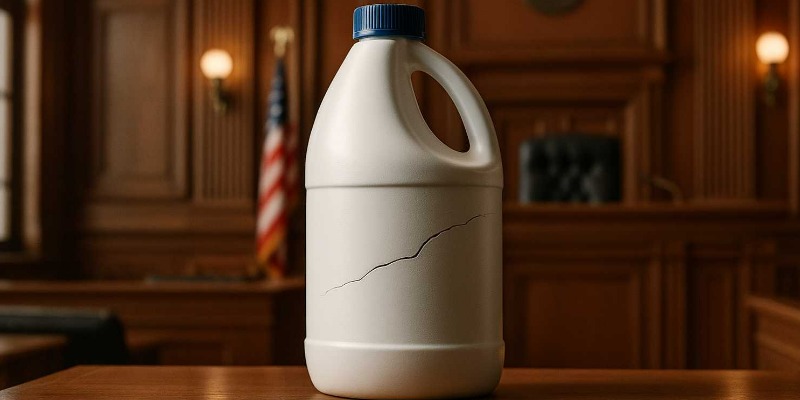 Responsabilità civile e penale per lesioni causate da imballaggi difettosi
Quando un difetto nel packaging diventa un rischio legale e come prevenirloNel contesto contemporaneo, gli imballaggi non sono più un semplice accessorio del prodotto, ma un elemento fondamentale che incide direttamente sulla sicurezza, sulla conformità normativa e sulla percezione del consumatore. L’involucro, infatti, assolve a funzioni complesse: proteggere il contenuto, garantirne l’integrità igienica, comunicare informazioni al cliente, prevenire contaminazioni e permettere un corretto stoccaggio e trasporto. Quando però l’imballaggio presenta un difetto, la sua funzione si trasforma in minaccia. Un tappo che non chiude correttamente un contenitore di detergente può provocare ustioni, una pellicola alimentare non conforme può rilasciare sostanze tossiche, un cartone fragile può collassare causando incidenti nella logistica. Il passaggio dall’errore tecnico alla conseguenza giuridica è immediato: si configura un rischio legale che coinvolge i profili di responsabilità civile e penale di chi immette sul mercato il prodotto. Imballaggi difettosi: natura del difetto e responsabilità conseguenti La nozione di “difetto” non è banale. Un imballaggio si considera difettoso quando non offre la sicurezza che ci si può legittimamente attendere, tenendo conto di: - la presentazione del prodotto, incluse le etichettature e le istruzioni - l’uso normale e ragionevolmente prevedibile da parte del consumatore - il momento in cui il bene è stato messo in circolazione Un imballaggio che non resiste alle sollecitazioni minime previste, che si rompe con facilità o che utilizza materiali non idonei al contatto con alimenti integra un difetto ai sensi della normativa europea. Le tipologie di danno sono variegate: si passa dalle lesioni fisiche (tagli, contusioni, avvelenamenti da sostanze fuoriuscite) ai danni alla salute (intossicazioni, reazioni allergiche, infezioni), fino a danni di natura patrimoniale e esistenziale, come la perdita di capacità lavorativa o le sofferenze morali connesse a un incidente domestico. Responsabilità civile: il pilastro del Codice del Consumo La disciplina civilistica trova il suo fondamento nella Direttiva 85/374/CEE, recepita in Italia con il D.P.R. 224/1988 e confluita negli artt. 114-127 del Codice del Consumo. Si tratta di un regime di responsabilità oggettiva: non occorre dimostrare la colpa del produttore, ma soltanto il difetto, il danno e il nesso di causalità. Questa impostazione, ispirata al principio di tutela della parte debole, sposta il rischio d’impresa sul produttore. Se il consumatore subisce un danno da un imballaggio difettoso, può ottenere il risarcimento integrale: spese mediche, mancati guadagni, danno biologico e morale. Oltre al produttore, anche importatori e distributori possono essere chiamati a rispondere. Il legislatore ha inteso così evitare “zone franche” nella catena commerciale, dove il consumatore rimarrebbe senza tutela. La responsabilità civile assume dunque un carattere diffuso e condiviso, volto a presidiare la sicurezza in ogni fase del ciclo economico. Responsabilità penale: quando il difetto diventa reato Se la responsabilità civile si concentra sul ristoro economico, la responsabilità penale ha finalità sanzionatorie e preventive. In Italia, il Codice Penale prevede l’applicazione delle norme sulle lesioni personali colpose (art. 590 c.p.) e sull’omicidio colposo (art. 589 c.p.) nei casi in cui l’imballaggio difettoso provochi conseguenze gravi per l’incolumità delle persone. Le condotte colpose possono derivare da: - negligenza: mancati controlli sui materiali utilizzati- imprudenza: immissione sul mercato di un imballaggio pur conoscendone i limiti- imperizia: scelta tecnica inadeguata, come l’uso di sostanze non idonee al contatto alimentareLa responsabilità penale può estendersi anche all’ente, ai sensi del D.lgs. 231/2001, quando il difetto derivi da carenze organizzative aziendali. In questo caso, oltre alla responsabilità della persona fisica, la società rischia sanzioni pecuniarie elevate e misure interdittive come l’esclusione da appalti pubblici o la sospensione dell’attività. Norme tecniche e compliance preventiva La prevenzione è la prima linea di difesa legale per le imprese. Alcuni riferimenti normativi chiave sono: - Reg. (CE) 1935/2004: materiali e oggetti a contatto con alimenti devono garantire che non rilascino sostanze pericolose. - Reg. (UE) 10/2011: specifico per le plastiche, fissa limiti di migrazione e composizione. - Norme ISO: la ISO 22000 (sicurezza alimentare) e la ISO 9001 (qualità) offrono standard organizzativi che riducono i rischi e fungono da strumenti difensivi in giudizio. La compliance non si limita all’osservanza formale delle norme, ma comprende controlli periodici di laboratorio, audit di filiera, sistemi di tracciabilità e procedure di ritiro rapido. Giurisprudenza: precedenti significativi La giurisprudenza italiana ed europea ha affrontato numerosi casi di lesioni da packaging difettoso. - Cass. Civ., Sez. III, n. 11816/2015: riconosciuta la responsabilità del produttore per una bottiglia di vetro esplosa che aveva causato danni fisici al consumatore. - Cass. Pen., Sez. IV, n. 163/2010: confermata la condanna per lesioni colpose a carico di un produttore che aveva immesso sul mercato imballaggi alimentari non idonei, con conseguente intossicazione di più soggetti. Queste sentenze confermano l’orientamento della giurisprudenza a favore di una tutela ampia del consumatore e di un’interpretazione estensiva della responsabilità del produttore. Risk management aziendale: oltre la legge Dal punto di vista delle imprese, il rischio legale legato al packaging non può essere ridotto a un mero obbligo formale. Un incidente legato a un imballaggio difettoso non si traduce soltanto in cause civili e penali, ma anche in un danno reputazionale spesso irreparabile. Il risk management deve includere: - sistemi documentati di controllo qualità- test di resistenza e sicurezza dei materiali- formazione continua del personale- strategie di comunicazione trasparente verso il consumatoreIn sede giudiziaria, poter dimostrare di aver adottato tutte le misure preventive è spesso decisivo per limitare le responsabilità. Parere pro veritate: analisi giuridica integrata Quesito: se e come il produttore, l’importatore o il distributore possano essere ritenuti responsabili, civilmente e penalmente, per lesioni causate da imballaggi difettosi. In diritto, la responsabilità civile si articola in due piani: - Contrattuale: ex art. 129 Codice del Consumo, il venditore è obbligato a consegnare beni conformi. Un imballaggio difettoso integra difetto di conformità, con conseguente risarcimento danni- Extracontrattuale da difetto, senza necessità di provare la colpa. L’onere probatorio ricade sul danneggiato solo per difetto, danno e nesso causaleSul piano penale, l’applicazione degli artt. 589 e 590 c.p. porta a ritenere penalmente rilevante qualsiasi condotta colposa che causi lesioni o morte in connessione diretta con il difetto dell’imballaggio. La colpa può derivare da negligenza, imprudenza o imperizia. La responsabilità si estende anche agli enti ai sensi del D.lgs. 231/2001, se il danno deriva da carenze organizzative. Le sanzioni interdittive previste (interdizione dall’attività, esclusione da appalti, pubblicazione della sentenza) hanno effetti gravi e duraturi. Sul nesso causale, la giurisprudenza richiede la prova che il difetto sia stato causa diretta ed efficiente della lesione. In mancanza, la responsabilità non può essere affermata. Tuttavia, in virtù del principio di protezione del consumatore, i giudici tendono ad ampliare la nozione di prevedibilità del danno. In conclusione, il produttore di imballaggi non può considerare l’involucro un mero accessorio del bene. Esso è parte integrante della sicurezza del prodotto e come tale deve rispettare standard elevati. La prevenzione tecnica, la conformità normativa e l’adozione di modelli organizzativi idonei rappresentano non solo un dovere giuridico, ma anche un presidio difensivo fondamentale in caso di contenzioso.© Riproduzione Vietata Fonti normative e giurisprudenziali - Direttiva 85/374/CEE sulla responsabilità da prodotti difettosi - D.P.R. 224/1988 (recepimento della direttiva) - Codice del Consumo (D.lgs. 206/2005, artt. 114-129) - Reg. (CE) 1935/2004 su materiali a contatto con alimenti - Reg. (UE) 10/2011 su materiali plastici per alimenti - Codice Penale, artt. 589 e 590 - D.lgs. 231/2001 sulla responsabilità amministrativa degli enti - Cass. Civ., Sez. III, n. 11816/2015 - Cass. Pen., Sez. IV, n. 163/2010
SCOPRI DI PIU'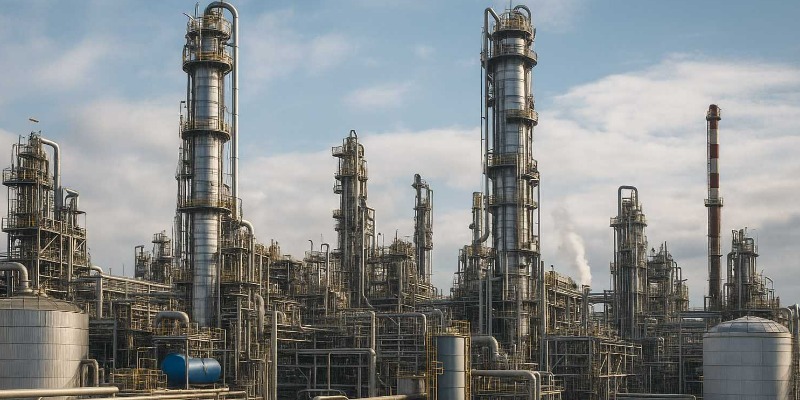 Le Grandi Potenze della Chimica Globale: Analisi Finanziaria e Industriale dei Leader del Settore
Un’analisi dettagliata delle dieci aziende che dominano il mercato mondiale della chimica specialisticadi Marco ArezioNegli ultimi vent’anni, il settore della chimica mondiale ha attraversato una trasformazione profonda, passando da una produzione di massa orientata ai volumi a una strategia basata sull’innovazione, la sostenibilità e la specializzazione dei prodotti. È la nascita della chimica specialistica (specialty chemicals), un comparto in cui la ricerca scientifica, la personalizzazione delle formulazioni e l’efficienza energetica diventano leve di valore. Queste aziende non si limitano più a produrre composti chimici di base, ma sviluppano soluzioni ad alto contenuto tecnologico che entrano in modo invisibile ma determinante in tutti i settori industriali: dall’automotive all’aerospazio, dal packaging alimentare alla farmaceutica, dalle costruzioni all’elettronica. Ogni prodotto finito – un’auto elettrica, un pannello solare, una fibra tessile riciclata o un cosmetico – contiene una quota di innovazione derivata dalla chimica specialistica. L’impatto economico di questo comparto è imponente: secondo le stime 2024, il valore globale del mercato dei prodotti chimici speciali ha superato 800 miliardi di euro, con una crescita annua composta del 5–6%. Le aziende leader – europee e statunitensi – si distinguono per un equilibrio strategico tra margini elevati, solidità finanziaria e impegno ambientale. Nel panorama competitivo mondiale, dieci nomi si ergono come pilastri della chimica contemporanea: BASF, Dow, Nouryon, LANXESS, Evonik, Huntsman, Clariant, Solvay e Arkema. Ognuna rappresenta un modello industriale distinto, ma tutte condividono una visione comune: trasformare la chimica in una forza motrice per la transizione ecologica e digitale dell’economia globale. BASF SE: il gigante integrato della chimica mondiale Fondata nel 1865 a Ludwigshafen, BASF SE è oggi la più grande azienda chimica del pianeta. Il suo modello industriale si basa sul principio del Verbund, una rete integrata che collega produzione, energia e logistica in un sistema ciclico e sinergico. Le sue sei divisioni – chimica, materiali, soluzioni industriali, tecnologie di superficie, nutrizione e agricoltura – coprono un portafoglio vastissimo, dai catalizzatori alle vernici, dai polimeri ai fertilizzanti. Con oltre 68 miliardi di euro di fatturato (2024) e 112.000 dipendenti nel mondo, BASF combina efficienza produttiva e innovazione ambientale. Tra i progetti chiave spiccano ChemCycling™, che trasforma rifiuti plastici in materie prime secondarie, e l’impegno per la neutralità climatica entro il 2050. DOW Inc: l’innovazione americana tra materiali e circolarità Dow Inc, con sede nel Michigan, è la più grande azienda chimica degli Stati Uniti e un protagonista globale nei materiali polimerici. Il gruppo si articola in tre divisioni principali: materiali di performance, soluzioni industriali e prodotti chimici per l’imballaggio e l’edilizia. Tra i suoi prodotti di punta figurano elastomeri, resine siliconiche, adesivi, solventi e polimeri riciclati. Dow ha investito fortemente nella chimica sostenibile, sviluppando tecnologie per la produzione di plastica a basse emissioni e imballaggi monomateriale per favorire il riciclo. Con oltre 46 miliardi di dollari di fatturato, un margine operativo del 12% e una presenza in più di 160 paesi, Dow è il simbolo di una chimica americana moderna, dinamica e attenta al ciclo di vita dei materiali. Nouryon: la precisione olandese nella chimica di nicchia Nouryon, con sede ad Amsterdam, è il risultato dello spin-off della divisione Specialty Chemicals di AkzoNobel. Specializzata in prodotti chimici ad alto valore aggiunto per l’industria della carta, dei detergenti, dei polimeri e dell’agricoltura, Nouryon è un esempio di focalizzazione strategica su segmenti ad alto margine. I suoi prodotti – perossidi, tensioattivi, additivi e agenti catalizzatori – sono essenziali per i processi industriali di oltre 80 paesi. Grazie a una forte vocazione scientifica e a una struttura snella, Nouryon ha consolidato una posizione di leadership in Europa e Nord America, mantenendo solidi parametri finanziari e una chiara rotta verso l’innovazione verde. LANXESS AG: la forza tedesca nei materiali avanzati Nata nel 2004 da uno spin-off di Bayer, LANXESS si è affermata come uno dei leader globali nei polimeri tecnici e negli additivi per l’industria pesante. I suoi settori chiave includono automotive, costruzioni, elettronica, trattamento acque e ingegneria dei materiali. Con un fatturato superiore a 13 miliardi di euro, LANXESS è riconosciuta per la qualità dei suoi elastomeri, intermedi chimici e additivi per lubrificanti. L’azienda è in prima linea nella riduzione delle emissioni industriali e nello sviluppo di biopolimeri, puntando su un modello di produzione decarbonizzato e digitale. Evonik Industries AG: la scienza dei nuovi materiali Evonik, nata nel 2007 dal gruppo RAG, rappresenta il volto innovativo della chimica tedesca. Leader mondiale negli additivi, nei materiali per la stampa 3D e nei prodotti per la salute e la nutrizione, Evonik ha orientato la propria strategia su ricerca, sostenibilità e tecnologie verdi. I suoi prodotti spaziano dai catalizzatori ai polimeri intelligenti, dagli aminoacidi per mangimi ai componenti per batterie al litio. Con oltre 15 miliardi di euro di fatturato nel 2024, Evonik combina crescita organica, ricerca scientifica e attenzione alla bioeconomia, incarnando il nuovo paradigma della chimica “pulita e performante”. Huntsman Corporation: poliuretani, compositi e futuro sostenibile Fondata nel 1970, la Huntsman Corporation (Texas, USA) è specializzata nella produzione di poliuretani, resine e materiali compositi avanzati. È un fornitore chiave per settori come edilizia, aerospazio, energia e tessuti tecnici. L’azienda ha consolidato il proprio ruolo come uno dei principali produttori globali di poliuretano termoplastico (TPU) e compositi leggeri, investendo in processi di produzione circolari. Con un fatturato di oltre 8 miliardi di dollari, Huntsman unisce innovazione chimica e applicazioni industriali concrete, posizionandosi come ponte tra scienza dei materiali e manifattura sostenibile. Clariant, Solvay e Arkema: l’Europa tra eccellenza tecnica e green transition Clariant AG (Svizzera) è sinonimo di chimica sostenibile. I suoi catalizzatori, additivi e soluzioni per la cura della persona derivano da biomasse e processi a basso impatto ambientale. Leader nel bioetanolo cellulosico e nei polimeri ecologici, Clariant ha superato i 5 miliardi di euro di ricavi nel 2024, mantenendo uno dei più alti margini di settore. Solvay SA (Belgio), fondata nel 1863, è protagonista nella chimica avanzata per l’aerospazio, la mobilità elettrica e la farmaceutica. Nel 2024 ha completato una storica ristrutturazione, separandosi in due entità — Solvay (chimica di base) e Syensqo (materiali high-tech) — per valorizzare le attività ad alto contenuto tecnologico. Arkema (Francia), nata nel 2004 dallo spin-off di Total, è oggi una multinazionale leader nei polimeri sostenibili, resine per stampa 3D e materiali compositi leggeri. Con oltre 10 miliardi di euro di fatturato, Arkema guida la trasformazione verde della chimica europea, promuovendo fonti rinnovabili e una filiera a basse emissioni. Conclusione: la nuova frontiera della chimica mondiale La chimica specialistica non è più un settore di supporto, ma un motore strategico dell’economia globale. Le aziende leader qui analizzate incarnano il passaggio da una produzione quantitativa a una visione qualitativa e sostenibile: meno volumi, più valore. In un mondo dove l’innovazione dei materiali definisce la competitività industriale, questi dieci gruppi rappresentano la spina dorsale della transizione ecologica e tecnologica. La loro forza congiunta — oltre 250 miliardi di euro di fatturato complessivo — fa della chimica non solo una scienza, ma una leva economica decisiva per la costruzione del futuro.© Riproduzione Vietata
SCOPRI DI PIU'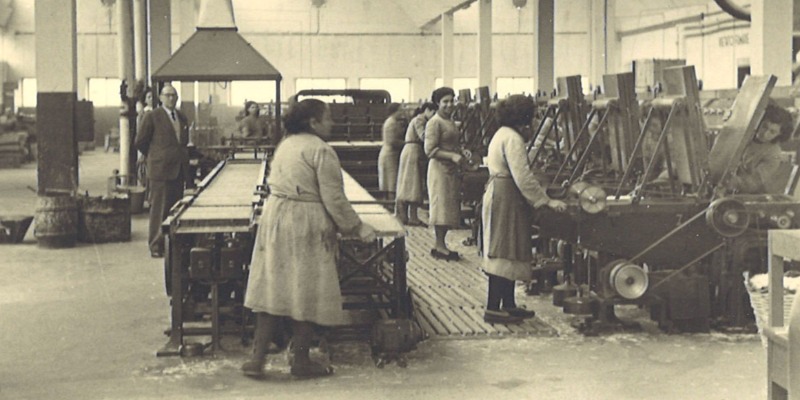 XIX° Secolo e l’Espansione della Chimica tra Bene e Male
La Chimica nella storia: uso del fosforo bianco nella produzione dei fiammiferi di Marco ArezioTutte le forme di progresso, anche quello della chimica, sono state costellate, nella storia, da vittorie e da sconfitte, da azioni di gloria tecnico-scientifica e da bramosia di denaro, insomma dall’eterna lotta tra chi comandava e chi subiva. La letteratura ci riporta episodi riferibili a successi, scaturiti dalle scoperte di nuovi materiali e la loro industrializzazione, e di risvolti negativi, a volte mortali, per chi lavorava nelle fabbriche o nelle loro vicinanze. Possiamo ricordare la storia dell’inquinamento della diossina, dell’eternit, del teflon, del PFSA, del piombo, dei pesticidi e di molti altri ritrovati chimici che, da una parte hanno fatto grandi le industrie, ma dall’altra hanno arrecato danni alla salute umana, all’ambiente e spesso la morte di molti lavoratori. La storia ci restituisce aneddoti su come la nuova chimica, nel corso del '800, avesse creato un’industria avida di denaro e per niente rispettosa della salute di chi, questi profitti, procurava agli imprenditori attraverso il loro lavoro. Un articolo, apparentemente piccolo e innocuo come i fiammiferi, la cui diffusione era massima in quel periodo in virtù delle necessità in cucina, nelle aziende, per il riscaldamento e per i fumatori, era prodotto con dei composti chimici altamente dannosi per la salute umana e, nonostante ciò, si proseguì per anni la sua produzione cercando di insabbiare i reali effetti nefasti. A partire dal 1840, quando si affinò la tecnica di produzione dei fiammiferi, la produzione avveniva immergendo dei piccoli pezzi di legno in una massa fumosa di fosforo bianco, lasciandoli poi essiccare all’aria. Il fosforo bianco, materia prima per le capocchie incendiarie, era composto da fosfati minerali e dalle ceneri delle ossa che contenevano fosfato di calcio. La miscela che ne scaturiva veniva poi trattata con l’acido solforico, altro prodotto dell’industria chimica nascente, ottenendo così l’acido fosforico che veniva poi trattato con carbone e trasformato in fosforo. Il fosforo bianco così realizzato si utilizzava per la fabbricazione dei fiammiferi, ma era altamente tossico per chi lo maneggiava o ne respirava i fumi. Il lavoro della preparazione dei fiammiferi, molte volte eseguito da donne e bambini, li esponeva ai fumi del fosforo bianco, anche perché, spesso, erano fatti in spazi angusti o i locali non avevano il ricambio e la circolazione dell’aria necessaria. Per molti anni si susseguirono le morti e gravi malattie dei lavoratori nelle fabbriche a causa del fosforo bianco, nonostante gli industriali sapessero perfettamente della tossicità del prodotto che serviva per le capocchie infiammabili. Una forte azione tra gli imprenditori, alcuni cattedratici e alcuni parlamentari, riuscì a bloccare una proposta legge, datata 1905, che ne avrebbe impedito l’uso, costringendo le aziende a passare al più costoso fosforo rosso. Ma nel 1924, nonostante l’associazione monopolista dei produttori di fiammiferi tentò in tutti i modi di prolungare il blocco legislativo, ci fu l’approvazione che pose fine alla chimica della morte.Foto Tecnomatch
SCOPRI DI PIU' Come Gestire in Modo Efficace una Contestazione sul Prodotto
Come Gestire in Modo Efficace una Contestazione sul Prodottodi Marco ArezioNel mondo del commercio e della produzione non si vorrebbe mai ricevere una contestazione in quanto sono situazioni sempre spinose da gestire. Da una parte c’è il rapporto con il cliente, che normalmente si cerca di coltivare in modo costruttivo sul lungo periodo e dall’altra c’è l’azienda che potrebbe aver commesso un errore. In base a come è strutturata la società produttrice o distributrice, la contestazione sollevata dal cliente viene recepita così da mettere in moto una serie di verifiche inerenti all’insoddisfazione palesata. Non è qui la sede per descrivere l’iter di controlli interni, anche perché ogni azienda segue i propri canali in base a come è strutturata, ma mi vorrei soffermare sulla gestione dell’attività di risposta verso il cliente. Fatto salvo che la persona addetta a gestire la contestazione può essere un addetto al customer service, al post vendita o una figura più tecnica, se la contestazione dovesse riguardare aspetti prettamente tecnici o ad un commerciale che ha venduto il prodotto. La delega alla gestione della contestazione dipende anche dalla dimensione aziendali e dalla possibile ripetitività e periodicità della stessa, dalle dimensioni del mercato e dal tipo di prodotti. Tra tutti, faremo un’ipotesi esemplificativa in cui rappresenteremo un’azienda media, che produce polimeri, su una fornitura gestita da un agente di vendita in un’area nazionale. In questo caso il primo a raccogliere la contestazione potrebbe essere l’agente di zona che avrà il compito di parlare con il cliente per capire i termini del problema. Nel campo dei polimeri riciclati si rende necessaria una campionatura del granulo venduto, dei parametri macchina usati ed eventualmente un pezzo del prodotto realizzato. L’agente si interfaccerà con il responsabile commerciale il quale, raccolte le indicazioni dell’agente, attiverà i controlli interni per verificare, analiticamente, quanto affermato dal cliente. In questi casi entrano in gioco alcune variabili importanti: • Tipologia della contestazione • Dimensione economica della contestazione • Importanza del cliente Tipologia della contestazione Ci sono aziende produttive che, utilizzando determinati input, possono andare incontro a possibili contestazioni sulla materia prima attraverso una casistica che già conoscono. Questo non significa che il polimero prodotto sia in ogni caso non conforme, ma che, per esempio, se utilizzato con determinate temperature macchina, determinati impianti, in determinate condizioni ambientali, qualche cliente potrebbe avere dei problemi. C’è anche il caso che effettivamente l’azienda abbia commesso degli errori o delle leggerezze, che hanno portato alla spedizione di un lotto di materiale non conforme. In questa sede non ci soffermeremo sulle tipologie di problematiche che un polimero può avere, né sul motivo per cui dalla produzione sia transitato nell’area di controllo e poi in quella logistica, senza che nessuno fosse intervenuto per segnalare un problema. Questo fa parte di un problema organizzativo che non sarà approfondito in questo momento, in quanto a noi interessa analizzare la gestione di una contestazione che in realtà già c’è. Il responsabile commerciale, che in questo caso sarà deputato alla gestione della contestazione, dopo aver verificato i risultati delle verifiche che sono venuti dalla produzione e dal controllo di qualità, dovrà incrociare le informazioni ricevute dal cliente tramite l’agente. Sulla scorta dell’analisi di quanto in suo possesso, l’addetto ha un quadro abbastanza preciso del problema tecnico e dovrà capire la sua entità economica. Dimensione economica della contestazione Prima di prendere qualsiasi decisione su come gestire con il cliente il problema dovrà, come detto, stabilire l’impatto economico dei passi che dovrà compiere con il cliente. Se l’ordine consegnato fa parte di un contratto continuativo, se è un ordine spot, se un inasprimento delle relazioni con il cliente potrebbe portare a dei risvolti negativi sulle vendite nell’area e, infine, valutare il rapporto che l’agente ha con il cliente e l’importanza che questo ha con l’azienda. A fronte del rischio di perdite commerciali o finanziarie importanti si dovrà studiare un approccio pragmatico, che metta nelle migliori condizioni le parti per dialogare. Nel caso in cui si è presenti a minori rischi, le valutazioni della strategia da seguire possono essere meno complicate. Importanza del cliente Se il cliente è importante per l’azienda che produce il prodotto, lo sa sia il responsabile commerciale ma anche il cliente stesso e, se non è uno sprovveduto, questa situazione è una delle maggiori difficoltà nelle trattative in caso l’azienda abbia una contestazione importante. Il problema non riguarda quindi solo la situazione oggettiva del momento, ma ci sono da considerare le implicazioni sul possibile fatturato, o di impegno della produzione, che potrebbero mutare se il cliente venisse perso. Viceversa, minore è l’importanza del cliente per l’azienda, minore sono i possibili rischi correlati alla contestazione. Anche qui prendiamo un esempio e inquadriamo il problema, attribuendo alla contestazione un valore economico e produttivo medio, una responsabilità media dell’azienda e un’importanza del cliente alta. Queste combinazioni si possono architettare diversamente, spostando i componenti e trovare soluzioni diverse. Gestione della contestazione Fatto salvi i tre punti riferiti al valore della contestazione, la responsabilità e all’importanza del cliente ci si deve muovere per minimizzare i costi e conservare una continuità cliente-azienda. In primo luogo bisogna valutare il grado di tensione che esprime il cliente che si sente danneggiato, questa è possibile rilevarla tramite le sensazioni che possono venire da una telefonata ricevuta o da un’email inviata o dalle indicazioni dell’agente. Se la tensione è palpabile è consigliabile astenersi nel formulare risposte scritte, che possono essere mal interpretate o che possono far salire ulteriormente la tensione. E’ auspicabile trovare un filo diretto telefonico, meglio in videoconferenza con il cliente in cui è possibile avere la possibilità di guardarsi in faccia e parlare. Se fosse possibile la visita dal cliente, questa potrebbe essere la migliore soluzione, in quanto è maggiormente empatica e sottolinea la volontà dell’azienda a considerare il cliente importante. Sono queste piccole sfumature di grande importanza che possono aiutare ad affrontare più serenamente il problema. L’incontro dovrà rimanere sempre, da parte del responsabile commerciale, su binari di educazione, rispetto e cortesia, anche in situazioni tese, senza pensare che possa diventare un duello personale. Questo non vuol dire una posizione di subalternità, anche in presenza di una responsabilità conclamata, ma un atteggiamento pragmatico che evita i rischi di una eccessiva emotività. L’esposizione delle cause della contestazione e della possibile risoluzione devono essere esposte dal responsabile dell’azienda in maniera competente, sia tecnicamente che economicamente, senza escludere una via di compromesso. Non sono consigliabili interventi in cui si cerchi di rovesciare tutta o in parte la colpa sul cliente per partire la negoziazione da un livello più sicuro, perché per fare questo si deve conoscere le capacità di gestione delle trattative da parte del cliente e la sua intelligenza. Se non si conosce a fondo l’interlocutore è meglio avere un approccio più sincero, meno da giocatori di poker, in quanto ci si può trovare di fronte ad un baro più bravo e, solo voi, conoscete il rischio che c’è sul piatto. La linea da sostenere deve avere una ragionevolezza che può valere per entrambi le parti, cercando di perseguire un equilibrio come asse portante delle relazioni tra le due aziende. Uscire dal problema spicciolo e far percepire al cliente il legame importante che nel tempo le aziende possono aver instaurato, può disinnescare prese di posizioni intransigenti, analizzando il valore della contestazione in relazione al fatturato consolidato. Lo scopo principale dell’incontro è disinnescare il risentimento e far crescere l’empatia tra i contendenti, così da partire da un piano non più in salita ma perlomeno orizzontale. Al cliente piace sentirsi apprezzato e una delle soluzioni è fargli capire che il problema sarà risolto, in quanto la relazione commerciale non potrà essere messa in discussione per una contestazione. Alla fine la proposta risolutiva dovrà tener presente il reale valore dell’errore commesso, il valore attribuito dal cliente al problema, considerando anche l’amplificazione dello stesso come gioco tra le parti, il valore della relazione azienda-cliente e la qualità dei rapporti personali che possono aiutare od interferire in problematiche future.
SCOPRI DI PIU' La CGIL di oggi: da baluardo operaio a interlocutore politico?
Analisi critica sul cambiamento del sindacato italiano: tra pensionati, politica e distanza dal mondo produttivoNata nel dopoguerra come simbolo dell’emancipazione operaia e della difesa dei diritti dei lavoratori, la CGIL ha rappresentato per decenni la voce più forte del sindacalismo italiano. Le sue battaglie per i salari, la sicurezza sul lavoro e le conquiste sociali hanno inciso profondamente sulla storia repubblicana, influenzando politiche economiche e cultura industriale. Tuttavia, la realtà produttiva di oggi non è più quella delle grandi fabbriche fordiane né quella delle masse operaie compatte. L’Italia del XXI secolo è fatta di piccole e medie imprese, di servizi, di precariato diffuso, di start-up e partite IVA: un mondo in cui il sindacato sembra aver perso il linguaggio e la rappresentanza. La trasformazione demografica degli iscritti Uno dei dati più significativi è la composizione attuale degli iscritti: secondo le ultime rilevazioni, oltre la metà dei membri della CGIL sono pensionati. È un fatto che non può essere ignorato. Questa trasformazione ha modificato la base sociale e le priorità del sindacato, spostando l’attenzione dai problemi del lavoro attivo — salari, produttività, contratti, formazione — verso le questioni previdenziali, sanitarie e assistenziali. Non si tratta solo di un cambio anagrafico, ma di una metamorfosi culturale: un sindacato che si rivolge più a chi è uscito dal mondo del lavoro che a chi vi entra, rischia di perdere la capacità di incidere sul futuro del lavoro stesso. Il declino del ruolo sindacale nei luoghi di lavoro Molti imprenditori e dirigenti osservano con preoccupazione — ma anche con un certo distacco — il progressivo allontanamento dei sindacati dai luoghi produttivi. Negli anni ’70 e ’80, la presenza sindacale in fabbrica era una costante: assemblee, contrattazioni, scioperi. Oggi, invece, nelle piccole e medie imprese, che rappresentano l’ossatura del tessuto economico italiano, la figura del sindacalista è quasi scomparsa. Le relazioni industriali sono diventate più dirette, personali, basate sul dialogo quotidiano. Gli imprenditori spesso preferiscono accordi aziendali agili piuttosto che lunghe mediazioni con sigle nazionali percepite come lontane o ideologizzate. Il rapporto con la politica: confini sempre più labili Una delle critiche più forti provenienti dal mondo imprenditoriale riguarda il crescente coinvolgimento politico dei sindacati, e in particolare della CGIL. Da interlocutore sociale, il sindacato sembra voler essere sempre più attore politico, partecipando al dibattito sulle riforme economiche, sul welfare, sulle politiche fiscali. Non è di per sé un male che una grande organizzazione sociale abbia una visione politica, ma il rischio è che la rappresentanza dei lavoratori si trasformi in un canale di pressione partitica. Molti imprenditori vedono in questo un tradimento della missione originaria: quella di difendere chi lavora, non di condizionare chi governa. La percezione delle imprese verso il sindacato Dal punto di vista delle imprese, la CGIL — e più in generale i sindacati confederali — appaiono spesso come organismi del passato, ancorati a logiche novecentesche in un mondo che viaggia alla velocità del digitale e della globalizzazione. Il linguaggio della “lotta di classe” è diventato anacronistico in un contesto dove la produttività, la sostenibilità e l’innovazione sono sfide comuni a imprenditori e lavoratori. Molte aziende lamentano che le organizzazioni sindacali intervengano più per ostacolare che per facilitare processi di rinnovamento, e che la contrattazione collettiva nazionale non tenga conto delle reali differenze territoriali e settoriali. Sindacati e produttività: un conflitto che non evolve In un’epoca in cui la competitività si misura sull’innovazione e sull’efficienza, la distanza tra sindacati e imprese si fa più evidente. Mentre le aziende chiedono maggiore flessibilità, premi di risultato e formazione continua, i sindacati spesso si concentrano su difese rigide di diritti nati in un’altra epoca economica. La produttività italiana, tra le più basse d’Europa, risente anche di questa mancata modernizzazione del dialogo sociale. Non si tratta solo di “colpa sindacale”, ma di un’incapacità collettiva di ridefinire il patto tra capitale e lavoro alla luce delle nuove sfide tecnologiche e ambientali. Il paradosso della rappresentanza pensionistica La presenza massiccia di pensionati nella CGIL solleva un interrogativo etico e politico: può un sindacato che rappresenta in larga parte persone fuori dal mondo del lavoro essere il principale interlocutore sul lavoro stesso? È un paradosso che indebolisce la legittimazione del sindacato presso le nuove generazioni, spesso estranee a qualsiasi forma di iscrizione. Per molti giovani lavoratori precari o autonomi, la CGIL è un’entità distante, più attenta ai dossier politici che alle loro esigenze concrete: formazione, retribuzioni, tutela in caso di disoccupazione. Verso un nuovo patto sociale tra capitale e lavoro Forse è tempo di superare la visione antagonista del passato e immaginare una nuova alleanza tra imprese e lavoratori, fondata su obiettivi comuni: transizione ecologica, crescita sostenibile, equità fiscale. Per farlo, anche i sindacati dovranno ripensarsi, tornare nei luoghi reali della produzione, parlare ai giovani e non solo ai pensionati, difendere il lavoro senza trasformarsi in partiti. Le imprese, dal canto loro, devono accettare il dialogo come forma di responsabilità sociale, non solo come obbligo contrattuale. In fondo, il futuro del lavoro italiano non si gioca più sul vecchio terreno dello scontro, ma su quello della collaborazione consapevole, in un Paese che deve decidere se restare ancorato alle sue memorie industriali o aprirsi davvero a un nuovo modello di civiltà produttiva.© Riproduzione Vietatafoto: archivio storico CGIL Basilicata
SCOPRI DI PIU'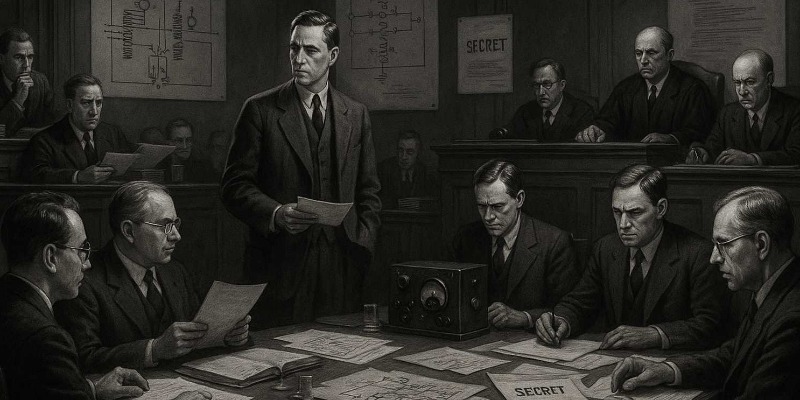 La guerra dei brevetti: RCA contro Marconi, tra spionaggio industriale e diplomazia segreta
Come spionaggio, lobbying e diplomazia hanno plasmato la corsa globale alle tecnologie delle telecomunicazioni tra Europa e Stati Uniti (1890-1930)di Orizio LucaNella prima metà del XX secolo, il mondo era attraversato da una corsa sfrenata all’innovazione nel campo delle telecomunicazioni. I cavi telegrafici avevano già unito i continenti, ma era la radio, con il suo potenziale rivoluzionario, a promettere di cambiare per sempre i destini dell’umanità. Al centro di questa rivoluzione si trovavano due giganti: la britannica Marconi Company e la statunitense RCA (Radio Corporation of America). Ma la competizione non si giocava solo sul terreno della ricerca e dell’industria: dietro le quinte, si consumava una vera e propria guerra di brevetti, spionaggio industriale e manovre diplomatiche ad altissimo livello. Il contesto: la nascita della radio e la corsa ai brevetti Tra la fine dell’Ottocento e i primi decenni del Novecento, la radio era ancora un territorio inesplorato, attraversato da pionieri come Guglielmo Marconi, Nikola Tesla, Reginald Fessenden, Lee De Forest e molti altri. Il terreno di scontro era quello dei brevetti: ogni innovazione brevettata poteva aprire le porte a imperi industriali e ricchezze inimmaginabili. Il giovane Marconi, partito da Bologna con le sue prime intuizioni sulla trasmissione senza fili, aveva già conquistato la fiducia della Royal Navy e del governo britannico, stringendo una rete di protezione intorno ai suoi brevetti. Nel frattempo, negli Stati Uniti, grandi aziende come General Electric, Westinghouse e la neonata RCA cercavano di entrare a loro volta nel mercato mondiale delle telecomunicazioni. Ma il vero conflitto si svolgeva nell’ombra: non solo con le cause legali, ma anche attraverso operazioni di spionaggio industriale, acquisizione mirata di brevetti, pressioni sui governi e lobbying internazionale. Spionaggio industriale: le manovre oscure tra laboratori e ambasciate La Marconi Wireless Telegraph Company, fondata nel 1897, divenne rapidamente il simbolo dell’avanguardia tecnologica europea. Tuttavia, i suoi laboratori e archivi erano bersagli costanti di tentativi di intrusione: dipendenti infedeli, agenti reclutati tra i tecnici, intermediari pronti a vendere informazioni sui prototipi. Si racconta di tecnici statunitensi “in missione” a Londra e Southampton, incaricati ufficialmente di studiare “gli avanzamenti europei”, ma spesso impegnati in ben altro. Anche la diplomazia faceva la sua parte: ambasciate e consolati fornivano coperture a scienziati e agenti commerciali, pronti a raccogliere dati su frequenze, valvole, codici trasmissivi, schemi delle antenne. La tecnologia radio, infatti, era diventata in breve tempo una questione strategica non solo per il business, ma anche per la sicurezza nazionale di imperi e nazioni in crescita. La risposta europea non si fece attendere: la Marconi adottò tecniche di separazione delle attività a comparti, assegnando a ciascun team solo una parte dei progetti, e investì in sicurezza interna. La documentazione più sensibile viaggiava solo tra poche persone di fiducia e spesso in modo cifrato. I rapporti di collaborazione tra scienziati, spesso ostacolati da sospetti e paure, erano intermediati da contratti di riservatezza e clausole draconiane. Il lobbying internazionale: RCA, governo USA e la politica dei brevetti Dall’altra parte dell’Atlantico, la neonata RCA, nata nel 1919 come consorzio delle maggiori aziende americane, era il braccio operativo del governo degli Stati Uniti nel nuovo mercato radio. In quel periodo, Washington vedeva la supremazia tecnologica europea come una minaccia strategica. RCA fu supportata con leggi ad hoc, fondi pubblici e – soprattutto – una straordinaria capacità di lobbying. Nei salotti di Washington, New York e Londra, si incontravano avvocati, diplomatici, uomini d’affari e scienziati per discutere di alleanze, fusioni, acquisizioni e battaglie legali sui brevetti. La strategia americana puntava a indebolire il monopolio Marconi in Europa e a bloccare il suo accesso al mercato americano, costringendo spesso la compagnia britannica a cedere licenze a condizioni favorevoli agli americani. Ma la guerra dei brevetti non era solo una questione di tribunali. Gli Stati Uniti spinsero per una diplomazia attiva anche nelle sedi delle organizzazioni internazionali, come la Conferenza Internazionale della Radiotelegrafia. Qui, la pressione politica e le minacce di ritorsioni commerciali servivano a rafforzare le posizioni delle aziende statunitensi. La Marconi, d’altro canto, cercava di resistere coalizzandosi con aziende francesi, tedesche e italiane, in una sorta di “fronte europeo” contro l’espansione americana. Episodi chiave: processi, fusioni, acquisizioni Tra il 1910 e il 1930, le cause legali tra Marconi e RCA si susseguirono senza sosta. Celebre fu la vertenza sull’invenzione della radio stessa: Marconi, Tesla e altri si contesero a lungo la paternità di alcuni brevetti fondamentali, dando vita a un contenzioso che durò decenni e coinvolse anche la Corte Suprema degli Stati Uniti. Le fusioni e le acquisizioni di società minori – spesso possedute solo per pochi brevetti – erano all’ordine del giorno e servivano a rafforzare le posizioni delle grandi multinazionali in vista di nuove battaglie legali. In questo clima, la spinta all’innovazione era costante, ma lo era anche la tentazione di ricorrere a ogni mezzo pur di ottenere un vantaggio competitivo: dalla corruzione di funzionari pubblici alle operazioni di intelligence tecnologica. I giornali dell’epoca parlarono di veri e propri “colpi di mano” nelle ambasciate e negli uffici brevetti, con fughe di documenti e scambi di denaro sotto banco. Diplomazia, intelligence e il ruolo dei governi Il ruolo dei governi fu determinante. Mentre il governo britannico proteggeva gli interessi di Marconi attraverso vincoli sulle esportazioni tecnologiche e protezioni doganali, quello statunitense arrivò a ostacolare attivamente la compagnia europea. Nel 1919, l’acquisizione forzata delle attività Marconi in America da parte di RCA segnò uno spartiacque: per la prima volta, la tecnologia radio diveniva oggetto di scontro geopolitico aperto tra le due potenze. Gli archivi diplomatici oggi rivelano una fitta trama di negoziati riservati, pressioni su giudici e politici, e veri e propri dossier sulle attività sospette delle aziende rivali. In alcune occasioni, la competizione si estese anche alla stampa, con campagne denigratorie e fughe di notizie mirate a danneggiare l’immagine dell’avversario sui mercati internazionali. Un’eredità ancora attuale La “guerra dei brevetti” tra Marconi e RCA non si limitò a una sfida commerciale: fu una partita globale che vide convergere ricerca scientifica, economia, intelligence e diplomazia in una delle prime grandi guerre tecnologiche della storia moderna. Molte delle strategie e delle tensioni di allora si ritrovano ancora oggi nei settori dell’elettronica, dell’informatica e delle telecomunicazioni, a dimostrazione di quanto sia antica e profonda la relazione tra innovazione, segretezza industriale e potere geopolitico.© Riproduzione Vietata
SCOPRI DI PIU' rMIX il Portale del Riciclo: il Dono della Sintesi e della Fiducia
rMIX il Portale del Riciclo: il Dono della Sintesi e della Fiduciadi Marco ArezioTutti noi, ogni giorno, utilizziamo internet per fare molte cose importanti per la nostra azienda. Comunichiamo, ricerchiamo, promuoviamo, acquistiamo, informiamo, ecc..La rete è una fonte inesauribile di informazioni che ci invita a navigare nella speranza di trovare quello che cerchiamo. Molto spesso utilizziamo i motori di ricerca per scovare potenziali clienti, fornitori, consulenti, imbattendoci in un lavoro ciclopico che impegna due variabili: il tempo e la fiducia. Il problema nasce proprio dal fatto che, per quanto si cerchi di restringere il campo delle ricerche, le informazioni sono sempre maggiori rispetto al tempo a nostra disposizione e che, i contatti trovati, specialmente quelli non conosciuti, possono essere sempre motivo di dubbio sull’affidabilità di chi si propone. Abbiamo quindi visto che il tempo e la fiducia governano i risultati del nostro lavoro nella rete e credo sia importante rendere meglio visibile questi due fattori. Il Tempo Immaginiamo di essere una ditta che utilizza un granulo di polipropilene riciclato per la produzione di alcuni articoli e che vogliamo trovare nuovi fornitori rispetto a quelli che già abbiamo, digitiamo così su Google le parole chiave: • Polipropilene: i risultati che il computer ci restituisce, in una sola lingua scelta, sono circa 4,7 milioni. Decisamente troppi per analizzarli tutti, quindi operiamo una prima scrematura. • Polipropilene riciclato: i risultati che ci appaiono sono scesi a 129.000 circa, sempre troppi rispetto al tempo di analisi che posso investire per una ricerca, quindi scremiamo ancora. • Polipropilene riciclato in granuli: i posts da leggere sono arrivati a circa 20.400, il che significa che, aprendo gli annunci e spendendo un tempo medio per analizzare il contenuto di 2 minuti per contatto, impiegherò circa 4 mesi, lavorando tutto il giorno, per selezionare i fornitori. Decisamente impossibile. La Fiducia Supponendo che siamo riusciti a trovare alcuni fornitori, a noi sconosciuti, che potrebbero soddisfare apparentemente le nostre esigenze, nasce il problema di verificarne l’affidabilità. I sistemi di verifica sono decisamente pochi, in quanto quello che compare in rete può essere frutto di manipolazioni fatte ad arte per migliorare l’aspetto dell’azienda o creare una facciata ex novo, specialmente se non verificabile in sede direttamente. Anche i portali web del settore, con libero accesso agli iscritti, poco possono fare per limitare il fenomeno delle truffe di identità su internet, che causano tanti problemi alle aziende che si avventurano nei contatti commerciali con questi soggetti iscritti. Tempo e Fiducia sono le chiavi con cui lavora il portale del riciclo rMIX.Utilizzando la piattaforma troverai già una scrematura di aziende, nel mondo, che offrono o cercano prodotti o servizi già divisi per famiglia di appartenenza (plastica, metalli, carta, legno, tessuti, gomme, vetro, scarti edili, macchine, prodotti fatti con materiali riciclati, consulenze, lavori conto terzi, distributori, trasporti…). Ovviamente non ci sono 4,7 milioni di contatti, ma se non trovi quello che cerchi puoi postare una richiesta e puoi essere contattato da chi è interessato. Per quanto riguarda la Fiducia, sul portale del riciclo rMIX nessuno si può iscrivere in modo automatico, deve inviarci prima i propri dati e, solo dopo una valutazione interna, la direzione deciderà se ammetterlo nel portale. Questo viene fatto per cercare di ridurre al minimo il rischio di frodi e di scambio di identità. Inoltre, nel portale troverete una serie di aziende che sono state e/o sono conosciute personalmente dalla nostra società, nel corso delle attività commerciali a livello internazionale svolte nel passato e al lavoro di consulenza che svolgiamo attualmente. Fare l’abbonamento al portale ti allevierà di tante incombenze, perdite di tempo e rischi nel tuo lavoro. Iscriviti al portale rMIX
SCOPRI DI PIU' Economia circolare e profitto: come guadagnano davvero le aziende dal riciclo
Crisi dei margini nel 2025, polimeri vergini competitivi e nuove strategie industriali: come le aziende del riciclo stanno ridefinendo il proprio modello di profitto nell’economia circolare globale Autore: Marco Arezio Data: Marzo 2026Introduzione Negli ultimi dieci anni l’economia circolare è stata presentata come una delle principali risposte industriali alla crisi ambientale e alla crescente scarsità di risorse naturali. Governi, istituzioni europee e grandi aziende hanno promosso il riciclo dei materiali come uno degli strumenti fondamentali per ridurre l’impatto ambientale dell’industria e migliorare l’efficienza nell’uso delle risorse. Tuttavia, dietro questa visione positiva esiste una realtà economica più complessa. Il settore del riciclo è profondamente legato alle dinamiche dei mercati delle materie prime e alla competitività dei materiali vergini. Quando il prezzo delle materie prime tradizionali scende, il vantaggio economico del riciclo può ridursi rapidamente. Il 2025 è stato un anno particolarmente difficile per molte imprese del settore. La disponibilità di polimeri vergini a prezzi competitivi, alimentata da una produzione petrolchimica molto elevata negli Stati Uniti, in Medio Oriente e in Asia, ha ridotto significativamente i margini di profitto dei riciclatori. In diversi segmenti della plastica riciclata, come il polietilene e il polipropilene, i prezzi dei materiali vergini sono tornati a livelli molto vicini o addirittura inferiori a quelli dei materiali riciclati. Questa situazione ha messo sotto pressione molte aziende del settore, evidenziando una questione fondamentale: per essere sostenibile nel lungo periodo, il riciclo deve essere anche economicamente redditizio. Comprendere come le imprese riescono a generare profitto nell’economia circolare significa analizzare i modelli di business, i mercati dei materiali riciclati e le strategie industriali che stanno emergendo nel settore. Economia circolare e redditività industriale Il riciclo non è soltanto un’attività ambientale. È un settore industriale complesso che coinvolge raccolta, logistica, selezione dei materiali, trasformazione e vendita di materie prime secondarie. Secondo l’Agenzia Europea dell’Ambiente, il valore economico complessivo dell’economia circolare nell’Unione Europea supera ormai i 700 miliardi di euro di fatturato annuo, con milioni di posti di lavoro distribuiti lungo le diverse filiere industriali. Nonostante queste dimensioni, il settore rimane altamente sensibile alle fluttuazioni dei mercati delle materie prime. Il prezzo del petrolio, per esempio, influisce direttamente sul costo di produzione dei polimeri vergini. Quando il petrolio è economico e l’industria petrolchimica produce grandi volumi di plastica, i materiali riciclati devono competere con prodotti vergini molto competitivi. Questo significa che il riciclo non può basarsi esclusivamente su motivazioni ambientali. Deve sviluppare modelli economici capaci di generare valore anche in contesti di mercato difficili. Il difficile anno 2025 per le aziende del riciclo Nel 2025 il settore europeo del riciclo delle plastiche ha attraversato una fase particolarmente complessa. Diverse associazioni industriali, tra cui Plastics Recyclers Europe, hanno segnalato una riduzione significativa dei margini operativi per molte aziende del settore. Il principale fattore di pressione è stato l’abbassamento dei prezzi dei polimeri vergini. La forte produzione petrolchimica negli Stati Uniti e in Medio Oriente ha generato un eccesso di offerta di plastica vergine, rendendo più difficile per i materiali riciclati competere sul prezzo. In alcuni casi i riciclatori europei hanno segnalato una riduzione della produzione e un rallentamento degli investimenti. Alcuni impianti hanno operato a capacità ridotta, mentre altri hanno cercato di diversificare i propri mercati. Questa situazione ha evidenziato una caratteristica fondamentale del settore: il riciclo è un mercato globale, fortemente influenzato dalle dinamiche della produzione petrolchimica e dalla geopolitica delle materie prime. Il mercato globale dei materiali riciclati Nonostante le difficoltà congiunturali, il mercato dei materiali riciclati continua a crescere nel lungo periodo. Secondo analisi di mercato pubblicate da McKinsey e dall’OCSE, la domanda di materiali riciclati è destinata ad aumentare significativamente nei prossimi decenni, soprattutto nei settori:- automotive - packaging - elettronica - edilizia - energie rinnovabiliMolte aziende stanno introducendo obiettivi di utilizzo di materiali riciclati nelle proprie filiere produttive. Alcuni grandi marchi globali del packaging e dei beni di consumo hanno annunciato l’intenzione di utilizzare percentuali sempre più elevate di plastica riciclata nei loro prodotti. Questa domanda crescente rappresenta una delle principali opportunità economiche per il settore del riciclo. I modelli di business dell’economia circolare Le aziende più innovative nel settore del riciclo stanno sviluppando modelli di business sempre più sofisticati. Uno dei modelli più diffusi è l’integrazione verticale della filiera. Alcune imprese gestiscono direttamente tutte le fasi del processo, dalla raccolta dei rifiuti alla produzione di materiali riciclati.Un esempio significativo è rappresentato da Veolia, uno dei principali gruppi mondiali nel settore della gestione dei rifiuti e del riciclo, che integra raccolta, trattamento e produzione di materie prime secondarie all’interno di un’unica struttura industriale. Un altro modello riguarda le partnership industriali. Alcune aziende petrolchimiche stanno investendo direttamente nel riciclo per assicurarsi l’accesso a materie prime circolari. Un caso emblematico è quello del gruppo BASF, che ha sviluppato tecnologie di riciclo chimico per trasformare i rifiuti plastici in nuove materie prime utilizzabili nella produzione di polimeri. Innovazione tecnologica negli impianti di riciclo L’innovazione tecnologica rappresenta uno dei fattori più importanti per migliorare la redditività del riciclo. Negli ultimi anni gli impianti di selezione dei rifiuti hanno introdotto tecnologie avanzate come: - sensori ottici - intelligenza artificiale - robot per la selezione automatica - sistemi di analisi dei materiali. Queste tecnologie permettono di ottenere materiali riciclati di qualità sempre più elevata, ampliando le applicazioni industriali possibili. Nel settore delle plastiche, per esempio, nuove tecnologie di depolimerizzazione stanno permettendo di trasformare rifiuti complessi in materie prime chimiche utilizzabili per produrre nuovi polimeri.Casi reali di aziende che guadagnano dal riciclo Nonostante le difficoltà del mercato, esistono numerosi esempi di aziende che hanno costruito modelli economici redditizi nel settore del riciclo. Il gruppo Tomra, leader mondiale nelle tecnologie di selezione dei materiali, ha sviluppato sistemi di sensori avanzati utilizzati negli impianti di riciclo in tutto il mondo. Il successo commerciale dell’azienda dimostra quanto la tecnologia possa diventare un elemento chiave nella creazione di valore nell’economia circolare. Un altro esempio è rappresentato dalla società Umicore, specializzata nel recupero di metalli preziosi da batterie e dispositivi elettronici. L’azienda ha costruito uno dei sistemi di riciclo più avanzati al mondo per il recupero di materiali critici utilizzati nelle tecnologie energetiche. Questi casi dimostrano che il riciclo può essere economicamente redditizio quando è supportato da innovazione tecnologica e da modelli industriali efficienti. Il ruolo delle politiche ambientali Le politiche ambientali svolgono un ruolo fondamentale nello sviluppo del mercato dei materiali riciclati. Normative europee come il Circular Economy Action Plan e la Strategia per le materie prime critiche stanno promuovendo l’utilizzo di materiali riciclati e incentivando lo sviluppo di filiere circolari. In molti settori industriali, le normative che richiedono percentuali minime di contenuto riciclato stanno creando una domanda stabile per i materiali secondari. Questo supporto normativo rappresenta uno dei fattori chiave per garantire la sostenibilità economica del settore.Il futuro economico dell’industria del riciclo Nonostante le difficoltà recenti, il riciclo rimane uno dei settori più strategici per il futuro dell’economia globale. La crescita della popolazione mondiale, l’aumento della domanda di risorse e le tensioni geopolitiche sulle materie prime stanno rendendo sempre più importante la capacità di recuperare materiali all’interno delle economie industriali.In questo scenario l’economia circolare non rappresenta soltanto una politica ambientale, ma un nuovo paradigma industriale in cui la gestione intelligente delle risorse diventa un fattore decisivo di competitività. Le aziende che sapranno combinare innovazione tecnologica, modelli di business circolari e strategie industriali efficaci saranno probabilmente quelle in grado di trasformare il riciclo in una delle industrie più importanti del XXI secolo.Fonti European Environment Agency – Circular Economy in EuropeOECD – Global Material Resources OutlookPlastics Recyclers Europe – Market AnalysisEuropean Commission – Circular Economy Action PlanTomra – Recycling Technology ReportsUmicore – Battery Recycling Technologies
SCOPRI DI PIU' Rinunciare agli Idrocarburi e alla Plastica: Le Conseguenze Nascoste di cui Nessuno Parla
La transizione energetica è urgente e necessaria — ma senza onestà intellettuale sulle realtà industriali, le tempistiche e le dipendenze della filiera, le buone intenzioni rischiano di trasformarsi in errori costosiData: 10.03.2026 Autore: Marco Arezio è il fondatore e direttore editoriale di rMIX.it, piattaforma B2B e riferimento di settore per i polimeri plastici riciclati, le applicazioni dell'economia circolare e l'industria della trasformazione delle materie plastiche. Opera all'intersezione tra produzione industriale e sostenibilità da trent'anni. Ogni giorno leggo appelli accorati: stop al petrolio, basta plastica, futuro green o niente. Li capisco. Ne rispetto l'urgenza. Ma dopo oltre vent'anni di lavoro nel settore delle materie plastiche riciclate e dell'economia circolare, sento un obbligo professionale e civico di porre una domanda più difficile: Qualcuno ha davvero simulato cosa accade il giorno dopo? Proviamo a ragionarci insieme — senza ideologia, solo con i dati. Il Problema Non È il Desiderio. È l'Assenza di una Roadmap Realistica. Il sistema industriale globale è costruito sugli idrocarburi da oltre 150 anni — e non solo come carburante. Questa distinzione è fondamentale, ed è sistematicamente assente dal dibattito pubblico. Secondo la U.S. Energy Information Administration (EIA), i prodotti derivati dal petrolio vanno ben oltre benzina e diesel. Il petrolio e i petrolchimici sono la materia prima di oltre 6.000 prodotti distinti di uso quotidiano: farmaci, dispositivi medici chirurgici, imballaggi alimentari certificati, isolanti termici e acustici, tessuti tecnici ad alte prestazioni, semiconduttori e — fatto spesso ignorato — i componenti fisici delle turbine eoliche e dei pannelli solari stessi. Non si tratta di un paradosso. È una realtà ingegneristica: l'infrastruttura delle energie rinnovabili dipende dalla filiera petrolchimica per essere prodotta, trasportata e installata. Qualsiasi strategia di decarbonizzazione credibile deve fare i conti con questa dipendenza prima di proclamare una rottura netta come imminente. La Plastica: Il Capitolo Più Frainteso nel Dibattito sulla Sostenibilità Tra tutti i materiali coinvolti in questo dibattito, la plastica è il più incompreso — e il più ingiustamente rappresentato. Consideriamo cosa produrrebbe concretamente un divieto immediato della plastica: Il peso degli imballaggi alimentari aumenterebbe di circa 3,6 volte se sostituiti con alternative in vetro, metallo o carta, secondo un'analisi del ciclo di vita pubblicata da Trucost / S&P Global. Imballaggi più pesanti significano più carburante consumato nel trasporto, più CO₂ emessa per ogni unità consegnata. Le plastiche monouso in ambito medico sono insostituibili nell'infrastruttura sanitaria attuale. Sacche per sangue, linee per infusione endovenosa, siringhe sterili e sistemi per cateteri si basano su proprietà polimeriche — flessibilità, sterilità, leggerezza — che nessuna alternativa scalabile replica oggi agli standard di sicurezza clinica richiesti. Per circa 2 miliardi di persone nel Sud del mondo, tubazioni e contenitori in plastica a basso costo restano il principale mezzo per accedere e conservare acqua potabile sicura. Eliminare questo materiale senza un programma parallelo di investimento infrastrutturale non è una politica ambientale — è un rischio per la salute pubblica. Lo spreco alimentare aumenterebbe, non diminuirebbe. La FAO stima che il solo imballaggio plastico prevenga tra 1,7 e 4,5 kg di spreco alimentare per ogni kg di plastica utilizzato. In un mondo che già spreca circa un terzo di tutto il cibo prodotto, questo compromesso non è trascurabile. Il vero problema non è mai stata la plastica in sé. È la plastica mal gestita — non raccolta, non riciclata, mai reintegrata nel ciclo produttivo. Confondere il materiale con il fallimento dei sistemi di gestione dei rifiuti è un errore categoriale con conseguenze politiche serie. Cosa Richiede Davvero la Transizione Una transizione credibile e scientificamente fondata fuori dalla dipendenza fossile richiede tre impegni paralleli che raramente vengono discussi insieme: 1. Scalare la Chimica Verde e le Alternative Bio-Based Gli investimenti in polimeri bio-based, riciclo chimico e scienza avanzata dei materiali devono crescere di un ordine di grandezza. La tecnologia esiste a scala di laboratorio e pilota; ciò che manca è una politica industriale che la renda economicamente competitiva senza distorcere i mercati. 2. Costruire un'Infrastruttura del Riciclo all'Altezza della Sfida Il tasso globale di riciclo della plastica si attesta attualmente attorno al 9% (UNEP, 2023). Prima di vietare i materiali, governi e industrie devono colmare il gap infrastrutturale che permette al restante 91% di finire in discarica o nell'ambiente. Le plastiche riciclate sono una soluzione matura e scalabile — ma richiedono sistemi di raccolta, tecnologia di selezione e sviluppo dei mercati finali per funzionare. 3. Tutelare i Lavoratori nella Transizione Milioni di persone nel mondo traggono il proprio reddito dalla filiera degli idrocarburi e delle materie plastiche — dall'estrazione e raffinazione alla trasformazione, alla mescola, al riciclo. Una transizione giusta non è uno slogan: è un prerequisito per la stabilità sociale e la fattibilità politica. Strategie che cancellano comunità industriali senza percorsi di riconversione genereranno resistenza, non progresso. La Domanda che Mi Pongo Ogni Giorno Stiamo costruendo soluzioni scalabili, tecnicamente verificate ed economicamente sostenibili — oppure stiamo semplicemente spostando il peso della colpa da un'estremità all'altra della filiera? La risposta non è retorica. Determina se i miliardi di capitali fluiscono verso una vera decarbonizzazione o verso una mera conformità di facciata.Immagine su licenza © Riproduzione Vietata
SCOPRI DI PIU' Come Trattenere in Azienda i Migliori Collaboratori
Porsi il problema di come trattenere le migliori risorse umane è indice di attenzione verso la propria aziendadi Marco ArezioIl mondo del lavoro si sa è sempre stato fluido, sia in situazioni di prosperità che di crisi, in quanto sono sempre le persone che traghettano le aziende, in qualsiasi condizione si trovi il mare, calmo o tempestoso. Se da un lato le professionalità meno qualificate o meno collaborative sono un po' in balia delle situazioni economiche interne ed esterne, quelle potenzialmente migliori possono essere una risorsa in qualsiasi condizione si possa trovare l’azienda. Ma i futuri leaders sono capricciosi, attenti alle dinamiche interne, ambiziosi, sono facilmente disposti a sgomitare, ma anche a sacrificarsi infondendo all’azienda spinte importanti. Sono sempre un po' irrequieti, giudicano e fanno paragoni, mettono sotto esame i collaboratori e i diretti superiori, possono essere fuori dagli schemi e assetati di sfide, sono dinamici e competitivi. Sono persone ricche di potenzialità, ma devono avere un contesto lavorativo che li comprenda, li faccia crescere, gli dia soddisfazioni e riconoscimenti, costantemente nel tempo, perché sono un po' narcisi. I managers da cui dipendono devono accorgersi delle loro potenzialità e devono saper valutare, caso per caso, i rischi di perderli, perché queste figure professionali cercano soddisfazioni nel mercato. Non tutte sono uguali e non tutte sono alla ricerca di affermazioni con la stessa intensità. C’è chi cerca la progressione del proprio stipendio come autocertificazione delle proprie qualità professionali, chi cerca maggiori responsabilità, chi cerca entrambi, chi un percorso di formazione manageriale di alto livello. Tutte aspettative che non si possono soddisfare sempre con il vecchio adagio dell’incremento di stipendio, in quanto non tutti lo mettono in cima alle proprie priorità, anzi direi che se un manager punta solo su quello può incorrere in diversi rischi. Come si sa, gli ambiziosi che rincorrono salari sempre più alti e ne fanno una priorità della loro vita lavorativa, difficilmente si accontentano, nel tempo, dei gradini che hanno raggiunto. Sono gli elementi più difficili da trattenere in quanto hanno, normalmente, un ego piuttosto importante e la soddisfazione del raggiungimento di un aumento, muore dopo poco tempo, in quanto l’aumento stesso certifica in loro il riconoscimento della “necessità” dell’azienda nel trattenerlo. Si possono sentire indispensabili e riconosciuti come elementi importanti e quindi ne possono fare una questione di continua trattativa con l’azienda, sondando anche il mercato per valutare quando o come richiedere il prossimo aumento. Le risorse umane che cercano maggiori responsabilità sono quelle che ricavano dal proprio lavoro una soddisfazione personale, alimentano la loro autostima nella consapevolezza del loro ruolo nella società. Si riconoscono utili, ma non per forza indispensabili, al progresso dell’azienda e considerano le loro competenze un collante nei rapporti con la società, ricercando all’interno della stessa, o sul mercato se non ve ne fossero le opportunità, posizioni di prestigio. Sono persone normalmente meno impulsive, più equilibrate, ma sempre ambiziose e necessitano di trovare quello che cercano, in un arco di tempo ragionevole, difficilmente barattano il loro futuro e, se delusi, sono disposti a rivolgersi al mercato. Esistono poi elementi che cercano uno sviluppo professionale legato al miglioramento delle competenze manageriali, che sono disposti a barattare delle affermazioni economiche nel breve-medio periodo con un percorso di formazione, anche internazionale, che possa diventare un biglietto da visita indiscutibile per il futuro. Anche queste sono figure professionali che si possono perdere facilmente se, assunti, non gli si offre un percorso di crescita di un livello importante, con il conseguente rischio di perderli in breve tempo. Come abbiamo visto le risorse umane da assumere o presenti in azienda hanno esigenze diverse e i managers, se vogliono trattenerli in azienda devono incominciare a capire come sono di carattere, quali siano le loro ambizioni e quali strade da prendere, per creare loro un clima di soddisfazione per trattenerli.
SCOPRI DI PIU' Sistemi di Pagamento Garantito nelle Transazioni Commerciali: Tradizione e Innovazione
Dai sistemi tradizionali come la Lettera di Credito ai moderni contratti smart su blockchaindi Marco ArezioNell’ambito delle transazioni commerciali, sia a livello nazionale che internazionale, la gestione dei pagamenti rappresenta uno dei punti più delicati. Il rischio che una delle parti non adempia ai propri obblighi, sia essa il compratore o il venditore, ha spinto allo sviluppo di sistemi di pagamento che garantiscono sicurezza e fiducia per entrambe le parti coinvolte. Oggi esistono diverse soluzioni che vanno dai sistemi tradizionali a quelli più moderni, utilizzati in contesti diversi in base alle necessità specifiche e alla natura della transazione. Sistemi di Pagamento Tradizionali I sistemi tradizionali di pagamento garantito hanno storicamente rappresentato uno strumento essenziale per mitigare i rischi associati alle transazioni commerciali. Tra questi, i più rilevanti sono: Lettera di Credito (L/C) La Lettera di Credito è uno dei sistemi di pagamento più conosciuti e utilizzati soprattutto nel commercio internazionale. Viene emessa da una banca su richiesta dell’acquirente e rappresenta una garanzia per il venditore, il quale riceverà il pagamento solo dopo aver fornito la documentazione che prova l’avvenuta spedizione della merce. Questo strumento è particolarmente efficace per ridurre i rischi di mancato pagamento, poiché coinvolge una terza parte, la banca, che agisce da intermediaria tra acquirente e venditore. Il processo tipico di una Lettera di Credito prevede che: - L'acquirente richieda l'emissione della L/C alla propria banca. - La banca emittente garantisca il pagamento al venditore una volta ricevuta la documentazione richiesta (spesso bolle di accompagnamento, certificati di qualità, etc.). - La banca del venditore, dopo aver verificato la documentazione, effettua il pagamento. Incasso Documentario (D/P o D/A) L'incasso documentario è un altro strumento tradizionale utilizzato nelle transazioni commerciali. Si divide in due tipologie principali: Documenti contro Pagamento (D/P) e Documenti contro Accettazione (D/A). In entrambi i casi, il venditore spedisce la merce e trasmette i documenti di spedizione alla banca del compratore, la quale, a sua volta, li consegna solo a fronte del pagamento o dell'accettazione di una cambiale. D/P (Documenti contro Pagamento): Il compratore riceve i documenti di spedizione solo dopo aver effettuato il pagamento. D/A (Documenti contro Accettazione): Il compratore riceve i documenti di spedizione previa accettazione di una cambiale, con cui si impegna a pagare il venditore a una data futura. Entrambi questi sistemi offrono garanzie minori rispetto alla Lettera di Credito, poiché il pagamento non è assicurato fino alla consegna dei documenti, e le banche non sono obbligate a pagare in caso di inadempimento da parte del compratore. Sistemi di Pagamento Moderni Negli ultimi anni, il progresso tecnologico e l’evoluzione del commercio elettronico hanno portato allo sviluppo di nuovi sistemi di pagamento che garantiscono sicurezza e velocità nelle transazioni. Tra questi, spiccano i seguenti: Escrow Account (Conto di Garanzia) Uno dei sistemi più utilizzati nel commercio digitale e nei mercati B2B online è il conto di garanzia, noto anche come Escrow Account. Questo sistema prevede l’intervento di una terza parte, spesso un’istituzione finanziaria o una piattaforma digitale, che trattiene il denaro del compratore fino a quando non vengono soddisfatte le condizioni della transazione, come la consegna e l’accettazione della merce. Il processo funziona così: - Il compratore deposita il denaro in un conto di garanzia gestito da un’entità terza (la parte garante). - Il venditore spedisce la merce al compratore. - Il compratore riceve e ispeziona la merce. Se risulta conforme all'ordine, dà l'approvazione alla parte garante per rilasciare il pagamento al venditore. - In caso di controversia, la parte garante interviene per risolvere la situazione e decidere come gestire i fondi. Questo sistema offre notevoli vantaggi per entrambe le parti: il compratore ha la sicurezza che il denaro non verrà trasferito fino a quando non riceverà la merce conforme, mentre il venditore sa che i fondi sono già stati bloccati e che verrà pagato una volta soddisfatti i requisiti. Smart Contract su Blockchain Con l'avvento della blockchain, è stato possibile sviluppare contratti intelligenti (smart contract) che automatizzano il processo di pagamento.Questi contratti sono programmati per eseguire automaticamente il trasferimento di fondi una volta che vengono soddisfatte determinate condizioni predefinite.Nel contesto di una transazione commerciale, uno smart contract potrebbe funzionare come segue: - Il compratore deposita i fondi in un wallet associato allo smart contract. - Il venditore spedisce la merce e una volta ricevuta dal compratore, quest'ultimo conferma l’avvenuta consegna. - Lo smart contract verifica l'avvenuta ricezione della merce e trasferisce automaticamente i fondi al venditore. Gli smart contract offrono un alto livello di trasparenza e sicurezza, poiché operano su un registro pubblico e decentralizzato, riducendo il rischio di frodi. Tuttavia, la loro implementazione richiede una conoscenza avanzata della tecnologia e, al momento, è limitata a specifici settori e transazioni. Sistemi di Pagamento con Triangolazioni Garantite Un altro sistema di pagamento moderno e innovativo è quello delle triangolazioni garantite, in cui una terza parte, spesso una piattaforma o un intermediario finanziario, funge da garante del pagamento. Questo sistema è particolarmente utile nelle transazioni internazionali o in quelle situazioni in cui una delle parti non ha piena fiducia nell’altra. Il meccanismo delle triangolazioni garantite funziona in questo modo: - Il compratore deposita il pagamento presso un terzo garante (come una banca o una piattaforma specializzata). Il venditore spedisce la merce al compratore, ma non riceve subito il pagamento. - Il compratore riceve la merce e, solo dopo aver verificato che questa sia conforme all’ordine, autorizza il terzo garante a rilasciare il pagamento al venditore. - Se la merce non è conforme, il compratore può sollevare una contestazione e il terzo garante avvierà una procedura di risoluzione della controversia. Questo tipo di sistema offre un duplice vantaggio: - Il compratore ha la certezza di non pagare per merce difettosa o non conforme. - Il venditore sa che i fondi sono già stati bloccati dal garante e che riceverà il pagamento una volta soddisfatte le condizioni della transazione. Le triangolazioni garantite sono spesso utilizzate nei settori in cui la qualità della merce deve essere verificata attentamente prima del pagamento, come nel commercio di materie prime, di beni industriali o nel settore dei servizi. Conclusione I sistemi di pagamento garantito sono fondamentali per ridurre i rischi nelle transazioni commerciali, soprattutto quando le parti coinvolte non si conoscono o operano in giurisdizioni diverse. Mentre i sistemi tradizionali come la Lettera di Credito e l’Incasso Documentario offrono soluzioni consolidate, i metodi moderni come l'Escrow Account e gli Smart Contract stanno rivoluzionando il settore grazie alla loro efficienza, velocità e trasparenza. Il sistema delle triangolazioni garantite, in particolare, rappresenta un interessante sviluppo nel panorama delle transazioni commerciali, fornendo una maggiore protezione sia per l'acquirente che per il venditore e consentendo un'esecuzione fluida della transazione, riducendo il rischio di frodi o inadempimenti. Con l’evoluzione continua della tecnologia, è probabile che questi sistemi si diffonderanno sempre di più, offrendo nuove soluzioni per le sfide del commercio globale.© Riproduzione Vietata
SCOPRI DI PIU' Alleanza tra i produttori di polimeri vergini: una lezione di greenwashing?
Hanno contrastato e cercato di controllare il mercato del riciclo ed ora sembrano i professori dell’ambiente Autore: Marco Arezio. Esperto in economia circolare, riciclo dei polimeri e processi industriali delle materie plastiche. Fondatore della piattaforma rMIX, dedicata alla valorizzazione dei materiali riciclati e allo sviluppo di filiere sostenibili.Data: Maggio 2020Il gruppo di società attive nella chimica derivante dal petrolio si sono riunite in un gruppo di lavoro e stanno utilizzando i canali di comunicazione attraverso i social e internet per divulgare il loro verbo. Come si sa, queste società, sono pesantemente contestate in tutto il mondo dagli ecologisti che le reputano le maggiori responsabili dello stato di profondo inquinamento in cui versa il pianeta e le principali devastatrici delle risorse naturali disponibili sulla terra. Sicuramente il punto di non ritorno che ha costretto l’Alleanza a darsi un’immagine diversa da quella che gli ecologisti gli hanno sempre attribuito è stato la nascita del movimento, diffuso in tutto il mondo, che ha sollevato il problema della situazione in cui versano gli oceani, i mari, i fiumi. Un inquinamento visibile alla popolazione a cui in qualche modo devono dare risposta essendo loro la fonte da cui parte il ciclo della plastica. Non tutti la pensano ovviamente come gli ecologisti e non tutti vedono le società che compongono l’Alleanza come il diavolo sulla terra. In realtà per dirla con un motto “non si può colpevolizzare la pianta del tabacco se ti è venuto un tumore ai polmoni fumando”. I produttori di polimero vergine hanno sicuramente creato una domanda sul mercato e hanno offerto prodotti che i consumatori hanno, per cinquant’anni, comprato volentieri in quanto la plastica dava degli indubbi vantaggi rispetto ad altri prodotti in circolazione. Restando a considerare il problema in un’area molto ampia possiamo dire che vi sono altri prodotti, considerati inquinanti o potenzialmente mortali, che conosciamo tutti, ai quali non stiamo facendo, a livello di opinione pubblica, una guerra senza quartiere. Mi riferisco, per esempio, ai carburanti fossili per la circolazione, o per la produzione di energia, che giorno dopo giorno uccidono a causa delle loro emissioni. La differenza sta che l’inquinamento dell’aria è molto meno visibile e comunicativo rispetto alle isole di plastica nei mari o agli animali che muoiono per la plastica ingerita. Probabilmente l’Alleanza vede questa operazione come una normale attività di marketing che porterà consenso o eviterà di non perderne troppo, al fine di consolidare i fatturati delle loro attività. Che ci sia da parte dell’Alleanza, interesse vero sulle conseguenze della plastica nei mari, sarà da vedere nel tempo. Quello che è certo che le aziende fanno business e non beneficenza, quindi, l’opinione pubblica si deve rendere conto che, con i propri comportamenti commerciali, può incidere sul fatturato delle stesse prima che ci impongano una linea sui consumi. Questo non è solo applicabile alle società dell’Alleanza ma a tutte quelle che possono incidere negativamente sull’ambiente, anche se in regola con le normative governative in fatto di inquinamento. Ghandi predicava la non violenza, ma con questo non si può dire che non sia stato un uomo determinato e testardo, infatti ha creato un movimento pacifista mondiale che aveva una capacità di pressione molto elevata. Se prendiamo spunto, con tutto il rispetto che si deve a Ghandi, dalla sua attività, provate a pensate se la popolazione mondiale un giorno si svegliasse e decidesse che un tale modello di auto, un bicchiere per il caffè, o la deforestazione per aumentare la produzione di carne, per fare solo alcuni esempi, non siano più onestamente in linea con i principi della conservazione del pianeta e della sopravvivenza naturale della vita. Cosa pensate che possa succedere se si dovessero sospendere i consumi di un prodotto o di un altro? Nessun politico può imporvi di bere il caffè in un bicchiere che non vi piace più, nessuna società può influenzare gli acquisti se la popolazione non vuole farlo Siamo sicuramente noi padroni del nostro destino, quindi non serve fare la guerra a chi produce prodotti o servizi che comportano un danno alla salute di tutti, quindi anche alla tua, basta non comprate o non usare più quel prodotto/servizio. Senza estremizzare basterebbe ridurre i consumi in modo convincente per portare alla ragione chi non vuole ascoltare. Il problema dell’inquinamento, oggi, non è solo la plastica, quindi bisogna ripensare il nostro modello di vita e investire sicuramente in cultura ed istruzione per rendere autonome le menti delle persone che, per il loro stato culturale, sono gli elementi più influenzabili ai quali imporre scelte attraverso la persuasione o la bugia.
SCOPRI DI PIU' Il Costo Nascosto del Turnover: Perché Trattenere i Talenti è Essenziale per le Aziende
Sostituire i dipendenti può costare fino al doppio del loro stipendio annuale: scopri come investire nella retention migliora performance e riduce i costi aziendalidi Marco ArezioNel contesto della gestione aziendale, il turnover del personale rappresenta una sfida cruciale, spesso sottostimata nelle sue implicazioni economiche e strategiche. Alcuni manager adottano la pratica di sostituire i dipendenti che avanzano richieste salariali o contrattuali, considerandola una soluzione per contenere i costi. Tuttavia, la letteratura manageriale dimostra che questa scelta può rivelarsi estremamente onerosa: il costo globale del turnover varia dal 50% al 200% della retribuzione annuale del dipendente, considerando sia i costi diretti sia quelli indiretti. Questa dinamica evidenzia come la gestione del capitale umano non possa essere ridotta a una semplice equazione di spesa immediata. Al contrario, le aziende devono considerare le implicazioni di lungo termine, valutando con attenzione l’impatto di ogni decisione relativa al personale. Il Peso Economico del Turnover Il costo del turnover si articola in una molteplicità di fattori, che vanno ben oltre le spese di sostituzione. La perdita di un dipendente comporta innanzitutto la necessità di attivare processi di selezione, che includono annunci di lavoro, colloqui e, spesso, l’intervento di società di recruiting. A questi si aggiunge il tempo necessario per formare il nuovo assunto, affinché raggiunga il livello di competenza e produttività richiesto dal ruolo. Parallelamente, si registrano impatti negativi indiretti sulla performance aziendale. La perdita di competenze ed esperienza specifica, difficilmente trasferibili in breve tempo, si traduce in un calo della produttività. Inoltre, il turnover può generare una destabilizzazione del team, influenzando il morale e la motivazione dei dipendenti rimasti. Questo fenomeno si acuisce nei ruoli strategici o di leadership, dove l’uscita di una figura chiave può compromettere l’intero sistema organizzativo. Uno studio del Society for Human Resource Management (SHRM) sottolinea come i costi del turnover non si limitino a una dimensione economica immediata, ma si riflettano anche nella reputazione aziendale e nella capacità di attrarre nuovi talenti. Le organizzazioni percepite come instabili o poco orientate alla valorizzazione dei dipendenti rischiano di essere meno competitive sul mercato del lavoro. Il Peso Economico del Turnover: Un'Analisi Concreta per i Manager Quando si affronta la questione del turnover aziendale, i costi associati sono spesso sottovalutati o, peggio, ignorati. Tuttavia, per un manager, comprendere questi costi in modo tangibile è fondamentale per valutare le conseguenze reali di non trattenere i talenti. Dietro la scelta di sostituire un dipendente si nascondono implicazioni economiche che vanno ben oltre il semplice reclutamento di un nuovo professionista. Costi visibili: l’impatto diretto del turnover Il primo livello di costi che un manager può percepire è quello diretto, legato al processo di sostituzione del dipendente. Questo include spese evidenti come la pubblicazione di annunci, le commissioni per agenzie di selezione e il tempo speso dal personale interno per gestire i colloqui. A ciò si aggiunge il costo della formazione del nuovo assunto, necessario per colmare il divario di competenze e inserirlo nel flusso operativo. Ad esempio, sostituire un dipendente con un salario annuo di 40.000 euro può facilmente comportare spese iniziali di selezione e formazione che superano i 10.000-15.000 euro. Questo importo, tuttavia, è solo la punta dell'iceberg. L’impatto nascosto: i costi indiretti del turnover I costi indiretti, meno immediati ma altrettanto incisivi, emergono quando si considera l’intero ciclo di vita della sostituzione. La perdita di un dipendente non riguarda solo il ruolo vacante, ma colpisce l’organizzazione in modo più profondo. Innanzitutto, un dipendente esperto porta con sé conoscenze uniche, accumulate nel tempo e spesso difficili da trasferire. La sua partenza può generare ritardi nei progetti, errori operativi e una temporanea inefficienza dei processi. Inoltre, la sostituzione richiede tempo: i nuovi assunti impiegano in media dai 3 ai 6 mesi per raggiungere i livelli di produttività ottimali. Durante questo periodo, l’azienda subisce una perdita in termini di output, che si traduce in mancati ricavi o in una maggiore pressione sui colleghi rimasti. Oltre alla perdita di competenze, bisogna considerare l’impatto sul morale del team. Un turnover elevato destabilizza l’ambiente di lavoro, alimentando insicurezze e demotivazione. I dipendenti che restano possono sentirsi sovraccaricati o meno valorizzati, con un effetto domino che riduce ulteriormente la produttività complessiva. La reputazione aziendale come costo intangibile In un’era in cui le opinioni dei dipendenti sono facilmente condivisibili su piattaforme pubbliche, il turnover elevato può danneggiare l’immagine dell’azienda. Recensioni negative su siti di valutazione del datore di lavoro, come Glassdoor, o il passaparola interno al settore possono scoraggiare talenti potenziali dall’unirsi all’organizzazione. Questo aumenta la difficoltà di attrarre candidati qualificati, prolungando i tempi di assunzione e, di conseguenza, aumentando i costi associati. Una riflessione per i manager Ignorare l’impatto economico e operativo del turnover equivale a trascurare una delle principali cause di inefficienza aziendale. Ogni decisione che porta alla perdita di un dipendente deve essere valutata non solo in termini di risparmio immediato, ma anche rispetto al costo complessivo che l’azienda dovrà sostenere per colmare quella lacuna. Capire questi costi, attraverso un’analisi concreta e dettagliata, è il primo passo per adottare una strategia di gestione più consapevole. Trattenere i talenti non è solo un atto di lungimiranza, ma una scelta che incide direttamente sulla competitività e sulla stabilità economica dell’organizzazion La Retention come Strategia Competitiva Investire nella fidelizzazione dei dipendenti non è solo una scelta etica, ma una strategia competitiva cruciale in un mercato sempre più dinamico. La retention, intesa come la capacità di trattenere i talenti all’interno dell’organizzazione, si basa su politiche di gestione del personale orientate al lungo termine. Diversi studi dimostrano che i dipendenti fedeli contribuiscono in modo significativo alla crescita aziendale, grazie alla loro conoscenza dei processi interni, alla maggiore produttività e alla capacità di innovare. Inoltre, un basso tasso di turnover favorisce la creazione di un clima aziendale positivo, rafforzando il senso di appartenenza e la coesione del team. Tra le leve più efficaci per incentivare la retention, si annoverano: Opportunità di sviluppo professionale: Percorsi di formazione e piani di carriera personalizzati rappresentano un elemento di motivazione fondamentale. Politiche retributive competitive: Una retribuzione equa, associata a benefit significativi, è un indicatore di riconoscimento del valore del dipendente. Flessibilità lavorativa: La possibilità di conciliare vita personale e professionale, attraverso il lavoro agile o altre forme di flessibilità, è oggi uno dei principali driver di soddisfazione. Il Paradosso del Risparmio a Breve Termine Una delle motivazioni principali dietro l’alto turnover è la percezione, da parte dei manager, che assecondare le richieste dei dipendenti sia troppo oneroso. In realtà, questa visione miope non tiene conto del rapporto costo-beneficio su scala temporale più ampia. Ad esempio, soddisfare una richiesta di aumento salariale del 10% per un dipendente chiave potrebbe comportare un esborso immediato inferiore rispetto al costo complessivo di reclutamento, formazione e calo di produttività legati alla sua sostituzione. Inoltre, un approccio proattivo nella gestione delle richieste del personale dimostra ai dipendenti che l’azienda valorizza il loro contributo, riducendo il rischio di future dimissioni. Il turnover, quando non gestito, diventa un circolo vizioso: i costi diretti e indiretti aumentano, mentre la reputazione aziendale e l’efficacia operativa ne risentono. Una Visione di Lungo Termine Per minimizzare i rischi legati al turnover, è essenziale che i manager adottino una prospettiva di lungo termine nella gestione del capitale umano. Questo implica non solo rispondere alle esigenze immediate dei dipendenti, ma anche creare un ambiente di lavoro che favorisca il loro coinvolgimento e il senso di appartenenza. Tra le strategie più efficaci emergono: Creazione di una cultura aziendale inclusiva: Valorizzare la diversità e riconoscere i meriti individuali contribuisce a creare un ambiente stimolante. Ascolto attivo: Raccogliere e analizzare feedback regolari permette di identificare tempestivamente eventuali criticità. Leadership empatica: I manager che dimostrano empatia e capacità di guidare il cambiamento creano fiducia e rafforzano le relazioni interne. Conclusione Il turnover non è solo un fenomeno naturale, ma una sfida gestionale che richiede un approccio strategico. Trattenere i dipendenti non è una questione di mera generosità, ma un investimento che genera valore per l’azienda. In un mercato competitivo, la capacità di mantenere i talenti rappresenta un vantaggio distintivo. I manager sono chiamati a superare la logica del risparmio immediato e a considerare l’intero ciclo di vita dei costi legati al personale. Solo così sarà possibile costruire un’organizzazione resiliente, capace di affrontare le sfide del futuro con un capitale umano motivato e competente.© Riproduzione Vietata
SCOPRI DI PIU'
