








 Is there a Relationship between World Inflation and Maritime Transport?
Is there a Relationship between World Inflation and Maritime Transport? The maritime transport of containers has become almost prohibitive for companies that have to use it due to the uncontrolled increases which, over the course of the year, have caused container prices to rise. There are Chinese ports such as Yantian in the south of the country, one of the busiest in China, which at the end of May announced, following the local pandemic situation, that it would no longer accept containers, creating an immense congestion of ships all over the world. 'entrance to the port. Port activities are now slowly returning to normal but around 140 ships are still stuck waiting for authorization to load or unload, with the consequent slowdown of new ones arriving. After the problem of delays recorded in the Suez Canal in March due to the grounding of a ship, the limited availability of free containers caused prices to grow exponentially, bringing the price of a 40" container on the Shanghai-Rotterdam route to 11,196 UDS, value 7 times higher than a year ago. The current price level and the extreme length of delivery times for goods are causing serious difficulties for world trade, at a time when a recovery was expected after the most acute phase of the pandemic. This international situation has a strong impact on the price of goods and, in turn, on the inflation of countries that import products transported by ship . In fact, the Federal Reserve in the United States has increased its inflationary forecasts as incoming goods are significantly more expensive than last year and their availability is lower than demand. While we appreciate a general drop in the prices of raw materials, after incredible increases in recent months, their cost, with transport included, does not provide any benefit to the end customer. But the lack of free containers does not depend only on port congestion due to COVID, but also on new rules introduced by the World Maritime Organization which has required all shipping companies to lower the amount of sulfur in fuel oil since January 2020 , bringing it from 3.5% to 0.5%. This new regulation has led to the scrapping of many old ships and the revamping of others, including container ships, decreasing the fleet in circulation and increasing freight prices.
SEE MORE The Influence of Physical Appearance on Corporate Career: Opportunities and Difficulties
How Appearance-Based Evaluations Can Favor or Disadvantage Employees and Strategies to Mitigate Unconscious Bias in the WorkplaceBy Marco ArezioIn the world of work, the physical appearance of an employee can play a significant role in determining their success or failure.Despite professional skills and qualifications being the primary criteria for evaluation, physical appearances often influence managers' decisions and workplace dynamics.This article will explore the mechanisms through which physical appearance can favor or disadvantage an employee, analyzing the impact of these extra-work evaluations on professional life.The Advantages of an Attractive Physical AppearanceBeauty BiasStudies show that people considered physically attractive tend to receive more positive evaluations in the workplace. This phenomenon, known as the "beauty bias," suggests that attractive people are perceived as more competent, intelligent, and personable. This can lead to better career opportunities, higher salaries, and quicker promotions.Better Interpersonal RelationshipsAn attractive physical appearance can facilitate the establishment of good interpersonal relationships with colleagues and superiors. A visually pleasing employee can be more easily accepted and integrated into workgroups, improving collaboration and communication within the team.Presence in Frontline RolesCompanies often choose attractive individuals for roles requiring constant interaction with customers, such as sales, reception, and public relations. In these contexts, a pleasant physical appearance can enhance the company's image and increase customer satisfaction.The Disadvantages of an Unattractive Physical AppearanceDiscrimination and PrejudicesEmployees who do not meet traditional beauty standards may face discrimination in the workplace. These prejudices can manifest in various ways, including lower salaries, fewer promotion opportunities, and exclusion from important projects.Self-Perception and Self-EsteemPeople who are not confident in their physical appearance may develop low self-esteem and a lack of self-confidence. This can negatively impact their work performance, limiting their chances of success and professional growth.Negative StereotypesPhysical appearance stereotypes can lead managers to make incorrect assumptions about an employee's skills and abilities. For example, an overweight person might be perceived as less disciplined or less healthy, regardless of their actual abilities and performance.Mechanisms of Extra-Work EvaluationHalo EffectThe halo effect is a cognitive bias that leads to evaluating a person positively or negatively based on a single characteristic, such as physical appearance. This effect can distort managers' evaluations, causing them to overestimate an attractive employee's abilities or underestimate those of a less attractive one.Social ConformitySocial and cultural norms influence managers' perceptions of physical appearance. In many cultures, a well-groomed and attractive appearance is associated with success and competence. Managers may feel compelled to conform to these expectations, even if they do not reflect the employee's actual skills.Non-Verbal CommunicationPhysical appearance can also influence non-verbal communication in the workplace. Attractive employees may receive more smiles, eye contact, and positive signals from colleagues and superiors, which can, in turn, reinforce their position and influence performance evaluations.Strategies to Mitigate the Impact of Physical AppearanceUnconscious Bias TrainingCompanies can organize unconscious bias training courses for their employees and managers. This training can help recognize and mitigate prejudices related to physical appearance, promoting a more equitable and inclusive work environment.Diversity and Inclusion PoliciesImplementing policies that promote diversity and inclusion can help reduce the negative impact of appearance-based evaluations. These policies can include promoting broader beauty standards and adopting evaluation criteria based solely on skills and performance.Constructive and Objective FeedbackManagers should provide constructive feedback based on objective criteria. A well-structured performance evaluation system can reduce the influence of beauty bias and ensure that career decisions are based on actual merits.ConclusionThe physical appearance of an employee can significantly impact their career, influencing managers' perceptions and workplace dynamics.While extra-work evaluations based on appearance are inevitable, it is crucial for companies to recognize and address these biases to ensure a fair and inclusive work environment.Promoting awareness of unconscious biases, implementing diversity and inclusion policies, and providing objective feedback are crucial steps in mitigating the impact of physical appearances and valuing the real skills and performance of employees.
SEE MORE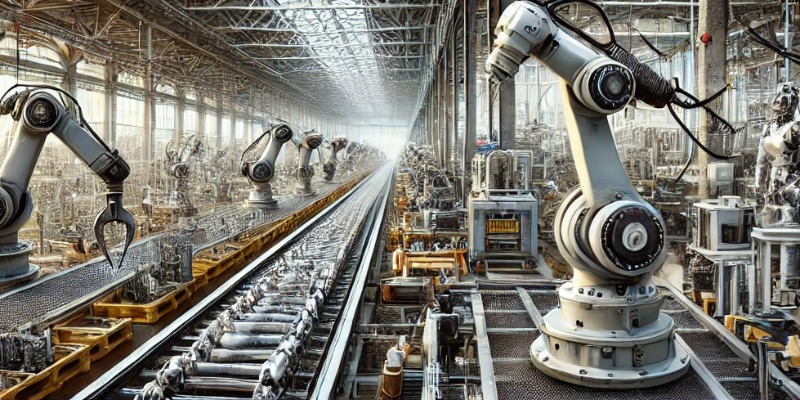 The Impact of Artificial Intelligence on the Labor Market: The Most At-Risk Sectors in the Next 20 Years
In recent years, the advancement of artificial intelligence (AI) has opened scenarios of profound change in the world of work, raising concerns about the potential impact on jobsby Marco ArezioWhile many industries will benefit from automation and artificial intelligence, others risk experiencing a drastic reduction in personnel, with significant social and economic consequences.According to estimates and projections from numerous studies, the next 20 years could see a substantial transformation of the job market, with some professional categories particularly exposed to the risk of replacement by machines and automated systems.Manufacturing and Production SectorThe manufacturing sector is likely to experience the greatest impact from automation and artificial intelligence.Industrial robotics are already widely used in many facilities today, and as technology advances, more and more production processes may be automated.A report by the McKinsey Global Institute estimates that about 60% of all tasks performed in factories could be automated by 2040.This means that operations like assembly, welding, and material handling could be performed by robots more efficiently and at lower costs than human labor.This could result in a net loss of millions of jobs worldwide. However, the industry itself may see an increase in demand for professionals with specialized skills, such as robotics engineers, maintenance technicians, and software developers for industrial machines. The main challenge will therefore be retraining workers for more technical roles.Employment outlook:Jobs at risk: skilled and unskilled laborers, assembly line workers, quality control operators.Jobs in demand: specialized technicians, mechanical engineers, software developers for robotics.Transportation SectorAutomation in the transportation sector has been one of the most discussed frontiers in recent years, especially with the advent of autonomous vehicles.According to a study by the World Economic Forum, 57% of transportation-related jobs could be at risk by 2040. Truck drivers, bus drivers, taxi drivers, and logistics workers are particularly exposed.The adoption of autonomous vehicles is expected primarily in freight transport and urban deliveries. Road transportation could be radically transformed, with self-driving trucks covering long distances without needing breaks, improving efficiency but reducing the need for drivers.At the same time, drone and robot technologies for last-mile deliveries threaten the jobs of those involved in home deliveries and city logistics.Employment outlook:Jobs at risk: truck drivers, taxi drivers, delivery workers.Jobs in demand: autonomous vehicle maintenance experts, traffic data analysts, advanced logistics specialists.Financial SectorTechnologies based on artificial intelligence are radically changing the financial sector. From automating back-office processes to algorithmic trading platforms, AI is capable of replacing many functions previously performed by humans.According to a PwC study, it is estimated that 30% of jobs in the banking and financial sector could be at risk over the next two decades.The rise of robo-advisory platforms, capable of providing automated financial advice, could reduce the need for traditional financial advisors.Jobs such as financial data analysts, insurance agents, and brokers may also see a sharp decline in demand.However, AI will also create new opportunities for roles related to big data analysis, cybersecurity, and the development of new financial technologies (fintech). The digitalization of the sector will increasingly require specialized skills in these areas.Employment outlook:Jobs at risk: traditional financial advisors, insurance agents, financial analysts.Jobs in demand: cybersecurity experts, data scientists, fintech developers.Legal Services SectorThe legal sector, historically resistant to automation, is gradually seeing the introduction of advanced software capable of analyzing contracts, gathering evidence, and even making legal decisions in routine cases.This phenomenon, known as "legaltech", threatens a large portion of the tasks performed by legal assistants and junior lawyers. According to Deloitte research, 39% of legal jobs could be automated in the next two decades.AI is already able to conduct legal research, analyze legal documents, and offer solutions for minor legal disputes.However, more strategic and complex roles that require a high level of judgment and creativity will remain the domain of humans. The demand for legal specialists in technology and cybersecurity, meanwhile, is expected to grow.Employment outlook:Jobs at risk: legal assistants, junior lawyers, legal operators in standardized sectors.Jobs in demand: legal cybersecurity specialists, technology legal consultants.Retail SectorAutomation in the retail sector, through the introduction of self-checkout systems, customer service chatbots, and intelligent e-commerce platforms, is already radically transforming the way consumers interact with sellers.A study by the Oxford Martin School predicts that 45% of jobs in the retail sector could be at risk by 2040, especially in physical stores.The rise of automated, staff-free stores, such as Amazon Go, is an example of the potential of automation in this sector. Even the warehouses of large e-commerce platforms are increasingly replacing human workers with intelligent robots for inventory management and order preparation.Employment outlook:Jobs at risk: cashiers, sales assistants, warehouse operators.Jobs in demand: e-commerce management experts, robotics maintenance technicians for logistics, digital marketing specialists.Healthcare SectorAlthough the healthcare sector seems less exposed to automation than others, there are still areas where artificial intelligence could reduce the need for human workers.For example, the use of robots to perform precision surgeries or automated diagnostics through machine learning algorithms could decrease the demand for some healthcare professions.However, it is important to note that the healthcare sector will see strong growth in demand for workers with technical skills and direct patient care roles, with an expansion of positions related to telemedicine, health data management, and home care.Employment outlook:Jobs at risk: laboratory technicians, healthcare assistants in more repetitive tasks.Jobs in demand: telemedicine specialists, data analysts for health data, specialized nurses and healthcare personnel.ConclusionsThe impact of artificial intelligence on the world of work over the next 20 years will be vast and varied, with traditionally labor-intensive sectors seeing a significant reduction in human labor.However, automation and artificial intelligence will not completely eliminate jobs but rather shift demand toward new skills.The challenge for governments and businesses will be managing this transition, investing in professional retraining programs, and adopting policies that support the creation of new jobs in emerging sectors.The ability to adapt will be crucial to ensuring that technological progress benefits everyone, without excluding significant portions of the workforce.© Reproduction prohibited
SEE MORE Maglev Trains: Speed, Sustainability and New Logistics Opportunities for Businesses
The revolution of magnetic levitation trains is reshaping the future of freight and passenger transport, offering a fast, efficient, and eco-friendly alternative to air and sea transportby Marco ArezioLand transport has always aimed to combine speed, efficiency, and sustainability. Today, this ambition seems to find one of its most advanced expressions in magnetic levitation trains, known as Maglev.These trains can reach incredible speeds, as demonstrated by the latest Chinese project, which developed a train capable of reaching 600 km/h.This technology represents a revolution not only for passenger travel but also for freight transport, and it promises to radically change how we conceive movement on land.Thanks to magnetic levitation, Maglev trains eliminate friction, offering faster, quieter, and lower-energy impact journeys compared to traditional means.But how does this technology compare to other forms of transportation, such as air and sea transport?The history of magnetic levitation rail transportThe idea of transportation based on magnetic levitation emerged at the beginning of the 20th century, but it only began to take shape in the mid-1900s.In 1934, German scientist Hermann Kemper obtained the first patent for a transport system that used magnetic fields to levitate and move a vehicle. However, the technology was not yet mature, and the idea remained theoretical for many years.It was in the 1960s that Germany and Japan began investing in the development of the first magnetic levitation train prototypes.In Germany, the "Transrapid" system became a symbol of technological research, while Japan worked on electrodynamic levitation (EDS), a technology that would lead to the development of the famous Chūō Shinkansen, Japan’s Maglev train.The first commercial use of Maglev occurred in China in 2003, with the inauguration of the line connecting central Shanghai to Pudong International Airport, with a maximum speed of 431 km/h. This event marked the beginning of practical use of a technology that, until then, had been considered futuristic.How magnetic levitation worksMaglev relies on the interaction of magnetic fields that lift the train off the tracks, eliminating physical contact. This is achieved through powerful electromagnets installed both in the train and along the track.The two main types of magnetic levitation systems are:Electromagnetic Suspension (EMS): In this system, electromagnets on the train attract the vehicle toward the tracks, keeping it suspended at a constant distance. Stability and distance from the track are actively controlled through electronic systems that ensure smooth and safe movement.Electrodynamic Suspension (EDS): Here, levitation is achieved through superconductors or permanent magnets placed on the train, which interact with currents induced in the tracks. This system requires the train to be in motion to generate levitation, and once activated, the train remains suspended without the need for additional energy.These systems allow Maglev to eliminate mechanical friction, enabling very high speeds and significant noise reduction, unlike conventional trains.The advantages of MaglevMaglev trains offer several advantages over traditional rail transport systems:Speed: Maglev trains can reach speeds over 600 km/h, making them one of the fastest options for land transport. Compared to traditional high-speed trains, which travel at around 300-350 km/h, Maglev can drastically reduce travel times over medium and long distances.Lower maintenance costs: Since there is no physical contact between the train and the tracks, component wear is reduced, leading to lower maintenance costs and greater infrastructure durability.Energy efficiency: The reduction of mechanical friction makes Maglev more energy-efficient compared to traditional trains, especially at high speeds. This makes it a more sustainable technology, especially when powered by renewable energy sources.Comfort and noise reduction: The lack of friction between wheels and tracks ensures a smoother and quieter ride than traditional trains, improving the passenger experience.The performance of the 600 km/h Maglev trainThe Maglev train developed in China, capable of reaching 600 km/h, represents the pinnacle of performance currently achievable for a land transport vehicle.This train can reduce travel times between major cities like Beijing and Shanghai, which take about 4 hours by plane, to less than 2.5 hours.With such speed, Maglev becomes a direct competitor to air transport on regional and intercity routes, offering an equally fast but potentially more economical and environmentally sustainable alternative.Leading nations in the Maglev train sectorThe global landscape of Maglev currently sees two countries at the forefront: China and Japan.China: The Chinese government has heavily invested in the development and commercialization of Maglev. The Shanghai line and the new 600 km/h train are part of a strategy to expand the transport network, aiming to connect major Chinese cities in record times.Japan: Japan, a pioneer in high-speed train technology, is developing the Chūō Shinkansen, a Maglev line that will connect Tokyo and Nagoya in about 40 minutes, with a projected speed of over 500 km/h. Japanese technology is primarily based on electrodynamic levitation, which has shown impressive results in tests.Comparison of Maglev freight transport with sea and air transportMaglev’s potential is not limited to passenger transport. In the freight sector, this technology could bring significant changes, especially compared to traditional systems like sea and air transport.Sea transport: Ships are the primary mode of transport for international trade, particularly for large quantities of goods. However, sea transport is extremely slow. Cargo ships take weeks to move goods across oceans.In comparison, a Maglev freight system could offer significantly reduced delivery times over continental or interregional distances, such as those between major ports and inland industrial areas.While Maglev might not fully replace sea transport for bulk cargo, it could complement supply chains for perishable or high-value goods, improving efficiency in the final stages of distribution.Air transport: Air transport is currently the fastest mode for long-distance freight transport. However, it is also among the most expensive and environmentally impactful due to the high fuel consumption of airplanes.Maglev, with speeds comparable to airplanes on medium-range routes, could effectively compete in delivery times, with much lower energy and environmental costs. Specifically, Maglev could replace air transport on regional or continental routes, offering a more sustainable alternative.ConclusionThe Maglev train represents one of the most promising innovations in the transport sector. With its impressive speed, reduced operating costs, and lower environmental impact, Maglev not only revolutionizes passenger transport but also opens new prospects for freight transport, offering a faster and more sustainable alternative to conventional methods like air and sea transport.Countries like China and Japan are leading this technological revolution, and their experiences could soon inspire other nations to invest in this promising technology.
SEE MORE Circular Economy in Italy: Savings, Challenges and Solutions for a Sustainable Future
How Eco-Design, Repair, and New Business Models Are Transforming Italian Industry, Generating €16.4 Billion in Savings and Promoting SustainabilityBy Marco ArezioIn recent years, circular economy has become an essential pillar of Italy's industrial and environmental transformation. According to a recent study by the Politecnico di Milano, practices centered on resource recovery and sustainable management have delivered €16.4 billion in savings to Italian businesses over the past year alone. While this is a significant achievement, it also highlights untapped potential that could be further accelerated through innovations like eco-design and sustainable business models.The report, which analyzed 550 Italian companies, paints a picture of progress mixed with resistance. Nearly half of the businesses surveyed — approximately 42% — have already adopted circular economy solutions. Another 22% are in an intermediate phase, exploring strategies for the future. However, a substantial 36% remain stationary, having neither implemented nor planned significant actions in the short term.This scenario depicts an Italy on the move, though still fragmented. Some industrial sectors, such as furniture manufacturing, construction, electronics, and packaging, stand out for their capacity to innovate. Others — notably textiles and automotive — lag behind, struggling to take concrete steps toward sustainability.The Maturation Stages of the Circular EconomyThe report clearly outlines the stages that businesses follow as they progress toward more advanced circular models. This journey unfolds in five phases: from initial improvements in waste management, through the integration of recycled materials and regeneration solutions, to the complete transformation of the business model.To date, only a small minority — just 3% of companies — have reached the most advanced phase, where traditional sales are replaced by innovative models based on servitization and service provision. Most businesses remain in the earlier stages, particularly focusing on material recycling, a critical but still insufficient practice for achieving a radical shift.Eco-Design: Rethinking Products from the Ground UpOne of the most promising tools for accelerating this transition is eco-design, an approach that begins with product design itself. The idea is both simple and powerful: create objects that are easily repairable, reusable, and recyclable from the outset. This strategy not only reduces environmental impact but also meets market demands for more durable and efficient solutions.Some sectors are already showcasing concrete examples. In industrial packaging, for instance, the introduction of innovative materials like PLA (polylactic acid) has enabled the development of biodegradable and compostable packaging. Meanwhile, in manufacturing, modular solutions are being tested to simplify repairs and replace damaged parts, thereby extending the lifespan of products.Eco-design is not just an ethical choice but also an economic opportunity. Better design means lower production costs, resource optimization, and products that are perceived as having greater added value by consumers. However, the main obstacle remains the significant initial investments required to rethink well-established production processes.Repair and New Business Models: Beyond Traditional SalesAlongside eco-design, another key element of the circular economy is the concept of product repair, an approach that significantly extends product life and drastically reduces waste. This idea is closely linked to servitization, a model that moves away from traditional sales in favor of service provision.Consider the industrial sector: instead of purchasing machinery outright, a company can opt for leasing or rental solutions that include continuous maintenance and upgrades. This model has already been adopted by approximately 22% of Italian companies, particularly in advanced manufacturing and technology sectors.Beyond immediate economic advantages, these approaches create new market opportunities, catering to a growing consumer demand for durable and regenerative products.A Path That Requires Awareness and CollaborationThe report highlights a crucial point: the success of the circular economy depends not only on businesses but also on institutions and consumers. Accelerating this transition requires a collective commitment:Targeted industrial policies and fiscal incentives to support innovation.- Educating consumers on the importance of making more responsible purchasing choices.- Collaboration between companies, public bodies, and stakeholders to create virtuous ecosystems.- Consumer demand for circular products represents a decisive push to steer the market toward more sustainable models.Looking to the Future: A Concrete OpportunityThe circular economy has already demonstrated its extraordinary potential in Italy, delivering tangible savings and fostering innovation opportunities. However, to achieve the necessary leap forward, it is essential to embrace transformative tools like eco-design, repair, and servitization.Rethinking how we produce, consume, and manage resources is not only a responsibility toward the environment but also an unparalleled opportunity to build a more sustainable, competitive, and innovative future. The direction is clear; now, it takes the courage to follow it.© Reproduction Prohibited
SEE MORE How Artificial Intelligence is Revolutionizing Corporate Procurement
Discover How AI Is Transforming the Procurement Sector Through Automation, Predictive Analytics, and More Efficient Supplier Managementby Marco ArezioIn the context of the digital transformation affecting every aspect of business management, procurement has become one of the sectors most influenced by the rise of artificial intelligence (AI). Traditional purchasing practices are undergoing a radical change due to the increasing adoption of solutions based on predictive analytics, machine learning, and automated data processing. These tools not only enhance operational efficiency but also significantly impact the strategic quality of purchasing decisions.Intelligent Process AutomationOne of the main contributions of AI to modern procurement lies in its ability to automate repetitive and time-consuming tasks, such as managing purchase requests, performing preliminary supplier selection, and analyzing bids. Thanks to smart algorithms, procurement systems can now identify recurring patterns, anticipate restocking needs, and optimize purchasing cycles, thus reducing operational costs.Automation goes far beyond the execution of standardized tasks: the most advanced systems continuously learn from historical and real-time data, improving decision-making performance over time. This results in a more proactive procurement approach, where identifying opportunities and risks is no longer solely based on human intuition.Predictive Analytics and Supply Chain OptimizationArtificial intelligence enables the processing of vast amounts of data from diverse sources, including ERP systems, CRMs, supplier portals, and digital marketplaces. This analytical capability translates into greater accuracy in demand forecasting, inventory management, and supply planning.Through advanced machine learning techniques, systems can uncover hidden correlations between logistical and financial variables, supporting timely and effective decisions. In this way, AI contributes to a more resilient supply chain, enabling companies to respond swiftly to demand fluctuations, production delays, or disruptions in distribution channels.Strategic Supplier Selection and Risk ManagementAnother critical area where AI is bringing major innovation is in supplier selection and evaluation. Predictive models can estimate the reliability, performance, and risk associated with each business partner. Automated analysis of documents, certifications, feedback, and past performance allows for a more accurate and objective management of the supplier portfolio.Furthermore, AI-based technologies can detect early warning signs of risk, such as unusual delivery delays or financial changes, suggesting corrective actions before major disruptions occur.Impact on Organization and SkillsThe adoption of artificial intelligence in procurement also calls for a deep revision of work organization and the skills required from professionals in the field. Buyers are no longer mere order executors; they become strategic analysts capable of interpreting information provided by intelligent systems and making higher-level decisions.This paradigm shift requires investment in continuous training, digital skills development, and stronger integration between IT and operational functions. Companies that succeed in bridging the gap between technology and human capital will be the ones best positioned to harness the transformative power of AI.ConclusionsArtificial intelligence today represents a strategic lever in the evolution of procurement—not just as a tool for automation, but as a catalyst for efficiency, transparency, and added value throughout the entire supply chain. The shift from reactive to predictive and intelligent procurement allows organizations to face global challenges more effectively, cut costs, and improve the sustainability of their practices.The future of procurement will increasingly depend on the symbiosis between human and artificial intelligence. Companies that manage to harmonize these two elements, backed by strong governance and a strategic vision, will be able to build lasting competitive advantage in an increasingly dynamic and complex economic environment.© Reproduction Prohibited
SEE MORE The Procurement Figure in the Company: Role, Tasks and Advantages
How the Procurement Manager Can Transform Business Management, Optimize Costs, and Promote Sustainability Compared to the Traditional Purchasing Managerby Marco ArezioWhen we think about how a company operates, we often focus on the final products or services offered. However, behind the scenes, there's a fundamental activity that makes everything possible: procurement. But who is the procurement manager, and why is this role so important? And how does it differ from the traditional purchasing manager? Let's explore this together.Who is the Procurement Manager?The procurement manager is a professional specialized in acquiring goods and services necessary for the functioning of the company. This role is often confused with that of the purchasing manager, but there are substantial differences.While the purchasing manager primarily deals with the act of buying and order management, the procurement manager takes a more strategic approach. They don't just buy what is needed; they also focus on optimizing processes, managing supplier relationships, and ensuring that every purchase adds value to the company.Differences Between Procurement Manager and Purchasing ManagerPurchasing Manager:Focus on Transactions: The purchasing manager primarily focuses on transactional activities, such as issuing purchase orders, managing inventory, and negotiating prices.Operational Role: This role is often more operational, handling the daily purchasing activities to ensure the company has the necessary materials and services.Budget Management: They work within the budget set by the company, striving to obtain the best possible prices for the required goods and services.Procurement Manager:Strategic Approach: The procurement manager, besides managing transactions, has a broader and more strategic vision. They develop and implement procurement strategies that align purchases with the company's objectives.Relationship Management: One of the main tasks of the procurement manager is to develop and maintain long-term relationships with suppliers, evaluating not only the price but also the quality and reliability.Process Optimization: They work to improve the efficiency of the entire supply chain, identifying opportunities for savings and continuous improvement.What Does the Procurement Manager Do?The work of a procurement manager is varied and full of responsibilities. Imagine having to choose a supplier for a fundamental product for your company. It's not just about finding the best price but also evaluating the quality, timeliness of deliveries, and financial stability of the supplier.The procurement manager does just that: researches, evaluates, and selects suppliers, negotiating contract terms to ensure they are advantageous for the company.But their role doesn't end there. Once the suppliers are chosen, the procurement manager must manage the contracts, ensuring that suppliers adhere to the agreements. This can include visits to supplier facilities, quality audits, and managing any issues that may arise.Cost Optimization and Quality ManagementAnother fundamental aspect of the procurement manager's job is cost optimization. This doesn't mean simply looking for the lowest price but finding the right balance between cost and quality.For example, a supplier offering a very low price might not guarantee the necessary quality, leading to hidden costs such as delays or defects in products. The procurement manager must therefore be skilled in negotiations, obtaining the best possible value for the company.Supply Chain Management and SustainabilityIn addition to managing purchases, the procurement manager must also coordinate the supply chain. This means planning procurement needs, managing inventory, and ensuring everything is delivered on time.Effective supply chain management can prevent disruptions in business operations and ensure that products are always available when needed.Another increasingly important task is ensuring the sustainability of procurement practices. In a world where environmental awareness is growing, the procurement manager must promote sustainable and responsible practices. This can include choosing suppliers who meet high environmental standards, using recycled materials, and reducing waste.The Benefits of Effective ProcurementAn efficient procurement manager brings numerous benefits to the company. First and foremost, cost reduction. Through advantageous negotiations and strategic supplier management, significant cost reductions can be achieved, improving the company's profitability.Moreover, a capable procurement manager can enhance the quality of the company's products and services. By selecting reliable and high-quality suppliers, the risks of defects and issues are reduced, ensuring that customers always receive the best.Finally, effective supply chain management can improve the operational efficiency of the company. With accurate planning and careful inventory management, operational disruptions are avoided, ensuring everything runs smoothly.ConclusionsIn conclusion, the figure of the procurement manager is essential for the success of a modern company. Besides handling purchases, this professional plays a strategic role in managing supplier relationships, optimizing costs, and ensuring quality.Their ability to coordinate the supply chain and promote sustainable practices can make the difference between a company that merely survives and one that thrives.
SEE MORE How to improve customer loyalty in the sale of recycled polymers
Technical skills on the production cycle, waste selection and product chemistry improve customer trust The market for the sale of regenerated polymers , be they granules or ground, has a history that goes back a long way and begins with the approach of the sales force of virgin polymers towards regenerated products, in the same markets and on the same customers. At the beginning, the products were seen only as an economical, convenient fallback to the market's request to reduce the costs of finished products, creating a sort of joker to be spent when conditions deemed them necessary. As we have seen over time, the sale of virgin polymers compared to regenerated ones requires completely different approaches , as the technical, qualitative, productive and chromatic stability of a virgin polymer is different, or completely different, from a regenerated product whose history it is necessary to know. This approach to sales has led in many cases to very significant technical and economic problems which, in the past, did not constitute major problems due to the small quantity of regenerated polymer that was produced and sold. However, over the years, it has increasingly become an important problem in the face of a marked increase in the production and use of regenerated materials on the market. We take into consideration that this consumption trend will increase more and more and the problems of waste management, from which regenerated products originate, will be increasingly complex due to the increase on the market of plastics that are difficult to separate and reuse in a technically correct way . Given these premises, the approach to the sale of a regenerated granule or ground material must start from the seller's preparation on various aspects of the polymer process and their use, in particular: Knowledge of the chemical structure of polymers Knowledge of the waste collection and separation cycle Knowledge of the regeneration cycle, which includes granule grinding, screening, washing, selection and extrusion Knowledge of the limits of these processes as a function of the available input Once this information has been acquired, it is necessary to have the technical information to evaluate the differences in the quality of the products, granulated or ground, made, as a fundamental basis for the correct approach to sales, avoiding errors that would lead to a loss of customer confidence and an economic cost not insignificant in some cases. The main information that our sales network should acquire is: Knowledge of the functioning of a laboratory and the importance of systematic batch testing Knowledge of widely used materials such as PP, HDPE, LDPE, MDPE and PVC, which do not necessarily involve the creation of complex recipes, but of some basic tests such as density, DSC, MFI, ash content, the IZOD and the module. It would be good to know how to physically carry out the tests but, if you don't have a laboratory, understand how they are done. Knowing how to interpret their results to understand the quality of the product you want to sell Having collected, interpreted and understood the information that comes from laboratory tests, it is important to understand what interactions the polymers can have with each other and what the chemical and physical reactions will be during processing and in the life of the product itself. Proposing a polymer to the customer only through the identification of a generic parameter, for example only the MFI or the Density, is unprofessional and very dangerous. In today's world, where the speed and fluidity of relationships is a prevailing fact and the conclusion of a sale is also the result of pressure from both those who buy and those who sell, haste is not a good way to build customer loyalty, as recycled polymers require careful analysis of the finished product that the customer must create with recycled polymers. Here a fundamental skill comes into play, which is to know the interactions and behaviors that the various families of polymers have among themselves and between and other substances incorporated during waste recycling, in particular: Chemical-physical behavior between HD and PP for example in bottle blowing or film Chemical-physical behavior between HD and PP for example in the extrusion of pipes or profiles Physical behavior between PP and PE in molding especially in relation to the quality of the surfaces Chemical and physical behavior between LD and PP and LLD for film production Physical behavior of polymers in the presence of gas or humidity Mechanical behavior and technical limits on the presence of mineral fillers in various polymers Mechanical behavior and technical limits in the use of PVC of different compositions for pipes, fittings and profiles Last but not least due to the relevance of the related implications, it is important that those approaching sales know the behavior of regenerated products , especially post-consumer products, in the production context and the consequences, on the quality of the finished products, of choices of using unsuitable polymers. I would like to give just a few exhaustive examples: Prevention of surface defects in the production of HD, MD, PVC and LD smooth pipes Prevention of surface defects on HD and PP corrugated pipe rings Prevention of defects on the internal surface of double-wall corrugated pipes Knowledge of mechanical strengthening techniques for corrugated pipes using post-consumer granules Knowledge of techniques for protecting against atmospheric agents and prolonging the life of products Knowledge of the problems of blowing bottles and cans using regenerated materials, in relation to the quality of the surface, resistance to welding, crushing, color and vertical compression over time. Knowledge of the behavior in the machine and on the finished product of the use of LD and HD, post-consumer or mixed, for the production of films of different thicknesses, in particular the avoidance of problems with surface quality, tear resistance, elasticity and brilliance of the film color Knowledge of the behavior during molding and on finished products of polymers with mixed components even in small quantities Knowledge of the balancing behavior of recipes between post-consumer-post-industrial and virgin polymers by virtue of improvements in the production cycle and the aesthetic and mechanical quality of the finished products. Knowledge of regenerated materials is certainly a reason for self-confidence in the sales phase, but it is also for the customer who purchases, as errors which always have a cost are minimized. See more information on plastics
SEE MORE India: Market Opportunities for Italian Companies - Economic Growth and Key Sectors
Discover Why India Represents the Next Economic Frontier for Italian Companies: GDP Growth, Strategic Sectors, and Investment Opportunities in a Young and Dynamic MarketBy Marco ArezioIn an increasingly dynamic and competitive global landscape, Italian entrepreneurs cannot ignore the central role that India is assuming. With over 1.4 billion inhabitants, a youthful and steadily growing population, and economic projections that openly challenge giants like the United States and China, India stands as one of the most promising economies for those seeking to expand their business.According to the most reliable forecasts, by 2025 India will become the fourth-largest economy in the world, surpassing Japan and Germany, and could rise to third place as early as 2027, behind only the United States and China. This growth is not just a numerical statistic but a clear signal of the structural changes and openness of the Indian economy. The country still faces significant challenges, such as poverty, inadequate infrastructure, and environmental issues, but its growth potential far outweighs these obstacles.A Young and Dynamic MarketOne of India’s main strengths is its demographics. Unlike China, which is experiencing a population decline due to its former one-child policy, India boasts a young population, with a median age of approximately 29 years. This element represents an enormous competitive advantage: a large, dynamic, and increasingly skilled workforce. The expansion of the educational system and the spread of technological skills are solidifying India’s position as one of the world’s leading hubs for innovation and digital services.For Italian companies, this translates to access to an expanding market, with consumers whose needs range from mass-market products to luxury goods—a sector where Made in Italy enjoys long-standing appreciation. The expansion of infrastructure and improving economic conditions in rural areas are also creating new opportunities outside major cities like Mumbai, Delhi, and Bangalore.The Geopolitical Triangle and the New Global BalanceThe so-called “dynamic triangle” between Beijing, Washington, and Delhi is redefining global geopolitical balances, influencing economic and strategic decisions on an international scale. Competition with China has led many Western countries to diversify their supply chains, favoring India as a more stable and open alternative.Aware of this context, India is implementing economic policies aimed at encouraging foreign participation. Prime Minister Narendra Modi’s government has introduced reforms that improve the business climate, reduce bureaucratic barriers, and facilitate the attraction of foreign capital, especially in key sectors such as energy and infrastructure.Key Sectors for Italian CompaniesFor Italian businesses, several sectors stand out as particularly strategic due to their significance in the Indian economy and their compatibility with Italian expertise:Manufacturing and Machinery – India is undergoing rapid industrialization, with increasing demand for advanced technologies to enhance productivity. Italian companies’ experience in this field can find fertile ground here.Fashion and Luxury Goods – India’s expanding middle class shows a growing interest in high-quality products. Made in Italy, synonymous with excellence and tradition, is particularly valued in fashion, design, and furniture.Agri-Food Sector – India represents a vast market for importing high-quality Italian products and transferring know-how in agricultural technologies.Sustainable Energy – With enormous energy needs and a growing focus on sustainability, India offers significant opportunities for companies operating in renewable energy and energy efficiency.Technology and Digital Services – India is already a global IT and technology services hub. Collaborations and investments in this sector can open new avenues for Italian businesses.Challenges to OvercomeDespite the opportunities, investing in India still presents significant challenges. Bureaucracy, while improving, remains an obstacle in some areas, as does the complexity of the tax system. Additionally, the Indian market is extremely competitive and requires a deep understanding of local dynamics. To overcome these challenges, it is essential to establish partnerships with local players and ensure a stable presence on the ground.Political instability and social tensions in certain regions are further sources of uncertainty. However, the country’s overall direction is clear: India aims to play a leading role in the global economy.Conclusion: A Market to WatchLooking at India means not only tapping into a growing market but also contributing to the construction of one of the most dynamic and promising economies of the 21st century. Its economic growth, youthful population, and investment-friendly policies create an ideal environment for Italian companies with vision and courage.Italian entrepreneurs, with their capacity to innovate and produce excellence, can find in India not just a market but a strategic partner to address future challenges and strengthen their global presence.© Reproduction Prohibited
SEE MORE Plastic crisis in Europe: production and recycling collapse, dependence on foreign countries grows
The European Plastics Crisis: Declining Competitiveness, Plant Closures, and Threats to the Green Transition Amid Rising Imports from the US, China, and the Middle EastBy Marco ArezioThe plastics sector in Europe is undergoing a profound and multifaceted crisis, extending from production to recycling capabilities, jeopardizing not only the continent's competitiveness but also its ambitious ecological transition objectives.This is the stark reality revealed by the latest data from Plastics Europe, the industry association, which highlights an increasingly alarming scenario for both the industrial and environmental aspects of the sector.Declining Production: The End of an Era?In 2023, plastics production in Europe experienced a significant drop, down 8.3% from the previous year. This unprecedented decline marks a return to production levels seen more than a decade ago.While nearly 59 million tons were produced in 2022, the total fell to 54 million tons in 2023, including 42.9 million tons of virgin plastic derived from fossil fuels.Even recycled plastic, a cornerstone of Europe's circular economy model, has shown signs of distress.Mechanically recycled secondary plastic production fell by 7.8%, stopping at 7.1 million tons. This marks the first contraction since 2018, a sign of a slowdown that puts the entire European circularity system at risk.Chemical recycling, considered one of the most promising paths for the future, remains negligible, with just 120,000 tons produced in 2023. Bioplastics, while growing, are still a marginal part of the market, increasing from 700,000 to 800,000 tons.Competitiveness in Decline: A Continent Losing GroundDespite the global plastics market recording a 3.4% increase in 2023, growing from 400 to 413 million tons, Europe's share continues to shrink. From 28% in 2006, Europe now accounts for just 12% of global production.This reduction in industrial competitiveness is tied to structural factors such as high energy and labor costs, as well as external factors like competition from the US, the Middle East, and China.Trade data reveals an increasingly negative balance: while Europe still boasts a trade surplus of €12.7 billion in terms of value, it has become a net importer of resins since 2022 and finished products since 2021.Between 2020 and 2023, EU resin exports plummeted by 25.4%, further increasing dependence on imports.Deindustrialization and Plant ClosuresThe erosion of competitiveness is already leading to significant plant closures across Europe. Among the affected companies are international giants such as ExxonMobil and Sabic, as well as the Italian company Versalis, controlled by Eni.Versalis has announced the closure of cracking plants in Brindisi and Priolo and polyethylene production in Ragusa, citing a transformation plan focused on decarbonization and reducing economic losses.This trend is not limited to the basic chemicals sector but also affects polymers, which are increasingly fragmented or acquired by foreign groups. A notable example is Covestro, the German giant recently purchased by the Emirati company Adnoc for €14.7 billion.Dependence on Imports: A Threat to the Green TransitionThe plastics industry in Europe employs over 1.5 million people across approximately 51,700 companies, generating a turnover of €365 billion. However, declining domestic production and growing reliance on imports threaten both employment and investment.Dependence on imports is not just an economic issue but also an environmental one.Imports from countries such as China, the US, and the Middle East often fail to meet European standards for sustainability and safety.This could undermine efforts to achieve the goals outlined in the Plastics Transition Roadmap, which calls for a rapid increase in circularity rates.To date, plastic from recycling accounts for only 14.8% of total European production, with a 0.7% increase from 2022, a pace insufficient to meet Europe’s ambitions.ConclusionsThe plastics crisis in Europe is a wake-up call not only for the industry but for the continent's entire economic and environmental system. Declining competitiveness, combined with growing dependence on imports, raises questions about Europe’s ability to lead the transition to a sustainable and circular model.Structural interventions are urgently needed to reverse this trend, from adopting more investment-friendly industrial policies to promoting advanced recycling technologies.Without decisive action, Europe risks losing not only one of its key industries but also its credibility as a global leader in the green transition.© Reproduction Prohibited
SEE MORE Donald Trump and the Shadow of Dictators: The Charisma of Ego and the Fragility of Power
A Historical and Psychological Analysis of the Parallels Between Donald Trump’s Political Style and the Great Authoritarian Leaders of the Twentieth CenturyDonald Trump has embodied, in contemporary American politics, the figure of the “outsider,” the savior who rises in defense of the people against a corrupt and distant elite. This myth, deeply emotional, is not new: in the twentieth century, figures such as Benito Mussolini, Adolf Hitler, and Juan Perón built their power on a promise of collective redemption.In all these cases, the narrative follows the same logic: a humiliated people, a glorious past to be reclaimed, a strong leader who restores dignity to the nation. Trump reformulated this vision through a distinctly American and media-oriented lens, transforming politics into an extension of his personal brand—where the slogan Make America Great Again became a kind of identity creed.Ego as the Architecture of Personal PowerEvery charismatic regime is built on the idea that the leader is not merely a political guide, but the living embodiment of the nation itself. Mussolini said, “I am Italy.” Hitler saw himself as “German Providence.” Trump, in a subtler yet equally egocentric way, presented himself as the sole interpreter of the popular will: “I alone can fix it,” he declared in 2016.Ego is not just a character trait—it is a strategy for constructing power. The narcissistic leader allows neither delegation nor sharing: every success is personal, every criticism is treason. Politics becomes a psychological projection, an extension of the self. In this sense, the Trump White House took on the character of a private empire, where the boundary between person and institution was blurred.Emotional Language and the Crowd as a Political InstrumentThe dictators of the past understood, before anyone else, that the crowd seeks not truth but belonging. Mussolini’s rallies, Perón’s speeches, and Nazi mass gatherings were collective rituals replacing reason with emotion.Trump, within a democratic and media context, reproduced the same dynamic. His rallies, punctuated by slogans and theatrical gestures, evoke that same ritual energy. His oratory is simple, repetitive, almost hypnotic. The language is physical, visual, aggressive. Like every populist leader, Trump speaks to people’s gut, not their mind.In this schema, the crowd is not an audience but a mirror: it reflects and amplifies his ego, confirming his symbolic power. Each applause becomes an act of faith.The Construction of the Enemy as a Form of IdentityAll authoritarian powers thrive on opposition. They define themselves not by what they are, but by what they fight against. The regimes of the twentieth century found unity in enemies—communism, the Jews, external threats, or internal dissidents.Trump used the same mechanism, updated for the modern age: immigrants, the press, the “deep state,” federal agencies, even dissenting Republicans. All became part of a grand conspiracy.Politics turned into a symbolic war where complexity was outlawed. “You’re either with me or against me” —a phrase that perfectly encapsulates the totalitarian mindset. The voter, like the subject of old, is not called to think, but to take sides.Contempt for Mediation and the Cult of ImmediacyDemocratic institutions rely on compromise and mediation. But for a charismatic leader, the slowness of dialogue is intolerable. Mussolini called Parliament “a useless theater,” Hitler burned it down, Perón marginalized it.Trump could not destroy institutions, but he sought to delegitimize them. Journalists were “enemies of the people,” judges were “politicized,” civil servants “traitors.”It is the rhetoric of action versus bureaucracy, of immediacy versus reflection. Yet behind this myth of efficiency lies an authoritarian vision of power: what does not obey, obstructs. And what obstructs must be eliminated—symbolically or through media annihilation.The Aesthetics of Strength and the Theatricality of CommandAuthoritarian power feeds on images. Mussolini mastered posture, Hitler his gestures, Stalin his portraits. Trump, in the age of television and social media, reinvented that same aesthetic.Strength is not just a value—it is a performance. The leader must appear tireless, invincible, virile. His body language is a symbolic arsenal: pointed fingers, raised brows, imperious tone.Like the dictators of the past, Trump despises fragility. His body, wealth, and “success story” become metaphors of dominance. Image is power, and power is image.Trump and Putin: Authoritarian Convergences and Cultural DivergencesIf there is one contemporary figure to whom Trump has often been compared—and occasionally expressed admiration for—it is Vladimir Putin. Both share a vertical vision of power, a macho rhetoric, and the belief that the leader must embody the nation. Yet behind these similarities lie profound differences in culture, method, and purpose.Putin was born from silence; Trump, from noise. The former KGB agent is a child of Soviet secrecy, control, and strategy. Trump, instead, is a product of spectacle, television, and excess. Putin rules through fear and opacity; Trump through visibility and provocation.Both reduce politics to a personal act. Putin molds it with discipline and calculation; Trump with narcissism and improvisation. But the substance is the same: concentrate power in one man and present it as destiny.Psychologically, they share a distrust of weakness and a conviction that strength—military or symbolic—is the measure of respect. Yet their relationship to the state is fundamentally different: Putin is its autocratic custodian; Trump, its media destroyer. The former defends the state as a sacred body; the latter dismantles it to prove he is greater than it.And yet both have grasped an ancient truth: modern hegemony no longer comes from tanks, but from perception. Putin controls it; Trump manipulates it. The first fears chaos; the second wields it. Two faces of an authority that, in different ways, feeds on the same hunger—for dominance and recognition.The Lie as a Political and Communicative MythTwentieth-century totalitarianism taught that a lie, repeated often enough, becomes collective truth. Goebbels theorized the “big lie” as an instrument of mass control.Trump brought this strategy into the twenty-first century, replacing state propaganda with digital propaganda. His falsehoods do not aim to persuade but to confuse, dissolving the very notion of reality.In the post-truth era, the leader does not impose a doctrine; he creates an alternate universe where every fact can be reinterpreted. It is a subtle but dangerous power, because it erodes trust in institutions and makes rational dialogue impossible.The Denial of Failure and the Fragility of Ego Disguised as StrengthThe charismatic leader cannot admit defeat. For Mussolini, military failure was the generals’ fault; for Hitler, it was betrayal; for Trump, the 2020 election was “stolen.”Denying reality serves to protect the image of infallibility. For such men, truth is not a value but a threat. Their power rests on personal faith that tolerates no cracks.Behind the mask of strength lies deep insecurity: fear of being forgotten, losing applause, fading into irrelevance. The authoritarian ego is a fragile armor, constantly seeking its reflection in public approval.Mussolini sought the crowd in Piazza Venezia, Hitler in the Reichstag, Trump in the virtual masses of social media. Each, in his own way, built a cult of self that eventually devoured reality.Conclusion: The Long Shadow of CharismaThe parallel between Trump and historical dictators does not lie in institutional violence, but in the psychology of power. The difference is one of context, not dynamics: the modern democratic world, with its global media, offers new tools for the same ancient impulse—to dominate through image.Trump, like the leaders of the past, has mastered the art of seducing fear and shaping the language of anger. But what binds him to them is, ultimately, a universal fragility: the inability to exist without public adoration.And when power becomes nothing more than a reflection of one’s own ego, the danger is not only for the ruler—but for the democracy that surrounds him.© Reproduction Prohibited
SEE MORE Social Washing: The Deception Behind Apparent Commitment
Businesses and politics sometimes use social washing and greenwashing to manipulate public opinionby Marco Arezio "Social washing" has become an increasingly relevant and controversial practice in the world of business and politics, calling into question the integrity of many initiatives that claim to have a social commitment. This phenomenon raises important ethical questions and has significant implications for public trust and the real impact of actions aimed at the common good. In this article, we will delve deeper into the concept of social washing, how it manifests in different contexts, and possible solutions to address this issue. Definition of Social Washing The term "social washing" derives from the analogous "greenwashing" (reserved for environmental practices) and refers to the act of misleadingly presenting one's activities as socially responsible or geared towards the common good when, in reality, such commitments are superficial or limited. This phenomenon manifests through various marketing and communication strategies aimed at creating a positive image rather than supporting concrete actions for society's benefit. Common Manifestations of Social Washing Deceptive Advertising Campaigns Companies often use advertising campaigns that emphasize their social commitment, through catchy slogans, emotive images, and statements that may distort the reality of their business practices. Limited Social Responsibility Initiatives An organization may focus on social responsibility initiatives that offer visibility but, in substance, have minimal impact on social or environmental issues. Involvement in Superficial Partnerships Social washing may involve positioning in associations or partnerships with charitable organizations or volunteer initiatives, without significant involvement or actual contributions. Implications of Social Washing Social washing has significant implications for public trust and the market in general: Threat to Consumer Trust When consumers discover they have been deceived, trust in the brand can suffer irreparable damage, generating widespread cynicism towards corporate commitments. Market Distortion Social washing practices can influence purchasing decisions based on misleading information, distorting the market in favor of companies that present a socially responsible image but may not reflect reality. Social Washing in Politics Social washing is not limited to the private sector. In politics, public representatives may engage in practices that seek to improve their social image without a real commitment to policies and actions that promote collective well-being. Political rhetoric may present policies as more progressive or socially responsible than they actually are. Addressing Social Washing To defend against social washing, it is essential to adopt a critical and informed approach: In-depth Research Investigate the actual actions of a company or politician rather than relying solely on advertising. Check for concrete evidence of their socially responsible practices. Community Engagement Evaluate how the organization or politician interacts with the local community. Genuine engagement is a positive sign, while superficial involvement may indicate social washing. Independent Certifications Look for recognized brands or certifications that attest to the ethical and sustainable practices of the company or politician. Social washing is an ethically questionable practice that requires critical attention from consumers, organizations, and policymakers. Transparency and genuine commitment to socially responsible practices are essential for building lasting trust and real impact on society's well-being. Only through increased awareness and vigilance can we hope to mitigate the negative effects of social washing and push for authentic social change.
SEE MORE Supplier Relationship Management: Strategies to Overcome Supplier Management Challenges
How to Address Challenges Related to Communication, Trust, and Sustainability to Build Strong Relationships and Competitive Advantages in the Supply Chain By Marco Arezio Managing supplier relationships is an essential component of success for any organization operating in a globalized market. Today’s competitive landscape requires companies to go beyond simple economic transactions and build lasting, strategic partnerships with their supply chain collaborators. The ability to establish strong relationships depends not only on operational efficiency but also on transparency, mutual trust, and alignment with shared objectives, which increasingly include sustainability goals. However, effectively managing these relationships is not without its challenges. Cultural barriers, incompatible technologies, and unsustainable practices are just a few of the difficulties companies face. A structured and strategic approach to Supplier Relationship Management (SRM) can help overcome these obstacles, enabling significant benefits such as cost reduction, supply continuity, and a stronger competitive position in the market. Challenges in Managing Supplier Relationships The complexity of supplier relationships stems from a range of interconnected factors that can undermine collaboration and productivity. Among the main challenges are three critical areas: communication, trust, and sustainability. Communication: The Foundation of Relationships Communication is the cornerstone of any successful relationship, yet in global supply chains, it is often hindered by factors such as language barriers, cultural differences, and non-interoperable technologies. When suppliers and companies use different information systems or fail to share data transparently, misunderstandings arise, leading to delays, errors, and decisions based on incomplete information. Trust: A Fragile Capital Trust is indispensable for building solid relationships with suppliers, yet it is also fragile and easily eroded. Opportunistic practices, such as failing to honor contractual agreements, or management strategies focused solely on cost reduction risk alienating key suppliers. Without trust, relationships are reduced to mere commercial transactions, lacking the stability needed to navigate market uncertainties. Sustainability: A Shared Commitment Adopting sustainable practices has become a priority not only for companies but also for their partners in the supply chain. However, many businesses collaborate with suppliers who fail to meet environmental or ethical standards, often due to the costs associated with sustainable practices or the lack of adequate technologies. This creates a gap between company expectations and the actual capabilities of their suppliers, jeopardizing sustainability goals. Strategies to Improve Supplier Relationship Management Addressing these challenges requires an integrated approach that combines technological innovation, cultural changes, and collaborative policies. Companies can adopt several strategies to strengthen supplier relationships and achieve tangible results. Innovate Through Technology The use of digital tools can significantly improve communication and relationship management. Shared platforms, such as cloud-based supply chain management systems, provide a comprehensive and transparent view of supplier activities, facilitating performance monitoring and operational coordination. Technologies like blockchain ensure transaction traceability, reinforcing trust between parties. Finally, artificial intelligence and data analytics can help identify potential issues and optimize supply planning. Build Trust Through Collaboration Trust does not emerge automatically; it requires continuous and reciprocal effort. Companies can adopt policies that promote collaboration, such as flexible contracts that adapt to changing market conditions or joint audits to ensure transparency. Involving suppliers in decision-making processes also makes them active and responsible partners, strengthening their commitment to shared objectives. Integrate Sustainability into Relationships To encourage suppliers to adopt sustainable practices, companies can offer economic or technical support. For instance, joint training programs can raise awareness among suppliers about the importance of sustainability and help them implement meaningful changes. Economic incentives, such as discounts or rewards for meeting specific standards, represent another effective tool. Finally, promoting adherence to international certifications, such as ISO 14001 for environmental management, can standardize practices across the supply chain. Benefits of a Strategic Approach A strategic approach to Supplier Relationship Management offers both immediate and long-term benefits. Digitizing processes and ensuring transparency in supplier relationships reduce inefficiencies and waste, improving productivity. Building trust-based relationships ensures greater resilience, even in turbulent market conditions. Moreover, integrating sustainability not only enhances corporate reputation but also helps meet the growing expectations of consumers and regulatory requirements. Conclusion Managing supplier relationships is much more than an operational process: it is a strategic lever that can determine a company’s success or failure. Overcoming issues related to communication, trust, and sustainability requires continuous commitment and the adoption of innovative solutions. However, the benefits of effective Supplier Relationship Management—in terms of efficiency, stability, and social responsibility—far outweigh the necessary investments. © Reproduction Prohibited
SEE MORE Online Products and Greenwashing: How to Defend Against a Rising Phenomenon
Online commerce is advancing overwhelmingly in consumer habits, thanks to some peculiarities that help the phenomenon Speed of delivery, ease of purchase, very large catalogs, low prices and convenience compared to buying in a physical store, especially in times like these where there are restrictions on mobility. An online sales race is also made by producers of articles who until recently did not use this channel and, therefore, the supply basin is became really huge. Among thousands of offers for similar items, marketers have refined customer persuasion techniques by knowing what consumers expect to find in a product. The European Commission and national consumer protection authorities have investigated the offers of some products in the online market and have noticed a massive display of misleading, exaggerated messages and sometimes false about greenwashing. Since the consumers who use the online shopping service are also customers who generally require more sustainable products, information on the products for sale by manufacturers or the advertising on the article, are often imbued with statements that recall the sustainability and recyclability of the same. Terms such as recycled, green, green economy, ecological, organic, zero impact, and many others are often found on packaging but, in reality, do not always reflect the production chain of the article, giving the customer incorrect information and without supporting the claims with evidence. A study by the European Community evaluated 344 "apparently dubious" sustainability statements made online by companies, most of them in the clothing and textile sectors , cosmetics, personal care and household appliances. In 42% of cases, the national control authorities found that the statements printed on the packaging were false, misleading or potentially misleading for consumers, therefore to be considered as an unfair practice under European Union law. This information that the consumer finds on the packaging is not sufficient to allow a correct choice of the product and, in 37% of cases, deliberately vague terms are used without data clear and certified support. European Commissioner for Justice Didier Reynders, said that while some companies strive to produce truly eco-friendly products, others take a shorter route and at no cost, through the use of vague, false or exaggerated claims. To talk about a sector in which the phenomenon is there for all to see, we can mention the sector of production and refining of fossil fuels, whose companies are spending huge economic resources to create a greener reputation. But it is also interesting to note, for example, the information that consumers can find on a bottle of detergent, in which we often read the phrase: Recyclable Product. There is no doubt that it is a correct statement, an HDPE bottle made with virgin polymer is recyclable, but it is misleading, if also combined with acronyms or drawings that make you imagine the nature and care of the ecosystem, inducing the consumer to buy a bottle that does not follow the principles of the circular economy. In fact, in order to respect the rules of the circularity of raw materials, the bottle must be made of recycled plastic and, on the label, there must be a sentence similar to : bottle made with recycled material that can be recycled again. The European Commission has sent member states a warning of attention to these unfair practices with the exhortation to monitor and punish those who transgress the rules. It is always important for the consumer to inquire before making a purchase, trying to get a clear picture of what is recycled, recyclable or falsely recycled, comparing more products and information that manufacturers distribute to the market. Automatic translation. We apologize for any inaccuracies. Original article in Italian.
SEE MORE September 1904: The first general strike in Italy. The birth of workers' consciousness and modern social conflict
How the First General Strike of 1904 Transformed Liberal Italy, Marking the Passage from Local Demands to a National Collective Struggle of Workersby Marco ArezioAt the dawn of the 20th century, Italy was a young and fragile country, still deeply divided between North and South, cities and countryside, modernity and backwardness. The process of industrialization, which had taken a decisive turn after 1880, was reshaping the social landscape: factories, mines, workshops, and ports swarmed with cheap labor. In Turin, Milan, Genoa, Naples, and parts of Tuscany, the first concentrations of an urban proletariat were emerging, while in the southern countryside poverty was endemic and land remained in the hands of a few large landowners.Wages were low, working hours endless — up to twelve or fourteen hours a day — and hygiene conditions appalling. Women and children toiled alongside men, earning even less. There were no protections, no welfare: illness, accident, or old age meant destitution. In this context, social conflict matured as an inevitable consequence.The Birth of Workers’ ConsciousnessIn the years preceding 1904, labor struggles multiplied. The Camere del Lavoro (Labor Chambers), established between 1890 and 1900 in various Italian cities, became the first true instruments of workers’ coordination. They were not yet trade unions in the modern sense but mixed organizations combining mutual aid, welfare, and political activism.The Confederazione Generale del Lavoro (General Confederation of Labor, CGdL), founded in 1906, would emerge from this ferment, but in 1904 workers still recognized themselves in a mosaic of leagues, associations, and political groups, often connected to socialist or republican parties. Yet a new idea was already taking shape: that of a unified collective action capable of halting the entire country and forcing the political establishment to recognize the dignity of labor as a pillar of the nation.Liberal Italy and the Fear of SubversionThe government of the time was led by Giovanni Giolitti, a complex and pragmatically liberal figure. He understood that the social question could no longer be suppressed solely through force. Giolitti sought to “integrate” the popular masses into the State by granting greater freedom of association and expression. Yet not all within the ruling class agreed: industrialists, conservatives, and the Church hierarchy feared that socialism — still heavily influenced by revolutionary ideals — could destabilize the fragile equilibrium of post-unification Italy.Meanwhile, economic growth was uneven. Certain sectors — metallurgy, mechanics, textiles — were rapidly expanding in the North, while the South remained excluded from any real progress. The economic and social divide became fertile ground for anger and mobilization.The General Strike of September 1904The immediate spark was an episode of political violence. On September 16, 1904, in Buggerru, Sardinia, striking miners demanding better wages were fired upon by government troops: three workers were killed, many wounded. The echo of the massacre spread rapidly throughout the peninsula.The Camere del Lavoro decided to respond with an instrument never before used in Italy: a nationwide general strike. For three days, from September 16 to 18, the country came to a halt. Factories emptied, trams stopped, ports closed, newspapers suspended publication. From Turin to Palermo, from Genoa to Bologna, hundreds of thousands of workers crossed their arms in protest and solidarity with the Sardinian miners.This was not a simple economic strike: it was a political demonstration of historic scope. For the first time, the Italian working class acted as a unified, self-aware force capable of influencing the nation’s life.Reactions, Tensions, and FearsThe Giolitti government, showing remarkable balance, avoided violent repression. It did not declare martial law, nor did it order the arrest of socialist leaders or the dissolution of the Labor Chambers. Giolitti understood that the measure of workers’ strength could no longer be ignored. Yet in the most industrialized cities, tension was high: clashes, sporadic arrests, and symbolic burnings of employers’ offices occurred.The industrial bourgeoisie, terrified, saw in the strike the signal of a possible revolutionary contagion. The conservative press screamed of a “red danger,” while the socialist press rejoiced: “For the first time, Italy has seen its people rise to their feet.”The Invisible ConquestsThe 1904 strike did not yield immediate results in terms of wages or working hours. However, it marked an epochal turning point. From that moment on, the labor movement became a recognized political actor capable of influencing national choices. The conviction took hold that organized labor could serve as a counterweight to economic power.In the following years, the CGdL, socialist parties, and cooperatives multiplied, forming a complex system that would shape Italy until the postwar period. The 1904 strike essentially represented the birth of the modern Italian class consciousness.The International EchoThe event resonated beyond Italy’s borders. French and German newspapers described it as proof of the Italian proletariat’s maturity, while in England it was seen as a sign of a more democratic future. Italy — until then regarded as agrarian and backward — showed the world it could rely on a modern social force capable of organizing on a national scale.An Italy Suspended Between Reform and FearAfter the strike, Giolitti realized that the only way to avoid revolutionary drift was to introduce reforms. Thus began the era of “Giolittian reformism”: laws on child labor, accident insurance, and compulsory schooling. But tensions persisted. Italy remained a dual country — industrial in the North, feudal in the South.The 1904 strike was therefore not the end of a conflict but the beginning of a century of confrontation: between capital and labor, between progress and backwardness, between freedom and fear of change.Conclusion: The Birth of Social ModernityThe first general strike in Italy marked the emergence of a class that had until then been invisible. From that moment, workers were no longer merely “hands” but citizens with rights, ideas, and representation. Their voice — rising from the mines of Buggerru to the ports of Genoa and the workshops of Turin — inaugurated a new chapter in Italian history: that of social modernity.It was the beginning of a long and arduous journey, made of victories and defeats, but also of the awareness that no society can call itself free if labor remains enslaved.© Reproduction Prohibited
SEE MORE Biodegradable and Compostable Packaging: Mandatory Certifications and Regulations to Avoid Fines
A technical and legal guide to essential certifications for biodegradable and compostable packaging, focusing on regulatory requirements, penalty risks, and proper environmental reporting by Marco Arezio In recent years, the transition to a more sustainable production system has led the packaging industry to confront new regulatory and market challenges. In this context, biodegradable and compostable packaging has emerged as a key player in a green revolution involving businesses, consumers, and institutions. However, behind this apparent simplicity lies a complex universe of legal obligations, technical certifications, and sanctions risks that every operator in the supply chain must understand to avoid costly mistakes and protect their reputation. Definitions: What does "biodegradable" and "compostable" mean according to the law? The legal approach to the definitions of "biodegradable" and "compostable" stems from the need to ensure clarity and protection for both the market and the environment. These are not mere advertising slogans: the definitions are strictly linked to the relevant technical standards, which serve as a regulatory compass for those who produce, import, or sell packaging. According to European regulations, the term "biodegradable" applies only to materials that decompose under specific conditions thanks to the action of specific microorganisms, eventually transforming into basic elements such as water, carbon dioxide, and biomass, within a timeframe considered technically acceptable. Conversely, "compostable" refers to materials that, in addition to biodegrading, can be transformed into compost through industrial processes, without leaving harmful or polluting residues in the final product. These requirements are primarily governed by the UNI EN 13432:2002 standard, which, in the Italian and European regulatory landscape, constitutes the legal basis for any conformity assessment regarding the biodegradability and compostability of packaging. Anyone who misuses these terms without the support of this standard risks administrative fines and greenwashing practices, prosecuted by the Authority. Regulatory framework: applicable laws Packaging industry operators, and more generally anyone who markets products declared biodegradable or compostable, operate within a multi-level regulatory framework, where the hierarchy of sources—from European to national law, up to harmonized technical standards—requires detailed knowledge of the applicable rules. Directive 94/62/EC on packaging and packaging waste constitutes the European legislative framework, introducing stringent obligations both to reduce environmental impacts and to promote recyclability and recovery. EU Regulation 2019/904 follows this trend, limiting the use of single-use plastics and encouraging the adoption of certified compostable materials in certain sectors. In Italy, these directives are implemented and strengthened by Legislative Decree 152/2006, known as the "Environmental Code," and by more recent legislation (such as Law 221/2015 and Legislative Decree 116/2020), which detail requirements, limits, and penalties, depending on the use and materials. It is within this layering of regulations that the need for precise certifications and transparent and truthful communication practices arises. The rules are not limited to production controls, but extend their scope to the marketing, labeling, and consumer information phases. Mandatory certifications: what you really need From a legal perspective , marketing packaging as "biodegradable" or "compostable" requires technical certification from an accredited body. The UNI EN 13432 standard serves as a watershed: only materials and products that pass the rigorous tests it requires can be legally defined as such. This certification process is not a mere formality. Rather, it involves a series of scientific tests—from assessing the rate of biodegradation to physical disintegration, to the absence of ecotoxicological effects and hazardous substances—which must be conducted according to shared and documented protocols. In Italy, the marks issued by the Italian Composting Consortium (CIC), TÜV Austria, or DIN CERTCO are recognized as a guarantee of compliance with European standards. The absence of this certification not only prevents the use of biodegradability or compostability claims, but also carries the concrete risk of administrative sanctions, market recalls, and liability claims, both from regulatory authorities and from competitors and consumers. Environmental labeling and communication: what you can and cannot write In an era where transparency is at the heart of the relationship between businesses and consumers, environmental labeling on packaging takes on a legally sensitive and strategic role. It's no longer sufficient to simply use generic symbols or vaguely suggestive terms about eco-sustainability; the law requires timely, verifiable communication consistent with the certifications obtained. Since 2023, Italian lawmakers have introduced a general requirement for environmental labeling, requiring precise information on the nature of the material, disposal methods, and final destination (for example, "organic/wet waste collection" only if certified compostable). Compliance with these requirements is not just a formality, but a safeguard against deceptive practices and greenwashing. Violators risk administrative sanctions, fines from the Italian Competition Authority (AGCM), and possible exclusion from separate waste collection networks. Companies are therefore required to avoid generic or suggestive environmental claims ("eco-friendly," "100% biodegradable," "environmentally friendly") unless supported by EN 13432 certification. They must always display the certifying body's mark along with the disposal instructions. In the event of an inspection, the lack of supporting documentation exposes the operator to potentially significant fines. Obligations and responsibilities along the supply chain In sustainable packaging law, the chain of responsibility is broad and involves all parties involved, in any capacity, in the production, distribution, and sale of the product . Regulatory compliance, therefore, does not end with the manufacturer, but also involves importers, distributors, retailers, and even professional users. Anyone marketing packaging declared biodegradable or compostable must be able to demonstrate, at all times, that the product complies with legal and technical standards. Similarly, distributors are required to actively verify documentation, under penalty of joint liability in the event of violations. Transparency and diligence in reporting, maintaining certificates, and managing environmental information are therefore not only an ethical obligation, but also an essential legal compliance requirement to reduce the risk of litigation, seizures, or compensation claims, both administrative and civil. Penalties for irregularities: concrete risks Failure to comply with the requirements for biodegradable and compostable packaging can have significant economic and reputational consequences. From a sanctions perspective, the Environmental Code and the Consumer Code provide for a variety of repressive measures, ranging from administrative fines—including significant ones, up to €25,000 or more—to the recall and seizure of non-compliant products, and even an order by the Italian Competition Authority (AGCM) to correct misleading commercial information. The risk of engaging in unfair greenwashing practices is particularly acute, given the growing sensitivity of the market and institutions to sustainability issues. Regulatory authorities' actions are often accompanied by civil proceedings or lawsuits filed by competitors and consumer associations, which can result in claims for damages and reputational damage that are difficult to quantify. Updates and future prospects The biodegradable and compostable packaging sector is currently undergoing rapid regulatory evolution, driven both by the growing attention of the European Union and pressure from national stakeholders. The approval process for the new EU Packaging Regulation (PPWR) suggests further tightening of the conditions for use, certification, and labeling of these materials, with even more stringent requirements in terms of transparency and verifiability. It is likely that, in the coming years, we will witness a strengthening of controls and an increasingly marked alignment with international standards (such as ISO 17088), favouring the creation of a common market where green marketing practices will necessarily have to be based on objective data, verified tests and traceable certifications along the entire supply chain. Practical advice for businesses Given this complex landscape, companies operating in the sustainable packaging sector must implement a compliance strategy that takes into account both technical and legal aspects. Requesting and maintaining up-to-date EN 13432 certification from accredited bodies is the first, essential step to market access and protect against the risk of sanctions. Added to this is the need to accurately apply the environmental labels required by law, avoiding any claims not supported by documentary evidence and maintaining precise traceability of the materials used. Equally important is the ongoing training of staff, especially in the marketing and sales departments, to ensure all communications comply with legal requirements. Finally, continuous updating on regulatory developments—both Italian and European—is a strategic resource for anticipating changes and consolidating our position in the sustainability market. Conclusion The adoption of biodegradable and compostable packaging is not only an ethical choice or a business opportunity, but also requires compliance with a complex and constantly evolving regulatory framework. Certification, transparency, and legal compliance are the tools companies can use to navigate the ecological transition credibly and confidently, avoiding sanctions and safeguarding their reputation. In this scenario, in-depth knowledge of obligations and the ability to stay up-to-date remain the keys to a sustainable and competitive future. © Reproduction Prohibited
SEE MORE Does your Company Rest on Solid Legs? Don't Need Help?
Does your company stand on solid legs? Don't Need Help? Many companies, especially medium-small ones, totally identify with the entrepreneur who founded them or with the family who has been running the business for generations. Over the years the market has changed and continues to change and, often, the size of the company does not allow us to clearly grasp the transformations that are characterizing our lives. Customer tastes have changed, product purchasing choices are completely different compared to a few years ago, systems for promoting one's now intangible activities, via the internet, through a jungle of new features and potential that if you don't stay updated on a daily basis you risk being left out. Competition, as well as opportunities for your company , have now multiplied out of all proportion, but if you don't know how to seize them, you will only be left with the problems of exasperated competition and not the opportunities for national and international development. Maybe you haven't noticed that you are sitting on an unstable chair that could crash under the weight of the new one that advances. The promotion of your activities, through targeted marketing actions , is one of the legs of your company, as important as the others, but still necessary to avoid imploding your work. If you operate in the field of the circular economy we can help you contextualize your business skills, your advantages, your disadvantages with respect to market demand, to improve your presence on the market and promote your business at a national and international level. The rMIX recycling portal offers you a showcase for your products and/or services in 154 countries around the world, through the possibility of posting/offers and requests, using marketing services such as the banner, the newsletter to around 11,000 subscribers in the circular economy sector or sponsored articles. It also offers targeted consultancy to analyze the company, or part of it, and decide with the entrepreneur how to improve its presence on the market. Straightening that leg costs less than rebuilding the chair you sit in every day once it crashes. Write to us for further information, it costs nothing and you will perhaps sit more peacefully in that chair.
SEE MORE
