








 Come Viene Formato un Flacone in Plastica Riciclata
Estrusione del polimero riciclato, formazione del parison, soffiaggio del flacone e distacco delle materozzedi Marco ArezioI flaconi dei prodotti per la pulizia della casa o per i liquidi industriali, realizzati in plastica riciclata, comprati abitualmente nei negozi, hanno avuto una grandissima diffusione negli ultimi anni, andando a sostituire progressivamente quelli in vetro e in metallo. Sono senza dubbio più leggeri, hanno un costo di produzione più basso e sono facilmente riciclabili con un impatto ambientale inferiore ad altri imballi per liquidi. Un flacone prodotto con la platica riciclata può essere prodotto, usato, riciclato e riusato per un numero elevato di volte con un consistente risparmio di materie prime naturali. Ma ci siamo mai chiesti come viene prodotto un flacone di detersivo in plastica? L’industria del riciclo ha fatto enormi passi avanti creando granuli in HDPE, il polimero principe per i flaconi dei prodotti liquidi per la pulizia della casa, sempre più performanti e puliti, che possono essere impiegati al 100% almeno fino ad un volume di 5 litri di prodotto. Questi polimeri provengono principalmente dal riciclo dei flaconi degli stessi detersivi, attraverso un attento lavoro di selezione del rifiuto raccolto e una serie di operazioni di miglioramento della materia prima seconda, che permette la creazione di un altro flacone dagli spessori di pochi micron. Per poter produrre un falcone in HDPE riciclato, oltre al polimero, dobbiamo disporre di un impianto di estrusione e soffiaggio dell’imballo. Questi impianti sono composti, in modo molto schematico, da un alimentatore in cui si metterà il polimero di HDPE in granuli, un estrusore che avrà il compito di sciogliere il granulo plastico creando un fuso modellabile, un filtro che avrà il compito, specialmente se si utilizza un HDPE riciclato da post consumo, di ridurre al massimo eventuali inquinanti presenti nel polimero ed infine uno stampo in cui avviene la formazione del flacone. Sorvolando sulla prima parte del processo di estrusione, argomento già trattato in un articolo precedente, vediamo cosa succede nel processo di produzione a valle dell’estrusione. L’HDPE fuso dall’estrusore sarà incanalato in un impianto atto alla produzione di una lingua di materiale plastico, detto parison, che costituirà la materia prima per il nostro futuro flacone. Una volta regolata la quantità di materiale che costituisce il parison, le due parti dello stampo si chiuderanno fra loro imprigionandolo. A questo punto verrà insufflata dell’aria all’interno del parison, che gonfierà il materiale sulle pareti dello stampo creando e raffreddando il flacone. La forza con cui viene immessa l’aria non è, generalmente, superiore a 10 Bar, permettendo una corretta formazione del prodotto all’interno dello stampo, ma la durata di soffiatura dipende dalla dimensione volumetrica del flacone da realizzare. Essendo questo processo il più lungo rispetto ai precedenti, è possibile ottimizzare le tempistiche utilizzando, per esempio, il ricambio dell’aria di soffiaggio per permettere una più veloce fase di raffreddamento del prodotto all’interno dello stampo. Come in tutte le operazioni di stampaggio, anche nella produzione dei flaconi è possibile che si creino delle materozze intorno al flacone grezzo, che un tempo venivano tolte a mano. Attualmente le soffiatrici dispongono di appostiti taglienti che, in modo automatico, rifilano le eccedenze di plastica presenti sui flaconi, velocizzando notevolmente il lavoro. Una volta formato il flacone, un nastro trasportatore lo indirizzerà ad un altro impianto di soffiatura automatico che avrà il compito, attraverso l’insufflazione di aria al suo interno, di verificare che non vi siano imperfezioni costruttive, come dei fori, che ne comprometterebbe la tenuta una volta riempiti di prodotto. Superata questa fase di controllo il flacone potrà essere idoneo alla successiva fase di riempimento con i detersivi o gli altri liquidi da commercializzare. Categoria: notizie - tecnica - plastica - riciclo - produzione - soffiaggio - flacone - HDPE
SCOPRI DI PIU'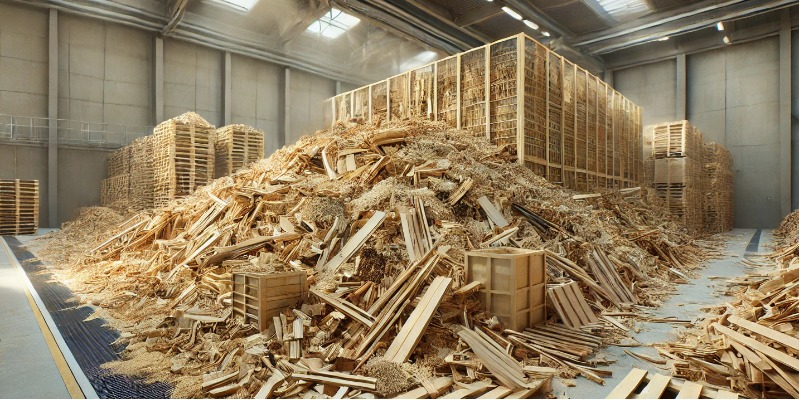 Tecnologie ed applicazioni dei polimeri lignocellulosici per una produzione sostenibile di bioplastiche e combustibili
Una panoramica sui polimeri sintetizzati da biomassa lignocellulosica, tra opportunità, sfide e sviluppi futuri per l'economia circolaredi Marco ArezioL'attenzione verso i polimeri derivati da biomassa è cresciuta negli ultimi anni in risposta alla necessità di ridurre la dipendenza dai combustibili fossili e diminuire l'impatto ambientale della produzione di plastica e combustibili. La biomassa lignocellulosica, composta principalmente da lignina, cellulosa ed emicellulosa, rappresenta una delle fonti più promettenti per la sintesi di polimeri sostenibili. Questo articolo esplora lo stato dell'arte nella ricerca sui polimeri lignocellulosici e il loro impiego nella produzione di bioplastiche e biocombustibili, esaminando i vantaggi, le sfide e le applicazioni emergenti. La biomassa lignocellulosica come fonte di polimeri La biomassa lignocellulosica, presente in abbondanza in fonti vegetali non alimentari come residui agricoli, scarti forestali e rifiuti urbani, è una risorsa rinnovabile costituita principalmente da tre polimeri naturali: la cellulosa, l'emicellulosa e la lignina. La cellulosa è un polisaccaride lineare di unità di glucosio, mentre l'emicellulosa è un gruppo eterogeneo di polisaccaridi, e la lignina è una macromolecola complessa di polifenoli. La struttura chimica complessa e la diversità molecolare della biomassa lignocellulosica rendono possibile la sintesi di polimeri con proprietà specifiche, utilizzabili in numerose applicazioni industriali. Processi di conversione della biomassa in polimeri Per convertire la biomassa lignocellulosica in polimeri funzionali, sono impiegate diverse tecnologie chimiche, termochimiche e biochimiche. I principali metodi di conversione includono: Idrolisi enzimatica e chimica: Questo processo converte la cellulosa e l'emicellulosa in zuccheri fermentabili, che possono essere successivamente trasformati in biopolimeri come il polilattico (PLA), utilizzato per bioplastiche compostabili. Termochimica: Tecniche come la pirolisi e la gassificazione permettono di convertire la biomassa in composti chimici intermedi come bio-olio, gas di sintesi e biochar, che possono essere utilizzati nella sintesi di biopolimeri e biocombustibili. Trattamenti chimici della lignina: La lignina può essere convertita in monomeri aromatici e altre molecole funzionali, impiegabili come materie prime per la produzione di poliuretani, resine e altri polimeri ad alte prestazioni. Polimeri derivati da biomassa lignocellulosica per bioplastiche Tra i polimeri derivati da biomassa lignocellulosica, i biopolimeri ottenuti da zuccheri derivati dalla cellulosa sono i più promettenti per la produzione di bioplastiche. Ad esempio: Polilattico (PLA): È un polimero biodegradabile prodotto a partire dall'acido lattico, un derivato fermentato degli zuccheri della biomassa. Il PLA è largamente utilizzato nel packaging, nell'industria alimentare e nei settori medicali, grazie alla sua compostabilità e alle buone proprietà meccaniche. Poliidrossialcanoati (PHA): Sono polimeri prodotti da batteri attraverso la fermentazione degli zuccheri e sono completamente biodegradabili. I PHA trovano applicazioni in ambiti medici e come materiali per imballaggi grazie alla loro resistenza e biodegradabilità in ambienti naturali. Poliuretani a base di lignina: La lignina, un sottoprodotto della lavorazione della biomassa, può essere utilizzata come fonte di fenoli per produrre poliuretani, una classe di polimeri versatili impiegati per rivestimenti, schiume e materiali compositi. La lignina offre vantaggi in termini di resistenza chimica e riduzione dei costi di produzione rispetto ai poliuretani convenzionali. Polimeri lignocellulosici per combustibili sostenibili Oltre alla produzione di bioplastiche, la biomassa lignocellulosica è studiata anche per la sintesi di biocombustibili. I principali approcci includono: Bioetanolo: Prodotto attraverso la fermentazione degli zuccheri della biomassa, il bioetanolo è un combustibile rinnovabile che può sostituire la benzina o essere miscelato con essa. La sua produzione riduce le emissioni di gas serra e sfrutta fonti di biomassa ampiamente disponibili. Biodiesel: Sebbene il biodiesel sia comunemente prodotto da oli vegetali, esistono approcci per sintetizzare combustibili simili a partire dalla lignina e da altri composti lignocellulosici. Questi processi coinvolgono spesso la pirolisi e la gassificazione per ottenere oli bio-compatibili con i motori a combustione interna. Biogas: La digestione anaerobica della biomassa lignocellulosica produce biogas, una miscela di metano e anidride carbonica. Questo combustibile può essere utilizzato per generare energia o calore e rappresenta un’alternativa sostenibile ai gas naturali fossili. Vantaggi e sfide nell'uso della biomassa lignocellulosica L'impiego della biomassa lignocellulosica presenta numerosi vantaggi, tra cui la riduzione delle emissioni di carbonio, la diminuzione della dipendenza dai combustibili fossili e l'utilizzo di risorse rinnovabili. Tuttavia, la sua applicazione pratica comporta ancora alcune problematiche significative: Costi di produzione: I processi di conversione della biomassa sono spesso più costosi rispetto ai metodi tradizionali basati su fonti fossili, specialmente per la produzione su larga scala. Efficienza di conversione: La complessità strutturale della lignina e la resistenza naturale della biomassa lignocellulosica alla degradazione rendono difficile l'ottenimento di rendimenti elevati nei processi di conversione. Compatibilità delle infrastrutture: L'adattamento delle infrastrutture esistenti per l’uso di bioplastiche e biocombustibili è una questione critica, soprattutto nel settore energetico e dei trasporti, dove i costi di transizione possono essere elevati. Applicazioni e prospettive future I polimeri derivati da biomassa lignocellulosica sono già in uso in vari settori e le loro applicazioni continuano ad espandersi. Oltre agli usi comuni nel packaging e nei materiali da costruzione, i biopolimeri lignocellulosici stanno emergendo nel settore dell’automotive per la produzione di componenti leggeri e biodegradabili. Le tecnologie di stampa 3D potrebbero inoltre facilitare l'uso di materiali lignocellulosici personalizzabili per la produzione di oggetti su misura e prodotti durevoli. La ricerca in corso si concentra sull'ottimizzazione dei processi di conversione e sulla creazione di nuove formulazioni di biopolimeri per migliorare le proprietà meccaniche, termiche e chimiche dei materiali risultanti. Inoltre, gli sforzi per ridurre i costi di produzione e aumentare la compatibilità con i sistemi industriali esistenti sono cruciali per accelerare l’adozione dei polimeri lignocellulosici su scala globale. Conclusione I polimeri derivati da biomassa lignocellulosica rappresentano una soluzione sostenibile e innovativa per la produzione di bioplastiche e combustibili rinnovabili. Pur affrontando ancora delle problematiche tecniche ed economiche, l'uso di biomassa lignocellulosica ha il potenziale di ridurre significativamente l'impatto ambientale dei materiali plastici e dei combustibili convenzionali. Con l'evoluzione delle tecnologie di conversione e il continuo impegno nella ricerca e sviluppo, i polimeri lignocellulosici potrebbero assumere un ruolo chiave nella transizione verso un'economia più sostenibile e circolare.© Riproduzione Vietata
SCOPRI DI PIU' I Cavi Sottomarini per le Telecomunicazioni: Struttura, Materiali, Produzione, Posa, Durata e Riciclo
Dal polietilene ad alta densità al poliuretano: come sono fatti, come vengono posati e quanto durano i cavi sottomarini che mantengono il mondo connessodi Marco ArezioI cavi sottomarini per le telecomunicazioni sono la spina dorsale del traffico globale di dati, permettendo a Internet e alle reti telefoniche di collegare continenti distanti. Nonostante l'immagine spesso invisibile che abbiamo di queste infrastrutture, i cavi sottomarini sono essenziali per mantenere il mondo connesso. Ma come sono fatti? Quali materiali vengono utilizzati e come riescono a durare così a lungo negli ambienti ostili degli oceani? Esploriamo questi aspetti con un focus particolare sui polimeri utilizzati e le loro funzioni. Struttura di un Cavo Sottomarino per le Telecomunicazioni La struttura di un cavo sottomarino può sembrare semplice, ma è un concentrato di tecnologia progettato per resistere a pressioni enormi e a condizioni ambientali difficili. Al cuore del cavo troviamo le fibre ottiche, che trasportano segnali sotto forma di luce, rendendo possibile la trasmissione di grandi quantità di dati. Queste fibre sono incredibilmente sottili e fragili, quindi devono essere protette da diversi strati di materiali. Il nucleo delle fibre è circondato da un rivestimento protettivo in polimero, solitamente un polimero acrilico. Questo strato è fondamentale per mantenere l'integrità delle fibre, evitando che subiscano danni fisici o vengano a contatto con l'umidità. Tra le fibre ottiche e i successivi strati del cavo, spesso si utilizza un gel impermeabile che agisce come barriera ulteriore contro l'acqua. Man mano che si aggiungono strati di protezione, troviamo una guaina metallica, generalmente in acciaio o alluminio, per proteggere il nucleo del cavo. Questo strato di metallo è resistente alla corrosione e impedisce che il cavo venga danneggiato da pressioni esterne, colpi o persino morsi di creature marine. Il rivestimento finale del cavo è composto da materiali polimerici, i quali offrono la protezione più esterna e determinano la sua longevità nelle profondità marine. Polimeri Utilizzati nella Costruzione del Cavo Uno dei principali protagonisti della costruzione dei cavi sottomarini è il polietilene ad alta densità (HDPE). Questo polimero è largamente utilizzato grazie alle sue proprietà: è resistente all'acqua, chimicamente stabile, durevole e relativamente economico da produrre. Essendo un polimero termoplastico, l'HDPE è anche facile da modellare e lavorare in spessori sottili o più consistenti, a seconda delle esigenze strutturali del cavo. Oltre alla sua funzione di isolante, l'HDPE è fondamentale per proteggere il cavo dall'usura causata da correnti marine, sabbia e detriti sottomarini. Un altro polimero chiave è il poliuretano, utilizzato principalmente come rivestimento esterno nei cavi destinati a condizioni particolarmente estreme, come zone vulcaniche o aree a elevata attività sismica. Il poliuretano è elastico e ha un'alta resistenza all'abrasione, due caratteristiche che lo rendono ideale per proteggere il cavo da eventuali danni fisici. Oltre ai polimeri principali come HDPE e poliuretano, altri materiali polimerici, come le resine acriliche, vengono utilizzati nei rivestimenti interni che avvolgono le singole fibre ottiche, proteggendole dall'umidità e da micro urti che potrebbero comprometterne la funzionalità. Infine, in alcune applicazioni specifiche si possono utilizzare materiali come il polipropilene, che ha una resistenza chimica superiore e viene talvolta preferito nei cavi posati in acque particolarmente aggressive dal punto di vista chimico. Produzione dei Cavi Sottomarini per le Telecomunicazioni La produzione di un cavo sottomarino è un processo estremamente complesso, suddiviso in varie fasi. In primo luogo, vengono prodotte le fibre ottiche, le vere protagoniste del trasporto dei dati. Queste fibre vengono realizzate tramite un processo chiamato tiratura, in cui un preformato di vetro viene riscaldato e allungato fino a ottenere un filo sottile. Una volta pronte, le fibre vengono avvolte nei polimeri acrilici, che le proteggono dai danni fisici. Successivamente, si procede con l’aggiunta degli strati di protezione in acciaio o alluminio. Questi materiali metallici sono essenziali per proteggere il cavo dalle forze esterne e dalla corrosione. L’intero nucleo viene poi rivestito con strati multipli di HDPE o poliuretano, a seconda delle esigenze del cavo e delle condizioni a cui sarà sottoposto. Prima di essere inviati per la posa in mare, i cavi sono sottoposti a test rigorosi per assicurare che siano in grado di resistere alle enormi pressioni sottomarine e alle sollecitazioni meccaniche che incontreranno durante la loro lunga vita operativa. Posa dei Cavi Cavi Sottomarini per le Telecomunicazioni La posa di un cavo sottomarino è un'operazione che richiede una pianificazione meticolosa e un’attrezzatura altamente specializzata. Il primo passo è la mappatura dei fondali marini, un’operazione che prevede l’utilizzo di sonar e altri strumenti di rilevamento per trovare il percorso ottimale. Le navi posacavi, enormi e dotate di attrezzature avanzate, hanno il compito di rilasciare lentamente il cavo sul fondale, evitando qualsiasi danno durante il processo. In alcune zone, dove il fondale è particolarmente accidentato o dove c’è rischio di collisioni con altre infrastrutture o attività umane, vengono utilizzati aratri sottomarini che scavano una trincea in cui posare il cavo. Questa operazione consente al cavo di rimanere protetto da eventuali urti o incidenti. Una volta che il cavo raggiunge la costa, viene collegato alle infrastrutture terrestri e testato per verificare che tutto funzioni correttamente. Durata e Manutenzione dei Cavi Cavi Sottomarini per le Telecomunicazioni I cavi sottomarini sono progettati per durare tra i 25 e i 30 anni, ma la loro durata può variare in base alle condizioni ambientali. Alcuni cavi possono necessitare di manutenzione prima del termine della loro vita operativa, specialmente in aree caratterizzate da attività umane, come la pesca o il traffico marittimo. La manutenzione di un cavo sottomarino è un'operazione delicata. Se si verifica un guasto, navi specializzate vengono inviate a localizzare il punto danneggiato, sollevare il cavo dalla profondità del mare e ripararlo in superficie. Questo processo può essere molto costoso e richiede tempo, ma è essenziale per garantire la continuità delle comunicazioni globali. Riciclo dei Cavi Sottomarini per le TelecomuunicazioniUna volta che un cavo sottomarino ha terminato la sua vita utile, sorge la questione del riciclo. Tradizionalmente, molti cavi venivano lasciati sul fondo del mare, ma oggi, con l'attenzione crescente verso la sostenibilità, si cerca sempre più di recuperare e riciclare queste infrastrutture. Il processo di riciclo inizia con il recupero del cavo dal fondale, un'operazione simile a quella della posa. Una volta portato a terra, il cavo viene trasportato in impianti specializzati, dove viene separato in componenti. I metalli come il rame e l'acciaio vengono recuperati e riutilizzati in nuovi processi produttivi, mentre i polimeri possono essere riciclati o, in alcuni casi, utilizzati per il recupero energetico. Il riciclo dei cavi sottomarini è un passo importante verso la creazione di un’economia circolare e sostenibile, riducendo al minimo l'impatto ambientale delle infrastrutture telecomunicative. Conclusioni I cavi sottomarini per le telecomunicazioni sono delle vere e proprie meraviglie tecnologiche. Costruiti con materiali avanzati come l'HDPE e il poliuretano, questi cavi sono progettati per resistere per decenni nelle profondità marine, trasmettendo dati e comunicazioni vitali per l'economia globale. Nonostante la loro complessità, il futuro dei cavi sottomarini guarda sempre più verso un approccio sostenibile, puntando sul riciclo e sull'uso di materiali che possano essere recuperati e riutilizzati in modo efficace.
SCOPRI DI PIU' Quando il Riciclo Distrugge Valore: Downcycling, Degradazione Molecolare e Limiti del Riciclo Meccanico
Il downcycling nei polimeri è inevitabile? Analizziamo degradazione molecolare, perdita di proprietà meccaniche e limiti del riciclo plastico nelle filiere industrialiAutore: Marco Arezio. Esperto in economia circolare, riciclo dei polimeri e processi industriali delle materie plastiche. Fondatore della piattaforma rMIX, dedicata alla valorizzazione dei materiali riciclati e allo sviluppo di filiere sostenibili.Data: 15 marzo 2026 Cos’è il downcycling nei polimeri Il downcycling è il processo attraverso il quale un materiale plastico, dopo uno o più cicli di riciclo, perde progressivamente le sue proprietà tecniche, diventando idoneo solo per applicazioni meno esigenti. Nel caso delle materie plastiche, questo fenomeno è legato alla degradazione molecolare e alla contaminazione dei flussi post-consumo, che rendono impossibile un riciclo perfettamente circolare. Introduzione: la circolarità imperfetta dei materiali polimerici Nel linguaggio dell’economia circolare il riciclo viene spesso raccontato come un processo capace di restituire ai materiali una seconda vita, quasi equivalente alla prima. Questa rappresentazione, pur utile dal punto di vista comunicativo, non regge a un’analisi tecnico-industriale approfondita. Nel caso delle materie plastiche, il riciclo meccanico non è un processo rigenerativo, ma un sistema dissipativo, in cui ogni passaggio introduce modifiche irreversibili alla struttura del materiale. È proprio all’interno di questa dinamica che si colloca il fenomeno del downcycling. Non si tratta di un’anomalia o di un fallimento del sistema, ma della conseguenza diretta delle leggi che governano la chimica dei polimeri e i processi di trasformazione industriale. Ogni ciclo di fusione e rielaborazione modifica la distribuzione delle catene molecolari, altera la morfologia e riduce progressivamente le prestazioni meccaniche. In altre parole, il materiale non ritorna mai realmente allo stato originario. Piuttosto, scivola lungo una traiettoria di valore decrescente, che lo conduce verso applicazioni sempre meno esigenti dal punto di vista tecnico. Downcycling: una perdita misurabile di valore tecnico Per comprendere fino in fondo il downcycling è necessario abbandonare una visione qualitativa e adottare un approccio quantitativo. Il valore di un polimero non dipende soltanto dalla sua composizione chimica, ma dalla sua architettura molecolare, dalla distribuzione dei pesi molecolari e dalla storia termica che ha subito. Quando un materiale viene riciclato, questi parametri cambiano. Il peso molecolare medio si riduce, la distribuzione diventa più ampia, la viscosità del fuso diminuisce e la capacità del materiale di sopportare sollecitazioni si riduce. Questo si traduce in una perdita di resistenza a trazione, in una minore capacità di assorbire energia d’urto e in una maggiore fragilità. Il downcycling può quindi essere letto come una riduzione della prestazione specifica del materiale, ovvero della sua capacità di svolgere una determinata funzione in modo efficiente. Non è soltanto un problema di qualità percepita, ma un fenomeno misurabile attraverso parametri reologici e meccanici. La degradazione molecolare: il cuore del problema Se si vuole comprendere davvero il downcycling nei materiali polimerici, è necessario entrare nel dettaglio dei meccanismi di degradazione che avvengono a livello molecolare durante il riciclo meccanico. Non si tratta di un fenomeno unico, ma di una combinazione di processi chimici e fisici che interagiscono tra loro, spesso in modo non lineare. Durante il riciclo, il polimero viene sottoposto a cicli termici tipicamente compresi tra 180 e 300°C, accompagnati da elevate sollecitazioni di taglio generate dalle viti di estrusione. In queste condizioni, le catene macromolecolari, che costituiscono l’ossatura del materiale, subiscono una progressiva frammentazione. Il meccanismo dominante è la chain scission, che può essere di natura termica, meccanica o ossidativa. Dal punto di vista cinetico, la rottura delle catene avviene preferenzialmente nei punti di maggiore debolezza della struttura, come difetti, ramificazioni o siti già ossidati. Questo porta a una distribuzione dei pesi molecolari sempre più ampia e disomogenea. Un aspetto cruciale riguarda la distinzione tra degradazione casuale e degradazione selettiva. Nei poliolefinici, come PE e PP, la scissione tende a essere relativamente casuale lungo la catena, mentre in polimeri come il PET possono verificarsi rotture preferenziali nei legami esterei, con meccanismi di idrolisi e depolimerizzazione più marcati. Dal punto di vista reologico, la conseguenza immediata è una riduzione della viscosità del melt, descrivibile attraverso modelli come la legge di Mark-Houwink, che lega la viscosità intrinseca al peso molecolare. Una diminuzione del peso molecolare medio comporta quindi una drastica riduzione della viscosità a basso shear, modificando il comportamento del materiale in trasformazione. Tuttavia, la riduzione della viscosità non deve essere interpretata come un miglioramento. In realtà, essa riflette una perdita della densità di entanglement, ovvero del numero di intrecci tra catene polimeriche che conferiscono al materiale la sua resistenza meccanica. Quando la lunghezza delle catene scende sotto una soglia critica, il sistema perde coesione e il comportamento passa da viscoelastico a prevalentemente viscoso. Parallelamente alla chain scission, si sviluppano fenomeni di ossidazione radicalica, particolarmente rilevanti nei processi industriali dove l’ossigeno non può essere completamente escluso. Il meccanismo tipico è quello dell’auto-ossidazione, che si articola in tre fasi: iniziazione, propagazione e terminazione. Nella fase di iniziazione si formano radicali liberi, spesso a partire da impurità o da energia termica. Questi radicali reagiscono con l’ossigeno formando radicali perossilici, che a loro volta attaccano altre catene polimeriche, generando idroperossidi. La decomposizione degli idroperossidi produce nuovi radicali, alimentando una reazione a catena. Il risultato è l’introduzione di gruppi ossigenati nella struttura del polimero, come carbonili, alcoli e acidi carbossilici. Questi gruppi alterano la polarità del materiale, ne riducono la stabilità termica e creano punti di debolezza meccanica. Inoltre, agiscono come centri di innesco per ulteriori reazioni di degradazione nei cicli successivi. Un altro aspetto spesso sottovalutato riguarda la competizione tra chain scission e crosslinking. In alcuni polimeri, come il polietilene ad alta densità, in condizioni particolari può verificarsi anche una reticolazione secondaria. Tuttavia, nel riciclo meccanico standard, la scissione delle catene domina nettamente, portando a una perdita complessiva di integrità strutturale. Dal punto di vista quantitativo, la degradazione può essere modellata attraverso equazioni cinetiche che descrivono la variazione del peso molecolare medio in funzione del tempo e della temperatura. In molti casi si osserva una relazione esponenziale tra numero di cicli di riciclo e diminuzione del peso molecolare, con un’accelerazione del degrado nei cicli successivi a causa dell’accumulo di difetti. Questa dinamica ha implicazioni dirette sulle proprietà meccaniche. La resistenza a trazione e l’allungamento a rottura sono fortemente dipendenti dalla lunghezza delle catene e dalla loro capacità di trasferire sforzi attraverso gli entanglement. Quando questa rete si indebolisce, il materiale perde tenacità e diventa più suscettibile a fratture fragili. Un elemento chiave è la cosiddetta molecular weight threshold, ovvero la soglia al di sotto della quale il materiale non è più in grado di sostenere sollecitazioni senza cedimenti improvvisi. Questa soglia varia da polimero a polimero, ma rappresenta un limite fisico oltre il quale il riciclo meccanico non è più sostenibile dal punto di vista prestazionale. Infine, è importante sottolineare che la degradazione molecolare non è completamente reversibile. Tecnologie come i chain extender possono aumentare il peso molecolare apparente attraverso reazioni di ricostruzione, ma non sono in grado di ripristinare la distribuzione originale delle catene né di eliminare i gruppi ossidati accumulati. Il quadro che emerge è quello di un sistema in cui ogni ciclo di riciclo lascia una “memoria” nel materiale, sotto forma di difetti chimici e strutturali. Questa memoria si accumula nel tempo, rendendo il materiale progressivamente meno performante. In questo senso, la degradazione molecolare non è solo il cuore del downcycling, ma il limite fondamentale della circolarità dei polimeri: un limite imposto non dalla tecnologia, ma dalla natura stessa della materia. Reologia e trasformazione: quando il materiale perde controllo Per comprendere a fondo gli effetti del downcycling, è necessario spostare l’attenzione dalla sola chimica del polimero al suo comportamento in fase di trasformazione. La reologia, cioè lo studio del flusso e della deformazione del materiale fuso, rappresenta il punto di contatto tra struttura molecolare e prestazione industriale. È qui che la degradazione diventa un problema operativo concreto. Il parametro più comunemente utilizzato per descrivere le variazioni reologiche è il Melt Flow Index (MFI), che misura la quantità di materiale che fluisce attraverso un capillare in condizioni standardizzate. L’aumento dell’MFI, tipico dei materiali riciclati, è direttamente correlato alla riduzione del peso molecolare medio. Tuttavia, questo parametro, pur utile, è estremamente semplificato e non restituisce la complessità del comportamento viscoelastico del polimero. Un polimero non è un fluido newtoniano. Il suo comportamento è governato da una combinazione di viscosità e elasticità, che dipendono dalla lunghezza delle catene e dalla densità. Quando la degradazione accorcia le catene, il materiale perde la sua componente elastica e si comporta sempre più come un fluido viscoso semplice. Questa transizione ha conseguenze profonde nei processi industriali. In estrusione, ad esempio, la stabilità del flusso dipende dalla capacità del materiale di resistere a deformazioni elongazionali. Un polimero con alto peso molecolare è in grado di sostenere queste sollecitazioni senza rompersi, mantenendo una forma coerente all’uscita della filiera. Quando il peso molecolare diminuisce, la resistenza elongazionale crolla, e il materiale diventa soggetto a fenomeni come necking, rottura del filo e instabilità del getto. Nel caso della produzione di film sottili, questa perdita di resistenza si traduce in difficoltà nel mantenere una bolla stabile durante il film blowing. Il materiale tende a collassare o a sviluppare spessori non uniformi, con conseguenti difetti ottici e meccanici. La finestra di processo si restringe drasticamente, richiedendo condizioni operative più precise e meno tolleranti. Anche nello stampaggio a iniezione, le variazioni reologiche introducono criticità significative. Un materiale con MFI elevato riempie lo stampo più rapidamente, ma lo fa in modo meno controllato. La minore viscosità può favorire fenomeni di overpacking, formazione di bave e difficoltà nel mantenere tolleranze dimensionali strette. Inoltre, la ridotta elasticità del melt influisce sulla fase di mantenimento della pressione, compromettendo la densità e la resistenza del pezzo finito. Un aspetto particolarmente critico riguarda la dipendenza della viscosità dalla velocità di taglio. Nei polimeri vergini, la curva reologica mostra un comportamento shear-thinning ben definito: la viscosità diminuisce all’aumentare dello shear rate, ma mantiene una struttura coerente. Nei materiali degradati, questa curva si appiattisce, e la differenza tra viscosità a basso e alto shear si riduce. Questo rende il materiale meno sensibile al controllo dei parametri di processo e più difficile da gestire in condizioni variabili. Dal punto di vista teorico, queste variazioni possono essere descritte attraverso modelli come quello di Carreau-Yasuda o Cross, che mettono in relazione viscosità, shear rate e parametri molecolari. La degradazione modifica i parametri di questi modelli, in particolare la viscosità a zero shear e il tempo di rilassamento caratteristico, riducendo la capacità del materiale di “memorizzare” la deformazione. Un’altra conseguenza importante riguarda la stabilità del flusso nelle filiere. Nei processi di estrusione, la presenza di instabilità come melt fracture o sharkskin è fortemente influenzata dalla reologia del materiale. I polimeri degradati, con minore viscosità e ridotta elasticità, possono mostrare una maggiore tendenza a sviluppare difetti superficiali, soprattutto a elevate velocità di produzione. La perdita di controllo reologico si riflette anche nella qualità del prodotto finale. Le proprietà meccaniche non dipendono solo dalla composizione chimica, ma anche dalla storia di flusso del materiale durante la lavorazione. Un flusso instabile può generare orientazioni non uniformi delle catene, micro vuoti e difetti strutturali che compromettono la resistenza del pezzo. Inoltre, la maggiore fluidità del materiale può mascherare temporaneamente problemi di degradazione. Un polimero con alto MFI può sembrare più facile da lavorare, ma questa apparente facilità nasconde una perdita di struttura che emergerà nelle prestazioni del prodotto finito. Dal punto di vista industriale, tutto questo si traduce in una riduzione della robustezza di processo. I materiali vergini offrono una finestra operativa ampia, che consente variazioni nei parametri senza compromettere la qualità. I materiali riciclati degradati, al contrario, richiedono un controllo più stretto e sono più sensibili alle variazioni di temperatura, pressione e velocità. In sintesi, la degradazione reologica non è solo un problema di laboratorio, ma un fattore che incide direttamente sulla produttività, sulla qualità e sui costi industriali. Il materiale perde “controllo” nel senso più concreto del termine: diventa meno prevedibile, meno stabile e più difficile da trasformare. È in questo passaggio, dalla chimica alla trasformazione, che il downcycling si manifesta in tutta la sua evidenza industriale. Non come un concetto teorico, ma come una perdita reale di performance, di affidabilità e, in ultima analisi, di valore. Proprietà meccaniche e soglia critica del peso molecolare La relazione tra peso molecolare e comportamento meccanico dei polimeri è uno dei pilastri della scienza dei materiali plastici e rappresenta, in modo diretto, il punto di contatto tra struttura molecolare e prestazione macroscopica. Quando si parla di downcycling, non si può prescindere da questo legame, perché è proprio la riduzione del peso molecolare a determinare il collasso progressivo delle proprietà meccaniche. Nei polimeri termoplastici, la resistenza non deriva da legami chimici permanenti tra catene – come avviene nei materiali reticolati – ma dalla presenza di entanglement, ovvero intrecci fisici tra catene lunghe e flessibili. Questi intrecci costituiscono una sorta di rete tridimensionale dinamica, capace di distribuire le sollecitazioni e dissipare energia durante la deformazione. La densità di entanglement è direttamente correlata al peso molecolare medio. Più le catene sono lunghe, maggiore è la probabilità che si intreccino tra loro, creando un sistema coeso e resistente. Al contrario, quando il peso molecolare diminuisce a causa della degradazione, il numero di entanglement per unità di volume si riduce drasticamente. Questo porta all’introduzione di un concetto fondamentale: la soglia critica del peso molecolare, spesso indicata come Mₑ (peso molecolare tra entanglement). Quando il peso molecolare medio del sistema si avvicina a valori prossimi o inferiori a questa soglia, il materiale perde la sua capacità di comportarsi come un solido viscoelastico e tende a manifestare un comportamento fragile. Dal punto di vista meccanico, questa transizione è estremamente significativa. Sopra la soglia critica, il materiale è in grado di deformarsi plasticamente, distribuendo le tensioni attraverso la rete di catene intrecciate. Questo si traduce in elevato allungamento a rottura, buona resistenza all’urto e comportamento duttile. Al di sotto della soglia, invece, la deformazione non può più essere sostenuta. Le catene, troppo corte per intrecciarsi efficacemente, scorrono l’una rispetto all’altra senza trasferire le sollecitazioni. Il risultato è una frattura fragile, spesso improvvisa, con ridotta capacità di assorbire energia. Nel caso di polimeri semicristallini come il polietilene e il polipropilene, la situazione è ulteriormente complessa perché la risposta meccanica dipende anche dalla struttura cristallina. Tuttavia, la fase amorfa, che connette le lamelle cristalline, gioca un ruolo fondamentale nella trasmissione delle sollecitazioni. Quando le catene nella fase amorfa sono accorciate dalla degradazione, la coesione tra le regioni cristalline viene compromessa. Questo si traduce in una riduzione significativa di proprietà come: - resistenza all’urto, particolarmente sensibile alla lunghezza delle catene e alla capacità di dissipare energia - allungamento a rottura, che può passare da valori superiori al 400% a meno del 50% dopo pochi cicli di riciclo - tenacità, intesa come area sotto la curva sforzo-deformazione Un aspetto particolarmente critico è che la relazione tra peso molecolare e proprietà meccaniche non è lineare. Esiste una zona relativamente stabile, in cui piccole variazioni del peso molecolare producono effetti limitati, seguita da una regione critica in cui anche una riduzione modesta del peso molecolare provoca un crollo improvviso delle prestazioni. Questo comportamento è spesso descritto attraverso modelli empirici in cui la resistenza meccanica è proporzionale a una potenza del peso molecolare sopra una certa soglia, mentre al di sotto di essa decade rapidamente. Nel riciclo meccanico, il problema è aggravato dal fatto che la degradazione non avviene in modo uniforme. La distribuzione dei pesi molecolari si amplia, generando una miscela di catene corte e lunghe. Le catene corte agiscono come “lubrificanti molecolari”, riducendo ulteriormente la capacità del sistema di sostenere carichi. Inoltre, la presenza di difetti introdotti durante la degradazione – come gruppi ossidati o microvuoti – crea punti di concentrazione delle tensioni. Questi difetti fungono da siti di innesco per la frattura, riducendo ulteriormente la resistenza del materiale. Dal punto di vista industriale, questo significa che un materiale riciclato può mantenere un comportamento accettabile fino a un certo punto, per poi degradare rapidamente oltre una soglia critica. Questo rende difficile prevedere la durata e l’affidabilità del materiale, soprattutto in applicazioni strutturali o soggette a carichi dinamici. Per questo motivo, i polimeri riciclati vengono raramente utilizzati in applicazioni ad alte prestazioni senza modifiche. Strategie come l’aggiunta di cariche, fibre o additivi possono migliorare alcune proprietà, ma non risolvono il problema alla radice, che è legato alla lunghezza e alla distribuzione delle catene polimeriche. Un’ulteriore implicazione riguarda la fatica e la resistenza a lungo termine. I materiali con basso peso molecolare mostrano una maggiore sensibilità alla propagazione delle cricche, con una riduzione significativa della vita utile sotto carichi ciclici. In sintesi, la soglia critica del peso molecolare rappresenta un vero e proprio limite fisico alla riutilizzabilità dei polimeri. Non si tratta di un parametro arbitrario, ma di una conseguenza diretta della struttura molecolare e dei meccanismi di trasmissione delle sollecitazioni. È in questo punto che il downcycling diventa inevitabile: quando il materiale perde la capacità di sostenere carichi in modo affidabile, il suo campo di applicazione si restringe, e con esso il suo valore industriale. Contaminazione e complessità dei flussi post-consumo Se la degradazione molecolare rappresenta un limite intrinseco legato alla natura dei polimeri, la contaminazione dei flussi post-consumo costituisce un limite estrinseco ma altrettanto critico, perché introduce variabilità, imprevedibilità e discontinuità strutturali nel materiale riciclato. A differenza dei materiali post-industriali, che derivano da processi controllati e relativamente omogenei, i flussi post-consumo sono il risultato di una raccolta diffusa, eterogenea e spesso non perfettamente selettiva. Questo significa che, già a monte del processo di riciclo, il materiale presenta una complessità compositiva elevata, difficilmente eliminabile anche con sistemi avanzati di selezione. Dal punto di vista tecnico, la contaminazione può essere suddivisa in tre categorie principali: contaminazione polimerica, contaminazione additiva e contaminazione esogena. La contaminazione polimerica è forse la più critica. Nei flussi reali, è frequente la presenza simultanea di diversi polimeri termoplastici, come polietilene, polipropilene, PET e polistirene. Anche quando questi materiali appartengono alla stessa famiglia (ad esempio PE e PP), la loro miscela non è termodinamicamente stabile. La maggior parte dei polimeri è infatti immiscibile, a causa delle differenze nei parametri di solubilità e nelle interazioni intermolecolari. Quando due polimeri immiscibili vengono fusi insieme, il sistema evolve verso una morfologia bifasica, in cui una fase è dispersa nell’altra sotto forma di domini. La dimensione, la distribuzione e la forma di questi domini dipendono dalle condizioni di lavorazione e dalla viscosità relativa dei componenti, ma ciò che resta costante è la debolezza dell’interfaccia. L’adesione interfaciale tra fasi immiscibili è generalmente molto bassa, perché non esistono legami chimici o interazioni sufficientemente forti tra le catene dei due polimeri. Questo crea superfici di separazione che si comportano come difetti strutturali. Dal punto di vista meccanico, queste interfacce rappresentano punti di concentrazione delle tensioni. Quando il materiale è sottoposto a carico, le sollecitazioni non vengono trasferite in modo uniforme attraverso il sistema, ma si accumulano ai bordi delle fasi disperse. Questo porta alla nucleazione e propagazione di microcricche, che possono evolvere rapidamente in fratture macroscopiche. Il risultato è un comportamento meccanico inferiore rispetto a quello dei polimeri puri, anche in assenza di significativa degradazione molecolare. In altre parole, la semplice presenza di una seconda fase immiscibile è sufficiente a innescare un processo di downcycling. A questa complessità si aggiunge la contaminazione additiva. I materiali plastici commerciali contengono una vasta gamma di additivi: stabilizzanti, plastificanti, ritardanti di fiamma, pigmenti, cariche minerali. Durante il riciclo, questi additivi si accumulano e si mescolano in modo non controllato. Alcuni additivi possono essere incompatibili tra loro o con la matrice polimerica, generando fenomeni di migrazione, segregazione o reazioni indesiderate. Ad esempio, la presenza di residui di ritardanti di fiamma bromurati può interferire con la stabilità termica del materiale, mentre pigmenti metallici possono catalizzare reazioni di degradazione. Un aspetto particolarmente critico è la variabilità compositiva. A differenza del materiale vergine, che presenta specifiche ben definite, il materiale riciclato post-consumo può variare significativamente da lotto a lotto. Questa variabilità rende difficile il controllo dei processi industriali e limita l’utilizzo in applicazioni che richiedono proprietà costanti e prevedibili. Infine, la contaminazione esogena introduce ulteriori criticità. Residui organici, umidità, carta, metalli e altri contaminanti possono essere presenti anche dopo le fasi di lavaggio e selezione. Questi elementi possono causare difetti durante la trasformazione, come formazione di bolle, inclusioni o degradazione accelerata. Nel caso del PET, ad esempio, la presenza di umidità residua può innescare reazioni di idrolisi durante la fusione, riducendo ulteriormente il peso molecolare. Nei poliolefinici, contaminanti solidi possono agire come punti di innesco per la frattura o interferire con il flusso del materiale. Dal punto di vista morfologico, l’effetto combinato di queste contaminazioni è la creazione di un materiale strutturalmente disomogeneo, in cui coesistono regioni con proprietà diverse. Questa disomogeneità si riflette in un comportamento meccanico anisotropo e imprevedibile, con una ridotta capacità di sopportare carichi complessi. Per mitigare questi effetti, l’industria utilizza compatibilizzanti, ovvero molecole progettate per migliorare l’adesione tra fasi immiscibili. Questi agenti agiscono riducendo la tensione interfaciale e favorendo la formazione di legami tra le diverse fasi. Tuttavia, il loro utilizzo comporta costi aggiuntivi e non elimina completamente il problema. Inoltre, la compatibilizzazione è efficace solo per sistemi specifici e richiede una conoscenza dettagliata della composizione del flusso, cosa che spesso non è disponibile nel riciclo post-consumo. In definitiva, la contaminazione non è un problema marginale, ma un elemento strutturale del riciclo meccanico. Essa introduce una complessità che si somma alla degradazione molecolare, amplificando gli effetti del downcycling. Anche in assenza di significativa rottura delle catene, la sola presenza di fasi immiscibili e contaminanti è sufficiente a ridurre drasticamente le prestazioni del materiale. Questo spiega perché il riciclo post-consumo, pur essendo essenziale dal punto di vista ambientale, rappresenta una delle sfide più complesse dal punto di vista ingegneristico. I limiti strutturali del riciclo meccanico Il riciclo meccanico, nella sua configurazione industriale, rappresenta oggi la tecnologia più diffusa per il recupero delle plastiche. Tuttavia, dietro la sua apparente semplicità operativa si nasconde un limite strutturale profondo: la sua incapacità di rigenerare realmente il materiale. Rifondere un polimero non significa riportarlo allo stato originario, ma trasformarlo conservando – e spesso amplificando – la sua storia. Ogni ciclo di lavorazione introduce modifiche che non vengono eliminate nei passaggi successivi. Le catene polimeriche si accorciano, i difetti si accumulano, le impurità si distribuiscono nel volume del materiale. Il risultato è un sistema sempre più distante dall’ordine molecolare iniziale. Non si tratta di un deterioramento immediato e uniforme, ma di un processo progressivo che, superata una certa soglia, accelera rapidamente. Accumulo irreversibile di difetti molecolari Dal punto di vista chimico, ogni passaggio in estrusione o stampaggio contribuisce alla formazione di nuove rotture di catena e gruppi ossidati. Questi difetti non vengono rimossi, ma si sommano a quelli già presenti. Il materiale diventa così una struttura complessa, caratterizzata da una distribuzione dei pesi molecolari sempre più ampia e da una crescente presenza di catene corte. Questo accumulo ha un effetto inizialmente contenuto, ma non lineare. Nei primi cicli, il materiale può mantenere proprietà accettabili, ma con il progredire della degradazione si osserva una perdita sempre più rapida delle prestazioni. La struttura molecolare perde coesione, e con essa la capacità di sostenere carichi meccanici e sollecitazioni termiche. Entropia e irreversibilità del sistema Se si osserva il processo da una prospettiva termodinamica, il riciclo meccanico è un sistema che evolve verso stati di maggiore disordine. Ogni ciclo introduce entropia: le catene si frammentano, le fasi si separano, le impurità si disperdono. Invertire questo processo richiederebbe un intervento energetico e chimico capace di ricostruire la struttura molecolare e separare completamente le componenti. Ma il riciclo meccanico non è progettato per questo. È, per sua natura, un processo conservativo, non rigenerativo. Di conseguenza, il sistema è irreversibile. Il materiale non può tornare indietro, ma solo evolvere verso stati progressivamente meno ordinati e meno performanti. Limiti del numero di cicli: una circolarità finita Questa irreversibilità si traduce in un limite concreto: il numero di cicli di riciclo possibili è finito. Non esiste un valore universale, perché dipende dal tipo di polimero, dalle condizioni di lavorazione e dalla qualità del materiale in ingresso. Tuttavia, in tutti i casi si osserva una soglia oltre la quale il materiale non è più idoneo all’utilizzo. Nel polipropilene, ad esempio, la perdita di resistenza all’urto e la crescente fragilità limitano l’impiego dopo alcuni cicli. Nel PET, la riduzione della viscosità intrinseca rende difficile mantenere le prestazioni richieste per applicazioni ad alto valore. Il materiale attraversa una fase iniziale di relativa stabilità, seguita da un rapido declino. Questo comportamento rende evidente che la circolarità non è infinita, ma limitata nel tempo. Cascading use: una discesa lungo la scala del valore Dal punto di vista industriale, questa dinamica si traduce nel cosiddetto uso a cascata. Il materiale non mantiene il suo valore iniziale, ma lo perde progressivamente, passando da applicazioni ad alte prestazioni a utilizzi sempre meno esigenti. Un polimero può iniziare la sua vita in un’applicazione tecnica o alimentare e, dopo uno o più cicli di riciclo, essere destinato a prodotti come cassette, pallet o componenti per edilizia. Ogni passaggio rappresenta una riduzione delle prestazioni richieste e, di conseguenza, del valore economico. Questa discesa non è uniforme, ma accelerata. Dopo un certo punto, il materiale diventa difficilmente riutilizzabile e si avvicina alla fine del suo ciclo tecnico. Interazione tra degradazione e contaminazione Un aspetto particolarmente critico è l’interazione tra degradazione molecolare e contaminazione. I due fenomeni non agiscono in modo indipendente, ma si rafforzano reciprocamente. Un materiale degradato è più sensibile alla presenza di impurità, mentre molti contaminanti accelerano i processi di degradazione. Metalli, residui organici e additivi incompatibili possono catalizzare reazioni indesiderate, mentre i gruppi ossidati aumentano la reattività del sistema. Il risultato è un deterioramento più rapido e meno controllabile, in cui ogni ciclo amplifica gli effetti del precedente. Limiti della compensazione tecnologica Per contrastare questi fenomeni, l’industria ricorre a diverse strategie: stabilizzanti, compatibilizzanti, miscelazione con materiale vergine. Questi interventi possono migliorare temporaneamente le prestazioni, ma non eliminano i difetti accumulati. L’aggiunta di additivi rallenta la degradazione, ma non ripristina la struttura originaria. La diluizione con materiale vergine migliora le proprietà, ma riduce il contenuto di riciclato. La selezione dei flussi aumenta la qualità, ma non può essere perfetta. Si tratta quindi di soluzioni che ottimizzano un sistema imperfetto, senza modificarne la natura. Limiti applicativi: la difficoltà di sostituire il vergine Questi limiti si riflettono direttamente nelle applicazioni. I materiali riciclati, soprattutto quelli provenienti da flussi post-consumo, faticano a soddisfare i requisiti di settori ad alta prestazione, dove sono richieste proprietà costanti, affidabilità nel tempo e assenza di contaminanti. Di conseguenza, il loro utilizzo si concentra in applicazioni meno critiche, dove le tolleranze sono più ampie e i requisiti meno stringenti. Questo crea una segmentazione del mercato, in cui il materiale riciclato occupa una posizione subordinata rispetto al materiale vergine. Il limite fondamentale: non un ciclo, ma una traiettoria La conseguenza più importante di questi fenomeni è che il riciclo meccanico non può essere descritto come un ciclo chiuso. Piuttosto, rappresenta una traiettoria discendente, in cui il materiale evolve verso stati progressivamente meno performanti. Ogni passaggio riduce la qualità e restringe il campo di applicazione. Il materiale non ritorna al punto di partenza, ma si allontana da esso. Conclusione: il riciclo come gestione del decadimento Il riciclo meccanico, nella sua forma attuale, non è un processo di conservazione del valore, ma di gestione del decadimento. La sua efficacia non sta nella capacità di mantenere intatte le proprietà del materiale, ma nel prolungarne la vita utile rallentando la perdita di qualità. La vera sfida non è eliminare questo decadimento, ma comprenderlo e governarlo. Solo attraverso una visione sistemica, che integri progettazione, selezione e innovazione tecnologica, è possibile trasformare un processo limitato in uno strumento efficace per la gestione delle risorse. In questa prospettiva, il riciclo meccanico resta fondamentale, ma deve essere interpretato per ciò che è realmente: non un ciclo perfetto, ma una strategia per gestire nel tempo la trasformazione inevitabile della materia. Strategie industriali: mitigare, non eliminare Nel contesto del riciclo meccanico, l’industria non dispone di strumenti capaci di annullare il downcycling, ma ha sviluppato nel tempo un insieme articolato di strategie per ritardarne gli effetti e stabilizzare temporaneamente le prestazioni del materiale. Si tratta, in sostanza, di un approccio di ingegneria correttiva: non si ripristina la struttura originaria, ma si cerca di riportare il sistema entro una finestra di utilizzo industrialmente accettabile. Il primo livello di intervento riguarda la stabilizzazione chimica. Durante il riciclo, i polimeri sono esposti a condizioni che favoriscono l’ossidazione radicalica; per questo vengono impiegati stabilizzanti primari (tipicamente fenolici) e secondari (come i fosfiti), che agiscono interrompendo le reazioni a catena. I fenoli ostacolati neutralizzano i radicali liberi, mentre i fosfiti decompongono gli idroperossidi prima che possano generare ulteriori specie reattive. Questo sistema a doppio stadio consente di rallentare la degradazione durante la lavorazione, ma non elimina i gruppi ossidati già presenti né ripara le catene già spezzate. Accanto alla stabilizzazione, un ruolo crescente è svolto dai chain extender, soprattutto nei polimeri di condensazione come PET e poliammidi. Si tratta di molecole funzionali (epossidiche, anidridiche o carbodiimmidiche) in grado di reagire con le estremità delle catene polimeriche, creando nuovi legami e aumentando il peso molecolare apparente. Dal punto di vista reologico, questo si traduce in un recupero della viscosità e in un miglioramento della processabilità. Tuttavia, il sistema risultante non è identico a quello originario: la distribuzione dei pesi molecolari rimane alterata, la struttura è più irregolare e la presenza di gruppi ossidati non viene eliminata. È, in altri termini, una ricostruzione parziale e localizzata, non una vera rigenerazione. Un ulteriore livello di intervento riguarda la compatibilizzazione delle miscele polimeriche. Nei flussi post-consumo, la presenza di polimeri immiscibili genera sistemi bifasici con scarsa adesione interfaciale. I compatibilizzanti – spesso copolimeri a blocchi o molecole reattive – si localizzano all’interfaccia tra le fasi, riducendo la tensione interfaciale e migliorando il trasferimento degli sforzi. Questo consente di ottenere una morfologia più fine e una maggiore coesione meccanica. Anche in questo caso, però, il risultato è un sistema stabilizzato, non omogeneo: le fasi restano distinte e la qualità dipende fortemente dalla composizione e dal dosaggio. A queste strategie si affianca la pratica industriale della diluizione con materiale vergine, probabilmente la più efficace nel breve termine. Miscelando una quota di polimero nuovo con quello riciclato, si ristabilisce una densità di entanglement sufficiente e si migliorano le proprietà meccaniche e reologiche. Tuttavia, questa soluzione introduce un compromesso evidente: maggiore è la quota di vergine necessaria per raggiungere le prestazioni richieste, minore è il contenuto reale di riciclato nel prodotto finale. In termini di economia circolare, si tratta di un equilibrio delicato tra qualità e percentuale di recupero. Un altro ambito di intervento riguarda il controllo dei processi di trasformazione. Parametri come temperatura, tempo di residenza e velocità di taglio vengono ottimizzati per ridurre ulteriormente la degradazione durante la lavorazione. L’uso di estrusori a doppia vite con profili di miscelazione più dolci, sistemi di degasaggio efficaci e filtri ad alta precisione consente di migliorare la qualità del melt. Anche qui, però, si tratta di ridurre il danno, non di eliminarlo. Nel loro insieme, queste strategie delineano un quadro chiaro: l’industria del riciclo non opera per “rigenerare” il materiale, ma per mantenerlo entro un intervallo di funzionalità accettabile, ritardando il più possibile il punto di collasso prestazionale. Ogni intervento aggiunge complessità al sistema – nuovi additivi, nuove reazioni, nuove variabili – rendendo al contempo più difficile la gestione dei cicli successivi. Il materiale diventa progressivamente più “ingegnerizzato”, ma anche meno prevedibile. Implicazioni economiche: quando il materiale perde mercato La perdita di qualità non rimane confinata al piano tecnico, ma si riflette direttamente sulla dimensione economica. Il valore di un materiale plastico è infatti strettamente legato alle sue prestazioni e alla sua affidabilità. Quando queste diminuiscono, il materiale perde accesso alle applicazioni più remunerative. Nel mercato reale, questo si traduce in una segmentazione netta. I polimeri vergini dominano le applicazioni ad alto valore – automotive strutturale, packaging alimentare, medicale – dove sono richieste proprietà costanti, certificabilità e sicurezza. I materiali riciclati, soprattutto post-consumo, trovano invece spazio in applicazioni meno critiche, dove le tolleranze sono più ampie e il costo è il principale fattore competitivo. Questa dinamica genera un effetto a cascata anche sui prezzi. Il materiale riciclato, già penalizzato dalla variabilità qualitativa, deve competere con un materiale vergine spesso più stabile e, in alcune fasi di mercato, anche più economico. Ne deriva una compressione dei margini per i riciclatori, che devono sostenere costi elevati di raccolta, selezione e trattamento senza poter contare su un premium price stabile. Il downcycling introduce quindi una tensione strutturale tra due obiettivi: da un lato la sostenibilità ambientale, che richiede un aumento dell’uso di materiali riciclati; dall’altro la sostenibilità economica, che impone competitività e affidabilità. Quando il materiale perde valore tecnico, perde anche valore di mercato, e con esso la capacità di attrarre investimenti. Oltre il downcycling: integrazione tecnologica e progettazione Di fronte a questi limiti, è sempre più evidente che il miglioramento delle sole tecnologie di riciclo non è sufficiente. Il problema deve essere affrontato lungo l’intera filiera, a partire dalla progettazione dei prodotti. Il concetto di design for recycling assume in questo contesto un ruolo centrale. Ridurre il numero di materiali utilizzati, evitare combinazioni incompatibili, limitare l’uso di additivi critici e facilitare la separazione a fine vita sono tutte strategie che migliorano la qualità dei flussi di riciclo a valle. Un prodotto progettato per essere riciclato non elimina il downcycling, ma ne rallenta significativamente gli effetti. Parallelamente, si sta sviluppando una crescente integrazione tra riciclo meccanico e riciclo chimico. Quest’ultimo, pur presentando costi energetici e complessità maggiori, offre la possibilità di trattare materiali altamente degradati o contaminati, riportandoli a feedstock chimici di base. In una logica industriale realistica, il riciclo chimico non sostituisce quello meccanico, ma lo completa, intervenendo laddove quest’ultimo raggiunge i suoi limiti. Questa integrazione, unita a una migliore selezione dei flussi e a sistemi di tracciabilità più avanzati, può contribuire a costruire filiere più robuste, in cui il valore del materiale venga preservato il più a lungo possibile. Conclusione: la circolarità come equilibrio ingegneristico Il riciclo delle plastiche, osservato con rigore tecnico, non è un processo neutro né perfettamente circolare. È un sistema dinamico in cui degradazione, recupero e perdita di valore coesistono e si influenzano reciprocamente. Il downcycling non è un’anomalia, ma una manifestazione inevitabile di questo equilibrio. Riconoscere questi limiti non significa mettere in discussione il ruolo del riciclo, ma comprenderne la natura reale. La sfida industriale non è eliminare il downcycling – obiettivo incompatibile con le leggi fisiche e chimiche che governano i materiali – ma gestirlo con intelligenza, rallentandone gli effetti e massimizzando il valore residuo. In questa prospettiva, l’economia circolare non appare più come un ciclo perfetto, ma come un sistema complesso che richiede competenze interdisciplinari, innovazione tecnologica e una visione industriale di lungo periodo. È un equilibrio ingegneristico, più che un ideale teorico: un processo da ottimizzare continuamente, piuttosto che una condizione da raggiungere una volta per tutte. FAQ Il downcycling può essere evitato? No, può essere solo rallentato attraverso strategie industriali e progettazione dei materiali. Quante volte può essere riciclata una plastica? Dipende dal polimero, ma il numero di cicli è limitato dalla degradazione molecolare. Perché il materiale riciclato è meno performante? A causa della riduzione del peso molecolare, della contaminazione e della perdita di entanglement.Fonti scientifiche e tecnicheEuropean Commission – Joint Research Centre (JRC)PlasticsEurope. Plastics – the Facts (ultime edizioni) → Dati industriali su riciclo, utilizzi a cascata e performance dei materiali riciclati.OECD. Global Plastics Outlook → Analisi globale delle inefficienze del riciclo e perdita di valore nei flussi post-consumo.American Chemical Society. Articoli su degradazione dei polimeri e meccanismi radicalici → Studi su chain scission, ossidazione e variazioni del peso molecolare.Elsevier – Polymer Degradation and Stability (Journal) → Pubblicazioni peer-reviewed sui fenomeni di degradazione termica e ossidativa nei polimeri.Springer – Handbook of Polymer Degradation → Testo di riferimento su meccanismi di degradazione e stabilizzazione dei polimeri.Society of Plastics Engineers. Technical papers su riciclo meccanico e reologia dei polimeri riciclati.ASTM International. Standard su Melt Flow Index (MFI) e proprietà meccaniche → Metodologie di misura utilizzate per valutare il degrado.ISO. Normative su caratterizzazione dei materiali plastici → Parametri di riferimento per viscosità, resistenza e qualità del riciclato.Ellen MacArthur Foundation. Report sulla circular economy delle plastiche → Concetto di cascading use e limiti della circolarità.Approfondimenti tematici
SCOPRI DI PIU' Vetroresina: il difficile cammino verso un’economia circolare del prodotto.
Vetroresina: storia, produzione, impiego e riciclo. Il difficile cammino verso un’economia circolare del prodottodi Marco ArezioLa vetroresina è sicuramente un prodotto che ha avuto un successo molto importante dato dalla flessibilità d’impiego, dalla relativa facilità di produzione e dalle caratteristiche tecniche dei manufatti prodotti che potevano sostituire o migliorare le prestazioni di altri materiali fino ad allora utilizzati. La vetroresina nasce negli anni 20, periodo in cui si stavano studiando materiali che avessero delle caratteristiche prestazionali simili a quelle dei metalli da costruzione (edilizia, aeronautica, navale) ma che si potesse aggiungere un vantaggio in termini di risparmio di peso. Nel corso degli anni 40 si era optato per il rinforzo del poliestere utilizzando la fibra di amianto, un materiale plastico composito con cui si costruivano, per esempio, i serbatoi supplementari per gli aerei. Durante gli anni 50 dello scorso secolo, l’incremento della produzione di fibra di vetro, ha portato ad una progressiva sostituzione della fibra di amianto, creando prodotti tecnicamente più avanzati ed ampliando il campo di applicazione. MA COS’E’ LA VETRORESINA?E’ una plastica composta rinforzata con vetro, detta anche VTR o GRP, utilizzando tessuti o feltri con fibre orientate casualmente e successivamente impregnate con resine termoindurenti, generalmente liquide, composte da poliestere o vinilestere o epossidiche, che induriscono e collegano le fibre stesse attraverso l’azione di catalizzatori ed acceleranti. Le principali caratteristiche dei prodotti realizzati in vetroresina sono: – Leggerezza – Elevate caratteristiche meccaniche – Durabilità – Resistenza alla corrosione – Resistenza agli agenti atmosferici – Ottimo isolamento elettrico – Comportamento al fuoco gestibile con specifici additivi – Buon isolamento termico – Scarsa manutenzione COME VENGONO PRODOTTI I MANUFATTI IN VETRORESINA?Premettendo che la vetroresina non è un composto plastico tradizionale che ha bisogno di calore e di una forza meccanica importante (estrusione, iniezione, soffiaggio) per realizzare i prodotti, ma si basa sul lavoro che svolge la resina polimerizzata che viene a contatto con le fibre di vetro. I processi principali di produzione sono i seguenti: “Hand Lay-Up” consiste nella spalmatura a pennello o rullo di resine, correttamente additivate con catalizzatori e acceleranti, che ne determinano la polimerizzazione anche a temperatura ambiente, su tessuti di vetro. La solidificazione delle resine permette l’inglobamento delle fibre di vetro presenti nello stampo creando l’articolo in vertroresina. “Filamnet Winding” consiste nell’applicare, su un cilindro rotante, normalmente metallico, un filo impregnato con resina catalizzata. Avvolgendo in continuo questo filo sullo stampo, che verrà poi sfilato una volta che la resina sarà indurita, si possono creare tubi o serbatoi cilindrici. “Resin Transfer Moulding” consiste nello spargere a secco, su un lato di uno stampo, una quantità stabilita di fibre di vetro, successivamente si richiude lo stampo con la sua copia e si inietta, a bassa pressione, la resina all’interno. Con questo sistema è possibile eseguire il procedimento di iniezione all’interno dello stampo anche sottovuoto. “Pultrusion” consiste in una produzione simile alla classica estrusione delle materie plastiche, adatta ai materiali compositi per la realizzazione di particolari profili. A QUALI SETTORI SONO DESTINATI E QUALI MANUFATTI IN VETRORESINA SI POSSONO REALIZZARE?Le ottime doti tecniche ed estetiche dei prodotti in vetroresina permettono di impiegarli in moltissimi campi con applicazioni molto ampie: Settore ferroviario Produzione energia Edilizia Fai da te Settore Nautico Settore delle opere sportive Mercato elettrotecnico I prodotti realizzati con la vetroresina sono veramente tanti e non è possibile citarli tutti, ma indicheremo i prodotti che, sul mercato, realizzano i volumi maggiori: Scafi e articoli per il settore nautico. Profili industriali e civili Serramenti e persiane Lucernari Lastre di copertura Pareti Rivestimenti per il settore della refrigerazione Scale e camminamenti Rivestimenti per il settore ferroviario Rivestimenti per il trasporto civile Impianti eolici IL RICICLO DELLE VETRORESINA La vetroresina, essendo un materiale composto, come abbiamo visto, sfugge dalle logiche del riciclo classico dei materiali plastici creando, quindi, varie e complesse problematiche per il suo riciclo. La prima problematica che possiamo ricordare è la presenza delle resine termoindurenti di cui è composto il manufatto, infatti, come sappiamo, la reazione di polimerizzazione è sempre irreversibile, questo significa che se trattassimo i prodotti macinati in vetroresina con il calore, come si fa in genere con altre materie plastiche, non saremmo in grado di riportare a forma liquida le resine impiegate. Il secondo problema riguarda le fibre in vetro che si utilizzano per armare la ricetta. Secondo studi epidemiologici condotti su animali in laboratorio, l’inalazione prolungata alla polvere proveniente da queste fibre, farebbe insorgere carcinomi e mesoteliomi. Nonostante non risultino riscontri sull’uomo dei tests fatti sugli animali, la Comunità Europea ha emesso una direttiva specifica, inserendo le fibre di vetro tra le sostanze pericolose soggette all’obbligo di etichettatura. Infatti le fibre di vetro utilizzate per la realizzazione di manufatti, sono considerate cancerogene di categoria 3 e devono riportare l’etichetta R40 che identifica la possibilità di effetti irreversibili sulla salute. Quindi, nell’ambito dei sistemi di riciclo dei manufatti a fine vita, possiamo riportare le principali destinazioni di smaltimento: Discarica Macinazione dei manufatti in polveri di varie dimensioni e il loro riutilizzo in settori come quello edile. Riciclo tramite pirolisi con la separazione tra fibre e resine Riciclo mediante digestione acida Tra i sistemi di smaltimento oggi impiegati, in termini di volumi, sicuramente la messa in discarica è ancora la più utilizzata, con tutti gli effetti negativi del caso. Per quanto riguarda la macinazione dei manufatti in polveri, risulta sicuramente la via più semplice, da punto di vista pratico, ma lascia aperti tutti i dubbi dal punto di vista sanitario che abbiamo sopra riportato. Mentre per quanto riguarda il riciclo tramite pirolisi o digestione acida non risulta, oggi, economicamente conveniente. E’ evidente che la strada per smaltire gli scarti dei prodotti in vetroresina, a fine vita potrebbe, essere quella del riutilizzo delle polveri macinate in miscele adatte alla produzione di prodotti finiti, ma l’operazione di riduzione volumetrica dei manufatti in vetroresina deve essere realizzata utilizzando attrezzature idonee, in camere isolate, quindi non semplici mulini di macinazione, che salvaguardino la salute dei lavoratori. Esiste inoltre sul mercato un metodo di riciclo degli scarti di vetroresina prodotti con resine ortoftaltica, isoftaltica o vinilestere definito come “recupero con trattamento termico-chimico”. Attraverso questo processo si arriverebbe a recuperare circa l’85% della resina madre, sotto forma di liquido e circa il 99% delle fibre che compongono l’armatura. Tests fatti dal produttore dimostrerebbero che la resina recuperata, che risulta carica di iodio, potrebbe essere rimessa in miscela, con la resina vergine, per la realizzazione di nuovi manufatti senza che vi siano decadimenti prestazionali. Per quanto riguarda le fibre recuperate con questo sistema, viene consigliato un trattamento di calcinazione su di esse, per eliminare i residui carboniosi presenti prima di essere riutilizzate.Categoria: notizie - tecnica - plastica - riciclo - vetroresina
SCOPRI DI PIU'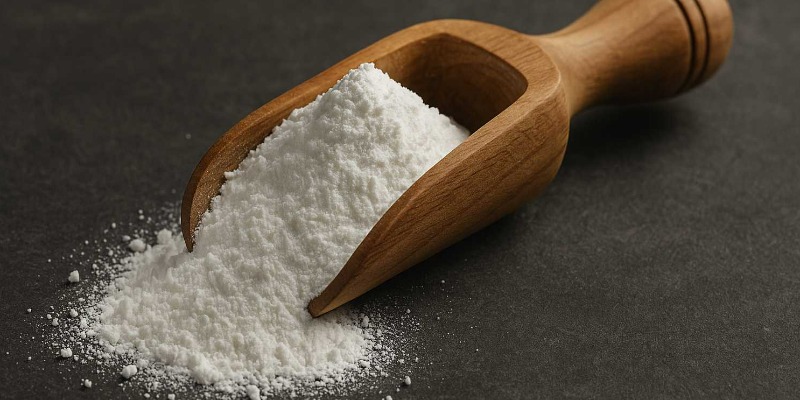 Triossido di antimonio: storia, usi nella plastica, impatto ambientale e alternative sostenibili
Scopri cos'è il triossido di antimonio, perché è impiegato nell'industria delle plastiche, i suoi effetti sulla salute e sull’ambiente, e le soluzioni sostenibili già disponibili sul mercato globaledi Marco ArezioIl triossido di antimonio (Sb₂O₃) è un composto chimico che ha avuto, e continua ad avere, un ruolo fondamentale in numerosi processi industriali, in particolare come sinergizzante nei ritardanti di fiamma per materie plastiche. Ma dietro la sua efficacia tecnica si cela un profilo ambientale e sanitario che negli ultimi anni ha acceso un acceso dibattito tra industria, scienza e legislatori. Un composto dal passato tecnico importante Dal punto di vista chimico, il triossido di antimonio si presenta come una polvere bianca, insolubile in acqua ma reattiva in ambienti acidi e alcalini. Viene prodotto principalmente attraverso l’ossidazione del metallo antimonio o mediante la lavorazione del minerale stibnite. La sua funzione principale, quella di sinergizzante nei ritardanti di fiamma bromurati, è stata valorizzata a partire dagli anni ’70, quando l’industria cercava soluzioni per aumentare la sicurezza dei materiali plastici utilizzati in edilizia, elettronica e tessile. Grazie alla sua capacità di ridurre la propagazione delle fiamme, il triossido di antimonio è diventato onnipresente nei materiali plastici ignifughi, dai cavi elettrici alle coperture dei dispositivi elettronici. Tuttavia, proprio la sua diffusione ha contribuito ad accendere i riflettori sugli effetti collaterali derivanti da un uso estensivo e talvolta non regolamentato. I lati oscuri: impatto ambientale e rischi per la salute Le ricerche scientifiche degli ultimi vent'anni hanno messo in evidenza come il triossido di antimonio non sia privo di effetti collaterali. L’Agenzia per la Protezione Ambientale degli Stati Uniti (EPA) lo classifica tra i composti sospetti di essere cancerogeni per l’uomo. La California lo ha inserito nella lista delle sostanze della Proposition 65, evidenziando il rischio oncogeno in seguito a esposizione prolungata per via inalatoria. In ambienti di lavoro industriali, come impianti di produzione di plastica o di materiali da costruzione, i lavoratori possono essere esposti all’antimonio tramite inalazione di polveri sottili. Gli effetti più comuni includono irritazioni respiratorie, mal di testa, nausea, ma in casi cronici si parla anche di bronchiti, danni epatici e renali, e sospetti effetti sul sistema riproduttivo. Anche l’ambiente non è immune: questo composto è noto per la sua persistenza nei suoli e nelle acque, con la possibilità di contaminare le falde acquifere e influenzare negativamente gli ecosistemi. È stato documentato il rilascio di antimonio da contenitori in PET esposti a fonti di calore, con il rischio che microquantità di metallo finiscano nei liquidi destinati al consumo umano. Nonostante siano quantità molto basse, il rischio cumulativo ha spinto diverse istituzioni – come l’OMS e la stessa EPA – a stabilire limiti rigorosi per la presenza dell’elemento nell’acqua potabile. Sul piano normativo, i limiti di esposizione sono stati resi più stringenti negli ultimi anni: ad esempio, OSHA fissa a 0,5 mg/m³ la concentrazione massima consentita nei luoghi di lavoro, mentre l’EPA ha stabilito un limite di 0,006 mg/L per l’acqua potabile. La ricerca di alternative sostenibili Le preoccupazioni ambientali e sanitarie legate al triossido di antimonio hanno spinto l’industria chimica e la ricerca accademica a cercare valide alternative. Alcuni composti, come il zinc borate, stanno guadagnando attenzione per la loro capacità di agire anch’essi da sinergizzanti nei ritardanti di fiamma, ma con un impatto tossicologico inferiore. Altre soluzioni includono i fosfati organici, meno tossici dei composti bromurati, o lo zinc hydroxystannate (ZHS), che ha mostrato buone prestazioni come additivo ignifugo a minore impatto ambientale. Anche se queste alternative non sono ancora universalmente adottate, rappresentano un importante passo verso una chimica più verde. Produzione globale e dinamiche di mercato Attualmente, la Cina è il principale produttore mondiale di triossido di antimonio, controllando circa il 48% della produzione globale. Seguono a distanza la Russia, il Sudafrica e alcuni paesi dell’Asia centrale. Il mercato, valutato intorno agli 850 milioni di dollari nel 2023, è destinato a crescere nei prossimi anni, toccando una previsione di oltre 1,4 miliardi di dollari entro il 2034. Tuttavia, la crescita sarà fortemente condizionata dall’evoluzione delle normative ambientali e dall’adozione di alternative più sostenibili. Conclusione: tra transizione ecologica e responsabilità industriale Il caso del triossido di antimonio rappresenta emblematicamente le sfide contemporanee dell’industria chimica: da un lato l’efficienza tecnica, dall’altro la necessità di tutelare salute e ambiente. La transizione verso materiali meno impattanti non è solo auspicabile, ma inevitabile. Ciò richiederà un forte impegno multidisciplinare, in cui scienza, industria e istituzioni dovranno cooperare per garantire un futuro più sicuro e sostenibile per tutti.© Riproduzione Vietata
SCOPRI DI PIU' Come Verificare il Contenuto Riciclato nella Plastica: la Nuova Tecnologia che Può Cambiare il Packaging Europeo
Come si misura davvero la percentuale di plastica riciclata nei prodotti: norme ISO, standard europei, audit di filiera, mass balance e digital watermarks nel nuovo scenario UE del packagingAutore: Marco Arezio. Esperto in economia circolare, riciclo dei polimeri e processi industriali delle materie plastiche. Fondatore della piattaforma rMIX, dedicata alla valorizzazione dei materiali riciclati e allo sviluppo di filiere sostenibili.Data: 26 marzo 2026 Tempo di lettura: 16 minutiIntroduzione Dire che un imballaggio “contiene plastica riciclata” è facile. Dimostrarlo in modo serio, ripetibile e difendibile davanti a clienti, autorità, auditor e mercato è molto più difficile. E oggi questa differenza conta più di ieri, perché la plastica è al centro delle nuove politiche europee sulla circolarità: il packaging rappresenta circa il 40% della plastica utilizzata nell’Unione e, nel 2022, ogni cittadino europeo ha generato 186,5 kg di rifiuti di imballaggio. Il nuovo Regolamento europeo sugli imballaggi e rifiuti di imballaggio, il PPWR, è entrato in vigore l’11 febbraio 2025 e la sua data generale di applicazione è fissata al 12 agosto 2026; tra i suoi obiettivi ci sono l’aumento dell’uso sicuro di plastica riciclata e la riciclabilità di tutti gli imballaggi entro il 2030. La vera domanda, quindi, non è soltanto quanta plastica riciclata c’è in un prodotto, ma come lo si dimostra davvero. La risposta corretta è meno intuitiva di quanto sembri: nella maggior parte dei casi la percentuale di riciclato non si legge “a occhio” né si certifica con un singolo test di laboratorio sul manufatto finito. Si costruisce invece attraverso una combinazione di definizioni normative, bilanci di massa, tracciabilità di filiera, riconciliazione dei volumi, audit di terza parte e, sempre più spesso, strumenti digitali che migliorano la separazione e la qualificazione del rifiuto in ingresso. Cosa significa davvero “contenuto riciclato” La base tecnica parte dalla definizione. In area ISO, il contenuto riciclato è definito come la proporzione, in massa, di materiale riciclato presente in un prodotto. ISO 14021 resta oggi uno dei riferimenti chiave per le autodichiarazioni ambientali e include anche i termini collegati a “pre-consumer material” e “post-consumer material”, cioè la distinzione tra materiale recuperato prima dell’uso da parte del consumatore finale e materiale proveniente dal post-consumo. Questo punto è decisivo, perché molte ambiguità di mercato nascono qui. Un produttore può dichiarare un 30% di contenuto riciclato, ma bisogna capire se quel 30% deriva da scarti industriali interni o esterni, da post-consumo urbano, da rifiuti commerciali selezionati, oppure da una combinazione dei due. Dal punto di vista della comunicazione ambientale, la differenza non è secondaria: la qualità tecnica del materiale, il valore circolare del claim e la sua percezione sul mercato cambiano sensibilmente a seconda dell’origine del riciclato. ISO 14021 fornisce proprio questo quadro terminologico e metodologico per evitare dichiarazioni vaghe o fuorvianti. Come si calcola la percentuale di plastica riciclata Il principio di base è semplice: si tratta di un rapporto di massa. Nel caso più lineare, la percentuale di contenuto riciclato corrisponde alla massa di plastica riciclata incorporata nel prodotto divisa per la massa totale di plastica considerata nel perimetro del claim, moltiplicata per 100. Per le bottiglie in plastica monouso, la Commissione europea ha già fissato regole specifiche: l’Implementing Decision 2023/2683 stabilisce che la proporzione di plastica riciclata si calcola dividendo il peso della plastica riciclata nelle bottiglie immesse sul mercato per il peso totale delle bottiglie immesse sul mercato. Ma la formula, da sola, non basta. Occorre definire con precisione il perimetro di calcolo: lotto, linea, stabilimento, periodo annuale, categoria di prodotto, specifica famiglia di packaging. Inoltre bisogna sapere quali perdite di processo sono state considerate, quali additivi o masterbatch entrano nella formulazione e come vengono riconciliate le quantità in ingresso e in uscita. Gli schemi di audit basati su EN 15343 e le certificazioni di tracciabilità più diffuse chiedono proprio questo: evidenza documentale, identificazione dei flussi e plausibility check tra input, rese, perdite e output dichiarato. Perché il laboratorio non basta quasi mai Qui si entra nel cuore del problema. In teoria il laboratorio è fondamentale per identificare il polimero, misurare impurità, valutare contaminanti, verificare MFI, ceneri, densità, migrazione, odori o stabilità. In pratica, però, il laboratorio non è quasi mai sufficiente, da solo, a certificare la percentuale esatta di plastica riciclata contenuta in un manufatto finito. La stessa Commissione europea, nella sezione dedicata al riciclo delle plastiche destinate al contatto alimentare, spiega che la composizione della plastica riciclata non può essere facilmente sottoposta a controlli ufficiali come avviene per la plastica vergine e che, proprio per questo, i controlli si concentrano sulla produzione del materiale riciclato e sugli audit delle installazioni. Lo stesso orientamento emerge anche dalla letteratura tecnica del JRC europeo su altri settori ad alta regolazione: la verifica del contenuto di materiali riciclati viene descritta come basata esclusivamente sulla documentazione, con regole di calcolo, blending e punti di misura definiti a monte. In altre parole, il laboratorio serve a qualificare il materiale; la percentuale dichiarata, invece, si dimostra soprattutto con la catena di custodia. È una distinzione essenziale per capire perché tante dichiarazioni commerciali risultano fragili quando manca una struttura di tracciabilità robusta. La tracciabilità europea: EN 15343 come architrave Nel contesto europeo, la norma EN 15343 è la pietra angolare per la plastica riciclata. Lo standard specifica le procedure necessarie per la tracciabilità delle plastiche riciclate e fornisce la base per il calcolo del contenuto riciclato di un prodotto. Questo significa che la percentuale dichiarata non nasce da una percezione qualitativa del materiale, ma da una filiera documentata: origine del rifiuto, trasformazione, identificazione dei lotti, controlli interni, riconciliazione dei volumi e coerenza tra input e output. Gli schemi di certificazione applicati dal mercato si muovono esattamente su questa impostazione. RecyClass, per esempio, dichiara esplicitamente che la sua certificazione di tracciabilità verifica la percentuale esatta di contenuto riciclato attraverso un approccio di controlled blending, allineato a EN 15343 e ISO 22095; inoltre prevede audit di terza parte in sito e rinnovo annuale del certificato. Questo è importante perché distingue una semplice autodichiarazione commerciale da una dichiarazione auditata e difendibile. Riciclo meccanico: il caso più chiaro, ma non banale Nel riciclo meccanico la misurazione del contenuto riciclato è, in genere, più lineare rispetto ad altri scenari. Il materiale riciclato entra come macinato, flakes o granulo; viene miscelato con eventuale vergine, additivi o coloranti; poi si trasforma nel prodotto finale. In questo caso la percentuale può essere dimostrata con una combinazione di documenti d’acquisto, certificati del fornitore, schede di produzione, ricette di compound, bilanci di massa e verifiche sui quantitativi effettivamente trasformati, tenendo conto delle perdite. Gli audit di processo richiedono proprio una riconciliazione dei volumi per verificare che l’output corrisponda all’input riciclato impiegato, considerate rese, perdite e additivazioni. Tuttavia anche qui esistono rischi. Se il riciclato in ingresso non è a sua volta tracciato o se deriva da flussi eterogenei mal qualificati, la percentuale numerica può risultare corretta sulla carta ma debole sul piano sostanziale. In altri termini, un “50% recycled content” non vale sempre allo stesso modo: conta se si tratta di PCR post-consumo realmente tracciato, di scarto industriale pre-consumer, di materiale food-grade, oppure di un flusso misto con elevata incertezza qualitativa. Per questo le aziende più solide non si limitano a pesare il materiale, ma documentano l’origine e la qualità del riciclato utilizzato. Food contact: quando la prova si sposta ancora di più sul processo Nel packaging alimentare il tema si fa più rigoroso. La Commissione europea ricorda che, quando la plastica è riciclata per uso a contatto con gli alimenti, il problema non è solo quantificare il riciclato ma garantire che eventuali contaminanti chimici siano stati rimossi a livelli sicuri. Proprio perché tali contaminanti possono essere sconosciuti o variabili, il controllo ufficiale non si concentra tanto sull’analisi del prodotto finito quanto sul processo di decontaminazione, sulle buone pratiche di fabbricazione e sull’audit degli impianti. Questo è un passaggio cruciale anche per la comunicazione di marketing. Se un contenitore alimentare dichiara un certo contenuto riciclato, la credibilità della dichiarazione non dipende solo dalla percentuale numerica, ma dalla capacità di dimostrare che quel riciclato è stato ottenuto entro un processo autorizzato, monitorato e idoneo all’uso previsto. Nel food packaging, quindi, il “quanto” e il “come” non possono essere separati. Riciclo chimico e mass balance: la partita più delicata Quando si entra nel riciclo chimico, la questione diventa più complessa perché il rifiuto plastico viene trasformato in feedstock che si mescola con materie prime convenzionali in sistemi industriali complessi. In questi casi la segregazione fisica dell’atomo “riciclato” non è realisticamente praticabile lungo tutta la catena. Per questo si utilizzano modelli di mass balance, cioè modelli di catena di custodia che attribuiscono una quota di contenuto riciclato agli output sulla base di regole contabili, temporali e di allocazione, senza superare la quantità di input riciclato effettivamente entrata nel sistema. ISCC PLUS descrive questo approccio come una delle opzioni di chain of custody, accanto alla segregazione fisica e al controlled blending. Il tema è talmente centrale che ISO ha pubblicato anche ISO 22095-2:2026, dedicata proprio ai requisiti e alle linee guida per l’applicazione del modello mass balance nei sistemi di catena di custodia. È un segnale importante: il mass balance sta diventando sempre meno una prassi “di mercato” e sempre più un terreno di normalizzazione tecnica. Sul piano regolatorio europeo, il cantiere è apertissimo. Nel luglio 2025 la Commissione ha lanciato una consultazione sulle nuove regole per calcolare, verificare e rendicontare il contenuto riciclato chimicamente nelle bottiglie in plastica monouso per bevande. La metodologia proposta si basa sulla regola di allocazione fuel-use excluded, cioè esclude dal contenuto riciclato ogni quota di rifiuto destinata a combustibili o recupero energetico; inoltre prevede verifica annuale di terza parte per le fasi più complesse della filiera chimica e requisiti alleggeriti per le PMI. A febbraio 2026 la Commissione indicava ancora di essere nella fase finale di definizione di queste regole, non ancora consolidate come quadro definitivo già pienamente operativo. La nuova tecnologia che può cambiare davvero il packaging europeo Quando si parla di plastica riciclata, molti immaginano che esista una macchina capace di prendere una confezione finita, analizzarla e dire con precisione: “qui dentro c’è il 37% di plastica riciclata”. Nella realtà industriale, oggi non funziona così. La tecnologia che può davvero cambiare il packaging europeo non è un test di laboratorio capace di leggere magicamente il contenuto riciclato di ogni confezione, ma un sistema che aiuta a separare meglio i rifiuti di imballaggio prima che vengano riciclati. Questo sistema si basa sui digital watermarks, cioè piccoli codici invisibili o quasi invisibili stampati sulla confezione. Per capire bene di cosa si tratta, immaginiamo una vaschetta in plastica per alimenti, una bottiglia di detergente e un contenitore cosmetico. Oggi, quando questi imballaggi arrivano in un impianto di selezione, i sistemi automatici riescono a riconoscere abbastanza bene il tipo di plastica, per esempio PET, HDPE o PP, ma spesso fanno più fatica a distinguere l’uso originario dell’imballaggio, cioè se quella plastica proveniva da un’applicazione alimentare, cosmetica o domestica. E questa differenza è molto importante, perché plastiche apparentemente simili possono richiedere percorsi di riciclo diversi. Qui entrano in gioco i digital watermarks. In pratica, ogni confezione può portare con sé una sorta di “carta d’identità digitale” leggibile dai sistemi di selezione. Questa identità può dire all’impianto: “sono una vaschetta alimentare”, “sono una bottiglia per detersivi”, “sono un imballaggio in PP”, “appartengo a una certa categoria”. Grazie a queste informazioni, i rifiuti possono essere smistati in modo molto più preciso rispetto ai sistemi tradizionali. Questo è il vero cambiamento: non si migliora il riciclo alla fine del processo, ma all’inizio, quando il rifiuto viene separato. Se infatti si parte da un flusso più pulito, più omogeneo e meglio classificato, anche il materiale riciclato ottenuto alla fine sarà migliore. Per renderlo ancora più concreto, si può pensare alla differenza tra raccogliere tutta la frutta insieme in un grande cassone oppure dividerla subito per tipo e qualità. Se si mescola tutto, alla fine si ottiene un prodotto meno controllabile. Se invece si separa bene all’origine, il risultato finale è più pulito, più costante e più adatto a usi di qualità. Nella plastica succede la stessa cosa. Ecco perché questa tecnologia interessa così tanto il packaging europeo. Il problema principale dell’Europa, infatti, non è soltanto riciclare di più, ma riciclare meglio. Molta plastica riciclata oggi ha qualità variabile perché nasce da rifiuti troppo misti, difficili da distinguere con precisione. Se invece si riesce a migliorare la selezione, si ottiene un PCR, cioè plastica riciclata post-consumo, più puro, più stabile e più affidabile. Questo ha una conseguenza molto importante anche sul piano normativo e commerciale. Quando un’azienda dichiara che un imballaggio contiene una certa quota di plastica riciclata, deve poterlo dimostrare in modo credibile. Se il materiale riciclato proviene da una filiera più pulita, tracciata e ben separata, quella dichiarazione diventa più solida. In altre parole, i digital watermarks non servono a “misurare” direttamente il contenuto riciclato della confezione finita, ma servono a costruire una filiera del riciclo più affidabile, e quindi a rendere più credibili anche le percentuali dichiarate. Dal punto di vista pratico, il loro vantaggio è triplo. Primo: aiutano gli impianti a distinguere meglio gli imballaggi. Secondo: permettono di produrre materiale riciclato di qualità superiore. Terzo: rendono più facile collegare quel materiale riciclato a una documentazione di filiera seria, utile per audit, certificazioni e conformità alle nuove regole europee. Quindi il punto centrale è questo: la tecnologia non cambia il packaging europeo perché legge il riciclato già presente nel prodotto, ma perché rende possibile un riciclo più intelligente, più pulito e più dimostrabile. Ed è proprio questo che oggi serve all’Europa: non solo più riciclo, ma un riciclo che regga alle verifiche tecniche, alle richieste dei clienti e alle future norme del PPWR. Cosa chiede oggi davvero l’Europa Sul fronte normativo, l’Europa si sta muovendo su due livelli. Il primo è quello già attivo per le bottiglie in plastica monouso: la direttiva SUP richiede il 25% di plastica riciclata nelle bottiglie in PET dal 2025 e il 30% in tutte le bottiglie per bevande in plastica dal 2030. La Commissione europea ricorda inoltre che nel 2023 ha adottato l’Implementing Decision 2023/2683 sulle regole di calcolo, verifica e reporting del contenuto riciclato nelle bottiglie monouso. Il secondo livello è il quadro più ampio del PPWR. Le pagine ufficiali della Commissione chiariscono che il regolamento è entrato in vigore l’11 febbraio 2025, si applicherà in via generale dal 12 agosto 2026, punta a rendere tutti gli imballaggi riciclabili entro il 2030 e richiede che gli imballaggi in plastica incorporino quote crescenti di contenuto riciclato con obiettivi per il 2030 e il 2040. In altre parole, il tema della verifica del contenuto riciclato non è più una nicchia per brand sensibili alla sostenibilità: sta diventando infrastruttura di conformità per il mercato europeo. Come un’azienda dovrebbe verificare davvero il contenuto riciclato Se un produttore vuole evitare greenwashing e prepararsi al nuovo contesto europeo, non deve chiedersi soltanto “quanta plastica riciclata sto usando?”, ma “come potrò dimostrarlo davanti a un audit?”. La risposta corretta, oggi, è costruire un sistema composto da quattro elementi: definizione chiara del claim secondo standard riconosciuti; tracciabilità del materiale in ingresso; bilancio di massa con riconciliazione dei volumi; verifica indipendente di terza parte quando il mercato o il cliente lo richiedono. Questa impostazione è coerente con ISO 14021, con EN 15343, con gli schemi RecyClass e con la logica delle verifiche europee sulle bottiglie e sul food contact. In termini pratici, un claim robusto dovrebbe specificare almeno tre cose: se il riciclato è pre-consumer o post-consumer; quale modello di chain of custody è stato applicato, cioè segregazione, controlled blending o mass balance; quale soggetto indipendente ha verificato il sistema, se presente. Quando queste informazioni mancano, la percentuale dichiarata può anche essere numericamente corretta, ma resta debole sul piano probatorio. Conclusione La percentuale di plastica riciclata nei prodotti non si misura davvero con una sola macchina e non si dimostra con una formula isolata. Si verifica attraverso una architettura di prova: definizioni ISO, standard europei di tracciabilità, bilanci di massa, audit degli impianti, documenti di filiera e, nei casi più evoluti, sistemi digitali che migliorano la separazione e la qualità del riciclato già a monte. È questo il punto che molte comunicazioni commerciali tendono a semplificare troppo. La nuova tecnologia che può cambiare il packaging europeo, oggi, non è quindi un “test magico” per leggere il riciclato nel manufatto finito, ma un ecosistema tecnologico capace di rendere la filiera più intelligente. I digital watermarks sono probabilmente la frontiera più concreta in questa direzione, perché possono aumentare la qualità della selezione, creare flussi PCR più puri e rendere molto più credibili le dichiarazioni future sul contenuto riciclato. In un mercato europeo che si sta spostando dalla sostenibilità raccontata alla sostenibilità verificata, questa distinzione farà la differenza tra chi comunica e chi dimostra. FAQ Come si misura il contenuto riciclato nella plastica? Di norma si misura come proporzione in massa di materiale riciclato nel prodotto, ma la dimostrazione concreta avviene soprattutto tramite tracciabilità, bilanci di massa e audit di filiera, non con un solo test sul prodotto finito. Esiste un test di laboratorio che dice con certezza quanta plastica riciclata c’è in un imballaggio? In termini generali, no: le fonti europee mostrano che la verifica del contenuto riciclato si basa soprattutto su documentazione e controllo del processo, mentre l’analisi finale da sola non è sufficiente a stabilire sempre la quota esatta dichiarata. Qual è la differenza tra pre-consumer e post-consumer? Il pre-consumer deriva da scarti recuperati prima dell’uso da parte del consumatore finale; il post-consumer deriva invece da rifiuti generati dopo l’uso da parte di famiglie o attività commerciali. ISO 14021 distingue esplicitamente queste categorie. Cos’è il mass balance nella plastica riciclata? È un modello di chain of custody usato soprattutto quando i feedstock riciclati e convenzionali vengono miscelati in sistemi complessi, come nel riciclo chimico. In quel caso la quota riciclata viene attribuita agli output con regole contabili e verificabili. I digital watermarks misurano il contenuto riciclato? Non direttamente. Migliorano però la separazione dei rifiuti di imballaggio e la creazione di flussi più puri e meglio tracciati, condizione essenziale per produrre riciclato di qualità e rendere più solida la verifica del contenuto riciclato nei prodotti futuri. Fonti reali e verificate Commissione europea, Packaging waste e Packaging & Packaging Waste Regulation (PPWR), con dati su entrata in vigore, data di applicazione e obiettivi del regolamento. Commissione europea, Single-use plastics, con target su contenuto riciclato nelle bottiglie e cronologia degli atti attuativi. Commissione europea, Plastic Recycling / Food Safety, con chiarimenti su controlli, contaminanti e centralità degli audit di processo nel food contact. ISO, ISO 14021 e riferimenti ISO sulla chain of custody e sul mass balance. Standard europeo EN 15343, sulla tracciabilità delle plastiche riciclate e il calcolo del contenuto riciclato. Commissione europea, consultazione 2025 sulle regole per il contenuto riciclato chimicamente nelle bottiglie, con metodo fuel-use excluded e verifiche di terza parte. AIM / HolyGrail 2.0 e HolyGrail 2030, sulla tecnologia dei digital watermarks e i risultati di sorting intelligente. ISCC PLUS e RecyClass, per i modelli di chain of custody, controlled blending, mass balance e audit di tracciabilità.Immagine su licenza © Riproduzione Vietata
SCOPRI DI PIU' Polimero con Talina: La Rivoluzione nella Resistenza agli Urti
L'integrazione della talina nei polimeri offre una nuova frontiera nei materiali ad alte prestazioni, migliorando la resistenza agli urtidi Marco ArezioNegli ultimi anni, la ricerca sui materiali ha fatto passi da gigante, portando alla scoperta di nuove tecnologie in grado di migliorare significativamente le proprietà dei polimeri. Una di queste innovazioni è rappresentata dall'integrazione della talina nei polimeri, che ha dimostrato di aumentare notevolmente la resistenza agli urti. Questo articolo esplora in profondità questa tecnologia emergente, analizzando le sue caratteristiche, le applicazioni e gli studi scientifici che ne supportano l'efficacia.La Magia della Talina La talina è un minerale naturale che appartiene al gruppo dei silicati. È noto per la sua struttura lamellare e per le sue proprietà uniche, come la resistenza al calore, la capacità lubrificante e la non reattività chimica. Queste caratteristiche hanno reso la talina un materiale di interesse in vari settori, ma è solo di recente che i ricercatori hanno iniziato a esplorare il suo potenziale nei polimeri. Proprietà della Talina La talina è principalmente composta da silicato di magnesio idrato. La sua struttura stratificata permette una facile scorrevolezza tra gli strati, conferendo al materiale un effetto lubrificante naturale. Inoltre, può resistere a temperature elevate senza degradarsi, il che la rende ideale per applicazioni che richiedono stabilità termica. La sua inerzia chimica garantisce che non reagisca con la maggior parte dei composti chimici, mantenendo intatte le proprietà del materiale composito. L'Integrazione nei Polimeri La combinazione di talina e polimeri ha dato vita a materiali con proprietà meccaniche superiori. Questo processo prevede la dispersione di particelle di talina all'interno della matrice polimerica, creando un materiale composito con caratteristiche migliorate. Tecniche di Integrazione Esistono diverse tecniche per integrare la talina nei polimeri. La miscelazione a fusione è una delle più comuni, in cui la talina viene miscelata con il polimero fuso per garantire una distribuzione uniforme delle particelle. La polimerizzazione in situ è un'altra tecnica, dove la talina viene aggiunta durante il processo di polimerizzazione, permettendo una migliore interazione tra la matrice polimerica e le particelle di talina. Infine, il compounding utilizza estrusori per combinare la talina con polimeri in forma granulare, migliorando la dispersione e l'adesione tra le componenti.Effetti sulla Resistenza agli Urti L'inclusione della talina nei polimeri ha dimostrato di aumentare significativamente la resistenza agli urti del materiale composito. Questo miglioramento è dovuto a diversi fattori, tra cui l'aumento della durezza, l'assorbimento dell'energia d'urto e il rafforzamento della matrice polimerica. Le particelle di talina aumentano la durezza complessiva del materiale, rendendolo più resistente agli impatti. La struttura lamellare della talina consente un migliore assorbimento e distribuzione dell'energia d'urto, riducendo il rischio di fratture. Inoltre, agiscono come rinforzo all'interno del polimero, migliorandone la robustezza e la durata.Applicazioni dei Polimeri con Talina Grazie alle loro migliorate proprietà meccaniche, i polimeri con talina trovano applicazione in diversi settori industriali. Industria Automobilistica Nell'industria automobilistica, la resistenza agli urti è una caratteristica cruciale per la sicurezza e la durabilità dei veicoli. I polimeri con talina sono utilizzati per la produzione di paraurti, cruscotti e altri componenti interni che devono resistere a impatti elevati senza deformarsi o rompersi. Studi recenti hanno dimostrato che l'uso di polimeri rinforzati con talina può aumentare la resistenza agli urti dei componenti automobilistici del 30% rispetto ai materiali convenzionali.Settore Aerospaziale L'industria aerospaziale richiede materiali leggeri ma resistenti, capaci di sopportare le estreme condizioni di volo. I polimeri con talina offrono una combinazione ideale di leggerezza e resistenza, risultando in componenti più sicuri e affidabili. La NASA e altre agenzie spaziali stanno attualmente conducendo ricerche sull'uso di questi materiali nei satelliti e nelle strutture dei razzi, con risultati preliminari molto promettenti. Elettronica e Dispositivi di Consumo Nel settore dell'elettronica, la resistenza agli urti è essenziale per proteggere i dispositivi durante l'uso quotidiano. I polimeri con talina vengono utilizzati in custodie per smartphone, laptop e altri dispositivi portatili, garantendo una maggiore protezione contro cadute e urti accidentali. Un recente studio pubblicato su "Journal of Applied Polymer Science" ha evidenziato che l'aggiunta di talina ai polimeri utilizzati nelle custodie per smartphone può ridurre i danni da caduta del 40%.Impatti sul Mercato e Sostenibilità L'adozione di polimeri con talina ha anche implicazioni significative per il mercato e la sostenibilità ambientale. Competitività di Mercato L'introduzione di polimeri ad alta resistenza agli urti ha aumentato la competitività delle aziende che adottano questa tecnologia. La capacità di offrire prodotti più duraturi e sicuri rappresenta un vantaggio competitivo significativo, specialmente in settori dove la resistenza agli urti è un fattore determinante per la scelta del consumatore. Aziende leader come BASF e Dow Chemical stanno investendo massicciamente in questa tecnologia, prevedendo una crescita significativa del mercato nei prossimi anni.Sostenibilità Ambientale L'integrazione della talina nei polimeri può contribuire a migliorare la sostenibilità dei prodotti. La talina è un minerale abbondante e a basso costo, e l'uso di materiali compositi più resistenti può ridurre la necessità di sostituzioni frequenti, diminuendo così l'impatto ambientale complessivo. Inoltre, i processi di produzione dei polimeri con talina possono essere ottimizzati per minimizzare gli sprechi e l'uso di energia. Uno studio del 2023 condotto dall'Università di Cambridge ha dimostrato che l'uso di talina nei polimeri può ridurre le emissioni di CO2 del 20% rispetto ai polimeri tradizionali.Problemi e Prospettive Future Nonostante i numerosi vantaggi, l'integrazione della talina nei polimeri presenta alcune problematiche tecniche e di mercato. Problemi Tecnici La dispersione uniforme della talina all'interno della matrice polimerica è cruciale per ottenere le proprietà desiderate. Questo richiede tecniche di produzione avanzate e un controllo preciso dei parametri di processo. Inoltre, l'adesione tra le particelle di talina e la matrice polimerica deve essere ottimizzata per massimizzare i benefici meccanici. La ricerca in corso presso il MIT sta esplorando nuovi metodi di dispersione della talina per migliorare ulteriormente queste proprietà. Adozione di Mercato L'adozione su larga scala dei polimeri con talina dipende dalla disponibilità di infrastrutture produttive adeguate e dalla sensibilizzazione del mercato sui benefici di questi materiali. Le aziende devono investire in ricerca e sviluppo per migliorare ulteriormente le proprietà dei polimeri con talina e ridurre i costi di produzione. Tuttavia, con il crescente interesse per materiali sostenibili e ad alte prestazioni, le prospettive per l'adozione di questi polimeri sono molto positive.Prospettive Future Il futuro dei polimeri con talina appare promettente, con potenziali applicazioni in nuovi settori e miglioramenti continui nelle tecnologie di produzione. La ricerca continua può portare a scoperte ancora più innovative, come la combinazione della talina con altri nanomateriali per creare compositi con proprietà meccaniche e funzionali senza precedenti. Gli studi in corso presso l'Università di Tokyo stanno investigando l'uso di talina in combinazione con grafene per creare materiali super resistenti e leggeri. Conclusioni Il polimero con talina rappresenta una delle innovazioni più significative nel campo dei materiali ad alta resistenza agli urti. Grazie alle sue eccezionali proprietà meccaniche e alla sua versatilità applicativa, questo materiale ha il potenziale per rivoluzionare numerosi settori industriali, dalla produzione automobilistica all'elettronica di consumo. Nonostante le sfide tecniche e di mercato, le prospettive future sono estremamente positive, con continue ricerche che promettono di svelare ulteriori miglioramenti e nuove applicazioni per i polimeri con talina.© Riproduzione Vietata
SCOPRI DI PIU' La Classificazione Tecnica dei Materiali Polimerici
I polimeri nel corso dei decenni hanno subito denominazioni differenti creando a volte confusionedi Marco ArezioCome tutti i materiali di grandissima diffusione, sia storica che geografica, anche i polimeri portano con loro approcci linguistici differenti, che si sono, nel tempo, sempre più allontanati da una corretta classificazione od attribuzione di significato tecnico preciso.Ci sono poi generalizzazioni dei termini o confusione su di essi, che non stanno ad indicare un polimero specifico ma una famiglia di prodotti, apparentemente tutti uguali, ma differenti da altri tipi di materiali non plastici. Se avete sentito parlare persone che hanno vissuto il lancio e l’industrializzazione delle materie plastiche negli anni ‘60 del secolo scorso, attraverso la commercializzazione di prodotti per la casa di uso comune ad esempio, avrete sentito citare le parole bachelite o moplen, che non erano altro che il modo di indicare un articolo fatto con la nuova materia prima, la plastica, di qualità apparentemente inferiore ai tradizionali materiali rigidi come l’alluminio, il rame, l’ottone, la ghisa o il legno. Un articolo fatto in bachelite era leggero, bello da vedersi, impermeabile e, soprattutto, economico, adatto al quella ampia fascia di popolazione che stava riempendo le proprie case di articoli per la vita quotidiana ma che era molto attenta alle spese. Se entriamo più in un approccio tecnico al problema, la classificazione dei materiali polimerici è resa difficile dalla imprecisione di certe denominazioni, che si sono affermate in sede tecnologica, e che si sono introdotte nell’uso comune prima che vi fossero idee esatte sulla struttura e sulle proprietà dei polimeri. I polimeri che si possono distinguere relativamente alle condizioni delle loro applicazioni pratiche, in elastomeri e plastomeri, le cui denominazioni hanno un fondamento meccanico: I primi polimeri hanno la tendenza (a temperatura ordinaria) ad elevatissime deformazioni elastiche, con bassi moduli elastici medi. I secondi polimeri hanno, invece, sempre a temperatura ambiente, deformazioni elastiche piuttosto modeste, con moduli relativamente alti e, in genere, un intervallo di scorrimenti plastici fino alla rottura. Gli elastomeri, con opportune tecnologie, tra cui ha importanza fondamentale la vulcanizzazione, si trasformano in manufatti di gomma elastica (“vulcanizzati”). La vulcanizzazione introduce nell’elastomero un numero limitato di legami trasversali che, mentre non producono grossi ostacoli al meccanismo di distensione e riaccartocciamento delle catene polimeriche (sotto l’azione di un carico esterno), blocca gli scorrimenti viscosi. In alcuni casi, la vulcanizzazione non è operazione essenziale per l’ottenimento di manufatti elastici (elastomeri non vulcanizzabili). I plastomeri, chiamati spesso anche resine, si possono a loro volta dividere in due categorie: La prima, più diffusa, è quella dei materiali formabili in manufatti per azione di pressione e di temperatura (resine da stampaggio), con reversibilità della formabilità rispetto alla temperatura (resine termoplastiche o termoplasti). La seconda con irreversibilità per intervento di processi chimici che modificano la struttura (resine termoindurenti). E’ proprio la caratteristica della formabilità che ha dato origine alla denominazione “materie plastiche”. Operazioni tecnologiche tipiche per la trasformazione di elastomeri formabili in manufatti di materia plastica sono lo stampaggio, l’estrusione, la pressatura, ecc. Le resine termoindurenti sono, quindi, polimeri che durante la formatura, eseguita normalmente per stampaggio a caldo, si trasformano da prodotti polimerici essenzialmente lineari a polimeri reticolati. La reticolazione viene prodotta per reazione chimica ad alta temperatura tra la resina base e un agente di “cura”, oppure per reazione, favorite dalle temperature elevate, tra gruppi funzionali ancora liberi presenti nelle catene polimeriche della resina base. Polimeri a struttura reticolata si possono ottenere anche per reazione chimica a freddo tra una resina base, generalmente liquida e un agente di cura detto “indurente”: questa categoria di prodotti prende il nome di “resine da colata reticolate” e ad essa appartengono ad esempio le resine poliestere insature. Meno frequentemente, in resine, che risultano per questo più pregiate, si rileva la capacità di formare, dallo stato fuso di soluzione, filamenti o lamine molto sottile (film) che, con opportune operazioni di stiro allo stato solido, subiscono un notevole rinforzo meccanico. È da questi polimeri fibrogeni o filmogeni che si ottengono, con adatte tecnologie, le più pregiate fibre sintetiche (o monofilamenti diversi come setole e crini) oppure anche gran parte dei film trasparenti o translucidi, largamente diffusi nel settore dell’imballaggio o altre applicazioni. Nello schema di classificazione sotto riportato, la doppia freccia tratteggiata orizzontale sta ad indicare la possibilità tecnologia di trasformare un materiale plastomerico in uno elastomerico (caso ad esempio della plastificazione di resine rigide) e viceversa (caso ad esempio della trasformazione della gomma naturale in ebanite per vulcanizzazione spinta). La trasformazione nel primo senso è di grande importanza economica, poiché consente di utilizzare resine di per se limitatamente utili in manufatti largamente richiesti. Fonte: Angelo Montebruni
SCOPRI DI PIU'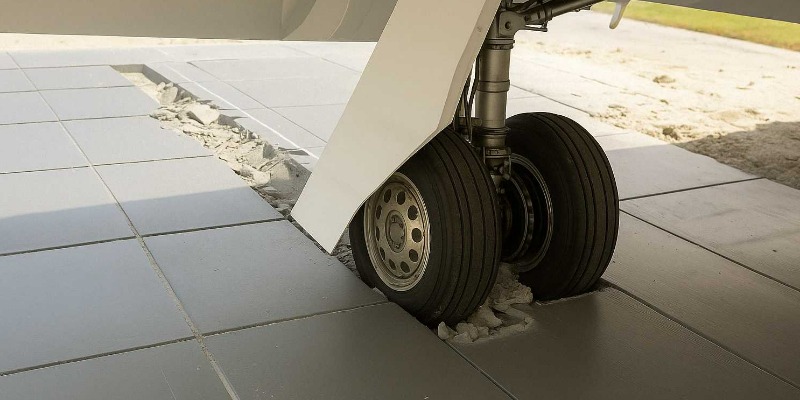 Sistemi di Sicurezza EMAS: Letti di Arresto per Aerei a Base di Materiali Riciclati
Innovazione e Sostenibilità nella Prevenzione degli Incidenti Fuori Pista negli Aeroporti di Tutto il MondoI letti di arresto per aerei, conosciuti come EMAS (Engineered Materials Arrestor Systems), rappresentano una soluzione tecnologica avanzata per garantire la sicurezza degli aeromobili che potrebbero superare la fine della pista durante l'atterraggio o il decollo. Questi sistemi, sempre più diffusi negli aeroporti di tutto il mondo, sono cruciali per prevenire incidenti potenzialmente catastrofici, salvaguardando sia i passeggeri che gli equipaggi. Composizione e Materiali Gli EMAS sono progettati per assorbire e dissipare l'energia di un aereo in movimento, rallentandolo fino a fermarlo completamente. La loro struttura è composta principalmente da materiali ad alta capacità di assorbimento di energia, tra cui schiuma di cemento e polistirolo espanso. Negli ultimi anni, l’uso di materiali riciclati ha guadagnato attenzione, aggiungendo un valore ambientale significativo al sistema. Ad esempio, plastica riciclata e gomma proveniente da pneumatici dismessi possono essere incorporati nella composizione dei materiali per migliorare la sostenibilità. La schiuma di cemento è una miscela che incorpora aria, creando una struttura porosa ma resistente, mentre il polistirolo espanso è noto per la sua leggerezza e capacità di deformarsi, assorbendo l'energia dell'impatto. I materiali riciclati, oltre a contribuire alla sostenibilità, offrono le stesse proprietà di assorbimento di energia necessarie per la funzionalità del sistema. Realizzazione dei Letti di Arresto per AereiLa costruzione di un letto di arresto EMAS inizia con un'attenta progettazione, volta a determinare la posizione ottimale e le dimensioni del sistema in base al tipo di aeromobili che operano nell'aeroporto e allo spazio disponibile. Successivamente, si prepara il sito destinato all'installazione, che include la livellazione del terreno e la rimozione di eventuali ostacoli. Una volta preparato il sito, i materiali vengono installati con precisione. I pannelli o i blocchi di materiale, compresi quelli riciclati, vengono posizionati e fissati saldamente. L'installazione richiede una grande accuratezza per garantire che il sistema funzioni correttamente in caso di emergenza. Infine, il sistema viene sottoposto a rigorosi test per verificare che rispetti gli standard di sicurezza previsti, inclusi test di resistenza e simulazioni di arresto. Funzionamento dei Letti di Arresto per AereiIl funzionamento degli EMAS si basa su un principio di decelerazione controllata. Quando un aereo esce dalla pista e entra in un letto di arresto, i pneumatici iniziano a sbriciolare il materiale del sistema, creando una resistenza che aumenta progressivamente. Questo processo rallenta l'aereo fino a fermarlo completamente, evitando così potenziali incidenti. Al primo contatto, il materiale si frantuma sotto i pneumatici dell’aereo, incrementando la resistenza man mano che il velivolo avanza. Questo meccanismo di decelerazione è stato progettato per funzionare con una vasta gamma di aeromobili, dai più piccoli ai più grandi, e ha dimostrato la sua efficacia in molte situazioni reali. Applicazioni Note Gli EMAS sono stati implementati con successo in diversi aeroporti a livello globale, dimostrando la loro efficacia in contesti reali. Un esempio notevole è l'Aeroporto Internazionale John F. Kennedy (JFK) di New York, dove gli EMAS hanno fermato in sicurezza numerosi aeromobili che avevano superato la fine della pista. Anche l'Aeroporto Internazionale di Chicago O'Hare utilizza questi sistemi per migliorare la sicurezza delle operazioni aeroportuali. A Miami, gli EMAS sono stati installati per gestire emergenze simili, garantendo la sicurezza di passeggeri e personale. Un altro esempio significativo è l'Aeroporto di Yeager, in West Virginia, dove gli EMAS hanno fermato con successo un jet privato che aveva superato la pista, dimostrando la loro efficacia anche in aeroporti di dimensioni più ridotte. Vantaggi e Limiti Gli EMAS offrono numerosi vantaggi. Innanzitutto, aumentano significativamente la sicurezza aeroportuale, riducendo il rischio di incidenti fuori pista e proteggendo così le vite dei passeggeri e dell'equipaggio. La loro efficacia è comprovata da numerosi incidenti evitati o mitigati grazie a questi sistemi. Inoltre, gli EMAS possono essere installati in aeroporti con spazi limitati, dove l'estensione della pista non è praticabile. L'integrazione di materiali riciclati nei sistemi EMAS contribuisce inoltre a promuovere la sostenibilità ambientale. Tuttavia, esistono anche alcuni limiti. L'installazione e la manutenzione degli EMAS possono essere costose, richiedendo un investimento significativo. Inoltre, richiedono un'area dedicata alla fine della pista, che potrebbe non essere disponibile in tutti gli aeroporti. Infine, i materiali utilizzati nei sistemi EMAS possono degradarsi nel tempo, richiedendo manutenzione regolare per garantire l'efficacia del sistema. Conclusione Gli EMAS rappresentano una soluzione innovativa e efficace per migliorare la sicurezza negli aeroporti, specialmente in contesti con spazi limitati. La loro capacità di fermare in modo controllato e sicuro gli aeromobili in situazioni di emergenza è un elemento chiave nella gestione della sicurezza aeroportuale moderna. Nonostante i costi e la necessità di manutenzione, i benefici in termini di vite umane salvate e incidenti evitati giustificano ampiamente l'investimento in questi sistemi. L'integrazione di materiali riciclati non solo migliora la sostenibilità, ma rappresenta un passo avanti verso un'aviazione più responsabile dal punto di vista ambientale.© Riproduzione Vietata
SCOPRI DI PIU'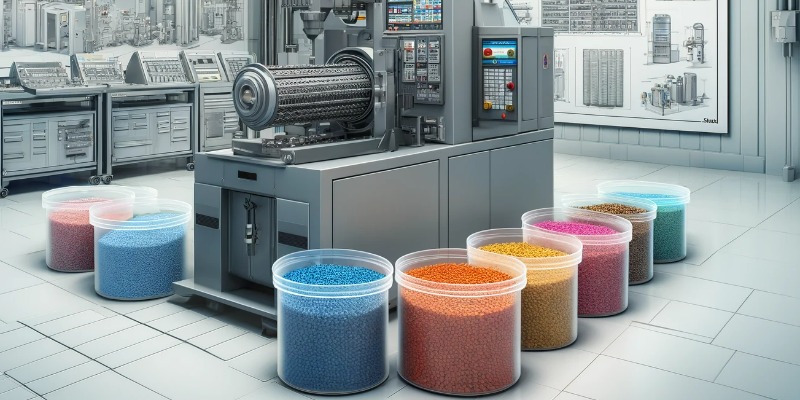 I Ritardanti di Fiamma per Polimeri Riciclati e Vergini
Analisi Approfondita dell'Uso dei Ritardanti di Fiamma nei Polimeri: Metodi di Utilizzo, Vantaggi per la Sicurezza e Impatti Ambientali di Marco ArezioIn un'era dove la sicurezza dei materiali utilizzati in numerosi settori industriali è sempre più richiesta, l'importanza di comprendere e migliorare la resistenza al fuoco dei polimeri diventa cruciale. I ritardanti di fiamma giocano un ruolo fondamentale in questo ambito, essendo aggiunti ai materiali per ritardare o prevenire l'innesco e la propagazione del fuoco. Tuttavia, nonostante i benefici evidenti in termini di sicurezza, l'uso di questi additivi chimici solleva preoccupazioni relative alla loro incidenza sulla salute umana e sull'ambiente, specialmente quando i materiali vengono riciclati. Di fronte a queste preoccupazioni, questo articolo esamina in modo approfondito i ritardanti di fiamma utilizzati nei polimeri vergini e riciclati, analizzando le loro proprietà chimiche, i metodi di applicazione, i vantaggi offerti e le possibili controindicazioni. Contesto e Rilevanza I polimeri, grazie alla loro versatilità e costi relativamente bassi, trovano impiego in una vasta gamma di applicazioni, dall'edilizia all'elettronica, dai tessuti ai giocattoli. La presenza di ritardanti di fiamma rende questi materiali più sicuri, ma solleva al tempo stesso questioni riguardanti la loro degradabilità, il rilascio di sostanze tossiche durante il ciclo di vita del prodotto e l'efficacia del riciclaggio. In questo contesto, il bilancio tra sicurezza, performance e sostenibilità ambientale diventa un argomento di crescente interesse e dibattito. Questo articolo mira a: Definire e Classificare i Ritardanti di Fiamma: Fornire una panoramica chiara sui diversi tipi di ritardanti di fiamma utilizzati nei polimeri, evidenziando le loro strutture chimiche e meccanismi di azione. Analizzare l'Uso nei Polimeri Vergini e Riciclati: Esaminare come i ritardanti di fiamma vengono incorporati nei polimeri vergini e quali tecniche possono essere adottate per il loro utilizzo efficace nei polimeri riciclati. Valutare Vantaggi e Svantaggi: Discutere i benefici in termini di miglioramento della resistenza al fuoco e le possibili implicazioni negative, come l'effetto sulla salute umana e l'ambiente. Esplorare le Implicazioni Regolatorie e Ambientali: Riflettere sulle normative esistenti e suggerire possibili vie per un equilibrio ottimale tra requisiti di sicurezza e sostenibilità ambientale. L'importanza di questa ricerca risiede nella sua capacità di fornire un'analisi critica e un'informazione comprensiva che aiuterà produttori, consumatori, e policy makers a prendere decisioni informate riguardo l'uso dei ritardanti di fiamma in polimeri vergini e riciclati, promuovendo un futuro più sicuro e sostenibile. Capitolo 1: Definizione e Classificazione dei Ritardanti di Fiamma 1.1: Cos'è un Ritardante di Fiamma? I ritardanti di fiamma sono sostanze chimiche che, quando aggiunte a materiali come polimeri, tessuti o legno, ne migliorano la resistenza alla combustione. Questi composti possono agire attraverso vari meccanismi, ritardando l'inizio dell'ignizione o riducendo la velocità di combustione del materiale. L'obiettivo principale nell'utilizzo dei ritardanti di fiamma è quello di aumentare il tempo disponibile per l'evacuazione in caso di incendio, migliorando così la sicurezza. 1.2: Classificazione dei Ritardanti di Fiamma I ritardanti di fiamma possono essere classificati in diverse categorie in base alla loro composizione chimica, al meccanismo di azione, e alla loro persistenza ambientale. Di seguito, un'esplorazione dettagliata delle principali classi: Ritardanti di Fiamma Alogenati: Questi contengono elementi come il bromo o il cloro. Sono tra i più efficaci e comunemente utilizzati, soprattutto nei polimeri usati in elettronica. Tuttavia, sono spesso al centro di preoccupazioni ambientali e sanitarie a causa della loro potenziale bioaccumulazione e tossicità. Ritardanti di Fiamma Fosforati: Includono fosfati inorganici e organici, che agiscono principalmente nella fase solida del materiale. Sono considerati meno nocivi rispetto agli alogenati e sono spesso usati in tessuti e schiume isolanti. Ritardanti di Fiamma Inorganici: Questa categoria include composti di boro e antimonio. Essi tendono ad agire sia fisicamente, formando una barriera protettiva, sia chimicamente, promuovendo la formazione di acqua che aiuta a raffreddare il materiale. Ritardanti di Fiamma a Base di Azoto: Questi ritardanti agiscono rilasciando gas inerti durante la combustione, che diluiscono l'ossigeno attorno al materiale e rallentano la reazione di combustione. Ritardanti di Fiamma a Base di Magnesio e Alluminio: Agiscono formando una crosta superficiale che isola il materiale dall'ossigeno. Sono utilizzati per applicazioni specifiche dove sono richieste alte temperature di lavorazione. 1.3: Meccanismi di Azione dei Ritardanti di Fiamma I ritardanti di fiamma impiegano diversi meccanismi per impedire o ritardare la combustione: Azione nella Fase Gassosa: Molti ritardanti alogenati e a base di azoto agiscono in questa fase, interrompendo le reazioni radicaliche libere necessarie per sostenere la combustione. Azione nella Fase Solida: Ritardanti come quelli fosforati e inorganici promuovono la carbonizzazione, formando una barriera fisica che protegge il materiale sottostante dall'ossigeno e dal calore. Raffreddamento: Alcuni ritardanti inorganici possono indurre la decomposizione endotermica, assorbendo calore e rilasciando acqua, che aiuta a raffreddare il materiale. 1.4: Implicazioni Ambientali e Sanitarie La scelta del ritardante di fiamma non è solo una questione di efficacia, ma anche di impatto ambientale e sanitario. Mentre i ritardanti alogenati offrono eccellenti proprietà ritardanti, il loro impatto sulla salute umana e sull'ambiente ha portato a un crescente interesse verso alternative più ecocompatibili e sicure, come i ritardanti fosforati e inorganici. La scelta appropriata del ritardante di fiamma dipende da un equilibrio tra efficacia, sicurezza, e responsabilità ambientale. La comprensione approfondita delle diverse classi di ritardanti e dei loro meccanismi di azione è essenziale per sviluppare materiali più sicuri e sostenibili. Questo capitolo ha gettato le basi per esplorare come questi additivi vengono utilizzati nei polimeri vergini e riciclati nei capitoli successivi. Capitolo 2: Ritardanti di Fiamma nei Polimeri Vergini 2.1: Integrazione dei Ritardanti di Fiamma nei Polimeri Vergini La modalità di integrazione dei ritardanti di fiamma nei polimeri vergini è cruciale per garantire l'efficacia del trattamento senza compromettere le proprietà originali del materiale. Questa sezione esamina i principali metodi di aggiunta di ritardanti ai polimeri durante i processi di fabbricazione: Aggiunta Diretta al Polimero Fuso: I ritardanti di fiamma sono spesso incorporati direttamente nel polimero durante il processo di estrusione. Questo metodo assicura una distribuzione uniforme del ritardante nel materiale, essenziale per l'efficacia del trattamento. Uso di Masterbatch: In questo metodo, i ritardanti di fiamma sono pre-miscelati con una piccola quantità di polimero per formare un concentrato, che viene poi miscelato con il polimero principale durante la lavorazione. Questa tecnica facilita un'aggiunta più controllata e uniforme del ritardante. Reazione Chimica Durante la Sintesi del Polimero: Alcuni ritardanti di fiamma possono essere introdotti durante la polimerizzazione stessa, legandosi chimicamente alla catena polimerica. Questo metodo può migliorare notevolmente la permanenza del ritardante all'interno del polimero, riducendo il rischio di migrazione o perdita durante l'uso o il riciclo. 2.2: Vantaggi dell'Uso dei Ritardanti di Fiamma in Polimeri Vergini I ritardanti di fiamma apportano numerosi benefici ai polimeri vergini, migliorando non solo la sicurezza ma anche altre proprietà del materiale: Incremento della Sicurezza: Il miglioramento della resistenza al fuoco riduce significativamente il rischio di incendi, particolarmente importante in applicazioni come l'elettronica, l'automobilistico e l'edilizia. Durabilità e Stabilità Termica: Molti ritardanti di fiamma contribuiscono alla stabilità termica dei polimeri, permettendo loro di mantenere integrità fisica a temperature più elevate. Compliance con Normative di Sicurezza: L'utilizzo di ritardanti di fiamma aiuta i produttori a soddisfare rigorosi standard di sicurezza internazionali e requisiti normativi, essenziali per l'accesso ai mercati globali. 2.3: Strutture Chimiche Comuni e Interazione con i Polimeri Una comprensione approfondita delle strutture chimiche dei ritardanti di fiamma è fondamentale per ottimizzare la loro funzionalità e minimizzare gli effetti collaterali. Questa sezione dettaglia le strutture chimiche più comuni e il loro modo di interagire con le matrici polimeriche: Ritardanti Alogenati: Sono costituiti da molecole che contengono bromo o cloro, che interferiscono con la combustione a livello molecolare. Ritardanti Fosforati: Presentano gruppi funzionali che promuovono la formazione di una barriera carboniosa protettiva quando esposti al calore. Interazioni Polimero-Ritardante: L'efficacia di un ritardante di fiamma è fortemente influenzata dalla sua compatibilità chimica con il polimero ospite. Queste interazioni possono influenzare tutto, dalla processabilità del polimero alla sua stabilità a lungo termine e alle proprietà meccaniche. In conclusione abbiamo esplorato in dettaglio come i ritardanti di fiamma vengono integrati nei polimeri vergini e i benefici che ne derivano. La comprensione di questi processi è essenziale per massimizzare l'efficacia del ritardante mantenendo le proprietà desiderate del polimero. Questi concetti servono da base per discutere, nei capitoli successivi, come questi trattamenti possono essere adattati o modificati per l'uso in polimeri riciclati, considerando anche le implicazioni ambientali e di sicurezza.Capitolo 3: Ritardanti di Fiamma nei Polimeri Riciclati Sezione 3.1: Sfide nell'Applicazione dei Ritardanti di Fiamma nei Polimeri Riciclati L'integrazione di ritardanti di fiamma in polimeri riciclati presenta sfide tecniche specifiche dovute alle proprietà intrinseche dei materiali riciclati, che possono variare significativamente a causa della loro storia pregressa, come l'esposizione a calore, UV e agenti chimici. Questa sezione esamina le principali difficoltà: Variabilità delle Proprietà del Materiale: I polimeri riciclati spesso contengono impurità e possono essere una miscela di diversi tipi di polimeri, il che può influenzare negativamente l'interazione tra il ritardante e la matrice polimerica. Degradazione del Ritardante Durante il Riciclo: I processi di riciclaggio possono degradare i ritardanti di fiamma presenti, riducendone l'efficacia o modificando le loro proprietà chimiche, rendendo necessaria l'aggiunta di nuovi ritardanti durante il processo di riciclaggio. Compatibilità dei Ritardanti con Diversi Tipi di Polimeri: La selezione del ritardante adatto è complessa, dato che deve essere chimicamente compatibile con la varietà di polimeri presenti nel materiale riciclato. 3.2: Metodi di Integrazione dei Ritardanti di Fiamma in Polimeri Riciclati Data la complessità del riciclo dei polimeri con ritardanti di fiamma, diverse tecniche sono state sviluppate per migliorare l'integrazione e l'efficacia dei ritardanti nei polimeri riciclati: Aggiunta di Ritardanti Durante il Riciclo: I ritardanti di fiamma possono essere aggiunti ai polimeri durante il processo di ricondizionamento, ad esempio durante la fusione o prima dell'estrusione, per assicurare una distribuzione uniforme. Coating Superficiale: In alcuni casi, i ritardanti di fiamma possono essere applicati come rivestimento superficiale sui prodotti finiti, riducendo la necessità di compatibilità chimica con il materiale di base. Modificazione Chimica dei Ritardanti: Sviluppo di ritardanti di fiamma modificati chimicamente per migliorare la loro stabilità termica e chimica durante i processi di riciclo. 3.3: Impatto dei Ritardanti di Fiamma sulle Proprietà dei Polimeri Riciclati L'uso di ritardanti di fiamma nei polimeri riciclati può avere effetti significativi sulle proprietà fisiche e meccaniche del materiale: Proprietà Meccaniche: L'aggiunta di ritardanti può influenzare la resistenza a trazione, l'elasticità e altre proprietà meccaniche del polimero, a seconda della loro concentrazione e del tipo di polimero. Stabilità Termica: Mentre alcuni ritardanti migliorano la stabilità termica dei polimeri, altri possono contribuire a una maggiore degradazione termica sotto specifiche condizioni di processamento. Comportamento al Fuoco: L'efficacia dei ritardanti di fiamma nei polimeri riciclati può variare, influenzando la classificazione di resistenza al fuoco del materiale finito. 3.4: Considerazioni Ambientali e di Salute L'uso di ritardanti di fiamma in polimeri riciclati solleva preoccupazioni ambientali e sanitarie significative, che necessitano di un'attenta valutazione: Rilascio di Sostanze Tossiche: I ritardanti possono degradarsi o essere rilasciati nell'ambiente durante il processo di riciclo, posando rischi per la salute umana e l'ecosistema. Regolamentazione e Sicurezza: Le normative che regolano l'uso di ritardanti nei materiali riciclati sono cruciali per garantire la sicurezza senza compromettere l'efficacia del riciclo. Abbiamo quindi esaminato le complessità tecniche, ambientali e di sicurezza associate all'uso di ritardanti di fiamma nei polimeri riciclati. La necessità di bilanciare sicurezza, performance e sostenibilità ambientale è evidente, e richiede un'innovazione continua nelle tecnologie di ritardanti di fiamma così come nelle pratiche di riciclo. Capitolo 4: Legislazione e Normative 4.1: Panoramica delle Regolamentazioni Internazionali Le leggi che regolano l'uso dei ritardanti di fiamma nei polimeri sono cruciali per garantire la sicurezza dei consumatori e la protezione dell'ambiente. Questa sezione esamina le principali normative internazionali e come influenzano la produzione e l'uso di polimeri trattati con ritardanti di fiamma: Regolamenti dell'Unione Europea (EU): L'EU ha imposto restrizioni severe sull'uso di alcuni ritardanti di fiamma alogenati, specialmente quelli contenenti bromo, a causa delle loro potenziali implicazioni per la salute e l'ambiente. Il regolamento REACH (Registration, Evaluation, Authorisation and Restriction of Chemicals) gioca un ruolo chiave nella regolamentazione di queste sostanze. Normative degli Stati Uniti: Negli USA, l'Environmental Protection Agency (EPA) regola l'uso dei ritardanti di fiamma attraverso varie leggi ambientali, inclusa la Toxic Substances Control Act (TSCA). Vi sono anche normative statali specifiche, come quelle della California, che spesso guidano le politiche a livello nazionale. Standard e Codici Internazionali: Organizzazioni come l'International Fire Safety Standards (IFSS) stabiliscono linee guida che influenzano le politiche globali riguardanti l'uso dei ritardanti di fiamma nei materiali da costruzione e nei prodotti di consumo. 4.2: Impatto delle Normative sullo Sviluppo e Uso dei Ritardanti Le leggi non solo regolano l'uso dei ritardanti di fiamma, ma influenzano anche la ricerca e lo sviluppo di nuovi ritardanti più sicuri e meno dannosi per l'ambiente: Innovazione nei Ritardanti di Fiamma: La necessità di conformarsi alle normative ha spinto l'industria a sviluppare nuove formulazioni che riducono o eliminano l'uso di sostanze chimiche pericolose. Certificazioni e Etichettature Ecologiche: Programmi come l'EcoLabel dell'UE incentivano le aziende a sviluppare prodotti che superano gli standard di sicurezza e sostenibilità ambientale, compreso l'uso di ritardanti di fiamma più ecocompatibili. 4.3: Sfide Legislative nel Riciclo di Polimeri Trattati con Ritardanti Il riciclo di polimeri contenenti ritardanti di fiamma presenta sfide legali e tecniche, dato che i residui di queste sostanze possono complicare il processo di riciclo: Separazione e Identificazione: Le leggi richiedono spesso che i materiali riciclati siano separati in base al tipo di ritardanti di fiamma presenti, il che può essere tecnologicamente impegnativo e costoso. Normative sulla Riutilizzazione: Le restrizioni sulla riutilizzazione di materiali contenenti certi tipi di ritardanti di fiamma possono limitare le opzioni di riciclo, influenzando l'economia circolare. 4.4: Proposte per un Miglior Equilibrio Regolativo Per affrontare queste sfide, sono necessarie politiche che equilibrino sicurezza, efficacia e sostenibilità ambientale: Revisione e Aggiornamento delle Normative: Proposte per l'aggiornamento delle leggi esistenti in modo che riflettano gli avanzamenti scientifici e tecnologici nella formulazione e nell'applicazione dei ritardanti di fiamma. Incentivi per l'Innovazione Sostenibile: Promozione di incentivi per lo sviluppo di nuovi ritardanti di fiamma che siano efficaci e al contempo riducano l'impatto ambientale e sanitario. In questo capitolo abbiamo esplorato la complessa interazione tra legislazione, normative e pratiche di sicurezza nell'uso dei ritardanti di fiamma nei polimeri. Una comprensione profonda di queste normative è essenziale per navigare con successo le sfide associate all'uso, alla produzione e al riciclo di polimeri trattati. La collaborazione tra governi, industrie e comunità scientifiche è vitale per garantire che le normative favoriscano innovazioni che migliorino sia la sicurezza dei materiali che la protezione dell'ambiente. Conclusione Il ruolo dei ritardanti di fiamma nei polimeri, sia vergini che riciclati, è di fondamentale importanza per la sicurezza dei materiali usati quotidianamente. Tuttavia, il loro uso non è privo di problemi ed implicazioni. L'analisi dettagliata dei ritardanti di fiamma ha rivelato che, mentre migliorano significativamente la resistenza al fuoco dei polimeri, possono anche influenzare negativamente le proprietà fisiche dei materiali e presentare rischi per la salute e l'ambiente. Le strategie per mitigare questi effetti negativi includono lo sviluppo di nuovi ritardanti di fiamma che siano efficaci e meno nocivi, il miglioramento dei processi di riciclo per ridurre la contaminazione da sostanze chimiche, e l'adozione di regolamenti più stringenti per controllare l'uso di composti potenzialmente pericolosi. Bibliografia e FontiAnderson, D. & Fisher, M. (2021). Chemical Properties of Flame Retardants in Polymers. Oxford University Press. Breen, C. & Watson, G. (2019). Flame Retardants and Environmental Safety. Springer Nature. Chen, L. & Wang, Y. (2020). "Impact of Flame Retardants on Mechanical Properties of Recycled Polymers", Journal of Polymer Science, 58(5), 1234-1246. Environmental Protection Agency (EPA). (2022). Guidelines on the Use of Flame Retardants in Consumer Products. National Fire Protection Association (NFPA). (2020). NFPA's Fire Safety Guidelines. Smith, J. (2018). "Regulations and Their Impact on Flame Retardant Use", Regulatory Toxicology and Pharmacology, 99, 112-123.
SCOPRI DI PIU'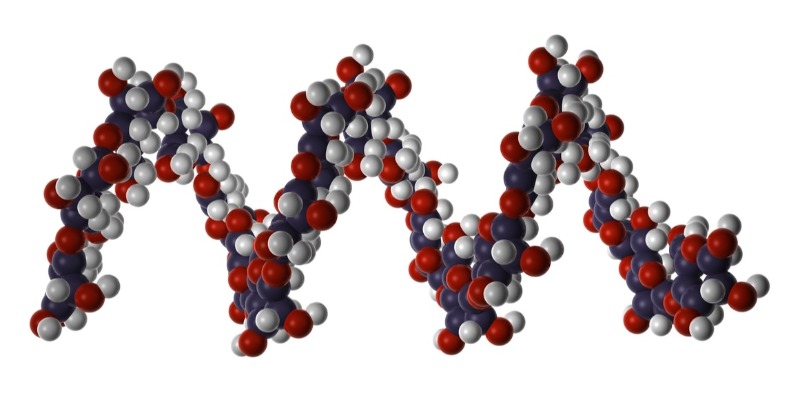 Il Degrado dei Polimeri Riciclati
Cosa si intende per degrado dei polimeri riciclati: biologico, ossidativo, foto-degradazione e termico?di Marco ArezioNegli anni dal dopo guerra in poi, le materie plastiche hanno preso sempre più mercato andando a sostituire prodotti fatti con altre tipologie di materiali in quanto si evidenziarono subito gli innumerevoli vantaggi che questo nuovo materiale portava. Tra i vantaggi delle materie plastiche che si possono sottolineare, troviamo la leggerezza, la facilità di lavorazione, la possibilità di colorazione e il basso costo di produzione. In realtà in quegli anni ci siamo concentrati sui vantaggi indiscussi delle materie plastiche senza approfondire le questioni che ne determinavano il loro degrado. Oggi, con la grande esperienza che gli utilizzatori e i produttori di materie plastiche hanno acquisito, possiamo bilanciare vantaggi e svantaggi di un materiale così innovativo. Possiamo classificare gli svantaggi tra interni ed esterni: Svantaggi Interni modificazione chimiche e fisiche processo di produzione del polimero reattività chimica degli additivi Svantaggi Esterni variazioni termo-igrometriche esposizione ai raggi UV agenti inquinanti calore microrganismi ossigeno cause accidentali Inoltre, la degradazione può essere di tipo fisico che chimico. Nel degrado fisico si può notare un aumento della cristallinità e di conseguenza della densità, con la nascita di tensioni interne, fessurazioni e deformazioni. Quello chimico, che avviene a livello molecolare, in base all’agente degradante, va ad influenzare le catene polimeriche con una perdita di coesione e una diminuzione del peso molecolare. DEGRADO OSSIDATIVO DELLE MATERIE PLASTICHE Nonostante la degradazione dei polimeri organici e inorganici sotto l’effetto dell’ossigeno sia molto lenta, questa provoca il rilascio di sostanze chimiche che portano all’auto-catalizzazione del polimero stesso, cioè, gli agenti chimici frutto della degradazione attaccano a loro volta la catena polimerica, attivando un processo autodistruttivo. Inoltre, se questa fase viene interessata dalla formazione di radicali liberi per azione del calore o della luce, allora la reazione tra il polimero e l’ossigeno aumenta la velocità di scissione delle catene, che porta alla reticolazione e alla formazione di elementi volatili. Questo processo viene chiamato foto-ossidazione o termo-ossidazione, a seconda se il fattore scatenante sia stata la luce o il calore. Le conseguenze dirette sulla qualità del polimero si possono notare attraverso la riduzione delle proprietà meccaniche, specialmente per quanto riguarda l’elasticità e la resistenza alla rottura. DEGRADO BIOLOGICO DELLE MATERIE PLASTICHE Per degrado biologico si intende l’attacco da parte di funghi e batteri sui alcuni polimeri, specialmente quelli di derivazione naturale. Questi sono soggetti al fenomeno della Idrolisi, che può espone il polimero, in presenza di un alto tasso di umidità, alla rottura delle catene. Per bloccare il degrado si può optare per una conservazione in un ambiente privo di ossigeno, ma è necessario conoscere bene l’origine del polimero in quanto non è un trattamento universalmente valido. DEGRADO TERMICO DELLE MATERIE PLASTICHE Il fenomeno della degradazione termica è causato dalla presenza di idrogeni mobili nella catena o dall’attività radicalica che vengono innescati dal calore, causando la rottura della catena con la formazione di rotture e la produzione di elementi volatili. La mancanza di ossigeno porta alla depolimerizzazione della catena che avviene in tre fasi dissociative: iniziazione, trasferimento molecolare e propagazione. Per aumentare la resistenza chimica dei polimeri al degrado termico la soluzione migliore è l’aggiunta di additivi in fase di produzione. FOTO-DEGRADAZIONE DELLE MATERIE PLASTICHE Il fenomeno di foto-degradazione avviene quando il polimero è soggetto all’influenza dei raggi UV nel range di lunghezza d’onda tra 290 e 400 nm. A livello atomico sappiamo che le radiazioni di luce funzionano come flusso di particelle, nello specifico i fotoni, che entrando in contatto con le molecole dei materiali e, in certe condizioni, possono interagire passando da uno stato di bassa energia ad uno ad alta eccitazione energetica. Questi particolari flussi e movimenti si definiscono come Foto-fisici e/o Foto-chimici. Nel primo caso non intervengono modificazioni chimiche tra le molecole dei polimeri, mentre per il processo di Foto-chimica, esistono possibilità che le molecole alterino la loro caratteristica chimica in virtù della presenza di una abbondante energia. In alcune macromolecole sintetiche, l’energia dei fotoni contenute nelle radiazioni UV hanno la facoltà di provocare rotture dei legami covalenti.Categoria: notizie - tecnica - plastica - polimeri - degrado Vedi maggiori informazioni sulle materie plastiche
SCOPRI DI PIU'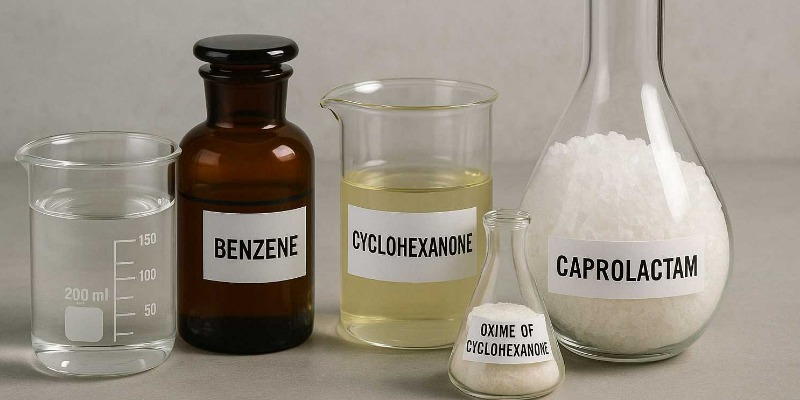 Caprolattame e Poliammide: Composizione Chimica, Impatto Ambientale e Strategie per una Produzione Sostenibile
Scopri come si producono le poliammidi a partire dal caprolattame, quali sono i componenti chimici coinvolti, i rischi ambientali legati al processo industriale e le tecnologie per renderlo più sostenibiledi Marco ArezioQuando pensiamo al nylon – la celebre poliammide sintetica – spesso lo associamo all'industria tessile, a corde robuste, a ingranaggi di precisione o a componenti leggeri e resistenti per l’automotive. Ma raramente ci si sofferma sulla complessa sequenza di reazioni chimiche che rendono possibile la sua esistenza. Dietro ogni fibra di nylon si cela una catena industriale basata su composti aromatici, ossidazioni controllate, reazioni acide e una quantità non trascurabile di sottoprodotti che pongono seri interrogativi in termini di sostenibilità. Uno dei punti chiave di questa catena è la produzione del caprolattame, il monomero ciclico da cui prende forma la poliammide 6 (PA6), attraverso una reazione di polimerizzazione ad apertura d’anello. Comprendere i componenti necessari per la sua sintesi e le implicazioni ambientali di questi processi non è solo un esercizio accademico: è un passo fondamentale per valutare come l’industria delle poliammidi possa evolversi in direzione di un modello più sostenibile. Dalle molecole aromatiche ai monomeri ciclici: una trasformazione complessa Tutto ha inizio con il benzene, una delle molecole più semplici e stabili della chimica organica aromatica. Derivato principalmente dalla distillazione frazionata del petrolio, il benzene è il punto di partenza per numerosi processi dell’industria chimica pesante. Nel caso della poliammide, esso viene convertito in cicloesano attraverso una reazione di idrogenazione. Questa trasformazione richiede alte pressioni, temperature elevate e catalizzatori metallici come nichel o platino, e rappresenta una delle prime tappe nella direzione della chimica "alifatica" richiesta per produrre il monomero. Il cicloesano, a sua volta, viene ossidato in cicloesanone, un chetone ciclico che rappresenta un nodo centrale della catena produttiva. Questa ossidazione può avvenire in due modi: o direttamente dal cicloesano, con ossigeno e catalizzatori metallici, oppure partendo dal fenolo tramite una riduzione selettiva. Il risultato, spesso, è una miscela che contiene anche cicloesanolo: il cosiddetto KA-oil. Il cicloesanone viene poi separato e purificato, pronto per affrontare una nuova trasformazione. È a questo punto che entra in gioco una molecola particolarmente reattiva: l’idrossilammina, la quale viene fatta reagire con il cicloesanone per formare l’ossima di cicloesanone. Questo composto è chimicamente instabile, ma è essenziale per la reazione di Beckmann, un classico della chimica organica. Grazie a un ambiente fortemente acido – spesso con acido solforico – l’ossima viene convertita in ε-caprolattame, il monomero ciclico destinato a diventare nylon. Il caprolattame, a temperatura ambiente, si presenta come un solido bianco, cristallino, solubile in acqua. È una molecola relativamente sicura da maneggiare rispetto ad altri precursori della catena, ma la sua produzione comporta una serie di criticità. Uno degli effetti collaterali più significativi della reazione di Beckmann è la produzione di solfato di ammonio, un sottoprodotto salino che viene generato in quantità quasi pari a quella del caprolattame stesso. Anche se può essere impiegato come fertilizzante, il suo smaltimento o riutilizzo rappresenta una sfida logistica ed ecologica. L’impronta ambientale dei precursori La sintesi del caprolattame è tutt’altro che innocua. La produzione di precursori come benzene e idrossilammina implica l’uso di sostanze pericolose, reazioni ad alta intensità energetica e, non di rado, la formazione di sottoprodotti inquinanti. Il benzene, ad esempio, è classificato come cancerogeno certo per l’essere umano e richiede standard di sicurezza rigorosi per il suo impiego. L’idrossilammina, invece, è instabile, reattiva e, in alcuni casi, potenzialmente esplosiva. Anche il cicloesanone, pur essendo meno pericoloso, è volatile e può contribuire all’inquinamento atmosferico sotto forma di VOC (composti organici volatili). Uno degli aspetti più critici riguarda le emissioni di protossido di azoto (N₂O), un sottoprodotto secondario che può emergere in diverse fasi della produzione industriale, soprattutto nella sintesi di ammoniaca e nitrati impiegati per l’idrossilammina. Il N₂O è un gas serra circa 273 volte più potente della CO₂ e ha un effetto diretto sull’assottigliamento dello strato di ozono. In alcune configurazioni impiantistiche obsolete, la produzione di una tonnellata di caprolattame può generare fino a 9 kg di N₂O. Verso una produzione sostenibile: limiti e prospettive Negli ultimi anni, l’industria chimica ha compiuto passi importanti per ridurre l’impatto ambientale del caprolattame e dei suoi precursori. Alcuni impianti si sono dotati di sistemi di abbattimento catalitico per il protossido di azoto, capaci di ridurne le emissioni fino al 98%. Altri stanno sperimentando la produzione del cicloesanone a partire da fonti rinnovabili, come biomasse o zuccheri, in modo da sganciarsi progressivamente dalla dipendenza da fonti fossili. Sul fronte della chimica verde, si moltiplicano le ricerche per ottenere caprolattame bio-based, mediante processi di fermentazione e sintesi intermedia da acido adipico biologico. Tuttavia, la scalabilità e la competitività di questi metodi restano per ora limitate, soprattutto se confrontate con le vie consolidate e già ottimizzate della chimica petrolchimica. Un altro fronte aperto riguarda la valorizzazione dei sottoprodotti, in particolare del solfato di ammonio, che può essere destinato all’industria dei fertilizzanti. Tuttavia, in un’ottica di sostenibilità sistemica, non basta trovare un impiego a valle per uno scarto: è necessario ridurne la formazione fin dall’origine, ripensando l’intero schema produttivo. Conclusione La produzione della poliammide 6 è un perfetto esempio di come una molecola apparentemente semplice e onnipresente possa nascondere una complessità chimica ed ecologica profonda. Dalle aromatiche come il benzene ai composti reattivi come l’idrossilammina, ogni passaggio della catena produttiva comporta scelte tecniche con pesanti implicazioni ambientali. Per rendere sostenibile il futuro della poliammide – e, più in generale, dei materiali plastici ingegnerizzati – non basta puntare sul riciclo del prodotto finale. Occorre agire a monte, ripensando la chimica dei monomeri, scegliendo precursori più sicuri e meno impattanti, e adottando tecnologie capaci di minimizzare gli sprechi e le emissioni. La transizione verso una chimica più verde inizia da qui: dalla consapevolezza delle molecole che compongono il nostro presente.© Riproduzione Vietata
SCOPRI DI PIU' Come riciclare i serramenti in PVC ed alluminio: guida al recupero sostenibile di infissi ed accessori
Scopri come avviene il riciclo tecnico dei serramenti in PVC dismessi, le caratteristiche del polimero, cosa si produce nuovamente con il materiale riciclatodi Marco ArezioNegli ultimi anni, il tema del riciclo sostenibile dei serramenti in PVC e alluminio ha assunto un'importanza crescente nella gestione edilizia, soprattutto in relazione alle strategie di riqualificazione energetica e di ristrutturazione sostenibile degli edifici esistenti. Con l'aumento degli interventi di recupero edilizio, diventa fondamentale gestire in maniera responsabile i materiali di scarto, considerando attentamente le implicazioni ambientali, economiche e normative che ne derivano. Le caratteristiche uniche del PVC-U Il PVC utilizzato per la produzione di serramenti, noto tecnicamente come PVC-U (PVC unplasticizzato), si distingue per la sua capacità di offrire elevata rigidità e robustezza senza la necessità di aggiungere plastificanti. Questo particolare materiale polimerico ha proprietà intrinseche come la resistenza alla deformazione in presenza di variazioni termiche estreme, una durabilità significativa contro gli agenti atmosferici e una capacità isolante notevole sia dal punto di vista termico che acustico. Inoltre, la sua bassa manutenzione contribuisce ulteriormente ad aumentarne la durata utile, rendendolo particolarmente indicato per applicazioni in edilizia sostenibile e per processi di riciclo efficaci e durevoli. Innovazione nella produzione: la coestrusione Una delle innovazioni tecnologiche più significative nella produzione di serramenti in PVC è rappresentata dalla tecnica di coestrusione, un processo avanzato che consiste nell'unire simultaneamente strati distinti di PVC vergine e PVC riciclato all'interno di un unico profilo estruso. Durante la coestrusione, i due materiali vengono lavorati tramite un apposito estrusore dotato di canali separati che convergono in una testa comune, consentendo così la formazione di un prodotto finito composto da uno strato esterno di PVC vergine, che garantisce eccellenti prestazioni estetiche e una superficie uniforme resistente all'invecchiamento, e uno strato interno costituito da PVC riciclato, che contribuisce alla sostenibilità ambientale e all'economia circolare del settore. Questa tecnologia non solo mantiene le prestazioni strutturali del prodotto, assicurando rigidità e durata nel tempo, ma valorizza anche il materiale riciclato riducendo sensibilmente l'impiego di risorse vergini, minimizzando così l'impatto ambientale e sostenendo pratiche di gestione responsabile delle risorse disponibili. Come avviene il riciclo del PVC Il riciclo del PVC è un processo complesso che richiede un'organizzazione precisa e tecniche specifiche per garantire la qualità della materia prima-seconda risultante. Inizialmente, i serramenti in PVC dismessi vengono raccolti nei cantieri edili o presso centri autorizzati di raccolta e sottoposti a una prima fase di smontaggio, durante la quale vengono rimossi accuratamente vetri, guarnizioni, ferramenta e altri componenti non plastici. La fase successiva prevede la triturazione meccanica, eseguita con mulini specializzati in grado di ridurre il materiale plastico in frammenti di dimensioni uniformi e gestibili. Questo passaggio agevola notevolmente il trattamento successivo, che consiste in un processo di lavaggio approfondito al fine di eliminare il più possibile vernici, adesivi, polveri, contaminanti organici e ogni altro tipo di impurità potenzialmente dannosa. Al termine di questa pulizia, il materiale ottenuto viene sottoposto a una fase di asciugatura controllata, generalmente utilizzando sistemi ad aria calda o tecnologie di deumidificazione specifiche. Infine, il PVC pulito e asciutto viene trasformato tramite estrusione o granulazione in granuli uniformi, pronti per essere reintegrati nei cicli produttivi industriali, mantenendo elevati standard qualitativi e contribuendo alla sostenibilità complessiva del settore. Riciclare l’alluminio: efficienza energetica e benefici ambientali L’alluminio è un altro materiale ampiamente utilizzato nella bioedilizia, caratterizzato da eccellenti proprietà meccaniche e una grande capacità di essere riciclato. Dopo una fase di separazione dai materiali estranei come vetro e guarnizioni, l’alluminio viene fuso ad alte temperature e trasformato in lingotti puri. Questo metodo è estremamente vantaggioso in termini di risparmio energetico, garantendo un abbattimento fino al 95% del consumo di energia rispetto alla produzione primaria. Tale pratica comporta notevoli benefici ambientali, riducendo sensibilmente l'emissione di gas serra e preservando le risorse naturali. L’importanza degli accessori nel processo di recupero Anche gli elementi apparentemente secondari, come le guarnizioni in gomma e la ferramenta metallica, rivestono una rilevanza fondamentale nel processo di riciclo e meritano una gestione attenta e tecnicamente evoluta. Le guarnizioni, composte prevalentemente da elastomeri vulcanizzati, possono subire trattamenti avanzati come la devulcanizzazione chimica o termochimica. Questi procedimenti consentono di rompere i legami reticolari presenti nel materiale, restituendo una gomma processabile che può essere reimpiegata in prodotti di alta qualità quali pavimenti tecnici per ambienti industriali, rivestimenti antiurto, materiali isolanti acustici e termici, e componenti specifici nel settore automotive. La ferramenta metallica, costituita generalmente da acciaio, alluminio o leghe di ottone, viene trattata attraverso un processo iniziale di triturazione meccanica che frammenta il materiale in piccole parti, facilitandone così la successiva selezione. Questa selezione avviene mediante tecnologie di separazione magnetica, che consentono di isolare efficacemente i metalli ferrosi dai non ferrosi, o tecniche densimetriche basate sulla diversa densità dei materiali, come tavole vibranti o sistemi di flottazione in mezzi fluidi. Tale rigore tecnico nel trattamento assicura un elevato recupero dei metalli, permettendone una reintegrazione efficiente nelle filiere produttive metallurgiche, contribuendo così alla sostenibilità economica e ambientale dell’intera catena di riciclo. Applicazioni industriali del PVC riciclato Il PVC riciclato rappresenta una risorsa estremamente versatile, con molteplici applicazioni industriali, grazie alle sue proprietà meccaniche e termiche quasi equivalenti al materiale vergine. Nel settore edile, oltre all'impiego tradizionale nella produzione di canaline elettriche, tapparelle, battiscopa, recinzioni e profili finestra in modalità coestrusa, viene utilizzato anche nella fabbricazione di pannelli isolanti, lastre per rivestimenti e componenti prefabbricati per costruzioni modulari. In agricoltura e nelle infrastrutture urbane, il PVC riciclato trova spazio nella realizzazione di sistemi avanzati di irrigazione a goccia, tubazioni per il drenaggio delle acque meteoriche e strutture modulari per serre e capannoni agricoli. Inoltre, nel settore dell'arredo urbano, è impiegato nella produzione di panchine, fioriere, barriere antirumore e strutture per aree giochi. L'industria elettrica sfrutta le sue proprietà isolanti e la resistenza chimica per la produzione di canalette portacavi, scatole di derivazione, supporti e involucri per dispositivi elettronici e sistemi di cablaggio industriale. La versatilità del PVC riciclato permette così non solo di ridurre significativamente il consumo di risorse vergini, ma anche di supportare strategie industriali orientate alla sostenibilità e alla riduzione dell'impatto ambientale. I benefici del riciclo: economici e ambientali La diffusione di sistemi di riciclo efficaci offre numerosi vantaggi economici e ambientali. Innanzitutto, consente di ridurre significativamente le emissioni di anidride carbonica e altri gas inquinanti, contribuendo in modo tangibile agli obiettivi internazionali di mitigazione del cambiamento climatico. Inoltre, riduce il volume di rifiuti destinati alla discarica, alleggerendo così l'impatto ambientale complessivo. Questo approccio sostiene lo sviluppo di filiere produttive circolari, incentivando innovazione tecnologica e crescita economica locale. Negli ultimi cinque anni, il riciclo del PVC in Europa ha visto una notevole evoluzione grazie ad iniziative come il programma VinylPlus, lanciato nel 2000 e rinnovato con obiettivi ambiziosi per il 2030. Secondo il report annuale VinylPlus, negli ultimi anni il volume di PVC riciclato ha superato costantemente i 700.000 tonnellate annue, con una crescente integrazione del materiale riciclato in nuovi prodotti, inclusi serramenti, pavimentazioni e componenti edili. Questa evoluzione è stata accompagnata da investimenti tecnologici mirati a migliorare i processi di riciclo, aumentando così la qualità del materiale recuperato e favorendo l'impiego del PVC riciclato anche in applicazioni più tecniche e strutturali. Questo andamento ha contribuito non solo al raggiungimento degli obiettivi europei sulla sostenibilità, ma ha anche creato nuove opportunità occupazionali specializzate e favorito lo sviluppo economico di distretti industriali orientati all'economia circolare, rafforzando il posizionamento competitivo dell'Europa nel settore del riciclo dei polimeri plastici. © Riproduzione Vietata
SCOPRI DI PIU' Lavorazione dei Termoindurenti: Masse da Stampaggio, Tecnologie di Processo e Innovazioni 2025
Guida tecnica alla lavorazione dei materiali termoindurenti: masse da stampaggio, stampaggio a compressione e a iniezione, tempi di indurimento e innovazioni Industry 4.0Marzo 2026 | Categoria: Tecnologie di Trasformazione Materie PlasticheAutore: Marco Arezio I materiali termoindurenti occupano una posizione strategica nell'industria delle materie plastiche grazie alla loro capacità di formare strutture reticolate tridimensionali irreversibili durante la fase di indurimento. A differenza dei termoplastici, una volta polimerizzati non possono essere rifusi: questa caratteristica, che a prima vista potrebbe sembrare un limite, si traduce in prestazioni meccaniche, termiche ed elettriche superiori in applicazioni dove i polimeri convenzionali non reggono il confronto. Questo articolo tecnico analizza in modo approfondito la filiera di lavorazione dei termoindurenti, dalla preparazione delle masse da stampaggio fino alle più recenti innovazioni legate all'Industria 4.0, ai digital twin e all'intelligenza artificiale applicata al controllo di processo. Dato di mercato: il mercato globale dello stampaggio a iniezione di termoindurenti è valutato in crescita costante, trainato dalla domanda proveniente da automotive, elettronica e costruzioni — settori che richiedono resistenza termica, stabilità dimensionale e isolamento elettrico superiori.1. Che cos'è un materiale termoindurente e perché la sua lavorazione è diversa I termoindurenti sono polimeri chimicamente reticolati: durante la fase di formatura subiscono una reazione di polimerizzazione che crea legami covalenti tra le catene macromolecolari, generando una struttura a rete tridimensionale stabile e infusibile. Questa reazione è irreversibile: il calore applicato successivamente non può sciogliere il materiale, ma può unicamente degradarlo. Le conseguenze pratiche sulla tecnologia di trasformazione sono rilevanti. Le materie prime devono già trovarsi, in buona parte, nella loro forma definitiva prima dell'ingresso nello stampo. I macchinari devono essere progettati per impedire l'attivazione prematura della reazione nel cilindro di plastificazione, mantenendo la massa a una temperatura controllata inferiore alla soglia di gelificazione, e per fornire invece al contenuto dello stampo il calore sufficiente all'indurimento completo. Classificazione delle materie prime: In base alla tecnologia di lavorazione, i semilavorati termoindurenti si suddividono in: (a) masse da stampaggio termoindurenti, masse scorrevolifluide lavorate a caldo con indurimento rapido; (b) resine per colata, tipicamente liquide o rese liquide per riscaldamento moderato, con indurimento a temperatura ambiente o mediante acceleratori; (c) sistemi poliuretanici, che richiedono una tecnologia dedicata alla miscelazione e dosaggio dei componenti reattivi immediatamente prima della formatura. 2. Le masse da stampaggio termoindurenti: composizione e preparazione 2.1 Composizione delle masse da stampaggio Le masse da stampaggio termoindurenti sono sistemi compositi formati dalla resina come legante e da cariche che conferiscono le proprietà meccaniche, termiche ed estetiche desiderate. La resina — generalmente fenolica, aminoplastica, epossidica o poliestere insatura — viene combinata con cariche polveriformi o fibrose quali farina minerale, farina di legno, fibre di vetro corte, carta, tessuti, matasse di fibre o ritagli di tessuti rinforzati. La scelta della carica determina in larga misura il profilo applicativo del compound finale. Le cariche minerali migliorano la resistenza termica e la rigidità; le fibre di vetro incrementano la resistenza meccanica e la tenacità; le fibre organiche (cellulosa, juta) abbassano la densità e il costo. Nei compound moderni, come i Bulk Moulding Compounds (BMC) e gli Sheet Moulding Compounds (SMC), le fibre di vetro corte o lunghe sono distribuite in modo da ottimizzare isotropia e resistenza. 2.2 Il processo di preparazione La preparazione delle masse da stampaggio con cariche polveriformi o fibre corte prevede una pre-miscelazione allo stato secco, seguita dalla plastificazione e omogeneizzazione in mescolatrici a cilindri o estrusori bivite. Contemporaneamente, la resina viene prepolimerizzata o precondensata per portarla alla viscosità adatta alla produzione di masse scorrevoli (stato B oppure C). I rotoli di laminazione o i chip estrusi vengono successivamente macinati e frazionati a granulometria uniforme. Per le masse con fibre grossolane o ritagli, la produzione avviene principalmente in miscelatori a pale tramite impregnazione con resine liquide solubili, seguita da essiccamento controllato. Le masse rinforzate con fibre lunghe continue vengono invece prodotte mediante impregnazione di matasse e successiva frantumazione delle strisce. La resinatura degli strati avviene in macchine impregnatrici specializzate. Nota tecnica: la qualità della miscelazione e il controllo dello stato di prepolimerizzazione della resina sono fattori critici che influenzano direttamente la scorrevolezza in stampo, il tempo di indurimento e le proprietà meccaniche del manufatto finale.3. Stampaggio a iniezione di termoindurenti: parametri e criticità3.1 Il ciclo di stampaggio a iniezione Nello stampaggio a iniezione di termoindurenti, il ciclo produttivo è governato da due variabili fondamentali che si influenzano reciprocamente: il tempo di permanenza nel cilindro e il tempo di indurimento nello stampo. Il tempo del ciclo è determinato principalmente dal secondo, poiché — a differenza dei termoplastici dove domina il raffreddamento — nel caso dei termoindurenti è la cinetica di reticolazione chimica a dettare i tempi. La massa da stampaggio viene caricata in un cilindro mantenuto a temperatura controllata (generalmente inferiore a 120 °C), dove deve restare scorrevole per un periodo di 3–6 minuti senza avviare la reticolazione. Una volta iniettata nello stampo riscaldato, la temperatura elevata dello stampo attiva rapidamente la reazione: il manufatto indurisce, viene estratto a caldo e il ciclo ricomincia. 3.2 La dipendenza del tempo di indurimento dallo spessore di parete Il parametro di progetto più critico è lo spessore massimo della parete. Come mostrato nella letteratura tecnica (Fig. 4.99 del testo di riferimento), per lo stampaggio a iniezione di termoindurenti fenoplastici il tempo di ciclo rimane sostanzialmente indipendente dallo spessore fino a circa 10 mm, grazie al fatto che le grandezze di regolazione sono governate dal tempo di indurimento e non dal raffreddamento. Per lo stampaggio a compressione senza preriscaldamento, la dipendenza è invece marcatamente lineare: per pareti di 20 mm si arrivano a richiedere 6–8 minuti di ciclo. Il preriscaldamento dielettrico ad alta frequenza (HF) o con microonde, e la preplastificazione a vite, rappresentano le tecniche più efficaci per ridurre i tempi di ciclo nello stampaggio a compressione, permettendo di avvicinarsi alle prestazioni dello stampaggio a iniezione anche per pareti spesse.4. Stampaggio a compressione: il processo fondamentale4.1 Principio di funzionamento Lo stampo a compressione è costituito da una parte inferiore e una superiore, entrambe riscaldate, montate su una pressa idraulica. L'alimentazione avviene con stampo aperto, dosando la massa da stampaggio tramite dosatori a pistone, dispositivi di riempimento volumetrici o bilance automatiche. Dopo la chiusura dello stampo, la massa riscaldata alla temperatura di scorrevolezza riempie la cavità sotto pressione, indurisce e viene estratta a caldo. La pressione di compressione varia in funzione dello stato della massa: circa 50 bar per masse umide non preriscaldate, fino a 150 bar per masse preriscaldate, con picchi fino a 400 bar per applicazioni speciali. Per le resine fenoliche e aminoplastiche, che sviluppano componenti volatili durante l'indurimento, è opportuno prevedere uno sfiato dello stampo tramite breve sollevamento del punzone, per evitare la formazione di porosità interne. 4.2 Macchine a giostra rotante Le macchine automatiche a compressione adottano quasi universalmente configurazioni a giostra rotante, con fino a 20 stampi montati su un carrello rotante. Gli stampi ruotano ciclicamente tra la stazione di alimentazione, la stazione di chiusura e indurimento, e la stazione di estrazione e pulizia. Questa architettura consente di sfruttare il lungo tempo di indurimento distribuendolo su più stazioni in parallelo, ottenendo un'elevata produttività complessiva pur con cicli unitari lunghi. 4.3 Verniciatura con polvere nello stampo Una tecnologia di finitura sempre più diffusa per i manufatti in compressione è la verniciatura con polvere nello stampo (In-Mould Coating con polvere). Una vernice in polvere a granulometria fine (100–200 µm) viene depositata elettrostaticamente sullo stampo caldo aperto. Durante il successivo processo a compressione, la polvere forma con la resina uno strato integrale, privo di porosità, resistente all'attrito e già colorato, eliminando le operazioni di verniciatura a posteriori e riducendo gli scarti. 5. Gestione delle sostanze volatili e qualità del manufatto Uno degli aspetti più critici nella lavorazione dei termoindurenti — in particolare per lo stampaggio a compressione e transfer — è il controllo delle sostanze volatili (acqua di condensazione, solventi residui, ammoniaca nei sistemi aminoplastici) che si sviluppano durante la reazione di reticolazione. Per lo stampaggio a compressione, l'aerazione dello stampo è indispensabile: avviene aprendo leggermente il punzone per 2–3 secondi immediatamente prima di applicare la pressione definitiva. Un'aerazione difettosa o ritardata provoca la formazione di soffiature o porosità che compromettono le proprietà meccaniche e l'estetica superficiale del pezzo. Nello stampaggio a transfer e a iniezione, le sostanze volatili sfuggono principalmente attraverso la tramoggia di alimentazione e il canale distributore (che deve essere riscaldato a circa 120 °C per impedire la gelificazione prematura). I moderni sistemi di canale caldo per termoindurenti gestiscono questo bilanciamento termico con precisione, consentendo di lavorare senza materozza e riducendo gli scarti di materiale.6. Novità recenti: Industry 4.0, Digital Twin e Intelligenza Artificiale nello stampaggio di termoindurenti 6.1 Il contesto dell'innovazione Il settore dello stampaggio dei termoindurenti, tradizionalmente più conservativo rispetto a quello dei termoplastici, sta attraversando una fase di accelerazione tecnologica significativa, trainata dall'adozione delle tecnologie abilitanti dell'Industria 4.0. Le motivazioni sono chiare: riduzione degli scarti, compressione dei tempi di avviamento, ottimizzazione dei parametri di cura e tracciabilità di processo. 6.2 Digital Twin per il monitoraggio del processo di stampaggio Il digital twin di processo è un modello virtuale dinamico dell'impianto di stampaggio, alimentato in tempo reale dai dati provenienti da sensori installati su pressa, stampo e sistema di condizionamento termico. Per i termoindurenti, dove la cinetica di reticolazione dipende da temperatura, pressione e tempo in modo non lineare, il digital twin offre un vantaggio straordinario: consente di simulare il grado di avanzamento della reazione senza interrompere la produzione, e di anticipare l'insorgenza di difetti prima che si manifestino sul pezzo. Studi pubblicati nel 2024 e 2025 su processi liquidi di stampaggio compositi (RTM, VARTM) dimostrano che l'integrazione di sensori con modelli surrogati basati su reti neurali deep-learning consente di rilevare deviazioni di processo con anticipo sufficiente a correggere i parametri prima della formazione di difetti. Sistemi analoghi vengono ora applicati allo stampaggio a compressione e a iniezione di masse termoindurenti convenzionali. 6.3 Intelligenza Artificiale e ottimizzazione dei parametri I sistemi di ottimizzazione basati su machine learning, come quelli integrati in piattaforme quali Moldex3D 2025 e sistemi analoghi, permettono di definire automaticamente le finestre di processo ottimali (temperatura stampo, profilo di pressione, tempo di indurimento) a partire da un numero limitato di prove fisiche. L'AI Optimization Wizard di Moldex3D, ad esempio, gestisce obiettivi multipli simultaneamente — riduzione del tempo di ciclo, minimizzazione della distorsione, controllo della porosità — generando soluzioni di compromesso validate virtualmente prima di qualsiasi test in produzione. La manutenzione predittiva basata sull'analisi dei dati di sensori IoT permette di pianificare gli interventi sulle presse e sugli stampi prima che si verifichino guasti, riducendo i fermi non pianificati — un fattore critico in produzioni con lunghi tempi di indurimento per stampo. 6.4 Riciclabilità e circolarità dei termoindurenti: lo stato dell'arte La natura irreversibile della reticolazione dei termoindurenti ha rappresentato storicamente un ostacolo alla circolarità dei materiali. Tuttavia, le più recenti ricerche indicano progressi concreti: le cariche dei fenoplasti — le più diffuse masse da stampaggio termoindurenti — possono essere macinate in polvere e reimmesse come filler sostitutivi nella massa vergine, con perdite di proprietà minime fino a concentrazioni del 13% di rigenerato. Per il BMC applicato a coperchi valvola automotive, le specifiche OEM accettano fino al 7% di rigenerato come sostituto parziale della carica. Sul fronte dei materiali, i cosiddetti vitrimeri (vitrimer) rappresentano la frontiera più promettente: sono polimeri con legami covalenti dinamici che permettono una rifusione controllata a temperature elevate, mantenendo le prestazioni meccaniche tipiche dei termoindurenti classici ma consentendo il riciclo e la ri-formatura. Prospettiva 2025-2030: l'integrazione tra digital twin di processo, AI predittiva e nuove formulazioni di masse da stampaggio semi-riciclabili costituirà la traiettoria dominante nell'innovazione della lavorazione dei termoindurenti per l'automotive e l'elettronica di potenza.7. Applicazioni industriali: dai settori tradizionali ai nuovi mercati I termoindurenti trovano impiego in una gamma applicativa molto ampia, che va dai componenti elettrici e elettronici classici (interruttori, prese, supporti di avvolgimenti) fino a componenti strutturali per automotive e aerospace. Le caratteristiche che li rendono insostituibili includono: resistenza al calore superiore alla soglia di deformazione dei termoplastici standard, stabilità dimensionale sotto carico a lungo termine, eccellente isolamento elettrico anche ad alta temperatura, resistenza agli agenti chimici aggressivi. Nel settore aerospaziale, i compositi termoindurenti con fibra di vetro e carbonio (BMC, SMC, prepreg epossidici) vengono impiegati per pannelli di cabina, supporti di sistemi elettrici e pannelli di isolamento, grazie alla loro capacità di rispettare i severi requisiti di resistenza al fuoco, ai fumi e alla tossicità (FST). Nel settore degli elettrodomestici, lo stampaggio a iniezione di fenoplasti e aminoplasti consente di produrre manici di forni, componenti di motori e alloggiamenti di resistenze con costi e velocità di ciclo competitivi rispetto ai termoplastici ad alte prestazioni. Per le applicazioni in ambienti aggressivi — marino, petrolchimico, alimentare — la resistenza chimica dei termoindurenti (epossidici, fenolici, furani) consente di produrre isolatori per sistemi di distribuzione elettrica, supporti per piloni subacquei, sistemi di controllo fluidi e pannelli antiusura con costi del ciclo di vita significativamente inferiori a quelli dei metalli equivalenti. Domande Frequenti (FAQ) Qual è la differenza principale tra termoindurenti e termoplastici nella lavorazione? I termoplastici possono essere fusi e riformati più volte: il calore li rende plastici e il raffreddamento li solidifica senza modificarne la struttura chimica. I termoindurenti, al contrario, subiscono durante la formatura una reazione chimica irreversibile di reticolazione: una volta polimerizzati, il calore successivo non li scioglie ma li degrada. Questo implica che lo stampo deve essere riscaldato per indurire il pezzo (al contrario dei termoplastici dove lo stampo raffredda), e che l'attrezzatura deve impedire l'avvio prematuro della reazione nel cilindro di plastificazione. Cos'è il BMC e come viene processato? Il BMC (Bulk Moulding Compound) è una massa da stampaggio termoindurente costituita da resina poliestere insatura o epossidica, fibre di vetro corte (15–25%), cariche minerali e additivi. Si presenta come un impasto denso e viene processato per stampaggio a iniezione o a compressione. Trova largo impiego nell'automotive (coperchi valvola, involucri alternatori) e nell'elettrodomestico (componenti motori, ventilatori) per la sua capacità di combinare leggerezza, resistenza meccanica e stabilità termica. Perché lo stampaggio a iniezione di termoindurenti richiede macchinari speciali? Le macchine standard per termoplastici operano con cilindri a temperatura elevata per mantenere il materiale fuso. Per i termoindurenti questo approccio causerebbe la reticolazione prematura nel cilindro, con blocco dell'attrezzatura. Le presse per termoindurenti mantengono il cilindro a temperatura controllata e bassa (80–120 °C) per preservare la scorrevolezza della massa, mentre lo stampo viene riscaldato a 160–200 °C per attivare e completare la reticolazione solo nella cavità di formatura. Qual è il ruolo del digital twin nella lavorazione dei termoindurenti? Il digital twin di processo crea un modello virtuale dinamico dell'impianto, alimentato da sensori in tempo reale. Nel caso dei termoindurenti, permette di monitorare l'avanzamento della cinetica di reticolazione senza interruzioni di produzione, prevedere l'insorgenza di difetti (porosità, distorsione, riempimento incompleto) prima che si manifestino, e ottimizzare automaticamente i parametri di processo. Aziende che hanno implementato sistemi di digital twin per stampaggio riportano riduzioni del 25–35% nei tempi di avviamento e cali degli scarti superiori al 40%. I termoindurenti possono essere riciclati? La reticolazione irreversibile rende impossibile il riciclo per rifusione, come avviene per i termoplastici. Tuttavia, sono praticabili percorsi alternativi: la macinazione in polvere consente di reintrodurre il material come filler nella massa vergine (fino al 7–13% senza perdite significative di proprietà per i fenoplasti). I vitrimeri, una nuova generazione di termoindurenti con legami covalenti dinamici, permettono invece la rifusione e riformatura a temperature elevate, aprendo prospettive concrete di riciclabilità piena. Quanto influisce lo spessore della parete sui tempi di ciclo? Lo spessore della parete è il parametro dimensionale più critico. Per lo stampaggio a compressione senza preriscaldamento, il tempo di indurimento cresce linearmente con lo spessore: a 20 mm si richiedono 6–8 minuti, contro 1–2 minuti per pareti di 5 mm. Per lo stampaggio a iniezione, la dipendenza dallo spessore è molto meno marcata grazie alla migliore conduzione termica della massa iniettata sotto pressione — il tempo di ciclo rimane sostanzialmente costante fino a circa 10 mm di spessore massimo. Fonti e Riferimenti 1. Ehrenstein, G.W. – Politecnico di Monaco. Werkstoffe und Bauteile aus Kunststoffen. Testo di riferimento per i paragrafi 4.3 (Tecnologie di trasformazione, pp. 274–276). 2. MDPI – Journal of Manufacturing and Materials Processing (JMMP), 2024. "Digital Twin Modeling for Smart Injection Molding". DOI: 10.3390/jmmp8030102. 3. Moldex3D / CoreTech Systems, 2025. Molding Intelligence: AI Revolution in Injection Molding. Rapporto tecnico. 4. Plenco – Plastics Engineering Company. Processing Guide for Thermoset Phenolics. Dati su regrind e proprietà dei fenoplasti. 5. MCM Composites LLC, 2025. Thermoset Molding Technologies in Aerospace, Appliance & Electronics. Press Release, novembre 2025. 6. CompositesWorld, 2025. JEC World 2025 Highlights: Digitized Processes and New Materials. 7. ResearchGate / Fernández-León et al., 2024. Real-time monitoring and digital twin simulation of liquid-molding processes. 8. Business Research Insights, 2024. Global Injection Molding Market Report 2024–2033 (USD 365 Bn → USD 580 Bn, CAGR 4,74%). 9. Ci-Dell Thermoset Plastics, 2025. Thermoset Composites: Key Facts About Performance, Sustainability and More. 10. Tedesolutions.pl, 2025. Digital Twin for Injection Molding Machines – Simulation and Optimization.
SCOPRI DI PIU' Flaconi in HDPE Riciclato: Come Gestire i Difetti di Superficie
Come risolvere i problemi estetici nella produzione di flaconi in HDPE riciclatodi Marco ArezioLa produzione di flaconi per la detergenza, per i liquidi industriali ed agricoli, fino a poco tempo fa venivano prodotti con materiali vergini nonostante alcune forme e colori consentivano l’uso di un granulo in HDPE riciclato. L’impatto mediatico dell’inquinamento da plastica dispersa dall’uomo nell’ambiente, ha fatto muovere le coscienze dei consumatori mettendo sotto pressione gli stati, che si occupano della legislazione ambientale, ma anche i produttori delle sostanze contenute nei flaconi che non possono, per questioni commerciali, perdere il consenso dei propri clienti finali. La richiesta di HDPE rigenerato per soffiaggio ha avuto una forte impennata negli ultimi, trovando sicuramente, una parte dei produttori, non totalmente preparati a gestire il granulo riciclato nelle proprie macchine. Non è stata solo una questione di tipologia di granulo che può differire leggermente, dal punto di vista tecnico, dalle materie prime vergini nel comportamento in macchina, ma si sono dovute affrontare problematiche legate alla tonalità dei colori, allo stress cracking, alla tenuta delle saldature, ai micro fori e ad altre questioni minori. In articoli precedenti abbiamo affrontato la genesi dell’HDPE riciclato nel soffiaggio dei flaconi e la corretta scelta delle materie prime riciclate, mentre oggi vediamo alcuni aspetti estetici che potrebbero presentarsi usando il granulo riciclato in HDPE al 100%. Ci sono quattro aspetti, dal punto di vista estetico, che possono incidere negativamente sul buon risultato di produzione: 1) Una marcata porosità detta “buccia d’arancia” che si forma prevalentemente all’interno del flacone ma, non raramente, è visibile anche all’esterno. Si presenta come una superficie irregolare, con presenza di micro cavità continue che danno un aspetto rugoso alla superficie. Normalmente le problematiche sono da ricercare nel granulo, dove una possibile presenza eccessiva di umidità superficiale non permette una perfetta stesura della parete in HDPE in uscita dallo stampo. In questo caso il problema si può risolvere asciugando il materiale in un silos in modo che raggiunga un grado di umidità tale per cui non influirà negativamente sulle superfici. In linea generale è sempre un’operazione raccomandata quando si vuole produrre utilizzando al 100% un materiale rigenerato. 2) Le striature sul flacone sono un altro problema estetico che capita per ragioni differenti, specialmente se si utilizza un granulo già colorato. Le cause possono dipendere da una percentuale di plastica diversa all’interno del granulo in HDPE, anche in percentuali minime, tra il 2 e il 4 %, in quanto, avendo le plastiche punti di fusione differenti, il comportamento estetico sulla parete del flacone può essere leggermente diverso, andando ad influenzare il colore nell’impasto. E’ importante notare che non si devono confondere le striature di tonalità con le striature di struttura, le quali sono normalmente creare dallo stampo del flacone a causa di usura o di sporcizia che si accumula lavorando. Un altro motivo può dipendere dalla resistenza al calore del master che si usa, in quanto non è infrequente che a temperature troppo elevate, sia in fase di estrusione del granulo che di soffiaggio dell’elemento, si possa creare un fenomeno di degradazione del colore con la creazione di piccole strisciate sulle pareti del flacone. 3) Una perfetta saldabilità in un flacone è di estrema importanza in quanto un’eventuale distacco delle pareti, una volta raffreddato e riempito il flacone, comporta danni seri con costi da sostenere per la perdita dell’imballo, delle sostanze contenute e della sostituzione del materiale con costi logistici importanti. Il flacone appena prodotto normalmente non presenta il possibile difetto in quanto la temperatura d’uscita dalla macchina “nasconde” un po’ il problema, ma una volta che la bottiglia si è raffreddata, riempita e sottoposta al peso dei bancali che vengono impilati sopra di essa, un difetto di saldatura si può presentare in tutta la sua problematica. La causa di questo problema normalmente deve essere ricercata nella percentuale di polipropilene che il granulo in HDPE può contenere a causa di una selezione delle materie prime a monte della produzione del granulo non ottimale. Una scadente selezione dei flaconi tra di essi, ma soprattutto dai tappi che essi contengono, possono aumentare la quota percentuale di polipropilene nella miscela del granulo. Esistono in commercio macchine a selezione ottica del macinato lavato che aiutano a ridurre in modo sostanziale questa percentuale, potendola riportare sotto 1,5-2%. Al momento dell’acquisto del carico di HDPE riciclato è sempre buona cosa chiedere un test del DSC per controllare la composizione del granulo per la produzione. L’effetto di una percentuale di PP eccessiva ha come diretta conseguenza l’impedimento di una efficace saldatura delle superfici di contatto che formano il flacone. Oltre ad intervenire sul granulo sarebbe buona regola, se si desiderasse utilizzare al 100% la materia prima riciclata, aumentare leggermente lo spessore di sovrapposizione delle due lati del flacone per favorirne il corretto punto di saldatura. 4) La presenza di micro o macro fori in un flacone, visibili direttamente attraverso un’ispezione o, per quelli più piccoli, tramite la prova della tenuta dell’aria, possono dipendere dalla presenza di impurità all’interno del granulo, quando il lavaggio e la filtratura della materia prima non è stata fatta a regola d’arte. Un altro motivo può dipende da una scarsa pulizia della vite della macchina soffiatrice che può accumulare residui di polimero degradato e trasportarli, successivamente, all’esterno verso lo stampo. Specialmente se si usano ricette con carica minerale è possibile che si presenti il problema subito dopo il cambio della ricetta tra una senza carica a una che la contenga. L’utilizzo di ricette miste tra materiale vergine e rigenerato può mitigare alcuni di questi punti ma non risolvere totalmente gli eventuali problemi se non si ha l’accortezza di seguire la filiera della fornitura del granulo riciclatoCategoria: notizie - tecnica - plastica - riciclo - HDPE - flaconi - soffiaggio
SCOPRI DI PIU' Cosa è il PLA Riciclato (Acido Polilattico) e da Dove Viene
Biodegradabile, stampabile, adatto per la realizzazione di film plastici, il PLA è un polimero sorprendente di Marco ArezioIl polimero PLA, o più tecnicamente chiamato acido polilattico, è un poliestere biodegradabile che non troviamo in natura, ma che viene realizzato sinterizzando lo zucchero attraverso procedure industriali. Infatti, facendo fermentare lo zucchero, avviene una fase di trasformazione della materia prima in acido lattico e, nella fase intermedia del processo, si esegue la polimerizzato in PLA. Il polimero così ottenuto è trasparente, cristallino, rigido e presenta un’ottima resistenza meccanica, rendendolo adatto alla produzione di molti oggetti. Inoltre, il PLA è uno dei polimeri più utilizzati per la realizzazione di prodotti attraverso l’uso di stampanti 3D, utili non solo alla produzione in serie di oggetti identici, ma anche per i processi di prototipazione rapida in molti campi ingegneristici. Come avvengono le fasi produttive del PLA Per realizzare il polimero biodegradabile PLA sono necessarie le seguenti fasi di lavoro della materia prima, composta principalmente da zucchero, melasse e siero di latte e, in alternativa, utilizzando Bacillus Coagulans: - Lavorazione dell’amido attraverso la separazione delle fibre e del glutine - Saccarificazione e liquefazione dell’amido - Fermentazione della parte proteica dell’amido - Trattamento delle soluzioni di sale dell’acido lattico - Polimerizzazione Il polimero così ottenuto ha una densità di 1,25 g./c3, con una resistenza a trazione pari a 70 Mpa e un modulo elastico pari a 3600 Mpa. Quali sono le caratteristiche principali del polimero in PLA Le caratteristiche principali del polimero si possono riassumere in reologiche, meccaniche e di biodegradabilità. Le caratteristiche reologiche si esprimono in una elasticità del fuso inferiore a quella delle olefine. Le caratteristiche meccaniche sono comprese tra quelle di un polimero amorfo e uno semicristallino e, in particolare, si avvicinano a quelle comprese tra un PET e un Polistirene. Se parliamo di temperatura di transizione vetrose del PLA possiamo dire che è maggiore della temperatura ambiente. Permettendo di ottenere composti trasparenti. Per quanto riguarda la biodegradabilità è necessario fare attenzione al significato della parola “biodegradabile”, in quanto è importante sapere che, nonostante il PLA sia definito un polimero biodegradabile, esso non lo è se non si verificano alcune fondamentali condizioni. La biodegradabilità si innesca se il PLA è sottoposto a idrolisi, in presenza di temperature superiori a 60 °C e con un tasso di umidità maggiore del 20%. I tempi di biodegradazione sono molto variabili a seconda delle condizioni ambientali in cui l’oggetto prodotto con PLA si trova, in ogni caso possiamo indicarle in un tempo tra 1 e 4 anni, che, confrontato con la plastica tradizionale che impiega, in base alle condizioni in cui si trova, da 100 anni in su, è ritenuto breve. Quali sono i vantaggi del polimero in PLA? - Se venisse bruciato non rilascia fumi dannosi come gas tossici o metalli pesanti - Se disperso in mare in modo accidentale, la combinazione del sole, dell’acqua e del vento lo riducono in microplastiche. Queste non risulteranno tossiche né per i pesci né per l’uomo attraverso la catena alimentare - Riduce la dipendenza dal petrolio Quali sono gli svantaggi del polimero in PLA? - Contrariamente a quanto esprime la parola “biodegradabile” non può essere usato per fare il compost domestico, in quanto come citato in precedenza, ha bisogno di subire un processo industriale di biodegradazione. - Se buttato in una discarica miscelato ad altri rifiuti, non accelera i processi di decomposizione rispetto alla plastica tradizionale, in quanto non è supportato dalla luce solare, impiegando nella decomposizione gli stessi tempi delle altre tipologie di plastiche. - Non può essere mischiata con altre plastiche nelle fasi di riciclo, cosa molto importante durante la separazione dei rifiuti nella raccolta differenziata. Una piccola quantità di PLA può contaminare un flusso di rifiuti composte da plastiche tradizionali, compromettendo il loro riciclo. - Dal punto di vista ambientale, per produrre la materia prima del PLA, è necessario impiegare terreni che potrebbero essere sottratti alle coltivazioni per la catena alimentare o, peggio, si potrebbe incrementare la deforestazione per carcare di avere maggiori disponibilità di terre da coltivare. Come si ricicla il PLA Come abbiamo visto, il PLA è un polimero riciclabile, ma deve essere separato alla fonte dagli altri rifiuti plastici per questioni di incompatibilità dei materiali. Una volta creato il corretto flusso di scarti in PLA, il materiale segue le stesse attività operative di un rifiuto plastico che proviene dal post consumo, quindi dalla raccolta differenziata. Infatti, dopo un’attenta selezione, in cui siamo certi di trattare solo PLA, viene macinato, lavato in vasche di decantazione a lento flusso, asciugato e successivamente insaccato, se venduto come macinato, oppure passerà alla fase di estrusione se si volesse realizzare un PLA in granuli.
SCOPRI DI PIU'
