







 Come Verificare il Contenuto Riciclato nella Plastica: la Nuova Tecnologia che Può Cambiare il Packaging Europeo
Come si misura davvero la percentuale di plastica riciclata nei prodotti: norme ISO, standard europei, audit di filiera, mass balance e digital watermarks nel nuovo scenario UE del packagingAutore: Marco Arezio. Esperto in economia circolare, riciclo dei polimeri e processi industriali delle materie plastiche. Fondatore della piattaforma rMIX, dedicata alla valorizzazione dei materiali riciclati e allo sviluppo di filiere sostenibili.Data: 26 marzo 2026 Tempo di lettura: 16 minutiIntroduzione Dire che un imballaggio “contiene plastica riciclata” è facile. Dimostrarlo in modo serio, ripetibile e difendibile davanti a clienti, autorità, auditor e mercato è molto più difficile. E oggi questa differenza conta più di ieri, perché la plastica è al centro delle nuove politiche europee sulla circolarità: il packaging rappresenta circa il 40% della plastica utilizzata nell’Unione e, nel 2022, ogni cittadino europeo ha generato 186,5 kg di rifiuti di imballaggio. Il nuovo Regolamento europeo sugli imballaggi e rifiuti di imballaggio, il PPWR, è entrato in vigore l’11 febbraio 2025 e la sua data generale di applicazione è fissata al 12 agosto 2026; tra i suoi obiettivi ci sono l’aumento dell’uso sicuro di plastica riciclata e la riciclabilità di tutti gli imballaggi entro il 2030. La vera domanda, quindi, non è soltanto quanta plastica riciclata c’è in un prodotto, ma come lo si dimostra davvero. La risposta corretta è meno intuitiva di quanto sembri: nella maggior parte dei casi la percentuale di riciclato non si legge “a occhio” né si certifica con un singolo test di laboratorio sul manufatto finito. Si costruisce invece attraverso una combinazione di definizioni normative, bilanci di massa, tracciabilità di filiera, riconciliazione dei volumi, audit di terza parte e, sempre più spesso, strumenti digitali che migliorano la separazione e la qualificazione del rifiuto in ingresso. Cosa significa davvero “contenuto riciclato” La base tecnica parte dalla definizione. In area ISO, il contenuto riciclato è definito come la proporzione, in massa, di materiale riciclato presente in un prodotto. ISO 14021 resta oggi uno dei riferimenti chiave per le autodichiarazioni ambientali e include anche i termini collegati a “pre-consumer material” e “post-consumer material”, cioè la distinzione tra materiale recuperato prima dell’uso da parte del consumatore finale e materiale proveniente dal post-consumo. Questo punto è decisivo, perché molte ambiguità di mercato nascono qui. Un produttore può dichiarare un 30% di contenuto riciclato, ma bisogna capire se quel 30% deriva da scarti industriali interni o esterni, da post-consumo urbano, da rifiuti commerciali selezionati, oppure da una combinazione dei due. Dal punto di vista della comunicazione ambientale, la differenza non è secondaria: la qualità tecnica del materiale, il valore circolare del claim e la sua percezione sul mercato cambiano sensibilmente a seconda dell’origine del riciclato. ISO 14021 fornisce proprio questo quadro terminologico e metodologico per evitare dichiarazioni vaghe o fuorvianti. Come si calcola la percentuale di plastica riciclata Il principio di base è semplice: si tratta di un rapporto di massa. Nel caso più lineare, la percentuale di contenuto riciclato corrisponde alla massa di plastica riciclata incorporata nel prodotto divisa per la massa totale di plastica considerata nel perimetro del claim, moltiplicata per 100. Per le bottiglie in plastica monouso, la Commissione europea ha già fissato regole specifiche: l’Implementing Decision 2023/2683 stabilisce che la proporzione di plastica riciclata si calcola dividendo il peso della plastica riciclata nelle bottiglie immesse sul mercato per il peso totale delle bottiglie immesse sul mercato. Ma la formula, da sola, non basta. Occorre definire con precisione il perimetro di calcolo: lotto, linea, stabilimento, periodo annuale, categoria di prodotto, specifica famiglia di packaging. Inoltre bisogna sapere quali perdite di processo sono state considerate, quali additivi o masterbatch entrano nella formulazione e come vengono riconciliate le quantità in ingresso e in uscita. Gli schemi di audit basati su EN 15343 e le certificazioni di tracciabilità più diffuse chiedono proprio questo: evidenza documentale, identificazione dei flussi e plausibility check tra input, rese, perdite e output dichiarato. Perché il laboratorio non basta quasi mai Qui si entra nel cuore del problema. In teoria il laboratorio è fondamentale per identificare il polimero, misurare impurità, valutare contaminanti, verificare MFI, ceneri, densità, migrazione, odori o stabilità. In pratica, però, il laboratorio non è quasi mai sufficiente, da solo, a certificare la percentuale esatta di plastica riciclata contenuta in un manufatto finito. La stessa Commissione europea, nella sezione dedicata al riciclo delle plastiche destinate al contatto alimentare, spiega che la composizione della plastica riciclata non può essere facilmente sottoposta a controlli ufficiali come avviene per la plastica vergine e che, proprio per questo, i controlli si concentrano sulla produzione del materiale riciclato e sugli audit delle installazioni. Lo stesso orientamento emerge anche dalla letteratura tecnica del JRC europeo su altri settori ad alta regolazione: la verifica del contenuto di materiali riciclati viene descritta come basata esclusivamente sulla documentazione, con regole di calcolo, blending e punti di misura definiti a monte. In altre parole, il laboratorio serve a qualificare il materiale; la percentuale dichiarata, invece, si dimostra soprattutto con la catena di custodia. È una distinzione essenziale per capire perché tante dichiarazioni commerciali risultano fragili quando manca una struttura di tracciabilità robusta. La tracciabilità europea: EN 15343 come architrave Nel contesto europeo, la norma EN 15343 è la pietra angolare per la plastica riciclata. Lo standard specifica le procedure necessarie per la tracciabilità delle plastiche riciclate e fornisce la base per il calcolo del contenuto riciclato di un prodotto. Questo significa che la percentuale dichiarata non nasce da una percezione qualitativa del materiale, ma da una filiera documentata: origine del rifiuto, trasformazione, identificazione dei lotti, controlli interni, riconciliazione dei volumi e coerenza tra input e output. Gli schemi di certificazione applicati dal mercato si muovono esattamente su questa impostazione. RecyClass, per esempio, dichiara esplicitamente che la sua certificazione di tracciabilità verifica la percentuale esatta di contenuto riciclato attraverso un approccio di controlled blending, allineato a EN 15343 e ISO 22095; inoltre prevede audit di terza parte in sito e rinnovo annuale del certificato. Questo è importante perché distingue una semplice autodichiarazione commerciale da una dichiarazione auditata e difendibile. Riciclo meccanico: il caso più chiaro, ma non banale Nel riciclo meccanico la misurazione del contenuto riciclato è, in genere, più lineare rispetto ad altri scenari. Il materiale riciclato entra come macinato, flakes o granulo; viene miscelato con eventuale vergine, additivi o coloranti; poi si trasforma nel prodotto finale. In questo caso la percentuale può essere dimostrata con una combinazione di documenti d’acquisto, certificati del fornitore, schede di produzione, ricette di compound, bilanci di massa e verifiche sui quantitativi effettivamente trasformati, tenendo conto delle perdite. Gli audit di processo richiedono proprio una riconciliazione dei volumi per verificare che l’output corrisponda all’input riciclato impiegato, considerate rese, perdite e additivazioni. Tuttavia anche qui esistono rischi. Se il riciclato in ingresso non è a sua volta tracciato o se deriva da flussi eterogenei mal qualificati, la percentuale numerica può risultare corretta sulla carta ma debole sul piano sostanziale. In altri termini, un “50% recycled content” non vale sempre allo stesso modo: conta se si tratta di PCR post-consumo realmente tracciato, di scarto industriale pre-consumer, di materiale food-grade, oppure di un flusso misto con elevata incertezza qualitativa. Per questo le aziende più solide non si limitano a pesare il materiale, ma documentano l’origine e la qualità del riciclato utilizzato. Food contact: quando la prova si sposta ancora di più sul processo Nel packaging alimentare il tema si fa più rigoroso. La Commissione europea ricorda che, quando la plastica è riciclata per uso a contatto con gli alimenti, il problema non è solo quantificare il riciclato ma garantire che eventuali contaminanti chimici siano stati rimossi a livelli sicuri. Proprio perché tali contaminanti possono essere sconosciuti o variabili, il controllo ufficiale non si concentra tanto sull’analisi del prodotto finito quanto sul processo di decontaminazione, sulle buone pratiche di fabbricazione e sull’audit degli impianti. Questo è un passaggio cruciale anche per la comunicazione di marketing. Se un contenitore alimentare dichiara un certo contenuto riciclato, la credibilità della dichiarazione non dipende solo dalla percentuale numerica, ma dalla capacità di dimostrare che quel riciclato è stato ottenuto entro un processo autorizzato, monitorato e idoneo all’uso previsto. Nel food packaging, quindi, il “quanto” e il “come” non possono essere separati. Riciclo chimico e mass balance: la partita più delicata Quando si entra nel riciclo chimico, la questione diventa più complessa perché il rifiuto plastico viene trasformato in feedstock che si mescola con materie prime convenzionali in sistemi industriali complessi. In questi casi la segregazione fisica dell’atomo “riciclato” non è realisticamente praticabile lungo tutta la catena. Per questo si utilizzano modelli di mass balance, cioè modelli di catena di custodia che attribuiscono una quota di contenuto riciclato agli output sulla base di regole contabili, temporali e di allocazione, senza superare la quantità di input riciclato effettivamente entrata nel sistema. ISCC PLUS descrive questo approccio come una delle opzioni di chain of custody, accanto alla segregazione fisica e al controlled blending. Il tema è talmente centrale che ISO ha pubblicato anche ISO 22095-2:2026, dedicata proprio ai requisiti e alle linee guida per l’applicazione del modello mass balance nei sistemi di catena di custodia. È un segnale importante: il mass balance sta diventando sempre meno una prassi “di mercato” e sempre più un terreno di normalizzazione tecnica. Sul piano regolatorio europeo, il cantiere è apertissimo. Nel luglio 2025 la Commissione ha lanciato una consultazione sulle nuove regole per calcolare, verificare e rendicontare il contenuto riciclato chimicamente nelle bottiglie in plastica monouso per bevande. La metodologia proposta si basa sulla regola di allocazione fuel-use excluded, cioè esclude dal contenuto riciclato ogni quota di rifiuto destinata a combustibili o recupero energetico; inoltre prevede verifica annuale di terza parte per le fasi più complesse della filiera chimica e requisiti alleggeriti per le PMI. A febbraio 2026 la Commissione indicava ancora di essere nella fase finale di definizione di queste regole, non ancora consolidate come quadro definitivo già pienamente operativo. La nuova tecnologia che può cambiare davvero il packaging europeo Quando si parla di plastica riciclata, molti immaginano che esista una macchina capace di prendere una confezione finita, analizzarla e dire con precisione: “qui dentro c’è il 37% di plastica riciclata”. Nella realtà industriale, oggi non funziona così. La tecnologia che può davvero cambiare il packaging europeo non è un test di laboratorio capace di leggere magicamente il contenuto riciclato di ogni confezione, ma un sistema che aiuta a separare meglio i rifiuti di imballaggio prima che vengano riciclati. Questo sistema si basa sui digital watermarks, cioè piccoli codici invisibili o quasi invisibili stampati sulla confezione. Per capire bene di cosa si tratta, immaginiamo una vaschetta in plastica per alimenti, una bottiglia di detergente e un contenitore cosmetico. Oggi, quando questi imballaggi arrivano in un impianto di selezione, i sistemi automatici riescono a riconoscere abbastanza bene il tipo di plastica, per esempio PET, HDPE o PP, ma spesso fanno più fatica a distinguere l’uso originario dell’imballaggio, cioè se quella plastica proveniva da un’applicazione alimentare, cosmetica o domestica. E questa differenza è molto importante, perché plastiche apparentemente simili possono richiedere percorsi di riciclo diversi. Qui entrano in gioco i digital watermarks. In pratica, ogni confezione può portare con sé una sorta di “carta d’identità digitale” leggibile dai sistemi di selezione. Questa identità può dire all’impianto: “sono una vaschetta alimentare”, “sono una bottiglia per detersivi”, “sono un imballaggio in PP”, “appartengo a una certa categoria”. Grazie a queste informazioni, i rifiuti possono essere smistati in modo molto più preciso rispetto ai sistemi tradizionali. Questo è il vero cambiamento: non si migliora il riciclo alla fine del processo, ma all’inizio, quando il rifiuto viene separato. Se infatti si parte da un flusso più pulito, più omogeneo e meglio classificato, anche il materiale riciclato ottenuto alla fine sarà migliore. Per renderlo ancora più concreto, si può pensare alla differenza tra raccogliere tutta la frutta insieme in un grande cassone oppure dividerla subito per tipo e qualità. Se si mescola tutto, alla fine si ottiene un prodotto meno controllabile. Se invece si separa bene all’origine, il risultato finale è più pulito, più costante e più adatto a usi di qualità. Nella plastica succede la stessa cosa. Ecco perché questa tecnologia interessa così tanto il packaging europeo. Il problema principale dell’Europa, infatti, non è soltanto riciclare di più, ma riciclare meglio. Molta plastica riciclata oggi ha qualità variabile perché nasce da rifiuti troppo misti, difficili da distinguere con precisione. Se invece si riesce a migliorare la selezione, si ottiene un PCR, cioè plastica riciclata post-consumo, più puro, più stabile e più affidabile. Questo ha una conseguenza molto importante anche sul piano normativo e commerciale. Quando un’azienda dichiara che un imballaggio contiene una certa quota di plastica riciclata, deve poterlo dimostrare in modo credibile. Se il materiale riciclato proviene da una filiera più pulita, tracciata e ben separata, quella dichiarazione diventa più solida. In altre parole, i digital watermarks non servono a “misurare” direttamente il contenuto riciclato della confezione finita, ma servono a costruire una filiera del riciclo più affidabile, e quindi a rendere più credibili anche le percentuali dichiarate. Dal punto di vista pratico, il loro vantaggio è triplo. Primo: aiutano gli impianti a distinguere meglio gli imballaggi. Secondo: permettono di produrre materiale riciclato di qualità superiore. Terzo: rendono più facile collegare quel materiale riciclato a una documentazione di filiera seria, utile per audit, certificazioni e conformità alle nuove regole europee. Quindi il punto centrale è questo: la tecnologia non cambia il packaging europeo perché legge il riciclato già presente nel prodotto, ma perché rende possibile un riciclo più intelligente, più pulito e più dimostrabile. Ed è proprio questo che oggi serve all’Europa: non solo più riciclo, ma un riciclo che regga alle verifiche tecniche, alle richieste dei clienti e alle future norme del PPWR. Cosa chiede oggi davvero l’Europa Sul fronte normativo, l’Europa si sta muovendo su due livelli. Il primo è quello già attivo per le bottiglie in plastica monouso: la direttiva SUP richiede il 25% di plastica riciclata nelle bottiglie in PET dal 2025 e il 30% in tutte le bottiglie per bevande in plastica dal 2030. La Commissione europea ricorda inoltre che nel 2023 ha adottato l’Implementing Decision 2023/2683 sulle regole di calcolo, verifica e reporting del contenuto riciclato nelle bottiglie monouso. Il secondo livello è il quadro più ampio del PPWR. Le pagine ufficiali della Commissione chiariscono che il regolamento è entrato in vigore l’11 febbraio 2025, si applicherà in via generale dal 12 agosto 2026, punta a rendere tutti gli imballaggi riciclabili entro il 2030 e richiede che gli imballaggi in plastica incorporino quote crescenti di contenuto riciclato con obiettivi per il 2030 e il 2040. In altre parole, il tema della verifica del contenuto riciclato non è più una nicchia per brand sensibili alla sostenibilità: sta diventando infrastruttura di conformità per il mercato europeo. Come un’azienda dovrebbe verificare davvero il contenuto riciclato Se un produttore vuole evitare greenwashing e prepararsi al nuovo contesto europeo, non deve chiedersi soltanto “quanta plastica riciclata sto usando?”, ma “come potrò dimostrarlo davanti a un audit?”. La risposta corretta, oggi, è costruire un sistema composto da quattro elementi: definizione chiara del claim secondo standard riconosciuti; tracciabilità del materiale in ingresso; bilancio di massa con riconciliazione dei volumi; verifica indipendente di terza parte quando il mercato o il cliente lo richiedono. Questa impostazione è coerente con ISO 14021, con EN 15343, con gli schemi RecyClass e con la logica delle verifiche europee sulle bottiglie e sul food contact. In termini pratici, un claim robusto dovrebbe specificare almeno tre cose: se il riciclato è pre-consumer o post-consumer; quale modello di chain of custody è stato applicato, cioè segregazione, controlled blending o mass balance; quale soggetto indipendente ha verificato il sistema, se presente. Quando queste informazioni mancano, la percentuale dichiarata può anche essere numericamente corretta, ma resta debole sul piano probatorio. Conclusione La percentuale di plastica riciclata nei prodotti non si misura davvero con una sola macchina e non si dimostra con una formula isolata. Si verifica attraverso una architettura di prova: definizioni ISO, standard europei di tracciabilità, bilanci di massa, audit degli impianti, documenti di filiera e, nei casi più evoluti, sistemi digitali che migliorano la separazione e la qualità del riciclato già a monte. È questo il punto che molte comunicazioni commerciali tendono a semplificare troppo. La nuova tecnologia che può cambiare il packaging europeo, oggi, non è quindi un “test magico” per leggere il riciclato nel manufatto finito, ma un ecosistema tecnologico capace di rendere la filiera più intelligente. I digital watermarks sono probabilmente la frontiera più concreta in questa direzione, perché possono aumentare la qualità della selezione, creare flussi PCR più puri e rendere molto più credibili le dichiarazioni future sul contenuto riciclato. In un mercato europeo che si sta spostando dalla sostenibilità raccontata alla sostenibilità verificata, questa distinzione farà la differenza tra chi comunica e chi dimostra. FAQ Come si misura il contenuto riciclato nella plastica? Di norma si misura come proporzione in massa di materiale riciclato nel prodotto, ma la dimostrazione concreta avviene soprattutto tramite tracciabilità, bilanci di massa e audit di filiera, non con un solo test sul prodotto finito. Esiste un test di laboratorio che dice con certezza quanta plastica riciclata c’è in un imballaggio? In termini generali, no: le fonti europee mostrano che la verifica del contenuto riciclato si basa soprattutto su documentazione e controllo del processo, mentre l’analisi finale da sola non è sufficiente a stabilire sempre la quota esatta dichiarata. Qual è la differenza tra pre-consumer e post-consumer? Il pre-consumer deriva da scarti recuperati prima dell’uso da parte del consumatore finale; il post-consumer deriva invece da rifiuti generati dopo l’uso da parte di famiglie o attività commerciali. ISO 14021 distingue esplicitamente queste categorie. Cos’è il mass balance nella plastica riciclata? È un modello di chain of custody usato soprattutto quando i feedstock riciclati e convenzionali vengono miscelati in sistemi complessi, come nel riciclo chimico. In quel caso la quota riciclata viene attribuita agli output con regole contabili e verificabili. I digital watermarks misurano il contenuto riciclato? Non direttamente. Migliorano però la separazione dei rifiuti di imballaggio e la creazione di flussi più puri e meglio tracciati, condizione essenziale per produrre riciclato di qualità e rendere più solida la verifica del contenuto riciclato nei prodotti futuri. Fonti reali e verificate Commissione europea, Packaging waste e Packaging & Packaging Waste Regulation (PPWR), con dati su entrata in vigore, data di applicazione e obiettivi del regolamento. Commissione europea, Single-use plastics, con target su contenuto riciclato nelle bottiglie e cronologia degli atti attuativi. Commissione europea, Plastic Recycling / Food Safety, con chiarimenti su controlli, contaminanti e centralità degli audit di processo nel food contact. ISO, ISO 14021 e riferimenti ISO sulla chain of custody e sul mass balance. Standard europeo EN 15343, sulla tracciabilità delle plastiche riciclate e il calcolo del contenuto riciclato. Commissione europea, consultazione 2025 sulle regole per il contenuto riciclato chimicamente nelle bottiglie, con metodo fuel-use excluded e verifiche di terza parte. AIM / HolyGrail 2.0 e HolyGrail 2030, sulla tecnologia dei digital watermarks e i risultati di sorting intelligente. ISCC PLUS e RecyClass, per i modelli di chain of custody, controlled blending, mass balance e audit di tracciabilità.Immagine su licenza © Riproduzione Vietata
SCOPRI DI PIU' Lo Stereotipo che la Plastica sia un Materiale Artificiale. Vediamo perché No.
Si discute su ciò che è naturale e su ciò che è artificiale, seguendo più le mode che i fattidi Marco ArezioSe guardiamo in po' indietro nella nostra storia l’uomo ha prevalentemente usato, per la fabbricazione degli oggetti, ciò che aveva pronto e disponibile, come la pietra, il legno, la pelle e le ossa. In una fase successiva, l’unione tra le materie prime disponibili, l’energia e la conoscenza, ha portato alla creazione di materiali naturali trasformati, facendo nascere il vetro, i metalli e la terracotta per citarne solo alcuni. Questi ultimi, che vengono largamente utilizzati anche al giorno d’oggi, sono comunemente ed erroneamente considerati materiali naturali, frutto di millenari utilizzi da parte dell’uomo, ma che in natura non esistono allo stato del nostro impiego, ma sono frutto della convergenza tra le materie prime naturali e l’ingegno dell’uomo. In epoca molto più recente, a partire dagli anni ’60 del secolo scorso, la proliferazione degli oggetti in plastica nel mercato mondiale, ha cambiato per sempre le abitudini di acquisto e utilizzo dei materiali, sia nell’ambito famigliare che industriale. La plastica, si sa, racchiudeva in sé una serie di vantaggi inarrivabili da parte di altri prodotti, in termini di leggerezza, resistenza, durabilità, colorabilità, economicità, isolamento elettrico, resistenza agli agenti chimici e molti altri vantaggi, che ne hanno fatto un elemento trainante dell’industria e onnipresente nella nostra vita. Durante gli ultimi 60 anni l’uso della plastica ha fatto nascere anche un risvolto di preoccupazione ambientale per la stupidità, l’ignoranza e l’inefficienza dell’uomo nel gestire, come per altri prodotti, il rifiuto che ne derivava dalla fine del suo uso. Non solo questo, ma dobbiamo anche considerare quanto sia stato sbagliato, a volte, l’approccio industriale e commerciale dell’uso della plastica, in cui si è privilegiato l’aspetto economico ad altri, creando quindi oggetti durevoli venduti come usa e getta. Il mondo del packaging, per esempio, ha incarnato perfettamente questa dicotomia, creando imballi con materiali quasi immortali, venduti per un uso di poche ore o pochi giorni. Ma la plastica è un materiale artificiale? L’opinione pubblica considera la plastica il prodotto artificiale per eccellenza, dove vede nella chimica la responsabilità della creazione di un mostro di cui non riusciamo a liberarci. In realtà, le materie prime che compongono la plastica sono naturali quanto il vetro o il metallo, infatti la sua origine è organica, composta da sale, carbone, gas e petrolio, anch’esso naturale, che proviene dalle sedimentazioni millenarie, frutto della decomposizione di animali e vegetali vissuti milioni di anni fa e possono condurre ad una lettura dei materiali plastici del tutto opposta a quella reale. L’aspetto artificiale della plastica è dato esclusivamente, come per molti altri materiali che vengono considerati “naturali”, dalla lavorazione delle materie prime naturali attraverso processi chimici e termici. Dal punto di vista comparativo, la rinnovabilità del vetro, del metallo, dei laterizi, dei legni composti, materiali consideranti antichi e naturali, è identica a quella della plastica, ma un aspetto emotivo e visibile del suo inquinamento ambientale, non causato dal prodotto ma dal suo distorto uso, ne fa un materiale avverso ai più. Quindi, molti materiali considerati naturali, hanno subito trasformazioni, artifizi, attraverso i quali non possono più tornare alla natura autonomamente e in tempi bervi, per cui è necessario che vengano riciclati per tornare in vita molte altre volte. Come abbiamo visto non stiamo solo parlando solo della plastica, ma di una gamma enorme di materiali, nati come naturali e diventati, quasi tutti, artificiali, adattati alle esigenze dell’uomo, con ingegno e sapienza. Quello che non va bene è creare discriminazioni tra elementi, frutto di lobbies, ignoranza e convenienza. Categoria: notizie - tecnica - plastica - materiale artificiale - naturale
SCOPRI DI PIU' Il Cartone Riciclato a Nido d'Ape: Un Materiale Innovativo per l'Isolamento Acustico
Sostenibilità e Prestazioni Acustiche: Esplorazione delle Potenzialità del Cartone Ondulato a Struttura Alveolare nelle Applicazioni Domestiche e Industrialidi Marco ArezioL'interesse per i materiali fibrosi naturali è in costante crescita grazie alla loro sostenibilità, biodegradabilità e potenziale di riciclo. Tra questi materiali, i derivati della cellulosa, come il cartone riciclato, rappresentano un'alternativa promettente ai materiali sintetici comunemente utilizzati, grazie alla loro capacità di combinare proprietà acustiche con un basso impatto ambientale. In particolare, il cartone riciclato a nido d'ape sta guadagnando attenzione per le sue potenzialità nel campo dell'isolamento acustico. Questo articolo esplora le caratteristiche e le applicazioni di questo materiale innovativo. Struttura del Cartone a Nido d'Ape Il cartone a nido d'ape è caratterizzato da una struttura interna simile a quella di un alveare, con celle esagonali che forniscono una combinazione unica di resistenza meccanica e leggerezza. Questa configurazione permette al materiale di avere una serie di vantaggi significativi: - Resistenza Meccanica e Leggerezza: Il design a nido d'ape offre una notevole resistenza meccanica pur mantenendo una leggerezza significativa. Questa caratteristica rende il materiale facile da maneggiare, trasportare e installare, riducendo i costi logistici e migliorando l'efficienza nei processi costruttivi. - Proprietà Isolanti: La struttura alveolare intrappola l'aria all'interno delle celle, contribuendo a un efficace isolamento sia termico che acustico. L'aria intrappolata funge da barriera contro la trasmissione del calore e del suono, migliorando le prestazioni complessive del materiale. - Assorbimento Acustico: Diversi studi hanno dimostrato che il cartone ondulato, specialmente nelle configurazioni a nido d'ape, può avere buone proprietà di assorbimento acustico, specialmente alle medie-alte frequenze. Questa caratteristica è particolarmente utile in ambienti dove il controllo del rumore è essenziale, come uffici, sale conferenze e spazi residenziali. Studi e Risultati Comportamento Acustico del Cartone Ondulato Uno studio del 2015 (Asdrubali et al., 2015) ha evidenziato che i campioni di cartone ondulato testati presentano un comportamento di assorbimento acustico piuttosto scarso a causa della struttura interna e della sua eccessiva resistenza al flusso. La resistenza al flusso è un parametro chiave che influisce sulla capacità di un materiale di assorbire il suono: una resistenza troppo elevata impedisce al suono di penetrare nel materiale e di essere assorbito efficacemente. Tuttavia, l'orientamento degli elementi di cartone può modificare queste prestazioni. Ad esempio, i pannelli disposti parallelamente alla direzione dell'onda sonora mostrano migliori valori di isolamento acustico rispetto a quelli con configurazione ortogonale. Questa configurazione riduce le oscillazioni interne e crea un sistema più rigido e meno performante dal punto di vista acustico. Ottimizzazione della Configurazione Campioni di cartone ondulato testati tramite tubo a impedenza hanno mostrato che un foglio ondulato disposto in modo da formare canali di foratura lungo la direzione del flusso d'aria presenta una bassa resistenza al flusso (250 – 50 Rayl/m), migliorando le capacità di fonoassorbenza alle medie-alte frequenze, ma con scarso contributo sotto i 400 Hz (Berardi e Iannace, 2015). Analisi Comparativa Secchi et al. (2015) hanno condotto un'analisi comparativa e una verifica in camera riverberante, evidenziando che i prodotti a base cellulosa, come il cartone a nido d'ape, mostrano un assorbimento acustico superiore rispetto ad altri materiali fonoassorbenti tradizionali. Un prototipo specifico ha evidenziato che l'orientamento dei canali di foratura incide significativamente sulle proprietà fonoassorbenti. L'orientamento parallelo ai canali sonori consente una maggiore dissipazione dell'energia sonora, mentre l'orientamento ortogonale porta a una maggiore rigidità strutturale, riducendo l'efficacia dell'assorbimento. Sostenibilità e Innovazione Dal punto di vista della sostenibilità, il cartone riciclato a nido d'ape rappresenta una soluzione interessante non solo per le sue proprietà acustiche, ma anche per la sua origine ecologica. La produzione di questo materiale utilizza carta riciclata, riducendo così il consumo di nuove risorse e minimizzando l'impatto ambientale. Questo processo non solo contribuisce alla riduzione dei rifiuti, ma favorisce anche l'economia circolare, dove i materiali vengono continuamente riutilizzati e riciclati. Le innovazioni nel design e nella configurazione dei pannelli di cartone possono ulteriormente migliorare le prestazioni acustiche. Ad esempio, la combinazione di cartone a nido d'ape con altri materiali fonoassorbenti o l'implementazione di tecniche di fabbricazione avanzate possono portare a soluzioni ancora più efficaci. L'uso di tecniche di fabbricazione additiva, come la stampa 3D, potrebbe permettere la creazione di strutture a nido d'ape ottimizzate per specifiche applicazioni acustiche, aumentando l'efficienza del materiale. Applicazioni Pratiche Il cartone riciclato a nido d'ape può essere utilizzato in una vasta gamma di applicazioni pratiche, grazie alla sua versatilità e alle sue proprietà uniche: - Costruzioni Edili: In ambito edilizio, il cartone a nido d'ape può essere utilizzato come materiale isolante in pareti, soffitti e pavimenti. La sua leggerezza facilita l'installazione, mentre le sue proprietà fonoassorbenti migliorano il comfort acustico degli ambienti interni. - Arredamento e Design: Il cartone a nido d'ape è ideale per la realizzazione di mobili e complementi d'arredo, come pannelli divisori, librerie e sedute. La combinazione di estetica, funzionalità e sostenibilità rende questo materiale una scelta innovativa per designer e architetti. - Industria Automobilistica: Nel settore automobilistico, il cartone a nido d'ape può essere impiegato per ridurre il rumore all'interno dei veicoli, migliorando il comfort dei passeggeri. La leggerezza del materiale contribuisce anche a ridurre il peso complessivo del veicolo, migliorando l'efficienza energetica. - Spazi Commerciali e Uffici: In contesti commerciali e lavorativi, i pannelli di cartone a nido d'ape possono essere utilizzati per creare ambienti acusticamente confortevoli, riducendo il rumore di fondo e migliorando la produttività. Conclusione In conclusione, il cartone riciclato a nido d'ape rappresenta una valida alternativa ai materiali tradizionali per l'isolamento acustico, grazie alle sue proprietà di assorbimento del suono, leggerezza e sostenibilità. La continua ricerca e sviluppo in questo campo promette di migliorare ulteriormente le prestazioni di questo materiale, rendendolo una scelta sempre più attraente per applicazioni sia domestiche che industriali. La combinazione di innovazione e rispetto per l'ambiente rende il cartone a nido d'ape un protagonista chiave nella costruzione di un futuro più sostenibile. La sfida futura sarà quella di perfezionare ulteriormente le tecniche di produzione e ottimizzazione del cartone a nido d'ape, al fine di massimizzare le sue potenzialità acustiche e garantirne l'adozione su larga scala in una varietà di settori. L'adozione di questo materiale può rappresentare un passo significativo verso un mondo più eco-compatibile, dove le soluzioni sostenibili diventano la norma anziché l'eccezione.© Riproduzione VietataFonti- Berardi, U., & Iannace, G. (2015)- Asdrubali, F., D’Alessandro, F., & Schiavoni, S. (2015)- Secchi, S., D'Alessandro, F., & Pispola, G. (2015)- Kishore, V., Khandelwal, H., & Reddy, K. S. (2021)
SCOPRI DI PIU' Come saldare le materie plastiche riciclate
Guida tecnica aggiornata alla saldatura di componenti plastici con piastra calda, aria calda, estrusione, ultrasuoni, radiofrequenza, laser, infrarosso, vibrazione, spin ed elettrofusione, con focus su norme, parametri di processo, prove di laboratorio e criticità dei polimeri riciclati Autore: Marco Arezio. Esperto in economia circolare, riciclo dei polimeri e processi industriali delle materie plastiche. Fondatore della piattaforma rMIX, dedicata alla valorizzazione dei materiali riciclati e allo sviluppo di filiere sostenibili. Data originale: 20 aprile 2020 Aggiornato al: 26 marzo 2026 Tempo di lettura: 13 minuti Cos’è la saldatura delle materie plastiche e perché oggi richiede più controllo di ieri Nel 2020 si poteva ancora descrivere la saldatura dei manufatti plastici come una semplice unione di due superfici portate a temperatura e compresse tra loro. Nel 2026 questa definizione è ancora vera, ma è troppo povera per spiegare ciò che accade davvero in officina, nelle linee automatiche e nei cantieri. Oggi la saldatura dei termoplastici è una tecnologia di processo governata da materiali, geometrie del giunto, parametri termici, controllo della pressione, tempi di contatto, raffreddamento, qualifica del personale e sistemi di tracciabilità digitale. La norma ISO 21307 resta il riferimento per la saldatura testa a testa dei sistemi in PE ed è stata confermata come versione corrente; la qualifica dei saldatori di materiali termoplastici resta incardinata sulla EN 13067; e il mondo dell’elettrofusione continua ad aggiornarsi sul fronte delle apparecchiature e della codifica dei dati di giunzione. Dire “saldare la plastica” significa quindi ottenere, per diffusione molecolare o per fusione localizzata dell’interfaccia, un collegamento permanente capace di trasferire sforzi meccanici, garantire tenuta ai fluidi oppure assicurare requisiti funzionali molto più sofisticati: isolamento, biocompatibilità, stabilità dimensionale, pulizia estetica del giunto, assenza di particolato, compatibilità con automazione e controlli in linea. Non a caso TWI include tra le principali tecniche industriali hot plate, hot gas, extrusion, ultrasonic, high frequency, friction welding, vibration, spin e laser, e segnala tra le sfide attuali la digitalizzazione dei processi e lo sviluppo di criteri di accettazione dei difetti. Quali polimeri possono essere saldati e quali materiali restano critici La regola di base non è cambiata: i materiali più adatti alla saldatura sono i termoplastici e, in molti casi, i termoelastomeri. I termoindurenti e gli elastomeri reticolati non possono essere rifusi in modo reversibile e quindi non si prestano alla saldatura a caldo come fanno PE, PP, PVC, ABS, PA, PC, PMMA o PET in specifiche condizioni. TWI ricorda infatti che le tecniche di saldatura possono essere applicate ai termoplastici e ai termoplastici elastomerici, mentre i materiali chimicamente reticolati non possono essere riscaldati e rimodellati senza degradarsi. Anche la saldatura di materiali differenti, spesso banalizzata nei testi divulgativi, va trattata con prudenza. In generale i polimeri dissimili non si saldano bene; esistono però combinazioni compatibili, soprattutto tra materiali amorfi con temperature di transizione vetrosa vicine, come PMMA/ABS, PS/ABS o PMMA/PC in applicazioni specifiche. La compatibilità chimica e termica resta decisiva: se i materiali fondono o rammolliscono in intervalli troppo lontani, o se la loro affinità molecolare è insufficiente, il giunto si presenta debole, fragile o instabile nel tempo. Per questo, la prima vera domanda tecnica non è “con quale macchina saldo?”, ma “che resina sto unendo, in quale stato superficiale, con quale umidità, con quali additivi, con quale geometria e con quale vita precedente del materiale?”. Nel caso dei polimeri riciclati questa domanda diventa ancora più importante, perché il riciclo meccanico introduce variabilità reologica, residui additivi, possibili contaminazioni e fenomeni di degradazione che restringono la finestra utile di saldatura. Studi recenti sull’HDPE mostrano che nella degradazione iniziale domina la chain scission, mentre l’esposizione all’ossigeno può spostare il comportamento verso fenomeni di long-chain branching; inoltre i rapporti tecnici sulla qualità dei riciclati segnalano che additivi e contaminanti possono compromettere le prestazioni del materiale rigenerato. È quindi ragionevole concludere che, nei riciclati, la saldabilità dipenda ancora più che nel vergine dal controllo preventivo di MFR, contaminazione, stabilizzazione e uniformità del lotto. Saldatura a piastra calda: il metodo industriale più solido per pezzi e tubi La saldatura a piastra calda, detta anche hot plate, mirror o heated tool welding, resta una delle tecnologie più robuste e versatili per unire componenti stampati e tubazioni. Il principio è semplice solo in apparenza: una piastra metallica riscaldata porta in fusione le superfici da unire; poi la piastra si ritrae; infine i pezzi vengono pressati l’uno contro l’altro e mantenuti sotto carico fino al raffreddamento. Ma la qualità del giunto dipende da una sequenza precisa: bead-up iniziale, heat soak, tempo di trasferimento minimo e raffreddamento controllato. TWI segnala che i parametri chiave sono tempo o altezza del cordone iniziale, tempo di heat soak, dwell time, cooling time, pressione di riscaldamento/raffreddamento e temperatura della piastra, normalmente impostata circa 60-100 °C sopra la temperatura di fusione del materiale. Dal lato delle attrezzature, una macchina a piastra calda comprende normalmente la piastra riscaldante, i carrelli di movimentazione, i sistemi di fissaggio del pezzo e un controllo macchina, oggi quasi sempre microprocessato. Le piastre possono essere piane o sagomate, spesso in alluminio o bronzo d’alluminio, e sono in molti casi rivestite con superfici antiaderenti a base PTFE per evitare l’adesione del fuso. Questo è un dettaglio importante: non basta avere calore, serve una trasmissione termica uniforme, una geometria stabile e una gestione del distacco senza strappi del fuso. È il metodo ideale quando servono robustezza, ripetibilità e tenuta, per esempio su serbatoi, corpi cavi, gruppi automobilistici, tubi e raccordi. Il suo limite non è tanto la qualità del giunto, quanto il tempo ciclo e la gestione del flash, che spesso resta visibile se il giunto non è progettato con trappole per il materiale espulso. Per questo, la progettazione del bordo da saldare è parte integrante della tecnologia e non un dettaglio secondario. Saldatura ad aria calda ed estrusione: attrezzature e materiali d’apporto per officina e cantiere La saldatura ad aria calda è ancora oggi una delle tecniche più diffuse nella carpenteria plastica, nella lavorazione di lastre, nella costruzione di vasche, impianti chimici, rivestimenti, membrane e riparazioni. Il processo usa un flusso di gas caldo, di solito aria, per riscaldare contemporaneamente il materiale base e il cordone di apporto. Secondo TWI, le temperature tipiche del getto sono nell’intervallo di circa 200-400 °C, e il filo di saldatura deve essere dello stesso polimero dei componenti da unire. Questo punto va ribadito con forza: il materiale d’apporto non è un accessorio generico, ma una parte strutturale del giunto. Le attrezzature sono costituite da pistole ad aria calda con soffiante integrata, resistenza, termostato e ugelli intercambiabili, ai quali si affiancano fili o bacchette di saldatura, rullini, raschietti, utensili di preparazione del cianfrino e, nei sistemi più evoluti, dispositivi automatici di avanzamento. La velocità di saldatura, la forma dell’ugello, il preriscaldo del materiale e la pressione esercitata dal saldatore o dall’ugello stesso fanno la differenza tra un cordone pieno e un giunto con vacuoli interni. Quando gli spessori crescono, la tecnologia più adatta diventa la saldatura per estrusione. Leister indica che l’estrusione è preferibile per spessori intorno ai 6 mm e oltre, e che consente tempi più brevi, maggiore resistenza meccanica e minori tensioni residue rispetto alla saldatura manuale ad aria calda. Il principio è questo: le superfici vengono prima portate allo stato termoplastico con aria calda, poi un estrusore portatile deposita materiale plastificato attraverso una scarpa di saldatura conformata alla geometria del giunto. Anche qui il materiale d’apporto deve essere compatibile e dello stesso tipo del materiale base. Nel lavoro reale, i difetti più comuni nascono da errori che spesso vengono sottovalutati: temperatura eccessiva, umidità residua nel filo di saldatura, aria ambiente troppo umida, scarpa fredda, preparazione superficiale scadente o bassa qualità del polimero. Leister richiama esplicitamente questi fattori come causa di cavità, vacuoli e cattiva qualità del cordone. Per chi lavora su componenti riciclati o su lotti di materiale non perfettamente omogenei, questa osservazione è ancora più importante. Saldatura a ultrasuoni: velocità, precisione e tenuta su componenti tecnici La saldatura a ultrasuoni è la tecnologia più rappresentativa della plastica tecnica ad alta produttività. Le onde ultrasoniche, in un intervallo che Herrmann colloca tra 20 e 70 kHz, vengono trasformate in vibrazioni meccaniche e convogliate dalla sonotrodo nella zona di contatto; l’attrito e la dissipazione locale producono il calore necessario a fondere l’interfaccia, che poi si consolida sotto pressione. Emerson descrive il processo come rapido, efficiente e capace di ottenere sigillature forti, pulite e anche ermetiche, con applicazioni in packaging, dispositivi medicali ed elettronica. La macchina è composta da generatore, convertitore, booster, sonotrodo e sistema di pressione/posizionamento. Herrmann sottolinea che la geometria del giunto deve essere progettata in funzione del materiale e dei requisiti della saldatura; in altre parole, l’ultrasuono non perdona approssimazioni di design. Per questo è usato su particolari piccoli o medi, dove si richiedono tempi ciclo brevissimi, automazione, pulizia del giunto e assenza di materiali di consumo come adesivi o solventi. Rispetto al 2020, il salto di qualità sta nella digitalizzazione del controllo di processo e nell’integrazione con celle automatiche. Emerson presenta infatti sistemi ultrasonici digitali e automatizzabili per assicurare ripetibilità, controllo fine dell’energia e qualità costante. Il vantaggio ambientale è duplice: si riducono consumabili chimici e, in molte applicazioni, si alleggeriscono anche i sistemi di imballaggio. Saldatura a laser e infrarosso: tecnologie pulite per giunti estetici e automatizzati La saldatura laser dei termoplastici ha corretto negli anni molta della terminologia imprecisa usata in passato. Non si tratta solo di “colpire la superficie” con un fascio: nella configurazione più comune, il raggio attraversa un componente trasparente o trasmissivo e genera calore all’interfaccia su un secondo componente assorbente, spesso additivato con carbon black o con assorbitori specifici. TWI evidenzia che il processo consente superfici esterne non fuse, saldature molto pulite, elevata automazione e ottima estetica del giunto, ma richiede buon accoppiamento dei lembi, superfici pulite e almeno un componente capace di trasmettere una quota sufficiente della radiazione. La saldatura a infrarosso è una derivazione evoluta del principio della piastra calda, ma in configurazione non a contatto. TWI distingue tra hot plate non-contact e sistemi a lampade IR: nel primo caso una piastra calda, portata anche tra 310 e 510 °C a seconda del polimero e della macchina, resta a distanza molto ridotta dal pezzo senza toccarlo; nel secondo, banchi di emettitori a infrarosso riscaldano rapidamente aree anche estese. Il vantaggio principale è l’assenza di contatto con la fonte di calore, che riduce contaminazione, sticking e segni superficiali. Emerson presenta l’infrarosso come processo capace di ottenere giunti senza particolato e con alta capacità di carico meccanico, utile per sensori, custodie elettroniche e prodotti medicali. Nel 2026 queste due tecnologie sono sempre più interessanti dove servono estetica, automazione, pulizia del giunto e controllo molto fine dell’energia immessa. Non sono però universalmente migliori: costano di più, richiedono progettazione del giunto più accurata e, nel caso del laser, condizioni ottiche e di accoppiamento che altri processi tollerano meglio. Saldatura a vibrazione, spin e radiofrequenza: quando servono processi specializzati La saldatura a vibrazione è una forma di friction welding lineare. Emerson la descrive come una tecnologia energeticamente efficiente, ideale per pezzi grandi, aree complesse, superfici multi-piano o curve irregolari, con forti applicazioni in automotive ed elettrodomestico. La recente evoluzione “Clean Vibration Technology” è stata sviluppata proprio per ridurre flash e particolato, due limiti tipici dei processi per attrito lineare. La spin welding è invece una saldatura per attrito rotazionale, adatta a giunti circolari. TWI spiega che uno dei due componenti ruota contro l’altro sotto pressione, generando calore per attrito fino alla fusione dell’interfaccia. È una soluzione eccellente per raccordi, tappi, connessioni cilindriche e componenti cavi, quando la geometria si presta al moto di rotazione. La radiofrequenza o alta frequenza, infine, è la tecnologia tipica dei materiali polari. TWI ricorda che il processo si basa sull’orientamento e la vibrazione di molecole cariche lungo la catena polimerica, e per questo è particolarmente adatto a PVC e poliuretani; altri materiali come nylon, PET, EVA e alcuni ABS possono essere saldati solo in condizioni particolari, mentre PE e PP in generale non sono idonei. Il produttore italiano GEAF conferma che i materiali più reattivi includono PVC, EVA, PU, TPU e alcune famiglie PET, e segnala come frequenze industriali consentite 13,56 MHz, 27,12 MHz e 40,68 MHz. Qui conviene correggere un equivoco frequente: l’alta frequenza non è una tecnologia “universale” per la plastica, ma una tecnologia molto selettiva sul piano molecolare. Funziona benissimo su film e manufatti flessibili polarizzabili, molto meno — o affatto — su poliolefine classiche. Elettrofusione e saldatura dei sistemi in PE: standard, controllo e tracciabilità Quando si entra nel mondo delle tubazioni in polietilene per gas, acqua e distribuzione fluidi, la saldatura assume una dimensione normativa ancora più rigorosa. La ISO 21307 definisce le procedure di saldatura testa a testa dei sistemi in PE e specifica tre procedure di riferimento; la ISO 12176-2:2025 disciplina invece i requisiti prestazionali delle centraline di controllo per l’elettrofusione; la ISO 12176-4 e la ISO 12176-5 regolano i sistemi di codifica e tracciabilità delle operazioni di giunzione. Questo significa che oggi la saldatura non si chiude con il raffreddamento del giunto. Deve lasciare una traccia documentale: dati macchina, operatore, codice componente, metodo di assemblaggio, esito della saldatura. ISO 12176-4 prevede proprio una codifica dei dati di componenti, metodi e operazioni per i sistemi in PE, mentre produttori di attrezzature e software stanno spingendo verso report digitali e ricette memorizzate in cloud. Leister, per esempio, offre sistemi di documentazione digitale dei parametri di saldatura in tempo reale; nello stesso solco si muovono i sistemi di tracciabilità delle centraline per elettrofusione. La vera differenza rispetto al vecchio modo di vedere la saldatura plastica sta qui: il giunto non è più solo “fatto bene”, ma è verificabile, rintracciabile e riproducibile. Ed è questo che il mercato richiede ormai nei settori critici. Prove di laboratorio, collaudi e difetti tipici delle saldature plastiche Un giunto saldato non si giudica solo dall’aspetto. I controlli possono essere distruttivi o non distruttivi e dipendono dal manufatto, dal materiale e dal rischio applicativo. TWI indica esplicitamente che il testing delle saldature plastiche comprende prove meccaniche, prove non distruttive e, nel caso delle tubazioni, anche attrezzature dedicate per il whole-pipe tensile rupture test. Per i giunti testa a testa in PE, la ISO 13953 descrive il metodo per determinare resistenza a trazione e modalità di rottura dei provini prelevati dal giunto; per l’elettrofusione, la storica ISO 13954:1997 è stata ritirata e sostituita dalla ISO 13954:2025, che specifica un metodo per valutare la duttilità dell’interfaccia di giunzione nelle bussole elettrosaldabili in PE. Questi riferimenti mostrano bene come il settore si sia spostato da una valutazione solo empirica a una validazione strutturata del comportamento del giunto. Sul piano pratico, i difetti più comuni restano sempre gli stessi, anche se cambiano le macchine: insufficiente preparazione delle superfici, disallineamento, dwell time troppo lungo, pressione inadeguata, temperatura eccessiva o insufficiente, contaminazione superficiale, umidità, cordone di apporto non compatibile, raffreddamento forzato o movimentazione prematura del pezzo. Nei materiali riciclati si aggiungono viscosità irregolare, residui di additivi e instabilità termica del lotto. Il risultato può essere un giunto apparentemente accettabile ma fragile, poroso o incapace di garantire tenuta nel tempo. Come scegliere il miglior sistema di saldatura per articoli plastici vergini o riciclati La scelta del processo non si fa partendo dalla macchina, ma dall’applicazione. Se devo unire tubi o corpi cavi in PE/PP con alte prestazioni meccaniche e tenuta, la piastra calda o l’elettrofusione sono i candidati più solidi. Se lavoro su lastre, vasche e carpenteria plastica, aria calda ed estrusione restano le tecnologie regine. Se devo ottenere rapidità, automazione e precisione su piccoli componenti tecnici, gli ultrasuoni sono spesso la risposta migliore. Se cerco estetica, giunto pulito e automazione ad alto livello, laser e infrarosso possono offrire vantaggi decisivi. Se ho parti grandi o complesse, la vibrazione è spesso più realistica. Se il giunto è circolare, la spin welding resta una soluzione molto efficiente. Se tratto film o manufatti flessibili in materiali polari, la radiofrequenza è ancora uno standard industriale fortissimo. Per i materiali riciclati serve però un criterio in più: non basta sapere “che polimero è”. Bisogna sapere quanto è stabile. Un PP o un PE riciclato con MFR fuori controllo, presenza di umidità o contaminanti, o ossidazione già avanzata, può saldarsi male anche con una macchina eccellente. Per questo nel 2026 la saldatura della plastica si intreccia sempre di più con caratterizzazione del materiale, analisi reologica, tracciabilità del lotto e documentazione del processo. È questa la vera evoluzione rispetto al testo del 2020: la saldatura non è più solo un’operazione termica, ma un sistema integrato tra materiale, macchina, dato e qualità. Conclusioni Unire due articoli plastici non significa semplicemente “sciogliere e schiacciare”. Significa scegliere il processo corretto in funzione della natura del polimero, della geometria del giunto, del livello di tenuta richiesto, dell’ambiente di esercizio, della possibilità di automazione e della qualità reale del materiale, soprattutto quando è riciclato. La saldatura delle materie plastiche nel 2026 è più specializzata, più documentata e più esigente di quanto fosse nel 2020. Ma proprio per questo è anche più affidabile: le norme sono più chiare, le attrezzature più intelligenti, i controlli più rigorosi e la qualità del giunto sempre meno affidata all’intuizione del singolo operatore. FAQ – Saldatura delle materie plastiche Quali plastiche si saldano meglio? In generale i termoplastici: PE, PP, PVC, ABS, PC, PMMA, PA e alcuni PET o TPE, purché il processo sia compatibile con il comportamento termico del polimero. I termoindurenti e gli elastomeri reticolati non sono adatti alla saldatura a caldo convenzionale. Si possono saldare plastiche diverse tra loro? Solo in casi limitati. Alcune combinazioni di polimeri amorfi con comportamento termico simile possono funzionare, ma la regola generale resta che i materiali dissimili sono difficili da saldare con successo strutturale. Qual è il sistema migliore per pezzi spessi o lastre? Per spessori elevati e carpenteria plastica, la saldatura per estrusione è spesso preferibile alla manuale ad aria calda, perché garantisce maggiore produttività, migliore resistenza e minori tensioni residue. Quando conviene usare gli ultrasuoni? Quando servono cicli rapidissimi, automazione, precisione del giunto e assenza di adesivi o consumabili, soprattutto in packaging, medicale, elettronica e componentistica tecnica. La radiofrequenza funziona su PE e PP? In genere no. La RF è indicata soprattutto per materiali polari come PVC e PU/TPU. Nylon, PET, EVA e alcuni ABS richiedono condizioni particolari; PE e PP non sono normalmente idonei. I materiali riciclati si possono saldare bene? Sì, ma con più cautela. La riuscita dipende dalla stabilità reologica, dalla degradazione subita durante i reprocessi, dalla presenza di contaminanti, dall’umidità e dalla costanza del lotto. Per questo i controlli sul materiale sono decisivi. Fonti tecniche e normative Le informazioni di aggiornamento e approfondimento contenute in questo articolo derivano da documentazione tecnica e normativa di riferimento, tra cui ISO 21307, ISO 12176-2:2025, ISO 12176-4, ISO 12176-5, ISO 13953, ISO 13954:2025, UNI EN 13067:2021, TWI – The Welding Institute, Emerson/Branson, Herrmann Ultraschall, Leister e GEAF. Categoria: notizie – tecnica – plastica – riciclo – saldaturaImmagine su licenza© Riproduzione Vietata
SCOPRI DI PIU' PTFE Espanso: Materiale Innovativo dalle Incredibili Proprietà
Storia, produzione, riciclo e principali applicazioni di un polimero versatile che ha rivoluzionato settori come la filtrazione, la medicina e l'abbigliamento tecnicodi Marco ArezioIl politetrafluoroetilene (PTFE) espanso è una forma modificata del PTFE, un polimero sintetico scoperto nel 1938 da Roy Plunkett, un chimico della DuPont. Il PTFE è noto per le sue straordinarie proprietà di resistenza chimica e termica, nonché per il suo bassissimo coefficiente di attrito, che lo rende un materiale idoneo per una vasta gamma di applicazioni industriali e commerciali. La variante espansa di questo materiale, comunemente nota come ePTFE (expanded PTFE), è caratterizzata da una struttura microporosa che lo rende più flessibile, leggero e resistente, mantenendo comunque le proprietà chimiche e fisiche fondamentali del PTFE. Come si produce il PTFE Espanso Il processo di produzione del PTFE espanso inizia con la sintesi del PTFE attraverso la polimerizzazione del tetrafluoroetilene. Questo polimero, originariamente sotto forma di polvere o pasta, viene poi sottoposto a un processo di estrusione per formare un nastro o una pellicola. La chiave per ottenere il PTFE espanso risiede nel processo di espansione: il nastro di PTFE viene riscaldato e successivamente sottoposto a un'azione di stiramento o trazione meccanica, la quale induce la formazione di una struttura microporosa all'interno del materiale. Questo processo di espansione non solo aumenta la superficie specifica del materiale, ma modifica anche la sua struttura interna, conferendo al PTFE espanso caratteristiche uniche rispetto al PTFE convenzionale. Proprietà del PTFE Espanso Il PTFE espanso conserva molte delle proprietà del PTFE, tra cui l'incredibile resistenza alla corrosione chimica, l'inerzia chimica e la resistenza alle alte temperature (fino a circa 260°C). Tuttavia, grazie alla sua struttura microporosa, il PTFE espanso offre anche una maggiore flessibilità e leggerezza. La sua porosità lo rende anche più adatto per applicazioni che richiedono permeabilità ai gas o ai liquidi, oltre che per l'uso come materiale filtrante. Riciclo del PTFE Espanso Il riciclo del PTFE, inclusa la sua forma espansa, rappresenta una sfida significativa a causa della sua inerzia chimica e della difficoltà nel riutilizzare il materiale senza comprometterne le proprietà. Tuttavia, esistono alcuni metodi per recuperare il PTFE usato, che includono: Riciclo Meccanico: Questa tecnica comporta la macinazione del PTFE in piccole particelle o polveri che possono essere riutilizzate in altre applicazioni, come riempitivi o additivi in compositi. Tuttavia, questa tecnica è limitata e non sempre economicamente vantaggiosa. Pirolisi: Un metodo più avanzato di riciclo prevede la decomposizione termica del PTFE a temperature elevate (superiori a 500°C) in un ambiente privo di ossigeno. Questo processo produce principalmente carbonio e composti gassosi come tetrafluoroetilene, che possono essere recuperati e riutilizzati nella produzione di nuovo PTFE. Riciclo Chimico: In alcuni casi, è possibile decomporsi chimicamente il PTFE per recuperare monomeri o altri composti utili. Tuttavia, questo processo è complesso e richiede un'infrastruttura avanzata. A causa della difficoltà e del costo del riciclo, il PTFE e il PTFE espanso sono spesso inceneriti alla fine del loro ciclo di vita, una pratica che, sebbene non ideale dal punto di vista ambientale, è comune a causa delle limitate alternative. Prodotti di Maggiore Diffusione Realizzati con il PTFE Espanso Il PTFE espanso trova applicazione in una vasta gamma di prodotti e settori, grazie alle sue proprietà uniche: Membrane Filtranti: Grazie alla sua porosità, il PTFE espanso è ampiamente utilizzato per la produzione di membrane filtranti, utilizzate nei sistemi di filtrazione dell'aria e dell'acqua, nonché nelle mascherine e nei dispositivi di protezione individuale. Guarnizioni e Sigillanti: Il PTFE espanso è comunemente utilizzato per la produzione di guarnizioni e sigillanti per applicazioni industriali, specialmente dove è richiesta resistenza chimica e termica. Protesi Mediche: In campo medico, il PTFE espanso viene utilizzato per realizzare protesi vascolari e innesti chirurgici, grazie alla sua biocompatibilità e alla capacità di essere modellato in forme complesse. Tessuti Tecnici: Il PTFE espanso viene utilizzato anche nella produzione di tessuti tecnici, come i tessuti traspiranti e impermeabili impiegati nell'abbigliamento outdoor e nei materiali per tende e coperture. Componenti Elettrici: Grazie alla sua eccellente proprietà dielettrica, il PTFE espanso è utilizzato in componenti elettrici e cablaggi, dove è essenziale l'isolamento elettrico. Storia del PTFE Espanso Il PTFE fu scoperto per caso da Roy Plunkett nel 1938 mentre lavorava per la DuPont. Tuttavia, il processo per espandere il PTFE fu sviluppato solo decenni dopo. Negli anni '60, Robert W. Gore, un ingegnere chimico, scoprì un metodo per espandere il PTFE, creando il materiale che oggi conosciamo come ePTFE. Gore stava cercando un modo per migliorare le proprietà del PTFE per applicazioni industriali quando scoprì che, sottoponendo il PTFE a un'azione di stiramento rapido, poteva creare una struttura microporosa. Questa scoperta portò alla fondazione di Gore-Tex®, un materiale rivoluzionario per l'abbigliamento tecnico che è diventato sinonimo di tessuti impermeabili e traspiranti. Conclusioni Il PTFE espanso è un materiale versatile e altamente performante con applicazioni in numerosi settori. La sua produzione richiede tecniche avanzate di espansione del PTFE, che lo trasformano in un materiale leggero, flessibile e poroso con proprietà uniche. Nonostante le difficoltà legate al riciclo, l'ePTFE rimane un componente fondamentale in molti prodotti, grazie alla sua combinazione di resistenza chimica, flessibilità e biocompatibilità. La storia del PTFE espanso, dalla sua scoperta accidentale all'innovazione tecnica che ha portato alla sua forma espansa, riflette l'importanza della ricerca e sviluppo nell'evoluzione dei materiali ad alte prestazioni.© Riproduzione Vietata
SCOPRI DI PIU' L’Utilizzo dell’Acqua Supercritica per il Riciclo dei Rifiuti Plastici
Quali differenze esistono tra il processo di riciclo chimico e quello con l’acqua supercriticadi Marco ArezioL’affermazione ormai abbastanza consolidata che il solo riciclo meccanico sia diventato insufficiente e non completamente efficiente nella gestione dei rifiuti plastici, è una tesi sufficientemente realistica. Al netto di interventi a monte della filiera, che suggeriscono la riduzione dei consumi, il riuso, la riparazione e il miglioramento della vita utile degli oggetti, la questione della gestione dei rifiuti plastici che si producono ogni anno nel mondo, necessiterebbe di nuove tecnologie, nuove lungimiranze politiche ed imprenditorial, per sviluppare, combinate con il riciclo meccanico, altre forme di riciclo come quello chimico e quello con l’acqua supercritica. Cosa è l'acqua supercritica L'acqua supercritica è uno stato della materia in cui la pressione e la temperatura sono così elevate che le distinzioni tra liquido e gas diventano indistinte. In questo stato, l'acqua mostra proprietà uniche e viene utilizzata in vari settori, come l'estrazione di sostanze chimiche e la pulizia di materiali. Come si produce l'acqua supercritica Per produrre acqua supercritica, è necessario raggiungere una temperatura superiore a 374 gradi e una pressione di almeno 22,1 MPa, che corrisponde a circa 218 atmosfere. Queste condizioni estreme possono essere ottenute utilizzando apposite attrezzature chiamate reattori ad alta pressione. In genere, il processo coinvolge il riscaldamento dell'acqua a una temperatura superiore al suo punto critico e l'applicazione di una pressione sufficientemente elevata. Come si utilizza l'acqua supercritica nel riciclo dei rifiuti plastici L'acqua supercritica è utilizzata nel riciclo dei rifiuti plastici attraverso un processo noto come idrotrattamento supercritico. Con questo metodo, l'acqua supercritica viene impiegata per degradare e rimuovere contaminanti dai rifiuti plastici. Il processo coinvolge diverse fasi: Pre-trattamento I rifiuti plastici vengono preparati, rimuovendo eventuali contaminanti grossolani e separando i materiali plastici in base alla tipologia di appartenenza, ove possibile. Esposizione all'acqua supercritica Gli scarti preparati vengono quindi esposti all'acqua supercritica in condizioni di temperatura e pressione specifiche. In questo ambiente, l'acqua può penetrare nella struttura molecolare delle plastiche, facilitando la rimozione di contaminanti. Depolimerizzazione L'acqua supercritica può contribuire alla depolimerizzazione delle plastiche, rompendo le lunghe catene polimeriche in componenti più semplici o monomeri. Recupero dei prodotti I prodotti ottenuti dalla depolimerizzazione, come monomeri o oli, possono essere recuperati per essere riutilizzati nella produzione di nuovi materiali. Quali sono i prodotti finali realizzati dopo il processo di riciclo con l'acqua supercritica Il processo di riciclo dei rifiuti plastici con l'acqua supercritica può generare diversi prodotti finali, a seconda della composizione dei rifiuti trattati e delle condizioni specifiche del processo. Vediamo alcuni dei prodotti finali: Monomeri Le lunghe catene polimeriche delle plastiche possono essere frammentate durante il processo, producendo monomeri. Questi possono essere utilizzati per sintetizzare nuovi polimeri e materiali plastici. Oli La depolimerizzazione può anche generare oli o idrocarburi leggeri, che possono essere impiegati come materie prime in diversi settori industriali. Gas Il processo può liberare gas, come anidride carbonica, a seconda delle condizioni di trattamento. Il recupero e l'utilizzo di questi gas possono contribuire alla sostenibilità del processo. Materiali solidi riciclati Dopo il trattamento, è possibile ottenere materiali solidi riciclati che possono essere utilizzati in varie applicazioni. Questi materiali possono essere incorporati in processi di produzione per creare nuovi prodotti. L'obiettivo principale del riciclo con l'acqua supercritica è ridurre al minimo gli sprechi di plastica, recuperare risorse utili e diminuire l'impatto ambientale associato ai rifiuti plastici. La versatilità del processo consente di adattarsi a diverse tipologie di plastica, contribuendo così a una gestione più sostenibile dei rifiuti. Che differenza di processo esiste nel riciclo dei rifiuti plastici tra il riciclo chimico e quello con l'acqua supercritica Il riciclo chimico e quello con l'acqua supercritica sono due approcci distinti al trattamento dei rifiuti plastici, con differenze significative nei processi. Vediamone alcuni: Riciclo chimico Questo sistema di riciclo coinvolge processi chimici per rompere le catene polimeriche delle plastiche, trasformandole in monomeri o oli, spesso richiedendo l'uso di sostanze chimiche aggressive ed elevate temperature o pressioni. Riciclo con l'acqua supercritica Questo sistema utilizza l’acqua allo stato supercritico per trattare i rifiuti plastici, penetrando nella loro struttura e facilitando la depolimerizzazione. Per fare ciò è necessario raggiungere temperature e pressioni elevate, ma senza l'uso di sostanze chimiche aggressive come negli approcci tradizionali. Il processo può generare monomeri, oli e altri materiali utili, riducendo al minimo i residui tossici. Differenze chiave tra il processo chimico e quello con l’acqua supercritica Il riciclo chimico impiega reagenti chimici aggressivi, mentre l'acqua supercritica utilizza le proprietà uniche dell'acqua in uno stato supercritico per degradare le plastiche. Infatti, l'acqua supercritica può essere più ecocompatibile dal punto di vista chimico, poiché riduce la dipendenza da sostanze tossiche o pericolose. Entrambi i processi mirano a recuperare monomeri od oli per la produzione di nuovi materiali, ma i dettagli esatti del processo e i prodotti ottenuti possono variare. Entrambi gli approcci contribuiscono agli sforzi di gestione sostenibile dei rifiuti plastici, ma la scelta tra i due dipende dalle specifiche esigenze, tipologie di plastica e obiettivi ambientali di un dato processo di riciclo. Quali vantaggi economici esistono tra il riciclo chimico e quello con l'acqua supercritica I vantaggi economici tra il riciclo chimico e quello con l'acqua supercritica possono variare in base a diversi fattori, tra cui le condizioni di mercato, le materie prime coinvolte e la scala di produzione. Tuttavia, esistono alcune considerazioni generali: Costi di gestione delle sostanze chimiche Il riciclo chimico potrebbe richiedere l'uso di sostanze chimiche costose o particolarmente reattive, aumentando i costi di gestione e sicurezza. Consumo energetico Nel riciclo chimico i processi possono richiedere notevoli quantità di energia, influenzando i costi operativi complessivi. Mentre nel riciclo con l’acqua supercritica, anche se il processo richiede temperature e pressioni elevate, il riciclo può essere più efficiente dal punto di vista energetico in confronto a processi chimici tradizionali. Residui e gestione ambientale Nel riciclo chimico si possono utilizzare alcuni processi chimici che possono generare sottoprodotti indesiderati o residui tossici, aumentando i costi di gestione ambientale. Con l’utilizzo dell’acqua supercritica, il processo risulta più pulito e meno tossico, riducendo i costi associati alla gestione ambientale e alla conformità normativa. Adattabilità ai tipi di plastica Con il riciclo chimico si riscontra una maggiore adattabilità di processo ad una gamma più ampia di tipologie di plastica, mentre l’utilizzo dell’acqua supercritica potrebbe essere più selettivo o efficace per determinate tipologie di plastica.
SCOPRI DI PIU'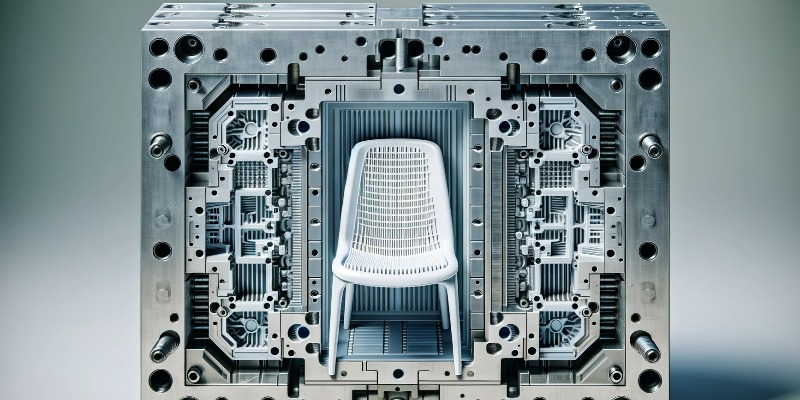 Ottimizzare la Qualità e l'Efficienza nella Progettazione di uno Stampo ad Iniezione per le Materie Plastiche
Strategie e Consigli per Migliorare la Stampabilità e Ridurre i Difetti nei Processi Produttividi Marco ArezioLa progettazione di uno stampo ad iniezione per le materie plastiche riveste un ruolo cruciale nel garantire la qualità e l’efficienza del processo produttivo. Prima di avviare la produzione, è fondamentale considerare una serie di aspetti progettuali che possono migliorare la stampabilità dei pezzi e ridurre i difetti. In questo articolo esploreremo i principali fattori da tenere in considerazione per ottimizzare il processo di stampaggio a iniezione. Angolo di Spoglia e Raggi di Curvatura L’applicazione dell’angolo di spoglia e dei raggi di curvatura è uno degli aspetti più critici nella progettazione per lo stampaggio a iniezione. Un angolo di spoglia adeguato facilita l’espulsione dei pezzi dallo stampo, riducendo la possibilità di difetti come graffi e deformazioni. Si consiglia un angolo di spoglia minimo di 1 grado ogni 25 mm di profondità della cavità, variabile in base al materiale utilizzato e alle specifiche dello stampo. Inoltre, l’adozione di angoli arrotondati favorisce un flusso uniforme della resina plastica, minimizzando le deformazioni e i difetti estetici. Spessore di Parete e Alleggerimento delle Parti Il controllo dello spessore delle pareti è fondamentale per la qualità del pezzo finito. Uno spessore uniforme delle pareti assicura un flusso costante della resina durante lo stampaggio, evitando sollecitazioni eccessive che possono portare a deformazioni o rotture. L’introduzione di nervature di supporto può aiutare a mantenere la robustezza strutturale del pezzo riducendone al contempo il peso. Le transizioni graduali tra diverse geometrie sono essenziali per evitare accumuli di materiale e garantire una distribuzione omogenea della resina. Nucleo-Cavità e Sottosquadri L’adozione del metodo nucleo-cavità è una strategia efficace per ottimizzare il processo di stampaggio, riducendo i tempi e i costi. Questo approccio implica l’applicazione di un angolo di spoglia sia alle pareti esterne che interne dello stampo, garantendo uno spessore di parete costante. I sottosquadri esterni o l’uso di inserti possono facilitare l’espulsione dei pezzi, prevenendo danni allo stampo e migliorando la qualità complessiva del prodotto. Accessi e Perni dell’Espulsore La progettazione degli accessi e dei perni dell’espulsore è cruciale per un riempimento uniforme dello stampo e una corretta espulsione dei pezzi. La posizione degli accessi deve essere scelta con attenzione per minimizzare i residui superficiali e garantire un riempimento omogeneo. Tra le opzioni comuni, gli accessi a linguetta e i sub-gate offrono vantaggi specifici a seconda delle caratteristiche del pezzo. La scelta del tipo di accesso più appropriato deve essere basata sulle esigenze del progetto e sulle caratteristiche del materiale utilizzato. Ulteriori Dettagli Tecnici sullo Stampaggio ad Iniezione delle Materie Plastiche Approfondire alcuni aspetti tecnici può fornire una comprensione ancora maggiore delle best practice nella progettazione per lo stampaggio a iniezione. Materiali: La scelta del materiale è fondamentale. Polimeri diversi hanno proprietà uniche che influenzano il comportamento durante lo stampaggio. È essenziale selezionare il materiale giusto per garantire la compatibilità con il design dello stampo e le caratteristiche desiderate del prodotto finito. Temperatura di Stampaggio: La temperatura di stampaggio deve essere ottimizzata in base al tipo di resina utilizzata. Temperature troppo alte o troppo basse possono causare difetti quali bolle, linee di saldatura e deformazioni. Pressione di Iniezione: La pressione di iniezione deve essere adeguata per garantire un riempimento completo dello stampo senza causare eccessive sollecitazioni che potrebbero portare a rotture o deformazioni del pezzo. Tempi di Raffreddamento: I tempi di raffreddamento devono essere sufficienti per permettere alla resina di solidificarsi correttamente senza provocare ritiri o deformazioni. Un raffreddamento uniforme è essenziale per mantenere la qualità del pezzo. Considerazioni Finali sulla Progettazione di uno Stampo per le Materie Plastiche La progettazione di uno stampo a iniezione richiede una comprensione approfondita dei principi di ingegneria e dei processi di produzione. Ottimizzare il design dei pezzi non solo migliora la qualità e l’efficienza della produzione, ma può anche contribuire a ridurre i costi e i tempi di sviluppo. L’integrazione di queste considerazioni progettuali fin dalle prime fasi di sviluppo può portare a prodotti di alta qualità, minimizzando i difetti e migliorando la soddisfazione del cliente.
SCOPRI DI PIU'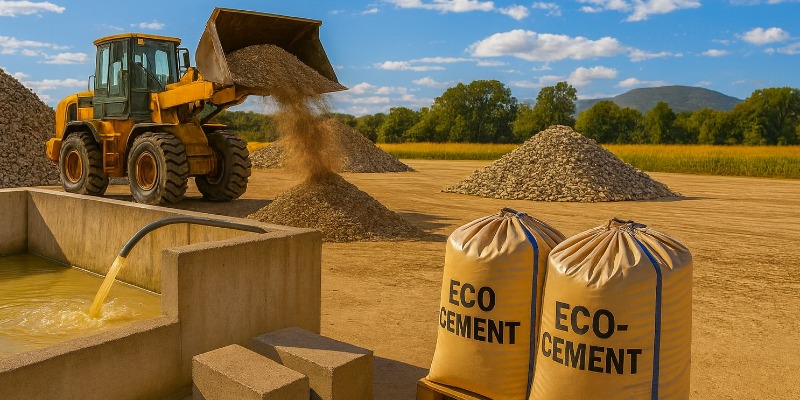 Reflui agricoli, industriali e caseari nel calcestruzzo e nelle malte: un nuovo paradigma per l’edilizia circolare
Dai fanghi di depurazione ai sottoprodotti del latte, la sperimentazione tecnica apre nuove vie per la produzione di materiali da costruzione più sostenibilidi Marco ArezioNel cuore della transizione ecologica, l’industria delle costruzioni si ritrova a dover ripensare radicalmente i propri materiali, le proprie filiere e l’impatto ambientale dell’intero ciclo produttivo. Con il cemento che da solo contribuisce a circa l’8% delle emissioni globali di CO₂ e un fabbisogno di risorse naturali – sabbia, ghiaia, acqua – che supera ogni altro settore, la necessità di una svolta è ormai un’urgenza. In questo scenario si sta affacciando un’ipotesi concreta quanto inaspettata: utilizzare reflui agricoli, industriali e persino caseari nella produzione di calcestruzzo e malte, trasformando scarti potenzialmente inquinanti in materiali da costruzione tecnicamente validi e ambientalmente virtuosi. Non si tratta di una provocazione teorica, ma di una linea di ricerca concreta, con numerose sperimentazioni in corso e una produzione pilota già attiva in alcuni contesti. Reflui come fanghi di depurazione, digestati da impianti a biogas, ceneri leggere di combustione, siero di latte disidratato e fanghi da flottazione dell’industria casearia stanno trovando un posto nei laboratori di ingegneria dei materiali e, in alcuni casi, nei cantieri veri e propri. L’obiettivo non è solo quello di ridurre l’impronta ecologica del settore edile, ma anche di offrire un’alternativa economicamente competitiva ai materiali tradizionali, in un’ottica di simbiosi industriale. Tipologie di reflui utilizzabili e loro caratteristiche I reflui coinvolti in queste sperimentazioni si caratterizzano per una sorprendente varietà chimico-fisica, che ne rende possibile l’impiego in più fasi del processo di produzione. I fanghi di depurazione urbana, ad esempio, ricchi di silice, allumina, ossidi di calcio e ferro, dopo trattamento termico possono diventare una valida sostituzione di parte del cemento, agendo come pozzolana artificiale. Le ceneri leggere provenienti da termovalorizzatori o impianti di combustione di biomasse, una volta micronizzate, offrono elevate superfici specifiche e reattività, migliorando la compattezza del materiale legato. Accanto a questi scarti già noti in ambito edilizio, si stanno esplorando soluzioni più innovative, come i sottoprodotti dell’industria lattiero-casearia. Il siero di latte esausto, particolarmente ricco di sali minerali e composti proteici, può essere disidratato e usato come additivo plastificante o come componente alcalina nei processi leganti. Ancora più promettenti sono i fanghi da flottazione, sottoprodotti della separazione dei grassi nel trattamento dei reflui caseari: dopo essiccazione e inertizzazione, si rivelano utili come additivi idrofobizzanti o riempitivi parziali nella formulazione di malte da intonaco. Anche i digestati agricoli, provenienti da impianti a biogas, stanno dimostrando interessanti capacità come filler organo-minerali, in grado di migliorare la traspirabilità delle malte e conferire caratteristiche di isolamento termico ai manufatti. Stato della sperimentazione e risultati applicativi Le sperimentazioni in atto, condotte da università, centri tecnologici e consorzi industriali, hanno superato la fase esplorativa, giungendo in molti casi alla produzione di manufatti dimostrativi e a piccoli lotti industriali. In Italia, ad esempio, il Politecnico di Torino ha realizzato calcestruzzi autocompattanti con il 15% di ceneri leggere da fanghi e acque reflue dell’industria lattiero-casearia come acqua d’impasto, senza riscontrare perdite significative nelle prestazioni meccaniche. La lavorabilità dell’impasto è risultata persino migliorata, grazie alla presenza di composti organici capaci di ridurre l’attrito interno nella miscela. In Puglia, l’Università di Bari ha condotto prove su malte a base di calce idraulica naturale addizionate con siero di latte in polvere. I risultati hanno mostrato un’elevata adesione ai supporti e una minore tendenza al ritiro plastico, aprendo la strada a un possibile impiego in restauro architettonico e bioedilizia. Nel contesto iberico, la combinazione tra digestato agricolo essiccato e calce idraulica ha permesso la realizzazione di pannelli da intonaco con elevate proprietà igroscopiche, adatti al miglioramento del comfort interno degli edifici in clima caldo-secco. Più recentemente, alcuni prototipi sono stati testati anche in elementi prefabbricati – panchine, cordoli stradali, blocchi per muratura – realizzati con una percentuale di legante alternativo derivato da reflui superiori al 20%. Sebbene le resistenze a compressione siano generalmente inferiori rispetto ai calcestruzzi standard (intorno ai 20-25 MPa a 28 giorni), risultano perfettamente adeguate per impieghi non strutturali. Benefici ambientali, economici e territoriali L’impiego di reflui in edilizia non solo risponde alla logica dell’economia circolare, ma offre benefici ambientali quantificabili. La sostituzione anche parziale del cemento Portland consente di ridurre le emissioni di gas serra fino al 30% per tonnellata di materiale prodotto. Si evitano inoltre i costi e le criticità ambientali dello smaltimento, che per fanghi e siero possono essere particolarmente onerosi, sia per i limiti di conferimento in discarica, sia per il rischio di contaminazione delle matrici ambientali. Un ulteriore vantaggio è la possibilità di generare filiere corte, territorialmente integrate. Le aziende agricole o casearie possono collaborare con imprese di costruzioni, impianti di compostaggio e consorzi di gestione dei rifiuti per alimentare cicli produttivi locali, generando valore aggiunto e riducendo i costi di trasporto. Non meno importante è l’aspetto dell’accettabilità sociale. La crescente attenzione ai materiali sostenibili da parte di progettisti, clienti e istituzioni pubbliche può diventare un potente volano per l’introduzione sul mercato di questi prodotti, a patto che siano garantiti sicurezza, tracciabilità e prestazioni. Economicità del processo e del prodotto finale Dal punto di vista economico, il recupero di reflui per l’edilizia può rivelarsi vantaggioso sotto molteplici aspetti. I reflui organici e minerali impiegati hanno costi pressoché nulli come materia prima, e in molti casi i produttori sarebbero disposti a pagarne il ritiro pur di evitare oneri di smaltimento. I trattamenti richiesti – essiccazione, calcinazione, micronizzazione – comportano un costo energetico non trascurabile, ma comunque inferiore a quello del processo di clinkerizzazione del cemento. Nel bilancio complessivo, l’impiego di reflui trattati può portare a una riduzione del costo unitario dei leganti cementizi del 10-20%, soprattutto nei casi in cui l’intera filiera (trattamento + impasto + posa) è localizzata in un raggio geografico ridotto. Gli studi condotti in Italia e in Spagna mostrano che la produzione di manufatti prefabbricati (cordoli, blocchi, elementi per arredo urbano) con una percentuale del 15-25% di materiale riciclato è competitiva rispetto ai prodotti tradizionali, anche senza considerare eventuali incentivi pubblici o benefici fiscali legati alla sostenibilità. La vera svolta potrà avvenire nel momento in cui verranno riconosciuti standard tecnici e ambientali che consentano l’adozione su scala industriale e la commercializzazione piena di questi prodotti. Normativa di riferimento e requisiti ambientali La normativa vigente è un terreno complesso, in continua evoluzione. A livello europeo, la Direttiva 2008/98/CE stabilisce che i rifiuti possono essere reintrodotti nel ciclo produttivo solo se sottoposti a trattamento che ne garantisca la sicurezza e l’utilità. Il concetto di "End of Waste" è centrale in questo processo: il refluo cessa di essere rifiuto solo quando dimostra, tramite analisi tecniche e ambientali, di poter assolvere a una funzione specifica. Le norme tecniche europee (UNI EN 206 per il calcestruzzo e UNI EN 197-1 per il cemento) pongono vincoli stringenti alla composizione, soprattutto per i prodotti destinati a impieghi strutturali. Non esiste ancora un riconoscimento normativo esplicito dei reflui come additivi o aggregati secondari, pertanto ogni impiego deve essere valutato caso per caso, con procedura autorizzativa specifica. In Italia, il D.M. 5 febbraio 1998, pur limitato, ammette l’uso di alcuni rifiuti non pericolosi per la produzione di materiali da costruzione, a patto che siano rispettati limiti di cessione e stabilità chimica. Le ARPA regionali e ISPRA dettano criteri analitici e limiti per metalli pesanti, eluati e sostanze pericolose, che spesso rappresentano l’ostacolo maggiore all’impiego dei reflui organici. Limiti tecnici e sfide future Nonostante il potenziale, l’impiego di reflui nei materiali da costruzione presenta alcune criticità tecniche. La composizione altamente variabile richiede sistemi di controllo qualità molto accurati, spesso ancora assenti. Alcuni componenti organici, se non completamente stabilizzati, possono degradarsi nel tempo, con emissioni odorose o riduzione della durabilità meccanica. Inoltre, la presenza di sostanze inibenti può interferire con la reazione di idratazione del cemento, compromettendo la presa e la resistenza finale. L’integrazione industriale su larga scala richiede l’introduzione di tecnologie di trattamento avanzato (come la carbonatazione accelerata o la vetrificazione) e lo sviluppo di sistemi di certificazione ambientale (es. EPD) che garantiscano trasparenza e tracciabilità. Conclusione Il futuro dell’edilizia sostenibile passa anche – e forse soprattutto – dalla capacità di trasformare ciò che oggi scartiamo in risorsa utile. L’utilizzo dei reflui agricoli, industriali e caseari per la produzione di calcestruzzi e malte rappresenta una delle più affascinanti frontiere della simbiosi industriale, dove la chimica dei rifiuti incontra l’ingegneria dei materiali. Serve però un’azione coordinata tra ricerca scientifica, industria e politica, capace di accompagnare l’innovazione con strumenti normativi, incentivi economici e cultura tecnica. Solo così questi materiali potranno uscire dai laboratori e diventare parte integrante di una nuova generazione di edifici: più giusti, più locali, più sostenibili.© Riproduzione Vietata
SCOPRI DI PIU' Quali Sistemi Impiegare per il Calcolo dell’Umidità nei Polimeri?
Quali Sistemi Impiegare per il Calcolo dell’Umidità nei Polimeri?di Marco ArezioLa drastica riduzione dell’umidità nelle materie plastiche che devono essere usate per il processo di stampaggio di articoli destinati alla vendita, è una operazione molto importante, più importante di quanto normalmente si creda.Infatti, anche chi normalmente applica un trattamento di riduzione dell’umidità, deve assicurarsi che i livelli stessi siano sufficientemente bassi in modo da non creare difetti sul prodotto finale, variazioni di processo e guasti ai componenti delle presse. Come abbiamo trattato in altri articoli riguardanti le materie plastiche igroscopiche e non igroscopiche, l’importanza di deumidificazione del materiale, specialmente per quelle famiglie di polimeri che assorbono facilmente umidità, come il PC, il PA e il PET, è quella di preservare le catene polimeriche che, in presenza di una quantità eccessiva di acqua, sono soggette ad un degrado attraverso l’idrolisi. Infatti, in alcuni materiali plastici, la sola presenza di quantità di umidità di 200 ppm influirà negativamente sulle catene polimeriche, corte o tagliate, con la con la degradazione del peso molecolare del polimero. Ma per renderci conto della grandezza di misura di una quantità di umidità di 200 ppm consideriamo che questo valore corrisponde in percentuale allo 0,0200, quindi circa 9,1 grammi di acqua per 45.360 grammi di materiale. Una concentrazione di umidità alta nel polimero si può notare facilmente durante lo stampaggio degli articoli in seguito alla formazione di bolle sulle superfici dei prodotti, aumento della vaporizzazione in macchina e tutte le conseguenze negative sulla qualità del manufatto dal punto di vista meccanico ed estetico. Ma una quantità piccola di umidità, che interagisce comunque con le catene polimeriche, creando dei danni estetici e strutturali, non viene normalmente rilevata duranti le fasi di stampaggio ma sarà valutabile sulle caratteristiche del prodotto finale. E’ importante analizzare la resina plastica prima delle operazioni di stampaggio, asciugarla in modo completo e non cadere nella tentazione di miscelare parti di resina asciutta con parti umide, perché le caratteristiche qualitative delle parti asciutte verranno intaccate negativamente dalle parti umide. Ma quali sono i metodi per il controllo dell’umidità? Metodo della differenza di peso: il campione viene prelevato dagli imballi o dalla tramoggia e posizionato in un contenitore per il suo riscaldamento in fase di analisi. Prima del riscaldamento dei granuli viene fatta una pesata e, successivamente, si avvia il riscaldamento del materiale ad una temperatura consona alla famiglia di resina in fase di analisi. Raggiunta la temperatura ideale, la frazione di umidità uscirà dai granuli e, con lei, tutte le altre parti volatili che sono rappresentate da distaccanti, stabilizzanti, antistatici o altre sostanze chimiche che si trovavano nel polimero. Alla fine del processo si ripesa il granulo e lo si confronta con il peso precedente che rappresentava il granulo umido. Per semplicità si tenderebbe a considerare la differenza di peso come l’espressione della quantità di umidità presente nel materiale da impiegare. In realtà non è così, in quanto non si può esattamente sapere quanta umidità e quanti agenti chimici volatilizzati sono l’espressione della differenza di peso. Metodo dell’analisi dell’umidità specifica: l’operazione iniziale di analisi è comparabile con il sistema precedente, basato sulla differenza di peso, ma il processo viene realizzato in un’atmosfera di azoto secco, in cui l’umidità e i volatili verranno espulsi come nell’analisi precedente, ma la macchina calcolerà esattamente la parte di umidità presente nella materia prima senza curarsi delle parti volatili in quanto è in grado di separare i differenti composti chimici. In questo caso parleremo di umidità specifica, in quanto si valuterà precisamente il peso della stessa al netto dei volatili espulsi.Categoria: notizie - tecnica - plastica - riciclo - polimeri - umidità
SCOPRI DI PIU' Isolamento termico e acustico con carta riciclata: una scelta sostenibile per l'edilizia moderna
Scopri come la carta riciclata rivoluziona l'isolamento termico e acustico, offrendo una soluzione ecologica, economica e innovativa per l'edilizia sostenibiledi Marco ArezioL'isolamento termoacustico rappresenta un pilastro nella progettazione edilizia moderna, essenziale per migliorare il comfort abitativo e ridurre i consumi energetici. Tra le soluzioni più innovative e sostenibili emerge l'uso della carta riciclata, un materiale versatile ed ecologico che sta rivoluzionando il settore edilizio. Questo articolo approfondisce le caratteristiche tecniche, i vantaggi e le applicazioni della carta riciclata per l'isolamento, evidenziando i benefici in termini ambientali, economici e prestazionali.La crescente attenzione verso pratiche edilizie sostenibili ha spinto molte aziende a esplorare soluzioni alternative ai materiali isolanti tradizionali. La carta riciclata non solo risponde a queste esigenze, ma lo fa offrendo prestazioni eccellenti sia dal punto di vista termico che acustico. La sua capacità di adattarsi a vari contesti costruttivi, unita al basso impatto ambientale, la rende una scelta ideale per progetti residenziali, commerciali e industriali.Proprietà tecniche e vantaggi della carta riciclataLa carta riciclata, utilizzata come isolante, deriva da giornali e cartoni recuperati e lavorati in fiocchi di cellulosa tramite processi specifici. Questo materiale si distingue per numerose proprietà che lo rendono competitivo rispetto ai materiali isolanti più comuni.Isolamento termicoGrazie alla sua struttura fibrosa, la carta riciclata intrappola l'aria, creando una barriera naturale contro la dispersione del calore. Con valori di conducibilità termica (λ) tra 0,037 e 0,040 W/mK, offre prestazioni comparabili a materiali come:Lana di vetro: λ tra 0,032 e 0,040 W/mK.Polistirene espanso (EPS): λ tra 0,030 e 0,040 W/mK.Questa capacità di ridurre le dispersioni termiche consente di mantenere una temperatura interna stabile, migliorando l'efficienza energetica complessiva degli edifici. Inoltre, la carta riciclata contribuisce a mantenere un clima interno salubre, grazie alla capacità di assorbire e rilasciare vapore acqueo senza compromettere le sue proprietà isolanti. Questa caratteristica è particolarmente indicata per ambienti con elevata umidità o soggetti a variazioni climatiche.La capacità di regolare l'umidità interna aiuta a prevenire la formazione di muffe e condense, aumentando la longevità delle strutture edilizie. Questo aspetto la rende particolarmente adatta per edifici in zone con climi variabili.Isolamento acusticoDal punto di vista acustico, la carta riciclata si distingue per la sua densità e struttura porosa, che le consentono di assorbire efficacemente i rumori. Con un indice di riduzione acustica (Rw) simile a quello di materiali come lana di roccia e poliuretano espanso, offre una soluzione ideale per:- Ridurre l'inquinamento acustico in edifici situati in aree urbane ad alta densità abitativa.- Migliorare l'isolamento tra ambienti interni, come uffici e abitazioni.La carta riciclata è particolarmente efficace nell'assorbire i suoni a bassa e media frequenza, rendendola una scelta ottimale per teatri, auditorium e spazi di lavoro condivisi. Inoltre, il suo utilizzo può migliorare significativamente il benessere acustico, contribuendo a creare ambienti più confortevoli e produttivi.Sostenibilità ambientaleLa carta riciclata contribuisce alla riduzione dei rifiuti cartacei e al contenimento dell'uso di materiali non rinnovabili. Inoltre, il suo processo produttivo richiede meno energia rispetto ai materiali isolanti tradizionali, abbattendo le emissioni di CO2 e favorendo l'economia circolare.Un ulteriore vantaggio è rappresentato dalla possibilità di riutilizzare la carta riciclata al termine del ciclo di vita dell'edificio, riducendo così i rifiuti da demolizione. Questo approccio chiude il cerchio produttivo e si inserisce perfettamente nei principi della sostenibilità ambientale.Sicurezza e salubritàIl materiale è trattato con additivi naturali per renderlo resistente al fuoco e agli insetti, senza l'uso di sostanze chimiche nocive. Questa caratteristica lo rende una scelta sicura e salubre per gli ambienti domestici e lavorativi. Inoltre, la sua composizione naturale riduce il rischio di emissione di composti organici volatili (VOC), garantendo un'aria interna più sana.Confronto con altri materiali isolantiEcco un confronto tra la carta riciclata e altri materiali isolanti comunemente utilizzati:Lana di vetro: Offre prestazioni simili, ma il processo di produzione consuma più energia e genera rifiuti complessi da smaltire.Polistirene espanso (EPS): Ottime prestazioni termiche, ma inferiore nell'isolamento acustico e con un forte impatto ambientale a causa della sua origine petrolchimica.Lana di roccia: Buon equilibrio tra isolamento termico e acustico, ma più complessa da installare per via del peso elevato.Poliuretano espanso: Migliori prestazioni termiche (λ < 0,030 W/mK), ma con costi più elevati e proprietà acustiche inferiori rispetto alla cellulosa.A differenza di molti materiali isolanti sintetici, la carta riciclata non richiede l'estrazione di risorse non rinnovabili, posizionandosi come una scelta etica e responsabile per il settore edilizio.Applicazioni della carta riciclataLa carta riciclata è un materiale estremamente versatile e si presta a molteplici applicazioni nell'edilizia, sia in nuove costruzioni che in ristrutturazioni:- Pareti interne ed esterne: Insufflata nelle intercapedini, migliora l'isolamento termico e acustico delle pareti divisorie.- Sottotetti e soffitte: Ideale per ridurre le dispersioni termiche, mantiene la temperatura costante in estate e in inverno.- Pavimenti: Riduce i rumori da calpestio e migliora il comfort termico in edifici con intercapedini.- Tetti e coperture: Protegge dalle variazioni termiche e riduce l'inquinamento acustico nelle zone adiacenti.Grazie alla sua flessibilità, la carta riciclata può essere utilizzata anche in edifici storici, dove l'installazione di materiali moderni potrebbe risultare invasiva.Perché scegliere la carta riciclataEfficienza energeticaL'isolamento con carta riciclata riduce significativamente i consumi energetici per il riscaldamento e il raffrescamento, contribuendo a un notevole risparmio economico e alla riduzione delle emissioni di CO2.Impatto ambientale contenutoScegliere la carta riciclata significa adottare un approccio responsabile verso l'ambiente, promuovendo il riutilizzo dei materiali e minimizzando i rifiuti.Economia circolareL'utilizzo della carta riciclata si inserisce perfettamente nei principi dell'economia circolare, incentivando la valorizzazione delle risorse e riducendo la dipendenza da materie prime vergini.Versatilità e praticitàLa carta riciclata è facile da installare e si adatta a numerose esigenze costruttive, rendendo più rapidi e meno onerosi i lavori di cantiere. Inoltre, la sua compatibilità con diverse tipologie di edifici la rende una soluzione adatta sia per progetti residenziali che commerciali.ConclusioneL'isolamento termoacustico con carta riciclata rappresenta una scelta sostenibile, innovativa e altamente performante. Grazie alle sue eccellenti proprietà tecniche, al basso impatto ambientale e alla facilità di applicazione, questo materiale è una valida alternativa ai prodotti tradizionali. Adottarlo significa non solo migliorare l'efficienza degli edifici, ma anche contribuire attivamente alla salvaguardia del pianeta, promuovendo un futuro più sostenibile e responsabile.Investire nella carta riciclata significa guardare oltre le soluzioni convenzionali, abbracciando una tecnologia che unisce tradizione e innovazione. Questo materiale, apparentemente semplice, dimostra che anche i rifiuti possono trasformarsi in risorse preziose per il nostro futuro.© Riproduzione Vietata
SCOPRI DI PIU' Cosa è il PLA Riciclato (Acido Polilattico) e da Dove Viene
Biodegradabile, stampabile, adatto per la realizzazione di film plastici, il PLA è un polimero sorprendente di Marco ArezioIl polimero PLA, o più tecnicamente chiamato acido polilattico, è un poliestere biodegradabile che non troviamo in natura, ma che viene realizzato sinterizzando lo zucchero attraverso procedure industriali. Infatti, facendo fermentare lo zucchero, avviene una fase di trasformazione della materia prima in acido lattico e, nella fase intermedia del processo, si esegue la polimerizzato in PLA. Il polimero così ottenuto è trasparente, cristallino, rigido e presenta un’ottima resistenza meccanica, rendendolo adatto alla produzione di molti oggetti. Inoltre, il PLA è uno dei polimeri più utilizzati per la realizzazione di prodotti attraverso l’uso di stampanti 3D, utili non solo alla produzione in serie di oggetti identici, ma anche per i processi di prototipazione rapida in molti campi ingegneristici. Come avvengono le fasi produttive del PLA Per realizzare il polimero biodegradabile PLA sono necessarie le seguenti fasi di lavoro della materia prima, composta principalmente da zucchero, melasse e siero di latte e, in alternativa, utilizzando Bacillus Coagulans: - Lavorazione dell’amido attraverso la separazione delle fibre e del glutine - Saccarificazione e liquefazione dell’amido - Fermentazione della parte proteica dell’amido - Trattamento delle soluzioni di sale dell’acido lattico - Polimerizzazione Il polimero così ottenuto ha una densità di 1,25 g./c3, con una resistenza a trazione pari a 70 Mpa e un modulo elastico pari a 3600 Mpa. Quali sono le caratteristiche principali del polimero in PLA Le caratteristiche principali del polimero si possono riassumere in reologiche, meccaniche e di biodegradabilità. Le caratteristiche reologiche si esprimono in una elasticità del fuso inferiore a quella delle olefine. Le caratteristiche meccaniche sono comprese tra quelle di un polimero amorfo e uno semicristallino e, in particolare, si avvicinano a quelle comprese tra un PET e un Polistirene. Se parliamo di temperatura di transizione vetrose del PLA possiamo dire che è maggiore della temperatura ambiente. Permettendo di ottenere composti trasparenti. Per quanto riguarda la biodegradabilità è necessario fare attenzione al significato della parola “biodegradabile”, in quanto è importante sapere che, nonostante il PLA sia definito un polimero biodegradabile, esso non lo è se non si verificano alcune fondamentali condizioni. La biodegradabilità si innesca se il PLA è sottoposto a idrolisi, in presenza di temperature superiori a 60 °C e con un tasso di umidità maggiore del 20%. I tempi di biodegradazione sono molto variabili a seconda delle condizioni ambientali in cui l’oggetto prodotto con PLA si trova, in ogni caso possiamo indicarle in un tempo tra 1 e 4 anni, che, confrontato con la plastica tradizionale che impiega, in base alle condizioni in cui si trova, da 100 anni in su, è ritenuto breve. Quali sono i vantaggi del polimero in PLA? - Se venisse bruciato non rilascia fumi dannosi come gas tossici o metalli pesanti - Se disperso in mare in modo accidentale, la combinazione del sole, dell’acqua e del vento lo riducono in microplastiche. Queste non risulteranno tossiche né per i pesci né per l’uomo attraverso la catena alimentare - Riduce la dipendenza dal petrolio Quali sono gli svantaggi del polimero in PLA? - Contrariamente a quanto esprime la parola “biodegradabile” non può essere usato per fare il compost domestico, in quanto come citato in precedenza, ha bisogno di subire un processo industriale di biodegradazione. - Se buttato in una discarica miscelato ad altri rifiuti, non accelera i processi di decomposizione rispetto alla plastica tradizionale, in quanto non è supportato dalla luce solare, impiegando nella decomposizione gli stessi tempi delle altre tipologie di plastiche. - Non può essere mischiata con altre plastiche nelle fasi di riciclo, cosa molto importante durante la separazione dei rifiuti nella raccolta differenziata. Una piccola quantità di PLA può contaminare un flusso di rifiuti composte da plastiche tradizionali, compromettendo il loro riciclo. - Dal punto di vista ambientale, per produrre la materia prima del PLA, è necessario impiegare terreni che potrebbero essere sottratti alle coltivazioni per la catena alimentare o, peggio, si potrebbe incrementare la deforestazione per carcare di avere maggiori disponibilità di terre da coltivare. Come si ricicla il PLA Come abbiamo visto, il PLA è un polimero riciclabile, ma deve essere separato alla fonte dagli altri rifiuti plastici per questioni di incompatibilità dei materiali. Una volta creato il corretto flusso di scarti in PLA, il materiale segue le stesse attività operative di un rifiuto plastico che proviene dal post consumo, quindi dalla raccolta differenziata. Infatti, dopo un’attenta selezione, in cui siamo certi di trattare solo PLA, viene macinato, lavato in vasche di decantazione a lento flusso, asciugato e successivamente insaccato, se venduto come macinato, oppure passerà alla fase di estrusione se si volesse realizzare un PLA in granuli.
SCOPRI DI PIU'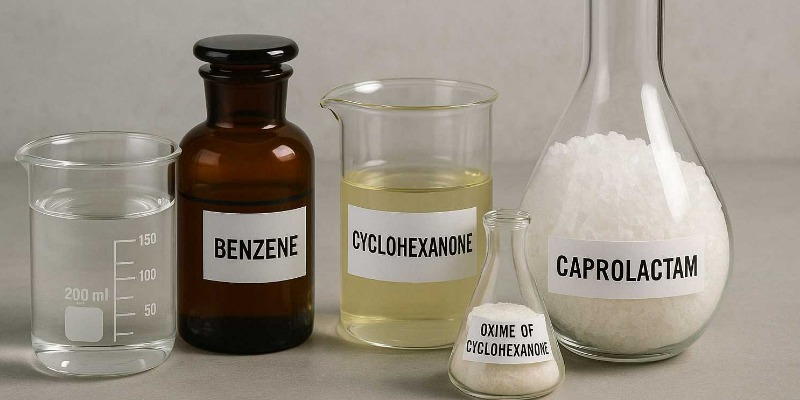 Caprolattame e Poliammide: Composizione Chimica, Impatto Ambientale e Strategie per una Produzione Sostenibile
Scopri come si producono le poliammidi a partire dal caprolattame, quali sono i componenti chimici coinvolti, i rischi ambientali legati al processo industriale e le tecnologie per renderlo più sostenibiledi Marco ArezioQuando pensiamo al nylon – la celebre poliammide sintetica – spesso lo associamo all'industria tessile, a corde robuste, a ingranaggi di precisione o a componenti leggeri e resistenti per l’automotive. Ma raramente ci si sofferma sulla complessa sequenza di reazioni chimiche che rendono possibile la sua esistenza. Dietro ogni fibra di nylon si cela una catena industriale basata su composti aromatici, ossidazioni controllate, reazioni acide e una quantità non trascurabile di sottoprodotti che pongono seri interrogativi in termini di sostenibilità. Uno dei punti chiave di questa catena è la produzione del caprolattame, il monomero ciclico da cui prende forma la poliammide 6 (PA6), attraverso una reazione di polimerizzazione ad apertura d’anello. Comprendere i componenti necessari per la sua sintesi e le implicazioni ambientali di questi processi non è solo un esercizio accademico: è un passo fondamentale per valutare come l’industria delle poliammidi possa evolversi in direzione di un modello più sostenibile. Dalle molecole aromatiche ai monomeri ciclici: una trasformazione complessa Tutto ha inizio con il benzene, una delle molecole più semplici e stabili della chimica organica aromatica. Derivato principalmente dalla distillazione frazionata del petrolio, il benzene è il punto di partenza per numerosi processi dell’industria chimica pesante. Nel caso della poliammide, esso viene convertito in cicloesano attraverso una reazione di idrogenazione. Questa trasformazione richiede alte pressioni, temperature elevate e catalizzatori metallici come nichel o platino, e rappresenta una delle prime tappe nella direzione della chimica "alifatica" richiesta per produrre il monomero. Il cicloesano, a sua volta, viene ossidato in cicloesanone, un chetone ciclico che rappresenta un nodo centrale della catena produttiva. Questa ossidazione può avvenire in due modi: o direttamente dal cicloesano, con ossigeno e catalizzatori metallici, oppure partendo dal fenolo tramite una riduzione selettiva. Il risultato, spesso, è una miscela che contiene anche cicloesanolo: il cosiddetto KA-oil. Il cicloesanone viene poi separato e purificato, pronto per affrontare una nuova trasformazione. È a questo punto che entra in gioco una molecola particolarmente reattiva: l’idrossilammina, la quale viene fatta reagire con il cicloesanone per formare l’ossima di cicloesanone. Questo composto è chimicamente instabile, ma è essenziale per la reazione di Beckmann, un classico della chimica organica. Grazie a un ambiente fortemente acido – spesso con acido solforico – l’ossima viene convertita in ε-caprolattame, il monomero ciclico destinato a diventare nylon. Il caprolattame, a temperatura ambiente, si presenta come un solido bianco, cristallino, solubile in acqua. È una molecola relativamente sicura da maneggiare rispetto ad altri precursori della catena, ma la sua produzione comporta una serie di criticità. Uno degli effetti collaterali più significativi della reazione di Beckmann è la produzione di solfato di ammonio, un sottoprodotto salino che viene generato in quantità quasi pari a quella del caprolattame stesso. Anche se può essere impiegato come fertilizzante, il suo smaltimento o riutilizzo rappresenta una sfida logistica ed ecologica. L’impronta ambientale dei precursori La sintesi del caprolattame è tutt’altro che innocua. La produzione di precursori come benzene e idrossilammina implica l’uso di sostanze pericolose, reazioni ad alta intensità energetica e, non di rado, la formazione di sottoprodotti inquinanti. Il benzene, ad esempio, è classificato come cancerogeno certo per l’essere umano e richiede standard di sicurezza rigorosi per il suo impiego. L’idrossilammina, invece, è instabile, reattiva e, in alcuni casi, potenzialmente esplosiva. Anche il cicloesanone, pur essendo meno pericoloso, è volatile e può contribuire all’inquinamento atmosferico sotto forma di VOC (composti organici volatili). Uno degli aspetti più critici riguarda le emissioni di protossido di azoto (N₂O), un sottoprodotto secondario che può emergere in diverse fasi della produzione industriale, soprattutto nella sintesi di ammoniaca e nitrati impiegati per l’idrossilammina. Il N₂O è un gas serra circa 273 volte più potente della CO₂ e ha un effetto diretto sull’assottigliamento dello strato di ozono. In alcune configurazioni impiantistiche obsolete, la produzione di una tonnellata di caprolattame può generare fino a 9 kg di N₂O. Verso una produzione sostenibile: limiti e prospettive Negli ultimi anni, l’industria chimica ha compiuto passi importanti per ridurre l’impatto ambientale del caprolattame e dei suoi precursori. Alcuni impianti si sono dotati di sistemi di abbattimento catalitico per il protossido di azoto, capaci di ridurne le emissioni fino al 98%. Altri stanno sperimentando la produzione del cicloesanone a partire da fonti rinnovabili, come biomasse o zuccheri, in modo da sganciarsi progressivamente dalla dipendenza da fonti fossili. Sul fronte della chimica verde, si moltiplicano le ricerche per ottenere caprolattame bio-based, mediante processi di fermentazione e sintesi intermedia da acido adipico biologico. Tuttavia, la scalabilità e la competitività di questi metodi restano per ora limitate, soprattutto se confrontate con le vie consolidate e già ottimizzate della chimica petrolchimica. Un altro fronte aperto riguarda la valorizzazione dei sottoprodotti, in particolare del solfato di ammonio, che può essere destinato all’industria dei fertilizzanti. Tuttavia, in un’ottica di sostenibilità sistemica, non basta trovare un impiego a valle per uno scarto: è necessario ridurne la formazione fin dall’origine, ripensando l’intero schema produttivo. Conclusione La produzione della poliammide 6 è un perfetto esempio di come una molecola apparentemente semplice e onnipresente possa nascondere una complessità chimica ed ecologica profonda. Dalle aromatiche come il benzene ai composti reattivi come l’idrossilammina, ogni passaggio della catena produttiva comporta scelte tecniche con pesanti implicazioni ambientali. Per rendere sostenibile il futuro della poliammide – e, più in generale, dei materiali plastici ingegnerizzati – non basta puntare sul riciclo del prodotto finale. Occorre agire a monte, ripensando la chimica dei monomeri, scegliendo precursori più sicuri e meno impattanti, e adottando tecnologie capaci di minimizzare gli sprechi e le emissioni. La transizione verso una chimica più verde inizia da qui: dalla consapevolezza delle molecole che compongono il nostro presente.© Riproduzione Vietata
SCOPRI DI PIU' Come riciclare i serramenti in PVC ed alluminio: guida al recupero sostenibile di infissi ed accessori
Scopri come avviene il riciclo tecnico dei serramenti in PVC dismessi, le caratteristiche del polimero, cosa si produce nuovamente con il materiale riciclatodi Marco ArezioNegli ultimi anni, il tema del riciclo sostenibile dei serramenti in PVC e alluminio ha assunto un'importanza crescente nella gestione edilizia, soprattutto in relazione alle strategie di riqualificazione energetica e di ristrutturazione sostenibile degli edifici esistenti. Con l'aumento degli interventi di recupero edilizio, diventa fondamentale gestire in maniera responsabile i materiali di scarto, considerando attentamente le implicazioni ambientali, economiche e normative che ne derivano. Le caratteristiche uniche del PVC-U Il PVC utilizzato per la produzione di serramenti, noto tecnicamente come PVC-U (PVC unplasticizzato), si distingue per la sua capacità di offrire elevata rigidità e robustezza senza la necessità di aggiungere plastificanti. Questo particolare materiale polimerico ha proprietà intrinseche come la resistenza alla deformazione in presenza di variazioni termiche estreme, una durabilità significativa contro gli agenti atmosferici e una capacità isolante notevole sia dal punto di vista termico che acustico. Inoltre, la sua bassa manutenzione contribuisce ulteriormente ad aumentarne la durata utile, rendendolo particolarmente indicato per applicazioni in edilizia sostenibile e per processi di riciclo efficaci e durevoli. Innovazione nella produzione: la coestrusione Una delle innovazioni tecnologiche più significative nella produzione di serramenti in PVC è rappresentata dalla tecnica di coestrusione, un processo avanzato che consiste nell'unire simultaneamente strati distinti di PVC vergine e PVC riciclato all'interno di un unico profilo estruso. Durante la coestrusione, i due materiali vengono lavorati tramite un apposito estrusore dotato di canali separati che convergono in una testa comune, consentendo così la formazione di un prodotto finito composto da uno strato esterno di PVC vergine, che garantisce eccellenti prestazioni estetiche e una superficie uniforme resistente all'invecchiamento, e uno strato interno costituito da PVC riciclato, che contribuisce alla sostenibilità ambientale e all'economia circolare del settore. Questa tecnologia non solo mantiene le prestazioni strutturali del prodotto, assicurando rigidità e durata nel tempo, ma valorizza anche il materiale riciclato riducendo sensibilmente l'impiego di risorse vergini, minimizzando così l'impatto ambientale e sostenendo pratiche di gestione responsabile delle risorse disponibili. Come avviene il riciclo del PVC Il riciclo del PVC è un processo complesso che richiede un'organizzazione precisa e tecniche specifiche per garantire la qualità della materia prima-seconda risultante. Inizialmente, i serramenti in PVC dismessi vengono raccolti nei cantieri edili o presso centri autorizzati di raccolta e sottoposti a una prima fase di smontaggio, durante la quale vengono rimossi accuratamente vetri, guarnizioni, ferramenta e altri componenti non plastici. La fase successiva prevede la triturazione meccanica, eseguita con mulini specializzati in grado di ridurre il materiale plastico in frammenti di dimensioni uniformi e gestibili. Questo passaggio agevola notevolmente il trattamento successivo, che consiste in un processo di lavaggio approfondito al fine di eliminare il più possibile vernici, adesivi, polveri, contaminanti organici e ogni altro tipo di impurità potenzialmente dannosa. Al termine di questa pulizia, il materiale ottenuto viene sottoposto a una fase di asciugatura controllata, generalmente utilizzando sistemi ad aria calda o tecnologie di deumidificazione specifiche. Infine, il PVC pulito e asciutto viene trasformato tramite estrusione o granulazione in granuli uniformi, pronti per essere reintegrati nei cicli produttivi industriali, mantenendo elevati standard qualitativi e contribuendo alla sostenibilità complessiva del settore. Riciclare l’alluminio: efficienza energetica e benefici ambientali L’alluminio è un altro materiale ampiamente utilizzato nella bioedilizia, caratterizzato da eccellenti proprietà meccaniche e una grande capacità di essere riciclato. Dopo una fase di separazione dai materiali estranei come vetro e guarnizioni, l’alluminio viene fuso ad alte temperature e trasformato in lingotti puri. Questo metodo è estremamente vantaggioso in termini di risparmio energetico, garantendo un abbattimento fino al 95% del consumo di energia rispetto alla produzione primaria. Tale pratica comporta notevoli benefici ambientali, riducendo sensibilmente l'emissione di gas serra e preservando le risorse naturali. L’importanza degli accessori nel processo di recupero Anche gli elementi apparentemente secondari, come le guarnizioni in gomma e la ferramenta metallica, rivestono una rilevanza fondamentale nel processo di riciclo e meritano una gestione attenta e tecnicamente evoluta. Le guarnizioni, composte prevalentemente da elastomeri vulcanizzati, possono subire trattamenti avanzati come la devulcanizzazione chimica o termochimica. Questi procedimenti consentono di rompere i legami reticolari presenti nel materiale, restituendo una gomma processabile che può essere reimpiegata in prodotti di alta qualità quali pavimenti tecnici per ambienti industriali, rivestimenti antiurto, materiali isolanti acustici e termici, e componenti specifici nel settore automotive. La ferramenta metallica, costituita generalmente da acciaio, alluminio o leghe di ottone, viene trattata attraverso un processo iniziale di triturazione meccanica che frammenta il materiale in piccole parti, facilitandone così la successiva selezione. Questa selezione avviene mediante tecnologie di separazione magnetica, che consentono di isolare efficacemente i metalli ferrosi dai non ferrosi, o tecniche densimetriche basate sulla diversa densità dei materiali, come tavole vibranti o sistemi di flottazione in mezzi fluidi. Tale rigore tecnico nel trattamento assicura un elevato recupero dei metalli, permettendone una reintegrazione efficiente nelle filiere produttive metallurgiche, contribuendo così alla sostenibilità economica e ambientale dell’intera catena di riciclo. Applicazioni industriali del PVC riciclato Il PVC riciclato rappresenta una risorsa estremamente versatile, con molteplici applicazioni industriali, grazie alle sue proprietà meccaniche e termiche quasi equivalenti al materiale vergine. Nel settore edile, oltre all'impiego tradizionale nella produzione di canaline elettriche, tapparelle, battiscopa, recinzioni e profili finestra in modalità coestrusa, viene utilizzato anche nella fabbricazione di pannelli isolanti, lastre per rivestimenti e componenti prefabbricati per costruzioni modulari. In agricoltura e nelle infrastrutture urbane, il PVC riciclato trova spazio nella realizzazione di sistemi avanzati di irrigazione a goccia, tubazioni per il drenaggio delle acque meteoriche e strutture modulari per serre e capannoni agricoli. Inoltre, nel settore dell'arredo urbano, è impiegato nella produzione di panchine, fioriere, barriere antirumore e strutture per aree giochi. L'industria elettrica sfrutta le sue proprietà isolanti e la resistenza chimica per la produzione di canalette portacavi, scatole di derivazione, supporti e involucri per dispositivi elettronici e sistemi di cablaggio industriale. La versatilità del PVC riciclato permette così non solo di ridurre significativamente il consumo di risorse vergini, ma anche di supportare strategie industriali orientate alla sostenibilità e alla riduzione dell'impatto ambientale. I benefici del riciclo: economici e ambientali La diffusione di sistemi di riciclo efficaci offre numerosi vantaggi economici e ambientali. Innanzitutto, consente di ridurre significativamente le emissioni di anidride carbonica e altri gas inquinanti, contribuendo in modo tangibile agli obiettivi internazionali di mitigazione del cambiamento climatico. Inoltre, riduce il volume di rifiuti destinati alla discarica, alleggerendo così l'impatto ambientale complessivo. Questo approccio sostiene lo sviluppo di filiere produttive circolari, incentivando innovazione tecnologica e crescita economica locale. Negli ultimi cinque anni, il riciclo del PVC in Europa ha visto una notevole evoluzione grazie ad iniziative come il programma VinylPlus, lanciato nel 2000 e rinnovato con obiettivi ambiziosi per il 2030. Secondo il report annuale VinylPlus, negli ultimi anni il volume di PVC riciclato ha superato costantemente i 700.000 tonnellate annue, con una crescente integrazione del materiale riciclato in nuovi prodotti, inclusi serramenti, pavimentazioni e componenti edili. Questa evoluzione è stata accompagnata da investimenti tecnologici mirati a migliorare i processi di riciclo, aumentando così la qualità del materiale recuperato e favorendo l'impiego del PVC riciclato anche in applicazioni più tecniche e strutturali. Questo andamento ha contribuito non solo al raggiungimento degli obiettivi europei sulla sostenibilità, ma ha anche creato nuove opportunità occupazionali specializzate e favorito lo sviluppo economico di distretti industriali orientati all'economia circolare, rafforzando il posizionamento competitivo dell'Europa nel settore del riciclo dei polimeri plastici. © Riproduzione Vietata
SCOPRI DI PIU' Nanostrutture Polimeriche: Innovazione Avanzata nel Trasporto Mirato dei Farmaci
Applicazione dei polimeri autoassemblanti per incrementare l'efficacia terapeutica e limitare la tossicità farmacologica nelle terapie modernedi Marco ArezioUna delle principali sfide nella terapia farmacologica contemporanea consiste nella difficoltà di garantire che i principi attivi raggiungano in modo selettivo e con elevata efficienza i tessuti o le cellule bersaglio. Negli ultimi decenni, le nanostrutture polimeriche autoassemblanti si sono affermate come una tecnologia avanzata e innovativa, capace di superare molti dei limiti delle tecniche tradizionali di somministrazione farmacologica. Le nanostrutture polimeriche sono costituite da macromolecole che si organizzano autonomamente in strutture stabili e ben definite a livello nanometrico, senza la necessità di interventi o stimoli esterni. Questo processo spontaneo di autoassemblaggio permette di inglobare molecole terapeutiche al loro interno, proteggendole da condizioni biologiche ostili come ambienti acidi o enzimi degradativi, assicurando al contempo un rilascio diretto nel sito bersaglio. Ciò comporta un miglioramento significativo dell’efficacia terapeutica e una notevole riduzione degli effetti collaterali rispetto ai metodi farmacologici convenzionali. Meccanismi di autoassemblaggio: Principi e significato terapeutico Il fenomeno di autoassemblaggio delle nanostrutture polimeriche si basa su precise interazioni chimiche e fisiche, quali legami idrogeno, interazioni idrofobiche e forze di Van der Waals. Queste interazioni molecolari avvengono spontaneamente quando le molecole polimeriche si trovano in condizioni ambientali specifiche, come temperatura controllata, pH definito e concentrazioni precise. Tra le strutture maggiormente studiate e utilizzate nella terapia farmacologica si annoverano le micelle, le nanoparticelle e i dendrimeri. Tali nanostrutture presentano dimensioni uniformi e regolabili, alta capacità di trasporto del farmaco e ottima compatibilità biologica. Queste caratteristiche rendono le nanostrutture polimeriche ideali per la somministrazione controllata dei farmaci, in quanto assicurano che il rilascio del principio attivo avvenga esclusivamente in presenza di particolari segnali biologici o molecolari tipici di specifiche condizioni patologiche, quali infiammazioni o neoplasie. Ampio spettro di applicazioni cliniche delle nanostrutture polimeriche L’impiego delle nanostrutture polimeriche copre un ampio spettro di applicazioni terapeutiche, in particolare nella gestione di malattie oncologiche, cardiovascolari, neurologiche e infettive croniche. Nel campo oncologico, per esempio, queste strutture consentono ai farmaci chemioterapici di essere selettivamente trasportati e concentrati nelle cellule cancerose, limitando significativamente il danno collaterale ai tessuti sani e riducendo sensibilmente gli effetti collaterali quali nausea, affaticamento e perdita dei capelli. Nel contesto delle patologie cardiovascolari, le nanostrutture polimeriche veicolano con alta precisione farmaci antitrombotici e anti-infiammatori direttamente nei siti di infiammazione o ostruzione vascolare. Ciò incrementa l'efficacia del trattamento e riduce il rischio di complicanze associate. Anche per quanto riguarda le infezioni croniche, questi sistemi sono altamente vantaggiosi, poiché consentono il rilascio mirato degli antibiotici direttamente nelle zone infette, aumentando la concentrazione locale del principio attivo e riducendo il rischio di resistenza batterica. Nel campo neurologico, le nanostrutture polimeriche superano efficacemente barriere biologiche complesse, come la barriera emato-encefalica, facilitando il trattamento mirato e sicuro di patologie neurologiche quali Parkinson e Alzheimer. Sfide tecniche e prospettive future nella ricerca delle nanostrutture polimeriche Sebbene siano stati raggiunti progressi significativi, restano ancora diverse sfide tecnologiche da affrontare e superare. Tra queste figurano la necessità di migliorare ulteriormente la precisione del targeting cellulare e la specificità delle nanostrutture polimeriche. Inoltre, la stabilità a lungo termine di queste strutture e la loro sicurezza biologica, incluse la biodegradabilità e la potenziale tossicità sistemica, rappresentano aspetti cruciali che richiedono ulteriori approfondimenti scientifici. La ricerca attuale continua a progredire rapidamente, beneficiando di approcci innovativi quali la biologia computazionale, la nanotecnologia, l’ingegneria molecolare e l’intelligenza artificiale. Questi strumenti avanzati consentono lo sviluppo di nanostrutture sempre più sofisticate e funzionali, con l'obiettivo finale di realizzare sistemi terapeutici altamente personalizzati e capaci di rispondere efficacemente alle necessità terapeutiche specifiche di ciascun paziente. Conclusioni Le nanostrutture polimeriche autoassemblanti rappresentano una promettente e innovativa frontiera nel trasporto mirato dei farmaci, con un considerevole potenziale nel migliorare l'efficacia terapeutica e nel ridurre gli effetti avversi. La continua evoluzione delle conoscenze e delle tecnologie in questo campo porterà probabilmente a progressi significativi nella medicina personalizzata, contribuendo a rendere le terapie del futuro più precise, sicure ed efficaci. © Riproduzione Vietata
SCOPRI DI PIU' Cosa è il Nuovo Enzima che Mangia i Rifiuti di PET in Tempi Rapidi
La depolimerizzazione della plastica attraverso i nuovi enzimi sarà l'alternativa al riciclo meccanico e chimico?di Marco ArezioOggi la produzione di rifiuti plastici continua ad essere superiore alla capacità del loro riciclo meccanico, tanto è vero che si stanno studiando soluzioni integrative per ridurre questo gap. Oltre alle innumerevoli strade che potrebbe aprire il riciclo chimico, l’ingegneria biologica sta facendo passi enormi sull’individuazione di corretti enzimi che possano degradare la plastica. Attraverso uno studio da parte di un team di scienziati Americani, volto ad individuare un enzima modificato, sono state studiate combinazioni di aminoacidi che potessero degradare il PET in tempi più veloci rispetto al passato. L'organismo ha due enzimi che idrolizzano il polimero prima in mono-(2-idrossietil) tereftalato e poi in glicole etilenico e acido tereftalico da utilizzare come fonte di energia. Un enzima in particolare, la PETasi, è diventato l'obiettivo degli sforzi di ingegneria proteica per renderlo stabile a temperature più elevate e aumentare la sua attività catalitica. Un team attorno ad Hal Alper dell'Università del Texas ad Austin negli Stati Uniti, ha creato una PETasi in grado di degradare 51 diversi prodotti in PET, inclusi contenitori e bottiglie di plastica interi. Nella costruzione dello studio si sono avvalsi di un algoritmo che ha utilizzato 19.000 proteine di dimensioni simili e, per ogni aminoacido di PETase, il programma ha studiato il loro adattamento all’ambiente in cui vivevano rispetto ad altre proteine. Un amminoacido che non si adatta bene può essere fonte di instabilità e l'algoritmo suggerisce un amminoacido diverso al suo posto. Si sono poi verificate milioni di combinazioni e, alla fine del lavoro di analisi, i ricercatori hanno puntato su tre soluzioni che sembravano quelle più promettenti. Intervenendo ulteriormente con modifiche dirette, gli scienziati hanno creato un enzima molto attivo sul PET che lavorava con rapidità e a temperature più basse rispetto al passato. A 50°C, l'enzima è quasi due volte più attivo nell'idrolizzare un piccolo campione di un contenitore per alimenti in PET rispetto a un'altra PETasi ingegnerizzata a 70°C. L'enzima ha persino depolimerizzato un intero vassoio di plastica per torte in 48 ore e il team ha dimostrato che può creare un nuovo oggetto di plastica dai rifiuti degradati. E’ importante sottolineare che i tests sono stati fatti non su campioni di PET amorfo appositamente realizzati in laboratorio, ma su imballi in PET acquistati direttamente ai supermercati. Questo avvicina ancora di più le prove eseguite al contesto in cui si dovrebbe operare, cioè nell’ambito del riciclo o della depolimerizzazione delle plastiche. Resta da vedere se la depolimerizzazione enzimatica verrà infine utilizzata per il riciclaggio su larga scala. Infatti, la maggior parte del PET nel mondo viene riciclato non per depolimerizzazione, ma per fusione e rimodellamento, ma le sue proprietà si deteriorano ad ogni ciclo. Come abbiamo detto esistono alcuni metodi di depolimerizzazione chimica, ma comportano un consumo di energia molto alto e, nell’ottica della circolarità dei prodotti, l’aspetto dell’impatto ambientale che il riciclo comporta è da tenere in considerazione, specialmente quando non si dispone di energie rinnovabili. Il grande vantaggio degli enzimi è che possono essere molto più specifici dei catalizzatori chimici e, quindi, potrebbe essere più semplice, in teoria, degradare un flusso di rifiuti. Gli scienziati non nascondono però che lo studio degli enzimi che depolimerizzano il PET, per quanto complicato e lungo, potrebbe essere addirittura più semplice rispetto alla loro applicazioni su poliolefine o su plastiche miste.Categoria: notizie - tecnica - plastica - riciclo - PET - depolimerizzazione
SCOPRI DI PIU' Cosa sono i Polimeri Autoestinguenti (Flame Retard): Applicazioni e Differenze
Additivi, prove di laboratorio, differenze ed impieghi commerciali ed industriali dei polimeri flame retard (autoestinguenti) di Marco ArezioLe plastiche flame retardant (resistenti al fuoco o autoestinguenti) sono materiali polimerici modificati per resistere all'ignizione e rallentare la propagazione delle fiamme. Questa proprietà è particolarmente importante in numerosi ambiti applicativi, come l'elettronica, l'edilizia e i trasporti, dove la resistenza al fuoco è cruciale per la sicurezza. L'aggiunta di additivi flame retardant è il metodo più comune per conferire alle plastiche proprietà resistenti al fuoco. Tipi di Additivi Flame Retardant Gli additivi flame retardant si classificano in diverse categorie, a seconda della loro composizione chimica e del meccanismo d'azione: Additivi Alogeni: Comprendono composti a base di bromo e cloro. Funzionano rilasciando alogeni che interferiscono con la reazione di combustione nella fase gassosa. Additivi Fosforati: Operano principalmente nella fase solida, promuovendo la carbonizzazione e riducendo la quantità di materiale infiammabile vaporizzato. Idrossidi di Metallo: Come l'idrossido di alluminio e di magnesio, questi additivi rilasciano acqua quando si scaldano, che aiuta a raffreddare il materiale e a diluire i gas combustibili. Additivi Intumescenti: Formano una schiuma carboniosa protettiva sulla superficie del materiale quando esposti al calore, isolando il materiale sottostante dalla fonte di calore. Funzionamento dell'Inibizione della Fiamma L'inibizione della fiamma nelle plastiche funziona attraverso vari meccanismi, a seconda del tipo di additivo utilizzato: Diluizione dei Gas Combustibili: Alcuni additivi rilasciano gas inerti che diluiscono i gas combustibili nell'area della fiamma, riducendo la combustione. Barriera Fisica: Gli additivi intumescenti formano una barriera carboniosa che isola termicamente il materiale e impedisce l'accesso dell'ossigeno. Raffreddamento: L'acqua rilasciata dagli idrossidi di metallo assorbe calore, abbassando la temperatura della combustione. Interferenza Chimica: Alogeni e altri composti possono interferire con le reazioni radicaliche nella zona di combustione, rallentando la reazione. Prove di Laboratorio per Catalogare le Plastiche Non Infiammabili Vediamo quali sono le prove principali per catalogare il grado di infiammabilità e come si eseguono:Test UL 94 Il test UL 94, gestito da Underwriters Laboratories (UL), è uno dei metodi più riconosciuti e ampiamente utilizzati per valutare le proprietà di infiammabilità dei materiali polimerici utilizzati in dispositivi elettrici ed elettronici. Questo test classifica i materiali in base alla loro capacità di estinguere le fiamme dopo essere stati accesi in condizioni controllate. Il test viene eseguito applicando una fiamma a un campione del materiale per un periodo specificato e osservando il comportamento del materiale in termini di tempo di combustione dopo la rimozione della fiamma, il gocciolamento di materiale infiammabile e la lunghezza della combustione.In base ai risultati, i materiali sono classificati in diverse categorie, come V-0, V-1, V-2, HB, 5VB, e 5VA:V-0, V-1, V-2: Indicano che il materiale si autoestingue entro un certo tempo dopo l'accensione. La distinzione tra le classi dipende dal tempo di autoestinguenza e dalla presenza di gocciolamento di particelle infiammate. HB: La classificazione più bassa, indica una velocità di combustione orizzontale in un certo intervallo. 5VB e 5VA: Sono test più severi che valutano la resistenza all'accensione quando il campione è sottoposto a un carico termico elevato. 5VA rappresenta la massima resistenza alla fiamma senza gocciolamento di materiale, mentre 5VB: permette un certo gocciolamento. Test di Ossigeno Limitante (LOI) Il test di Ossigeno Limitante (LOI) misura la percentuale minima di ossigeno nell'atmosfera necessaria per sostenere la combustione di un materiale polimerico. Viene eseguito in un'apposita apparecchiatura dove il campione viene posto in una colonna di vetro e esposto a una miscela controllata di azoto e ossigeno, aumentando gradualmente la concentrazione di ossigeno fino a quando il materiale non continua a bruciare per un tempo prestabilito dopo l'accensione. Il valore di LOI è una misura diretta dell'infiammabilità del materiale: maggiore è il valore di LOI, minore è l'infiammabilità del materiale. Materiali con valori di LOI superiori al 21% (la percentuale di ossigeno nell'aria) sono considerati più resistenti al fuoco. Questo test è particolarmente utile per confrontare la resistenza al fuoco di diversi materiali sotto un'unica metrica standardizzata. Test di Infiammabilità a Cono Calorimetrico Il test di infiammabilità a cono calorimetrico è un metodo avanzato che fornisce dati dettagliati sulla risposta di un materiale all'esposizione al calore. Durante il test, un campione del materiale viene esposto a un flusso radiante crescente in presenza di una sorgente di accensione, simulando gli effetti di un incendio in fase iniziale. Il cono calorimetrico misura la velocità di rilascio di calore, la produzione di fumo e la perdita di massa del campione nel tempo, fornendo un profilo completo della sua reattività al fuoco. Questi dati aiutano a comprendere come il materiale contribuirà alla crescita e alla propagazione dell'incendio, consentendo agli ingegneri di progettare materiali e prodotti con prestazioni migliorate di sicurezza antincendio. Questo test è particolarmente utile nella valutazione di materiali per l'edilizia e l'ingegneria dei trasporti Rendere Flame Retardant un Polimero Riciclato Il processo di rendere flame retardant un polimero riciclato, sia da post-consumo che da post-industriale, richiede attenzione nella selezione degli additivi compatibili con il tipo di polimero e nel mantenimento delle proprietà meccaniche del materiale riciclato. Il processo include: Analisi del Materiale: Identificazione della composizione del polimero riciclato per scegliere gli additivi più adatti. Incorporazione degli Additivi: Gli additivi possono essere miscelati meccanicamente con il polimero durante il processo di estrusione o possono essere applicati come rivestimenti superficiali. Mantenimento delle Caratteristiche dopo il Riciclo Meccanico Il riciclo meccanico può influenzare le proprietà flame retardant dei polimeri a causa della degradazione termica o meccanica del polimero e degli additivi durante il processo di riciclo. La stabilità delle proprietà flame retardant in un polimero riciclato dipende da: - La stabilità termica degli additivi flame retardant. - La compatibilità degli additivi con il processo di riciclo. - La capacità di ridistribuire uniformemente gli additivi nel polimero durante il riciclo. Per mantenere le caratteristiche flame retardant, può essere necessario aggiungere ulteriori additivi o stabilizzatori durante il processo di riciclo. La valutazione delle proprietà del materiale riciclato attraverso test di laboratorio è cruciale per garantire che il materiale riciclato soddisfi i requisiti di sicurezza e di prestazione. Impiego dei Polimeri Autoestinguenti per la Produzione di Articoli ad uso Industriale e Civile I polimeri flame retardant sono utilizzati in una vasta gamma di applicazioni, specialmente in edilizia, dove la resistenza al fuoco è cruciale per la sicurezza degli edifici. Questi materiali sono progettati per ridurre la velocità di combustione, limitare la diffusione delle fiamme e contribuire a prevenire incendi. Nell'edilizia, i polimeri flame retardant trovano applicazione in numerosi prodotti, tra cui isolanti termici, rivestimenti, cavi elettrici, e componenti strutturali. Polimeri Flame Retardant Utilizzati in Edilizia Polistirene Espanso (EPS) e Polistirene Estruso (XPS): Sono ampiamente utilizzati come isolanti termici per cappotti esterni e per l'isolamento di pavimenti, tetti e muri. Possono essere trattati con additivi flame retardant per ridurre l'infiammabilità. Polietilene Espanso (EPE): Utilizzato per l'isolamento termico e l'ammortizzazione degli impatti, l'EPE può essere modificato per migliorare la resistenza al fuoco, rendendolo adatto per applicazioni in edilizia. Polimeri Intumescenti: Questi materiali si espandono quando esposti al calore, formando una barriera carboniosa che protegge il materiale sottostante dalle fiamme. Sono utilizzati in vernici, mastici, e rivestimenti per cavi elettrici. Polivinilcloruro (PVC) Flame Retardant: Il PVC è utilizzato in una varietà di applicazioni in edilizia, inclusi i rivestimenti per cavi e i tubi. Il PVC può essere reso flame retardant attraverso l'aggiunta di additivi specifici. Polimeri Fenolici: Questi materiali sono noti per le loro eccellenti proprietà di resistenza al fuoco e sono utilizzati in schiume isolanti e compositi. Applicazioni di Articoli Autoestinguenti in Edilizia Isolamento Termico: I materiali isolanti flame retardant sono essenziali per prevenire la diffusione del fuoco attraverso le cavità dei muri e altri spazi isolati negli edifici. Rivestimenti e Vernici: Forniscono una protezione passiva contro il fuoco a strutture, travi e colonne, contribuendo a mantenere l'integrità strutturale in caso di incendio. Cavi elettrici e Tubi: L'utilizzo di materiali flame retardant in questi componenti riduce il rischio di incendi elettrici e limita la diffusione del fuoco. Differenze nelle Resistenze al Fuoco degli Isolanti per Cappotti Termici Gli isolanti termici possono variare significativamente nella loro resistenza al fuoco a seconda del materiale, della densità, e della presenza di additivi flame retardant. Ecco alcune differenze chiave: Resistenza Termica: Alcuni isolanti, come quelli a base di fibra minerale (lana di roccia, lana di vetro), offrono migliori prestazioni di resistenza al fuoco rispetto a quelli organici (EPS, XPS) a causa della loro natura incombustibile. Emissione di Fumi e Gas Tossici: I materiali organici tendono a produrre fumi densi e gas tossici quando bruciano, mentre i materiali inorganici hanno prestazioni migliori in questo aspetto. Classificazione di Reazione al Fuoco: I materiali isolanti sono classificati secondo norme europee (ad esempio, Euroclassi A1, A2, B, C, ecc.) che indicano la loro reattività al fuoco. Materiali classificati come A1 sono non combustibili, mentre quelli in classe B, C, ecc., hanno crescenti livelli di infiammabilità. Applicazione e Spessore: La resistenza al fuoco di un isolante può anche dipendere dall'applicazione specifica e dallo spessore del materiale. Maggiore è lo spessore, migliore può essere la resistenza al fuoco, ma questo dipende anche dalla composizione del materiale e dalla presenza di additivi flame retardant. Per esempio, un isolante più spesso può offrire un tempo di resistenza al fuoco maggiore perché richiede più tempo per essere completamente compromesso dalle fiamme. Tuttavia, non è solo lo spessore a determinare l'efficacia, la qualità del materiale e la sua capacità di resistere alla propagazione del fuoco sono altrettanto cruciali. Nei materiali isolanti, gli additivi flame retardant possono agire in sinergia con lo spessore per migliorare la resistenza al fuoco. Materiali con densità maggiore o trattati con specifici additivi chimici possono esibire prestazioni superiori anche con spessori minori. Pertanto, la scelta del materiale isolante adeguato per un'applicazione specifica richiede un'attenta considerazione non solo delle proprietà fisiche come lo spessore ma anche della composizione chimica e della capacità di resistere al fuoco. Nell'ambito dell'edilizia, la normativa vigente spesso specifica requisiti minimi per la resistenza al fuoco degli isolanti, tenendo conto sia dello spessore che della composizione del materiale. Questi standard garantiscono che i materiali utilizzati negli edifici offrano un livello adeguato di protezione in caso di incendio, contribuendo così alla sicurezza degli occupanti e alla preservazione della struttura stessa.
SCOPRI DI PIU' Caolino e cobalto nelle piastrelle di alta gamma
Composizione, innovazione e sostenibilità nei prodotti ceramici premium italianidi Orizio LucaIl mondo delle piastrelle ceramiche di alta gamma è un universo fatto di materie prime selezionate, tecnologie avanzate e un’attenzione maniacale per la qualità estetica e funzionale. Tra i tanti elementi che compongono questi prodotti d’eccellenza, due sostanze giocano un ruolo fondamentale: il caolino e il cobalto. Entrambi, pur appartenendo a categorie chimiche molto diverse, sono indispensabili per garantire che le piastrelle non siano solo oggetti funzionali, ma veri e propri elementi di design, durevoli e rispettosi dell’ambiente. Il caolino: l’argilla preziosa che definisce struttura e qualità Il caolino è una argilla di origine naturale, caratterizzata da una composizione chimica basata principalmente sulla caolinite, un silicato di alluminio idrato. Quello che rende il caolino così prezioso per la produzione ceramica è la sua finezza, purezza e biancore. In termini pratici, il caolino è la base su cui si fonda la qualità strutturale e visiva delle piastrelle più pregiate. L’industria ceramica italiana lo utilizza da decenni per conferire all’impasto una plasticità che facilita la formatura di prodotti sottili ma robusti. Le piastrelle che troviamo nelle collezioni di punta sono realizzate con percentuali di caolino che possono variare dal 20% fino anche al 35% del totale dell’impasto, a seconda del prodotto e del livello di finitura richiesto. Questo materiale assicura che, durante le fasi di pressatura e cottura, la piastrella mantenga forma e dimensioni senza subire deformazioni o microfratture, che comprometterebbero la qualità. Inoltre, il caolino conferisce al prodotto finito una luminosità e un biancore di fondo che sono essenziali per ottenere superfici perfette, uniformi e pronte a ricevere smalti e decorazioni di pregio. La purezza di questo materiale è fondamentale per evitare impurità che potrebbero manifestarsi come difetti estetici o problemi di resistenza. Tra i produttori di caolino di alta qualità più apprezzati in Italia e nel mondo, spicca Imerys Ceramics, che fornisce polveri finissime e purificate, progettate specificamente per le esigenze di un’industria ceramica sempre più esigente. Questo tipo di caolino è micronizzato, ovvero macinato finemente, per garantire la migliore dispersione e lavorabilità negli impasti ceramici. Il cobalto: un piccolo metallo con un grande impatto estetico Se il caolino è la “struttura portante” della piastrella, il cobalto è senza dubbio uno degli elementi più preziosi per la sua veste estetica. Questo metallo, utilizzato soprattutto come ossido (CoO) o come carbonato (CoCO3), è la fonte di uno dei colori più intensi e raffinati nel panorama ceramico: il blu cobalto. Il colore blu ottenuto con il cobalto è noto per la sua profondità e brillantezza, qualità che resistono perfettamente alle temperature elevate dei forni (oltre 1200 °C) e all’usura del tempo. Nel mondo delle piastrelle di alta gamma, anche quantità molto ridotte di cobalto (inferiori all’1%) possono trasformare un prodotto semplice in un pezzo di grande valore estetico e commerciale. Questo pigmento è particolarmente utilizzato in decorazioni artistiche, finiture di lusso o per creare effetti cromatici sofisticati che caratterizzano le linee più prestigiose delle aziende ceramiche italiane. L’utilizzo del cobalto è strettamente regolamentato per garantire la sicurezza dei prodotti finiti e prevenire rischi ambientali. Aziende specializzate come Umicore sviluppano pigmenti a base di cobalto puri e privi di sostanze tossiche, assicurando che le piastrelle siano sicure per l’uso domestico e commerciale. La composizione chimica completa: un equilibrio di materiali per eccellenza Le piastrelle di alta gamma non si basano solo su caolino e cobalto, ma su una miscela bilanciata di diversi materiali. Accanto al caolino troviamo argille più comuni, feldspati e sabbie quarzifere. Ognuno di questi materiali svolge un ruolo fondamentale: - Le argille comuni costituiscono la massa dell’impasto, conferendo plasticità e coesione. - I feldspati sono vetrificanti naturali che abbassano la temperatura di fusione, migliorando la compattezza e la resistenza superficiale. - Le sabbie quarzifere danno struttura e durezza, aumentando la resistenza all’abrasione e all’usura. Insieme, questi componenti garantiscono una piastrella con caratteristiche tecniche di altissimo livello: resistenza meccanica superiore (con moduli di rottura che superano i 35 MPa), porosità bassissima (inferiore allo 0,5%) e superfici lisce, omogenee e facili da pulire. Esempi di eccellenza italiana: i grandi marchi che utilizzano caolino e cobalto L’Italia è da sempre leader mondiale nella produzione di piastrelle ceramiche, con aziende che uniscono tradizione, ricerca e innovazione tecnologica per realizzare prodotti di qualità superiore. Tra i principali produttori italiani che utilizzano caolino e cobalto nelle loro linee top di gamma troviamo: Marazzi Group, uno dei nomi più prestigiosi, utilizza caolini purissimi e pigmenti di cobalto per le sue collezioni artistiche e tecniche. Le piastrelle Marazzi sono conosciute per l’equilibrio perfetto tra resistenza strutturale e ricercatezza estetica. Florim Group, altro gigante italiano, punta molto sull’innovazione tecnologica. Le sue linee premium includono piastrelle realizzate con materie prime selezionate, inclusi caolini finemente micronizzati per migliorare la lavorabilità e pigmenti al cobalto per effetti cromatici di grande impatto. Atlas Concorde, noto per le sue superfici di design, utilizza caolino di altissima qualità e pigmenti di cobalto in dosi calibrate per creare piastrelle con decorazioni sofisticate e colori brillanti, capaci di resistere nel tempo e alle condizioni più severe. Casalgrande Padana è un’altra realtà italiana che unisce la ricerca su materie prime di qualità con la sostenibilità, impiegando caolini puri e pigmenti sicuri, compreso il cobalto, per i propri prodotti di fascia alta.Iris Ceramiche, infine, si distingue per la sua capacità di combinare artigianalità e tecnologia d’avanguardia. L’azienda utilizza caolini di alta purezza e pigmenti a base di cobalto per realizzare collezioni che uniscono la tradizione delle decorazioni ceramiche italiane con soluzioni innovative per superfici resistenti e d’effetto. Iris Ceramiche è particolarmente apprezzata per la qualità delle sue finiture e per l’attenzione ai dettagli, elementi che rendono le sue piastrelle un punto di riferimento nel mercato premium. Queste aziende rappresentano il meglio della produzione ceramica italiana, dove la scelta delle materie prime è fondamentale per garantire prodotti che rispondano alle esigenze di estetica, durata e rispetto ambientale. I processi produttivi avanzati: dalla materia prima al prodotto finito Dietro la bellezza delle piastrelle di alta gamma ci sono processi tecnologici sofisticati, sviluppati per massimizzare la qualità e ridurre l’impatto ambientale. La produzione inizia dalla selezione accurata delle materie prime: il caolino viene micronizzato per migliorare la plasticità dell’impasto, mentre il cobalto viene dosato con precisione per assicurare uniformità e intensità cromatica. La pressatura è un passaggio chiave: si utilizzano presse isostatiche e a secco per garantire densità e omogeneità, elementi fondamentali per evitare difetti superficiali e assicurare robustezza. La cottura avviene in forni a tunnel controllati digitalmente, dove temperature che superano i 1200 °C permettono la sinterizzazione perfetta del materiale. Le superfici vengono rifinite con smalti e decorazioni, spesso applicati con tecniche digitali come la stampa inkjet, che consente un’alta risoluzione e una grande personalizzazione, sfruttando la capacità del cobalto di mantenere colore e brillantezza anche in condizioni estreme. Sostenibilità e riciclabilità: un futuro circolare per le piastrelle ceramiche Un tema ormai imprescindibile nell’industria ceramica è la sostenibilità ambientale, che si concretizza in due direzioni principali: la produzione responsabile e la gestione a fine vita dei prodotti. Le piastrelle di alta gamma, pur essendo prodotte con materiali naturali e durevoli come il caolino, vedono sempre più spesso l’integrazione di materie prime riciclate, come scarti di produzione e vetro rigenerato, contribuendo a ridurre l’impatto ambientale. I processi produttivi moderni utilizzano tecnologie a basso consumo energetico, con forni a recupero termico e sistemi di controllo che ottimizzano i cicli di cottura. A fine vita, le piastrelle ceramiche sono altamente riciclabili grazie alla loro composizione inorganica e stabile. Possono essere frantumate e reimmesse nel ciclo produttivo come materia prima secondaria o utilizzate come aggregati per sottofondi e massetti edili, riducendo così la necessità di estrarre nuove risorse naturali. Alcune aziende italiane stanno sviluppando programmi di raccolta e riciclo, collaborando con enti pubblici e privati per valorizzare i materiali dismessi e promuovere un’economia circolare efficace. Conclusioni Le piastrelle di alta gamma rappresentano il perfetto equilibrio tra tradizione, tecnologia e sostenibilità. Il caolino, con le sue proprietà strutturali e estetiche, insieme al cobalto, che dona quel tocco di colore unico e raffinato, sono pilastri insostituibili nella composizione di questi prodotti. L’industria ceramica italiana, attraverso marchi di eccellenza come Marazzi, Florim, Atlas Concorde e Casalgrande Padana, dimostra come una sapiente selezione delle materie prime, abbinata a processi produttivi avanzati, possa portare alla realizzazione di piastrelle non solo belle e resistenti, ma anche sostenibili e rispettose dell’ambiente. Il futuro della ceramica è dunque sempre più circolare, dove innovazione, qualità e attenzione ambientale camminano di pari passo per offrire prodotti capaci di valorizzare gli spazi abitativi e contribuire alla tutela del pianeta.© Riproduzione Vietata
SCOPRI DI PIU'
