







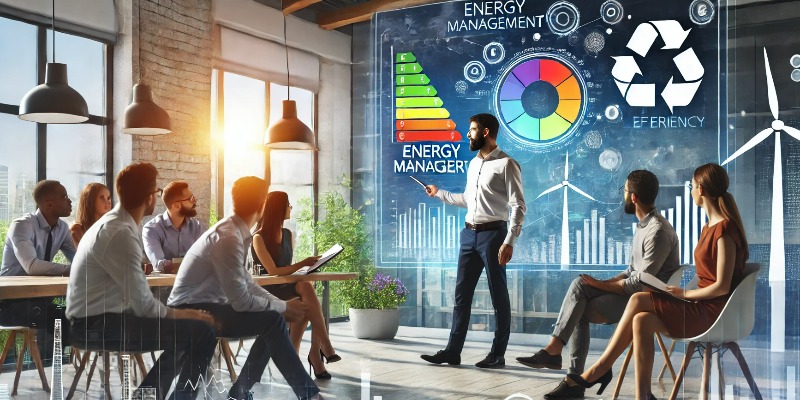
 Crescita Record degli Energy Manager nelle Aziende Italiane nel 2023
Nel 2023, l'Italia ha nominato 2.498 energy manager, un record ventennaledi Marco ArezioIl 2023 è stato un anno memorabile per la figura dell'energy manager in Italia, segnando un record di nomine mai raggiunto negli ultimi vent'anni. Con un totale di 2.498 nomine, il numero di energy manager attivi nel Paese ha visto un incremento del 19% rispetto al periodo 2014-2020 e dell'1% rispetto al triennio 2020-2023. Questo dato, che emerge dal rapporto "Energy manager in Italia 2024" presentato dalla Federazione per l'uso razionale dell'energia (Fire), riflette una rinnovata attenzione verso la gestione efficiente dell'energia in un contesto di crescenti preoccupazioni ambientali ed economiche. La Funzione dell'Energy Manager L'energy manager è una figura cruciale nelle aziende italiane, responsabile della conservazione e dell'uso razionale dell'energia. Questo ruolo, obbligatorio per le aziende e gli enti che superano una certa soglia di consumo energetico, mira a ottimizzare l'efficienza energetica e ridurre gli sprechi. Nel 2023, degli energy manager nominati, 1.728 provengono da soggetti obbligati, segnando un incremento del 17% rispetto al periodo 2014-2020 e del 2% rispetto al triennio 2020-2023. Un Trend in Crescita Post-Crisi La crescita record di nomine nel 2023 rappresenta una significativa inversione di tendenza rispetto agli anni precedenti, caratterizzati da una diminuzione delle nomine dovuta alla crisi pandemica e alla crisi dei prezzi energetici. La riduzione dei consumi energetici in settori come l'industria e i trasporti aveva infatti portato a un calo nell'investimento in figure specializzate come gli energy manager. Tuttavia, il 2023 ha visto un rilancio, con un aumento delle nomine che riflette una rinnovata attenzione verso l'efficienza energetica e la sostenibilità. Diversità e Competenze degli Energy Manager Un altro dato significativo che emerge dal rapporto di Fire riguarda la diversità e le competenze degli energy manager. Nel 2023, sono state nominate 178 donne, rappresentando circa il 10% del totale. Questo indica un lento ma crescente riconoscimento della necessità di diversificare il settore, anche in termini di genere. In termini di qualifiche, il 79% degli energy manager possiede una laurea tecnica, mentre l'1% ha una laurea non tecnica e il 16% un diploma tecnico professionale. Questi dati sottolineano l'importanza di una formazione specifica e avanzata per affrontare le sfide della gestione energetica. Inoltre, il 67% degli energy manager sono dipendenti delle aziende coinvolte, mentre il 37% sono consulenti esterni. Questo dato evidenzia la crescente tendenza delle aziende a integrare competenze specializzate all'interno delle loro strutture organizzative. Certificazioni e Sistemi di Gestione dell'Energia Un altro aspetto rilevante è la crescita del numero di energy manager che possiedono la certificazione di esperti in gestione dell'energia (Ege). Il 21% dei dipendenti e il 73% dei consulenti hanno ottenuto questa certificazione, dimostrando un impegno crescente verso la professionalizzazione e la competenza nel settore. Inoltre, è in aumento anche il numero di energy manager che operano all'interno di un sistema di gestione dell'energia (Sge), un indicatore chiave della maturità delle aziende in termini di gestione energetica. Prospettive Future Guardando al futuro, la crescente nomina di energy manager e l'incremento delle loro competenze rappresentano un segnale positivo per l'economia energetica italiana. La gestione efficiente dell'energia non solo contribuisce a ridurre i costi operativi delle aziende, ma anche a mitigare l'impatto ambientale delle attività industriali. Con una crescente attenzione verso la sostenibilità e l'efficienza energetica, il ruolo dell'energy manager diventa sempre più centrale nel panorama industriale e aziendale. In conclusione, il 2023 ha segnato un punto di svolta per la figura dell'energy manager in Italia. La crescita record di nomine e l'aumento delle competenze e delle certificazioni riflettono una crescente consapevolezza dell'importanza della gestione energetica. Questo trend positivo, se sostenuto, potrebbe portare a significativi benefici economici e ambientali per il Paese, contribuendo a un futuro più sostenibile e efficiente dal punto di vista energetico.
SCOPRI DI PIU' Un Nuovo Patto Industriale per l’Europa: La Dichiarazione di Anversa
Una strategia per un’industria competitiva e sostenibile, tra transizione verde e autonomia europeadi Marco ArezioNel cuore delle trasformazioni globali, l’industria europea affronta sfide inedite. Tra la necessità di decarbonizzare le attività produttive e la crescente competizione internazionale, la Dichiarazione di Anversa emerge come un appello forte e chiaro per il rilancio di un settore cruciale. Questo documento ambizioso, firmato da aziende e organizzazioni, chiede ai leader europei di adottare un Patto Industriale Europeo che si integri con il Green Deal, garantendo una transizione equa e sostenibile per il continente.L’obiettivo non è solo mitigare i rischi della globalizzazione o ridurre la dipendenza dalle materie prime esterne, ma anche preservare l’eccellenza industriale dell’Europa, un pilastro della sua identità economica. Per farlo, è necessario un piano che metta al centro innovazione, competitività e sostenibilità, creando le basi per un futuro più resiliente.Una Visione di CambiamentoLa Dichiarazione di Anversa parte da una considerazione cruciale: l’Europa non può permettersi di perdere il suo tessuto industriale, tanto meno in un momento in cui la transizione verde richiede investimenti colossali in tecnologie pulite e infrastrutture. Senza una politica industriale forte, il rischio è di diventare dipendenti da prodotti e materie prime essenziali provenienti da paesi terzi, con tutte le implicazioni geopolitiche ed economiche che ne conseguono.Per scongiurare questo scenario, il documento delinea una strategia articolata, che parte dalla necessità di inserire il Patto Industriale Europeo come priorità nell’Agenda Strategica 2024-2029. Solo una visione integrata, sostenuta da misure concrete, può garantire che l’Europa mantenga il suo ruolo di leader globale nella produzione di qualità e nell’innovazione tecnologica.Sostenere l’Industria nella Transizione VerdeAl centro della Dichiarazione c’è l’impegno a rendere l’industria europea un modello di sostenibilità. La creazione di un fondo per le tecnologie pulite, il cosiddetto "Clean Tech Deployment Fund", rappresenta un passo fondamentale in questa direzione. Questo strumento permetterebbe di ridurre i rischi per gli investimenti privati, incentivando la diffusione di tecnologie a basso impatto ambientale.Un altro punto cruciale riguarda l’energia. I costi energetici elevati rappresentano una delle principali sfide per le imprese europee. Per affrontarle, la Dichiarazione propone di dare priorità a fonti rinnovabili, nucleare di nuova generazione e idrogeno verde, garantendo un approvvigionamento accessibile e competitivo.Anche le infrastrutture giocano un ruolo chiave. L’Europa deve accelerare lo sviluppo di progetti strategici, come reti elettriche transfrontaliere, sistemi di riciclo avanzati e digitalizzazione, per supportare un’industria moderna e sostenibile.Una Visione per l’Autonomia StrategicaUn tema ricorrente nella Dichiarazione di Anversa è l’importanza di ridurre la dipendenza dell’Europa da fornitori esterni. La creazione di una filiera circolare per le materie prime critiche è essenziale per raggiungere questo obiettivo. Attraverso nuove partnership globali e il potenziamento delle capacità di riciclo domestico, l’Europa può assicurarsi le risorse necessarie per sostenere la sua transizione industriale.Al tempo stesso, è fondamentale promuovere un mercato unico per i materiali riciclati, eliminando le barriere normative che ostacolano la libera circolazione di questi prodotti. Questo rafforzerebbe non solo l’economia circolare, ma anche la competitività complessiva dell’industria europea.Innovazione e Governance: Le Chiavi del SuccessoLa Dichiarazione punta inoltre a creare un ecosistema favorevole all’innovazione. Investire in ricerca di alta qualità, digitalizzazione e politiche aperte all’adozione di nuove tecnologie è essenziale per mantenere l’Europa competitiva. Per questo, il documento propone di proteggere i diritti di proprietà intellettuale e accelerare il trasferimento tecnologico dal laboratorio al mercato.Infine, un elemento centrale della Dichiarazione è la proposta di rafforzare le strutture di governance. L’istituzione di un Vicepresidente dedicato al Patto Industriale Europeo garantirebbe un’integrazione armoniosa delle politiche industriali con le priorità strategiche dell’Unione, assicurando un coordinamento efficace tra i vari stati membri.Conclusione: Un’Industria Europea Forte per un Futuro SostenibileLa Dichiarazione di Anversa rappresenta un’opportunità unica per definire il futuro dell’industria europea. Attraverso una strategia condivisa, basata su sostenibilità, innovazione e autonomia, l’Europa può affrontare con successo le sfide del ventunesimo secolo.Mantenere un’industria forte non significa solo salvaguardare posti di lavoro di qualità, ma anche garantire che la transizione verde sia inclusiva e giusta. Il Patto Industriale Europeo, come delineato nella Dichiarazione, non è solo una risposta alle sfide attuali, ma una visione ambiziosa per costruire un’Europa più resiliente e competitiva.© Riproduzione Vietata
SCOPRI DI PIU' L’affaire Dassault-Boeing: caccia ai segreti dell’aviazione
Spionaggio industriale tra Francia e Stati Uniti nella Guerra Fredda anni 60-70 di Marco ArezioNel cuore della Guerra Fredda, mentre l’attenzione del mondo era rivolta alla corsa agli armamenti nucleari e allo spazio, un’altra battaglia meno visibile ma altrettanto feroce si consumava nei laboratori, negli uffici progettazione e nelle catene di montaggio delle grandi industrie aeronautiche. Francia e Stati Uniti, entrambi decisi a consolidare il proprio prestigio militare e industriale, finirono in una vera e propria guerra silenziosa per il controllo dei cieli. Non solo missili e portaerei: l’aviazione divenne la piattaforma simbolica di un primato tecnologico e politico che nessuno dei due blocchi voleva cedere. Dassault e Boeing: due colossi in competizione globale La Francia, attraverso la Dassault Aviation, costruì negli anni ’60 e ’70 una reputazione di eccellenza grazie ai caccia Mirage, macchine maneggevoli e temute, capaci di competere con i velivoli statunitensi. Dall’altra parte dell’Atlantico, la Boeing – insieme a McDonnell Douglas, poi assorbita – rappresentava l’epicentro della potenza aeronautica americana, con i celebri Phantom e i successivi F-15. La competizione non era soltanto militare: si trattava di dimostrare quale sistema politico-economico fosse in grado di produrre le tecnologie più avanzate. Dietro alle vetrine degli airshow internazionali e alle trattative per l’export, si muoveva una rete invisibile di dossier segreti, tentativi di infiltrazione e manovre di controspionaggio che finirono sotto il nome di affaire Dassault-Boeing. L’ombra dello spionaggio industriale negli anni ’60 e ’70 Le prime tracce di un conflitto sotterraneo tra Dassault e Boeing emergono già negli anni ’60, quando i servizi segreti francesi denunciarono la presenza di agenti americani intenti a raccogliere informazioni su progetti come il Mirage III e il Mirage F1. Allo stesso tempo, a Washington, circolavano rapporti su tentativi francesi di carpire dati sensibili riguardo ai sistemi radar e alle avioniche dei caccia statunitensi. Era una guerra fatta di microfilm nascosti, valigette diplomatiche manomesse e incontri clandestini negli alberghi di Ginevra e Bruxelles, luoghi neutri dove i funzionari si trasformavano in pedine di una partita ben più grande. Lo spionaggio industriale non era un incidente marginale: rappresentava un tassello della strategia più ampia di contenimento e di influenza geopolitica. I caccia Mirage e Phantom: simboli di potenza e di segreti contesi Il Mirage francese e il Phantom americano non erano semplici velivoli da combattimento: incarnavano filosofie opposte di progettazione e di guerra. Il primo, compatto, versatile, pensato per l’export e per Paesi in cerca di autonomia militare; il secondo, più imponente, dotato di sofisticata elettronica e simbolo della proiezione globale americana. A rendere ancora più aspro il confronto era la corsa alle commesse internazionali: Medio Oriente, Africa e Sud America divennero teatri di una guerra commerciale dove vincere una gara d’appalto significava conquistare influenza politica. Non sorprende, dunque, che i segreti tecnologici dei due modelli fossero oggetto di desiderio reciproco. La rete di agenti, informatori e intermediari nell’affaire Dassault-Boeing Le indagini giornalistiche e le declassificazioni successive hanno mostrato come dietro l’affaire Dassault-Boeing si celasse un vero e proprio intrigo internazionale. Da un lato, agenti americani vicini alla CIA tentarono di infiltrarsi nei team di subfornitori europei di Dassault, puntando a intercettare disegni tecnici e rapporti di test. Dall’altro lato, reti legate al controspionaggio francese e a contatti nell’industria riuscirono a ottenere frammenti di documentazione riguardanti i sistemi radar e le tecniche di riduzione della traccia radar dei Phantom. Il teatro privilegiato erano le fiere aeronautiche, in particolare Le Bourget e Farnborough, dove accanto ai sorrisi ufficiali si consumavano scambi di informazioni e contatti discreti. Spesso le figure chiave non erano agenti in stile cinematografico, ma tecnici, traduttori, consulenti commerciali che avevano accesso privilegiato a documenti interni. Le reazioni politiche e diplomatiche allo scandalo Nonostante la segretezza, alcuni episodi trapelarono. Nel 1975 un’inchiesta francese rivelò la presenza di una “talpa” che passava informazioni a contatti americani, mentre negli stessi anni il Congresso statunitense discuteva di infiltrazioni europee in settori sensibili della difesa. Pubblicamente, Parigi e Washington negarono sempre l’esistenza di un vero “scandalo”, consapevoli che renderlo manifesto avrebbe danneggiato la cooperazione in ambito NATO. Tuttavia, nei corridoi della diplomazia si respirava diffidenza: ogni nuova tecnologia diventava terreno di sospetto reciproco. Il ruolo dei servizi segreti francesi e americani Il controspionaggio francese (DST) e quello americano (CIA e FBI) vissero questa vicenda come un banco di prova. Per la Francia, proteggere Dassault significava difendere non solo un’azienda ma un’intera strategia di indipendenza nazionale nel settore militare, voluta da De Gaulle. Per gli Stati Uniti, impedire che segreti tecnologici venissero sottratti era parte della più ampia lotta per il mantenimento della superiorità militare. I metodi andavano dal monitoraggio delle comunicazioni alle intercettazioni telefoniche, fino all’uso di falsi contratti commerciali come esca. Alcuni documenti emersi negli anni ’90 mostrano che i francesi svilupparono persino una lista interna di sospetti “collaboratori” stranieri, monitorati costantemente per evitare fughe di informazioni. Eredità dello spionaggio aeronautico nella competizione tecnologica odierna Con la fine della Guerra Fredda, l’affaire Dassault-Boeing entrò nel cono d’ombra della memoria, considerato un episodio minore rispetto alle grandi crisi internazionali. Eppure la sua eredità è tutt’altro che marginale. Oggi la protezione della proprietà intellettuale, la cyber-sicurezza e il controllo delle catene di fornitura rappresentano un’eredità diretta di quelle pratiche. Il conflitto tra Dassault e Boeing fu la prova che, al di là delle ideologie, la vera ricchezza strategica era la conoscenza tecnica. Un insegnamento che continua a valere nell’attuale competizione tra industrie aeronautiche e spaziali, dove lo spionaggio si è spostato dal microfilm alle reti digitali, ma conserva la stessa logica: senza segreti, non c’è supremazia.© Riproduzione Vietata
SCOPRI DI PIU' Francia vs. USA: la CIA e il furto dei segreti energetici europei
Un’inchiesta storica sulle operazioni di spionaggio industriale condotte dalla CIA negli anni ’90 contro le multinazionali francesi dell’energia e dell’aerospaziodi Marco ArezioNegli anni Novanta, l’Europa stava ridefinendo il proprio ruolo nel mondo globale. La Guerra Fredda era finita, l’Unione Sovietica si era dissolta e gli Stati Uniti si trovavano in una posizione di dominio senza rivali. Ma dietro il mito di una nuova era di collaborazione internazionale, nelle pieghe della competizione economica si muovevano forze oscure: la guerra silenziosa dei servizi segreti. La Francia, con le sue multinazionali dell’energia e dell’aerospazio, fu una delle principali vittime di questa lotta invisibile. I documenti e le rivelazioni trapelate a partire dalla metà degli anni ’90 portarono a galla un’operazione sistematica della CIA volta a sottrarre informazioni strategiche alle imprese europee, con l’obiettivo di favorire i colossi americani. Un nuovo nemico dopo la Guerra Fredda Per quasi mezzo secolo, le agenzie d’intelligence occidentali avevano avuto un compito chiaro: contenere l’influenza sovietica. Con la caduta del Muro di Berlino, quel nemico svanì improvvisamente, e il ruolo delle strutture spionistiche dovette essere reinventato. Negli Stati Uniti si diffuse la convinzione che la supremazia economica fosse il nuovo terreno di scontro. Le imprese americane dovevano essere protette dalla concorrenza “sleale” delle aziende europee e asiatiche, spesso accusate di ricevere sussidi governativi. Il terreno fertile fu quello dell’energia, settore in cui Francia e Stati Uniti si fronteggiavano con interessi contrapposti. Il cuore della questione: contratti miliardari Nel mirino della CIA finirono soprattutto i giganti francesi come Électricité de France (EDF), GDF (poi Engie), Elf Aquitaine e aziende legate al nucleare e all’aerospazio, come Aérospatiale. Le accuse emerse negli anni ’90 rivelarono che l’intelligence americana aveva messo in atto intercettazioni e attività di sorveglianza volte a carpire i segreti industriali e le strategie di negoziazione di queste società. L’obiettivo era duplice: da un lato, conoscere in anticipo le offerte francesi per contratti miliardari in Medio Oriente e Asia; dall’altro, trasmettere queste informazioni ai colossi americani come Exxon, Mobil o Boeing, che potevano così battere i concorrenti europei sul tempo. Il caso Elf Aquitaine e l’Algeria Uno degli episodi più discussi riguardò la compagnia Elf Aquitaine, all’epoca uno dei pilastri energetici francesi. Secondo testimonianze raccolte negli anni ’90, la CIA avrebbe spiato le trattative di Elf con il governo algerino per lo sfruttamento di giacimenti di gas e petrolio. Gli americani, grazie a intercettazioni e alleati locali, ottennero informazioni riservate sulle condizioni economiche delle offerte francesi, permettendo alle proprie aziende di avanzare proposte più competitive. Questi episodi alimentarono il sospetto che dietro la retorica della “lotta alla corruzione internazionale” – che gli USA portarono avanti attraverso leggi come il Foreign Corrupt Practices Act – vi fosse una strategia di intelligence mirata a colpire i rivali europei. Le rivelazioni di Le Monde e Time Fu soprattutto la stampa a portare alla luce lo scandalo. Nel 1993, il quotidiano francese Le Monde pubblicò una serie di inchieste che denunciavano l’esistenza di programmi di spionaggio industriale mirati contro l’Europa. Poco dopo, la rivista americana Time confermò, in un articolo divenuto celebre, che la CIA aveva effettivamente “riprogrammato” parte delle proprie attività verso la protezione degli interessi economici degli Stati Uniti. Le indagini giornalistiche, corroborate da dichiarazioni di ex agenti e parlamentari europei, misero in evidenza come la raccolta di dati economici fosse diventata una delle priorità dell’intelligence americana, spesso con la giustificazione che le aziende straniere godevano di “vantaggi sleali” dovuti al sostegno dei loro governi. La reazione francese e lo scandalo politico La Francia reagì con forza. Nel 1995, il presidente Jacques Chirac denunciò apertamente il rischio di una “guerra economica” condotta con mezzi occulti. All’interno dell’Eliseo si rafforzò la convinzione che l’alleanza transatlantica fosse in realtà un terreno ambiguo, dove gli interessi nazionali venivano sistematicamente sacrificati. A Parigi si rafforzò il ruolo della Direction Générale de la Sécurité Extérieure (DGSE), i servizi segreti francesi, che ottennero maggiori fondi e autonomia per proteggere le imprese nazionali. Nello stesso periodo si moltiplicarono i casi di “controspionaggio” volto a intercettare i tentativi americani. Le tecnologie della sorveglianza: da Echelon a internet Un punto centrale dell’inchiesta fu la scoperta del sistema Echelon, rete di sorveglianza globale gestita da Stati Uniti, Regno Unito, Canada, Australia e Nuova Zelanda. Nato negli anni della Guerra Fredda per monitorare le comunicazioni sovietiche, negli anni ’90 Echelon fu adattato allo spionaggio economico, permettendo l’intercettazione di telefonate, fax e prime comunicazioni elettroniche di governi e multinazionali. Attraverso questa infrastruttura, milioni di dati sensibili furono raccolti e analizzati. In Francia si parlò apertamente di “pirateria di Stato”, un’accusa che mise in crisi la fiducia tra Parigi e Washington. Una guerra invisibile e senza regole Il caso delle multinazionali francesi rivelò quanto fragile fosse il confine tra alleati e rivali. Per gli Stati Uniti, difendere la propria leadership significava anche non esitare a colpire partner storici come la Francia. Per i francesi, invece, fu la conferma che la globalizzazione non era affatto un terreno neutrale, ma un campo di battaglia in cui anche i governi “amici” giocavano sporco. Le conseguenze si riflettono ancora oggi: la diffidenza europea verso i colossi americani della tecnologia e dell’energia, così come la spinta a rafforzare un’autonomia strategica europea, hanno radici profonde negli episodi degli anni ’90. Lezioni dal passato A trent’anni di distanza, il caso della CIA e delle multinazionali francesi rimane un esempio paradigmatico di come lo spionaggio industriale sia diventato una dimensione strutturale della competizione internazionale. La guerra silenziosa degli anni ’90 anticipò dinamiche che oggi, con la digitalizzazione e il cyberspionaggio, sono all’ordine del giorno. Le domande di allora – fino a che punto uno Stato può spingersi per difendere le proprie imprese? Quali limiti etici esistono nello spionaggio economico? – restano senza risposte definitive. Ma il caso Francia vs. USA dimostra che, dietro le facciate ufficiali, la lotta per il potere economico è spietata e continua a muoversi nell’ombra.© Riproduzione Vietata
SCOPRI DI PIU' Antoine-Laurent de Lavoisier: il Chimico che Identificò il processo dell’Idrogeno
Uno scienziato Intelligente, Furbo e Opportunista. “Favorì” la scoperta dell’Idrogeno di Marco ArezioAntoine-Laurent de Lavoisier, scienziato Francese, è riconosciuto come il padre della storia della chimica avendo emanato la prima versione della conservazione della massa nel 1789, inoltre riconobbe e catalogò scoperte fondamentali come l’ossigeno e l’idrogeno. Studiò in modo approfondito e, con un approccio scientifico, la relazione tra combustione e la respirazione polmonare, attraverso l’osservazione del comportamento dell’aria in questi due fenomeni. Essendo un nobile, sedeva nei maggiori salotti della politica e della finanza e, proprio attraverso le sue relazioni di alto livello, riusciva a farsi finanziare le sue ricerche. Chimico, botanico, astronomo e matematico entrò a soli 25 nell’accademia delle scienze e nel 1775 si occupò, per l’amministrazione reale, dello studio e del miglioramento della polvere da sparo, compiendo studi sul salnitro. Attraverso questi studi notò la stretta relazione tra il comportamento della combustione e dell’ossigeno, tra l’ossigeno e la vita delle piante e il processo dell’arrugginimento del metallo, ribaltando la teoria del flogisto in essere all’epoca. Inoltre fece propri alcuni studi condotti da Henry Cavendish, riuscendo a capire il rapporto tra l’aria infiammabile, scoperta da quest’ultimo e l’ossigeno con la formazione di acqua, in base anche agli studi di Joseph Priestley, definendo in modo esplicito l’idrogeno. Questa caratteristica di Lavoisier di utilizzare gli studi di colleghi, inglobandoli nelle sue ricerche per poi attribuirsi tutti i meriti, sembrava essere una costante nella sua vita di ricercatore. Dimostrò la legge della conservazione della massa bruciando lo zolfo con il fosforo in aria e affermando che il peso del risultato di questa combustione era maggiore del peso delle singole masse, essendo questo processo stato influenzato dall’aria. Catalogò inoltre, in modo scientifico attraverso la nomenclatura precisa, le sostanze chimiche che erano allora conosciute creando una base letteraria scientifica di massimo rilievo. Nel 1769 fu chiamato dall’amministrazione monarchica, quale matematico, a riformare il sistema fiscale e delle riscossioni delle tasse, aiutando gli uffici preposti a riformare il sistema di misurazione metrico decimale per tutta la Francia. Nel 1793, a seguito degli eventi politici susseguiti alla rivoluzione francese, fu arrestato insieme alle persone che si erano occupati della riscossione delle tasse per conto della monarchia per alto tradimento. Invano cercò di dimostrare che il suo ruolo era solo quello di un consulente tecnico e che niente aveva a che fare con il lavoro diretto legato all’azione di riscossione, ma non fu creduto e l’8 Maggio del 1794 il tribunale rivoluzionario lo condannò a morte tramite ghigliottina.
SCOPRI DI PIU' Gallio, Germanio e Oro. La Guerra delle Materie Prime per i Semiconduttori
Da quando l’elettronica sia civile che militare è diventata irrinunciabile, chi detiene le materie prime detta leggedi Marco ArezioLa nostra vita è dominata dall’elettronica, anche per le operazioni più banali che facciamo attraverso un telefonino, come inviare e ricevere documenti, pagare, mostrare titoli come biglietti o ricevute, prenotare vacanze, beni.Puoi accendere o spegnere il riscaldamento, l’aria condizionata, l’irrigazione del giardino, rinfrescare o scaldare la macchina, controllare dove l’hai parcheggiata, vedere il tempo ecc.. Ma tutta questa tecnologia, quella che possiamo vedere e quella che non conosciamo nel dettaglio, essendo parte di un prodotto, ha bisogno di materiali per poter vivere e, alcuni di questi, sono decisamente rari, costosi e non disponibili a tutti. Ci siamo accorti ancora di più, dallo scoppio della guerra Russo-Ucraina, che molta, se non tutta, della tecnologia militare fa largo uso dei semiconduttori, sia per la guerra attiva che per quella di controllo ed intercettazione. Missili e droni che colpiscono i bersagli, bombe teleguidate, guerra di disturbo elettronico, sono solo una parte dell’uso che gli eserciti fanno nel campo militare. Come si costruiscono i microchips La costruzione di un microchip, anche chiamato circuito integrato, è un processo complesso che coinvolge diverse fasi di fabbricazione. La prima fase, quella di progettazione, parte dall'ideazione e dalla progettazione del microchip. Gli ingegneri definiscono la funzionalità e la disposizione dei componenti all'interno del chip utilizzando software specializzati. Si passa poi alla fabbricazione dei wafer, realizzati utilizzando il silicio come materiale di base. Un wafer di silicio viene prodotto mediante un processo chiamato "crescita del cristallo". In questo processo, il silicio fuso viene fatto crescere su un seme di silicio fino a formare un grande cilindro di cristallo. Successivamente, il cilindro viene tagliato in sottili fette chiamate wafer. Successivamente i wafer di silicio vengono sottoposti a un processo di pulizia per rimuovere eventuali impurità superficiali e garantire la massima purezza del materiale. A questo punto avviene la creazione del circuito, attraverso l'utilizzo di una serie di maschere fotolitografiche per "stampare" il modello del circuito sul wafer. Le maschere sono realizzate con un materiale fotosensibile e vengono esposte a una luce ultravioletta attraverso il wafer. Questo processo trasferisce il modello del circuito sullo strato fotosensibile del wafer. Dopo la fotolitografia, il wafer viene sottoposto a un processo di incisione chimica o al plasma per rimuovere lo strato fotosensibile e i materiali non desiderati, lasciando solo le regioni desiderate del circuito. Vengono quindi aggiunti strati sottili di materiali, come metalli (solitamente alluminio o rame), ossidi e nitriti, mediante tecniche di deposizione chimica in fase di vapore (CVD) o sputtering. Questi strati servono a formare i contatti e isolare le varie parti del circuito. Un altro processo di fotolitografia viene eseguito per definire e incidere i dettagli delle strutture dei componenti sul chip, come transistor, condensatori e linee di interconnessione. Dopo la seconda fotolitografia, si depositano degli strati di metalli conduttivi e successivamente incisi per creare le linee di interconnessione che collegano i vari componenti sul chip. Dopo la fabbricazione del wafer, i chips vengono testati per assicurarsi che funzionino correttamente. Quindi, i chip funzionanti vengono tagliati dal wafer e vengono confezionati in involucri protettivi, spesso in plastica o ceramica, con piedini di contatto per collegarli ai circuiti esterni. Quali sono le principali materie prime utilizzate per produrre i semiconduttori I microchips contengono diversi materiali, inclusi alcuni che possono essere considerati "materie prime rare". I maggiori componenti utilizzati sono i seguenti: Il silicio è il materiale di base predominante utilizzato per la fabbricazione dei microchip. È abbondante nella crosta terrestre ed è ampiamente disponibile. L'oro viene utilizzato per i contatti e le interconnessioni all'interno dei microchip a causa della sua eccellente conducibilità e resistenza alla corrosione. Il rame viene impiegato nelle interconnessioni e nei circuiti stampati all'interno del microchip per la sua elevata conducibilità elettrica. Il rame è un materiale abbondante e ampiamente utilizzato in molti settori. L'alluminio viene spesso utilizzato per i contatti e gli strati di conduttori all'interno dei microchip. Ha una buona conducibilità elettrica ed è ampiamente disponibile. Il germanio è meno comune rispetto al silicio ma può essere utilizzato in alcune applicazioni specializzate come i transistor ad alta velocità. L'indio viene utilizzato per la produzione di transistor ad alta frequenza e display a cristalli liquidi (LCD). È un materiale relativamente raro e costoso. Il gallio viene utilizzato in alcuni dispositivi a semiconduttore ad alte prestazioni. È un materiale raro e costoso. Cosa sono il Gallio e il Germanio Il gallio è un elemento chimico che ha il simbolo Ga nella tavola periodica. È un metallo tenero, di colore argento chiaro e viene utilizzato in diverse applicazioni tecnologiche, inclusi i semiconduttori. Viene spesso impiegato per la produzione di dispositivi a semiconduttore ad alte prestazioni come transistor ad alta frequenza, LED, laser e celle solari a film sottile. Il gallio è relativamente abbondante nella crosta terrestre, ma di solito viene estratto come sottoprodotto dalla lavorazione del minerale di alluminio. Il germanio è un elemento chimico con il simbolo Ge nella tavola periodica. È un semimetallo grigio-argento ed è ampiamente utilizzato nella produzione di semiconduttori. Il germanio è stato uno dei primi materiali utilizzati per produrre transistor e diodi, ed è ancora utilizzato in dispositivi a semiconduttore ad alte prestazioni. È anche impiegato in fibre ottiche e lenti per la spettroscopia infrarossa. Il germanio si trova principalmente nel minerale di zinco, nella sfalerite e nell'argirodite, ed è estratto principalmente da miniere di zinco, rame e carbone. Produzione Mondiale di Gallio e Germanio Per quanto tutti conosciamo il valore dell’oro e la sua provenienza geografica, è bene ricordare da dove vengono estratti il gallio e il germanio e chi ne detiene il mercato. Vediamo chi sono i maggiori produttori di gallio aggiornati al 2021: La Cina è il principale produttore mondiale di gallio, con una quota significativa della produzione globale. Il Giappone è un altro importante produttore di gallio, con diverse aziende che si occupano della produzione di questo elemento. Gli Stati Uniti hanno anche una produzione significativa di gallio, con diverse società impegnate nella sua estrazione e produzione. La Russia è un produttore notevole di gallio, con diverse miniere e impianti di produzione. La Germania ha una produzione modesta di gallio. Maggiori produttori di Germanio aggiornati al 2021: La Cina è il principale produttore mondiale di germanio, con una quota significativa della produzione globale. La Russia è un importante produttore di germanio, con diverse miniere e impianti di lavorazione. Gli Stati Uniti hanno anche una produzione significativa di germanio, con miniere attive e aziende che si occupano della sua estrazione. Il Canada è un altro paese che contribuisce alla produzione mondiale di germanio. Il Belgio ospita alcune aziende che si occupano della lavorazione e produzione di germanio. Nell’ottica di uno spostamento degli assi politici-militari mondiali e la nascita di nuove coalizioni internazionali, la disponibilità delle materie prime e delle terre rare per le necessità civili ed industriali, diventa un’arma politica, un ricatto economico, un vantaggio strategico. Traduzione automatica. Ci scusiamo per eventuali inesattezze. Articolo originale in Italiano.
SCOPRI DI PIU' L'Effetto Matilda nel Mondo del Lavoro: Una Storia di Discriminazione e la Lotta per il Riconoscimento
Dalla Marginalizzazione Storica delle Donne di Scienza alle Sfide Contemporanee di Marco ArezioNel vasto panorama delle disuguaglianze di genere, l'effetto Matilda rappresenta un fenomeno particolarmente insidioso e persistente. Questo termine descrive la tendenza a sminuire o ignorare i contributi delle donne nel campo scientifico e accademico, spesso attribuendo il merito dei loro successi ai colleghi maschi. Il riconoscimento di questo effetto non solo getta luce su una lunga storia di discriminazione, ma invita anche a riflettere sulle pratiche correnti nel mondo del lavoro e sulla necessità di un cambiamento sistemico. Origini dell'Effetto Matilda Il termine "effetto Matilda" è stato coniato dalla storica della scienza Margaret W. Rossiter nel 1993. Il nome è un omaggio a Matilda Joslyn Gage, un'attivista del XIX secolo per i diritti delle donne e una sostenitrice del suffragio femminile, che aveva denunciato la tendenza a negare il riconoscimento dei contributi delle donne nei vari campi del sapere. Gage, una figura chiave nel movimento femminista americano, è stata una delle prime a identificare e criticare questa forma di disuguaglianza. Matilda Joslyn Gage: Una Pioniera del Femminismo Matilda Joslyn Gage è nata il 24 marzo 1826 a Cicero, nello stato di New York. Cresciuta in una famiglia fortemente impegnata nelle cause progressiste, Gage ha sviluppato fin da giovane una passione per la giustizia e l'uguaglianza. Suo padre, un medico e un fervente abolizionista, le ha trasmesso l'importanza dell'istruzione e del pensiero critico. Nel 1852, Gage ha partecipato alla sua prima convenzione sui diritti delle donne, tenutasi a Syracuse, New York. Da quel momento, è diventata una figura prominente nel movimento per il suffragio femminile, lavorando a stretto contatto con altre leader come Susan B. Anthony ed Elizabeth Cady Stanton. Insieme, queste donne hanno fondato la National Woman Suffrage Association (NWSA), un'organizzazione dedicata alla lotta per il diritto di voto delle donne. Contributi di Gage e il Riconoscimento Mancato Oltre al suo impegno nel movimento suffragista, Gage ha scritto numerosi articoli e libri sulla storia e le questioni dei diritti delle donne. Il suo libro "Woman, Church and State" (1893) è un'opera fondamentale che esplora le radici storiche e culturali della subordinazione delle donne. In questo testo, Gage critica duramente le istituzioni religiose e politiche per il loro ruolo nel perpetuare le disuguaglianze di genere. Nonostante i suoi numerosi contributi, Matilda Joslyn Gage è stata spesso oscurata dalle sue colleghe più famose, come Anthony e Stanton. Questo mancato riconoscimento dei meriti di Gage è emblematico dell'effetto Matilda, che descrive la tendenza storica a negare il credito alle donne per i loro successi e scoperte. Casi Storici di Effetto Matilda L'effetto Matilda non è un fenomeno limitato alla vita di Gage, ma si estende a molte altre donne nella storia della scienza e dell'accademia. Ecco alcuni esempi significativi: Lise Meitner: Fisica austriaca di origine ebraica, ha contribuito in modo cruciale alla scoperta della fissione nucleare. Tuttavia, il suo collega Otto Hahn ha ricevuto il Premio Nobel per la Chimica nel 1944, senza che Meitner fosse menzionata. Jocelyn Bell Burnell: Astrofisica britannica, ha scoperto le pulsar nel 1967 durante il suo dottorato. Il Premio Nobel per la Fisica del 1974 è stato assegnato al suo supervisore, Antony Hewish, ignorando il contributo fondamentale di Bell Burnell. Rosalind Franklin: La sua ricerca con i raggi X ha fornito dati cruciali per la scoperta della struttura del DNA. Tuttavia, James Watson e Francis Crick hanno ricevuto il Premio Nobel per la Fisiologia o la Medicina nel 1962, con scarso riconoscimento del lavoro di Franklin. Le Radici Storiche della Discriminazione di Genere Per comprendere appieno l'effetto Matilda, è essenziale esplorare le radici storiche della discriminazione di genere. La marginalizzazione delle donne nel campo della scienza e dell'accademia ha radici profonde che risalgono a secoli fa. Durante il Medioevo e il Rinascimento, l'accesso all'istruzione formale era riservato quasi esclusivamente agli uomini. Le donne che desideravano impegnarsi nella ricerca scientifica o accademica dovevano spesso farlo in modo informale o attraverso il mecenatismo di famiglie nobili. Questo ha limitato drasticamente le opportunità per le donne di ottenere riconoscimenti ufficiali per i loro contributi. Nel XVIII e XIX secolo, con l'avvento delle società scientifiche e delle accademie, le donne sono state ulteriormente escluse. Queste istituzioni, spesso dominato dagli uomini, hanno reso difficile per le donne ottenere posizioni di rilievo o pubblicare i loro lavori. Anche quando le donne riuscivano a fare scoperte significative, il loro lavoro veniva frequentemente attribuito ai colleghi maschi. Cambiamenti nel XX Secolo e Oltre Nonostante queste sfide, il XX secolo ha visto alcuni progressi significativi. Durante la seconda guerra mondiale, molte donne sono state coinvolte nella ricerca scientifica e tecnologica, poiché gli uomini erano impegnati al fronte. Questo ha aperto nuove opportunità, anche se spesso temporanee. Negli anni '60 e '70, il movimento femminista ha portato a una maggiore consapevolezza delle disuguaglianze di genere e ha spinto per cambiamenti istituzionali. Le donne hanno iniziato a entrare in numero maggiore nelle università e nelle istituzioni scientifiche, ottenendo posizioni accademiche e di ricerca. Tuttavia, l'effetto Matilda è rimasto un problema persistente, con molte scienziate e ricercatrici che continuano a lottare per ottenere il riconoscimento che meritano.© Riproduzione Vietata
SCOPRI DI PIU' I costi dell’energia nel 2024: Stati Uniti, Cina ed Europa a confronto
Le differenze nei prezzi energetici stanno ridefinendo la competitività delle aziende globali, con gli Stati Uniti in vantaggio, la Cina in transizione e l'Europa alle prese con problematiche economiche ed ambientalidi Marco ArezioNel 2024, i costi dell’energia continuano a essere un elemento cruciale per la competitività delle aziende a livello globale. Con l’accelerazione delle politiche di transizione energetica e l’instabilità geopolitica, i mercati energetici negli Stati Uniti, in Cina e in Europa hanno subito variazioni significative rispetto agli anni precedenti. Queste differenze regionali stanno influenzando profondamente la capacità delle imprese di competere sui mercati internazionali, specialmente nei settori ad alta intensità energetica. Stati Uniti: L’equilibrio tra energia a basso costo e transizione energetica Nel 2024, gli Stati Uniti continuano a godere di costi energetici relativamente bassi grazie alla continua produzione di gas naturale e alla presenza di infrastrutture consolidate per l’estrazione e la distribuzione di gas da scisto (shale gas). Il prezzo medio dell’elettricità per l’industria si attesta attorno ai 7,2 centesimi di dollaro per kWh, con una leggera variazione rispetto al 2023 dovuta a una domanda più elevata e alla moderata espansione delle fonti rinnovabili nel mix energetico. Il settore energetico statunitense è caratterizzato da un mix di fonti diversificate, con una quota crescente di energia solare ed eolica, che ora rappresenta circa il 25% del totale della produzione elettrica. Tuttavia, il gas naturale continua a dominare il settore, mantenendo la stabilità dei prezzi. Grazie a questi fattori, le aziende statunitensi operano con costi energetici significativamente inferiori rispetto all’Europa, il che garantisce loro un vantaggio competitivo nei settori ad alta intensità energetica come la produzione chimica, l’acciaio e la raffinazione. La transizione energetica verso le fonti rinnovabili sta guadagnando slancio, ma non è priva di problematiche. Gli investimenti nelle reti e nelle tecnologie di stoccaggio stanno crescendo, ma la penetrazione delle rinnovabili potrebbe portare a una maggiore volatilità dei prezzi a breve termine, mentre si lavora per bilanciare domanda e offerta. Nonostante ciò, gli Stati Uniti godono di una posizione competitiva vantaggiosa grazie ai costi energetici relativamente contenuti e all’abbondanza di risorse naturali. Cina: Crescita economica e problematiche ambientali Nel 2024, la Cina mantiene una posizione di forza in termini di produzione energetica a basso costo, sebbene il paese stia affrontando crescenti problematiche legate alla sostenibilità ambientale e alla dipendenza dal carbone. Il prezzo medio dell’elettricità per l’industria è rimasto stabile intorno ai 9,5 centesimi di dollaro per kWh, confermando la competitività della Cina nei settori manifatturieri ad alta intensità energetica. Tuttavia, l’aumento della domanda interna e le pressioni ambientali continuano a influenzare il mercato energetico. Il carbone rappresenta ancora circa il 55% del mix energetico cinese, nonostante i massicci investimenti nelle energie rinnovabili. Nel 2024, la capacità installata di energia solare ed eolica ha raggiunto il 30% della produzione totale di energia, una crescita significativa rispetto agli anni precedenti, ma non sufficiente a ridurre completamente la dipendenza dai combustibili fossili. Il governo cinese ha accelerato gli sforzi per migliorare l’efficienza energetica e ridurre le emissioni di CO2, fissando obiettivi ambiziosi per raggiungere il picco delle emissioni entro il 2030. Tuttavia, la transizione energetica cinese comporta costi elevati a livello di infrastrutture e di adeguamento del sistema produttivo. Il passaggio alle rinnovabili e l’eliminazione progressiva del carbone potrebbero comportare un aumento dei costi energetici nel medio termine, influenzando la competitività delle imprese cinesi sui mercati internazionali, specialmente se non accompagnato da significativi miglioramenti nell’efficienza produttiva. Europa: I costi energetici più elevati continuano a pesare sulla competitività L’Europa, nel 2024, continua a essere la regione con i costi energetici più elevati tra le tre analizzate. Il prezzo medio dell’elettricità per le industrie in molti paesi europei ha raggiunto i 15-17 centesimi di dollaro per kWh, con punte più elevate in paesi come la Germania e l’Italia, dove le tariffe industriali superano i 18 centesimi di dollaro per kWh. Questa situazione è aggravata dalla continua dipendenza dalle importazioni di gas naturale, nonostante gli sforzi per diversificare il mix energetico attraverso le rinnovabili. Il Green Deal europeo, che mira a ridurre drasticamente le emissioni di gas serra entro il 2050, continua a influenzare pesantemente i costi energetici a breve termine. L’obiettivo dell'UE di produrre il 45% dell’energia da fonti rinnovabili entro il 2030 ha spinto a ingenti investimenti in tecnologie come il solare e l’eolico, ma la volatilità del mercato e la dipendenza da infrastrutture energetiche obsolete hanno contribuito all'aumento dei costi. Inoltre, l’Europa sta subendo l’impatto del conflitto in Ucraina, che ha destabilizzato le forniture di gas naturale dalla Russia, costringendo molti paesi a cercare alternative più costose come il gas naturale liquefatto (GNL). La competizione per le forniture di GNL con altre regioni ha portato a una maggiore volatilità dei prezzi, rendendo più difficile per le aziende europee mantenere la competitività rispetto a quelle statunitensi e cinesi. Impatti sulla competitività globale Nel 2024, le differenze nei costi energetici tra Stati Uniti, Cina ed Europa stanno plasmando le dinamiche della competitività globale, con impatti diversi per le imprese a seconda della regione in cui operano. Stati Uniti: Le aziende statunitensi continuano a beneficiare di costi energetici relativamente bassi, che forniscono un vantaggio competitivo nei settori ad alta intensità energetica. Gli investimenti nelle rinnovabili sono in crescita, ma il paese mantiene una stabilità grazie all'abbondanza di gas naturale, assicurando che le imprese possano pianificare con maggiore prevedibilità i loro costi energetici. Cina: Le aziende cinesi godono ancora di costi energetici relativamente competitivi, ma la crescente pressione per ridurre le emissioni e la dipendenza dal carbone potrebbe portare a un aumento dei costi nel medio termine. La Cina sta cercando di bilanciare la necessità di mantenere la crescita economica con le crescenti esigenze ambientali, e questo potrebbe influenzare negativamente la competitività delle sue imprese. Europa: Le imprese europee sono le più esposte agli alti costi energetici, aggravati dalle politiche ambientali ambiziose e dalla volatilità del mercato del gas. Se da un lato l’UE sta cercando di ridurre la dipendenza dai combustibili fossili, dall’altro i costi elevati continuano a rappresentare un ostacolo per la competitività delle aziende europee, soprattutto nei settori industriali più esposti, come la siderurgia e la chimica. Strategie di adattamento per le imprese Le aziende in tutte e tre le regioni stanno cercando di adattarsi alle nuove condizioni del mercato energetico attraverso diverse strategie: Investimenti in efficienza energetica: Le imprese stanno investendo in tecnologie per ridurre il consumo energetico per unità di prodotto, migliorando l’efficienza operativa e riducendo l’esposizione alla volatilità dei prezzi dell'energia. Diversificazione delle fonti energetiche: Molte aziende stanno esplorando l’uso di fonti rinnovabili interne o l’acquisto di energia verde per stabilizzare i costi nel lungo termine, riducendo la dipendenza da combustibili fossili. Localizzazione e riduzione dei costi logistici: Alcune aziende europee e cinesi stanno riconsiderando le loro catene di fornitura, cercando opportunità di localizzazione o nearshoring per ridurre i costi energetici e migliorare la resilienza contro le fluttuazioni dei prezzi. Conclusioni Nel 2024, i costi dell'energia sono un fattore determinante per la competitività delle aziende globali. Gli Stati Uniti mantengono un vantaggio grazie ai bassi costi energetici e a una transizione energetica equilibrata, mentre la Cina affronta sfide crescenti legate alla sostenibilità ambientale. L’Europa, con i costi energetici più elevati, si trova in una posizione più difficile, ma continua a investire nella transizione verde. Le imprese di ciascuna regione dovranno affrontare diverse sfide per rimanere competitive, adattandosi rapidamente ai cambiamenti del mercato energetico globale.© Riproduzione Vietata
SCOPRI DI PIU' Alleanza tra i produttori di polimeri vergini: una lezione di greenwashing?
Hanno contrastato e cercato di controllare il mercato del riciclo ed ora sembrano i professori dell’ambiente Autore: Marco Arezio. Esperto in economia circolare, riciclo dei polimeri e processi industriali delle materie plastiche. Fondatore della piattaforma rMIX, dedicata alla valorizzazione dei materiali riciclati e allo sviluppo di filiere sostenibili.Data: Maggio 2020Il gruppo di società attive nella chimica derivante dal petrolio si sono riunite in un gruppo di lavoro e stanno utilizzando i canali di comunicazione attraverso i social e internet per divulgare il loro verbo. Come si sa, queste società, sono pesantemente contestate in tutto il mondo dagli ecologisti che le reputano le maggiori responsabili dello stato di profondo inquinamento in cui versa il pianeta e le principali devastatrici delle risorse naturali disponibili sulla terra. Sicuramente il punto di non ritorno che ha costretto l’Alleanza a darsi un’immagine diversa da quella che gli ecologisti gli hanno sempre attribuito è stato la nascita del movimento, diffuso in tutto il mondo, che ha sollevato il problema della situazione in cui versano gli oceani, i mari, i fiumi. Un inquinamento visibile alla popolazione a cui in qualche modo devono dare risposta essendo loro la fonte da cui parte il ciclo della plastica. Non tutti la pensano ovviamente come gli ecologisti e non tutti vedono le società che compongono l’Alleanza come il diavolo sulla terra. In realtà per dirla con un motto “non si può colpevolizzare la pianta del tabacco se ti è venuto un tumore ai polmoni fumando”. I produttori di polimero vergine hanno sicuramente creato una domanda sul mercato e hanno offerto prodotti che i consumatori hanno, per cinquant’anni, comprato volentieri in quanto la plastica dava degli indubbi vantaggi rispetto ad altri prodotti in circolazione. Restando a considerare il problema in un’area molto ampia possiamo dire che vi sono altri prodotti, considerati inquinanti o potenzialmente mortali, che conosciamo tutti, ai quali non stiamo facendo, a livello di opinione pubblica, una guerra senza quartiere. Mi riferisco, per esempio, ai carburanti fossili per la circolazione, o per la produzione di energia, che giorno dopo giorno uccidono a causa delle loro emissioni. La differenza sta che l’inquinamento dell’aria è molto meno visibile e comunicativo rispetto alle isole di plastica nei mari o agli animali che muoiono per la plastica ingerita. Probabilmente l’Alleanza vede questa operazione come una normale attività di marketing che porterà consenso o eviterà di non perderne troppo, al fine di consolidare i fatturati delle loro attività. Che ci sia da parte dell’Alleanza, interesse vero sulle conseguenze della plastica nei mari, sarà da vedere nel tempo. Quello che è certo che le aziende fanno business e non beneficenza, quindi, l’opinione pubblica si deve rendere conto che, con i propri comportamenti commerciali, può incidere sul fatturato delle stesse prima che ci impongano una linea sui consumi. Questo non è solo applicabile alle società dell’Alleanza ma a tutte quelle che possono incidere negativamente sull’ambiente, anche se in regola con le normative governative in fatto di inquinamento. Ghandi predicava la non violenza, ma con questo non si può dire che non sia stato un uomo determinato e testardo, infatti ha creato un movimento pacifista mondiale che aveva una capacità di pressione molto elevata. Se prendiamo spunto, con tutto il rispetto che si deve a Ghandi, dalla sua attività, provate a pensate se la popolazione mondiale un giorno si svegliasse e decidesse che un tale modello di auto, un bicchiere per il caffè, o la deforestazione per aumentare la produzione di carne, per fare solo alcuni esempi, non siano più onestamente in linea con i principi della conservazione del pianeta e della sopravvivenza naturale della vita. Cosa pensate che possa succedere se si dovessero sospendere i consumi di un prodotto o di un altro? Nessun politico può imporvi di bere il caffè in un bicchiere che non vi piace più, nessuna società può influenzare gli acquisti se la popolazione non vuole farlo Siamo sicuramente noi padroni del nostro destino, quindi non serve fare la guerra a chi produce prodotti o servizi che comportano un danno alla salute di tutti, quindi anche alla tua, basta non comprate o non usare più quel prodotto/servizio. Senza estremizzare basterebbe ridurre i consumi in modo convincente per portare alla ragione chi non vuole ascoltare. Il problema dell’inquinamento, oggi, non è solo la plastica, quindi bisogna ripensare il nostro modello di vita e investire sicuramente in cultura ed istruzione per rendere autonome le menti delle persone che, per il loro stato culturale, sono gli elementi più influenzabili ai quali imporre scelte attraverso la persuasione o la bugia.
SCOPRI DI PIU' Nascono le nuove professioni per l’economia sostenibile
Le università si stanno attrezzando per offrire i master in linea con il marcato che cerca esperti nelle nuove professioni emergenti nel campo dell’economia sostenibile e circolaredi Marco ArezioIl mondo si sta evolvendo verso un’attenzione sempre più marcata all’ambiente, al riciclo, al riuso, al risparmio delle materie prime, ad una produzione con il minor impatto ambientale possibile e ad una nuova riconsiderazione della natura. Questo genererà nuove professioni. Non sono solo appelli lanciati dalla Comunità Europea, che sta spingendo sull’accelleratore verso il cambiamento del modello produttivo, distributivo, energetico e logistico, prontamente derisa dai negazionisti dell’ambiente come gli Stati Uniti o gli indifferenti (apparentemente) come la Cina o l’India e i vari paesi satelliti. E’ sempre il mercato che coglie per primo le istanze del cambiamento che vengono dalla base, ed è sempre il mercato che si organizza per sostenere i cambiamenti epocali che stiamo vivendo, trascinando con sè anche la classe politica che deve legiferare in materia. Gli industriali hanno capito che devono assecondare la volontà della gente che sente in modo viscerale il problema dei cambiamenti climatici e che cerca di assumere comportamenti virtuosi con azioni che si riflettono sui consumi. Meno plastica, meno auto con motori termici, meno uso di corrente e di acqua, meno uso degli aerei, meno acquisto di prodotti che provengono da lontano e meno prodotti realizzati con materie prime vergini. Questo cambio di esigenze da parte della popolazione mondiale impatterà in modo sostanziale sui consumi e, quindi, anche sui processi produttivi, motivo per cui gli industriali non possono pensare di aspettare l’inerzia della politica. Lo dimostra il fatto che anche negli Stati Uniti, il tessuto industriale non si fa troppo impressionare dalla politica liberista e poco attenta all’ambiente che l’amministrazione Tramp si ostenta a difendere, contro ogni logica scientifica, muovendosi con iniziative che vanno incontro alle esigenze della popolazione in termini di rispetto per l’ambiente. Per questi motivi, nel prossimo decennio, si creeranno nuove figure professionali che dovranno governare, all’interno delle aziende, le produzioni di beni e servizi secondo un’ottica di economia circolare e sostenibilità. Per formare gli esperti dei settori che saranno tra i più richiesti dal mercato, le università stanno organizzando Master, attraverso i quali si possano certificare i nuovi tecnici delle discipline che riguardano il sistemi dei rifiuti, il controllo e gestione delle sostanze pericolose e dei rischi aziendali in funzione delle nuove normative ed infine, l’ambito della formazione tecnica sulle plastiche riciclate. L’esperto del sistema rifiuti avrà competenze specifiche nell’ambito della raccolta, trasporto, stoccaggio e smaltimento in relazione alle normative ambientali e produttive.L’esperto della sicurezza in ambito ambientale avrà competenze specifiche nelle sostanze pericolose, nella salute dei lavoratori in relazione al loro uso e al rispetto delle normative ambientali.L’esperto delle materie plastiche riciclate avrà competenze specifiche nel ciclo di lavorazione e riutilizzo dei rifiuti plastici, sotto forma di nuova materia prima, dando alle reti di vendita specifiche istruzioni sul loro uso nel campo dello stampaggio, estrusione, soffiaggio e termoformatura.Vedi le nuove professioni Il Sole 24 Ore
SCOPRI DI PIU'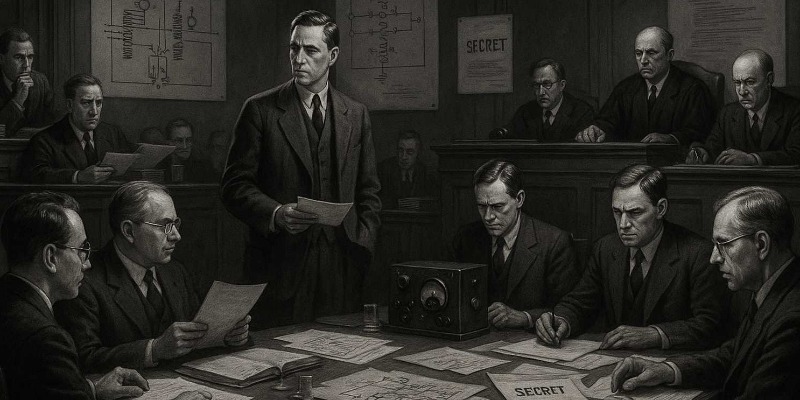 La guerra dei brevetti: RCA contro Marconi, tra spionaggio industriale e diplomazia segreta
Come spionaggio, lobbying e diplomazia hanno plasmato la corsa globale alle tecnologie delle telecomunicazioni tra Europa e Stati Uniti (1890-1930)di Orizio LucaNella prima metà del XX secolo, il mondo era attraversato da una corsa sfrenata all’innovazione nel campo delle telecomunicazioni. I cavi telegrafici avevano già unito i continenti, ma era la radio, con il suo potenziale rivoluzionario, a promettere di cambiare per sempre i destini dell’umanità. Al centro di questa rivoluzione si trovavano due giganti: la britannica Marconi Company e la statunitense RCA (Radio Corporation of America). Ma la competizione non si giocava solo sul terreno della ricerca e dell’industria: dietro le quinte, si consumava una vera e propria guerra di brevetti, spionaggio industriale e manovre diplomatiche ad altissimo livello. Il contesto: la nascita della radio e la corsa ai brevetti Tra la fine dell’Ottocento e i primi decenni del Novecento, la radio era ancora un territorio inesplorato, attraversato da pionieri come Guglielmo Marconi, Nikola Tesla, Reginald Fessenden, Lee De Forest e molti altri. Il terreno di scontro era quello dei brevetti: ogni innovazione brevettata poteva aprire le porte a imperi industriali e ricchezze inimmaginabili. Il giovane Marconi, partito da Bologna con le sue prime intuizioni sulla trasmissione senza fili, aveva già conquistato la fiducia della Royal Navy e del governo britannico, stringendo una rete di protezione intorno ai suoi brevetti. Nel frattempo, negli Stati Uniti, grandi aziende come General Electric, Westinghouse e la neonata RCA cercavano di entrare a loro volta nel mercato mondiale delle telecomunicazioni. Ma il vero conflitto si svolgeva nell’ombra: non solo con le cause legali, ma anche attraverso operazioni di spionaggio industriale, acquisizione mirata di brevetti, pressioni sui governi e lobbying internazionale. Spionaggio industriale: le manovre oscure tra laboratori e ambasciate La Marconi Wireless Telegraph Company, fondata nel 1897, divenne rapidamente il simbolo dell’avanguardia tecnologica europea. Tuttavia, i suoi laboratori e archivi erano bersagli costanti di tentativi di intrusione: dipendenti infedeli, agenti reclutati tra i tecnici, intermediari pronti a vendere informazioni sui prototipi. Si racconta di tecnici statunitensi “in missione” a Londra e Southampton, incaricati ufficialmente di studiare “gli avanzamenti europei”, ma spesso impegnati in ben altro. Anche la diplomazia faceva la sua parte: ambasciate e consolati fornivano coperture a scienziati e agenti commerciali, pronti a raccogliere dati su frequenze, valvole, codici trasmissivi, schemi delle antenne. La tecnologia radio, infatti, era diventata in breve tempo una questione strategica non solo per il business, ma anche per la sicurezza nazionale di imperi e nazioni in crescita. La risposta europea non si fece attendere: la Marconi adottò tecniche di separazione delle attività a comparti, assegnando a ciascun team solo una parte dei progetti, e investì in sicurezza interna. La documentazione più sensibile viaggiava solo tra poche persone di fiducia e spesso in modo cifrato. I rapporti di collaborazione tra scienziati, spesso ostacolati da sospetti e paure, erano intermediati da contratti di riservatezza e clausole draconiane. Il lobbying internazionale: RCA, governo USA e la politica dei brevetti Dall’altra parte dell’Atlantico, la neonata RCA, nata nel 1919 come consorzio delle maggiori aziende americane, era il braccio operativo del governo degli Stati Uniti nel nuovo mercato radio. In quel periodo, Washington vedeva la supremazia tecnologica europea come una minaccia strategica. RCA fu supportata con leggi ad hoc, fondi pubblici e – soprattutto – una straordinaria capacità di lobbying. Nei salotti di Washington, New York e Londra, si incontravano avvocati, diplomatici, uomini d’affari e scienziati per discutere di alleanze, fusioni, acquisizioni e battaglie legali sui brevetti. La strategia americana puntava a indebolire il monopolio Marconi in Europa e a bloccare il suo accesso al mercato americano, costringendo spesso la compagnia britannica a cedere licenze a condizioni favorevoli agli americani. Ma la guerra dei brevetti non era solo una questione di tribunali. Gli Stati Uniti spinsero per una diplomazia attiva anche nelle sedi delle organizzazioni internazionali, come la Conferenza Internazionale della Radiotelegrafia. Qui, la pressione politica e le minacce di ritorsioni commerciali servivano a rafforzare le posizioni delle aziende statunitensi. La Marconi, d’altro canto, cercava di resistere coalizzandosi con aziende francesi, tedesche e italiane, in una sorta di “fronte europeo” contro l’espansione americana. Episodi chiave: processi, fusioni, acquisizioni Tra il 1910 e il 1930, le cause legali tra Marconi e RCA si susseguirono senza sosta. Celebre fu la vertenza sull’invenzione della radio stessa: Marconi, Tesla e altri si contesero a lungo la paternità di alcuni brevetti fondamentali, dando vita a un contenzioso che durò decenni e coinvolse anche la Corte Suprema degli Stati Uniti. Le fusioni e le acquisizioni di società minori – spesso possedute solo per pochi brevetti – erano all’ordine del giorno e servivano a rafforzare le posizioni delle grandi multinazionali in vista di nuove battaglie legali. In questo clima, la spinta all’innovazione era costante, ma lo era anche la tentazione di ricorrere a ogni mezzo pur di ottenere un vantaggio competitivo: dalla corruzione di funzionari pubblici alle operazioni di intelligence tecnologica. I giornali dell’epoca parlarono di veri e propri “colpi di mano” nelle ambasciate e negli uffici brevetti, con fughe di documenti e scambi di denaro sotto banco. Diplomazia, intelligence e il ruolo dei governi Il ruolo dei governi fu determinante. Mentre il governo britannico proteggeva gli interessi di Marconi attraverso vincoli sulle esportazioni tecnologiche e protezioni doganali, quello statunitense arrivò a ostacolare attivamente la compagnia europea. Nel 1919, l’acquisizione forzata delle attività Marconi in America da parte di RCA segnò uno spartiacque: per la prima volta, la tecnologia radio diveniva oggetto di scontro geopolitico aperto tra le due potenze. Gli archivi diplomatici oggi rivelano una fitta trama di negoziati riservati, pressioni su giudici e politici, e veri e propri dossier sulle attività sospette delle aziende rivali. In alcune occasioni, la competizione si estese anche alla stampa, con campagne denigratorie e fughe di notizie mirate a danneggiare l’immagine dell’avversario sui mercati internazionali. Un’eredità ancora attuale La “guerra dei brevetti” tra Marconi e RCA non si limitò a una sfida commerciale: fu una partita globale che vide convergere ricerca scientifica, economia, intelligence e diplomazia in una delle prime grandi guerre tecnologiche della storia moderna. Molte delle strategie e delle tensioni di allora si ritrovano ancora oggi nei settori dell’elettronica, dell’informatica e delle telecomunicazioni, a dimostrazione di quanto sia antica e profonda la relazione tra innovazione, segretezza industriale e potere geopolitico.© Riproduzione Vietata
SCOPRI DI PIU' Crisi della plastica in Europa: crolla produzione e riciclo, cresce la dipendenza dall’estero
La plastica europea in crisi: calo della competitività, chiusura degli impianti e minacce alla transizione verde, mentre aumentano le importazioni da Stati Uniti, Cina e Medio Orientedi Marco ArezioIl settore della plastica in Europa attraversa una crisi profonda e articolata, che si estende dalla produzione alla capacità di riciclo, compromettendo non solo la competitività del continente, ma anche gli ambiziosi obiettivi della transizione ecologica. Questo è quanto emerge dagli ultimi dati diffusi da Plastics Europe, l’associazione che rappresenta il comparto, che denuncia un quadro sempre più preoccupante per l’intero settore industriale e ambientale. Produzione in calo: la fine di un’epoca? Nel 2023 la produzione di plastica in Europa ha subito un crollo significativo, registrando un -8,3% rispetto all’anno precedente. Si tratta di un calo senza precedenti, con un ritorno ai livelli produttivi di oltre un decennio fa. Se nel 2022 si contavano quasi 59 milioni di tonnellate prodotte, nel 2023 il totale è sceso a 54 milioni di tonnellate, di cui 42,9 milioni derivanti da plastica vergine, ottenuta dai combustibili fossili. Anche la plastica riciclata, una delle punte di diamante del modello europeo di economia circolare, ha mostrato segni di sofferenza. La produzione di plastica secondaria riciclata meccanicamente è diminuita del 7,8%, fermandosi a 7,1 milioni di tonnellate. Questa è la prima contrazione registrata dal 2018, segnale di una decelerazione che mette in discussione l’intero sistema di circolarità europeo. Sul fronte del riciclo chimico, considerato una delle strade più promettenti per il futuro, i numeri rimangono trascurabili: appena 120.000 tonnellate prodotte nel 2023. Le bioplastiche, benché in crescita, rappresentano una parte marginale del mercato, passando da 700.000 a 800.000 tonnellate. Competitività in declino: un continente che perde terreno Nonostante il mercato globale della plastica abbia registrato un aumento del 3,4% nel 2023, passando da 400 a 413 milioni di tonnellate, la quota europea continua a contrarsi. Dal 28% del 2006, l’Europa rappresenta oggi solo il 12% della produzione globale. Questa riduzione della competitività industriale è legata a fattori strutturali, come i costi elevati di energia e manodopera, e a fattori esterni, quali la concorrenza da parte di Stati Uniti, Medio Oriente e Cina. I dati commerciali evidenziano un saldo sempre più negativo: se in termini di valore l’Europa riesce ancora a vantare un surplus di 12,7 miliardi di euro, in termini di volumi è diventata importatrice netta di resine dal 2022 e di prodotti finiti dal 2021. Tra il 2020 e il 2023, le esportazioni di resine dalla UE sono crollate del 25,4%, aggravando ulteriormente la dipendenza dalle importazioni. Deindustrializzazione e chiusure di impianti L’erosione della competitività sta già portando a chiusure significative di impianti produttivi in Europa. Tra le aziende coinvolte si contano colossi internazionali come ExxonMobil e Sabic, oltre all’italiana Versalis, controllata da Eni. Versalis ha annunciato la chiusura degli impianti di cracking a Brindisi e Priolo e del polietilene a Ragusa, motivando la scelta con un piano di trasformazione mirato alla decarbonizzazione e alla riduzione delle perdite economiche. Questa tendenza non riguarda solo il settore della chimica di base, ma anche quello dei polimeri, sempre più frammentato o acquisito da gruppi stranieri. Emblematico è il caso di Covestro, gigante tedesco recentemente acquistato dalla società emiratina Adnoc per 14,7 miliardi di euro. Dipendenza dall’estero: una minaccia per la transizione verde L’industria della plastica in Europa impiega oltre 1,5 milioni di persone in circa 51.700 aziende, generando un fatturato di 365 miliardi di euro. Tuttavia, il calo della produzione interna e il crescente affidamento sulle importazioni mettono a rischio sia l’occupazione sia gli investimenti. La dipendenza dall’estero non riguarda solo la competitività economica, ma tocca anche la sostenibilità ambientale. Le importazioni da paesi come Cina, Stati Uniti e Medio Oriente spesso non rispettano gli standard europei in termini di sostenibilità e sicurezza. Questo potrebbe compromettere gli sforzi per raggiungere gli obiettivi fissati dalla Plastics Transition Roadmap, che prevede una rapida crescita del tasso di circolarità. Ad oggi, la plastica derivante da riciclo rappresenta solo il 14,8% della produzione totale europea, con un incremento dello 0,7% rispetto al 2022, un ritmo insufficiente per soddisfare le ambizioni europee. Conclusioni La crisi della plastica in Europa rappresenta un allarme non solo per l’industria, ma per l’intero sistema economico e ambientale del continente. La perdita di competitività, unita alla crescente dipendenza dall’estero, mette in discussione la capacità dell’Europa di guidare la transizione verso un modello sostenibile e circolare. Occorrono interventi strutturali per invertire questa tendenza: dall’adozione di politiche industriali più favorevoli agli investimenti, alla promozione di nuove tecnologie per il riciclo avanzato. Senza un cambiamento deciso, l’Europa rischia di perdere non solo una delle sue industrie chiave, ma anche la credibilità come leader globale nella transizione verde.© Riproduzione Vietata
SCOPRI DI PIU' La Nascita della Moderna Logistica: Carrelli Elevatori e Pallets
La storia dei mezzi di movimentazione meccanica delle merci e dei pallets in legnodi Marco ArezioFino agli inizi degli anni ’20 del secolo scorso, le industrie e le attività commerciali non sentivano il bisogno di mezzi meccanici e dei futuri bancali per lo spostamento delle merci.Il motivo principale lo possiamo attribuire alla grande disponibilità di mano d’opera che caratterizzava il mondo del lavoro, alla quale affidare la movimentazione dei prodotti dai mezzi di trasporto e il loro accatastamento nei magazzini. Nonostante questa situazione nel 1917, l’Americano Eugene Clark, che gestiva un’azienda che produceva assali per camion, inventò il primo modello di muletto con motore a scoppio, dando la possibilità di spostare le merci pesanti all’interno delle aziende. Il modello era composto da un mezzo a tre ruote, senza freni, con un accessorio di contenimento che poteva trasportare fino a 2 tonnellate di merce. Lo sviluppo di questo nuovo mercato però restò sonnecchiante negli Stati Uniti per ancora un ventennio, con la costruzione e vendita di nuovi carrelli elevatori che non decollò in modo eguale rispetto alle sue grandi potenzialità, complice anche della bassa diffusone del bancale in legno e dei sistemi di stoccaggio delle merci in altezza nelle aziende. Le cose cambiarono in modo del tutto repentino e radicale quando gli Stati Uniti entrarono nella seconda guerra mondiale, dove le operazioni belliche erano posizionate lontane dal paese, costringendo l’esercito a creare una logistica, precisa, imponente per numero di merci spedite, ricevute e stoccate nei depositi. A questo punto il carrello elevatore diventa il fulcro della logistica militare quanto il pallet in legno, in quanto i rifornimenti dovevano essere spostati, caricati, scaricati e depositati velocemente e in modo funzionale. Si aggiunga anche il fatto che in quel periodo la mano d’opera scarseggiava, in quanto molti uomini erano stati inviati nei vari fronti di guerra e, quindi, questa carenza ha permesso che i muletti e i bancali rivoluzionassero la logistica militare. Le merci sui bancali risultavano facili da movimentare, più stabili anche nei lunghi tragitti navali e permettevano di ridurre, al fronte, le aree di stoccaggio. A partire dal 1941, l’Esercito e la Marina Americana invasero di ordini le aziende private che si occupavano di mezzi a motore, meccanica e packaging in legno, creando non pochi problemi nel reperimento della materia prima per soddisfarli. Infatti, alcune materie prime, come l’acciaio, erano destinati alla costruzione di armamenti, mezzi blindati da terra, navi, mezzi da sbarco anfibi e molti altri prodotti destinati alla fase offensiva delle operazioni. Ci fu allora uno scontro all’interno dello Stato Maggiore dell’Esercito per la gestione delle materie prime, dove una parte degli interessati considerava i carrelli elevatori un bene di lusso, rispetto alle armi e ai mezzi corazzati. Alla fine lo Stato Maggiore decise che la logistica fosse importante quanto le attrezzature offensive, in quanto senza rifornimenti nessuno poteva fare una guerra. Così a partire dal 1943, la maggior parte dei fornitori dei carrelli elevatori dell’esercito e della marina Americana furono costituiti da aziende straniere, che produssero in modo continuativo tutti i mezzi che la guerra richiedeva. Con la fine del conflitto il sistema logistico militare influenzò la gestione logistica delle aziende private, permettendo così la crescita del settore dei carrelli elevatori e dei bancali per la movimentazione della merce. Foto: Okeypart
SCOPRI DI PIU' Plastica Riciclata: la nuova mappa mondiale del riciclo al 2030
I protagonisti globali del 2024 e la corsa verso una chimica più sostenibile di Marco ArezioNel 2024 il mercato mondiale delle plastiche riciclate ha raggiunto un punto di svolta storico. Non è più un settore di nicchia, ma un pilastro strategico dell’industria globale dei materiali. Il grafico elaborato fotografa una realtà in pieno movimento, in cui i colossi della chimica tradizionale convivono con startup innovative e nuovi protagonisti della transizione verde. Le percentuali di mercato non raccontano solo quote di fatturato: disegnano una geografia industriale che sta cambiando, spostando investimenti, tecnologie e responsabilità ambientali da un continente all’altro. La leadership asiatica: Far Eastern e Indorama, due volti di un impero Il primo nome della lista è Far Eastern New Century, con una quota del 5%. È la punta di diamante dell’Asia nel riciclo del PET, un gigante taiwanese che negli ultimi dieci anni ha integrato la raccolta, la depolimerizzazione e la produzione di fibre riciclate per il tessile e l’imballaggio. La sua forza non risiede solo nella capacità produttiva, ma nella visione industriale: convertire miliardi di bottiglie in risorse, mantenendo un bilancio ambientale trasparente. Subito dietro, con il 4,4%, c’è Indorama Ventures, colosso thailandese presente in più di trenta paesi. L’azienda ha saputo trasformare il concetto stesso di riciclo del PET: non più un’attività marginale, ma parte integrante di una catena del valore globale. Le sue fabbriche in Europa e Nord America testimoniano come la plastica post-consumo possa diventare materia prima per nuovi cicli industriali certificati. Il successo di queste due realtà asiatiche mostra come l’innovazione non nasca soltanto nei laboratori occidentali. L’Asia, oggi, è il vero motore del riciclo industriale, con impianti automatizzati, tracciabilità digitale dei rifiuti e processi di selezione ottica capaci di separare materiali con una precisione superiore al 99%. L’Europa dell’ambiente: Veolia e SUEZ, l’infrastruttura della circolarità Con il 3,8%, Veolia Environnement rimane il simbolo dell’Europa che unisce industria e politica ambientale. Le sue piattaforme di selezione e rigenerazione delle plastiche rappresentano un modello di cooperazione tra pubblico e privato, capace di alimentare la domanda di materiali riciclati nel packaging, nell’edilizia e nell’automotive. Dietro Veolia, SUEZ (2%) mantiene un ruolo cruciale come fornitore di servizi ambientali integrati. La sua forza non sta nella quantità di materiale trattato, ma nella qualità della gestione e nel monitoraggio costante delle filiere. Insieme, Veolia e SUEZ incarnano la filosofia europea della circular economy: ogni rifiuto deve trovare una nuova funzione, e ogni impianto deve essere parte di un sistema chiuso. Le eccellenze americane: KW Plastics e PolyQuest Dall’altra parte dell’Atlantico, KW Plastics (2,4%) e PolyQuest (1,5%) rappresentano il pragmatismo americano applicato al riciclo. KW Plastics, con sede in Alabama, è la più grande ricicleria di HDPE e PP degli Stati Uniti, specializzata nel recupero dei contenitori industriali e dei flaconi domestici. È un’azienda che cresce nel silenzio, ma che fornisce materia prima a marchi globali dell’imballaggio sostenibile. PolyQuest, invece, lavora sulla valorizzazione del PET, con un approccio ingegneristico orientato alla costanza delle prestazioni. Non a caso, il suo slogan interno è “same performance, less impact”: stessa qualità, minore impatto. In questo segmento del mercato, la sfida principale resta quella della standardizzazione: garantire che i materiali riciclati abbiano proprietà tecniche affidabili e possano essere impiegati in produzioni industriali su larga scala senza compromessi di qualità. I nuovi attori: tra chimica e visione Accanto ai grandi nomi, il grafico evidenzia una generazione emergente di imprese: MBA Polymers (0,8%), Verdeco (0,7%), Eastman (0,7%), Phoenix Technologies (0,6%), SABIC, Dow, Biffa, Covestro, Jayplas e Altium. Sono realtà diverse per origine e dimensione, ma accomunate da un obiettivo: trasformare il rifiuto in materia di valore, non per obbligo, ma per visione industriale. MBA Polymers è un esempio emblematico. Nata con la missione di recuperare le plastiche dai rifiuti elettronici e automobilistici, ha sviluppato tecniche di separazione e purificazione capaci di ottenere materiali rigenerati dalle prestazioni elevatissime. Verdeco, con impianti in Italia e negli Stati Uniti, si distingue invece per la produzione di PET riciclato per il settore alimentare, frutto di un’evoluzione continua verso la purezza molecolare. Eastman, nome storico della chimica americana, ha scelto la via del riciclo molecolare: un processo che scinde le catene polimeriche per ottenere nuovi monomeri indistinguibili da quelli di origine fossile. È la frontiera del riciclo chimico, dove la plastica viene letteralmente ricreata. La chimica del futuro: oltre il riciclo meccanico Oggi, parlare di plastica riciclata non significa più descrivere un processo di macinazione e fusione. La nuova frontiera è la chimica del recupero molecolare, in cui la plastica viene decomposta fino ai suoi costituenti elementari per essere rigenerata senza perdita di qualità. Questo approccio, che unisce scienza dei materiali e ingegneria di processo, è già una realtà industriale. Aziende come Eastman, Borealis e LyondellBasell stanno investendo miliardi di dollari in impianti dedicati alla depolimerizzazione e alla pirolisi controllata, puntando a ridurre del 60% l’impronta di carbonio rispetto alla produzione convenzionale. La differenza rispetto al passato è la scala industriale: ciò che prima era sperimentale è ora economicamente sostenibile grazie a incentivi normativi, politiche di responsabilità estesa del produttore e domanda crescente da parte dei marchi del largo consumo. Norme, incentivi e geopolitica del riciclo L’Europa guida la transizione normativa, imponendo soglie minime di materiale riciclato negli imballaggi e nella produzione di bottiglie. Le nuove direttive europee (come il PPWR, Packaging and Packaging Waste Regulation) prevedono che entro il 2030 ogni confezione dovrà contenere almeno il 30% di plastica rigenerata certificata. L’Asia, invece, risponde con investimenti infrastrutturali: la Cina, pur avendo ridotto le importazioni di rifiuti, sta costruendo un sistema interno di raccolta e riciclo sempre più efficiente; l’India e la Tailandia emergono come poli manifatturieri per la rigenerazione delle resine termoplastiche. Negli Stati Uniti, la spinta proviene dal mercato stesso: grandi aziende del beverage, dell’automotive e della cosmetica hanno introdotto obiettivi volontari di sostenibilità, trasformando il riciclo in una leva reputazionale oltre che economica. Investimenti ESG e il linguaggio della finanza verde Il 2024 è stato anche l’anno in cui la finanza ha riconosciuto il valore del riciclo. I fondi ESG considerano oggi il settore delle plastiche rigenerate come una frontiera di crescita pulita e misurabile. Le grandi società chimiche, che fino a pochi anni fa producevano esclusivamente resine vergini, stanno riconvertendo i propri impianti in bio-raffinerie urbane, capaci di trattare rifiuti e produrre materia prima seconda. Questo fenomeno non è più marginale: sta riscrivendo il linguaggio industriale stesso. La sostenibilità non è più un’etichetta di marketing, ma una voce di bilancio. Verso il 2030: la sfida della qualità e dell’equilibrio globale Le proiezioni indicano una crescita annua del 7–8% per il mercato delle plastiche riciclate fino al 2030. Tuttavia, la vera sfida sarà qualitativa: produrre materiali riciclati che possano sostituire del tutto quelli vergini senza limiti applicativi. A ciò si aggiunge un problema geopolitico non trascurabile: la concentrazione delle infrastrutture di riciclo in poche aree del mondo, con grandi squilibri di capacità tra Europa, Asia e Africa. Perché l’economia circolare diventi davvero globale, serviranno accordi internazionali che armonizzino regole, certificazioni e sistemi di tracciamento. Conclusione: dal rifiuto alla risorsa, un cambio di paradigma Il quadro del 2024 mostra un mondo industriale che, pur con differenze di velocità, ha imboccato la via della rigenerazione. Le plastiche non sono più il simbolo dell’inquinamento, ma un banco di prova della responsabilità collettiva: trasformare ciò che era scarto in un bene durevole, con valore economico e ambientale. Dietro ogni percentuale del grafico c’è una visione: quella di un futuro in cui la materia non finisce, ma ricomincia.© Riproduzione VietataGrafico elaborato da Pristine Market Insights
SCOPRI DI PIU' La crisi delle forniture al settore dell’auto
È finita un'epoca felice? Dati, analisi e prospettive al 2030 per il settore auto che occupa 13,8 milioni di europeidi Marco Arezio | Pubblicato: 2020 | Ultimo aggiornamento: marzo 2026 In sintesi Tra il 2020 e il 2026 l'industria automobilistica europea ha attraversato la crisi più profonda del dopoguerra: pandemia, carenza di semiconduttori, guerra in Ucraina, rallentamento del mercato EV e assalto competitivo cinese. Le vendite di auto elettriche in Europa sono scese dal 15,7% al 13,6% del mercato nel 2024 (fonte: ACEA/InsideEVs), mentre la produzione italiana è calata del 42,8% nello stesso anno (fonte: ANFIA). Il settore occupa 13,8 milioni di europei e rischia di perdere fino a 1 milione di posti entro il 2035 se la transizione non sarà governata (fonte: T&E, luglio 2025). Questo articolo analizza cause, dati e strategie di risposta.1. L'automobile come specchio della società: un'eredità da proteggere L'industria automobilistica è stata, fin dal secondo dopoguerra, uno dei motori propulsivi dell'economia globale e uno dei più fedeli specchi delle trasformazioni sociali del nostro tempo. Avere un'auto negli anni Sessanta significava molto più che possedere un mezzo di trasporto: era un simbolo di riscatto, di benessere conquistato, di appartenenza a una nuova classe media in ascesa. Nei decenni successivi l'automobile ha assunto significati sempre più stratificati: simbolo di libertà individuale per le giovani generazioni, strumento di emancipazione femminile, espressione di identità culturale e status sociale. Per ogni fase della storia collettiva, i costruttori di automobili hanno saputo interpretare bisogni, aspirazioni e sogni dei propri clienti, diventando alcune delle imprese più globalizzate del pianeta. Oggi, quella stagione sembra incrinata. Tra il 2020 e il 2026 si è consumato uno dei periodi più turbolenti nella storia dell'automotive: un intreccio di crisi sanitarie, geopolitiche, normative e di mercato che ha rimesso in discussione decenni di certezze. 2. Sei anni di shock: dal Covid alla crisi EV (2020–2026) 2.1 La pandemia di Covid-19 e il primo grande stop (2020) Il 2020 ha segnato uno spartiacque. La pandemia ha imposto la chiusura di tutti i 229 impianti di assemblaggio europei per settimane, con un crollo della domanda globale senza precedenti. Eric-Mark Huitema, direttore generale di ACEA, definì quella del Covid «la peggiore crisi che abbia mai impattato l'industria dell'automotive». Il settore ha perso milioni di unità prodotte e le vendite annuali non hanno ancora recuperato i livelli del 2019 — con un deficit stimato di circa 3 milioni di veicoli ancora nel 2024 (fonte: Il Post / Bloomberg, set. 2024). 2.2 La crisi dei semiconduttori (2021–2023) Tra il 2021 e il 2023 la carenza globale di microchip ha paralizzato le linee di produzione. Un'auto moderna contiene tra 1.000 e 3.000 semiconduttori: la dipendenza da pochi fornitori asiatici — principalmente taiwanesi e sudcoreani — ha esposto la fragilità strutturale del modello just-in-time che per anni aveva dominato la logistica del settore. Le perdite per i principali OEM si sono misurate in decine di miliardi di euro. 2.3 La guerra in Ucraina e la rottura delle supply chain (2022) L'invasione russa dell'Ucraina nel febbraio 2022 ha aggiunto nuovi elementi di instabilità. L'Ucraina forniva oltre il 7% dei cablaggi elettrici montati sui veicoli europei. L'interruzione improvvisa di queste forniture ha costretto i costruttori a ricercare in tempi strettissimi fornitori alternativi in Romania, Marocco e Serbia, con impatti immediati su costi e qualità produttiva. Parallelamente, l'impennata dei prezzi energetici ha aumentato i costi operativi di tutta la filiera europea. 2.4 Il grande rallentamento del mercato EV (2023–2026) Questo è il nodo più critico del periodo recente. Le normative europee — in primis il Regolamento UE che prevede lo stop alla vendita di nuove auto a benzina e diesel dal 2035 — avevano spinto i costruttori a impegnarsi in investimenti colossali nella elettrificazione. Ma dal 2023 i mercati non hanno risposto come atteso. 📊 Dato chiave: il paradosso degli obiettivi 2025 Secondo ACEA, per rispettare i target europei di riduzione CO2 nel 2025 la quota di mercato EV avrebbe dovuto raggiungere il 22%. A fine 2024 si attestava al 14%. Il gap significa multe potenzialmente miliardarie per i costruttori europei che non riescono a rispettare i limiti — un corto circuito normativo che punisce i produttori per un fallimento che è anche di infrastruttura e incentivi pubblici. In Germania le vendite BEV sono crollate del -38,6% nel 2024 dopo l'eliminazione degli incentivi statali a fine 2023 (fonte: ACEA). In Francia il calo è stato del -20,7%. Solo in Italia, dove la quota EV era già marginale (4,2%), il mercato è rimasto pressoché stabile a 65.620 unità (fonte: UNRAE, 2025). Il 2025 mostra una ripresa parziale — +26,4% BEV nei primi mesi — ma il mercato complessivo europeo rimane ancora -18,8% sotto i livelli del 2019 (fonte: motori.it / ACEA, mag. 2025). 3. Le sfide strutturali: analisi per fattore 3.1 Il cortocircuito normativo europeo Il Regolamento UE sull'obiettivo zero emissioni dal 2035 è il principale driver di trasformazione ma anche la fonte più acuta di incertezza. Diversi governi — in testa Italia e Germania — hanno chiesto revisioni agli obiettivi intermedi del 2025. Valdis Dombrovskis, Vicepresidente della Commissione europea, ha difeso la roadmap al Parlamento UE nell'ottobre 2024, mentre esponenti del PPE come Jens Gieseke la hanno definita «un vicolo cieco» chiedendo un «mix più ampio di tecnologie» (fonte: Euronews, ott. 2024). La Commissione ha avviato a gennaio 2025 un «dialogo strategico sul futuro dell'industria automobilistica europea» per trovare una sintesi. Ma l'incertezza normativa, paradossalmente, è uno dei fattori che più frena gli investimenti — sia dei produttori sia dei consumatori. 3.2 L'assalto competitivo cinese Tra i mutamenti più strutturali del periodo 2022–2026 vi è la crescita irresistibile dei costruttori cinesi. La Cina è passata dal 4% al 32% della produzione automobilistica mondiale tra il 2000 e il 2022, aggiungendo 25 milioni di veicoli prodotti in vent'anni (fonte: Open.online / Bloomberg). I brand cinesi — BYD in testa — hanno quasi triplicato le vendite in Europa nel 2025 (+227% per BYD, fonte: alVolante.it, gen. 2026), beneficiando di sussidi pubblici massicci e di prezzi inferiori del 15-30% rispetto agli equivalenti europei. L'Unione Europea ha risposto con dazi aggiuntivi sulle auto elettriche cinesi approvati nell'ottobre 2024. Gli USA avevano già alzato tariffe al 100%. Ma queste misure difensive rallentano, senza eliminare, lo svantaggio competitivo europeo su costo e tecnologia delle batterie — dove la Cina copre circa il 66% della produzione globale (fonte: Allianz Trade, feb. 2025). 3.3 La digitalizzazione e la sfida del software L'automobile moderna è sempre più un prodotto software. I sistemi ADAS, l'infotainment connesso, la guida assistita e, in prospettiva, quella autonoma richiedono competenze e investimenti che i costruttori tradizionali non possiedono interamente. Big tech come Google (Android Automotive), Qualcomm e Apple si inseriscono nella catena del valore, ridefinendo dove risiede il margine. Volkswagen ha stretto una partnership con Rivian per il software; Renault con Qualcomm per l'infotainment. I produttori europei hanno investito mediamente il 6% dei ricavi in R&D — la metà rispetto ai competitor cinesi (fonte: Allianz Trade, feb. 2025). 3.4 Il cambiamento culturale: la fine del mito dell'auto propria Tra le sfide meno visibili ma altrettanto rilevanti vi è il cambiamento generazionale nel rapporto con l'automobile. L'età media del conseguimento della patente è salita dai 18 ai 22 anni. Il car sharing urbano, la micromobilità e l'orientamento verso i servizi piuttosto che il possesso stanno erodendo la domanda strutturale, soprattutto nelle grandi città. Come ha notato Luigi di Marco, analista citato da Agenda Digitale, «il parco macchine è destinato a calare, perché cambiano la mobilità urbana e le abitudini dei consumatori» (fonte: agendadigitale.eu, gen. 2025). 3.5 L'impennata dei costi e la compressione dei margini L'aumento del costo delle auto — non compensato da una crescita adeguata dei salari — ha ridotto l'accessibilità del mercato. I veicoli elettrici costano ancora il 15-30% in più degli equivalenti termici. I margini operativi sui BEV sono negativi per la maggior parte dei costruttori europei. Stellantis ha registrato una perdita netta di 2,3 miliardi di euro nel primo semestre 2024. Mercedes ha abbassato le previsioni di margine 2025 al 4% dal 6% precedente, con i dazi USA che peseranno per 1,5 punti percentuali (fonte: alVolante.it, ago. 2025). 4. L'indotto in crisi: 13,8 milioni di europei in bilico Le difficoltà dei costruttori si propagano lungo tutta la filiera con effetti moltiplicatori. L'indotto automotive comprende forniture di materie prime, componentistica, impiantistica, logistica, distribuzione, strutture finanziarie e ingegneristica: un ecosistema che in Europa — secondo ACEA (report Employment trends, set. 2024) — coinvolge oltre 13,8 milioni di lavoratori, pari al 6,1% dell'occupazione totale UE e all'11,4% dell'occupazione manifatturiera. ⚠️ Allarme occupazionale: i dati 2024-2025 • ANFIA (luglio 2025): circa 100.000 posti di lavoro persi nel settore automotive europeo nel solo 2024. • T&E Report (luglio 2025): continuando con il trend attuale, si rischia la perdita di 1 milione di posti entro il 2035. • Volkswagen: piano di ristrutturazione con possibile chiusura di 3 stabilimenti in Germania. • Northvolt (principale produttore europeo di batterie): annunciato il licenziamento del 20% della forza lavoro. • Audi (gruppo VW): chiusura dello stabilimento BEV di Bruxelles. • Stellantis Italia: migliaia di lavoratori in cassa integrazione; produzione 2024 -42,8%. Si tratta di un problema sociale prima che industriale. Le PMI della componentistica tradizionale — che producono parti per motori endotermici, trasmissioni, sistemi di scarico — si trovano davanti a una scelta esistenziale: riconvertirsi verso componenti per veicoli elettrici o trovare nuovi mercati. La maggior parte non ha le risorse per farlo autonomamente, il che rende indispensabile una risposta coordinata di politica industriale europea. L'Italia è particolarmente esposta: la componentistica italiana vale oltre 60 miliardi di euro ma è concentrata in segmenti a rischio di obsolescenza (motori termici, trasmissioni). Le PHEV e BEV richiedono meno parti meccaniche e meno ore di assemblaggio, con effetti deflattivi sull'occupazione manifatturiera anche in caso di transizione riuscita. 5. Come stanno rispondendo i costruttori: le strategie in atto 5.1 Revisione al ribasso dei piani EV Di fronte al rallentamento del mercato, quasi tutti i grandi OEM hanno rivisto i propri piani di elettrificazione. Ford e GM hanno posticipato lanci e ridotto obiettivi produttivi. Volkswagen ha congelato investimenti in nuovi impianti per batterie. Questo non significa un abbandono della transizione, ma un adeguamento della velocità alle condizioni reali di mercato. 5.2 La strategia multi-powertrain: il trionfo dell'ibrido Il 2025 ha consacrato l'ibrido (HEV) come tecnologia dominante in Europa, con una quota del 34,5% del mercato (3,7 milioni di unità), primo segmento davanti a benzina (26,6%) e diesel (8,9%) (fonte: alVolante.it, gen. 2026). Le PHEV sono al 9,4%. Questa evoluzione conferma che il mercato ha scelto una transizione graduale, non il salto diretto al full-electric imposto dalla regolamentazione. 5.3 Reshoring e diversificazione delle forniture La crisi dei chip ha accelerato processi di reshoring e diversificazione. I costruttori europei stanno investendo in gigafactory sul territorio continentale (ACC, CATL Europa, Stellantis Douvrin), riducendo la dipendenza asiatica per i componenti critici. Gli investimenti necessari per questo riposizionamento sono stimati tra 200 e 300 miliardi di euro (fonte: Allianz Trade, feb. 2025). 5.4 Consolidamento e partnership strategiche Il settore si consolida attraverso alleanze: Volkswagen-Rivian per il software, Renault-Qualcomm per l'infotainment, Stellantis-CATL per le batterie. L'obiettivo è condividere i costi delle piattaforme EV e del software che nessun costruttore potrebbe sostenere da solo. 6. Prospettive al 2030: transizione difficile ma inevitabile L'obiettivo 2035 dello stop ai motori endotermici — nonostante le pressioni politiche per modificarlo — non è stato formalmente abbandonato. Come ha dichiarato Massimiliano Bienati di Ecco think tank, si tratta di un «target immodificabile, perché ha dato un segnale chiaro a tutto il mondo» (fonte: Open.online, nov. 2024). Tuttavia è largamente condiviso che il ritmo della transizione debba essere ricalibrato sulle reali condizioni di mercato e infrastruttura. La ricetta che emerge dall'analisi combinata dei dati è articolata su più livelli: • Accelerare la costruzione di infrastrutture di ricarica: in Italia gli incentivi EV 2024 (240 milioni) si sono esauriti in 9 ore, segnale di domanda latente non soddisfatta. • Riformare il sistema degli incentivi all'acquisto, rendendoli stabili e pluriennali anziché episodici. • Sostenere finanziariamente la riconversione delle PMI della componentistica tradizionale. • Sviluppare una strategia industriale europea analoga all'IRA americano o ai sussidi cinesi all'EV. • Mantenere flessibilità tecnologica (multi-powertrain, e-fuel, idrogeno) nei segmenti dove il full-electric non è ancora competitivo. Come ha sintetizzato la redazione di Agenda Digitale: «o innoviamo o sarà il tramonto dell'automotive europeo» (fonte: agendadigitale.eu, gen. 2025). Ma innovare in questo contesto significa anche governare la transizione sociale per evitare che il necessario cambiamento tecnologico si trasformi in una crisi occupazionale e territoriale senza precedenti. FAQ — Domande frequenti sulla crisi dell'industria automobilisticaPerché le vendite di auto elettriche sono in calo in Europa nel 2024? Il calo non è uniforme: in Germania (–38,6%) è stato causato principalmente dall'eliminazione brusca degli incentivi statali a fine 2023. In Francia (–20,7%) dal rallentamento delle politiche di sostegno. In tutta Europa pesa la combinazione di prezzi ancora elevati degli EV, infrastruttura di ricarica insufficiente e incertezza normativa che spinge i consumatori a rinviare l'acquisto. Il target 2035 di stop alle auto termiche verrà confermato? Al momento dell'aggiornamento di questo articolo (marzo 2026), l'obiettivo europeo del 2035 non è stato formalmente modificato. Tuttavia, il dibattito politico — con Italia e Germania in prima fila nel chiedere revisioni — è aperto. La Commissione ha avviato un dialogo strategico a inizio 2025. La clausola di revisione è prevista per il 2026. Quanti posti di lavoro sono a rischio nel settore auto in Europa? Secondo ACEA, il settore occupa 13,8 milioni di persone tra diretti e indiretti, pari al 6,1% dell'occupazione UE. Nel 2024 sono stati persi circa 100.000 posti (fonte: ANFIA, lug. 2025). Un report di Transport & Environment (T&E, lug. 2025) stima il rischio di perdere fino a 1 milione di posti entro il 2035 se la transizione non sarà governata con politiche industriali adeguate. Perché le auto cinesi sono così competitive in Europa? I costruttori cinesi beneficiano di decenni di sussidi pubblici che hanno finanziato R&D e consentono di vendere EV a prezzi inferiori del 15-30% rispetto agli equivalenti europei. La Cina domina inoltre il 66% della produzione globale di batterie, abbattendo i propri costi di produzione. BYD, il principale costruttore cinese, ha quasi triplicato le vendite in Europa nel 2025 (+227%). L'ibrido è davvero la tecnologia del momento? Nel 2025 sì: gli HEV (ibridi non ricaricabili) hanno raggiunto il 34,5% del mercato europeo, diventando il segmento più grande davanti a benzina e diesel. Le PHEV sono al 9,4%. Il mercato ha scelto la transizione graduale, non il salto diretto al full-electric. I costruttori che avevano investito pesantemente nell'ibrido — come Toyota e Renault — ne beneficiano direttamente. Come può riconvertirsi l'indotto della componentistica italiana? La componentistica italiana vale oltre 60 miliardi di euro ma è concentrata in segmenti esposti all'obsolescenza (motori, trasmissioni, scarico). La riconversione verso componenti EV (inverter, motori elettrici, sistemi di gestione della batteria) richiede investimenti significativi in tecnologia e formazione che le PMI spesso non possono sostenere autonomamente. Sono necessari fondi europei dedicati, sul modello del Just Transition Fund, con focus specifico sull'automotive. Conclusione La crisi dell'industria automobilistica europea tra il 2020 e il 2026 non è congiunturale: è strutturale. La convergenza di shock esterni (pandemia, guerra, inflazione) con trasformazioni di lungo periodo (elettrificazione, digitalizzazione, nuovi modelli di consumo, competizione cinese) ha creato una pressione senza precedenti. L'automobile non scomparirà — ma il settore che la produce, distribuisce e mantiene cambierà radicalmente nei prossimi anni. Chi governerà questa transizione con lungimiranza industriale e coesione sociale vincerà. Chi la subirà passivamente pagherà un conto altissimo in termini di posti di lavoro, competitività e territorio..Fonti principali citate in questo articoloACEA (acea.auto) · ANFIA (anfia.it) · Allianz Trade (allianz.com/trade) · Transport & Environment — T&E (transportenvironment.org) · IEA Global EV Outlook (iea.org) · InsideEVs.it · Il Post · Open.online · Euronews · agendadigitale.eu · alVolante.it · motori.it Pubblicato originariamente: 2020 | Ultimo aggiornamento: marzo 2026
SCOPRI DI PIU' Settembre 1904: Il primo sciopero generale in Italia. Nascita della coscienza operaia e del conflitto sociale moderno
Come il primo sciopero generale del 1904 trasformò l’Italia liberale, segnando il passaggio dalla rivendicazione locale alla lotta collettiva nazionale dei lavoratoridi Marco ArezioAll’inizio del XX secolo, l’Italia era un Paese giovane e fragile, ancora profondamente diviso tra Nord e Sud, città e campagne, modernità e arretratezza. Il processo di industrializzazione, iniziato in modo più deciso dopo il 1880, stava creando un nuovo panorama sociale: fabbriche, miniere, officine e porti pullulavano di manodopera a basso costo. A Torino, Milano, Genova, Napoli e in parte in Toscana, nascevano le prime concentrazioni di proletariato urbano, mentre nelle campagne del Sud la miseria era endemica e la terra rimaneva nelle mani di pochi grandi proprietari. I salari erano bassi, gli orari di lavoro interminabili — fino a dodici o quattordici ore al giorno — e le condizioni igieniche disastrose. Le donne e i bambini lavoravano negli stessi ambienti degli uomini, con una paga ancora più misera. Non esistevano tutele né previdenza: la malattia, un incidente o la vecchiaia erano sinonimi di miseria. In questo contesto, il conflitto sociale maturò come conseguenza inevitabile. La nascita della coscienza operaia Negli anni precedenti al 1904, le lotte operaie si erano moltiplicate. Le Camere del Lavoro, nate tra il 1890 e il 1900 in varie città italiane, rappresentavano i primi veri strumenti di coordinamento dei lavoratori. Non si trattava ancora di sindacati nel senso moderno, ma di organismi misti, dove convivevano mutualismo, assistenza e organizzazione politica. La Confederazione Generale del Lavoro (CGdL), fondata nel 1906, sarebbe nata proprio da questa tensione, ma nel 1904 i lavoratori si riconoscevano ancora in un mosaico di sigle, leghe e associazioni spesso legate ai partiti socialisti o repubblicani. Tuttavia, già in quegli anni maturava un’idea nuova: quella di un’azione collettiva unitaria, capace di fermare il Paese intero e costringere il potere politico a riconoscere la dignità del lavoro come fondamento della nazione. L’Italia liberale e la paura del sovversivismo Il governo di allora era guidato da Giovanni Giolitti, figura complessa e pragmaticamente liberale. Egli aveva compreso che la questione sociale non poteva più essere repressa unicamente con la forza. Giolitti cercava di “integrare” le masse popolari nello Stato, concedendo maggiore libertà d’associazione e di parola. Tuttavia, non tutti all’interno della classe dirigente erano d’accordo: industriali, conservatori e gerarchie ecclesiastiche temevano che il socialismo, ancora fortemente influenzato da idee rivoluzionarie, potesse destabilizzare il fragile equilibrio dell’Italia post-unitaria. Nel frattempo, la crescita economica era diseguale. Alcuni settori — siderurgia, meccanica, tessile — si espandevano rapidamente al Nord, mentre il Meridione rimaneva escluso da ogni beneficio. Il divario economico e sociale si fece terreno fertile per la rabbia e per la mobilitazione. Lo sciopero generale del settembre 1904 L’occasione scatenante fu un episodio di violenza politica. Il 16 settembre 1904, a Buggerru, in Sardegna, i minatori in sciopero per chiedere migliori condizioni salariali furono colpiti dal fuoco delle truppe inviati dal governo: tre lavoratori morirono, molti furono feriti. L’eco della strage si propagò rapidamente in tutta la penisola. Fu allora che le Camere del Lavoro decisero di reagire con uno strumento mai usato prima in Italia: lo sciopero generale nazionale. Per tre giorni, dal 16 al 18 settembre, il Paese si fermò. Le fabbriche si svuotarono, i tram smisero di correre, i porti si bloccarono, i giornali sospesero le pubblicazioni. Da Torino a Palermo, da Genova a Bologna, centinaia di migliaia di lavoratori incrociarono le braccia in segno di protesta e di solidarietà con i minatori sardi. Non si trattava di un semplice sciopero economico: era una manifestazione politica di portata storica. Per la prima volta il proletariato italiano agiva come una forza unitaria e consapevole, capace di incidere sulla vita nazionale. Reazioni, tensioni e paure Il governo Giolitti, con notevole equilibrio, evitò la repressione violenta. Non proclamò lo stato d’assedio, non ordinò l’arresto dei capi socialisti né lo scioglimento delle Camere del Lavoro. Comprendeva che la misura della forza operaia non poteva più essere ignorata. Tuttavia, nelle città più industriali la tensione fu altissima: scontri, cariche, arresti sporadici, incendi simbolici di sedi padronali. La borghesia industriale, atterrita, vide nello sciopero il segnale di un possibile contagio rivoluzionario. La stampa conservatrice gridò al pericolo rosso, mentre quella socialista esultò: “Per la prima volta l’Italia ha visto il popolo alzarsi in piedi”. Le conquiste invisibili Lo sciopero del 1904 non ottenne risultati immediati in termini di salari o di orari di lavoro. Tuttavia, fu una svolta epocale. Da quel momento il movimento operaio divenne un soggetto politico riconosciuto, capace di orientare le scelte della nazione. Si consolidò la convinzione che la forza del lavoro organizzato poteva diventare un contrappeso al potere economico. Negli anni successivi, la CGdL, i partiti socialisti e le cooperative si moltiplicarono, strutturandosi in un sistema complesso che avrebbe segnato l’Italia fino al secondo dopoguerra. Lo sciopero del 1904 rappresentò, in sostanza, la nascita della moderna coscienza di classe italiana. L’eco internazionale L’evento ebbe risonanza anche all’estero. I giornali francesi e tedeschi lo descrissero come un segnale della maturazione del proletariato italiano, mentre in Inghilterra venne letto come l’indice di un futuro più democratico. L’Italia, fino ad allora considerata un Paese agrario e arretrato, mostrava al mondo di poter contare su una forza sociale moderna, capace di organizzarsi su scala nazionale. Un’Italia sospesa tra riforme e paura Dopo lo sciopero, Giolitti comprese che l’unico modo per evitare derive rivoluzionarie era concedere riforme. Fu il periodo del cosiddetto “riformismo giolittiano”: leggi sul lavoro minorile, sull’assicurazione contro gli infortuni, sulla scuola obbligatoria. Ma le tensioni non si spensero. L’Italia rimaneva un Paese duale: industriale al Nord, feudale al Sud. Lo sciopero del 1904 non fu quindi la fine di un conflitto, bensì l’inizio di un secolo di contrapposizioni: tra capitale e lavoro, tra progresso e arretratezza, tra libertà e paura del cambiamento. Conclusione: la nascita della modernità sociale Il primo sciopero generale italiano segnò la presa di parola di una classe fino ad allora invisibile. Da quel momento, i lavoratori non furono più soltanto “braccia” ma cittadini con diritti, idee e una propria rappresentanza. La loro voce, che si levò dalle miniere di Buggerru fino ai porti di Genova e alle officine di Torino, inaugurò una nuova stagione della storia italiana: quella della modernità sociale. Fu l’inizio di un cammino lungo e difficile, fatto di conquiste e di sconfitte, ma anche della consapevolezza che nessuna società può dirsi libera se il lavoro resta schiavo.© Riproduzione Vietata
SCOPRI DI PIU' Una Storia di Successo nel Mondo della Plastica che Dura da 60 anni. I° Parte
Nell’era del boom economico, il 1963 segna una data importante per un’azienda lungimirante che pensava fuori dagli schemidi Marco ArezioI primi anni ’60 la plastica iniziava a compiere i primi e decisivi passi che avrebbero poi caratterizzato lo sviluppo economico e sociale del secolo scorso. Pochi anni prima Giulio Natta aveva ottenuto il Nobel per la chimica per le sue ricerche che lo portarono alla scoperta del polipropilene. I Caroselli nella TV in bianco e nero di allora magnificavano i molteplici usi del Moplen, con il quale si potevano realizzare contenitori leggeri, resistenti e colorati, perfettamente in grado si sostituire quelli fatti in lamiera verniciata, pesanti e che potevano arrugginirsi. Nella sale cinematografiche, intanto, gli italiani si appassionavano al Gattopardo. È infatti nel 1963, come abbiamo detto, in pieno boom economico, che grazie all’intuizione e ad una visione illuminata di Innocente Caldara e del cognato Mario Pontiggia, nasce la “Pontiggia & Caldara” che sessant’anni più tardi sarebbe diventata la Caldara Plast che conosciamo oggi. Il Sig. Innocente girava instancabilmente l’Italia con il suo camion, un OM Tigrotto, in un periodo di grandi innovazioni in tutti i settori. È in questo scenario, in un’Italia in grande fermento, in cui tutti gli scantinati di Milano erano occupati da qualche laboratorio dove si produceva “qualcosa”, che Innocente Caldara vide due residui plastici che molte industrie eliminavano, una risorsa da riutilizzare e riportare a nuova vita. Erano solo gli anni Sessanta ma questa è l’idea che oggi sta alla base dell’economia circolare. In quei primi faticosi ma emozionanti anni, l’azienda faceva trasporti per varie società situate nella provincia di Lecco, operanti nella distillazione del metacrilato, portando il monomero ai clienti di queste ditte. Il modus operandi era semplice ma efficace: da queste ditte che producevano lastre di metacrilato venivano ritirati gli scarti prodotti e, successivamente, gli stessi venivano venduti alle aziende che si occupavano di distillazione. Con l’evoluzione del mercato e dei materiali, (erano anni di gran fermento nell’industria dei polimeri), al metacrilato trattato inizialmente si aggiunsero presto anche gli scarti di Policarbonato, dell’ABS, della Poliammide e del Polistirolo. Così, anche l’azienda, come il mercato, stava cambiando. Negli anni Settanta venne costruito, non con pochi sacrifici, il capannone di Caslino d’Erba, paese d’origine della famiglia Caldara, necessario ormai per contenere tutti gli scarti ritirati. Qui vennero posizionati i primi mulini acquistati per macinare le diverse tipologia di materiali, e stoccare il macinato pronto da rivendere in Italia ma anche all’estero. Giungono in fretta gli anni Novanta e la ditta diventa “Innocente Caldara snc”. Accanto al Sig. Innocente inizia a lavorare a 17 anni il figlio Attilio, il secondo dei suoi figli, che si occupa della macinazione degli scarti. Anche Massimiliano, il figlio maggiore, lascia la società in cui lavorava ed entra nell’azienda di famiglia. Avendo la patente per guidare il camion si alterna al papà nella guida del nuovo Iveco 190, anche lui girando l’Italia recuperando scarti di polimeri da avviare alla macinazione. Nel 1994, il terzo figlio, Alessandro, si unisce ai fratelli e al padre occupandosi anche lui di trasporti e macinazione. A supportare tutto questo gran lavoro negli uffici arriva Ester, che si occupa di amministrazione e contabilità e che affianca la Sig.ra Angela, moglie del Sig. Innocente, che da sempre, con costanza e rigore, tiene le fila della parte amministrativa dell’azienda. Ora, che la quantità di scarti aumenta, sorge un dubbio ai Caldara “ma che ce ne facciamo di tutti questi scarti acquistati e macinati? Sono belli, colorati, perfino simpatici, gli ambientalisti non sono ancora intervenuti gridando che la plastica è uno dei mali del mondo, ma nel nostro magazzino incominciano a diventare un po' troppi.” E allora? Internet e il web ancora non esistevano... così si incominciò con il telefono e le pagine gialle a trovare potenziali clienti a cui interessassero le plastiche macinate, e altri potenziali fornitori da cui acquistare scarti di lavorazione. Massimiliano, approfittando di uno stop forzato a seguito di un incidente in moto, iniziò a stare al telefono e ad occuparsi in prima persona della ricerca di clienti e dei rapporti con i fornitori. Siamo negli anni Novanta e in Caldara è già iniziata l’era dell’economia circolare. Continua… Traduzione automatica. Ci scusiamo per eventuali inesattezze. Articolo originale in Italiano.Fonte: Caldara
SCOPRI DI PIU'
