








 Gara del Governo Polacco per Piattaforme Eoliche Offshore nel Mar Baltico
Gara del Governo Polacco per Piattaforme Eoliche Offshore nel Mar BalticoIl governo ha lanciato un nuovo schema di aste che copre 11 aree del Mar Baltico Polacco, per una capacità totale prevista di oltre 10 GW, al fine di sfruttare il forte potenziale dell'area per la produzione di energia eolica dovuto alle condizioni meteorologiche favorevoli.TotalEnergies e la società polacca KGHM parteciperanno alla gara e la loro partnership si baserà sui punti di forza di entrambe le società. TotalEnergies sfrutterà la sua comprovata esperienza nelle operazioni offshore, la sua esperienza nella gestione di progetti su larga scala e i suoi legami con le catene di approvvigionamento mondiali. KGHM, in quanto importante gruppo statale polacco, porterà la sua conoscenza del mercato polacco. Se premiati con uno o più parchi eolici, i partner mobiliteranno le migliori risorse per sviluppare questi progetti secondo gli standard e i tempi di consegna più elevati, con un alto livello di contenuto locale, stimolando così l'industria locale, creando posti di lavoro in Polonia e contribuendo alla fornitura di elettricità verde a un prezzo competitivo. "Lo sviluppo dell'eolico offshore contribuisce sia alla transizione energetica dell'Europa che alla sicurezza dell'approvvigionamento. Con condizioni meteorologiche favorevoli, la Polonia è particolarmente ben posizionata per partecipare alla crescita di questo mercato promettente", ha affermato Patrick Pouyanné, Presidente e CEO di TotalEnergies . "Siamo lieti di collaborare con KGHM per rispondere alle gare eoliche offshore polacche. Insieme, mobiliteremo tutta la nostra esperienza per affrontare le sfide di questi progetti e contribuire così agli obiettivi di energia rinnovabile della Polonia". “Nella strategia di KGHM abbiamo dichiarato il raggiungimento della neutralità climatica entro il 2050. Abbiamo superato la fase di pianificazione e siamo coinvolti in azioni concrete. Siamo impegnati nel processo di acquisizione di numerosi progetti onshore e offshore. Abbiamo anche presentato domande preliminari per il prossimo round di permessi nel Baltico", ha affermato Marcin Chludziński, presidente del consiglio di amministrazione di KGHM Polska Miedź SA . "La cooperazione con un partner francese su un progetto di parco eolico offshore sembra essere molto promettente", ha aggiunto. Info: TotalEnergies
SCOPRI DI PIU' rNEWS: Eni Rewind Sigla un Accordo per l'Economia Circolare in Bahrain con Noga
Eni Rewind Sigla un Accordo per l'Economia Circolare in Bahrain con NogaLa gestione dei rifiuti, delle acque e del suolo portano il player Italiano a dare assistenza e consulenza integrata non solo nel settore energetico ma anche in quello dell'economia circolare in Bahrein. La National Oil and Gas Authority del Regno del Bahrain NOGA e la società ambientale di Eni collaboreranno alla promozione di iniziative congiunte per il recupero efficiente di acqua, suolo e rifiuti. Alla presenza di S.E. Mohamed Bin Khalifa Al Khalifa, ministro del petrolio del Bahrain e presidente dell’Autorità Nazionale per il petrolio e il gas del Regno del Bahrain (NOGA), e di Claudio Descalzi, Amministratore Delegato di Eni, è stato firmato oggi un Memorandum d’Intesa (MoU) tra NOGA ed Eni Rewind, società ambientale di Eni. L’accordo, sottoscritto in videoconferenza da S.E. Naser Sultan AlSowaidi, Amministratore Delegato della National Oil and Gas Authority (NOGA) del Regno del Bahrain e da Paolo Grossi, Amministratore delegato di Eni Rewind, ha l’obiettivo di individuare e promuovere iniziative congiunte per la gestione, il recupero e il riutilizzo delle risorse acqua e suolo e dei rifiuti in Bahrain, in linea con gli obiettivi dell’Agenda 2030 per lo sviluppo sostenibile approvata dalle Nazioni Unite. La sigla dell’accordo, che segna un passo in avanti nella collaborazione già avviata tra NOGA e Eni nel settore energetico, contribuirà a individuare ulteriori ambiti di collaborazione per lo sviluppo di soluzioni innovative di economia circolare, in linea con i tre principi del ridurre, riutilizzare, riciclare. Eni Rewind contribuirà alla partnership, mettendo a disposizione il proprio know-how ambientale, l’esperienza maturata e le migliori tecnologie per la gestione e la valorizzazione dell’acqua, dei suoli e dei rifiuti industriali. S.E. Nasser Sultan Al Suwaidi ha commentato: «NOGA è lieta di sottoscrivere il memorandum con Eni Rewind, che rappresenta un tassello importante nella collaborazione Eni e NOGA, prevedendo l'avvio di nuove iniziative in ambito ambientale nelle aree di comune interesse. Le iniziative oggetto dell’accordo promosse dal Water Resources Management Unit di NOGA sono in linea con le nostre dieci iniziative per la sostenibilità ambientale e la gestione integrata delle risorse idriche. Grazie al memorandum, Eni Rewind offrirà a NOGA le competenze tecnologiche avanzate che la società ambientale di Eni possiede nella gestione, nel trattamento e recupero delle risorse suolo, acqua, rifiuti». «Eni Rewind, grazie a una consolidata esperienza nelle bonifiche e nella gestione dei rifiuti quale global contractor di Eni - ha commentato Paolo Grossi, Amministratore Delegato di Eni Rewind – sta gradualmente sviluppando progetti e servizi ambientali per committenti esterni al gruppo, sia in Italia che all’estero, nei Paesi in cui Eni opera. Siamo molto onorati e desiderosi di partecipare a progettualità ambientali nel Regno del Bahrain attraverso questa importante partnership con NOGA siglata oggi. Un passo che testimonia la reciproca volontà di consolidare alleanze per lo sviluppo sostenibile, al fine di affrontare insieme la sfida della transizione energetica per la tutela dell'ambiente e la rigenerazione delle risorse naturali, un percorso intrapreso da Eni dal 2014».Redazionale ENI
SCOPRI DI PIU' Fabriano: la fine di un’era, chiusa la storica macchina F3 per la produzione di carta
Dismessa dopo quasi 50 anni la macchina continua F3 del Gruppo Fedrigoni. Cassa integrazione per 174 dipendentidi Marco ArezioLa cittadina di Fabriano ha vissuto un momento storico e doloroso con la chiusura definitiva della macchina continua F3, il cuore pulsante dello stabilimento di Vetralla del Gruppo Fedrigoni. Questa macchina, attiva dal 1976, ha rappresentato per quasi mezzo secolo un simbolo dell’eccellenza italiana nella produzione di carta per ufficio, in particolare la celebre Fabriano Copy 2. Alle 8:07 di ieri mattina, il suo arresto ha segnato la fine di un’epoca. Un addio carico di emozione Valerio Monti, dipendente e rappresentante sindacale Uilcom, ha raccontato un momento intriso di emozione: "Molti di noi erano in lacrime. È stato un addio difficile." La dismissione della macchina F3 rientra in un ampio piano di ristrutturazione aziendale del Gruppo Fedrigoni, che ha deciso di cessare le attività di Giano Srl, la società responsabile della produzione di carta per ufficio. La decisione avrà un impatto diretto su 174 dipendenti, distribuiti tra gli stabilimenti di Fabriano e Vetralla, ora in cassa integrazione straordinaria per un anno. Prospettive di ricollocamento Per mitigare le conseguenze della chiusura, l’azienda ha messo in campo un piano di ricollocamento. Tra le opportunità offerte: 31 posizioni nei servizi interni di Fabriano. 48 posizioni nel settore della sicurezza. 10 posizioni nell’ambito dei colori Fabriano presso il sito di Rocchetta. 16 posizioni nei restanti stabilimenti marchigiani. In aggiunta, grazie ai prepensionamenti previsti per il 2025, l’azienda stima la disponibilità di circa 55 posizioni presso gli stabilimenti del Nord Italia, situati in Trentino, Friuli e Veneto. Per favorire questa transizione, sono previsti incentivi economici e benefit per i primi due anni. Un programma di formazione e riqualificazione, supportato da finanziamenti regionali, aiuterà i lavoratori a prepararsi per nuove mansioni, cercando di alleviare l’incertezza legata al futuro. La fine di un simbolo La macchina continua F3 era un vanto per Fabriano, rappresentando il cuore della sua identità industriale. Mai ferma in quasi 50 anni, incarnava l’eccellenza e l’innovazione nel settore cartario. Con la sua chiusura, si conclude anche la produzione della famosa carta per fotocopie Fabriano Copy 2, un prodotto che aveva consolidato la reputazione internazionale del marchio. "Fabriano non produce più carta per fotocopie," ha affermato Monti, sottolineando il significato profondo di questa perdita per la comunità locale. La chiusura della F3 non è solo un evento industriale: è un colpo al cuore per una città che ha fatto della carta la sua identità. Un futuro da reinventare Mentre i lavoratori affrontano un futuro incerto, l’intera comunità di Fabriano si interroga su come reinventarsi. La chiusura della F3 non cancella il patrimonio di competenze e know-how accumulato nel tempo, ma impone una riflessione su come preservare l’eredità di Fabriano come simbolo dell’eccellenza italiana nel settore cartario.© Riproduzione Vietata
SCOPRI DI PIU' rNEWS: Transizione Energetica. Le Aziende e le Università si Alleano
Transizione Energetica. Le Aziende e le Università si AlleanoLa necessità di nuove e sempre più alte competenze nel campo ambientale e della sostenibilità delle produzioni industriali, creano collaborazioni per migliorare le conoscenze e le competenze generali.L’Università degli Studi di Padova ed Eni hanno siglato oggi un accordo di collaborazione sui temi della transizione energetica, trasformazione digitale ed economia circolare, come comunicato da ENI, nel corso di un incontro online a cui hanno preso parte il Rettore dell’Università di Padova, Rosario Rizzuto, la Presidente di Eni, Lucia Calvosa e l’Amministratore Delegato di Eni, Claudio Descalzi.L’intesa della durata di tre anni, con la possibilità di estensione fino a cinque, consolida la collaborazione già avviata in settori cruciali per Eni, come la geologia e la geofisica, e individua nuove linee strategiche di ricerca per lo sviluppo sostenibile e la decarbonizzazione: nuove tecnologie per la Carbon Capture, Utilisation and Storage e per lo sfruttamento dell’energia solare nonché studi sulla fusione nucleare a confinamento magnetico. L’amministratore di Eni, Claudio Descalzi, ha commentato: “Abbiamo siglato un accordo di importanza strategica che ci dà grande forza per il raggiungimento dei nostri obiettivi di decarbonizzazione al 2050. Questa collaborazione nel campo dell’innovazione pone le basi per superare le sfide che aziende e società civile sono chiamate ad affrontare grazie allo sviluppo di tecnologie per il futuro dell’energia”. Il Rettore dell’Università di Padova, Rosario Rizzuto, afferma: “L’ambiente è un patrimonio inestimabile, che abbiamo ricevuto e abbiamo il dovere di preservare intatto per le future generazioni. Questa è la filosofia che muove l’Università di Padova nel perseguire, con forza, obiettivi utili ad aumentare la nostra sostenibilità ambientale. Azioni multiple che stanno portando i loro frutti: solo grazie all’acquisto di energia da fonti rinnovabili, ad esempio, abbiamo ridotto del 20% le emissioni di ateneo, evitando la produzione di 18mila tonnellate di CO2 l’anno. E l’accordo firmato con Eni va proprio nella direzione, per noi cruciale, di una sempre maggiore tutela dell’ambiente in cui viviamo”.
SCOPRI DI PIU' rNEWS: L’Università Bocconi Lancia un Progetto sulla Circolarità della Moda
L’Università Bocconi Lancia un Progetto sulla Circolarità della ModaL’attenzione per l’economia circolare non è più un concetto gridato nelle manifestazioni di piazza, ma è una realtà ormai assimilata dagli stati, dalla politica dall’industria e soprattutto dalla finanza, che valuta come investimenti rischiosi quelli concessi ad aziende che operano fuori dal concetto di circolarità.Anche il comparto universitario si è mosso per analizzare da vicino e in modo scientifico, le filiere le aziende e le conseguenze dei comportamenti industriali sulla circolarità dei settori, uno tra questi è quello della moda raccontato dall’università Milanese. La SDA Bocconi School of Management ed Enel X lanciano il Monitor for Circular Fashion Un progetto all’avanguardia in Italia che darà vita al primo Report sulla circolarità del settore moda. Il Monitor for Circular Fashion desidera coinvolgere nel progetto uno spaccato rappresentativo del settore moda italiano lungo l'intera filiera, in collaborazione con la società di consulenza per la sostenibilità Eco-Age. Candiani Denim, Dedagroup Stealth, Intesa (IBM Group), Manteco, RadiciGroup, Save The Duck, Vibram, Vitale Barberis Canonico, Vivienne Westwood, YKK, sono alcuni dei protagonisti del settore che hanno già aderito e contribuito attivamente all’osservatorio. Questa community di aziende scelte perché front-runners della sostenibilità e circolarità nella filiera italiana del settore moda, ha già avviato un percorso virtuoso per confrontarsi sulle opportunità e le sfide della circolarità. In particolare le attività si sono focalizzate sulla condivisione di buone pratiche per individuare o sviluppare nuove soluzioni concrete e misurabili di circolarità. Uno dei temi di maggior attenzione è quello del ruolo fondamentale della trasparenza e tracciabilità di filiera come strumento per dare sostanza ai claim di sostenibilità e di circolarità verso tutti gli stakeholders, compresi i consumatori. A settembre 2021 verrà pubblicato un Report che mostrerà le macro-tendenze del settore; misurerà la capacità delle aziende moda di applicare i principi dell’Economia Circolare lungo tutta la filiera; evidenzierà le best practices e i gap, e infine proporrà un piano ambizioso su come integrare la circolarità in uno dei maggiori settori italiani per l’esportazione. Il Report si baserà su una metodologia innovativa di valutazione della circolarità, sviluppata da Enel X con il know-how del team di ricerca del Sustainability Lab di SDA Bocconi School of Management per l’identificazione di indicatori di circolarità nel settore moda. Un approccio circolare consente di cambiare radicalmente il paradigma del take-make-waste, grazie all'applicazione di cinque modelli di business circolari (Input sostenibile, Prolungamento della vita, Riciclo e Riuso, Prodotto come servizio, Piattaforme di condivisione) per assicurare che prodotti e materiali siano mantenuti in uso il più a lungo possibile, ridisegnando i processi produttivi, logistici, distributivi e le modalità di consumo con l’obiettivo di rendere il più efficiente possibile l’utilizzo delle risorse. Il passaggio a un sistema circolare continuerà ad accelerare il movimento dell'economia globale verso un futuro sostenibile. Il Monitor for Circular Fashion aderirà alle call to action per la circolarità a livello globale, in particolare supportando iniziative chiave come il progetto UNECE “Enhancing Transparency and Traceability of Sustainable Value Chains in Garment and Footwear sector” ed il piano di azione dell’Unione Europea per la circolarità “Circular Economy Action Plan”. “L'approccio scientifico è essenziale per valorizzare e far crescere i numerosi progetti pilota nella moda circolare. Con il Monitor for Circular Fashion vogliamo supportare le aziende nella misurazione delle performance di circolarità, individuando i principali KPI per ogni modello di business della moda circolare. Nel dialogo aperto con Istituzioni e Policy Makers, il Circular Fashion Manifesto darà voce alle buone pratiche del sistema moda italiano”, afferma Francesca Romana Rinaldi, Coordinatrice del Monitor for Circular Fashion presso SDA Bocconi School of Management Sustainability Lab. "L'Economia Circolare è al centro della strategia di Enel X” – ha aggiunto Nicola Tagliafierro, Responsabile della sostenibilità globale di Enel X – “Grazie alle opportunità di business sostenibili che è in grado di generare, e che hanno permesso al Gruppo Enel di posizionarsi come leader di pubblici servizi nell'indice di sostenibilità Dow Jones. Per questa ragione abbiamo deciso di mettere a disposizione la nostra esperienza e il nostro know-how a supporto di una delle industrie italiane più importanti e strategiche, con l'obiettivo di rendere il settore sempre più circolare e di esempio per il mercato globale." Sono molto entusiasta del fatto che Eco-Age stia giocando un ruolo strategico in questo progetto rivoluzionario e nel coinvolgere nuovi stakeholders in questa alleanza tra SDA Bocconi ed Enel X, per collocare l'Italia al centro del dibattito globale sulla moda sostenibile”, ha concluso Livia Firth, cofondatrice e direttrice creativa di Eco-Age. Categoria: notizie - moda - economia circolare - rifiuti - tessuti
SCOPRI DI PIU' rNEWS: Il Produttore di Compound Svedese Polykemi Produrra negli USA
Il Produttore di Compound Svedese Polykemi Produrra negli USAPolykemi è un’azienda specializzata nella produzione di compound plastici in TPO, ABS, ASA, PC/ABS, TPE, POM e altre tipologie di materie plastiche che esporta in molti paesi al mondo. Da sempre il mercato americano è di grande importanza per l’azienda che ha, infatti, deciso di aprire uno stabilimento produttivo nella Carolina del Nord.Stanno infatti investendo quasi 10 milioni di euro nel nuovo stabilimento negli Stati Uniti, che sta diventando il più grande investimento singolo nella storia del Gruppo. L'obiettivo è avviare la produzione di composti plastici già nel secondo trimestre del 2022. “Siamo davvero entusiasti di questo passo che aumenta la nostra presenza e ci offre molte nuove opportunità sul mercato americano ", afferma Johan Hugoson, CEO di Polykemi Inc. L'azienda americana Polykemi Inc è una consociata, interamente controllata dall'azienda familiare svedese Polykemi AB e, sin dalla sua fondazione nel 2013, ha lavorato per lanciare la propria produzione di composti plastici di alta qualità sul mercato statunitense. “Abbiamo consegnato più di 10 000 tonnellate ai clienti del mercato nordamericano tramite distributori statunitensi o tramite consegne diretta dal nostro stabilimento principale di Ystad. Tuttavia, il nostro obiettivo è sempre stato quello di avviare la nostra produzione negli Stati Uniti, ora abbiamo raggiunto quel traguardo. Il nuovo stabilimento è geograficamente vicino ai nostri clienti attuali, il che ci offre una presenza diretta e rapporti con i clienti ancora più forti ", afferma Hugoson. Stabilimenti di produzione in tre continenti L'investimento nello stabilimento di Gastonia, fuori Charlotte, nella Carolina del Nord, è il più grande investimento singolo nella storia dell'azienda e consente condizioni ottimali per l'ulteriore crescita di Polykemi Inc in Nord America. L'impianto è di circa 5.000 mq. ed è espandibile fino a 10.000 mq. e inizialmente sarà dotato di due linee di produzione con la partenza prevista della produzione per il secondo trimestre del 2022. “con il nuovo stabilimento negli Stati Uniti significa i nostri impianti di produzione sono dislocati in tre continenti, il che significa anche che abbiamo una logistica più efficiente. Possiamo garantire la stessa alta qualità sia nei compound vergini che in quelli riciclati, così come lo stesso colore su tutti i materiali spediti dai nostri stabilimenti. ", afferma Hugoson. Un investimento per il futuro Polykemi Inc produrrà negli Stati Uniti lo stesso materiale che il Gruppo fa in Europa e in Asia. Inoltre, le spedizioni ai clienti americani arriveranno direttamente dallo stabilimento in North Carolina, risparmiando tempo, costi e incidendo in modo minore sull’ ambiente. "Questo è un investimento per il futuro che getta le basi per la crescita del Gruppo Polykemi con lo scopo di diventare anche un attore importante nel mercato americano dei composti plastici", afferma Hugoson.Info Polkemi
SCOPRI DI PIU' La Rivoluzione del Bambù: Dalla Cina una Plastica 100% Biodegradabile che si Decompone in 90 Giorni
Un team di ricercatori cinesi ha sviluppato un innovativo materiale plastico a base di bambù, resistente e riciclabile, che offre una soluzione sostenibile alla crisi dell’inquinamento da plasticadi Marco ArezioLa plastica, un materiale che ha rivoluzionato l'industria e la vita quotidiana a partire dagli anni Cinquanta, è oggi al centro di una grave crisi ambientale. Con milioni di tonnellate di rifiuti plastici che si accumulano nei mari e nei terreni, prevalentemente per colpa dell'uomo, la ricerca di materiali alternativi è diventata una priorità globale. Tra le nuove proposte per affrontare questa sfida, arriva dalla Cina una promettente innovazione: una plastica completamente biodegradabile, fatta al 100% di bambù. Questo materiale, secondo i ricercatori, ha la capacità di biodegradarsi nel suolo entro soli tre mesi, offrendo una soluzione sia ecologica che pratica. Il Ruolo Problematico della Plastica Tradizionale La plastica convenzionale, sebbene economica e incredibilmente versatile, è una delle principali cause dell'inquinamento globale. Ogni anno, milioni di tonnellate di rifiuti plastici finiscono negli oceani e nelle discariche, abbandonati dall'uomo, dove impiegano centinaia di anni a decomporsi. Le microplastiche si stanno infiltrando nei sistemi naturali, causando gravi danni alla fauna e flora marine e persino entrando nella catena alimentare umana. Le bioplastiche tradizionali, una possibile alternativa, non hanno però risolto il problema. Studi recenti dimostrano che molte di queste non sono così biodegradabili come si pensava, degradandosi solo in determinate condizioni ambientali che spesso non si trovano nei contesti di smaltimento standard. Il Bambù come Risorsa Sostenibile La Cina, uno dei principali produttori di bambù al mondo, ha individuato in questa pianta una risorsa preziosa per sviluppare nuovi materiali sostenibili. Il bambù è noto per la sua rapidità di crescita e la sua capacità di rigenerarsi senza bisogno di pesticidi o fertilizzanti. Tuttavia, creare un materiale plastico a base di bambù è stata una sfida tecnica a causa della rigidità della sua struttura cellulare. Le proprietà adesive delle cellule del bambù sono limitate, rendendo difficile la trasformazione del materiale in un sostituto diretto della plastica. Il Processo Innovativo Un gruppo di ricercatori cinesi ha recentemente sviluppato un metodo innovativo per trasformare il bambù in una plastica biodegradabile. Il processo inizia con la polverizzazione del bambù, seguita dall'uso di sostanze chimiche ecologiche per rimuovere selettivamente parte della lignina, un composto organico che contribuisce alla rigidità del materiale. Questo processo altera la struttura cristallina della cellulosa, rendendo il materiale più plastico e lavorabile. Successivamente, il materiale trattato viene pressato a caldo per formare una plastica rigida e resistente all'acqua, con proprietà simili a quelle del PVC, un tipo di plastica rigida comunemente usato in tubi e altri prodotti industriali. Ciò che rende particolarmente interessante questa innovazione è che, oltre alla sua resistenza e versatilità, la plastica di bambù è completamente biodegradabile. In condizioni ambientali naturali, si decompone nel suolo entro 90 giorni, molto più rapidamente rispetto ai materiali plastici tradizionali.Verso una Produzione Più Efficiente Una delle problematiche per rendere questo materiale economicamente competitivo con le plastiche convenzionali è ottimizzare il processo produttivo. Un'opzione promettente è l'uso della polpa di bambù, che è già priva di lignina, eliminando così uno degli step più complessi del processo. Questo potrebbe ridurre i costi e rendere il biomateriale più accessibile a livello industriale. Potenziali Applicazioni della Plastica Biodegradabile da BambùIl materiale sviluppato dai ricercatori cinesi ha dimostrato di avere una robustezza meccanica eccezionale, il che lo rende adatto a una vasta gamma di applicazioni. Potrebbe essere utilizzato nella produzione di imballaggi, utensili, giocattoli e persino componenti industriali. Inoltre, essendo riciclabile, il bambù potrebbe essere ridotto in polvere e riutilizzato per creare nuovi prodotti senza compromettere la qualità del materiale. Il settore delle costruzioni potrebbe trarre grande vantaggio dall'uso di questa plastica a base di bambù, soprattutto per sostituire materiali come il PVC, che sebbene efficiente, è altamente inquinante e difficile da smaltire. La versatilità di questo nuovo biomateriale lo rende una valida alternativa in tutti quegli ambiti in cui è richiesta una plastica rigida ma sostenibile. Il Futuro della Plastica a Base di Bambù Le implicazioni di questa scoperta sono significative. Se la plastica di bambù riuscirà a trovare un'applicazione commerciale su vasta scala, potrebbe contribuire in modo sostanziale alla riduzione dell'uso della plastica tradizionale e alla lotta contro l'inquinamento globale. Il bambù è una risorsa abbondante, facilmente rinnovabile e ampiamente disponibile in molte parti del mondo, soprattutto in Asia. La sua trasformazione in un materiale versatile e biodegradabile rappresenta un passo importante verso un'economia più circolare e sostenibile. Inoltre, l'uso di materiali biodegradabili come il bambù potrebbe ridurre la dipendenza dai combustibili fossili, attualmente utilizzati nella produzione di plastica convenzionale. Questo non solo aiuterebbe a ridurre le emissioni di gas serra, ma offrirebbe anche nuove opportunità economiche per i paesi produttori di bambù. Problematiche e Prospettive della Plastica Biodegradabile da BambùNonostante le potenzialità, ci sono ancora alcuni problemi da affrontare. La produzione su larga scala di questa plastica richiederà investimenti significativi in ricerca e sviluppo, nonché l'implementazione di nuove tecnologie di produzione. Inoltre, sarà necessario sensibilizzare le industrie e i consumatori sull'importanza di utilizzare materiali biodegradabili e sostenibili. Un altro aspetto da considerare è il ciclo di vita del prodotto: mentre la plastica di bambù è biodegradabile, sarà fondamentale garantire che venga smaltita correttamente per evitare che finisca in discariche o oceani, dove potrebbe non degradarsi altrettanto rapidamente a causa delle condizioni ambientali non ottimali. In conclusione, la plastica a base di bambù rappresenta una delle innovazioni più promettenti nel campo dei materiali sostenibili. Se sviluppata e adottata su larga scala, potrebbe offrire una soluzione concreta alla crisi globale della plastica, contribuendo a proteggere l'ambiente e a promuovere un uso più responsabile delle risorse naturali.
SCOPRI DI PIU' Il Mercato del Packaging in Europa: Germania, Italia e Francia i Protagonisti
Quanto rappresenta in Europa l'industria del packaging? Molto, i numeri sono davvero consistenti se si considera che nel 2019 l'Unione Europea ha fatturato 139 miliardi di euro e che in testa troviamo la Germania, seguita dall'Italia e in terza posizione la Francia. Come ci racconta Tiziano Polito, il mercato Francese degli imballaggi è uno tra i più importanti d'Europa.Secondo INSEE, che pubblica questi dati, la Francia è il terzo produttore europeo dietro Germania e Italia. 18,3 miliardi di euro: questo è il giro d'affari rappresentato dall'industria del packaging in Francia nel 2019 secondo un rapporto INSEE. L'Istituto Nazionale di Statistica e Studi Economici ha misurato la fatturazione dei prodotti fabbricati sul territorio Francese, proveniente da 1.460 unità collegate a questo settore di attività e rappresentano il 3,8% delle vendite nell'industria manifatturiera. Come ci si potrebbe aspettare, la plastica e il cartone hanno la quota maggiore. Nel dettaglio, le vendite generate dagli imballaggi in plastica sono state pari a 6,9 miliardi di euro, pari al 38% del totale, mentre la carta-cartone rappresenta 5,3 miliardi (29%) e il metallo, il vetro e il legno 2 miliardi ciascuno (11%). I dati sull'occupazione si riferiscono all'anno finanziario 2017. INSEE aveva 79.450 dipendenti nel settore, ovvero il 4,7% dei posti di lavoro nell'industria manifatturiera non alimentare. La Normandia e la Bourgogne-Franche-Comté sono le regioni con il maggior numero di posti di lavoro nel settore degli imballaggi, rispettivamente con il 7,9% e il 7,6% del totale.Piccole aziende nel settore del legno e della plastica La struttura delle aziende è piuttosto frammentata. Nel legno, il 70% degli stabilimenti ha meno di 20 dipendenti. Negli imballaggi in plastica e carta-cartone questo rapporto sale al 39% e al 37%. Al contrario, nel vetro e nel metallo, dove le lavorazioni sono caratterizzate da una maggiore intensità di capitale, le aziende con meno di 20 dipendenti rappresentano solo il 25% e il 5% del totale. La Francia è al terzo posto in Europa per la produzione di imballaggi. Il fatturato del settore è stato di 138,1 miliardi di euro nell'Unione Europea nel 2019, la Francia contribuisce per il 13% a questo totale dietro Germania (20%) e Italia (15%). La Francia detiene il primo posto europeo nella produzione di imballaggi in legno con il 20% del fatturato e il secondo per gli imballaggi in plastica (15%). Più modesto il suo contributo per gli imballaggi carta-cartone: 10%, cioè la metà in meno della Germania con il 21%. In questo caso, se a livello nazionale domina la plastica, altrove in Europa sono gli imballaggi carta-cartone a rappresentare la quota maggiore di fatturato: 55,5 miliardi di euro, ovvero il 40% delle vendite del settore. Sul fronte del commercio internazionale, la bilancia commerciale ha mostrato un deficit di 1,7 miliardi di euro nel 2019. Le importazioni francesi sono ammontate a 7,3 miliardi di euro. L'82% di loro proviene da paesi dell'UE. Con 603 milioni di euro di importazioni, la Cina è il quarto fornitore. Altrove in Europa, gli imballaggi in carta-cartone rappresentano la quota maggiore di fatture: 55,5 miliardi di euro, ovvero il 40% delle vendite della filiera.Vedi il manuale del packaging
SCOPRI DI PIU' Total e Qair Uniti per Svipuppare un Parco Eolico Offshore
Total acquista il 20% progetto pilota del parco eolico galleggiante Eolmed, situato nel Mediterraneo.L'energia eolica è una tra le tante fonti rinnovabili di cui possiamo dotarci per la decarbonizzazione del pianta, insieme a quella idrica, solare, dei moti ondosi e l'energia atomica a fusione.Ci sono sempre state, anche per la costruzione di questi impianti, varie forme di opposizione, il classico fenomeno NIMBY (Not in My Back Yard), che ha in qualche modo frenato lo sviluppo di questa fonte alternativa. In effetti, la scelta di creare dei parchi eolici in mare aperto non ha solo il vantaggio di poter usufruire di correnti più regolari ed intense, rispetto a quelle che passano sulla terraferma, ma mitiga sicuramente l'impatto estetico di un impianto di grandi dimensioni da inserire in un contesto abitato.Total, come ha annunciato recentemente in un comunicato, sta continuando lo sviluppo di questa tecnologia attraverso acquisizioni di società specializzate nel settore.Infatti diventa azionista del 20% nel progetto pilota del parco eolico galleggiante Eolmed, situato nel Mediterraneo, al largo della costa di Gruissan e vicino a Port-La-Nouvelle (regione occitana). Attribuito a luglio 2016, questo progetto da 30 megawatt (MW) accelererà lo sviluppo di una tecnologia eolica galleggiante. Insieme a Qair, lo storico sviluppatore e azionista di maggioranza del progetto, e ai suoi partner locali, Total porta la sua esperienza nella concezione, implementazione e sfruttamento di installazioni offshore durante tutto il loro ciclo di vita. Total continua così a rafforzare la sua posizione nel settore emergente dell'eolico offshore galleggiante, nel quale vuole essere uno dei leader mondiali. Oggi il Gruppo è presente in Corea del Sud con un portafoglio di 2 gigawatt e nel Regno Unito con il progetto Erebus da 100 MW, a cui sono stati appena assegnati i diritti di sviluppo esclusivo per la sua area. Julien Pouget, Direttore Rinnovabili di Total, ha dichiarato: “Questo annuncio dimostra ancora una volta l'ambizione e la volontà del Gruppo di innovare nel campo delle energie rinnovabili. L'eolico offshore galleggiante è un segmento molto promettente in cui Total apporta in particolare la sua vasta esperienza in progetti offshore. Insieme al nostro partner Qair, disponiamo delle risorse necessarie per affrontare le sfide tecnologiche e finanziarie che determineranno il nostro successo futuro. Sono lieto che Total possa contribuire all'emergere di questo nuovo settore in Francia. " “Il progetto Eolmed è al centro della strategia della regione Occitanie per lo sviluppo delle energie rinnovabili, attivamente supportato dai partner locali. Dimostra anche l'ambizione di Qair di diventare un attore importante nell'energia eolica offshore galleggiante in Europa. Unendo le forze con un rinomato partner industriale francese per questo progetto innovativo sviluppato dai nostri team dal 2016, Qair sta rafforzando la sua competenza tecnica per la realizzazione del progetto Eolmed e per i futuri progetti eolici galleggianti ". aggiunge Louis Blanchard, CEO di Qair. Total, rinnovabili ed elettricità Nell'ambito della sua ambizione di arrivare allo zero netto entro il 2050, Total sta costruendo un portafoglio di attività nel settore dell'elettricità, in particolare rinnovabile, che potrebbe rappresentare fino al 40% delle sue vendite entro il 2050. Entro la fine del 2020, la potenza lorda di Total la capacità di generazione mondiale sarà di circa 12 gigawatt, inclusi circa 7 gigawatt di energia rinnovabile. Con l'obiettivo di raggiungere 35 GW di capacità produttiva da fonti rinnovabili entro il 2025, Total continuerà a espandere la propria attività fino a diventare uno dei leader mondiali nelle energie rinnovabili.Vedi maggiori informazioniFoto: Qair
SCOPRI DI PIU' Dal sale del prosciutto alla strada: l’impianto di Trasaghis trasforma gli scarti in risorsa
L’impianto di riciclo del Consorzio San Daniele: come sale esausto e salamoia diventano antifreddo, concianti e risorsa per l’industriadi Orizio LucaNel cuore verde del Friuli, circondato da dolci colline e piccoli centri, Trasaghis si risveglia oggi con un nuovo ruolo da protagonista. Dove un tempo si vedevano solo camion in partenza carichi di scarti da smaltire, oggi sorge un impianto che rappresenta un passo avanti per tutta l’Europa. Qui si chiude un ciclo: quello degli scarti della lavorazione del Prosciutto di San Daniele, che trovano nuova vita invece di gravare sull’ambiente e sui bilanci delle aziende.Il cambiamento nasce da una necessità concreta e da una visione moderna: ridurre la dipendenza dagli impianti distanti, eliminare i costi del trasporto e abbattere l’impatto ambientale. È stato investito molto, sia in risorse economiche che in competenze, ma la sfida è stata vinta. Trasaghis diventa così il primo esempio di filiera che si riappropria dei propri residui, trasformandoli in opportunità.Due fili, due cicli: sale solido e salamoia, due percorsi virtuosiIl cuore dell’impianto è diviso in due linee principali, che lavorano in parallelo ma seguono percorsi complementari. Da un lato, il sale solido esausto viene accuratamente selezionato e purificato. Una volta che il sale ha svolto il suo compito nella stagionatura, viene lavorato per tornare utile: pronto per essere usato come sale antigelo sulle strade d’inverno, o come materia prima nell’industria della concia.Dall’altro lato, la salamoia – quel liquido salino carico di residui che la produzione del prosciutto genera in quantità – viene trattata con processi sofisticati, in grado di separare l’acqua pulita dai materiali solidi. Questo non solo riduce l’impatto ambientale, ma permette di ottenere nuove risorse valorizzabili. È un sistema che lavora quasi senza sosta, ridisegnando i confini della gestione degli scarti.Strategia e sostenibilità: il modello San DanieleQuesta storia non nasce per caso. È frutto di anni di dialoghi, incontri e visioni condivise tra imprenditori, tecnici e amministratori pubblici. Quando la questione dello smaltimento dei sali è diventata urgente, si è scelto di non subire la crisi, ma di rispondere innovando. Da questa volontà collettiva è nato il progetto che oggi mette il distretto di San Daniele sulla mappa europea dell’economia circolare.La sostenibilità non è solo un concetto astratto, ma un valore pratico, tradotto in azioni e investimenti. Qui è stato recuperato un capannone industriale abbandonato, evitando nuovo consumo di suolo. Il lavoro di squadra tra pubblico e privato ha permesso di integrare la tecnologia più moderna con il rispetto della tradizione locale, creando un modello che oggi viene studiato anche fuori regione.Impatto ambientale, economico e logisticoGli effetti di questa scelta sono concreti e misurabili. Prima, ogni tonnellata di sale esausto o di salamoia doveva affrontare un viaggio lungo e costoso. Oggi tutto avviene a pochi chilometri dal luogo di produzione, con un abbattimento drastico delle emissioni di CO₂ dovute ai trasporti.Anche l’impatto economico è notevole: le aziende risparmiano sulle spese di smaltimento e possono reinvestire sul territorio. La gestione degli scarti diventa una nuova fonte di ricchezza e occupazione locale, contribuendo al benessere della comunità. È una rivoluzione silenziosa che parte dalla logistica e arriva fino al cuore della filiera produttiva.Il dietro le quinte: tecnologia e innovazioneL’impianto di Trasaghis non è solo il risultato di una scelta etica, ma anche di un impegno tecnologico di alto livello. Ogni fase del trattamento degli scarti è studiata per massimizzare il recupero e minimizzare gli sprechi. Si usano processi fisici, chimici e biologici, combinati tra loro per ottenere il massimo rendimento.Dietro le quinte, un team di tecnici specializzati lavora ogni giorno per migliorare i processi, monitorare i risultati e assicurarsi che ogni residuo abbia la possibilità di essere trasformato in risorsa. La struttura stessa è un esempio di recupero industriale: un edificio che, invece di essere demolito o lasciato al degrado, torna a vivere come motore dell’economia locale.Valorizzazione territoriale: ricadute localiIl valore di questo impianto va oltre la semplice gestione dei rifiuti. Si tratta di una scelta che rafforza il legame con il territorio, crea nuove opportunità di lavoro e rafforza la competitività del distretto. Trasaghis diventa così un punto di riferimento non solo per il Friuli, ma per tutta la filiera agroalimentare italiana, dimostrando che l’innovazione non è appannaggio delle grandi metropoli, ma può nascere anche nei piccoli centri.La comunità locale partecipa attivamente, vede riconosciuto il proprio ruolo e si sente parte di un progetto più grande. Questo rafforza l’identità del distretto e spinge altre realtà a seguire la stessa strada. Ogni sacco di sale che riparte dall’impianto, ogni litro d’acqua recuperata rappresentano un piccolo successo per tutto il territorio.Dalla prospettiva locale a quella nazionaleL’esperienza di Trasaghis parla anche al resto d’Italia. Mentre l’Europa chiede di ridurre la produzione di rifiuti e di aumentare la circolarità dei processi produttivi, qui si offre un esempio concreto di come si possa agire. La visione del distretto friulano si allinea perfettamente alle nuove strategie nazionali ed europee, anticipando le richieste della transizione ecologica.Il modello può essere replicato, adattato ad altri settori e territori, diventando un patrimonio comune. In questo modo la piccola Trasaghis dimostra che l’innovazione vera nasce dal basso, da chi conosce a fondo le esigenze e le risorse del proprio territorio.Conclusione: il futuro riparte dal saleLa storia dell’impianto di Trasaghis è la dimostrazione che la sostenibilità non è solo un obiettivo futuro, ma una realtà che può essere costruita oggi, con investimenti, coraggio e collaborazione. L’idea di trasformare uno scarto in risorsa, chiudendo i cicli produttivi e ridando valore a ogni residuo, è la chiave di un’agricoltura moderna e responsabile.Nel sale recuperato, nella salamoia che torna utile, nelle strade più sicure d’inverno e nelle concerie che lavorano materie seconde c’è il segno di una nuova economia: circolare, inclusiva, attenta all’ambiente e alle persone. Trasaghis ne è il simbolo, San Daniele la culla, il Friuli il punto di partenza. E da qui, forse, può partire una nuova stagione di crescita sostenibile per tutto il Paese.© Riproduzione Vietata
SCOPRI DI PIU' Rivoluzione Circolare: Lenzing e il Futuro dei Materiali Sostenibili
Scopri come Lenzing, pioniera nella produzione di fibre di cellulosa rigenerata, rivoluziona il tessile con innovazioni circolaridi Marco ArezioNegli ultimi anni, l’economia circolare è diventata un punto di riferimento per le industrie intenzionate a ridurre l’impatto ambientale e a valorizzare le risorse naturali. Tra le aziende che incarnano con maggior forza questo approccio spicca Lenzing, multinazionale austriaca specializzata nella produzione di fibre di cellulosa rigenerata. Lungo l’intera filiera, dal tessile ai geotessili biodegradabili, fino alle tecnologie di tintura senza acqua, Lenzing sta ridisegnando gli standard della sostenibilità. La recente vittoria del “Biodiversity and Water Award 2024” ai Sustainable Fashion Awards, organizzati dalla Camera Nazionale della Moda Italiana, ne conferma il ruolo di leader globale nel settore. Innovazione in chiave circolare: dalla fibra alla protezione dei ghiacciai Da sempre impegnata a integrare responsabilità ambientale e crescita economica, Lenzing ha sviluppato fibre come Tencel™ e Modal, ottenute da legno proveniente da foreste gestite in modo responsabile. Queste fibre tessili si distinguono per la biodegradabilità, la traspirabilità e la resistenza, offrendo un’alternativa concreta alle fibre sintetiche, spesso associate ad emissioni di CO₂ e microplastiche. Grazie a processi produttivi avanzati, l’impatto ambientale viene ridotto sensibilmente su tutta la filiera, dalla materia prima fino allo smaltimento. Oltre al tradizionale settore dell’abbigliamento, Lenzing ha ampliato il raggio d’azione verso nuove applicazioni, come i geotessili biodegradabili. Questi materiali innovativi vengono utilizzati per proteggere i ghiacciai dal riscaldamento globale e dal conseguente scioglimento, evitando la dispersione di microplastiche. Una volta conclusa la loro funzione sulle superfici glaciali, i geotessili possono essere recuperati e riciclati, trasformandosi nuovamente in fibre utilizzabili nella produzione tessile. Dopo una fase iniziale applicata ai ghiacciai in Austria e Svizzera, il progetto è destinato a espandersi anche su quelli italiani e francesi, dimostrando la portata internazionale e la versatilità di questa innovazione. Premi e investimenti nella ricerca: una strategia a lungo termine Il riconoscimento del “Biodiversity and Water Award 2024” testimonia l’impegno di Lenzing nel salvaguardare le risorse naturali e la biodiversità. Non si tratta solo di premi simbolici: l’azienda, quotata in Borsa dal 1986, investe circa 30 milioni di euro all’anno in ricerca e sviluppo. Questo sostegno costante consente di potenziare la capacità innovativa, migliorare continuamente i processi produttivi e sperimentare nuove tecnologie circolari capaci di ridurre l’impatto ambientale. Dal legno alla fibra rigenerata, fino alla gestione dei rifiuti tessili e alla tintura a basso impatto, l’impegno in R&S favorisce l’emergere di soluzioni che riducono la dipendenza da materie prime vergini, abbracciano il riuso degli scarti e incrementano l’efficienza della filiera. Questo approccio integrato non solo garantisce una maggiore resilienza del sistema produttivo, ma assicura anche la costante evoluzione verso standard ambientali sempre più rigorosi. Dal Refibra™ ai processi di tintura senza acqua: ridisegnare la filiera tessile L’adozione di tecnologie circolari non si limita alla fase di produzione delle fibre vergini. Con il progetto Refibra™, Lenzing incorpora rifiuti tessili pre- e post-consumo nella produzione di nuove fibre rigenerate di alta qualità. In questo modo si chiude il cerchio del tessile, riducendo lo spreco e la necessità di materiali vergini, e creando un ciclo virtuoso che integra perfettamente la filosofia dell’economia circolare. Parallelamente, l’azienda collabora con partner tecnologici come Exponential Envirotech per introdurre processi di tintura senza l’utilizzo di acqua, tradizionalmente uno dei passaggi più impattanti. Eliminando una delle principali fonti di spreco idrico, Lenzing ottimizza l’efficienza dei processi e riduce l’utilizzo di sostanze chimiche, tutelando così le risorse idriche e l’equilibrio degli ecosistemi. Oltre il tessile: un approccio a 360° alla sostenibilità Ciò che distingue Lenzing è la capacità di estendere l’applicazione delle proprie fibre a settori non tessili, come prodotti igienici, salviette biodegradabili e soluzioni domestiche. Questo ampliamento dell’offerta testimonia come la cellulosa rigenerata possa diventare un’opzione sostenibile in numerosi ambiti, sostituendo materiali sintetici e riducendo l’impatto sulle acque, sui suoli e sull’ambiente in generale. Gli sforzi dell’azienda vanno anche oltre la produzione: Lenzing promuove l’educazione e la sensibilizzazione di consumatori, partner e stakeholder. Attraverso collaborazioni, partecipazioni a eventi internazionali e divulgazione di best practice, spinge l’intera industria a riconsiderare i propri modelli e ad adottare logiche più circolari. L’obiettivo è generare un cambiamento culturale, portando la sostenibilità al centro del processo decisionale, dall’ideazione di un capo alla sua seconda vita. Un modello di crescita circolare Lenzing dimostra come sia possibile coniugare competitività, rispetto per l’ambiente e responsabilità sociale. Attraverso investimenti mirati, ricerca continua, tecnologie innovative e partnership strategiche, l’azienda non solo riduce l’impatto ambientale della filiera tessile, ma crea un percorso praticabile che altri attori del settore possono seguire. Grazie all’approccio circolare, l’industria tessile si trasforma da simbolo di spreco e inquinamento a modello di rigenerazione, dove ogni fase della produzione punta a valorizzare le risorse, minimizzare gli scarti e preservare gli ecosistemi. È questa visione che ha portato Lenzing a ottenere riconoscimenti internazionali e a guidare una transizione sostenibile dell’intera filiera. Conclusione La storia di Lenzing mostra che l’economia circolare non è un miraggio, ma un traguardo tangibile. Dalle fibre di cellulosa rigenerata ai geotessili biodegradabili per la protezione dei ghiacciai, dall’integrazione dei rifiuti tessili al ricorso a processi di tintura senza acqua, ogni innovazione spinge il settore verso un futuro più rispettoso del pianeta. Il premio “Biodiversity and Water Award 2024” e l’espansione di progetti virtuosi nelle Alpi europee attestano l’efficacia di questa strategia. In definitiva, Lenzing rappresenta un esempio illuminante di come ricerca, investimento e collaborazione possano trasformare radicalmente la produzione tessile, offrendo soluzioni sostenibili per le generazioni presenti e future. L’azienda austriaca non solo traccia un percorso di crescita circolare, ma apre nuove prospettive per un’economia in cui ambiente, innovazione e valore economico convivono armoniosamente. © Riproduzione Vietata
SCOPRI DI PIU' rNEWS: Total e ArcelorMittal Siglano un Accordo per il Gas (LNG)
Total e ArcelorMittal Siglano un Accordo per il Gas (LNG)Total comunica al mercato di aver siglato un accordo per la fornitura di 500.000 tonnellate annue di gas naturale liquefatto (LNG) fino al 2026 con l'azienda ArcelorMittal Nippon Steel (AMNS) per le attività industriali in india. I'LNG verrà scaricato al terminal LNG di Dahej o Hazira, sulla costa occidentale dell'India.“Siamo lieti di collaborare con AMNS e di soddisfare la crescente domanda industriale di GNL in India, un Paese che mira a più che raddoppiare la quota di gas naturale nel suo mix energetico entro il 2030 rispetto ad oggi”, ha affermato Thomas Maurisse, Senior Vice President GNL al totale. "La fornitura di GNL contribuirà alla riduzione delle emissioni di carbonio di AMNS, in linea con l'ambizione di Total di offrire ai propri clienti prodotti energetici che emettono meno CO2 e di supportarli nelle proprie strategie a basse emissioni di carbonio".Vedi maggiori informazioni sull'operazione Total Accessori per il gas liquefatto LNG
SCOPRI DI PIU'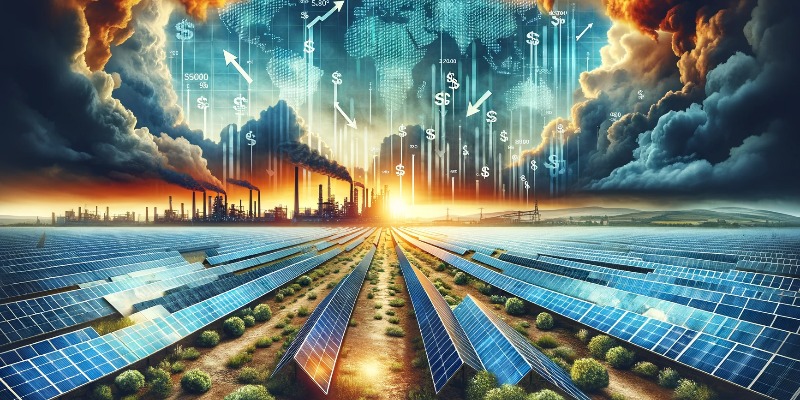 La Crisi del Fotovoltaico in Cina: Sovrapproduzione e Impatti Globali
Un eccesso di pannelli solari ha causato un crollo dei prezzi e una saturazione del mercato, mettendo in difficoltà produttori e Paesi di tutto il mondodi Marco ArezioNegli ultimi anni, il settore del fotovoltaico in Cina ha vissuto una crescita esponenziale che ha portato a un eccesso di offerta di pannelli solari. Questa sovrapproduzione ha generato un surplus globale, facendo crollare i prezzi dei pannelli solari a livello internazionale. Anche se l'espansione della capacità di produzione di energia rinnovabile è un passo positivo verso la transizione energetica, il mercato si trova ora in una situazione difficile, con Stati Uniti e Unione Europea che chiedono a Pechino di limitare la capacità produttiva. La Sovrapproduzione e il Surplus Energetico Interno La Cina ha installato un numero così elevato di pannelli solari da creare un surplus di energia che il Paese non è in grado di immagazzinare. In risposta a questa situazione, le autorità cinesi hanno iniziato a ritirare alcuni sussidi per il settore, cercando di rallentare il ritmo delle nuove installazioni. Tuttavia, nel primo trimestre del 2024, le installazioni di pannelli solari nella regione di Pechino sono aumentate del 33% rispetto all'anno precedente, a fronte di un boom del 154% registrato nello stesso periodo del 2023. Questa crescita incontrollata è il risultato di un'espansione industriale accelerata negli anni passati. Impatti sui Produttori e sul Mercato Globale Anche i produttori cinesi stanno affrontando le conseguenze della sovraccapacità. Longi Green Energy Technology, il più grande produttore mondiale di celle solari, ha annunciato il licenziamento di migliaia di lavoratori a causa del calo dei prezzi e dell'eccesso di offerta. Questo surplus ha portato a un'invasione di pannelli solari sui mercati extra asiatici, creando un effetto domino globale che ha fatto crollare i prezzi dei moduli solari in Europa di quasi la metà in sei mesi. La Cina domina il mercato globale dei pannelli solari, con costi di produzione significativamente inferiori rispetto a quelli di Stati Uniti ed Europa. I produttori cinesi producono pannelli solari a un costo compreso tra 16 e 18,9 centesimi per watt di capacità di generazione, rispetto ai 28 centesimi delle imprese statunitensi e ai 24-30 centesimi di quelle europee. La Situazione in Germania Anche la Germania sta affrontando un fenomeno simile. Nel 2023, il Paese ha installato una capacità record di 14.280 MW di energia solare, quasi il doppio rispetto al 2022. La capacità solare totale installata ha raggiunto 81,7 GW, ben al di sopra della domanda media di energia del Paese, che si attesta a 52,2 GW. Questo eccesso di capacità ha portato a una riduzione dei prezzi dell'energia, arrivando in alcuni casi a valori negativi. Anche in Germania, la rete elettrica fatica a gestire l'eccesso di energia solare, e si prospetta la possibilità che i produttori non possano rivendere l'energia in eccesso, limitandosi all'autoconsumo. Risposte Politiche e Strategiche Negli Stati Uniti, il presidente Joe Biden ha annunciato un aumento delle tariffe sui pannelli fotovoltaici bifacciali, che finora non erano soggetti a tariffe di salvaguardia ai sensi della Sezione 201 del Trade Act del 1974. La nuova aliquota tariffaria sulle celle solari aumenterà dal 25% al 50% nel 2024, ma l'impatto di queste misure potrebbe essere limitato. In Europa, sono in corso due indagini su aziende cinesi produttrici di pannelli solari, sospettate di aver ricevuto sussidi statali illeciti. Diversi Paesi, tra cui l'Italia, stanno avviando nuove produzioni di pannelli solari, ma esiste il rischio che l'Europa sostituisca la dipendenza dal gas russo con una nuova dipendenza dalla tecnologia verde cinese. Prospettive Future La soluzione migliore per affrontare la crisi attuale sembra essere quella di puntare sulla qualità e l'innovazione tecnologica. Investire in tecnologie avanzate e migliorare l'efficienza dei pannelli solari potrebbe aiutare a ridurre gli effetti negativi della sovrapproduzione e a stabilizzare i mercati. Nel lungo termine, l'innovazione tecnologica potrebbe fare la differenza, garantendo una transizione energetica sostenibile e un equilibrio tra domanda e offerta di energia rinnovabile. Conclusioni L'esplosione della bolla del fotovoltaico in Cina rappresenta un fenomeno complesso con implicazioni globali. La sovrapproduzione di pannelli solari ha creato un surplus che ha abbattuto i prezzi e messo sotto pressione i produttori. Anche se la spinta verso l'energia rinnovabile è positiva, è necessario un approccio più equilibrato per evitare crisi di sovrapproduzione. I Paesi devono collaborare per trovare soluzioni che garantiscano una transizione energetica sostenibile, riducendo al contempo la dipendenza da singoli fornitori e promuovendo l'innovazione nel settore delle energie rinnovabili.© Riproduzione Vietata
SCOPRI DI PIU' Il Mercato del PP e del PE in Africa e l'Andamento dei Prezzi
 Il mercato dei polimeri plastici nel continente Africano nel primo trimestre 2021 ha rispecchiato, parzialmente, la situazione mondiale, con un aumento generalizzato dei prezzi ma, nello stesso tempo, una domanda abbastanza contenutaIl motivo principale della moderazione delle richieste di materia prima dipende fortemente dalla situazione pandemica in atto in tutti i paesi e dalla scarsa disponibilità della materia prima acquistabile. Il bilanciamento tra domanda e offerta ha portato incrementi di prezzi, presso il produttore Nigeriano Eleme, di 105 $/ton per il PE e di 289 $/ton per il PP. La Nigeria è un mercato strategico per tutti i produttori di materia prima del mondo che vogliono venere il polimero in Africa, tanto che gli utilizzatori finali, a fronte degli aumenti, stanno verificando gli andamenti dei prezzi dei produttori del Medio Oriente. Il Kenia, altro mercato importante per le materie plastiche, sicuramente il più grande dell’Africa orientale, ha visto rialzi importanti dell’LDPE e del PPH, tra i più decisi dal 2015. L’HDPE per il film è aumentato di 60-70 $/ton mentre l’LDPE, sempre per film, è aumentato di 80/90 $/ton, con i prezzi finali alla tonnellata tra i 1230 e i 1250 $/ton per l’HDPE da film e iniezione e di 1520-1550 $/ton per il materiale da film in LDPE. Per quanto riguarda il PPH raffia e da iniezione hanno subito aumenti tra le 90 e i 100 $/ton, con i prezzi finali a 1420-1440 $/ton per il PPH da raffia e 1430-1440 $/ton per in PPH da iniezione tutti CFR Mombasa. Anche in Kenia la situazione sanitaria a seguito del COVID 19 ha rallentando le contrattazioni e gli acquisti per la produzione. L’Algeria, che è un mercato molto importante in termini di consumi nel nord Africa, ha visto aumento dell’LDPE e dell’HDPE tra i 20 e i 40 $/ton per polimeri provenienti dall’Arabia Saudita, mentre per il PPH gli incrementi di prezzo rispetto a Gennaio sono stati tra i 70 e i 100 $/ton. Le maggiori preoccupazioni che si riscontrano tra gli operatori industriali Algerini che utilizzano i polimeri plastici, è la scarsità dell’offerta rispetto alle esigenze produttive degli stabilimenti. Il mercato del Sud Africa, il più importante dell’area meridionale del continente, è in una sorta di equilibrio tra domanda e offerta, entrambi deboli. Per quanto riguarda il PE in arrivo dal principale fornitore Saudita si vedono incrementi tra i 70 e gli 80 $/Ton per l’HDPE e l’LLDPE da film (1250-1280 $/ton) , mentre tra i 90 e i 100 $/Ton per il film in LDPE (1530-1560 $/ton).
SCOPRI DI PIU' rPET in Granulo per Contatto Alimentare: la Società Arezio Marco in Sud America
Il mondo del packaging ha avuto un enorme cambiamento negli ultimi anni e, specialmente, quello del beverage sembrava essere il meno disposto ad assecondare le logiche dell’uso delle materie prime riciclateAprile 2020Sicuramente trattandosi di materiale per il food i passi sono stati volutamente lenti e ponderati, seguendo, da una parte le spinte dei consumatori che chiedevano più sostenibilità nelle bottiglie dell’acqua e delle bibite, ma, dall’altro, la necessità assicurarsi che il materiale di PET riciclato avesse le caratteristiche certificate per il contatto alimentare. Possiamo dire che è stato fatto un lavoro di squadra tra i riciclatori di bottiglie di PET che hanno, di fatto, affinato la raccolta introducendo il canale della mono plastica in PET, i produttori di macchine che hanno messo a punto impianti di trattamento che permettessero una “sterilizzazione” del granulo prodotto e gli enti certificatori che hanno elaborato sistemi di controllo per creare linee guida, attraverso la quali il rifiuto potesse diventare nuova materia prima certificata per gli alimenti. La società di consulenza Italiana, Arezio Marco, è stata coinvolta in un progetto di valutazione fornitori e di distribuzione dell’rPET in granulo certificato per gli alimenti in Sud America, fornendo al cliente il supporto per la corretta selezione dei fornitori mondiali e nella gestione delle specifiche tecniche funzionali ai clienti finali. Il materiale veicolato è di colore neutro, in granuli, ed è adatto alla produzione di imballi alimentari in cui sia necessario stoccare cibi e liquidi per il consumo della popolazione. I paesi inizialmente interessati sono stati il Cile e il Salvador che saranno una sorta di “testa di ponte” per la futura espansione nei paesi latinoamericani. I fornitori accreditati hanno una disponibilità di rPET di qualità costante, sia nelle caratteristiche meccaniche, che di purezza che di colore.Categoria: notizie - plastica - economia circolare
SCOPRI DI PIU' rNEWS: AMB Leader nel Packaging Cambia Proprietà
AMB Leader nel Packaging Cambia ProprietàAMB è un'azienda leader in Italia nel settore del packaging che, nonostante la difficile situazione nazionale e internazionale, è continuata sulla propria strada nella crescita tanto da diventare interessante al fondo americano Peack Rock Capital che ne ha rilevato la quota di controllo.Amb Spa cambia bandiera. La quota di controllo dell'azienda italiana, con sede a San Daniele del Friuli, leader nel settore del packaging per alimenti, è stata acquisita dal fondo americano Peak Rock Capital. Una partnership che la stessa Amb definisce strategica e che al momento non muta la composizione del board costituito da Bruno Marin (CEO), Giles Peacock (COO), Paolo Cescutti (CPO) e Rolf Liebfried (CFO). Fondata nel 1969, con 5 sedi in Europa e oltre 430 dipendenti, AMB è indiscussa leader di mercato. Ha chiuso il 2020 con un fatturato di 180 milioni di euro, con un Ebitda di 16 milioni, con 4 sedi produttive in Europa e 430 dipendenti. Si propone come interlocutore unico, in grado di gestire i processi del packaging per alimenti a 360°: dal design, alla prototipazione, allo sviluppo di stampi, alla produzione di film flessibili e rigidi ad alta barriera e stampati. «Questo accordo - afferma il Ceo Bruno Marin - rappresenta un ulteriore passo in avanti nei nostri piani di crescita, probabilmente il più importante nella nostra storia. In oltre 50 anni, AMB ha raggiunto questo traguardo grazie a persone di talento e senza mai perdere di vista i nostri obiettivi. Peak Rock Capital è un investitore storicamente attivo nel nostro mercato, conosce sia il nostro business che il potenziale di crescita della nostra azienda». L'obiettivo della partnership «è accelerare ulteriormente i nostri piani di sviluppo, realizzando prodotti sostenibili nell’ambito dell’economia circolare - spiega Marin -. La sostenibilità e la sicurezza alimentare continueranno ad essere al centro delle nostre attività per soddisfare le esigenze dei nostri clienti». Nonostante la pandemia e la conseguente crisi economica, nel 2020 Amb ha messo a segno una crescita importante. «Grazie all'investimento di Peak Rock Capital - aggiunge Giles Peacock, COO di AMB - saremo in grado concentrarci ulteriormente sulle nostre priorità, espandere la nostra presenza a livello globale e avviare nuove iniziative di crescita, sempre all’insegna dell’innovazione. Questa partnership si fonda su solidi valori condivisi e sono sicuro che i nostri clienti, i nostri dipendenti e tutte le attività che ruotano intorno ad AMB ne trarranno grandi benefici». L'amministratore delegato del fondo amricano, Alex Dabbous, si dice entusiasta dell'operazione. «AMB per noi rappresenta una stimolante opportunità di investimento. L’azienda, leader nel settore di prodotti riciclabili, opera in un mercato europeo caratterizzato da una crescita costante nel food packaging. Siamo entusiasti all’idea di sostenere la famiglia Marin e la direzione dell’azienda, che ha dato prova di grande talento, nei loro obiettivi strategici di espansione geografica, acquisizione di nuovi clienti, innovazione di prodotto e ulteriori conquiste». Maura delle Case
SCOPRI DI PIU' rNEWS: La Società Constellium Aumenterà il Riciclo dell'Alluminio
La Società Constellium Aumenterà il Riciclo dell'AlluminioIl riciclo dell'alluminio è un'attività fondamentale nel campo dell'economia circolare, permettendo di rimettere in produzione, in modo continuativo, i prodotti a fine vita. Anche la società francese Constellium, come ci racconta A. Jadoul, ha deciso di incrementare il riciclo dell'alluminio nei suoi siti produttivi.Il gruppo che si occupa di alluminio vuole aumentare le proprie capacità di almeno 60.000 tonnellate all'anno per servire i mercati del packaging e dell'automotive. Constellium vuole aumentare i suoi volumi di riciclaggio dell'alluminio in Europa. Il gruppo francese ha annunciato l'intenzione di aggiungere almeno 60.000 tonnellate all'anno alle sue attuali capacità, che raggiungono circa 560.000 tonnellate in tutto il mondo. Questa produzione sarà destinata ai suoi clienti del settore automobilistico e del packaging. “L'alluminio è l'epicentro di diversi mega trend di sostenibilità nei nostri mercati finali del packaging, automobilistico e dei trasporti. Di conseguenza, i nostri clienti richiedono sempre più prodotti che siano prodotti in modo sostenibile e responsabile. Riteniamo che questo investimento consentirà a Constellium di espandere la sua offerta di prodotti a basse emissioni di carbonio per soddisfare le esigenze dei suoi clienti ", afferma Jean-Marc Germain, CEO del gruppo. Constellium prevede di finalizzare l'ambito e l'ubicazione del progetto entro la fine del 2021, in base agli progetti di ingegneria e dell'ottenimento delle autorizzazioni richieste. La produzione dovrebbe iniziare entro due anni dall'inizio della costruzione. Per ora, la principale unità di riciclaggio delle lattine del gruppo si trova a Neuf-Brisach (Haut-Rhin), in Francia.Un circuito chiuso per lattine Gli esperti ricordano che le lattine di alluminio dei contenitori per le bevande più riciclate, “rinascono all'infinito in un processo 'a circuito chiuso' che le rimette sugli scaffali in 60 giorni” . "Nell'industria automobilistica e dei trasporti, l'alluminio aiuta a far progredire la mobilità verde migliorando il risparmio di carburante, riducendo le emissioni di CO2, aumentando la gamma dei veicoli elettrici e migliorando la sicurezza", aggiungono. E per specificare che l'alluminio è infinitamente e facilmente riciclabile, il 75% di tutto l'alluminio mai prodotto viene utilizzato ancora oggi. Gruppo di lavorazione dell'alluminio presente principalmente nei settori aeronautico, automobilistico e del packaging, Constellium ha realizzato nel 2019 un fatturato di 5,9 miliardi di euro, con una forza lavoro di 13.000 persone e 25 stabilimenti.Categoria: notizie - alluminio - economia circolare - rifiuti - metalli
SCOPRI DI PIU'
