








 Economia circolare e profitto: come guadagnano davvero le aziende dal riciclo
Crisi dei margini nel 2025, polimeri vergini competitivi e nuove strategie industriali: come le aziende del riciclo stanno ridefinendo il proprio modello di profitto nell’economia circolare globale Autore: Marco Arezio Data: Marzo 2026Introduzione Negli ultimi dieci anni l’economia circolare è stata presentata come una delle principali risposte industriali alla crisi ambientale e alla crescente scarsità di risorse naturali. Governi, istituzioni europee e grandi aziende hanno promosso il riciclo dei materiali come uno degli strumenti fondamentali per ridurre l’impatto ambientale dell’industria e migliorare l’efficienza nell’uso delle risorse. Tuttavia, dietro questa visione positiva esiste una realtà economica più complessa. Il settore del riciclo è profondamente legato alle dinamiche dei mercati delle materie prime e alla competitività dei materiali vergini. Quando il prezzo delle materie prime tradizionali scende, il vantaggio economico del riciclo può ridursi rapidamente. Il 2025 è stato un anno particolarmente difficile per molte imprese del settore. La disponibilità di polimeri vergini a prezzi competitivi, alimentata da una produzione petrolchimica molto elevata negli Stati Uniti, in Medio Oriente e in Asia, ha ridotto significativamente i margini di profitto dei riciclatori. In diversi segmenti della plastica riciclata, come il polietilene e il polipropilene, i prezzi dei materiali vergini sono tornati a livelli molto vicini o addirittura inferiori a quelli dei materiali riciclati. Questa situazione ha messo sotto pressione molte aziende del settore, evidenziando una questione fondamentale: per essere sostenibile nel lungo periodo, il riciclo deve essere anche economicamente redditizio. Comprendere come le imprese riescono a generare profitto nell’economia circolare significa analizzare i modelli di business, i mercati dei materiali riciclati e le strategie industriali che stanno emergendo nel settore. Economia circolare e redditività industriale Il riciclo non è soltanto un’attività ambientale. È un settore industriale complesso che coinvolge raccolta, logistica, selezione dei materiali, trasformazione e vendita di materie prime secondarie. Secondo l’Agenzia Europea dell’Ambiente, il valore economico complessivo dell’economia circolare nell’Unione Europea supera ormai i 700 miliardi di euro di fatturato annuo, con milioni di posti di lavoro distribuiti lungo le diverse filiere industriali. Nonostante queste dimensioni, il settore rimane altamente sensibile alle fluttuazioni dei mercati delle materie prime. Il prezzo del petrolio, per esempio, influisce direttamente sul costo di produzione dei polimeri vergini. Quando il petrolio è economico e l’industria petrolchimica produce grandi volumi di plastica, i materiali riciclati devono competere con prodotti vergini molto competitivi. Questo significa che il riciclo non può basarsi esclusivamente su motivazioni ambientali. Deve sviluppare modelli economici capaci di generare valore anche in contesti di mercato difficili. Il difficile anno 2025 per le aziende del riciclo Nel 2025 il settore europeo del riciclo delle plastiche ha attraversato una fase particolarmente complessa. Diverse associazioni industriali, tra cui Plastics Recyclers Europe, hanno segnalato una riduzione significativa dei margini operativi per molte aziende del settore. Il principale fattore di pressione è stato l’abbassamento dei prezzi dei polimeri vergini. La forte produzione petrolchimica negli Stati Uniti e in Medio Oriente ha generato un eccesso di offerta di plastica vergine, rendendo più difficile per i materiali riciclati competere sul prezzo. In alcuni casi i riciclatori europei hanno segnalato una riduzione della produzione e un rallentamento degli investimenti. Alcuni impianti hanno operato a capacità ridotta, mentre altri hanno cercato di diversificare i propri mercati. Questa situazione ha evidenziato una caratteristica fondamentale del settore: il riciclo è un mercato globale, fortemente influenzato dalle dinamiche della produzione petrolchimica e dalla geopolitica delle materie prime. Il mercato globale dei materiali riciclati Nonostante le difficoltà congiunturali, il mercato dei materiali riciclati continua a crescere nel lungo periodo. Secondo analisi di mercato pubblicate da McKinsey e dall’OCSE, la domanda di materiali riciclati è destinata ad aumentare significativamente nei prossimi decenni, soprattutto nei settori:- automotive - packaging - elettronica - edilizia - energie rinnovabiliMolte aziende stanno introducendo obiettivi di utilizzo di materiali riciclati nelle proprie filiere produttive. Alcuni grandi marchi globali del packaging e dei beni di consumo hanno annunciato l’intenzione di utilizzare percentuali sempre più elevate di plastica riciclata nei loro prodotti. Questa domanda crescente rappresenta una delle principali opportunità economiche per il settore del riciclo. I modelli di business dell’economia circolare Le aziende più innovative nel settore del riciclo stanno sviluppando modelli di business sempre più sofisticati. Uno dei modelli più diffusi è l’integrazione verticale della filiera. Alcune imprese gestiscono direttamente tutte le fasi del processo, dalla raccolta dei rifiuti alla produzione di materiali riciclati.Un esempio significativo è rappresentato da Veolia, uno dei principali gruppi mondiali nel settore della gestione dei rifiuti e del riciclo, che integra raccolta, trattamento e produzione di materie prime secondarie all’interno di un’unica struttura industriale. Un altro modello riguarda le partnership industriali. Alcune aziende petrolchimiche stanno investendo direttamente nel riciclo per assicurarsi l’accesso a materie prime circolari. Un caso emblematico è quello del gruppo BASF, che ha sviluppato tecnologie di riciclo chimico per trasformare i rifiuti plastici in nuove materie prime utilizzabili nella produzione di polimeri. Innovazione tecnologica negli impianti di riciclo L’innovazione tecnologica rappresenta uno dei fattori più importanti per migliorare la redditività del riciclo. Negli ultimi anni gli impianti di selezione dei rifiuti hanno introdotto tecnologie avanzate come: - sensori ottici - intelligenza artificiale - robot per la selezione automatica - sistemi di analisi dei materiali. Queste tecnologie permettono di ottenere materiali riciclati di qualità sempre più elevata, ampliando le applicazioni industriali possibili. Nel settore delle plastiche, per esempio, nuove tecnologie di depolimerizzazione stanno permettendo di trasformare rifiuti complessi in materie prime chimiche utilizzabili per produrre nuovi polimeri.Casi reali di aziende che guadagnano dal riciclo Nonostante le difficoltà del mercato, esistono numerosi esempi di aziende che hanno costruito modelli economici redditizi nel settore del riciclo. Il gruppo Tomra, leader mondiale nelle tecnologie di selezione dei materiali, ha sviluppato sistemi di sensori avanzati utilizzati negli impianti di riciclo in tutto il mondo. Il successo commerciale dell’azienda dimostra quanto la tecnologia possa diventare un elemento chiave nella creazione di valore nell’economia circolare. Un altro esempio è rappresentato dalla società Umicore, specializzata nel recupero di metalli preziosi da batterie e dispositivi elettronici. L’azienda ha costruito uno dei sistemi di riciclo più avanzati al mondo per il recupero di materiali critici utilizzati nelle tecnologie energetiche. Questi casi dimostrano che il riciclo può essere economicamente redditizio quando è supportato da innovazione tecnologica e da modelli industriali efficienti. Il ruolo delle politiche ambientali Le politiche ambientali svolgono un ruolo fondamentale nello sviluppo del mercato dei materiali riciclati. Normative europee come il Circular Economy Action Plan e la Strategia per le materie prime critiche stanno promuovendo l’utilizzo di materiali riciclati e incentivando lo sviluppo di filiere circolari. In molti settori industriali, le normative che richiedono percentuali minime di contenuto riciclato stanno creando una domanda stabile per i materiali secondari. Questo supporto normativo rappresenta uno dei fattori chiave per garantire la sostenibilità economica del settore.Il futuro economico dell’industria del riciclo Nonostante le difficoltà recenti, il riciclo rimane uno dei settori più strategici per il futuro dell’economia globale. La crescita della popolazione mondiale, l’aumento della domanda di risorse e le tensioni geopolitiche sulle materie prime stanno rendendo sempre più importante la capacità di recuperare materiali all’interno delle economie industriali.In questo scenario l’economia circolare non rappresenta soltanto una politica ambientale, ma un nuovo paradigma industriale in cui la gestione intelligente delle risorse diventa un fattore decisivo di competitività. Le aziende che sapranno combinare innovazione tecnologica, modelli di business circolari e strategie industriali efficaci saranno probabilmente quelle in grado di trasformare il riciclo in una delle industrie più importanti del XXI secolo.Fonti European Environment Agency – Circular Economy in EuropeOECD – Global Material Resources OutlookPlastics Recyclers Europe – Market AnalysisEuropean Commission – Circular Economy Action PlanTomra – Recycling Technology ReportsUmicore – Battery Recycling Technologies
SCOPRI DI PIU' Ribaltamento della lotta di classe: come le élite combattono per mantenere il potere
Rifletti su come il conflitto sociale si è invertito nell’era del neoliberismo, con le classi dominanti all’attacco e le strategie sottili per consolidare disuguaglianze economiche, tecnologiche e culturalidi Marco ArezioNel pensiero marxista classico, la lotta di classe è il motore della storia. Operai contro padroni, proletariato contro borghesia: un confronto radicato nella diseguaglianza strutturale dei mezzi di produzione. Tuttavia, in un’epoca segnata dalla finanziarizzazione dell’economia, dalla digitalizzazione dei rapporti lavorativi e dalla crisi del welfare, il paradigma si è deformato, talvolta capovolto. Oggi si parla di ribaltamento della lotta di classe, un concetto che implica una drammatica inversione di ruoli e strategie: non più i subalterni a lottare per l’uguaglianza, ma le élite a combattere per mantenere e ampliare i propri privilegi. Questo articolo esplora la genesi, le dinamiche e le implicazioni di questo capovolgimento. Dal conflitto verticale alla guerra asimmetrica Nella visione tradizionale, la lotta di classe si configura come un conflitto verticale: dal basso verso l’alto. I lavoratori, sfruttati e marginalizzati, rivendicano diritti, salario, sicurezza e dignità, spesso organizzandosi in sindacati o movimenti politici. Oggi, questo asse verticale si è inclinato, se non completamente rovesciato. Lo storico Thomas Piketty ha mostrato come, negli ultimi quarant’anni, la distribuzione della ricchezza sia tornata ai livelli della Belle Époque, con l’1% della popolazione globale che detiene oltre la metà del patrimonio mondiale. Ma il dato più inquietante non è tanto l’accumulazione quanto la strategia. Le classi dominanti non attendono più passivamente le rivendicazioni: le prevengono, le disinnescano, le criminalizzano. Investono in lobbying, storytelling e tecnologie di sorveglianza per neutralizzare sul nascere ogni forma di dissenso. Non è un caso che Noam Chomsky abbia definito il neoliberismo come una “controrivoluzione dall’alto”: un processo per cui i vincoli del capitale vengono progressivamente rimossi, mentre quelli sul lavoro si moltiplicano. Una lotta di classe rovesciata, dunque, dove chi detiene il potere combatte per indebolire chi non ce l’ha. Tecnologia, lavoro e nuove forme di controllo Nel mondo del lavoro, il ribaltamento della lotta di classe si manifesta in forme sempre più sottili. La gig economy, ad esempio, ha trasformato il lavoratore da soggetto collettivo a individuo atomizzato. L’autista di una piattaforma di delivery non ha colleghi, ma concorrenti. L’algoritmo diventa il suo capo, la sua valutazione, la sua fonte di ansia. Questo modello dissolve l’idea stessa di classe, frammenta il corpo sociale, disinnesca la solidarietà. L’operaio fordista poteva scioperare, l’account della piattaforma può solo disconnettersi. Anche questo è un effetto del ribaltamento: la classe dominante ha imparato a prevenire l’organizzazione, a isolare, a spingere verso l’autosfruttamento sotto le sembianze della “libertà di scegliere”. In parallelo, le tecnologie digitali — dai social network alla geolocalizzazione — non solo raccolgono dati, ma costruiscono narrazioni. Le piattaforme non sono neutre: premiano l’influencer che ripete i valori dominanti, silenziano o emarginano la voce critica. Il controllo non è più solo economico, ma cognitivo, valoriale, emotivo. Finanza e fiscalità: la lotta di classe nei bilanci pubblici Il ribaltamento si osserva anche nei meccanismi fiscali. Oggi il conflitto di classe si combatte nei meandri delle riforme tributarie, nei paradisi fiscali, nelle privatizzazioni. Mentre il cittadino medio è soggetto a controlli serrati, i grandi capitali si muovono agilmente tra normative compiacenti e interstizi giuridici. Secondo l'economista Gabriel Zucman, il 10% più ricco evade legalmente (e spesso anche illegalmente) miliardi di dollari ogni anno. Questo non è solo un problema di giustizia fiscale, ma una strategia politica: sottrarre risorse allo Stato sociale significa affamare le istituzioni pubbliche, renderle inefficienti, giustificare la loro privatizzazione. Ancora una volta, una guerra dall’alto, pianificata con freddezza e sostenuta da una retorica meritocratica che legittima ogni diseguaglianza. Cultura e narrazione: quando il conflitto viene negato Uno dei tratti più sottili del ribaltamento è la sua invisibilità. Il potere, oggi, non si mostra con la forza, ma con il consenso. Non impone, ma seduce. I valori dominanti — competitività, crescita, successo individuale — vengono interiorizzati, celebrati, riprodotti anche dalle classi subalterne. In questo quadro, parlare di “lotta di classe” sembra anacronistico, quasi volgare. Eppure, come scriveva Warren Buffett, uno degli uomini più ricchi del mondo: “La lotta di classe esiste, eccome. Ma è la mia classe che la sta vincendo.” Una frase che racchiude in sé l’essenza del ribaltamento: non è il proletariato a essere in rivolta, ma la borghesia a essere in offensiva. La cultura, i media, persino l’istruzione contribuiscono a questa narrazione. Le diseguaglianze sono raccontate come “fallimenti personali”, l’indigenza come “mancanza di spirito imprenditoriale”. Così, chi subisce le conseguenze del sistema ne diventa anche il difensore inconsapevole. Conclusione: dalla consapevolezza alla resistenza Il ribaltamento della lotta di classe non è un destino ineluttabile. È una costruzione storica, sociale, culturale. Comprenderlo è il primo passo per contrastarlo. Riappropriarsi del linguaggio del conflitto, riconoscere la natura strutturale delle diseguaglianze, riorganizzare la solidarietà collettiva sono atti di resistenza. Oggi più che mai, la lotta non è tra ricchi e poveri, ma tra chi vuole un mondo basato sulla dignità e chi difende un ordine fondato sulla disuguaglianza. Il conflitto c’è, anche se è camuffato, rovesciato, manipolato. Sta a noi riportarlo alla luce, con lucidità e determinazione.© Riproduzione Vietata
SCOPRI DI PIU'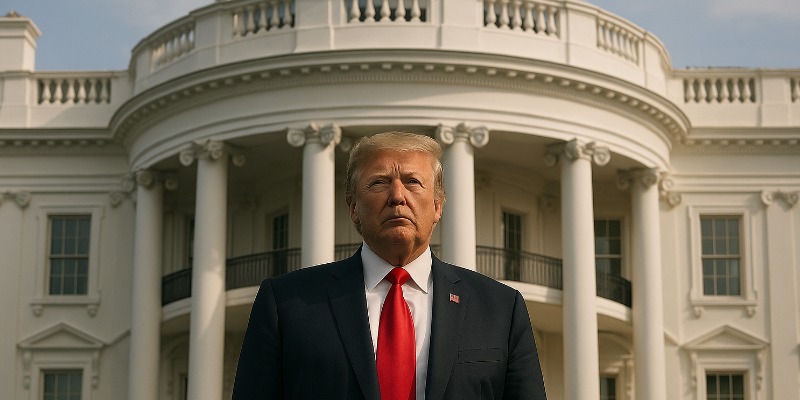 Donald Trump e l’ombra dei dittatori: il carisma dell’ego e la fragilità del potere
Un’analisi storica e psicologica sulle affinità tra lo stile politico di Donald Trump e i grandi leader autoritari del NovecentoDonald Trump ha incarnato, nella politica americana contemporanea, la figura dell’uomo “fuori dal sistema”, del salvatore che si erge a difesa del popolo contro un’élite corrotta e distante. Questo mito, profondamente emotivo, non è nuovo: nella storia del Novecento, figure come Benito Mussolini, Adolf Hitler o Juan Perón hanno costruito la propria forza su una promessa di riscatto collettivo. In tutti i casi, la narrazione segue la stessa logica: un popolo umiliato, un passato glorioso da riconquistare, un capo forte che restituisce dignità alla nazione. Trump ha riformulato questa visione in chiave mediatica e americana, trasformando la politica in un’estensione del suo brand, dove lo slogan Make America Great Again è divenuto una sorta di credo identitario. L’ego come architettura del potere personale Ogni regime carismatico si fonda sull’idea che il capo sia non solo guida politica, ma incarnazione stessa della nazione. Mussolini diceva: “Io sono l’Italia.” Hitler vedeva in sé la “provvidenza tedesca”. Trump, in modo più sottile ma non meno egocentrico, si è presentato come unico interprete della volontà popolare: “I alone can fix it”, dichiarò nel 2016. L’ego non è solo un tratto caratteriale, ma una strategia di costruzione del potere. Il leader narcisista non ammette delega né condivisione: ogni successo è personale, ogni critica è tradimento. La politica diventa una proiezione psicologica, un’estensione del sé. In questo senso, la Casa Bianca sotto Trump ha assunto le sembianze di un impero privato, dove il confine tra la persona e l’istituzione si dissolve. Il linguaggio emotivo e la folla come strumento politico I dittatori del passato hanno compreso, prima di ogni altro, che la folla non cerca verità ma appartenenza. Le adunate di Mussolini, i comizi di Perón o i raduni di massa del nazismo erano riti collettivi che sostituivano la ragione con l’emozione. Trump, in un contesto democratico e mediatico, ha riprodotto quella stessa dinamica. I suoi comizi, scanditi da slogan e gesti teatrali, evocano la stessa energia rituale. L’oratoria è semplice, ripetitiva, quasi ipnotica. Il linguaggio è corporeo, visivo, aggressivo. Come ogni capo populista, Trump parla “al ventre” della gente, non alla sua mente. La folla, in questo schema, non è pubblico ma specchio: riflette e amplifica il suo ego, ne conferma il potere simbolico. Ogni applauso diventa un atto di fede. La costruzione del nemico come forma di identità Ogni potere autoritario vive di opposizioni. Non si definisce per ciò che è, ma per ciò che combatte. I regimi del Novecento individuavano nel comunismo, negli ebrei, nei nemici esterni o nei dissidenti interni il collante della propria ideologia. Trump ha usato lo stesso meccanismo, adattato ai tempi moderni: i migranti, la stampa, il “deep state”, le agenzie federali, gli oppositori repubblicani. Tutti diventano parte di una grande cospirazione. La politica si trasforma in una guerra simbolica dove la complessità è bandita. “Chi non è con me è contro di me”: una frase che sintetizza il principio totalitario per eccellenza. L’elettore, come il suddito di un tempo, non è chiamato a riflettere, ma a schierarsi. Il disprezzo per la mediazione e il culto dell’immediatezza Le istituzioni democratiche vivono di compromesso e di mediazione. Ma per un leader carismatico, la lentezza del confronto è un fastidio. Mussolini definiva il Parlamento “un teatrino inutile”, Hitler lo sciolse con il fuoco, Perón lo marginalizzò. Trump non ha potuto distruggere le istituzioni, ma ha tentato di delegittimarle. I giornalisti erano “nemici del popolo”, i giudici “politicizzati”, i funzionari “traditori”. È il linguaggio dell’uomo d’azione contro la burocrazia, dell’immediatezza contro la riflessione. Ma dietro questo mito dell’efficienza si cela una visione autoritaria del potere: quello che non obbedisce, ostacola. E ciò che ostacola, va eliminato — simbolicamente o mediaticamente. L’estetica della forza e la teatralità del comando Il potere autoritario si nutre di immagini. Mussolini curava la postura, Hitler i gesti, Stalin i ritratti. Trump, nell’era dei social e della televisione, ha reinventato quella stessa estetica. La forza non è solo un valore, ma una rappresentazione: il leader deve apparire instancabile, invincibile, virile. Il suo linguaggio corporeo è un arsenale simbolico: dita puntate, sopracciglia alzate, tono imperioso. Come i dittatori del passato, Trump disprezza la fragilità. Il corpo del capo, la sua ricchezza, la sua “success story” sono metafore di dominio. L’immagine è potere, e il potere è immagine.Trump e Putin: convergenze autoritarie e divergenze culturaliSe esiste una figura contemporanea con cui Trump è stato più volte paragonato — e a tratti ammirato — è Vladimir Putin. Entrambi condividono una visione verticale del potere, un linguaggio machista e la convinzione che il leader debba incarnare la nazione. Ma dietro queste somiglianze si celano differenze sostanziali di cultura, metodo e finalità.Putin nasce dal silenzio, Trump dal rumore. L’ex agente del KGB è figlio della segretezza sovietica, del controllo e della strategia. Trump, invece, è prodotto dello spettacolo, della televisione e dell’eccesso. Il primo governa attraverso la paura e l’opacità, il secondo attraverso la visibilità e la provocazione.Entrambi riducono la politica a un atto personale. Putin la plasma con disciplina e freddezza; Trump con narcisismo e improvvisazione. Ma la sostanza è la stessa: concentrare il potere in un solo uomo e presentarlo come destino inevitabile.Sul piano psicologico, condividono la diffidenza verso la debolezza e la convinzione che la forza — militare o simbolica — sia la misura del rispetto. Tuttavia, la differenza profonda è nel rapporto con l’istituzione. Putin ne è il custode autocratico, Trump il distruttore mediatico. Il primo difende lo Stato come corpo sacro, il secondo lo smantella per dimostrare di essere più grande di esso.Eppure entrambi hanno capito una verità antica: che l’egemonia moderna non nasce più dai carri armati, ma dalla percezione. Putin la controlla; Trump la manipola. Il primo teme il caos, il secondo lo usa come strumento. Due volti di un’autorità che, pur diversamente, si nutre della stessa fame: quella di dominio e riconoscimento. La menzogna come mito politico e comunicativo Il totalitarismo del XX secolo ha insegnato che la menzogna, ripetuta, diventa verità collettiva. Goebbels teorizzò la “grande bugia” come strumento di controllo mentale. Trump ha portato questa strategia nel XXI secolo, sostituendo la propaganda statale con quella digitale. Le sue false affermazioni non mirano a convincere, ma a confondere: dissolvono il concetto stesso di realtà. Nell’era post-verità, il leader non impone una dottrina: crea un universo alternativo dove ogni fatto può essere reinterpretato. È un potere sottile ma pericoloso, perché erode la fiducia nelle istituzioni e rende impossibile il dialogo razionale. Il fallimento negato e la fragilità dell’ego travestita da forza Il leader carismatico non ammette la sconfitta. Per Mussolini, la disfatta militare fu colpa dei generali; per Hitler, un tradimento; per Trump, le elezioni del 2020 furono “rubate”. Negare la realtà serve a proteggere l’immagine di infallibilità. La verità, per questi uomini, non è un valore ma una minaccia. Il loro potere si fonda su una fede personale che non tollera incrinature. Dietro la maschera della forza, però, si nasconde una profonda insicurezza: la paura di essere dimenticati, di perdere l’applauso, di scomparire nell’indifferenza. L’ego autoritario è una corazza fragile: ha bisogno continuo di specchiarsi nel consenso. Mussolini cercava la folla di Piazza Venezia, Hitler quella del Reichstag, Trump quella virtuale dei social network. Tutti, in modi diversi, hanno costruito un culto di sé che finisce per inghiottire la realtà. Conclusione: l’ombra lunga del carisma Il parallelismo tra Trump e i dittatori storici non sta nella violenza istituzionale, ma nella psicologia del potere. La differenza è di contesto, non di dinamica: il mondo democratico contemporaneo, con i suoi media globali, offre nuovi strumenti per la stessa antica pulsione — quella di dominare attraverso l’immagine. Trump, come i capi del passato, ha saputo sedurre le paure e modellare il linguaggio della rabbia. Ma ciò che lo lega a loro è, in fondo, una fragilità universale: l’impossibilità di vivere senza l’adorazione del pubblico. E quando il potere si riduce a un riflesso del proprio ego, il rischio non è solo per chi governa, ma per tutta la democrazia che lo circonda.© Riproduzione Vietata
SCOPRI DI PIU'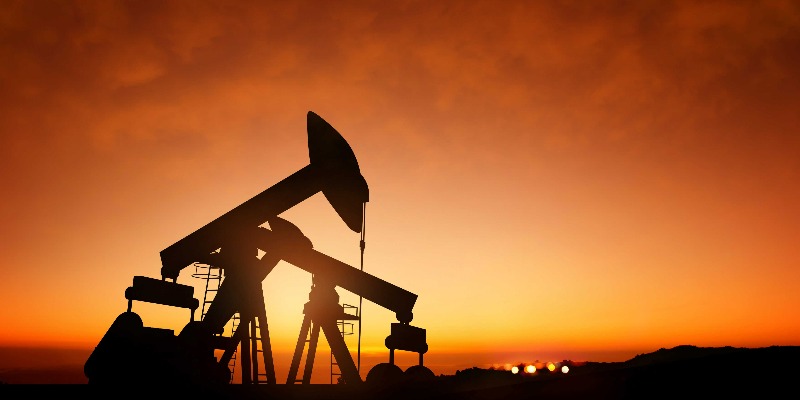 Rinunciare agli Idrocarburi e alla Plastica: Le Conseguenze Nascoste di cui Nessuno Parla
La transizione energetica è urgente e necessaria — ma senza onestà intellettuale sulle realtà industriali, le tempistiche e le dipendenze della filiera, le buone intenzioni rischiano di trasformarsi in errori costosiData: 10.03.2026 Autore: Marco Arezio è il fondatore e direttore editoriale di rMIX.it, piattaforma B2B e riferimento di settore per i polimeri plastici riciclati, le applicazioni dell'economia circolare e l'industria della trasformazione delle materie plastiche. Opera all'intersezione tra produzione industriale e sostenibilità da trent'anni. Ogni giorno leggo appelli accorati: stop al petrolio, basta plastica, futuro green o niente. Li capisco. Ne rispetto l'urgenza. Ma dopo oltre vent'anni di lavoro nel settore delle materie plastiche riciclate e dell'economia circolare, sento un obbligo professionale e civico di porre una domanda più difficile: Qualcuno ha davvero simulato cosa accade il giorno dopo? Proviamo a ragionarci insieme — senza ideologia, solo con i dati. Il Problema Non È il Desiderio. È l'Assenza di una Roadmap Realistica. Il sistema industriale globale è costruito sugli idrocarburi da oltre 150 anni — e non solo come carburante. Questa distinzione è fondamentale, ed è sistematicamente assente dal dibattito pubblico. Secondo la U.S. Energy Information Administration (EIA), i prodotti derivati dal petrolio vanno ben oltre benzina e diesel. Il petrolio e i petrolchimici sono la materia prima di oltre 6.000 prodotti distinti di uso quotidiano: farmaci, dispositivi medici chirurgici, imballaggi alimentari certificati, isolanti termici e acustici, tessuti tecnici ad alte prestazioni, semiconduttori e — fatto spesso ignorato — i componenti fisici delle turbine eoliche e dei pannelli solari stessi. Non si tratta di un paradosso. È una realtà ingegneristica: l'infrastruttura delle energie rinnovabili dipende dalla filiera petrolchimica per essere prodotta, trasportata e installata. Qualsiasi strategia di decarbonizzazione credibile deve fare i conti con questa dipendenza prima di proclamare una rottura netta come imminente. La Plastica: Il Capitolo Più Frainteso nel Dibattito sulla Sostenibilità Tra tutti i materiali coinvolti in questo dibattito, la plastica è il più incompreso — e il più ingiustamente rappresentato. Consideriamo cosa produrrebbe concretamente un divieto immediato della plastica: Il peso degli imballaggi alimentari aumenterebbe di circa 3,6 volte se sostituiti con alternative in vetro, metallo o carta, secondo un'analisi del ciclo di vita pubblicata da Trucost / S&P Global. Imballaggi più pesanti significano più carburante consumato nel trasporto, più CO₂ emessa per ogni unità consegnata. Le plastiche monouso in ambito medico sono insostituibili nell'infrastruttura sanitaria attuale. Sacche per sangue, linee per infusione endovenosa, siringhe sterili e sistemi per cateteri si basano su proprietà polimeriche — flessibilità, sterilità, leggerezza — che nessuna alternativa scalabile replica oggi agli standard di sicurezza clinica richiesti. Per circa 2 miliardi di persone nel Sud del mondo, tubazioni e contenitori in plastica a basso costo restano il principale mezzo per accedere e conservare acqua potabile sicura. Eliminare questo materiale senza un programma parallelo di investimento infrastrutturale non è una politica ambientale — è un rischio per la salute pubblica. Lo spreco alimentare aumenterebbe, non diminuirebbe. La FAO stima che il solo imballaggio plastico prevenga tra 1,7 e 4,5 kg di spreco alimentare per ogni kg di plastica utilizzato. In un mondo che già spreca circa un terzo di tutto il cibo prodotto, questo compromesso non è trascurabile. Il vero problema non è mai stata la plastica in sé. È la plastica mal gestita — non raccolta, non riciclata, mai reintegrata nel ciclo produttivo. Confondere il materiale con il fallimento dei sistemi di gestione dei rifiuti è un errore categoriale con conseguenze politiche serie. Cosa Richiede Davvero la Transizione Una transizione credibile e scientificamente fondata fuori dalla dipendenza fossile richiede tre impegni paralleli che raramente vengono discussi insieme: 1. Scalare la Chimica Verde e le Alternative Bio-Based Gli investimenti in polimeri bio-based, riciclo chimico e scienza avanzata dei materiali devono crescere di un ordine di grandezza. La tecnologia esiste a scala di laboratorio e pilota; ciò che manca è una politica industriale che la renda economicamente competitiva senza distorcere i mercati. 2. Costruire un'Infrastruttura del Riciclo all'Altezza della Sfida Il tasso globale di riciclo della plastica si attesta attualmente attorno al 9% (UNEP, 2023). Prima di vietare i materiali, governi e industrie devono colmare il gap infrastrutturale che permette al restante 91% di finire in discarica o nell'ambiente. Le plastiche riciclate sono una soluzione matura e scalabile — ma richiedono sistemi di raccolta, tecnologia di selezione e sviluppo dei mercati finali per funzionare. 3. Tutelare i Lavoratori nella Transizione Milioni di persone nel mondo traggono il proprio reddito dalla filiera degli idrocarburi e delle materie plastiche — dall'estrazione e raffinazione alla trasformazione, alla mescola, al riciclo. Una transizione giusta non è uno slogan: è un prerequisito per la stabilità sociale e la fattibilità politica. Strategie che cancellano comunità industriali senza percorsi di riconversione genereranno resistenza, non progresso. La Domanda che Mi Pongo Ogni Giorno Stiamo costruendo soluzioni scalabili, tecnicamente verificate ed economicamente sostenibili — oppure stiamo semplicemente spostando il peso della colpa da un'estremità all'altra della filiera? La risposta non è retorica. Determina se i miliardi di capitali fluiscono verso una vera decarbonizzazione o verso una mera conformità di facciata.Immagine su licenza © Riproduzione Vietata
SCOPRI DI PIU' Il Futuro del Lavoro: Come le Reti Neurali Umanizzate Stanno Ridefinendo l'Occupazione Umana
Dalla Diagnosi Medica all'Assistenza Clienti: Le Opportunità e le Sfide della Sostituzione Tecnologica nel Mondo del Lavorodi Marco ArezioLe reti neurali artificiali stanno rivoluzionando il mondo del lavoro, portando a una trasformazione senza precedenti in numerosi settori. L’intelligenza artificiale (IA) ha già dimostrato la sua capacità di svolgere compiti complessi, ma con l’avvento delle reti neurali umanizzate, la distinzione tra ciò che è fatto da un essere umano e ciò che può essere gestito autonomamente da una macchina diventa sempre più sottile. Questi sistemi avanzati, dotati di empatia artificiale, comprensione contestuale e capacità di apprendimento continuo, stanno ridefinendo il concetto stesso di lavoro, sollevando opportunità e interrogativi etici. Cosa Sono le Reti Neurali Umanizzate? Le reti neurali umanizzate rappresentano l’evoluzione delle tradizionali reti neurali artificiali. Mentre le reti convenzionali eccellono nel riconoscimento di pattern e nell’elaborazione di dati, i sistemi umanizzati vanno oltre, integrando modelli di comportamento umano per interagire con le persone in modo più naturale e intuitivo. Queste tecnologie utilizzano algoritmi avanzati, tra cui il deep learning e l’apprendimento per rinforzo, per affinare la loro capacità decisionale e migliorare nel tempo grazie alle interazioni con gli utenti. A differenza delle IA tradizionali, le reti neurali umanizzate possono interpretare emozioni, adattare la loro comunicazione in base al contesto e fornire risposte più personalizzate. Questo le rende particolarmente adatte a compiti che, fino a poco tempo fa, sembravano esclusivamente umani. I Settori Maggiormente Impattati dalle Reti Neurali Umanizzate L’integrazione delle reti neurali umanizzate sta trasformando numerosi settori, con implicazioni dirette sulla sostituzione dell’uomo nel mondo del lavoro. Alcuni ambiti stanno già sperimentando profondi cambiamenti: Sanità e Diagnosi Medica I medici IA stanno diventando sempre più comuni nelle strutture ospedaliere. Grazie alla loro capacità di analizzare enormi quantità di dati sanitari in tempo reale, queste reti possono individuare anomalie con un’accuratezza superiore rispetto a molti professionisti umani. Alcuni ospedali stanno già testando assistenti medici virtuali capaci di diagnosticare malattie basandosi su sintomi descritti dai pazienti o su immagini diagnostiche. Servizi al Cliente Gli assistenti virtuali e i chatbot dotati di intelligenza artificiale stanno sostituendo gli operatori umani nei centri di assistenza clienti. Queste soluzioni non solo rispondono alle domande in modo immediato e preciso, ma apprendono dai feedback degli utenti, migliorando progressivamente la qualità del supporto offerto. Educazione e Formazione Tutor virtuali avanzati stanno affiancando gli insegnanti nella formazione degli studenti. Grazie alla personalizzazione dell’apprendimento, questi sistemi possono adattarsi al ritmo di ciascun discente, offrendo spiegazioni su misura e monitorando i progressi in tempo reale. Analisi Finanziaria e Consulenza Gli algoritmi di IA stanno rimpiazzando gli analisti finanziari in molte operazioni di trading e investimento. Con la capacità di elaborare dati complessi in pochi secondi, le reti neurali possono suggerire strategie finanziarie personalizzate, prevedere tendenze di mercato e gestire portafogli di investimento in modo automatico. Giornalismo e Creazione di Contenuti L’IA generativa sta iniziando a scrivere articoli giornalistici, riassunti e report basati su analisi di dati e informazioni di tendenza. Alcune redazioni già utilizzano algoritmi per generare contenuti informativi in modo rapido ed efficiente, riducendo il bisogno di giornalisti per compiti ripetitivi. Robotica e Manutenzione Industriale Nelle industrie manifatturiere, i robot guidati da reti neurali umanizzate stanno sostituendo sempre più gli operai in attività pericolose o ripetitive. La loro capacità di apprendere e adattarsi alle condizioni di lavoro li rende strumenti preziosi per migliorare sicurezza ed efficienza. Le Sfide Etiche e Sociali della Sostituzione Tecnologica Se da un lato le reti neurali umanizzate offrono vantaggi in termini di efficienza e produttività, dall’altro sollevano questioni cruciali che non possono essere ignorate. - Disoccupazione e Riqualificazione: Con l’automazione di sempre più professioni, il rischio di disoccupazione tecnologica aumenta. La società dovrà investire in programmi di riqualificazione per preparare i lavoratori ai nuovi ruoli emergenti. - Bias e Discriminazione: Le reti neurali apprendono dai dati e, se questi contengono pregiudizi, l’IA può replicarli. È fondamentale sviluppare algoritmi trasparenti ed equi per evitare discriminazioni nei processi decisionali. - Privacy e Sicurezza: L’uso diffuso dell’intelligenza artificiale solleva preoccupazioni sulla raccolta e la gestione dei dati personali. Regolamentazioni rigorose saranno necessarie per proteggere la privacy degli utenti. Conclusioni: Un Futuro da Governare Le reti neurali umanizzate stanno ridefinendo il concetto di lavoro, aprendo nuove opportunità ma anche sfide significative. Se gestita con lungimiranza, questa tecnologia potrebbe migliorare la qualità della vita, aumentando l’efficienza e consentendo agli esseri umani di concentrarsi su attività più creative e strategiche. Tuttavia, è essenziale affrontare le implicazioni sociali e lavorative con politiche adeguate per garantire che la transizione verso l’automazione avvenga in modo equo e sostenibile. Il futuro del lavoro non è scritto: è nelle mani di chi governa e sviluppa queste tecnologie. Resta da vedere se le reti neurali umanizzate diventeranno un’opportunità di crescita o una minaccia per la forza lavoro tradizionale.© Riproduzione Vietata
SCOPRI DI PIU' Automazione digitale, crisi climatica e shock del petrolio: quale rischio sarà davvero il più grave per imprese e cittadini entro il 2036?
Analisi sui rischi economici, occupazionali, industriali, sociali e geopolitici tra AI, automazione civile e militare, caldo estremo, siccità, alluvioni e tensioni petrolifere globaliAutore: Marco Arezio. Esperto in economia circolare, riciclo dei polimeri e processi industriali delle materie plastiche. Fondatore della piattaforma rMIX, dedicata alla valorizzazione dei materiali riciclati e allo sviluppo di filiere sostenibili. Data: 26 marzo 2026 Tempo di lettura stimato: 16 minuti Nel prossimo decennio le imprese e i cittadini non saranno messi sotto pressione da un solo fattore dominante, ma da tre linee di frattura che tenderanno a sovrapporsi: l’automazione digitale che penetra nei settori civili, industriali e militari; la crisi climatica che rende più frequenti e più costosi caldo estremo, siccità, incendi e alluvioni; e il ritorno ciclico degli shock petroliferi, resi più violenti dalle guerre regionali, dai colli di bottiglia logistici e dalla fragilità delle catene energetiche. I dati più recenti mostrano che il periodo 2015-2025 è stato la sequenza degli undici anni più caldi mai registrati, che nel marzo 2026 l’IEA ha stimato un crollo di 8 milioni di barili al giorno dell’offerta mondiale di petrolio nel pieno della crisi mediorientale, e che il World Economic Forum vede entro il 2030 una trasformazione del 22% dei posti di lavoro con 170 milioni di nuovi ruoli e 92 milioni spiazzati. Già da questi tre numeri si capisce che non stiamo parlando di scenari teorici, ma di pressioni già in corso. La domanda decisiva, quindi, non è quale rischio esista, ma quale abbia la maggiore capacità di destabilizzare insieme produzione, redditi, occupazione, sicurezza, prezzi, finanza pubblica e tenuta sociale. La conclusione più solida, oggi, è che la crisi climatica sarà il rischio più grave nei prossimi dieci anni, mentre l’automazione sarà il rischio più profondo per il lavoro e per il controllo dei processi, e il petrolio resterà il rischio più rapido nel produrre inflazione, perdita di margini industriali e instabilità geopolitica. Questa conclusione è una valutazione analitica, non un indice ufficiale: deriva dal confronto tra probabilità, estensione geografica, velocità di propagazione, reversibilità dei danni e capacità di amplificare gli altri due rischi. Proprio su quest’ultimo punto il clima emerge come il fattore più pericoloso, perché non agisce in un comparto soltanto, ma entra nella base materiale dell’economia. Perché automazione digitale, crisi climatica e petrolio vanno analizzati insieme Separare questi tre temi porta fuori strada. L’AI non è più soltanto innovazione software, perché richiede elettricità, data center, reti, metalli critici, cybersecurity e nuove strutture di governo aziendale. Il petrolio non è più soltanto un input energetico, perché influenza costi logistici, inflazione, chimica, fertilizzanti, trasporti e fiducia finanziaria. Il clima, a sua volta, non è un capitolo ambientale laterale: secondo l’IMF entra nei canali reali, fiscali, esterni, monetari e finanziari dell’economia. L’IEA aggiunge che non esiste AI senza energia elettrica e che il nesso tra energia e AI sta diventando strutturale. In pratica, l’impresa del 2030 non si troverà davanti a tre dossier separati, ma a un’unica matrice di rischio in cui tecnologia, energia e clima interagiranno continuamente. Questo significa che un evento climatico può bloccare reti o siti produttivi proprio mentre la digitalizzazione rende le aziende più dipendenti da infrastrutture elettriche e dati; uno shock petrolifero può far saltare margini e piani d’investimento proprio quando le imprese devono finanziare automazione e difese cyber; e l’automazione, aumentando il fabbisogno di elettricità e concentrazione informatica, può aggravare le vulnerabilità di un sistema già sotto stress climatico ed energetico. Non è un semplice accumulo di problemi: è un effetto moltiplicatore. Ed è per questo che il confronto corretto non va fatto guardando il singolo titolo di giornale, ma la capacità di questi rischi di sommarsi. Come valutare i rischi per imprese e cittadini tra probabilità, velocità e irreversibilità dei danni Per stabilire quale minaccia sarà la più grave non basta chiedersi quale faccia più paura. Serve un criterio. In questa analisi il confronto si basa su cinque dimensioni: la probabilità che il rischio si manifesti nel decennio 2026-2036; la sua diffusione geografica; la velocità con cui si trasmette a imprese e famiglie; la reversibilità del danno; la capacità di amplificare altri shock. Applicando questo schema, l’automazione digitale risulta molto probabile e già in atto, ma in parte governabile con formazione, regole e qualità manageriale. Il petrolio è capace di colpire con grande violenza in tempi brevissimi, ma in genere ha un carattere più intermittente. Il clima, invece, unisce alta probabilità, diffusione quasi universale, danni fisici e finanziari, effetti cumulativi e bassa reversibilità. È questo il punto che sposta il giudizio finale. L’ulteriore elemento che pesa a favore del clima come rischio dominante è che la probabilità di aggravamento nel breve è molto alta. L’aggiornamento climatico globale WMO per il 2025-2029 indica un’86% di probabilità che almeno un anno del quinquennio superi temporaneamente 1,5 °C rispetto al periodo 1850-1900, un 70% di probabilità che anche la media dei cinque anni superi quel livello e un 80% di probabilità che almeno un anno sia più caldo del 2024, che al momento è il più caldo mai osservato. In altri termini, nel periodo che stiamo discutendo il rischio climatico non è soltanto “grave se accade”, ma “grave con elevata probabilità di ulteriore intensificazione”. I rischi dell’automazione digitale nei settori civili tra uffici, servizi, pubblica amministrazione e lavoro impiegatizio Nel settore civile l’automazione non si presenterà soprattutto come un esercito di robot che sostituisce l’uomo, ma come una lenta riconfigurazione del lavoro cognitivo. Il World Economic Forum stima che entro il 2030 il 22% dei ruoli sarà trasformato, con 170 milioni di nuovi posti creati e 92 milioni spiazzati; lo stesso Forum segnala che il gap di competenze è il principale ostacolo alla trasformazione per il 63% dei datori di lavoro e che, su 100 lavoratori, 59 avranno bisogno di reskilling o upskilling entro il 2030. Questo quadro suggerisce che il problema non sarà soltanto l’occupazione netta, ma la qualità della transizione: chi saprà aggiornarsi e chi no, chi controllerà gli strumenti e chi verrà controllato da essi. L’ILO aggiunge un elemento decisivo: un lavoratore su quattro nel mondo opera in un’occupazione con qualche grado di esposizione alla GenAI, mentre il 3,3% dell’occupazione globale ricade nella fascia di esposizione più alta; nei Paesi ad alto reddito l’esposizione complessiva è molto più elevata. Questo rende particolarmente vulnerabili i ruoli amministrativi, documentali, contabili, di assistenza clienti, coordinamento, back office e parte del lavoro tecnico-impiegatizio che storicamente ha sostenuto il ceto medio urbano. Il rischio maggiore non è quindi una disoccupazione istantanea di massa, ma una graduale perdita di potere contrattuale, status professionale e stabilità reddituale. C’è poi la questione del controllo algoritmico. L’OECD mostra che l’algorithmic management è già molto diffuso e che il 64% dei manager nei sei Paesi analizzati osserva almeno un rischio legato agli strumenti che usa: responsabilità poco chiare, scarsa comprensione delle decisioni e protezione insufficiente della salute fisica e mentale dei lavoratori sono tra le criticità più citate. In pratica, l’automazione civile non sta creando solo efficienza, ma un nuovo problema di governance: chi risponde quando il sistema sbaglia, discrimina, valuta male o produce pressione organizzativa non sostenibile? Per imprese e cittadini questa è una zona di rischio molto concreta, perché tocca diritti, reputazione, contenziosi e benessere lavorativo. I rischi dell’automazione industriale per manifattura, logistica, energia, chimica e controllo dei processi Nell’industria il rischio dell’automazione è diverso da quello degli uffici. Qui il problema non è tanto la sostituibilità del singolo impiegato, quanto la crescente dipendenza dei processi produttivi da sistemi di controllo, sensori, software previsionali, manutenzione predittiva, gestione automatizzata degli stock, schedulazione e qualità basata su dati. Se questi sistemi funzionano bene, la produttività sale. Se i dati sono scadenti, se la supervisione umana è debole o se il perimetro cyber è fragile, l’automazione può moltiplicare gli errori invece di ridurli. Il NIST insiste proprio sulla necessità di gestire il rischio AI in termini di affidabilità, robustezza, sicurezza, comprensione e trustworthiness, a conferma del fatto che l’automazione industriale non è una semplice installazione di software ma un cambiamento di architettura del rischio aziendale. A questa vulnerabilità si aggiunge un dato spesso sottovalutato: la digitalizzazione spinge in alto il fabbisogno elettrico. L’IEA stima che i data center siano passati a circa 415 TWh nel 2024, pari a circa l’1,5% della domanda elettrica mondiale, e che possano arrivare a circa 945 TWh nel 2030, poco meno del 3% del totale globale; nello scenario base rappresenterebbero circa il 10% della crescita della domanda elettrica mondiale tra 2024 e 2030. Questo significa che l’automazione industriale e l’economia dei dati dipenderanno sempre di più da reti elettriche robuste, investimenti di rete, sicurezza energetica e tempi autorizzativi rapidi. In un mondo già esposto a caldo estremo e shock energetici, tale dipendenza rende l’automazione un rischio infrastrutturale oltre che produttivo. Sul lato cyber, la situazione è altrettanto delicata. ENISA rileva che l’intelligenza artificiale è diventata un elemento chiave del panorama delle minacce e che già all’inizio del 2025 le campagne di phishing supportate dall’AI rappresentavano oltre l’80% dell’attività osservata di social engineering. Per una filiera industriale questo non è un dettaglio marginale: significa più rischio di credential theft, più possibilità di attacchi ai fornitori, più probabilità di interruzioni operative e un costo crescente della difesa informatica. L’industria automatizzata, insomma, è più efficiente ma anche più esposta. Automazione militare, AI e sicurezza: perché il rischio tecnologico supera ormai il solo perimetro economico Quando l’automazione entra nel campo militare, il rischio cambia natura. UNIDIR mostra che il dibattito internazionale si sta spostando dalle sole armi autonome all’uso dell’AI anche in targeting, pianificazione, intelligence e supporto decisionale. SIPRI conferma che dal 2023 l’attenzione si è allargata ai sistemi di decision support AI-enabled e che gli impieghi osservati nei conflitti recenti hanno reso il tema urgente per i decisori. Il punto non è solo l’eventuale autonomia dell’arma, ma la compressione del tempo decisionale e il possibile affidamento eccessivo a sistemi opachi in contesti dove l’errore non genera un disservizio, ma un’escalation o un danno irreversibile. SIPRI sottolinea anche che gli sviluppi della AI civile possono minacciare la pace e la sicurezza internazionale, abbassando le barriere per cybercriminali e hacker, facilitando operazioni dannose e rendendo più semplice la diffusione di disinformazione. Questo passaggio è cruciale perché collega il rischio militare al rischio civile. La stessa tecnologia che ottimizza supply chain, customer care o manutenzione può essere riutilizzata per sabotaggio, destabilizzazione informativa e attacchi a infrastrutture critiche. Il rischio dell’automazione militare, quindi, non sarà probabilmente il più “universale” per la vita economica quotidiana del cittadino medio, ma sarà tra i più alti in termini di severità quando si manifesterà. Perché la crisi climatica è il rischio più sistemico per occupazione, redditi, salute, città e filiere produttive La crisi climatica è diversa dagli altri due rischi per una ragione fondamentale: non colpisce una funzione dell’economia, ma le condizioni fisiche in cui l’economia avviene. La WMO conferma che il periodo 2015-2025 è stato il più caldo mai registrato e che gli eventi estremi stanno già colpendo milioni di persone e costando miliardi. L’IMF spiega che il cambiamento climatico attraversa i canali macroeconomici principali, influenzando crescita, finanza pubblica, stabilità esterna, inflazione e sistema finanziario. Questa pervasività rende il clima il rischio più sistemico: distrugge asset, riduce produttività, altera assicurabilità, sposta prezzi agricoli, aumenta i costi sanitari e obbliga a investimenti adattativi molto onerosi. Il clima, inoltre, non è solo un rischio di evento improvviso, ma un rischio cumulativo. Una guerra può finire, il prezzo del petrolio può rientrare, un progetto di automazione può essere corretto o fermato. Un suolo più arido, una città più calda, una falda più stressata, un territorio più alluvionabile e premi assicurativi più alti tendono invece a lasciare cicatrici di lungo periodo. È qui che il rischio climatico supera gli altri: non si limita a generare shock, ma riscrive i costi strutturali di abitare, costruire, assicurare, produrre, trasportare e lavorare. Questa è un’inferenza forte, ma coerente con il quadro WMO-IMF e con i dati europei sul rapido aumento dello stress termico e degli eventi estremi. Caldo estremo, siccità e alluvioni: gli impatti reali su produttività, assicurazioni, infrastrutture e consumi In Europa gli effetti sono già visibili. La WMO ricorda che il continente è quello che si riscalda più rapidamente e che il 2024 è stato l’anno più caldo mai registrato in Europa. Le tempeste e le alluvioni hanno causato almeno 335 morti e colpito circa 413.000 persone; il 60% dell’Europa ha registrato più giorni della media con almeno “forte stress da calore”. Tradotto in economia reale, questo significa più interruzioni di attività, maggiore usura delle infrastrutture, danni agli immobili, aumento del fabbisogno elettrico per il raffrescamento, rallentamento del lavoro outdoor e pressione su sanità e protezione civile. La Banca Mondiale ha poi quantificato in termini molto concreti cosa può significare il caldo urbano per l’Europa e l’Asia centrale: entro il 2050 le città della regione potrebbero perdere il 2,5% del PIL annuo, mentre il numero di giorni caldi aggiuntivi nelle principali aree urbane potrebbe crescere di oltre 40-70 giorni all’anno, soprattutto nell’Europa meridionale e in Turchia. La stessa fonte ricorda che il calore estremo rallenta i lavoratori, riduce le ore utili, stressa le reti elettriche, accelera l’usura dei trasporti e colpisce in particolare costruzioni, trasporti e turismo. Anche se il riferimento va al 2050, il segnale è chiarissimo già per il prossimo decennio: il caldo estremo smette di essere un problema meteorologico e diventa un problema di produttività, urbanistica, finanza pubblica e diseguaglianza. Per i cittadini il rischio climatico sarà anche il più regressivo. Le famiglie con redditi alti possono comprare resilienza: case meglio isolate, raffrescamento efficiente, assicurazioni, mobilità geografica, sanità più rapida. Le famiglie con redditi bassi o medi subiscono più facilmente bollette alte, alimenti più costosi, peggior comfort abitativo, maggior esposizione al calore e minore capacità di ricostruzione dopo un evento estremo. È questa dimensione distributiva che rende il clima il rischio socialmente più destabilizzante. Non colpisce tutti allo stesso modo, e proprio per questo può alimentare tensioni politiche e territoriali molto profonde. Petrolio scarso o troppo caro: effetti su inflazione, industria energivora, trasporti, plastica e stabilità sociale Il petrolio resta il rischio più rapido nel trasformarsi in crisi economica. L’IEA, nel rapporto sul mercato petrolifero di marzo 2026, stima che l’offerta globale sia destinata a crollare di 8 milioni di barili al giorno nel mese di marzo per effetto delle interruzioni in Medio Oriente. La BCE, nello scenario severo delle proiezioni di marzo 2026 per l’area euro, ipotizza un picco del petrolio a 145 dollari al barile e del gas a 106 euro per MWh nel secondo trimestre 2026, con un’inflazione più alta di 1,8 punti nel 2026, 2,8 nel 2027 e 0,7 nel 2028 rispetto al baseline. Per imprese e famiglie questo significa una tassa indiretta che si scarica su trasporti, logistica, chimica, packaging, agroalimentare e potere d’acquisto. L’IMF mostra inoltre che gli shock petroliferi che alzano i prezzi producono perdite occupazionali nette e persistenti, soprattutto nei Paesi importatori, nei settori oil-intensive e tra alcuni gruppi di lavoratori più esposti. È un punto essenziale: il petrolio non è solo inflazione, ma anche erosione dell’occupazione e compressione dei margini industriali. Per settori come plastica, chimica di base, fertilizzanti, ceramica, trasporti, grande distribuzione e logistica pesante, uno shock petrolifero prolungato può diventare un colpo diretto alla redditività. Detto questo, il petrolio non sembra oggi il rischio più grave in senso strutturale sul decennio. Fuori dagli shock di guerra, l’IEA nel rapporto Oil 2025 prevede che la domanda globale salga di 2,5 milioni di barili al giorno dal 2024 al 2030, raggiungendo un plateau intorno a 105,5 mb/d, mentre la capacità mondiale di produzione è attesa in aumento di 5,1 mb/d fino a 114,7 mb/d entro il 2030. Lo stesso rapporto osserva che, se l’offerta OPEC+ restasse agli attuali ritmi, il mercato nel 2030 potrebbe trovarsi con 107,2 mb/d di offerta, cioè 1,7 mb/d sopra la domanda prevista. In altre parole, il rischio petrolifero resta enorme come shock geopolitico e inflazionistico, ma lo scenario centrale di lungo periodo non è quello di una scarsità fisica permanente e continua. Quali settori civili, industriali e militari rischiano di più nei prossimi dieci anni Se si prova a trasformare i dati in una graduatoria ragionata dei settori più vulnerabili, il primo posto va all’insieme formato da agricoltura, acqua, filiere alimentari e territori urbani esposti al caldo. Non solo per ragioni ambientali, ma perché qui il clima colpisce contemporaneamente produzione primaria, costi del cibo, salute, disponibilità idrica e stabilità sociale. Subito dopo vengono costruzioni, trasporti, logistica e turismo, che soffrono direttamente temperature elevate, eventi estremi, usura delle infrastrutture e maggiore costo assicurativo. Questa graduatoria è un’inferenza, ma poggia in modo coerente sui dati WMO e World Bank sul calore urbano, sullo stress termico e sui danni infrastrutturali. Tra i comparti industriali la combinazione più delicata riguarda chimica, plastica, manifattura energivora, data economy e logistica avanzata. La chimica e la plastica restano esposte agli shock del petrolio e dei derivati; la manifattura energivora soffre contemporaneamente prezzi energetici, stress climatico e costi di adattamento; la logistica deve reggere rincari dei carburanti, eventi meteorologici e maggiore dipendenza da sistemi digitali; i data center e le attività ad alta intensità computazionale crescono proprio mentre la domanda elettrica e i rischi di rete diventano più critici. Anche qui non si tratta di scenari alternativi, ma di una convergenza di pressioni. Nel settore civile avanzato, invece, i più esposti sono i lavori impiegatizi standardizzabili, la pubblica amministrazione ripetitiva, parte del customer care, dei servizi bancari operativi, della documentazione legale e dell’intermediazione informativa. Non perché scompariranno tutti, ma perché saranno più facilmente compressi, monitorati, riarticolati o svalutati nella loro autonomia. La fascia più vulnerabile sarà quindi il ceto medio procedurale, cioè quel lavoro che vive di regole, pratiche, controllo documentale e compiti ripetitivi di tipo cognitivo. Nel settore militare e della sicurezza, infine, il rischio più alto non riguarda la quantità di persone coinvolte, ma l’intensità del danno potenziale. Sistemi autonomi, supporto decisionale AI-enabled, cyber offensivo, disinformazione sintetica e attacco alle infrastrutture critiche possono produrre effetti molto gravi anche senza una guerra estesa. In termini di severità per evento, questo è probabilmente il comparto a massima intensità di rischio; in termini di pervasività sociale quotidiana, però, resta meno totalizzante del clima. La scala finale dei rischi 2026-2036: quale minaccia peserà davvero di più e perché Se traduciamo tutto questo in una scala comparativa da 1 a 10, costruita come giudizio analitico e non come metrica ufficiale, l’automazione digitale merita oggi 7,5/10. È già diffusa, modifica il lavoro, aumenta il rischio cyber, comprime alcune professioni e apre problemi nuovi di governance e sicurezza. Tuttavia una parte dei suoi danni può essere mitigata con formazione, auditing, qualità dei dati, contratti, standard e supervisione umana. È una minaccia grande, ma non interamente fuori controllo. Il rischio petrolifero si colloca a 7/10 come rischio strutturale medio e può salire a 8,5/10 nelle fasi di crisi geopolitica acuta. Ha la capacità di colpire più in fretta di tutti prezzi, inflazione, margini industriali e fiducia dei consumatori. Ma resta più episodico: lo shock può rientrare, le rotte possono riaprirsi, le scorte strategiche possono intervenire, la domanda può adattarsi. La sua violenza è enorme, ma la sua continuità nel tempo è meno certa di quella climatica. La crisi climatica, invece, arriva a 9,5/10. Il punteggio più alto dipende dal fatto che è altamente probabile, geograficamente diffusa, cumulativa, poco reversibile, capace di produrre sia shock improvvisi sia deterioramento cronico, e in grado di amplificare anche gli altri due rischi. Il caldo aumenta la domanda elettrica, logora la produttività e peggiora l’abitabilità urbana; gli eventi estremi interrompono filiere e investimenti; l’aumento dei costi assicurativi e infrastrutturali entra nei bilanci pubblici e privati; l’instabilità materiale rende più vulnerabili anche le economie più automatizzate e più dipendenti dall’energia. Per questo, nei prossimi dieci anni, il rischio più grave non sarà l’AI né il petrolio presi singolarmente, ma la crisi climatica come fattore che riorganizza tutto il resto. Conclusione: il rischio più grave sarà quello che cambia le condizioni della vita economica La sintesi finale può essere formulata senza ambiguità. L’automazione sarà il rischio più trasformativo per il lavoro, il petrolio sarà il rischio più rapido per prezzi e filiere, ma il clima sarà il rischio più grave per imprese e cittadini entro il 2036. Lo sarà perché modifica la produttività del lavoro, il valore degli asset, la vivibilità delle città, il costo dell’energia, la sicurezza alimentare, la spesa sanitaria, la continuità logistica e l’assicurabilità del sistema. In altre parole, mentre automazione e petrolio colpiscono funzioni economiche specifiche, la crisi climatica colpisce il terreno su cui tutte le funzioni economiche devono ancora operare. Per le imprese questo significa che la strategia migliore non sarà inseguire soltanto l’AI o coprirsi soltanto dal costo dell’energia, ma costruire resilienza integrata: siti adattati al calore e all’acqua, filiere meno fragili, difesa cyber più forte, investimenti energetici più stabili, formazione continua e capacità di lavorare anche in condizioni di stress. Per i cittadini, invece, la vera protezione non verrà soltanto dalle scelte individuali, ma dalla qualità delle infrastrutture pubbliche, della sanità, delle reti, dell’urbanistica e dei sistemi di adattamento. Il prossimo decennio premierà meno chi corre più veloce e più chi regge meglio gli shock. FAQ L’automazione digitale distruggerà davvero milioni di posti di lavoro? Trasformerà certamente molti ruoli, ma le fonti oggi parlano più di riallocazione e mutazione delle mansioni che di cancellazione netta e uniforme del lavoro. Il problema principale sarà la qualità della transizione e la capacità di riqualificare il personale. Perché il clima è più pericoloso del petrolio se il petrolio fa salire subito i prezzi? Perché il petrolio produce shock più rapidi, ma spesso più intermittenti. Il clima unisce shock improvvisi e deterioramento strutturale, entrando in infrastrutture, salute, produttività, assicurazioni, città e bilanci pubblici. Quali imprese rischiano di più nei prossimi dieci anni? Soprattutto quelle energivore, logisticamente complesse, fortemente dipendenti da acqua, raffrescamento, continuità elettrica o lavoro outdoor, e quelle che automatizzano senza adeguata governance dei dati e del rischio cyber. Il petrolio resterà centrale anche con la transizione energetica? Sì. Il suo peso strategico resterà elevato in trasporti, petrolchimica, aviazione, fertilizzanti e logistica. Tuttavia le proiezioni IEA non indicano oggi come scenario centrale una scarsità strutturale permanente fino al 2030. L’automazione militare riguarda anche i cittadini comuni? Sì, indirettamente. Può amplificare cyberattacchi, disinformazione, attacchi a infrastrutture critiche e rischi di escalation, con effetti che ricadono anche sulla vita civile ed economica. Fonti World Meteorological Organization, State of the Global Climate 2025 e Global Annual to Decadal Climate Update 2025-2029. World Meteorological Organization e Copernicus, European State of the Climate 2024. International Monetary Fund, Integrating Climate Change into Macroeconomic Analysis e Oil Shocks and Labor Market Developments. International Energy Agency, Oil Market Report – March 2026, Oil 2025 ed Energy and AI. European Central Bank, ECB staff macroeconomic projections for the euro area, March 2026. World Economic Forum, Future of Jobs Report 2025. International Labour Organization, Generative AI and Jobs: A Refined Global Index of Occupational Exposure. OECD, Algorithmic Management in the Workplace. ENISA, Threat Landscape 2025. UNIDIR e SIPRI, documenti 2025-2026 su AI militare, AI civile e sicurezza internazionale. Banca Mondiale, materiali 2025-2026 su caldo urbano e impatti economici nelle città europee e centroasiatiche.Immagine su licenza © Riproduzione Vietata
SCOPRI DI PIU'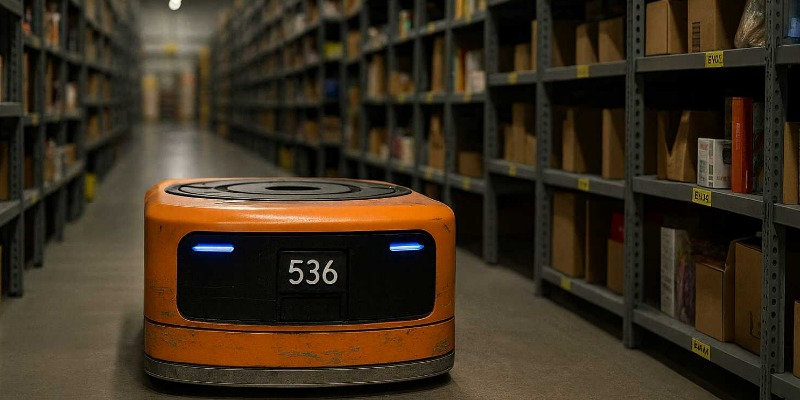 L’algoritmo che non dorme mai: il lavoro umano nell’era dei robot
Tra efficienza e disoccupazione tecnologica, il futuro del lavoro rischia di ridursi a un ricordo gestito dalle macchinedi Marco ArezioNon ci sarà uno sciopero, né una marcia di protesta a segnare la prossima rivoluzione industriale. Non ci saranno bandiere né slogan, perché la trasformazione che avanza non urla: calcola, misura, sostituisce. È un processo silenzioso, invisibile, codificato in stringhe di software. È la rivoluzione degli algoritmi, la nuova forma di potere che ridefinisce il concetto stesso di lavoro umano. Amazon — colosso fondato da Jeff Bezos, simbolo planetario della logistica e del commercio digitale — ha annunciato una razionalizzazione che coinvolgerà più di 600.000 lavoratori entro il 2027. Non si parla di un licenziamento di massa, ma di una “ottimizzazione tecnologica”: una parola elegante per dire che il lavoro manuale, quello dei magazzinieri, dei picker, degli associates, è destinato a scomparire. Non più mani che imballano pacchi, non più passi tra gli scaffali. Al loro posto, una nuova stirpe di robot collaborativi — i cosiddetti cobots — programmati per muoversi con grazia, efficienza e un’apparente empatia artificiale. Una sostituzione che non avviene solo nelle fabbriche, ma nella cultura stessa del lavoro. La nuova semantica dell’automazione “Automazione” e “intelligenza artificiale” sono parole che, ormai, evocano più paura che progresso. Troppo fredde, troppo minacciose. Per questo, nei documenti interni delle grandi multinazionali, si preferiscono espressioni più rassicuranti: “tecnologia avanzata”, “razionalizzazione dei processi”, “ottimizzazione del flusso operativo”. Ma dietro questa semantica morbida si nasconde un cambio strutturale: la disoccupazione tecnologica. Secondo le proiezioni, Amazon investirà in dieci anni per sostituire oltre mezzo milione di posti di lavoro con sistemi automatizzati, con un risparmio di circa 30 centesimi di dollaro per ogni pacco consegnato. Trenta centesimi: il prezzo dell’umanità cancellata da un algoritmo efficiente. La fatica invisibile del nuovo capitalismo Lavorare nei magazzini di Amazon è già oggi un’esperienza ai limiti della sopportazione fisica. Tempi scanditi da sensori, tragitti ottimizzati al centimetro, pause ridotte al minimo, controllo totale delle prestazioni. Eppure, nel nuovo modello industriale, anche quella fatica controllata e deumanizzata diventa superflua. Il paradosso è che, per molti, il lavoro rappresentava comunque una forma di identità, di dignità sociale. Il lavoro non era solo un mezzo di sostentamento, ma un atto di partecipazione collettiva alla vita produttiva. Quando la macchina lo sostituisce, non elimina solo il gesto, ma il senso stesso di appartenenza alla società. La perdita non è soltanto economica: è simbolica. È la dissoluzione di un patto sociale che per secoli ha legato l’essere umano al proprio fare. Il rischio di una società post-lavoro Si potrebbe pensare che questa evoluzione rappresenti un progresso inevitabile. Che le macchine libereranno l’uomo dalle mansioni ripetitive, aprendo la strada a occupazioni più creative e intellettuali. Ma il problema è più complesso. Non tutti potranno “riciclarsi” nel digitale. Non tutti avranno la formazione, il tempo o le risorse per farlo. Così, mentre una ristretta élite di ingegneri e analisti controllerà i flussi globali di dati, milioni di ex lavoratori manuali rischiano di rimanere ai margini, in una nuova forma di esclusione: la marginalità tecnologica. Siamo di fronte a una società che rischia di dividersi tra chi programma e chi è programmato. Il capitale, ormai, non è più accumulato attraverso la fatica, ma attraverso l’informazione. E i dati, che un tempo servivano per migliorare il lavoro umano, oggi servono per eliminarlo. La ritualità del lavoro che scompare L’articolo citato suggerisce un’immagine potente: forse il futuro del lavoro non sarà il lavoro stesso, ma la gestione del suo ricordo. Un’occupazione simbolica, quasi rituale, di fronte alla “macchina che non dorme mai”. È un’immagine inquietante e poetica al tempo stesso. Ci racconta una società in cui il lavoro diventa memoria, celebrazione di un tempo in cui la manualità era valore, e non inefficienza. Potremmo immaginare musei del lavoro umano, dove i bambini vedranno video di operai che montano, trasportano, catalogano — come oggi osserviamo le fotografie in bianco e nero delle miniere o delle officine ottocentesche. Il gesto umano, un tempo spina dorsale dell’economia, diventa un archivio emotivo. Una reliquia di civiltà. L’illusione della collaborazione uomo-macchina Le grandi aziende cercano di rassicurare: i robot non sostituiranno le persone, le affiancheranno. Saranno collaborativi, “gentili”, addirittura “empatici”. Ma la verità è che la collaborazione presuppone un equilibrio di poteri, e in questo caso l’equilibrio non esiste. L’algoritmo decide tempi, rotte, carichi di lavoro. L’uomo, al massimo, interviene quando la macchina si ferma. Il rischio è quello di trasformare il lavoratore in un guardiano passivo della tecnologia, in una figura accessoria del sistema produttivo, un operatore di emergenza nel ciclo della macchina autonoma. La collaborazione si riduce così a un’illusione retorica, funzionale a rendere più accettabile una transizione che, nei fatti, è una sostituzione. Verso un nuovo contratto sociale digitale Il futuro del lavoro non può essere affidato al solo criterio dell’efficienza. Serve una nuova etica del progresso, un contratto sociale che regoli il rapporto tra tecnologia, dignità e occupazione. Questo implica ridistribuire i benefici della produttività automatizzata, attraverso strumenti come il reddito universale, la riduzione dell’orario lavorativo o la formazione digitale obbligatoria. Le macchine devono lavorare per l’uomo, non contro di lui. Ma per farlo serve una politica capace di capire il linguaggio della tecnologia senza subirlo, e una cultura capace di restituire senso al lavoro anche in un mondo che ne riduce progressivamente la necessità. Conclusione: l’algoritmo e l’anima Quando una macchina prende il posto di un uomo, non si limita a sostituirne la funzione: ne occupa lo spazio simbolico. Il magazzino automatizzato non è solo un luogo di logistica, ma un laboratorio sociale in cui si misura il valore dell’essere umano di fronte all’efficienza perfetta. La sfida, allora, non è fermare la tecnologia — impresa impossibile — ma restituire all’uomo la centralità etica nel suo utilizzo. Perché la macchina non dorme mai, ma neppure sogna. E forse è proprio nel sogno, nell’imperfezione, nella lentezza e nell’empatia che risiede la parte più autentica del lavoro umano.© Riproduzione Vietata
SCOPRI DI PIU' Coronavirus: cosa succederà alla sharing economy?
La condivisione delle macchine, bici, case e delle attrezzature nel periodo della post pandemiadi Marco Arezio Arrivare in aereo in una città, alloggiare in una stanza in casa di una persona non conosciuta, uscire prendendo una macchina in car sharing o una bici, ci sembrerà strano? Probabilmente si, tutto quello che era una conquista è divento improvvisamente un problema. Vivevamo nel mondo della condivisione dei beni, dove il valore del servizio che si otteneva era il metro di valutazione dell’organizzazione della nostra giornata, un passaggio, un’auto per qualche ora, un monopattino, una stanza per una notte. Niente più proprietà del bene in uso, niente costi da sostenere in periodi in cui non viene utilizzato, niente ostentazione di una presunta ricchezza, libertà di cambiare lo strumento del servizio ogni giorno, costi bassi e poche responsabilità. Veniamo da anni in cui ogni cosa veniva acquistata, conservata, usata, a volte pochissimo e poi buttata, non perché non funzionasse più, ma perché vecchia e magari i ricambi erano fuori produzione. Al vertice di questi usi limitati c’era il sogno di tutti, l’auto, che veniva parcheggiata nel garage, mediamente, per il 90% del tempo della sua vita, ma si preferiva averla in quanto garantiva una sensazione di libertà e indipendenza di circolazione. E come dimenticare la dote di ogni bravo padre di famiglia aveva: il trapano. Quanti ne sono stati comprati per famiglia e quanti buchi sono stati fatti nel muro? Pochissimi. Ma al grido > i produttori di questi elettrodomestici hanno venduto milioni di pezzi. Oggi, dove la mentalità è cambiata e si privilegia l’uso alla proprietà, per questioni ambientali, di economia circolare, di razionalizzazione del traffico, spingendo ad usare l’auto, per esempio, solo nell’ultimo breve tratto del tuo viaggio, suggerendo alla gente viaggiare in treno per le medie distanze. Si è quindi sviluppata negli ultimi anni, un’economia nuova, fatta di flotte di auto, spesso elettriche, motorini, bici, monopattini e, inoltre, anche nel settore dell’alloggio, si prenotano camere nelle case di comuni cittadini che ti ospitano, scavalcando gli alberghi, per ridurre il costo del pernottamento e per conoscere gente nuova. Ma in questo periodo in cui la pandemia da Coronavirus ci espone facilmente al contagio, dove il distanziamento sociale oggi è un requisito fondamentale, dove non si sa ancora quanto questo virus possa rimanere nel tempo sulle superfici toccate da una persona positiva, dove le abitazioni e le auto dovrebbero essere sanificate completamente dopo ogni utilizzo, ci chiediamo come comportarci in questo periodo sospeso. Ci auguriamo, che con l’avvento del vaccino, tutte queste perplessità rimangano un brutto ricordo, in quanto la Sharing Economy è un pilastro fondamentale dell’economia circolare e della tutela dell’ambiente e, mai si potrà pensare di adottare un modello di economia come quella passata, dove si continuava a produrre oggetti che non si usavano pienamente.Vedi maggiori informazioni sulla sharing economy
SCOPRI DI PIU' Cosa Accadrebbe se la Cina Fermasse l’Export delle Terre Rare? Impatti Globali, Conseguenze Industriali e Scenari Futuri
Un’analisi sulle ripercussioni economiche, ambientali e tecnologiche del possibile blocco cinese delle terre rare: come cambierebbe il mondo della tecnologia, dell’energia pulita e della geopoliticadi Marco ArezioLe terre rare sono il cuore silenzioso dell’economia digitale e verde. In pochi le vedono, nessuno le riconosce tra le mani, ma ogni giorno fanno funzionare smartphone, auto elettriche, turbine eoliche, dispositivi medici, satelliti, sistemi di difesa. La loro importanza è così pervasiva che un blocco improvviso dell’export da parte della Cina – principale fornitore mondiale – scatenerebbe una crisi di portata globale, trasformando in pochi mesi filiere produttive, assetti geopolitici e scelte strategiche di interi Paesi. Il Monopolio Cinese: Dati e Numeri La Cina oggi domina il mercato delle terre rare. Produce circa il 60-70% della fornitura globale e raffina oltre l’85% dei minerali, controllando non solo l’estrazione ma anche la lavorazione e la trasformazione in prodotti ad alto valore aggiunto. Stati Uniti, Unione Europea e Giappone, pur possedendo giacimenti, hanno ridotto drasticamente la loro produzione interna a causa dei costi ambientali, degli standard di sicurezza e di una concorrenza cinese aggressiva e a basso costo, che negli anni ha reso antieconomica qualsiasi alternativa. Cosa Sono le Terre Rare e Perché Sono Così Strategiche Con il termine “terre rare” si indica un gruppo di 17 elementi chimici, tra cui il neodimio, il lantanio, il cerio e il disprosio. Questi materiali sono fondamentali per magneti permanenti, batterie ricaricabili, catalizzatori, schermi LCD, laser, fibre ottiche e una lunga lista di applicazioni avanzate. La transizione energetica, con la corsa verso veicoli elettrici e fonti rinnovabili, sta rendendo queste risorse ancora più cruciali per il futuro industriale globale. Uno Shock nelle Catene di Fornitura Immaginiamo ora lo scenario: la Cina, in risposta a pressioni geopolitiche o per proteggere le proprie industrie strategiche, decide di bloccare le esportazioni di terre rare. Nel giro di poche settimane, aziende di ogni settore si ritroverebbero senza materiali chiave. Le prime a soffrire sarebbero le industrie tecnologiche: la produzione di chip, smartphone, computer, auto elettriche subirebbe un rallentamento o addirittura uno stop. I prezzi dei prodotti finiti salirebbero vertiginosamente, mentre molte aziende – soprattutto quelle meno integrate e con minor potere contrattuale – rischierebbero la chiusura. Settori più Colpiti: Tecnologia, Energia, Difesa - Elettronica di consumo: smartphone, computer, tablet, televisori dipendono dai magneti e dai componenti realizzati con terre rare. L’indisponibilità di questi materiali creerebbe una carenza di prodotti e farebbe impennare i prezzi. - Auto elettriche: i motori ad alta efficienza e le batterie dei veicoli elettrici usano terre rare come il neodimio e il disprosio. Un blocco porterebbe al rallentamento della produzione e al ritardo nella transizione energetica. - Energie rinnovabili: turbine eoliche e impianti fotovoltaici, strategici per la decarbonizzazione, necessitano di terre rare per i loro sistemi di generazione. - Difesa: missili, radar, sistemi di guida e satelliti militari utilizzano terre rare per funzionare correttamente. La sicurezza nazionale degli Stati più avanzati ne sarebbe compromessa. Conseguenze Geopolitiche e Nuove Alleanze Il blocco delle esportazioni aprirebbe una stagione di crisi geopolitica senza precedenti. L’Unione Europea, il Giappone e gli Stati Uniti cercherebbero forniture alternative in paesi come Australia, Canada, Brasile, Vietnam, Sudafrica. Ma la creazione di nuove miniere e filiere di raffinazione richiede tempi lunghi e ingenti investimenti, spesso ostacolati da questioni ambientali e sociali. Nel breve termine, si assisterebbe a una corsa all’accaparramento e al rafforzamento di alleanze strategiche per garantire la sicurezza degli approvvigionamenti. Alcuni Stati potrebbero adottare politiche protezionistiche, imponendo restrizioni sull’export di materie prime critiche o finanziando direttamente la ricerca e lo sviluppo di tecnologie alternative. Impatti sull’Economia Globale e sul Green Deal Il blocco cinese avrebbe effetti immediati sulla crescita globale. L’aumento dei costi di produzione, la riduzione dell’offerta di beni tecnologici e l’incertezza dei mercati porterebbero a una frenata dell’innovazione, mettendo a rischio gli obiettivi di neutralità climatica fissati dai Paesi occidentali. Il Green Deal europeo, ad esempio, dipende fortemente dalla disponibilità di materie prime strategiche per la transizione ecologica: senza terre rare, la produzione di auto elettriche e di energie rinnovabili si ridurrebbe drasticamente, con conseguenze sull’occupazione e sulla competitività delle imprese. Spinta all’Innovazione e Riciclo: Le Contromosse Possibili A medio-lungo termine, lo shock produrrebbe una fortissima spinta all’innovazione. Potrebbero nascere tecnologie alternative che utilizzano materiali più facilmente reperibili, oppure si rafforzerebbe la filiera del riciclo delle terre rare, attualmente ancora poco sviluppata ma con enormi potenzialità. Inoltre, molte aziende sarebbero costrette a ripensare la progettazione dei prodotti per ridurre la dipendenza da questi materiali, favorendo l’adozione di principi di economia circolare e design sostenibile. L’Impatto Ambientale: Nuove Miniere, Vecchi Problemi L’aumento dei prezzi e la necessità di diversificare le fonti porterebbero probabilmente all’apertura di nuove miniere in paesi meno regolamentati, con possibili ripercussioni ambientali importanti: estrazione e raffinazione delle terre rare sono infatti processi altamente inquinanti e difficili da gestire in sicurezza. Il rischio è che la ricerca di “nuove miniere” si trasformi in una corsa senza regole, con danni ambientali e sociali difficilmente controllabili. Uno Scenario che Invita alla Riflessone In definitiva, un blocco cinese delle terre rare sarebbe un catalizzatore di cambiamenti profondi: accelererebbe la ricerca di alternative, porterebbe a una ridefinizione delle filiere globali, ma rischierebbe anche di rallentare la transizione energetica e aumentare i conflitti geopolitici. Il mondo, oggi, paga la scelta di affidare a un solo attore la quasi totalità di una risorsa fondamentale. Diversificare, riciclare, innovare e cooperare sono le uniche vere risposte a una sfida che, se dovesse materializzarsi, non avrebbe vincitori, ma solo la possibilità di un futuro meno vulnerabile e più sostenibile.© Riproduzione VietataAcquista il libro
SCOPRI DI PIU' I Lavori che Resisteranno all’Intelligenza Artificiale: Professioni del Futuro tra Innovazione e Valore Umano
Una guida ragionata ai mestieri destinati a sopravvivere – e prosperare – nell’era dell’IA, tra creatività, relazione, etica e resilienza umanadi Marco ArezioNegli ultimi anni, la crescita esponenziale dell’intelligenza artificiale (IA) ha suscitato timori, entusiasmi e riflessioni profonde sulle conseguenze per il mondo del lavoro. Se, da un lato, si assiste a una corsa verso l’automazione che sembra destinata a ridisegnare radicalmente molte professioni, dall’altro permane la certezza che alcuni mestieri continueranno ad avere una rilevanza insostituibile, proprio grazie a ciò che la tecnologia non può replicare: l’autenticità, la creatività, l’empatia e la capacità di navigare nella complessità. L’era dell’IA non sarà necessariamente l’epoca della disoccupazione di massa, ma piuttosto una stagione di transizione in cui l’essenza dell’umano diventa, paradossalmente, il vero vantaggio competitivo. Oltre la Sostituzione: Cosa l’IA Non Può Fare (e probabilmente non potrà) Le macchine imparano, elaborano dati, trovano correlazioni invisibili e, spesso, superano l’uomo nella velocità e nell’efficienza di calcolo. Tuttavia, l’intelligenza artificiale – per quanto sofisticata – resta un prodotto progettato per ottimizzare compiti ben definiti, spesso ripetitivi e delimitati da regole chiare. Difficilmente, almeno nell’orizzonte delle prossime decadi, potrà sostituire quelle attività dove serve intuito, pensiero laterale, giudizio morale, gestione delle emozioni e interpretazione di situazioni ambigue. I lavori “sicuri” non sono quelli che rifiutano la tecnologia, ma quelli che sanno integrarla, traendone valore aggiunto senza cedere la propria identità. La resilienza di queste professioni risiede nella loro capacità di mettere al centro l’elemento umano, sia nel rapporto con le persone che nella gestione di contesti complessi e mutevoli. Lavori Creativi: Dove la Fantasia e l’Innovazione Restano Insostituibili La creatività è, per sua natura, imprevedibile e unica. L’IA può imitare, persino comporre poesie o dipingere quadri, ma la sua creatività resta una simulazione, basata sulla ripetizione di schemi preesistenti. I veri creativi – scrittori, artisti, designer, musicisti, registi, stilisti, sceneggiatori – attingono invece a un vissuto personale, a un’intuizione non programmabile, a uno sguardo sul mondo che non può essere replicato da nessuna macchina. Chi lavora nell’ambito della produzione culturale e creativa avrà sempre un ruolo centrale: anche se parte del processo potrà essere automatizzata (si pensi al montaggio video, alla grafica di base, alla produzione musicale assistita), la scintilla dell’innovazione, la capacità di rompere gli schemi e dare voce a nuove tendenze resterà saldamente umana. Non a caso, le aziende più innovative cercano talenti con pensiero divergente, in grado di immaginare il futuro prima che sia evidente a tutti. Le Professioni di Cura, Relazione e Educazione Un secondo, vastissimo campo è quello delle professioni legate alla relazione e alla cura della persona. Medici, infermieri, educatori, assistenti sociali, psicologi, operatori sociosanitari, counselor, formatori: il loro valore aggiunto non si misura nella capacità di ripetere protocolli standard, ma nella gestione delle emozioni, nel riconoscimento dei bisogni profondi, nell’adattarsi alle situazioni imprevedibili che coinvolgono individui unici. Anche qui, l’IA avrà un ruolo importante, aiutando nella diagnosi precoce, suggerendo percorsi terapeutici o personalizzando l’apprendimento. Ma la dimensione empatica, l’ascolto, la motivazione, la capacità di far sentire l’altro accolto e compreso, sono elementi che nessun algoritmo può simulare autenticamente. La “cura” non è solo tecnica: è attenzione, presenza, capacità di creare fiducia. In una società che invecchia e si fa sempre più complessa, il bisogno di professionisti della relazione è destinato ad aumentare. I Mestieri Artigianali e Manuali: L’Umano al Centro del Fare Sorprendentemente, alcuni dei lavori più resilienti all’automazione sono quelli che da sempre si fondano sulla manualità, sulla conoscenza tacita e sull’ingegno applicato. Pensiamo agli artigiani, agli specialisti delle lavorazioni di pregio, ai restauratori, ai cuochi d’eccellenza, ai maestri vetrai, liutai, falegnami, sarti e calzolai. L’IA e i robot potranno riprodurre in serie oggetti sempre più sofisticati, ma la differenza tra un prodotto artigianale e uno industriale sarà ancora più evidente: il primo è unico, racconta una storia, incarna una relazione diretta tra chi lo crea e chi lo usa. L’artigiano moderno saprà integrare tecnologie avanzate – dalla modellazione digitale alla stampa 3D – senza mai perdere il tocco personale e la capacità di risolvere problemi complessi “sul campo”. Professioni Etiche e di Supervisione: L’Uomo come Giudice e Regolatore L’intelligenza artificiale apre questioni etiche e giuridiche sempre più complesse. Chi progetta sistemi di IA, chi ne regola l’uso, chi vigila sul rispetto delle norme o analizza le conseguenze sociali e morali delle nuove tecnologie – giuristi, eticisti, filosofi, regolatori, auditor – è chiamato a un ruolo di responsabilità crescente. Il futuro vedrà la nascita di nuove professionalità legate alla “governance” delle intelligenze artificiali: la capacità di interpretare la legge, valutare i dilemmi morali, assicurare trasparenza e tracciabilità non potrà essere demandata a una macchina. Serviranno specialisti in grado di dialogare tra mondo tecnico e giuridico, di anticipare rischi e mitigare impatti negativi, spesso assumendosi decisioni difficili. Mestieri Tecnici di Alta Specializzazione e Lavori Emergenti Non tutti i lavori tecnici saranno automatizzati: anzi, l’avanzare dell’IA richiede competenze sempre più specializzate nella progettazione, manutenzione, adattamento e supervisione delle stesse tecnologie. Ingegneri, sviluppatori, data scientist, analisti di sicurezza informatica, specialisti di robotica e di IA saranno tra i profili più richiesti. A questi si aggiungeranno nuovi ruoli oggi quasi sconosciuti, come i “prompt engineer” (esperti di dialogo con l’IA), i “formatori di intelligenze artificiali”, i gestori di dati sensibili, i supervisori della qualità algoritmica. Si tratta di professioni che evolveranno rapidamente, ma che manterranno un nucleo insostituibile di pensiero critico, spirito di adattamento e capacità di apprendere lungo tutto l’arco della vita. I Lavori che Non Spariranno: Sintesi e Prospettive Dunque, quali sono i lavori che non spariranno con l’avvento massiccio dell’IA? Sono quelli dove l’essere umano è insostituibile per almeno uno di questi motivi: - Creatività e innovazione: tutto ciò che non può essere programmato o previsto; - Relazione ed empatia: la gestione di situazioni emotive e interpersonali complesse; - Manualità e artigianalità: quando il valore risiede nell’unicità e nella personalizzazione; - Giudizio e supervisione etica: dove serve una visione d’insieme e una responsabilità morale; - Alta specializzazione tecnica: progettazione, manutenzione e adattamento delle stesse tecnologie. Il mondo del lavoro non sarà mai più lo stesso, ma non per questo sarà disumanizzato. La vera sfida sarà integrare la potenza dell’IA con le qualità irriducibilmente umane, costruendo nuovi equilibri e – soprattutto – nuove opportunità per chi saprà abbracciare il cambiamento. In un’epoca di incertezza, investire in ciò che ci rende unici non è solo una difesa, ma la migliore strategia per il futuro.© Riproduzione Vietata
SCOPRI DI PIU' Intelligenza artificiale, robotica e biotecnologie: molti resteranno indietro
Un’analisi approfondita su come AI, digitalizzazione, clima e fragilità sociali possano ampliare le disuguaglianze economiche invece di ridurleAutore: Marco Arezio. Esperto in economia circolare, riciclo dei polimeri e processi industriali delle materie plastiche. Fondatore della piattaforma rMIX, dedicata alla valorizzazione dei materiali riciclati e allo sviluppo di filiere sostenibili.Prima pubblicazione: maggio 2020 Aggiornamento: 10 aprile 2026 Tempo di lettura: 12 minuti Progresso tecnologico e disuguaglianza: perché il tema è ancora più urgente nel 2026 Nel maggio 2020, periodo in cui era stato scritto un primo articolo, il timore era già chiaro: il progresso tecnologico, anziché ricucire le fratture sociali, avrebbe potuto approfondirle. Sei anni dopo, quella preoccupazione non solo è rimasta attuale, ma si è caricata di nuovi significati. Oggi non stiamo più parlando soltanto di automazione industriale o di digitalizzazione dei servizi. Stiamo parlando di intelligenza artificiale generativa, concentrazione del potere computazionale, controllo dei dati, dipendenza infrastrutturale e competizione geopolitica intorno alle tecnologie di frontiera. In altre parole, il problema non è semplicemente che la tecnologia avanza, ma che avanza più velocemente della capacità politica e sociale di distribuirne i benefici. La tesi centrale, oggi, va formulata in modo più preciso rispetto al 2020: il progresso tecnologico non aumenta automaticamente il divario tra ricchi e poveri, ma tende a farlo quando si sviluppa in sistemi economici già segnati da forti asimmetrie di reddito, istruzione, accesso all’energia, connettività, capacità amministrativa e protezione sociale. In questo scenario, l’innovazione diventa un acceleratore di vantaggi preesistenti. Chi dispone di capitale, competenze, infrastrutture digitali e potere di mercato si muove più rapidamente; chi parte da condizioni di fragilità resta più esposto ai costi della transizione. Agenda 2030 e sviluppo sostenibile: i ritardi che aggravano la frattura sociale Nel 2015 le Nazioni Unite avevano fissato gli Obiettivi di sviluppo sostenibile come cornice globale per ridurre povertà, fame, esclusione, degrado ambientale e squilibri economici. A dieci anni di distanza, il bilancio ufficiale è severo: il rapporto ONU 2025 afferma che il ritmo del cambiamento è insufficiente e che solo il 35% dei target SDG con dati disponibili è in linea o mostra progressi moderati; quasi la metà procede troppo lentamente e il 18% è addirittura in regressione. Lo stesso rapporto indica che i progressi restano “fragili e diseguali”, frenati da conflitti, crisi climatica, aumento delle disuguaglianze e costi del debito. Questo dato è decisivo per leggere il rapporto tra tecnologia e povertà. Se la base sociale globale fosse diventata più solida, la nuova ondata tecnologica avrebbe trovato società più preparate ad assorbirla. Invece, la trasformazione digitale arriva mentre oltre 800 milioni di persone vivono ancora in povertà estrema secondo le evidenze richiamate nel report SDG 2025, e la Banca Mondiale stima che circa 700 milioni di persone vivano con meno di 2,15 dollari al giorno, mentre 3,5 miliardi restano sotto la soglia di 6,85 dollari al giorno. In questo quadro, parlare di intelligenza artificiale senza parlare di reddito, debito, cibo, scuole e servizi di base significa osservare solo la punta del problema. Intelligenza artificiale e ricchezza: chi controlla dati, capitale e infrastrutture Il nodo più delicato emerso negli ultimi due anni è la concentrazione. L’AI non è una tecnologia leggera, diffusa spontaneamente in modo omogeneo. Richiede investimenti enormi in chip, data center, energia elettrica affidabile, competenze avanzate, cloud, proprietà intellettuale e grandi masse di dati. UNCTAD ha segnalato nel 2025 che il valore di mercato dell’intelligenza artificiale potrebbe arrivare a 4,8 trilioni di dollari entro il 2033, ma i benefici restano altamente concentrati. Ancora più significativo è il dato secondo cui appena 100 imprese, soprattutto negli Stati Uniti e in Cina, rappresentano il 40% della spesa mondiale in ricerca e sviluppo corporate. Qui emerge il vero rischio sistemico. Se il cuore dell’innovazione è presidiato da pochi Paesi, poche piattaforme e poche filiere industriali, il resto del mondo non entra nella nuova economia come coprotagonista, ma come utilizzatore dipendente. La promessa di democratizzazione digitale, che nel 2020 appariva ancora plausibile, oggi va corretta: l’accesso agli strumenti è cresciuto, ma il controllo delle leve strategiche si è ristretto. Per molti Paesi a basso e medio reddito il rischio non è soltanto “restare indietro”, ma specializzarsi in ruoli marginali, privi di sovranità tecnologica e con scarso potere contrattuale. La stessa UNCTAD osserva che meno di un terzo dei Paesi in via di sviluppo dispone di una strategia AI, e 118 Paesi non sono adeguatamente rappresentati nei principali tavoli di governance dell’intelligenza artificiale. Digital divide globale: istruzione, connettività ed esclusione dal nuovo mercato del lavoro Nel testo del 2020 si richiamava il problema dell’analfabetismo e della mancanza di elettricità. Oggi quel passaggio va non solo confermato, ma aggiornato con dati più netti. UNESCO riporta che almeno 739 milioni di adulti nel mondo non sanno ancora leggere e scrivere, e due terzi sono donne. L’ITU segnala che nel 2025 quasi tre quarti della popolazione mondiale è online, ma 2,2 miliardi di persone restano offline, in gran parte nei Paesi a basso e medio reddito. Sul piano energetico, il report Tracking SDG7 2025 indica che nel 2023 l’accesso globale all’elettricità è salito al 92%, ma centinaia di milioni di persone ne sono ancora prive, mentre 2,1 miliardi non hanno accesso a soluzioni di cottura pulita. Questo significa che la disuguaglianza digitale non è più soltanto una questione di avere o non avere uno smartphone. È una catena di esclusioni. Se mancano alfabetizzazione di base, elettricità stabile, connessione affidabile, strumenti digitali, scuole attrezzate e competenze linguistiche e informatiche, la nuova economia rimane strutturalmente inaccessibile. Le Nazioni Unite ricordano anche che 272 milioni di bambini e giovani erano fuori dalla scuola nel 2023 e che nei Paesi a basso reddito il 36% dei bambini e ragazzi in età scolare non frequenta la scuola, contro il 3% dei Paesi ad alto reddito. In molti Paesi meno sviluppati, inoltre, due terzi delle scuole primarie non dispongono di strumenti digitali adeguati. La conseguenza è evidente: il progresso tecnologico non incontra una platea umana uniforme, ma un’umanità stratificata. Per una parte del pianeta l’AI è un moltiplicatore di produttività; per un’altra è un oggetto lontano, privo delle condizioni minime per essere compreso, usato o governato. E quando una tecnologia è accessibile solo a chi possiede già i prerequisiti, la mobilità sociale si restringe. AI e occupazione: quali lavori rischiano e quali si trasformeranno davvero Sul lavoro, il dibattito del 2020 era ancora incerto. Oggi abbiamo evidenze più raffinate. L’IMF ha stimato che l’intelligenza artificiale potrebbe incidere su quasi il 40% dei posti di lavoro nel mondo. L’ILO, con il suo aggiornamento 2025, ha precisato che circa un lavoro su quattro è esposto alla trasformazione da parte della GenAI, ma il risultato più probabile non è la sostituzione totale bensì la trasformazione dei compiti. Le occupazioni clericali e amministrative restano quelle più esposte, e l’impatto è particolarmente rilevante nei Paesi ad alto reddito e nei lavori fortemente digitalizzati. Questa distinzione è fondamentale. Dire che l’AI distruggerà il lavoro è troppo semplice; dire che non lo distruggerà affatto è altrettanto fuorviante. La verità è che molte professioni non spariranno all’improvviso, ma perderanno parti del loro valore economico, verranno spezzate in funzioni, rese più precarie, sottoposte a maggiore controllo algoritmico o ricombinate in modelli organizzativi che richiedono meno persone e più competenze. In altre parole, il rischio sociale non è solo la disoccupazione netta, ma la polarizzazione del lavoro: da una parte ruoli ad alta qualifica, ben pagati e potenziati dalla tecnologia; dall’altra lavori residuali, intermittenti, poveri o subordinati a sistemi automatizzati. Per i lavoratori maturi, per chi ha bassa istruzione, per chi opera in contesti produttivi standardizzati o amministrativi, la transizione può essere particolarmente dura. Non perché ogni mansione venga cancellata, ma perché il mercato inizierà a remunerare sempre di più la capacità di integrare la macchina, non semplicemente di eseguire procedure. Questo premia chi ha avuto accesso a istruzione continua, ambienti professionali dinamici, reti sociali solide e formazione digitale. Penalizza chi è rimasto ai margini. Povertà estrema, fragilità sociale e accesso ai servizi essenziali nel mondo digitale Il grande equivoco delle società ricche è pensare che il futuro sia definito solo dalle tecnologie emergenti. Per miliardi di persone il futuro resta invece definito da acqua, cibo, salute, casa e trasporti. Il rapporto SDG 2025 ricorda che 2,2 miliardi di persone non dispongono ancora di acqua potabile gestita in sicurezza, 3,4 miliardi non hanno servizi igienici sicuri e 1,7 miliardi non hanno servizi di igiene di base in casa. In un mondo così diseguale, l’innovazione digitale non si distribuisce su una superficie neutra: si deposita su società già segnate da una drammatica gerarchia di vulnerabilità. È qui che la disuguaglianza tecnologica si intreccia con quella materiale. Chi vive in povertà estrema non è escluso solo dall’AI, ma da tutto l’ecosistema che la rende utile: istruzione, salute, tempo disponibile, connessione, continuità elettrica, istituzioni funzionanti. In molti territori, l’urgenza quotidiana resta sopravvivere fino a sera, non imparare a usare una piattaforma digitale. Per questo il progresso tecnologico, lasciato a se stesso, rischia di produrre una modernità a due velocità: una parte del mondo discute di modelli linguistici e automazione cognitiva, un’altra continua a misurarsi con fame, informalità del lavoro e assenza di servizi essenziali. Cambiamento climatico, debito e conflitti: i moltiplicatori delle nuove disuguaglianze Nel 2020 l’articolo collegava tecnologia e crisi ambientale. Oggi quel collegamento è ancora più stringente. La WMO ha confermato che il 2025 è stato uno dei tre anni più caldi mai registrati e che gli ultimi undici anni sono stati gli undici più caldi della serie storica. Il report SDG 2025 ricorda inoltre che il 2024 è stato l’anno più caldo mai registrato, con una temperatura media di circa 1,55 °C sopra il livello preindustriale. Non si tratta di un semplice sfondo climatico: significa raccolti compromessi, danni infrastrutturali, migrazioni, maggiore pressione sui bilanci pubblici, crescita dei prezzi alimentari e aumento delle disuguaglianze territoriali. La frattura, infatti, non è solo tra persone, ma tra Stati. I Paesi ad alto reddito hanno più margini fiscali, più assicurazioni, più reti energetiche resilienti, più tecnologie di adattamento, più capacità di investire in AI e nella transizione. Molti Paesi poveri, invece, affrontano simultaneamente debito, instabilità politica, fragilità istituzionale, dipendenza energetica e vulnerabilità climatica. Le Nazioni Unite parlano di un gap annuo di finanziamento agli SDG di 4 trilioni di dollari per i Paesi in via di sviluppo, mentre i costi del servizio del debito per i Paesi a basso e medio reddito hanno raggiunto livelli record. In queste condizioni, il progresso tecnologico rischia di diventare l’ennesimo fattore che premia chi ha già risorse per investire e protegge meno chi ne avrebbe più bisogno. Perché il progresso tecnologico non è neutrale e può favorire chi è già forte L’idea che la tecnologia sia neutrale è rassicurante, ma falsa. Ogni grande innovazione si inserisce in rapporti sociali, modelli fiscali, regole del lavoro, sistemi scolastici, mercati del credito e assetti geopolitici. Se questi sistemi sono squilibrati, anche i benefici della tecnologia si concentrano. È ciò che vediamo oggi con la combinazione di capitale, proprietà intellettuale, cloud, semiconduttori e piattaforme. Il risultato più probabile, in assenza di correttivi, non è un benessere diffuso, ma una crescita selettiva: più produttività per alcuni, più dipendenza o marginalità per altri. La vera linea di frattura non separa più soltanto il lavoro manuale dal lavoro intellettuale. Separa chi possiede capacità di adattamento continuo da chi non può permetterselo; chi controlla infrastrutture e modelli da chi li noleggia; chi genera rendite attraverso dati e software da chi vende tempo, presenza e mansioni ripetitive. Per questo l’articolo del 2020, letto oggi, appare persino prudente: il rischio non è solo un aumento della povertà tradizionale, ma l’emergere di una povertà nuova, digitale, invisibile, fatta di scarsa capacità negoziale, bassa alfabetizzazione tecnologica e dipendenza permanente da ecosistemi proprietari. Le politiche necessarie per evitare che l’innovazione lasci indietro miliardi di persone Se il rischio è reale, il fatalismo non è una risposta. Le istituzioni internazionali convergono su alcuni punti chiave. Servono investimenti in alfabetizzazione di base e competenze digitali; elettrificazione e connettività accessibile; formazione continua per i lavoratori esposti; protezione sociale capace di accompagnare le transizioni; politiche industriali che sostengano capacità locali; governance internazionale più inclusiva sull’AI; e un’attenzione esplicita al fatto che i guadagni di produttività non devono trasformarsi solo in rendite per il capitale. UNCTAD insiste su infrastrutture, dati e competenze; la Banca Mondiale parla di rafforzare le fondamenta dell’AI per i Paesi a basso e medio reddito; l’ILO chiede di governare la trasformazione del lavoro prima che diventi esclusione; l’IMF sottolinea la necessità di un equilibrio tra produttività e tutela sociale. In sostanza, il progresso tecnologico smetterà di allargare il divario tra ricchi e poveri solo quando verrà trattato come una questione pubblica, non come un automatismo di mercato. Non basta che l’innovazione esista; conta chi la possiede, chi la regola, chi la finanzia, chi la capisce e chi resta fuori dal suo linguaggio. Tecnologia, giustizia sociale e futuro: come trasformare l’innovazione in sviluppo condiviso Aggiornando il testo del 2020, la conclusione può essere formulata così: sì, è probabile che il progresso tecnologico aumenti ulteriormente il divario tra ricchi e poveri, ma non per una legge naturale della storia. Accadrà se continueremo a separare l’innovazione dalla giustizia sociale, l’AI dalla scuola, la produttività dalla redistribuzione, la transizione ecologica dalla protezione dei più vulnerabili. Accadrà se il mondo ricco userà la tecnologia per ottimizzare se stesso senza preoccuparsi di costruire le condizioni minime perché il resto del pianeta possa partecipare. La sfida del 2026, dunque, non è decidere se fermare il progresso. È decidere chi deve beneficiarne. Se l’intelligenza artificiale, la robotica e la digitalizzazione saranno governate con visione sociale, potranno migliorare salute, istruzione, energia, produttività e qualità del lavoro. Se saranno lasciate alla sola logica della concentrazione economica, diventeranno il più potente moltiplicatore di disuguaglianza del nostro tempo. E allora il problema non sarà la tecnologia in sé, ma la nostra incapacità politica di renderla umana. FAQ Il progresso tecnologico rende sempre i ricchi più ricchi? Non sempre. Li favorisce soprattutto quando capitale, dati, infrastrutture e competenze sono già concentrati e mancano politiche redistributive, istruzione diffusa e protezioni sociali adeguate. L’intelligenza artificiale distruggerà il lavoro umano? Le evidenze più recenti suggeriscono che, più che cancellare in massa i posti di lavoro, l’AI trasformerà molti compiti e molte professioni. Tuttavia alcuni ruoli, soprattutto amministrativi e clericali, risultano più esposti di altri. Perché il digital divide è ancora così importante nel 2026? Perché miliardi di persone restano escluse da connessione, alfabetizzazione, elettricità e strumenti digitali. Senza questi prerequisiti, la nuova economia tecnologica resta inaccessibile. Qual è il legame tra crisi climatica e disuguaglianza tecnologica? La crisi climatica colpisce più duramente i Paesi e le comunità con meno risorse fiscali, infrastrutturali e tecnologiche. Questo riduce ulteriormente la loro capacità di investire in istruzione, adattamento e innovazione. Si può evitare che l’AI allarghi il divario tra ricchi e poveri? Sì, ma servono politiche pubbliche forti: scuola, formazione continua, accesso all’energia e a Internet, protezione sociale, governance internazionale inclusiva e investimenti locali in capacità tecnologica. Fonti Nazioni Unite, The Sustainable Development Goals Report 2025 e Key Findings 2025. UNESCO, Literacy: what you need to know. International Telecommunication Union, Facts and Figures 2025. World Bank / Tracking SDG7, The Energy Progress Report 2025. World Meteorological Organization, WMO confirms 2025 was one of warmest years on record. World Bank, Poverty, Prosperity, and Planet Report 2024. IMF, AI Will Transform the Global Economy. Let’s Make Sure It Benefits Humanity. International Labour Organization, Generative AI and jobs: A 2025 update e One in four jobs at risk of being transformed by GenAI. UNCTAD, Technology and Innovation Report 2025 e comunicato AI’s $4.8 trillion future.Immagine su licenza © Riproduzione Vietata
SCOPRI DI PIU' Togliere l’aria al mercato delle materie plastiche: perchè?
C’è chi spinge l’opinione pubblica e i governi in questa crociatadi Marco ArezioCi sono manovratori, adepti, teorici, finanzieri, governi assetati di tasse, tuttologi, odiatori, cannibali della rete, finti ambientalisti, uomini addetti al greenwashing, maleducati sociali, opportunisti e ignoranti. Tutti insieme pensano che speculare sulla plastica sia una giusta crociata. Nel 1095 Papa Urbano II, durante il concilio di Clermont, tenne un esplicito discorso in cui incoraggiava i fedeli ad unirsi militarmente all’Imperatore Alessio I che si stava battendo contro i Turchi in Anatolia. L’intento ufficiale del Papa era garantire il libero accesso dei fedeli Cristiani alla Terrasanta, ma gli studiosi attribuiscono a Urbano II un più ampio e segreto disegno, quello di poter annettere la chiesa orientale con quella occidentale, dopo lo il grande scisma del 1054, sotto il suo dominio. Mai niente di grande è come lo si vede dall’esterno, chi si nasconde dietro alla crociata contro la plastica? Il mondo della plastica sta subendo da alcuni anni attacchi di una grande durezza, attribuendo all’elemento stesso, sotto forma di materia prima o prodotto finito, la bolla di untore ambientale. Sgombriamo subito il campo da ogni dubbio, dichiarando apertamente che l’invenzione della plastica è da annoverare tra le più grandi scoperte del secolo scorso, con un contributo quotidiano così tangibile, ad un osservatore attento, ma che può anche facilmente sfuggire alla gente comune in quanto fa parte della nostra vita come l’aria che respiriamo. Quale partita stiano giocando i sobillatori della teoria della “plastic free” e a quale scopo, nessuno dotato di ragione riesce a capirlo e nemmeno si può intuire come sia stato facile, attraverso i media, ingigantire un odio verso un prodotto indispensabile per la nostra vita. Non ci sono gli spazi in questo articolo per elencare i vantaggi dell’uso della plastica nella produzione di milioni di prodotti che usiamo ogni giorno, in termini di costo, di funzionalità, di risparmio di CO2 in fase di produzione e di trasporto dei prodotti finiti, in termini igienici, isolanti, protettivi, riciclabili, impermeabili, durevoli e molte altre cose. Ci vorrebbe un intero libro per fare questo, ma mi vorrei soffermare sul motivo, visibile ai nostri occhi, per il quale si è scatenato il mondo intero contro il settore della plastica e vorrei introdurmi nei labirinti dei motivi che non vediamo, che stanno sotto traccia. Ciò che vediamo è la dispersione dei rifiuti in plastica (non solo quelli) nei fiumi, nei mari e negli oceani, che stanno creando uno scempio ambientale e una minaccia per i pesci e per l’uomo tramite la catena alimentare. Un problema vero, del quale, ogni persona che pensa razionalmente alla propria sopravvivenza, dovrebbe, non solo indignarsene, ma farsi carico e agire per modificare questo stato assurdo delle cose, secondo le leggi. Ma su questo argomento non mi soffermerei tanto, nonostante sia l’unico motore delle proteste popolari che vengono strumentalizzate, perché una persona di un’intelligenza normale capisce che nei fiumi, nei mari e negli oceani, la plastica non ci va da sola e, quindi, è ridicolo prendersela con lei come causa del problema, dimenticandosi facilmente della responsabilità umana. La cosa che mi interessa di più è capire quali motivazioni recondite ci possano essere dietro questo odio sviscerato per la filiera della plastica. Vediamo alcuni comportamenti di soggetti attivi in queste campagne su cui ognuno può riflettere per conto proprio: I Media. Fenomenale strumento di diffusione di informazioni (e di fake news), dove spesso non conta analizzare in modo tecnico e scientifico il problema dell’inquinamento, ma fare notizia fine a se stessa, aumentare i likes. Scrivere su un post “plasticfree”, corredandolo con una foto che rappresenta le bottiglie di acqua che galleggiano nel mare o un pesce intrappolato in un pezzo di plastica, si ottiene solo di moltiplicare in modo esponenziale la disinformazione senza proporre nulla per risolverlo, se non attraverso una visione utopica di rinuncia alla plastica. Chi semina questo odio, indiscriminato, dovrebbe avere la coscienza pulita e iniziare una vita rinunciando alla plastica, cominciando da casa sua e dalle sue abitudini. Inoltre ci sono emittenti televisive di primo piano che creano spot di grande impatto, utilizzando immagini forti, raccogliendo fondi, non si sa bene per quali finalità, portando avanti la propria crociata. Tutto questo ha il sapore del greenwashing. Pechè? I Divulgatori. Siamo tutti diventati scienziati, ogni spazio comunicativo è presidiato da sedicenti esperti che saltano da una trasmissione all’altra, da un giornale all’altro, da un libro all’altro, da un social all’altro, parlando, parlando, parlando. Di cosa? Di quello che vedono tutti e quasi mai inserendo il problema in una cornice più ampia, per capire se esistono opinioni diverse, per sentire le loro proposte migliorative o mettendosi a disposizione per un confronto diretto con scienziati e tecnici preparati. Cosa vogliono ottenere? Non ha il sapore di una strumentalizzazione a fini pubblicitari? Stare alla finestra e guadagnare sui dolori degli altri? I Governi. Sono responsabili della nostra salute e dell’ambiente in cui viviamo e troppe volte, quasi sempre, si sono attivati, nei loro compiti istituzionali, dopo che sono stati sollecitati dall’opinione pubblica. Certamente la gente ha ragione a preoccuparsi nel vedere i mari riempirsi di plastica o avere il dubbio che il pesce che finisce sulle loro tavole sia pieno di micro e nano plastiche.Ma sono gli enti governativi che si devono attivare per creare un impianto normativo adeguato per gestire la problematica dei rifiuti, porgendo un orecchio alla gente e l’altro agli scienziati. Troppi ritardi, pochi investimenti e poca competenza governano questo mondo, che dovrebbe normare e soprattutto far rispettare le leggi, per tutti. Perché tassare in modo esagerato i settori vitali della nostra economia invece che premiare, dal punto di vista fiscale, il riciclo e la produzione di materiali che hanno un impatto ambientale minore rispetto ad altri? Quali sono i veri obbiettivi politico-finanziari? Se in molti paesi esiste una sanità pubblica, che cura le nostre malattie, perché non deve esistere una economia circolare pubblica, sulla quale nessun governo dovrebbe fare business, ma investire per tutelare, indirettamente, la nostra salute e la nostra vita? L’Istruzione. Senza conoscenza non si ha la capacità di fare delle corrette analisi autonome dei problemi che ci circondano. Perché le scuole non investono nella formazione degli studenti in campo ambientale, nella conoscenza dell’economia circolare e delle energie alternative, in modo da creare una coscienza che possa salvaguardare del loro futuro? Perchè i giovani partecipano alla vita sociale attraverso le manifestazioni sull’ambiente condividendo slogan senza avere una conoscenza più approfondita dei problemi? Che ruolo vogliono dare i governi all’istruzione? La cultura è solo nozionismo o una spinta per accompagnare i ragazzi nel mondo complicato che li aspetta, dotandogli di una ragione critica? Le Aziende del Packaging. Chi tira le file del mondo del packaging in plastica sono le multinazionali delle bibite, dei detersivi e dei prodotti per la cura della persona. Hanno sempre utilizzato milioni di tonnellate di materia prima vergine, per decenni, per produrre i loro imballi, sapendo che la plastica è durevole, nel bene e nel male. Hanno pensato sempre al loro business senza capire che i loro prodotti venivano smaltiti in modo scorretto e hanno lasciato che l’opinione pubblica si rivoltasse contro i loro imballi. Perché non hanno interpretato il malessere della gente molti anni fa e, oggi, si spendono in campagne green confondendo i consumatori, facendo a gara a chi è più amico dell’ambiente? Non ha, anche qui, un sapore di greenwhasing? I Petrolieri. Come per le multinazionali del packaging, la produzione dei polimeri plastici vergini andava a gonfie vele, mentre il mondo si riempiva di rifiuti plastici. Perché sono stati così miopi da non vedere che stavano rappresentando un prodotto che sarebbe entrato in conflitto con l’utilizzatore finale? Perché hanno trovato la soluzione più sbrigativa di acquisire i produttori e riciclatori di materia plastica riciclata per dare un nuovo aspetto ecologico al loro business? Perché non hanno sostenuto l’industria della plastica, i loro clienti, attraverso iniziative concrete che evitassero, insieme ai governi, il tracollo ecologico dei nostri mari con la concreta possibilità di mettere a rischio il loro business? Il mondo non può rinunciare alla filiera della plastica nonostante si siano fatti molti errori e molte speculazioni, di cui conosciamo solo alcuni risvolti, ma molto si può fare per migliorare le cose. Non possiamo più permetterci, che una risorsa così preziosa per il nostro pianeta sotto forma di rifiuto, sia dispersa nell’ambiente da incoscienti e ignoranti che, con le loro azioni mettono, in pericolo l’ecositema e la vita di tutti.Vedi maggiori informazioni sul riciclo
SCOPRI DI PIU' L'Ascesa dei Robot Umanoidi: Innovazione e Automazione nelle Aziende del Futuro
Dalla progettazione avanzata alle applicazioni industriali, i robot umanoidi stanno trasformando i processi produttivi a livello globaledi Marco ArezioLa progettazione e l’impiego di robot umanoidi nelle aziende stanno rapidamente rivoluzionando il mondo dell'automazione industriale. Questi robot avanzati, ispirati nella loro forma e nei movimenti al corpo umano, sono dotati di tecnologie all'avanguardia che consentono loro di eseguire compiti complessi con un livello di autonomia e precisione mai visto prima. In questo articolo, esploreremo le capacità dei robot umanoidi, i loro impieghi nelle aziende, la loro diffusione a livello globale, i principali costruttori, i costi e i potenziali rischi associati alla loro implementazione. Capacità e Funzionalità dei Robot Umanoidi I robot umanoidi sono progettati per svolgere compiti che richiedono destrezza, forza e adattabilità. Grazie a sistemi di sensori avanzati, intelligenza artificiale (IA) e algoritmi di apprendimento automatico, questi robot possono interagire con l'ambiente circostante, percependo ostacoli, persone e oggetti. Le braccia robotizzate sono in grado di maneggiare strumenti di precisione o sollevare pesi significativi, mentre i loro sistemi motori li rendono capaci di camminare, piegarsi e persino salire scale, rendendoli particolarmente adatti per compiti in spazi ristretti o difficili da raggiungere (Brooks, 2023). Alcuni modelli avanzati, come "Atlas" di Boston Dynamics, possono eseguire movimenti complessi come salti e acrobazie, confermando la loro utilità in situazioni difficili e di emergenza. Altri modelli, come "Digit" di Agility Robotics, sono progettati per compiti di logistica, come il trasporto di pacchi all'interno di un magazzino (Ackerman, 2022). Grazie a sofisticati algoritmi di IA, questi robot sono capaci di imparare dai dati raccolti durante l'operatività, migliorando così le proprie prestazioni nel tempo (Murphy, 2021). Diffusione nelle Aziende L'adozione dei robot umanoidi nelle aziende è ancora in una fase iniziale, ma sta crescendo rapidamente in settori specifici come la manifattura avanzata, la logistica e la sanità. Secondo uno studio del Boston Consulting Group (BCG, 2023), il 25% delle aziende nel settore manifatturiero ha già avviato progetti pilota per l'uso di robot umanoidi. Le centrali nucleari e le fabbriche di prodotti chimici, per esempio, hanno iniziato a impiegare questi robot per eseguire compiti che potrebbero mettere in pericolo la vita dei lavoratori umani (Jenkins, 2022). Nel settore logistico, aziende come Amazon e DHL stanno testando robot umanoidi per ottimizzare la gestione dei magazzini. Amazon Robotics, in particolare, sta studiando come integrare robot come "Digit" all'interno dei suoi centri di distribuzione per ridurre i tempi di operazione e migliorare la sicurezza del personale (Vincent, 2023). Nel settore sanitario, robot come quelli prodotti da SoftBank Robotics vengono utilizzati per l'assistenza al personale medico, ad esempio per il trasporto di farmaci e materiali, contribuendo a migliorare la cura dei pazienti e a ridurre la pressione sul personale (Liu et al., 2023). Principali Costruttori di Robot Umanoidi A livello globale, diverse aziende sono impegnate nello sviluppo di robot umanoidi, ognuna con un focus diverso: Boston Dynamics: Nota per i suoi robot umanoidi avanzati, come "Atlas". Questo robot è capace di compiere movimenti estremamente agili e complessi, tra cui salti, rotazioni e corse su terreni irregolari, il che lo rende adatto ad ambienti di lavoro estremi e pericolosi (Gupta, 2024). Agility Robotics: Ha sviluppato "Digit", un robot progettato principalmente per il settore logistico. Questo robot è in grado di muoversi autonomamente nei magazzini, trasportare carichi e collaborare con altri sistemi automatizzati (Schwartz, 2023). Tesla: Nel 2021, Elon Musk ha annunciato lo sviluppo del "Tesla Bot", un robot umanoide progettato per eseguire compiti ripetitivi o pericolosi. Sebbene il progetto sia ancora in fase di sviluppo, è stato annunciato che il prototipo è stato testato in ambienti industriali e potrebbe entrare in produzione nel prossimo futuro (Musk, 2023). Hanson Robotics: Celebre per "Sophia", un robot umanoide altamente realistico progettato per interazioni umane. La sua tecnologia trova applicazione in ambienti sanitari e di customer service, settori in cui la componente empatica e comunicativa è fondamentale (Hanson, 2022). Costi di Implementazione Il costo dei robot umanoidi varia significativamente in base alle loro specifiche tecniche e funzionalità. I modelli più avanzati, come quelli di Boston Dynamics, possono superare i 200.000 euro per unità. Tuttavia, i costi sono in continua riduzione grazie all'aumento della produzione e all'avanzamento tecnologico (BCG, 2023). Anche i costi di manutenzione, che comprendono aggiornamenti software e controlli periodici, rappresentano una spesa importante, che le aziende devono considerare all'interno di un piano di ammortamento su medio-lungo termine (Jones, 2023). L'adozione su larga scala dei robot umanoidi è ancora ostacolata dai costi elevati, ma si prevede che, con l'evoluzione delle tecnologie e l'incremento della concorrenza, tali costi possano diminuire drasticamente nei prossimi cinque anni (Forrester, 2024). Potenziali Rischi e Sicurezza Uno dei principali rischi nell'adozione dei robot umanoidi riguarda la sicurezza informatica. I robot connessi possono essere vulnerabili ad attacchi hacker, che potrebbero compromettere la sicurezza degli ambienti in cui operano (NIST, 2023). Le aziende devono pertanto implementare sistemi di cybersecurity avanzati per proteggere sia l'integrità fisica dei robot che i dati da essi raccolti. Un altro aspetto critico è l'impatto sul lavoro umano. Secondo un rapporto della International Labour Organization (ILO, 2023), l'automazione avanzata potrebbe ridurre significativamente la domanda di lavoro manuale in alcuni settori, come la logistica e l'assemblaggio. Tuttavia, la stessa ILO sottolinea che questa transizione potrebbe generare nuove opportunità lavorative nei settori legati alla manutenzione, gestione e programmazione dei robot, oltre a richiedere nuove competenze tecnologiche da parte dei lavoratori (ILO, 2023). Conclusioni I robot umanoidi rappresentano una svolta epocale nel campo dell'automazione industriale, con la promessa di migliorare l'efficienza, la sicurezza e la produttività. L'adozione di queste tecnologie è destinata a crescere, man mano che i costi diminuiscono e la loro utilità viene sempre più riconosciuta dalle aziende (Forrester, 2024). Tuttavia, è fondamentale che le aziende affrontino in maniera proattiva i rischi connessi all'uso di robot autonomi, in particolare per quanto riguarda la sicurezza informatica e le possibili ripercussioni sul mercato del lavoro. L'innovazione nel campo della robotica umanoide continua a progredire a ritmo sostenuto, ed è probabile che nei prossimi anni vedremo una sempre maggiore integrazione di questi robot nei processi aziendali, non solo per migliorare l'efficienza, ma anche per creare ambienti di lavoro più sicuri e produttivi. © Riproduzione VietataFonti Ackerman, E. (2022). "Humanoid Robots in Logistics: Challenges and Opportunities." IEEE Spectrum. Brooks, R. (2023). "Advancements in Humanoid Robotics." Journal of Advanced Robotics. Boston Consulting Group (2023). "Robotics Adoption in the Manufacturing Sector: Trends and Insights." Gupta, S. (2024). "Atlas: A Leap Towards Agile Robotics." Robotics World. Hanson, D. (2022). "Sophia and the Future of Empathetic AI." Human-Robot Interaction Journal. International Labour Organization (ILO, 2023). "Automation and Employment: Balancing Efficiency and Workforce Needs." Jenkins, T. (2022). "Robots in Hazardous Environments." Safety and Automation Review. Jones, L. (2023). "Economic Aspects of Robotics in SMEs." Industrial Economics Journal. Liu, Y., et al. (2023). "Humanoid Robotics in Healthcare: Emerging Trends." Healthcare Robotics Review. Murphy, J. (2021). "Machine Learning in Robotics." AI Journal. National Institute of Standards and Technology (NIST, 2023). "Cybersecurity Standards for Robotics." Schwartz, P. (2023). "Agility Robotics: Logistics and Humanoid Robots." Logistics Today. Vincent, J. (2023). "Amazon and the Future of Robotics in Warehousing." Tech Review.
SCOPRI DI PIU' India: Opportunità di Mercato per le Imprese Italiane - Crescita Economica e Settori Chiave
Scopri perché l’India rappresenta la prossima frontiera economica per le aziende italiane: crescita del PIL, settori strategici e opportunità di investimento in un mercato giovane e dinamicodi Marco ArezioNel panorama globale sempre più dinamico e competitivo, gli imprenditori italiani non possono ignorare il ruolo centrale che l’India sta assumendo. Con oltre un miliardo e quattrocento milioni di abitanti, una popolazione giovane in costante crescita e proiezioni economiche che sfidano apertamente colossi come Stati Uniti e Cina, l'India rappresenta una delle economie più promettenti per chi intende espandere il proprio business. Secondo le previsioni più accreditate, entro il 2025 l’India diventerà la quarta economia mondiale, superando Giappone e Germania, e potrebbe attestarsi al terzo posto già entro il 2027, dietro solo a Stati Uniti e Cina. Questa crescita non è solo un dato numerico, ma un segnale chiaro del cambiamento strutturale e dell’apertura dell’economia indiana. Il Paese affronta ancora sfide significative, come la povertà, infrastrutture inadeguate e problemi ambientali, ma il potenziale di crescita supera ampiamente questi ostacoli. Un Mercato Giovane e Dinamico Uno dei principali punti di forza dell’India è la sua demografia. Contrariamente alla Cina, che sta affrontando un calo demografico dovuto alle passate politiche del figlio unico, l’India può contare su una popolazione giovane, con un’età media di circa 29 anni. Questo elemento rappresenta un vantaggio competitivo enorme: una forza lavoro ampia, dinamica e sempre più qualificata. L'espansione del sistema educativo e la diffusione delle competenze tecnologiche stanno consolidando l'India come uno dei principali hub globali per l’innovazione e i servizi digitali. Per le imprese italiane, ciò si traduce nell’accesso a un mercato in costante espansione, con consumatori dalle esigenze diversificate che vanno dai prodotti di largo consumo ai beni di lusso, settore in cui il Made in Italy gode di un apprezzamento consolidato. L’ampliamento delle infrastrutture e il miglioramento delle condizioni economiche nelle aree rurali stanno inoltre aprendo nuove opportunità al di fuori delle grandi metropoli come Mumbai, Delhi e Bangalore. Il Triangolo Geopolitico e il Nuovo Equilibrio Globale Il cosiddetto "triangolo dinamico" tra Pechino, Washington e Delhi sta ridefinendo gli equilibri geopolitici globali, influenzando decisioni economiche e strategiche su scala internazionale. La competizione con la Cina ha spinto molti Paesi occidentali a diversificare le loro catene di approvvigionamento, favorendo l’India come alternativa più stabile e aperta. Consapevole di questo contesto, l’India sta adottando politiche economiche mirate a favorire la partecipazione straniera. Il governo del Primo Ministro Narendra Modi ha introdotto riforme che migliorano il clima imprenditoriale, abbassano le barriere burocratiche e facilitano l’attrazione di capitali esteri, soprattutto nei settori chiave come energia e infrastrutture. Settori Chiave per le Aziende Italiane Per le imprese italiane, alcuni comparti emergono come particolarmente strategici, grazie alla loro rilevanza nell’economia indiana e alla compatibilità con il know-how italiano: Industria manifatturiera e macchinari – L’India sta attraversando una fase di industrializzazione accelerata, con una crescente domanda di tecnologie avanzate per migliorare la produttività. L’esperienza delle aziende italiane in questo ambito trova terreno fertile. Moda e beni di lusso – La classe media indiana, in forte espansione, mostra un interesse crescente per prodotti di alta qualità. Il Made in Italy, simbolo di eccellenza e tradizione, è particolarmente apprezzato nei settori della moda, del design e dell’arredamento. Agroalimentare – L’India rappresenta un mercato enorme sia per l’importazione di prodotti italiani di alta qualità sia per il trasferimento di know-how nel campo delle tecnologie agricole. Energia sostenibile – Con un'enorme necessità di energia e un focus crescente sulla sostenibilità, l’India offre opportunità significative alle aziende operanti nelle rinnovabili e nell’efficienza energetica. Tecnologia e servizi digitali – L’India è già un hub globale per l’IT e i servizi tecnologici. Collaborazioni e investimenti in questo settore possono aprire nuove prospettive alle aziende italiane. Le Sfide da Superare Nonostante le opportunità, investire in India presenta ancora alcune sfide significative. La burocrazia, pur in via di miglioramento, resta un ostacolo in alcune aree, così come la complessità del sistema fiscale. Inoltre, il mercato indiano è estremamente competitivo e richiede una profonda conoscenza delle dinamiche locali. Per affrontare queste sfide, è essenziale stabilire partnership con attori locali e garantire una presenza stabile sul territorio. L’instabilità politica e le tensioni sociali in alcune regioni rappresentano ulteriori fonti di incertezza. Tuttavia, la direzione complessiva del Paese è chiara: l’India punta a un ruolo da protagonista nell’economia mondiale. Conclusione: Un Mercato da Presidiare Guardare all'India non significa solo sfruttare un mercato in crescita, ma anche contribuire alla costruzione di una delle economie più dinamiche e promettenti del XXI secolo. La sua crescita economica, il dinamismo della popolazione e le politiche favorevoli agli investimenti stranieri creano un contesto ideale per le imprese italiane che possiedono visione e coraggio. Gli imprenditori italiani, con la loro capacità di innovare e produrre eccellenza, possono trovare nell’India non solo un mercato, ma un partner strategico per affrontare le sfide del futuro e consolidare la propria presenza globale.© Riproduzione Vietata
SCOPRI DI PIU'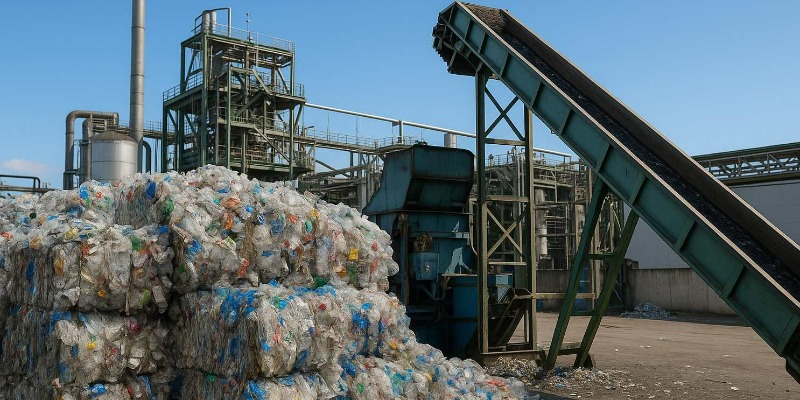 Riciclo della plastica in Europa: tra crisi industriale e concorrenza sleale
Impianti che chiudono, investimenti congelati e plastica vergine a basso costo che invade il mercato: la filiera europea del riciclo rischia il collasso. Indagini, numeri e responsabilità politichedi Marco ArezioL’Europa rischia di perdere uno dei pilastri della sua transizione verde: il riciclo della plastica. A confermarlo sono i numeri, freddi e impietosi. Nei primi sette mesi del 2025 il settore ha già perso tanta capacità produttiva quanta nell’intero 2024. Se il trend non si arresta, entro dicembre si arriverà a un taglio vicino a un milione di tonnellate. Dietro queste cifre c’è un intreccio di dinamiche economiche, scelte politiche e squilibri di mercato che mettono in discussione la stessa credibilità del Green Deal europeo. Il comparto non è marginale: vale oltre nove miliardi di euro, conta 850 aziende e impiega più di 30.000 persone. Eppure, nel cuore dell’Unione, decine di impianti hanno già spento i macchinari, soprattutto in Germania, Regno Unito e Paesi Bassi. Il paradosso è evidente: mentre Bruxelles proclama obiettivi sempre più ambiziosi sulla riduzione dei rifiuti e sull’uso di materiali riciclati, la filiera reale arretra, stritolata da pressioni esterne e mancanza di tutele efficaci. Il primo indiziato è la plastica vergine di importazione. Arriva da mercati extra-UE a prezzi stracciati, spesso prodotta in contesti normativi molto meno severi rispetto a quelli europei. Le imprese del riciclo si trovano così a competere con materiali che costano meno e che non rispettano gli stessi standard ambientali. Il risultato è una concorrenza sleale che penalizza chi investe in innovazione e sostenibilità. Ma non è solo una questione di mercato globale. C’è anche il nodo dei costi energetici: per alimentare gli impianti di riciclo servono energia e infrastrutture, che in Europa hanno prezzi tra i più alti al mondo. Per molti operatori il bilancio è insostenibile, e la serrata diventa l’unica opzione. A ciò si aggiunge un problema cronico: la raccolta differenziata. In troppi paesi resta disomogenea, quantitativamente scarsa e qualitativamente insufficiente. Un riciclo di qualità nasce dalla selezione alla fonte, e senza una raccolta efficiente l’intera catena crolla. Le conseguenze non sono solo industriali. Ogni tonnellata di capacità persa significa più plastica vergine immessa sul mercato, più emissioni e meno posti di lavoro. Ma soprattutto significa mettere a rischio gli obiettivi europei di riduzione della CO₂ e di contenuto minimo di riciclato nei prodotti. Una strategia che si sgretola sotto il peso delle proprie contraddizioni. Le associazioni del settore – da Plastics Recyclers Europe ad Assorimap – hanno alzato la voce: servono misure urgenti e coraggiose. Tra le richieste: fermare l’ingresso di materiali non conformi, rendere obbligatorio l’uso di una quota minima di plastica riciclata, abbassare i costi energetici per gli impianti, uniformare le normative tra gli Stati membri. Altrimenti, avvertono, l’Europa rischia di trasformarsi in un mercato aperto per la plastica a basso costo e in un cimitero di aziende di riciclo. Il sospetto, sempre più diffuso, è che dietro l’immobilismo politico ci siano pressioni delle lobby dei produttori di plastica vergine, che traggono vantaggio dal calo del riciclato. Una dinamica che, se confermata, getterebbe un’ombra pesante sulla capacità dell’Unione Europea di difendere la propria agenda ambientale. Perché senza una filiera del riciclo solida, l’economia circolare resta uno slogan vuoto. Oggi l’Europa è a un bivio: proteggere il proprio tessuto industriale e accelerare sulla circolarità, oppure lasciare che il mercato globale e le sue distorsioni decidano il futuro della plastica. La risposta determinerà non solo il destino di un settore, ma anche la credibilità delle politiche verdi del continente.© Riproduzione Vietata
SCOPRI DI PIU' La crisi occupazionale giovanile in Italia: un futuro incerto tra salari bassi e precarietà
La disconnessione tra formazione e mercato del lavoro, l'emigrazione dei giovani talenti e la precarietà esistenziale sono i sintomi di un sistema che necessita di riforme strutturali di Marco ArezioL'Italia si trova ad affrontare una delle crisi occupazionali più critiche della sua storia recente, particolarmente evidente tra i giovani. Le difficoltà economiche, la globalizzazione e la rapidissima evoluzione tecnologica stanno ridefinendo le dinamiche del mercato del lavoro, con effetti devastanti per le generazioni più giovani. A fronte di una crescente polarizzazione tra lavori altamente qualificati e ben remunerati e quelli precari o sottopagati, una vasta porzione di giovani si trova intrappolata in un ciclo di instabilità economica che rischia di compromettere il futuro del paese. La precarietà come condizione strutturale Uno dei fattori più evidenti del mercato del lavoro giovanile in Italia è l’elevato livello di precarietà. Gli ultimi decenni hanno visto un incremento esponenziale di contratti a tempo determinato, part-time involontario e collaborazioni occasionali, che spesso non garantiscono un reddito sufficiente a sostenere uno standard di vita dignitoso. Molti giovani lavoratori si trovano ad affrontare un futuro incerto, in cui l'assenza di stabilità contrattuale si riflette non solo sulla capacità di pianificare il proprio percorso professionale, ma anche sulle decisioni personali, come la scelta di formare una famiglia o acquistare una casa. La precarietà, però, non si limita alla forma contrattuale. Anche chi riesce a ottenere un lavoro a tempo indeterminato spesso si scontra con la realtà di salari stagnanti e prospettive di crescita limitate. In molti settori, le retribuzioni per i giovani sono rimaste invariate per anni, nonostante l'aumento del costo della vita, creando una sensazione di frustrazione e disillusione. Il mismatch tra formazione e lavoro Uno degli aspetti chiave che contribuiscono a questa situazione è il disallineamento tra la formazione offerta dal sistema educativo e le reali esigenze del mercato del lavoro. L'Italia vanta un sistema accademico di eccellenza sotto molti aspetti, ma spesso le competenze acquisite durante il percorso di studi non corrispondono a quelle richieste dalle aziende. Questo fenomeno, noto come "mismatch" tra domanda e offerta di lavoro, è particolarmente evidente nei settori tecnologici e digitali, dove la domanda di professionisti qualificati supera di gran lunga l'offerta. Inoltre, le imprese italiane tendono a investire poco nella formazione interna e nello sviluppo delle competenze dei propri dipendenti, il che rende ancora più difficile per i giovani adattarsi alle nuove esigenze del mercato. Di conseguenza, molti giovani, pur essendo altamente qualificati, si trovano costretti ad accettare lavori al di sotto delle loro competenze o a cercare opportunità all'estero. La fuga dei cervelli: un'emorragia silenziosa Uno degli effetti più devastanti di questa crisi occupazionale giovanile è la cosiddetta “fuga dei cervelli”. Ogni anno, migliaia di giovani italiani, spesso altamente qualificati, decidono di trasferirsi all'estero in cerca di migliori opportunità lavorative. Questa emigrazione di talenti, sebbene rappresenti una soluzione individuale, costituisce una perdita enorme per il sistema produttivo e innovativo italiano. I paesi del Nord Europa, il Regno Unito, gli Stati Uniti e persino alcune nazioni emergenti offrono salari più alti, condizioni di lavoro più favorevoli e, soprattutto, prospettive di carriera più allettanti. Di fronte a queste opportunità, sempre più giovani scelgono di lasciare il proprio paese d'origine, aggravando ulteriormente il divario tra il sistema italiano e quello delle economie più dinamiche. Le conseguenze sociali e psicologiche Le difficoltà economiche e lavorative non hanno solo effetti materiali, ma incidono profondamente anche sulla dimensione psicologica e sociale dei giovani. L'incertezza sul futuro, l'impossibilità di programmare la propria vita e la mancanza di prospettive lavorative creano un senso diffuso di sfiducia e alienazione. I giovani italiani si trovano spesso schiacciati tra le aspettative di una società che li spinge a raggiungere rapidamente traguardi professionali e personali e la realtà di un mercato del lavoro che non offre strumenti adeguati per farlo. Questa dissonanza contribuisce alla crescita del cosiddetto “precariato esistenziale”, una condizione in cui la precarietà lavorativa si traduce in una precarietà a tutto tondo, che coinvolge aspetti relazionali, familiari e di identità personale. I giovani, senza un chiaro senso di direzione, tendono a posticipare scelte cruciali per la loro vita, creando un impatto a lungo termine sulla natalità e sulla coesione sociale. Politiche del lavoro e interventi necessari Di fronte a questo scenario complesso e preoccupante, diventa evidente la necessità di un ripensamento delle politiche del lavoro in Italia. L’adozione di misure volte a favorire la stabilità occupazionale e a incentivare l’occupazione giovanile è fondamentale per garantire un futuro sostenibile al paese. In primo luogo, è necessario riformare il sistema educativo in modo da favorire una maggiore integrazione tra scuola e lavoro. L’alternanza scuola-lavoro, gli stage e i tirocini, se gestiti in modo efficace, potrebbero rappresentare un ponte tra la formazione teorica e le competenze pratiche richieste dalle imprese. Inoltre, è essenziale che le aziende investano di più nella formazione continua dei propri dipendenti, in modo da adattare le competenze dei lavoratori alle evoluzioni del mercato. In secondo luogo, le politiche del lavoro dovrebbero mirare a incentivare l’imprenditorialità giovanile e a sostenere la creazione di nuove imprese nei settori emergenti, come la green economy e l'innovazione tecnologica. Offrire incentivi fiscali e agevolazioni per chi decide di avviare un’impresa potrebbe rappresentare una soluzione efficace per contrastare la disoccupazione giovanile e creare nuove opportunità di crescita. Infine, un rafforzamento delle tutele sociali, come il salario minimo garantito e una maggiore protezione per i lavoratori precari, potrebbe contribuire a ridurre le disuguaglianze e a garantire un reddito dignitoso anche a chi si trova in una condizione lavorativa instabile. Conclusioni La crisi occupazionale giovanile in Italia rappresenta una sfida complessa che richiede interventi strutturali e una visione di lungo termine. Se non affrontato in modo deciso, il fenomeno rischia di compromettere il futuro delle nuove generazioni e di aggravare le disuguaglianze sociali ed economiche del paese. Tuttavia, con politiche mirate, un maggiore investimento in istruzione e innovazione e un rafforzamento delle tutele sociali, è possibile invertire la rotta e costruire un mercato del lavoro più equo e sostenibile per tutti.
SCOPRI DI PIU' L'Impatto dell'Elezione di Trump: Sfide ed Opportunità per le Aziende Europee
Come il ritorno di Donald Trump alla presidenza degli Stati Uniti potrebbe ridefinire le dinamiche commerciali e finanziarie in Europadi Marco ArezioL'elezione di Donald Trump alla presidenza degli Stati Uniti potrebbe segnare un ritorno a politiche economiche caratterizzate da protezionismo e nazionalismo, con profonde ripercussioni per le aziende europee. La storia recente mostra come le decisioni politiche di Trump possano avere un impatto diretto non solo sugli accordi commerciali, ma anche sulla stabilità dei mercati finanziari e sulla cooperazione internazionale in materia di sostenibilità. Le aziende europee dovranno affrontare sfide che riguardano tariffe doganali più elevate, problemi di gestione della catena di fornitura e una diminuzione della competitività sui mercati globali. In questo articolo esploreremo le principali problematiche che potrebbero emergere nei prossimi anni e come queste potrebbero influire sulle strategie commerciali e finanziarie delle imprese europee. Instabilità delle Relazioni Commerciali Internazionali L'elezione di Trump potrebbe portare a una revisione degli accordi commerciali tra Stati Uniti ed Europa. La precedente amministrazione Trump era caratterizzata da un marcato protezionismo, con aumenti delle tariffe su diversi beni, in particolare nei settori dell'acciaio e dell'alluminio. Un simile approccio potrebbe riprendere, portando a: Tariffe Aumentate: Le aziende europee potrebbero trovarsi di fronte a nuove tariffe sulle esportazioni verso gli Stati Uniti, incrementando i costi di accesso al mercato statunitense. Accordi Commerciali a Rischio: L'incertezza sugli accordi commerciali e la possibile disdetta di patti esistenti potrebbe frenare gli investimenti delle aziende europee, soprattutto nei settori automobilistico e aerospaziale, storicamente vulnerabili alle dispute tariffarie. Effetti sulle Valute e Volatilità del Mercato Trump ha una storia di politiche che tendono a influenzare direttamente il valore del dollaro. Una strategia di "America First" potrebbe spingere verso una svalutazione competitiva del dollaro per favorire le esportazioni: Valutazione dell'Euro: Un dollaro più debole potrebbe rendere i prodotti europei meno competitivi rispetto a quelli statunitensi sui mercati globali, aumentando i costi per le aziende esportatrici dell'UE. Volatilità del Mercato: Le decisioni di Trump potrebbero generare una forte volatilità sui mercati finanziari. Le aziende europee esposte al mercato statunitense potrebbero risultare più vulnerabili alle fluttuazioni, creando difficoltà nella pianificazione strategica a medio e lungo termine. Settori Industriali Sotto Pressione Alcuni settori potrebbero essere particolarmente esposti agli effetti delle politiche economiche di Trump: Settore Automotive: Il settore automobilistico europeo, già sotto pressione durante la precedente amministrazione, potrebbe dover affrontare nuovamente tariffe elevate e restrizioni alle esportazioni verso gli Stati Uniti. Tecnologia e Telecomunicazioni: Le tensioni in campo tecnologico, come quelle riguardanti la rete 5G e le partnership con aziende come Huawei, potrebbero portare a nuove restrizioni commerciali e a un blocco delle collaborazioni tecnologiche strategiche. Transizione Energetica e Impatti Ambientali La posizione scettica di Trump riguardo ai cambiamenti climatici e il possibile abbandono di accordi internazionali come l'Accordo di Parigi potrebbero rallentare gli sforzi per una transizione energetica globale coordinata. Concorrenza sulle Energie Rinnovabili: Le aziende europee, che investono massicciamente nelle energie rinnovabili, potrebbero vedere diminuire la domanda globale per queste soluzioni a causa di una minore cooperazione internazionale. Crescita del Settore dei Combustibili Fossili: Un rilancio dell'industria del petrolio e del gas negli Stati Uniti potrebbe portare a un eccesso di offerta di combustibili fossili, minacciando le politiche europee di riduzione delle emissioni e le aziende del settore energetico sostenibile. Difficoltà nella Catena di Fornitura Le politiche nazionalistiche potrebbero minacciare l'efficienza delle catene di fornitura globali. Rischio di Interruzioni: L'accento sulla produzione locale negli Stati Uniti potrebbe rendere più difficile per le aziende europee accedere a componenti critici prodotti oltreoceano, costringendole a ristrutturare le proprie linee di fornitura a costi elevati. Aumento dei Costi di Logistica: La logistica internazionale potrebbe risentire delle tensioni commerciali e dell'aumento delle tariffe doganali, influenzando negativamente i costi di trasporto e di import/export. Accesso Limitato ai Mercati Finanziari Statunitensi Le restrizioni sugli investimenti esteri potrebbero rappresentare un'ulteriore difficoltà significativa: Riduzione degli Investimenti: Un quadro normativo più rigido potrebbe scoraggiare gli investimenti diretti delle aziende europee negli Stati Uniti, limitando le opportunità di crescita e la diversificazione dei mercati. Restrizioni Bancarie: Sanzioni o restrizioni finanziarie potrebbero rendere più difficile l'accesso ai servizi bancari statunitensi per le aziende europee, incidendo sulla liquidità e sulla capacità di finanziare le operazioni oltreoceano. Conclusione L'elezione di Trump potrebbe creare un contesto commerciale e finanziario difficile per le aziende europee, caratterizzato da instabilità, protezionismo e maggiore competizione sui mercati globali. Le aziende dovranno prepararsi a scenari di alta incertezza, rivedendo le loro strategie di esportazione, diversificando i mercati e puntando sull'innovazione per mantenere la competitività. Essere proattivi nella gestione delle linee di fornitura e nella valutazione del rischio politico e finanziario sarà fondamentale per affrontare le sfide future. Nel contesto di un panorama globale sempre più incerto, le aziende europee dovranno mostrare resilienza e capacità di adattamento per prosperare. Puntare su nuovi mercati, migliorare l'efficienza operativa e rafforzare la cooperazione con altri partner internazionali saranno elementi chiave per superare gli ostacoli e cogliere le opportunità emergenti. © Riproduzione Vietata
SCOPRI DI PIU'
