








 Celle Solari Organiche Binarie: Efficienza Record e Stabilità
Progressi tecnologici e applicazioni pratiche nell'energia fotovoltaica con le celle solari organiche binarie di Marco ArezioIl settore dell'energia rinnovabile è in continua evoluzione, spinto dalla crescente necessità di soluzioni sostenibili per contrastare il cambiamento climatico e ridurre la dipendenza dai combustibili fossili. In questo contesto dinamico, le celle solari organiche binarie si distinguono come una tecnologia emergente con un grande potenziale per trasformare il panorama dell'energia solare. Queste celle offrono una promessa unica di efficienza, sostenibilità e flessibilità, rendendole candidate ideali per un'ampia gamma di applicazioni innovative. L'importanza dell'Energia Solare L'energia solare è una delle fonti di energia rinnovabile più pulite e più abbondanti disponibili. La sua capacità di convertire la luce solare diretta in energia elettrica senza emissioni nocive è fondamentale per i sforzi globali di decarbonizzazione. Tuttavia, le tecnologie solari esistenti, come le celle fotovoltaiche in silicio, pur essendo efficaci, presentano limitazioni in termini di costi, efficienza in diverse condizioni ambientali e flessibilità di applicazione.L'avvento delle Celle Solari Organiche Binarie Le celle solari organiche binarie rappresentano un avanzamento significativo in questo campo. Utilizzando materiali semiconduttori organici, queste celle introducono una nuova dimensione di flessibilità e possibilità di integrazione, superando alcune delle limitazioni delle tecnologie solari tradizionali. La caratteristica distintiva di queste celle è l'uso di due materiali organici differenti che agiscono rispettivamente come donatori e accettori di elettroni, migliorando significativamente l'efficienza della separazione delle cariche e, di conseguenza, dell'energia prodotta.Obiettivi e Struttura dell'Articolo Questo articolo mira a esplorare in dettaglio le celle solari organiche binarie, esaminando la loro struttura, il principio di funzionamento, i metodi di produzione, le modalità di installazione e i vantaggi che offrono rispetto alle tecnologie solari convenzionali. Attraverso un'analisi approfondita, il testo intende fornire una comprensione chiara del potenziale di questa tecnologia innovativa e delle sue applicazioni nel mondo reale. Cos'è una Cella Solare Organica Binaria? Le celle solari organiche binarie rappresentano una delle tecnologie emergenti nel campo del fotovoltaico, che promettono di rivoluzionare il modo in cui catturiamo e utilizziamo l'energia solare. Queste celle utilizzano materiali organici semiconduttori per convertire la luce solare in energia elettrica, sfruttando una configurazione binaria per ottimizzare l'efficienza del processo.Struttura e Composizione Una cella solare organica binaria è composta da due materiali organici principali: un donatore di elettroni e un accettore di elettroni. Questi materiali sono tipicamente dei polimeri organici o delle piccole molecole che possono assorbire la luce a diverse lunghezze d'onda, aumentando così la quantità di energia solare che può essere convertita in energia elettrica. La disposizione dei materiali organici in una struttura a eterogiunzione consente una separazione efficiente delle cariche elettriche generate dall'assorbimento della luce.Meccanismo di Funzionamento Quando la luce solare colpisce la cella, i fotoni vengono assorbiti dai materiali organici, creando eccitoni, che sono coppie legate di elettroni e buche (elettroni mancanti che agiscono come cariche positive). In una cella solare organica binaria, l'eterogiunzione formata dai materiali donatore e accettore facilita la dissociazione degli eccitoni in cariche libere: gli elettroni si trasferiscono al materiale accettore mentre le buche rimangono nel materiale donatore. Una volta separate, queste cariche viaggiano verso gli elettrodi opposti della cella, generando una corrente elettrica che può essere utilizzata o immagazzinata. La configurazione binaria, dunque, non solo migliora l'assorbimento della luce ma ottimizza anche il trasporto delle cariche all'interno del dispositivo, risultando in un'efficienza maggiore rispetto alle celle solari organiche tradizionali.Vantaggi e Sviluppi Le celle solari organiche binarie offrono diversi vantaggi rispetto alle loro controparti inorganiche, come il silicio: Leggerezza e Flessibilità: I materiali organici sono generalmente più leggeri e possono essere depositati su substrati flessibili, permettendo applicazioni innovative come l'integrazione in tessuti o materiali da costruzione. Basso Costo di Produzione: Le tecniche di deposizione utilizzate per i materiali organici sono meno costose e meno intensive in termini energetici rispetto ai metodi utilizzati per le celle solari in silicio. Versatilità Estetica: Le celle possono essere trasparenti o colorate, offrendo possibilità estetiche per l'integrazione in ambienti urbani e in prodotti di consumo.Problematiche e Ricerca Futura Nonostante i progressi significativi, le celle solari organiche binarie affrontano ancora problematiche relative alla stabilità a lungo termine e all'efficienza in condizioni ambientali variabili. La ricerca continua è focalizzata sull'ottimizzazione dei materiali e dei processi per estendere la durata e migliorare le prestazioni delle celle in condizioni reali. Quindi, le celle solari organiche binarie sono un'innovazione promettente nel campo delle tecnologie rinnovabili, con il potenziale per portare l'energia solare in nuovi contesti e applicazioni, rendendo l'energia pulita più accessibile e integrata nella vita quotidiana. Produzione delle Celle Solari Organiche Binarie: Processi e Innovazioni La produzione delle celle solari organiche binarie è un processo che richiede precisione e innovazione per massimizzare l'efficienza e la funzionalità dei dispositivi.Materiali e Preparazione Le celle solari organiche binarie si basano su materiali organici semiconduttori, come abbiamo detto, che includono polimeri e piccole molecole. Questi materiali sono scelti per le loro proprietà di assorbimento della luce, stabilità chimica, e la capacità di facilitare il trasporto di cariche elettriche. La preparazione dei materiali inizia con la sintesi chimica dei composti organici, seguita da un'accurata purificazione per rimuovere impurità che potrebbero influenzare negativamente le prestazioni del dispositivo. La selezione e la preparazione dei materiali sono cruciali, poiché determinano l'efficienza della conversione fotovoltaica e la stabilità a lungo termine delle celle.Tecniche di Deposizione Le tecniche di deposizione utilizzate nella produzione delle celle solari organiche binarie includono sia metodi di deposizione da fase vapore che tecniche di stampa da soluzione. Deposizione da Fase Vapore: Metodi come la deposizione termica in alto vuoto sono comunemente usati per le piccole molecole. Questo processo comporta il riscaldamento del materiale organico fino alla sua sublimazione, seguito dalla condensazione sul substrato freddo. Questa tecnica è apprezzata per la sua capacità di controllare con precisione lo spessore e la morfologia dello strato depositato. Tecniche di Stampa da Soluzione: Queste tecniche, tra cui la stampa a getto d'inchiostro, la stampa per serigrafia e il rivestimento per spin-coating, sono particolarmente promettenti per la produzione su larga scala grazie alla loro semplicità e basso costo. La stampa a getto d'inchiostro, ad esempio, permette la deposizione selettiva di materiali con un'elevata precisione posizionale, riducendo lo spreco di materiale.Incapsulamento e Stabilità Dopo la deposizione dei materiali organici, le celle solari devono essere incapsulate per proteggerle dall'ossidazione e dall'umidità, che possono rapidamente degradare le prestazioni. L'incapsulamento è quindi un passaggio critico che influisce direttamente sulla durata e sulla stabilità delle celle. Materiali avanzati e tecniche di incapsulamento innovative stanno emergendo per migliorare la longevità dei dispositivi senza comprometterne l'efficienza.Difficoltà e Prospettive Future Nonostante i progressi, la produzione di celle solari organiche binarie affronta difficoltà significative, in particolare per quanto riguarda la scalabilità e la riproducibilità delle prestazioni su larga scala. Inoltre, la ricerca continua per trovare un equilibrio ottimale tra l'uso di solventi ecocompatibili, la selezione di materiali sostenibili e la minimizzazione dell'impronta carbonica del processo produttivo. Le prospettive future per la produzione di celle solari organiche binarie sono tuttavia promettenti. L'innovazione nei materiali, unita al miglioramento delle tecniche di deposizione e incapsulamento, potrebbe portare a una riduzione dei costi e a un aumento dell'efficienza, rendendo questa tecnologia sempre più accessibile e praticabile per applicazioni commerciali e residenziali. Installazione delle Celle Solari Organiche Binarie: Flessibilità e Innovazione Le celle solari organiche binarie offrono una notevole versatilità in termini di installazione, grazie alla loro leggerezza, flessibilità e capacità di adattarsi a vari contesti e superfici. Queste caratteristiche uniche aprono la strada a nuove possibilità per l'integrazione dell'energia solare in ambienti diversi, estendendo notevolmente il campo di applicazione delle tecnologie fotovoltaiche.Superfici e Materiali Flessibili Una delle proprietà distintive delle celle solari organiche binarie è la loro flessibilità. Possono essere depositate su substrati flessibili come plastiche, tessuti o altri materiali compositi, permettendo la creazione di pannelli solari che possono essere piegati, arrotolati o conformarsi a superfici non piane. Questa flessibilità rende possibile l'integrazione delle celle solari in tende, zaini, indumenti e persino in veicoli, senza la necessità di superfici rigide e pesanti.Edifici Integrati con la Produzione di Energia Solare (BIPV) Le celle solari organiche binarie si prestano efficacemente all'integrazione con gli edifici (Building Integrated Photovoltaics - BIPV). A differenza dei pannelli solari tradizionali, che necessitano di essere montati su strutture esistenti, le celle organiche possono essere integrate direttamente nei materiali da costruzione, come finestre, facciate e tetti. Questa integrazione non solo migliora l'estetica degli edifici, eliminando la necessità di strutture aggiuntive, ma contribuisce anche all'efficienza energetica, riducendo il fabbisogno energetico per il riscaldamento e il raffreddamento.Installazione su Dispositivi Indossabili e Prodotti di Consumo La leggerezza e la flessibilità delle celle solari organiche binarie le rendono ideali per l'integrazione in dispositivi indossabili e altri prodotti di consumo. Orologi, indumenti tecnologici e persino tende possono essere dotati di capacità di generazione energetica, fornendo una fonte di alimentazione autonoma per dispositivi elettronici portatili. Questa applicazione ha il potenziale per rivoluzionare il design dei prodotti e promuovere l'adozione di tecnologie sostenibili nella vita quotidiana.Problematiche nell'Installazione Nonostante i vantaggi, l'installazione delle celle solari organiche binarie presenta alcune problematiche. La durabilità e la resistenza alle condizioni ambientali esterne, come l'umidità, la temperatura elevata e l'esposizione ai raggi UV, sono critiche per applicazioni esterne e indossabili. La ricerca continua per migliorare la stabilità dei materiali e dei dispositivi è essenziale per garantire che le prestazioni rimangano ottimali nel tempo. Inoltre, l'integrazione delle celle in materiali da costruzione e prodotti richiede lo sviluppo di standard e protocolli di sicurezza specifici, assicurando che l'installazione non comprometta la funzionalità o la sicurezza degli oggetti o degli edifici. Conclusioni L'installazione delle celle solari organiche binarie rappresenta un campo promettente, caratterizzato da innovazione e flessibilità. Superando le sfide tecniche e normative, queste tecnologie hanno il potenziale per trasformare la generazione di energia solare, rendendola più accessibile, estetica e integrata nella vita quotidiana. Con progressi continui nella ricerca e nello sviluppo, l'installazione delle celle solari organiche binarie continuerà a espandersi, offrendo nuove soluzioni per un futuro energetico sostenibile.Vantaggi Efficienza Record: Recenti progressi hanno portato a un significativo miglioramento dell'efficienza di conversione delle celle solari organiche binarie, avvicinandole ai tassi di conversione del silicio. Questi miglioramenti sono il risultato di una migliore comprensione dei meccanismi di trasporto delle cariche e dell'ottimizzazione dei materiali organici. Stabilità Migliorata: La ricerca ha fatto passi da gigante nel prolungare la vita utile di queste celle, attraverso lo sviluppo di materiali più stabili e la scoperta di tecniche di incapsulamento che proteggono i componenti sensibili dall'ossidazione e dai danni ambientali. Sostenibilità: L'uso di materiali organici, potenzialmente derivabili da fonti rinnovabili, presenta un profilo ecologico favorevole, con minor impatto ambientale rispetto al silicio sia in fase di produzione che di smaltimento. Flessibilità di Applicazione: La capacità di conformarsi a diverse forme e l'integrazione in materiali non tradizionali per la produzione di energia solare ampliano notevolmente il potenziale di utilizzo delle celle solari organiche binarie, promuovendo una più ampia adozione dell'energia solare.
SCOPRI DI PIU' rNEWS: Nuovo Impianto per il Trattamento delle Biomasse a Gela in Sicilia
Il nuovo impianto BTU di Eni a Gela utilizza biomasse al 100% per produrre biocarburanti, promuovendo un modello di economia circolareA Gela in Sicilia si è avviato un interessante progetto di trasformazione di una raffineria petrolifera a una bioraffineria che si occuperà del trattamento delle biomasse, creando un'attività industriale sostenibile e perfettamente inserita in una filiera circolare dell'economia.A 18 mesi dall’inaugurazione della bioraffineria è in marcia il nuovo impianto BTU, che consentirà di utilizzare fino al 100% materie prime di scarto per la produzione di biocarburanti È stato avviato e collaudato il nuovo impianto BTU, Biomass Treatment Unit, che consentirà alla bioraffineria Eni di Gela di utilizzare fino al 100% biomasse che non siano in competizione con la filiera alimentare, dagli oli alimentari esausti ai grassi da lavorazioni ittiche e di carni prodotte in Sicilia, con l’obiettivo di realizzare un modello di economia circolare a chilometri zero per la produzione di biodiesel, bionafta, biogpl e bio-jet. La bioraffineria di Gela, inoltre, potrà anche essere alimentata dall’olio di ricino, grazie al progetto sperimentale di coltura di piante di ricino su terreni semidesertici in Tunisia, sostituendo così completamente l’olio di palma che dal 2023 non sarà più impiegato nei processi produttivi di Eni. La costruzione dell’impianto è iniziata nei primi mesi del 2020 e nonostante i rallentamenti causati dalla gestione delle attività durante la pandemia è stato sostanzialmente completato nei tempi previsti. Sono state lavorate 1,3 milioni di ore, traguardando l’obiettivo zero infortuni, sia per le persone Eni, sia per i lavoratori delle imprese in appalto. Con l’avvio del BTU si completa la seconda fase della trasformazione del sito industriale, che si qualifica come sito esclusivamente dedicato a processi produttivi sostenibili e concretizza il processo di decarbonizzazione e transizione energetica che caratterizza la strategia Eni, impegnata a raggiungere la totale decarbonizzazione di prodotti e processi entro il 2050. Tra i punti salienti del piano 2021-2024 è infatti previsto il raddoppio della capacità produttiva delle bioraffinerie Eni a circa 2 milioni di tonnellate entro il 2024, l’aumento a 5/6 milioni di tonnellate entro il 2050. Il BTU si aggiunge ai già realizzati impianti Ecofining™, tecnologia Eni-UOP per la produzione di biocarburanti da materie prime di origine biologica, lo Steam Reforming per la produzione di idrogeno e l’impianto pilota Waste to Fuel, realizzato da Eni Rewind, che consente di trasformare la frazione organica dei rifiuti solidi urbani in bio-olio e bio-metano. La trasformazione dell’ex petrolchimico di Gela è un esempio di economia circolare rigenerativa, che ha permesso la riconversione di cicli produttivi basati su fonti fossili e che va di pari passo con un piano di demolizioni di impianti non più funzionali alla produzione di biocarburanti e per il risanamento ambientale.Info: Eni
SCOPRI DI PIU' Epidemie Medievali e Crisi Igienico-Ambientale: La Peste Nera come Rivelatore
Come le Grandi Pestilenze del Medioevo Svelarono le Precarie Condizioni Sanitarie e l'Inquinamento Urbano, Innescando (Rare) Riflessionidi Marco ArezioLe grandi epidemie che flagellarono l'Europa medievale, con la Peste Nera (1347-1351) come evento paradigmatico, non furono semplici catastrofi demografiche, ma veri e propri test di stress per le fragili strutture sociali e urbane dell'epoca. Sebbene la patogenesi di tali morbi rimanesse un mistero insondabile per i contemporanei, le loro devastanti conseguenze agirono indirettamente da spietato rivelatore delle precarie condizioni igienico-sanitarie e dei diffusi problemi di inquinamento che affliggevano le città e, in misura minore, le campagne dell'epoca. L'analisi interdisciplinare condotta dagli storici della medicina e delle società medievali, avvalendosi di fonti archeologiche, documentali e scientifiche, evidenzia una correlazione significativa tra la virulenza e la diffusione delle epidemie e la qualità dell'ambiente in cui prosperavano le comunità umane. Le Città Medievali: Epicentri di Fragilità Ambientale Le città medievali, pur essendo i motori della rinascita economica e culturale dopo il "buio" altomedievale, rappresentavano intrinsecamente dei veri e propri epicentro di fragilità ambientale. La rapida crescita demografica e l'intensificazione delle attività economiche si scontrarono con l'assenza di pianificazione urbanistica e di infrastrutture igienico-sanitarie adeguate. La densità abitativa era estremamente elevata, con abitazioni spesso sovraffollate e adiacenti, prive di adeguata ventilazione e luce naturale. Questa promiscuità favoriva la rapida trasmissione di malattie respiratorie e la proliferazione di parassiti, quali pulci e pidocchi, vettori di altre patologie. Le strade strette e tortuose, pensate più per la difesa che per la salubrità, erano di fatto trasformate in cloache a cielo aperto. Qui si accumulavano indisturbati rifiuti organici di ogni genere – dagli scarti alimentari alle carcasse di animali, dalle deiezioni umane e animali agli scarti di lavorazione delle botteghe artigiane. La pioggia, anziché pulire, spesso diluiva e diffondeva ulteriormente questo substrato organico putrescente, creando un brodo primordiale per la proliferazione batterica e la diffusione di malattie.Ammalarsi e curarsi nel MedioevoL'Acqua, l'Aria e il Suolo: Vettori di Malattia Inconsapevoli L'approvvigionamento idrico rappresentava una delle criticità più acute. I fiumi che attraversavano le città erano spesso utilizzati contemporaneamente come fonti d'acqua potabile, lavatoi pubblici e, soprattutto, come ricettacoli per lo smaltimento di scarichi urbani e reflui industriali provenienti da tintorie, concerie e macelli. I pozzi, sebbene in alcuni casi potessero attingere a falde acquifere più profonde e meno contaminate, erano comunque a rischio di inquinamento da percolazione proveniente dal suolo intriso di rifiuti e dalle fosse biologiche rudimentali. La scarsa o assente consapevolezza dei meccanismi di contagio portava frequentemente alla commistione di acque potabili e reflue, esacerbando i rischi per la salute pubblica e fungendo da veicolo primario per la diffusione di malattie gastrointestinali come il colera e il tifo, endemici in molte aree. Anche l'inquinamento atmosferico non era da sottovalutare. Le città medievali erano costantemente immerse in una cappa di fumo proveniente dai focolari domestici, utilizzati per riscaldamento e cucina, e dalle attività artigianali. Le fucine dei fabbri, i forni dei panettieri, le fornaci dei vasai e le officine che lavoravano metalli producevano fumi e polveri sottili che, in assenza di sistemi di ventilazione o filtraggio, si disperdevano nell'aria. Questa costante esposizione a inquinanti atmosferici contribuiva a indebolire le vie respiratorie della popolazione, rendendola più vulnerabile alle infezioni polmonari, spesso complicanze letali di malattie come la peste bubbonica e polmonare, il tifo e la tubercolosi. Il suolo urbano, intriso di secoli di depositi di rifiuti e deiezioni, era un altro fattore ambientale di rischio. La mancanza di sepolture adeguate e la pratica di seppellire i morti nei cimiteri cittadini, spesso vicini alle abitazioni e alle fonti d'acqua, potevano contribuire alla contaminazione del terreno e delle falde acquifere, soprattutto in periodi di alta mortalità epidemica. La Peste Nera: Il Tragico Catalizzatore di ConsapevolezzaLa Peste Nera La Peste Nera, con la sua rapidità di diffusione senza precedenti e l'altissima mortalità (stimata tra il 30% e il 60% della popolazione europea), agì come un tragico catalizzatore. Non fu causata direttamente dalle condizioni ambientali in sé, essendo veicolata principalmente dalle pulci del ratto nero infetto (Yersinia pestis), ma la rapidità, l'estensione e la virulenza del suo impatto furono indubbiamente amplificate dalle scarse condizioni igieniche generali. La sporcizia delle città offriva un habitat ideale per i ratti, la promiscuità abitativa favoriva il contatto ravvicinato tra individui e la trasmissione delle pulci, e la generale malnutrizione e le pessime condizioni di vita indebolivano il sistema immunitario delle popolazioni, rendendole estremamente vulnerabili all'infezione e alle sue complicanze. Seppur la piena comprensione scientifica della peste e del suo legame con i fattori ambientali fosse di là da venire, l'evidenza empirica della sua diffusione incontrollata in contesti di degrado igienico non passò del tutto inosservata. La Peste Nera costrinse le comunità e le autorità a confrontarsi con una realtà ineludibile: la loro vulnerabilità intrinseca e l'apparente correlazione tra sporcizia e malattia. Timidi Interventi e Nuove Consapevolezze Post-Epidemiche È fondamentale riconoscere che la comprensione dei nessi causali tra ambiente e malattia rimase limitata per gran parte del Medioevo. Le spiegazioni delle epidemie erano prevalentemente di natura religiosa (punizione divina per i peccati dell'umanità) o astrologica (influenze maligne dei corpi celesti). Tuttavia, l'enormità della crisi demografica innescata dalla Peste Nera e dalle successive ondate epidemiche (come le ricorrenti pestilenze, ma anche il tifo e il vaiolo), portò in alcuni casi a timide riflessioni e a sporadici interventi da parte delle autorità locali, specialmente nelle città più colpite e lungimiranti. Si iniziarono a registrare, seppur con discontinuità, tentativi di regolamentazione dello smaltimento dei rifiuti, con divieti di gettare immondizia nelle strade principali e l'istituzione di "uffici di nettezza" o "maestri delle vie" incaricati della pulizia urbana. Alcune città implementarono l'obbligo di rimuovere le carcasse di animali e istituirono i primi lazzaretti o "case di isolamento" per i malati, un primitivo ma significativo passo verso il concetto di quarantena. Vennero nominate figure come gli "ufficiali di sanità", sebbene con compiti ancora limitati alla sorveglianza igienica e alla registrazione dei decessi. Venezia, ad esempio, fu una delle prime città a istituire un Magistrato alla Sanità nel 1348, e a creare il suo primo lazzaretto sull'isola di Santa Maria di Nazareth nel 1403, seguito da quello di San Lazzaro degli Armeni. Anche altre città italiane, come Firenze e Milano, e in seguito alcune città francesi e inglesi, iniziarono a emanare statuti e ordinanze volti a migliorare la pulizia delle strade, la gestione dei mercati e, in alcuni casi, a cercare di controllare la qualità dell'acqua. Tuttavia, è cruciale sottolineare che tali interventi rimasero spesso episodici e di portata insufficiente a produrre cambiamenti strutturali significativi. La mancanza di conoscenze scientifiche adeguate sui veri agenti patogeni e sui meccanismi di trasmissione (la teoria dei "miasmi", l'aria corrotta, rimase dominante per secoli), unita alla persistenza di mentalità tradizionali e alla scarsità di risorse economiche e tecnologiche, ostacolò l'adozione di misure preventive realmente efficaci su larga scala. La resistenza culturale al cambiamento, la difficoltà di imporre nuove abitudini igieniche a una popolazione vasta e spesso analfabeta, e la prevalenza di spiegazioni sovrannaturali per le malattie, limitarono l'impatto di questi primi tentativi di riforma sanitaria. Conclusioni: Le Lezioni di un Passato Doloroso In conclusione, le epidemie medievali, pur nella loro intrinseca tragicità e devastazione, ebbero l'indiretto ma profondo effetto di illuminare le profonde criticità igienico-ambientali che caratterizzavano l'epoca. La Peste Nera, in particolare, con il suo impatto senza precedenti, rese palese la vulnerabilità sistemica delle società medievali di fronte a shock sanitari di vasta portata, una vulnerabilità intrinsecamente connessa alla scarsa igiene pubblica e privata, all'inadeguatezza delle infrastrutture urbane e ai diffusi problemi di inquinamento di acqua, aria e suolo. Sebbene la piena comprensione dei meccanismi di trasmissione delle malattie e la conseguente adozione di misure sanitarie e ambientali efficaci richiederanno ancora secoli di progressi scientifici, le grandi pestilenze del Medioevo rappresentano un capitolo cruciale nella storia della sanità pubblica. Esse evidenziarono, attraverso la sofferenza, la morte e la disorganizzazione sociale, la vitale importanza di un ambiente salubre e di pratiche igieniche adeguate per la sopravvivenza e il benessere delle comunità umane. Gli studi interdisciplinari contemporanei, che combinano l'archeologia, la storia della medicina, la demografia storica e le scienze ambientali, continuano a svelare le complesse interazioni tra fattori ambientali, sociali e biologici nella genesi e nella diffusione delle epidemie medievali. Queste ricerche non sono solo un esercizio di ricostruzione storica, ma offrono preziose lezioni e ammonimenti per affrontare le sfide sanitarie globali del presente e del futuro, ricordandoci che la salute umana è indissolubilmente legata alla salute dell'ambiente che ci circonda.© Riproduzione Vietata
SCOPRI DI PIU' L’energia solare ai tempi della sharing economy
Come installare i pannelli solari sulla propria casa senza spendere un soldodi Marco ArezioIl concetto di condivisione dei beni, in alternativa al possesso, può essere applicato oggi anche alla produzione di energia solare, apportando significativi vantaggi all’ambiente e all’economia circolare. La Sharing Economy si basa sul principio di massimizzazione dell’uso del bene da parte di tante persone che non lo posseggono, invece di avere tanti beni sottoutilizzati. Questo comporta un impatto positivo sull’ambiente, in quanto si produce solo ciò che viene utilizzato in pieno e si risparmiano materie prime, energia ed emissioni, per beni in realtà sono superflui. La teoria della condivisione dei beni si afferma intorno al 2008, quando la recessione mondiale ha portato il ceto medio e medio-basso a doversi inventare un modo per arrotondare lo stipendio o per sostenersi economicamente per un certo periodo avendo perso il lavoro. La spinta che ha generato il nuovo business della condivisione dei beni è da identificare anche nello sviluppo della rete internet attraverso il miglioramento tecnologico degli smartphone, che hanno permesso una connessione planetaria tra le persone, scavalcando confini, dogane e barriere. Il concetto di condivisione ha portato anche ad un cambiamento epocale del modello consumista fino ad allora adottato, basato sul valore sociale della proprietà privata, sull’identificazione di uno status symbol che i beni posseduti potevano rappresentare. Nascono così alcune società come Uber o Airbnb che permettono, a chi ne avesse bisogno, una forma di micro impresa attraverso i beni posseduti. Una macchina, una stanza in casa messi in condivisione con i clienti, permettono di arrotondare le entrate famigliari e di abbattere il muro dell’inviolabilità dei beni posseduti. Il concetto di globalizzazione che internet ha permesso in questi anni, ha portato rapidamente ad un cambio delle usanze locali e un livellamento al ribasso delle condizioni economiche delle prestazioni, spingendo sul concetto di massima espansione delle opportunità per tutti indipendentemente dal tenore di vita nel paese. Per quanto riguarda l’economia circolare, il concetto di condivisione è stato correttamente sfruttato anche nel campo dell’energia solare, dove, a fronte della necessità di incrementare la produzione e l’utilizzo di fonti rinnovabili, esisteva il problema del finanziamento iniziale dei micro progetti casa per casa. Non tutte le famiglie possono accollarsi l’onere di finanziare la progettazione e l’istallazione dei pannelli solari sul proprio tetto, anche se il costo della corrente utilizzata tramite i pannelli solari potrebbe essere inferiore a quella prelevata nella rete. Nello stesso tempo le energie rinnovabili devono al più presto conoscere una diffusione di massa se si vogliono ridurre le emissioni di CO2 in atmosfera. Oggi, esistono società che affittano i pannelli solari attraverso la vendita dell’energia prodotta dagli stessi istallati sulla tua casa. Il proprietario dell’immobile non deve pensare a niente, in quanto le aziende che offrono questo servizio fanno il rilevamento e la progettazione dell’impianto adatto alle tue esigenze in termini di consumi, si preoccupano della gestione burocratica della pratica di installazione e montano i pannelli solari, rimanendone proprietari e responsabili per le manutenzioni. A fronte di questo servizio, il proprietario della casa pagherà il consumo della corrente che utilizza ad un prezzo marcatamente inferiore a quello che prelevava dalla rete. Inoltre sono previsti ulteriori incentivi se la quantità non utilizzata di energia reimmessa nella rete fosse cospicua.Vedi maggiori informazioni sui prodotti
SCOPRI DI PIU'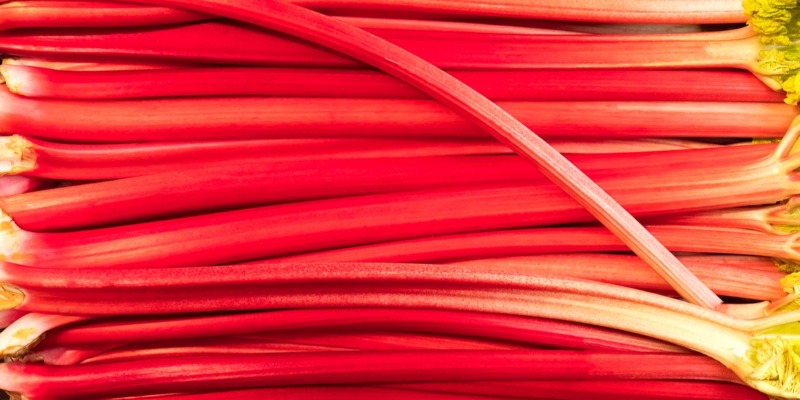 Cosa sono le batterie di flusso organiche?
Un sistema ecocompatibile per immagazzinare energia sfruttando la pianta del rabarbarodi Marco ArezioLe energie rinnovabili sono di per sé soggette a periodi in cui non possono generare energia costante e ,per questo motivo, avrebbero bisogno di nuove tecnologie di accumulo che possano compensare i periodi in cui non si produce o si produce poco. Il vento, il sole e la stessa acqua sono soggetti, per questioni meteorologiche, a periodi in cui si verificano cali di prestazioni nella generazione di corrente. Questo a causa dell’assenza di vento, di nuvole persistenti o a causa di picchi di richiesta energetica o di carenza di acqua, cosa che si ripete spesso per la diminuzione delle precipitazioni. Da tempo gli scienziati stanno studiando la possibilità di colmare questo calo di produzione energetica con nuove batterie che possono continuare ad alimentare energia pulita alla comunità. Gli ultimi studi si rivolgono verso le batterie di flusso, che sono ricaricabili e composte da elettroliti contenenti sostanze elettro-attive disciolte che passano da celle elettrochimiche trasformando l’energia chimica in elettrica. Lo scopo di queste ricerche è trovare un’alternativa alle batterie agli ioni di litio che utilizzano metalli costosi, oggetto oggi di guerre commerciali per il dominio delle cave da cui si estraggono le materie prime. Le batterie di flusso organiche sfruttano composti naturali come i chinoni, che possono essere estratti anche dalle piante, come il rabarbaro. L’utilizzo di queste batterie allo studio, potrebbe richiede una struttura importante, come pompe, sensori e vasche di contenimento, quindi adatte ad un uso stanziale. Tuttavia sono indicate per livellare i picchi energetici nelle abitazioni o strutture produttive, accumulare energia durante la notte e reintrodurla nella rete di giorno, quando il costo sarebbe superiore. Inoltre sono indicate per l’accumulo di energia da fonti rinnovabili quando questa produzione decade dal punto di vista prestazionale per motivi meteorologici.Vedi info sulle tue batterie
SCOPRI DI PIU' Il Segreto Oscuro del Sole: Il Mistero dell'Inventore Scomparso
George Cove e il Progetto Solare che Minacciava il Monopolio del Petrolio: Una Storia di Innovazione, Rapimenti e Poteredi Marco ArezioL'energia solare è oggi una delle tecnologie rinnovabili più promettenti, capace di ridurre la dipendenza dai combustibili fossili e di mitigare gli impatti ambientali del cambiamento climatico. Tuttavia, l'idea di sfruttare la luce solare per produrre energia non è affatto recente. Già nel XIX secolo, alcuni pionieri dell'energia solare tentarono di trasformare questa visione in realtà, tra cui George Cove, un inventore canadese che merita di essere riscoperto per il suo contributo precoce e significativo allo sviluppo del fotovoltaico. I Primi Esperimenti con l'Energia Solare Le prime esplorazioni della tecnologia fotovoltaica risalgono agli anni 1870, quando il fotoconducente selenio fu utilizzato nei primi tentativi di convertire la luce solare in elettricità. Tuttavia, la vera rivoluzione avvenne alla fine del secolo, quando il fisico francese Alexandre Edmond Becquerel scoprì l'effetto fotovoltaico, un fenomeno che descrive la generazione di corrente elettrica in un materiale esposto alla luce. Questa scoperta pose le basi per la futura tecnologia fotovoltaica. Nonostante queste scoperte, ci vollero diversi decenni prima che l'energia solare diventasse commercialmente interessante. Una delle prime figure a tentare di portare l'energia solare nelle case fu proprio George Cove. George Cove e la Sun Electric Generator Corporation George Cove, originario della Nuova Scozia, Canada, si distinse all'inizio del XX secolo come uno dei pionieri nella progettazione di sistemi fotovoltaici. Nel 1905, fondò la Sun Electric Generator Corporation, con l'obiettivo di commercializzare un kit fotovoltaico domestico. Questo kit includeva un pannello solare e un piccolo accumulatore che permetteva di immagazzinare l'energia generata durante il giorno per utilizzarla durante la notte. L'impresa di Cove era ambiziosa e ben finanziata: la società aveva una capitalizzazione di 5 milioni di dollari dell'epoca, equivalenti a circa 160 milioni di dollari odierni. Il prodotto di Cove attirò rapidamente l'attenzione della stampa, che ne esaltò il potenziale rivoluzionario. Una pubblicazione del tempo, Modern Electrics, descriveva il dispositivo come capace di "accumulare in due giorni energia sufficiente ad alimentare un’abitazione per un’intera settimana". L'articolo proseguiva elogiando il fotovoltaico come una soluzione che poteva "liberare la gente dalla povertà, portando luce, calore ed elettricità a buon mercato, liberando le masse dalla lotta costante per il pane". Il Mistero della Fine della Sun Electric Generator Corporation Nonostante il successo iniziale, la storia di George Cove e della sua compagnia ebbe un finale improvviso e misterioso. Nel 1909, Cove fu rapito, e il riscatto richiesto per il suo rilascio era la rinuncia al brevetto e la chiusura della sua attività. Nonostante Cove rifiutò di cedere il brevetto, venne comunque rilasciato. Tuttavia, la sua attività si fermò bruscamente e la Sun Electric Generator Corporation chiuse i battenti poco dopo. Il motivo del fallimento dell'impresa di Cove rimane avvolto nel mistero, ma non mancano speculazioni su possibili interessi contrari alla diffusione dell'energia solare. Si potrebbe ipotizzare che l'affermarsi del petrolio come principale fonte energetica abbia giocato un ruolo cruciale nel soffocare innovazioni che potevano minacciare il monopolio dei combustibili fossili. A pensar male si compie peccato, si dice, ma la storia industriale è piena di esempi di pratiche scorrette impiegate per proteggere interessi consolidati. Il Futuro Immaginato: Un Mondo Alimentato dal Sole È lecito chiedersi come sarebbe stato il mondo oggi se il fotovoltaico avesse avuto il successo che Cove immaginava. Se già dal 1909 la ricerca sulle energie rinnovabili fosse stata portata avanti con convinzione e il fotovoltaico fosse stato diffuso almeno a livello domestico, oggi potremmo vivere in un mondo molto diverso. Un mondo in cui le tecnologie eco-sostenibili e le energie rinnovabili avrebbero avuto il tempo di svilupparsi e prosperare, portando ad una decentralizzazione della produzione energetica e ad un maggiore controllo delle risorse da parte delle comunità locali. Questo scenario alternativo ci porta a riflettere su come le scelte tecnologiche del passato influenzino profondamente il presente e il futuro. La storia di George Cove è un monito sull'importanza di sostenere l'innovazione e di resistere alle pressioni che possono soffocare il progresso. Oggi, più che mai, è fondamentale ricordare le lezioni del passato per evitare che le potenzialità del nostro ingegno collettivo vengano nuovamente messe a tacere. Considerazioni Finali La vicenda di George Cove e della Sun Electric Generator Corporation rappresenta un capitolo affascinante, ma poco conosciuto, della storia dell'energia solare. Nonostante il fallimento della sua impresa, il lavoro di Cove rimane un testamento della capacità umana di immaginare e progettare soluzioni innovative anche in tempi difficili. La sua storia ci invita a riflettere su quanto il progresso tecnologico possa essere influenzato da forze esterne e su quanto sia importante mantenere aperte tutte le strade per lo sviluppo di tecnologie che possano beneficare l'umanità nel suo insieme. Oggi, più di un secolo dopo, l'energia solare è finalmente sulla strada giusta per diventare una delle principali fonti di energia rinnovabile al mondo. Ma la strada è stata lunga e tortuosa, e storie come quella di George Cove ci ricordano che il progresso è spesso il risultato di una lotta contro interessi potenti e radicati. L'importante è continuare a sostenere l'innovazione e a promuovere un futuro in cui l'energia sia veramente accessibile e sostenibile per tutti.© Riproduzione Vietata
SCOPRI DI PIU' Il Togo Cerca l’Indipendenza Energetica con l’Energia Solare
Il governo ha avviato un nuovo piano di elettrificazione sostenibile del paese attraverso l'energia solaredi Marco ArezioL’Africa è considerata, dall’agenzia internazionale per le energie rinnovabili IRENA, la centrale elettrica per le energie rinnovabili e la riprova sta nel fatto che molti paesi, come il Togo, hanno avviato programmi di elettrificazione sostenibili. Il Togo, piccolo paese nell’Africa sud occidentale, il cui nome, nella lingua ewe significa “andare all’acqua”, conta una popolazione di circa 5,5 milioni di abitanti che vivono prevalentemente nei villaggi e si occupano di agricoltura e pastorizia. La popolazione soffre della difficoltà di accesso all’energia, infatti la copertura della rete, fino al 2016, riguardava solo il 30% del suo territorio con problematiche relative allo sviluppo sociale ed economico. Il governo togolese ha deciso di stanziare 1,5 miliardi di dollari per portare la copertura elettrica, entro il 2030, al 100% del suo territorio, scegliendo l’energia solare come fonte energetica sostenibile. La scelta di questa fonte rinnovabile ha trovato largo appoggio nel governo, in quanto sia il territorio che la distribuzione della popolazione per km. quadrato imponeva un progetto che rendesse fruibile a tutti il servizio al minor costo possibile e realizzabile in tempi corretti. L’energia solare viene prodotta in presenza di sole o con cielo nuvoloso e permette di generare corrente elettrica, riscaldamento e desalinizzazione delle acque anche nei villaggi più remoti senza necessità di particolari strutture. Oggi il fotovoltaico è una delle tecnologie energetiche sostenibili più flessibile, di veloce istallazione, con costi contenuti dopo la caduta dei prezzi dei pannelli e di lunga durata, se si considera che un pannello solare dura mediamente 30 anni. Probabilmente oggi questa forma di energia è diventata la più economica in relazione alla lontananza del consumatore dalle reti di trasmissione di energia.Traduzione automatica. Ci scusiamo per eventuali inesattezze. Articolo originale in Italiano.Vedi maggiori informazioni
SCOPRI DI PIU' Le batterie litio‑ferro‑fosfato (LiFePO₄): una visione articolata
Composizione, funzionamento e riciclo delle batterie al litio-ferro-fosfato: una tecnologia sicura, durevole e sostenibiledi Marco ArezioLe batterie al litio‑ferro‑fosfato, note anche come LiFePO₄ o LFP, rappresentano una tipologia di accumulatore appartenente alla famiglia delle batterie al litio‑ione. La loro particolarità risiede nella composizione chimica del catodo, realizzato in fosfato di ferro e litio, e dell'anodo, costituito da grafite. Questa configurazione offre una struttura cristallina di tipo olivina, in grado di garantire un'elevata stabilità termica e chimica. Durante la carica, gli ioni di litio migrano dall'anodo verso il catodo attraverso l'elettrolita, mentre nella fase di scarica il processo si inverte, generando un flusso di elettroni nel circuito esterno. La caratteristica distintiva delle batterie LFP rispetto ad altre tipologie è la sicurezza intrinseca: il materiale catodico non tende a decomporre o rilasciare ossigeno ad alte temperature, riducendo il rischio di fuga termica ed incendio. Inoltre, la mancanza di metalli critici come il cobalto ne aumenta la sostenibilità e ne riduce i costi di produzione. Come si costruisce una cella LFP: materiali e processi La costruzione di una batteria LFP è un processo complesso e altamente controllato. Tutto inizia con la preparazione del materiale catodico: il fosfato di ferro‑litio viene miscelato con leganti e additivi conduttivi, come il carbonio, per migliorarne la conduttività. Questa miscela viene poi stesa su un sottile foglio di alluminio che funge da collettore di corrente. Parallelamente, l'anodo è prodotto utilizzando grafite su una lamina di rame. Gli elettrodi vengono successivamente assemblati insieme a un separatore microporoso che consente il passaggio degli ioni di litio ma impedisce il contatto diretto tra le superfici. L'elettrolita, composto da un sale di litio disciolto in solventi organici, viene iniettato nella cella prima della sigillatura ermetica, eseguita in condizioni di atmosfera controllata per evitare contaminazioni. Segue una fase cruciale chiamata formattazione, durante la quale la batteria viene sottoposta a cicli controllati di carica e scarica. Questo passaggio permette di stabilizzare il film di interfaccia solido (SEI) sull'anodo, assicurando prestazioni ottimali e una lunga durata operativa. Il risultato finale è una cella LFP efficiente, sicura e stabile nel tempo. Vantaggi e limiti tecnici delle batterie al litio‑ferro‑fosfato Le batterie LFP offrono numerosi vantaggi che le rendono particolarmente interessanti per applicazioni moderne. Il principale è la loro sicurezza: la stabilità termica del fosfato di ferro‑litio riduce il rischio di surriscaldamento e combustione. Inoltre, vantano una vita utile molto lunga, potendo superare i 3000‑5000 cicli di carica e scarica senza perdita significativa di capacità. Un altro punto di forza è la totale assenza di metalli critici come nichel e cobalto, che sono costosi e problematici da estrarre. Le batterie LFP offrono anche un'elevata efficienza energetica e una curva di scarica stabile, che consente di mantenere la tensione costante per gran parte del ciclo di utilizzo. Il principale limite di questa tecnologia è la densità energetica inferiore rispetto ad altre chimiche al litio, come le NMC o NCA. Ciò significa che, a parità di peso o volume, una batteria LFP immagazzina meno energia. Tuttavia, il bilancio complessivo tra sicurezza, costo e durata la rende una scelta ideale per molte applicazioni industriali e di mobilità elettrica. Applicazioni in auto elettriche, accumulo domestico e nautica La versatilità delle batterie LFP ha favorito la loro diffusione in diversi settori. Nell'ambito della mobilità elettrica, molti costruttori le impiegano in veicoli elettrici di fascia media e nei mezzi per il trasporto pubblico. La loro longevità e sicurezza ne fanno una scelta privilegiata anche per autobus e flotte commerciali. Nel campo dell'accumulo energetico, le batterie litio‑ferro‑fosfato sono utilizzate in sistemi domestici e industriali di stoccaggio dell'energia proveniente da fonti rinnovabili, come il fotovoltaico e l'eolico. In questo contesto, la loro capacità di sostenere migliaia di cicli senza degrado è essenziale per garantire continuità e stabilità alla rete. Infine, le applicazioni nautiche e camperistiche beneficiano del peso ridotto, della resistenza alle vibrazioni e della possibilità di installazione in spazi ristretti. Queste caratteristiche hanno reso le LFP la soluzione ideale per l'alimentazione di barche, veicoli ricreazionali e sistemi off‑grid, sostituendo progressivamente le tradizionali batterie al piombo. Riciclo e sostenibilità: il futuro circolare delle LFP Il riciclo delle batterie litio‑ferro‑fosfato è un tema di crescente importanza, nonostante la minore presenza di materiali di alto valore economico. Il processo inizia con la raccolta e la scarica elettrica delle celle per garantire la sicurezza nelle fasi successive. Seguono la frantumazione controllata e la separazione dei materiali conduttivi e attivi, come ferro, fosforo e litio. Le moderne tecnologie di riciclo adottano metodi idrometallurgici o termici per estrarre i composti riutilizzabili, riducendo l'impatto ambientale. Una strategia emergente è la rigenerazione diretta del materiale catodico, che consente di riutilizzarlo senza decomporlo completamente. In molti casi, le batterie LFP esauste trovano una seconda vita come sistemi di accumulo stazionario, continuando a funzionare per altri dieci o quindici anni prima del riciclo finale. Questa pratica, nota come second life, estende il ciclo di vita del prodotto e contribuisce a un modello di economia circolare più efficiente e sostenibile. Conclusione Le batterie al litio‑ferro‑fosfato incarnano un equilibrio avanzato tra ingegneria, sicurezza e sostenibilità. Pur offrendo una densità energetica inferiore rispetto ad altre chimiche, compensano ampiamente con la loro durata, affidabilità e impatto ambientale ridotto. Sono una delle tecnologie più promettenti per il futuro dell'accumulo energetico e della mobilità elettrica, rappresentando un pilastro concreto nella transizione verso sistemi energetici circolari e puliti.© Riproduzione Vietata
SCOPRI DI PIU'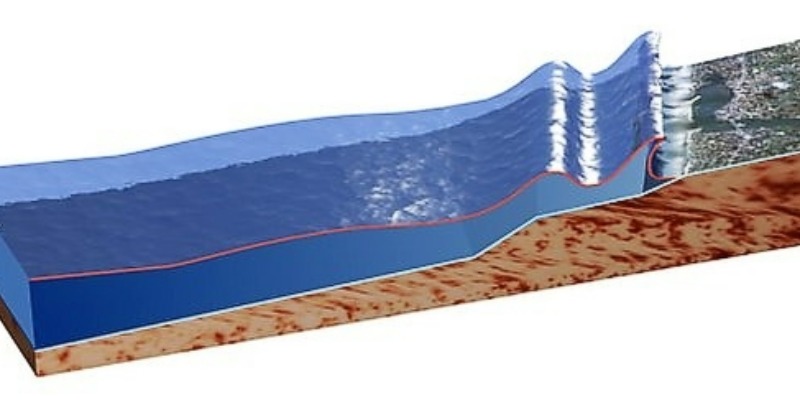 Gli Tsunami sono Fenomeni Causati dai Cambiamenti Climatici Odierni? Non Sempre.
Studi recenti hanno documentato uno tsunami avvenuto nel 365 d.C.di Marco ArezioL'ultimo catastrofico tsunami è avvenuto in Giappone nel 2011 quando un terremoto, unito ad un gigantesco maremoto ha colpito le coste Giapponesi e ha messo in pericolo la centrale nucleare di Dai-ichi.Considerato il più grave incidente nucleare dopo quello successo nel 1986 a Cernobyl, classificato al livello 7 della scala INES, è stato possibile per la presenza di onde alte 14 metri che si sono abbattute sulla centrale. Il terremoto che aveva preceduto lo tsunami aveva fatto spegnere automaticamente i reattori per una questione di sicurezza, i quali dovevano essere comunque alimentari dall'acqua di raffreddamento. Infatti, quando la corrente elettrica fu sospesa, entrarono in funzione i generatori di corrente diesel che garantirono i processi di raffreddamento dei reattori anche se spenti. Dopo 40 minuti dal terremoto arrivò lo tsunami, che superò le barriere appositamente posizionate ad un'altezza massima di 10 metri, permettendo quindi di essere scavalcate dal mare. L'acqua distrusse il sistema elettrico di emergenza tramite i generatori mandando in meltdown i reattori e successivamente si crearono 4 esplosioni a causa delle fughe di idrogeno. Il mondo sconcertato giudicò queste calamità frutto dei cambiamenti climatici che il nostro pianeta sta vivendo, che portano tsunami, piogge torrenziali, siccità, onde di calore e cicloni. Se in parte possiamo dire che la situazione climatica odierna è frutto anche di irresponsabili comportamenti dell'uomo, i fenomeni naturali estremi sono stati recentemente documentati anche in epoche non sospette come quello scoperto dalla Dott.ssa Polonia del CNR risalente al 365 d.C. Un deposito di sedimenti spesso fino a 25 metri, presente nel Mar Ionio, sembra essere il risultato di un forte tsunami avvenuto nel 365 d.C., originato a Creta e che ha coinvolto Calabria e Sicilia. Le caratteristiche di questo deposito hanno permesso di identificare altri due eventi più antichi avvenuti circa 15 e 40 mila anni fa. La ricerca coordinata dal Cnr-Ismar è stata pubblicata su Scientific Reports Uno studio condotto dall’Istituto di scienze marine del Consiglio nazionale delle ricerche di Bologna (Cnr-Ismar) ha ricostruito le tracce di uno tsunami che circa 1600 anni fa ha colpito le coste del Mediterraneo, incluse Sicilia e Calabria meridionale. La ricerca riguarda un’area abissale nel Mar Ionio, tra l’Italia, la Grecia e l’Africa, dove un deposito di sedimenti marini che raggiunge i 25 metri di spessore è stato deposto in modo quasi istantaneo dalla forza catastrofica delle correnti indotte dall’onda di uno tsunami. Lo studio è stato pubblicato su Scientific Reports. Il Mar Mediterraneo ospita due sistemi di subduzione lungo il limite tra le placche africana ed eurasiatica che hanno prodotto forti terremoti nel passato spesso associati a tsunami. “Sulla base di descrizioni storiche e dell’analisi dei sedimenti prelevati dai fondali del Mar Ionio, uno di questi eventi, avvenuto nel 365 d.C., ha interessato un'ampia area geografica incluse regioni distanti circa 800 km dalla zona sorgente che si trova a Creta”, spiega Alina Polonia del Cnr-Ismar. “I campioni di sedimento analizzati hanno permesso di verificare che il materiale che si trovava in condizioni di acqua molto bassa è stato strappato dalla zona costiera e depositato a 4000 metri di profondità. L'onda dello tsunami ha prodotto molteplici frane sottomarine lungo un fronte di migliaia di chilometri, dall’Italia meridionale alle coste africane. Le correnti hanno trascinato sedimenti costieri nelle profondità abissali anche in assenza di canyon, probabilmente attraverso flussi tabulari di grandi dimensioni. Questo ha permesso la deposizione di un volume straordinario di sedimenti di oltre 800 km3 in tutto il Mediterraneo orientale”. Processi molto simili sono stati descritti anche durante il mega-tsunami del 2011 che ha devastato le coste giapponesi. Le caratteristiche del deposito hanno permesso di identificare altri due eventi più antichi che rappresentano i predecessori di quello di Creta consentendo di acquisire elementi utili per una più corretta valutazione del rischio tsunamigenico sulle nostre coste. “Lo studio dimostra che uno tsunami può scaricare volumi significativi di sedimenti e carbonio organico nelle profondità oceaniche, influenzando così il ciclo geochimico globale e gli ecosistemi dei fondali marini”, conclude Polonia. “Capire come vengono prodotti i mega-tsunami, e dove sono più probabili, richiede una migliore comprensione dei processi sedimentari secondari come instabilità delle scarpate continentali, generazione di frane sottomarine e correnti di sessa in tutto il bacino”.
SCOPRI DI PIU' Cosa è un Fotoelettrolizzatore e Come Funziona nella Produzione dell'Idrogeno Verde
Innovazione e Sostenibilità: La Rivoluzione dell'Idrogeno Verde attraverso la Fotoelettrolisidi Marco ArezioL'idrogeno verde rappresenta una delle fonti energetiche più promettenti e sostenibili del nostro futuro energetico. La sua produzione attraverso il fotoelettrolisi dell'acqua utilizza fonti di energia rinnovabile, riducendo significativamente l'impatto ambientale rispetto ai metodi convenzionali basati sui combustibili fossili. Un componente chiave in questo processo è il fotoelettrolizzatore, una tecnologia innovativa che svolge un ruolo cruciale nella conversione dell'energia solare in idrogeno verde. Cos'è un Fotoelettrolizzatore? Un fotoelettrolizzatore è un dispositivo che scompone molecole d'acqua (H2O) in ossigeno (O2) e idrogeno (H2) utilizzando la luce solare come fonte di energia. Questa tecnologia combina i principi della fotoelettrochimica con quelli dell'elettrolisi, permettendo di ottenere idrogeno in modo efficiente e sostenibile. Come Funziona Il processo di fotoelettrolisi si basa sull'utilizzo di semiconduttori sensibili alla luce, noti come fotoelettrodi, che assorbono l'energia solare e la convertono in energia elettrica. Questa energia elettrica viene poi utilizzata per scomporre le molecole d'acqua in idrogeno e ossigeno attraverso una reazione elettrochimica. Il processo può essere riassunto in tre fasi principali: Assorbimento della luce solare: I fotoelettrodi assorbono la luce solare e generano coppie di elettrone-lacuna. Generazione di corrente: Le coppie di elettrone-lacuna generano una corrente elettrica quando si muovono verso gli elettrodi. Elettrolisi dell'acqua: La corrente elettrica stimola la scomposizione dell'acqua negli elettrodi, producendo idrogeno all'anodo e ossigeno al catodo. Costi dell'Idrogeno Verde La produzione di idrogeno verde è storicamente stata considerata costosa a causa dell'alto costo dei fotoelettrolizzatori e dell'energia rinnovabile necessaria per alimentarli. Tuttavia, con il miglioramento delle tecnologie e l'aumento dell'efficienza, i costi stanno diminuendo. Attualmente, il costo dell'idrogeno verde è influenzato da vari fattori, tra cui il costo dell'energia solare, l'efficienza del fotoelettrolizzatore, e i costi operativi e di manutenzione. Perché non si è ancora Sviluppato Completamente l'Idrogeno VerdeNonostante il suo potenziale, lo sviluppo dell'idrogeno verde tramite fotoelettrolisi è limitato da sfide tecniche, economiche e infrastrutturali. Le principali barriere includono l'alto investimento iniziale per la produzione e lo stoccaggio, la necessità di ulteriori ricerche per aumentare l'efficienza dei fotoelettrolizzatori, e la mancanza di infrastrutture dedicate al trasporto e all'utilizzo dell'idrogeno. Vantaggi sull'Ambiente Riduzione delle emissioni di CO2: L'utilizzo dell'energia solare per produrre idrogeno verde elimina le emissioni di gas serra associate alla produzione di idrogeno da combustibili fossili. Sostenibilità: L'idrogeno verde è prodotto utilizzando risorse rinnovabili e abbondanti, come l'acqua e la luce solare. Versatilità: L'idrogeno può essere utilizzato in una varietà di applicazioni, inclusa la generazione di energia, il riscaldamento e come carburante per i veicoli. Svantaggi sull'Ambiente Costi iniziali elevati: Lo sviluppo delle infrastrutture necessarie per la produzione e distribuzione dell'idrogeno verde richiede investimenti significativi. Efficienza: Le attuali tecnologie di fotoelettrolisi hanno efficienze inferiori rispetto ad altri metodi di produzione dell'idrogeno, sebbene vi sia un potenziale di miglioramento. Conclusioni Il fotoelettrolizzatore gioca un ruolo fondamentale nella produzione sostenibile di idrogeno verde, offrendo una soluzione promettente per un futuro energetico pulito. Nonostante le difficoltà esistenti, gli investimenti nella ricerca e nello sviluppo, insieme ai miglioramenti tecnologici, stanno rendendo la produzione di idrogeno verde sempre più fattibile e conveniente. Con un impegno continuo verso l'innovazione, l'idrogeno verde ha il potenziale per diventare una componente chiave del nostro mix energetico sostenibile.
SCOPRI DI PIU' rNEWS: Il Carburante Proveniente dall'Olio di Soia è Sostenibile?
La sete di carburante a base di olio di soia in Europa continua ad alimentare la deforestazione in America Latina. La denuncia delle OngLa produzione di biocarburanti basati prima sull'olio di palma e, oggi, anche sull'olio di soia, si scontra con la necessità di incrementare le superfici coltivabili per aumentarne la produzione in base alla crescente richiesta del marcato. Per fare questo, i coltivatori spingono sulla disponibilità di nuovi terreni con la conseguenza di incrementare la deforestazione in varie aree del pianeta. Questo, nonostante i divieti già presenti a livello mondiale, contribuisce in maniera importante ad aumentare l'impronta carbonica del pianeta. l'articolo che segue affronta il problema della sostenibilità di carburanti che si definiscono bio.Messo al bando l’olio di palma come biocombustibile entro il 2030, se non si interviene nuovamente sulla direttiva europea sulle energie rinnovabili, l’olio di soia potrebbe prenderne il posto. Con le stesse drammatiche conseguenze per l’ambiente, le foreste e le emissioni di CO2. Secondo la ricerca commissionata a Cerulogy dalla Ong Transport & Environment, la sete di gasolio di soia in Europa potrebbe aumentare da 2 a 4 volte entro il 2030. Causando la deforestazione in America Latina di un’area stimata tra i 2,4 e 4,2 milioni di ettari. Quanto la superficie di uno Stato europeo come la Slovenia o i Paesi Bassi. Con la possibile emissione in atmosfera di altri 38 milioni di tonnellate di CO2. Il consumo di olio di soia raddoppiato in un solo annoSolo nel 2019, l’Ue ha consumato circa 1,8 milioni di tonnellate di olio di soia in biodiesel, su un totale complessivo di 15 milioni di tonnellate di biocarburanti. Quantità che potrebbe raddoppiare quest’anno, secondo le stime della Ong. «Le importazioni di soia causeranno una deforestazione su scala epica se non cambiamo la legge europea sui carburanti verdi», ha dichiarato Cristina Mestre, responsabile per l’area biofuels di Transport & Environment. «La soluzione c’è ed è molto semplice. La Commissione europea ha già deciso che il diesel di palma non sarà più considerato verde, ora dovrebbe fare lo stesso per il diesel derivato dalla soia» La riforma della direttiva «Renewable Energy – Recast to 2030» ridefinisce la regolamentazione dei biocarburanti ad alto e basso rischio ILUC (Indirect land use change), che provocano cioè un cambiamento indiretto dell’uso del suolo ma ha finora escluso l’olio di soia. La Commissione, a oggi, ha deciso di eliminare gradualmente, tra il 2023 e il 2030, solo l’uso del diesel di palma. I dati elaborati da Cerulogy dimostrano che l’espansione della coltivazione di soia nelle aree del globo in grado di trattenere anidride carbonica potrebbe essere superiore a quanto stimato. Ben il 10,5% rispetto all’8% stimato all’inizio del 2019. Percentuale superiore alla soglia minima del 10% stabilita dalla Commissione UE proprio per definire un «biocarburante ad alto rischio ILUC». Se così fosse, ribadiscono da Transport & Environment, «l’Ue dovrebbe considerare già da ora la soia come materia prima ad alto rischio ILUC ed eliminare il suo uso al più tardi entro il 2030». I dati della Commissione europea sulla deforestazione sono sottostimatiLa normativa europea richiede che le materie prime dei biocarburanti siano certificate come coltivate in aree che non sono state disboscate dal 2008. Tuttavia, l’espansione indiretta, quella che cioè che non prende direttamente il posto di aree boschive e foreste, non è stata presa in considerazione. «Se si considerano anche tutte queste concause, la maggior parte dei biocarburanti utilizzati in Europa ha emissioni di gas serra molto elevate. A volte anche superiori a quelle dei combustibili fossili», affermano da Transport & Environment. La deforestazione in America Latina non si è fermataDati alla mano, a dispetto delle dichiarazioni politiche dei vari governi, la deforestazione in America Latina è ripresa a crescere dal 2014, anche nell’Amazzonia brasiliana. Inoltre, l’espansione dei pascoli che si somma alle coltivazioni agricole a soia si è anche diffusa altrove, in aree ugualmente pregiate, ma meno protette. Come nel Chaco, area geografica compresa tra l’Argentina, Bolivia, Brasile e Paraguay e la grande savana tropicale brasiliana del Cerrado. Area che era stata già sottoposta alla valutazione preliminare della Commissione Europea sulle materie prime ad alto rischio ILUC nel 2019. Eppure proprio nel Cerrado si è concentrato il 60% dell’espansione della soia in Brasile, negli ultimi due anni. «La politica europea sui biocarburanti è un disastro completo e ha un disperato bisogno di un reset – ribadisce Cristina Mestre di Transport & Environment – bruciare le colture alimentari per alimentare i nostri veicoli è in realtà peggio che bruciare il diesel». Rosy Battaglia
SCOPRI DI PIU' Nuova frontiera della geotermia: perforazione con onde millimetriche per energia super profonda sostenibile
La tecnologia del girotrone apre la strada alla geotermia supercritica, riducendo limiti tecnici, costi e impatto ambientaledi Marco ArezioL’energia geotermica, da tempo annoverata tra le fonti rinnovabili più stabili e costanti, è sempre stata considerata una risorsa strategica per la transizione energetica. A differenza del solare o dell’eolico, che dipendono da condizioni ambientali variabili, la geotermia garantisce una disponibilità continua, giorno e notte, indipendentemente dal clima o dalle stagioni. Nonostante queste potenzialità, il suo impiego rimane confinato a contesti geografici specifici, come aree vulcaniche o zone a intensa attività idrotermale, e gli impianti realizzati non rappresentano ancora una quota significativa del mix energetico globale. Il motivo principale risiede nelle sfide tecnologiche e nei costi elevati della perforazione profonda. Oltre i 5-6 chilometri di profondità, le tecniche meccaniche tradizionali incontrano limiti quasi invalicabili: usura accelerata degli utensili, lunghi tempi di lavorazione, difficoltà nella gestione dei fluidi e instabilità delle pareti dei pozzi. Per accedere alle riserve di calore presenti a 15-20 chilometri di profondità, dove la temperatura raggiunge valori sufficienti a trasformare l’acqua in stato supercritico, è necessaria una rivoluzione tecnologica. La perforazione con onde millimetriche si propone come questa rivoluzione. Basata sull’impiego di radiazioni elettromagnetiche ad alta frequenza, generate da un dispositivo chiamato girotrone, questa tecnologia consente di vaporizzare la roccia senza ricorrere a contatto meccanico. Ne derivano vantaggi in termini di velocità, efficienza ed economicità, con la prospettiva di rendere l’energia geotermica super profonda una risorsa accessibile e diffusa. Oltre i limiti della geotermia tradizionale Le tecniche convenzionali di trivellazione si basano sull’azione meccanica di punte rotanti, rinforzate con materiali resistenti come carburi o diamanti sintetici. Tuttavia, man mano che si scende nella crosta terrestre, la resistenza delle rocce aumenta e le condizioni termiche diventano proibitive. Il risultato è una drastica riduzione della velocità di avanzamento, frequenti interruzioni per sostituire le punte consumate e costi operativi che crescono in maniera esponenziale. Un ulteriore problema riguarda la stabilità dei fori. A profondità estreme, il calore e la pressione tendono a deformare le pareti, aumentando il rischio di collasso. Anche la gestione dei fanghi di perforazione, indispensabili per raffreddare le punte e portare in superficie i detriti, diventa sempre più complessa e dispendiosa. Queste difficoltà spiegano perché la geotermia, pur essendo una fonte rinnovabile potenzialmente illimitata, sia stata finora confinata a regioni geologicamente favorevoli, lasciando inesplorata la possibilità di sfruttarla in modo universale. Onde millimetriche e ablazione della roccia La nuova tecnologia si fonda sull’uso delle onde millimetriche, una particolare porzione dello spettro elettromagnetico compresa tra 30 e 300 GHz, corrispondente a lunghezze d’onda nell’ordine di 1-10 millimetri. Queste radiazioni, non ionizzanti, possiedono una capacità unica di concentrare energia in un punto ristretto, trasferendola rapidamente alla materia circostante. Quando un fascio di onde millimetriche viene convogliato sulla roccia, il materiale assorbe l’energia e subisce un innalzamento termico che porta prima alla fusione e poi alla vaporizzazione. Si tratta di un processo di ablazione termica che elimina progressivamente la roccia, creando un foro senza necessità di contatto fisico. Questo approccio elimina l’usura meccanica e riduce drasticamente i tempi di fermo per sostituzioni o manutenzioni. Inoltre, durante il processo, le pareti del foro subiscono una parziale vetrificazione, formando una superficie vetrosa che stabilizza il condotto e ne migliora la conducibilità termica, rendendolo più adatto al successivo passaggio dei fluidi geotermici. Il girotrone: cuore della perforazione elettromagnetica Il generatore di onde millimetriche utilizzato in questo contesto è il girotrone, un dispositivo sviluppato originariamente per applicazioni nel campo della fusione nucleare controllata. Si tratta di un tubo a vuoto capace di produrre radiazioni elettromagnetiche ad altissima potenza, nell’ordine dei megawatt, con una frequenza stabile e focalizzata. Il fascio generato dal girotrone viene convogliato nel foro tramite una guida d’onda, un condotto che mantiene la coerenza del segnale e riduce le perdite energetiche. Questo permette di trasportare l’energia dalla superficie fino al fronte di perforazione con efficienza, raggiungendo le rocce profonde e garantendo un’ablazione costante. L’intero sistema è supportato da un’infrastruttura di raffreddamento e da un flusso di gas inerti, che hanno il compito di rimuovere i vapori prodotti e mantenere stabile il processo. Geotermia supercritica: il nuovo orizzonte energetico L’obiettivo finale di questa tecnologia è raggiungere la cosiddetta geotermia supercritica. Oltre i 374 °C e i 22,1 MPa, l’acqua assume uno stato supercritico, in cui le proprietà fisiche si collocano a metà tra quelle di un liquido e di un gas. In questa condizione, il fluido possiede una capacità termica e una conducibilità molto più elevate, rendendolo estremamente efficiente nel trasferire energia. Un pozzo che raggiunge profondità di 15-20 km può produrre energia fino a dieci volte superiore rispetto a un impianto geotermico tradizionale. Ciò significa che, con un numero ridotto di pozzi, sarebbe possibile soddisfare il fabbisogno energetico di intere aree urbane, riducendo drasticamente la dipendenza da combustibili fossili. Efficienza e vantaggi rispetto alle tecniche tradizionali Il confronto tra le due tecniche è illuminante. Una perforazione meccanica oltre i 10 km può richiedere anni e costi insostenibili, con il rischio costante di guasti e interruzioni. Con le onde millimetriche, invece, la velocità di avanzamento è superiore, i costi per metro scavato si riducono e la manutenzione diventa minima. Il foro, seppur più stretto, risulta sufficiente per garantire un flusso termico significativo. Inoltre, la possibilità di operare in aree non necessariamente vulcaniche apre scenari completamente nuovi: città e regioni che oggi non possono accedere alla geotermia avrebbero la possibilità di sfruttarla localmente, riducendo la necessità di importare energia. Impatto ambientale e sostenibilità Uno degli aspetti più rilevanti è la sostenibilità ambientale. La geotermia super profonda, ottenuta grazie alla perforazione con onde millimetriche, permette di produrre energia rinnovabile a zero emissioni dirette, riducendo drasticamente la CO₂ rispetto alle centrali a carbone, gas o petrolio. Inoltre, l’impatto in superficie è ridotto: i cantieri occupano spazi limitati, simili a quelli di una torre di perforazione compatta, e non richiedono vaste infrastrutture. Anche il consumo di acqua e di materiali per la perforazione è minore, dal momento che non sono necessari grandi volumi di fanghi. Restano tuttavia sfide importanti: la gestione dei materiali vaporizzati, la sicurezza nel maneggiare sorgenti elettromagnetiche di alta potenza e la necessità di sviluppare materiali resistenti a condizioni estreme di calore e pressione. Ma la traiettoria tecnologica mostra chiaramente un potenziale in grado di rivoluzionare l’intero settore. Conclusioni La perforazione con onde millimetriche e l’impiego del girotrone rappresentano una nuova frontiera nella ricerca di energia geotermica sostenibile. L’accesso a riserve di calore supercritico a profondità finora irraggiungibili potrebbe trasformare la geotermia in una risorsa universale, disponibile in qualsiasi parte del pianeta. La possibilità di disporre di energia rinnovabile, continua, stabile e a basse emissioni pone questa tecnologia come una delle soluzioni più promettenti per affrontare la crisi climatica ed energetica globale. Se i progetti pilota confermeranno le previsioni, nei prossimi decenni potremmo assistere a un cambiamento epocale: dalla geotermia di nicchia, confinata in pochi distretti, a una geotermia universale, super profonda, capace di alimentare intere società con energia pulita e inesauribile.© Riproduzione Vietata
SCOPRI DI PIU'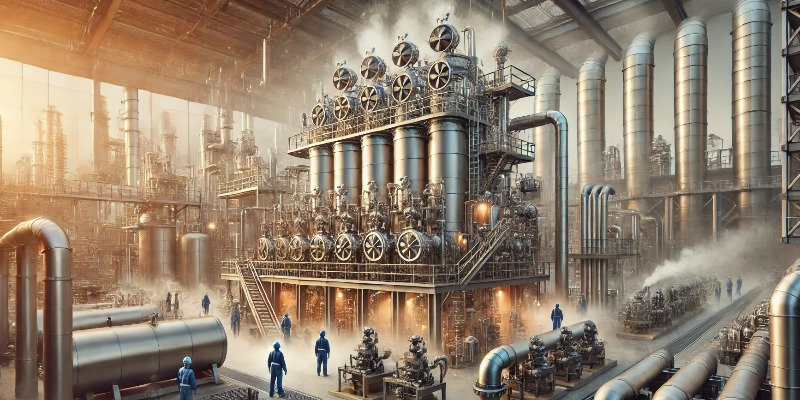 Cascami Termici: Energia Recuperata per un Futuro Sostenibile
Come il recupero del calore disperso può migliorare l'efficienza energetica e ridurre l'impatto ambientale di Marco Arezio Avete mai sentito parlare dei cascami termici? Forse non così spesso, ma sono una realtà importante per la nostra efficienza energetica e per l'ambiente. Immaginate tutto il calore che si perde durante i processi industriali o la produzione di energia. Ebbene, quel calore è ciò che chiamiamo "cascami termici". In questo articolo, vi racconterò cosa sono, come si generano, come possiamo recuperarli e utilizzarli per migliorare la nostra vita quotidiana e il nostro pianeta. Cosa Sono i Cascami Termici? I cascami termici sono, in parole semplici, energia termica che viene dispersa durante vari processi industriali o energetici. Quando parliamo di cascami termici, ci riferiamo a tutto quel calore che non viene utilizzato e che finisce per essere rilasciato nell'ambiente. Questa energia, se non recuperata, rappresenta una grande perdita in termini di efficienza e una contribuzione inutile al riscaldamento globale. Tipi di Cascami Termici Pensiamo a una fabbrica di acciaio o a una centrale elettrica. In questi luoghi, il calore viene generato in grandi quantità e spesso una parte significativa viene dispersa. Esistono diversi tipi di cascami termici: Calore di Scarico: Questo proviene dai motori e dalle turbine a gas. È il calore che esce dai gas di scarico. Vapore Esausto: Usato in molte industrie come mezzo di trasferimento del calore, il vapore esausto è quello che rimane dopo che ha fatto il suo lavoro. Flussi di Aria Calda: Questi sono presenti nei sistemi di ventilazione e condizionamento delle fabbriche. Fluidi di Raffreddamento: Utilizzati per mantenere le temperature operative, spesso rilasciano calore nell'ambiente. Come Si Generano i Cascami Termici? I cascami termici sono generati in molti processi industriali ed energetici. Vediamo alcuni esempi: Settore Industriale Nell'industria, il calore è fondamentale per tanti processi. Prendiamo la metallurgia: fondere i metalli richiede molto calore e una parte di questo viene dispersa. Lo stesso accade nell'industria chimica, dove le reazioni producono calore che spesso non viene utilizzato al massimo. Anche nella produzione del cemento, la cottura del clinker libera molto calore. Non dimentichiamo l'industria alimentare, dove la pastorizzazione e la sterilizzazione generano energia termica in eccesso. Settore Energetico Anche nel settore energetico, come nelle centrali termoelettriche, si genera molto calore che non viene sempre sfruttato appieno. Le turbine a gas e a vapore, usate nelle centrali elettriche, producono calore residuo che può essere recuperato. Come Si Recuperano i Cascami Termici? Fortunatamente, esistono diverse tecnologie e strategie per recuperare questa preziosa energia. Ecco alcune delle principali tecniche di recupero: Scambiatori di Calore Gli scambiatori di calore sono dispositivi che trasferiscono energia termica da un fluido all'altro. Immaginate un tubo caldo che riscalda un altro tubo pieno d'acqua fredda: questo è il principio base di uno scambiatore di calore. Sono utilizzati in molti settori per migliorare l'efficienza energetica. Cogenerazione La cogenerazione è una tecnica molto interessante che permette di produrre calore ed elettricità contemporaneamente. Invece di disperdere il calore, lo si utilizza per generare energia elettrica, migliorando l'efficienza complessiva del sistema e riducendo le emissioni. Recuperatori di Vapore Questi dispositivi condensano il vapore esausto, recuperando il calore latente. È un po' come trasformare il vapore che esce da una pentola a pressione in energia riutilizzabile. Sistemi di Accumulo Termico I sistemi di accumulo termico permettono di immagazzinare il calore recuperato per usarlo quando serve. È un po' come mettere da parte l'acqua calda in una bottiglia termica per usarla più tardi. Come Si Utilizzano i Cascami Termici? I cascami termici recuperati possono essere utilizzati in molti modi per migliorare l'efficienza energetica e ridurre i costi operativi: Riscaldamento di Processi Industriali Il calore recuperato può essere utilizzato per riscaldare altri processi industriali, migliorando l'efficienza generale dell'impianto. Generazione di Energia Elettrica Il calore può essere utilizzato per alimentare turbine a vapore o motori Stirling, producendo energia elettrica supplementare. Riscaldamento di Ambienti Il calore può essere impiegato per il riscaldamento di uffici, abitazioni o ambienti industriali, riducendo la necessità di usare combustibili fossili. Raffreddamento ad Assorbimento Il calore residuo può alimentare sistemi di raffreddamento ad assorbimento, che sfruttano l'energia termica per produrre freddo, utile per il condizionamento dell'aria o la refrigerazione industriale. Conclusioni I cascami termici sono una risorsa preziosa e spesso sottovalutata. Recuperare e riutilizzare questa energia residua non solo ci aiuta a ridurre i costi operativi, ma anche a diminuire le emissioni di gas serra, contribuendo così alla sostenibilità del nostro pianeta. Adottare tecnologie per il recupero dei cascami termici è una strategia vincente per le industrie che vogliono migliorare la propria efficienza energetica e ridurre il proprio impatto ambientale. Quindi, la prossima volta che pensiamo al calore che si disperde, ricordiamoci che potrebbe essere una risorsa preziosa pronta per essere utilizzata.
SCOPRI DI PIU' La Geotermia nel Tempo: Dalle Antiche Sorgenti Termali alla Rivoluzione Energetica
Un viaggio attraverso la storia della geotermia, esplorando le sue origini, i progressi tecnologici e il suo ruolo cruciale nel futuro energetico sostenibile del mondodi Marco ArezioLa geotermia è una fonte di energia rinnovabile che sfrutta il calore naturale della Terra. Questo calore può essere utilizzato per generare elettricità, riscaldare edifici e svolgere altre attività industriali. La storia della geotermia è antica e affascinante, con radici che risalgono a migliaia di anni fa. Questo articolo esplorerà le origini, lo sviluppo e le applicazioni moderne della geotermia nel mondo. Origini Antiche della GeotermiaLe prime tracce dell'uso della geotermia risalgono a più di 10.000 anni fa, quando le popolazioni primitive utilizzavano le sorgenti termali per il riscaldamento e la cottura. Gli antichi Romani furono tra i primi a sfruttare sistematicamente questa risorsa. Essi costruirono complessi termali, noti come "thermae", in tutto l'Impero Romano, utilizzando l'acqua calda proveniente dalle sorgenti geotermiche per il bagno e il riscaldamento. Sviluppi Medievali e Rinascimentali Durante il Medioevo, le sorgenti termali continuarono ad essere utilizzate principalmente per scopi terapeutici e ricreativi. Tuttavia, non ci furono significativi sviluppi tecnologici nell'uso della geotermia fino al Rinascimento. In questo periodo, l'interesse scientifico per i fenomeni naturali portò a una migliore comprensione delle forze geotermiche e delle loro potenzialità. La Rivoluzione Industriale La vera svolta nella storia della geotermia avvenne con la Rivoluzione Industriale. Nel 1827, a Larderello, in Toscana, Francesco Larderel iniziò a sfruttare il vapore naturale per estrarre l'acido borico dalle acque geotermiche. Questo fu uno dei primi utilizzi industriali del calore geotermico e segnò l'inizio dello sfruttamento sistematico di questa risorsa. Nel 1904, sempre a Larderello, il principe Piero Ginori Conti realizzò la prima produzione di elettricità da una fonte geotermica. Questo evento segnò l'inizio dell'era moderna della geotermia e aprì la strada a ulteriori sviluppi nel campo della produzione di energia elettrica da fonti rinnovabili. Espansione Globale nel XX Secolo Durante il XX secolo, la geotermia si diffuse in tutto il mondo. Gli Stati Uniti furono tra i primi paesi a seguire l'esempio italiano. Nel 1921, la prima centrale geotermica americana fu costruita a The Geysers, in California. Questa località rimane ancora oggi uno dei più grandi complessi geotermici del mondo. Nel secondo dopoguerra, diversi paesi iniziarono a investire nella geotermia. L'Islanda, con la sua abbondanza di risorse geotermiche, divenne un pioniere nell'uso della geotermia per il riscaldamento domestico e la produzione di energia elettrica. Oggi, oltre il 90% delle abitazioni islandesi è riscaldato tramite energia geotermica. Innovazioni Recenti e Futuro della Geotermia Negli ultimi decenni, la tecnologia geotermica ha fatto passi da gigante. L'introduzione delle pompe di calore geotermiche ha reso possibile l'uso del calore della Terra anche in aree non vulcaniche. Questi sistemi, che sfruttano il gradiente termico del sottosuolo, sono sempre più utilizzati per il riscaldamento e il raffrescamento degli edifici. Inoltre, sono stati sviluppati nuovi metodi per sfruttare la geotermia a grandi profondità, dove le temperature sono più elevate. Questi impianti, noti come Enhanced Geothermal Systems (EGS), rappresentano una promettente frontiera per la produzione di energia rinnovabile. Paesi come Nuova Zelanda, Filippine, Indonesia e Kenya hanno fatto notevoli progressi nello sviluppo delle loro risorse geotermiche. La geotermia rappresenta una parte significativa del mix energetico di questi paesi, contribuendo a ridurre la dipendenza dai combustibili fossili e a mitigare i cambiamenti climatici. Problematiche e Opportunità Nonostante i progressi, la geotermia deve affrontare alcune problematiche. L'alto costo iniziale di installazione e la necessità di una localizzazione geologica favorevole sono tra i principali ostacoli. Tuttavia, con l'avanzamento della tecnologia e l'aumento dell'interesse per le energie rinnovabili, le opportunità per la geotermia sono in crescita. L'integrazione della geotermia con altre fonti di energia rinnovabile, come il solare e l'eolico, offre prospettive promettenti per la creazione di sistemi energetici sostenibili e resilienti. Inoltre, l'uso della geotermia per la produzione di idrogeno verde potrebbe aprire nuove strade per la transizione energetica globale. Conclusioni La storia della geotermia è una testimonianza della capacità umana di sfruttare le risorse naturali in modo innovativo e sostenibile. Da antiche sorgenti termali a complessi impianti industriali, la geotermia ha percorso una lunga strada, dimostrando il suo valore come fonte di energia pulita e affidabile. Con le giuste politiche e investimenti, la geotermia può giocare un ruolo cruciale nel futuro energetico del mondo, contribuendo a costruire un pianeta più verde e sostenibile.© Riproduzione Vietata
SCOPRI DI PIU' Stoccaggio termico innovativo: Tecnologie avanzate per un futuro energetico sostenibile
Il ruolo dei sali fusi, delle sabbie e dei materiali a cambiamento di fase nella conservazione dell’energiadi Marco ArezioLo stoccaggio termico rappresenta una delle sfide più rilevanti nella transizione energetica. A fronte di una produzione sempre più distribuita e intermittente – basti pensare al fotovoltaico e all’eolico – emerge la necessità di sistemi capaci di immagazzinare energia in forma di calore, per poi rilasciarla quando la domanda lo richiede. In questo scenario, la ricerca scientifica degli ultimi anni ha portato alla sperimentazione e allo sviluppo di materiali e soluzioni innovative: dai sali fusi alle sabbie ad alta temperatura, fino ai materiali a cambiamento di fase (PCM, Phase Change Materials). Questi approcci non solo ampliano le possibilità di accumulo, ma offrono efficienza, durabilità e sostenibilità ambientale. Sali fusi: accumulo ad alta temperatura L’impiego dei sali fusi è oggi tra le soluzioni più consolidate per lo stoccaggio termico. Si tratta di miscele di nitrati e carbonati che, portate a temperature comprese fra 250 °C e 600 °C, sono in grado di accumulare grandi quantità di energia sotto forma di calore sensibile. Gli impianti solari a concentrazione (CSP, Concentrated Solar Power) hanno già dimostrato l’efficacia di questa tecnologia, con serbatoi che consentono di rilasciare energia termica per diverse ore anche in assenza di irraggiamento solare. Dal punto di vista accademico, numerosi studi pubblicati negli ultimi cinque anni hanno approfondito la stabilità chimica dei sali, i problemi legati alla corrosione dei contenitori metallici e l’efficienza dei cicli di carico-scarico. I progressi nella ricerca hanno portato a nuove miscele meno corrosive e più economiche, migliorando la competitività di questi sistemi. Sabbie come mezzo di accumulo low-cost Un filone di ricerca particolarmente interessante è quello legato all’uso delle sabbie per lo stoccaggio termico. La sabbia è un materiale abbondante, economico e stabile a temperature molto elevate (fino a 1000 °C). Studi recenti hanno dimostrato che sistemi di accumulo basati su letti di sabbia possono costituire una valida alternativa ai sali fusi, soprattutto in contesti industriali che richiedono calore di processo ad alta temperatura. Il principio è semplice: il calore viene immesso nel letto sabbioso attraverso resistenze elettriche o fluidi termovettori e può essere recuperato successivamente con scambiatori. La ricerca scientifica sta valutando le proprietà termiche della sabbia (conduttività, capacità di accumulo) e le modalità di contenimento ottimale, considerando anche la fluidodinamica interna dei granuli. In prospettiva, si tratta di una tecnologia che potrebbe offrire impianti più sostenibili, meno costosi e con una lunga vita utile. Materiali a cambiamento di fase (PCM): l’accumulo latente Tra le tecnologie più promettenti per lo stoccaggio termico, i materiali a cambiamento di fase (PCM, Phase Change Materials) occupano un posto centrale. A differenza dei sistemi basati sul calore sensibile – che accumulano energia aumentando semplicemente la temperatura del materiale – i PCM sfruttano il calore latente associato alla transizione di fase, tipicamente tra stato solido e stato liquido. Questo significa che, durante la fusione, un PCM può assorbire una grande quantità di energia mantenendo pressoché costante la propria temperatura; allo stesso modo, durante la solidificazione, rilascia la stessa quantità di calore senza variazioni significative di temperatura. Questo comportamento li rende ideali per applicazioni in cui è fondamentale garantire stabilità termica e densità energetica elevata in volumi relativamente contenuti. Caratteristiche e tipologie di PCM Un PCM efficace deve possedere alcune proprietà chiave: una temperatura di transizione compatibile con l’applicazione, un’entalpia di fusione elevata per accumulare grandi quantità di energia, una buona stabilità ciclica (cioè capacità di mantenere prestazioni anche dopo migliaia di cicli di fusione/solidificazione) e un comportamento chimico sicuro e non corrosivo. Le principali famiglie di PCM sono: Organici: paraffine e acidi grassi, caratterizzati da buona stabilità e assenza di corrosività, ma con conduttività termica relativamente bassa e, talvolta, infiammabilità. Inorganici: sali idrati ed eutettici inorganici, che offrono un’entalpia elevata e costi contenuti, ma possono soffrire fenomeni di superraffreddamento o separazione di fase. Compositi e ibridi: materiali che combinano matrici polimeriche, fibre o nanoparticelle conduttive con PCM, al fine di migliorare la stabilità meccanica, aumentare la conduttività termica e ridurre il rischio di perdite nella fase liquida. Integrazione nei sistemi di accumulo L’applicazione dei PCM è estremamente versatile. In edilizia vengono integrati in pannelli, intonaci o rivestimenti per migliorare l’inerzia termica degli ambienti, contribuendo a ridurre i picchi di temperatura interna e quindi i consumi energetici per climatizzazione. Nel settore industriale, i PCM sono impiegati per recuperare calore di processo e ridistribuirlo nei momenti di maggiore domanda. Nei sistemi energetici, possono essere utilizzati come buffer in impianti solari termici e fotovoltaici, consentendo di prolungare l’erogazione di calore o elettricità anche in assenza di sole. Altri campi di applicazione riguardano la catena del freddo per il trasporto alimentare e farmaceutico, la gestione termica di dispositivi elettronici e persino le batterie al litio, dove i PCM evitano surriscaldamenti improvvisi migliorando sicurezza ed efficienza. Sfide e prospettive future Nonostante i progressi, la diffusione su larga scala di queste tecnologie richiede ancora ulteriori sviluppi. I sali fusi devono affrontare il problema della corrosione e dei costi, le sabbie necessitano di sistemi di contenimento e scambio più efficienti, mentre i PCM devono garantire stabilità ciclica e compatibilità ambientale. Tuttavia, la direzione tracciata dalla ricerca è chiara: lo stoccaggio termico innovativo diventerà un pilastro della transizione energetica, affiancando le batterie elettrochimiche e le altre forme di accumulo. Gli scenari futuri vedono una crescente integrazione di queste soluzioni nelle reti energetiche e negli impianti industriali, favorendo la decarbonizzazione dei processi e l’uso intelligente delle risorse. In prospettiva, la combinazione di più tecnologie – per esempio sali fusi e PCM – potrebbe generare sistemi ibridi ad alta efficienza, capaci di adattarsi a un ampio spettro di esigenze energetiche.© Riproduzione Vietata
SCOPRI DI PIU' La storia del Freon: dall'innovazione chimica alla crisi ambientale
Come il Freon ha trasformato l'industria della refrigerazione e dell'aria condizionata, e il suo impatto sulla distruzione dello strato di ozono e sul cambiamento climaticodi Marco ArezioIl Freon è una famiglia di composti chimici, principalmente clorofluorocarburi (CFC) e idrofluorocarburi (HFC), usati storicamente come refrigeranti, propellenti per aerosol e agenti espandenti nelle schiume. La loro storia è strettamente legata allo sviluppo dell'industria della refrigerazione, ma anche alla chimica industriale e, negli ultimi decenni, alle preoccupazioni ambientali legate alla distruzione dello strato di ozono e al riscaldamento globale. Origini del Freon La scoperta e lo sviluppo dei Freon possono essere fatti risalire ai primi anni del XX secolo. Prima della loro invenzione, i sistemi di refrigerazione utilizzavano sostanze pericolose come l'ammoniaca, il clorometano e il diossido di zolfo, che erano tossiche o infiammabili, creando seri rischi per la salute pubblica e la sicurezza. Nel 1928, il chimico Thomas Midgley Jr., che lavorava per la General Motors, sviluppò il primo composto della famiglia dei Freon, il Freon-12 (diclorodifluorometano, CCl₂F₂). Questo nuovo composto era molto meno tossico e non infiammabile rispetto ai refrigeranti precedenti, segnando una svolta per l'industria della refrigerazione. L'introduzione del Freon rese possibile lo sviluppo di frigoriferi domestici sicuri e commerciali, oltre a rivoluzionare i sistemi di aria condizionata. La General Motors e la DuPont formarono una joint venture chiamata Kinetic Chemicals per produrre questi nuovi composti su larga scala. Il Freon divenne sinonimo di refrigerazione sicura e affidabile, e la sua diffusione si espanse rapidamente negli anni '30 e '40, non solo negli elettrodomestici, ma anche nelle applicazioni industriali e nei trasporti. Crescita dell'uso del Freon Durante la metà del XX secolo, i CFC come il Freon-12 divennero standard globali in molti settori. Le principali applicazioni del Freon includevano: Refrigerazione domestica e industriale: i CFC venivano utilizzati in frigoriferi, congelatori e impianti di refrigerazione per il trasporto di merci deperibili. Condizionamento dell'aria: dai sistemi di condizionamento domestici e commerciali fino agli impianti di condizionamento dell'aria negli autoveicoli. Propellenti per aerosol: i CFC venivano utilizzati come propellenti nelle bombolette spray per una varietà di prodotti come vernici, deodoranti e insetticidi. Agenti espandenti per schiume: utilizzati nella produzione di schiume plastiche come il polistirene espanso, fondamentale per l'isolamento termico e acustico. Queste applicazioni portarono a una crescente dipendenza globale dai CFC, che divennero parte integrante della vita quotidiana. L'inizio della crisi ambientale: il buco nell'ozono Negli anni '70, alcuni scienziati cominciarono a preoccuparsi dell'impatto ambientale dei CFC. Uno studio del 1974 condotto dai chimici Mario Molina e Sherwood Rowland rivelò che i CFC, una volta rilasciati nell'atmosfera, potevano raggiungere la stratosfera e subire una decomposizione fotochimica, liberando atomi di cloro. Questi atomi di cloro erano in grado di distruggere le molecole di ozono (O₃), le quali proteggono la Terra dalle radiazioni ultraviolette dannose del sole. La scoperta di un buco nello strato di ozono sopra l'Antartide negli anni '80 confermò le preoccupazioni della comunità scientifica. Questo fenomeno divenne il catalizzatore per una serie di azioni regolamentari a livello internazionale. Nel 1987, il Protocollo di Montreal venne firmato da molti paesi per limitare la produzione e l'uso dei CFC, inclusi quelli commercializzati sotto il nome di Freon. La transizione agli HFC e i problemi climatici A seguito della messa al bando progressiva dei CFC, l'industria della refrigerazione e del condizionamento passò all'uso di idrofluorocarburi (HFC), come il Freon-134a. Gli HFC non contengono cloro e quindi non contribuiscono alla distruzione dell'ozono. Tuttavia, si scoprì successivamente che gli HFC sono potenti gas serra, con un potenziale di riscaldamento globale (GWP) molto elevato, contribuendo al cambiamento climatico. Alla luce di questo, negli anni 2000 e 2010 vennero adottati nuovi regolamenti per ridurre gradualmente l'uso degli HFC. L'emendamento di Kigali del 2016 al Protocollo di Montreal prevede una riduzione della produzione e del consumo di HFC a livello globale, stimolando lo sviluppo di refrigeranti più ecologici, come l'anidride carbonica (CO₂) e l'ammoniaca, che hanno un impatto ambientale inferiore. Il Freon oggi Oggi, il termine Freon viene utilizzato principalmente per riferirsi agli HFC ancora in uso, come il Freon-134a, ma la sua presenza è in rapido declino a causa delle nuove regolamentazioni e delle alternative più sostenibili che vengono sviluppate. Sebbene il Freon abbia giocato un ruolo centrale nello sviluppo della tecnologia di refrigerazione e condizionamento, il suo impatto ambientale negativo ha portato a un rapido allontanamento da questi composti. La relazione tra Freon e Teflon Il Teflon, il marchio commerciale del politetrafluoroetilene (PTFE), è un altro composto chimico scoperto dalla DuPont. La sua storia è collegata al Freon solo in termini di contesto industriale e dell'azienda che lo sviluppò. Il Teflon fu scoperto per caso nel 1938 dal chimico Roy Plunkett, mentre lavorava alla sintesi di gas refrigeranti per conto della DuPont, la stessa azienda coinvolta nella produzione dei Freon. Mentre cercava di sviluppare un nuovo tipo di refrigerante (simile al Freon), Plunkett scoprì che uno dei gas che stava studiando, il tetrafluoroetilene, polimerizzava spontaneamente formando una sostanza cerosa, resistente al calore e chimicamente inerte: il Teflon. Anche se i processi chimici che portano alla produzione del Freon e del Teflon sono diversi, la scoperta di entrambi i composti avvenne in un contesto di ricerca simile, motivato dall'espansione della chimica industriale negli anni '30 e '40. Il Teflon trovò successivamente applicazione in una vasta gamma di prodotti, tra cui pentole antiaderenti, rivestimenti per cavi elettrici e dispositivi medicali, grazie alla sua resistenza chimica e al basso coefficiente di attrito. Non esiste una relazione chimica diretta tra Freon e Teflon, ma entrambi rappresentano innovazioni significative nel campo della chimica industriale e derivano dallo stesso filone di ricerca sui composti del fluoro. Conclusioni La storia del Freon rappresenta uno degli esempi più chiari di come una scoperta scientifica possa trasformare la vita quotidiana, ma anche di come il progresso tecnologico debba essere accompagnato da una valutazione attenta degli impatti ambientali a lungo termine. Mentre il Freon ha rivoluzionato l'industria della refrigerazione e del condizionamento, la sua eredità è anche legata ai danni causati allo strato di ozono e, successivamente, al cambiamento climatico. Oggi, la sfida è trovare soluzioni che bilancino innovazione, efficienza e sostenibilità ambientale, imparando dalle lezioni del passato.© Riproduzione Vietata
SCOPRI DI PIU' La Prima Salita alla Parete Nord dell’Eiger: L’Impresa Storica del 1938
Dal “problema irrisolto delle Alpi” alla conquista di Anderl Heckmair, Ludwig Vörg, Heinrich Harrer e Fritz Kasparek: la cronaca, i protagonisti e l’eredità della leggendaria prima salitadi Marco ArezioNegli anni Trenta, la Parete Nord dell’Eiger era considerata il più grande problema irrisolto dell’alpinismo europeo. Una muraglia di calcare alta quasi duemila metri, esposta ai venti gelidi dell’Oberland bernese e perennemente battuta da frane di roccia e colate di ghiaccio, rappresentava un monito silenzioso per chiunque osasse avvicinarsi. L’Eiger, con la sua ombra cupa che al tramonto si allungava sulle vallate di Grindelwald, era già noto per aver mietuto vittime tra gli scalatori più esperti. Tentativi precedenti si erano conclusi in tragedia: cordate intrappolate dalla neve, uomini spazzati via dalle valanghe, bivacchi forzati nel cuore della parete con temperature polari. La stampa parlava di “parete maledetta”, e ogni nuova spedizione era seguita con una miscela di ammirazione e timore. Il contesto storico-alpinistico degli anni Trenta L’Europa viveva un’epoca di tensioni politiche e di orgoglio nazionale, e le grandi ascensioni alpine diventavano anche simboli di prestigio. La conquista delle tre grandi pareti Nord – Cervino, Grandes Jorasses ed Eiger – era l’obiettivo supremo per l’élite degli scalatori. Il Cervino e le Jorasses erano già cadute sotto l’assalto di alpinisti visionari, ma l’Eiger resisteva. La sua Nord non era soltanto una sfida tecnica: era un test di resistenza umana, di sopravvivenza, di capacità di muoversi in un ambiente dove il margine d’errore si misurava in secondi. Nel 1935, due alpinisti tedeschi, Karl Mehringer e Max Sedlmayr, erano morti intrappolati da una tormenta; l’anno dopo, un’altra cordata aveva dovuto ritirarsi in condizioni disperate. Ogni fallimento aumentava il fascino e la leggenda della montagna. I protagonisti della conquista Luglio 1938 segnò un momento decisivo. Due cordate, una formata dagli austriaci Heinrich Harrer e Fritz Kasparek, l’altra dai tedeschi Anderl Heckmair e Ludwig Vörg, si trovarono sulla parete quasi per caso. Harrer, giovane e ambizioso, e Kasparek, solitario e metodico, avevano iniziato la salita con un approccio leggero e veloce. Heckmair, guida esperta e dal carattere deciso, era accompagnato da Vörg, atleta potente e instancabile. Il destino volle che, dopo un giorno di arrampicata, le due coppie si unissero, combinando la prudenza e la visione strategica di Heckmair con l’audacia dei due austriaci. La loro collaborazione, nata in parete, sarebbe diventata leggenda. La cronaca dell’impresa La salita iniziò il 21 luglio. Già nelle prime ore, i quattro dovettero affrontare passaggi delicatissimi, tra placche lisce e tratti ghiacciati. La traversata del famigerato “Hinterstoisser” – un tratto diagonale su lastre levigate dove la perdita di aderenza significava la caduta nel vuoto – fu superata con una corda fissa, che avrebbe poi permesso il passaggio a Heckmair e Vörg. La progressione era lenta e faticosa: lunghi tiri su ghiaccio verticale, colate di neve polverosa che piombavano dall’alto, e la necessità costante di assicurarsi in un ambiente privo di punti naturali. Il secondo giorno portarono a termine la scalata del “Primo Nevaio” e affrontarono il “Ragno Bianco”, una zona di ghiaccio sospesa sotto la cima, che sembrava un’enorme ragnatela di neve e pareva proteggere l’accesso alla vetta. La temperatura crollò, il vento aumentò, e il bivacco notturno fu un’esperienza estrema: appesi alle corde, con le scarpe gelate, respiravano vapore ghiacciato. Il 24 luglio, esausti ma determinati, superarono l’ultimo bastione roccioso e raggiunsero la cresta sommitale. Il panorama dell’Oberland si aprì improvviso e abbagliante. La prima ascensione della Parete Nord dell’Eiger era compiuta. Il risalto storico La notizia si diffuse in poche ore. In Svizzera, Germania e Austria, i giornali annunciarono l’impresa come una vittoria epocale, non solo sportiva ma anche simbolica. La conquista dell’“ultimo problema delle Alpi” segnava un cambio di epoca: l’alpinismo entrava definitivamente nella dimensione dell’estremo, dove la tecnica, la strategia e la capacità di resistere fisicamente e mentalmente diventavano fattori imprescindibili. L’impresa del 1938 non chiuse il capitolo delle tragedie sull’Eiger – negli anni successivi altre cordate avrebbero perso la vita – ma aprì una nuova stagione di sfide. La via Heckmair, come fu battezzata, divenne la linea di riferimento per generazioni di alpinisti. Harrer, in seguito, avrebbe immortalato la storia nel celebre libro Il Ragno Bianco, trasformando quella salita in un mito capace di sopravvivere ai decenni. Ancora oggi, chi guarda la parete Nord dell’Eiger può immaginare i quattro uomini sospesi tra roccia e cielo, sfidare il vento e la paura, e capire perché quella conquista rimanga una delle più straordinarie imprese della storia dell’alpinismo.© Riproduzione Vietata
SCOPRI DI PIU'
