








 Agreement for the Supply of Biofuels in Maritime Transport
The decarbonisation of maritime transport is one of the many points to be tackled if you want, definitively and planned, achieve total sustainable mobilityThe current picture of maritime transport, both commercial and civil , sees the constant transit of cargo, between one continent and another, which consume thousands of tons of fuel per journey, a consumption rate that must be multiplied by thousands of ships constantly present on the seas, and multiplied by hundreds of thousands of trips per year. This huge, incredible amount of fossil fuels could be replaced by biofuels that come from the processing of waste from differentiated collection, from animal and vegetable waste. A project in this sense was initiated through the commitment of a company operating in the biofuel sector, which signed a propellant supply contract green for maritime navigation.Indeed, Eni Sustainable Mobility and Saipem have signed a Memorandum of Understanding (MoU) with the aim of using biogenic fuels on Saipem's drilling and construction vessels, with particular reference to operations in the Mediterranean Sea area. Saipem has a fleet that operates worldwide which is made up of 45 vessels for construction and drilling. The MoU represents an important milestone for Eni and Saipem, confirming the mutual commitment to diversify energy sources and reduce the carbon footprint in operations offshore. Eni has been producing biofuels since 2014, thanks to the conversion of the Venice and Gela refineries into biorefineries, which since the end of 2022 are oil of free palms. Using the proprietary Ecofining™ technology, vegetable or animal waste raw materials and HVO (Hydrotreated Vegetable Oil) biofuel products are processed. Biofuels are one of the pillars of Eni's strategic plan to achieve carbon neutrality by 2050, through a decarbonization process that aims the abatement of emissions from industrial processes and products. This agreement, in particular, is part of the implementation of Saipem's strategy for the reduction of GHG emissions and implements, together with the other initiatives and investments envisaged in the Group's strategic plan, the path for the reduction of its scope 1 and scope 2 emissions by 2035 and the achievement of the Net Zero objective (including scope 3) by 2050. The agreement will leverage the experience and expertise of both partners. Eni Sustainable Mobility, one of the leading biofuel producers in Europe, makes its knowledge available in providing solutions for the reduction of carbon emissions. Saipem, through its commitment to the energy transition, aims to increase the use of alternative fuels on its vehicles to reduce its emissions and those of its customers. Thanks to the use of fuels of biogenic origin, Saipem aims to reduce emissions by approximately 550,000 Tons of CO2eq per year, equal to approximately 60% of its total annual scope 1 emissions.Automatic translation. We apologize for any inaccuracies. Original article in Italian.Source ENI
SEE MORE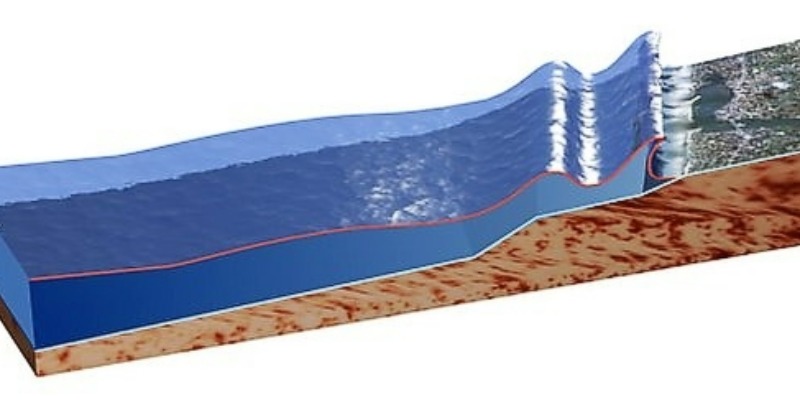 Are Tsunamis Phenomena Caused by Today's Climate Change? Not Always
Recent studies have documented a tsunami that occurred in 365 AD.The last catastrophic tsunami occurred in Japan in 2011 when an earthquake, combined with a gigantic tsunami hit the Japanese coasts and endangered the Dai-ichi nuclear power plant.Considered the most serious nuclear accident after the one that occurred in 1986 in Chernobyl, classified at level 7 of the INES scale, it was possible due to the presence of 14 meters high waves that hit the power plant.In fact, the earthquake that preceded the tsunami had automatically shut down the reactors for a safety issue, which had to be powered by the cooling water anyway.When the electric current was suspended, the diesel power generators came into operation which guaranteed the cooling processes of the reactors even if turned off.After 40 minutes from the earthquake the tsunami arrived, which overcame the specially positioned barriers as they had been erected at a maximum height of 10 meters, thus allowing them to be crossed by the sea.The water destroyed the emergency electrical system through the generators sending the reactors into meltdown and subsequently 4 explosions were created due to hydrogen leaks.The bewildered world judged these calamities to be the result of the climate changes that our planet is experiencing, which bring tsunamis, torrential rains, droughts, cyclone and heat waves.If in part we can say that today's climatic situation is also the result of irresponsible human behavior, extreme natural phenomena have recently been documented even in unsuspected times such as the one discovered by Dr. Poland of the CNR dating back to 365 AD.A deposit of sediments up to 25 meters thick, present in the Ionian Sea, seems to be the result of a strong tsunami that occurred in 365 AD, originating in Crete and involving Calabria and Sicily.The characteristics of this deposit made it possible to identify two other more ancient events that occurred about 15 and 40 thousand years ago. The research coordinated by Cnr-Ismar was published in Scientific ReportsA study conducted by the Institute of Marine Sciences of the National Research Council of Bologna (Cnr-Ismar) has reconstructed the traces of a tsunami that struck the coasts of the Mediterranean about 1600 years ago, including Sicily and southern Calabria.The research concerns an abyssal area in the Ionian Sea, between Italy, Greece and Africa, where a deposit of marine sediments reaching 25 meters thick was deposited almost instantaneously by the catastrophic force of the currents induced by the wave of a tsunami. The study was published in Scientific Reports.The Mediterranean Sea hosts two subduction systems along the boundary between the African and Eurasian plates that have produced strong earthquakes in the past often associated with tsunamis."Based on historical descriptions and the analysis of sediments taken from the seabed of the Ionian Sea, one of these events, which took place in 365 AD, affected a large geographical area including regions about 800 km from the source area located in Crete. ”, Explains Alina Polonia of Cnr-Ismar.“The sediment samples analyzed made it possible to verify that the material that was in very low water conditions was torn from the coastal area and deposited at a depth of 4000 meters.The tsunami wave produced multiple submarine landslides along a front of thousands of kilometers, from southern Italy to the African coast.Currents have dragged coastal sediments into the abyssal depths even in the absence of canyons, probably through large tabular streams. This allowed the deposition of an extraordinary volume of sediments of over 800 km3 throughout the eastern Mediterranean ”.Very similar processes were also described during the 2011 mega-tsunami that devastated the Japanese coast.The characteristics of the deposit made it possible to identify two other more ancient events that represent the predecessors of that of Crete, allowing us to acquire useful elements for a more correct assessment of the tsunamigenic risk on our coasts.“The study shows that a tsunami can dump significant volumes of sediment and organic carbon into the deep ocean, thus affecting the global geochemical cycle and seabed ecosystems,” concludes Poland."Understanding how mega-tsunamis are produced, and where they are most likely, requires a better understanding of secondary sedimentary processes such as instability of continental slopes, generation of submarine landslides and sea currents throughout the basin."Automatic translation. We apologize for any inaccuracies. Original article in Italian.
SEE MORE The Courrières Disaster: The Greatest Mining Tragedy in Europe
Explosion in the Coal Mine of 1906: Causes, Consequences, and the Impact on Worker SafetyBy Marco ArezioThe Courrières disaster, which occurred on March 10, 1906, is considered one of the greatest mining tragedies in European history. Located in the coal basin of Pas-de-Calais in northern France, the Courrières mine was one of the main extraction sites of its time, meeting the growing demand for coal in European industry. The catastrophe, which claimed the lives of approximately 1,099 miners, left an indelible mark on the industrial and social history of the country.The Historical ContextAt the beginning of the 20th century, coal was the driving force of European industrialization. Mines were an economic pillar for France, but mining work was extremely dangerous. Working conditions were precarious: tunnels were often poorly ventilated, the risk of grisou gas explosions was constant, and safety measures were rudimentary.The Courrières mine was part of a vast mining complex managed by the Compagnie des mines de Courrières, one of the most powerful companies in the sector and a symbol of industrialization in northern France. Founded in the 19th century, the company controlled a network of mines and infrastructure that significantly contributed to the regional economy.Despite its economic success, the company was often criticized for its treatment of workers, who were subjected to grueling shifts and operated in extremely unsafe conditions. The deep tunnels extended for kilometers, making the implementation of adequate safety systems difficult, and management prioritized productivity over worker protection. This imbalance between profit and safety would dramatically manifest during the 1906 disaster.The ExplosionOn the morning of March 10, 1906, a devastating explosion shook the mine. The event was attributed to a lethal mixture of grisou gas and coal dust, two elements known for their danger in mining environments. Grisou gas, composed mainly of methane, accumulates in poorly ventilated tunnels and becomes highly explosive when mixed with air in certain concentrations. This gas, likely ignited by a spark or open flame, triggered a shockwave that spread at an impressive speed through the tunnels, carrying with it clouds of coal dust that further intensified the explosion.The power of the event destroyed supporting structures, buried workers under tons of debris, and ignited fires that were difficult to extinguish. The explosion affected four main sites of the mine, greatly complicating rescue efforts and highlighting the tragic vulnerability of the mining system of the time.The scale of the tragedy was immediately evident. Of the approximately 1,800 people working in the mine that day, over a thousand died instantly or from subsequent collapses and fires. Many others were trapped underground with no possibility of escape.Rescue Efforts and ControversiesRescue operations were immediately challenging and chaotic. The rescue teams faced enormous difficulties due to collapses, high temperatures, and the presence of toxic gases. Despite their efforts, many survivors died from lack of oxygen or from their injuries.One of the most controversial aspects was the decision by the Compagnie des mines to temporarily suspend rescue operations to protect other sectors of the mine. This choice outraged the victims' families and workers, fostering distrust toward employers and authorities.The tragedy also brought to light extraordinary survival stories. A group of thirteen miners was found alive after twenty days, having survived by eating dead horses and drinking stagnant water. Their incredible resilience became a symbol of hope amid despair.Social and Political ConsequencesThe Courrières disaster sparked a wave of protests across France. Unions, already agitated over the harsh working conditions, organized strikes and demonstrations demanding better safety standards in mines. The tragedy became a turning point for the French labor movement, pushing for legislative reforms to improve workplace safety.Internationally, the disaster drew attention to miners' working conditions, sparking a debate on industrial ethics and the need for stricter regulations. Germany and other industrialized countries sent experts to study the event and prevent similar tragedies in their territories.The Legacy of the DisasterToday, the Courrières disaster is remembered as a cautionary tale about the risks of unchecked industrialization and the consequences of neglecting worker safety. Monuments and memorials have been erected to commemorate the victims, and the mine site has become a place for historical reflection.The tragedy represents a painful chapter in French history but also serves as an example of how struggles for justice and workplace safety can arise from the worst catastrophes. Courrières is not just a memory of suffering but also a symbol of resilience and hope for a safer and fairer future for all workers.© Reproduction Prohibited
SEE MORE Henry David Thoreau: Life, Thought, and Current Affairs of the First Literary Ecologist
Thoreau's lesson on intimacy, radical choices, and nature: why his message is more alive today than ever by Marco Arezio There are lives that pass through history leaving a silent, apparently marginal trace, but which, decades later, reveal a disruptive force and a radical nature capable of inspiring entire generations. Henry David Thoreau (1817-1862) is one of these . Born in Concord, Massachusetts, the son of a pencil manufacturer, Thoreau lived most of his life in that small New England town, in a rapidly changing America, on the threshold of the Industrial Revolution and the great social transformations that would change the face of the United States. Yet, what made him famous and still relevant today was his choice to escape the rush toward material progress, embracing nature, solitude, reflection, and a life stripped down to the essentials. The Roots of a Choice: Childhood and Education Thoreau's childhood was marked by a precocious sensitivity to the natural world. He attended Harvard University, where he distinguished himself for his intellectual independence, his disdain for academic conventions, and his curiosity about philosophy and classical literature. Already during these years, he developed a desire for an authentic life, far from the artifices of modern society, and the conviction that true knowledge is acquired not only from books, but through direct experience of the world. It was in Concord that Thoreau met Ralph Waldo Emerson, already a celebrated philosopher and poet, who became his friend and mentor. Through Emerson, Thoreau became interested in Transcendentalism, a philosophical movement that extolled individual spirituality, direct contact with nature, and the rejection of social constraints. Nature, in the Transcendentalist vision, is the source of all truth and inspiration, a sacred temple in which every man can rediscover himself. Walden: Return to the Origins Thoreau's most famous gesture was undoubtedly that of retreating for two years, from 1845 to 1847, to the shores of Walden Pond , where he built a small cabin with his own hands. Here he lived in complete self-sufficiency, dedicating himself to writing, observing nature, manual labor, and long, solitary meditation. This experience is recounted in his most famous book, Walden; or, Life in the Woods (1854) , an authentic manifesto of a new relationship between man and the environment. Thoreau's choice was not a passive escape, but an act of conscious rebellion against conformism, the alienation of city life, and the growing commodification of existence. In the pages of Walden, a strong desire to rediscover the simplicity and fullness of life emerges, the value of small things, the joy of a life lived slowly, observing the changing seasons, the flight of birds, the rhythm of days that pass outside the time of the market and productivity. Lessons in intimacy and ecology What did Thoreau want to teach us? First and foremost, the value of authenticity. In a world dominated by appearances, fashion, and the compulsive pursuit of success, his voice invites us to rediscover our deepest selves, to have the courage to listen to our desires and shape a life that is personal and not conformed to the expectations of others. In this sense, the stay at Walden becomes an inner journey, an experiment in self-knowledge and the rediscovery of our authentic human needs. But there's more. Thoreau was one of the first to understand that humankind's destiny is inextricably linked to that of nature. His life in the woods is also an invitation to rediscover respect for the Earth, to live in harmony with the environment, limiting our material needs and cultivating a reciprocal relationship with our surroundings. From here comes one of the first forms of ecological thought in modern times: nature is not a resource to be exploited, but a traveling companion, a mother to be listened to and protected. Civil Disobedience: The Ethics of Responsibility Thoreau's contribution, however, is not limited to his relationship with nature. Another of his key texts, Civil Disobedience (1849) , was born from his refusal to pay taxes to a state that supported slavery and fought the Mexican-American War. This act of individual resistance became a pamphlet that, decades later, would inspire figures like Gandhi and Martin Luther King in the fight for civil rights and social justice. For Thoreau, moral conscience comes before the laws of the state. Every citizen must assume the responsibility of opposing injustice, even at the cost of marginalization or persecution. Civil disobedience is not an act of anarchy, but an ethical duty in the face of corrupt or inhuman governments. Thus, Walden's personal experience and the political reflections of Civil Disobedience merge into a comprehensive vision of man, free and responsible, capable of choosing his own path. The relevance of Thoreau's thought More than one hundred and sixty years after his death, Thoreau's lesson seems extraordinarily timely today. Faced with an unprecedented ecological crisis, a society marked by the rush to consume, a loss of meaning, and urban alienation, his choice to slow down, to return to nature, to reduce the superfluous to cultivate what truly matters, resonates like a prophecy. The idea that happiness lies not in possessions but in the quality of time, in the richness of relationships, and in the depth of experience, appears more valid today than ever. Many of the practices that are coming back into fashion—from low-impact living to minimalism, from the rediscovery of slow living to the pursuit of green spaces in cities, from the fight for civil rights to environmental volunteering—find in Thoreau a lucid and passionate pioneer. His life teaches us that changing the world begins with an inner revolution, a personal choice of consistency, responsibility, and openness toward others and the Earth. Thoreau's fundamental books In addition to Walden and Civil Disobedience, Thoreau left behind other fundamental writings that testify to his extraordinary depth of thought. Among these are: " A Week on the Concord and Merrimack Rivers " (1849), a poetic and philosophical journal of a river voyage that is also a meditation on America and spirituality. " Walking " (1862), a eulogy of walking as a philosophical and spiritual practice, a hymn to freedom and deep connection with nature. " The Maine Woods " (1864), a chronicle of travels in the rugged American North, reflecting on the relationship between man and wilderness. " Cape Cod " (1865), another travelogue that combines naturalistic observation, history and philosophy. Many of his reflections are also found in his posthumously published Journals, which collect decades of observations, thoughts, and annotations, often of rare beauty and depth. A legacy for our time Rereading Thoreau today means questioning the meaning of our daily choices. We live in a society where the clamor of progress seems to leave no room for listening, where the rush to consume risks emptying our existence of authentic content. Thoreau reminds us that true change comes from the ability to pause, to observe, to return to simple things. His lesson is not one of a naive escape from reality, but the search for a new balance between the individual and the world, between intimacy and collective responsibility. Choosing to live "according to nature" doesn't mean isolating yourself, but rediscovering the profound dimension of our humanity. It's an invitation to look at the world with new eyes, to believe that, even in the solitude of a cabin in the woods, you can build a life full of meaning, capable of leaving a mark on history. Henry David Thoreau, with his ancient yet very modern voice, still accompanies us today on the difficult path towards a more aware, respectful, and harmonious existence with the Earth we inhabit. © Reproduction Prohibited
SEE MORE The Challenges of Biorefineries to Replace Oil and Gas
How ecological fuel can be obtained from waste, contributing to energy independenceOil and gas have now become the nightmare of the European population, which uses them massively for mobility and for the production of electricity, to power homes, factories, hospitals, street lighting, the recharges of our mobile phones, air conditioners and any other area in which we need light and the functioning of an appliance. Furthermore, the ongoing climate crisis, requires us a radical change based on the gradual abandonment of fossil fuels to arrive at the use of renewable sources and clean energy. In its new Green Deal, Europe has set itself the goal of becoming carbon neutral in 2050 and reducing climate-changing emissions by 40% within the next ten years. For a long time, therefore, there has been talk of finding alternative solutions to fossil sources for the production of energy, first a bit out of snobbery, then for environmental issues obvious, and now for a matter of survival and economy. If on the one hand there has been a recent strong push, albeit with many delays, on renewable energy through the 'wind and solar power, in the field of biofuels, new forms of eco-sustainable fuels that derive from waste are being studied and tested. Until today we knew the biofuels of agricultural origin, which were produced through the treatment of sugars or from starches which, using the process synthesized, allowed to obtain bioethanol. There is also a production of biofuel that starts from the treatment of used fats to obtain biodiesel. To close the circle of green sources used in biorefineries, we can also include waste from wood-related activities which, by producing biomass , can be used for biorefining activities. A new and very promising trend of biofuels is their production through the use of food waste, the so-called FORSU, which it has undoubted environmental advantages, as it reduces the presence of waste produced daily, does not use agricultural land, has a modest impact on production costs compared to other biofuels and, another important point, has a supply of raw materials that is always available. But how does the bio-oil production process from food waste take place?Food waste, what we define as wet, is processed through a process called thermoliquefaction, transforming the mass waste and the water it contains, inbio-oil with a low sulfur content. In this phase of the production process it is possible to use the bio-oil for maritime navigation, while through a subsequent step of refining it is possible to produce a high performance biofuel. To talk about numbers and give an example, we can say that from about 100 kg of wet waste (FORSU) you can get about 16 kg . of bio-oil and, considering that around 7 million tons of FORSU are collected in Italy alone, it could be hoped that through greater attention to waste differentiation and a greater diffusion of Waste to Fuel plants, throughout the national territory, we could ideally obtain about one billion liters of bio-oil every year. With these volumes, which would be equivalent to about 6 million barrels of crude oil per year, it would be like discovering a small field without, however, having to drill wells and without, above all, emitting further CO2 into the environment. Through the process of thermoliquefaction we can accelerate in a few hours the chemical processes that the planet has completed in millions of years creating fossil deposits , having the opportunity to produce bio-oil without negative environmental impacts. The first advantage of thermoliquefaction, compared to other waste treatment processes, consists in not having to remove the water, in fact, in all the other processes l The water is evaporated by heating the biomass with obvious energy costs. Here, however, water is used in the reaction itself, exploiting its high-temperature properties. Furthermore, lower temperatures are used: 250-310 °C instead of the 400-500 °C of pyrolysis and the 800-1000 °C of gasification. The energy yield of thermoliquefaction, which reaches 80%, is also advantageous. Automatic translation. We apologize for any inaccuracies. Original article in Italian.
SEE MORE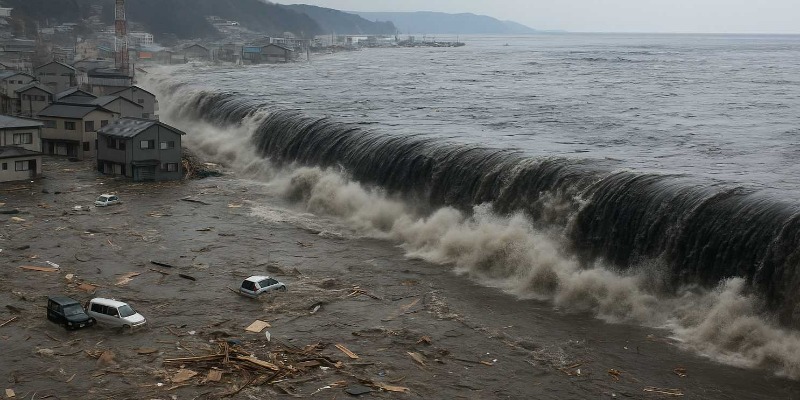 Tohoku 2011: The Most Expensive Tsunami in History
With 235 Billion Dollars in Damages, Japan’s Earthquake and Tsunami Remain the Most Expensive Natural Disaster in Modern Historyby Marco ArezioOn March 11, 2011, Japan came to a halt. At 2:46 p.m. local time, the ground beneath the Tohoku region began to shake with a violence beyond all prediction. The hands of the clocks froze in the coastal villages, while the sea—only a few kilometers away—silently retreated before unleashing its fury. What followed was a roar of water, more than ten meters high, a wall of liquid that in just a few minutes erased streets, factories, homes, and memories.The earthquake and subsequent tsunami that struck Tohoku would forever mark the history of the twenty-first century: 235 billion dollars in damages, 20,000 lives lost, and a wound still open in the collective consciousness of Japan and the world.It was not merely a natural disaster. It was the clear and merciless revelation of human fragility in the face of progress. A nation among the most technologically advanced on Earth—capable of building trains that seem to defy physics and cities suspended between tradition and future—suddenly discovered its own vulnerability.Coastal barriers proved useless, warning systems failed, and nuclear power plants were built in the wrong places. And when the water reached the Fukushima Daiichi complex, the environmental catastrophe became complete.Fukushima: Where Nature Meets TechnologyThe Fukushima disaster was not just a technical accident—it became the symbol of an era. The shutdown of reactors, the melting of cores, and the radioactive release made visible what had been implicit for decades: blind faith in technology had replaced ecological prudence.The sea that for centuries had sustained Japanese coastal communities turned into a vehicle of death and contamination. Hundreds of square kilometers were evacuated, entire towns became ghost cities, and the ocean that once brought life was now measured by radiation meters and becquerel counts.Yet amid the wreckage and debris of the coastline, Japan found something unexpected: the capacity to begin again. Tohoku did not simply rebuild what was lost; it transformed itself into a laboratory of sustainable rebirth.Today Fukushima hosts solar fields stretching to the horizon, offshore wind farms, and experiments in green hydrogen. Where fear once sowed silence, a construction site for the future has emerged—one that unites memory and science, sorrow and resilience.A Tragedy Foretold by Our TimeGeologists and climatologists agree on one point: the planet is reacting to a century of intensive exploitation. It is not a punishment, but a physical response to accumulated imbalance. Extreme natural phenomena—earthquakes, floods, hurricanes—are not new; what is new is our exposure to them.We have built cities along coastlines, dug deep into mountains, and erected chemical and energy plants in some of the most unstable places on Earth. Wherever nature moves, humanity has placed itself—along with its oil tanks, ports, power lines, and dreams of permanence.The Tohoku tsunami was not only a geological event; it was a cultural event, a demonstration that modernity is not synonymous with safety. The Earth does not bend to our calculations, and every time we try to dominate its cycles, it reminds us that we are guests, not masters.The Economics of CatastropheThe figures are staggering: 235 billion dollars in losses. No other natural disaster since 1900 has matched it.Far behind come Hurricane Katrina (2005) and Hurricane Harvey (2017), each causing about 125 billion dollars in damages. Next is the Sichuan earthquake in China (2008), with 122 billion, followed by the 1995 Kobe earthquake with just over 100 billion.Other catastrophic events—Hurricanes Ian, Maria, Sandy, and Irma—complete this tragic ranking, revealing a clear pattern: the most costly disasters belong to the new millennium, a world increasingly urbanized and dependent on fragile infrastructures.Every billion in losses represents not only destroyed buildings but also altered ecosystems, lost resources, and displaced people. Behind the statistics lies a human and environmental fabric struggling to heal. This is where economics meets ecology: every natural disaster becomes an invisible tax on our way of life.After the Storm: Memory as a ResourceThe Japanese people, accustomed for centuries to coexist with nature’s power, responded to Tohoku with a dignity that moved the entire world. No looting, no chaos—only silence and discipline.In that silence, a collective awareness was born: the need to reconcile modernity with natural cycles. Schools introduced environmental education programs; universities expanded research into clean energy; and the government launched a national resilience strategy that today serves as a model worldwide.What seemed to be the end in 2011 slowly became a new beginning. Japan understood that true strength lies not in technology’s ability to resist the sea, but in a culture that learns from it.The Rising Cost of Climate ChangeIn recent years, the numbers tell a story that can no longer be ignored.According to the Aon Global Catastrophe Recap 2024 and NOAA 2025 reports, global economic damages from natural disasters have exceeded 300 billion dollars annually, an increase of 35% over the previous decade. The World Bank warns that if this pace continues, by 2050 the global cost of disasters could reach 600 billion dollars per year, equivalent to nearly 2% of the world’s GDP.Behind these numbers lie Europe’s heat waves, the wildfires that consume Canada and Australia, the floods in Pakistan, and the typhoons devastating the Philippines. It is a global panorama in which the boundary between “natural disaster” and “human disaster” grows ever thinner.Insurance companies—once focused purely on financial risk—now include climatic and environmental variables as structural factors in the global economy. The impact is not only material: inequality deepens, communities are displaced, and the psychological burden of environmental instability continues to grow.A Lesson for HumanityThe Tohoku tsunami belongs not only to Japan’s memory but to that of all humankind. It marks the moment when the Earth spoke with unmistakable clarity, reminding us that there can be no progress without balance.Every barrier we build, every city we extend toward the sea, every plant erected near a fault line is a wager with the future. Yet, despite the magnitude of recent events, we continue to treat prevention as a cost rather than an investment.The true legacy of Tohoku is not the monetary figure of its damages but the realization that the planet is not a machine—it is a living organism. And when we push it beyond its limits, it responds.Not with anger, but with a force that reminds us of our smallness. Within that wave that wiped away Japan’s shores resided a message that still resonates today: the Earth does not forget, but it knows how to begin again. It is up to us to decide whether to do so with it—or against it.© All Rights Reserved
SEE MORE Technological Innovations in Biogas Monitoring: On-Site Analysis of Siloxanes and Terpenes
Towards Efficient and Sustainable Use of Renewable Energy Resources through Gas Chromatography Technologyby Marco ArezioIn the context of renewable energy, biogas represents a valuable alternative source, resulting from the anaerobic digestion of organic materials such as agricultural and municipal waste, sludge and food waste. This process produces a mixture mainly composed of methane (CH4) and carbon dioxide (CO2), used mainly to fuel combustion engines.However, the presence of compounds such as siloxanes and terpenes in biogas can seriously compromise the efficiency and life of the equipment used for its energy valorisation.Technical Context of the Analysis of Siloxanes and TerpenesSiloxanes, resulting from silicon-containing materials found in waste, can cause the formation of harmful deposits on internal engine components during combustion, significantly reducing their efficiency and useful life. Similarly, terpenes, released from the fermentation of citric and coniferous fruits, can mask the smell of odorant additives in natural gas, complicating monitoring the quality of biogas.To maintain equipment efficiency and ensure safety, it is essential to monitor and control the concentration of these compounds in the biogas. Regulations, such as EN 16723-1 & 2, establish maximum limits for the presence of silicon, requiring precise and reliable analytical solutions.On-site analysis with gas chromatography for biogasThe specific gas chromatographic system for biogas represents an advanced solution for the real-time monitoring of siloxanes, 'Total Si' and terpenes directly on site. Thanks to its ability to carry out continuous measurements 24/7, this instrument allows you to promptly identify an increase in concentrations of these substances, thus avoiding breakdowns and minimizing maintenance costs.Unlike traditional laboratory analysis methods, which lead to significant information delays and high costs, this machine offers fast and reliable analysis directly in the field. This not only allows you to optimize the use of filters, but also ensures the protection of the engines and the operation of the systems within the specified gas quality limits.Experimental Set-up and ResultsThe specific gas chromatographic system for biogas operates via a by-pass set-up connected directly to the gas pipe. The analysis takes place in two phases: an initial chromatographic separation followed by a second ion-mobility separation, ensuring precise determination even at low concentration levels.With run times dependent on the compound analyzed, but not exceeding 60 minutes, the system guarantees high accuracy and ease of use for on-site recalibration.Operational Perspectives for Biogas ControlThe monitoring provided by the biogas gas chromatography machine, with its excellent selectivity and sensitivity, significantly extends the useful life of energy generators, reducing reinvestment costs and service interruptions.Furthermore, the automatic operation and robustness of the equipment make it ideal for direct installation in the field, facilitating optimal management of renewable energy resources.The adoption of innovative technologies such as this gas chromatography machine for the in situ analysis of siloxanes and terpenes in biogas represents a fundamental step towards effective management of renewable resources. These tools not only improve the operational efficiency and safety of biogas plants, but also contribute to environmental sustainability by reducing the impact of pollutants on renewable energy systems.With this in mind, it is clear that the implications of this technology extend far beyond simple equipment maintenance and protection. The ability to accurately and timely monitor the presence of siloxanes and terpenes in biogas embodies a key element in the transition towards a more sustainable and circular energy model.Towards the Optimization of Renewable Energy ResourcesThe integration of advanced analysis systems, such as the biogas gas chromatography machine, paves the way for more efficient use of renewable energy resources. By continuously monitoring the quality of the biogas, plant operators can optimize filtration and purification processes, minimizing waste of filter material and maximizing energy production.This operational efficiency not only lowers operating costs, but also contributes to a reduction in greenhouse gas emissions, aligning with global environmental sustainability goals.Strategic Collaborations for the Promotion of Innovation Success in the implementation of advanced technological solutions in the biogas sector depends on collaboration between different actors. Universities and research centers can play a crucial role in the development of new analysis methodologies and in the training of qualified personnel. At the same time, plant operators can share practical feedback to further refine existing technologies, while regulatory authorities can update regulations to encourage the adoption of innovative solutions. Final Conclusions The in situ analysis of siloxanes and terpenes in biogas using the gas chromatographic system specific for biogas represents a significant example of how technology can support the transition towards a greener and more circular economy. By reducing the environmental impact of using biogas and improving its energy efficiency, this technology not only benefits plant operators but also contributes to global efforts to combat climate change. As the world continues to shift towards cleaner, more renewable energy sources, technological innovation will remain at the heart of this shift, driving progress towards a sustainable future for all.Info Cesare rossini
SEE MORE The Armies of Disease: When Disease Defeated the Armies of the 18th Century
From yellow fever in the Caribbean colonies to typhus in Russia, to the smallpox that devastated Napoleon's troops by Marco Arezio The 18th century was a century of military reform and global warfare: continental and colonial conflicts raged across Europe, Asia, Africa, and the Americas. But behind the glorious uniforms, breech-loading cannons, and triumphal marches, the reality of military campaigns was one of fevers, dysentery, and infections that claimed more victims than musket fire. Eighteenth-century armies, still lacking modern medical knowledge and with rudimentary sanitation systems, faced inhumane living and marching conditions. Stagnant water, poor nutrition, parasites, and promiscuity made disease the staunchest ally of death. Diseases did not only strike ordinary soldiers, but also officers and commanders , destabilizing entire armies and changing the fate of wars that, on paper, seemed already won. Typhus and dysentery: the downfall of the Seven Years' War Between 1756 and 1763, the Seven Years' War involved all the great European powers in a global struggle that spanned all known continents. However, more than lead and gunpowder, it was dysentery that decimated the Prussian, Austrian, and French troops. In the Bohemian campaign of 1757, after the Battle of Kolin, Frederick II's Prussian army lost over 30,000 men not from war wounds but from intestinal diseases caused by contaminated water and muddy bivouacs. French troops stationed in Canada and the West Indies also fell victim to typhus and scurvy en masse: colonial logistics, ocean voyages, and the lack of fresh fruit made it impossible to maintain their health. The Versailles archives report that of the 25,000 soldiers sent to the Antilles, fewer than half returned home. Yellow fever in the colonies and the disaster of the overseas wars European colonial expansion confronted the armies of France, Spain, and England with an unknown biological enemy: tropical diseases. Yellow fever, transmitted by Aedes aegypti mosquitoes, was already endemic in the Caribbean, but European troops, lacking immunity, were devastated. During the 1741 British expedition against Cartagena de Indias (now Colombia), one of the largest fleets in history—over 180 ships and 27,000 men—was annihilated not by Spanish guns, but by fevers. By the time Admiral Edward Vernon ordered the retreat, more than 18,000 soldiers and sailors had died of disease, including hundreds of soldiers from the American contingent led by Lawrence Washington, brother of the future president George. The ship's doctors noted very high fevers, delirium, and black vomit, but they could do nothing: the medicine of the time ignored the role of mosquitoes and stagnant water. Smallpox and Colonial Troops: The American Lesson Even in the North American continent, disease was the most feared weapon of war. During the American Revolutionary War (1775–1783), George Washington's troops faced not only the British but also a devastating smallpox epidemic. Many soldiers came from rural areas and had never contracted the disease, which was endemic among European veterans. In 1776, during the Quebec expedition, smallpox killed more people than British bullets, leading to the American retreat from Montreal. It was on that occasion that Washington, understanding the gravity of the problem, took a revolutionary decision: he ordered the mass variolation of his troops, a rudimentary inoculation method practiced before the invention of Jenner's vaccine (1796). This gesture saved thousands of men and changed the history of military medicine forever. The Russian Campaign and the White Death At the beginning of the 19th century — but still in the spirit and hygienic practices of the 18th — Napoleon's army marched towards Moscow convinced of its invincibility. The Grande Armée, consisting of over 600,000 men, was defeated not so much by the Russians as by hunger, cold and epidemics. Dysentery and typhus had already exploded in Poland, even before entering Russia. Military doctors' reports described columns of sick people rotting in wagons, abandoned along the road. By the time Napoleon reached Moscow in the autumn of 1812, more than half of the soldiers were already dead or dying. The winter retreat completed the tragedy: intestinal disease, pneumonia, and starvation decimated what remained of the imperial army. Only 50,000 men returned to France. Typhus then spread to Central Europe, carried by survivors, and caused more civilian than military casualties. Military healthcare between ignorance and superstition In the eighteenth century, military medicine was still held captive by medieval concepts: it was believed that "miasmas," bad odors, caused disease; bacteria and viruses were unknown. The field hospitals, called “lazaretti,” were often centers of contagion rather than treatment: mixed beds, undisinfected instruments, amputations performed with rusty blades. The infected woolen uniforms, the rotten food and the water from the ditches did the rest. Only at the end of the century, thanks to doctors like James Lind , who discovered the cure for scurvy with citrus fruits, and the work of field surgeons like John Pringle and Pierre Desault , did a rudimentary science of military hygiene arise. But it took decades and millions of deaths to reach Pasteur and Lister's insights. When diseases changed geopolitics Every major epidemic left a geopolitical trace: - The British defeat at Cartagena prevented London from consolidating its control over Latin America. - Caribbean epidemics made the stable colonization of many islands by unacclimated Europeans impossible. - Smallpox in North America facilitated the downfall of entire indigenous populations and changed the balance of power between colonies. - Napoleon's losses in Russia marked the beginning of the end of the Empire, paving the way for the Congress of Vienna and a new European order. The disease, therefore, was not a simple biological accident, but a silent political actor that shaped borders, empires and alliances. Conclusion: the century of the invisible fallen The 18th century, celebrated as the age of reason and enlightenment, was actually a time of biological darkness. Behind the shining uniforms of the grenadiers and the fanfares of the royal processions lay a brutal truth: more than two-thirds of the century's military losses occurred not in battle, but in the tents of the contaminated camps. Heroism was often about resisting the disease, not the enemy. Only with the nineteenth century and the birth of modern medicine did man begin to consciously fight against his oldest and most invisible enemy: disease. But in the eighteenth century, that invisible enemy continued to reap victims among the armies of Europe, more ruthless than any general. © Reproduction Prohibited
SEE MORE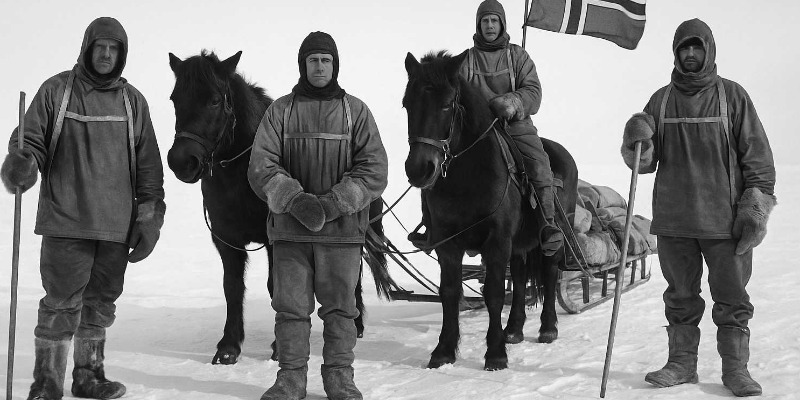 Robert Falcon Scott's tragic expedition to the South Pole: mistakes, ambition, and the allure of the unknown
A historical reconstruction of the strategic mistakes and cultural rigidities that led to the deaths of Scott and his crew in the race to the South Pole by Marco Arezio At the beginning of the twentieth century, the exploration of the polar regions represented one of humanity's last great horizons. The planet, now almost completely mapped, still held two unconquered territories: the North Pole and the South Pole. Antarctica in particular, remote and inhospitable, fueled the dreams of glory of empires, scientists, and officials. The race to the South Pole thus became the symbol of an extreme challenge against nature and one's own limits. It was against this epic backdrop that the British expedition led by Robert Falcon Scott took place, destined to go down in history not for its success, but for its tragic end. Scott set out in 1910 with the goal of reaching the geographic South Pole and claiming its conquest on behalf of the British Empire. The expedition, dubbed Terra Nova, was well-equipped and ambitious. But behind the apparent organization lay poor logistical choices, tactical errors, and above all a rigid cultural attitude unwilling to adapt. The result was a disaster waiting to happen, leading to the death of Scott and his companions in the freezing Antarctic. An organization marred by bad choices One of the expedition's critical points was the selection of means of transport for supplies and supplies. Instead of relying primarily on sled dogs—as other explorers had done—they employed animals poorly adapted to the terrain and extreme weather conditions, along with unreliable experimental snowmobiles. The belief that organization and tenacity could replace environmentally appropriate logistics led to dire consequences. Pack animals gradually gave out, while the machines quickly broke down, leaving the men to pull the sleds by hand for hundreds of kilometers, in freezing winds and freezing temperatures. Furthermore, the supply choices were underestimated compared to actual needs. Intermediate depots were poorly marked and food supplies were insufficient, also due to incorrect distribution decisions and overly optimistic calculations of the distances that could be covered in a day. A chain of command that is too rigid Robert Falcon Scott was a determined man, but also a commander trained in a martial environment that favored discipline over flexibility. The expedition's organization reflected a rigid hierarchical structure, little inclined to peer discussion. Several key decisions were made unilaterally, without considering the input of the men with more experience in the field. A prime example was the composition of the final group to reach the Pole. Initially planned for four members, Scott decided to include a fifth man shortly before the final departure. This created immediate practical problems: the food rations, tents, and even the equipment had been designed for four people. The change was not accompanied by a recalculation of supplies, exacerbating fatigue and risk for everyone. The comparison with Amundsen: pragmatism versus ideology Around the same time, another explorer was heading for the South Pole: the Norwegian Roald Amundsen. Unlike the British, Amundsen planned his expedition according to criteria of adaptability and efficiency. He chose sled dogs, fur clothing, and followed the practices of Arctic peoples. His approach was scientific, but also profoundly humble: he knew he had to learn from the experiences of others, especially those who had lived in similar climates for centuries. Setting out weeks ahead of Scott, Amundsen reached the South Pole on December 14, 1911, leaving a tent with a flag and a message. Scott and his men arrived 34 days later, on January 17, 1912, only to discover they had been defeated. The disappointment was profound, but the worst was yet to come. The return: hunger, cold and despair The return journey was devastating. The five men were exhausted, the weather became increasingly adverse, and their food supplies rapidly dwindled. One of their companions, Edgar Evans, died from the effects of a fall. Lawrence Oates, suffering from frostbite and aware of being a burden to the group, left the tent with the words: "I'm just going out. I might be a while." Scott, Henry Bowers, and Edward Wilson continued until their strength completely abandoned them. They were stranded by a blizzard, less than twenty kilometers from a food depot. Their bodies were found months later, along with diaries that recounted their final days with moving clarity and dignity. The notebooks, now preserved in museums and archives, became the basis for constructing the heroic myth of the expedition. An age of myths, flags and nationalisms Scott's feat must be read in the context of a historical period in which exploration was closely tied to national prestige. European imperial powers vied for the last blank spaces on the map as symbols of their scientific, cultural, and political dominance. Conquering the Pole meant not only bringing home a geographical trophy, but also affirming an identity: that of Western man as the master of nature. This ideological climate strongly influenced the mentality of Scott and his command. Exploration was seen more as a demonstration of moral strength than as an exercise in intelligent adaptation. The culture of discipline and sacrifice ultimately prevailed over the ability to observe and learn from the surrounding environment. A timeless lesson In hindsight, Scott's expedition appears as a prime example of flawed leadership, inadequate planning, and a failure to recognize the limitations imposed by the context. But it would be unfair to reduce it all to incompetence. Scott was a man of his time, guided by ideals shared by many of his contemporaries. He was a patriot, a scientist, and a courageous explorer. But his story teaches us that courage alone is not enough. In extreme conditions, those who survive are those who know how to read the environment, those who accept their limitations, and those who are willing to change their approach. Many modern scholars have compared Scott's story to the challenges of contemporary space missions or ocean exploration. His tragedy remains a powerful example of what happens when ambition and the dominant culture overshadow common sense and experience. Epilogue: the echo of an era and the face of the unknown Robert Falcon Scott's epic continues to fascinate because it embodies a profound tension between the spirit of conquest and human frailty. Antarctica, with its absolute silence and eternal light, became the stage for a drama that still challenges us today. It was a story of shattered dreams, fatal mistakes, and dignity. But it was also the hallmark of an era, of a world that sought confirmation of its greatness in extreme lands. Today, rereading those yellowed diaries and those letters written with trembling hands, we can understand that the true conquest was not the South Pole, but the awareness of one's own limitations. And in this, perhaps, Scott was truly a pioneer. © Reproduction Prohibited
SEE MORE Solar energy and the Revolution of High Temperature Industries
New Technologies Achieve Temperatures Exceeding 1,000 Degrees Celsius, Reducing the Carbon Footprint of Steel and Cement By Marco ArezioSolar energy is demonstrating extraordinary potential for powering high-temperature industrial processes that have traditionally depended on fossil fuels. Recent technological advancements have enabled the achievement of temperatures exceeding 1,000 degrees Celsius using solar concentration, opening new possibilities for the production of steel and cement—industries notoriously difficult to decarbonize. The Challenge of High Temperatures in Steel and Cement Production The production of steel and cement requires extremely high temperatures, often above 1,400 degrees Celsius. These processes, currently powered by fossil fuels, are among the major contributors to global CO2 emissions. Therefore, finding ways to reach such temperatures without fossil fuels is essential for reducing greenhouse gas emissions. Innovations in Solar Concentration Significant progress has been made with the development of solar concentration technology that uses advanced computer vision systems to precisely align a vast array of mirrors, concentrating sunlight onto a single focal point. This method allows for the achievement of temperatures exceeding 1,000 degrees Celsius, sufficient for many industrial processes. Previous commercial solar thermal systems only reached about 565 degrees Celsius, insufficient for most industrial applications (MaterialDistrict). Technical Details and Test Results of Solar Concentration The solar concentration process utilizes parabolic mirrors or heliostats, which reflect and concentrate solar rays onto a receiver. In one study, a combination of a synthetic quartz rod and an opaque silicon disc reached temperatures of 1,050 degrees Celsius when exposed to solar concentration equivalent to 136 suns. Tests showed that a quartz-shielded receiver could achieve 70% efficiency at 1,200 degrees Celsius with a concentration of 500 suns, compared to 40% for an unshielded receiver. This efficiency is achieved due to the synthetic quartz's ability to trap heat and reduce thermal losses, significantly improving heat transfer compared to traditional solar receivers. Studies have also simulated various scenarios to optimize the thermal trapping effect, exploring materials such as fluids and gases to reach even higher temperatures. Applications and Benefits of Solar Concentration This technology has potential applications in several sectors. Besides the production of steel and cement, it can be used for processes like CO2 splitting and water splitting to produce fossil-free fuels like hydrogen and syngas. These developments could drastically reduce CO2 emissions associated with these industrial processes, offering a pathway towards more sustainable production. Challenges and Future Prospects Despite the promising initial results, significant challenges remain. Scaling this technology and integrating it into existing industrial processes will require further research and investment. Additionally, improving the efficiency of converting solar energy into ultra-high temperature heat is necessary. The future prospects, however, are very positive. Recent developments indicate that solar energy can indeed provide the high temperatures required for industrial processes, reducing the use of fossil fuels and greenhouse gas emissions. This transition could represent a fundamental step towards more sustainable and low-carbon industrial production. Conclusion Using solar energy to generate high temperatures is a significant breakthrough in the fight against climate change. Innovations in solar concentration technology offer a promising solution for decarbonizing high-temperature industrial processes, paving the way for a more sustainable and low-carbon future. Demonstrating this technological capability is a crucial step towards reducing the global carbon footprint and adopting renewable energy sources on a large scale.
SEE MORE The First Ascent of the Eiger North Face: The Historic Achievement of 1938
From the "unsolved problem of the Alps" to the conquest of Anderl Heckmair, Ludwig Vörg, Heinrich Harrer and Fritz Kasparek: the story, the protagonists and the legacy of the legendary first ascent by Marco Arezio In the 1930s, the North Face of the Eiger was considered the greatest unsolved problem in European mountaineering. A limestone wall nearly two thousand meters high, exposed to the icy winds of the Bernese Oberland and perpetually battered by rockfall and icefall, stood as a silent warning to anyone who dared approach. The Eiger, with its dark shadow that stretched across the valleys of Grindelwald at sunset, was already known for claiming victims among the most experienced climbers. Previous attempts had ended in tragedy: roped parties trapped by snow, men swept away by avalanches, bivouacs forced into the heart of the face in freezing temperatures. The press spoke of it as a "cursed face," and each new expedition was followed with a mixture of admiration and fear. The historical-alpinistic context of the 1930s Europe was experiencing a time of political tension and national pride, and great Alpine ascents were also becoming symbols of prestige. Conquering the three great North Faces—the Matterhorn, the Grandes Jorasses, and the Eiger —was the supreme goal for elite climbers. The Matterhorn and the Jorasses had already fallen to the assault of visionary mountaineers, but the Eiger held firm. Its North Face was not just a technical challenge: it was a test of human endurance, of survival, of the ability to navigate an environment where the margin for error was measured in seconds. In 1935, two German climbers, Karl Mehringer and Max Sedlmayr, died trapped in a blizzard; the following year, another team had to retreat in desperate conditions. Each failure added to the mountain's allure and legend. The protagonists of the conquest July 1938 marked a turning point. Two teams, one formed by Austrians Heinrich Harrer and Fritz Kasparek, the other by Germans Anderl Heckmair and Ludwig Vörg, found themselves on the face almost by chance. Harrer, young and ambitious, and Kasparek, solitary and methodical, had begun the ascent with a light and fast approach. Heckmair, an experienced guide with a decisive character, was accompanied by Vörg, a powerful and tireless athlete. Fate would have it that, after a day of climbing, the two pairs would join together, combining Heckmair's prudence and strategic vision with the boldness of the two Austrians. Their collaboration, born on the face, would become legendary. The chronicle of the enterprise The ascent began on July 21st. Already in the first hours, the four had to negotiate extremely delicate passages, including smooth slabs and icy sections. The traverse of the infamous "Hinterstoisser" —a diagonal section on smooth slabs where loss of traction meant falling into the void—was overcome with a fixed rope, which would then allow Heckmair and Vörg to pass. Progress was slow and arduous: long pitches on vertical ice, powdery snow falling from above, and the constant need to secure themselves in an environment devoid of natural anchors. On the second day, they completed the ascent of the "First Snowfield" and tackled the "White Spider," a patch of ice suspended beneath the summit, which resembled an enormous web of snow and seemed to protect the approach to the summit. The temperature plummeted, the wind increased, and the night bivouac was an extreme experience: hanging from ropes, their shoes frozen, they breathed in icy vapor. On July 24, exhausted but determined, they surmounted the last rocky bastion and reached the summit ridge. The panorama of the Oberland opened up suddenly and dazzlingly. The first ascent of the Eiger North Face was accomplished. The historical importance The news spread within hours. In Switzerland, Germany, and Austria, newspapers heralded the feat as a momentous victory, not only sporting but also symbolic. The conquest of the "last problem of the Alps" marked a turning point: mountaineering definitively entered the extreme realm, where technique, strategy, and the ability to physically and mentally endure became essential factors. The 1938 feat didn't end the Eiger tragedy—other teams would lose their lives in the years to come—but it ushered in a new era of challenges. The Heckmair Route, as it was named, became the benchmark for generations of climbers. Harrer would later immortalize the story in his famous book The White Spider, turning the climb into a legend that has endured for decades. Even today, anyone who looks at the North Face of the Eiger can imagine the four men suspended between rock and sky, defying the wind and fear, and understand why that conquest remains one of the most extraordinary feats in the history of mountaineering. © Reproduction Prohibited
SEE MORE A Historical Journey through the Impacts and Consequences of Atomic Tests
From 1945 to Today: Examining the Legacy and Repercussions of Nuclear Testing Worldwideby Marco Arezio The twentieth century marked humanity's entry into the nuclear era, a period defined not only by unprecedented technological acceleration but also by growing awareness of the risks associated with nuclear energy. Nuclear experiments conducted around the world have had far-reaching consequences, deeply impacting the environment and the health of nearby populations. This scientific article aims to examine these experiments in detail, their repercussions, and the struggles of communities exposed to radiation. Development of Nuclear Weapons and Global Experimentation The nuclear race began with the American Manhattan Project and culminated with the bombing of Hiroshima and Nagasaki in 1945. These events not only ended World War II but also paved the way for an era of nuclear testing by various nations. These tests ranged from the detonation of fission atomic bombs to the more powerful hydrogen bombs, tested in the atmosphere, underwater, and underground. Radioactive Contamination and Health Effects Radioactive contamination results from the uncontrolled release of radioactive materials into the environment following nuclear explosions. These materials can have a half-life ranging from a few days to thousands of years, meaning their presence in the environment can be prolonged and potentially dangerous over time. Dispersion of Radioactive Isotopes: During a nuclear explosion, isotopes such as cesium-137, iodine-131, and strontium-90 are released into the atmosphere. They can settle on the soil and in water, entering the food chains. For example, cesium-137 can be absorbed by plants, and subsequently by the vegetables and animals that consume them, eventually reaching humans. Environmental Impact: The contamination of soil and water compromises ecosystems, reducing biodiversity and altering ecological balances. Moreover, contamination of large expanses of land can render vast areas uninhabitable, with devastating effects for the human and animal communities living in those areas. Human Health Effects Exposure to radiation can have a wide spectrum of health effects, the severity of which depends on the dose of radiation absorbed, the type of radiation, and the duration of exposure. Cancer and Leukemia: The most well-known effect of radiation exposure is an increased risk of developing cancer, particularly leukemia and solid tumors. Radiation damages the DNA of cells, increasing the likelihood of genetic mutations that can lead to tumor development. Genetic Effects: There is also the risk of genetic effects, where radiation can cause damage to the DNA of reproductive cells, leading to mutations that can be passed on to offspring. This can result in an increase in congenital malformations and other genetic problems in future generations. Non-Malignant Diseases: In addition to cancer, radiation exposure can lead to a variety of non-malignant conditions, such as cardiovascular diseases, cataracts, and immune system dysfunctions. These effects can manifest years after exposure, complicating the direct attribution of causes. Nuclear Experiments at Bikini Atoll (USA) Bikini Atoll, part of the Marshall Islands in the Pacific Ocean, became infamous for the nuclear experiments conducted by the United States between 1946 and 1958. These tests had profound repercussions on the environment, the health of the local inhabitants, and the global perception of nuclear energy. Preparation and Displacement of the Population In 1946, the United States chose Bikini Atoll as the site to test the effects of nuclear weapons on naval equipment and the marine environment. The choice of the atoll was motivated by its remote location and the presence of a lagoon that could contain a naval fleet targeted by the explosions. The inhabitants of Bikini, about 167 people at the time, were forced to relocate to make way for the experiments, after Commodore Ben H. Wyatt persuaded them, promising that the sacrifice of their atoll would contribute to the well-being of all humanity. Operation Crossroads and Other Tests Operation Crossroads was the first series of nuclear tests on the atoll, starting in 1946 with two detonations, Able and Baker, which involved the use of atomic bombs dropped from aircraft and detonated underwater. These tests were followed by many others, culminating in Operation Castle in 1954, which included the detonation of the hydrogen bomb Castle Bravo. With a yield much higher than expected, this explosion was the most powerful nuclear bomb ever tested by the United States, causing significant radioactive contamination. Environmental and Human Consequences The consequences of the nuclear experiments at Bikini were devastating. Radioactive contamination of the atoll and surrounding waters has had lasting effects on the marine and terrestrial environment. Marine life and corals suffered significant damage, while the land became uninhabitable for decades due to residual radioactivity. For the local populations, the consequences were equally severe. The original inhabitants of Bikini and the populations of nearby atolls were exposed to dangerous levels of radiation, which caused diseases, including cancer, and impacted future generations due to the genetic effects of radiation. Despite promises of a safe return, Bikini Atoll remains largely uninhabitable, and many Bikinians still live in exile, scattered throughout the Marshall Islands or in the United States. Reparations and Acknowledgments Over the years, the inhabitants of the Marshall Islands have struggled to gain recognition and justice for the suffering endured. Although the United States has provided some compensation and assistance for relocation, many believe these efforts are not sufficient to address the extent of the damage suffered. The debate over reparations and support continues, with calls for further health studies, environmental cleanup, and adequate financial compensation. Nuclear Experiments at the Nevada Test Site (USA) The Nevada Test Site (NTS), now known as the Nevada National Security Site (NNSS), was one of the main venues for the United States' nuclear experiments. Located about 105 kilometers northwest of Las Vegas, the site was used from 1951 to 1992 to test nuclear weapons, both atmospheric and underground. The history of experiments at the NTS reflects the Cold War era, the nuclear arms race, and its consequences on public health and the environment. Beginning of Experiments The NTS was chosen due to its relative proximity to Los Alamos, New Mexico, where the first atomic bombs were developed during the Manhattan Project. The first nuclear test in the area, named "Able," took place on January 27, 1951, marking the beginning of a series of over a thousand nuclear tests that would occur over the next four decades. Atmospheric and Underground Tests Most of the nuclear experiments at the NTS until 1963 were conducted in the atmosphere, leading to the release of significant amounts of radioactive material into the environment. These atmospheric tests were then banned by the Partial Test Ban Treaty of 1963, which forced the United States and other nuclear powers to move their tests underground. Despite this, radioactive contamination and accidental leaks continued to be a serious concern. Impacts on Health and the Environment The consequences of the nuclear experiments at the NTS have been extensive and long-lasting. The "downwinders" — residents in Nevada, Utah, Arizona, and other neighboring states — were exposed to radioactive clouds, with a documented increase in cancer cases and other radiation-related illnesses. The environment around the NTS has suffered contamination of the soil and groundwater, with negative impacts on the local flora and fauna. Struggle for Recognition and Justice Over the years, communities affected by radioactive contamination related to nuclear testing have sought recognition, compensation, and healthcare assistance from the United States government. The Radiation Exposure Compensation Act (RECA) of 1990 was a significant step toward recognizing the rights of radiation victims, offering economic compensation to qualified individuals exposed to radiation as a result of nuclear tests or work in the uranium industry. However, many argue that the measures taken are insufficient and that many affected individuals remain excluded from benefits. Cleanup Efforts and Current Situation In the years following the cessation of nuclear tests, the NTS has been the focus of cleanup and environmental monitoring efforts. The site is now used for national security research, nuclear weapons dismantling, and as a low-level radioactive waste repository. The debate over the legacy of nuclear experiments and their impact continues, with new research and testimonies regularly emerging. The history of nuclear experiments at the Nevada Test Site is a living testament to the complex ethical, environmental, and health issues associated with the development and testing of nuclear weapons. It reflects the tension between technological progress and human responsibility, raising fundamental questions about how societies manage potentially devastating technologies. Nuclear Experiments at Semipalatinsk (Former USSR) The Semipalatinsk Test Site, located in present-day Kazakhstan, was one of the main nuclear testing sites of the Soviet Union. From 1949 to 1989, the area hosted over 450 nuclear tests, including atmospheric, underground, and above-ground explosions. These experiments have left a legacy of radioactive contamination and severe public health problems that continue to affect the lives of generations of residents in the region. Establishment of the Semipalatinsk Test Site The decision to locate the nuclear testing site in Kazakhstan was made in 1947, under the direction of Josef Stalin, as part of the Soviet effort to develop nuclear armaments in response to the American nuclear program. The first Soviet nuclear test, known as "First Lightning," was conducted at the site on August 29, 1949, marking the beginning of a long series of nuclear experiments that would be conducted in the area for the next forty years. Experiments and Their Consequences The tests conducted at Semipalatinsk varied in power and type, with some of the most significant and powerful nuclear tests in history, including hydrogen bomb tests. Many of these tests were conducted without adequate safety measures for the local population or the environment, resulting in widespread radioactive contamination of the air, soil, and water. Communities nearby the polygon, many of which were rural villages with little information about the activities conducted at the site or the associated risks, were exposed to high levels of radiation. This exposure led to a significant increase in radiation-related diseases, including various types of cancer, thyroid diseases, congenital defects, and other serious health conditions. Struggle for Recognition and Closure of the Site Despite the clear public health implications, the Soviet government continued the tests until the late 1980s. Growing public awareness and internal dissent, coupled with the global anti-nuclear movement, led to the formation of the "Nevada-Semipalatinsk" movement, which played a crucial role in raising awareness about the dangers of nuclear testing and in the fight for the closure of the site. The campaign was successful and contributed to the definitive closure of the Semipalatinsk Test Site on August 29, 1991, shortly before the collapse of the Soviet Union. This date is now commemorated as the International Day Against Nuclear Tests, established by the United Nations to promote awareness and prevention of nuclear experiments. Legacy and Cleanup Efforts The closure of the polygon did not mark the end of challenges for the region. Radioactive contamination remains a serious issue, with large areas still heavily contaminated. Cleanup efforts and healthcare assistance for the victims of radiation are ongoing, but the scale of the disaster has made effective mitigation of the damage difficult. The Kazakh government, with the support of the international community, has worked to improve the health and environmental situation in the region, but the consequences of the experiments conducted decades ago will continue to affect the lives of the residents of Semipalatinsk for many generations to come. Nuclear Experiments by France France, like many other global powers in the post-World War II period, embarked on an extensive program of nuclear testing to develop and refine its nuclear arsenal. These experiments took place in various locations, both in metropolitan France and some of its colonies or overseas territories, with significant environmental and health consequences. Algerian Sahara The French nuclear testing program began in the Algerian Sahara, near Reggane and later at In Ekker, during the final years of French colonialism in Algeria. The first test, codenamed "Gerboise Bleue," was conducted on February 13, 1960, and marked France's entry into the nuclear club. This and subsequent atmospheric and underground tests left a legacy of radioactive contamination, with consequences that are still evident today for the environment and the health of local populations. French Polynesia: Moruroa and Fangataufa With Algeria's independence in 1962 and growing international opposition to atmospheric tests, France moved its nuclear program to the remote atolls of the Pacific Ocean: Moruroa and Fangataufa. These sites witnessed numerous tests, both atmospheric and underground, from the early 1960s until the cessation of French nuclear testing in 1996. The atmospheric tests, conducted until 1974, released significant amounts of radioactive fallout into the environment, exposing local populations and site workers to health risks. After 1974, testing continued in the form of underground detonations, which, while reducing immediate radiation exposure, raised concerns about the geological stability of the atolls and contamination of groundwater. Environmental and Human Consequences The consequences of French nuclear experiments have been extensive. In Algeria, the areas around the test sites remain heavily contaminated, with a significant impact on the health of the local Bedouin communities. In French Polynesia, in addition to health issues, the tests caused deep social and political rifts, with a strong independence movement partly arising from anger over the effects of the tests. Towards the End of Testing and Current Debate France ceased its nuclear tests in 1996, shortly after the last series of tests at Moruroa and Fangataufa, in response to international pressures and the changing geopolitical context. However, the debate over nuclear experiments and their consequences continues, with demands for greater compensation for victims, cleanup of contaminated sites, and transparency about radiation exposure data. The history of French nuclear experiments represents a significant chapter in the story of nuclear power, highlighting the complex ethical, environmental, health, and political issues associated with the development of national nuclear arsenals. Nuclear Experiments by the United Kingdom The United Kingdom embarked on its journey into the nuclear age shortly after the end of World War II, becoming the third nation to test a nuclear weapon in 1952. This decision marked the beginning of a testing program that would have widespread locations around the world and long-term consequences. The Nuclear Race In the context of the Cold War and the nuclear arms race, the United Kingdom sought to assert its sovereignty and position as a global power. The success of the United States and the Soviet Union in testing atomic bombs spurred the United Kingdom to develop its own nuclear arsenal. First Tests: Monte Bello, Australia The first British nuclear test, named "Operation Hurricane," was conducted on October 3, 1952, at the Monte Bello Islands off the coast of Western Australia. This test aimed to demonstrate that the UK could build an atomic bomb and integrate it onto its aircraft. The Monte Bello Islands were chosen for their isolation, but the consequences of radiation were still a concern for the surrounding environment and public health. Expansion in Oceania: Christmas Island and Malden Island After the tests at Monte Bello, the UK moved its testing activities to the Pacific Ocean area, particularly on Christmas Island (Kiritimati) and Malden Island. Between 1957 and 1958, a series of atmospheric tests were conducted, culminating in the explosion of hydrogen bombs. These atmospheric tests released significant amounts of radioactive fallout, negatively affecting the marine environment and the health of people living on the surrounding islands and of military and personnel involved. Transfer to Nevada, USA Following an agreement with the United States, the United Kingdom began conducting some of its nuclear tests at the Nevada Test Site in the 1960s. This collaboration was part of a broader agreement that saw the United States provide the UK with nuclear technologies and materials in exchange for shared testing and research. Long-Term Consequences The consequences of British nuclear experiments were vast. Atmospheric tests, in particular, left a legacy of radioactive contamination that affected not just the immediate environment but also larger areas due to fallout carried by the winds. Veterans involved in the tests and local populations of the testing areas have reported higher rates of certain diseases, raising questions about government accountability and compensation. The history of UK nuclear testing reflects the intricate balance between defense aspirations and international responsibilities, illustrating the enduring challenges of managing potentially devastating technologies. The ethical, environmental, and health-related dilemmas presented by nuclear testing continue to resonate as societies reflect on the paths taken during the nuclear age. Nuclear Experiments by India India marked its entry into the club of nations with nuclear technology through a series of tests that drew global attention due to their political, environmental, and security implications. The first demonstration of this capability occurred on May 18, 1974, with the test known as "Smiling Buddha," conducted at the Pokhran test site in the Rajasthan desert. This underground explosion, presented as a "peaceful nuclear explosion," inaugurated an era of nuclear capability for India, raising international concerns about the proliferation of nuclear weapons. After a long interval, India reaffirmed its nuclear power with Operation Shakti, a series of five explosions conducted between May 11 and May 13, 1998, at the same site in Pokhran. This series, which included tests of thermonuclear and atomic devices, not only strengthened India's international position but also triggered a nuclear arms race on the subcontinent, particularly with Pakistan, which responded shortly thereafter with its own nuclear tests. Consequences and Implications These experiments had significant consequences, sparking geopolitical tensions, environmental concerns about potential radioactive contamination, and a series of international economic sanctions, which were later relaxed in recognition of India's role in regional stability. India, for its part, has continued to uphold a policy of "No First Use," committing to maintain its nuclear arsenal solely as a measure of deterrence. The nuclear history of India thus illustrates the delicate balance between national defense aspirations and international responsibilities. Nuclear Experiments by China China began its journey towards the development of nuclear weapons in the context of the Cold War, aiming to assert its sovereignty and geopolitical position on a global scale. This journey has had profound implications not only for regional security but also for public health and environmental issues. Early Steps and Development China's first nuclear test occurred on October 16, 1964, at the Lop Nur test site in the Xinjiang region, northwest of the country. This test, known as "596," marked China's entry into the exclusive group of nuclear-armed nations. The Lop Nur site was chosen for its remote location, which minimized the risk of immediate exposure to the general population, but not without long-term consequences. Expansion of the Arsenal and Series of Tests Following its initial success, China conducted a series of nuclear tests that extended until 1996, when it joined the Comprehensive Test Ban Treaty (CTBT), committing to cease all nuclear testing. In total, China conducted 45 nuclear tests, including atmospheric, underground, and aerial explosions, which significantly advanced its nuclear weapons program. Consequences of Nuclear Testing The consequences of China's nuclear tests are multiple, affecting both geopolitics and the environment and public health. Geopolitical Implications: The nuclear tests strengthened China's position as a global power, enhancing its military deterrence capabilities but also increasing regional tensions, particularly with India and Russia. Environmental and Health Impacts: Human and environmental contamination with radioactive materials represents a toxic legacy that continues to pose a risk to the ecosystem and local communities. Sanctions and International Isolation: Like other nations that have conducted nuclear tests, China faced international criticism and concerns that led to periods of diplomatic isolation and sanctions, although these measures did not significantly impact China's determination to develop its nuclear arsenal. China in the Context of Nuclear Non-Proliferation With its accession to the CTBT in 1996 and increasing engagement in non-proliferation initiatives, China has sought to reorient its image from a nuclear testing state to a promoter of regional security and stability. However, the legacy of its nuclear tests and challenges related to nuclear security remain open issues that China and the international community continue to address. Nuclear Power of Israel The issue of nuclear testing and the development of nuclear weapons by Israel is shrouded in considerable secrecy, and there are no official confirmations or public details available about any nuclear tests conducted by the country. Israel has neither publicly confirmed nor denied possessing nuclear weapons, adopting a policy of deliberate ambiguity about its nuclear arsenal, a strategy known as "nuclear ambiguity." Origins of Israel's Nuclear Ambiguity The origins of Israel's nuclear program can be traced back to the 1950s, with development starting under Prime Minister David Ben-Gurion. The goal was to provide Israel with a deterrent against the threats to its security in an extremely volatile Middle East. The construction of the nuclear reactor in Dimona, in the Negev Desert, which began in the late 1950s and early 1960s with assistance from France, was the cornerstone of this effort. Absence of Confirmed Tests Unlike other nuclear powers, there are no public records or international confirmations that Israel has ever conducted an overt nuclear test. However, in 1979, an event known as the "Vela Incident" sparked international speculation. A US satellite designed to detect nuclear tests picked up what appeared to be a flash of light associated with a nuclear explosion in the southern Indian Ocean. Some speculations suggest that this might have been a joint Israeli-South African nuclear test, but no conclusive evidence has ever been presented, and both Israel and South Africa have denied involvement. Implications and Speculations Israel's approach to nuclear ambiguity has had a significant impact on non-proliferation policy and regional stability. While it has provided Israel with a credible deterrent without openly declaring its arsenal, it has also raised questions about nuclear arms control and transparency in the Middle East. Israel has not signed the Nuclear Non-Proliferation Treaty (NPT), and its nuclear facilities, like the reactor at Dimona, are not subject to inspections by the International Atomic Energy Agency (IAEA). This stance has helped keep Israel's nuclear program outside the formal international nuclear arms control framework, generating debates about parity and non-proliferation. Conclusion In the absence of official confirmations or public details, the history of nuclear testing by Israel remains a topic of speculation and analysis rather than documented historical record. Israel's policy of nuclear ambiguity continues to be a central component of its national security strategy, influencing regional dynamics and international discussions on non-proliferation and security in the Middle East. Nuclear Experiments of Pakistan Pakistan is one of the nations that over the years has developed and tested nuclear weapons, becoming a key player in the dynamics of nuclear proliferation in South Asia. The history of Pakistan's nuclear program is closely linked to its rivalry with India, with national security and nuclear deterrence at the center of its defense policies. Development of the Nuclear Program Pakistan's nuclear program began following its defeat against India in the 1971 war, which led to the creation of Bangladesh. This defeat motivated Pakistan to seek a nuclear deterrent to prevent future military humiliations. Prime Minister Zulfikar Ali Bhutto was a key proponent of Pakistan's nuclear program, famously declaring that Pakistanis would eat grass if necessary to develop a nuclear bomb. Father of the Pakistani Atomic Bomb Dr. Abdul Qadeer Khan, a scientist trained in Europe, is often cited as the "father of the Pakistani atomic bomb." Khan played a crucial role in developing Pakistan's uranium enrichment capabilities, leading to the realization of the atomic bomb. Nuclear Tests: Chagai-I and Chagai-II Pakistan conducted its first nuclear tests on May 28, 1998, at the Ras Koh Hills testing site in the Chagai district of Balochistan, in response to nuclear tests conducted by India just two weeks earlier. This series of tests, named Chagai-I, was followed on May 30, 1998, by another test, Chagai-II, solidifying Pakistan's status as a nuclear power. International Consequences Pakistan's nuclear tests led to international condemnation and the imposition of economic sanctions by several countries, including the United States. However, these sanctions were largely relaxed in subsequent years, partly due to Pakistan's strategic position in the fight against terrorism. Impacts and Concerns Pakistan's entry into the nuclear club has had a significant impact on regional security, intensifying the nuclear arms race in South Asia. The rivalry between India and Pakistan, both nuclear-armed states, continues to be a global concern due to the risk of potential nuclear conflict. Additionally, there have been international concerns about the security of Pakistan's nuclear weapons, given the internal challenges faced by the country, including terrorism and political instability. Nuclear Experiments by North Korea The Democratic People's Republic of Korea, commonly known as North Korea, has entered history as one of the world's most isolated and militarized nations, particularly concerning the development and testing of nuclear weapons. Origins of the Nuclear Program North Korea began developing its nuclear program in the early 1960s, initially receiving assistance from the Soviet Union to build a research nuclear reactor at Yongbyon. By the 1980s, it became clear that Pyongyang was pursuing the capability to produce nuclear weapons, despite its international assurances to the contrary. Escalation of the Program and Nuclear Tests First Test (2006): North Korea conducted its first nuclear test on October 9, 2006, declaring that it had successfully detonated an underground nuclear weapon. This event marked the definitive end of ambiguity about North Korea's nuclear capabilities, eliciting international condemnation and the imposition of United Nations sanctions. Subsequent Tests: After the first test, North Korea conducted five more nuclear tests: in 2009, 2013, two in 2016, and the latest in September 2017. Each test was more powerful than the previous, with the regime claiming to have successfully tested hydrogen bombs and miniaturized devices suitable for ballistic missiles. Consequences and International Reactions North Korea's series of nuclear and missile tests has caused severe strain in international relations, particularly with neighboring countries and the United States. Pyongyang's actions have been widely condemned as violations of international treaties, including the Nuclear Non-Proliferation Treaty (NPT) and various earlier agreements aimed at keeping the Korean Peninsula free of nuclear weapons. The United Nations responded with a series of increasingly strict economic sanctions, intended to coerce North Korea into negotiating denuclearization. However, the regime has continued to develop its nuclear and missile programs, claiming the need for deterrence against perceived hostility, particularly from the United States. Current Challenges and Concerns North Korea's persistence in its nuclear program raises serious concerns for regional and global stability, including the potential for an arms race in East Asia and the risk of nuclear proliferation. Additionally, there are worries about the wellbeing of the North Korean population, as significant resources are diverted to the nuclear program in a country already plagued by food shortages and economic isolation. The Iranian Nuclear Case: Misdirection, Espionage, and Sanctions Iran's nuclear program has been at the center of international controversy for decades, amid suspicions of misdirection, espionage operations, and the imposition of sanctions. This situation is set within a context of geopolitical tensions, diplomatic efforts, and concerns about nuclear non-proliferation. Origins and Development of the Nuclear Program Iran's nuclear program originated in the 1950s and 60s under the Pahlavi dynasty, with support from the United States and other Western countries as part of the "Atoms for Peace" program. However, after the Islamic Revolution of 1979, relations between Iran and the West deteriorated, and the nuclear program became a growing international concern. In the 1990s and early 2000s, Iran expanded its nuclear program, including uranium enrichment and reactor construction. These developments raised suspicions that Iran might be seeking to develop nuclear weapons, despite its claims of pursuing only peaceful purposes such as energy production and medical research. Misdirection and Espionage The Iranian nuclear case has been marked by a series of misdirections and espionage operations. Crucial information about Iran's nuclear program has been uncovered through international spy agencies and Iranian dissidents, revealing undeclared facilities and suspicious activities. These revelations led to intense inspections by the International Atomic Energy Agency (IAEA) and international demands for greater transparency and cooperation from Iran. Sanctions and International Tensions In response to concerns about its nuclear program, Iran has been subject to a series of economic and diplomatic sanctions by the United Nations, the European Union, the United States, and other countries. These sanctions have significantly impacted the Iranian economy, aiming to compel Iran to negotiate over its nuclear program. The JCPOA and Recent Developments The turning point in the controversies over Iran's nuclear program was the 2015 agreement, known as the Joint Comprehensive Plan of Action (JCPOA), between Iran and the P5+1 (China, France, Russia, the United Kingdom, the United States, and Germany). The deal involved Iran reducing its uranium enrichment and a rigorous inspection regime in exchange for the lifting of sanctions. However, in 2018, the United States unilaterally withdrew from the agreement, re-imposing sanctions on Iran and escalating tensions. Since then, Iran has resumed some of its nuclear activities and reduced cooperation with the IAEA, raising new concerns about the possible direction of its nuclear program. Conclusion The story of Iran's nuclear endeavors is a complex narrative of national aspirations, international suspicions, and geopolitical power plays. Amid misdirection, espionage, sanctions, and diplomatic attempts, the Iranian nuclear case remains an unresolved issue in the international arena, with significant implications for regional and global security. Overview of Nuclear Testing from 1945 to Today Since the end of World War II to the last documented period in 2023, it is estimated that over 2,000 nuclear tests have been conducted by nuclear-armed nations. These tests have been carried out by a select group of countries: the United States, Soviet Union (and subsequently Russia), United Kingdom, France, China, India, Pakistan, and North Korea. Each country conducted tests in various locations, both within their own territories and in remote or colonial areas. The majority of these tests occurred during the Cold War, a period when the nuclear arms race between the United States and the Soviet Union reached its peak. After the Cold War, the number of tests significantly decreased, thanks in part to international treaties like the Limited Test Ban Treaty (LTBT) of 1963, which banned nuclear tests in the atmosphere, in outer space, and underwater, and the Comprehensive Nuclear-Test-Ban Treaty (CTBT) of 1996, aimed at prohibiting all nuclear tests. However, the CTBT has not yet entered into force as it has not been ratified by all necessary countries. Case Studies of Civilian Nuclear Incidents: Chernobyl and Fukushima The nuclear incidents at Chernobyl and Fukushima provide concrete examples of the long-term consequences of radioactive contamination. Chernobyl (1986): The Chernobyl disaster released large amounts of radioactive isotopes into the environment, impacting the health of thousands of people. This included a significant increase in thyroid cancer cases among children exposed to the radiation. Fukushima (2011): The Fukushima accident led to contamination of water and soil with cesium-137 and iodine-131. While preventive measures limited the exposure of the population, the fear of food contamination and the psychological consequences of evacuation have had a lasting impact on the affected communities. These incidents underscore the risks associated with nuclear power and highlight the importance of stringent safety measures, emergency preparedness, and transparent communication with the public to mitigate the effects of any nuclear accident. The legacy of nuclear testing and civilian nuclear accidents continues to pose challenges for environmental health and safety, necessitating ongoing international cooperation and vigilance in nuclear governance and disaster response strategies. The historical record of nuclear activities serves as a stark reminder of the dual-use nature of nuclear technology, capable of both advancing energy needs and posing significant risks to human and environmental health.
SEE MORE What Did Jimmy Carter Do in 1977 about the Risk of CO2 in the Atmosphere?
Already in 1965 the Lyndon B. Johnson administration was presented with a scientific report on C02 pollution From the mid-1960s, Americans realized that the combustion of fossil fuels released billions of tons of CO2 into the atmosphere, and they understood that this factor could actually interfere with the environment. Jimmy Carter, the president of the United States in the mid-70s of the last century, was perhaps the first to take an interest in environmental problems, so much so that he had done install the first solar panels for the production of renewable electricity on the roof of the white house. In a speech to his constituents at the time, he said "we must now start developing the new unconventional energy sources that we will rely on in the next century". This is how he commissioned Frank Press, scientific advisor to the president, to draft a memorandum on the climate and Carter received it a few days after the celebration of the 4th of July. of 1977. Press wrote that the use of fossil fuels had increased exponentially since the beginning of the 20th century and, this, had led to the release of CO2 into the atmosphere over 12% compared to the pre-industrial period, forecasting an increase from 1.5 to 2 times over the next 60 years. The scientist had already predicted the correlation of the amount of CO2 in the atmosphere with the increase in the earth's temperature, which would lead to catastrophic climate change, with consequences in many sectors, bringing not only cities to their knees, but also the industrial and agricultural production system. The study had exactly hit the result, in fact, the failure to reduce CO2 emissions in the environment is generating, today, climate problems that are under the eyes of all. But what happened after the presentation of the Press memorandum? The study on the president's table not only described in detail what were the causes that generated such a dramatic CO2 emission into the atmosphere, but also told in detail that if in 1977 this release phenomenon had been interrupted, the C02 would not have decreased but only stabilized. Press explained that it would take thousands of years to reduce the concentration of this poison in the air and that if, again hypothetically, the emissions froze in 1977, the temperature of the earth, for a long time would not have dropped substantially, but only stabilized. Jimmy Carter was not a fool and, although he was one of the first politicians to take an interest in the environment, he understood what political implications could be in reducing the use of Petroleum. On his staff, James Schlesinger, America's first secretary of energy, branded Press's study as inappropriate at the time, expressing his opinion to the president, noting that the political implications of this issue were still too uncertain to justify presidential involvement and political initiatives. The dualism that Carter lived was centered on recognizing the need to encourage the production of renewable energy, but at the same time oil became a strategic element of national security. Indeed, after the 1973 international oil crisis, the president understood that the United States could not depend on foreign oil, especially if the sources were in unstable territories, politically and socially, he then gave life to a policy of increasing national extractions, to make the country self-sufficient from an energy point of view. Carter's presidency ended in 1981 with Reagan's victory in the elections and with him ended the projects to push clean energy production, as the new president , not only immediately had the solar panels removed from the White House, but invested public money to create discredit on climate change studies. Automatic translation. We apologize for any inaccuracies. Original article in Italian.
SEE MORE Wind turbines: Increase their Height to Reduce the Number
How to increase the production of electricity by reducing the number of wind turbines on the territory The compelling the need to increase the production of energy from renewable sources has led to the development of many projects in the area in different fields: wind, solar, thermal, biomass, wave motion and other projects under study. If on the one hand the population is well aware of the importance of using and, therefore, of producing clean energy, from an institutional and governmental point of view, bureaucracy it often puts new green projects in difficulty. From the point of view of the production of wind energy in the area, the presence of the blades can create an environmental disturbance , as often they do not integrate optimally with the landscape, especially if in the presence of protected areas in artistic-artistic fields. The industry is meeting these needs through the production of wind farms that count on a smaller number of blades per area considered, but with a greater height of the shaft which creates a greater extension of the rotation area. A “repowering” project, for example, which is being carried out at ERG in Sardinia, in the municipalities of Nulvi and Ploaghe, with the aim of replacing the old blades with a series of plants whose height will increase from 76 to 180 meters, but their number would increase from 51 to 27, achieving, at the same time, a greater production of energy . Despite the negative opinion with respect to the repowering project by the Region of Sardinia and the Ministry of Cultural Heritage , local authorities such as municipalities of the area are in favor of the project, as the company Erg will recognize a commission on the energy produced by the wind farm, thus helping them to support themselves financially in a period of reduction generalized monetary flows to municipalities. The union FilctemCgil is also in favor of the project as it would allow you to maintain employment in an area where finding work is complicated Furthermore, it is not clear how a project to replace blades can be blocked in an area where they already existed and above all by reducing their number. For once the Nimby syndrome , not in my garden, for once it doesn't matter.See more info about Automatic translation. We apologize for any inaccuracies. Original article in Italian.
SEE MORE Binary Organic Solar Cells: Record Efficiency and Stability
Technological Advances and Practical Applications in Photovoltaics with Binary Organic Solar Cells By Marco Arezio The renewable energy sector is continually evolving, driven by the increasing need for sustainable solutions to combat climate change and reduce dependence on fossil fuels. In this dynamic context, binary organic solar cells stand out as an emerging technology with great potential to transform the solar energy landscape. These cells offer a unique promise of efficiency, sustainability, and flexibility, making them ideal candidates for a wide range of innovative applications. The Importance of Solar Energy Solar energy is one of the cleanest and most abundant renewable energy sources available. Its ability to convert direct sunlight into electrical energy without harmful emissions is fundamental to global decarbonization efforts. However, existing solar technologies, such as silicon photovoltaic cells, while effective, have limitations in terms of costs, efficiency under various environmental conditions, and application flexibility.The Advent of Binary Organic Solar Cells Binary organic solar cells represent a significant advancement in this field. Using organic semiconductor materials, these cells introduce a new dimension of flexibility and integration possibilities, overcoming some of the limitations of traditional solar technologies. The distinctive feature of these cells is the use of two different organic materials that act respectively as electron donors and acceptors, significantly improving the efficiency of charge separation and, consequently, the energy produced.This article aims to explore binary organic solar cells in detail, examining their structure, operating principles, production methods, installation modes, and the advantages they offer over conventional solar technologies. Through an in-depth analysis, the text intends to provide a clear understanding of the potential of this innovative technology and its real-world applications. What is a Binary Organic Solar Cell? Binary organic solar cells are one of the emerging technologies in the photovoltaic field, promising to revolutionize how we capture and use solar energy. These cells use organic semiconductor materials to convert sunlight into electrical energy, utilizing a binary configuration to optimize the efficiency of the process. Structure and Composition A binary organic solar cell consists of two main organic materials: an electron donor and an electron acceptor. These materials are typically organic polymers or small molecules that can absorb light at different wavelengths, thus increasing the amount of solar energy that can be converted into electrical energy. The arrangement of organic materials in a heterojunction structure allows for efficient separation of the electrical charges generated by light absorption. Operating Mechanism When sunlight hits the cell, photons are absorbed by the organic materials, creating excitons, which are bound pairs of electrons and holes (missing electrons that act as positive charges). In a binary organic solar cell, the heterojunction formed by the donor and acceptor materials facilitates the dissociation of excitons into free charges: electrons transfer to the acceptor material while holes remain in the donor material. Once separated, these charges travel towards the opposite electrodes of the cell, generating an electric current that can be used or stored. The binary configuration not only enhances light absorption but also optimizes charge transport within the device, resulting in greater efficiency than traditional organic solar cells. Advantages and Developments Binary organic solar cells offer several advantages over their inorganic counterparts, such as silicon: Lightweight and Flexibility: Organic materials are generally lighter and can be deposited on flexible substrates, allowing innovative applications such as integration into fabrics or building materials. Low Production Cost: The deposition techniques used for organic materials are less expensive and less energy-intensive compared to methods used for silicon solar cells. Aesthetic Versatility: The cells can be transparent or colored, offering aesthetic possibilities for integration into urban environments and consumer products. Challenges and Future Research Despite significant advances, binary organic solar cells still face issues related to long-term stability and efficiency under varying environmental conditions. Ongoing research is focused on optimizing materials and processes to extend the lifespan and improve the performance of the cells under real conditions. Thus, binary organic solar cells are a promising innovation in the field of renewable technologies, with the potential to bring solar energy into new contexts and applications, making clean energy more accessible and integrated into daily life.Production of Binary Organic Solar Cells: Processes and Innovations The production of binary organic solar cells is a process that requires precision and innovation to maximize the efficiency and functionality of the devices. Materials and Preparation Binary organic solar cells rely on organic semiconductor materials, as mentioned, which include polymers and small molecules. These materials are chosen for their light-absorbing properties, chemical stability, and ability to facilitate the transport of electrical charges. Material preparation begins with the chemical synthesis of the organic compounds, followed by meticulous purification to remove impurities that could negatively affect device performance. The selection and preparation of materials are crucial, as they determine the efficiency of photovoltaic conversion and the long-term stability of the cells. Deposition Techniques Deposition techniques used in the production of binary organic solar cells include both vapor phase deposition and solution-based printing methods. Vapor Phase Deposition: Methods such as vacuum thermal evaporation are commonly used for small molecules. This process involves heating the organic material until it sublimates, followed by condensation on a cool substrate. This technique is valued for its ability to precisely control the thickness and morphology of the deposited layer. Solution-Based Printing Techniques: These techniques, including inkjet printing, screen printing, and spin coating, are particularly promising for large-scale production due to their simplicity and low cost. Inkjet printing, for example, allows for the selective deposition of materials with high positional accuracy, reducing material waste. Encapsulation and Stability After the deposition of organic materials, solar cells must be encapsulated to protect them from oxidation and moisture, which can quickly degrade performance. Encapsulation is thus a critical step that directly impacts the longevity and stability of the cells. Advanced materials and innovative encapsulation techniques are emerging to improve the longevity of devices without compromising efficiency. Challenges and Future Outlook Despite progress, the production of binary organic solar cells faces significant challenges, particularly regarding scalability and the reproducibility of performance on a large scale. Additionally, ongoing research aims to find an optimal balance between using environmentally friendly solvents, selecting sustainable materials, and minimizing the carbon footprint of the production process. The future prospects for the production of binary organic solar cells, however, remain promising. Innovations in materials, coupled with improvements in deposition and encapsulation techniques, could lead to cost reductions and efficiency improvements, making this technology increasingly accessible and feasible for commercial and residential applications. Installation of Binary Organic Solar Cells: Flexibility and Innovation Binary organic solar cells offer considerable versatility in terms of installation, thanks to their light weight, flexibility, and ability to adapt to various contexts and surfaces. These unique characteristics pave the way for new possibilities for integrating solar energy into diverse environments, significantly broadening the scope of photovoltaic technology applications. Flexible Surfaces and Materials One of the distinctive properties of binary organic solar cells is their flexibility. They can be deposited on flexible substrates such as plastics, fabrics, or other composite materials, allowing for the creation of solar panels that can be bent, rolled, or conformed to non-flat surfaces. This flexibility enables the integration of solar cells into awnings, backpacks, garments, and even vehicles, without the need for rigid and heavy surfaces. Buildings Integrated with Solar Energy Production (BIPV) Binary organic solar cells are highly suitable for building-integrated photovoltaics (BIPV). Unlike traditional solar panels, which need to be mounted on existing structures, organic cells can be directly integrated into building materials such as windows, facades, and roofs. This integration not only enhances the aesthetics of buildings, eliminating the need for additional structures, but also contributes to energy efficiency, reducing the energy needed for heating and cooling. Installation on Wearable Devices and Consumer Products The lightness and flexibility of binary organic solar cells make them ideal for integration into wearable devices and other consumer products. Watches, tech garments, and even tents can be equipped with energy-generating capabilities, providing a self-sustaining power source for portable electronic devices. This application has the potential to revolutionize product design and promote the adoption of sustainable technologies in everyday life. Installation Challenges Despite the advantages, the installation of binary organic solar cells presents some challenges. Durability and resistance to external environmental conditions, such as humidity, high temperatures, and UV exposure, are critical for outdoor and wearable applications. Ongoing research to improve the stability of materials and devices is essential to ensure that performance remains optimal over time. Additionally, integrating cells into building materials and products requires the development of specific safety standards and protocols, ensuring that installation does not compromise the functionality or safety of objects or buildings. Conclusions The installation of binary organic solar cells represents a promising field characterized by innovation and flexibility. By overcoming technical and regulatory challenges, these technologies have the potential to transform solar energy generation, making it more accessible, aesthetically pleasing, and integrated into daily life. With continued advances in research and development, the installation of binary organic solar cells will continue to expand, offering new solutions for a sustainable energy future.
SEE MORE Thorium: Characteristics, uses, and economic prospects of a strategic nuclear fuel
Technical and economic analysis of thorium as an energy resource, from its chemical and physical properties to its comparison with uranium and other nuclear sources by Marco Arezio Thorium is a chemical element with the symbol Th and atomic number 90, belonging to the actinide family. In nature, it occurs almost exclusively as thorium-232, a fertile isotope that, while not directly fissile, can transform into uranium-233, a fissile isotope, through the absorption of neutrons and subsequent decay. From a physical and chemical standpoint, thorium possesses attractive properties for nuclear applications. Its oxide has a higher melting point than uranium, better thermal conductivity, and greater chemical stability. These properties make thorium fuel more resistant to the internal stresses of a reactor and less vulnerable to degradation. Where is thorium found and what are the main world reserves? Thorium is about three times more abundant than uranium in the Earth's crust and is found primarily in minerals such as monazite, thorianite, and thorite. The largest reserves are found in India, Brazil, Australia, the United States, Canada, South Africa, China, and Turkey. Its distribution is more balanced than that of uranium, which reduces its geopolitical vulnerability. India in particular holds a significant share of the world's resources and has been developing programs for decades to exploit thorium as a fuel, with a view to reducing dependence on other energy sources. Extraction and processing of thorium from natural minerals Thorium is extracted as a byproduct of phosphate and rare earth mining. Monazite is the most widely exploited mineral, from which thorium is extracted through chemical processes that separate the phosphates and rare earths and isolate the thorium in the form of oxides or fluorides. These compounds are then transformed into fuel suitable for irradiation in nuclear reactors. The processing cycle requires specialized equipment, as irradiation generates uranium-232, an isotope that emits very intense gamma radiation. Consequently, the handling and reprocessing phases must be performed using remote and highly protected systems. Historical and modern uses of thorium Thorium has long been used in civilian, non-nuclear applications: in the manufacture of glow blankets for gas lamps, in some high-strength metal alloys, in ceramic coatings, in optical components, and even in welding electrodes. Today, however, most interest is focused on its role as a nuclear fuel. The most advanced research programs involve using thorium in molten salt reactors and heavy water reactors, with the aim of exploiting its superior qualities compared to uranium in terms of safety and reduction of radioactive waste. Thorium as a nuclear fuel: advantages and limitations Thorium has numerous advantages. It is more abundant and more evenly distributed than uranium, reducing energy dependence on a few suppliers. Conversion to uranium-233 occurs with a high neutron efficiency, allowing for efficient fuel use. Furthermore, the thorium cycle produces less plutonium and fewer minor actinides, thus reducing the quantity and hazard of long-term waste. Another strategic advantage is related to non-proliferation: the uranium-233 produced is often contaminated with isotopes that emit high-energy radiation, making its use in weapons difficult. On the other hand, thorium is not fissile and requires a fissile isotope as a starter, such as uranium-235 or plutonium-239. This complicates the immediate adoption of its cycle. The production and processing of thorium fuel entails high costs and dedicated infrastructure. The gamma radiation it generates makes handling complex, and above all, the entire current nuclear industry is built around uranium, making an immediate and competitive transition to thorium difficult. Comparison of thorium and uranium in the fuel cycle Comparing thorium and uranium highlights substantial differences. Uranium has the advantage of a consolidated and widespread industrial cycle. It is directly fissile in its U-235 component, and enrichment technologies are mature. Conversely, uranium reserves are unevenly distributed and could decline significantly in the coming decades. Thorium, while requiring more complex start-up, offers much higher availability, longer burnout times, and less problematic waste management. Strategically, adopting thorium would reduce the geopolitical concentration of nuclear fuel reserves and pave the way for safer energy systems. Technological alternatives and emerging contexts Alongside thorium, other innovative nuclear technologies are emerging. Molten salt reactors, which can operate well with thorium, promise greater intrinsic safety and the ability to reprocess fuel continuously. Fast reactors and next-generation plants, including small-scale modular reactors, represent complementary solutions. Nuclear fusion remains the ultimate goal, but its industrial realization is still a long way off. In this context, thorium presents itself as an intermediate alternative, capable of offering concrete advantages in terms of safety and sustainability more rapidly than fusion. Economic and strategic impacts of thorium use The economic implications of thorium are significant. Although starting a thorium cycle is currently more expensive than starting a uranium cycle, the mineral's greater abundance and reduced waste management costs could make it competitive in the long term. Strategically, countries with abundant thorium reserves could play a central role in the global energy landscape. India, for example, has developed a three-phase program aimed at progressively exploiting its domestic thorium, aiming for energy independence. The adoption of thorium could also mitigate the geopolitical risks associated with uranium supplies, currently concentrated in a few countries. The prospect of safer, more abundant, and less environmentally impactful energy production makes thorium a prime candidate for the global energy future. Conclusion Thorium does not represent an immediate solution to energy problems, but it emerges as a strategic resource for the medium and long term. Its abundance, greater intrinsic safety, and reduced waste make it a fuel with unique potential. What currently holds back its adoption are not intrinsic limitations, but rather the lack of dedicated infrastructure and the dominance of the uranium cycle. If research and technological development proceeds decisively, thorium could become a cornerstone of the nuclear future, contributing to a more stable, safe, and sustainable energy system. © Reproduction Prohibited
SEE MORE Climate Change and Hydropower: Current Challenges and Future Solutions
Analysis of the Challenges Linked to Climate Change on Hydroelectric Energy Production and Possible Adaptation Strategiesby Marco ArezioHydroelectric energy is one of the most widely used and historically significant renewable energy sources, contributing significantly to global electricity production.However, ongoing climate change raises numerous questions about the sustainability and reliability of this energy source in the long term. This article explores the impact that climate change is having and will have on hydroelectric energy production, analyzing the environmental, social, and economic variables involved.The Importance of Hydroelectric Energy and the Challenges of Climate ChangeHydroelectric energy harnesses the kinetic energy of moving water to generate electricity. Large hydroelectric basins not only produce clean energy but also provide other benefits, such as water resource management and river flow regulation.However, dependence on water makes hydroelectric energy production particularly vulnerable to the effects of climate change. Rising global temperatures, alterations in precipitation patterns, and the increased frequency and intensity of extreme events are already affecting the availability of water resources in various areas of the world.Variations in Precipitation and InflowsClimate change has led to significant modifications in global precipitation patterns. In some areas, precipitation has become more irregular, with prolonged droughts alternating with periods of intense and concentrated rainfall.These variations have a direct impact on hydroelectric basins, reducing the predictability and consistency of water inflows.In many mountainous regions, the retreat of glaciers is altering water regimes, reducing the summer contribution of inflows, which traditionally represented a stable source of water during periods of higher energy demand.This phenomenon is particularly concerning, as many of these regions are major suppliers of hydroelectric energy at the European level, with potential impacts on the entire energy system of the continent.Extreme Climate Events and Prolonged DroughtsExtreme climate events, such as floods and prolonged droughts, are becoming increasingly frequent and intense due to climate change.Prolonged droughts reduce the amount of water available in hydroelectric basins, limiting the capacity to generate energy during periods of peak demand. On the other hand, floods can overload infrastructure, forcing the release of water that cannot be used for energy production to ensure dam safety.Additionally, extreme weather conditions can cause direct damage to hydroelectric infrastructure, increasing maintenance costs and reducing the reliability of the plants.The combination of reduced inflows during drought periods and greater risks of flooding represents a dual challenge for hydroelectric plant managers, with significant implications for energy security and grid stability.Effects on the Planning and Management of Water ResourcesThe challenges posed by climate change require new strategies for the planning and management of water resources.The adaptation of hydroelectric systems is essential to ensure their sustainability in a context of greater hydrological variability. Possible solutions include optimizing basin management, using advanced climate models to predict inflows, and integrating with other renewable energy sources, such as solar and wind energy, to compensate for variability in hydroelectric production.An integrated approach to water resource management, taking into account the needs of various sectors (energy, agriculture, domestic use), is becoming increasingly necessary.Competition for water is expected to increase in many areas, especially during periods of drought. Hydroelectric energy, traditionally seen as a safe and stable source, must now be reconsidered in a context of limited water resources and increasingly competitive uses.Future Implications and Possible SolutionsThe prospects for hydroelectric energy largely depend on the sector's ability to adapt to the impacts of climate change.Technological solutions, such as upgrading turbines to increase efficiency and using energy storage technologies, can help improve the sector's resilience.Additionally, the construction of small-scale plants, such as micro-hydroelectric plants, may represent a more sustainable option with less environmental impact compared to large basins.Integration with other renewable energy sources is another key strategy. For example, the combination of hydroelectric energy and solar plants can help balance production fluctuations from both sources, improving the stability of energy supply.Moreover, international collaboration is crucial to address shared challenges in the management of transboundary water basins, which could be subject to even more intense use due to climatic alterations.ConclusionsHydroelectric energy, although one of the most mature and established forms of renewable energy, faces significant challenges in a world increasingly influenced by climate change.Alterations in precipitation patterns, the increased frequency of extreme events, and the growing competition for water use are testing the sustainability of this energy source.Addressing these challenges requires a combination of technological innovations, integrated management strategies, and international collaboration.Only through a flexible and adaptive approach can hydroelectric energy continue to play a crucial role in the energy transition towards a more sustainable future.© Reproduction ProhibitedSources of Information- International Hydropower Association (IHA) - Annual report on the climate resilience of hydroelectric energy.- Intergovernmental Panel on Climate Change (IPCC) - Reports on climate change and impacts on water ecosystems.- International Energy Agency (IEA) - Analysis of the role of hydroelectric energy in the energy transition.- World Resources Institute (WRI) - Studies on global water resources and the effects of climate change.- Scientific articles published in journals such as Nature Climate Change and Hydrology and Earth System Sciences.- European Environment Agency (EEA) - Report on the impact of climate change on European water resources.- National Renewable Energy Laboratory (NREL) - Studies on the integration of renewable energy and the resilience of energy infrastructures.- World Bank - Analysis on sustainable water basin management in developing countries.- United Nations Framework Convention on Climate Change (UNFCCC) - Documents on adaptation strategies for water resources.
SEE MORE
