







 Which Film Quality Can Be Obtained with the Use of Recycled LDPE?
What Film Quality Can Be Achieved with the Use of Recycled LDPE? Never before has the quality of a recycled LDPE granule been so important for the production of a film, as the expectations of the market, which is moving from virgin to recycled raw materials, are very high. It is not always easy to convey to the customer, who wants to produce with recycled LDPE , the need to know the genesis of recycling so as not to make a mistake in purchasing the product based, perhaps, only on the economic convenience of the recycled raw material compared to the virgin one that comes to him. offer. Let's say, in principle, that even in the field of recycled LDPE there are product families through which some items can be produced and, consequently, others cannot be produced if you always want to obtain a good technical and aesthetic result on the finished article to be placed on the market. The macro families can be distinguished into three areas: • Post-consumer recycled LDPE • Industrial post-consumer recycled LDPE • Post-industrial recycled LDPE The post-consumer LDPE granule is produced through the recycling process of waste from separate waste collection, which is separated, ground, washed, densified and extruded into granules. The first thing to consider about the products of this family is the degree of contamination to which the processed film is subjected during its life . In fact, separate waste collection involves mixing pollutants, such as food remains, oils, fats, into household waste bags. , polylaminates of food packaging and many other products which, during the collection phases, form solidarity with the film to be recycled, creating a quality problem downstream of the process. Furthermore, during mechanical separation , it may happen that parts of other plastics remain within the flow of LDPE to be recycled, creating another stream of contamination in the granule production process. Mechanical recycling systems include washing the selected material but, often, this is not sufficient to reduce the presence of plastics other than LDPE and the dissolution and detachment of non-plastic parts present on the product to be washed. These contaminations can create various problems in the production of the film: • Pungent odors in the finished product • Brittleness when cut due to the presence of polypropylene • Lumps not melted during the extrusion phase with consequent pitting of the film • Irregularity of the film surface due to the degradation of impurities in the extrusion phase • Inconsistency of the film due to the excessive presence of gas inside the granule caused by the degradation of the extruded material • Difficulty in creating a regular bubble following the possible degradation of the polymer during the blowing phase due to the presence of the problems listed above. The use normally made of post-consumer LDPE granules from separate waste collection is reserved for rubbish bags with a thickness of no less than 100-120 microns , of dark colours, in which the possible smell, the speckling of the film and the possible fragility when cutting is tolerated by customers at a competitive price. Another application is temporary covering sheets , normally black, with thicknesses from 140 to 300 microns in which the impurities present in the granules are diluted in the generous thicknesses of the film. The industrial post-consumer granule is a product very close to the post-industrial category that we see later, as the material input does not come from separate waste collection but exclusively from the collection of industrial packaging , supermarkets and the commercial sector, whose packaging films are not contaminated in any way by harmful substances for recycling. Once collected, these films are divided by color, ground, washed, densified and extruded into granules suitable for the production of films. What are the advantages of this flow: • Material not contaminated by organic waste or industrial liquids • Selected by color • Selected by type of plastic • Normally subject to first recycling • Does not contain polylaminates from food packaging The production of films with this type of material allows the creation of very thin thicknesses, starting from 20 microns, using 100% recycled granules. The film remains elastic, the welds do not open as the negative influence of the presence of PP as in post-consumption does not occur, it does not present unpleasant odors, transparent films can be created, even if starting from a non-transparent granule, or colored film by adding the master. There is also a version suitable for the production of black film, mainly dedicated to garbage bags with thicknesses from 20 to 100 microns or to roofing sheets for construction where a good degree of tear resistance is required. The neutral post-industrial granule normally comes from neutral film processing waste which is collected and divided by color, ground and extruded again into granules for production. Another type of post-industrial LDPE is characterized by the use of waste from the polymer processing of the petrochemical industries , which are compacted into blocks or bars, to then be ground or pulverized and reused as a raw material during the extrusion phase of the granules. This type of recycled LDPE is very similar to a virgin polymer , both in terms of mechanical characteristics and transparency in the production of the film. It has no odors, no color alterations, it can be mixed with virgin raw material if required and it retains excellent mechanical and quality characteristics of the surface. Related articles: LDPE RECYCLED FROM POST CONSUMER: 60 TYPES OF ODORS OBSTACLE SALES LDPE FROM POST CONSUMER. HOW TO REDUCE IMPERFECTIONS. EBOOK Category: news - technical - plastic - recycling - LDPE - plastic films - post-consumption See more information on LDPE recycling
SEE MORE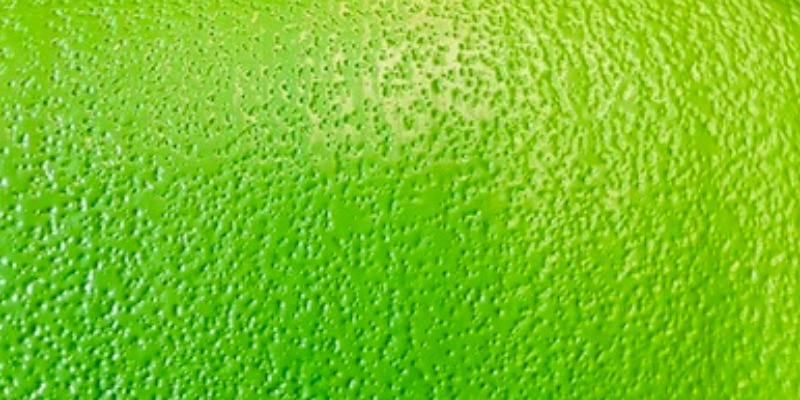 HDPE Recycled Bottles: How to Manage Surface Defects
How to solve aesthetic problems in the production of recycled HDPE bottles: porosity, streaks, detachment and holesThe production of bottles for detergents , for industrial and agricultural liquids, until recently were produced with virgin materials despite some shapes and colors allowed the use of a recycled HDPE granule. The media impact of plastic pollution dispersed by humans in the environment, has moved the conscience of consumers putting pressure on states, which deal with environmental legislation, but also producers of substances contained in bottles that cannot, for commercial reasons, to lose the consent of its final customers. The demand for regenerated HDPE for blow molding has had a strong surge in the last years, surely finding, a part of the producers, not totally prepared to manage the recycled granule in their machines. It was not just a question of the type of granule that may differ slightly, from a technical point of view, from virgin raw materials to machine behavior, but problems with color shades, stress cracking and seal welding had to be addressed. , to micro holes and other minor issues. In previous articles we have addressed the genesis of recycled HDPE in bottle blowing and the correct choice of recycled raw materials, while today we see some aesthetic aspects that could occur using recycled HDPE granules at 100%. There are four aspects, from an aesthetic point of view, that can negatively affect the good production result: 1) A marked porosity called “orange peel” which is formed mainly inside the bottle but, not infrequently, is also visible on the outside. It appears as an irregular surface, with the presence of continuous micro-cavities that give a rough appearance to the surface. Normally the problems are to be found in the granule, where a possible excessive presence of surface humidity does not allow a perfect laying of the HDPE wall coming out of the mold. In this case the problem can be solved by drying the material in a silo so that it reaches such a degree of humidity that it will not negatively affect the surfaces. In general it is always a recommended operation when you want to produce using 100% regenerated material. 2) Streaks on the bottle are another aesthetic problem that occurs for different reasons, especially if an already colored granule is used. The causes may depend on a different percentage of plastic inside the HDPE granule , even in minimum percentages, between 2 and 4%, since, having the different plastic melting points , the aesthetic behavior on the wall of the bottle can be slightly different, influencing the color in the dough. It is important to note that you should not confuse the streaks of shades with the streaks of structure, which are normally created by the mold of the bottle due to wear or dirt that accumulates by working. Another reason may depend on the heat resistance of the master that is used, as it is not infrequent that at too high temperatures, both in the extrusion phase of the granule and in the blowing of the element , a phenomenon of color degradation can be created with the creation of small streaks on the walls of the bottle. 3) Perfect weldability in a bottle is extremely important as any detachment of the walls, once the bottle has cooled and filled, causes serious damage with costs to be incurred due to the loss of the packaging, the substances contained and the replacement of the material with important logistics costs. The bottle just produced normally does not present the possible defect because the exit temperature from the machine “hides” the problem a little, but once the bottle has cooled, filled and subjected to the weight of the pallets that are stacked above it, a welding defect can present itself in all its problems. The cause of this problem normally must be sought in the percentage of polypropylene that the HDPE granule can contain due to a selection of the raw materials upstream of the non-optimal granule production. A poor selection of the bottles between them, but above all from the caps that they contain, can increase the percentage of polypropylene in the granule mixture. There are commercially available machines with optical selection of the washed ground which help to substantially reduce this percentage, being able to bring it back below 1.5-2%. When buying the recycled HDPE cargo it is always a good idea to ask for a DSC test to check the composition of the granule for production. The effect of an excessive percentage of PP has as a direct consequence the prevention of an effective welding of the contact surfaces that form the bottle. In addition to working on the granule, it would be a good idea if you wanted to use 100% of the recycled raw material, slightly increase the overlap thickness of the two sides of the bottle to favor the correct welding point. 4) The presence of micro or macro holes in a bottle , directly visible through an inspection or, for smaller ones, through the air tightness test, may depend on the presence of impurities inside the granule , when the washing and the filtering of the raw material was not done in a workmanlike manner. Another reason may depend on poor cleaning of the screw of the blowing machine which can accumulate residues of degraded polymer and transport them, subsequently, to the mold. Especially if you use recipes with mineral charge, you may have the problem immediately after changing the recipe between one without charge and one containing it. The use of mixed recipes between virgin and regenerated material can mitigate some of these points but not completely solve any problems if you do not have the foresight to follow the supply chain of the recycled granule.Related articles:HDPE: PRODUCTION OF BOTTLES WITH RECYCLED PLASTIC | SOME ADVICES Automatic translation. We apologize for any inaccuracies. Original articles in Italian.
SEE MORE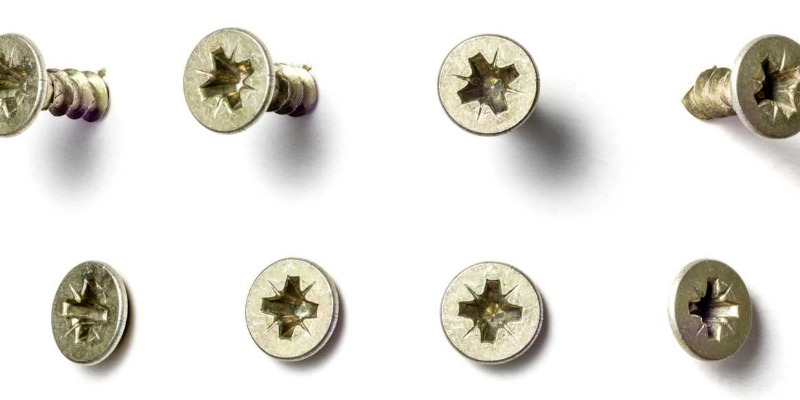 Assembly of Plastic Components after Production
Which systems to use for the assembly of the plastic components produced There are plastic products that are printed or extruded individually and assembled together in successive phases, with the aim of creating a finished product composed of several parts. The activity of assembling the various pieces, and their tightening, involves an in-depth analysis of which closing tools to use, to be compatible with plastic materials used and also functional with the use of the finished product. The main fixing systems of the plastic components can be grouped into: • Fixing with plastic screws • Fixing with metal screws • Fastening through nailing • Fixing by welding • Fixing through compression Plastic Screws The fixing of the elements to be assembled through the use of plastic screws has a limited use, as they express low mechanical strength and low rigidity. Despite their low structural performance, plastic screws find great use in those products where continuous electrical insulation, very high resistance to corrosion and a continuity of the shades of the chosen color, to make the product chromatically more continuous. Metal Screws Fastening with metal screws is by far the most used method to assemble plastic elements, due to the excellent mechanical resistance and good grip between plastic and metal element. The screws can be metric or self-tapping. Those metrics, in some mechanical situations, may present some sagging of the flanks that are threaded into the plastic material, this can be caused in the presence of a low elastic modulus of the polymer that makes up the plastic element. In fact, the mechanical resistance of a metric thread in plastic is generally limited, so it is advisable to use metric screws with internal threaded brass inserts. These inserts are inserted, before molding in the mold itself or later through the use of ultrasound. From an economic point of view it is almost never convenient to use this type of inserts, due to the waste of time in their positioning, however the use of a screw metrica makes subsequent product assembly faster. The self-tapping ones are made up of different shapes and threads based on the mechanical work they have to perform and the type of plastic they will be inserted into. The threads can be more or less close together, therefore with a number of different spirals, have inclination angles of the spirals from 30 to 60° and a diameter of soul of the vine and its variable spiral. In the case, for example, of products made with thermosetting resins, it is absolutely necessary to use self-tapping screws, in fact this type of polymer does not conform, like other plastics , to the screw, but is drilled with the removal of the resulting chip. In this case, an asymmetrical screw profile with a 30 ° spiral angle is recommended. Nailing Another type of assembly of plastic components can take place with the method of nailing the elements. The moldable nails used are generally composed of brass, copper, aluminum or with hollow nails to be turned. If we use nails to be turned, the impulse of the beating must always take into account the resistance to breaking and cracking of the plastic polymer we are working on, having the foresight to calculate the ratio between mass and typing speed well. If the elements to be assembled are made of thermoplastic material, the end of the core of the product can be finished hot or cold on the nail head. Welding Thermoplastic materials can also be assembled through the welding process with friction methods, with ultrasound or with hot tools. It must always be taken into consideration that the welding point or the welded ends, if continuous, will never have a mechanical strength comparable to the base element. Furthermore, the welding phases can create internal tensions with respect to the molecules of which the polymer is made and, when present, interact negatively on the reinforcing fibers. Generally speaking, based on the plastics and the type of weld, experience in the field tells us that the mechanical strength of a weld can be lower between 40 to 80% of the original plastic material. This weakening is also accentuated if the product has to withstand high loads over time or withstand particular dynamic stresses or chemical attacks on the plastic material. Assembly by compression The assembly system by compression of the elements is the cheapest and fastest, however some important considerations must be made. If there are situations of interlocking assembly between plastic and metal elements, it is a good rule to plan the calculation of the compressive stresses calibrated on plastic materials and not on metal ones. Furthermore, when the elements will be in operation, for example the parts of a fan, it is necessary to keep in mind the greater thermal expansion of the plastic compared to the metal elements and, in the case of hygroscopic polymers, also the possible swelling. Automatic translation. We apologize for any inaccuracies. Original article in Italian.
SEE MORE Life Cycle and Sustainable Applications of Recycled EPDM
Analysis on Production, Use, and Recycling Strategies in the Sector of Waterproof Sheets and Barriers By Marco Arezio This article explores the lifecycle of recycled EPDM (Ethylene Propylene Diene Monomer) sheeting, highlighting the production processes, main applications, and strategies for its further recycling. The goal is to assess the environmental impact of the material and its potential within the context of the circular economy.Characteristics and Production of Recycled EPDM Ethylene Propylene Diene Monomer (EPDM) is a thermoplastic elastomer widely used across various industrial sectors due to its remarkable properties of resistance to aging, weather conditions, UV, and numerous chemicals. This polymer is distinguished by its versatility and durability, making it ideal for outdoor applications, particularly in extreme environmental conditions. Composition and Properties of EPDM The EPDM polymer is a terpolymer of ethylene, propylene, and a diene that allows for vulcanization with sulfur. The unique molecular structure of EPDM grants it excellent physical properties, including significant resistance to thermal variations, maintaining its flexibility at very low temperatures, and effectively resisting heat and steam. Such properties make EPDM particularly effective for applications such as seals, insulation, roofing sheets, and waterproof membranes. EPDM Recycling Processes Despite EPDM's longevity, at the end of its lifecycle, it can be transformed and recycled through various processes aimed at reducing environmental impact and promoting sustainable resource use. Mechanical recycling: This is the most common method for recycling EPDM. The material is collected, cleaned, and shredded into granules or powders. These can be reused to produce new rubber items, including other EPDM sheets, floor tiles, or as aggregate in construction applications. The mechanical process is preferred for its simplicity and relatively low cost, but it can involve some loss of mechanical properties in the recycled material. Chemical recycling: Although more expensive and technologically advanced, chemical recycling offers the advantage of recovering pure monomers that can be reintegrated into the production of new polymers. This process involves using solvents or chemical catalysts to break the polymer bonds of EPDM, transforming it into simpler materials that can be easily regenerated. Energy recovery: In some circumstances, when material recycling is not feasible, EPDM can be used as fuel for energy production. The combustion of EPDM produces a significant amount of energy, but this practice is less favorable from an environmental standpoint and is generally considered as a last option. Production of Recycled EPDM Sheets The production process of recycled EPDM sheets begins with the selection and preparation of recycled material, which is cleaned to remove contaminants and then shredded. The material is then mixed with a certain amount of virgin EPDM and various additives, such as antioxidants and vulcanizing agents, to ensure that the final sheet possesses the required qualities. The obtained compound is subsequently processed through calenders to form sheets. These are then vulcanized, a process in which the material is heated in the presence of sulfur to form cross-links that enhance the elastic and mechanical properties of the final product. The production of recycled EPDM sheets not only helps reduce waste and the use of virgin resources but also represents an excellent opportunity to promote more sustainable industrial practices. By adopting responsible recycling and production processes, it is possible to achieve a significant positive environmental impact, reducing the carbon footprint and promoting the circular economy in the synthetic materials sector.Applications of Recycled EPDM Sheets Thanks to its durability and resistance to weather conditions, recycled EPDM sheeting finds numerous applications across various industrial sectors, contributing to more sustainable resource management. This chapter explores the main industrial applications of recycled EPDM sheeting, highlighting specific advantages and presenting some significant case studies. Applications in Building and Civil Engineering Building: In the building sector, recycled EPDM sheeting is widely used for its excellent waterproofing properties. It is employed as a membrane for flat or slightly sloped roofs, offering a durable and UV-resistant solution. Additionally, it is used as a root barrier in roof gardens and as lining for artificial ponds and swimming pools, ensuring insulation and protection against leaks. Civil Engineering: Recycled EPDM is also used in civil engineering projects, such as in the construction of erosion control barriers and in lining channels and water reservoirs. Its mechanical properties ensure durability and resistance, essential in applications that require longevity and minimal maintenance. Specific Advantages The use of recycled EPDM brings numerous benefits, both economic and environmental: Sustainability: Using recycled EPDM reduces the amount of waste destined for landfills and dependence on non-renewable resources. This not only helps conserve natural resources but also reduces greenhouse gas emissions during the production of new materials. Cost-effectiveness: Recycling EPDM can significantly reduce production costs. Recycled materials are generally less expensive compared to their virgin counterparts, making the final product more accessible and competitive in the market. Performance: Despite being recycled, EPDM sheeting maintains excellent physical and mechanical properties, making it suitable for applications that require resistance and durability. This ensures that the use of recycled materials does not compromise the quality or effectiveness of the final product.Recycling and Future Life of Recycled EPDM The lifecycle of recycled EPDM does not end with its first or second application; opportunities for further recycling or other forms of reuse continue to expand the potential of this versatile material. This chapter explores end-of-life options for recycled EPDM, examines barriers to recycling, and discusses future prospects that may influence its sustainable use. End-of-Life Options for EPDM Sheets Re-recycling: Recycled EPDM can undergo repeated recycling processes, maintaining acceptable quality for various applications. However, each recycling cycle can potentially degrade some of the material's physical properties, which may limit the end use of recycled products. Innovations in material treatment and preparation can extend the useful life of recycled EPDM, allowing greater reintroduction into the production cycle. Upcycling: Transforming used EPDM into higher-value products is an intriguing option. For example, recycled EPDM can be transformed into high-quality composites for applications in technologically advanced sectors, such as components for electric vehicles or smart infrastructure, where its insulation and durability properties are particularly valuable. Downcycling: In many cases, recycled EPDM is used to produce materials that require less performance compared to the original application, such as sub-bases for paving or filler materials for construction. This allows the exploitation of materials otherwise destined for disposal, even if it does not fully capitalize on the polymer's potential. Barriers to Recycling EPDM Sheets Recycling of recycled EPDM faces several issues, which can vary from technical aspects to economic and regulatory challenges: Technology: Recycling processes for EPDM can be complex and costly, especially chemical recycling, which requires significant investments in research and development to improve efficiency and reduce costs. Economy: The collection and treatment of post-consumer EPDM can be economically disadvantageous without adequate incentives. The variability of oil prices can also influence the competitiveness of recycled EPDM compared to virgin material. Regulations: Environmental laws and policies can either facilitate or hinder EPDM recycling. Regulations that impose strict standards for recycled materials can limit the use of recycled EPDM in certain applications, while incentives for sustainable production practices can promote its use.Future Prospects for EPDM Sheet Recycling Current trends and future innovations play a crucial role in determining the role of recycled EPDM in the circular economy: Technological Innovation: Developments in chemical recycling methods could improve the efficiency of the process and the quality of the recycled material, making recycled EPDM more competitive. Research into more effective catalysts and less energy-intensive processes is essential. Market Trends: With growing environmental awareness and a push toward sustainability, the demand for recycled materials is set to increase. This could encourage further investments in recycling technologies and increase the production scale for recycled EPDM. Environmental Policies: Government policies that mandate the use of recycled materials and offer financial incentives for recycling can push industries to adopt more sustainable practices. In conclusion, recycled EPDM has significant potential to contribute to a more circular and sustainable economy. Overcoming technical and economic challenges and exploiting emerging opportunities will be crucial for its future use and broader acceptance in the global industrial landscape.
SEE MORE Submarine Telecommunications Cables: Structure, Materials, Production, Laying, Durability and Recycling
From High-Density Polyethylene to Polyurethane: How Submarine Cables Are Made, Laid, and How Long They Lastby Marco ArezioSubmarine telecommunication cables are the backbone of global data traffic, enabling the Internet and telephone networks to connect distant continents.Despite their often invisible image, submarine cables are essential for keeping the world connected.But how are they made? What materials are used, and how do they manage to last so long in the harsh ocean environments?Let’s explore these aspects with a particular focus on the polymers used and their functions.Structure of a Submarine Telecommunications CableThe structure of a submarine cable may seem simple, but it is a technological marvel designed to withstand enormous pressures and harsh environmental conditions.At the core of the cable are the optical fibers, which carry signals in the form of light, allowing for the transmission of vast amounts of data. These fibers are incredibly thin and fragile, so they must be protected by several layers of materials.The fiber core is surrounded by a protective polymer coating, usually made of an acrylic polymer. This layer is crucial for maintaining the integrity of the fibers, preventing them from being physically damaged or coming into contact with moisture.Between the optical fibers and the cable’s subsequent layers, a waterproof gel is often used as an additional barrier against water ingress.As protective layers are added, we find a metal sheath, generally made of steel or aluminum, to protect the cable core. This metal layer is corrosion-resistant and prevents the cable from being damaged by external pressures, impacts, or even bites from marine creatures.The final coating of the cable is made of polymeric materials, which offer the outermost protection and determine its longevity in deep-sea conditions.Polymers Used in Cable ConstructionOne of the main materials used in the construction of submarine cables is high-density polyethylene (HDPE). This polymer is widely used because of its properties: it is water-resistant, chemically stable, durable, and relatively cost-effective to produce.As a thermoplastic polymer, HDPE is also easy to shape and work into thin or thicker layers, depending on the structural needs of the cable. In addition to its insulating function, HDPE is crucial for protecting the cable from wear caused by ocean currents, sand, and underwater debris.Another key polymer is polyurethane, mainly used as an external coating in cables destined for particularly extreme conditions, such as volcanic zones or areas of high seismic activity. Polyurethane is elastic and has high abrasion resistance, two characteristics that make it ideal for protecting the cable from potential physical damage.Besides the main polymers like HDPE and polyurethane, other polymeric materials, such as acrylic resins, are used in the inner coatings that wrap around the individual optical fibers, protecting them from moisture and minor shocks that could compromise their functionality.Finally, in certain specific applications, materials like polypropylene may be used, offering superior chemical resistance and sometimes preferred in cables laid in particularly chemically aggressive waters.Submarine Cable ProductionThe production of a submarine cable is an extremely complex process, divided into several stages. First, the optical fibers, the true stars of data transmission, are produced. These fibers are created through a process known as drawing, in which a preform of glass is heated and stretched into a thin thread.Once ready, the fibers are wrapped in acrylic polymers to protect them from physical damage. Next, layers of steel or aluminum are added for protection.These metallic materials are essential for shielding the cable from external forces and corrosion. The entire core is then covered with multiple layers of HDPE or polyurethane, depending on the cable’s requirements and the conditions it will face.Before being shipped for underwater installation, the cables undergo rigorous testing to ensure they can withstand the enormous underwater pressures and mechanical stresses they will encounter throughout their long operational life.Laying of Submarine Telecommunications CablesLaying a submarine cable is an operation that requires meticulous planning and highly specialized equipment. The first step is mapping the seabed, an operation that involves the use of sonar and other detection tools to find the optimal path.Cable-laying ships, large vessels equipped with advanced technology, are tasked with slowly releasing the cable onto the seabed, avoiding any damage during the process.In some areas, where the seabed is particularly rugged or where there is a risk of collisions with other infrastructure or human activities, underwater plows are used to dig a trench in which the cable is laid. This operation allows the cable to remain protected from potential impacts or accidents.Once the cable reaches the shore, it is connected to terrestrial infrastructure and tested to ensure everything functions properly.Cable Lifespan and MaintenanceSubmarine cables are designed to last between 25 and 30 years, although their lifespan may vary depending on environmental conditions. Some cables may require maintenance before the end of their operational life, especially in areas with intense human activity, such as fishing or maritime traffic.Maintaining a submarine cable is a delicate operation. If a fault occurs, specialized ships are sent to locate the damaged point, raise the cable from the ocean depths, and repair it on the surface. This process can be very costly and time-consuming, but it is essential to ensure the continuity of global communications.Recycling Submarine Telecommunications CablesOnce a submarine cable has reached the end of its useful life, the question of recycling arises. Traditionally, many cables were left on the ocean floor, but today, with growing attention to sustainability, there is an increasing effort to recover and recycle these infrastructures.The recycling process begins with recovering the cable from the seabed, an operation similar to laying it. Once brought to shore, the cable is transported to specialized facilities where it is separated into its components.Metals such as copper and steel are recovered and reused in new production processes, while polymers can be recycled or, in some cases, used for energy recovery.Recycling submarine cables is an important step towards creating a circular and sustainable economy, minimizing the environmental impact of telecommunication infrastructure.ConclusionsSubmarine telecommunication cables are technological marvels. Constructed with advanced materials like HDPE and polyurethane, these cables are designed to last for decades in the ocean's depths, transmitting vital data and communications for the global economy.Despite their complexity, the future of submarine cables is increasingly looking towards a sustainable approach, focusing on recycling and the use of materials that can be recovered and reused effectively.
SEE MORE What are Electricity Conducting Polymers
Plastic polymers are not only excellent electrical insulators but can also be conductorsIt is universally known that, normally, objects made with plastic polymers are excellent electrical insulators, so much so that in the presence of appliances or accessories in which there is of a passage of electricity, we can easily find a plastic element. By electrical insulation of a plastic body we mean its ability to drastically reduce or completely block the passage of an electric current within its mass, avoiding danger to people or things. For this reason we find many objects such as switches, electric cables, lighting systems and printed circuits in which there is the presence of plastic elements. To determine the degree of electrical insulation or its ability to inhibit the passage of current, we use a parameter called CTI (Comparative Tracking Index) , obtainable through a specific test, which provides an evaluation of the electrical insulation resistance of a material to surface discharges. On the other hand, it may also be necessary that this flow of electric current, which is normally prevented by plastic materials, must pass in a controlled way through the polymeric body, with the aim, for example, to reduce electrostatic charges, to shield plastic parts from electromagnetic waves, to produce electrodes, light emitting diodes and many other products. To do this, it is necessary to rely on polymers, which by their nature or formulation, can allow the passage of electricity, while maintaining the other chemical-physical characteristics typical of plastics unchanged. To create or enhance conductive thermoplastic compounds, we rely on specific fillers or reinforcing agents that conduct electricity, precisely creating , a conducting polymer. The study of conducting polymers had to balance, over time, the characteristics of electrical conductivity with those of workability and productivity of the elements, factors which were sometimes in open conflict with each other. In fact, the first conducting polymers were insoluble and melted with difficulty, thus leading research to find the right balance between solubility, thermal characteristics of fusion and electrical conductivity. The principle of electrical conductivity is based on the inclusion, in mixtures, of donors or acceptors of electrons, atoms or molecules, which give or accept electrons, significantly increasing their mobility. By virtue of this high mobility, single free electrons are found, i.e. not linked to the body of the atom, which slip on the molecules carrying the electric charge. Another characteristic of conductive polymers is electroluminescence , understood as the ability to emit light when an electrical voltage is applied, allowing the development of organic diodes that emit light, defined as OLED (Organic Light Emitting Dios). The main conducting polymers are: - Polyacetylene (PAC)- Polyphenylene - Polyparaphenylvinylene (PPV) - Polyheteroaromatic - Polyaniline (PANI) - Polyphenyleneamine - Polyethylenedioxythiophene (PEDT) - Polyethylenedioxythiophene - Polystyrene sulfanate (PEDT - PSS) - Polyphenylene sulfide (PPS) - Polyphenylenebutadines (PPB) - Polyparapyrridine (PPYR) - Polyparapyrridinevinylene (PPYV) - Polypyrrole (PPY) - Polythiophene (PT) - Polyfuran (PFU) - Polyethylenedioxythiophene (PEDT) - Polyacene The most common applications are as follows: - Antistatic features - Tapes for resistances - Fuses - Sensors - Batteries - Electrolytic capacitors - Conductive layers on glass and plastic - Transparent antistatic layers on photographic film, glass, light emitting diodes Category: news - technique - conducting polymers - luminescenceMachine translation. We apologize for any inaccuracies. Original article in Italian.
SEE MORE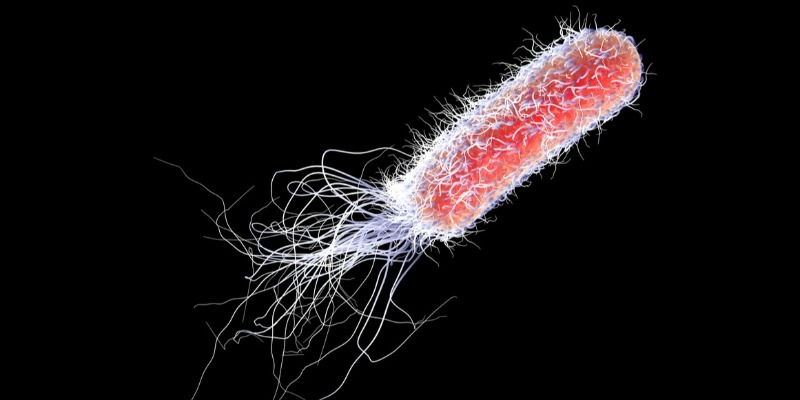 Microbiological research to study a bacterium that decomposes the polyurethane
Pseudomonas is a bacterium, which could break down the bonds of thermosetting resin such as polyurethane Among the various study activities, on alternative routes in waste management, microbiology is striving to find and test bacteria to break down those chemical bonds defined as irreversible, such as those of polyurethane. The thermosetting resins, of which polyurethane is part, is a very rigid material made up of cross-linked polymers in which the motion of the polymer chains is severely limited by the high number of existing cross-links. During heating they undergo an irreversible chemical modification. Resins of this type, under the action of heat in the initial phase, soften (become plastic) and subsequently solidify. Unlike thermoplastic resins, they do not have the possibility of undergoing numerous forming processes during their use. Thermosetting resins are materials in which the motion of the polymer chains is strongly constrained by a large number of existing crosslinking. In fact, during the production process, they undergo irreversible chemical changes associated with the creation of transverse covalent bonds between the chains of the starting pre-polymers. The density of the interconnections and the nature depend on the polymerization conditions and the nature of the precursors: generally, they are liquid systems, or easily liquefiable when hot, made up of low molecular weight organic compounds, often multifunctional, chemically reactive, sometimes in the presence of initiators or catalysts. Polyurethane is a compound widely used as a thermal insulator, in the construction sector, the car industry, in household appliances, in cold storage, in the naval and railway sector, in furniture, in the footwear sector and in many other industrial sectors. Every year, in Europe alone, about 3.5 million tons of polyurethane are produced which, at the end of the life cycle, does not find a correct destination in the recycling sector and normally end up in landfills. The difficulty that this typology of plastic waste encounters in the reconversion process today, until the chemical recycling has taken hold, have pushed biological research to trace new paths. A European research group called P4SB is studying materials from synthetic biology that are able, through bacterial catalysts, to create bio enzymes that can depolymerize polyurethane, but also PET. The study identified a bacterium, called Psneudomonas, which, properly engineered, is able to metabolize the components of the polyurethane, which will then be made, within the bacterial mass, in the form of bioplastic. This bacterium has the ability to survive in extreme conditions and is very resistant to toxic substances, in fact it is an enemy par excellence in the medical field as it easily resists antibiotics. It is part of the family of gram-negative bacteria that normally affects people with low immune barriers or problems with the skin and mucous membranes. The bacterium in humans triggers diseases associated with infections, such as respiratory problems, pneumonia, endocarditis, meningitis, eye, joint, gastrointestinal, dermatological and other forms of body reaction. This shows that it is a bacterium to be taken seriously and its use in the microbiological field, applied to the recycling of plastics such as polyurethane, makes it clear the degree of colonization and decomposition that it could put in the field if treated with due care.
SEE MORE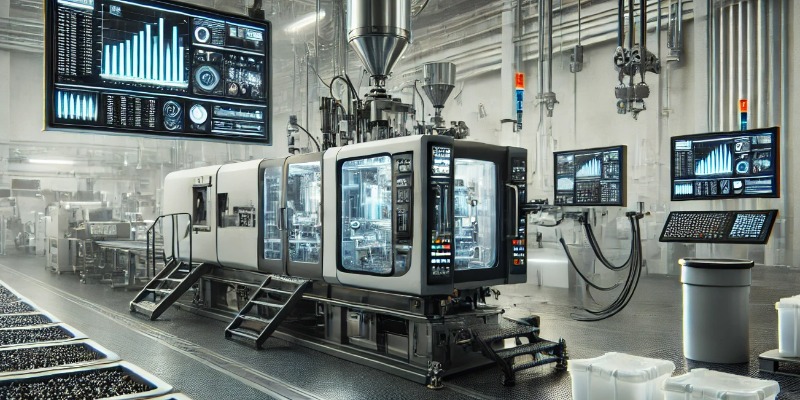 Machine Learning in Plastic Molding: How to Improve Efficiency and Quality
Discover How Artificial Intelligence is Revolutionizing Injection Molding by Optimizing Production Parameters, Reducing Waste, and Enhancing Sustainabilityby Marco ArezioPlastic molding is one of the most widely used industrial processes, a cornerstone of manufacturing across a broad spectrum of sectors. However, despite its established nature, this technique still presents significant challenges, such as optimizing parameters, reducing waste, and improving product quality. In this context, machine learning (ML) is emerging as a groundbreaking technology capable of transforming traditional methods and introducing a new paradigm based on efficiency, precision, and sustainability.An Ancient Technology Meets Artificial IntelligenceThe art of plastic molding relies on injecting molten materials into predefined molds, where they cool and take shape. While the principle is straightforward, controlling the variables that influence the final product's quality requires expertise and attention. Temperature, pressure, injection speed, and cooling times must be calibrated precisely, as an error in any of these parameters can result in defects like warping, bubbles, or irregular surfaces.Historically, this optimization has been an empirical process, dependent on the skills of technicians. However, the growing complexity of materials, the demand for cost reductions, and the pressure for greater sustainability require more advanced solutions. This is where machine learning comes into play.Intelligence That Learns from DataMachine learning, a branch of artificial intelligence, is based on algorithms capable of analyzing vast amounts of data, identifying patterns, and making autonomous decisions. In the context of plastic molding, ML systems can process information from sensors embedded in machinery and translate it into real-time corrective actions.Imagine a molding machine equipped with sensors that continuously monitor variables such as temperature, pressure, and material viscosity. The data collected is analyzed by predictive models that not only identify optimal configurations for a specific product but can also adapt to sudden changes, such as variations in material composition or environmental conditions. This continuous learning enables more precise calibration, minimizing defects and waste.A New Era of Quality ControlA critical aspect of molding is quality control, which traditionally requires manual inspections or post-production testing. Machine learning, combined with vision systems, enables real-time quality monitoring directly on the production line. Using convolutional neural networks, machinery can detect defects like warping, cracks, or surface imperfections with greater accuracy than human inspectors.This technology goes beyond simply identifying defective products; it also provides instant feedback, allowing operators to adjust operational parameters and prevent recurring errors. The result is a smoother production process, consistent quality, and reduced resource waste.Predicting Problems Before They OccurAnother area where machine learning makes a significant impact is predictive maintenance. Molding machinery, like any industrial equipment, is subject to wear and tear, which can lead to costly downtime. By analyzing sensor data, ML can identify early signs of anomalies. Unusual vibrations, fluctuations in energy consumption, or changes in cycle times can signal the need for intervention, enabling maintenance to be scheduled in advance and minimizing downtime.A New Approach to MaterialsAs sustainability becomes a priority, manufacturers are experimenting with more eco-friendly materials, such as bioplastics and recycled polymers. However, these materials have different properties compared to traditional plastics, requiring a more flexible approach to processing. Machine learning can simulate the behavior of new materials during molding, predicting flow or cooling issues and optimizing parameters without the need for extensive physical testing.Beyond the Process: Supply Chain EfficiencyThe potential of machine learning extends beyond the production floor. By analyzing historical data and market trends, algorithms can forecast future product demand, optimize raw material orders, and reduce excess inventory. This systemic approach ensures that every phase of production, from supply to distribution, is optimized to cut costs and enhance overall efficiency.Future ProspectsThe combination of machine learning and plastic molding represents a tremendous opportunity for the manufacturing sector. Beyond immediate benefits in quality, efficiency, and sustainability, this technology paves the way for even more ambitious innovations. Integration with digital twins, advanced robotics, and even quantum computing promises to further revolutionize the production process, making it increasingly intelligent and adaptable.ConclusionMachine learning is not just cutting-edge technology but a necessity for the future of the plastics industry. In an era where precision, sustainability, and competitiveness are more critical than ever, adopting AI-based solutions means not only improving operational efficiency but also contributing to a more responsible industry. This is the future of plastic molding: intelligent, sustainable, and continuously evolving.© Reproduction Prohibited
SEE MORE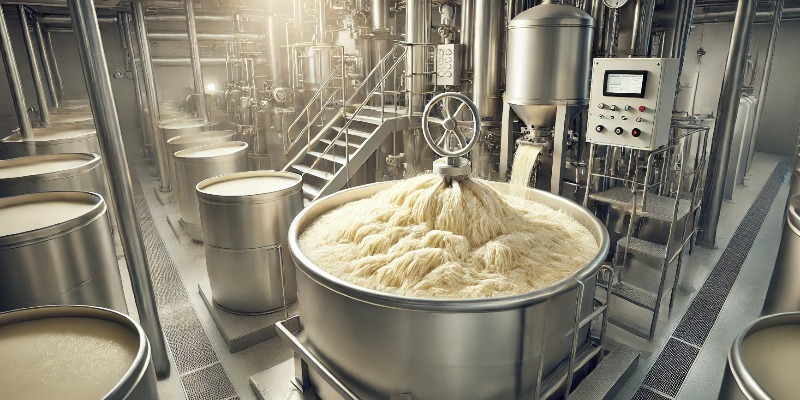 Sustainability: Chemistry in the Paper Mill
How Sustainable Chemistry is Transforming Paper Productionby Marco ArezioIn today’s industrial world, sustainability has become an essential priority. This is especially true for the paper industry, which plays a central role in the transition toward a more circular production model. Chemistry, in this context, plays a fundamental role in improving process efficiency and reducing overall environmental impact. The paper production process, which is both complex and multifaceted, can be divided into four main stages, each of which benefits significantly from chemical interventions: pulp production, wet web formation, sheet finishing, and recycling of paper materials.Pulp ProductionThe first stage in the production process is pulp preparation, which forms the starting point for obtaining fibrous material suitable for paper manufacturing. Pulp can be derived from either virgin raw materials, such as wood, or recycled materials. Chemistry plays a crucial role here, involving fiber separation processes, bleaching, and impurity treatments.In wood-based pulp, chemical processes like kraft cooking or sulfite methods enable the separation of cellulose fibers from lignin, a substance that gives wood its rigidity but must be removed to produce quality paper. For recycling, chemical products are used to remove inks, adhesives, and other contaminants, ensuring a clean and reusable raw material. In both cases, the goal is to obtain fibers with minimal environmental impact while also reducing energy and water consumption.Wet Web FormationThe second phase involves the even distribution of water-suspended fibers onto a mesh to form the so-called wet web, a structure still rich in water and lacking strength. Specific chemical additives, such as flocculants and cross-linkers, improve the distribution and cohesion of fibers, resulting in better sheet formation.Other chemical interventions optimize the web’s characteristics, such as initial strength or the ability to retain pigments, which will be critical in subsequent stages. Research focuses on increasingly biodegradable and low-impact chemicals, reducing the presence of substances that could contaminate industrial effluents.Sheet FinishingAfter drying and consolidating the wet web, the paper sheet enters the finishing phase. This is when the final parameters of the product are defined: smoothness, gloss, printability, and mechanical strength. Chemical interventions in this phase are essential to provide the sheet with the characteristics required by various application sectors.Surface agents, such as sizing and coatings, enhance the aesthetic and functional quality of the paper. For example, treatments with synthetic or natural resins can increase moisture resistance, making the product suitable for specific uses, such as food packaging. Innovation in chemistry in this phase also aims to develop formulations using renewable or easily recyclable raw materials, aligning with circular economy objectives.Recycling of Paper MaterialsSustainable additives are increasingly taking center stage in paper production, particularly for recycling paper materials. These additives, designed to reduce environmental impact without compromising product quality, represent an innovative solution for an industry increasingly focused on circularity and sustainability.Among the most used additives are biodegradable process aids that improve the efficiency of recycling operations. For example, specific enzymes are employed to remove inks from printed sheets, avoiding the use of harsh chemical detergents. Being natural molecules, enzymes minimize the formation of harmful by-products and are completely biodegradable, reducing the impact on wastewater treatment systems.Enzymes such as lipases, used to break down oils in printing residues, cellulases, employed to separate fibers in recycled pulps, and amylases, effective in removing residual starches, are concrete examples of how biotechnology can contribute to more sustainable processes. These enzymes act selectively on target substances, reducing energy consumption and the use of traditional chemicals.Another group of sustainable additives are natural-based flocculants, derived from plant polymers such as modified starch or cellulose. These materials help improve the retention of fibers and fillers during the recycling process, reducing raw material losses. Furthermore, natural flocculants tend to be less persistent in the environment than their synthetic counterparts.Reinforcing additives based on regenerated lignin, a substance recovered from pulp production processes, are also used to improve the mechanical and optical characteristics of recycled fibers. Lignin can be chemically treated to provide adhesive properties and increase the strength of recycled fibers, while ensuring a lower use of virgin raw materials.The environmental impacts of these sustainable additives are significantly positive compared to traditional alternatives. Their natural or biodegradable composition reduces the toxicity of industrial wastewater and facilitates its treatment. Furthermore, the use of regenerated waste materials, such as lignin, represents a concrete example of circular economy, reducing waste and closing the material cycle.However, it is essential to continue monitoring and optimizing these additives to balance performance and costs, ensuring their competitiveness compared to traditional chemicals. Research in this field is rapidly advancing, with the aim of developing even more efficient and sustainable formulations, making the paper industry a virtuous model of innovation and environmental responsibility.Other Chemical Additives: Optical Brighteners, Antifoams, and FlocculantsIn addition to the additives already discussed, other essential chemical products are used in the paper industry, such as optical brighteners, antifoams, and flocculants. Each plays a fundamental role in improving product quality and process efficiency, while also presenting environmental challenges that are now being addressed through the introduction of ecological alternatives.Optical BrightenersOptical brighteners, also known as fluorescent agents, are used to enhance the brightness and whiteness of paper. These compounds absorb ultraviolet light and reemit it as blue light, offsetting the yellowish tones of fibers. Traditionally, brighteners contain non-biodegradable synthetic substances that can accumulate in aquatic ecosystems.Ecological alternatives include natural-based brighteners or enzymatic bleaching processes. Enzymes such as laccases and peroxidases selectively degrade chromophores in fibers, improving whiteness without using aggressive chemical agents. These methods reduce the use of chlorine and other toxic substances, lowering the process's environmental impact.AntifoamsAntifoams are used to control foam formation in aqueous systems during the paper production process. Foam can compromise operational efficiency and the quality of the finished product. Traditional antifoams often contain mineral oils or silicones, which can be difficult to dispose of or treat in wastewater.Ecological solutions include antifoams made from vegetable oils or biodegradable formulations. These products continue to effectively manage foam during production without negative environmental impacts. Formulated with renewable plant-based oils, these antifoams significantly reduce wastewater toxicity and improve wastewater treatment.Fillers and AdditivesFillers, such as calcium carbonate and kaolin, are widely used in the paper industry to enhance optical properties and printability, while also reducing production costs. However, their environmental impact is considerable, as their extraction and processing require large amounts of energy and natural resources.Sustainable alternatives focus on natural fiber-based fillers, such as microfibrillated cellulose or nanocellulose. These materials, derived from agricultural or forestry by-products, not only improve the paper’s mechanical properties but also reduce dependence on non-renewable mineral resources.ConclusionSustainable chemistry is transforming the paper industry, offering innovative solutions that improve process efficiency and reduce environmental impact. Ecological additives, from biodegradable enzymes to plant-based antifoams, contribute to a more circular and environmentally friendly production model.Despite economic and technical challenges, progress in research and development promises a future where paper production aligns more closely with global sustainability goals. By adopting green technologies and continually optimizing processes, the paper industry can become a virtuous example of sustainable innovation.© Reproduction Prohibited
SEE MORE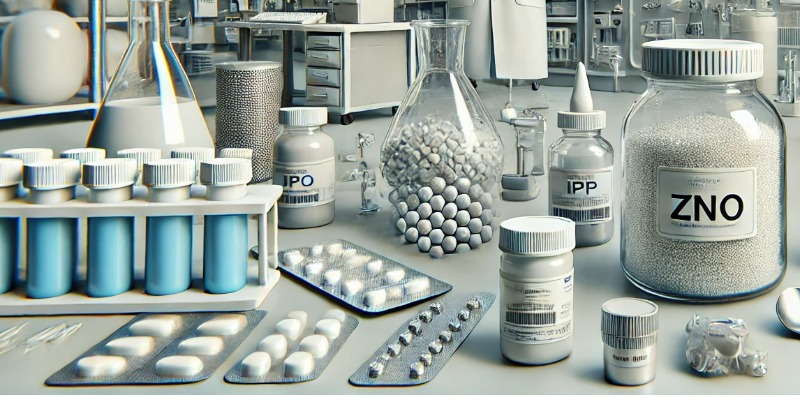 Isotactic Polypropylene and Zinc Oxide: Solutions for Sustainable and Antibacterial Materials
The Future of Advanced Materials in Medical, Food, and Industrial Applications: Isotactic Polypropylene and Zinc Oxideby Marco ArezioResearch on polymeric materials with antimicrobial properties is opening new perspectives to tackle global challenges related to safety and sustainability.Among these materials, isotactic polypropylene (iPP) composites enriched with zinc oxide (ZnO) stand out for their ability to combine mechanical strength, chemical stability, and antibacterial activity. This study delved into the preparation and characterization of iPP/ZnO microcomposites, revealing their potential in key sectors such as medicine, food packaging, and industry.Combining Properties and FunctionalityIsotactic polypropylene is widely used for its lightness, chemical resistance, and processability. However, its applications may be limited by poor UV resistance and a lack of antimicrobial properties. The integration of ZnO microparticles into this polymer matrix offers a promising solution.Zinc oxide, known for its antibacterial and UV-shielding properties, was incorporated into the polymer through a hot-mixing process. The resulting composites demonstrated not only reduced photoinduced degradation but also effective activity against Escherichia coli.Key Research FindingsBelow we examine the most significant results obtained from research on isotactic polypropylene and zinc oxide (iPP/ZnO) microcomposites. Through a combination of experimental tests and in-depth analyses, the study explored the thermal stability, resistance to photodegradation, antibacterial activity, and mechanical properties of these innovative materials. The data collected highlight the great potential of these composites to meet the needs of strategic sectors such as healthcare, food packaging, and industry, laying the groundwork for future real-world applications. The main aspects of the research are detailed below.Resistance to PhotodegradationThe addition of ZnO significantly improved the stability of polypropylene under UV exposure. Tests showed that the material experienced less oxidation thanks to the shielding effect of ZnO particles, which reduce the intensity of radiation absorbed by the polymer.Antibacterial ActivityComposites containing up to 5% ZnO reduced E. coli bacterial populations by 99.9% after 48 hours. This effect is attributed to the ability of ZnO to generate reactive oxygen species, which damage bacterial membranes, making these materials ideal for applications in sterile or highly contaminated environments.Thermal and Mechanical StabilityThe composites showed higher thermal resistance compared to pure polypropylene, with an elevated degradation temperature. Although the addition of ZnO slightly reduced elongation at break, the material maintained good ductility, essential for many industrial applications.Application Prospects and InnovationIsotactic polypropylene and zinc oxide microcomposites represent a promising frontier in advanced materials research. These composites combine mechanical, thermal, and antimicrobial properties in a single solution, opening up new application possibilities. Their ability to resist photodegradation and effectively counteract bacterial proliferation makes iPP/ZnO composites particularly suitable for key sectors such as medicine, food packaging, and industrial applications.Their efficacy against bacteria such as Escherichia coli and protection from UV rays ensure safer and more durable products, addressing the growing demand for sustainable and innovative materials. However, to fully exploit their potential, it is necessary to continue developing optimization methods to improve overall performance and ensure greater environmental compatibility. These composites are particularly relevant in the following sectors:Medical SectorAntibacterial surfaces for medical devices and sterile packaging could benefit from these composites, reducing the risk of infections.Food PackagingZnO's ability to protect against UV rays and bacteria makes it suitable for extending the shelf life of packaged food, enhancing food safety.IndustryComponents exposed to harsh environmental conditions, such as UV radiation and microbial contamination, could leverage the combined resistance and hygiene properties offered by iPP/ZnO composites.Challenges and Future DevelopmentsDespite promising results, some aspects require further study. The reduction in elongation at break indicates the need to optimize the dispersion of ZnO particles and their interface with the polymer matrix. The use of compatibilizers or surface treatments could improve mechanical properties without compromising functional ones.Additionally, extending research to other concentrations and combinations of nanoparticles could lead to even more high-performance materials. Collaborations between universities and industry will be crucial to translating these developments into commercial solutions.ConclusionIsotactic polypropylene and zinc oxide composites represent a promising innovation for addressing challenges related to material safety, sustainability, and durability. Thanks to their antibacterial properties and UV resistance, they can be applied in numerous sectors, improving quality of life and reducing environmental impact. With further optimizations, these materials could become a key solution for various industrial and social needs.© All Rights Reserved
SEE MORE Fiberglass: the difficult way towards a circular product economy
Fiberglass: history, production, use and recycling. The difficult way towards a circular product economyFiberglass is certainly a product that has had a very important success given the flexibility of use, the relative ease of production and the technical characteristics of the manufactured products that could replace or improve the performance of other materials used up to then. Fiberglass was born in the 1920s, a period in which materials were being studied that had performance characteristics similar to those of construction metals (construction, aeronautics, naval) but which could add an advantage in terms of weight saving. During the 1940s, polyester was reinforced by using asbestos fiber, a composite plastic material with which, for example, additional tanks for aircraft were built . During the 50s of the last century, the increase in the production of glass fiber led to a progressive replacement of the asbestos fiber, creating technically more advanced products and widening the field of application. BUT WHAT IS FIBERGLASS? It is a glass reinforced composite plastic, also called VTR or GRP , using fabrics or felts with randomly oriented fibers and subsequently impregnated with thermosetting resins , generally liquid, composed of polyester or vinyl ester or epoxy , which harden and connect the fibers themselves through the action of catalysts and accelerators. The main characteristics of fiberglass products are: – Lightness – High mechanical characteristics – Durability – Corrosion resistance – Weather resistance – Excellent electrical insulation – Fire behavior manageable with specific additives – Good thermal insulation – Poor maintenance HOW ARE FIBERGLASS MANUFACTURED PRODUCTS? Premising that fiberglass is not a traditional plastic compound that needs heat and an important mechanical force (extrusion, injection, blowing) to make the products, but it is based on the work that the polymerized resin that comes into contact with the fibers does of glass. The main production processes are as follows: “Hand Lay-Up” consists in the coating by brush or roller of resins, correctly added with catalysts and accelerators, which determine their polymerization even at room temperature, on glass fabrics. The solidification of the resins allows the incorporation of the glass fibers present in the mold creating the article in vertroresina. “Filamnet Winding” consists in applying, on a normally metallic rotating cylinder, a wire impregnated with catalyzed resin. By winding this wire continuously on the mold, which will then be removed once the resin has hardened, cylindrical tubes or tanks can be created. “Resin Transfer Molding” consists in dry spreading, on one side of a mold, a set quantity of glass fibers, then the mold is closed again with its copy and the resin is injected, at low pressure, inside. With this system it is possible to carry out the injection procedure inside the mold also under vacuum. “Pultrusion” consists of a production similar to the classic extrusion of plastic materials, suitable for composite materials for the creation of particular profiles. WHICH SECTORS ARE INTENDED AND WHICH FIBERGLASS MANUFACTURES CAN BE REALIZED? The excellent technical and aesthetic qualities of fiberglass products allow them to be used in many fields with very wide applications: Railway sector Energy production Building do-it-yourself Nautical sector Sports works sector Electrotechnical market The products made with fiberglass are really many and it is not possible to mention them all, but we will indicate the products that, on the market, make the largest volumes: Hulls and articles for the nautical sector. Industrial and civil profiles Windows and shutters Skylights Covering sheets Walls Coatings for the refrigeration sector Stairs and walkways Coatings for the railway sector Coatings for civil transport Wind farms THE RECYCLING OF FIBERGLASS Fiberglass, being a compound material, as we have seen, escapes from the logic of the classic recycling of plastic materials , thus creating various and complex problems for its recycling. The first problem that we can remember is the presence of the thermosetting resins of which the product is composed, in fact, as we know, the polymerization reaction is always irreversible, this means that if we treated the ground fiberglass products with heat, as is done in generally with other plastics, we would not be able to return the resins used to liquid form. The second problem concerns the glass fibers that are used to reinforce the recipe . According to epidemiological studies conducted on animals in the laboratory, prolonged inhalation of the dust from these fibers would cause carcinomas and mesotheliomas. Although there is no evidence of human tests on animals, the European Community has issued a specific directive, including glass fibers among the dangerous substances subject to the labeling obligation. In fact, the glass fibers used for the manufacture of products are considered category 3 carcinogens and must bear the R40 label which identifies the possibility of irreversible health effects. Therefore, in the context of end-of-life recycling systems, we can report the main disposal destinations: Rubbish dump Grinding of powder products of various sizes and their reuse in sectors such as construction. Recycling by pyrolysis with the separation between fibers and resins Recycling by acid digestion Among the disposal systems used today, in terms of volumes, landfilling is certainly still the most used, with all the negative effects of the case. As for the grinding of powder products , it is certainly the easiest way, from a practical point of view, but leaves all the doubts from the health point of view that we have reported above open. While as regards recycling through pyrolysis or acid digestion it is not, today, economically convenient. It is clear that the way to dispose of the waste of fiberglass products, at the end of life, could be that of reusing ground powders in mixtures suitable for the production of finished products , but the volumetric reduction operation of fiberglass products must be carried out using suitable equipment , in isolated chambers, therefore not simple grinding mills, which safeguard workers’ health. There is also on the market a method of recycling fiberglass waste produced with orthophthalic, isophthalic or vinyl ester resins defined as “recovery with thermal-chemical treatment”. Through this process it would be possible to recover about 85% of the mother resin, in the form of a liquid and about 99% of the fibers that make up the reinforcement. Tests made by the manufacturer would show that the recovered resin, which is iodine-laden, could be mixed with the virgin resin for the creation of new products without there being any performance decay. As for the fibers recovered with this system, a calcination treatment is recommended on them, to eliminate the carbon residues present before being reused.
SEE MORE The Causes of the Quality Reduction of Polypropylene During Mechanical Recycling
Analysis of incoming waste flows, selection, mixtures and thermal impact on final performanceThe polypropylene is a family of polymers widely used for the production of articles in the most varied applications, as it combines resistance, ease of coloring and ease of use through different thermal processes such as injection, blow moulding, extrusion and thermoforming. It is also a polymer that lends itself easily to compounding operations, through which additives can be mixed that induce changes to the structure, thus increasing the final performance of the product, making it more rigid or more flexible or more performing to compression, traction or shear stresses. By virtue of its ductility and ease of production, the waste that is collected, to then be recycled mechanically, presents a heterogeneity of compounds that it is important to know, in order to prevent any qualitative errors on the secondary raw material that will be produced. First of all, let's see how a normal mechanical recycling process of polypropylene waste takes place.The polypropylene waste which is sent for recycling can take the form of rigid waste, for example crates fruit and vegetables, pallets, bumpers, bottles, or in the form of flexible waste, such as bags, Big Bags, sheets and films in the packaging sector. All of this waste must first be mechanically separated, so as to create an input of waste with a rigid consistency and one with flexible consistency, so as to initiate them to different manufacturing processes. After making an initial summary selection by macro-category, an attempt is made to separate the waste based on the initial product type, for example the bottles will separate from the buckets, the pallets from the pharmaceutical products, the fruit and vegetable crates from the tubes and so on. Even with regard to flexible waste, an attempt will be made to separate the different types of sheets, based on the type of packaging for which they were intended, the processes for which they are been subjected to and the products with which they have been in contact. This second selection is aimed at creating a possible homogeneity among the families of waste selected, in order to make their recycling as simple and qualitative as possible. The further selected waste will then be washed, with settling and mechanical processes, in order to minimize the contamination present on the flakes, which could compromise its mechanical qualities and the aesthetic aspect. After the washing process the rigid waste will be dried, while the flexible one will pass through the densifier to agglomerate the light parts, so that it is more workable in the extrusion. Later this semi-finished product will be used as feed for the extruders in the preparation of recipes for new recycled granules, recreating the virtuous circle of the economy circular. Briefly described the mechanical recycling process of polypropylene let's see what the most common problems can be and how to solve them. The first thing to verify, in the mechanical recycling of polypropylene, is the technical knowledge of the differences, in the incoming waste streams, on the various molecular structures of the polymer. In fact, the molecular weight, its crystallinity and its origin, between homopimer and copolymer, can influence the physical-mechanical qualities of the final product. For example, containers or buckets for storing lubricants or paints are commonly made from block copolymer, which has a good balance between impact properties and stiffness. Other polypropylene containers, such as bottles for hygiene and cleaning products or containers for dairy products, can also be made of random copolymer or homopolymer, therefore , the melting temperature difference varies between homopolymers (160-165°C) and copolymer polypropylene (135-159°C). If these different origins and characteristics of the material were combined during mechanical recycling, it would result in a recycled granule of lower quality than the same product through a selection of more careful refusal. The second thing to keep in mind is the possible contamination of polypropylene with other common plastics such as PE. Among the many polymers, HDPE is the one that most often creates a possible contamination, if not previously separated in the incoming waste stream, in fact PP and HDPE, both of the polyolefin family, have a great similarity in their structure and have a density lower than 1, so they float in the washing water. Furthermore, during the extrusion phases, PP and HDPE have different melting temperatures, between 160 and 170 °C for polypropylene and 130 ° C for HDPE, leading the latter to possible thermal degradation, which manifests itself in the formation of black particles that can be imprinted on the final products, with aesthetic deficiencies. It is therefore advisable to limit the presence of HDPE below the 5% threshold, to reduce the negative impact on products made with recycled raw materials. The third thing to consider, as we mentioned before, is the fact that PP lends itself easily to compounding operations, therefore the waste could contain fillers such as talc, calcium carbonate, glass fibre, metals or particularly aggressive colours. Knowing that the various compound additives have different physical and mechanical behaviors, both during the transformation of the raw material and from an aesthetic and performance point of view on the finished product , it is important to proceed with the analysis of the contents, with laboratory tests, to understand how to use the waste with additives during the recycling phases. The fourth thing to keep in mind is the degradation of the polymer, not just the one we mentioned concerning the thermal phase- extrusive to produce the granule, but also what we can define as photo-oxidative, whereby a plastic product exposed to light and heat generates a decline in its performance due to the weakening and modification of its chains. In fact, oxidative degradation can be generated not only by thermal degradation, induced by solar radiation, but also by high mechanical stresses. When the polymer degrades, the oxygen present in the plastic material disintegrates the molecules and creates free radicals, which react rapidly in a chain with the oxygen. It can therefore be remembered that polypropylene, in the context of mechanical recycling, is a polymer with a marked property of thermal degradation compared to other types of plastic, both during its life cycle (mainly by photo-oxidation), both during processing and recycling. Heat, mechanical stress and ultraviolet radiation strongly modify the structure and morphology and, consequently, the characteristics and properties of recycled polypropylene. Both elongation and impact strength are the properties most affected by the phenomenon of degradation, in addition to discoloration failures and other aesthetic damage that must be taken into account into account. As a last aspect, among many others that can be illustrated, I would mention the odor problem that can accompany polypropylene waste from post consumption. The smell in the waste input can form due to the mixing of plastics that have contained aggressive liquids or solids, or caused by the biological fermentation of food waste or by the presence of chemical compounds, such as surfactants, which can impregnate the polypropylene. The washing phases, even very accurate ones, can generally reduce the odorous impact but are unlikely to solve the problem. Since the presence of odor in post-consumer recycled plastics is unpleasant for the final products, and since there is currently no definitive removal system, it makes necessary to have to separate the incoming waste streams, through an analytical verification, among those that are contaminated by unpleasant chemical compounds. This operation is carried out quickly, precisely and analytically, with a test on the incoming waste sample, using ion mobility gas chromatography, which consists in inserting a small fragment of plastic waste into a test tube, then loading it into the laboratory machine which will give us the curve of the odorous chemical compounds present in the sampled waste. By doing so, without a shadow of a doubt, we will have full knowledge of which smells and of which intensity our granule that we are going to produce will be composed. Automatic translation. We apologize for any inaccuracies. Original article in Italian.
SEE MORE TPE - Recycled Thermoplastic Elastomers: What they are and How to Use Them
The right recipes lead to the creation of recyclable TPE blends with surprising characteristicsThermoplastic elastomers (TPE) are elements made up of different families of materials that combine to create a compound with improved characteristics. Also called thermoplastic rubbers, they are, precisely, the union between a plastic and a rubber, this marriage allows you to take advantage of the characteristics elastic properties of the rubbers, which are expressed in the ability to be deformed on the basis of an applied force, both in length and in width, and then resume their original shape when the force is lost, and on the other hand the possibility, like all thermoplastic polymers , to be processed and recycled. Thermoplastic elastomers, therefore, can be easily used in injection molding and in the extrusion of manufactured articles. The first TPEs were put on the market in the 1950s of the last century, through the production of the thermoplastic polyurethane polymer, to then widen the range of blends, in the following decades, to other types of thermoplastic elastomers. The advantages of TPEs - First of all, the TPE blends can be recycled through the mechanical recycling system and reused as new raw material- Ease of processing compared to vulcanized rubbers, therefore with faster process times and lower costs of the final products - Excellent resistance to oils even higher than rubber - Weldability and transparency in some formulations - Excellent resistance to both low and high temperatures - Possibility of making finished products lighter than vulcanized rubbers What are the main TPEs - Polyolefin compounds such as TPO - Styrenic compounds such as SBS and SEBS - Polyurethane compounds - Copolyester-based compound - Vulcanized compounds such as TPV Where are Thermoplastic Elastomers used - Medical and pharmaceutical sector for gaskets, valves, pipes and objects that go into the autoclave - Footwear sector for the production of soles, heels, heel pads and safety shoes - Food and agricultural sector such as supports for barcodes, irrigation pipes, artificial turf, blocking cables, fruit and vegetable separators, supports for branding. - Construction such as steel pipe coatings, road bitumen modification ingredients, sound-absorbing and anti-vibration elements - Sporting goods such as hard shells for ski boots, ski tips and tails, snowboards, sportswear and swimwear - Automotive such as dashboards, some bodywork and gearbox parts, gaskets, airbag zone covers, door panels and various trims. How to recycle TPE Most of the products made in TPE are recyclable through mechanical recycling plants, therefore, the operations that the selection of the material will be carried out, dividing the various types of thermoplastic elastomers, the grinding, washing if necessary, and the granulation of the material to reuse it in production. An important phase of the process certainly concerns the selection of waste since, sometimes, it is possible to find waste of TPE on which remains even appreciable quantities of other materials of a different nature, such as for example polyurethane foams or cross-linked polyethylenes, which can pollute the final product. Automatic translation. We apologize for any inaccuracies. Original article in Italian.
SEE MORE What is OCC Carton and How is it Recycled
It seems a strange acronym, OCC, but the experts classify as OCC a corrugated cardboard suitable for the formation of boxes and packaging, in which the walls have the task of protecting the goods inside and assume a resistant behavior during handling and transport. Usually it consists from two sheets of flat paper enclosing a light corrugated layer which, thanks to the vaulted shape, gives the sandwich a good resistance. Corrugated cardboard, or OCC, is a very common element in the packaging sector and is also a product that has a high degree of recycling, in fact, according to data from Corrugated Packaging Alliance , a box made from corrugated cardboard, is made up of approximately 50% recycled material. With the increase in micro shipments by online commerce, the quantity of corrugated cardboard in household solid waste is taking on a relevant position, without forgetting the traditional distribution and industry market. OCC cartons can be reused or recycled creating a circularity chain that improves the environment and our lives. Among the advantages of reusing the product, we can include the saving of water that the paper mill uses to create the new paper pulp, and therefore of the energy for the process that creates CO2 and other pollutants such as sulfur or volatile organic chemicals. In the context of OCC cardboard recycling we can mention the reduction in the use of virgin wood which is used to produce natural fibers for the paper. To make a ton of virgin cardboard, three tons of trees are needed, which suggests the importance of reusing and recycling cardboard. As regards the OCC that is sent for recycling at the paper mills, through the collection centers, it is important that whoever delivers the cardboard to be recycled has the care remove different materials present on the boxes or boxes, which would compromise their recycling or pollute the process. The corrugated cardboard must be flattened and packed to form uniform bales in order to reduce their volume to minimize the cost and environmental impact of handling to the centers recycling. After the transformation of the OCC inside the paper mills, the recycled fibers will be reused, in the most suitable percentages, mixed with the virgin fibers based on the types of packaging to be made, to create new paper and cardboard packaging.See more info about recycling Automatic translation. We apologize for any inaccuracies. Original article in Italian.
SEE MORE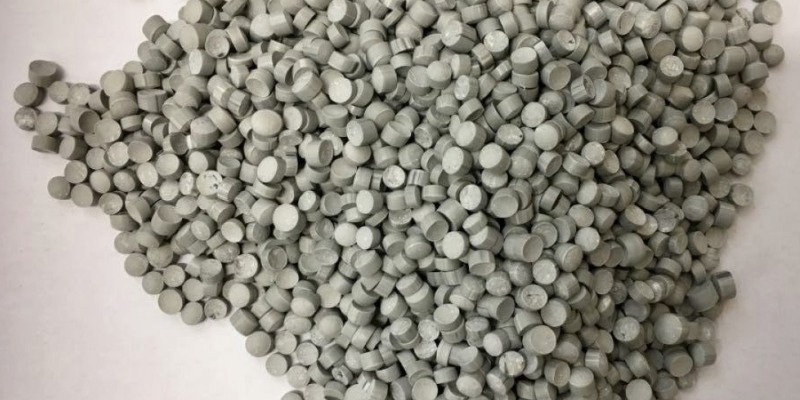 Recycled PVC and Stabilizers
What they are, what they are used for and how to choose stabilizing additives for recycled PVC It is important to know that pure PVC does not lend itself to almost no application: for this reason in the transformation processes additives are always added to the PVC that protect the polymer during processing so as to prevent its degradation and also allow to improve the characteristics of the resulting artifact according to its intended use.The formulation of the material is in fact defined considering three fundamental aspects: – Type of processing: the material must be able to withstand the stresses and temperatures involved in the process, be in the right shape (dry-blend, granule, latex, etc.), be sufficiently stable and have adequate properties for the type of processing; – Final application: the final use of the product, stresses, hostile environments, or even particular limitations imposed, for example, on contact with food or in the medical field, must be taken into consideration; – Cost: always important aspect; depending on the quantity and type of additives. A typical formulation, for rigid PVC, includes resin, thermal stabilizer (avoids degradation), process aids (improve the characteristics of the melt and the workability) and the lubricant. For plasticized PVC, a similar base is used, but plasticizers are added. Other additives are dyes and fillers. The fillers are inserted mainly to reduce the quantities of PVC for the same volume and therefore to reduce costs, but also affect the properties by increasing the hardness and rigidity of the finished product. An additive must neither evaporate during transformation nor exude towards the surface during the use of the product. This means that the additive must have a low vapor pressure at high temperatures and must not precipitate or crystallize by migrating from the polymer matrix during aging. While insoluble additives, such as fillers and pigments, do not give rise to these migration phenomena, on the contrary, soluble additives, such as low molecular weight plasticizers, are susceptible to migration phenomena both during transformation and during use , and can even act as a vehicle for the migration of other additives present in smaller quantities.Let’s take a closer look at stabilizers As is already known, the main disadvantage in the use of PVC is its thermal instability; in fact at about 100 ° C it undergoes a degradation called dehydrochlorination, ie it releases hydrochloric acid. This causes a lowering of the mechanical properties and a discoloration. The transformation of PVC into products always requires the addition of thermal stabilizers which avoid and reduce the propagation of thermal degradation, due to the development of hydrochloric acid of PVC during the gelation and processing phase. These products also allow to improve the resistance to sunlight, heat and atmospheric agents of the product. Finally, stabilizers have a strong impact on the physical properties of the mixture as well as on the cost of the formula. Generally they are added to 1% to PVC and remain firmly anchored to the polymer matrix. The choice of the appropriate thermal stabilizer depends on several factors: the technical requirements of the product, the current regulations and costs. The most common stabilizers are generally dispersed in an organic co-stabilizer which increases their stabilization characteristics. The main stabilizers are: tin stabilizers, cadmium stabilizers, lead stabilizers, barium / zinc stabilizers, Ca / Zn stabilizers, organic stabilizers. Stabilizers Ca / Zn Recently developed and with excellent success, they are proposing themselves as valid substitutes for lead stabilizers on a practical level and also on an economic level. Their operation is based on the same principles as lead stabilizers, but, unlike these, they do not cause environmental or human health problems. To improve the efficiency of these stabilization systems, sometimes other elements such as aluminum or magnesium-based compounds are added. For some applications it is necessary to use co-stabilizers such as polyols, soybean oil, antioxidants and organic phosphates. Depending on the type of stabilizing system, final products with a high degree of transparency, good mechanical and electrical properties, excellent organoleptic properties and a high degree of impermeability can be obtained. Hand in hand with the Ca / Zn stabilizers, calcium-organic systems are being developed which alongside the many positive sides: good processability, good thermal stability linked to the absence of Zn (the excess of which could trigger a sudden degradation of the product) have some negative sides such as the color tone of the base (tending to yellow). Organic stabilizers To date, organic stabilizers are not considered to be primary stabilizers and, even less, particularly powerful. Some are used because of low toxicity, others are used as co-stabilizers in combination with primary stabilizers. A particularly important representative who falls into this family of lubricants is epoxidized soybean oil. Epoxidized soybean oil is composed of 10% stearic acid and palmitic acid, for the rest of partially epoxidized polyunsaturated fatty acids. It is used in formulations in quantities ranging from 2 to 5 phr based on the function it will have. In a quantity less than 2 phr it will have a co-stabilizing function, in a higher quantity it will also have a lubricating function.Automatic translation. We apologize for any inaccuracies. Original article in ItalianSee more info about
SEE MORE Coloring and Painting of Plastic Products
The products made of plastic, in addition to the countless economic-structural and environmental circularity qualities, also have the advantage of being able to accommodate, not only colors in the molten mass during the production of the element, but can also be painted on the surface to attribute to the object high aesthetic effects.The coloring of the plastic melt during the production of the object, through the use of dyes, takes place by mixing the granule or colored powders with the polymer of the product, taking advantage of the melting and mixing action that imprints the extruder inside which components pass.At the end of the production by the machine, the piece will be uniformly colored in the mass, a result for which the product could be suitable for the final use or it could be sent to the painting plant for special finishes.It is also possible that the pieces that must be sent for painting are produced without any color in the mass.That said, the paint layers on plastics must take into account the structure on which they adhere and the characteristic of the polymer with which the object is made.In fact, the hardness, the elongation behavior and the temperature of the paint layers to be applied on the product must take into account a possible physico-chemical reaction of the plastic it is made of.A too rigid dynamic behavior of a layer of paint applied to a plastic object could negatively affect the durability of the element, such as contact with temperatures and solvents that are required for the color spreading work.Some shades applied to plastics have a positive effect on the risk of photochemical decomposition, such as black, which positively affects UV protection by acting as a filter.Paints can incorporate chemical compounds that operate in a targeted manner in the production of certain elements, such as abrasion-resistant conductive paints, used in petrol tanks, or loaded with Ag, Ni or Cu to achieve high frequency shielding. of electronic equipment.There are also transparent paints that increase the scratch resistance for Polycarbonate and PMMA, such as acrylic, siloxane or polyurethane, applied by spray or immersion.In the coloring of plastic materials, powders can also be used, especially for polymers PA6 and PA66, which receive the coloring through a process that allows the polymer to be made conductive, through metal or ceramic microspheres, especially in the healthcare sector.Automatic translation. We apologize for any inaccuracies. Original article in Italian.
SEE MORE Atactic vs Isotactic Polypropylene: Characteristics, Production and Applications
Let's get to know the members of the Polypropylene family betterPolypropylene, a thermoplastic polymer widely used in various sectors, exists in different configurational forms, the best known of which are atactic and isotactic.These terms describe the tactical arrangement (order of succession) of methyl groups (-CH3) along the polymer backbone. Understanding these shapes and their properties is crucial to the plastics industry, as it determines the applications and production methods of the material.What is Atactic Polypropylene?Atactic polypropylene (a-PP) has a random arrangement of methyl groups along the polymer chain.This atactic configuration gives the material greater flexibility than its isotactic counterpart, but with lower crystallinity and thermal resistance.a-PP is typically amorphous, with a low density and relatively high chemical resistance. Its production occurs through polymerization processes in the gas phase, in solution or in suspension, using specific catalysts that favor this random arrangement.What is Isotactic Polypropylene?Isotactic polypropylene (i-PP), on the contrary, is characterized by the uniform arrangement of the methyl groups, all oriented on the same side of the polymer chain.This configuration gives the material high crystallinity, making it more rigid and heat resistant than atactic polypropylene. i-PP is produced using Ziegler-Natta or metallocene catalysts, which allow precise control over the orientation of the methyl groups.This type of polypropylene finds wide use in applications that require strength and thermal resistance, such as food packaging, automotive components and nonwoven fabrics.Production and Advantages on Plastic MixturesThe production of both forms of polypropylene requires careful control processes to achieve the desired properties.Isotactic polypropylene, thanks to its crystallinity and thermal resistance, is ideal for structural and packaging applications, while atactic, with its flexibility, finds application as an additive to improve the impact and workability of other plastic materials.The advantages of using polypropylene blends include the ability to optimize the properties of the final material, such as impact resistance, transparency, and processability, by combining the unique characteristics of different polymers.For example, adding atactic polypropylene to plastic blends can improve their elasticity and flexibility, making them more suitable for specific applications that require such characteristics.Technical Differences in the Production of Finished ProductsThe choice between atactic and isotactic polypropylene in the production of finished products strictly depends on the physical properties required by the final application.Isotactic polypropylene, being more rigid and resistant, is often preferred for creating objects that must withstand high loads or temperatures. On the other hand, atactic, with its greater flexibility, is ideal for applications that require a certain elasticity, such as thin films or components that need to absorb shocks without breaking.In conclusion, understanding the differences between atactic and isotactic polypropylene is critical to the plastics industry.This knowledge allows you to choose the most suitable material based on the specific needs of each application, making the most of the unique properties of each shape to produce articles with the desired performance.As manufacturing processes and catalysts continue to evolve, polymer innovation is expected to continue to provide new opportunities for the development of increasingly advanced and sustainable materials.
SEE MORE