








 Why are viscosity and molecular weight so important in pet?
In recycled PET, viscosity and molecular weight can determine the workability and quality of the product.When using a recycled PET resin, both by molding and by blowing and by thermoforming, it is important to understand what relationships exist between the molecular weight and the viscosity of the material. Speaking of viscosity and molecular weight , it is necessary to return with the mind to the great physicist Isaac Newton who was involved, among other innumerable scientific activities, also in the study of fluid dynamics. And it is precisely the dynamics of the fluids that somehow also interacts with some rules of behavior in the processing of PET , when we observe the change from the solid state to the semi-fluid state of the heated raw material. In fact, in the production of a PET object, whether by thermoforming, molding or blowing , the molten mass which is transformed into an extruder, creates flow parameters in which the molecular weight is of great importance. This value, in a polymer, is to be kept in the utmost consideration as it determines some mechanical properties such as rigidity, strength, toughness, viscosity and viscoelasticity . If the value of the molecular weight were too low, the mechanical properties of the PET product you want to make would probably be insufficient to achieve an appropriate quality. Changing the length of the chain leads to a higher molecular weight, with the consequence of an increase in the relationship of the individual polymer molecules and their viscosity, which will affect the processing and the quality of the product. If we want to take an example in the field of blowing, we can say that the variation in the molecular weight of the polymer will lead to greater or lesser ease in the formation of Parison or the preform. As we have seen, there is another parameter closely linked to the molecular weight value, which is the viscosity of the molten polymer , or also called flow resistance. An increase in molecular weight generally corresponds to an increase in viscosity in relation to temperature. The presence of heat , which is used to create the polymer flow, incising the material through an extruder or injector, allows the plastic to soften, increasing in volume and reducing its density. This involves the separation of the molecules that will move at different speeds , those in the center of the spindle which, not encountering particular obstacles, will have a different speed than the peripheral ones that will come into contact with the walls that contain them, thus creating shear forces ( stress from cutting ) caused by the difference in speed. We can therefore say that the viscosity of a material is also influenced by its speed , as the plastic materials, at the base temperatures, appear as tangled elements together, and as the flow velocity increases, a greater orientation of the molecules will be created with a reduction in viscosity. This type of behavior inserts plastic into those fluids called “non-Newtonians” , unlike water which maintains its viscosity even with increasing speed, returning to fluids defined as “Newtonians”. This makes us understand what happens to a PET fluid that passes through a head, a preform or a Parison, changing its viscosity, reducing the output flow and increasing the cutting forces.Automatic translation. We apologize for any inaccuracies. Original article in Italian.
SEE MORE The evolution of Polymeric Reinforcement Fibers
Starting from 1937 with the invention of glass fiber, new and daring polymeric solutions of considerable technical-commercial interest have been developed The evolution of plastics in the period following the end of the Second World War has led the sector to continuous scientific innovation in competition with itself. The discovery of new polymeric bonds and new commercial applications has revolutionized the industrial field by giving birth to new products, replacing others made of traditional materials and improving the quality ratio price of the artifacts. In addition to discovering new polymers, technical solutions were discovered that led to an enhancement of the performance of the base polymer, managing to create new fields of application until then unknown. In fact, the resistance capacity achieved through polymers and polymer-matrix composites was, until a few years ago, unthinkable. In particular, the HP Fibers sector, designed to provide performances that traditional textile fibers were not able to achieve, especially as regards mechanical capabilities , thermal and chemical, have created a real technological revolution. Materials which, in addition to being able to meet particular requirements, must show a good aptitude to be included in textile cycles, even if modified. Born about 30 years ago on the thrust of some strategic sectors - especially military and aeronautics, they are now exploited in the most diverse fields, from the environmental to the clothing sector protective: • geotextiles for soil containment able to withstand very strong pressures • fabrics for ballistic protection capable of absorbing the energy of the bullets • yarns for protective clothing resistant to the energy generated by lightning • textile reinforcements to be used in composite materials for structural use in the building field. The first fiber with high performance both tensile and thermal was the glass fiber (1937) produced by Owens and Corning Glass, consisting mainly of silica, oxide of calcium, aluminum oxide, boron oxide. Belonging to the family of inorganic fibers, it had an annual growth of 15-25% until the 60s - 70s, when the fibers appeared on the market carbon and aramidic fibers, even if to date glass fiber holds the first place in terms of volumes used as a reinforcing fiber. Carbon fibers, discovered in 1879 by Edison, have only been commercialized since 1960, according to a process developed by William Watt for Royal Aircraft in the UK . But the real revolution in the world of high-performance fibers began with the appearance on the market (1965) of the aramid fibers developed by DuPont, initially as meta-aramids (Nomex), fibers with a very high melting and decomposition temperature (600 ° - 800 ° C) and excellent electrical insulation characteristics. These properties make them particularly suitable for the production of fabrics or felts with which to make protective clothing (most of the Formula 1 driver suits are made of Nomex , precisely because of its fireproof properties, as well as those of oil platform operators) and for the filtration of hot gases. In the form of paper or cardboard, they are used for electrical insulation and, in a honeycomb shape, for the production of composite materials. A few years later (1972) again DuPont introduced pararamidic fibers (Kevlar) on the market, thus opening the new era of yarns with high tension and thermal performance: • excellent mechanical resistance • stiffness • high radiation absorption • impact resistance • to heat • to the flame. With Kevlar fiber-reinforced composites, five times stronger than steel for the same weight, the airbags were created that allowed the probes on Mars and the parachute of the Galileo probe, sent to Jupiter. A cover made with Kevlar-reinforced composites covers the walls of the International Space Station, in orbit around the earth, to protect them from damage caused by micrometeorites. Kevlar fiber - marketed in the form of filament, staple and pulp, replaces asbestos in the lining of clutches and brakes in all cars coming from the lines European production. Alongside aramid fibers, aromatic polyester fibers have appeared on the market, those produced with aromatic heterocyclic polymers, or made with the use of flexible molecules (such as high molecular weight polyethylene), for the production of fibers with high molecular orientation along their axis, using a new spinning process, called gel spinning. In the production of industrial products where resistance must be combined with lightness and flexibility, HP textile fibers are a valid solution, the one that still holds back a their most extensive use is the high cost, mainly a consequence of some technical problems related to their workability. Generally the higher the performance of the material, the higher the difficulties associated with its transformation. This is more evident for fibers with very high mechanical resistance, in fact to give them this performance the production method normally followed is to submit the material, after the supply chain, with very high ironing. With this technique the desired high tenacity is obtained but at the expense of the elongation, consequently the fibers have a low deformability and are rigid, this involves spinning difficulties . Conversely, an exceptional increase in elongation, therefore in elasticity, is obtained at the expense of toughness and moisture absorption capacity, as well as a high resistance to chemical agents makes the absorption of moisture almost zero and creates difficulties in dyeing the fibers.Automatic translation. We apologize for any inaccuracies. Original article in Italian. Info Cecilia Cecchini
SEE MORE Polymer with Talina: The Revolution in Impact Resistance
The Integration of Talc into Polymers Offers a New Frontier in High-Performance Materials, Enhancing Impact Resistanceby Marco ArezioIn recent years, material science has made significant advancements, leading to the discovery of new technologies capable of greatly enhancing the properties of polymers. One such innovation is the integration of talc into polymers, which has proven to significantly increase impact resistance. This article delves into this emerging technology, examining its characteristics, applications, and the scientific studies that support its effectiveness.The Magic of TalcTalc is a natural mineral that belongs to the silicate group. It is renowned for its layered structure and unique properties, such as heat resistance, lubricating capability, and chemical inertness. These attributes have made talc a material of interest across various industries, but only recently have researchers begun to explore its potential in polymers.Properties of TalcTalc is primarily composed of hydrated magnesium silicate. Its stratified structure allows for easy sliding between layers, giving the material a natural lubricating effect. Furthermore, it can withstand high temperatures without degradation, making it ideal for applications requiring thermal stability. Its chemical inertness ensures it does not react with most chemical compounds, preserving the composite material's properties.Integration into PolymersThe combination of talc and polymers has resulted in materials with superior mechanical properties. This process involves dispersing talc particles within the polymer matrix, creating a composite material with enhanced characteristics.Integration TechniquesSeveral techniques exist for incorporating talc into polymers. Melt mixing is among the most common, where talc is blended with molten polymer to ensure uniform particle distribution. In situ polymerization involves adding talc during the polymerization process, allowing better interaction between the polymer matrix and talc particles. Finally, compounding employs extruders to combine talc with granular polymers, improving dispersion and adhesion between components.Effects on Impact ResistanceIncluding talc in polymers has been shown to significantly enhance the composite material's impact resistance. This improvement is due to several factors, including increased hardness, energy absorption, and reinforcement of the polymer matrix. Talc particles boost the material's overall hardness, making it more resistant to impacts. The layered structure of talc facilitates better absorption and distribution of impact energy, reducing fracture risk. Additionally, talc acts as a reinforcement within the polymer, improving its robustness and longevity.Applications of Talc-Enhanced PolymersThanks to their improved mechanical properties, talc-enhanced polymers are used across various industrial sectors.Automotive IndustryIn the automotive industry, impact resistance is critical for vehicle safety and durability. Talc-enhanced polymers are used to produce bumpers, dashboards, and other interior components that must withstand high impacts without deforming or breaking. Recent studies have shown that using talc-reinforced polymers can increase the impact resistance of automotive components by 30% compared to conventional materials.Aerospace SectorThe aerospace industry demands lightweight yet durable materials capable of withstanding extreme flight conditions. Talc-enhanced polymers offer an ideal combination of lightness and strength, resulting in safer and more reliable components. NASA and other space agencies are currently researching the use of these materials in satellites and rocket structures, with promising preliminary results.Electronics and Consumer DevicesIn the electronics sector, impact resistance is essential to protect devices during daily use. Talc-enhanced polymers are used in cases for smartphones, laptops, and other portable devices, providing greater protection against accidental drops and impacts. A recent study published in the Journal of Applied Polymer Science highlighted that adding talc to polymers used in smartphone cases can reduce damage from falls by 40%.Market Impacts and SustainabilityThe adoption of talc-enhanced polymers also has significant implications for the market and environmental sustainability.Market CompetitivenessThe introduction of high-impact-resistant polymers has increased the competitiveness of companies adopting this technology. The ability to offer more durable and safer products represents a significant competitive advantage, especially in sectors where impact resistance is a determining factor for consumer choice. Leading companies like BASF and Dow Chemical are heavily investing in this technology, forecasting significant market growth in the coming years.Environmental SustainabilityIntegrating talc into polymers can contribute to improving product sustainability. Talc is an abundant and low-cost mineral, and using more durable composite materials can reduce the need for frequent replacements, thus lowering the overall environmental impact. Additionally, production processes for talc-enhanced polymers can be optimized to minimize waste and energy consumption. A 2023 study by the University of Cambridge demonstrated that using talc in polymers can reduce CO2 emissions by 20% compared to traditional polymers.Challenges and Future ProspectsDespite its numerous advantages, integrating talc into polymers presents some technical and market challenges.Technical ChallengesUniform dispersion of talc within the polymer matrix is crucial to achieve the desired properties. This requires advanced production techniques and precise control of process parameters. Furthermore, the adhesion between talc particles and the polymer matrix must be optimized to maximize mechanical benefits. Research underway at MIT is exploring new methods for dispersing talc to further enhance these properties.Market AdoptionThe large-scale adoption of talc-enhanced polymers depends on the availability of suitable production infrastructure and market awareness of these materials' benefits. Companies must invest in research and development to further improve the properties of talc-enhanced polymers and reduce production costs. However, with growing interest in sustainable and high-performance materials, the prospects for adopting these polymers are highly positive.Future ProspectsThe future of talc-enhanced polymers appears promising, with potential applications in new sectors and continuous improvements in production technologies. Ongoing research could lead to even more innovative discoveries, such as combining talc with other nanomaterials to create composites with unprecedented mechanical and functional properties. Studies at the University of Tokyo are investigating the use of talc in combination with graphene to create super-strong and lightweight materials.ConclusionTalc-enhanced polymers represent one of the most significant innovations in high-impact-resistant materials. Thanks to their exceptional mechanical properties and versatile applications, these materials have the potential to revolutionize numerous industrial sectors, from automotive manufacturing to consumer electronics. Despite technical and market challenges, future prospects are extremely positive, with ongoing research promising to unveil further improvements and new applications for talc-enhanced polymers.© All Rights Reserved
SEE MORE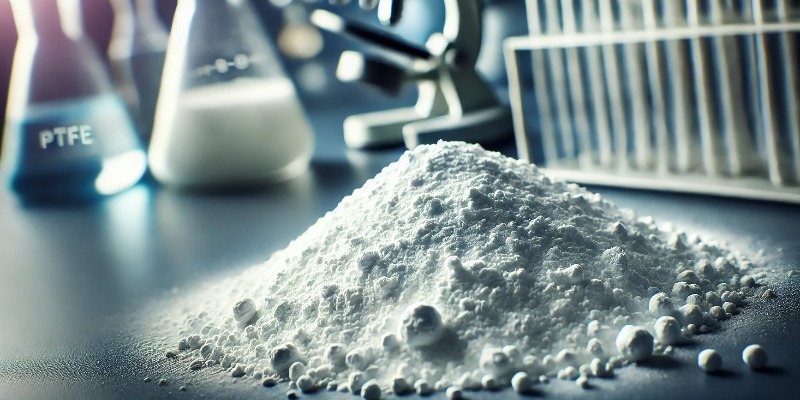 Expanded PTFE: Innovative Material with Incredible Properties
History, Production, Recycling, and Main Applications of a Versatile Polymer that Revolutionized Sectors like Filtration, Medicine, and Technical Apparelby Marco ArezioExpanded polytetrafluoroethylene (PTFE) is a modified form of PTFE, a synthetic polymer discovered in 1938 by Roy Plunkett, a chemist at DuPont.PTFE is renowned for its extraordinary chemical and thermal resistance, as well as its very low friction coefficient, making it suitable for a wide range of industrial and commercial applications.The expanded variant of this material, commonly known as ePTFE (expanded PTFE), is characterized by a microporous structure that makes it more flexible, lightweight, and durable while retaining the fundamental chemical and physical properties of PTFE.How Expanded PTFE is ProducedThe production process of expanded PTFE begins with the synthesis of PTFE through the polymerization of tetrafluoroethylene.This polymer, originally in powder or paste form, is then subjected to an extrusion process to form a tape or film.The key to obtaining expanded PTFE lies in the expansion process: the PTFE tape is heated and then subjected to mechanical stretching, which induces the formation of a microporous structure within the material.This expansion process not only increases the specific surface area of the material but also modifies its internal structure, giving expanded PTFE unique characteristics compared to conventional PTFE.Properties of Expanded PTFEExpanded PTFE retains many of the properties of regular PTFE, including incredible resistance to chemical corrosion, chemical inertness, and high-temperature resistance (up to about 260°C).However, thanks to its microporous structure, expanded PTFE also offers greater flexibility and lightness. Its porosity makes it more suitable for applications requiring gas or liquid permeability, as well as for use as a filtering material.Recycling Expanded PTFERecycling PTFE, including its expanded form, presents a significant challenge due to its chemical inertness and the difficulty in reusing the material without compromising its properties. However, some methods for recovering used PTFE include:Mechanical Recycling: This technique involves grinding PTFE into small particles or powders that can be reused in other applications, such as fillers or additives in composites. However, this technique is limited and not always economically viable.Pyrolysis: A more advanced recycling method involves the thermal decomposition of PTFE at high temperatures (above 500°C) in an oxygen-free environment. This process primarily produces carbon and gaseous compounds like tetrafluoroethylene, which can be recovered and reused to produce new PTFE.Chemical Recycling: In some cases, PTFE can be chemically decomposed to recover monomers or other useful compounds. However, this process is complex and requires advanced infrastructure.Due to the difficulty and cost of recycling, PTFE and expanded PTFE are often incinerated at the end of their lifecycle, a practice that, while not ideal from an environmental standpoint, is common due to limited alternatives.Most Common Products Made with Expanded PTFEExpanded PTFE is used in a wide range of products and industries due to its unique properties:Filtration Membranes: Thanks to its porosity, expanded PTFE is widely used in the production of filtration membranes, used in air and water filtration systems, as well as in masks and personal protective equipment.Gaskets and Sealants: Expanded PTFE is commonly used to produce gaskets and sealants for industrial applications, especially where chemical and thermal resistance is required.Medical Prostheses: In the medical field, expanded PTFE is used to create vascular prostheses and surgical grafts, thanks to its biocompatibility and ability to be molded into complex shapes.Technical Fabrics: Expanded PTFE is also used in the production of technical fabrics, such as breathable and waterproof fabrics used in outdoor clothing and materials for tents and coverings.Electrical Components: Thanks to its excellent dielectric properties, expanded PTFE is used in electrical components and wiring, where electrical insulation is essential.History of Expanded PTFEPTFE was discovered by chance by Roy Plunkett in 1938 while working for DuPont. However, the process for expanding PTFE was only developed decades later.In the 1960s, Robert W. Gore, a chemical engineer, discovered a method for expanding PTFE, creating the material we now know as ePTFE.Gore was searching for a way to improve the properties of PTFE for industrial applications when he discovered that, by subjecting PTFE to rapid stretching, he could create a microporous structure.This discovery led to the founding of Gore-Tex®, a revolutionary material for technical apparel that has become synonymous with waterproof and breathable fabrics.ConclusionsExpanded PTFE is a versatile and high-performance material with applications in numerous sectors. Its production requires advanced techniques for expanding PTFE, transforming it into a lightweight, flexible, and porous material with unique properties.Despite the challenges associated with recycling, ePTFE remains a key component in many products due to its combination of chemical resistance, flexibility, and biocompatibility.The history of expanded PTFE, from its accidental discovery to the technical innovation that led to its expanded form, reflects the importance of research and development in the evolution of high-performance materials.© All rights reserved
SEE MORE Recycled EPS (Expanded Polystyrene): Where It Comes From and What It Is
How to recycle a multi-purpose material from the packaging, construction and food sectorsThe EPS or more commonly called expanded polystyrene, is obtained from polystyrene by means of a polymerization process which occurs through a chemical reaction of styrene. In the polymerization phase, expanding additives such as pentane are added to the polystyrene, favoring the birth of EPS, which comes in small balls with a glassy appearance and of different granulometry. By then bringing the balls to a temperature of about 90 °C through the use of steam, the gas contained in them triggers their volumetric expansion equal to 20 - 50 times the volume of the same. After the expansive phase, we move on to the sintering of the balls, which consists, again through the use of steam at 110 - 120 ° C, in their ability to agglomerate with each other, with the possibility of creating monolithic blocks. The EPS thus produced is used in many sectors, such as insulation in the building industry, for the protection of objects during the packaging, and in the food sector for the production of containers of various types. This very large multi-sector use, leads to the creation of a large amount of waste which must be properly managed, sending it for recycling, as EPS can be a circular product. How to recycle EPS with the mechanical system The first criticality encountered speaking of recycling EPS is its volume in relation to its weight , two elements that determine costs for the storage of waste and for its transport. In fact it is a very light material, about 15-25 Kg. /m3 and very voluminous. For these reasons, the first phase of EPS recycling lies in its volume reduction, through shredding mechanical waste, in order to obtain irregular pieces with dimensions from 2 to 10 cm. After the crushing phase, we move on to that of grinding, which consists in using hammer mills or knife mills with shafts counter-rotating, which have the ability to reduce the EPS to the desired size. As an alternative to grinding, the crushed EPS scarts can be compacted with specific presses, so as to monolithically reduce their volume , bringing the specific weight between 300 and 800 Kg/m3. If you opt for grinding waste, you get a raw material that can be used for the extrusion stages, then creating a granular crystal polymer with a high fluidity, around 14-18, usable for injection moulding. To extrude the EPS it is necessary to have a forced feeding system as the material is very light, it is also advisable to have a degassing to remove gases present within the cellular structure. If the ground or compacted waste comes from separate collection, therefore post-consumption, it is advisable to insert a magnet on the conveyor belt that can intercept any metallic elements present in the ground. It is also always advisable to sift the ground in order to eliminate any impurities consisting of wood, paper, non-ferrous elements which are not intercepted by the magnets. There are other non-mechanical recycling systems for EPS which can be listed below: • Thermomechanical molecular cracking system • Microwave and infrared system that generates a controlled pyrolytic process • Liquid dissolution system that allows the recovery of uncontaminated EPS Machine translation. We apologize for any inaccuracies. Original article in Italian.
SEE MORE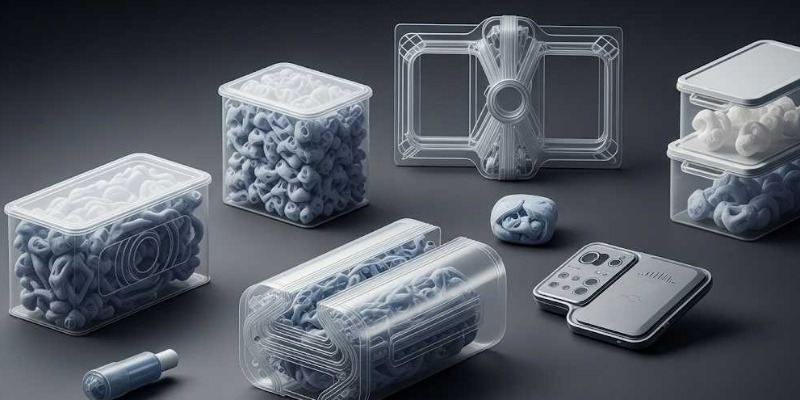 Lightweighting in Plastic Packaging: Innovative Design and Material Strategies for Optimal Performance
Explore advanced lightweighting techniques for plastic packaging, balancing material reduction, structural strength, and environmental sustainability by Marco Arezio The plastic packaging industry faces a dual challenge: meeting the growing demand for environmental sustainability while maintaining or improving the functional performance of products. In this context, "lightweighting," or reducing the weight and material used in packaging , emerges as a key strategy. It's not simply a matter of using less plastic, but a complex engineering approach that aims to optimize design and material selection to ensure packaging remains robust, safe, and efficient throughout the entire value chain, from production to final consumption. This technical article explores the design methodologies and material innovations that achieve a critical balance between reducing weight and maintaining performance. Fundamental Principles of Lightweighting Lightweighting is not a linear process, but a multifactorial optimization that requires a deep understanding of material properties and the mechanical stresses to which the packaging will be subjected. The key principles include: Life Cycle Assessment (LCA): Evaluate the overall environmental impact of weight reduction, considering not only the reduced material consumption, but also the implications for logistics (less weight = less fuel consumption in transport) and recyclability. Structural Optimization: Redesigning the packaging geometry to maximize strength with minimal material. This includes introducing ribs, curvatures, reinforcements, and optimizing wall thickness only where strictly necessary. Advanced Materials Selection: Identify polymers with superior mechanical properties (e.g., increased stiffness, impact resistance) that allow for reduced thickness without compromising integrity. Innovative Manufacturing Processes: Adopt molding and forming technologies that allow for more uniform material distribution and the creation of complex geometries with precision. Design Techniques for Weight Reduction Design plays a key role in lightweighting. The most effective techniques include: Topological Optimization: Using advanced software to identify the optimal material distribution within a given geometry, eliminating areas not essential for structural strength. This leads to organic and often counterintuitive, yet extremely efficient, shapes. Thin-Wall Design: Systematically reducing the thickness of the container walls. This technique requires materials with high stiffness and flexural strength, and high-precision injection molding or blow molding processes to avoid defects such as warping or brittleness. Sandwich and Multilayer Structures: Creating walls composed of different layers, where a lightweight core layer (e.g., polymer foam or recycled material) is sandwiched between two denser, more resistant outer layers. This configuration offers excellent rigidity with low weight. Reinforced Geometry: Incorporation of ribs, grooves, domes, or other structural features that increase compressive and flexural strength without adding significant mass. For example, the design of PET bottles for carbonated beverages leverages internal pressure to contribute to structural rigidity. Feature Integration: Redesigning packaging to reduce the number of components. For example, an integrated cap or closure system that is part of the container's main structure can eliminate the need for additional parts and their weight. Innovative Materials for Lightweighting Innovation in polymer materials is critical to the success of lightweighting: High-Performance Polymers: Materials such as PET (Polyethylene Terephthalate) with higher intrinsic viscosity or polypropylene (PP) and polyethylene (PE) with optimized molecular weight distribution, offer superior mechanical properties that allow for reduced thicknesses. Fiber-Reinforced Polymers: Adding glass, carbon, or natural fibers (e.g., cellulose) to polymers can significantly increase stiffness, tensile strength, and impact strength, allowing for further lightweighting. Polymer Nanocomposites: The incorporation of nanoparticles (e.g., clays, graphene, carbon nanotubes) into the base polymer can dramatically improve barrier (against gas and moisture) and mechanical properties, making the production of ultra-thin films and containers possible. Bio-Based and Recycled Polymers: The use of bioplastics (e.g., PLA, PHA) or recycled polymers (rPET, rHDPE) is crucial for sustainability. The challenge is maintaining desirable mechanical properties, which are often compromised by recycling cycles or the intrinsic properties of bio-based materials, requiring specific additives or blends. Foamed Materials: The introduction of gas during the molding process creates a cellular structure within the polymer, significantly reducing density and weight while maintaining good stiffness. Structural foams are particularly promising for applications where compressive strength is critical. Balancing Material Reduction and Strength: The Challenges The trade-off between reducing material and maintaining performance is the central challenge of lightweighting. Excessive reduction can lead to: - Impairment of Functionality: The packaging may not adequately protect the product from external shocks, vibrations or pressures. - Line Problems: Containers that are too light or flexible can cause problems in high-speed filling and packaging lines. - Loss of Value Perception: Excessively light packaging may be perceived by the consumer as less robust or of lower quality. - Reduced Shelf Life: For food products, thinner packaging could compromise barrier properties, reducing shelf life. To mitigate these challenges, a holistic approach integrating Finite Element Method (FEM) simulations to predict structural behavior, rigorous laboratory testing of mechanical and barrier properties, and field trials to evaluate packaging performance under real-world transportation and storage conditions is essential. Conclusions Lightweighting plastic packaging is not just a trend, but a strategic necessity for modern industry. By applying advanced design techniques such as topology optimization and thin-wall design, combined with the use of innovative materials such as high-performance polymers, nanocomposites, and foamed materials, significant weight reductions can be achieved without compromising functionality. The key to success lies in an integrated engineering approach that carefully balances the needs of material reduction with those of strength, durability, and sustainability, guiding the industry toward a more efficient and responsible future. © Reproduction Prohibited
SEE MORE How to recycle PVC and aluminum windows: a guide to the sustainable recovery of fixtures and accessories
Discover How Technical Recycling of Discarded PVC Window Frames Works, the Characteristics of the Polymer, and What New Products Are Made from the Recycled MaterialBy Marco ArezioIn recent years, the topic of sustainable recycling of PVC and aluminum window frames has become increasingly important in construction management, especially when dealing with energy retrofit strategies and sustainable renovation of existing buildings. As interventions for building recovery multiply, it becomes crucial to responsibly manage waste materials, taking into account the environmental, economic, and regulatory implications involved.The Unique Characteristics of PVC-UThe PVC used in the production of window frames, technically referred to as PVC-U (unplasticized PVC), stands out for its ability to provide high rigidity and sturdiness without the need for additional plasticizers. This particular polymeric material has intrinsic properties such as resistance to deformation under extreme thermal variations, notable durability against weathering, and excellent insulating capacity—both thermally and acoustically.Furthermore, its low maintenance requirements contribute to extending its useful life even further, making it particularly suitable for sustainable construction applications and for effective and long-lasting recycling processes.Innovation in Manufacturing: CoextrusionOne of the most significant technological innovations in PVC window frame production is the coextrusion technique, an advanced process that simultaneously bonds distinct layers of virgin PVC and recycled PVC within a single extruded profile. During coextrusion, two separate flow channels feed into a common die head, allowing for the creation of a finished product composed of an external layer of virgin PVC—ensuring excellent aesthetic performance and a uniform surface resistant to aging—and an internal layer of recycled PVC, which contributes to the sector’s environmental sustainability and circular economy efforts.This technology not only maintains the product’s structural performance, guaranteeing rigidity and durability over time, but also adds value to recycled material by significantly reducing the need for virgin resources, thereby minimizing environmental impact and supporting responsible resource management practices.How PVC Recycling Takes PlacePVC recycling is a complex process requiring meticulous organization and specific techniques to ensure the quality of the resulting secondary raw material. First, discarded PVC window frames are collected at construction sites or authorized collection centers and undergo an initial disassembly phase, during which glass, seals, hardware, and other non-plastic components are carefully removed.Next comes mechanical shredding, carried out with specialized mills capable of reducing the plastic into fragments of uniform and manageable size. This step greatly facilitates the subsequent treatment, which consists of thorough washing to remove as much paint, adhesives, dust, organic contaminants, and any other potentially harmful impurities as possible.Once cleaning is complete, the material is subjected to a controlled drying phase, generally using hot air systems or specific dehumidification technologies. Finally, the clean and dry PVC is converted—via extrusion or granulation—into uniform granules, ready to be reintroduced into industrial production cycles. These granules maintain high quality standards and contribute to the overall sustainability of the sector.Recycling Aluminum: Energy Efficiency and Environmental BenefitsAluminum is another widely used material in green building, recognized for its excellent mechanical properties and high recyclability. After separating any extraneous materials such as glass and seals, the aluminum is melted at high temperatures and transformed into pure ingots.This method is extremely advantageous in terms of energy savings, allowing for up to a 95% reduction in energy consumption compared to primary aluminum production. Such a practice also has substantial environmental benefits, significantly lowering greenhouse gas emissions and helping to conserve natural resources.The Importance of Accessories in the Recovery ProcessEven seemingly secondary elements, such as rubber seals and metal hardware, play a crucial role in the recycling process and require careful, technically advanced management. Seals, made mostly from vulcanized elastomers, can undergo advanced treatments like chemical or thermochemical devulcanization.These procedures break the crosslinks within the material, yielding a processable rubber that can be reused in high-quality products such as technical flooring for industrial settings, shock-resistant linings, acoustic and thermal insulating materials, and specific components in the automotive sector.Metal hardware—generally composed of steel, aluminum, or brass alloys—undergoes an initial mechanical shredding that breaks the material down into small parts, facilitating subsequent separation.This separation is carried out through magnetic separation technologies that efficiently isolate ferrous from non-ferrous metals, or through density-based methods that take advantage of different material densities, such as vibrating tables or flotation systems in fluid media. Such technical precision ensures a high recovery rate of metals, allowing for their efficient reintegration into metallurgical production chains and thereby contributing to the overall economic and environmental sustainability of the recycling process.Industrial Applications of Recycled PVCRecycled PVC is an extremely versatile resource, with a wide range of industrial applications, thanks to its mechanical and thermal properties that closely resemble those of virgin material.In the construction sector, aside from its traditional use in making electrical conduits, roller shutters, baseboards, fencing, and coextruded window profiles, recycled PVC is also employed in the manufacturing of insulation panels, cladding sheets, and prefabricated components for modular buildings.In agriculture and urban infrastructure, recycled PVC is used to produce advanced drip irrigation systems, pipes for stormwater drainage, and modular structures for greenhouses and agricultural sheds. Moreover, in the field of urban design, it is used to create benches, planters, noise barriers, and playground equipment.The electrical industry benefits from its insulating properties and chemical resistance in the production of cable ducts, junction boxes, supports, and casings for electronic devices and industrial wiring systems. The versatility of recycled PVC thus not only significantly reduces the consumption of virgin resources but also supports industrial strategies focused on sustainability and minimizing environmental impact.The Benefits of Recycling: Economic and EnvironmentalWidespread adoption of effective recycling systems offers numerous economic and environmental advantages. First of all, it significantly reduces emissions of carbon dioxide and other pollutants, making a tangible contribution toward international climate change mitigation objectives. Moreover, it cuts down on the volume of waste sent to landfills, alleviating overall environmental impact. This approach fosters the development of circular production chains, encouraging technological innovation and promoting local economic growth.Over the past five years, PVC recycling in Europe has seen remarkable progress, thanks in part to initiatives such as the VinylPlus program, launched in 2000 and renewed with ambitious goals for 2030.According to the VinylPlus annual report, in recent years the volume of recycled PVC has consistently exceeded 700,000 tons per year, with an ever-increasing integration of recycled material into new products, including window frames, flooring, and construction components. This progress has been accompanied by targeted technological investments aimed at improving recycling processes, thereby enhancing the quality of the recovered material and encouraging its use in more technical and structural applications.This trend has not only contributed to achieving European sustainability targets but has also generated new specialized job opportunities, boosting the economic development of industrial districts oriented toward the circular economy. It has further strengthened Europe’s competitive position in the field of plastic polymer recycling.© Reproduction Prohibited
SEE MORE Artificial steel aggregates in polymers: when they can replace calcium carbonate and talc in plastic compounds
Dark ferrous-calcareous slags and light gray calcium aluminate fillers: technical analysis, processing limits, and realistic applications of artificial industrial fillers in polymer blendsAuthor: Marco Arezio. Expert in the circular economy, polymer recycling, and industrial plastics processing. Founder of the rMIX platform, dedicated to the valorization of recycled materials and the development of sustainable supply chains.Date: April 15, 2026Reading time: 19 minutesWhy artificial steelmaking fillers deserve attention in compoundingIn plastic compounding, anyone who still looks at fillers as simple tools for lowering formulation cost is reading the market through categories that are now outdated. Today, a filler must be evaluated on four levels at once: industrial availability, consistency of quality, effect on performance, and contribution to supply-chain sustainability.Fine or micronized steel slags enter this space because they provide a family of oxide-based fillers that do not come from primary extraction, but from an already existing industrial process, and that can significantly modify stiffness, hardness, rheological behavior, compound mass, and, in some cases, even the thermal response of the finished product. The review literature on polymer composites filled with industrial waste confirms that these materials should no longer be regarded merely as fallback extenders, but as potential functional fillers, provided that they are stabilized, well characterized, and designed for the matrix into which they are introduced.The circular and environmental advantages of artificial fillers compared with natural onesWhen I compare an artificial filler of steelmaking origin with a natural filler such as calcium carbonate, talc, or other quarry-derived mineral flours, I never stop at price or mechanical performance alone. The key point is another: the artificial filler comes from a material that already exists because it was generated by another industrial process, whereas the natural filler almost always requires new extraction, new handling, new grinding, and dedicated new logistics. This is where the real circular advantage opens up. In the case of the artificial aggregates considered here, the producer clearly states a circular-economy approach based on the recovery of materials derived from steelmaking processes, transformed into concentrated and stable by-products, with the aim of bringing waste back into the economic cycle with environmental and geotechnical characteristics that improve upon those of the natural product.The first environmental advantage, therefore, is the reduction in the extraction of virgin resources. Every tonne of artificial filler that replaces an equivalent share of natural filler reduces, at least in principle, the pressure on limestone, marl, dolomite, or talc quarries. This aspect should not be trivialized. Mineral extraction for filler production involves land consumption, landscape transformation, the movement of large volumes, the use of heavy equipment, dust generation, energy for crushing and grinding, and, in many cases, the management of overburden or waste materials. When, by contrast, a slag already produced by the metallurgical supply chain is valorized, the raw material is not searched for underground: it is recovered, selected, stabilized, and redirected toward a high-value use. This is precisely the step that makes the artificial filler more consistent with a logic of industrial symbiosis. The producer itself states that these fillers, being derived from previous processing operations, do not consume natural resources but valorize production waste.The second advantage is the transformation of an industrial residue into a technical material. This aspect is central because it distinguishes simple disposal from true valorization. An artificial filler is not environmentally interesting merely because it is “recycled,” but because it is brought to a quality level that allows it to replace, in specific applications, a primary raw material. In the case of the materials analyzed here, the declared supply chain does not simply collect a slag: it cools it, selects it, deferrizes it when necessary, classifies it by particle size, and offers it in coarse or micronized forms. This means that the environmental advantage does not lie only in the fact that the material does not go to landfill, but in the fact that it is reintroduced to the market as a functional product, with specifications, applications, and in some cases product certifications. From the standpoint of industrial circularity, this is the difference that truly matters.The third advantage is the reduction of the environmental burden associated with the supply chain of traditional binders and fillers, especially when the artificial filler enters systems where it can reduce the consumption of cement, lime, or other materials produced through highly energy-intensive processes. Here the picture is particularly interesting. The technical catalog states that the cost of the filler is lower than the cost of producing cement, because it avoids part of the burdens connected with extracting clay and limestone and firing them, and it adds that the filler can reduce the quantity of cement present in concrete or mortar. The data sheet for the light gray calcium aluminate filler also states explicitly that the material can be used in clinker production with a reduction in CO2 emissions and that other applications are alternatives to virgin lime when the added value sought is reduced environmental impact. These indications concern cementitious systems first and foremost, but the industrial principle is the same one that also matters in the polymer world: replacing a share of primary material with a functional secondary raw material shifts the environmental balance of the formulation in a more favorable direction.The fourth advantage is greater consistency with the European hierarchy of resource management. A virgin natural filler has a linear supply chain: it is extracted, processed, and consumed. An artificial filler obtained from steelmaking residues instead has a supply chain that, at least potentially, extends the value of a material that has already entered the economic system. This does not mean that every slag is automatically “green.” It does mean, however, that when the material is technically stable, manageable from a regulatory standpoint, and industrially usable, its use is much closer to a material-upgrading logic than to a linear extractive logic. In the technical catalog, this concept is expressed without ambiguity: by-products are presented as resources, inserted into a virtuous circle that promotes sustainability in a world of finite resources. It is an industrial statement, not a rhetorical one, and it captures the real point of the issue.There is also a fifth advantage, often overlooked, that concerns the territorial dimension of supply chains. Natural fillers are not all local. Many formulations depend on fillers that travel hundreds of kilometers, sometimes from other countries, before reaching the compounding plant or the production site. An artificial filler generated and treated near a steelmaking hub can instead help create shorter, more integrated, and more environmentally intelligible supply chains. This aspect is not visible in a single technical data sheet, but in the overall logic of the system: the material is born as a residue in an industrial plant, is qualified within the same production ecosystem, and can then be redirected to nearby markets, reducing the weight of the extractive component and, in many cases, that of long-distance logistics as well.There is also a sixth advantage that I consider very important: the artificial filler pushes the market to evaluate material by function rather than by origin. This cultural shift has a deep environmental impact. As long as the market reasons in terms of “natural material equals quality, secondary material equals compromise,” circularity remains marginal. When, instead, a treated slag enters a formulation because it offers useful stiffness, mass, hardness, technical color, or rheological response, the residue stops being perceived as a problem and becomes a design resource. At that point, the circular economy ceases to be merely an ethical argument and becomes a measurable industrial practice.In the specific case of the fillers analyzed here, the elements supporting this judgment are present. The supply chain is based on selected and recycled scrap, on the transformation of residues into stable by-products, on an explicit circular-economy perspective, on the availability of CE marking, EPD, and system certifications such as EMAS, ISO 14001, and ISO 9001, as well as on the possibility of applications ranging from concrete to geopolymers, up to fine versions for more specialized uses.These elements are not sufficient, by themselves, to conclude that every application in polymers is automatically sustainable; they are, however, sufficient to support a strong and correct thesis: compared with natural fillers, artificial steelmaking fillers offer a structural circular advantage because they valorize a material that already exists, reduce the recourse to primary extraction, and open the way to formulations more consistent with manufacturing based on lower consumption of virgin resources.For this reason, in my technical judgment, the real environmental advantage of these fillers does not lie only in the fact that they are “recycled.” The real advantage is that they transform slag from a potential environmental cost into a useful industrial resource, shifting the center of gravity of the formulation from extractive logic to the logic of qualified reuse. And this is precisely the point at which circularity stops being a slogan and becomes industry.The two families that really matter: dark ferrous-calcareous and light calcium aluminateWhen discussing slags in polymers, the first thing to do is separate materials that do not behave the same way industrially. The dark gray ferrous-calcareous variant has a typical composition of SiO2 12–15%, CaO 30–35%, MgO 6–10%, Al2O3 7–9%, and iron oxides 31–36%; it is declared insoluble in distilled water at 20 °C and has a specific gravity in the range of 3.6–3.7 t/m³. This profile clearly places it among heavy, hard oxide fillers suited to technical compounds where stiffness, mass, and mechanical resistance matter more than color performance.The light gray variant, by contrast, has a distinctly different profile: CaO 45–60%, Al2O3 20–25%, MgO 5–9%, SiO2 2–5%, FeO 1–2%, and total heavy metals below 1%. This chemistry brings it closer to the family of recovered calcium aluminates and makes it much more manageable from a color standpoint than a black ferriferous slag. But that is precisely the technical point: the color advantage does not turn it into an inert filler equivalent to standard calcium carbonate. It remains a more reactive, more alkaline, and more delicate system in terms of surface interaction with additives, moisture, and matrix.Why it makes no sense to talk about automatic replacement of CaCO3 and talcCalcium carbonate and talc are fillers with a long, codified, and repeatable industrial history. Their success does not depend only on price, but on predictability: stable particle-size distributions, treatable surfaces, and known behavior in polyolefins, PVC, elastomers, and filled formulations. Artificial steelmaking fillers belong to another category. They generally have higher density, less neutral color, often greater hardness, and a chemically more complex surface. For this reason, it makes no technical sense to describe them as “direct” substitutes for CaCO3 or talc in a generalized way. It does make sense, however, to evaluate them as technical fillers that, in certain formulations, can replace a share of traditional filler while changing the profile of the compound.In practice, when an artificial steelmaking filler enters a polymer matrix, at least five things change at once: the specific weight of the compound, its shade, the potential wear of the equipment, the rheology of the melt or the compound, and the quality of the filler-polymer interface. This means that the right question is not “can it replace calcium carbonate?” but rather “in which formulation-process-application system does this filler create a credible technical or environmental advantage over the conventional filler?” This is a fundamental difference in approach, because it separates commercial language from serious formulation work.What polypropylene teaches about slags as functional fillersPolypropylene is currently the matrix that best allows us to understand the real potential of slags as functional fillers. The work by Gobetti and co-authors on the use of EAF slag in different polymer matrices shows that, in PP, the introduction of the filler leads to an increase in tensile modulus and yield stress, while elongation at break decreases, as occurs in systems stiffened by mineral fillers. The most interesting point is not only the increase in stiffness, but the fact that the authors judge the behavior of the filler to be comparable to that of traditional fillers such as talc and calcium carbonate, despite a different formulation identity. Moreover, the same study strongly recalls the issue of leaching and the control of potentially undesirable elements, making it clear that serious reuse of slag requires environmental verification as well as mechanical validation.Mostafa’s thesis on blast furnace slag as a functional filler in PP goes even deeper and, in my view, captures the strategic point of the issue. BFS is not presented as a low-cost filler that imitates calcium carbonate, but as a filler that, if correctly calibrated, can usefully modify the structure-property profile of PP. The research shows that, when the slag is properly tailored, it can influence rheology, thermal properties, and mechanical performance of polypropylene well beyond a simple filling effect. Even more significant is the reported result for modified BFS compounded with a twin-screw extruder: elongation at break of PP exceeds 350%, while, compared with a commercial mineral-filled compound for interior trim, much higher ductility is achieved with comparable stiffness and toughness. This is exactly the point that often escapes industrial debate: a slag is not interesting only if it copies a traditional filler; it is interesting if it makes it possible to design a different and useful compound.Elastomers are currently the most convincing fieldIf caution remains necessary in thermoplastics, the picture is much more concrete in elastomers. The article published in JOM on the use of EAF slag in NBR shows that the filler accelerates curing kinetics, reduces cycle time, increases hardness and compression modulus, and keeps compression set within values considered acceptable for real applications, albeit with the normal reduction in elastic recovery as slag content rises. Another element of great importance is that the polymer matrix significantly reduces the leaching of the incorporated slag, a crucial aspect when reasoning in terms of safe industrial reuse.Even more relevant, compared with calcium carbonate, is the 2023 work on white steel slag from ladle furnace in NBR compounds. Here the comparison is not theoretical but direct: a standard NBR formulation filled with CaCO3 is compared with a formulation containing 10% by volume of LF slag. The publication states that the mechanical behavior of the slag-filled system is equivalent to that of the calcium-carbonate-filled system and frames the result as a concrete example of industrial symbiosis. This is one of the few cases in which, without forcing the argument, one can speak of true replacement of a conventional filler by an artificial steelmaking filler in a defined formulation.The advantage of light gray and its chemical limitsThe availability of a light gray version changes the application discussion considerably. A dark ferriferous slag, however valid mechanically, remains almost always confined to black, gray, dark brown, or heavily pigmented compounds. A light calcium aluminate filler instead opens the door to formulations that are easier to manage in stone, cement, light gray, and dove-gray shades, and more generally in all those technical compounds where black would not be acceptable. This is not a secondary detail: in compounding, color is often the first obstacle that blocks the adoption of an alternative filler, even before mechanics.That said, I would never make the mistake of presenting a light calcium aluminate filler as an equivalent of white calcium carbonate. Its composition rich in CaO and Al2O3 makes it much more interesting, but also more delicate. The literature on ladle furnace slags and related systems in fact recalls the need to control residual reactivity, volumetric stability, moisture, and maturation of the most sensitive phases. For this reason, if the goal is use in PP, PE, PVC, or TPE, validation must be very rigorous: drying, surface pH, possible treatment, compatibility with additives, and stability over time are not details, but preconditions.The decisive issue: interface, particle size, and surface treatmentNo new industrial filler truly enters the polymer market unless it passes the interface test. General chemistry matters, but what matters even more is the way the particle disperses, adheres, flows, and interacts with the matrix. For this reason, I consider at least seven checks indispensable before taking an artificial steelmaking filler seriously in a plastic compound: complete particle-size distribution with d10, d50, and d90; residual moisture and drying protocol; complete chemical analysis with trace metals; pH and surface alkalinity; residual magnetic content; specific surface area and oil absorption; pilot compounding tests with possible compatibilizers such as PP-g-MA, silanes, titanates, or surface coatings. The literature on PP with BFS and that on elastomers filled with slags converge on one point: when the interface is well designed, the slag ceases to be a poorly dispersed by-product and becomes a functional filler.The supplier profile and the industrial maturity of the offeringThe profile published on rMIX helps us read the transition from theory to industrial practice. The offering concerns recycled synthetic aggregates obtained by crushing and screening electric arc furnace slag, intended for sub-bases, railway ballast, concretes, and asphalts. The description insists on several points that I consider highly relevant also for those looking toward future use in polymers: differentiated particle sizes, controlled granule shape, absence of free silica, CE certifications, clear technical data sheets, and the availability of technical consulting for tailor-made applications. In other words, the material is not presented as simple recovery of a residue, but as an industrial product already organized according to logics of performance, documentation, and application support.Where these fillers make sense and where they do notArtificial steelmaking fillers currently find their most credible place in technical compounds, not in general-purpose or aesthetic ones. I see them making industrial sense in PP and PE for rigid products, panels, supports, plastic building products, infrastructure components, bases, spacers, ballast systems, dark or gray molded articles, technical resins, and above all elastomers where hardness, modulus, and compressive strength matter more than brightness of color. In these applications, the greater density, less neutral color, and oxide nature of the filler can be accepted or can even become part of the technical value of the finished product.I see them as much less credible in light-colored packaging, lightweight articles, products with high surface aesthetics, masterbatch-friendly compounds with a strong need for whiteness or brightness, and in all those formulations where optical constancy and low weight matter more than stiffness or the circularity message. In these cases, the environmental advantage is not enough to offset the limits of density, color, and potential variability. Selecting the application, therefore, is not a final detail: it is the first real technical decision.ConclusionsThe conclusion, if one wants to write with competence and not by suggestion, is clear. Artificial steelmaking fillers are not an indiscriminate replacement for traditional mineral fillers. They are a new family of technical oxide-based fillers, with at least two major industrial profiles: the dark ferrous-calcareous one, heavier and better suited to structural and technical compounds; and the light calcium aluminate one, more favorable chromatically but more delicate chemically. The literature convincingly supports the use of EAF slag in PP, NBR, and epoxies, and supports particularly strongly the replacement of calcium carbonate in NBR with white ladle-furnace slag. At the same time, it imposes rigorous caution when attempting to extend these results to all thermoplastics and all formulations.For this reason, the correct way to present the issue is not to say that slags “can replace CaCO3.” The correct way is to say that, when they are selected, micronized, controlled, and compatibilized methodically, some artificial steelmaking fillers can become credible and industrially useful functional fillers in specific polymer matrices. It is a more cautious thesis, but also a much stronger one, because it stands up both in front of a laboratory technician and in front of an industrial manager.FAQCan steel slags completely replace calcium carbonate in polymers?In some specific formulations, especially elastomeric ones, they can replace part of it or reach comparable performance. But speaking of complete and generalized replacement would be technically incorrect.Does the light gray filler solve the aesthetic problem?It reduces it, but does not eliminate it. It is more manageable than dark slag, but it is not equivalent to a traditional white filler and still requires a dedicated color strategy.Which matrix is the most promising today?Among thermoplastics, PP is the most documented matrix. Among elastomers, NBR is the one with the most convincing evidence for both EAF slags and white slags.What is the most serious industrialization mistake?Treating an artificial steelmaking filler as if it were a standard calcium carbonate. In reality, density, interface, color, machine wear, rheological response, and environmental checks all change.SourcesGobetti, Cornacchia, Ramorino, Innovative Reuse of Electric Arc Furnace Slag as Filler for Different Polymer Matrixes, 2021.Gobetti, Cornacchia, Ramorino, White steel slag from ladle furnace as calcium carbonate replacement for nitrile butadiene rubber, 2023.Gobetti, Cornacchia, Ramorino, Reuse of Electric Arc Furnace Slag as Filler for Nitrile Butadiene Rubber, 2022.Mostafa, The Influence of Blast Furnace Slag as a Functional Filler on Polypropylene Compounds, 2017.Licensed image© Reproduction prohibited
SEE MORE The inner layer of the corrugated pipes
How to obtain a correct internal wall of a corrugated pipe with a regenerated LDPE granuleBy producing flexible corrugated pipes in rolls or small double-walled rigid diameters, the problem of making a good quality inner layer has led manufacturers to frequently use virgin polymers due to the difficulty of generating a correct and durable wall with the material regenerated. In reality the inner layer of the pipes, due to its characteristics, needs special attention due to the small thickness of the wall, the tensions that are created in the co-extrusion phase and the different thermal movements with the external wall. The choice of the raw material normally falls on the LDPE whose main characteristic required is elasticity and good adhesion to the external HDPE layer. If you want to use a regenerated LDPE granule, keep in mind and analyze some important production factors to be able to choose a LDPE granule of quality suitable for the purpose. When we talk about regenerated granules, it is not sufficient to verify whether the product offered to us has a “pipe” grade, as it is sometimes mistakenly sold, since the inner wall of a corrugated tube requires a granule with well-defined characteristics. First of all we have to ascertain the origin of the input of the material that constitutes the granule, starting to understand if it comes from a post-industrial supply chain and from post-consumption. These two families, we will see later, have very different characteristics that will influence the production of the pipe in different ways. Secondly, we need to verify from which product the input is made to understand the history of the material being recycled and the possible problems it has encountered in its recycling life. The third thing is to verify the technical values, then the melt index, the DSC and the density of the material that will make us understand exactly how the granule we will use for the inner wall of the corrugated tube is made. The fourth thing is to know the production process of the granule proposed in particular how the selection of the waste is done, the washing and the extrusion to have more data that help us to choose the most suitable product. The last thing, very important for the granule that comes from post-consumption is to understand the degree of humidity present in the product at the time of purchase as a high value will affect the quality of the wall if no appropriate measures are taken. It is obvious that the points listed above are not completely exhaustive in the technical analysis of a granule, but I can say that for the application we are talking about today, they are a good starting point considering that they are data that are not difficult to find. If we want to go into the above points, we will start by talking about the input families that can be used for the production of the inner wall of the corrugated tube. We have seen that it is possible to produce a granule with material coming from separate collection or from industrial waste. The post-consumer supply chain makes it possible to have a quantitative source much greater than that coming from industrial waste and therefore it would seem the best way to satisfy production requirements, but the technical characteristics that the production of the internal LDPE wall of a pipe requires corrugated puts stakes to its use. By its very nature, the LD that comes from separate collection, despite a good selection and washing, presents a percentage of foreign materials (PVC, poly-coupled, PP, etc. ..) that behave in contrast to what we expect from the point qualitative view. The wastes that come instead from the production of LDPE articles are normally virgin or off grade materials, which by their nature are composed of mono-plastics and therefore do not contain impurities. There is usually no need to wash them and they have very specific technical characteristics. There are also LDPE Compounds made on the market using post-consumer and post-industrial portions, combining a selection of materials suitable for the production of the internal wall. If the verification of the origin of the post-industrial input does not involve great commitment, for the other two categories more attention must be paid. For post-consumption it is advisable to privilege material such as the film but which has not come into contact with domestic separate waste collection, for example garbage bags or food packaging, which carry pollutants that are difficult to completely eliminate. Another advisable source is the irrigation pipes which however need very accurate washing cycles as they contain a fraction of sand that compromises the quality if not completely removed. For the production of mixed post-consumer / post-industrial compounds, films from industrial packaging are normally used which have a collection chain separate from household waste, maintaining higher quality characteristics. As far as the quality control of the product granule is concerned, there are some essential tests I would say. The calculation of the MFI tells us if the material is suitable for the extrusion operation of our wall, this value should be between 0.5 and 1 at 190 ’/ 2.16 Kg. The second test is the DSC which gives us the radiography of our granule, an essential test especially if you want to use a post-consumer source. This test tells us how much LDPE in % is contained in the recipe and how many and which other components are present. The SDC, in particular, tells us if a granule can be suitable to create thin, homogeneous and smooth walls. Once the DSC test is done, it is easier to guess the result of the density value which is influenced, with respect to the standard value of the LDPE, by materials other than the primary one. A good rule for the evaluation of the quality of the granule to be chosen would be to know the history of the recycling that led to the birth of the same. After discussing the choice of input it is a good rule to know the recycling method that the supplier adopts. In particular, the type of washing significantly influences the presence of pollutants with high density in the waste, therefore, if the operation is carried out in short tanks or / and with a transit speed of the same high, or with a high concentration of pollutants in the wash water due to its low turnover, the probability of having a high accumulation of gas or rigid parts inside the granule is very likely. The second thing to check is the quality of filtration which is very much influenced by the quality of the washing. We could say that an increase in attention during washing can correspond to a lower performance requirement of filtering systems. In reality, correct washing in terms of tank dimensions, input transit speed and water quality are not topics that are very popular among recyclers as everything translates into higher production costs and sometimes granule prices from post-consumption are definitely compressed due also to the presence on the market of a low quality offer at low prices. In any case, if you want to make a good granule for the inner wall of the flexible corrugated pipe, these precautions should be respected including the correct filtering operation that would foresee the use of continuous or scraping plants with progressive filters up to 50 microns. As a last indication in terms of raw material I suggest an attention to the degree of humidity present in the LDPE big bag that is purchased because the presence of this involves a micro deformation of the surface film that makes up the wall of our pipe and a greater difficulty in terms of extruder speed. The excessive humidity creates that orange peel effect on the walls which is a kind of unsightly and non-functional roughness. However, the consequences of humidity, moreover normally solvable during the extrusion of the pipe, is not to be confused with the negative result produced by an accumulation of gas inside the granule, for which there are few weapons available.See more info about LDPE recyclingAutomatic translation. We apologize for any inaccuracies. Original article in Italian.
SEE MORE What is Recycled PLA (Polylactic Acid) and Where Does it Come From
Biodegradable, injection moldable, suitable for making plastic films, PLA is an amazing polymer The PLA polymer or more technically called polylactic acid is a biodegradable polyester that we do not find in nature, but which is made by sintering sugar through industrial procedures. In fact, by fermenting the sugar, a phase of transformation of the raw material into lactic acid takes place and, in the intermediate phase of the process, the polymerization is carried out in PLA. The polymer thus obtained is transparent, crystalline, rigid and has excellent mechanical resistance , making it suitable for the production of many objects. Furthermore, PLA is one of the most used polymers for making products through the use of 3D printers, useful not only for production in series of identical objects, but also for rapid prototyping processes in many engineering fields. How the PLA production phases take place To make the PLA biodegradable polymer, the following work steps of the raw material are required, mainly composed of sugar, molasses and whey and, alternatively, using Bacillus Coagulans: - Processing of starch through the separation of fibers and gluten - Saccharification and liquefaction of starch - Fermentation of the protein part of starch - Treatment of lactic acid salt solutions - Polymerization The polymer thus obtained has a density of 1.25 g. /c3, with a tensile strength of 70 Mpa and an elastic modulus of 3600 Mpa. What are the main characteristics of the PLA polymer The main characteristics of the polymer can be summarized in rheological, mechanical and biodegradability. The rheological characteristics are expressed in an elasticity of the melt lower than that of olefins. The mechanical characteristics are between those of an amorphous and a semi-crystalline polymer and, in particular, they approach those between a PET and a Polystyrene. If we talk about the glass transition temperature of PLA we can say that it is higher than the ambient temperature. Allowing to obtain transparent compounds. As regards biodegradability it is necessary to pay attention to the meaning of the word "biodegradable", as it is important to know that, despite the PLA is defined as a biodegradable polymer, it is not unless certain fundamental conditions are met. The biodegradability is triggered if the PLA is subjected to hydrolysis, in the presence of temperatures above 60 °C and with a humidity rate greater than 20%. The biodegradation times are very variable depending on the environmental conditions in which the object produced with PLA is located, in any case we can indicate them in a time between 1 and 4 years, which, compared to the traditional plastic it uses, based on the conditions in which it is found, from 100 years upwards, is considered short. What are the advantages of PLA polymer? - If burned it does not release harmful fumes such as toxic gases or heavy metals - If accidentally dispersed at sea, the combination of the sun, water and wind reduce it to microplastics. These will not be toxic to fish or humans through the food chain - Reduces dependence on oil What are the disadvantages of PLA polymer? - Contrary to what the word "biodegradable" expresses, it cannot be used to make domestic compost, as, as previously mentioned, it needs to undergo an industrial biodegradation process. - If thrown into a landfill mixed with other waste, it does not accelerate the decomposition processes compared to traditional plastic, as it is not supported by sunlight, using in decomposition the same times as other types of plastics. - It cannot be mixed with other plastics in the recycling stages, which is very important when separating waste in separate collection. A small amount of PLA can contaminate a waste stream composed of traditional plastics, compromising their recycling. - From an environmental point of view, to produce the PLA raw material, it is necessary to use land that could be taken away from crops for the food chain or, worse, deforestation could be increased to try to have more land available to cultivate. How to recycle PLA As we have seen, PLA is a recyclable polymer, but must be separated from other plastic waste at the source due to material incompatibility issues. Once the correct PLA waste flow has been created, the material follows the same operational activities as a plastic waste that comes from post-consumption, therefore from separate collection. In fact, after careful selection, in which we are certain that we only deal with PLA, it is ground, washed in slow-flow decantation tanks, dried and subsequently bagged , if sold as ground, or it will pass to the extrusion phase if you want to make a PLA in granules. Machine translation. We apologize for any inaccuracies. Original article in Italian.
SEE MORE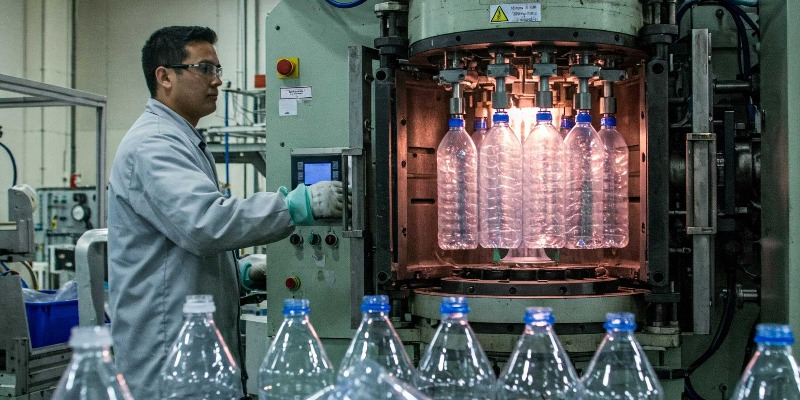 Optimizing Consumption: Advanced Strategies for Energy Efficiency in Plastic Extrusion and Blow Molding
Advanced Techniques and Technologies to Reduce Operating Costs and Environmental Impact in Plastic Processing Plantsby Marco ArezioThe plastic processing industry, a fundamental pillar of numerous manufacturing sectors, relies heavily on energy-intensive processes such as extrusion and blow molding. In an increasingly competitive global economic context, characterized by growing sensitivity towards environmental issues, the optimization of energy consumption is no longer merely an opportunity for savings, but becomes a strategic imperative to guarantee the economic and environmental sustainability of production plants. Analyzing and intervening on energy flows is essential to mitigate significant operating costs and reduce the ecological footprint associated with these processes.The Energy Requirement: A Critical OverviewTo fully understand the potential for efficiency, it is fundamental to outline the typical energy consumption landscape of an extrusion or blow molding plant. The main areas where energy is used and, consequently, potentially dispersed, are multiple and interconnected. At the center are the electric motor drives that power the extruder screws, hydraulic pumps, transport systems, and other mechanical components vital to the process. These motors often represent the predominant share of total consumption.Another critical area is heating. Thermal energy is indispensable to bring the polymer raw material to the optimal processing temperature, maintaining precise thermal conditions along the extruder barrel, in the extrusion dies, molds, and accumulators. This thermal input is typically guaranteed by electric resistances, whose management significantly affects overall efficiency.Parallel to heating, cooling plays a not insignificant energetic role. It is necessary to dissipate the heat generated by the process to solidify the extruded or blown material, control the temperature of the molds, cool the oil of the hydraulic systems, and keep the electronic equipment operational. These cooling processes, often based on water or air circulation, involve energy expenditure for the operation of pumps, fans, and chillers.Finally, the auxiliary systems that support the plant's operations cannot be overlooked. Air compressors (indispensable in the blow molding process and for other pneumatic functions), vacuum pumps, material feeding and transport systems further contribute to the overall energy load. In machines that employ hydraulic systems, the efficiency of pumps and valves has a direct impact on consumption, especially if not adequately sized and controlled.Precisely identifying and quantifying the energy absorbed by each of these areas through targeted energy audits and the implementation of real-time consumption monitoring systems constitutes the essential starting point for outlining an effective efficiency strategy.A Holistic Approach to Efficiency: Key Techniques and TechnologiesEnergy optimization in extrusion and blow molding plants requires a multifaceted approach, integrating the adoption of advanced technologies with the implementation of best operating practices.The core of efficiency often lies in optimizing drives and motors. Replacing obsolete or low-efficiency electric motors with units complying with the highest standards (IE3, IE4 classes and beyond) inherently guarantees lower power absorption thanks to minimized internal losses. However, the most significant impact is achieved with the integration of Variable Speed Drives (VSDs). These devices allow for precise modulation of motor speed based on the actual load and the real needs of the process. This is particularly advantageous for main drives such as extruder screws or hydraulic pumps, which often operate at partial load. By avoiding excessive fixed-speed operation, VSDs enable substantial energy savings, proportional to the speed reduction required by the process.As for heating systems, technological evolution offers decidedly more efficient solutions than in the past. The use of ceramic band heaters or, even better, induction heaters, allows for a more direct and efficient heat transfer to the extruder barrel or molds, drastically reducing thermal dispersion. Induction heaters, in particular, by heating the barrel through induced currents, offer much more reactive and precise thermal control, minimizing heating and stabilization times and dispersion. As a complement, adequate thermal insulation of barrels, dies, and molds is indispensable. The use of custom-designed insulating covers, made with high-performance materials, can significantly reduce heat losses to the surrounding environment, decreasing the energy needed to maintain processing temperatures.Cooling systems also present significant margins for efficiency improvement. A more granular and localized control of cooling fluids, regulating flows and temperatures only where and when strictly necessary, avoids energy waste. Advanced control systems can monitor temperatures in real-time and dynamically adapt the cooling intensity. The adoption of adiabatic or closed-loop cooling systems can also lead to water and energy savings. Closed-loop systems, in particular, minimize the need for water replenishment and the associated treatment costs, reducing the energy used for its movement and refrigeration.Considering auxiliary systems, the efficiency of air compressors in blow molding is crucial. Investing in high-efficiency air compressors, optimizing operating pressure, and implementing rigorous maintenance programs to identify and repair leaks in the distribution network are high-return actions. Furthermore, the heat generated by compressors can be recovered and reused for other purposes, such as heating water or environments, transforming an energy loss into a resource. Similarly, vacuum pumps, if present, should be selected for their efficiency and managed to operate only when needed.Process optimization itself offers further opportunities for savings. An extruder screw design optimized for the specific polymer and final product maximizes the mechanical work imparted to the material, reducing dependence on external electrical thermal input for plasticization. The implementation of advanced control systems based on predictive or adaptive algorithms allows for dynamic management of process parameters (temperatures, screw speed, pressures) to achieve the desired quality with minimum energy expenditure. Reducing production waste and optimizing startup and changeover procedures minimizes downtime and the amount of wasted material and energy.Finally, waste heat recovery represents a powerful strategy to valorize otherwise dissipated energy. Residual heat from the extruder barrel, hydraulic systems, or air compressors can be effectively captured through dedicated heat exchangers and reused to preheat incoming raw material, for process water heating, or even for building heating. This not only reduces the need for primary energy but also contributes to greater integration and circularity of energy flows within the plant.Implementation and Multiple AdvantagesEmbarking on a path towards greater energy efficiency requires thorough analysis and careful planning. A phased approach, starting with interventions with the quickest return on investment (such as VSD installation or thermal insulation), can facilitate the initiation of the process, gradually extending to more complex actions.The benefits deriving from an increase in energy efficiency are multiple and extend beyond simple cost reduction:- Reduced operating costs: The most immediate and tangible benefit is the significant decrease in energy expenses, which positively impacts profit margins.- Increased competitiveness: Lower production costs allow companies to position themselves more aggressively in the market.- Improved sustainability: Reduced energy consumption leads to lower greenhouse gas emissions and a smaller environmental footprint, responding to growing regulatory and social expectations.- Increased productivity: Processes optimized for efficiency also tend to be more stable and performant, reducing machine downtime and increasing overall production capacity.- Longer equipment life: More controlled operation and optimally managed temperatures reduce thermal and mechanical stress on components, extending their lifespan and reducing maintenance costs.Concluding RemarksIn conclusion, energy efficiency in extrusion and blow molding plants is no longer an optional goal but an essential component of modern and responsible industrial management. Through a deep understanding of consumption patterns, the targeted adoption of cutting-edge technologies such as VSDs, high-efficiency motors, advanced heating systems, effective thermal insulation, and the implementation of process optimization and heat recovery strategies, companies can achieve significant savings, improve their sustainability, and strengthen their position in the global market. Investing in energy efficiency means not only cutting costs but also building a more resilient and sustainable future for the plastic industry. Continuous analysis, technological innovation, and commitment to continuous improvement are the fundamental levers to unlock the full potential of efficiency in this vital sector.© Reproduction Forbidden
SEE MORE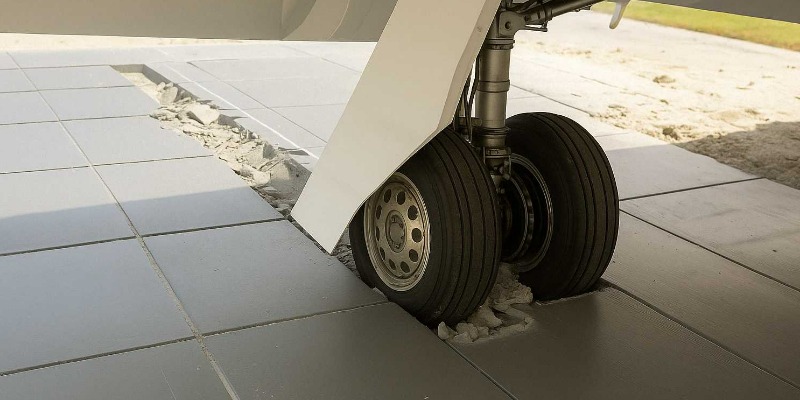 EMAS Safety Systems: Aircraft Arrest Beds Made from Recycled Materials
Innovation and Sustainability in Preventing Runway Excursions at Airports WorldwideAircraft arrestor beds, known as EMAS (Engineered Materials Arrestor Systems), represent an advanced technological solution designed to ensure the safety of aircraft that may overrun the runway during landing or takeoff.These systems, increasingly common at airports around the world, are crucial for preventing potentially catastrophic accidents, safeguarding both passengers and crew.Composition and MaterialsEMAS are engineered to absorb and dissipate the kinetic energy of a moving aircraft, bringing it to a complete stop. Their structure is mainly composed of high energy-absorbing materials, such as cement foam and expanded polystyrene.In recent years, the use of recycled materials has gained attention, adding significant environmental value to the system. For instance, recycled plastic and rubber from decommissioned tires can be incorporated into the materials to enhance sustainability.Cement foam is a mixture that includes air, creating a porous yet strong structure, while expanded polystyrene is known for its lightness and its capacity to deform under stress, absorbing impact energy. Recycled materials, in addition to supporting sustainability, offer the same energy-absorbing properties essential for system functionality.Construction of Aircraft Arrestor BedsThe construction of an EMAS begins with a careful design phase aimed at determining the optimal location and dimensions of the system, based on the type of aircraft operating at the airport and the space available.Next, the site is prepared for installation, including ground leveling and the removal of any obstacles.Once the site is ready, the materials — including recycled ones — are installed with precision. The panels or blocks are positioned and secured firmly. Installation requires great accuracy to ensure the system works effectively in an emergency. Finally, the system undergoes rigorous testing to verify that it meets the required safety standards, including load tests and overrun simulations.How EMAS WorksEMAS operates on the principle of controlled deceleration. When an aircraft overruns the runway and enters the arrestor bed, the tires begin to crush the engineered material, generating progressively increasing resistance. This resistance slows the aircraft until it comes to a complete stop, preventing a potential accident.At the initial point of contact, the material breaks apart under the aircraft’s wheels, and resistance increases as the aircraft moves forward. This deceleration mechanism is designed to be effective for a wide range of aircraft, from small jets to large commercial airliners, and has proven its reliability in many real-world cases.Notable ApplicationsEMAS systems have been successfully implemented in several airports worldwide, demonstrating their real-world effectiveness. A notable example is John F. Kennedy International Airport (JFK) in New York, where EMAS has safely stopped numerous aircraft that overran the runway. Chicago O’Hare International Airport also utilizes these systems to enhance operational safety.In Miami, EMAS systems have been installed to manage similar emergencies, ensuring the safety of passengers and personnel. Another important example is Yeager Airport in West Virginia, where an EMAS successfully stopped a private jet that had overrun the runway, proving the system’s effectiveness even in smaller airports.Benefits and LimitationsEMAS systems offer numerous advantages. First and foremost, they significantly enhance airport safety by reducing the risk of runway excursions, thereby protecting human lives. Their effectiveness is well documented through various incidents that have been safely managed thanks to these systems.Moreover, EMAS can be installed at airports with limited space, where extending the runway is not feasible. The integration of recycled materials also promotes environmental sustainability in aviation infrastructure.However, some limitations exist. Installing and maintaining EMAS systems can be costly, requiring a significant investment. Additionally, they require a dedicated area at the end of the runway, which may not be available at all airports. Over time, the materials used in EMAS may degrade and require regular maintenance to ensure continued effectiveness.ConclusionEMAS represents an innovative and effective solution for enhancing airport safety, particularly in environments with spatial constraints. Their ability to stop aircraft in a controlled and safe manner during emergency situations makes them a key component of modern airport safety strategies.Despite the costs and maintenance requirements, the benefits — in terms of lives saved and accidents avoided — more than justify the investment. The use of recycled materials not only improves sustainability but also marks a step toward a more environmentally responsible aviation industry.© Reproduction Prohibited
SEE MORE Pulper waste from paper mills: waste or resource?
Pulp Waste: How to Turn It Into Molding Polymers in 2026 by Marco Arezio | Updated: March 2026 | Reading time: ~9 min European paper mills face a growing production and environmental challenge every year: managing pulper waste, the solid residue generated during the recycling of waste paper. In 2026, thanks to technological advances and a regulatory framework increasingly geared towards a circular economy—particularly the new European Packaging Recycling Regulation (PPWR, which came into force in 2025 )—this waste is no longer considered a burdensome waste, but a resource to be recovered in the form of recycled LDPE polymer granules. In this updated guide we analyse the industrial process, the technologies available in 2026, the technical critical issues and the main market outlets for the polymer deriving from pulper waste. What is Pulp Waste? The pulper is the heart of the paper mill recycling process: a cylindrical tank in which waste paper is immersed in water and subjected to intense mechanical agitation to separate the cellulose fibers from the foreign materials. The solid residue that cannot be reintroduced into the production cycle is called pulper waste (or pulper rejects). This waste is primarily composed of aluminum and polyethylene (PE) from multi-material food packaging such as Tetra Pak, beverage cartons, and flexible packaging. According to industry data updated to 2025, approximately 8-12% of incoming paper by weight is converted into pulper waste, with higher peaks in paper mills that process mixed fractions from urban waste sorting. At European level, it is estimated that the paper sector generates over 4 million tonnes of pulp waste every year, with landfill or incineration costs still very high and increasingly less acceptable under regulations. The Recycling Process in European Paper Mills in 2026 The industrial process that leads to the formation of pulper waste is divided into well-defined phases: • Maceration in the tank: the waste paper is introduced into the pulper with hot water (40-60°C) and subjected to a rotating mechanical action until the fibres disintegrate. • Coarse filtration: rotating grids and screens retain large materials (rigid plastics, metals, wood). • Fine filtration: the suspended cellulose fibre is separated from the light materials through centrifuges and pressurised screens. • Collection and dehydration: the residue, still with a high humidity content (60-75%), is dehydrated using screw presses or filter presses before being delivered or recycled. By 2026, many paper mills have integrated automatic pre-separation systems with NIR (Near Infrared) optical sensors that increase the purity of the polymer stream upstream of the pulper, reducing the percentage of residual paper and increasing the yield of the final granule. Composition and Characteristics of Pulper Waste The composition of pulper waste varies depending on the type of incoming paper. A typical average composition (dry weight) is as follows: - Average percentage component (dry) - Polyethylene (LDPE/LLDPE) 55 – 70% - Aluminum (flexible foil) 15 – 25% - Residual cellulose (paper) 5 – 15% - Other polymers (PP, PS, etc.) 2 – 8% - Humidity (on the wet mass) 60 – 75% Energy Enhancement Technologies Available in 2026 2026 marks a technological milestone for pulper waste recycling. The main available supply chains are: 1. Granulation of LDPE polymer (main supply chain) This is the most widespread and established technology. The process involves mechanical and densimetric separation, shredding, intensive washing with hot water, drying (essential to reduce moisture content to below 2%), filtration of the melt through fine mesh screens, and pelletization using an underwater cutting head (underwater pelletizing). The resulting granules are classified as recycled LDPE with an MFI between 1 and 3 g/10 min at 190°C/2.16 kg. 2. Recovery of aluminum through pyrolysis (co-product) Advanced Alurec or Thermovac-type systems separate aluminum from PE through low-temperature pyrolysis (approximately 450-500°C) in an inert atmosphere. The aluminum is recovered with a purity greater than 97%; the pyrolysis gas is used as an internal fuel. This technology, already in use in Spain, Portugal, and Brazil, is becoming widespread in Italy and Germany. 3. Compounds and technical materials In 2026, the production of technical compounds from LDPE pulper granules, mixed with PP, HDPE, or mineral fillers (CaCO3, talc), is growing to obtain materials with customized mechanical properties. Some manufacturers use reactive compatibilizers (e.g., maleic anhydride) to improve the cohesion between the PE and the aluminum residues, increasing the impact resistance of the final product. Technical-Production Critical Issues and How to Resolve Them in 2026 The critical issues already identified in 2020 remain current, but in 2026 we have more mature and effective technical solutions: Criticality 1 – High initial humidity (>60%) Problem: High humidity reduces production yields and causes defects in the granules. Solution 2026: Latest-generation high-pressure screw presses reduce moisture content by up to 30-35%; fluidized bed or hot air drying systems complete the reduction to 1-2% before granulation, eliminating outgassing problems. Criticality 2 – Gas during molding Problem: Residual moisture in the pellet causes bubbles and micropores in molded parts. Solution 2026: Degassing twin-screw extruders with multiple venting zones eliminate residual volatility directly during pelletization, eliminating the need for separate pre-drying. Criticality 3 – Presence of residual paper Problem: Cellulose microparticles clog filters and form micropores in the granules. Solution 2026: Continuous melt filtration systems with automatic candle or rotating disc screen changers, with mesh sizes up to 80-100 microns, ensure effective filtration without production downtime. Criticality 4 – Presence of aluminum and aesthetic appearance Problem: Aluminum flakes create heterogeneous surfaces in the final product. Solution 2026: Using carbon black-based opacifying pigments or specific masterbatches allows for standardized product aesthetics. Some processors emphasize the metallic effect as a distinctive aesthetic feature (a 'marble look' effect). Characteristics of LDPE Granules from Pulper in 2026 In 2026, the granule resulting from the valorization of pulper waste has the following standard technical characteristics: • Base polymer: LDPE with content above 90% • MFI (Melt Flow Index): 1-3 g/10 min at 190°C / 2.16 kg (ASTM D1238) • DSC: regular profile, melting temperature 108-115°C • Residual aluminum content: 2-8% by weight (flexible strips) • Residual cellulose content:
SEE MORE Characterization of Plastic Materials: How Temperature and Strain Rate Affect Mechanical Properties
Discover the key parameters for understanding the behavior of polymers under varying stress conditions, improving production processes and in-service performanceby Marco ArezioCharacterizing polymeric materials, commonly referred to as plastics, is one of the fundamental aspects of materials engineering and industrial research. This type of analysis, especially regarding the influence of temperature and deformation rate, makes it possible to understand how these parameters affect the polymer’s mechanical behavior, providing valuable insights for optimizing production processes and ensuring reliable in-service performance.In the design of plastic components, it is essential to know and predict the material’s behavior when subjected to different stress conditions. Temperature and deformation rate are two quantities that, in synergy, modify key parameters such as strength, ductility, elastic modulus, energy dissipation capacity, and fracture mode. Understanding these effects in depth is crucial, particularly in the automotive, electronics, and electrotechnical sectors, as well as in various industrial contexts where polymeric materials are exposed to significantly different temperature ranges and stress rates.Properties of Polymers and Their Viscoelastic NatureTo understand the influence of temperature and deformation rate, it is useful to remember that most plastics exhibit a viscoelastic nature. Unlike metals, polymers show intermediate properties between those of an elastic solid and a viscous fluid. This means that deformation does not occur solely due to elastic contribution (following Hooke’s law), but also due to a viscous component, characterized by permanent or delayed flow (creep, stress relaxation, etc.).Above a certain glass transition temperature (T_g), the polymer’s behavior tends to be more viscoelastic, hence more ductile and temperature-sensitive. Below T_g, the material behaves like a rigid and brittle solid, with lower plastic deformability.Flow and deformation also depend on the molecular arrangement of the polymer chains and the presence of any crystallinity (in semi-crystalline polymers). In an amorphous material (for example, PMMA or PC), the glass transition is the critical point that defines a substantial change in properties. In semi-crystalline polymers (such as PP and PE), in addition to T_g, there is also a melting temperature (T_m) that influences their behavior in service.Influence of Temperature on Mechanical PropertiesTemperature is one of the parameters with the greatest impact on the mechanical response of plastic materials. Generally, as temperature increases, a plastic material tends to decrease its stiffness (elastic modulus) and tensile strength, becoming more ductile. Conversely, at low temperatures, the mechanical behavior becomes more brittle, with a higher elastic modulus.Effects at Low TemperaturesBelow the glass transition (or, in any case, below the normal service temperature range), the polymer becomes stiffer and more brittle. In this condition, the energy absorbed before failure is reduced, fracture behavior is typically brittle, and crack propagation can be very rapid.Effects at Intermediate TemperaturesWhen the temperature approaches the glass transition range, the polymer begins to show a marked reduction in elastic modulus and a significant increase in deformation before failure. It is in this range that the internal viscosity of the polymer matrix decreases significantly, allowing greater chain mobility and more pronounced macroscopic deformation.Effects at High TemperaturesAbove T_g (or, for semi-crystalline polymers, near the crystalline melting point), the material becomes progressively more malleable, with a significant decline in “short-term” mechanical properties such as tensile strength and elastic modulus. In the case of semi-crystalline polymers, if the temperature exceeds T_m, the polymer begins to melt, losing almost all its solid shape; for amorphous polymers, well above T_g the viscosity becomes so low that the piece cannot withstand even modest loads.Determining mechanical values as a function of temperature thus involves standard tests such as hot tensile tests, creep tests at different temperatures, or dynamic mechanical tests (DMA), from which the storage modulus (E’) and loss modulus (E’’) variations with temperature are derived.Influence of Deformation RateDeformation rate represents the other fundamental parameter in the mechanical characterization of plastics. Since polymer chains are partially mobile, they have a certain relaxation time: if deformation occurs very slowly, the material has more time to reorganize its molecular structure, showing more viscous and less rigid behavior. On the other hand, if the strain rate is high, deformation occurs faster than the chains can reorganize, and the material responds in a more “elastic” (or at least less flow-prone) manner.Low Deformation RateAt low strain rates, one observes greater deformation before failure, with a lower breaking load. Many polymers show creep phenomena if the stress persists over time.High Deformation RateUnder a high deformation rate, the material undergoes an apparent increase in stiffness and a rise in breaking load. However, plastic deformation and the time available to dissipate energy are reduced, sometimes leading to more brittle failure. This is particularly relevant in impact tests (Charpy or Izod) and in applications such as the automotive industry, where a plastic component may be subjected to high dynamic loads in very short times.The constitutive laws describing the behavior of polymers as a function of deformation rate often stem from viscoelastic models and strain-rate-dependent plasticity models. One commonly used parameter is the relaxation modulus, which varies with loading frequency (or strain rate).Experimental Characterization: Tests and MethodologiesExperimental characterization to evaluate the influence of temperature and deformation rate in plastics is based on various test methods, each capturing distinct aspects of mechanical behavior.Static Tensile Tests at Various TemperaturesStandard specimens (usually dog-bone shaped, following standards such as ISO 527 or ASTM D638) are prepared, and tensile tests are performed at different temperatures. These tests help evaluate how elastic modulus, breaking load, and elongation at break vary with temperature.Tensile Tests at Different SpeedsFollowing similar procedures, the load application speed is varied (e.g., 1 mm/min, 10 mm/min, 100 mm/min, and so forth). These tests highlight the effect of strain rate on mechanical properties, resulting in distinct stress-strain curves for each condition.Dynamic Mechanical Analysis (DMA)Dynamic Mechanical Analysis measures the viscoelastic behavior of the material under a sinusoidal dynamic load, generally as a function of temperature. DMA provides information on the storage modulus (E’) and loss modulus (E’’), helping to locate the glass transition temperature and understand how the material dissipates internal energy at various loading frequencies. It is particularly useful for understanding strain rate dependence, since the DMA’s oscillation frequency is analogous to different deformation rates.Impact TestsCharpy or Izod tests assess the polymer’s impact resistance. They help determine ductility and the ability to absorb energy at very high deformation rates, highlighting brittle-ductile transition phenomena that may occur at certain temperatures.Creep and Stress Relaxation TestsTo analyze how the polymer deforms over time under constant loads or how stress decreases under a constant deformation, these tests are carried out at controlled temperatures (for example at 23°C, 50°C, 80°C). In creep tests, a constant load is applied, and the evolving deformation over time is monitored; in stress relaxation tests, a constant deformation is applied, and the decrease in stress over time is observed. Both tests clearly demonstrate the viscoelastic nature of the polymer and how it changes with temperature.Analysis and Design ImplicationsBy combining experimental results, it is possible to construct predictive models of plastic material behavior under various service conditions. The data obtained are usually summarized in diagrams and curves that relate maximum stress to deformation rate and temperature. These diagrams have practical applications in the design of plastic components subject to static, dynamic, or impact loads.Relevant Design Aspects:Safety FactorIn both industrial and automotive environments, one must consider that strength values calculated at room temperature and low deformation speeds may not be conservative if the material must operate at high temperatures or undergo high-speed impacts. Consequently, design criteria must include safety factors that account for these variations.Polymer SelectionWhen selecting a polymer, one must carefully evaluate the T_g and/or T_m, thermal stability, and mechanical response at various loading rates. There are also special formulations (blends or composites with reinforcements) that extend the usable temperature range or improve impact resistance.Processability and Production Cycle OptimizationDuring injection molding or extrusion, temperature plays a central role: the polymer must be sufficiently fluid for proper processing, but not so much as to compromise the integrity of the product. Furthermore, a thorough understanding of mechanical response at various deformation rates is crucial for determining molding parameters (injection speed, pressures, cooling times).In-Service BehaviorMany applications involve impact loads (e.g., automotive bumpers) or repeated deformation cycles (mechanical components subjected to vibrations). Under these circumstances, strain rate dependence requires detailed analyses of fatigue and impact resistance, also taking into account the effect of ambient temperature fluctuations.ConclusionsThe analysis of temperature and deformation rate is essential for studying the mechanical properties of plastic materials. Being inherently viscoelastic, polymers undergo profound modifications in their characteristics depending on how and how quickly they are stressed, as well as the temperature range in which they operate.From a practical standpoint, proper characterization of these effects enables the design of safer parts and the avoidance of unexpected failures. At the same time, it forms the basis for developing new polymer alloys and composites capable of offering improved performance. Additionally, understanding these phenomena is relevant in production environments where rapid deformation of the product and temperature changes are common, such as in injection molding or hot forming of semi-finished products.Finally, the adoption of appropriate testing methodologies (tensile, impact, DMA, creep tests) is crucial for defining design data and predicting the in-service response of finished components. Only a comprehensive understanding of the interactions between temperature and deformation rate can provide designers with the complete perspective needed to ensure that the chosen polymer optimally meets the demands of the final application.The importance of these evaluations is also strongly evident in the context of the circular economy and polymer recycling: having in-depth knowledge of their rheology and rheo-mechanical behavior across a wide range of conditions makes it possible to extend the useful life of these materials through recovery and reuse processes, maintaining adequate performance and reducing the overall environmental impact.© Reproduction Prohibited
SEE MORE Spectroscopic Technology for Plastic Recycling: Revolutionizing the Circular Economy
Optimizing Recycling with Spectroscopic Separation of Plastic Flakes: Efficiency, Precision, and Sustainability The separation of plastic flakes through spectroscopy is an advanced technological process that fits within the broader context of the circular economy, aiming at the efficient recovery of plastics for their reuse. Spectroscopy, in particular, plays a crucial role in this process thanks to its ability to identify different types of plastics based on their optical properties. The process can be divided into several key phases that illustrate the technical functioning of this methodology. To better understand the technical steps of separating plastic flakes through spectroscopy, it is useful to delve into each phase, analyzing the details and specific methodologies employed. This process, fundamental within the circular economy, allows for the optimization of the recycling of plastic materials through a precise classification based on the optical properties of the materials. Preparation of the Flakes Before proceeding with spectroscopic separation, the plastic flakes must be prepared to ensure the accuracy of the results. This preliminary step includes: Cleaning: The flakes are washed to remove foreign substances that could alter the analysis, such as organic residues, oils, or other contaminants. This cleaning is crucial to avoid interference during the spectroscopic detection phase. Drying: After cleaning, the flakes are dried to remove residual moisture, which could affect the interaction of light with the plastic material. Homogenization: The size and shape of the flakes can vary. In some cases, it is necessary to standardize them to improve the efficiency of separation in later phases. Illumination and Detection This phase is central to the spectroscopic separation process and relies on optical principles for the identification of materials: Illumination: The flakes are exposed to light sources that can vary in terms of wavelength. This can include visible light, infrared (IR), or ultraviolet (UV), depending on the type of plastic to be identified. Detection: Spectroscopic sensors capture the light reflected, transmitted, or emitted by the flakes. These collected data reflect the unique characteristics of each type of plastic. Spectroscopic Analysis The analysis of the collected data is a complex process that requires advanced technologies. Data Processing: The signals collected by the sensors are analyzed using specialized software that compares the measurements with a database of known spectroscopic "fingerprints" for each type of plastic. Identification: Thanks to these comparisons, the system is able to precisely identify the type of plastic of each flake, based on its unique optical properties. Physical Separation Once identified, the plastic flakes are ready to be physically separated: Separation Technologies: Automated systems, such as conveyor belts equipped with air blowers or mechanical clamps, can be used to separate the flakes based on the type identified during the spectroscopic analysis. Differentiated Collection: The separated flakes are then collected in distinct containers, ready for transport to the appropriate recycling facilities. Collection and Recycling Specific Recycling: Once accurately separated, the plastic flakes can be recycled more efficiently, producing high-quality materials that reduce the need for new raw materials. Contribution to the Circular Economy: This process of separation and recycling emphasizes the importance of spectroscopic technology in optimizing the life cycle of plastic materials, promoting sustainable practices, and reducing environmental impact. A Look at the Types of Spectroscopic Machines for the Separation of Plastic Grindings Spectroscopic machines for the separation of plastic flakes represent advanced technology in the field of recycling. These systems are designed to identify and separate different types of plastic materials with high precision, exploiting the unique optical properties of each type of plastic. Although various technologies and configurations exist, the fundamental technical characteristics common to many of these machines include: Spectroscopic Technologies Employed NIR Spectroscopy (Near Infrared): Uses the near-infrared region of the electromagnetic spectrum to identify different types of plastic. It is particularly effective for discriminating between complex polymers. Raman Spectroscopy: Utilizes Raman spectroscopy to analyze the molecular structure of the flakes. This technique is useful for identifying plastics with specific additives or fillers. UV Spectroscopy (Ultraviolet): Employed to identify certain types of plastics that absorb or reflect UV light in a characteristic way. Illumination and Detection Light Sources: Various light sources, including LEDs, lasers, or discharge lamps, are used to illuminate the plastic flakes. The choice of light source depends on the spectroscopic technology employed. Sensors: High-sensitivity sensors, such as photodiodes, photodiode arrays, or CCDs (Charge-Coupled Device), detect the light reflected, transmitted, or emitted by the flakes for analysis. Data Analysis and Software Data Processing: The information collected by the sensors is processed through advanced algorithms to identify the type of plastic based on its spectroscopic signature. User Interface: Intuitive software allows operators to monitor the process, adjust settings, and view analysis results in real time. Separation Capacity and Speed High Processing Capacity: The machines are designed to treat large volumes of material, maintaining high efficiency and precision. Separation Speed: The speed at which the flakes are separated can vary, but many machines are capable of processing several kilograms of material per minute, depending on the size and configuration of the system. Versatility and Adaptability Adaptability: Some machines offer the flexibility to be adapted to recognize and separate a wide range of types of plastic, including new materials or compounds with specific characteristics. Modular Configuration: The possibility to add or remove functional modules to meet specific separation needs. Sustainability and Energy Efficiency Low Energy Consumption: Designed to be energy efficient, reducing the overall energy consumption of the recycling plant. Waste Reduction: By improving the accuracy of separation, these machines help to reduce waste, increasing the amount of recyclable material recovered. Spectroscopic machines for the separation of plastic flakes thus represent a key element in advancing the circular economy, offering advanced technical solutions for improving the recycling of plastic materials. In conclusion, the separation of plastic flakes through spectroscopy represents a significant innovation in the field of material recycling.
SEE MORE Aging and Degradation of Recycled Polymers
We often talk about the degradation of recycled polymers due to factors concerning the transformation and recycling phases of raw materials, with negative consequences on the final product.Less is said about the aging phenomena of polymers that concern the amorphous ones and the amorphous part of the semicrystallines, below the glass transition temperature.While for aging the temperature conditions can affect or recover an ideal state of the polymer, degradation is, in itself, a more complex issue because it concerns, not only the components of the recycled polymer recipe, but also the processes of use. of the polymers themselves.Not being able to analyze the aging and degradation behaviors of all the compositions of recycled plastics, especially as regards those that come from post-consumption, we limit ourselves to illustrating the main causes that can determine the factors described above.The temperatureIf we take the conventional temperature at 20 ° we can say that the variations, positive or negative of the same, generate in the polymer significant changes in the mechanical characteristics and their behavior, which can change from ductile to brittle.In particular, the thermal degradation can be chemical, with the determination of the breakage of the links of the chains, or physical, with behavioral variations with respect to the status at the glass transition temperature.While physical degradation is always reversible, for the chemical one we always speak of the irreversibility of the phenomenon.Thermal degradation can be expressed visually with the yellowing of the product or in the partial loss of color.FireMost plastics are combustible and when they come into contact with high temperatures they can burn and develop harmful gases.When making the products, the fire behavior must be taken into consideration which, in addition to influencing the stability of the product, can create dangerous phenomena of toxicity.In some materials, however, the combustion is delayed or even inhibited thanks to the presence in them of significant quantities of chlorine (as in PC) or fluorine (as in PTFE or ETFE).Quick CoolingAs we have seen previously, a sudden change in temperature can cause aging in polymers. For example, a too fast cooling in the production phase of the product can create a phase of imbalance in the molecules with respect to the starting neutral state.However, with time, the macromolecules tend to move towards a condition of equilibrium, however, causing a slight decrease in volume, an increase in rigidity and thickening of the material.The SolventsPolymers such as PE, PVC, PTFE or ETFE, do not corrode electrochemically like metals, normally offering good resistance to acids on an inorganic basis, but can react with organic solvents (e.g. acetone) and sometimes with water (for example nylon).In this situation we can find as negative effects the breaking of the intermolecular bonds, the decrease of the elastic modulus and the swelling of the materials.OxidationThe reduction of mechanical properties can also be determined by oxidation: free radicals from the breaking of chemical bonds of the chains fix oxygen. Particularly sensitive to this type of degradation is polypropylene.Ultraviolet RaysThe action of ultraviolet rays is harmful in the long run, because it not only deteriorates the appearance of the material by bleaching or browning it, but also reduces its mechanical properties.Automatic translation. We apologize for any inaccuracies. Original article in Italian.
SEE MORE Ecological Screen Printing Inks: Green Revolution in Printing
Complete Guide to the Environmental and Operational Benefits of Sustainable InksGrowing environmental awareness and increasingly stringent regulations have pushed the screen printing industry towards the adoption of more sustainable inks.Ecological screen printing inks represent an innovative and responsible response to this need, combining high-level printing performance with a reduced environmental impact.In this article, we will explore the nature, production and advantages of eco-friendly screen printing inks over traditional alternatives.Definition and Types of Ecological Screen Printing InksEco-friendly screen printing inks are special formulations designed to minimize the environmental impact associated with the production, use and disposal of inks used in the screen printing industry.This category of inks stands out for the use of less harmful, sustainable components and, where possible, derived from renewable sources. The definition of “green” encompasses a range of attributes, including reducing the use of toxic substances, decreasing emissions of volatile organic compounds (VOCs), and using biodegradable or recyclable materials.Types of Ecological Screen Printing InksThe diversification of ecological screen printing inks allows them to respond to specific sustainability and application needs, mainly including:Water-based inksThese inks use water as the primary solvent, largely replacing petroleum-based solvents. They are less volatile and toxic than their solvent counterparts. They are particularly suitable for printing on fabrics, paper and cardboard, where the absorption of the material compensates for the slower drying speed compared to solvent inks.UV inksUV inks harden or polymerize when exposed to ultraviolet light. This process transforms the ink from liquid to solid without the evaporation of solvents, almost completely eliminating VOC emissions. These inks are used on a wide range of substrates, including plastic, metal, glass and wood, thanks to their excellent adhesion and durability.Soy and Vegetable Based InksComposed primarily of vegetable oils (such as soybean oil), these inks replace mineral oils and petroleum-based solvents. They offer high-quality printing with less dependence on fossil resources. They are ideal for printing on paper and cardboard, offering good print definition and helping to facilitate the recycling of printed material.Common BenefitsDespite the differences, all these typologies share key advantages that make them preferable in an ecological context:Lower Environmental Impact: They reduce harmful emissions and the use of non-renewable resources.Safety and Health at Work: They reduce exposure to dangerous substances for operators.Compatibility with Environmental Regulations: They help companies comply with increasingly rigorous environmental standards and regulations.The choice between these types depends on the specific application needs, the desired sustainability and the characteristics of the material to be printed. The continuing evolution of eco-friendly screen printing ink technology promises further improvements in performance and environmental impact, pushing the industry towards more sustainable practices.Where and how screen printing inks are usedScreen printing inks find application in a wide range of sectors and on different types of materials, thanks to their versatility and ability to offer high-quality prints on different surfaces. Below, some of the main application areas of screen printing inks are explored:TextileScreen printing is a technique widely used in the textile sector for the decoration of clothing, furnishing fabrics and accessories. Water-based screen printing inks, in particular, are very popular for printing on fabrics, as they are less harmful to the environment and to those wearing the printed garments.Paper and CardboardScreen printing inks are used for printing on paper and cardboard in a variety of applications, including packaging, posters, postcards, and promotional materials. Screen printing allows you to obtain particular effects, such as shiny, metallic or textured finishes, which add value to printed objects.ElectronicsIn the electronics sector, screen printing inks are used for printing printed circuits, membrane keyboards, displays and various electronic components. In this context, conductive inks and UV inks are often used due to their specific properties, such as electrical conductivity or resistance to solvents and abrasion.Glass and CeramicsScreen printing is also used in glass and ceramic decoration, for example in bottles, glasses, tiles and crockery. The inks used in these applications must withstand high temperatures and baking processes, maintaining brilliance and color fidelity.Advertising and Signage IndustryScreen printing inks are ideal for the production of signs, stickers, banners, and promotional material thanks to their external durability and resistance to atmospheric agents. This application takes advantage of screen printing's ability to print on plastic and metallic materials, as well as more traditional supports.Promotional ItemsPromotional items such as pens, USB sticks, gadgets and gift items are often decorated using screen printing. The technique allows you to apply logos and promotional messages on surfaces of different shapes and materials, with high precision and quality.Production Process of Ecological Screen Printing InksThe production process of eco-friendly screen printing inks represents an expression of commitment to sustainability and innovation in the printing industry.This process stands out for its emphasis on the selection of raw materials with less impact on the environment, the optimization of production processes to reduce waste and energy consumption, and attention to the safety and health of operators. Let's see the main phases in detail:Selection of Raw MaterialsThe first phase in the production process of ecological screen printing inks concerns the careful selection of raw materials. This includes:Eco-friendly pigments: We opt for non-toxic pigments and preferably of natural origin or with less impact on the environment compared to traditional synthetic pigments.Natural or Biodegradable Binders: Vegetable oils (such as soybean oil) or other natural substances are used as binders in place of petroleum-based binders.Solvents with Low Environmental Impact: In cases where the use of solvents is necessary, those with low volatility and less toxicity are preferred, such as water in water-based inks.Ink FormulationDuring the formulation phase, selected ingredients are mixed in precise proportions to achieve desired ink characteristics, such as viscosity, color, and fastness. This process requires specific technical skills to balance the ecological properties of the ink with the needs of printing performance.Production and Quality ControlOnce formulated, the ink undergoes a manufacturing process that may include steps such as grinding to reduce the size of the pigments and improve the finish, and homogenization to ensure uniform distribution of the components.Throughout the manufacturing process, strict quality controls are applied to ensure that the final ink meets technical and environmental specifications.Packaging and DistributionThe ecological screen printing inks are then packaged in containers specially chosen to minimize the environmental impact, preferring recycled or recyclable materials. Distribution is planned to reduce CO2 emissions, for example by grouping shipments or using environmentally friendly means of transport.Problems and InnovationsThe production of ecological screen printing inks presents various problems, such as maintaining printing performance at levels comparable to those of traditional inks while respecting ecological criteria.Constant innovation in materials and production techniques is key to overcoming these issues, making eco-friendly inks an increasingly viable choice for the printing industry.Environmental and Operational Benefits of Eco-Friendly Screen Printing InksEco-friendly screen printing inks offer a number of significant advantages over their traditional counterparts, not only from an environmental perspective but also in operational terms.These benefits reflect the growing importance of sustainability in manufacturing and purchasing decisions, without neglecting the efficiency and quality of the printing process.Environmental BenefitsReduction of Harmful EmissionsEco-friendly inks minimize or completely eliminate the use of volatile solvents, responsible for emissions of volatile organic compounds (VOCs) into the atmosphere. This not only reduces air pollution but also helps to improve the quality of the working environment by reducing workers' exposure to potentially harmful substances.Less Impact on Health and SafetyThe safer composition of eco-friendly screen printing inks reduces the risk of allergic reactions, respiratory problems and other health problems related to the use of harsh chemicals. This also means that fewer personal protection and ventilation measures may be needed, making the working environment safer and more pleasant.Sustainable Use of ResourcesThe use of renewable raw materials, such as vegetable oils, and pigments with less impact on the environment, promotes the sustainable use of resources. Furthermore, the high biodegradability of many ecological inks facilitates the disposal process, reducing the ecological footprint of the finished product.Operational AdvantagesEfficiency in Cleaning and MaintenanceWater-based and UV inks require less aggressive cleaning procedures than solvent-based inks. This translates into less downtime and reduced use of chemicals for cleaning, resulting in lower operating costs and less environmental impact.Versatility and Print QualityDespite their eco-friendly nature, eco-friendly screen printing inks offer excellent print quality, with vibrant colors and good resistance over time. They are suitable for a wide range of substrates, including fabrics, paper, plastic and metal, offering great versatility to operators in the sector.Compatibility with Environmental RegulationsThe use of ecological inks facilitates compliance with increasingly stringent environmental regulations, helping companies to avoid sanctions and improve their image among consumers, who are increasingly attentive to sustainability.Comparison with Traditional InksThe transition towards the use of eco-friendly screen printing inks represents a significant turning point for the printing industry, responding to the growing need for environmental sustainability. To better understand the added value of eco-friendly inks, it is useful to examine the main differences compared to traditional screen printing inks in various aspects.Chemical compositionTraditional Inks: Traditionally, screen printing inks are formulated with a base of volatile solvents, synthetic pigments, and petroleum-derived resins, which can emit volatile organic compounds (VOCs) harmful to the environment and human health.Ecological Inks: On the contrary, ecological inks are developed with the intention of reducing or eliminating the presence of such harmful substances. They use water-based solvents, vegetable oils, natural or less toxic pigments, and biodegradable binders, resulting in significantly reduced VOC emissions.Environmental impactTraditional Inks: The use of solvents and petroleum-based components entails a high environmental impact, from production to disposal, including risks of contamination of air, water and soil.Ecological Inks: Ecological screen printing inks minimize environmental impact at all stages of their life cycle. Their production, use, and disposal present much lower environmental risks, thanks to the use of renewable raw materials and reduced toxicity.Health and Safety at WorkTraditional Inks: Long-term exposure to solvents and other toxic components of traditional inks can have negative effects on the health of operators, requiring the use of personal protective equipment and adequate ventilation systems.Eco-Friendly Inks: The safer formulation of eco-friendly inks reduces the risk of health problems and improves working conditions, limiting the need for specialist protection and ventilation measures.Performance and ApplicabilityTraditional Inks: Traditional inks are known for their durability, weather resistance, and versatility on different surfaces. These characteristics have made them the prevalent choice in many industrial and commercial applications.Ecological Inks: Although in the past ecological inks may have had limitations in terms of performance compared to traditional inks, recent technological developments have significantly improved their quality, resistance and versatility, making them competitive in multiple applications.CostsTraditional Inks: Generally, traditional inks are lower in cost than eco-friendly variants, primarily due to the widespread availability and lower cost of petroleum-based raw materials.Eco-Friendly Inks: Eco-friendly inks may have a higher initial cost, given the higher price of sustainable raw materials and less polluting production processes. However, this cost is often offset by the benefits in terms of health, safety and environmental compliance, as well as improved corporate image.
SEE MORE