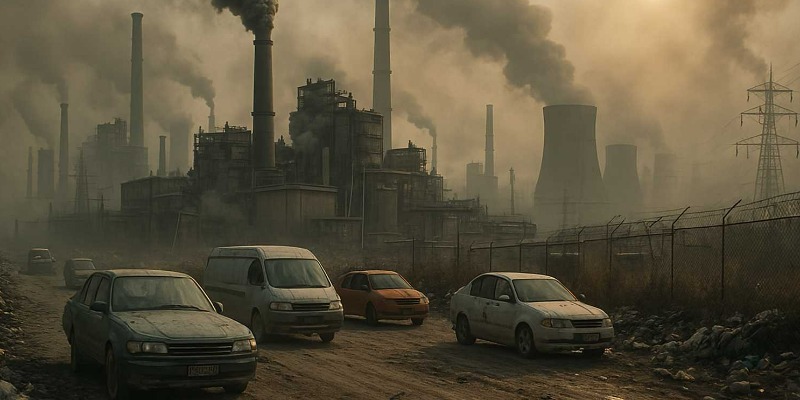





- Air Pollution: How Outdoor Air Threatens Global Health
- Indoor pollution: progress in reducing domestic deaths
- Contaminated water: 1.3 million deaths linked to water pollution
- Traffic and industries: the main sources of external pollution
- Pollution-Caused Diseases: Impacts on the Heart, Lungs and Brain
- Global solutions to combat pollution: sustainable technologies and policies
- Energy transition: the role of renewable sources in the fight against pollution
- Environmental education: the importance of awareness in protecting health
Air, Indoor, and Water Pollution Continue to Threaten Global Health: Causes, Impacts, and Solutions to Tackle a Persistent Crisis
By Marco Arezio
Pollution remains one of the most serious global public health and environmental issues, with a dramatic toll: around 9 million deaths per year. Although this number has remained stable since 2015, it conceals significant changes in the underlying causes.
According to the latest international public health research, pollution continues to be one of the leading causes of mortality, especially in developing countries, although its dynamics are evolving.
Indoor Pollution in Decline: The Effect of Housing Improvements
In recent years, a significant reduction in deaths linked to indoor pollution—caused by poor air quality inside homes—has been observed. This positive trend is particularly evident in low- and middle-income countries, where improvements in housing infrastructure and access to cleaner energy sources have reduced the use of solid fuels like wood and coal for cooking and heating.
These fuels release fine particulate matter (PM2.5) and other toxic substances that can cause chronic respiratory diseases, pneumonia, and other deadly conditions, especially among women and children.
The adoption of more modern and sustainable solutions such as electricity and natural gas has improved indoor air quality and, consequently, the health of the most vulnerable populations. However, this energy transition is not yet universal and remains a goal still to be achieved in many rural and urban areas of underdeveloped countries.
The Rise of Outdoor and Industrial Pollution
While indoor pollution is decreasing, outdoor air pollution continues to worsen, with serious consequences for public health. Global population growth, increasing industrial activity, and the rising number of vehicles on the roads all contribute to higher emissions of gases and fine particulate matter into the environment.
The main sources of outdoor pollution include:
- Vehicular traffic: Car exhaust, especially from diesel engines, releases nitrogen oxides (NOx), carbon monoxide (CO), and particulates that penetrate deep into the lungs.
- Industries: Emissions from manufacturing, chemical production, and energy generation account for a significant share of global pollution, especially in countries with lax environmental regulations.
- Urban expansion: Infrastructure development and widespread cement construction further degrade air quality in cities.
These factors are responsible for the increasing incidence of heart disease, strokes, lung cancer, and chronic respiratory illnesses. The situation is particularly critical in megacities across Asia and Africa, where air pollution has reached unsustainable levels.
Polluted Water: An Underestimated Threat
One often overlooked aspect is the impact of water pollution on global health. According to recent estimates, over 1.3 million deaths annually are attributable to contaminated water consumption and the lack of adequate sanitation facilities. Polluted water may contain pathogenic bacteria, heavy metals, and toxic chemicals from industrial discharge, untreated waste, and pesticide runoff.
The consequences of contaminated water are particularly devastating in developing countries, where diseases such as cholera, diarrhea, and hepatitis A continue to claim lives, especially among children. Access to clean and safe drinking water remains a global priority, as it is one of the most effective measures to reduce pollution-related mortality.
Solutions and Necessary Interventions
Addressing the global pollution emergency requires a multidisciplinary and coordinated international approach. Key actions include:
- Reducing industrial and transport emissions: Investing in cleaner technologies, improving environmental regulations, and promoting the use of sustainable transportation.
- Energy transition: Promoting renewable energy sources to reduce dependence on fossil fuels.
- Improving access to clean water: Investing in water infrastructure and purification systems, particularly in vulnerable areas.
- Education and awareness: Informing populations about the risks of pollution and encouraging more sustainable practices.
Conclusion
Pollution remains one of the leading causes of death worldwide, but its dynamics are shifting. While progress is being made in reducing indoor pollution, outdoor air and water pollution remain urgent challenges.
Investing in sustainable solutions and adopting stricter environmental policies is essential to protect human health and the environment, ensuring a safer and cleaner future for generations to come.
© Reproduction Prohibited