- Why Romania is the hotspot for textile waste in Europe
- The impact of fast fashion on used clothing trafficking
- How European Textile Waste Ends Up in Romania
- Legislative weaknesses that fuel illegal trafficking
- The environmental cost of illegal clothing dumping
- Illegal Routes: The Journey of Textile Waste to Romania
- Corruption and economic vulnerability: the internal causes of the phenomenon
- Low-cost labor and weak recycling culture in Romania
- Local and institutional initiatives to combat waste trafficking
- Sustainable fashion: the key to reducing textile waste in Europe
The reasons behind Romania's choice as the preferred destination for discarded clothing: strategic geography, low costs, and weak controls
By Marco Arezio
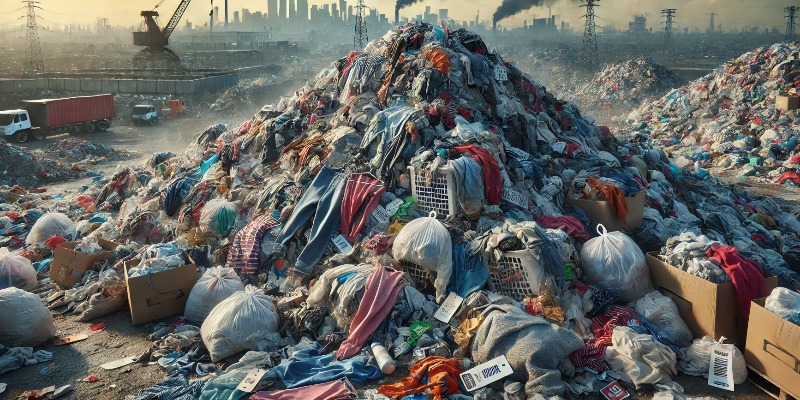
The fashion industry, particularly the fast fashion sector, produces enormous amounts of low-cost and short-lived clothing each year. In Europe, it is estimated that every citizen discards around 11 kilograms of clothes annually, contributing to millions of tons of textile waste. A significant portion of this waste is exported to Eastern European countries, including Romania, with the declared intent of reuse or recycling.
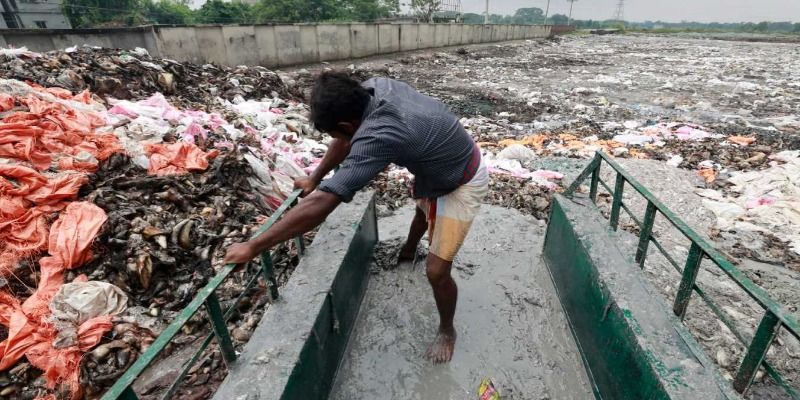
However, investigations have revealed that a considerable amount of this clothing ends up in illegal landfills or is burned, causing severe environmental damage. Romanian authorities have discovered numerous unauthorized sites where textile waste is accumulated without compliance with environmental regulations, contaminating soil and groundwater.
Why has Romania become the center of the textile waste route in Europe?
Romania has emerged as one of the main destinations for illegal textile waste from across Europe due to a combination of geographical, economic, and legislative factors.
Strategic geographical location: Romania is ideally situated as a transit point between Western European countries, where most textile waste is generated, and the Balkan and Asian regions. Its well-developed transport network facilitates the rapid movement of large quantities of goods, including illegal shipments.
Weaker legislation and controls: Romania’s goods traceability systems are less effective than in other EU countries. Falsified documents easily bypass controls, allowing the import of non-recyclable materials.
Lower waste management costs: Waste management in Romania is significantly cheaper than in other European countries, attracting companies seeking economical disposal solutions.
Availability of low-cost labor: Romania’s low-cost workforce is often exploited to sort textile waste under precarious conditions.
Weak local economy and corruption: Economic vulnerability and documented cases of corruption facilitate illegal activities linked to waste trafficking.
Weak recycling culture: With one of the lowest recycling rates in the EU, Romania struggles to handle imported textile waste, which accumulates rapidly.
Gray area of reuse: Waste is often labeled as destined for resale or reuse, but a large portion is not actually recyclable and exacerbates the environmental problem.
The routes of illegal trafficking
The mechanism behind this illicit trade often involves European companies that, to reduce disposal costs, export used clothing labeled as "second-hand products" intended for resale or donation.
Once in Romania, instead of being properly processed, these garments end up in illegal landfills or are burned.The main routes pass through various European countries, with shipments often bypassing customs controls thanks to falsified documentation. This system violates European regulations on waste transport and highlights shortcomings in transnational control mechanisms.
Environmental and health impact
The uncontrolled accumulation of textile waste has devastating environmental consequences. Synthetic materials release microplastics and harmful chemicals into the soil and water, while illegal burning releases dioxins and toxic compounds into the air, increasing respiratory diseases and other health risks in local communities.
Illegal landfills not only pollute the environment but also compromise local agricultural activities and degrade landscapes, reducing residents’ quality of life.
Institutional responses and local initiatives
In response to this crisis, Romanian authorities have intensified efforts to identify and dismantle networks involved in the illegal trafficking of textile waste. Joint operations with European agencies have been launched to monitor transport routes and strengthen border controls.
Meanwhile, non-governmental organizations and local communities are promoting initiatives to raise awareness about sustainable waste management. Creative recycling projects and educational campaigns aim to engage citizens in reducing the environmental impact.
Towards a more sustainable fashion industry
The situation in Romania highlights the urgent need to rethink the entire lifecycle of textile products. The European Union is working to introduce eco-design criteria and promote the use of recycled materials. For consumers, adopting more conscious purchasing habits, such as choosing ethical brands and embracing the second-hand market, can make a difference.
Conclusion
Romania, with its illegal landfills, serves as a wake-up call for the consequences of unchecked textile consumption. Addressing this challenge requires a collective effort from institutions, industries, and citizens to create a more sustainable future.
© Reproduction Prohibited