








 How Furanic Resins Are Revolutionizing Concrete: Chemical Resistance and Durability in the Construction of the Future
From Agricultural Chemistry to Construction Site Innovation: How Furan Resins Reinforce Concrete and Mortars for Greater Structural Resistanceby Marco ArezioIn an increasingly demanding construction landscape—where buildings must endure extreme environmental conditions, chemical contamination, and sustainability challenges—the adoption of innovative materials has become essential. Among the most promising solutions, furan resins are emerging as key players in the world of concrete and specialized mortars, offering properties that go well beyond those of traditional cementitious binders.These resins, rooted in organic chemistry of agricultural origin, are not new to the industrial sector, where they’ve long been valued for their chemical resistance. But it’s in the building sector that their full potential is now being realized, especially in situations where ordinary concrete simply isn’t enough.A Chemical Overview: What Are Furan Resins?To fully understand the technical value of furan resins, we need to take a step back and look at their molecular structure. Furan resins are primarily derived from a compound called furfural, which is obtained through hydrolysis and subsequent distillation of lignocellulosic biomass (such as corn cobs, bran, or oat husks)—in other words, from agricultural waste rich in pentosans.Chemically speaking, the molecules forming these resins are aromatic five-membered rings containing one oxygen atom, known as the furan ring. This ring is stable, rigid, and highly resistant to chemical attack. When furfural undergoes polymerization—either through strong acids or heat—it creates a three-dimensional cross-linked structure, forming a durable, thermally stable, and chemically inert polymer network.Polymerization can be self-initiated (via heat) or catalyzed using acids or metal salts, depending on the intended application. The resulting material has the following key characteristics:- High resistance to solvents, acids, and alkalis- Thermal stability up to 150–180 °C in continuous service (even higher for short durations)- Low permeability to liquids and gases- Thermoplastic behavior during initial processing and thermosetting behavior after curingThis unique configuration makes furan resins among the most stable thermosetting materials available on the market, and ideal candidates for use in chemically hostile environments or where mechanical stress is significant.A Chemical Bond That Changes the GameIncorporating furan resins into concrete transforms the material's microstructure. These aren’t mere additives; they function as secondary binders, dispersing throughout the cement matrix and significantly altering its properties. The result? A concrete mix that’s far more resistant to chemical attack, moisture infiltration, and physical degradation over time.Specifically, their molecular structure blocks the ingress of aggressive agents such as acids, bases, salts, and organic solvents. This leads to a drastic reduction in porosity and, consequently, permeability—greatly enhancing the protection of embedded steel reinforcements, which are especially vulnerable to corrosion in industrial or marine environments.More Durable, More Stable, Less FragileUnlike traditional concrete, which can crack prematurely, carbonate, or deteriorate under freeze-thaw cycles, furan resin-enhanced concrete offers superior durability. Its mechanical performance is significantly enhanced: it resists compression, bending, and dynamic loads far more effectively. Even in damp or chemically aggressive environments—such as wastewater treatment plants or chemical industries—this concrete retains its structural integrity for decades.Thermal stability is another notable advantage: furan resins degrade very slowly at high temperatures, allowing concrete to be used in structurally demanding environments such as power plants or industrial facilities operating under constant heat.The Mix: A Balance of Chemistry and EngineeringCreating concrete with furan resins requires specialized knowledge and precise formulation. The mix must be finely calibrated: the resin dosage, water-to-cement ratio, aggregate selection, and use of any plasticizers or accelerators all influence the final performance.Resins are usually added in the liquid phase using dedicated blending systems to ensure homogeneous distribution. The mix may be denser and more viscous than conventional concrete, but workability can be optimized with the right admixtures. The setting time is relatively fast—a clear advantage for fast-paced construction—but it demands tight coordination during placement.Placement and Best Practices on SitePlacing furan-based concrete requires close attention, particularly to ensure proper compaction and even distribution. Working conditions must be carefully managed: low temperatures slow down curing, while excessively high temperatures can cause premature setting. Proper curing is essential—contractors often use covers or misting systems to prevent water loss and ensure uniform hardening.The most visible benefit appears over time: treated surfaces show no cracking, resist external aggression, and maintain their properties even after years of use.Real-World Applications and Future OutlookFuran resin concrete is being increasingly used in demanding environments, including:- Chemical and petrochemical plants, where surfaces are in constant contact with corrosive substances- Tunnels and underground structures, which require robust protection from moisture and aggressive gases- Port infrastructures, such as piers and docks, exposed to salt and constant humidity- Sewage and water treatment facilities, where materials endure continuous biological and chemical attackBut the future of furan resins extends beyond these use cases. With the rise of circular and sustainable construction, these bio-based resins are poised to become core components of next-generation building materials—meeting both performance demands and environmental goals.A Silent but Powerful TechnologyIn conclusion, furan resins represent a quiet yet transformative innovation for enhancing concrete in the most challenging conditions. They offer invisible but powerful protection, increase structural longevity and safety, and open up new opportunities for technical and industrial construction. Investing in knowledge and application of these materials means building not just smarter—but with a vision firmly set on the future.© Reproduction Prohibited
SEE MORE Calcium Carbonate in Sealants and Adhesives: Functional Properties and Applications
The role of calcium carbonate as a technical additive in industrial sealants and adhesives: properties, types and applications by Marco Arezio The sealants and adhesives sector is a central chapter in applied chemistry, where the choice of raw materials concerns not only the base polymer resin but also the additives that define its performance and durability. Among these, calcium carbonate (CaCO₃) has established itself as one of the most important fillers thanks to a combination of physical and chemical qualities that make it adaptable to very different systems, from acrylic to silicone formulations, from polyurethanes to epoxies. Its function is not limited to filling volumes, but also affects the rheology, mechanical strength, dimensional stability, and even the aesthetic appearance of the finished product. To understand the importance this mineral has assumed in the industry, it is useful to review not only its current technical uses but also its historical evolution. Historical evolution of the use of carbonate in sealants and adhesives The use of mineral materials as fillers is a feature of the history of binders and adhesives. Already in ancient times, limestone powders were mixed with natural resins, chalk, and animal glues to increase the consistency of the mixtures and reduce the cost of organic raw materials. In the Middle Ages, calcium carbonate, derived from marble or slaked lime, was used to thicken the mastics used in stained glass and decorative plasters. The real turning point came with the Industrial Revolution and the development of the first synthetic resins. In the 19th century, window and door sealants based on mineral oils and pigments began to include calcium carbonate powders to provide greater body and durability. The advent of vinyl polymers in the 20th century paved the way for the systematic use of CaCO₃ as a filler: its availability, ease of grinding, and compatibility with various matrices made it a strategic additive for reducing costs and improving workability. In the 1960s and 1970s, with the widespread introduction of silicones and polyurethanes in sealants for the construction and automotive industries, calcium carbonate was used in increasingly refined forms. At that time, organically coated carbonates began to become popular, capable of improving adhesion to the hydrophobic matrix and reducing the tendency to sediment. At the same time, the production of precipitated carbonate (PCC) developed, which offered the possibility of precisely controlling the size and shape of the particles, opening up new fields of application, especially in pressure-sensitive adhesives and transparent sealants. Today, the use of CaCO₃ has reached a level of technological maturity where it is no longer considered a simple filler, but an indispensable functional component. Historical evolution has shown how, from an inexpensive and abundant additive, it has transformed into an engineered element, designed according to the specific needs of the formulation. Properties and types of calcium carbonate Contemporary formulations mainly use two carbonate variants: GCC (ground calcium carbonate), produced by grinding and classifying carbonate rocks, and PCC (precipitated calcium carbonate), obtained through chemical processes that allow for highly precise morphology and grain size definition. GCC is the most widely used for economic reasons, while PCC is used where specific requirements for purity, fineness, and uniformity are required. Both types, thanks to their chemical inertness and low water solubility, are compatible with different polymer matrices. In some cases, the particles are modified with surface treatments based on fatty acids or silane agents, to improve dispersion in the polymers and ensure a more stable interaction between the organic and mineral phases. Technical role of carbonate in polymeric systems From a technical standpoint, calcium carbonate acts in multiple ways. In sealants, it helps modulate viscosity, increasing thixotropy and preventing sagging. Its presence stabilizes the material during and after application, allowing the joint to maintain its shape. In adhesives, however, it affects viscoelastic behavior and the distribution of the adhesive on the substrate, improving uniformity and penetration. An important aspect concerns the reduction of volumetric shrinkage. During polymerization or crosslinking, many polymer systems tend to undergo significant shrinkage. The addition of CaCO₃ counteracts these phenomena, ensuring dimensional stability and greater mechanical integrity of the joint. Furthermore, it contributes to aesthetics, as the carbonate increases opacity and coverage, improving the visual appearance of products intended for finishing. The economic function is not secondary: thanks to its low cost and wide availability, CaCO₃ allows for a reduction in the use of expensive resins, maintaining high performance and guaranteeing competitiveness on the market. Applications in sealants and adhesives In water-based acrylic sealants, widely used in construction, calcium carbonate ensures stable rheology and limits shrinkage. In silicone sealants, it is used in ultra-fine versions to avoid compromising translucency while providing greater mechanical strength. In polyurethane sealants, especially in structural applications, coated CaCO₃ improves adhesion to the polymer matrix and aging resistance. In adhesives, the range of applications is equally broad. In vinyl, carbonate increases adhesion to porous substrates such as wood and cardboard. In epoxy systems, it provides mechanical and thermal reinforcement. In hot melts, it controls viscosity and shrinkage upon cooling. Finally, in PSAs, ultrafine PCC ensures a uniform, stable, and aesthetically pleasing adhesive film. Environmental considerations and future prospects Beyond the technical and economic aspects, calcium carbonate is playing a strategic role in the transition to a more sustainable industry. The abundance of this natural raw material ensures its low environmental impact, while the possibility of recovering carbonates from secondary industrial processes opens up opportunities in line with the principles of the circular economy. As the adhesives and sealants sector strives to reduce its dependence on fossil polymers and reduce overall emissions, CaCO₃ represents a valuable ally in combining performance, cost-effectiveness, and sustainability. Conclusions The historical evolution of calcium carbonate's use, from a simple filler in artisanal mastics to an engineered component in modern polymer formulations, demonstrates its centrality in an industry requiring increasingly high-performance materials. Its ability to influence rheology, mechanical strength, dimensional stability, and aesthetics has made this mineral an essential ingredient in next-generation sealants and adhesives. The distinction between GCC and PCC, the surface-treated variants, and the potential for recycling confirm its relevance as a versatile and sustainable material. Calcium carbonate, far from being a marginal additive, today represents one of the cornerstones of sealant and adhesive engineering, demonstrating how an ancient mineral can constantly renew itself, adapting to the demands of modern chemistry and the environmental challenges of our time. © Reproduction Prohibited
SEE MORE Pulper waste from paper mills: waste or resource?
Pulp Waste: How to Turn It Into Molding Polymers in 2026 by Marco Arezio | Updated: March 2026 | Reading time: ~9 min European paper mills face a growing production and environmental challenge every year: managing pulper waste, the solid residue generated during the recycling of waste paper. In 2026, thanks to technological advances and a regulatory framework increasingly geared towards a circular economy—particularly the new European Packaging Recycling Regulation (PPWR, which came into force in 2025 )—this waste is no longer considered a burdensome waste, but a resource to be recovered in the form of recycled LDPE polymer granules. In this updated guide we analyse the industrial process, the technologies available in 2026, the technical critical issues and the main market outlets for the polymer deriving from pulper waste. What is Pulp Waste? The pulper is the heart of the paper mill recycling process: a cylindrical tank in which waste paper is immersed in water and subjected to intense mechanical agitation to separate the cellulose fibers from the foreign materials. The solid residue that cannot be reintroduced into the production cycle is called pulper waste (or pulper rejects). This waste is primarily composed of aluminum and polyethylene (PE) from multi-material food packaging such as Tetra Pak, beverage cartons, and flexible packaging. According to industry data updated to 2025, approximately 8-12% of incoming paper by weight is converted into pulper waste, with higher peaks in paper mills that process mixed fractions from urban waste sorting. At European level, it is estimated that the paper sector generates over 4 million tonnes of pulp waste every year, with landfill or incineration costs still very high and increasingly less acceptable under regulations. The Recycling Process in European Paper Mills in 2026 The industrial process that leads to the formation of pulper waste is divided into well-defined phases: • Maceration in the tank: the waste paper is introduced into the pulper with hot water (40-60°C) and subjected to a rotating mechanical action until the fibres disintegrate. • Coarse filtration: rotating grids and screens retain large materials (rigid plastics, metals, wood). • Fine filtration: the suspended cellulose fibre is separated from the light materials through centrifuges and pressurised screens. • Collection and dehydration: the residue, still with a high humidity content (60-75%), is dehydrated using screw presses or filter presses before being delivered or recycled. By 2026, many paper mills have integrated automatic pre-separation systems with NIR (Near Infrared) optical sensors that increase the purity of the polymer stream upstream of the pulper, reducing the percentage of residual paper and increasing the yield of the final granule. Composition and Characteristics of Pulper Waste The composition of pulper waste varies depending on the type of incoming paper. A typical average composition (dry weight) is as follows: - Average percentage component (dry) - Polyethylene (LDPE/LLDPE) 55 – 70% - Aluminum (flexible foil) 15 – 25% - Residual cellulose (paper) 5 – 15% - Other polymers (PP, PS, etc.) 2 – 8% - Humidity (on the wet mass) 60 – 75% Energy Enhancement Technologies Available in 2026 2026 marks a technological milestone for pulper waste recycling. The main available supply chains are: 1. Granulation of LDPE polymer (main supply chain) This is the most widespread and established technology. The process involves mechanical and densimetric separation, shredding, intensive washing with hot water, drying (essential to reduce moisture content to below 2%), filtration of the melt through fine mesh screens, and pelletization using an underwater cutting head (underwater pelletizing). The resulting granules are classified as recycled LDPE with an MFI between 1 and 3 g/10 min at 190°C/2.16 kg. 2. Recovery of aluminum through pyrolysis (co-product) Advanced Alurec or Thermovac-type systems separate aluminum from PE through low-temperature pyrolysis (approximately 450-500°C) in an inert atmosphere. The aluminum is recovered with a purity greater than 97%; the pyrolysis gas is used as an internal fuel. This technology, already in use in Spain, Portugal, and Brazil, is becoming widespread in Italy and Germany. 3. Compounds and technical materials In 2026, the production of technical compounds from LDPE pulper granules, mixed with PP, HDPE, or mineral fillers (CaCO3, talc), is growing to obtain materials with customized mechanical properties. Some manufacturers use reactive compatibilizers (e.g., maleic anhydride) to improve the cohesion between the PE and the aluminum residues, increasing the impact resistance of the final product. Technical-Production Critical Issues and How to Resolve Them in 2026 The critical issues already identified in 2020 remain current, but in 2026 we have more mature and effective technical solutions: Criticality 1 – High initial humidity (>60%) Problem: High humidity reduces production yields and causes defects in the granules. Solution 2026: Latest-generation high-pressure screw presses reduce moisture content by up to 30-35%; fluidized bed or hot air drying systems complete the reduction to 1-2% before granulation, eliminating outgassing problems. Criticality 2 – Gas during molding Problem: Residual moisture in the pellet causes bubbles and micropores in molded parts. Solution 2026: Degassing twin-screw extruders with multiple venting zones eliminate residual volatility directly during pelletization, eliminating the need for separate pre-drying. Criticality 3 – Presence of residual paper Problem: Cellulose microparticles clog filters and form micropores in the granules. Solution 2026: Continuous melt filtration systems with automatic candle or rotating disc screen changers, with mesh sizes up to 80-100 microns, ensure effective filtration without production downtime. Criticality 4 – Presence of aluminum and aesthetic appearance Problem: Aluminum flakes create heterogeneous surfaces in the final product. Solution 2026: Using carbon black-based opacifying pigments or specific masterbatches allows for standardized product aesthetics. Some processors emphasize the metallic effect as a distinctive aesthetic feature (a 'marble look' effect). Characteristics of LDPE Granules from Pulper in 2026 In 2026, the granule resulting from the valorization of pulper waste has the following standard technical characteristics: • Base polymer: LDPE with content above 90% • MFI (Melt Flow Index): 1-3 g/10 min at 190°C / 2.16 kg (ASTM D1238) • DSC: regular profile, melting temperature 108-115°C • Residual aluminum content: 2-8% by weight (flexible strips) • Residual cellulose content:
SEE MORE Dehumidification of Walls: Effective Solution with the HDPE Embossed Membrane
An Innovative and Eco-Friendly Approach to Protecting Wall Structures from Moisture, Utilizing Recycled HDPE and a Natural Ventilation Systemby Marco ArezioMoisture in walls is a problem that affects many homes, especially older ones. The consequences can be severe, compromising the structure of the buildings and creating an unhealthy environment.One of the solutions to address this problem is the use of an HDPE (high-density polyethylene) dimpled membrane, enriched with a plaster carrier net and ventilation profiles.This innovative system not only eliminates surface moisture from the wall but also prevents its return, while offering end-of-life recycling opportunities for the product.Production of the HDPE Dimpled MembraneRaw MaterialThe dimpled membrane is made of HDPE, a plastic known for its high resistance and durability. HDPE is obtained through a polymerization process of ethylene.For a more sustainable approach, recycled HDPE can be used, thus reducing the environmental impact and contributing to the circular economy. The use of recycled HDPE does not compromise the quality and effectiveness of the membrane, maintaining all its technical properties.Production ProcessThe production process of the HDPE dimpled membrane is an example of advanced engineering.High-density polyethylene (HDPE) is heated until it becomes fluid. This molten material is then extruded through a die to create a continuous sheet.Next, the HDPE sheet passes through a special roller that forms a series of dimples on its surface, using vacuum forming to shape the dimples. These dimples create a space between the membrane and the wall, essential for ventilation.A fiberglass mesh is then applied to the surface of the membrane, serving as support for the plaster. This mesh is securely attached to the membrane through thermal welding or adhesives.Finally, the membrane is cut into standard-sized rolls, usually 2 meters wide and up to 20 meters long, to facilitate transport and installation.Installation of the MembraneWall PreparationBefore installation, it is crucial to properly prepare the wall surface. This includes removing old damaged plaster, cleaning the wall, and repairing any cracks.Membrane ApplicationThe dimpled membrane is unrolled and applied to the wall surface with the dimples facing it. It is fixed with specific anchors, placed at regular intervals to ensure a secure hold.Ventilation profiles are installed at the bottom and top of the wall. These profiles allow air to circulate freely from bottom to top, promoting the evaporation of moisture.Plaster ApplicationAfter installing the membrane and ventilation profiles, plaster is applied. The integrated plaster carrier net in the membrane facilitates plaster adhesion, ensuring a uniform finish.A first coat of plaster is applied, serving as a base for the subsequent layers. This layer must be uniform and well-adhered to the net.After the first coat, the surface is smoothed to eliminate irregularities and left to dry completely. Finally, a second coat of plaster is applied, completing the wall covering. This final layer can be smoothed and finished according to aesthetic needs.Natural Ventilation SystemThe natural ventilation system from bottom to top is a key component of the dehumidification process. This system utilizes the principle of natural air convection: cold air enters through the lower ventilation profiles, warms up in contact with the damp wall, and rises, exiting through the upper ventilation profiles. This continuous airflow keeps the masonry dry and prevents the formation of mold and fungi.Benefits of the Ventilation SystemEnergy Efficiency: It does not require electricity, reducing operating costs.Durability: Constant airflow helps preserve the structural integrity of the wall.Health: Reduces the risk of mold, improving indoor air quality.Recycling the Membrane at End of LifeOne of the most important features of the HDPE dimpled membrane is its ability to be recycled at the end of its life without creating waste.When the membrane reaches the end of its use cycle, it can be recovered and re-entered into the production process. This not only helps reduce plastic waste but also saves resources and energy.Recycling ProcessRecycling HDPE is a relatively simple but highly effective process:Collection and Cleaning: Used membranes are collected and cleaned to remove any plaster or other material residues.Shredding: The cleaned membranes are shredded into small pieces, facilitating subsequent recycling stages.Regranulation: The shredded pieces are melted and transformed into new HDPE granules, ready to be reused in the extrusion process to produce new membranes or other plastic products.Benefits of RecyclingWaste Reduction: Recycling HDPE dimpled membranes significantly reduces the amount of plastic waste ending up in landfills.Resource Saving: Recycling saves the raw materials needed to produce new materials.Sustainability: Contributes to a more circular and sustainable economy, reducing the overall environmental impact of the production and use of membranes.ConclusionThe use of HDPE dimpled membranes, especially if recycled, with plaster carrier net and ventilation profiles represents an effective and sustainable solution for wall dehumidification.This system not only resolves visible wall moisture problems but also prevents future aesthetic damage, improving energy efficiency and indoor air quality.The integration of high-quality materials and accurate installation guarantees optimal and lasting results, contributing to residential well-being and building preservation.Additionally, the ability to recycle the membrane at the end of its life makes this solution particularly eco-friendly, aligning with circular economy principles and contributing to a more sustainable future.
SEE MORE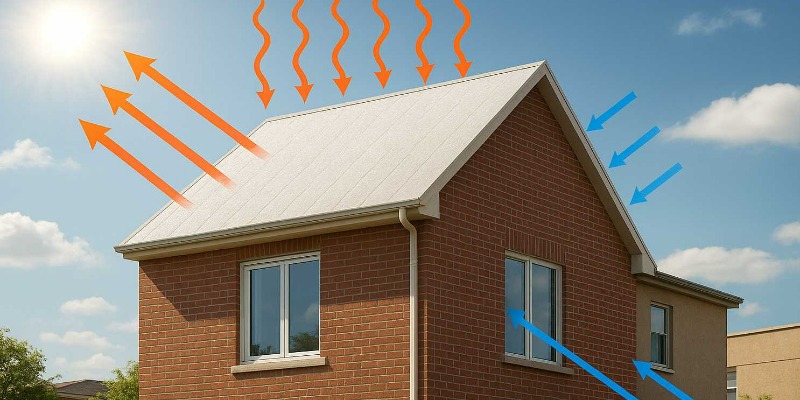 Heat Reflective Materials: The Sustainable Solution for Cooling and Heating Buildings
A Princeton University study reveals how plastics and common materials can improve the energy efficiency of buildings, reducing summer and winter consumption in a cost-effective and passive way by Marco Arezio In an era in which climate change is making living comfort increasingly critical, research conducted by Princeton University, in collaboration with UCLA, opens up new scenarios in the sustainable building sector. The object of the study is not a futuristic technology or an exotic material, but the rediscovery of the thermal properties of commonly available materials — such as plastic — capable of regulating radiant heat in a passive, sustainable and, above all, economic way. The Discovery: Common Materials with Heat-Reflecting Properties The heart of the discovery lies in the ability of some materials, already widely used in construction or easily available, to reflect or emit radiant heat at certain wavelengths. This behavior, if exploited correctly, can generate a double beneficial effect: cooling buildings during the summer months and retaining heat in the winter months, without resorting to active systems such as air conditioning or boilers. The physics behind this technology is simple but often overlooked: radiant heat —the energy component transmitted in the form of electromagnetic waves—accounts for a significant portion of the heat exchange between a building and the outside environment. It’s the heat we feel when the sun shines directly on us or when we approach a heated surface. Traditionally, curtains, blackout windows, or white roof paint are used to counteract it. But the real innovation proposed by the Princeton team lies in the ability to regulate radiation through smart but accessible materials. How the passive mechanism works Professor Jyotirmoy Mandal , who led the project, highlighted how it is possible to modify the optical properties of building envelopes to modify their interaction with infrared radiation. The main difference lies in the direction in which the heat is emitted: towards the sky or towards the ground. When radiant heat is directed upwards, it can be dispersed into space through a very specific region of the infrared spectrum, known as the “atmospheric transmission window” (narrowband). In contrast, when heat propagates at ground level, it does so across the entire infrared spectrum (broadband), making it much more difficult to disperse. Here’s the key takeaway: If you cover the exterior surfaces of buildings (like walls and windows) with materials that selectively interact with the narrowband, you can effectively emit heat into the sky during the day, providing passive cooling. At the same time, you reduce the heat absorption from surrounding surfaces—roads, sidewalks, other buildings—that typically contribute to the so-called urban heat island effect. Technical difficulties and innovative solutions Traditionally, roofs are the easiest part to make reflective, because they face upward and thus favor radiative exchange with the sky. However, vertical surfaces — such as walls and windows — are more exposed to thermal radiation from horizontal sources (such as the ground), making heat management much more complex. This is where Princeton research makes a difference: by using common materials that interact intelligently with infrared radiation, vertical surfaces can be prevented from overheating in the warm months, without compromising insulation during the winter. Among the materials that are candidates to revolutionize green construction is polyvinyl fluoride (PVF), already used in many exterior coatings. Research shows that, with some optical modifications, this material can be made selectively reflective in the narrowband and transparent or absorbent in the rest of the spectrum, thus obtaining an optimized management of thermal radiation. An advantageous energy comparison One of the most relevant aspects of the study is the comparison between the effectiveness of the new coatings and traditional techniques. Mandal and colleagues calculated that the energy benefits offered by these common materials are comparable to those obtained by painting roofs and facades white, but with much lower costs and greater flexibility of use. While white paints have a predominantly summer function, selective materials can modulate thermal behavior even during the winter, making them useful all year round. Furthermore, large-scale production of these coatings could leverage existing industrial infrastructure, accelerating their adoption without requiring massive investments in new facilities or technologies. Social and environmental impact of technology The potential impact of this discovery goes well beyond improving the energy efficiency of buildings in industrialized countries. According to Mandal, one of the system's main benefits is its climate equity. Buildings in warmer geographic areas, often in low-income communities with limited access to active cooling, could greatly benefit from this low-cost, passive technology. The ability to reduce indoor temperatures without consuming electricity is crucial in a context of global warming, resource scarcity, and rising heat-related mortality. The mechanism is completely passive: it does not require power supply or sophisticated maintenance, and can easily adapt to both new and existing buildings. This makes it one of the most promising solutions for urban climate adaptation, especially in densely populated and vulnerable regions. Future prospects: towards a new climate-friendly building The contribution of the research is not limited to a simple applicative discovery, but opens new avenues for the climatic design of buildings. In the near future, the choice of cladding materials may no longer be based only on aesthetics and durability, but also on their spectral response to infrared radiation. Instead of relying on increasingly complex energy systems, it will be possible to exploit the natural physics of the environment to obtain living comfort with minimal resources. The sustainability paradigm therefore shifts from "consuming less energy" to "not having to consume it at all", thanks to design strategies that integrate scientific knowledge and everyday materials. Conclusions The study conducted by Princeton University represents an important step towards the adoption of more sustainable, accessible and efficient building solutions. It shows how innovation does not always pass through the invention of new materials, but also by reinterpreting the properties of existing ones. Plastics, fluoropolymers and other common materials could transform from simple building components to protagonists of the energy revolution of buildings. If adopted on a large scale, these heat-reflecting materials could drastically reduce the energy needs of buildings, reduce greenhouse gas emissions and contribute to a more resilient, democratic building industry, ready to face the climate challenges of our century. © Reproduction prohibited
SEE MORE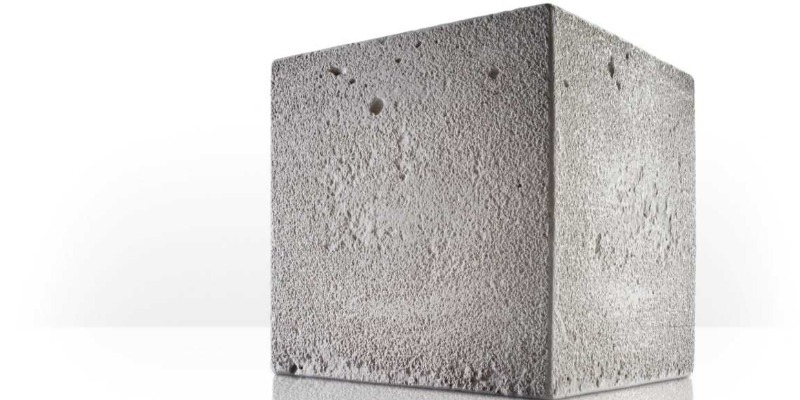 Cellular Concrete with Aggregates Recycled from Waste: Is There a Future?
Even the construction world must face a path of sustainability that is increasingly important for the environment and for man. Concrete are construction elements that involve an important consumption of natural resources, in particular the aggregates that compose them, being extracted and made available to the construction sector. As it happens more and more often in the road and soundproofing sector, where, for example, recycled and ground bituminous sheathing powders of recycled tires are used, also in the field of concrete, the market demand for a more sustainable product is now growing. The recipes that make up a traditional concrete see the use of natural aggregates, with different granulomentries, a share of cement, water and additives when necessary. As part of an eco-sustainable approach to the product, various experiments and laboratory tests were carried out which aimed at the complete replacement of the natural aggregate with aggregates consisting of selected industrial and post-consumer waste. In the family of waste considered in these tests we can include fly ash, which is waste produced during the incineration of municipal solid waste, slag ground blast furnace, which is also a by-product of the incineration operations and a post-consumer plastic product, PET powder, coming from the recycling of water and soft drinks bottles. Test methodologies With these three elements, different cement mixtures have been created aimed at obtaining lightened concrete, creating a series of laboratory samples with the aim of testing the compressive strength and the thermal conductivity of composite elements, both with lightened natural aggregates and with various types of aggregates from waste. The study was promoted with the intention of giving an analytical history to lightweight recycled concrete that can be used, for example, in the construction of lightweight concrete blocks for the construction of non-structural walls. A series of different mixtures were then created with the corresponding quantity of samples, which were tested by compression and the thermal conductivity of the same was calculated. The aim was to compare a traditional concrete mix with light natural aggregates with concrete mixes made with aggregates recycled from waste. Test results The results showed an average reduction of the compressive strength of the samples composed with the waste aggregates, without PET, of 13.7%, compared to the samples made with natural aggregates, while the blends that contained the PET powder had resistance performances that were further lower than 10%. However, it was noted that the addition of PET powder had a positive effect on thermal conductivity, compared to samples made up of 100% aggregates from the waste, but lower approximately 22% compared to concrete made with lightened natural aggregates. Conclusions Although recycled lightweight concrete has lower mechanical and thermal performance than that produced with natural elements, the need to limit the use of natural resources and that of reducing non-recyclable waste going to landfills could lead to a new awareness in building design and manufacturing. Automatic translation. We apologize for any inaccuracies. Original article in Italian.
SEE MORE Fireproof Thermal Coats: Guide to Safety and Innovation
Self-extinguishing materials (including recycled) and advanced construction techniques for the fire protection of skyscrapersThermal insulation on skyscrapers not only improves the building's energy efficiency but plays a crucial role in fire protection by mitigating the chimney effect, under certain applicative and qualitative conditions of the insulators, which can accelerate the spread of flames. Given the increasing height and complexity of modern urban structures, fire safety has become a top priority. This article explores how to construct an effective and safe thermal coat, with a particular focus on self-extinguishing materials and advanced construction techniques. The Chimney Effect in Case of Fire in Skyscrapers The chimney effect occurs when hot air rapidly rises within a building, creating an upward flow that draws in fresh air from lower openings. In skyscrapers, this phenomenon can dramatically accelerate the spread of fire, pushing it towards the upper floors at an alarming rate. Insulating Materials and Fire Risk But external insulating materials can also significantly contribute to the chimney effect if not adequately selected and applied. Highly flammable materials not only fuel the fire but can also generate toxic fumes, putting the safety of occupants at risk. Self-Extinguishing Insulating Materials Definition and Importance of Self-Extinguishing An insulating material is considered self-extinguishing when it is capable of stopping the spread of flames without external intervention. This characteristic is crucial in skyscrapers, where access to upper floors for extinguishing operations might be difficult. Self-extinguishing is measured through specific standards that assess a material's ability to extinguish within a defined time after ignition. Overview of Common Insulating Materials and Their Reaction to Fire Common insulating materials include polystyrene (EPS and XPS), polyurethane, rock wool, and fiberglass. Each presents unique characteristics in terms of fire resistance: Polystyrene (EPS and XPS): While offering good thermal performance, it requires flame retardant additives to improve fire safety. Polyurethane: Has excellent thermal resistance but can degrade quickly in the presence of fire if not treated properly. Rock wool: Naturally fire-resistant, does not contribute to flame propagation and is often used in applications requiring high fire resistance. Fiberglass: Similar to rock wool, offers good fire resistance performance. Criteria for Choosing a Self-Extinguishing Thermal Insulator When selecting a thermal insulator for skyscrapers, it is crucial to consider: The fire reaction classification: Prefer materials classified as A1 or A2, according to European standards, indicating no or limited contribution to fire. Density and thickness: Factors that influence the insulation capacity and fire resistance of the material. Durability and chemical stability: The material's ability to maintain its properties over time, even under adverse conditions.Thermal Insulators Made with Recycled Materials Recently, attention has shifted towards sustainable insulating materials made with recycled materials, which not only offer good thermal resistance but are also more eco-friendly. Examples include: Cellulose-based insulators: Made primarily from recycled paper, treated with boron to confer fire-retardant properties. Recycled wool panels: Use fabric and wool scraps to create insulating panels with good fire resistance properties. Recycled polystyrene: Although polystyrene is less desirable from a fire resistance standpoint, recycled versions treated with flame retardant additives can represent an economical and relatively safe option. Best Thermal Insulators in Relation to Fire We will now delve deeper into thermal insulators, focusing on their effectiveness in relation to fire, to identify the safest and most performant materials for use in skyscrapers. Comparative Analysis of Insulating Materials To understand which thermal insulator offers the best performance in case of fire, it is essential to consider several factors, including fire resistance, thermal insulation capacity, and emissions in case of combustion. Here's a brief overview: Rock wool: Excels in fire resistance thanks to its mineral composition. It does not burn and is capable of withstanding temperatures above 1000°C. It also offers excellent thermal and acoustic insulation. Fiberglass: Similar to rock wool in fire performance and thermal insulation, but may be less comfortable to handle due to the fine fibers that can irritate the skin and respiratory tract. Treated polyurethane: With the addition of flame retardants, expanded polyurethane can achieve good fire resistance, but remains inferior to rock wool and fiberglass in terms of fire performance. Polystyrene (EPS and XPS): Even if treated with flame retardants, they tend to perform less well in fire situations compared to the other materials mentioned. Technical Data: Fire Reaction, Temperature Limits, Toxic Emissions Selecting insulating materials for skyscrapers must take into account not only their thermal insulation capability but also their reaction to fire. Materials like rock wool and fiberglass do not contribute to flame propagation and withstand extremely high temperatures without emitting toxic substances. In contrast, polymer-based materials, even if treated with flame retardants, can degrade and release toxic gases at high temperatures. Toxic Emissions from Insulating Materials in Combustion of Toxic Fumes When insulating materials burn, they can release a variety of toxic fumes and dangerous gases. The composition and quantity of these emissions vary depending on the type of material involved in the combustion. The fumes can include carbon monoxide (CO), dioxins, hydrochloric acid (HCl), hydrogen cyanide (HCN), as well as fine particulate matter that can carry toxic substances deeper into the respiratory system. Composition of Fumes and Responsible Materials Polystyrene (EPS and XPS): In case of fire, polystyrene can release carbon monoxide and benzene, an aromatic hydrocarbon known for its carcinogenic properties. Polyurethane: The combustion of polyurethane can produce hydrogen cyanide, an extremely poisonous gas, in addition to carbon monoxide and carbon dioxide (CO2). PVC and other chlorine-containing plastics: The combustion of insulators containing PVC can generate hydrochloric acid, dioxins, and furans, substances that are highly toxic and persistent in the environment. Impacts on Human Health Exposure to toxic fumes can have serious health consequences, including: Irritations: Eyes, skin, and respiratory tracts can suffer acute irritations due to exposure to acidic gases like hydrochloric acid. Carbon monoxide poisoning: Carbon monoxide, when inhaled in sufficient amounts, can be fatal as it prevents oxygen transport in the blood. Long-term effects: Exposure to dioxins and other persistent organic compounds can have carcinogenic effects or damage the immune system over the long term. Mitigation Measures To reduce the risk associated with toxic emissions, it's essential to: Choose materials with a low potential for toxic emission: Prefer insulating materials that, in case of fire, release fewer dangerous substances. Smoke and gas evacuation systems: Implement safety systems designed to reduce the concentration of toxic fumes in indoor environments. Rigorous standards and testing: Ensure that all insulating materials undergo rigorous testing to evaluate their behavior in case of fire and the potential for toxic emissions. Fireproof Thermal Coat Construction Techniques Designing and installing fireproof thermal coats requires careful attention and precision to ensure the building is effectively protected against fire spread. Fireproof Design Principles The fundamental principles in the design of fireproof thermal coats include: Structural integrity: Ensure that insulating materials are applied in a way that does not compromise the building's structural integrity in case of fire. Fire barriers: Installation of fire barriers at critical points to prevent the spread of flames through the thermal coat. Ventilation: Design ventilation systems that prevent the chimney effect, limiting the amount of oxygen available to fuel a fire. Application Methods and Integration with the Existing Structure Applying fireproof thermal coats requires specific techniques to ensure they are well integrated with the existing structure: Mechanical fixing: Use of fixing systems that do not compromise the fire resistance of insulating materials. Fire-resistant sealants: Use of fire-resistant sealants and foams to close any opening or joint, preventing flame penetration. Monitoring and maintenance: Implementation of a monitoring and maintenance program to ensure the thermal coat's integrity over time. Fire Propagation and Technical Data Understanding the mechanisms of fire propagation is essential for designing effective insulation systems. Fire can spread vertically through the chimney effect but also horizontally, through the thermal conduction of materials. The choice of materials and construction techniques should be guided by solid technical data on how different materials react to heat and fire, as well as their thermal insulation properties.Case Studies: Catastrophic Fires in Skyscrapers We will take a closer look at some of the most significant skyscraper fires, examining the causes, dynamics of fire spread, and lessons learned in terms of fire safety and material selection. Grenfell Tower, London, 2017 What happened: In the early hours of June 14, 2017, a fire that started in an apartment on the fourth floor of Grenfell Tower quickly spread throughout the building, resulting in 72 casualties. Main cause: The rapid external spread of the fire was facilitated by the polyethylene (PE) cladding and polyurethane insulation panels, both highly flammable. Lessons learned: The incident underscored the critical importance of using cladding and insulation materials that meet high fire resistance standards. It also highlighted the need for regulatory revisions and stricter controls on fire safety procedures in high-rise residential buildings. Plasco Tower, Tehran, 2017 What happened: On January 19, 2017, a fire that broke out in the upper floors of the 17-story Plasco Tower led to the complete collapse of the structure, killing 22 firefighters. Main cause: The lack of adequate fire safety measures and the presence of flammable materials inside the building contributed to the collapse. Lessons learned: This disaster highlighted the importance of adequate fire prevention systems and buildings constructed to withstand prolonged exposure to fire, thus preventing catastrophic collapses. Address Downtown Hotel, Dubai, 2015 What happened: On December 31 , 2015, a fire engulfed the Address Downtown Hotel in Dubai, causing significant damage to the building but fortunately resulting in no fatalities. Main cause: Similar to the Grenfell Tower incident, the fire spread rapidly due to the material used for the building's exterior cladding, which included flammable components. Lessons learned: The fire highlighted the need to review safety standards for cladding materials used in high-rise buildings, prompting Dubai to revise its building regulations to require materials with greater fire resistance. Technical Literature "Fire Safety in Buildings": This type of publication often explores regulations, materials, and design strategies to prevent and combat fires in structures of various sizes, potentially including skyscrapers. "Materials for Sustainable Architecture: Performance, Sustainability, Recycling" by Valentina Serra: Although the focus is on sustainable architecture in general, the book may offer valuable information on innovative and sustainable insulating materials, some of which possess good fire-resistant properties. "Building Systems Technology: Design and Construction": Books with this title tend to cover a wide spectrum of building technologies, including thermal insulation systems. They can provide useful technical information on the selection and application of insulating materials in skyscrapers. "Civil and Environmental Engineering Handbook": Although not focused exclusively on thermal insulation or fire safety, such a comprehensive handbook may contain chapters or sections dedicated to fireproof design and insulating materials used in construction. The challenges of ensuring fire safety in skyscrapers are complex, involving the careful selection of materials, adherence to rigorous standards, and the implementation of advanced design and construction techniques. By learning from past incidents and leveraging the latest in fire-resistant technology and materials, the construction industry can better protect these towering structures and their occupants from the devastating impact of fires.
SEE MORE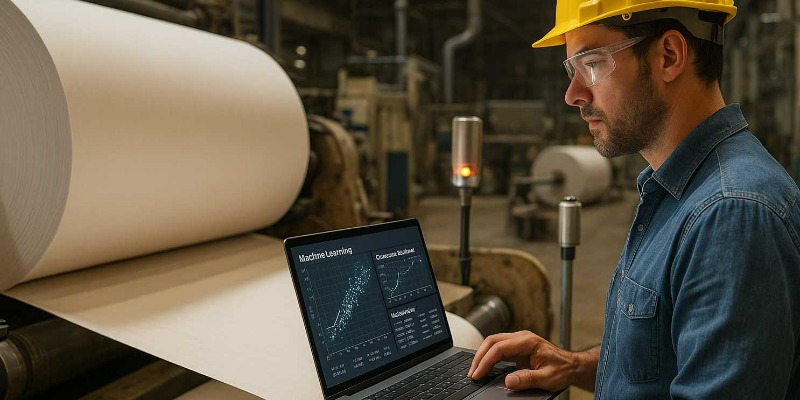 Machine Learning for Paper Grammage Prediction: Algorithms and Sensors in Modern Paper Mills
How Artificial Intelligence and Sensor-Based Measurements Are Revolutionising Quality Control and Production Efficiency in the Paper Industryby Luca OrizioThe paper industry—although one of the oldest branches of manufacturing—is undergoing a period of profound technological innovation. The convergence of process digitalisation, advanced sensing, and artificial intelligence (AI) is radically transforming the way production is managed, with a direct impact on both product quality and operational efficiency.The Critical Role of Grammage in PapermakingOne of the most delicate and decisive aspects of papermaking is the control of grammage—the basis weight of paper expressed in grams per square metre (g / m²). This parameter has a direct effect on the functionality of the finished product, whether printing paper, packaging, or tissue. Traditionally, grammage verification has relied on manual sampling followed by laboratory analysis. Today, thanks to the integration of sensors and machine-learning algorithms, this value can be predicted and controlled in real time with a level of accuracy and speed unimaginable just a few years ago.In a sector that runs at break-neck speed and faces ever-thinner margins, grammage stability is synonymous with efficiency and competitiveness. Any deviation from the optimal value can trigger a cascade of problems—from non-compliance with customer specifications to material and energy waste—with inevitable environmental repercussions.Take a packaging line, for example. Excessive grammage leads to over-consumption of pulp and chemical additives, as well as heavier transport weights. Conversely, insufficient grammage may not provide the required mechanical strength, causing the customer to reject the batch. Even tiny variations can affect cost, logistics, and sustainability.For these reasons, the paper supply chain has devoted the past decades to enhancing quality control, aiming at standardisation that minimises variability and maximises performance.From Manual Sampling to Smart SensingThe traditional method for determining grammage involved collecting paper samples at set intervals and analysing them with precision scales and laboratory instruments to calculate basis weight from sheet mass and area. Accurate, yes—yet disconnected from the real-time production flow.High-resolution industrial sensors now make it possible to monitor variables such as paper thickness, residual moisture, surface density, and even beta- or gamma-ray absorption, all indirectly correlated with grammage. Mounted along the production line, these devices gather continuous data, providing a dynamic picture of the entire process.But gathering data is not enough. To make sense of such information streams, something more is required: algorithms capable of learning, adapting, and predicting. This is precisely where machine learning (ML) comes into play.Machine Learning at the Service of Paper MillsMachine learning—a subset of AI—rests on the idea that a system can learn from observed data, recognise hidden patterns, and generate forecasts. In papermaking, that means building a model able to estimate grammage directly from sensor readings, without waiting for lab results.The workflow unfolds over several stages:Data acquisition – Capture large volumes of data: thickness, temperature, humidity, stock pressure, web speed, chemical composition, and more. Align these with actual grammage values obtained from reference measurements.Pre-processing – Clean and prepare the data: remove anomalies, harmonise units, and synchronise datasets.Feature engineering – Identify the most influential variables.Model building – Choose and train a predictive model (linear regression, neural network, random forest, etc.), then validate it.Deployment – Implement the model in the production chain to deliver real-time estimates and instantly adjust processing parameters.Algorithms in Action: Selecting the Right ModelChoosing the appropriate algorithm is never trivial. It depends on the process type, data volume, operational variability, and in-house expertise.Algorithm Best suited for Notes- Multiple linear regression Simple contexts with few, well-defined relationships Easy to interpret- Decision trees / Random Forests Scenarios with many interacting variables, even non-linear Robust and versatile- Artificial neural networks Complex pattern recognition Require large datasets and significant computing power- Support Vector Machines (SVM) Noisy environments or highly correlated variables Effective at handling outliersWhatever the choice, continuous monitoring, updating, and retuning are essential—especially when materials, equipment, or product requirements change.Why Machine Learning Is a Game-ChangerIntroducing ML into a paper mill is more than a technical upgrade; it is a paradigm shift. Key benefits include:- Continuous monitoring – Grammage is estimated instant by instant, shortening reaction times.- Scrap reduction – Corrections are applied immediately, before the product becomes unusable.- Material & energy savings – Precise dosing of raw materials directly boosts sustainability.- Traceability & certified quality – Every decision is documented, every datum preserved, simplifying audits and regulatory compliance.- Customer loyalty – Consistent product quality enhances brand reputation and cuts complaint rates.Challenges Beyond TechnologyNaturally, adopting ML is not without hurdles. The main difficulties concern:- Data reliability – Poorly calibrated sensors or corrupted data can undermine the entire process.- Specialist skills – Professionals must combine papermaking expertise with data-science abilities.- IT/OT integration – Communication between corporate IT systems and shop-floor machinery must be stable, secure, and flexible.- Model maintenance – Algorithms need periodic retraining to reflect evolving conditions.- Corporate culture – Personnel must be engaged in the transition, overcoming scepticism toward automated decision-making.Real-World Cases: Experiences and OutcomesNumerous mills across Europe and beyond are already applying AI to grammage control with notable success. In Scandinavia, one of the largest coated-paper producers implemented a neural-network predictor that cut grammage fluctuations by 40 % and saved several thousand euros per month in energy costs.In Italy, packaging-focused mills use regression and ML models to tailor grammage to each packaging grade and brand requirement. Meanwhile, some industrial-solution providers now offer turnkey packages that bundle sensors, cloud dashboards, intuitive GUIs, and predictive-maintenance tools—paving the way to digitalisation even for SMEs.Looking Ahead: The Smart Paper FactoryWhat today appears as an advanced application will soon become the norm. The next step is embedding ML within a full smart-factory logic: interconnected plants, real-time data processing at the edge, self-adapting algorithms, and systems that learn from their own mistakes.The ambition is not merely to boost productivity but to transform the very way paper is conceived, produced, and traced. Grammage prediction becomes just one of many tiles in an intelligent, sustainable, highly competitive production mosaic.ConclusionMachine learning applied to grammage prediction is no passing trend; it is a strategic lever for transforming the paper sector. Through the synergy of sensor data and predictive models, mills achieve fine-grained process control, cutting scrap, costs, and environmental impact.Despite its challenges, this technology heralds the dawn of a new era—one of autonomous manufacturing in which human expertise and AI power collaborate to produce more, with less. Those who seize this opportunity will be well-prepared to meet the challenges of Industry 5.0.© All rights reserved
SEE MORE Polymeric Concretes: Advantages, Disadvantages and Preparation
Create a concrete conglomerate with superior performance to traditional ones using polymers When we talk about reinforced concrete, we tend to imagine a structure of great resistance, where the cement acts as the glue for a mixture calibrated, made of aggregates and water which, with the help of reinforcing irons, allows the construction of elements of great load-bearing and resistance. The word itself, reinforced concrete, expresses the main element that allows the other components to be wrapped, creating a monolithic structure. So, cement is the means by which the mixture is allowed to consolidate, creating the structural elements that we see, such as walls , decks, floors, attics and many other things. What are polymer concretes Today we know that cement is no longer the only element that allows the mixture to stiffen, and not it is more what allows you to achieve the best structural performances ever. In fact, when it is born, polymer concrete expresses greater compressive, tensile and flexural strengths than ordinary concrete. It is also more resistant to corrosion, chemical attack and wear, making it suitable for a variety of applications, including industrial floors, bridges, wall panels, acoustic barriers, prefabs and many other elements. Polymer concretes, also known as RPC (Reactive Powder Concrete), are composed of a high percentage of reactive powders, aggregates fines, fibers and a minimal amount of water. This makes them much more resistant and long-lasting than traditional concretes. There are different types, including epoxy, polyester, acrylic and more, depending on the type of resin used. If we examine, for example, epoxy concrete, we can say that it is a type of polymer concrete in which an epoxy resin is used as binder instead of traditional Portland cement. This binder binds the aggregates together to form a very strong and long-lasting material. Epoxy resin offers several advantages compared to traditional concrete. First, it is extremely resistant to chemicals, which makes epoxy concrete a great choice for applications in aggressive environments, such as water treatment facilities, chemical warehouses, and industrial facilities where there may be exposure to corrosive chemicals. Additionally, epoxy resin can provide a stronger and more flexible binder than traditional concrete, as it can resist tensile loads and prevent cracks and breaks. This makes epoxy concrete a popular choice for applications such as industrial flooring, concrete structure repairs and protective coatings. How to balance aggregates with episodic resin in concrete The process of balancing the aggregates with the epoxy resin in epoxy concretes is crucial to achieving the desired properties of the concrete. This can vary based on several factors, such as the specific application, the type of epoxy resin used, and the properties of the aggregates themselves. A common way to balance epoxy resin with aggregates is through a testing process, in which several samples are made with different proportions of resin and inert, until the mixture that provides the desired properties is found. However, there are also some general guidelines that can be followed. For example, for a standard epoxy concrete, the amount of resin can be between 10% and 20% by weight of the total mix. Aggregates, which may include sand, gravel and other similar materials, will then make up the bulk of the mix. It is also important to consider the specific properties of the aggregates and the epoxy resin. For example, some aggregates may have high absorbency, which would mean they may require more resin to ensure all elements are completely covered. Finally, the balance of resin and aggregates can also be influenced by the mixing technique used, and therefore it may be necessary to recalibrate the proportions to achieve the desired consistency, ensuring that the concrete can be worked correctly. How to make a correct mix to obtain epoxy concrete Preparing a correct mix for epoxy concrete requires attention and care. The choice of epoxy resin and aggregates (such as sand and gravel) is crucial, in fact these must be of high quality and suitable to the specific application. The proportion of epoxy resin to aggregates may vary depending on the specific application and the desired properties of the concrete, as we have view. First of all you will need to mix the epoxy resin with the hardener according to the manufacturer's instructions. Next, you will slowly add the aggregates, making sure they are completely covered in the resin. Continue mixing until you obtain a homogeneous consistency. In this operation it will be important to use appropriate equipment to avoid exposing operators to resin fumes. Once mixed, the epoxy concrete mix should be placed in the desired area or shape as quickly as possible, given that the epoxy begins to harden as soon as it is mixed with the hardener. Once the epoxy concrete has been placed, it should be left to cure for the necessary time, which can be variable depending on the specific resin used, but usually requires at least 24 hours. Fire resistance of polymer concretes Like all medals, polymer concrete also has a side of great quality, as we have seen, but it also has a side that should not be underestimated, which is expressed in low fire resistance. In fact, the fire behavior of polymeric concretes is not as well studied as that of traditional concretes. However, polymeric materials generally tend to be more sensitive to heat and flame than inorganic materials such as concrete. One of the main problems is that, at high temperatures, the chemical bonds between polymer molecules can break, causing the material to decompose. This can lead to the formation of toxic gases and can trigger structural collapse. It would therefore be important to carry out further research to better understand how to improve the fire resistance of polymeric concretes, with the addition of fireproof additives or the use of design techniques to reduce the impact of heat on the material. Automatic translation. We apologize for any inaccuracies. Original article in Italian.
SEE MORE The Use of Regenerated Polymers in Bituminous Mixtures
What is the phase reversal mixture and how are regenerated polymers used in bituminous mixturesAt the beginning of the 60s of the last century, the bituminous waterproofing layer consisted mainly of bituminous paper and bitumen, in addition the bitumed glass felt had recently been introduced on the market, whose characteristics of dimensional stability and resistance were particularly appreciated. In the same period, as we saw in the article on Giulio Natta, a whole series of stereospecific catalysts that were used to create new chemical mixtures from which new polymers, such as polypropylene, would soon be polymerized. These new discoveries led to the manipulation of the chains of molecules creating an order of the same from the chemical point of view. The fact of being able to position all the molecules on the same side, gives the polymer chain some advantages, including a greater mechanical resistance and a greater resistance to heat, thus defining the obtained isotactic polymer. Its opposite, from the point of view of the position of the molecules, therefore in a disordered way, is defined as atactic. If we want to get into some technical values that characterize isotactic polypropylene we can underline that the mechanical resistance reaches up to 400 kg / sqm. and heat resistance up to 150 ° C. The atactic polypropylene has instead the characteristic of being more malleable and elastic with elongations up to 600%. Among the regenerated polymers and additives that are used in bitumen mixtures, there is not only polypropylene but also: – LDPE – HDPE – EVA – TPO – Mineral Charges (talc or calcium carbonate) – the Thermoplastic rubbers – oils – the waxes. By mixing the regenerated polymers, in different percentages with the bitumen, according to the technical characteristic of the membrane to be obtained, we will have the modification of several general parameters: – Viscosity (increases) – The softening temperature (increases from 60 ° to 150 °) – Penetration (decreases, then increases walkability) – The temperature of fracture by cold bending (decreases from + 10 ° to – 20 ° eg) – Weather stability (duration) But what exactly happens when mixing between the bitumen and the regenerated polymers? In technical jargon the reaction, between bitumen and polymers, during mixing is called Phase Inversion. When a mixture is prepared, the amount of polymers is clearly lower than the amount of bitumen but, through the hot mixing of the ingredients, at a temperature higher than the melting temperature of the polymer, the so-called phase inversion takes place, where the ingredient minority, in this case the polymer, constitutes the carrier phase of the mixture, while the quantitatively majority ingredient, the dispersed phase. To make the phase inversion take place it is important to use distilled bitumen because it is rich in oils of the maltene fraction compatible with polymers. During the creation of the recipes, the producers of bitumen-polymer membranes use the regenerated polymers in the form of: – Granules – Flakes – Densified (only if easily dispersible) As far as granule filtration is normally required it is less than 800-1000 microns, while for the ground and the densified it is required a good degree of cleaning (washing) and a low moisture content in order not to have dangerous reactions during the mixing with the hot bitumen. Automatic translation. We apologize for any inaccuracies. Original article in Italian.
SEE MORE Large Diameter Corrugated Pipes for Sewerage in HDPE and PP
Large Diameter HDPE and PP Corrugated Sewer Pipes through the use of recycled granules The sewer lines are designed according to the workload that the inhabited centers impose on the drainage system and, on the basis of other technical-design parameters, the characteristics of the waste liquid transport pipes are established. Non-pressure pipes made of plastic material , especially those made of high-density polyethylene and polypropylene, have been widely used for decades following the advantages that are inherent in the raw materials constituting the pipes themselves. Granules can be used in Recycled or virgin HDPE that has an MFI 0.4-0.7 at 190°/5 Kg., or in PP with MFI 1.5-2 at 230°/2.16 Kg. with correct thermal stability and the right quantity of carbon black. The characteristics normally required in the design phase are: • Resistance to external loads • Resistance to chemical and electrochemical aggression • Bidirectional sealing of the joints • Hydraulic characteristics constant over time • Reduced adhesion to encrustations • Easy assembly and installation • Reduced installation and maintenance costs HDPE and PP pipes can be corrugated , i.e. have a reinforcing corrugation on the external part of the structure and a smooth finish on the internal part. In the presence of large pipes it is possible to place a metal structure in the intrados of the corrugation with the aim of increasing the resistance of the product to the phenomenon called "creep" , which takes the form of a visco-elastic behavior of the material, with the consequent deformability temporary tube. We mentioned the presence of the two layers of the tube, the corrugated external one and the smooth internal one, elements which therefore have two very distinct functions. The smooth internal layer, in direct contact with the transported fluids, must have correct chemical and mechanical resistance towards the transported liquids and low sliding resistance. The external layer, corrugated , has the function of counteracting the compression forces acting on the laid pipe, guaranteeing its durability and the absence of breakages. In the case of reinforced pipes, a product developed in Japan in the 90s of the last century and subsequently widely used also in the United States, the characteristics of plastic materials such as resistance to abrasion, lightness, the minimum roughness coefficient, the inertness to chemical substances and ease of installation, to the characteristics of steel which has, for example, a much higher elastic modulus than polyethylene. The use of PP instead of HDPE occurs due to small differences in the materials: • Slightly higher elastic modulus • Better behavior at high temperatures (but less so at low temperatures) • Lower density and specific weight Among the three characteristics listed, the difference in the elastic modulus is certainly the most important one, as the modulus influences the rigidity of the tube and therefore the resistance to compressive loads. Therefore, for the same thicknesses, a higher elastic modulus corresponds to greater resistance to loads and, in the case of HDPE the instantaneous elastic modulus is normally > 800 MPa, while in PP it is > 1250 MPa. As we have said, the pipes made of HDPE and PP have excellent hydraulic characteristics both in terms of the roughness of the walls in contact with the fluids, but also in terms of resistance to abrasion, guaranteeing a constant hydraulic flow rate and great durability of the sewer line. Among the competitors of PP and HDPE pipes, such as cement, coated concrete, fiberglass, stoneware and PVC pipes , it has been verified, through laboratory tests, that the internal abrasion resistance is lower among the competitors therefore, these are subject to greater mechanical wear. Among these products, those composed of PVC have given results close to PP and HDPE pipes. To give us an idea of what is meant by large diameter sewer pipes, we can say that on the market there are pipes with an external diameter of up to 2500 mm. and internal of 2400 mm. about. When laying HDPE, PP and PVC pipes in trenches, the role of the substrate on which the line will be laid is fundamental , as these products are subject to visco-elastic mechanical behaviour, therefore subject to constant deformation over a defined time " creep”. In the case of substrates that are not extremely compact or subject to small movements, the use of corrugated pipes with metal armor in the intrados of the corrugation can help to contain this phenomenon. As regards the chemical characteristics of HDPE and PP pipes, we can say that the constituent materials have characteristics of resistance to electrochemical corrosion phenomena or to galvanic coupling, as they are not electrically conductive per se. Category: news - technical - plastic - recycling - pipes - sewerage - HDPE - PP
SEE MORE Influence of Humidity on Mechanical Properties of Paper Materials
Integrated Study on Fibers and Fiber Networks to Analyze the Effect of Humidity on Paper Mechanicsby Marco ArezioHumidity is a silent yet powerful influence across many technical and industrial domains. In paper — a material that seems simple and familiar — its effect is far from negligible.It’s not just a matter of curling edges or softened surfaces. What’s at play is a deep, complex transformation in the mechanical properties of paper that occurs at the very core of its structure: the cellulose fibers. A recent study approached this complexity with an original and integrated methodology, combining microscale experimentation and numerical simulation to explore how humidity impacts the mechanics and failure of paper materials — both at the level of the individual fiber and the larger fiber network.Humidity and Paper: An Intimate, Delicate RelationshipPaper is inherently hygroscopic. The cellulose fibers it’s made of naturally absorb and release moisture in response to the surrounding environment. This ongoing exchange with atmospheric humidity affects not only the dimensions of the fibers — which expand or contract — but also their mechanical response to stress, such as tension, bending, or compression.On a macroscopic scale, this translates into tangible variations in strength, stiffness, and the manner in which the paper fails. But to truly understand these phenomena, one must delve into the material’s interior — where fibers intersect, bind together, and react in diverse ways to moisture.Zooming In: What Happens to a Single FiberTo examine the behavior of fibers in humid environments, researchers designed a series of controlled experiments aimed at isolating the individual elements of the paper structure. Fibers were manually extracted from sheets, individually analyzed, and subjected to varying levels of relative humidity.The techniques used left no doubt about the precision of the analysis. Atomic Force Microscopy (AFM) was employed to measure the elastic modulus at the nanoscale, while confocal laser scanning microscopy was used to evaluate hygroscopic expansion.The observations revealed a clear, consistent behavior: as humidity increases, fibers become softer, less stiff, and more prone to deformation. Young’s modulus — a key indicator of elasticity — decreased significantly, while hygroscopic expansion caused the fibers to elongate. This change was not merely quantitative, but also qualitative: humidity altered the stress response of the fibers, making them more susceptible to rupture and progressive failure.From Fiber to Sheet: Simulating the Fiber NetworkPaper is not simply a collection of isolated fibers. Its overall behavior depends on a complex, densely entangled, and oriented network. To understand this dimension, the study relied on numerical modeling, building a digital representation of fiber networks using the Finite Element Method (FEM).This sophisticated approach allowed the simulation of the material’s response to various humidity levels, taking into account factors such as fiber orientation, anisotropy, and — critically — the nature of interfiber bonds.These bonds, the points where fibers touch, adhere, and transfer forces, are the mechanical heart of the network. The study modeled them using cohesive zones, which degrade with increased humidity, mirroring the behavior seen in experiments.The result was a simulation capable of accurately predicting how the fiber network’s strength changes, how deformations are distributed, and where failure is most likely to occur.When Simulation Confirms ExperimentationOne of the most convincing aspects of this work is the consistency between experimental data and simulation outcomes. The two approaches — empirical and computational — converged on common ground, reinforcing each other’s observations.Both revealed that rising humidity leads to a progressive loss of stiffness in the fiber network, accompanied by increased extensibility. In other words, the material becomes more deformable but less resistant.Moreover, the manner in which paper breaks also changes. Under dry conditions, failure tends to be abrupt and localized; in humid environments, it occurs more diffusely across larger areas of the network, with a more plastic and progressive pattern. This shift has important implications for both the understanding of paper mechanics and its practical applications.Practical Applications and Future OutlookThe findings of this study go far beyond theory. Understanding how humidity affects the mechanical properties of paper has direct implications in several industries. In packaging, for instance, it is crucial to ensure that cellulose-based materials maintain their integrity even in moist environments.This also applies to the food sector, to compostable packaging, and even to the preservation of historical documents and books.Even more compelling are the future prospects. The numerical models developed in this study could be used to simulate new paper formulations — incorporating hydrophobic coatings or reinforced fibers — designed to better resist moisture. This opens up possibilities for creating “smart paper” materials, optimized for specific environmental and functional conditions.Conclusion: Toward a Deeper Science of Natural MaterialsThis study demonstrates the importance of looking beyond the surface of natural materials. Paper, ancient and seemingly simple, reveals a surprisingly intricate mechanical behavior when examined in its microscopic details and environmental interactions.By combining high-precision experimentation with computational modeling, researchers have provided a comprehensive and coherent picture of how humidity influences paper performance.This is more than a scientific curiosity — it is a vital step toward the design of sustainable, efficient, and adaptable materials. Because even a single sheet of paper, when studied with the right tools, can tell us much about the future of bio-based materials and the path toward a more resilient and circular economy.© Reproduction Prohibited
SEE MORE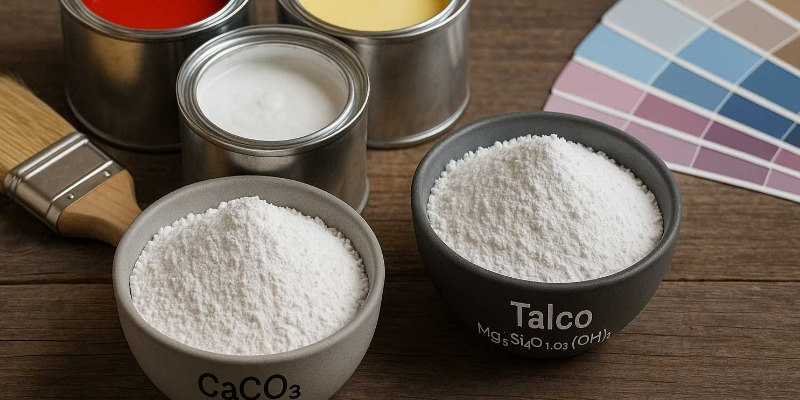 Calcium Carbonate and Talc in Paints: Functions, Properties, and History of Two Fundamental Additives
An analysis of the use of mineral fillers that improve the performance, durability and sustainability of paints by Marco Arezio Calcium carbonate is one of the most common minerals in the world, found in limestone and marble geological formations. Its main crystalline variants are calcite, aragonite, and vaterite, which differ in their internal structure but not in their chemical composition. In the paint industry, it is mainly used in two forms: ground, called GCC (Ground Calcium Carbonate), obtained from the mechanical reduction of limestone rock, and precipitated, or PCC (Precipitated Calcium Carbonate), produced industrially through controlled chemical reactions. GCC has variable particle sizes, generally between 1 and 20 µm, and is chosen for applications where low cost and filling performance are priorities. PCC, on the other hand, has submicron-sized particles (
SEE MORE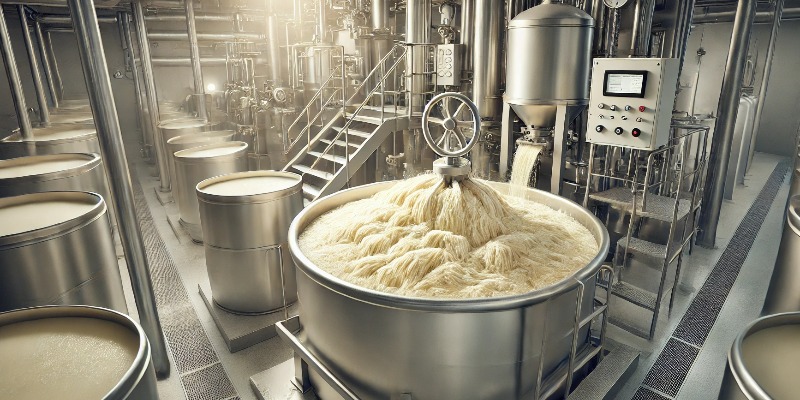 Sustainability: Chemistry in the Paper Mill
How Sustainable Chemistry is Transforming Paper Productionby Marco ArezioIn today’s industrial world, sustainability has become an essential priority. This is especially true for the paper industry, which plays a central role in the transition toward a more circular production model. Chemistry, in this context, plays a fundamental role in improving process efficiency and reducing overall environmental impact. The paper production process, which is both complex and multifaceted, can be divided into four main stages, each of which benefits significantly from chemical interventions: pulp production, wet web formation, sheet finishing, and recycling of paper materials.Pulp ProductionThe first stage in the production process is pulp preparation, which forms the starting point for obtaining fibrous material suitable for paper manufacturing. Pulp can be derived from either virgin raw materials, such as wood, or recycled materials. Chemistry plays a crucial role here, involving fiber separation processes, bleaching, and impurity treatments.In wood-based pulp, chemical processes like kraft cooking or sulfite methods enable the separation of cellulose fibers from lignin, a substance that gives wood its rigidity but must be removed to produce quality paper. For recycling, chemical products are used to remove inks, adhesives, and other contaminants, ensuring a clean and reusable raw material. In both cases, the goal is to obtain fibers with minimal environmental impact while also reducing energy and water consumption.Wet Web FormationThe second phase involves the even distribution of water-suspended fibers onto a mesh to form the so-called wet web, a structure still rich in water and lacking strength. Specific chemical additives, such as flocculants and cross-linkers, improve the distribution and cohesion of fibers, resulting in better sheet formation.Other chemical interventions optimize the web’s characteristics, such as initial strength or the ability to retain pigments, which will be critical in subsequent stages. Research focuses on increasingly biodegradable and low-impact chemicals, reducing the presence of substances that could contaminate industrial effluents.Sheet FinishingAfter drying and consolidating the wet web, the paper sheet enters the finishing phase. This is when the final parameters of the product are defined: smoothness, gloss, printability, and mechanical strength. Chemical interventions in this phase are essential to provide the sheet with the characteristics required by various application sectors.Surface agents, such as sizing and coatings, enhance the aesthetic and functional quality of the paper. For example, treatments with synthetic or natural resins can increase moisture resistance, making the product suitable for specific uses, such as food packaging. Innovation in chemistry in this phase also aims to develop formulations using renewable or easily recyclable raw materials, aligning with circular economy objectives.Recycling of Paper MaterialsSustainable additives are increasingly taking center stage in paper production, particularly for recycling paper materials. These additives, designed to reduce environmental impact without compromising product quality, represent an innovative solution for an industry increasingly focused on circularity and sustainability.Among the most used additives are biodegradable process aids that improve the efficiency of recycling operations. For example, specific enzymes are employed to remove inks from printed sheets, avoiding the use of harsh chemical detergents. Being natural molecules, enzymes minimize the formation of harmful by-products and are completely biodegradable, reducing the impact on wastewater treatment systems.Enzymes such as lipases, used to break down oils in printing residues, cellulases, employed to separate fibers in recycled pulps, and amylases, effective in removing residual starches, are concrete examples of how biotechnology can contribute to more sustainable processes. These enzymes act selectively on target substances, reducing energy consumption and the use of traditional chemicals.Another group of sustainable additives are natural-based flocculants, derived from plant polymers such as modified starch or cellulose. These materials help improve the retention of fibers and fillers during the recycling process, reducing raw material losses. Furthermore, natural flocculants tend to be less persistent in the environment than their synthetic counterparts.Reinforcing additives based on regenerated lignin, a substance recovered from pulp production processes, are also used to improve the mechanical and optical characteristics of recycled fibers. Lignin can be chemically treated to provide adhesive properties and increase the strength of recycled fibers, while ensuring a lower use of virgin raw materials.The environmental impacts of these sustainable additives are significantly positive compared to traditional alternatives. Their natural or biodegradable composition reduces the toxicity of industrial wastewater and facilitates its treatment. Furthermore, the use of regenerated waste materials, such as lignin, represents a concrete example of circular economy, reducing waste and closing the material cycle.However, it is essential to continue monitoring and optimizing these additives to balance performance and costs, ensuring their competitiveness compared to traditional chemicals. Research in this field is rapidly advancing, with the aim of developing even more efficient and sustainable formulations, making the paper industry a virtuous model of innovation and environmental responsibility.Other Chemical Additives: Optical Brighteners, Antifoams, and FlocculantsIn addition to the additives already discussed, other essential chemical products are used in the paper industry, such as optical brighteners, antifoams, and flocculants. Each plays a fundamental role in improving product quality and process efficiency, while also presenting environmental challenges that are now being addressed through the introduction of ecological alternatives.Optical BrightenersOptical brighteners, also known as fluorescent agents, are used to enhance the brightness and whiteness of paper. These compounds absorb ultraviolet light and reemit it as blue light, offsetting the yellowish tones of fibers. Traditionally, brighteners contain non-biodegradable synthetic substances that can accumulate in aquatic ecosystems.Ecological alternatives include natural-based brighteners or enzymatic bleaching processes. Enzymes such as laccases and peroxidases selectively degrade chromophores in fibers, improving whiteness without using aggressive chemical agents. These methods reduce the use of chlorine and other toxic substances, lowering the process's environmental impact.AntifoamsAntifoams are used to control foam formation in aqueous systems during the paper production process. Foam can compromise operational efficiency and the quality of the finished product. Traditional antifoams often contain mineral oils or silicones, which can be difficult to dispose of or treat in wastewater.Ecological solutions include antifoams made from vegetable oils or biodegradable formulations. These products continue to effectively manage foam during production without negative environmental impacts. Formulated with renewable plant-based oils, these antifoams significantly reduce wastewater toxicity and improve wastewater treatment.Fillers and AdditivesFillers, such as calcium carbonate and kaolin, are widely used in the paper industry to enhance optical properties and printability, while also reducing production costs. However, their environmental impact is considerable, as their extraction and processing require large amounts of energy and natural resources.Sustainable alternatives focus on natural fiber-based fillers, such as microfibrillated cellulose or nanocellulose. These materials, derived from agricultural or forestry by-products, not only improve the paper’s mechanical properties but also reduce dependence on non-renewable mineral resources.ConclusionSustainable chemistry is transforming the paper industry, offering innovative solutions that improve process efficiency and reduce environmental impact. Ecological additives, from biodegradable enzymes to plant-based antifoams, contribute to a more circular and environmentally friendly production model.Despite economic and technical challenges, progress in research and development promises a future where paper production aligns more closely with global sustainability goals. By adopting green technologies and continually optimizing processes, the paper industry can become a virtuous example of sustainable innovation.© Reproduction Prohibited
SEE MORE Recycled plastics for sanitary spaces.
Recycled plastics for ventilated crawl spaces: which static and dynamic effects are transmitted on recycled plastic crawl spaces using different mixtures The ancient Romans had already understood, in the construction of buildings, the importance of creating a ventilated air space, between the ground and the floor, in order to avoid the capillary rising of humidity and allow a thermal insulation of the floor. The crawl space was built using walls connected to each other or with amphorae as a filling base. With the evolution of buildings, the ventilated crawl space has had multiple uses, not only to isolate from humidity, but it was possible to use, in the best way, the space created between the ground and the floor. Until a few years ago, before the advent of plastic in the building industry, the construction of crawl spaces was done through small tables, for horizontal parts, and bricks or concrete prisms for the vertical wall. However, this system did not fully guarantee isolation between one floor and another. Today, with the use of recycled plastic elements, the possibilities of using the interspace have been expanded and its technical qualities improved. Let’s see what are the possible uses of separating elements in recycled plastic: 1) The classic function for which he was born is to create, through continuous modular plastic elements, an effective separation between the inhabited plane and the foundation soil, preventing the capillary rising of humidity. Furthermore, the space that is created, allows the passage of the systems for the house functions easily. 2) The monolithic interspace formed, allows the evacuation of the Radon gas that forms in the ground. This is a colorless, odorless radioactive gas, formed by the decay of uranium 238, which has the ability to creep into the cracks of the ground and saturate the basements or floors in contact with it. Through the laying of the plastic elements on which a continuous concrete jet will be created, natural ventilation will be created, with air inlets to the north and exit to the south, so as to avoid gas stagnation. 3) The creation of ventilated roofs, especially for horizontal ones, allows a natural adjustment of the thermal changes that help, together with a correct insulation, the livability of the underlying environments and energy saving. 4) The plastic elements of reduced heights, especially those of 5 cm, help to correct sound insulation, together with damping mats, since the air stops inside the cells, helps the damping of sound waves. 5) Another function is to be able to create hanging gardens with the characteristic of being able to isolate the waterproofing layer from the roots of the plants. It is well known that most of the hanging garden defects concern the percolation of meteoric water, as the action of the roots opens gaps in waterproof bituminous membranes, with the possible passage of water. The plastic elements are extremely resistant to the drilling action of the plants. Surely there are many other functions that the plastic crawl space can perform but, listing the most common, I tried to give an idea of its use. Once you have decided what use must be made of the separator elements, it is important to understand how they are produced to be able to choose the elements that are suitable for our work. The main characteristics that are asked of a set of elements that will constitute the supporting structure for our concrete casting in the upper surface are: Element flexibility Vertical compression resistance Resistance to bending of domes Dimensional maintenance of the single pieces after molding in order to be assembled effortlessly by the operators and without leaving voids Lack of fragility during handling Correct thicknesses depending on the raw material used Non-deformability under the weight of fresh concrete Minimum walkability of the element expressed in the ability to support the floor jet worker, which must not be less than 150 kg calculated on a surface of cm.8 x cm.8. These characteristics, without prejudice to a correct design of the mold and the element itself, can be reached with a right choice of recycled raw materials, which can increase or decrease certain characteristics. The most commonly used material belongs to the polypropylene family, in particular a mixed compound between PP and PE which allows discrete mechanical performance and a low production cost. In some cases the HDPE element is produced, which gives the elements better technical performance in the face of higher production costs. The PP + PE recipe used has technical limitations to keep in mind: 1) The compound in PP + PE normally comes from the differentiated collection components , which consists of rigid polypropylene waste and low-density polyethylene flexible waste. The two elements are difficult to manipulate from the thermal point of view, during the molding phase, with the risk of degradation of the material and the formation of gas inside the molded element. These micro holes can weaken the element. 2) The compound obtained has, in general, good mechanical vertical characteristics , in particular as regards compression resistance, but, on the other hand, has a limited resistance to bending and torsion . The knowledge of the technical limits of this compound normally allows the resolution of these minus with an appropriate design of the reinforcing bands through the positioning of reticular septa, in the points most subject to possible breaks. 3) The search for exaggerated cost-effectiveness could induce producers to reduce polypropylene inside the mixture to the advantage of LDPE , creating situations of structural weakness that should be compensated with the addition of HDPE and / or mineral fillers. The study of such complex recipes is certainly not recommended in the production of elements on which one has to walk safely, in order to avoid accidents, because they require a high technical competence and the control of the incoming input through frequent laboratory analyzes. In some cases a mixture of HDPE is used which can be composed of granules deriving from the processing of caps in the beverage sector or with mixed compounds with caps and detergent bottles. According to the data collected we can indicate some differences: a) The production of recycled plastic crawl spaces using granules coming from HDPE plugs means having to work a raw material that has certainly a lower fluidity than the PP + PE compound, normally 1.5-2 to 2.16 Kg ./190° against a MFI 5-6 to 2.16 Kg./230°. This means that the size of the press to be used must also be taken into account as the HDPE polymer is certainly less fluid. The mechanical characteristics of this compound can be summarized in a good compressive strength and an excellent resistance to bending and torsion of the molded elements. However, there is an important factor that could influence the choice of this polymer. In the presence of very large laying surfaces and in correspondence of peaks of very high temperatures, it is to be considered that the HDPE element, continually coupled with other modules, inside the lattice of the beams, could undergo a deformation important given the reaction to the heat of the sun. The problem can be solved, in the granulation phase, by adding a percentage of mineral charge that sterilizes the expansive reactions of the HDPE. b) There are cases in which the resistance of the module is a fundamental element and, in the presence of thin thicknesses of the walls of the product, it is possible to opt for a mix formed by the granulation of caps and HDPE bottles or just the bottles . The reduction of the fluidity of the mixture leads to an increase in the mechanical performance of the elements with the same physical characteristics of the element, with fluidity values ranging from 0.3 to 1 to 2.16 Kg./190°.Automatic translation. We apologize for any inaccuracies. Original article in Italian.
SEE MORE Ecological Screen Printing Inks: Green Revolution in Printing
Complete Guide to the Environmental and Operational Benefits of Sustainable InksGrowing environmental awareness and increasingly stringent regulations have pushed the screen printing industry towards the adoption of more sustainable inks.Ecological screen printing inks represent an innovative and responsible response to this need, combining high-level printing performance with a reduced environmental impact.In this article, we will explore the nature, production and advantages of eco-friendly screen printing inks over traditional alternatives.Definition and Types of Ecological Screen Printing InksEco-friendly screen printing inks are special formulations designed to minimize the environmental impact associated with the production, use and disposal of inks used in the screen printing industry.This category of inks stands out for the use of less harmful, sustainable components and, where possible, derived from renewable sources. The definition of “green” encompasses a range of attributes, including reducing the use of toxic substances, decreasing emissions of volatile organic compounds (VOCs), and using biodegradable or recyclable materials.Types of Ecological Screen Printing InksThe diversification of ecological screen printing inks allows them to respond to specific sustainability and application needs, mainly including:Water-based inksThese inks use water as the primary solvent, largely replacing petroleum-based solvents. They are less volatile and toxic than their solvent counterparts. They are particularly suitable for printing on fabrics, paper and cardboard, where the absorption of the material compensates for the slower drying speed compared to solvent inks.UV inksUV inks harden or polymerize when exposed to ultraviolet light. This process transforms the ink from liquid to solid without the evaporation of solvents, almost completely eliminating VOC emissions. These inks are used on a wide range of substrates, including plastic, metal, glass and wood, thanks to their excellent adhesion and durability.Soy and Vegetable Based InksComposed primarily of vegetable oils (such as soybean oil), these inks replace mineral oils and petroleum-based solvents. They offer high-quality printing with less dependence on fossil resources. They are ideal for printing on paper and cardboard, offering good print definition and helping to facilitate the recycling of printed material.Common BenefitsDespite the differences, all these typologies share key advantages that make them preferable in an ecological context:Lower Environmental Impact: They reduce harmful emissions and the use of non-renewable resources.Safety and Health at Work: They reduce exposure to dangerous substances for operators.Compatibility with Environmental Regulations: They help companies comply with increasingly rigorous environmental standards and regulations.The choice between these types depends on the specific application needs, the desired sustainability and the characteristics of the material to be printed. The continuing evolution of eco-friendly screen printing ink technology promises further improvements in performance and environmental impact, pushing the industry towards more sustainable practices.Where and how screen printing inks are usedScreen printing inks find application in a wide range of sectors and on different types of materials, thanks to their versatility and ability to offer high-quality prints on different surfaces. Below, some of the main application areas of screen printing inks are explored:TextileScreen printing is a technique widely used in the textile sector for the decoration of clothing, furnishing fabrics and accessories. Water-based screen printing inks, in particular, are very popular for printing on fabrics, as they are less harmful to the environment and to those wearing the printed garments.Paper and CardboardScreen printing inks are used for printing on paper and cardboard in a variety of applications, including packaging, posters, postcards, and promotional materials. Screen printing allows you to obtain particular effects, such as shiny, metallic or textured finishes, which add value to printed objects.ElectronicsIn the electronics sector, screen printing inks are used for printing printed circuits, membrane keyboards, displays and various electronic components. In this context, conductive inks and UV inks are often used due to their specific properties, such as electrical conductivity or resistance to solvents and abrasion.Glass and CeramicsScreen printing is also used in glass and ceramic decoration, for example in bottles, glasses, tiles and crockery. The inks used in these applications must withstand high temperatures and baking processes, maintaining brilliance and color fidelity.Advertising and Signage IndustryScreen printing inks are ideal for the production of signs, stickers, banners, and promotional material thanks to their external durability and resistance to atmospheric agents. This application takes advantage of screen printing's ability to print on plastic and metallic materials, as well as more traditional supports.Promotional ItemsPromotional items such as pens, USB sticks, gadgets and gift items are often decorated using screen printing. The technique allows you to apply logos and promotional messages on surfaces of different shapes and materials, with high precision and quality.Production Process of Ecological Screen Printing InksThe production process of eco-friendly screen printing inks represents an expression of commitment to sustainability and innovation in the printing industry.This process stands out for its emphasis on the selection of raw materials with less impact on the environment, the optimization of production processes to reduce waste and energy consumption, and attention to the safety and health of operators. Let's see the main phases in detail:Selection of Raw MaterialsThe first phase in the production process of ecological screen printing inks concerns the careful selection of raw materials. This includes:Eco-friendly pigments: We opt for non-toxic pigments and preferably of natural origin or with less impact on the environment compared to traditional synthetic pigments.Natural or Biodegradable Binders: Vegetable oils (such as soybean oil) or other natural substances are used as binders in place of petroleum-based binders.Solvents with Low Environmental Impact: In cases where the use of solvents is necessary, those with low volatility and less toxicity are preferred, such as water in water-based inks.Ink FormulationDuring the formulation phase, selected ingredients are mixed in precise proportions to achieve desired ink characteristics, such as viscosity, color, and fastness. This process requires specific technical skills to balance the ecological properties of the ink with the needs of printing performance.Production and Quality ControlOnce formulated, the ink undergoes a manufacturing process that may include steps such as grinding to reduce the size of the pigments and improve the finish, and homogenization to ensure uniform distribution of the components.Throughout the manufacturing process, strict quality controls are applied to ensure that the final ink meets technical and environmental specifications.Packaging and DistributionThe ecological screen printing inks are then packaged in containers specially chosen to minimize the environmental impact, preferring recycled or recyclable materials. Distribution is planned to reduce CO2 emissions, for example by grouping shipments or using environmentally friendly means of transport.Problems and InnovationsThe production of ecological screen printing inks presents various problems, such as maintaining printing performance at levels comparable to those of traditional inks while respecting ecological criteria.Constant innovation in materials and production techniques is key to overcoming these issues, making eco-friendly inks an increasingly viable choice for the printing industry.Environmental and Operational Benefits of Eco-Friendly Screen Printing InksEco-friendly screen printing inks offer a number of significant advantages over their traditional counterparts, not only from an environmental perspective but also in operational terms.These benefits reflect the growing importance of sustainability in manufacturing and purchasing decisions, without neglecting the efficiency and quality of the printing process.Environmental BenefitsReduction of Harmful EmissionsEco-friendly inks minimize or completely eliminate the use of volatile solvents, responsible for emissions of volatile organic compounds (VOCs) into the atmosphere. This not only reduces air pollution but also helps to improve the quality of the working environment by reducing workers' exposure to potentially harmful substances.Less Impact on Health and SafetyThe safer composition of eco-friendly screen printing inks reduces the risk of allergic reactions, respiratory problems and other health problems related to the use of harsh chemicals. This also means that fewer personal protection and ventilation measures may be needed, making the working environment safer and more pleasant.Sustainable Use of ResourcesThe use of renewable raw materials, such as vegetable oils, and pigments with less impact on the environment, promotes the sustainable use of resources. Furthermore, the high biodegradability of many ecological inks facilitates the disposal process, reducing the ecological footprint of the finished product.Operational AdvantagesEfficiency in Cleaning and MaintenanceWater-based and UV inks require less aggressive cleaning procedures than solvent-based inks. This translates into less downtime and reduced use of chemicals for cleaning, resulting in lower operating costs and less environmental impact.Versatility and Print QualityDespite their eco-friendly nature, eco-friendly screen printing inks offer excellent print quality, with vibrant colors and good resistance over time. They are suitable for a wide range of substrates, including fabrics, paper, plastic and metal, offering great versatility to operators in the sector.Compatibility with Environmental RegulationsThe use of ecological inks facilitates compliance with increasingly stringent environmental regulations, helping companies to avoid sanctions and improve their image among consumers, who are increasingly attentive to sustainability.Comparison with Traditional InksThe transition towards the use of eco-friendly screen printing inks represents a significant turning point for the printing industry, responding to the growing need for environmental sustainability. To better understand the added value of eco-friendly inks, it is useful to examine the main differences compared to traditional screen printing inks in various aspects.Chemical compositionTraditional Inks: Traditionally, screen printing inks are formulated with a base of volatile solvents, synthetic pigments, and petroleum-derived resins, which can emit volatile organic compounds (VOCs) harmful to the environment and human health.Ecological Inks: On the contrary, ecological inks are developed with the intention of reducing or eliminating the presence of such harmful substances. They use water-based solvents, vegetable oils, natural or less toxic pigments, and biodegradable binders, resulting in significantly reduced VOC emissions.Environmental impactTraditional Inks: The use of solvents and petroleum-based components entails a high environmental impact, from production to disposal, including risks of contamination of air, water and soil.Ecological Inks: Ecological screen printing inks minimize environmental impact at all stages of their life cycle. Their production, use, and disposal present much lower environmental risks, thanks to the use of renewable raw materials and reduced toxicity.Health and Safety at WorkTraditional Inks: Long-term exposure to solvents and other toxic components of traditional inks can have negative effects on the health of operators, requiring the use of personal protective equipment and adequate ventilation systems.Eco-Friendly Inks: The safer formulation of eco-friendly inks reduces the risk of health problems and improves working conditions, limiting the need for specialist protection and ventilation measures.Performance and ApplicabilityTraditional Inks: Traditional inks are known for their durability, weather resistance, and versatility on different surfaces. These characteristics have made them the prevalent choice in many industrial and commercial applications.Ecological Inks: Although in the past ecological inks may have had limitations in terms of performance compared to traditional inks, recent technological developments have significantly improved their quality, resistance and versatility, making them competitive in multiple applications.CostsTraditional Inks: Generally, traditional inks are lower in cost than eco-friendly variants, primarily due to the widespread availability and lower cost of petroleum-based raw materials.Eco-Friendly Inks: Eco-friendly inks may have a higher initial cost, given the higher price of sustainable raw materials and less polluting production processes. However, this cost is often offset by the benefits in terms of health, safety and environmental compliance, as well as improved corporate image.
SEE MORE Sustainable Industrial Demolition: Engineering and Environmental Principles for Effective Management
Advanced techniques, material recovery, and reduced environmental impact: how engineering and sustainability are transforming the industrial demolition sectorby Marco ArezioIndustrial demolitions represent a crucial phase in the life cycle of buildings and infrastructure, particularly when they reach the end of their utility or need to be replaced or repurposed.While demolitions have historically been viewed merely as a destructive process, today they are approached with a scientific and sustainable mindset.This is made possible by a combination of advanced engineering principles and strict environmental regulations aimed at minimizing negative impacts on the environment, maximizing material recovery, and reducing health risks.Engineering Principles Applied to Industrial DemolitionsIndustrial demolitions require detailed planning and a multidisciplinary approach that involves various engineering skills.The following principles are essential to ensure a safe, efficient, and environmentally friendly process:Pre-Demolition Structural AssessmentBefore beginning demolition, it is essential to conduct a complete structural analysis of the building or infrastructure.This evaluation includes identifying the strengths and weaknesses of the structure, load distribution, and determining the safest method for demolition.The methodologies can vary depending on the type of construction, the materials used, and the surrounding environment.The analysis helps avoid risks during operations and allows for selecting the most appropriate demolition technique, such as mechanical demolition, controlled demolition with explosives, or selective deconstruction.Demolition Sequence PlanningA key principle in engineering applied to demolition is the proper planning of the demolition sequence.The process must be carried out in a way that maintains the stability of the structure until the last moment, preventing uncontrolled collapses. Structural engineering plays a role in designing demolition plans that reduce the risk of collateral damage to nearby buildings or the surrounding environment.Advanced TechnologiesThe use of advanced technologies such as 3D modeling, laser scanning, and drones is revolutionizing the industrial demolition sector.These technologies allow for the creation of an accurate digital map of the structure to be demolished, enabling virtual simulation of the demolition before it takes place. This way, potential issues can be predicted, and the process optimized, saving time and resources.Best Demolition Techniques and Selection CriteriaThere are several demolition techniques, each more suitable depending on the type of building, its location, and the materials used in its construction.The choice of technique depends on various factors, including safety, economic efficiency, waste material management, and environmental considerations. The main demolition techniques are:Mechanical DemolitionThis technique involves using heavy machinery such as excavators, hydraulic shears, and bulldozers to take down structures.It is particularly effective for medium-height buildings and in areas where large equipment can be easily accessed. Mechanical demolition allows for good material separation, facilitating recycling. However, it requires careful planning to prevent dust dispersion and minimize noise and vibrations.Reasons for choice: It is a versatile technique suitable for a wide range of contexts. It is preferred when high operational efficiency is required, and when the surrounding areas do not have stringent noise and vibration restrictions.Explosive DemolitionThis technique, commonly used for large structures or tall buildings, involves placing explosive charges at strategic points in the structure to induce a controlled collapse. Explosive demolition is highly efficient in terms of time and can be used in contexts where adjacent structures are far enough away.Reasons for choice: It is chosen when rapid demolition of complex or large structures is needed. However, it requires high technical expertise and must be planned with extreme precision to avoid collateral damage.Selective DeconstructionSelective deconstruction is a slower and more labor-intensive process in which the building is dismantled piece by piece to recover the majority of construction materials. It is an ideal technique for material reuse, aligning with the principles of the circular economy.Reasons for choice: It is used when material recovery is a priority, particularly for buildings containing valuable materials or to reduce environmental impact. It is the best choice for projects aiming to minimize waste and maximize reuse.Manual DemolitionManual demolition involves using light tools and human labor to tear down smaller or more delicate structures, often in contexts where access to heavy machinery is limited or where particular care is required for surrounding structures.Reasons for choice: It is suitable for sensitive areas or where there is a need to preserve part of the structure. Manual demolition is particularly appropriate for small buildings or working near historical buildings.Controlled Demolition with Cutting and CrushingThis technique uses diamond saws, grinders, and machines to cut sections of a building that are then removed or crushed. It is often used in dense urban environments or for precision operations.Reasons for choice: It is preferred when precise demolition is required, with minimal vibrations and noise control, such as in crowded urban settings or to preserve nearby buildings.Material Management and RecoveryOne of the main objectives of modern demolitions is material recovery. The principle of selective deconstruction, for example, involves the removal and separation of building materials before actual demolition.Materials like steel, concrete, wood, and glass can be recovered, recycled, or reused in new projects, reducing the amount of waste sent to landfills and promoting the circular economy.Environmental Considerations and SustainabilityIndustrial demolitions have a significant environmental impact. However, thanks to increasingly stringent regulations and a greater commitment to sustainability, the sector is evolving to minimize negative environmental consequences. The following environmental principles guide modern demolitions:Emission and Pollution ReductionDemolitions, especially mechanical and explosive ones, can generate large amounts of dust and debris, which may contain hazardous materials such as asbestos, lead, or mercury.It is therefore essential to implement containment and emission reduction systems, such as using misting water to suppress dust or installing physical barriers to prevent debris from spreading into the surrounding environment.Hazardous Waste ManagementBefore proceeding with demolition, hazardous materials are removed. Industrial sites, in particular, may contain toxic substances that must be handled and disposed of safely.For example, asbestos in older structures must be removed by specialized operators and disposed of in dedicated treatment sites. Proper management of hazardous waste is essential to prevent environmental contamination and protect public health.Conservation of Natural ResourcesThe circular economy is a fundamental pillar for sustainable management of industrial demolitions. Recycling and reusing construction materials reduce the need to extract new natural resources, such as minerals and sand.The use of mobile crushing and screening plants on demolition sites helps reduce transportation costs and produces secondary materials that can be used in new construction projects.Respect for the Local EcosystemIndustrial demolitions must take into account the surrounding ecosystem. For example, in urban areas or near nature reserves, it is important to adopt techniques that reduce noise, vibrations, and air pollution.In some cases, acoustic barriers may be required, or demolition activities may need to be scheduled to minimize the impact on local wildlife and the quality of life of residents.Regulatory ComplianceAnother fundamental aspect of industrial demolitions is compliance with environmental and urban regulations. In Europe, the directive on construction and demolition waste sets recovery and recycling targets of at least 70% of waste generated by 2020, encouraging sustainable demolition practices.Companies operating in this sector must therefore meet strict environmental standards, often monitored by local authorities.The Role of New Technologies in Enhancing Sustainable DemolitionsNew technologies are playing an increasingly significant role in industrial demolitions, facilitating the integration of engineering and environmental sustainability.Process automation, the use of robots, and the introduction of project management and monitoring software make demolitions safer, more efficient, and less impactful on the environment.For example, demolition robots can operate in hazardous environments without putting human operators at risk while also reducing the impact of vibrations on nearby structures.Furthermore, the digitization of processes through data management platforms allows tracking of every phase of the demolition, real-time emission monitoring, and optimization of material recovery.The future of the industrial demolition sector is increasingly linked to close collaboration between engineering and green technologies, aiming to carry out dismantling operations that are not only safe and efficient but also fully sustainable.ConclusionIndustrial demolitions, traditionally seen as high-impact and risky operations, are becoming an increasingly regulated and technologically advanced sector, where engineering and environmental principles intersect to promote sustainable management of the process.The adoption of innovative techniques, attention to material recovery, and compliance with environmental regulations are key elements in ensuring that industrial demolitions become an integral part of infrastructure life cycles in harmony with the environment.
SEE MORE
