







 Increase the fire resistance of concrete with recycled pp fibers
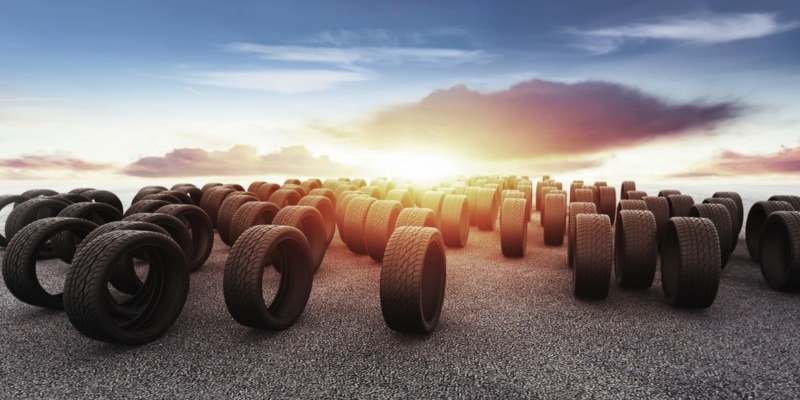
Recycled tires offer polypropylene fibers from the reinforcement fabric to increase the fire resistance of the concreteAccording to a study by the University of Sheffield, the use of polypropylene textile reinforcement (fber) present in recycled tires helps concrete structures better withstand fire. That the use of polypropylene (PP) fibers in the concrete mixtures used for greater fire resistance was a well-known practice is not new, interesting thing from the point of view of the circular economy , is that the reinforcement fabric contained in recycled tires it has been studied to understand its fire behavior in a concrete structure. The use of polypropylene fibers, in particularly fire-resistant concrete recipes, is indicated to reduce the phenomenon of conglomerate explosion under the effect of heat. The study has shown that the use of recycled PP fibers , in this case from recycled tires, does a job equivalent to virgin fibers, with savings in energy and natural resources for their production. But what is the advantage of using recycled PP fibers in the event of a fire? The concrete structure, under the effect of fire, considerably increases its temperature and, due to the humidity trapped inside, given by the ratio of water and cement during the formation of the structures, it could detonate concrete parts in an attempt to leave the hotel. In this case, the PP fibers, during the heating of the structure , gradually dissolve , creating a network of micro tunnels that allow moisture to find leaks to the outside. One might think that the creation of these micro pathways could reduce the mechanical strength and rigidity of concrete, but in reality the volume of the fibers is so limited that it does not affect these factors according to the University of Sheffield. The use of recycled PP fibers not only has the function of protecting concrete from explosions caused by humidity trapped inside, but also of protecting reinforcement rods . In fact, these, if they were in contact with the surfaces in direct contact with the heat source due to the loss of the concrete covering layer, would undergo rapid structural deteriorations. The only purpose of adding recycled PP fibers is to dissolve them when needed, reducing the internal pressure of the conglomerate. The studies will continue with the aim of testing different types of cement mixes, with different grain sizes of aggregates, subjected to different temperatures, with the aim of studying, at the microstructure level, the damage caused by fire and structural changes.See more info aboutAutomatic translation. We apologize for any inaccuracies. Original article in Italian.
SEE MORE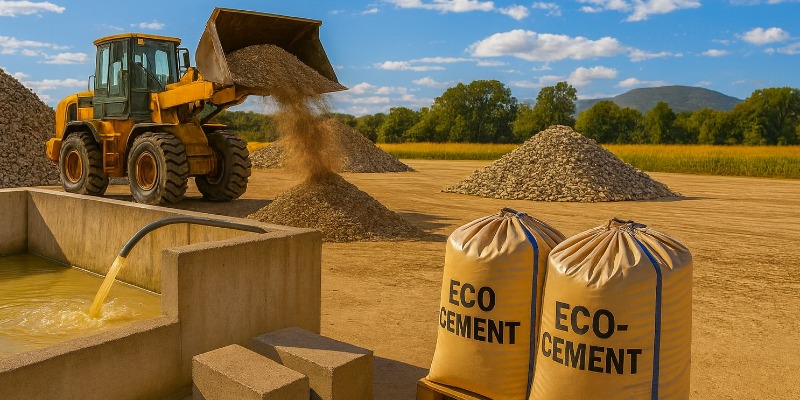 Agricultural, industrial, and dairy wastewater in concrete and mortar: a new paradigm for circular construction
From sewage sludge to dairy by-products, technical experimentation opens new avenues for the production of more sustainable building materials by Marco Arezio At the heart of the ecological transition, the construction industry finds itself having to radically rethink its materials, supply chains, and the environmental impact of the entire production cycle. With cement alone contributing to approximately 8% of global CO₂ emissions and a demand for natural resources—sand, gravel, water—that exceeds any other sector, the need for a breakthrough is now urgent. In this scenario, a concrete and unexpected possibility is emerging: using agricultural, industrial, and even dairy waste in the production of concrete and mortar, transforming potentially polluting waste into technically sound and environmentally sound construction materials. This is not a theoretical provocation, but a concrete line of research, with numerous ongoing experiments and pilot production already active in some contexts. Wastewater such as sewage sludge, digestate from biogas plants, combustion fly ash, dehydrated whey, and flotation sludge from the dairy industry are finding a place in materials engineering laboratories and, in some cases, on actual construction sites. The goal is not only to reduce the construction sector's environmental footprint, but also to offer a cost-effective alternative to traditional materials, in a spirit of industrial symbiosis. Types of wastewater that can be used and their characteristics The wastewater involved in these experiments is characterized by a surprising chemical and physical diversity, which allows its use in multiple stages of the production process. Urban sewage sludge, for example, rich in silica, alumina, calcium oxides, and iron, after heat treatment can become a valid replacement for part of the cement, acting as an artificial pozzolan. Fly ash from waste-to-energy plants or biomass combustion plants , once micronized, offers high specific surface areas and reactivity, improving the compactness of the bonded material. Alongside these already well-known wastes from the construction industry, more innovative solutions are being explored, such as byproducts from the dairy industry. Used whey, particularly rich in mineral salts and protein compounds, can be dehydrated and used as a plasticizer additive or as an alkaline component in binding processes. Even more promising is flotation sludge, a byproduct of fat separation in the treatment of dairy wastewater: after drying and inertization, it proves useful as hydrophobic additives or partial fillers in the formulation of plaster mortars. Agricultural digestates, from biogas plants, are also demonstrating interesting capabilities as organo-mineral fillers, capable of improving the breathability of mortars and providing thermal insulation characteristics to products. Experimental status and application results Ongoing experiments, conducted by universities, technology centers, and industrial consortia, have moved beyond the exploratory phase, often leading to the production of demonstration products and small industrial batches. In Italy, for example, the Polytechnic University of Turin has created self-compacting concrete with 15% fly ash from sludge and wastewater from the dairy industry as the mixing water, without experiencing significant losses in mechanical performance. The workability of the mix has even been improved, thanks to the presence of organic compounds capable of reducing internal friction in the mix. In Puglia, the University of Bari conducted tests on mortars made from natural hydraulic lime with added whey powder. The results showed high adhesion to substrates and a reduced tendency to shrink, paving the way for potential use in architectural restoration and green building. In the Iberian context , the combination of dried agricultural digestate and hydraulic lime has allowed the creation of plaster panels with high hygroscopic properties, suitable for improving the internal comfort of buildings in hot-dry climates. More recently, some prototypes have also been tested in prefabricated elements—benchtops, road kerbs, and masonry blocks—made with a percentage of alternative binder derived from wastewater greater than 20%. Although their compressive strengths are generally lower than those of standard concrete (around 20-25 MPa at 28 days), they are perfectly suitable for non-structural uses. Environmental, economic and territorial benefits The use of wastewater in construction not only complies with the principles of the circular economy, but also offers quantifiable environmental benefits. Even partial replacement of Portland cement reduces greenhouse gas emissions by up to 30% per ton of material produced. Furthermore, the costs and environmental implications of disposal are avoided, which can be particularly costly for sludge and whey, both due to landfill restrictions and the risk of environmental contamination. Another advantage is the ability to create short, regionally integrated supply chains. Farms or dairies can collaborate with construction companies, composting plants, and waste management consortia to fuel local production cycles, generating added value and reducing transportation costs. Equally important is social acceptability. The growing focus on sustainable materials among designers, customers, and public institutions can become a powerful driver for the market introduction of these products, provided safety, traceability, and performance are guaranteed. Cost-effectiveness of the process and the final product From an economic standpoint, the recovery of construction wastewater can be advantageous in many ways. The organic and mineral wastewater used has virtually zero raw material costs, and in many cases, producers would be willing to pay for its collection to avoid disposal costs. The required treatments—drying, calcination, micronization—involve significant energy costs, but still lower than those of the cement clinkerization process. Overall, the use of treated wastewater can reduce the unit cost of cementitious binders by 10-20%, especially when the entire supply chain (treatment + mixing + installation) is located within a small geographic radius. Studies conducted in Italy and Spain show that the production of prefabricated products (kerbs, blocks, street furniture) with a 15-25% recycled content is competitive with traditional products, even without considering any public incentives or tax benefits related to sustainability. The real turning point could come when technical and environmental standards are recognized that allow the industrial-scale adoption and full commercialization of these products. Reference legislation and environmental requirements Current legislation is complex and constantly evolving. At the European level, Directive 2008/98/EC establishes that waste can be reintroduced into the production cycle only if it undergoes treatment that guarantees its safety and usefulness. The "End of Waste" concept is central to this process: wastewater ceases to be waste only when it demonstrates, through technical and environmental analyses, its ability to fulfill a specific function. European technical standards (UNI EN 206 for concrete and UNI EN 197-1 for cement) place stringent constraints on composition, especially for products intended for structural use. There is still no explicit regulatory recognition of wastewater as additives or secondary aggregates, so each use must be assessed on a case-by-case basis, with a specific authorization procedure. In Italy, the Ministerial Decree of February 5, 1998, although limited, permits the use of certain non-hazardous wastes for the production of construction materials, provided that release and chemical stability limits are met. Regional environmental protection agencies (ARPA) and ISPRA (National Institute for Environmental Protection and Research) establish analytical criteria and limits for heavy metals, eluates, and hazardous substances, which often represent the greatest obstacle to the use of organic wastewater. Technical limitations and future challenges Despite its potential, the use of wastewater in construction materials presents some technical challenges. The highly variable composition requires very thorough quality control systems, which are often still lacking. Some organic components, if not fully stabilized, can degrade over time, resulting in odorous emissions or reduced mechanical durability. Furthermore, the presence of inhibitory substances can interfere with the cement's hydration reaction, compromising setting and final strength. Large-scale industrial integration requires the introduction of advanced treatment technologies (such as accelerated carbonation or vitrification) and the development of environmental certification systems (e.g., EPDs) that ensure transparency and traceability. Conclusion The future of sustainable construction also depends—and perhaps above all—on the ability to transform what we currently discard into useful resources. The use of agricultural, industrial, and dairy wastewater for the production of concrete and mortar represents one of the most fascinating frontiers of industrial symbiosis, where waste chemistry meets materials engineering. However, coordinated action between scientific research, industry, and policymakers is needed, capable of supporting innovation with regulatory tools, economic incentives, and technical culture. Only then can these materials emerge from the labs and become an integral part of a new generation of buildings: more equitable, more local, more sustainable. © Reproduction Prohibited
SEE MORE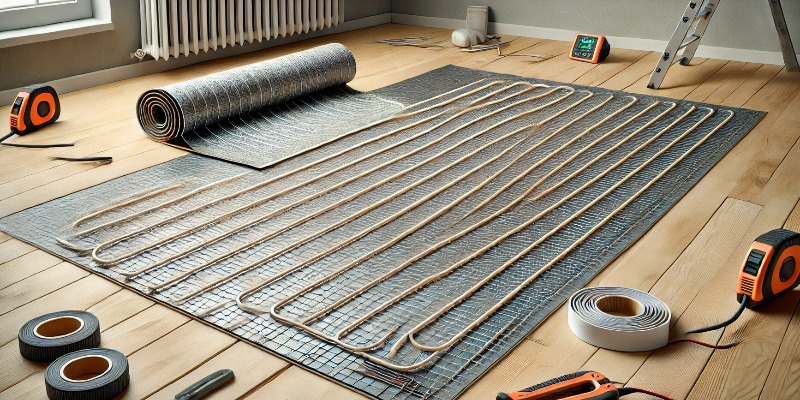 The Green Electric Floor Heating Mat
Sustainable Technology and Energy Efficiency for Zero Impact Comfort with the CALORIQUE Electric Floor MatBy Marco ArezioIn a time when sustainability and energy efficiency are becoming increasingly important priorities, choosing a heating system that is both eco-friendly and high-performing is essential for those looking to reduce their environmental footprint.This article provides a detailed overview of the electric heating mat, an innovative and green solution that utilizes TWIN technology to ensure even heat distribution and reduced energy consumption.We will explore in detail the technical features of this mat, its purpose, how it is installed, and the advantages it offers in terms of sustainability.Finally, we will compare it objectively with three competing products, highlighting the differences in terms of energy efficiency, technology, and environmental impact.If you are looking for a low-impact, highly efficient heating system, this mat could be the perfect choice for your home or green renovation project.What is the CALORIQUE Electric Heating Mat?The CALORIQUE electric heating mat is a sustainable solution designed to provide eco-friendly thermal comfort in both residential and commercial spaces. This underfloor heating system uses a low-energy electric network with a power of 150 W/m², ensuring efficient and uniform heating.Thanks to its TWIN technology, the CALORIQUE mat distributes heat evenly across the entire floor surface, avoiding energy waste and maintaining a consistent temperature. Its compatibility with renewable energy sources, such as solar and wind power, makes it an ideal choice for those seeking an environmentally responsible option.The A+++ energy rating confirms its efficiency, translating into significant energy savings and reduced environmental impact.The CALORIQUE mat not only contributes to internal comfort but also meets the sustainability standards required by modern eco-friendly homes, representing a key element for zero-impact living.What is the CALORIQUE Electric Heating Mat Used For?The CALORIQUE electric heating mat is designed to efficiently and sustainably heat any residential or commercial environment, eliminating the need for bulky, visible radiators or other heating systems.It is installed under the flooring and provides even warmth, helping to reduce cold feet and improving overall room comfort.Ideal applications include:Bathrooms: Where underfloor heating is especially appreciated for avoiding cold tiles and other hard surfaces.Living rooms and bedrooms: For everyday comfort without the clutter of radiators or other appliances.Kitchens: To maintain a constant and pleasant temperature while carrying out daily activities.Beyond comfort, using the CALORIQUE mat offers significant sustainability benefits:Energy savings: The system’s efficiency helps reduce consumption and CO₂ emissions, contributing to the fight against climate change.Reduced environmental impact: The system can be powered by renewable energy, decreasing reliance on fossil fuels.Zero direct emissions: As the system does not rely on gas or fuel combustion, it does not produce harmful emissions either indoors or outdoors.In summary, the CALORIQUE mat offers a sustainable solution for those who wish to combine home comfort with energy efficiency while also reducing the environmental impact of their heating system.How to Install the CALORIQUE Electric Heating MatThe installation of the CALORIQUE mat is designed to be simple and flexible, making it an ideal solution for both renovation projects and new constructions. One of the main advantages is the ability to install it without invasive work, minimizing the use of additional materials and reducing installation time and costs.The main steps for installation are:Floor preparation: The existing surface must be clean, dry, and level to ensure proper installation. This step reduces the need for additional materials and minimizes waste.Mat placement: The mat is rolled out over the surface to be heated, easily adapting to various configurations. It is compatible with a wide range of flooring types, including tile, laminate, wood, and carpet, making the installation flexible and non-invasive.Electrical connection: The mat is connected to the building's electrical system. It is important to have this step carried out by a qualified technician to ensure safety and compliance with regulations. Using renewable energy can maximize system efficiency and further reduce consumption.Floor installation: Once the mat is in place, the flooring can be installed without significantly altering the overall height, an advantage for those looking to maintain the aesthetic appeal of the space without compromising functionality.Testing and adjustment: After installation, the mat is tested to ensure proper operation. Thanks to the thermostat, the temperature can be adjusted precisely, optimizing energy consumption while maintaining a comfortable and sustainable environment.Comparison with 3 Green Competitors1. WARMUP DWS 150 Electric Underfloor Heating MatPower: 150 W/m² (same as Calorique)Energy Efficiency: [A++]Technology: Single filament, less efficient than Calorique's TWIN technology in terms of heat distribution and energy savings.Green Compatibility: Compatible with renewable energy sources but without specific optimization for clean energy like the Calorique system.Sustainability of installation: Requires a more complex installation, with a greater environmental impact in terms of additional materials used and installation time.Advantages of CALORIQUE: The TWIN technology guarantees greater energy savings and a reduced environmental footprint, both during use and installation.2. RAYCHEM QuickNet 160 Electric Heating MatPower: 160 W/m², which leads to higher energy consumption than Calorique.Energy Efficiency: [A++], lower than Calorique.Technology: Single filament, less efficient at distributing heat compared to Calorique’s TWIN technology.Green Compatibility: Supports the use of renewable energy, but is not optimized for energy savings like the Calorique system.Sustainability of installation: Requires a more complex installation and potentially has a greater environmental impact.Advantages of CALORIQUE: Lower energy consumption, higher efficiency, and a more eco-friendly heat distribution system, reducing emissions associated with heating.3. DEVImat DTIR-150 Electric Heating MatPower: 150 W/m²Energy Efficiency: [A++], lower than Calorique.Technology: Double conductor cable, less efficient at distributing heat than TWIN technology.Green Compatibility: Compatible with renewable energy sources but lacks significant optimizations for energy savings.Sustainability of installation: More complex installation, requiring more materials and resulting in a higher environmental impact than Calorique.Advantages of CALORIQUE: Greater heat distribution efficiency and easier installation, reducing overall environmental impact.Why CALORIQUE is the Green ChoiceThe CALORIQUE electric heating mat is a perfect solution for those seeking a sustainable and efficient underfloor heating system. Its main green features include:Energy efficiency [A+++]: Lower energy consumption guarantees savings on bills and a significant reduction in CO₂ emissions.TWIN Technology: Ensures even heat distribution, reducing waste and optimizing energy use.Compatibility with renewable energy: Designed to work in synergy with clean energy sources, maximizing ecological benefits.Ease of installation: Simple, low-impact installation reduces material use and minimizes environmental impact.In summary, CALORIQUE is the ideal choice for those who want to heat their home in an eco-friendly and efficient way, helping to reduce environmental impact without compromising comfort.INCLUDED IN THE DELIVERY:With every purchase, you will receive the self-adhesive CALORIQUE electric mat in your chosen size and a corrugated tube, perfect for installing an external temperature sensor for the thermostat.For floor and room temperature control, we offer a range of thermostats, from basic models to smart, programmable thermostats with WiFi and app control.
SEE MORE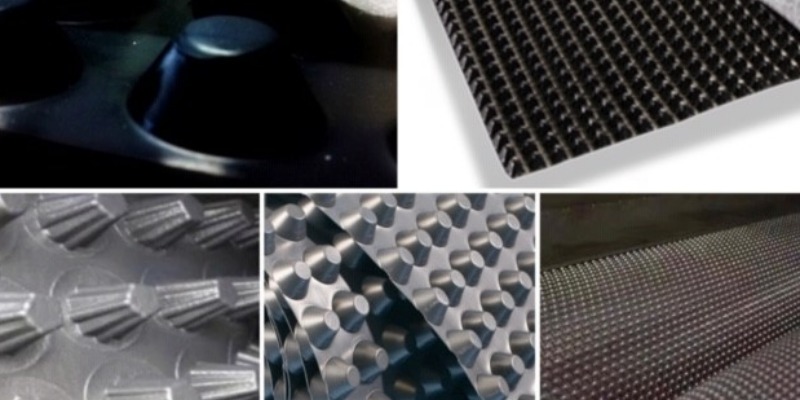 Dimple membranes made with recycled hdpe
How to choose and produce a performing dimple membrane with a recycled HDPE granuleThe function of textured ashlar Dimple membranes in recycled HDPE in the field of building waterproofing has been known for many years, although probably not everyone knows about the many opportunities for using this useful separator-protector-waterproofing element. The partition of membranes depends on: ● Geometric conformation of the dimples ● High of dimples in relation to the lower surface ● Thickness of the lower surface ● Weight per square meter ● Mechanic resistance to compression and traction ● Eventual sandwiches which can be installed during the production: ○ Fabrics not fabrics in polyester ○ Fabrics not fabrics in polypropylene ○ Fabrics not fabrics in grid polyethylene ○ Plaster-saver nets ○ Smooth sliding sheets in PE ● Utilization in building We will not dwell here on the various uses to which the membrane lends itself to technically improve the work but on aspects related to the raw materials that are used for the production of the product and the quality of the same producing the product with extrusion machines per head flat. In the past, standard dimple membranes were produced using virgin HDPE resin which gave technical constant supplies and excellent physical qualities. They were 600 grams per square meter. From the end of 90’s to 2000’s the high augmentation of product request has brought to the offer increase on market and to a consequent pressure on prices. It took producers to use the majority of the time regenerated HDPE granules for the production. Meanwhile new membranes have come to the market: they are 500/450 and 400 grams per square meter. The reduction of the weight and the use of regenerated granules could mean a mechanical performance under the expectations. In relation to first materials involved in the production, we have to keep attention on some basic questions: ● The normal input used is composed by HDPE bottles and vials. It’s taken from the separate collection in which there are PP stoppers. PP has a pejorative behavior considering the membrane’s quality. An high percentage of PP takes to the fragility of the material, especially during the resistance to anchorage and the re-interred of the foundation plan. The reduction of PP percentage is solved using separating machine-readable machineries. ● The flakes’ cleaning phase from HDPE vial is important because little rigid residues in it can not be stopped completely by the filters during extrusion phase and so they can be incorporated into granules. This could be cause the formation of holes on the product’s surface and a consequent loss of impermeability and traction resistance. Therefore a good cleaning, choice of filters and periodic change-filters can help us to have a cleaner granule. ● The utilization of mineral fillers to increase dimple’s mechanical resistance can be useful until the limit over which the product’s fragility and vitreousness begin to reduce the mechanical caracteristiques requested. Mineral fillers can change the resistance by reducing the employment of the HDPE polymer for a lower price of first materials. In relation to membrane’s use in building, we can list some fundamental factors: – For the vertical laying, such as in the waterproof cladding’s protection and for the vertical drainage’s function, it’s requested traction resistance instead of compression resistance – For the horizontal laying, such as in separator layers in floors, it’s more frequent the vertical mechanical resistance – For membrane laying with plaster-saver net for the walls’ dehumidification, it’s preeminent the quality of traction resistance of the membrane in relation to nails. – For drenant and separator layers in tunnels, it’s necessary both a good mechanical resistance and a traction one – For soundproofing membrane’s layer, the mechanical solicitation in civil building is reduced. With this list we don’t want to run out of both employments, which are innumerable, and productive aspect. With this last aspect we have also to consider the impact of membrane’s quality in relation to machinary’s parameters related to the extrusion, the cylinder’s cooling and the dimple’s form which has a relevant aspect in counting the final quality.Automatic translation. We apologize for any inaccuracies. Original article in Italian.
SEE MORE Design and Construction of a Sewer Line with Recycled Plastic Pipes
Recycled plastic pipes have proven reliable, economical and long-lasting over time The construction of modern sewer lines must take into account some essential elements, both technical, as we will see, but also environmental, in order to minimize the impact of the products used for the hydraulic work. In the past, ducts were made with metal or concrete pipes, but since the plastics industry has been able to create alternative products, the diffusion of double-walled HDPE corrugated pipes has become widespread. The first step to take in the construction of a sewer line is its design, which must take into account various aspects that affect the construction area. How to size a sewer line that uses plastic pipes Like any good project that must be carried out, the collection of precise, detailed and reliable information is the basis of the subsequent work. We can list some points that will enter into the design evaluation: The estimate is the maximum daily flow rate that the sewer will have to handle. To do this, it will be necessary to consider the wastewater collection area, population density, industrial uses and other factors that could influence the quantity of liquids to be collected. It is also important to determine the available or desired slope for the sewer line and its diameter. For this information, hydraulic formulas (e.g. Manning's formula) may be useful to calculate the flow speed based on the diameter of the recycled plastic pipe, the slope and the roughness of the material. It will be important to choose a plastic pipe diameter that provides an adequate flow velocity (e.g., between 0.6 m/s and 3 m/s) under full or near-full flow conditions. Additionally, you will need to ensure that the depth of the sewer is sufficient to prevent freezing (in cold climates) and to maintain adequate coverage over the recycled plastic pipe. From a structural point of view it will be necessary to verify that the HDPE pipe chosen can withstand external loads, such as the weight of the soil above it and the traffic above it (if applicable). You will have to think about the connecting elements of the recycled plastic pipes, checking the correct distance between the inspection wells and that the connections between the pipes and the wells are watertight. The design of the sewer line also includes environmental aspects, therefore the possibility of infiltration or loss of waste water from the line must be considered and prevented. However, the use of HDPE pipes, as they are watertight, provides good safety, considering the joints between the various pipes are made in a workmanlike manner, also taking into consideration whether an aquifer can be found nearby. Finally, you will need to ensure that the design complies with all local sewer regulations and guidelines. What technical characteristics must a HDPE corrugated pipe for sewerage have? HDPE corrugated pipes for sewerage must meet specific technical characteristics to guarantee their suitability for use and their durability over time. - The recycled polymer with which the corrugated pipe is constructed must be of good quality and resistant to UV rays - The corrugated pipe must have good mechanical resistance to crushing and lateral deformations stressed by the ground without breaking - The joints between the pipes or between the pipe and fittings must guarantee watertightness, avoiding dispersion of waste water into the ground - The internal part must be smooth enough to allow liquids to flow so as to facilitate their outflow - The HDPE pipe must resist corrosion from wastewater and other chemicals in the sewer system - Under the effect of variations in ground temperatures the pipe must be able to withstand them without losing structural integrity What are the advantages of using HDPE corrugated pipes for sewerage compared to PVC, concrete and metal HDPE corrugated pipes offer several advantages, especially when used in sewer applications: Durability and Corrosion Resistance HDPE is inherently corrosion resistant, unlike metal pipes which can rust or corrode in the presence of wastewater or aggressive soils, ensuring a longer life. Flexibility HDPE pipes are flexible, which means they can adapt to ground movements, such as settlements or earthquakes, without breaking. A particularly important advantage compared to concrete pipes, which are rigid and can break with ground movements. Lightness Plastic pipes are significantly lighter than concrete or metal pipes. This simplifies transportation, handling and installation, reducing labor costs and heavy equipment needs. Watertight welding HDPE pipes can be welded to create watertight joints, reducing the risk of leaks or seepage. This can be an advantage over PVC or concrete pipes, where the joints may be less reliable in terms of sealing. Chemical Resistance The HDPE polymer that makes up the pipes is resistant to many chemicals, making it ideal for sewer applications where aggressive chemicals may be present. Reduced costs In many cases, the overall installation costs of HDPE pipe can be lower than other options. Eco-compatibility HDPE is a recycled and recyclable material, which may make HDPE pipes a more sustainable choice than some alternatives. Extended Useful Life With proper installation and maintenance, HDPE pipes can have a very long service life, often exceeding 50 years. Low Internal Roughness The smooth internal surface made using HDPE allows efficient flow, reducing the risk of blockages. How to lay a HDPE corrugated pipe for sewerage Entering the construction phase, the installation of a corrugated HDPE pipe for sewerage follows a series of key steps, in order to guarantee a safe and long-lasting installation. First of all, it will be necessary to dig a trench of the right depth and width for the pipe you have decided to install, creating a flat and solid trench bottom. At the bottom of it, a layer of compacted sand or fine gravel should be placed to create a stable base for the pipe, the thickness of which should be at least 10-15 cm thick. Once the trench and the suitable bottom have been created, the HDPE corrugated pipe is laid, taking care not to damage it with the laying machines. Also make sure that the hose is straight and free of bends or tension. Once the pipe line is laid, you will begin to fill the trench with material such as sand or fine gravel. You will need to carefully place the fill material around the pipe to ensure a solid base and to prevent the pipe from shifting. After checking that there are no leaks in the sewer line, the trench can be completed with the soil dug previously, compacting everything from the outside. How to weld two corrugated HDPE pipes for sewerage Many plastic materials, including HDPE, are suitable for making long-lasting and effective welds between pipes, manholes and fittings. But for welding two HDPE corrugated pipes, special equipment and some experience are required. It will be necessary that the ends of the pipes to be welded are clean and free of dirt, grease or other impurities, to ensure a high quality weld. The tubes will then be positioned so that their ends are perfectly aligned and in contact with each other. At this point you will use an HDPE welding machine, ensuring that it is correctly set up according to the pipe manufacturer's specifications. Most welds for HDPE are performed using a heating plate to bring the pipe ends to melting temperature. You will insert the heating plate between the ends of the tubes and wait for them to reach the appropriate temperature. Once the ends of the tubes are adequately heated, you will remove the heating plate and bring the ends of the tubes together, allowing them to fuse together. At the same time, uniform pressure must be maintained during this process to ensure good welding. Once welded, the pipes must be left to cool for a certain period of time, in fact, during this time, the welding solidifies and strengthens. Once soldering is complete, you should visually check the joint to make sure there are no air bubbles, cracks or other defects. Depending on the specifics of the project, it may be necessary to perform pressure tests or other tests to verify the quality of the weld. Automatic translation. We apologize for any inaccuracies. Original article in Italian
SEE MORE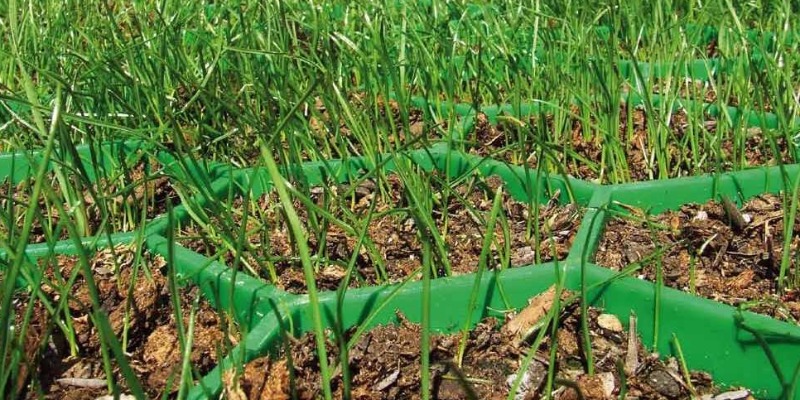 Grassy Recycled Plastic Gratings. Tips for a Correct Choice
Grassy Recycled Plastic Gratings. Tips for a Correct ChoiceUntil the early 90s of the last century the "green" car parks were built using concrete blocks with openings that allowed the passage of vehicular traffic and at the same time the formation of a sparse grassy lawn on the surface between a concrete partition and the other. At that time a small revolution had already been made as we had passed from asphalt car parks to those with a more “green” aspect. However, concrete gratings had advantages and disadvantages: The advantages include: - High resistance to vehicular traffic - Durability of the artifact - Resistance to atmospheric agents - Different surface shapes - High dimensional stability under the effect of the sun Among the disadvantages we can include: - High weight of the single piece - High installation costs - High transport costs - Reduced grass area - High probability of grass annoyance in summer - Reduced draining surface At the turn of the century, grassy driveways made of recycled plastic became popular on the market, taking up a large space in the construction of green car parks, both for some technical advantages they enjoy compared to the concrete product, both for the new regulations that impose a relationship between the surfaces built with respect to the green and on the need to make the horizontal areas as draining as possible. The materials that are normally used are of three types: - LDPE for non-driveway surfaces - HDPE and PP / PE for driveways Speaking of car parks, HDPE is a material that allows for good product elasticity but at the same time good resistance to compression, bending and torsion. This last element must be carefully considered as the grating must withstand the force that a stationary machine impresses on the product by turning the wheels. It also has excellent resistance to low temperatures but, at the same time, less stability under the effect of solar radiation if not duly counterbalanced with mineral charges. The PP/PE compound has good compressive strength and high solar temperatures, but has poor torsional and flexural strength. Also the flexural strength, in addition to the torsional strength that we have seen before, is an element to consider when the substrate does not properly perform its duty of static capacity and coplanarity with the plastic surface. It also has a poor resistance to low temperatures with the possibility of crumbling of the plastic parts above ground. The choice of the two materials that have advantages and disadvantages is to be made considering the seasonality, the latitude of the construction site, the expertise in the installation and the type of vehicular traffic. However, there are corrective recipes to be used, once you have all the design elements, which also take into account the cost of the different raw material between the two families, the type of mold, the machine for printing the product, the colors and protective additives required. Of course, the correct choice of regenerated raw materials does not exhaust the decisions that must be made to design and build a good “green” car park. We can list below some details to keep in mind: - The shape of the alveolus is recommended to be honeycomb or circular so that the tensions are distributed evenly - The connection between one tile and another must take into account the thermal expansion that the product undergoes under the sun. In the absence of space between the elements, it is necessary to consider leaving expansion joints in both directions. - The feet in the intrados of the grating should be no less than 3.5 cm long. to allow a suitable grip to the underlying ground - The layering on which the grassy grating rests must include two inert materials with different granulometry divided by a draining non-woven fabric, preferably in continuous thread polypropylene and a finishing one suitable for sowing grass. - Mechanical leveling through pressing is very important to prevent subsidence of the flooring - Providing the area with automatic irrigation and providing fertilization and restoration of the missing crop soil after opening the area would be recommended. Automatic translation. We apologize for any inaccuracies. Original article in Italian.
SEE MORE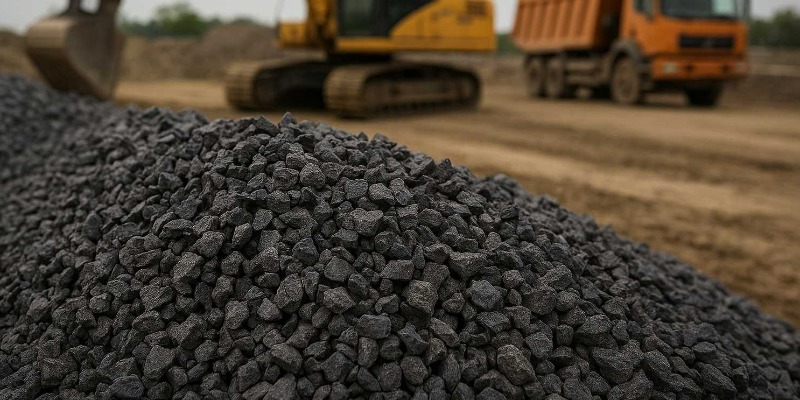 Synthetic aggregates from steel mill black slag (EAF): production, qualification and high-performance applications
From slag to product: how to obtain artificial aggregates that comply with European standards, with superior mechanical performance and certified environmental control by Marco Arezio Artificial aggregates obtained from black slag from electric arc furnaces (EAF) are a valid alternative to natural and recycled aggregates in numerous civil engineering projects. Their industrial nature allows their composition and performance to be controlled through process procedures, transforming the slag from a by-product into certified aggregate when it meets chemical-physical, environmental, and compliance requirements. Industrial experience has shown that the production of aggregates from slag can be structured as a parallel process to that of steel, with in-line and batch controls that ensure repeatability and quality of the finished product. Mineralogy and basicity index: the key to slag stability EAF slag is an oxide system in which glassy and ceramic phases coexist with silicates and spinels. Recurring constituents include calcium silicates (2CaO SiO₂ and 3CaO SiO₂), mixed magnesium and iron oxides, spinels containing chromium and manganese, as well as aluminates and intermediate phases between anorthite and gehlenite. A key operating parameter is the basicity index (IB₂ = %CaO/%SiO₂), which correlates composition, reactivity, and volumetric stability and guides the selection of fluxes and cooling cycles. Process management based on the basicity index reduces variability and promotes consistent aggregate performance. From the kiln to the granulometry: the industrial process for producing controlled aggregates The slag-to-product journey integrates targeted choices of scrap, fluxes and additives, dumping practices, quenching and controlled cooling, as well as rapid basicity checks. This is followed by curing, crushing, screening, and batch-by-batch traceability, with sampling carried out according to UNI standards for the various intended uses: unbound and hydraulically bound materials, concrete, and bituminous mixtures. This setting allows the introduction of standard granulometric classes (0/5, 5/10, 10/20, 30/40, 0/20, 0/125) onto the market, guaranteeing intra-batch homogeneity and availability of stocks suitable for large construction sites. Tests and performance: density, LA, Micro-Deval, PSV and freeze-thaw From a mechanical and geotechnical point of view, EAF aggregates show high values of density (3.6–3.8 Mg/m³), excellent resistance to fragmentation (Los Angeles 13–16), resistance to wet wear (Micro-Deval 5–6), resistance to polishing (PSV ~53–54) and favourable freeze-thaw behaviour with losses around 1 %. These parameters are often higher than those of ordinary natural aggregates and significantly better than those of recycled aggregates, resulting in less wear and tear during operation and greater durability, especially in roadbeds subjected to heavy traffic. Regulatory compliance: EN 13242, EN 12620, EN 13043 and AVCP 2+ EAF slag aggregates are covered by European product standards: EN 13242 for unbound and hydraulically bound materials, EN 12620 for aggregates for concrete, and EN 13043 for bituminous mixtures and surface treatments. These standards address natural, artificial, or recycled aggregates without distinction, defining performance categories, tests, and conformity criteria. The CE marking and the Declaration of Performance (DoP) are issued today under the new Regulation (EU) 2024/3110 on construction products, which came into force in January 2025. For aggregates, the system for assessment and verification of constancy of performance (AVCP) is 2+, which includes production control certified by a notified body with initial audit and periodic surveillance. Environmental safety: chromium release testing and control The environmental compatibility of EAF aggregates is guaranteed by leaching tests, which verify their safety and compliance with regulatory limits. The spinel microstructure plays an important role in confining chromium, reducing its mobility. The link between chemical composition, basicity index, and release behavior is well documented, enabling prevention strategies right from the process stage. At the regulatory level, environmental qualification integrates with REACH requirements and the European framework for by-products, allowing us to distinguish when waste can be considered a product rather than waste. On-site applications: roads, concrete, bituminous conglomerates and embankments Thanks to their mechanical properties and resistance to polishing, EAF aggregates are particularly suitable for bituminous layers subject to heavy traffic and for non-slip surface treatments. Their density and low porosity favor the production of mixes with high moduli and low wear. In the structural field, proper grain size selection allows for use in concretes compliant with EN 12620, while for roadworks and embankments, EN 13242 regulates their use as unbound or hydraulically bound aggregates. Industrial experience has demonstrated large-scale supplies with repeatable characteristics, a fundamental requirement for public infrastructure. Environmental and economic benefits: circularity, LCA and reduction of natural resources Replacing natural aggregates with EAF aggregates reduces quarrying, conserves non-renewable resources, and limits long-distance transportation, with a positive impact on carbon footprint and land use. Structured industrial production allows for economies of scale and ensures the availability of consistent stocks, facilitating construction site logistics. From this perspective, EAF aggregates represent a mature and technologically proven circular economy solution for the construction sector. Operational conclusions Artificial aggregates from EAF slag demonstrate, when tested in accordance with European standards and performance tests, a competitive technical profile: high mechanical strength, durability under severe conditions and environmental suitability governed by composition and microstructure. Controlling the basicity index, managing cooling cycles, and curing the material are crucial factors in ensuring volumetric stability and repeatable performance. Compliant with the new CPR regulation and certified with the AVCP 2+ system, these aggregates represent an industrial solution in line with the sustainability and circularity objectives set by the European Union. © Reproduction Prohibited Sources Technical document on artificial aggregates from black slag, including a description of the process, controls, and comparison with natural and recycled materials. European product standards: EN 13242, EN 12620, EN 13043. Regulation (EU) 2024/3110 on construction products. Technical documentation on the AVCP 2+ system for aggregates. Comparative studies on the mechanical performance (Los Angeles, Micro-Deval, PSV, freeze-thaw) of EAF aggregates. Analysis of the role of the spinel phase in chromium control and environmental qualification.
SEE MORE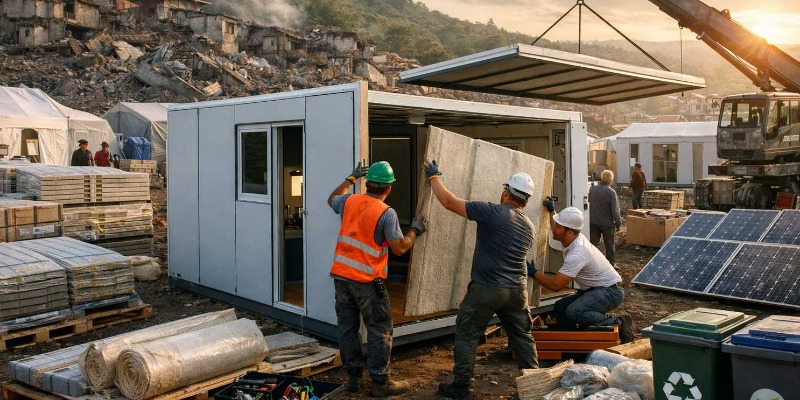 Temporary structures for environmental emergencies: rapid design, demountable modules, and recyclable materials for post-disaster shelters.
Technical Criteria, Environmental Comfort, Design for Disassembly, Deployment Logistics and Material Sustainability in Natural DisastersAuthor: Marco Arezio. Expert in circular economy, recycled materials and sustainable industrial supply chains, with editorial activity focused on production processes, environmental management and innovation applied to materials.Date: March 21, 2026Temporary structures for environmental emergencies can no longer be regarded as a peripheral theme of architecture or a minor chapter of civil protection. Over the last decade, and even more clearly in recent years, the increase in the frequency and severity of destructive events has imposed a paradigm shift: the emergency shelter is not merely a provisional cover, but a minimal infrastructure of social, healthcare and logistical continuity. The global picture described by UNDRR shows that the costs of disasters have reached such a scale that investing in preparedness and resilient recovery has become economically and politically indispensable, not only in immediate response.Temporary structures for environmental emergencies: why they have become an infrastructure of resilienceWhen a community is struck by a flood, an earthquake, a large-scale fire or an extreme weather event, the issue is not simply to “provide a roof” for survivors. What is required instead is the rapid restoration of a minimum system of protection, privacy, rest, hygiene, care and spatial orientation. It is no coincidence that the European response has now institutionalized emergency shelter reserves that include sleeping units, showers, sanitary services, essential kits and collective spaces, recognizing that emergency accommodation is a system rather than a single building product.From this perspective, temporary structures have become a true interface between building engineering, humanitarian logistics, site planning and environmental management. Their quality is measured not only by their ability to be assembled quickly, but by their capacity to limit secondary vulnerabilities: overcrowding, thermal stress, condensation, insecurity, poor accessibility, lack of maintainability, waste of materials and the generation of end-of-use waste. The most up-to-date literature on post-disaster recovery insists precisely on this point: the quality of temporary housing influences the social recovery of the community and cannot be separated from the overall design of the response.Emergency shelter and temporary housing: a fundamental technical distinctionOne of the most frequent sources of confusion concerns the indiscriminate use of different terms. In fact, emergency shelter, temporary shelter and temporary housing indicate different levels of performance, duration and complexity. The UNHCR guides updated in 2026 maintain this distinction and remind us that the initial need must be assessed through a rapid shelter and settlement assessment within the first three days of the emergency, precisely because the choice of system depends on the actual damage profile, local resources, climate and likely duration of stay.Minimum spatial standards also confirm that this is not simply a nominal issue. UNHCR indicates approximately 3.5 m² of covered space per person for emergency shelter in warm climates and 4.5–5.5 m² in cold climates, while in settlement terms the settlement planning guidance calls for a broader allocation, on the order of 45 m² per person including service spaces, routes and infrastructure. These figures do not exhaust the design problem, but they demonstrate that the shelter is part of a broader built environment that includes safety, ventilation, drainage, distances, access and services.The technical distinction is also decisive in performance terms. An emergency shelter can tolerate lightweight solutions and highly compressed logistics if occupancy lasts only a few days or weeks. Temporary housing intended to last for months, or even years, must instead ensure a far more mature balance between comfort, maintenance, climate adaptability and life-cycle sustainability. It is precisely here that many traditional systems reveal their limits: created for speed, they end up remaining in use far longer than originally planned.Rapid design does not mean simplified designIn technical language, “rapid design” should never mean poor or summary design. On the contrary, urgency requires concentrating upstream decisions that in conventional construction can be spread out between site work, variations and later fine-tuning. In emergency contexts, it is necessary to define immediately the relationship between transported weight and volume, packaging methods, the number of operators required for assembly, the possibility of installation without lifting equipment, tolerance to assembly errors, on-site energy availability and the reversibility of the intervention.For this reason, a good project always originates from a risk matrix rather than from a simple catalogue of prefabricated modules. A shelter that is suitable in a Mediterranean seismic area may prove inadequate in a flood-prone context, while a solution that is correct in a temperate climate may fail completely in a site with high humidity, strong thermal swings or intense solar radiation. The new UNHCR guidelines on flood-resilient humanitarian shelters reiterate that flooding is one of the most recurrent climate risks for camps and displaced settlements, and it requires specific decisions regarding elevation, drainage, protection of water-sensitive components and the configuration of the base.Demountable modularity and prefabrication: the core of the post-disaster responseIf one looks at the most convincing experiences of post-disaster temporary architecture, it clearly emerges that the real advantage of modularity is not only speed of installation. Modularity makes it possible to standardize components, reduce errors, facilitate maintenance, replace damaged parts and, above all, plan reuse. The 2025 review published in the Journal of Engineering and Applied Science emphasizes that sustainable temporary architecture after disaster should minimize the use of resources and waste, reduce environmental impact and support long-term recovery precisely through strategies of reuse and redeployment.From this perspective, prefabrication and demountability become two sides of the same design choice. The module must not only be easy to transport and assemble, but also simple to inspect, upgrade, repair and remove without destruction. Where the system is conceived as the sum of identifiable components assembled dry, the shelter can be moved, expanded, reconfigured or returned to stock with limited losses. Where irreversible couplings, destructive sealing systems and non-standardized parts prevail, temporariness quickly turns into material waste.Recyclable materials and reversible construction systems in emergency structuresWhen discussing materials for temporary structures intended for environmental emergencies, it is necessary to avoid a very common simplification: considering the concepts of recyclable, recycled, reusable and circular as equivalent. In reality, from a technical, industrial and environmental point of view, these are different conditions, which produce different effects on the product life cycle and on the overall quality of the construction system. A material may be formally recyclable without containing any share of secondary raw material; likewise, a product may incorporate a significant percentage of recycled material and still prove difficult to recover at end of life because it is conceived as an inseparable composite or as an element assembled with destructive techniques.This is why, in emergency structures, environmental quality cannot be attributed to a single material in the abstract, but must be assessed through the relationship between composition, performance, joining techniques, maintenance, duration of use and the possibility of disassembly. The most recent European regulatory framework clearly confirms this approach: EU Regulation 2024/3110 on construction products also links sectoral regulation to environmental performance over the life cycle, while the Waste Framework Directive reinforces the hierarchy among prevention, reuse, preparation for reuse and high-quality recycling.The first distinction that needs to be clarified therefore concerns the relationship between recyclable material and recyclable product. A material may possess, in theoretical terms, excellent industrial recoverability characteristics, but lose almost all of its value when incorporated into a multilayer, co-laminated, foamed or irreversibly bonded product. This is particularly evident in sandwich panels, technical membranes, composite claddings, lightweight enclosure modules and in many prefabricated solutions designed to reduce weight and assembly time. In all these cases, the nominal recyclability of the raw material does not at all coincide with the actual recyclability of the finished product.What matters, from an industrial point of view, is the possibility of separating the different components with costs, time requirements and qualitative losses that are compatible with a real recovery chain. If a product cannot be dismantled without destroying the materials that compose it, its recyclability remains largely theoretical. European regulations on the management of construction and demolition waste also insist on selective demolition and the separation of streams precisely because high-quality recovery depends on the possibility of keeping the individual fractions recognizable and separable.From this perspective, for temporary emergency structures it becomes more accurate to speak not only of materials, but of reversible construction systems. Reversibility does not coincide with prefabrication alone, nor with merely apparent demountability. A system is truly reversible when its main elements—frames, panels, membranes, accessories, fastening systems, closures and elementary service components—can be assembled, inspected, repaired, replaced and finally dismantled without irreversibly compromising the technical and material value of the individual parts.This approach is far more advanced than a generic “green” label, because it introduces a logic of maintenance, reuse and relocation that is perfectly suited to the intermittent and mobile nature of emergencies. A post-disaster shelter is not in fact a static building in the traditional sense of the term: it can be transported, installed, used for months, dismantled, stored, transferred elsewhere and used again. In such a scenario, true environmental performance depends not only on the initial material, but on the capacity of the system to preserve material and functional value through multiple use cycles. Recent scientific literature on emergency shelters, especially in the healthcare field, shows precisely that circularity must be analyzed throughout the entire process: design, procurement, transport, use, maintenance and end of life.At this point it is essential to deepen the meaning of recycled material. A product containing recycled content represents, in general terms, a reduction in dependence on virgin raw materials and may help lower the environmental footprint of production, especially where secondary material replaces extractive processes or primary transformations with high energy intensity. However, even here, evaluation cannot stop at the quantitative statement alone. Saying that a component contains recycled material is insufficient unless the nature of that recycled material, its origin, its level of sorting, its consistency and its effect on the final performance of the product are specified.In an emergency shelter, where components must withstand transport, rapid assembly, possible reuse, environmental stress and limited maintenance, the use of secondary raw material requires rigorous qualification. In structural or semi-structural components, for example, the introduction of recycled content must be compatible with dimensional tolerances, mechanical behavior, moisture resistance, durability, UV stability, fire reaction and predictability over time. In other words, recycled content is a positive element only when it is coherently integrated with the required performance profile. Regulation EU 2024/3110 itself opens the way to harmonized specifications that may also consider aspects such as minimum recycled content, reusability and resource efficiency.It is also useful to distinguish between pre-consumer recycled material and post-consumer recycled material, because the two cases do not have the same environmental and industrial meaning. Pre-consumer material normally derives from offcuts, trimmings or processing waste reintroduced into the process; post-consumer material, on the other hand, comes from products that have already completed a phase of use and must therefore be collected, sorted, cleaned, regenerated and brought back to a condition compatible with new transformation.From the point of view of circularity, post-consumer material generally presents greater complexity but also greater interest, because it makes it possible to recover value from materials that have already been placed on the market and are potentially dispersed. However, in emergency structures the value of post-consumer recycled material once again depends on the system: a panel with a recycled core but irreversibly bonded to heterogeneous skins or membranes may prove less circular in the long term than a simpler component that is easy to replace and reuse. For this reason, the correct evaluation never concerns only a single initial snapshot of the product, but its overall trajectory throughout the life cycle.In temporary structures, this trajectory takes on even greater weight than in conventional construction. A module intended for emergency use is not necessarily used only once. It may be purchased for a specific crisis, remain in service longer than expected, be only partially decommissioned, be relocated and subsequently reused in another geographical or climatic context. In this logic, reuse may have a higher environmental value than simple recycling.A metal frame, a system of standardized joints or a replaceable panel that allow multiple cycles of use retain a much higher share of value than a single-use product, even when the latter is formally recyclable. The European waste hierarchy clearly favors this interpretation, assigning priority to prevention and reuse before recycling. For post-disaster shelters, this means that the most sustainable choice does not always coincide with the “most recyclable” material, but rather with the component or system that can be put back into use multiple times without substantial loss of performance.This reasoning becomes particularly interesting when moving to natural or bio-based materials. The fact that a product is made of wood, cellulose-derived materials or plant-based matrices does not automatically imply environmental superiority in every application scenario. The most recent research on post-emergency shelters in wood and natural materials shows that such solutions can offer good results in terms of indoor comfort, especially when designed with careful attention to ventilation, envelope performance and climate response.However, these results do not justify concluding that natural material is always the best choice. In contexts characterized by high humidity, the need for rapid sanitation, long storage periods or strong wear due to repeated handling, other solutions may guarantee greater continuity of performance. Once again, the correct judgment shifts from the environmental prestige of the material to the integrated quality of the system: construction detailing, durability, maintainability, disassemblability, climate compatibility and end of life.In order to seriously evaluate the role of recyclable and recycled materials in emergency products, a technical specification should therefore question some aspects that too often remain outside commercial communication. It is necessary to know the actual composition of the product, distinguishing between mono-material, multi-material, separable composite and inseparable composite. It is necessary to know which joining techniques are used: screws, bolts, interlocks, rivets, welds, structural adhesives or foaming systems. A system for identifying materials and components is also required, because without traceability there can be neither efficient reuse nor orderly recycling.The probable duration of use must also be considered, not only the declared one, since many shelters originally conceived as temporary remain in operation much longer than expected. Finally, it is essential to ask what the credible end-of-life scenario of the product is: who takes it back, who dismantles it, who recovers its components and through which supply chain. Research on hospital shelters has highlighted precisely the weakness of these steps, pointing to the lack of shared data on end of life as one of the main current limits of circularity in the sector.One element destined to gain growing importance is, in this respect, the digital product passport envisaged by the new European framework. The idea of associating construction products with a structured set of technical, environmental and identification data may prove particularly useful in modular emergency systems, where the technical memory of the component is essential for reuse. A panel, a frame, a closure or a service element that retains over time information on composition, instructions, performance, maintenance and provenance becomes easier to redeploy, inspect and valorize. In the future, the management of temporary shelters could evolve from simple stock logistics to a true management of traceable technical assets, with both economic and environmental advantages.In conclusion, in temporary structures for environmental emergencies, the most sustainable material is not automatically the recycled one, nor the one declared recyclable, nor the bio-based one by definition. The product most consistent with a circular approach is the one that succeeds in maintaining performance, identity and recoverability over time. This implies using recycled content where it is technically sensible, avoiding irreversible couplings where they are not strictly necessary, favoring mechanical joints and replaceable components, documenting materials and planning from the outset the scenario that will follow the mission. Only in this way does the vocabulary of sustainability cease to be a promotional formula and become a true design criterion applied to emergency structures.Design for disassembly and component life cycleThe concept of design for disassembly is now one of the mandatory steps for anyone wishing to design temporary structures that are environmentally credible. In simple terms, it means conceiving the product from the very beginning for orderly dismantling, separation of parts, repair, reuse and only as a last resort recycling. This approach is no longer merely a cultural option: the new EU Regulation 2024/3110 on construction products explicitly links European sectoral regulation to the environmental performance of products, also in relation to life cycle assessment, and includes used products within its scope of application.At the same time, the Waste Framework Directive in its version consolidated to 2025 reinforces the logic of reuse and high-quality recycling and, for the construction and demolition stream, requires selective demolition measures and sorting systems at least for wood, mineral fractions, metals, glass, plastics and gypsum. For temporary structures, this translates into a direct consequence: the shelter should not be conceived as a rapidly consumed good, but as a reversible technical asset capable of passing through multiple cycles of use with limited loss of value.Thermo-hygrometric performance, comfort and climate adaptationOne of the most persistent mistakes in emergency architecture is to believe that temporariness reduces the importance of environmental comfort. In reality, it amplifies it. When occupants spend weeks or months in reduced spaces, with high density of use and few margins for adaptation, problems such as condensation, overheating, insufficient ventilation, poor lighting and inadequate air quality directly affect physical and psychological health. The 2024 study on temporary structures for healthcare in Italy observes that many tents and provisional solutions are conceived by privileging speed, without considering environmental and social impact as a priority, yet they then end up lasting much longer than expected.For this reason, the technical physics of the envelope remains central. A well-designed shelter must not only resist rain or wind, but must govern the thermo-hygrometric balance, limit indoor temperature peaks, ensure air exchange and reduce discomfort phenomena. The work published in Buildings shows that adaptive modular configurations can improve energy and environmental performance compared to more conventional systems, especially when design considers from the outset climate, orientation, ventilation and probable prolonged use.Multi-risk resilience: floods, earthquakes, extreme wind and prolonged permanenceThe quality of a temporary structure is always measured in relation to the dominant risk of the site. In flood-prone areas, priority concerns elevation, drainage, protection of hygroscopic materials, accessibility in muddy conditions and functional continuity of services. In seismic areas, what matters instead are lightness, base stability, rapid securing and ease of installation in contexts where infrastructure has been damaged. Under extreme wind conditions, the issue shifts to the resistance of fixings, membranes, joints and anchoring systems. The 2025 UNHCR guidelines dedicated to resilience against flood events confirm how dangerous it is to use standard schemes without adaptation to the prevailing risk.But there is a less visible and often more insidious risk: the prolonged permanence of structures originally conceived as temporary. When this happens, a lightweight module minimized from the point of view of initial use turns into a living space that must withstand different seasons, repeated use loads, limited maintenance and spontaneous transformations by users. This temporal slippage is now widely recognized by research and requires design according to a logic of transition, not mere emergency.Social quality of shelter: safety, accessibility and housing dignityA shelter that is technically efficient can fail on the social level. The 2025 review on the social factors of post-disaster housing identifies five decisive variables for recovery outcomes: time, place, local resources, safety and quality. This synthesis is valuable because it shows that the success of temporary housing does not depend only on mechanical resistance or unit cost, but on its ability to support social relations, privacy, daily routines, the protection of vulnerable people and cultural adaptation.The same reasoning applies to accessibility. ISO 22395 provides guidelines for identifying, engaging, communicating with and supporting the most vulnerable people during emergencies. Translated into design, this implies readable spaces, clear routes, accessible thresholds, adequate lighting, daytime and nighttime safety, the possibility of differentiating the use of spaces and specific attention to families, older people, children and persons with disabilities. A rigid universal module, identical in every context, is often less inclusive than a simple but adaptable modular system.Regulations, environmental criteria and circular economy prospects in temporary structuresThe evolution of European regulation confirms that the future of temporary structures will be less and less linear and increasingly circular. Regulation EU 2024/3110 explicitly links the construction products market to safety, sustainability and the declaration of environmental performance, including reference to life cycle assessment. At the same time, the European Commission continues to strengthen, within building policies, the importance of emissions over the entire life cycle.On the operational side, the DG ECHO guide on minimum environmental requirements clarifies that humanitarian projects must incorporate minimum measures for reducing environmental impact and that these requirements are intended to enter into the evaluation of proposals and the monitoring of projects. This shifts the center of gravity of procurement: it is no longer enough to request delivery times and robustness, but it becomes necessary to include embodied carbon, origin of materials, reuse possibilities, take-back scenarios, maintenance and end of life.Ultimately, a new-generation post-disaster temporary structure should not be defined by its provisional nature, but by its capacity for transition. It must arrive quickly, protect immediately, adapt to the site, last as long as needed without degenerating into precariousness and leave the context producing less waste, less resource loss and less vulnerability. The best module is not the one that can be assembled fastest in the abstract, but the one that is able to combine logistics, comfort, reversibility, inclusion and the life cycle of materials. It is on this integration, much more than on simple prefabrication, that the future of temporary structures for environmental emergencies will be decided.FAQWhat is the difference between emergency shelter and temporary housing?Emergency shelter responds to the immediate need for protection in the early stages of the crisis, while temporary housing is designed for longer stays and requires higher standards of comfort, services and climate adaptability.How much minimum space is needed per person in a temporary shelter?UNHCR generally indicates 3.5 m² of covered space per person in warm climates and 4.5–5.5 m² in cold climates, but the figure must be integrated with ventilation, family composition, duration of use and site quality.Why are demountable modules preferable in post-disaster contexts?Because they facilitate transport, assembly, maintenance, replacement of parts and reuse, reducing construction-site errors and material waste.Are recycled materials always the best choice?Not necessarily. What matters above all is the construction system as a whole: separability, reparability, traceability and the possibility of reuse are often more decisive than the recycled origin of the material alone.Why is indoor comfort so important even in temporary shelters?Because many temporary structures remain in use longer than expected, and thermal comfort, ventilation and air quality directly affect health, stress and the quality of stay.What are the main European regulatory references today?For construction products, the key reference is Regulation EU 2024/3110; for circularity and end-of-life management, the Waste Framework Directive 2008/98/EC in its version consolidated to 2025 is central.Essential sourcesUNDRR, Global Assessment Report 2025 and documents on resilient recovery.UNHCR, 2025–2026 guidelines on emergency shelter, rapid assessment, settlement planning and flood resilience.European Commission and EUR-Lex, Regulation EU 2024/3110 and the Waste Framework Directive consolidated to 2025.DG ECHO, guide on minimum environmental requirements for humanitarian interventions.Scientific literature 2024–2025 on modularity, comfort, circularity and social factors in post-disaster shelters.
SEE MORE Packaging Corrugated Cardboard: Dimensions and Direction of the Fibers
The quality and resistance of a corrugated cardboard for packaging depends on the correct arrangement of the fibers and their size How many times have we received, delivered at home, the products we bought on the internet enclosed in a box of cardboard, how many times in our company we use boxes, more or less large, to pack our products for sale, how many times we order by putting our things in cardboard boxes. A type of convenient packaging, simple to use, long-lasting and also circular, as we easily handle corrugated cardboard boxes made with mainly recycled and recyclable paper. In a more professional environment, therefore in the company, the quality of the packaging, whatever they may be, is of substantial importance, not only to present our products to customers, but to protect them during transport and storage in the warehouse. How is recycled corrugated cardboard produced? To create the finished product we start from its origin, so let's see how the sheets that will make up the recycled corrugated cardboard are made >, taking a step back to the paper mill. In fact, it is there where the story begins, using, as raw material, the cardboard that comes from separate collection, which makes up the preeminent part of the recipe, then adding a small part of virgin paper fibers, to increase the quality of the finished product. The type of recipe described does not exhaust the possibilities of finding other blends, as a corrugated cardboard can also be produced 100% with recycled material or with lower percentages of it. Once the raw material has been inserted into the processing plant, water and other substances suitable for the treatment are added, thus starting a mixing of the raw material which leads to the creation of a fluid paste, in which we find an element of crucial importance for the quality of the future finished product which is fibers. In fact, both the recycled cardboard and the natural raw material, which comes from trees, contain different types and form the backbone of future boxes in corrugated cardboard. Once the paper pulp is made, it is spread out, in thin layers, which vary according to commercial requests, on work surfaces to then be sent to the drying of the sheets. Once the correct drying has been achieved, the flat sheets are placed between a corrugated one, specially made through the use of a mechanical folding action assisted by steam. The various layers will then be glued together using vegetable glues derived from potato starch or corn starch. How the direction of the fibers is formed and why it is so important During the creation of the pasta, the most important game regarding future quality is played through the movement of the machine and the presence of water of the cardboard, in fact, with this operation the direction of the fibers is formed which, together with their length, will determine the qualitative result of the product. The fibers are, as mentioned, an armor for the sheet of paper or cardboard, the bearing tool of the product and, their arrangement determines their one-way or two-way mechanical strength. In fact if the fibers are oriented in a parallel way it is possible to tear the sheet in the direction of the same, but it is difficult and irregular in the opposite direction. Furthermore, if the fibers do not have a parallel pattern but unevenly distributed, the mechanical resistance is obtained in both directions of tearing. This does not only apply to the division of the two flaps of the cardboard or paper, but also to its ability to be folded, in fact if we do not consider the arrangement of the fibers, during the folding of a wing of the box, for example, this will be imperfect and difficult, both manually and using the packing machines. What are the differences between using long fibers and short fibers Not all fibers are the same: there are those that are thinner, longer, more irregular, very porous, not porous at all, with knots, of pointed or cylindrical shape and many others. To simplify, with regard to which fiber would be better to use to produce a corrugated cardboard box, we can say that long fibers are the ones most suitable for purpose, as they have greater resistance and hardness, having to create a surface that is as rigid as possible. For completeness we can indicate the short fibers are an excellent solution for creating soft and yielding papers, which are used for multiple uses. Using recycled paper to produce recycled cardboard As we have seen, a good quality paper for making packaging boxes must use a pulp that contains a sufficient amount of fibers long to reinforce the structure. In order to arrive at the correct recipe, to contain costs and to contribute to the use of paper and cardboard waste that we produce every day, the production uses a good part of recycled cardboard. The recycling operations involve, over time, a certain leaching of the fibers, with the consequence that their contribution in the recipe for the production of packaging cardboard, with the various treatment cycles, could decrease. In this case it becomes necessary to resort to the addition of virgin fibers in order to balance the decrease caused by recycling. Automatic translation. We apologize for any inaccuracies. Original article in Italian.
SEE MORE Self-Locking in Recycled PVC: How to Design Sustainable Bike Paths
Self-Locking in Recycled PVC: How to Design Sustainable Bike PathsThe problem of environmental protection is now a completely transversal topic in our life and, at every level of responsibility and competence, its protection and the reduction of the impact of 'man on the ecosystem is to be kept in evidence.Cities and the connecting areas between them are experiencing a transformation in the field of sustainable mobility, pushing in decisive way towards the use of the bicycle. Precisely in the era of a pandemic there was a rediscovery of the pedal vehicle, an activity that takes on factors that are not only of a social, urban or environmental character, but it embraces those principles of “slow life”, that is a more natural and relaxed approach to life, where time is given the right value, not consumed but lived. The use of the bicycle has led to the rediscovery of a healthier mobility system, more participatory towards the environment crossed and a form of newfound familiarity and conviviality between people. To follow this new approach to sustainable mobility, it is necessary to create and improve routes that are expressly dedicated to bicycle traffic, through projects that take into consideration the principles of sustainability and the circular economy. For this reason, in the technical design phase, the use of materials that can contribute to the environment, waste reduction and recyclability of the elements at the end of their life. As for the road paving of cycle paths in urban areas or connecting one city to another, the tendency is not to use materials that have created an environmental impact already in their constitution before their use, such as asphalts or concrete blocks, whose raw materials derive from natural resources, but to use elements that derive from the recycling of plastic materials. One of these is the self-locking block made of recycled PVC, whose raw material consists of the waste from the processing of electrical cables, from which the copper and the plastic sheaths. These sheaths are recovered, selected, recycled and transformed into raw material to create driveways with monolithic interlocking suitable for road and cycle-walkable pavements. A flooring made with PVC recycled interlocking blocks fully embraces the principles of the circular economy, that is, the use of processed waste to replace natural raw materials for avoid the impoverishment of the planet. The flooring in self-locking blocks in recycled PVC has a long life, remains flexible in operation, does not create holes, does not undergo degradation due to road salts, it is light and with an economical do-it-yourself installation, it does not stain as it does not absorb oils or pollutants, it is washable, non-slip and paintable. In addition, the replacement of individual pieces of the flooring is very simple and economical, as the self-locking block is quickly replaced without creating an interruption in the road network for maintenance.
SEE MORE Why Choose Recycled PVC Blocks Instead of Concrete?
Why Choose Recycled PVC Blocks Instead of Concrete?Many fundamental choices are too often made by making a mathematical price comparison, between two elements taken into consideration that apparently seem to have the same characteristics and the same functions.In the field of construction, an activity that has an important environmental impact and where the circularity of the products used has not yet reached full capacity, very often two products to be used only on the basis of price, often choosing the lowest one. The decision to lay the cheaper one, often the concrete one, comes from the conviction that the two products are replaceable between the concrete block and the recycled PVC block and that we have the same technical and durability functions. Although the cost of the two products is on average close between the two, the choice of using the cheapest one creates an apparent saving, but in reality the cost per square meter over the years of the concrete element can be significantly higher than that of recycled PVC. In the weighted decision between one product and another, the price variable alone cannot condition the purchase, as it can rightly be taken into consideration when all the other differences have also been analyzed and evaluated economically. Let's see some: • The recycled PVC brick has a weight per square meter lower than those in concrete. Each designer should take into consideration the greater environmental impact that a greater number of transports, with the same surface laid, affects the carbonization count. • The recycled PVC block is not damaged by road salt, damage that affects the concrete blocks with maintenance costs in important years. • The recycled PVC block is an electrically insulated surface and can also be used in industrial contexts where leakage current could be a danger. • The recycled PVC brick has a good bending value, this allows the product to absorb small and medium imperfections of the substrate without breaking. • The recycled PVC block has a decidedly reduced installation cost compared to the paving in self-locking concrete blocks, as the stratification it needs, on compact ground , it is only about 5 cm. of sand. This also affects the environmental impact of the transport of raw materials which are decidedly against the concrete block. It also has an intuitive and comfortable pose, typical of DIY, so as to allow anyone to create the required flooring. • The recycled PVC brick can be easily cut with a non-professional hose or saw, concrete one needs equipment with professional grade diamond blades. • The recycled PVC brick is composed of plastic waste derived from the processing of electrical cables, which are shredded, selected and extruded, contributing to the full circularity of the raw material. Furthermore, the solid PVC laid at the end of its life can be recycled again. Each flooring made with solid PVC helps to reduce the amount of waste we produce daily. • The recycled PVC brick is waterproof, this involves a lower risk of breakage in freeze and thaw cycles. • The recycled PVC brick, as it is non-porous, cannot be stained with oils or fuels that can lose the means of transport, which happens indelibly with the porous concrete pavement. Diesel, oil or petrol stains remain permanently on the cement surfaces, while those made with a solid recycled PVC block can be easily washed with a jet of pressurized water. • The traditional flooring brick is normally composed of cement, which derives from the processing of natural stones by excavation, then undergoing a firing process that uses fossil energy in great quantity. Cement is combined with sand to form a cement mixture, sand that comes from excavating land or dredging rivers, irreparably consuming natural resources. The third element necessary to produce concrete blocks is water, which normally affects a percentage of more than 40% per gram of cement used. So the environmental impact of a square meter of concrete blocks is incredibly higher than one made of recycled PVC. • With regard to the resistance to compression, driveability, tire torsion, reaction to fire, cigarette burns and slipperiness, the two products are on average equivalent. In the light of these data, the price comparison between a solid recycled PVC and a concrete one must take into account all these points, which are accounted for, economically and morally, they bring PVC brick to a much lower overall cost than concrete or asphalt paving.Automatic translation. We apologize for any inaccuracies. Original article in Italian.
SEE MORE Kaolin and cobalt in high-end tiles
Composition, innovation and sustainability in premium Italian ceramic products by Orizio Luca The world of high-end ceramic tiles is a universe made of selected raw materials, advanced technologies and obsessive attention to aesthetic and functional quality. Among the many elements that make up these excellent products, two substances play a fundamental role: kaolin and cobalt. Both, although belonging to very different chemical categories, are essential to ensure that tiles are not only functional objects, but real design elements, durable and respectful of the environment. Kaolin: the precious clay that defines structure and quality Kaolin is a clay of natural origin, characterized by a chemical composition based mainly on kaolinite, a hydrated aluminum silicate. What makes kaolin so valuable for ceramic production is its fineness, purity and whiteness. In practical terms, kaolin is the basis on which the structural and visual quality of the most valuable tiles is based. The Italian ceramic industry has been using it for decades to give the mixture a plasticity that facilitates the shaping of thin but sturdy products. The tiles that we find in the top collections are made with percentages of kaolin that can vary from 20% up to 35% of the total mixture, depending on the product and the level of finishing required. This material ensures that, during the pressing and firing phases, the tile maintains its shape and size without undergoing deformations or microfractures, which would compromise its quality. Furthermore, kaolin gives the finished product a brightness and a basic whiteness that are essential to obtain perfect, uniform surfaces ready to receive glazes and high-quality decorations. The purity of this material is essential to avoid impurities that could manifest themselves as aesthetic defects or resistance problems. Among the most appreciated producers of high-quality kaolin in Italy and in the world, Imerys Ceramics stands out, which supplies very fine and purified powders, specifically designed for the needs of an increasingly demanding ceramic industry. This type of kaolin is micronized, or finely ground, to ensure the best dispersion and workability in ceramic bodies. Cobalt: A Small Metal with a Big Aesthetic Impact If kaolin is the “supporting structure” of the tile, cobalt is undoubtedly one of the most precious elements for its aesthetic appearance. This metal, used mainly as an oxide (CoO) or as a carbonate (CoCO3), is the source of one of the most intense and refined colors in the ceramic panorama: cobalt blue. The blue color obtained with cobalt is known for its depth and brilliance, qualities that perfectly resist the high temperatures of the ovens (over 1200 °C) and the wear and tear of time. In the world of high-end tiles, even very small quantities of cobalt (less than 1%) can transform a simple product into a piece of great aesthetic and commercial value. This pigment is particularly used in artistic decorations, luxury finishes or to create sophisticated chromatic effects that characterize the most prestigious lines of Italian ceramic companies. The use of cobalt is strictly regulated to ensure the safety of finished products and prevent environmental risks. Specialist companies such as Umicore develop pure, non-toxic cobalt pigments, ensuring that tiles are safe for domestic and commercial use. The complete chemical composition: a balance of materials par excellence High-end tiles are not based only on kaolin and cobalt, but on a balanced mix of different materials. Alongside kaolin, we find more common clays, feldspars and quartz sands. Each of these materials plays a fundamental role: - Common clays constitute the mass of the dough, giving plasticity and cohesion. - Feldspars are natural vitrifiers that lower the melting temperature, improving compactness and surface resistance. - Quartz sands provide structure and hardness, increasing resistance to abrasion and wear. Together, these components guarantee a tile with extremely high level technical characteristics: superior mechanical resistance (with rupture modules exceeding 35 MPa), very low porosity (less than 0.5%) and smooth, homogeneous and easy-to-clean surfaces. Examples of Italian excellence: the big brands that use kaolin and cobalt Italy has always been a world leader in the production of ceramic tiles, with companies that combine tradition, research and technological innovation to create superior quality products. Among the main Italian manufacturers that use kaolin and cobalt in their top-of-the-range lines we find: Marazzi Group , one of the most prestigious names, uses pure kaolins and cobalt pigments for its artistic and technical collections. Marazzi tiles are known for the perfect balance between structural resistance and aesthetic refinement. Florim Group , another Italian giant, focuses heavily on technological innovation. Its premium lines include tiles made with selected raw materials, including finely micronized kaolins to improve workability and cobalt pigments for high-impact chromatic effects. Atlas Concorde , known for its designer surfaces, uses the highest quality kaolin and cobalt pigments in calibrated doses to create tiles with sophisticated decorations and bright colours, capable of resisting over time and the most severe conditions. Casalgrande Padana is another Italian company that combines research into quality raw materials with sustainability, using pure kaolins and safe pigments, including cobalt, for its high-end products. Finally, Iris Ceramiche stands out for its ability to combine craftsmanship and cutting-edge technology. The company uses high-purity kaolins and cobalt-based pigments to create collections that combine the tradition of Italian ceramic decorations with innovative solutions for resistant and effective surfaces. Iris Ceramiche is particularly appreciated for the quality of its finishes and attention to detail, elements that make its tiles a point of reference in the premium market. These companies represent the best of Italian ceramic production, where the choice of raw materials is fundamental to guarantee products that meet the needs of aesthetics, durability and environmental respect. Advanced manufacturing processes: from raw materials to finished products Behind the beauty of high-end tiles there are sophisticated technological processes, developed to maximize quality and reduce environmental impact. Production begins with the careful selection of raw materials: kaolin is micronized to improve the plasticity of the mixture, while cobalt is dosed with precision to ensure uniformity and chromatic intensity. Pressing is a key step: isostatic and dry presses are used to ensure density and homogeneity, which are essential to avoid surface defects and ensure robustness. Firing takes place in digitally controlled tunnel ovens, where temperatures exceeding 1200 °C allow for perfect sintering of the material. The surfaces are finished with enamels and decorations, often applied with digital techniques such as inkjet printing, which allows for high resolution and great customization, exploiting the ability of cobalt to maintain color and brilliance even in extreme conditions. Sustainability and recyclability: a circular future for ceramic tiles An essential theme in the ceramic industry is environmental sustainability, which takes shape in two main directions: responsible production and end-of-life management of products. High-end tiles, although produced with natural and durable materials such as kaolin, increasingly see the integration of recycled raw materials, such as production waste and regenerated glass, helping to reduce the environmental impact. Modern production processes use low-energy technologies, with heat recovery ovens and control systems that optimize firing cycles. At the end of their life, ceramic tiles are highly recyclable thanks to their inorganic and stable composition. They can be crushed and reintroduced into the production cycle as a secondary raw material or used as aggregates for building screeds and underlays, thus reducing the need to extract new natural resources. Some Italian companies are developing collection and recycling programs, collaborating with public and private bodies to valorize disused materials and promote an effective circular economy. Conclusions High-end tiles represent the perfect balance between tradition, technology and sustainability. Kaolin, with its structural and aesthetic properties, together with cobalt, which gives that touch of unique and refined color, are irreplaceable pillars in the composition of these products. The Italian ceramic industry, through brands of excellence such as Marazzi, Florim, Atlas Concorde and Casalgrande Padana, demonstrates how a wise selection of raw materials, combined with advanced production processes, can lead to the creation of tiles that are not only beautiful and resistant, but also sustainable and respectful of the environment. The future of ceramics is therefore increasingly circular, where innovation, quality and environmental awareness go hand in hand to offer products capable of enhancing living spaces and contributing to the protection of the planet. © Reproduction prohibited
SEE MORE Mechanical Pulping: Processes, Technologies and Sustainability in the Paper Industry
Exploring Mechanical Pulping Methods and Their Implications in the Paper IndustryBy Marco ArezioMechanical pulping represents a fundamental process in the paper industry, characterized by the reduction of wood into fibers through physical methods. This approach is crucial for the large-scale production of paper products, offering advantages in terms of energy efficiency, resource utilization, and waste reduction.This article examines the main methods of mechanical pulping, their technological variants, environmental implications, and their effects on the final properties of paper. This complex process stands as one of the cornerstones of the circular economy in the paper sector.The Main Methods of Mechanical PulpingGroundwood Pulping (GW)This traditional method involves using large grinders to reduce wood into fibers. The process occurs in the presence of water, which acts as a lubricant and reduces the risk of overheating. The resulting pulp is suitable for producing newsprint and low-strength materials. However, fiber quality can be influenced by operational variables such as pressure, grinding speed, and water temperature.Thermomechanical Pulping (TMP)TMP combines heat and mechanical force to enhance the efficiency of fiber separation. During the process, wood chips are preheated with steam before being processed with rotating discs. This technique improves fiber quality, making it more suitable for paper products that require greater strength and brightness. TMP is particularly used in the production of coated paper, where optical performance is essential.Chemi-Thermomechanical Pulping (CTMP)CTMP is an evolution of TMP, incorporating a preliminary chemical treatment to soften lignin and facilitate fiber separation. This process produces higher-quality pulp and offers greater versatility for end products, such as packaging boards and high-quality papers. The choice of chemicals used in pretreatment directly affects the fiber characteristics and adhesion properties.Derived Paper PropertiesBrightness and OpacityMechanical processes tend to retain a higher amount of lignin, contributing to higher opacity but reducing brightness compared to chemical pulp. This makes mechanical pulp ideal for products where opacity is crucial, such as books or magazines, while being less suitable for high-gloss papers.StrengthWhile mechanical pulp has lower strength compared to chemical pulp, TMP and CTMP offer significant improvements by preserving fiber integrity. The introduction of optimization techniques, such as the use of pressurized steam, has helped reduce inherent strength limitations.Efficiency and CostsMechanical methods utilize a higher percentage of wood compared to chemical processes, making them more resource-efficient. However, energy consumption, particularly in TMP and CTMP processes, can significantly impact operational costs. Optimizing technologies is therefore a constant goal to improve the balance between efficiency and expenses.Environmental AspectsMechanical pulping is generally considered more sustainable than chemical pulping due to its lower use of chemicals and ability to utilize a greater portion of raw wood. However, energy consumption represents a significant environmental challenge. The use of renewable energy and more efficient technologies helps mitigate these impacts.Another critical aspect is fiber recycling, which extends the useful life of wood resources and reduces reliance on new raw materials. Additionally, strategies such as using biomass as an alternative energy source present a promising way to further reduce CO2 emissions.Future Prospects and InnovationsIntegrating mechanical pulp into new applications, such as composite materials and bioplastics, opens exciting prospects beyond traditional paper. Innovations in mechanical pulping technologies aim to reduce energy consumption, improve fiber quality, and develop more environmentally friendly processes.The paper industry is gradually embracing a circular approach, where waste valorization and recycling become key components for long-term sustainability.ConclusionsMechanical pulping is an essential and innovative process that combines resource efficiency, sustainability, and diversification potential. Thanks to continuous technological progress and a greater focus on the circular economy, this method continues to evolve as a cornerstone of the modern paper industry, addressing environmental challenges and market demands.© Reproduction ProhibitedPhoto: Wikimedia
SEE MORE PVC Pipes: what can be Produced with Recycled Granules
PVC Pipes: What can be produced with Recycled Granules and how waste raw materials are processed In the world of pipes for the transport of liquids , with or without pressure, the market is crowded with many raw materials which compete for market shares and clash without holds barred, showing off the advantages in the durability of the materials produced, in ease of installation, weldability of the elements or the correct accessories for connection, cost-effectiveness, sustainability and compliance with regulations. If we examine the sector of pressureless pipes we see that in the past the use of cement and metal, in some situations, was the consequence of a step forward in the industrialization of products for the transport and discharge of water compared to pipes which were made in fired clay. The spread of concrete pipes, which seemed eternal, clashed with the birth of plastic polymers which represented a technical and economic improvement compared to traditional canalization systems. Civil construction began to use PVC in house drains, making the installation of liquid transport networks extremely simple and economical, and then extended to many other applications such as the irrigation, electrical and gardening sectors. The PVC pipe has taken on a role of absolute importance also due to its intrinsic qualities such as: • Duration exceeding 100 years based on pressure and aging tests • Good resistance to chemical and oxidative corrosion • Reduction of service interruptions • Antistaticity • Water repellency • Resistance to internal and external pressure • Resistance to abrasion • Recyclability For many years, virgin raw materials were used for the production of all types of rigid and flexible pipes, until the sector began to collect waste and reuse it according to the rules of the circular economy . Today the production of PVC pipes, except for particular specifications, is largely carried out through the processing of recycled materials. How is waste recycled? First of all, the waste can derive from the collection of used pipes or connection sleeves but, based on the recipes required by the market, the raw material can be mixed with other PVC that comes from different supply chains. For example, in the rigid PVC sector, window profiles can dynamically enrich the recipe, so waste from roller shutters or credit cards or profiles for the electrical sector attribute improved technical characteristics based on the percentage used. In the Soft PVC sector, electrical cable covering sheaths, gaskets, water containment sheaths and industrial processing waste make up the menu for creating the right recipes. However, these mixes must be precisely verified in the laboratory before the production of the recycled granule, in order to exactly match the technical characteristics requested by the customer. But to achieve laboratory verification one must go through the waste recycling phases which normally include: • The selection of elements by application type and color • Grinding of waste and deferrization • Micronization if required • Granulation of the ground coffee with the addition of the correct additives What applications can be achieved through the use of recycled PVC for pipes? There are many sectors that the use of recycled raw materials allows us to reach, guaranteeing the customer the production of reliable, economical and long-lasting elements. Let's see some: • Rigid pipes suitable for the discharge of non-pressurized water in civil construction with variable thicknesses and diameters • Non-pressure field irrigation pipes with different dimensions and diameters based on length and flow rate • Tubular elements in the horticultural sector suitable for supporting plants • Small flexible tubes suitable for tying plants • Small diameter flexible corrugated tubes suitable for containing electrical cables • Support tubes, called cores, of rolls of industrial materials such as plastic films, fabrics or other materials that are wound into reels. • Solid bars suitable for industrial production by turning • Irrigation hoses for the garden • Corrugated or smooth tubes to protect telecommunications cables • Pipes for soil drainage There are, evidently, many other applications of pipes made with recycled PVC , just as there are many other applications of recycled granules in the creation of commonly used products which we will talk about later. Category: news - technical - plastic - recycling - PVC - pipes - granules
SEE MORE The inner layer of the corrugated pipes
How to obtain a correct internal wall of a corrugated pipe with a regenerated LDPE granuleBy producing flexible corrugated pipes in rolls or small double-walled rigid diameters, the problem of making a good quality inner layer has led manufacturers to frequently use virgin polymers due to the difficulty of generating a correct and durable wall with the material regenerated. In reality the inner layer of the pipes, due to its characteristics, needs special attention due to the small thickness of the wall, the tensions that are created in the co-extrusion phase and the different thermal movements with the external wall. The choice of the raw material normally falls on the LDPE whose main characteristic required is elasticity and good adhesion to the external HDPE layer. If you want to use a regenerated LDPE granule, keep in mind and analyze some important production factors to be able to choose a LDPE granule of quality suitable for the purpose. When we talk about regenerated granules, it is not sufficient to verify whether the product offered to us has a “pipe” grade, as it is sometimes mistakenly sold, since the inner wall of a corrugated tube requires a granule with well-defined characteristics. First of all we have to ascertain the origin of the input of the material that constitutes the granule, starting to understand if it comes from a post-industrial supply chain and from post-consumption. These two families, we will see later, have very different characteristics that will influence the production of the pipe in different ways. Secondly, we need to verify from which product the input is made to understand the history of the material being recycled and the possible problems it has encountered in its recycling life. The third thing is to verify the technical values, then the melt index, the DSC and the density of the material that will make us understand exactly how the granule we will use for the inner wall of the corrugated tube is made. The fourth thing is to know the production process of the granule proposed in particular how the selection of the waste is done, the washing and the extrusion to have more data that help us to choose the most suitable product. The last thing, very important for the granule that comes from post-consumption is to understand the degree of humidity present in the product at the time of purchase as a high value will affect the quality of the wall if no appropriate measures are taken. It is obvious that the points listed above are not completely exhaustive in the technical analysis of a granule, but I can say that for the application we are talking about today, they are a good starting point considering that they are data that are not difficult to find. If we want to go into the above points, we will start by talking about the input families that can be used for the production of the inner wall of the corrugated tube. We have seen that it is possible to produce a granule with material coming from separate collection or from industrial waste. The post-consumer supply chain makes it possible to have a quantitative source much greater than that coming from industrial waste and therefore it would seem the best way to satisfy production requirements, but the technical characteristics that the production of the internal LDPE wall of a pipe requires corrugated puts stakes to its use. By its very nature, the LD that comes from separate collection, despite a good selection and washing, presents a percentage of foreign materials (PVC, poly-coupled, PP, etc. ..) that behave in contrast to what we expect from the point qualitative view. The wastes that come instead from the production of LDPE articles are normally virgin or off grade materials, which by their nature are composed of mono-plastics and therefore do not contain impurities. There is usually no need to wash them and they have very specific technical characteristics. There are also LDPE Compounds made on the market using post-consumer and post-industrial portions, combining a selection of materials suitable for the production of the internal wall. If the verification of the origin of the post-industrial input does not involve great commitment, for the other two categories more attention must be paid. For post-consumption it is advisable to privilege material such as the film but which has not come into contact with domestic separate waste collection, for example garbage bags or food packaging, which carry pollutants that are difficult to completely eliminate. Another advisable source is the irrigation pipes which however need very accurate washing cycles as they contain a fraction of sand that compromises the quality if not completely removed. For the production of mixed post-consumer / post-industrial compounds, films from industrial packaging are normally used which have a collection chain separate from household waste, maintaining higher quality characteristics. As far as the quality control of the product granule is concerned, there are some essential tests I would say. The calculation of the MFI tells us if the material is suitable for the extrusion operation of our wall, this value should be between 0.5 and 1 at 190 ’/ 2.16 Kg. The second test is the DSC which gives us the radiography of our granule, an essential test especially if you want to use a post-consumer source. This test tells us how much LDPE in % is contained in the recipe and how many and which other components are present. The SDC, in particular, tells us if a granule can be suitable to create thin, homogeneous and smooth walls. Once the DSC test is done, it is easier to guess the result of the density value which is influenced, with respect to the standard value of the LDPE, by materials other than the primary one. A good rule for the evaluation of the quality of the granule to be chosen would be to know the history of the recycling that led to the birth of the same. After discussing the choice of input it is a good rule to know the recycling method that the supplier adopts. In particular, the type of washing significantly influences the presence of pollutants with high density in the waste, therefore, if the operation is carried out in short tanks or / and with a transit speed of the same high, or with a high concentration of pollutants in the wash water due to its low turnover, the probability of having a high accumulation of gas or rigid parts inside the granule is very likely. The second thing to check is the quality of filtration which is very much influenced by the quality of the washing. We could say that an increase in attention during washing can correspond to a lower performance requirement of filtering systems. In reality, correct washing in terms of tank dimensions, input transit speed and water quality are not topics that are very popular among recyclers as everything translates into higher production costs and sometimes granule prices from post-consumption are definitely compressed due also to the presence on the market of a low quality offer at low prices. In any case, if you want to make a good granule for the inner wall of the flexible corrugated pipe, these precautions should be respected including the correct filtering operation that would foresee the use of continuous or scraping plants with progressive filters up to 50 microns. As a last indication in terms of raw material I suggest an attention to the degree of humidity present in the LDPE big bag that is purchased because the presence of this involves a micro deformation of the surface film that makes up the wall of our pipe and a greater difficulty in terms of extruder speed. The excessive humidity creates that orange peel effect on the walls which is a kind of unsightly and non-functional roughness. However, the consequences of humidity, moreover normally solvable during the extrusion of the pipe, is not to be confused with the negative result produced by an accumulation of gas inside the granule, for which there are few weapons available.See more info about LDPE recyclingAutomatic translation. We apologize for any inaccuracies. Original article in Italian.
SEE MORE Thermal and acoustic insulation with recycled paper: a sustainable choice for modern construction
Discover How Recycled Paper is Revolutionizing Thermal and Acoustic Insulation: An Ecological, Economical, and Innovative Solution for Sustainable ConstructionBy Marco ArezioThermal and acoustic insulation is a cornerstone of modern building design, essential for enhancing living comfort and reducing energy consumption. Among the most innovative and sustainable solutions is the use of recycled paper—a versatile and eco-friendly material that is transforming the construction industry. This article delves into the technical features, benefits, and applications of recycled paper for insulation, highlighting its environmental, economic, and performance advantages.The growing focus on sustainable construction practices has led many companies to explore alternatives to traditional insulating materials. Recycled paper not only meets these needs but also offers excellent thermal and acoustic performance. Its adaptability to various building contexts, combined with its low environmental impact, makes it an ideal choice for residential, commercial, and industrial projects.Technical Properties and Advantages of Recycled PaperRecycled paper used as insulation is derived from recovered newspapers and cardboard, processed into cellulose flakes through specific treatments. This material stands out for several properties that make it competitive compared to conventional insulation materials.Thermal InsulationThanks to its fibrous structure, recycled paper traps air, creating a natural barrier against heat loss. With thermal conductivity values (λ) ranging between 0.037 and 0.040 W/mK, it offers comparable performance to:Glass wool: λ between 0.032 and 0.040 W/mK.Expanded polystyrene (EPS): λ between 0.030 and 0.040 W/mK.This ability to reduce heat loss ensures stable indoor temperatures, improving the overall energy efficiency of buildings. Additionally, recycled paper contributes to maintaining a healthy indoor climate by absorbing and releasing moisture without compromising its insulating properties. This makes it particularly suitable for environments with high humidity or subject to climatic variations.Its capacity to regulate indoor humidity helps prevent mold and condensation, increasing the longevity of building structures. This feature is especially beneficial in areas with variable climates.Acoustic InsulationFrom an acoustic standpoint, recycled paper excels due to its density and porous structure, which effectively absorbs noise. With a sound reduction index (Rw) similar to materials like rock wool and expanded polyurethane, it is an ideal solution to:- Reduce noise pollution in buildings located in densely populated urban areas.- Improve sound insulation between internal spaces, such as offices and homes.Recycled paper is particularly effective in absorbing low and mid-frequency sounds, making it an optimal choice for theaters, auditoriums, and shared workspaces. Its use can significantly enhance acoustic comfort, creating more pleasant and productive environments.Environmental SustainabilityRecycled paper helps reduce paper waste and curbs the use of non-renewable materials. Additionally, its production process requires less energy than traditional insulation materials, cutting CO2 emissions and supporting a circular economy.Another advantage is the ability to reuse recycled paper at the end of a building's lifecycle, reducing demolition waste. This approach closes the production loop and aligns perfectly with principles of environmental sustainability.Safety and HealthThe material is treated with natural additives to make it resistant to fire and insects, without the use of harmful chemicals. This feature makes it a safe and healthy choice for homes and workplaces. Moreover, its natural composition minimizes the risk of emitting volatile organic compounds (VOCs), ensuring healthier indoor air quality.Comparison with Other Insulation MaterialsHere’s how recycled paper compares to other commonly used insulation materials:Glass Wool: Offers similar performance but requires more energy for production and generates complex waste for disposal.Expanded Polystyrene (EPS): Excellent thermal performance but less effective in acoustic insulation, with a high environmental impact due to its petrochemical origins.Rock Wool: Balances thermal and acoustic insulation well but is more challenging to install due to its weight.Expanded Polyurethane: Superior thermal performance (λ < 0.030 W/mK) but more expensive and with lower acoustic properties than cellulose.Unlike many synthetic insulation materials, recycled paper doesn’t rely on the extraction of non-renewable resources, making it an ethical and responsible choice for the construction industry.Applications of Recycled PaperRecycled paper is an extremely versatile material, suitable for numerous applications in construction, both in new buildings and renovations:- Interior and Exterior Walls: Blown into cavities, it improves the thermal and acoustic performance of partition walls.- Attics and Lofts: Ideal for reducing heat loss, maintaining stable temperatures in both summer and winter.- Floors: Reduces impact noise and enhances thermal comfort in buildings with cavities.- Roofs and Ceilings: Protects against temperature fluctuations and reduces noise pollution in adjacent areas.Thanks to its flexibility, recycled paper can also be used in historic buildings, where installing modern materials might be invasive.Why Choose Recycled PaperEnergy EfficiencyInsulation with recycled paper significantly reduces energy consumption for heating and cooling, leading to substantial cost savings and lower CO2 emissions.Low Environmental ImpactChoosing recycled paper means adopting a responsible approach to the environment, promoting material reuse, and minimizing waste.Circular EconomyThe use of recycled paper aligns perfectly with circular economy principles, encouraging resource valorization and reducing dependence on virgin raw materials.Versatility and PracticalityRecycled paper is easy to install and adapts to various construction needs, making site work faster and less costly. Its compatibility with different types of buildings makes it suitable for both residential and commercial projects.ConclusionThermal and acoustic insulation with recycled paper is a sustainable, innovative, and highly effective choice. Thanks to its excellent technical properties, low environmental impact, and ease of application, this material is a valid alternative to traditional products. Adopting it not only improves building efficiency but also actively contributes to protecting the planet, promoting a more sustainable and responsible future.Investing in recycled paper means looking beyond conventional solutions, embracing a technology that combines tradition and innovation. This seemingly simple material demonstrates that even waste can transform into a valuable resource for our future.© Reproduction Prohibited
SEE MORE Guide to Building a Fallout Shelter for Your Family
Discover How to Design and Build a Safe, Self-Sufficient Nuclear Shelter with Practical Tips, Specialized Companies, and Advanced Technologies for Maximum Comfort and ProtectionBy Marco ArezioIn an increasingly unpredictable world, ensuring your family’s safety has become a priority. Extreme weather events, nuclear threats, or health emergencies may make having a well-designed, secure shelter indispensable. Building a nuclear shelter is a significant decision that requires careful planning, but the benefits in terms of protection and peace of mind are invaluable. This guide will explore how to design and build a civil-use shelter, considering all the necessary details for an optimal result.Why Build a Nuclear Shelter?Imagine a scenario where you face a sudden emergency: a nuclear attack, a natural disaster, or chemical contamination. In such cases, a nuclear shelter is more than just a structure—it’s a life insurance policy.Modern shelters are no longer bare and claustrophobic spaces. Today, they can be designed to offer a comfortable environment equipped with all the necessary amenities to face isolation periods with ease. Thanks to innovative materials and advanced technologies, it’s possible to create a shelter that is both safe and livable.Steps to Designing Your ShelterAssessing Your NeedsBefore starting, carefully reflect on your family’s specific needs. How many people will the shelter need to accommodate? For how long must it ensure autonomy? What is the budget you’re willing to invest? Defining these aspects is the first step to designing a shelter tailored to your requirements.For example, a family of four will need sufficient space for sleeping, eating, and daily activities. Also, consider whether the shelter will only need to withstand short emergencies or provide self-sufficiency for months.Choosing the LocationThe shelter’s location is crucial. It must be built in a safe area, preferably near your home, but away from seismic zones or flood-prone areas. The soil should be stable and suitable for supporting an underground structure.Once the location is chosen, consider the shelter’s depth. Greater depth provides superior protection against radiation and impacts but also involves higher construction costs and timelines.Designing the StructureThe shelter's structure must be robust and designed to protect against explosions, radiation, and chemical contamination.Walls and Ceilings: Reinforced concrete is the most commonly used material due to its strength. Walls should be at least 30–120 cm thick to ensure adequate protection.Access Door: It must be armored and airtight, designed to withstand high pressure and prevent harmful substances from entering.Ventilation Systems: It is essential to install HEPA filters and activated carbon systems to purify the air from radioactive or chemical agents. An emergency ventilation system must be included in case of malfunctions.Resources for Self-SufficiencyA nuclear shelter must be able to ensure self-sufficiency for the required time.Water: Install high-capacity tanks with filtration and purification systems. Calculate at least 4 liters of water per person per day.Food: Store freeze-dried or canned foods with long shelf lives. Plan an adequate supply for the intended duration.Energy: A generator is fundamental, but also consider installing solar panels and batteries to reduce fuel dependency.Waste Management: Plan a system to treat wastewater and safely dispose of waste.Building the ShelterExcavation and Site PreparationThe first step is excavating the site. This work requires specialized machinery and thorough soil evaluation to ensure stability. Once excavation is complete, proceed with laying the foundations, which must be robust and well-insulated.Constructing the Main StructureThe main structure is built using reinforced concrete and steel. The walls should be reinforced and equipped with insulating materials to maintain a stable temperature inside the shelter.Installing SystemsOnce the structure is complete, it’s time to install the systems:Ventilation: The ventilation system is essential for providing clean air and preventing CO2 buildup.Electricity: Generators should be installed in a separate area to reduce contamination risks.Lighting: Use LED lights to reduce energy consumption and create a comfortable environment.Interior FittingsThe shelter's interiors should be carefully designed to ensure comfort and functionality. Install foldable beds, multifunctional furniture, and spaces dedicated to relaxation. A compact kitchen and a chemical or composting toilet are essential for managing daily needs.Maintenance and UseA nuclear shelter requires periodic maintenance to remain ready for use. Regularly check the ventilation, energy, and water supply systems. Replace air filters and update food supplies annually.Specialized Companies for Building BunkersIf you wish to rely on experts for your shelter's construction, several specialized companies can offer customized, high-quality solutions. Here are some of the main ones:Vivos Group (USA): Specializing in luxury shelters, this company provides highly customizable and integrated solutions. Their shelters are equipped with advanced technologies, such as state-of-the-art air filtration systems, backup energy generators, and tailored furnishings to ensure maximum comfort. Vivos Group handles every stage, from design to construction, and also offers community shelters for those who wish to share spaces with other families, combining safety and socialization.Atlas Survival Shelters (USA): Recognized as a world leader in prefabricated bunkers, Atlas Survival Shelters offers reliable and robust solutions for various needs. Their catalog includes modular shelters that can be installed quickly, with customizable configurations to meet specific requirements. These bunkers are designed to withstand explosions and radiation and come equipped with advanced systems for ventilation, water treatment, and energy generation. Atlas also provides excellent consultancy services to guide customers in choosing the ideal solution, for both domestic and commercial use.Bunker Schutzraum GmbH (Germany): A European company specializing in highly personalized shelters, designed to ensure maximum safety and comfort. Their shelters are built with top-quality materials, such as reinforced steel and high-density concrete, to resist explosions and chemical or nuclear contamination. They offer a wide range of customization options, including advanced air filtration systems, soundproof chambers, and sustainable energy solutions. The company employs a team of expert engineers and provides consultations to tailor each shelter to clients’ specific needs, ensuring a reliable, bespoke result.These companies can guide you through every stage, from design to construction, ensuring a shelter that fully meets your needs.ConclusionBuilding a nuclear shelter is a significant investment, but with careful planning and expert help, it can provide your family with invaluable protection. Carefully assess your needs, choose the best materials, and rely on professionals to ensure a safe and durable result. A well-designed shelter is not only a safety measure but also a responsible step toward your family’s future.© All Rights Reserved
SEE MORE
