- Introduction to the problem of illegal disposal of construction waste
- The Scope of the Problem Globally
- Illegal disposal of construction waste in Europe
- The Phenomenon in the United States: Cases and Significant Data
- The Situation in Asia: China and India on the Front Line
- The main causes of illegal disposal of construction waste
- The Environmental and Economic Consequences of the Phenomenon
- Strategies and Solutions to Combat the Illegal Disposal of Construction Waste
Where and Why: An In-Depth Analysis of the Most Affected Areas and the Causes Behind the Illegal Disposal of Construction Waste
by Marco Arezio
The construction industry is a fundamental pillar of the global economy, significantly contributing to growth and urban development. However, this same industry is also one of the main sources of waste.
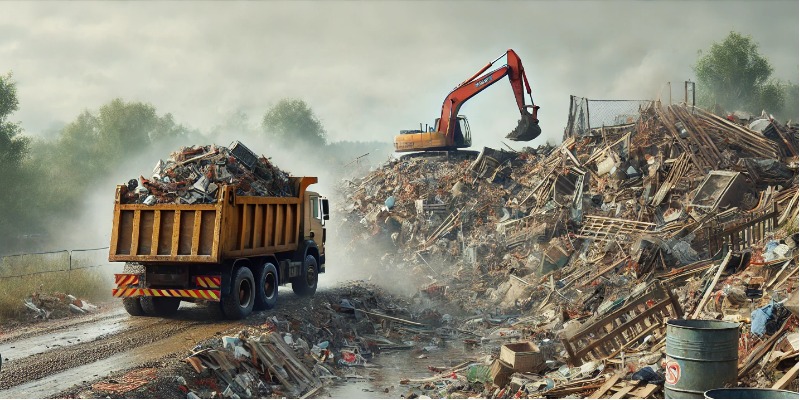
The management of construction waste has become a problem in many parts of the world, with a significant amount of these materials being illegally disposed of. This article explores the reasons behind this phenomenon, the places where it is most prevalent, and possible solutions to address the problem.
The Extent of the Problem
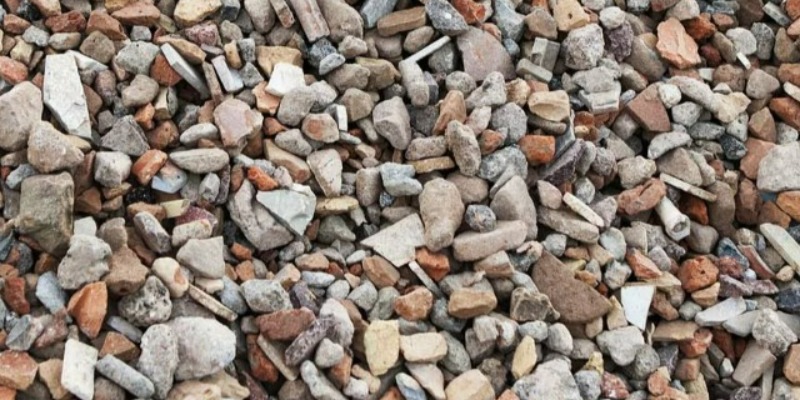
According to recent estimates, the construction industry generates about 30% of all solid waste worldwide. This waste includes materials such as cement, bricks, asphalt, wood, glass, and metals, many of which can be recycled.
However, a significant portion of this waste is not managed properly and ends up being illegally disposed of. This phenomenon is particularly concerning in high-density urban areas, where landfill space is limited, and the pressure to build new infrastructure is high.
Where It Happens the Most
The phenomenon of illegal disposal of construction waste is widespread globally, but some regions are more affected than others.
Europe
In Europe, Italy is one of the countries where the problem is particularly severe. According to the "Ecomafia 2023" report by Legambiente, over 6,000 cases of illegal disposal of construction waste were recorded in 2022. The most affected regions are those in the South, such as Campania, Calabria, and Sicily, where the presence of organized crime facilitates these illegal practices.
In particular, Campania is known for the activities of the Camorra in the waste sector, managing the trafficking and illegal disposal of hazardous materials, causing severe environmental damage.
North America
In the United States, urban areas such as New York, Los Angeles, and Chicago are particularly vulnerable. According to the Environmental Protection Agency (EPA), about 4,500 cases of illegal disposal of construction waste were reported in 2022.
In New York, high population density and high legal disposal costs push many businesses to opt for illegal dumping. Los Angeles, with its vast metropolitan area, frequently sees construction waste abandoned in vacant lots or along roadsides.
Asia
In Asia, the phenomenon is prevalent in countries such as China and India, where rapid urbanization has led to explosive growth in the construction sector. In China, according to the Ministry of Ecology and Environment, over 10,000 cases of illegal disposal were identified in 2022.
In large cities such as Beijing and Shanghai, the shortage of authorized landfills and the lack of an efficient waste management system contribute to the spread of illegal practices. In India, a 2022 report by the Central Pollution Control Board (CPCB) found that about 40% of construction waste is illegally disposed of, with cities like Delhi and Mumbai particularly affected.
The Causes of Illegal Disposal
The reasons behind the illegal disposal of construction waste are multiple and complex:
High Disposal Costs
The cost of legal treatment and disposal of construction waste is often high. Companies, to save money, choose the illegal route, dumping waste in unauthorized areas or relying on uncertified operators who offer low-cost services.
Inadequate Regulations
In many countries, regulations on the management of construction waste are insufficient or not rigorously enforced. This creates a loophole that companies can exploit to avoid the costs and complications of complying with the law.
Lack of Infrastructure
The lack of adequate facilities for recycling and disposing of construction waste is another key factor. In many regions, there are not enough recycling plants or authorized landfills to handle the volume of waste produced.
Corruption and Organized Crime
Local corruption and the presence of organized crime play a significant role, especially in countries like Italy. The mafias see the illegal disposal of construction waste as an opportunity to make huge profits, often with the complicity of corrupt officials.
The Consequences of Illegal Disposal
The consequences of the illegal disposal of construction waste are severe and multifaceted:
Environmental Impacts
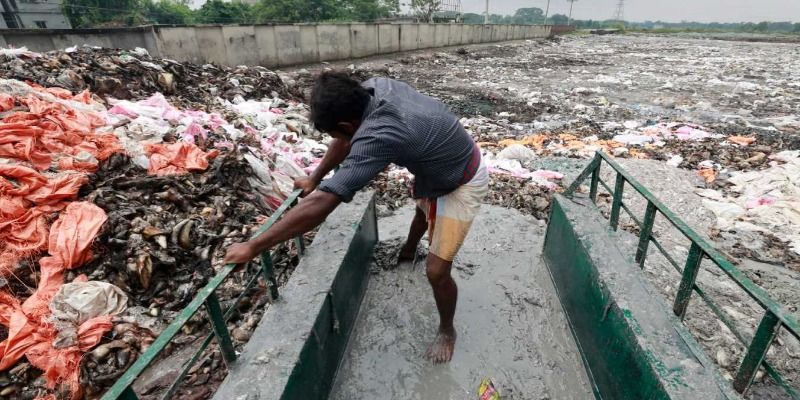
Illegal disposal can cause serious environmental damage. Construction waste often contains toxic substances that can contaminate soil and groundwater, endangering public health and biodiversity.
Health Risks
Exposure to hazardous materials present in construction waste can cause health problems, including respiratory diseases, dermatitis, and, in extreme cases, cancer. Communities near illegal dumping sites are particularly at risk.
Economic Damages
The illegal disposal of construction waste represents a significant cost for local administrations, which must spend resources on cleaning up contaminated sites. Additionally, this phenomenon distorts the market, penalizing companies that operate legally and comply with regulations.
Possible Solutions
Addressing the problem of illegal disposal of construction waste requires an integrated and multifaceted approach:
Strengthening Regulations
It is essential to improve and rigorously enforce regulations on the management of construction waste. This includes introducing severe penalties for violators and increasing controls and inspections.
Promoting Recycling
Encouraging the recycling of construction materials can reduce the amount of waste to be disposed of. This can be achieved through tax incentives for companies that adopt recycling practices and the creation of a network of accessible recycling facilities.
Education and Awareness
Educating businesses and the public about the risks and consequences of illegal disposal is crucial. Awareness campaigns can help promote sustainable practices and create a culture of legality and respect for the environment.
International Collaboration
Cooperation between countries can help share best practices and develop common strategies to address the problem. International organizations and multilateral agreements can play a key role in this context.
Conclusion
The illegal disposal of construction waste is a complex problem that requires coordinated action at the local, national, and international levels.
Addressing this challenge is essential to protect the environment, public health, and the economy. Only through a shared commitment and collaboration between governments, businesses, and civil society will it be possible to find effective and sustainable solutions.