- The Growing Demand for Critical Raw Materials
- The Essential Raw Materials for the Energy Transition
- Environmental Risks of Mining: The Impact on Water
- Regions at Risk: Focus on Latin America and Africa
- Sustainable Technologies and Practices for Mining
- The Role of Recycling in Reducing the Demand for New Mining
- Towards a Sustainable Future in the Use of Critical Resources
How the Growing Demand for Lithium, Cobalt, Graphite, and Copper Affects Water Resources and What Strategies Can Be Adopted to Minimize Environmental Impact
By Marco Arezio
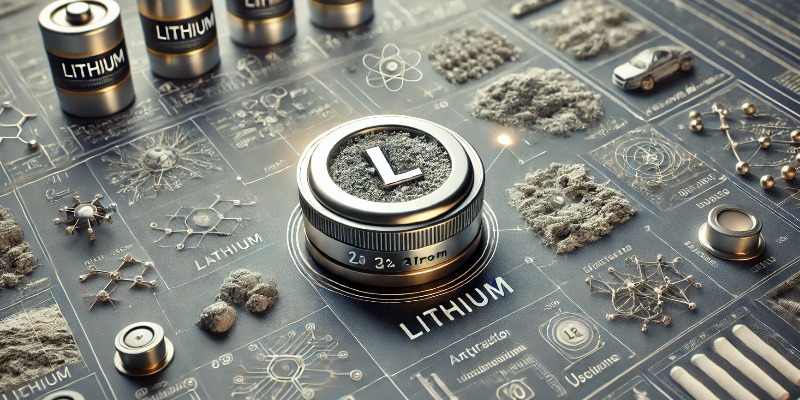
Technological advancement and the energy transition towards cleaner and renewable sources are driving an increasing demand for critical raw materials, such as lithium, cobalt, graphite, and copper.
These materials are essential for the development of electric vehicles, solar panels, smartphones, and other electronic devices. However, the extraction of these resources raises significant concerns regarding water use and pollution. In this context, it is crucial to analyze the associated risks and explore ways to make extraction more sustainable.
The Demand for Critical Raw Materials: An Overview
The global market for critical raw materials is rapidly expanding. According to the 2023 report by the International Energy Agency (IEA), the demand for lithium, used in batteries for electric vehicles, is expected to increase by over 40% by 2030.
Similarly, cobalt and graphite, other key battery components, will see a significant increase in demand. Copper, vital for renewable electricity and charging infrastructure, is also set to see a doubling of extraction needs compared to current levels.
Environmental Risks of Extraction
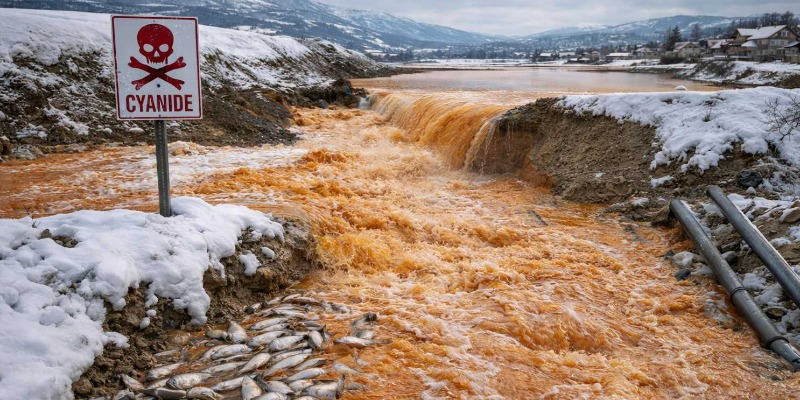
The extraction of these raw materials presents multiple environmental challenges, especially related to water consumption and pollution.
To separate valuable minerals from the host rock, enormous amounts of water are used, which can lead to the depletion of water resources from local communities and ecosystems. Additionally, extraction processes often release toxic pollutants, such as heavy metals and chemicals, into nearby water bodies, compromising water quality for human use and aquatic biodiversity.
Areas at Risk
The regions most affected are often those with large reserves of these raw materials. Latin America, for example, is a key area for lithium extraction, particularly in the Lithium Triangle, which includes parts of Argentina, Bolivia, and Chile.
These areas are already experiencing water stress, and intensive extraction further threatens their water resources. Africa, rich in cobalt and graphite, faces similar challenges, with significant impacts on local communities and the environment.
Towards Sustainable Extraction
To mitigate these risks, it is essential to adopt more sustainable extraction practices. This includes implementing technologies that reduce water use and treating wastewater to remove contaminants before releasing it into the environment.
Furthermore, recycling existing materials can reduce the need for new extraction. Policies that promote a circular economy, such as incentives for recycling and extended producer responsibility, can play a crucial role.
Conclusion
The increasing demand for critical raw materials presents significant challenges for sustainable water management. It is imperative that industry, governments, and communities work together to develop and implement solutions that minimize the environmental impact of extraction.
By adopting cleaner technologies, responsible extraction practices, and promoting recycling, we can ensure that progress towards a greener future does not come at the expense of our vital water resources.