- What was the Flixborough Chemical Plant and what did it produce?
- The chain of events that led to the explosion on June 1, 1974
- The dynamics of the chemical explosion: what happened in a few seconds
- Deaths, injuries and environmental damage: the consequences of the disaster
- Why the temporary pipeline was a fatal mistake
- The official investigations and the responsibilities that emerged after the tragedy
- How European legislation changed after the Flixborough disaster
- What the Flixborough disaster teaches us about environmental safety today
An in-depth look at the tragic 1974 explosion at the Nypro chemical plant in England and its environmental, social, and regulatory impact
On June 1, 1974, a powerful explosion devastated the small town of Flixborough in Lincolnshire, United Kingdom, resulting in 28 deaths, over 100 injuries, and structural damage to hundreds of buildings within several kilometers.
The Flixborough disaster was not only a human and environmental tragedy, but also a turning point in global chemical industry safety. This article reconstructs the dynamics of the event, analyzes its causes, and reflects on the implications that still influence environmental and industrial regulations today.
Background: the Nypro chemical plant
The Flixborough site was operated by Nypro UK, a joint venture between British Petroleum (BP) and Dutch State Mines (DSM). The plant produced caprolactam, a key precursor in nylon synthesis, from chemical compounds such as cyclohexanone and cyclohexane, both highly flammable.
At the time, rising demand for synthetic fibers drove chemical industries to ramp up production, often at the expense of strict safety standards. The Flixborough facility was no stranger to temporary technical modifications and high-risk operations carried out without proper engineering oversight.
The explosion: a tragedy foretold
Shortly before the accident, one of the plant’s main reactors had been shut down due to a leak. To bypass the issue, a temporary 20-inch diameter U-shaped pipe was installed using materials not designed to withstand the same stress as the original reactor system. The modification was made without formal approval by a qualified chemical engineer.
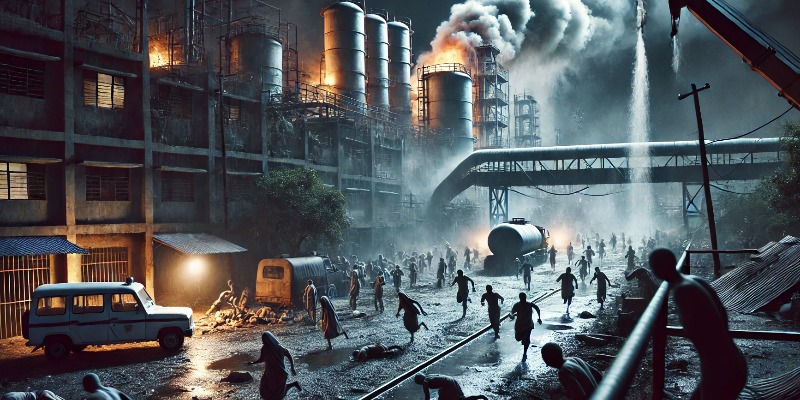
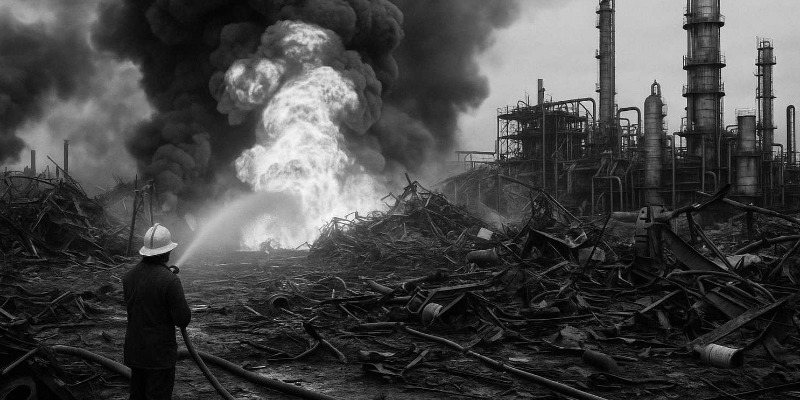
On the afternoon of June 1, while the plant was operational, the temporary pipe failed, causing a massive release of approximately 30 tons of cyclohexane. The vapor spread through the air and, just seconds later, a catastrophic explosion tore through the entire structure. The blast wave was so powerful it was felt up to 50 kilometers away. Some witnesses described a fireball rising over 100 meters high.
Environmental and health consequences
In addition to the 28 workers killed, more than 100 people sustained serious injuries, many of them permanent. The explosion damaged over 1,800 nearby residential buildings, some completely destroyed. Chemicals released into the atmosphere caused soil and air contamination, raising concerns about public health and long-term environmental impacts.
Despite the scale of the disaster, authorities did not order a mass evacuation in the immediate aftermath. Emergency management was chaotic and ill-prepared, exposing serious gaps in risk planning and communication.
The inquiry and legislative reforms
The official inquiry into the Flixborough disaster concluded that the main cause of the explosion was the decision to install a temporary pipeline without adequate engineering design. The report emphasized that lack of technical supervision, poor risk assessment, and production pressure were key contributors to the disaster.
The inquiry's recommendations led to a major overhaul of industrial safety regulations in the UK. In 1975, the Health and Safety Executive (HSE) was established as the public body responsible for workplace health and safety. A new culture of prevention was also introduced in high-risk industrial sites, particularly those involved in the handling of hazardous chemicals.
A legacy that still speaks today
The Flixborough disaster was one of the first clear examples of how corporate management, environmental safety, and social impact are interconnected. This event significantly influenced European legislation on industrial risk, contributing to the creation of the Seveso Directive (named after another chemical disaster two years later in Italy), which established strict requirements for facilities handling dangerous substances.
In an era where environmental sustainability and industrial safety are central to public debate, Flixborough’s lesson remains relevant: innovation and production must never come at the cost of safety or through the circumvention of technical controls. The balance between economic progress, environmental protection, and public well-being requires responsible choices and a strong culture of prevention.
Conclusion: the value of environmental memory
Remembering the Flixborough disaster is not only a duty to the victims and their families, but also an act of awareness for our present. In a world where technological and industrial risks are increasingly complex, cultivating environmental memory is essential to building a safer, fairer, and more sustainable future.
Investing in safety, training, and transparency is not an expense—it is an investment in the future. And it is precisely from tragedies like Flixborough that we can lay the foundation for a more humane, responsible, and resilient industry.
© Reproduction Prohibited