- Waste Management in Marble Quarries: Challenges and Solutions
- Environmental Regulations and Impacts on the Marble Sector
- Advanced Technologies for the Recycling of Waste Materials
- The Circular Economy in the Processing of Natural Stones
- Economic impacts of waste materials management
- Public-Private Collaboration for Sustainable Management
- Innovations in the Marble Processing Sector
Stringent Regulations and Environmental Awareness are Transforming the Natural Stone Processing Industry
By Marco Arezio
In recent years, the quarrying and marble processing sector has faced increasing challenges regarding the management of materials to be disposed of and recycled. Quarry owners and marble workers are now in a state of uncertainty and confusion, fueled by increasingly stringent regulations and growing environmental awareness.
This article will explore the causes of this chaos, the implications for the sector, and possible solutions for more sustainable and efficient waste management in stone processing.
The Problem of Waste Materials
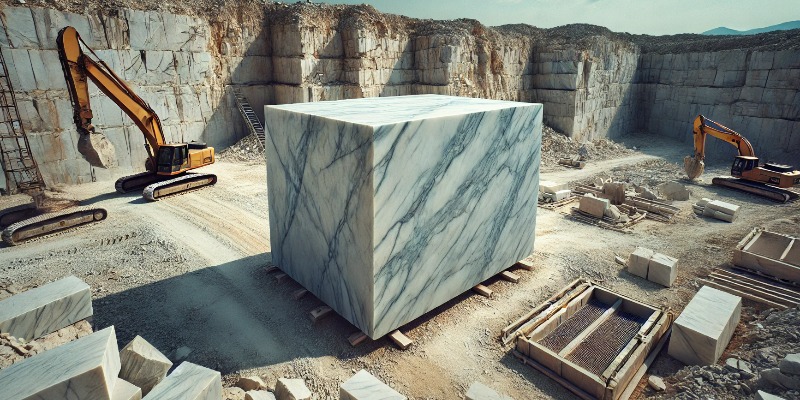
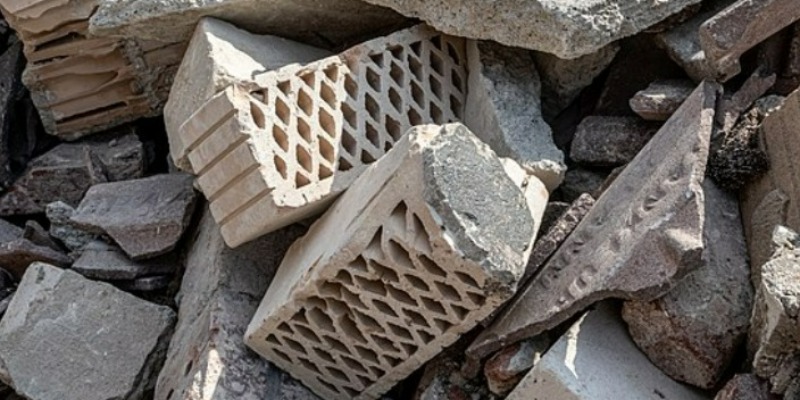
The processing of marble and other natural stones produces a significant amount of waste materials. These wastes include stone fragments, dust, and sludge from cutting and polishing processes.
Historically, much of this material was simply disposed of in landfills, with little consideration for environmental consequences. However, with the rise of environmental regulations and social pressures for more sustainable practices, managing these wastes has become a critical issue.
Stringent Regulations and Bureaucratic Complexity
One of the main sources of confusion for quarry owners and marble workers is the increasingly stringent regulations regarding waste management. Laws on the disposal and recycling of construction materials are complex and constantly evolving, with significant variations between different regions and countries.
This imposes a considerable bureaucratic burden on companies, which must invest time and resources to comply with regulations. The lack of clarity and frequent changes in laws further exacerbate the situation, creating an environment of uncertainty that makes long-term planning difficult.
Economic and Environmental Impacts
Inadequate management of waste materials has significant economic and environmental impacts. Economically, the costs associated with waste disposal can be high, especially if companies do not adopt effective strategies to reduce and recycle waste materials.
Additionally, fines and penalties for non-compliance with regulations can represent a considerable financial burden.Environmentally, the failure to recycle and properly dispose of waste materials can lead to pollution, soil degradation, and water contamination. Sludge and dust from stone processing can contain hazardous chemicals that, if not properly managed, can have negative impacts on public health and the ecosystem.
Solutions and Future Perspectives
Despite the challenges, there are several solutions that quarry owners and marble workers can adopt to manage waste materials more efficiently and sustainably. One of the main solutions is the adoption of advanced technologies for waste recycling.
For example, sludge can be treated and transformed into materials usable for construction or other industrial purposes, reducing the amount of waste destined for landfills.
Another promising solution is the implementation of circular economy practices, which aim to keep materials in use for as long as possible, minimizing waste. This can include designing products that facilitate the reuse and recycling of materials, as well as collaborating with other industries to find commercial outlets for waste materials.
Finally, it is essential that public authorities and industry organizations work together to simplify regulations and provide support to companies. This could include creating clear and unified guidelines, training programs, and financial incentives for companies that adopt sustainable practices.
Conclusions
The chaos that quarry owners and marble workers are facing regarding the disposal and recycling of materials reflects the broader challenges related to waste management in the context of increasing environmental pressures. However, with the adoption of advanced technologies, circular economy practices, and effective collaboration between the public and private sectors, it is possible to turn these challenges into opportunities.
A more sustainable approach to waste management will not only help protect the environment but can also bring significant economic benefits, making the stone processing sector more resilient and innovative.