




- Introduction to Industrial Lubrication
- Essential Characteristics of Industrial Lubricants
- Applications of Lubricants in Different Machines
- Effectiveness of Industrial Lubrication Products
- Comparison between different types of lubricants
- Advantages of Using High Quality Lubricants
- Conclusions and Recommendations for Industrial Lubrication
How Choosing the Right Lubricant Can Optimize Machine Efficiency, Prolong Lifespan, and Reduce Operating Costs
By Marco Arezio
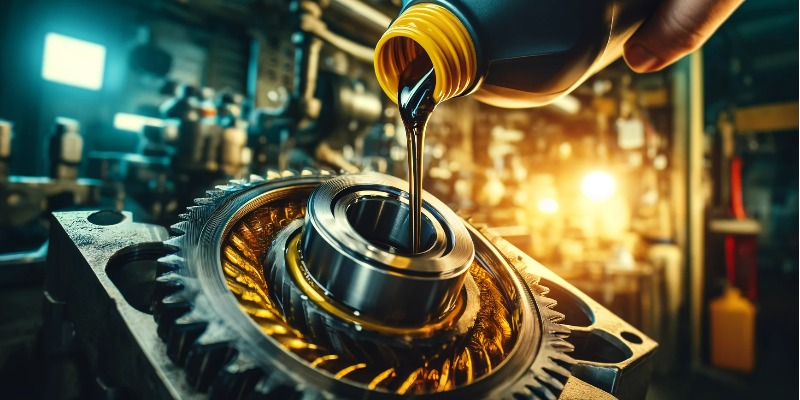
Industrial lubrication represents a crucial aspect for the proper functioning and longevity of machinery and industrial plants. The correct use of lubricants not only reduces friction and wear but also contributes to improving energy efficiency and preventing failures.
This article will illustrate the characteristics of industrial lubricants, their uses in different machines, the effectiveness of products available on the market, and offer a comparison between different types of lubricants.
Characteristics of Industrial Lubricants
Industrial lubricants are formulated to meet specific operational needs, including a series of key characteristics:
Viscosity: Viscosity is a measure of a fluid's resistance to flow. It is essential to choose a lubricant with the right viscosity to ensure an adequate protective film between moving surfaces.
Thermal Stability: Lubricants must maintain their properties even at high temperatures to avoid degradation and ensure constant lubrication.
Oxidation Resistance: The ability to resist oxidation is crucial to prevent the formation of deposits and acids that can damage metal surfaces.
Corrosion Protection: Lubricants must protect metal surfaces from corrosion caused by moisture and other corrosive agents.
Anti-Wear Properties: The presence of anti-wear additives reduces direct contact between metal surfaces, prolonging the life of mechanical components.
Material Compatibility: It is essential that the lubricant is compatible with the materials of seals and gaskets to avoid leaks and malfunctions.
Uses of Lubricants in Different Machines
Machine Tools
Machine tools such as lathes, milling machines, and drills require specific lubricants to ensure precision and durability. Lubricants for machine tools must have high anti-wear and anti-friction properties, along with good thermal stability and oxidation resistance.
Hydraulic Systems
Lubricants used in hydraulic systems must ensure optimal operational efficiency and prevent deposit formation. They must have high oxidation resistance and anti-foam properties to ensure uninterrupted power transmission.
Compressors
Compressors need lubricants that can operate effectively under high pressure and temperature conditions. They must have excellent anti-wear properties and heat dissipation capacity, as well as maintaining internal cleanliness to prevent deposit formation.
Bearings
Lubrication of bearings is essential to reduce friction and wear. Lubricants for bearings must provide a stable protective film, water and chemical resistance, as well as anti-wear and anti-friction properties.
Transmission Systems
Lubricants for transmission systems, such as gears and chain drives, must have high load-bearing properties and resistance to extreme pressure. They must also provide corrosion protection and oxidation resistance.
Effectiveness of Products
The effectiveness of industrial lubricants depends on various factors, including the quality of the additives used, compatibility with specific operating conditions, and regular maintenance of the lubrication system. High-quality products offer superior protection against wear and corrosion, improve energy efficiency, and reduce downtime due to mechanical failures.
Comparison between Different Types of Lubricants
Mineral Oils: Mineral oils are among the most commonly used lubricants due to their availability and relatively low cost. However, they may have limitations in terms of thermal stability and oxidation resistance compared to other types of lubricants.
Synthetic Oils: Synthetic oils offer several advantages over mineral oils, including better thermal stability, oxidation resistance, and the ability to operate over a wide temperature range. They are ideal for applications where operating conditions are particularly severe.
Biodegradable Lubricants: Biodegradable lubricants are formulated to reduce environmental impact. They are particularly suitable for applications where there is a risk of spills into the environment. Although they may have a higher cost compared to conventional lubricants, they offer significant advantages in terms of environmental sustainability.
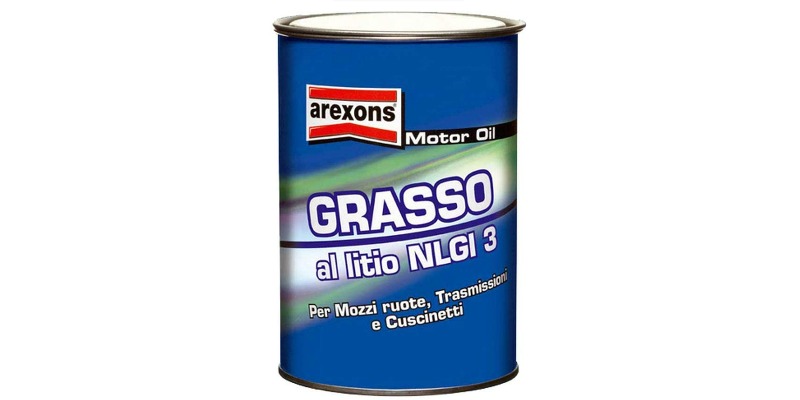
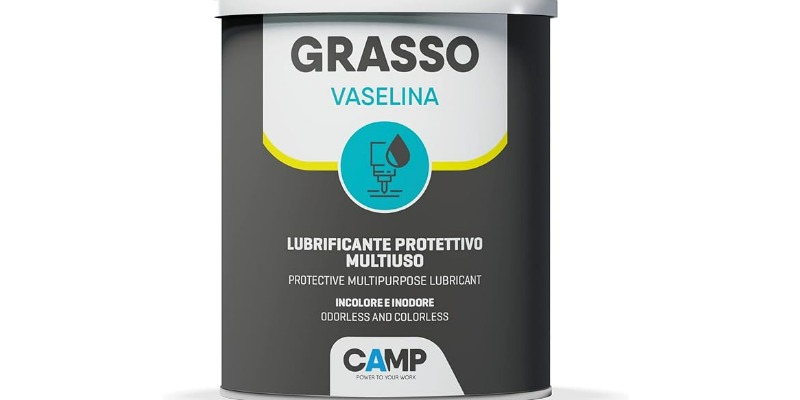
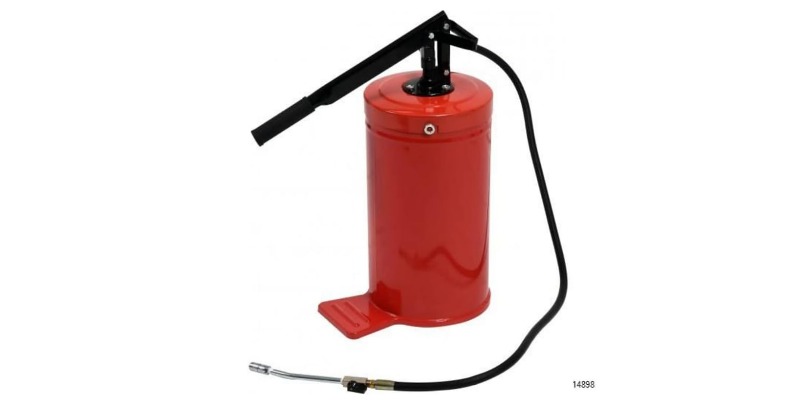
Grease Lubricants: Grease lubricants are used in applications where a lubricant that stays in place and provides long-term protection is needed. They are particularly useful for bearings and other components that operate under high load and low-speed conditions.
Conclusion
Choosing the right lubricant is essential to ensure the efficiency and longevity of industrial machines. Each type of lubricant has its own characteristics and advantages, and the selection should be based on specific operational needs. Proper maintenance of lubrication systems, combined with the use of high-quality products, can lead to significant savings in maintenance costs and downtime, while also improving operational sustainability.