- San Francisco: Where the Hippy Movement Was Born
- Woodstock: The Festival That Defined an Era
- Goa: The Spiritual Retreat of the Hippies in the 70s
- Ibiza: The Island of Freedom and Hippy Creativity
- Kathmandu: The Mystical Stage of the Hippie Trail
- Summer of Love: San Francisco and the Height of Counterculture
- Goa Beaches: An Oasis of Meditation and Music
- Ibiza Hippy Markets: Tradition and Creative Innovation
Explore the Iconic Places of the Hippy Movement: History, Values, and Must-Visit Destinations from San Francisco to Goa
By Marco Arezio
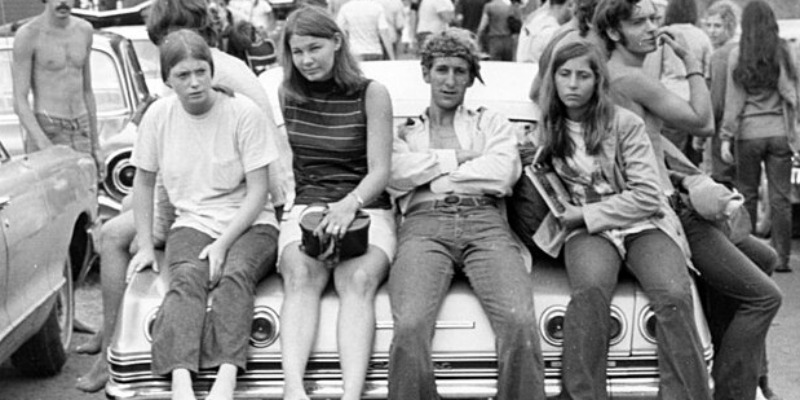
In the 1960s and 70s, the world witnessed an unprecedented cultural revolution: the hippy movement. Born in the United States as a response to the political and social tensions of the time, the movement challenged conventions and proposed an alternative vision of life based on peace, love, freedom, and connection with nature. The Vietnam War, growing alienation caused by consumerism, and the civil rights movements were sparks that ignited an entire generation’s desire for change.
The hippies, often referred to as "flower children", not only rejected social norms but also sought places where they could live according to their ideals. These places became symbols of an era—spaces of freedom and creativity that still hold the charm of those times. From San Francisco to Goa, through Ibiza and Kathmandu, each destination tells a unique story of counterculture and community.
This guide will explore the most iconic places of the hippy movement, delving into their historical context and uncovering how they continue to inspire travelers today.
San Francisco: The Birthplace of Hippy Counterculture
The Heart of the Summer of Love
San Francisco is widely regarded as the cradle of the hippy movement. In the 1960s, the Haight-Ashbury district transformed into a magnet for young rebels, artists, and activists. With its cultural and political openness, the city became a meeting point for those seeking to escape the rigid rules of traditional society.
The "Summer of Love" in 1967 was the pinnacle of this energy. During those months, thousands of young people poured into San Francisco to experience a collective celebration of music, art, and ideals of peace. Open-air concerts, gatherings, and demonstrations in Golden Gate Park were unforgettable moments that defined an entire generation.
What Made San Francisco Special
San Francisco was a crossroads of cultures and ideas. The presence of progressive universities, artistic ferment, and an emerging music scene (with bands like Jefferson Airplane and Grateful Dead) made the city an epicenter of change. Haight-Ashbury, with its affordable Victorian houses and bohemian spirit, became the symbol of this transformation.
Today, San Francisco retains much of its historical charm. A stroll through Haight-Ashbury allows visitors to breathe in the atmosphere of the counterculture, with vintage shops and murals celebrating the Summer of Love. Golden Gate Park is perfect for reliving the great hippy gatherings, while museums like the Haight Street Art Center showcase psychedelic art and counterculture history.
Woodstock: The Festival That Changed History
The Symbol of an Era
In August 1969, a quiet field in the town of Bethel, New York, became the center of the world for three days. The Woodstock festival gathered over 500,000 people in a collective celebration of peace, love, and music. Artists such as Jimi Hendrix, Janis Joplin, and The Who performed before an ecstatic audience, making the event a symbol of hippy culture.
Woodstock was much more than a music festival: it represented a vision of an alternative world, where community and creativity could overcome social divisions. Despite logistical challenges, the positive energy of those days left an indelible mark on history.
A Haven of Freedom
For hippies, Woodstock embodied their ideals: freedom of expression, connection with nature, and celebration of diversity. The festival showed the world what it meant to live without barriers, even if only for a brief moment.
Reliving Woodstock Today
Today, you can visit the Bethel Woods Center for the Arts, an interactive museum celebrating the festival and the era that made it possible.
The nearby town of Woodstock, with its art galleries and vintage shops, retains a bohemian atmosphere that attracts artists and dreamers.Goa: The Spiritual Retreat of the Hippies
A Tropical Paradise
In the 1970s, Goa, on India’s western coast, became a haven for hippies seeking spirituality and a connection with nature. Its pristine beaches, tropical climate, and Indian culture with its profound spirituality provided the perfect escape for those wishing to flee Western materialism.
Living the Freedom
Goa represented everything hippies sought: simplicity, natural beauty, and a sense of community. Here, days were spent meditating, practicing yoga, and enjoying music, while nights came alive with beach parties. Anjuna and Vagator became the beating hearts of this new community.
Goa retains its alternative spirit. The beaches of Anjuna and Vagator host vibrant markets and trance music festivals, a direct legacy of hippy culture. Yoga retreats and ashrams continue to attract travelers from around the world in search of introspection and peace.
Ibiza: The Island of Freedom and Creativity
A Mediterranean Refuge
In the 1960s, Ibiza drew artists, musicians, and hippies from across Europe. With its golden beaches, hidden coves, and bohemian atmosphere, the island became a refuge for those seeking a simple and authentic life.
Life on the Island
Hippies created communities where creativity and freedom were central. Markets like Las Dalias and Punta Arabi became gathering places for artisans, musicians, and dreamers, giving rise to a unique culture that remains an integral part of Ibiza’s identity today.
Ibiza has not lost its charm. Hippy markets offer local crafts and live music, while beaches like Cala Benirrás are perfect for admiring sunsets accompanied by drumbeats. The island is a mix of tradition and modernity, where the hippy past coexists with a vibrant contemporary scene.
Kathmandu: The Spirituality of the Hippie Trail
A Spiritual Crossroads
Kathmandu, the capital of Nepal, was a mandatory stop for those traveling the Hippie Trail, the legendary route across Asia. Here, travelers found a unique environment where Buddhist and Hindu spirituality blended with local culture.
A Refuge of Peace
Kathmandu offered hippies what they sought: introspection, connection with the divine, and an international community. The temples, monasteries, and mountainous landscape made this city a place of peace and inspiration.
Today, Kathmandu is a blend of history and modernity. The Thamel district is filled with craft shops and cafés, while Swayambhunath (the Monkey Temple) and Durbar Square provide glimpses into Nepal’s culture and spirituality.
Conclusion
The iconic places of the hippy movement are much more than tourist destinations—they are chapters of a history that changed the world. Each destination offers not only natural beauty and culture but also the opportunity to connect with the values of freedom, peace, and creativity that inspired an entire generation. Plan your journey and immerse yourself in the timeless legacy of the hippy movement.
© Reproduction Prohibited
foto wikimedia