




- The return to the rhythm of nature, slow tourism
- 5 suggestions for some of the most beautiful walking itineraries in Italy
- 5 suggestions for some of the most beautiful cycling itineraries in Italy
- 5 suggestions for some of the most beautiful horseback itineraries in Italy
- Growth of slow tourism: the numbers of a success
- Slow tourism and sustainability: a challenge for the future
- Growth prospects for outdoor tourism in Italy
- An opportunity to be seized
Discover the boom of slow tourism in Italy: walks, bike excursions, and horseback itineraries for an authentic and sustainable experience
by Marco Arezio
In recent years, Italy has been experiencing a true boom in slow tourism, a phenomenon that has radically changed the way we think about vacations.
This form of tourism focuses on direct experiences with nature and local areas, promoting an authentic connection with places and communities, and enhancing outdoor activities like walking, biking excursions, and horseback riding.
Slow tourism is aimed at travelers who want to discover the cultural and natural heritage of the country at a relaxed pace, far from mass tourism and well-trodden paths.
Let's see how this sector is developing and what the future prospects are.
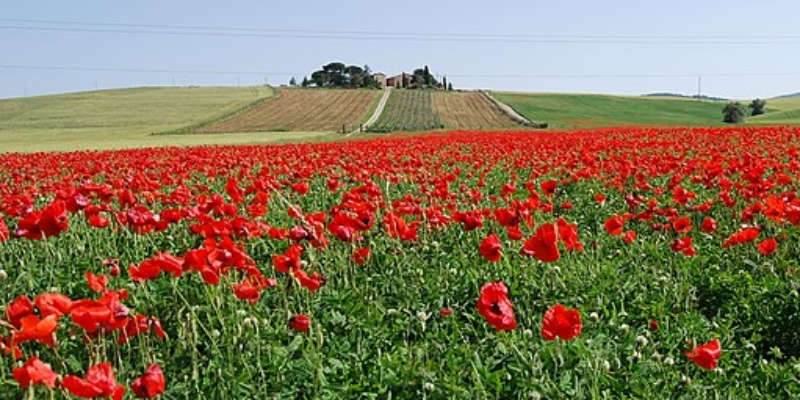
The return to the rhythm of nature
In an increasingly hectic world, slow tourism has become synonymous with quality of life. It is a new travel philosophy that favors respect for the environment and local cultures, embracing sustainability as a key element of the experience.
Italy, with its breathtaking landscapes and great variety of nature trails, has proven to be an ideal destination for those seeking outdoor experiences that combine beauty, well-being, and culture.
Walks, bike excursions, and horseback rides are among the activities most appreciated by slow tourists.
Historic routes, such as the Via Francigena or the Cammino dei Briganti, are gaining increasing interest. These paths, which cross ancient villages and unspoiled countryside, allow travelers to fully immerse themselves in the region, experiencing history and local traditions as protagonists.
Likewise, bike routes, such as the Aqueduct of Puglia trail or the Po River cycle path, offer spectacular itineraries winding through rural landscapes, art towns, and natural wonders, providing unforgettable experiences.
5 suggestions for walking itineraries among Italy's most beautiful
Via Francigena: A historic route that crosses Italy from north to south, passing through some of the most charming cities and villages, including San Gimignano, Siena, and Rome. Ideal for those who love history and rural landscapes.
Cammino dei Briganti: An itinerary between Abruzzo and Lazio that offers the opportunity to immerse oneself in the unspoiled nature of central Italy's Apennines, passing through ancient villages and centuries-old woods.
Path of the Gods: Located on the Amalfi Coast, this trail offers breathtaking views of the sea, connecting the villages of Agerola and Positano. It is one of southern Italy's most iconic paths.
Cinque Terre Park: Walk through terraced vineyards, colorful villages, and spectacular views of the Ligurian Sea. The trails of the Cinque Terre Park are perfect for those who want to combine nature and culture.
Grande Anello dei Sibillini: A multi-day trek within the Sibillini Mountains National Park, between Marche and Umbria. A journey immersed in wild nature, among meadows, woods, and mountain peaks.
5 suggestions for biking itineraries among Italy's most beautiful
Aqueduct of Puglia bike trail: A fascinating route through Puglia, following the ancient aqueduct's path. Among farmhouses, centuries-old olive trees, and rural landscapes, this itinerary is perfect for those who love tranquility.
Po River Cycle Path: This itinerary follows the Po River, crossing the Po Valley. Ideal for those who want to explore northern Italy's countryside and visit cities like Ferrara and Parma.
Alpe Adria Cycle Path: Starting from Salzburg in Austria, this bike route descends to Friuli Venezia Giulia, passing through mountains, valleys, and charming villages. A spectacular route that combines nature and culture.
Dolomites Cycle Path: A route that crosses the heart of the UNESCO World Heritage Dolomites. Between Cortina d'Ampezzo and Dobbiaco, this path offers unique views of some of Europe's most beautiful mountains.
Via Claudia Augusta: An ancient Roman route crossing the Alps, from Bavaria to Veneto. Riding along the Via Claudia Augusta means reliving history, through castles, vineyards, and breathtaking landscapes.
5 suggestions for horseback itineraries among Italy's most beautiful
Maremma Natural Park: Located in Tuscany, Maremma Park offers horseback trails that pass through breathtaking landscapes, including hills, pinewoods, and beaches. A unique experience for those who want to discover the region's unspoiled nature.
Gran Sasso and Laga Mountains National Park: This park offers numerous horseback itineraries, allowing you to explore the beauties of the central Apennines among meadows, historic villages, and spectacular mountain views.
Alta Murgia in Puglia: A horseback route across the expanses of the Murgia, among rocky landscapes and flower-filled meadows.
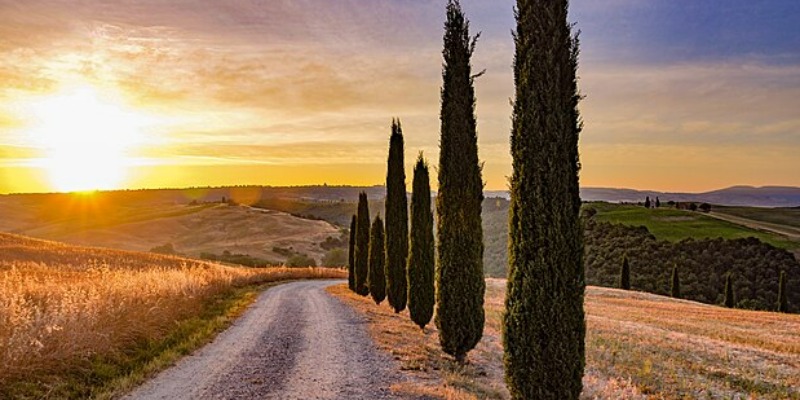
Alta Murgia is the perfect place for a horseback excursion immersed in a unique and evocative setting.Val d'Orcia: In Tuscany, Val d'Orcia is famous for its postcard-perfect landscapes. A horseback ride through rolling hills, cypress trees, and ancient villages offers an unforgettable experience in one of Italy's most iconic areas.
Circeo National Park: Located in Lazio, Circeo National Park offers horseback trails through forests, lakes, and coastal dunes, giving you the chance to explore the natural beauty of this protected area.
Growth of slow tourism: the numbers of success
According to recent industry studies, slow tourism in Italy has grown exponentially in recent years.
More and more travelers, both Italian and international, are choosing to engage in outdoor activities, particularly walks and bike tours. This phenomenon has been partly accelerated by the pandemic, which has led many people to seek safer travel alternatives, avoiding crowded places and preferring open spaces.
Favorite destinations are often lesser-known, authentic places, far from classic tourist destinations.
Slow tourism has also had a positive impact on local economies. Small villages, often forgotten by the main tourist routes, have seen their economies revived thanks to the arrival of visitors interested not only in the beauty of the places but also in local products, crafts, and the stories that each locality has to tell.
This type of tourism generates value that spreads throughout the community, creating a virtuous cycle involving restaurateurs, farmers, artisans, and local guides.
Slow tourism and sustainability: a challenge for the future
The increase in outdoor tourism in Italy fits perfectly into the global trend toward greater environmental sustainability.
Slow tourism is inherently linked to respect for nature and the desire to reduce the environmental impact of vacations. Slow travelers tend to favor eco-friendly means of transport, such as bicycles, and low-impact accommodations, such as agritourisms and sustainable bed & breakfasts.
Italy is already investing a lot in this direction, with numerous projects aimed at improving accessibility and the quality of nature trails.
Many regions are developing networks of cycle paths and trails, aiming to offer infrastructures that can accommodate an increasing number of tourists without compromising the territory's integrity.
Furthermore, collaboration between public and private entities is crucial to ensure that tourism promotion initiatives are truly sustainable and inclusive.
Growth prospects for outdoor tourism in Italy
The prospects for slow tourism in Italy are extremely positive. The country has all the credentials to become a reference point at both European and international levels for outdoor tourism, thanks to its rich natural and cultural heritage, the variety of its landscapes, and its strong gastronomic tradition.
Slow tourists seek authentic experiences, and Italy can offer an endless range of emotions: from the Alps to the Mediterranean coasts, from national parks to nature reserves.
Walks through the Tuscan hills, hikes along the cliffs of Liguria, bike routes through the Umbrian countryside, or discovering the Sicilian volcanoes are just some of the experiences that can attract an ever-growing audience.
It is essential, however, that the sector's growth is accompanied by policies that protect the territory and promote conscious use of natural resources, avoiding the risk of overcrowding and environmental degradation.
Conclusions: an opportunity to seize
The boom of slow tourism in Italy represents a great opportunity to rediscover and enhance often forgotten areas, promoting sustainable and inclusive development.
Walks, bike excursions, and horseback rides allow travelers to live authentic travel experiences, where the beauty of the landscape and the connection with local communities take center stage.
Investing in this sector means not only supporting the local economy but also promoting a way of traveling that respects the environment and enhances the culture of our country.
Italy has a great opportunity ahead: to continue investing in slow and outdoor tourism, creating adequate infrastructures and promoting trails that combine the territory's beauty with sustainability.
It is time to abandon haste and learn once again to savor every step, every ride, every breath of fresh air. Slow tourism is not just a trend but a lifestyle choice that can make a difference for the future of our planet.
© Reproduction Prohibited
Photo: Wikipedia