- Origins and Discovery of PTFE: From Chemistry to the Industrial Revolution
- The Production Process of Expanded PTFE: Technology and Innovation
- The Unique Properties of Expanded PTFE
- The Recycling of Expanded PTFE: Challenges and Solutions
- Applications of Expanded PTFE in the Filter Industry
- The Use of Expanded PTFE in the Medical Field
- Technical Fabrics and Outdoor Clothing: The Role of Expanded PTFE
- Evolution of Expanded PTFE: From Traditional PTFE to Gore-Tex®
History, Production, Recycling, and Main Applications of a Versatile Polymer that Revolutionized Sectors like Filtration, Medicine, and Technical Apparel
by Marco Arezio
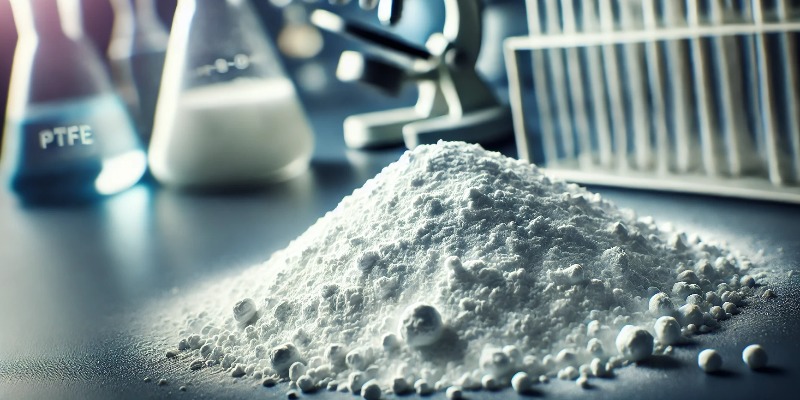
Expanded polytetrafluoroethylene (PTFE) is a modified form of PTFE, a synthetic polymer discovered in 1938 by Roy Plunkett, a chemist at DuPont.
PTFE is renowned for its extraordinary chemical and thermal resistance, as well as its very low friction coefficient, making it suitable for a wide range of industrial and commercial applications.
The expanded variant of this material, commonly known as ePTFE (expanded PTFE), is characterized by a microporous structure that makes it more flexible, lightweight, and durable while retaining the fundamental chemical and physical properties of PTFE.
How Expanded PTFE is Produced
The production process of expanded PTFE begins with the synthesis of PTFE through the polymerization of tetrafluoroethylene.
This polymer, originally in powder or paste form, is then subjected to an extrusion process to form a tape or film.
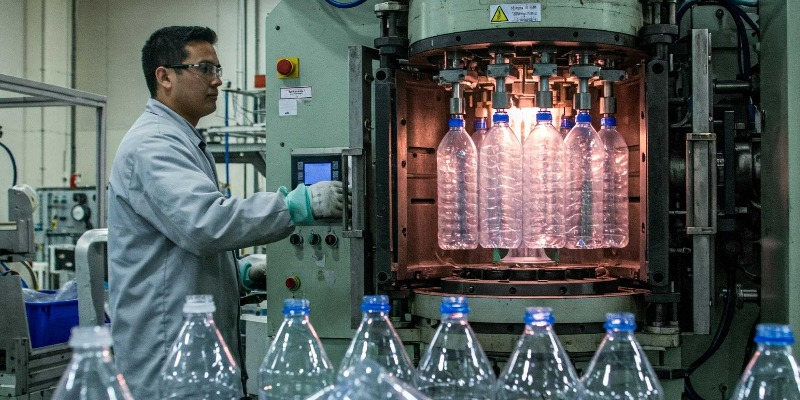
The key to obtaining expanded PTFE lies in the expansion process: the PTFE tape is heated and then subjected to mechanical stretching, which induces the formation of a microporous structure within the material.
This expansion process not only increases the specific surface area of the material but also modifies its internal structure, giving expanded PTFE unique characteristics compared to conventional PTFE.
Properties of Expanded PTFE
Expanded PTFE retains many of the properties of regular PTFE, including incredible resistance to chemical corrosion, chemical inertness, and high-temperature resistance (up to about 260°C).
However, thanks to its microporous structure, expanded PTFE also offers greater flexibility and lightness. Its porosity makes it more suitable for applications requiring gas or liquid permeability, as well as for use as a filtering material.
Recycling Expanded PTFE
Recycling PTFE, including its expanded form, presents a significant challenge due to its chemical inertness and the difficulty in reusing the material without compromising its properties. However, some methods for recovering used PTFE include:
Mechanical Recycling: This technique involves grinding PTFE into small particles or powders that can be reused in other applications, such as fillers or additives in composites. However, this technique is limited and not always economically viable.
Pyrolysis: A more advanced recycling method involves the thermal decomposition of PTFE at high temperatures (above 500°C) in an oxygen-free environment. This process primarily produces carbon and gaseous compounds like tetrafluoroethylene, which can be recovered and reused to produce new PTFE.
Chemical Recycling: In some cases, PTFE can be chemically decomposed to recover monomers or other useful compounds.
However, this process is complex and requires advanced infrastructure.Due to the difficulty and cost of recycling, PTFE and expanded PTFE are often incinerated at the end of their lifecycle, a practice that, while not ideal from an environmental standpoint, is common due to limited alternatives.
Most Common Products Made with Expanded PTFE
Expanded PTFE is used in a wide range of products and industries due to its unique properties:
Filtration Membranes: Thanks to its porosity, expanded PTFE is widely used in the production of filtration membranes, used in air and water filtration systems, as well as in masks and personal protective equipment.
Gaskets and Sealants: Expanded PTFE is commonly used to produce gaskets and sealants for industrial applications, especially where chemical and thermal resistance is required.
Medical Prostheses: In the medical field, expanded PTFE is used to create vascular prostheses and surgical grafts, thanks to its biocompatibility and ability to be molded into complex shapes.
Technical Fabrics: Expanded PTFE is also used in the production of technical fabrics, such as breathable and waterproof fabrics used in outdoor clothing and materials for tents and coverings.
Electrical Components: Thanks to its excellent dielectric properties, expanded PTFE is used in electrical components and wiring, where electrical insulation is essential.
History of Expanded PTFE
PTFE was discovered by chance by Roy Plunkett in 1938 while working for DuPont. However, the process for expanding PTFE was only developed decades later.
In the 1960s, Robert W. Gore, a chemical engineer, discovered a method for expanding PTFE, creating the material we now know as ePTFE.
Gore was searching for a way to improve the properties of PTFE for industrial applications when he discovered that, by subjecting PTFE to rapid stretching, he could create a microporous structure.
This discovery led to the founding of Gore-Tex®, a revolutionary material for technical apparel that has become synonymous with waterproof and breathable fabrics.
Conclusions
Expanded PTFE is a versatile and high-performance material with applications in numerous sectors. Its production requires advanced techniques for expanding PTFE, transforming it into a lightweight, flexible, and porous material with unique properties.
Despite the challenges associated with recycling, ePTFE remains a key component in many products due to its combination of chemical resistance, flexibility, and biocompatibility.
The history of expanded PTFE, from its accidental discovery to the technical innovation that led to its expanded form, reflects the importance of research and development in the evolution of high-performance materials.
© All rights reserved