- Introduction to Polymer Coextrusion
- Rheological Properties of Polymeric Materials
- Influence of Viscosity and Molecular Weight in Coextrusion
- Main Industrial Problems in Coextrusion
- Advanced Rheological Characterization Techniques
- Innovative Strategies to Optimize Coextrusion
- Industrial Applications of Coextrusion Technology
- Conclusions and Future Perspectives on Coextrusion Rheology
Rheological Study of Polymeric Materials in Co-extrusion: Main Industrial Challenges and Innovative Techniques for Process Optimization
by Marco Arezio
Co-extrusion is an advanced and widely adopted technique in the polymer industry, enabling the production of multilayer products, each layer possessing specific physical and chemical properties. A thorough understanding of polymer rheology is crucial to ensure process efficiency and high-quality final products.
This article provides a detailed analysis of the rheological properties involved in the co-extrusion process, highlighting key industrial challenges and presenting targeted technical strategies to effectively overcome them.
Understanding Plastic Material Co-extrusion
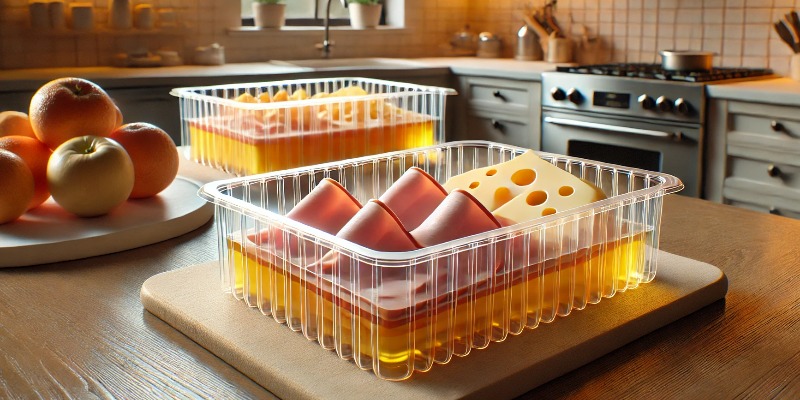
Co-extrusion involves simultaneously melting different polymeric materials to produce multilayer products with enhanced performance compared to single-material solutions. Integrated properties in a co-extruded product include mechanical strength, improved gas barrier properties, and superior chemical and aesthetic stability. To achieve optimal results, it is imperative to deeply understand polymer rheology—the way polymers respond to mechanical and thermal stresses during processing.
Rheological Behavior of Polymers in Co-extrusion
Polymers typically exhibit viscoelastic behavior, which encompasses both viscous and elastic properties, significantly affecting their behavior during processing. Key factors influencing this rheological behavior include viscosity, molecular weight, and temperature.
Viscosity significantly changes with variations in molecular weight and temperature. Consequently, precise control of these parameters is essential to prevent process instability. Specifically, higher molecular weights increase viscosity due to molecular entanglements. Additionally, many polymers exhibit shear-thinning behavior, where viscosity decreases with increasing deformation rates, facilitating processing but potentially increasing the risk of thermal degradation.
Industrial Challenges in Co-extrusion
One major challenge in co-extrusion is ensuring rheological compatibility among different polymers. Significant viscosity differences between materials can cause interface instability, resulting in structural defects or deformation in the final product.
Another common issue is encapsulation, where a polymer with lower viscosity encapsulates a more viscous one, negatively affecting the product structure. Poor rheological compatibility between layers can also lead to inadequate adhesion, significantly reducing overall product performance.Advanced Techniques for Rheological Characterization
To address these challenges, advanced rheological characterization methods, such as rotational and capillary rheometry, are necessary. Rotational rheometry accurately measures polymer viscosity and elasticity under varying operating conditions, while capillary rheometry closely simulates actual industrial extrusion conditions by measuring viscosity at high deformation rates typical in production processes.
Strategies for Co-extrusion Optimization
To improve process efficiency and address rheological issues, specific operational strategies can be implemented. One effective approach involves the optimized design of extrusion heads, utilizing computational fluid dynamics (CFD) to define geometries ensuring homogeneous and stable flows.
Another strategy includes incorporating compatibilizing additives and rheological modifiers to enhance adhesion and balance viscosity across different materials. Lastly, automated systems integrated with pressure and temperature sensors enable precise, continuous process control, reducing waste and enhancing product quality.
Industrial Applications of Co-extrusion
The versatility of co-extrusion technology makes it suitable for numerous industrial sectors. In flexible packaging, co-extrusion produces multilayer films with high barrier properties, combining high-performance materials such as EVOH and polyethylene. In the automotive industry, co-extrusion is used to manufacture components requiring mechanical strength, aesthetic quality, and chemical resistance. In the construction sector, it is employed for making pipes and insulating panels highly resistant to atmospheric agents and dimensionally stable.
Conclusions
A thorough understanding of polymer rheological properties is essential for optimizing industrial co-extrusion processes. Employing advanced techniques for process design, characterization, and control ensures efficient production, minimizes waste, and consistently delivers high-quality products.
© All rights reserved