




- New EU Directives: Enhanced Monitoring and Purification of Urban Water
- Wastewater Treatment: EU Focuses on Micropollutants and PFAS
- European Directives: Advanced Treatments for Urban Wastewater by 2045
- EU Target: Reduction of Persistent Contaminants in Wastewater
- The Future of Water Treatment: Innovations Required by EU Directives
- Micropollutants and PFAS: How the EU is Changing Urban Water Treatment
- Wastewater Revolution: New European Rules Aim for Sustainability
The new European Union directives aim to intensify the monitoring and purification of urban waters, with specific attention to persistent contaminants and micropollutants
by Marco Arezio
The European Parliament recently gave the final green light to new legislative provisions for the treatment and discharge of urban wastewater, with the aim of implementing more accurate control of chemical pollutants, including PFAS.
With broad support demonstrated by 481 votes in favour, 79 against and 26 abstentions, an agreement, previously reached with the Council in January 2024, to review regulations regarding water management and treatment in urban areas was approved on 10 April .
This legislative measure, whose proposal was presented by the European Commission in October 2022, aims to strengthen the protection of public health and the environment, positioning itself in line with the EU's objectives regarding climate action, the circular economy and the reduction of pollution. However, before it can become law, the text must also receive formal approval from the Council.
Details on the New Wastewater Treatment Standards
The new directives require that, by 2035, all urban waste water, coming both from civil settlements and, possibly, from production plants (mixed plants), be subjected to secondary treatment before their release into the environment for agglomerations of equal to or greater than 1,000 equivalent inhabitants.
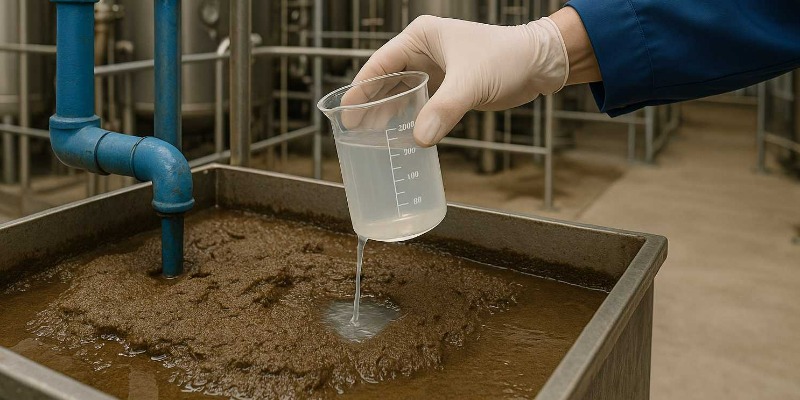
This process involves the removal of biodegradable organic matter through biological methods with secondary sedimentation or other similar processes, which include the use of biodiscs, percolating beds and aeration tanks.
By 2039, it will be necessary to apply tertiary treatment, which involves the elimination of nitrogen and phosphorus, in all treatment plants for agglomerations of 150,000 population equivalents or more. This step is aimed at further improving purification by reducing the concentration of nutrients in the wastewater. Some tertiary processes are also capable of removing poorly biodegradable contaminants that are not eliminated by biological processes.
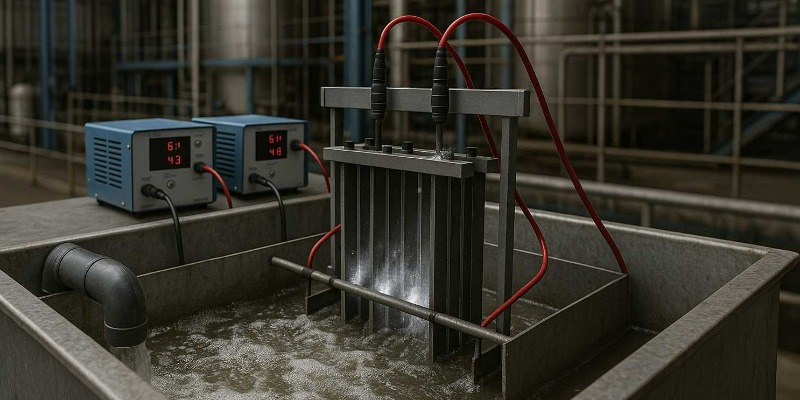
By 2045, the regulations will also require the implementation of quaternary treatment for all facilities serving more than 10,000 population equivalents, based on a risk assessment. This treatment is designed to eliminate a broad spectrum of micropollutants, including PFAS and microplastics.
Impact and Outlook of the Regulation
According to ISTAT data from 2020, 18,042 urban wastewater treatment plants operate in Italy. European legislation therefore intends to increase the rigor of monitoring not only of already known substances but also of emerging pathogens and antimicrobial resistance.
Nils Torvalds, rapporteur for the legislation, underlined the importance of these new regulations, in particular regarding the elimination of micropollutants arising from medicines and personal care products, ensuring that the economic impact on medical care remains proportionate and that Hazardous contaminants such as PFAS are effectively monitored and treated.