- The Origins of the Oil Disaster: Deepwater Horizon and the Gulf of Mexico
- The Chronicle of a Tragedy Foretold: What Happened on April 20, 2010
- Human errors and flawed technologies: the causes of the explosion
- The impact on the marine environment: the ecological disaster of the century
- Consequences for coastal communities: economy and health in crisis
- BP's Liability: Negligence or Greed?
- The price paid by the fauna and flora of the Gulf of Mexico
- A Lesson Ignored? The Future of the Oil Industry After the Disaster
The Gulf of Mexico Oil Disaster: Between Profit and Environmental Devastation
by Marco Arezio
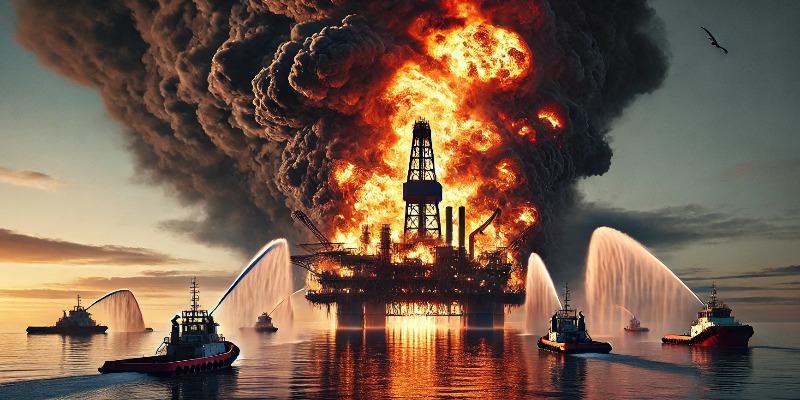
On April 20, 2010, in the heart of the Gulf of Mexico, the Deepwater Horizon oil rig, operated by the multinational BP, became the site of one of the most severe environmental disasters in modern history. The explosion of the rig, caused by a combination of technical errors and negligence in safety management, triggered a devastating fire and the release of oil from a well located over 1,500 meters below the sea surface. This incident, in addition to claiming the lives of 11 workers, spilled millions of barrels of oil into the ocean, irreversibly contaminating the marine and coastal ecosystem.
The Causes: A System Under Scrutiny
Subsequent investigations revealed that the tragedy was avoidable. Internal documents and testimonies showed that BP and its partners had ignored warnings of technical issues, including malfunctions in the well control system and the use of substandard materials. Furthermore, economic pressure to complete drilling operations within tight deadlines led to risky decisions, such as inadequate cementing methods.
A U.S. government report attributed the blame to a corporate culture that prioritized profit over safety, a systemic failure that extends far beyond BP and reflects broader issues within the fossil fuel industry.
The Environmental Impact: A Toxic Legacy
The environmental consequences of the disaster were devastating and enduring. The oil slick rapidly spread, covering over 100,000 square kilometers of ocean and contaminating hundreds of kilometers of coastline. The Gulf’s marine ecosystems, including coral reefs, seagrass beds, and breeding grounds for numerous fish species, suffered irreparable damage.
Dolphin and sea turtle populations were particularly affected, with significant increases in mortality rates and deformities. Additionally, the extensive use of chemical dispersants to "break down" the oil created a toxic mixture that harmed microscopic organisms at the base of the food chain.
Economic and Social Repercussions
The disaster not only damaged the environment but also devastated local economies. Coastal communities, many of which rely on fishing and tourism, suffered incalculable losses. The commercial fishing industry experienced a dramatic drop in revenue, with fish stocks remaining impacted years later. Tourism also took a severe hit, with closed beaches and images of contaminated waters deterring visitors worldwide.
BP, while facing a collapse in its reputation, was forced to pay a record fine of over $20 billion. However, these funds cannot fully compensate for the environmental and human damage suffered by affected communities.
The Debate on the Future of Energy
The Deepwater Horizon tragedy sparked a global debate on the future of energy. Environmental activists used the incident as a symbol of the urgent need to abandon fossil fuels in favor of safer, more sustainable renewable energy sources. Nevertheless, the oil industry continues to invest billions in new offshore exploration, often in ecologically fragile regions.
This incident demonstrated how steep the cost of oil is—not just in economic terms but also in human lives, environmental destruction, and biodiversity loss. The urgency of an energy transition is undeniable, yet the path to a sustainable future demands political will and collective action far beyond superficial promises.
Conclusion: A Warning for the Future
The Deepwater Horizon disaster serves as a tragic reminder of the inherent dangers of the oil industry and the necessity for structural change. Governments and companies must adopt stricter measures to ensure operational safety and invest in clean energy alternatives. Only then can we prevent similar disasters and protect our planet for future generations.
© All Rights Reserved