- Reasons for the Use of Chrome and Nickel Plating
- Corrosion protection
- Aesthetic improvement of metals
- Increase in surface hardness
- Details of the Chrome and Nickel Plating Processes
- Applications in Industrial Production Machines
How Surface Treatments Improve the Performance and Appearance of Industrial Components
By Marco Arezio
The processes of chrome plating and nickel plating of metals are extremely important surface finishing techniques in today's industrial sector. These treatments consist of applying layers of chromium or nickel onto metal substrates to significantly improve both the mechanical and aesthetic properties of the treated materials.
These coatings offer effective protection against corrosion, enhance the aesthetic appearance, and increase the wear resistance of materials. Their relevance spans numerous industrial sectors, as they contribute to the production of components that not only last over time but also maintain a high aesthetic standard.
Why Use Chrome Plating and Nickel Plating?
Protection from Corrosion
One of the main reasons for using chrome plating and nickel plating is their ability to create a protective barrier that prevents the underlying metal from oxidizing and corroding. This is particularly useful in aggressive environments, where corrosion resistance is crucial to ensure the longevity and structural integrity of components.
Aesthetic Improvement
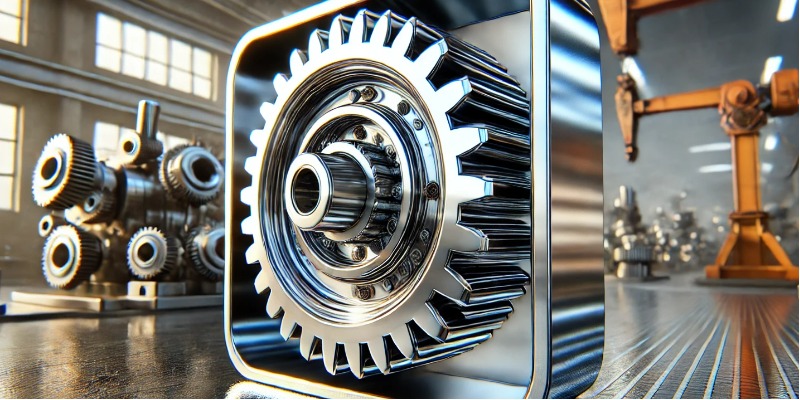
Beyond functional properties, chrome plating and nickel plating are valued for the aesthetic improvement they provide. The shiny and reflective finish obtained with these treatments makes materials particularly attractive for decorative and design applications, giving the final products an elegant and professional appearance.
Increase in Surface Hardness
Another significant advantage of these treatments is the increase in surface hardness of the treated metals. This makes materials less susceptible to mechanical damage such as scratches and abrasions, prolonging their useful life, especially in intensive use conditions.
The Processes of Chrome Plating and Nickel Plating
Chrome Plating
The chrome plating process involves the electroplating of chromium onto a metal substrate. This is achieved by immersing the metal in an electrolytic solution containing sodium or potassium chromate. Sulfuric acid is added to the solution to maintain an optimal pH and promote the formation of a uniform and adherent coating.
Nickel Plating
Similarly, nickel plating involves the electroplating of nickel from a solution containing nickel sulfate. This process is made more efficient by the addition of nickel chloride and boric acid, which act as catalysts and pH stabilizers, respectively.
Treatment Stages
Both processes require meticulous surface preparation, including cleaning and pickling, to ensure optimal coating adhesion.
The electroplating phase is followed by a post-deposition treatment to further improve the physical characteristics of the coating, such as corrosion resistance and aesthetic appearance.Applications in Industrial Production Machinery
Chrome plating and nickel plating find extensive applications in machinery used for industrial production, playing a crucial role both in the initial production phase and in subsequent maintenance interventions. These treatments improve the functional and aesthetic characteristics of various mechanical components, significantly contributing to their operational efficiency and longevity.
Moving Components
For components such as gears, shafts, and bearings, chrome plating and nickel plating are essential to reduce friction and resist wear caused by continuous movement. This extends the useful life of mechanical parts, reducing the frequency of replacements and maintenance.
Contact Surfaces
The contact surfaces between tools and worked materials, such as cutting tool tips or stamping dies, greatly benefit from chrome plating treatments. The increase in surface hardness and corrosion resistance allows tools to maintain their effectiveness even in highly demanding environments.
Corrosion Protection
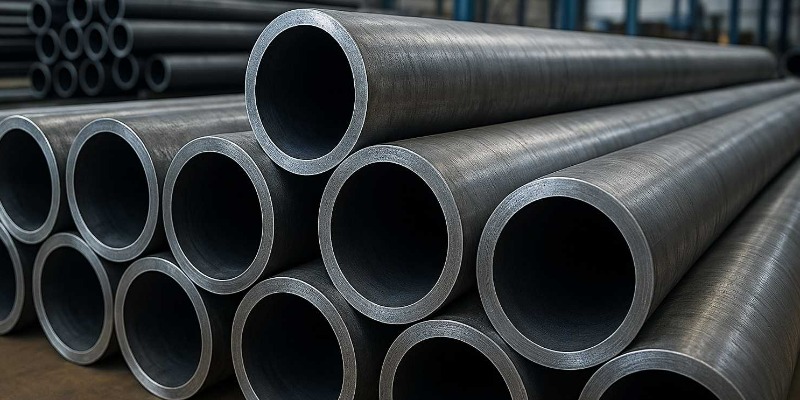
In aggressive industrial environments characterized by humidity, chemicals, and temperature variations, chrome plating and nickel plating provide essential corrosion protection for exposed components such as valves, pipes, and tanks.
Aesthetics and Cleanability
For machinery intended for the production of consumer goods, aesthetic appearance can be a relevant factor. The shiny finish guaranteed by these treatments also facilitates cleaning and maintaining hygiene, which is particularly important in sectors such as the food and pharmaceutical industries.
Importance in Maintenance
During maintenance operations, chrome plating and nickel plating play a vital role in restoring or improving the characteristics of industrial machinery. Renewing the coatings can significantly extend the lifecycle of components, improving corrosion resistance and operational efficiency, thereby reducing long-term costs associated with machine downtimes and replacements.
Furthermore, updating surface treatments can be an opportunity to implement the latest innovations in coating technologies, further enhancing the performance and sustainability of machines.
In summary, chrome plating and nickel plating processes are essential for improving the properties of metals used in various industrial fields. They offer protection, enhance aesthetics, and increase material longevity, contributing to superior operational efficiency and reducing maintenance and replacement costs.