- The Development of Nuclear Weapons and Global Testing
- Radioactive Contamination and Health Effects
- The Nuclear Tests at Bikini Atoll (USA)
- Nuclear Experiments in the Nevada Test Site (USA)
- The Nuclear Tests in Semipalatinsk (former USSR)
- The Nuclear Experiments of France
- The United Kingdom Nuclear Tests
- India's Nuclear Tests
- China's nuclear experiments
- Israeli nuclear power and its mysteries
- Pakistan's nuclear tests
- North Korea's nuclear tests
- The Iranian Nuclear Case: Misdirection, Espionage and Sanctions
- Quantity of nuclear tests carried out in the world from 1945 to today
- Case Study of Civil Accidents: Chernobyl and Fukushima
Insights
- Books




From 1945 to Today: Examining the Legacy and Repercussions of Nuclear Testing Worldwide
by Marco Arezio
The twentieth century marked humanity's entry into the nuclear era, a period defined not only by unprecedented technological acceleration but also by growing awareness of the risks associated with nuclear energy.
Nuclear experiments conducted around the world have had far-reaching consequences, deeply impacting the environment and the health of nearby populations. This scientific article aims to examine these experiments in detail, their repercussions, and the struggles of communities exposed to radiation.
Development of Nuclear Weapons and Global Experimentation
The nuclear race began with the American Manhattan Project and culminated with the bombing of Hiroshima and Nagasaki in 1945. These events not only ended World War II but also paved the way for an era of nuclear testing by various nations.
These tests ranged from the detonation of fission atomic bombs to the more powerful hydrogen bombs, tested in the atmosphere, underwater, and underground.
Radioactive Contamination and Health Effects
Radioactive contamination results from the uncontrolled release of radioactive materials into the environment following nuclear explosions. These materials can have a half-life ranging from a few days to thousands of years, meaning their presence in the environment can be prolonged and potentially dangerous over time.
Dispersion of Radioactive Isotopes: During a nuclear explosion, isotopes such as cesium-137, iodine-131, and strontium-90 are released into the atmosphere. They can settle on the soil and in water, entering the food chains. For example, cesium-137 can be absorbed by plants, and subsequently by the vegetables and animals that consume them, eventually reaching humans.
Environmental Impact: The contamination of soil and water compromises ecosystems, reducing biodiversity and altering ecological balances. Moreover, contamination of large expanses of land can render vast areas uninhabitable, with devastating effects for the human and animal communities living in those areas.
Human Health Effects
Exposure to radiation can have a wide spectrum of health effects, the severity of which depends on the dose of radiation absorbed, the type of radiation, and the duration of exposure.
Cancer and Leukemia: The most well-known effect of radiation exposure is an increased risk of developing cancer, particularly leukemia and solid tumors. Radiation damages the DNA of cells, increasing the likelihood of genetic mutations that can lead to tumor development.
Genetic Effects: There is also the risk of genetic effects, where radiation can cause damage to the DNA of reproductive cells, leading to mutations that can be passed on to offspring. This can result in an increase in congenital malformations and other genetic problems in future generations.
Non-Malignant Diseases: In addition to cancer, radiation exposure can lead to a variety of non-malignant conditions, such as cardiovascular diseases, cataracts, and immune system dysfunctions. These effects can manifest years after exposure, complicating the direct attribution of causes.
Nuclear Experiments at Bikini Atoll (USA)
Bikini Atoll, part of the Marshall Islands in the Pacific Ocean, became infamous for the nuclear experiments conducted by the United States between 1946 and 1958. These tests had profound repercussions on the environment, the health of the local inhabitants, and the global perception of nuclear energy.
Preparation and Displacement of the Population
In 1946, the United States chose Bikini Atoll as the site to test the effects of nuclear weapons on naval equipment and the marine environment. The choice of the atoll was motivated by its remote location and the presence of a lagoon that could contain a naval fleet targeted by the explosions. The inhabitants of Bikini, about 167 people at the time, were forced to relocate to make way for the experiments, after Commodore Ben H. Wyatt persuaded them, promising that the sacrifice of their atoll would contribute to the well-being of all humanity.
Operation Crossroads and Other Tests
Operation Crossroads was the first series of nuclear tests on the atoll, starting in 1946 with two detonations, Able and Baker, which involved the use of atomic bombs dropped from aircraft and detonated underwater. These tests were followed by many others, culminating in Operation Castle in 1954, which included the detonation of the hydrogen bomb Castle Bravo. With a yield much higher than expected, this explosion was the most powerful nuclear bomb ever tested by the United States, causing significant radioactive contamination.
Environmental and Human Consequences
The consequences of the nuclear experiments at Bikini were devastating. Radioactive contamination of the atoll and surrounding waters has had lasting effects on the marine and terrestrial environment. Marine life and corals suffered significant damage, while the land became uninhabitable for decades due to residual radioactivity.
For the local populations, the consequences were equally severe. The original inhabitants of Bikini and the populations of nearby atolls were exposed to dangerous levels of radiation, which caused diseases, including cancer, and impacted future generations due to the genetic effects of radiation. Despite promises of a safe return, Bikini Atoll remains largely uninhabitable, and many Bikinians still live in exile, scattered throughout the Marshall Islands or in the United States.
Reparations and Acknowledgments
Over the years, the inhabitants of the Marshall Islands have struggled to gain recognition and justice for the suffering endured. Although the United States has provided some compensation and assistance for relocation, many believe these efforts are not sufficient to address the extent of the damage suffered. The debate over reparations and support continues, with calls for further health studies, environmental cleanup, and adequate financial compensation.
Nuclear Experiments at the Nevada Test Site (USA)
The Nevada Test Site (NTS), now known as the Nevada National Security Site (NNSS), was one of the main venues for the United States' nuclear experiments. Located about 105 kilometers northwest of Las Vegas, the site was used from 1951 to 1992 to test nuclear weapons, both atmospheric and underground. The history of experiments at the NTS reflects the Cold War era, the nuclear arms race, and its consequences on public health and the environment.
Beginning of Experiments
The NTS was chosen due to its relative proximity to Los Alamos, New Mexico, where the first atomic bombs were developed during the Manhattan Project. The first nuclear test in the area, named "Able," took place on January 27, 1951, marking the beginning of a series of over a thousand nuclear tests that would occur over the next four decades.
Atmospheric and Underground Tests
Most of the nuclear experiments at the NTS until 1963 were conducted in the atmosphere, leading to the release of significant amounts of radioactive material into the environment. These atmospheric tests were then banned by the Partial Test Ban Treaty of 1963, which forced the United States and other nuclear powers to move their tests underground. Despite this, radioactive contamination and accidental leaks continued to be a serious concern.
Impacts on Health and the Environment
The consequences of the nuclear experiments at the NTS have been extensive and long-lasting. The "downwinders" — residents in Nevada, Utah, Arizona, and other neighboring states — were exposed to radioactive clouds, with a documented increase in cancer cases and other radiation-related illnesses. The environment around the NTS has suffered contamination of the soil and groundwater, with negative impacts on the local flora and fauna.
Struggle for Recognition and Justice
Over the years, communities affected by radioactive contamination related to nuclear testing have sought recognition, compensation, and healthcare assistance from the United States government. The Radiation Exposure Compensation Act (RECA) of 1990 was a significant step toward recognizing the rights of radiation victims, offering economic compensation to qualified individuals exposed to radiation as a result of nuclear tests or work in the uranium industry. However, many argue that the measures taken are insufficient and that many affected individuals remain excluded from benefits.
Cleanup Efforts and Current Situation
In the years following the cessation of nuclear tests, the NTS has been the focus of cleanup and environmental monitoring efforts. The site is now used for national security research, nuclear weapons dismantling, and as a low-level radioactive waste repository. The debate over the legacy of nuclear experiments and their impact continues, with new research and testimonies regularly emerging.
The history of nuclear experiments at the Nevada Test Site is a living testament to the complex ethical, environmental, and health issues associated with the development and testing of nuclear weapons. It reflects the tension between technological progress and human responsibility, raising fundamental questions about how societies manage potentially devastating technologies.
Nuclear Experiments at Semipalatinsk (Former USSR)
The Semipalatinsk Test Site, located in present-day Kazakhstan, was one of the main nuclear testing sites of the Soviet Union. From 1949 to 1989, the area hosted over 450 nuclear tests, including atmospheric, underground, and above-ground explosions. These experiments have left a legacy of radioactive contamination and severe public health problems that continue to affect the lives of generations of residents in the region.
Establishment of the Semipalatinsk Test Site
The decision to locate the nuclear testing site in Kazakhstan was made in 1947, under the direction of Josef Stalin, as part of the Soviet effort to develop nuclear armaments in response to the American nuclear program. The first Soviet nuclear test, known as "First Lightning," was conducted at the site on August 29, 1949, marking the beginning of a long series of nuclear experiments that would be conducted in the area for the next forty years.
Experiments and Their Consequences
The tests conducted at Semipalatinsk varied in power and type, with some of the most significant and powerful nuclear tests in history, including hydrogen bomb tests. Many of these tests were conducted without adequate safety measures for the local population or the environment, resulting in widespread radioactive contamination of the air, soil, and water.
Communities nearby the polygon, many of which were rural villages with little information about the activities conducted at the site or the associated risks, were exposed to high levels of radiation. This exposure led to a significant increase in radiation-related diseases, including various types of cancer, thyroid diseases, congenital defects, and other serious health conditions.
Struggle for Recognition and Closure of the Site
Despite the clear public health implications, the Soviet government continued the tests until the late 1980s. Growing public awareness and internal dissent, coupled with the global anti-nuclear movement, led to the formation of the "Nevada-Semipalatinsk" movement, which played a crucial role in raising awareness about the dangers of nuclear testing and in the fight for the closure of the site.
The campaign was successful and contributed to the definitive closure of the Semipalatinsk Test Site on August 29, 1991, shortly before the collapse of the Soviet Union. This date is now commemorated as the International Day Against Nuclear Tests, established by the United Nations to promote awareness and prevention of nuclear experiments.
Legacy and Cleanup Efforts
The closure of the polygon did not mark the end of challenges for the region. Radioactive contamination remains a serious issue, with large areas still heavily contaminated. Cleanup efforts and healthcare assistance for the victims of radiation are ongoing, but the scale of the disaster has made effective mitigation of the damage difficult.
The Kazakh government, with the support of the international community, has worked to improve the health and environmental situation in the region, but the consequences of the experiments conducted decades ago will continue to affect the lives of the residents of Semipalatinsk for many generations to come.
Nuclear Experiments by France
France, like many other global powers in the post-World War II period, embarked on an extensive program of nuclear testing to develop and refine its nuclear arsenal. These experiments took place in various locations, both in metropolitan France and some of its colonies or overseas territories, with significant environmental and health consequences.
Algerian Sahara
The French nuclear testing program began in the Algerian Sahara, near Reggane and later at In Ekker, during the final years of French colonialism in Algeria. The first test, codenamed "Gerboise Bleue," was conducted on February 13, 1960, and marked France's entry into the nuclear club. This and subsequent atmospheric and underground tests left a legacy of radioactive contamination, with consequences that are still evident today for the environment and the health of local populations.
French Polynesia: Moruroa and Fangataufa
With Algeria's independence in 1962 and growing international opposition to atmospheric tests, France moved its nuclear program to the remote atolls of the Pacific Ocean: Moruroa and Fangataufa. These sites witnessed numerous tests, both atmospheric and underground, from the early 1960s until the cessation of French nuclear testing in 1996.
The atmospheric tests, conducted until 1974, released significant amounts of radioactive fallout into the environment, exposing local populations and site workers to health risks. After 1974, testing continued in the form of underground detonations, which, while reducing immediate radiation exposure, raised concerns about the geological stability of the atolls and contamination of groundwater.
Environmental and Human Consequences
The consequences of French nuclear experiments have been extensive. In Algeria, the areas around the test sites remain heavily contaminated, with a significant impact on the health of the local Bedouin communities. In French Polynesia, in addition to health issues, the tests caused deep social and political rifts, with a strong independence movement partly arising from anger over the effects of the tests.
Towards the End of Testing and Current Debate
France ceased its nuclear tests in 1996, shortly after the last series of tests at Moruroa and Fangataufa, in response to international pressures and the changing geopolitical context. However, the debate over nuclear experiments and their consequences continues, with demands for greater compensation for victims, cleanup of contaminated sites, and transparency about radiation exposure data.
The history of French nuclear experiments represents a significant chapter in the story of nuclear power, highlighting the complex ethical, environmental, health, and political issues associated with the development of national nuclear arsenals.
Nuclear Experiments by the United Kingdom
The United Kingdom embarked on its journey into the nuclear age shortly after the end of World War II, becoming the third nation to test a nuclear weapon in 1952. This decision marked the beginning of a testing program that would have widespread locations around the world and long-term consequences.
The Nuclear Race
In the context of the Cold War and the nuclear arms race, the United Kingdom sought to assert its sovereignty and position as a global power. The success of the United States and the Soviet Union in testing atomic bombs spurred the United Kingdom to develop its own nuclear arsenal.
First Tests: Monte Bello, Australia
The first British nuclear test, named "Operation Hurricane," was conducted on October 3, 1952, at the Monte Bello Islands off the coast of Western Australia. This test aimed to demonstrate that the UK could build an atomic bomb and integrate it onto its aircraft. The Monte Bello Islands were chosen for their isolation, but the consequences of radiation were still a concern for the surrounding environment and public health.
Expansion in Oceania: Christmas Island and Malden Island
After the tests at Monte Bello, the UK moved its testing activities to the Pacific Ocean area, particularly on Christmas Island (Kiritimati) and Malden Island. Between 1957 and 1958, a series of atmospheric tests were conducted, culminating in the explosion of hydrogen bombs. These atmospheric tests released significant amounts of radioactive fallout, negatively affecting the marine environment and the health of people living on the surrounding islands and of military and personnel involved.
Transfer to Nevada, USA
Following an agreement with the United States, the United Kingdom began conducting some of its nuclear tests at the Nevada Test Site in the 1960s. This collaboration was part of a broader agreement that saw the United States provide the UK with nuclear technologies and materials in exchange for shared testing and research.
Long-Term Consequences
The consequences of British nuclear experiments were vast. Atmospheric tests, in particular, left a legacy of radioactive contamination that affected not just the immediate environment but also larger areas due to fallout carried by the winds. Veterans involved in the tests and local populations of the testing areas have reported higher rates of certain diseases, raising questions about government accountability and compensation.
The history of UK nuclear testing reflects the intricate balance between defense aspirations and international responsibilities, illustrating the enduring challenges of managing potentially devastating technologies. The ethical, environmental, and health-related dilemmas presented by nuclear testing continue to resonate as societies reflect on the paths taken during the nuclear age.
Nuclear Experiments by India
India marked its entry into the club of nations with nuclear technology through a series of tests that drew global attention due to their political, environmental, and security implications.
The first demonstration of this capability occurred on May 18, 1974, with the test known as "Smiling Buddha," conducted at the Pokhran test site in the Rajasthan desert.
This underground explosion, presented as a "peaceful nuclear explosion," inaugurated an era of nuclear capability for India, raising international concerns about the proliferation of nuclear weapons.After a long interval, India reaffirmed its nuclear power with Operation Shakti, a series of five explosions conducted between May 11 and May 13, 1998, at the same site in Pokhran. This series, which included tests of thermonuclear and atomic devices, not only strengthened India's international position but also triggered a nuclear arms race on the subcontinent, particularly with Pakistan, which responded shortly thereafter with its own nuclear tests.
Consequences and Implications
These experiments had significant consequences, sparking geopolitical tensions, environmental concerns about potential radioactive contamination, and a series of international economic sanctions, which were later relaxed in recognition of India's role in regional stability.
India, for its part, has continued to uphold a policy of "No First Use," committing to maintain its nuclear arsenal solely as a measure of deterrence. The nuclear history of India thus illustrates the delicate balance between national defense aspirations and international responsibilities.
Nuclear Experiments by China
China began its journey towards the development of nuclear weapons in the context of the Cold War, aiming to assert its sovereignty and geopolitical position on a global scale. This journey has had profound implications not only for regional security but also for public health and environmental issues.
Early Steps and Development
China's first nuclear test occurred on October 16, 1964, at the Lop Nur test site in the Xinjiang region, northwest of the country. This test, known as "596," marked China's entry into the exclusive group of nuclear-armed nations.
The Lop Nur site was chosen for its remote location, which minimized the risk of immediate exposure to the general population, but not without long-term consequences.
Expansion of the Arsenal and Series of Tests
Following its initial success, China conducted a series of nuclear tests that extended until 1996, when it joined the Comprehensive Test Ban Treaty (CTBT), committing to cease all nuclear testing. In total, China conducted 45 nuclear tests, including atmospheric, underground, and aerial explosions, which significantly advanced its nuclear weapons program.
Consequences of Nuclear Testing
The consequences of China's nuclear tests are multiple, affecting both geopolitics and the environment and public health.
Geopolitical Implications: The nuclear tests strengthened China's position as a global power, enhancing its military deterrence capabilities but also increasing regional tensions, particularly with India and Russia.
Environmental and Health Impacts: Human and environmental contamination with radioactive materials represents a toxic legacy that continues to pose a risk to the ecosystem and local communities.
Sanctions and International Isolation: Like other nations that have conducted nuclear tests, China faced international criticism and concerns that led to periods of diplomatic isolation and sanctions, although these measures did not significantly impact China's determination to develop its nuclear arsenal.
China in the Context of Nuclear Non-Proliferation
With its accession to the CTBT in 1996 and increasing engagement in non-proliferation initiatives, China has sought to reorient its image from a nuclear testing state to a promoter of regional security and stability. However, the legacy of its nuclear tests and challenges related to nuclear security remain open issues that China and the international community continue to address.
Nuclear Power of Israel
The issue of nuclear testing and the development of nuclear weapons by Israel is shrouded in considerable secrecy, and there are no official confirmations or public details available about any nuclear tests conducted by the country.
Israel has neither publicly confirmed nor denied possessing nuclear weapons, adopting a policy of deliberate ambiguity about its nuclear arsenal, a strategy known as "nuclear ambiguity."
Origins of Israel's Nuclear Ambiguity
The origins of Israel's nuclear program can be traced back to the 1950s, with development starting under Prime Minister David Ben-Gurion. The goal was to provide Israel with a deterrent against the threats to its security in an extremely volatile Middle East.
The construction of the nuclear reactor in Dimona, in the Negev Desert, which began in the late 1950s and early 1960s with assistance from France, was the cornerstone of this effort.
Absence of Confirmed Tests
Unlike other nuclear powers, there are no public records or international confirmations that Israel has ever conducted an overt nuclear test.
However, in 1979, an event known as the "Vela Incident" sparked international speculation. A US satellite designed to detect nuclear tests picked up what appeared to be a flash of light associated with a nuclear explosion in the southern Indian Ocean.
Some speculations suggest that this might have been a joint Israeli-South African nuclear test, but no conclusive evidence has ever been presented, and both Israel and South Africa have denied involvement.
Implications and Speculations
Israel's approach to nuclear ambiguity has had a significant impact on non-proliferation policy and regional stability. While it has provided Israel with a credible deterrent without openly declaring its arsenal, it has also raised questions about nuclear arms control and transparency in the Middle East.
Israel has not signed the Nuclear Non-Proliferation Treaty (NPT), and its nuclear facilities, like the reactor at Dimona, are not subject to inspections by the International Atomic Energy Agency (IAEA). This stance has helped keep Israel's nuclear program outside the formal international nuclear arms control framework, generating debates about parity and non-proliferation.
Conclusion
In the absence of official confirmations or public details, the history of nuclear testing by Israel remains a topic of speculation and analysis rather than documented historical record.
Israel's policy of nuclear ambiguity continues to be a central component of its national security strategy, influencing regional dynamics and international discussions on non-proliferation and security in the Middle East.
Nuclear Experiments of Pakistan
Pakistan is one of the nations that over the years has developed and tested nuclear weapons, becoming a key player in the dynamics of nuclear proliferation in South Asia.
The history of Pakistan's nuclear program is closely linked to its rivalry with India, with national security and nuclear deterrence at the center of its defense policies.
Development of the Nuclear Program
Pakistan's nuclear program began following its defeat against India in the 1971 war, which led to the creation of Bangladesh. This defeat motivated Pakistan to seek a nuclear deterrent to prevent future military humiliations. Prime Minister Zulfikar Ali Bhutto was a key proponent of Pakistan's nuclear program, famously declaring that Pakistanis would eat grass if necessary to develop a nuclear bomb.
Father of the Pakistani Atomic Bomb
Dr. Abdul Qadeer Khan, a scientist trained in Europe, is often cited as the "father of the Pakistani atomic bomb." Khan played a crucial role in developing Pakistan's uranium enrichment capabilities, leading to the realization of the atomic bomb.
Nuclear Tests: Chagai-I and Chagai-II
Pakistan conducted its first nuclear tests on May 28, 1998, at the Ras Koh Hills testing site in the Chagai district of Balochistan, in response to nuclear tests conducted by India just two weeks earlier. This series of tests, named Chagai-I, was followed on May 30, 1998, by another test, Chagai-II, solidifying Pakistan's status as a nuclear power.
International Consequences
Pakistan's nuclear tests led to international condemnation and the imposition of economic sanctions by several countries, including the United States. However, these sanctions were largely relaxed in subsequent years, partly due to Pakistan's strategic position in the fight against terrorism.
Impacts and Concerns
Pakistan's entry into the nuclear club has had a significant impact on regional security, intensifying the nuclear arms race in South Asia. The rivalry between India and Pakistan, both nuclear-armed states, continues to be a global concern due to the risk of potential nuclear conflict.
Additionally, there have been international concerns about the security of Pakistan's nuclear weapons, given the internal challenges faced by the country, including terrorism and political instability.
Nuclear Experiments by North Korea
The Democratic People's Republic of Korea, commonly known as North Korea, has entered history as one of the world's most isolated and militarized nations, particularly concerning the development and testing of nuclear weapons.
Origins of the Nuclear Program
North Korea began developing its nuclear program in the early 1960s, initially receiving assistance from the Soviet Union to build a research nuclear reactor at Yongbyon. By the 1980s, it became clear that Pyongyang was pursuing the capability to produce nuclear weapons, despite its international assurances to the contrary.
Escalation of the Program and Nuclear Tests
First Test (2006): North Korea conducted its first nuclear test on October 9, 2006, declaring that it had successfully detonated an underground nuclear weapon. This event marked the definitive end of ambiguity about North Korea's nuclear capabilities, eliciting international condemnation and the imposition of United Nations sanctions.
Subsequent Tests: After the first test, North Korea conducted five more nuclear tests: in 2009, 2013, two in 2016, and the latest in September 2017. Each test was more powerful than the previous, with the regime claiming to have successfully tested hydrogen bombs and miniaturized devices suitable for ballistic missiles.
Consequences and International Reactions
North Korea's series of nuclear and missile tests has caused severe strain in international relations, particularly with neighboring countries and the United States. Pyongyang's actions have been widely condemned as violations of international treaties, including the Nuclear Non-Proliferation Treaty (NPT) and various earlier agreements aimed at keeping the Korean Peninsula free of nuclear weapons.
The United Nations responded with a series of increasingly strict economic sanctions, intended to coerce North Korea into negotiating denuclearization. However, the regime has continued to develop its nuclear and missile programs, claiming the need for deterrence against perceived hostility, particularly from the United States.
Current Challenges and Concerns
North Korea's persistence in its nuclear program raises serious concerns for regional and global stability, including the potential for an arms race in East Asia and the risk of nuclear proliferation. Additionally, there are worries about the wellbeing of the North Korean population, as significant resources are diverted to the nuclear program in a country already plagued by food shortages and economic isolation.
The Iranian Nuclear Case: Misdirection, Espionage, and Sanctions
Iran's nuclear program has been at the center of international controversy for decades, amid suspicions of misdirection, espionage operations, and the imposition of sanctions. This situation is set within a context of geopolitical tensions, diplomatic efforts, and concerns about nuclear non-proliferation.
Origins and Development of the Nuclear Program
Iran's nuclear program originated in the 1950s and 60s under the Pahlavi dynasty, with support from the United States and other Western countries as part of the "Atoms for Peace" program.
However, after the Islamic Revolution of 1979, relations between Iran and the West deteriorated, and the nuclear program became a growing international concern. In the 1990s and early 2000s, Iran expanded its nuclear program, including uranium enrichment and reactor construction. These developments raised suspicions that Iran might be seeking to develop nuclear weapons, despite its claims of pursuing only peaceful purposes such as energy production and medical research.
Misdirection and Espionage
The Iranian nuclear case has been marked by a series of misdirections and espionage operations. Crucial information about Iran's nuclear program has been uncovered through international spy agencies and Iranian dissidents, revealing undeclared facilities and suspicious activities.
These revelations led to intense inspections by the International Atomic Energy Agency (IAEA) and international demands for greater transparency and cooperation from Iran.
Sanctions and International Tensions
In response to concerns about its nuclear program, Iran has been subject to a series of economic and diplomatic sanctions by the United Nations, the European Union, the United States, and other countries. These sanctions have significantly impacted the Iranian economy, aiming to compel Iran to negotiate over its nuclear program.
The JCPOA and Recent Developments
The turning point in the controversies over Iran's nuclear program was the 2015 agreement, known as the Joint Comprehensive Plan of Action (JCPOA), between Iran and the P5+1 (China, France, Russia, the United Kingdom, the United States, and Germany). The deal involved Iran reducing its uranium enrichment and a rigorous inspection regime in exchange for the lifting of sanctions.
However, in 2018, the United States unilaterally withdrew from the agreement, re-imposing sanctions on Iran and escalating tensions. Since then, Iran has resumed some of its nuclear activities and reduced cooperation with the IAEA, raising new concerns about the possible direction of its nuclear program.
Conclusion
The story of Iran's nuclear endeavors is a complex narrative of national aspirations, international suspicions, and geopolitical power plays. Amid misdirection, espionage, sanctions, and diplomatic attempts, the Iranian nuclear case remains an unresolved issue in the international arena, with significant implications for regional and global security.
Overview of Nuclear Testing from 1945 to Today
Since the end of World War II to the last documented period in 2023, it is estimated that over 2,000 nuclear tests have been conducted by nuclear-armed nations. These tests have been carried out by a select group of countries: the United States, Soviet Union (and subsequently Russia), United Kingdom, France, China, India, Pakistan, and North Korea. Each country conducted tests in various locations, both within their own territories and in remote or colonial areas.
The majority of these tests occurred during the Cold War, a period when the nuclear arms race between the United States and the Soviet Union reached its peak. After the Cold War, the number of tests significantly decreased, thanks in part to international treaties like the Limited Test Ban Treaty (LTBT) of 1963, which banned nuclear tests in the atmosphere, in outer space, and underwater, and the Comprehensive Nuclear-Test-Ban Treaty (CTBT) of 1996, aimed at prohibiting all nuclear tests. However, the CTBT has not yet entered into force as it has not been ratified by all necessary countries.
Case Studies of Civilian Nuclear Incidents: Chernobyl and Fukushima
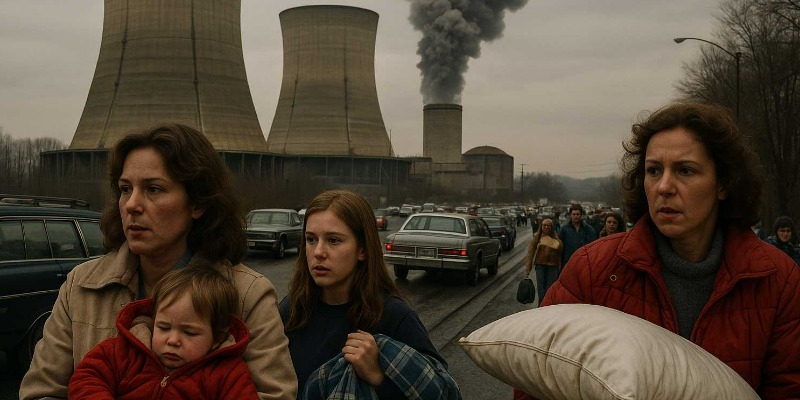
The nuclear incidents at Chernobyl and Fukushima provide concrete examples of the long-term consequences of radioactive contamination.
Chernobyl (1986): The Chernobyl disaster released large amounts of radioactive isotopes into the environment, impacting the health of thousands of people. This included a significant increase in thyroid cancer cases among children exposed to the radiation.
Fukushima (2011): The Fukushima accident led to contamination of water and soil with cesium-137 and iodine-131. While preventive measures limited the exposure of the population, the fear of food contamination and the psychological consequences of evacuation have had a lasting impact on the affected communities.
These incidents underscore the risks associated with nuclear power and highlight the importance of stringent safety measures, emergency preparedness, and transparent communication with the public to mitigate the effects of any nuclear accident.
The legacy of nuclear testing and civilian nuclear accidents continues to pose challenges for environmental health and safety, necessitating ongoing international cooperation and vigilance in nuclear governance and disaster response strategies. The historical record of nuclear activities serves as a stark reminder of the dual-use nature of nuclear technology, capable of both advancing energy needs and posing significant risks to human and environmental health.