








 Come Cambiare la Propria Visione del Mondo: Il Viaggio Interiore verso una Nuova Consapevolezza
Scopri come guardare la vita con occhi nuovi e trasformare l'ordinario in straordinario attraverso una prospettiva rinnovatadi Marco ArezioLa capacità di osservare il mondo con una prospettiva diversa è una delle esperienze più trasformative che possiamo vivere. Spesso ci concentriamo sulla ricerca di cambiamenti esteriori: nuove mete, nuovi ambienti, nuove opportunità. Tuttavia, il vero cambiamento risiede nella capacità di guardare ciò che ci circonda con uno sguardo diverso, con consapevolezza e apertura. Quando cambiamo la nostra percezione, scopriamo che la meraviglia può trovarsi nei luoghi più familiari e ordinari. Una strada percorsa mille volte può apparire diversa se osservata con occhi attenti, consapevoli del presente e delle piccole cose che ne fanno parte. Questo processo non richiede spostamenti fisici, ma un viaggio interiore verso una maggiore sensibilità, curiosità e capacità di apprezzare l'essenza della vita. Cambiare il proprio sguardo significa anche accogliere l'inaspettato e imparare a vedere oltre le apparenze. Non sono le circostanze a definire il nostro percorso, ma il modo in cui scegliamo di interagire con esse. Saper vedere con occhi nuovi è un atto di libertà: ci permette di rompere schemi, rivalutare le nostre priorità e trasformare esperienze comuni in momenti straordinari.© Riproduzione Vietata
SCOPRI DI PIU' Quel Senso di Sottile Arroganza Verso gli Altri che fa Male
Un atteggiamento a volte dettato dalla fretta, dalla superficialità e dall’idea di essere fortiPer offendere le persone, creare una insanabile distanza, costruire piano piano dei muri, non sempre è necessario farlo con argomentazioni o con azioni eclatanti e nette. Il linguaggio del corpo, la mancanza di attenzione, il dare per scontato una serie di rapporti e di posizioni, il non rivolgere la parola e, soprattutto, la mancanza di una disponibilità concreta nello stare ad ascoltare gli altri crea distanza, frustrazione e irriconoscenza.L’eccessiva concentrazione su noi stessi, sui nostri progetti, sui nostri obbiettivi, marginalizzano le persone che abbiamo intorno, gli amici, anche chi ci vuole bene. Se ci fermiamo a pensare quante volte può esserci capitato nella vita, sia di subire che di far subire questi comportamenti, forse riflettendo potremmo migliorare noi stessi. Questo esercizio lo fece anche Charles Plumb, un pilota di aerei nella guerra del Vietnam. Dopo molte missioni di combattimento, il suo aereo fu abbattuto da un missile. Plumb si paracadutò, fu catturato e trascorse sei anni in una prigione nordvietnamita. Al suo ritorno negli Stati Uniti, ha iniziato a tenere conferenze raccontando la sua esperienza in prigione e ciò che aveva imparato. Un giorno, in un ristorante, fu accolto da un uomo: - Ciao, sei Charles Plumb, eri un pilota in Vietnam e sei stato abbattuto, vero? "Sì, come fai a saperlo?" chiese Plumb. - Sono stato io a piegare il tuo paracadute. Sembra che abbia funzionato bene, vero? Plumb quasi annegò di sorpresa e rispose con gratitudine: "Certo che ha funzionato, e ti sono grato, altrimenti non sarei qui oggi." Essendo solo quella notte, Plumb non riusciva a dormire, pensando e chiedendosi: Quante volte ho visto quest'uomo sulla portaerei e non gli ho mai detto buongiorno? Io ero un pilota arrogante e lui un semplice marinaio. Pensò anche alle ore che il marinaio trascorreva umilmente in barca avvolgendo i fili di seta di diversi paracadute, tenendo tra le mani la vita di qualcuno che non conosceva. Ora, Plumb inizia le sue lezioni chiedendo al suo pubblico: - Chi ha piegato il tuo paracadute oggi? Quante volte nella nostra giornata siamo arroganti, ignoranti, maleducati a causa della fretta del lavoro, delle faccende domestiche o dei problemi personali? Spesso questo accade a persone che amiamo e che vogliono il nostro bene o anche con un semplice sconosciuto.Sconosciuto
SCOPRI DI PIU' Perché l'Importanza della Religione Diminuirebbe con l'Incremento dell’Istruzione? Analisi di un Fenomeno Globale
Come il livello di istruzione influirebbe sulla fede religiosa: dati, esempi concreti e dinamiche sociali dietro questa tendenzadi Marco ArezioSe guardiamo la storia dell’umanità, il rapporto tra religione e istruzione ha sempre avuto una dinamica particolare. In molti casi, l’avanzare della conoscenza ha messo in discussione credenze e dogmi consolidati, facendo emergere un apparente contrasto tra il mondo della fede e quello della scienza. Ma perché sembra che, man mano che aumenta il livello di istruzione di una popolazione, la religiosità tenda a diminuire? Questo fenomeno è stato osservato in diversi contesti, dai paesi occidentali a quelli emergenti, e le sue cause sono tanto complesse quanto affascinanti. Il Ruolo della Conoscenza nel Cambiamento delle Credenze L’istruzione non è solo un accumulo di nozioni, ma un processo che allena al pensiero critico, alla riflessione autonoma e alla ricerca di prove prima di accettare un concetto come vero. Per molti, l’accesso a un’educazione superiore rappresenta una porta verso una visione più laica del mondo. Studi e ricerche dimostrano come, nelle società dove il livello di istruzione è elevato, la pratica religiosa tenda a diminuire. Questo non significa necessariamente un rifiuto della spiritualità, ma piuttosto un cambiamento nel modo in cui le persone vivono la loro fede. Prendiamo il caso dei paesi scandinavi: Svezia, Norvegia e Danimarca sono tra le nazioni con il più alto livello di istruzione e, allo stesso tempo, tra le meno religiose del mondo. Qui la maggior parte della popolazione si dichiara atea o agnostica, e la frequenza alle funzioni religiose è minima. Al contrario, in regioni dove l’accesso all’istruzione è più limitato, come alcune zone dell’Africa sub-sahariana o del Sud-Est asiatico, la religione rimane un pilastro fondamentale della vita quotidiana. Le persone si affidano alla fede non solo per rispondere alle grandi domande dell’esistenza, ma anche per trovare supporto sociale, sicurezza e senso di comunità. L’America e il Caso Particolare degli Stati Uniti Gli Stati Uniti rappresentano un’eccezione interessante. Nonostante siano una delle nazioni più avanzate e istruite al mondo, la religiosità rimane forte, soprattutto in alcuni stati del sud. Qui, la tradizione cristiana è profondamente radicata nella cultura e nell’educazione, tanto che molte scuole private hanno un’impronta religiosa marcata. Tuttavia, anche negli USA si nota un trend chiaro: tra le persone con un alto livello di istruzione, cresce la percentuale di chi si identifica come “senza religione”. La cosiddetta generazione dei “nones” (coloro che non si riconoscono in nessuna confessione) è in aumento, soprattutto tra i giovani laureati. Cosa Succede nei Paesi in Via di Sviluppo? In paesi in via di sviluppo, l’istruzione sta giocando un ruolo cruciale nel ridefinire il panorama religioso. La Corea del Sud, ad esempio, ha vissuto un rapido processo di industrializzazione e modernizzazione. Oggi, il numero di persone non religiose è in crescita, soprattutto tra i giovani. Un altro esempio è quello della Cina, dove l’istruzione e la scienza hanno portato a un forte calo della religiosità, anche se qui intervengono anche fattori politici e culturali che scoraggiano l’espressione della fede in pubblico. Religione e Istruzione Possono Coesistere? Nonostante questi dati, il rapporto tra fede e conoscenza non è sempre di tipo conflittuale. Molte persone istruite riescono a conciliare la religione con il pensiero critico, riformulando la loro visione della fede in un contesto più moderno e personale. Scienziati, filosofi e studiosi hanno spesso sottolineato che religione e scienza non devono necessariamente escludersi a vicenda. Alcuni credono che la fede possa fornire risposte alle domande che la scienza non riesce ancora a spiegare, mentre altri vedono nella religione un importante elemento culturale e identitario. Conclusione L’istruzione ha senza dubbio un impatto sulla religiosità, ma questo rapporto è influenzato da molteplici fattori, tra cui la cultura, la politica e il contesto sociale di ogni paese. Se in alcune nazioni l’istruzione porta a un allontanamento dalla fede tradizionale, in altre la religione si adatta e si trasforma, trovando nuovi modi per convivere con il progresso della conoscenza. Forse, più che un conflitto tra religione e istruzione, dovremmo vedere questa dinamica come un’evoluzione, un costante adattamento della spiritualità alle nuove scoperte e ai nuovi modi di pensare.© Riproduzione Vietata
SCOPRI DI PIU' Finanza Etica: Come Investire in Progetti Sostenibili con Istituti Finanziari Responsabili
Come la finanza etica trasforma il mondo degli investimenti, promuovendo sostenibilità, trasparenza e responsabilità socialedi Marco ArezioIn un’epoca in cui la trasparenza e la responsabilità sociale sono diventate questioni centrali nel dibattito economico globale, la finanza etica si sta affermando come una delle principali risposte alle sfide del nostro tempo. Non si tratta solo di una moda passeggera o di una tendenza dettata dal marketing: la finanza etica rappresenta un vero e proprio cambio di paradigma nel modo in cui vengono concepiti gli investimenti, i risparmi e le strategie di crescita economica. Da Wall Street alle più piccole cooperative locali, cresce la consapevolezza che ogni euro investito rappresenta una scelta che può incidere sull’ambiente, sulla società e sulla vita delle persone. La finanza etica nasce proprio da questa consapevolezza, proponendo un modello in cui il rendimento economico si coniuga con l’impatto sociale e ambientale. Cos’è la finanza etica? Oltre la semplice sostenibilità Quando si parla di finanza etica, spesso si rischia di ridurre il concetto a una variante “verde” o “solidale” della finanza tradizionale. In realtà, la finanza etica si fonda su principi molto più profondi e strutturati. L’obiettivo primario non è solo evitare investimenti in settori controversi – come le armi, il tabacco, o le energie fossili – ma promuovere attivamente progetti che generino un impatto positivo sulla collettività. Questa filosofia si riflette nell’operato degli istituti finanziari che aderiscono ai principi della finanza etica: le banche, i fondi di investimento, le assicurazioni e le cooperative che, invece di massimizzare esclusivamente il profitto, pongono al centro dell’attività il rispetto dei diritti umani, la tutela dell’ambiente, l’inclusione sociale e la promozione di uno sviluppo equo. La selezione degli investimenti: criteri ESG e filtri etici Gli attori della finanza etica si avvalgono di rigorosi criteri di selezione per individuare le aziende o i progetti in cui investire. Negli ultimi anni, la sigla ESG (Environmental, Social, Governance) è diventata una bussola imprescindibile: indica la valutazione degli impatti ambientali, sociali e di governance delle attività finanziate. Tuttavia, la finanza etica va oltre la semplice applicazione di criteri ESG, integrando processi di esclusione attiva (ad esempio, evitare settori dannosi) e processi di inclusione positiva, premiando le realtà che si distinguono per buone pratiche e innovazione sociale. Un esempio concreto? Le banche etiche spesso decidono di non finanziare imprese che non garantiscono il rispetto dei diritti dei lavoratori o che hanno gravi contenziosi ambientali. Allo stesso tempo, favoriscono microimprese, start-up green, cooperative sociali e iniziative di rigenerazione urbana, valutando non solo i bilanci ma anche il valore generato per la comunità. Gli istituti della finanza etica: protagonisti e strumenti Nel panorama europeo, e in particolare in Italia, diversi istituti si sono imposti come punti di riferimento nel settore della finanza etica. Uno dei più noti è Banca Etica, fondata nel 1999, che ha dimostrato come un modello trasparente e partecipativo possa avere successo anche nel difficile mondo del credito. Il suo funzionamento si basa sulla totale trasparenza delle attività finanziate, sulla partecipazione attiva dei soci e su una forte attenzione all’impatto sociale dei prestiti erogati. Ma la finanza etica non si limita alle banche. I fondi di investimento etici rappresentano oggi un’alternativa concreta per chi vuole far fruttare i propri risparmi senza rinunciare ai propri valori. Questi fondi selezionano le aziende destinatarie dei capitali secondo criteri etici e di sostenibilità, spesso supportati da società di rating specializzate che valutano la “responsabilità” delle imprese sotto molteplici profili. Anche il settore assicurativo si sta progressivamente orientando verso una maggiore responsabilità sociale, sviluppando polizze che incentivano comportamenti virtuosi (ad esempio, auto elettriche, energie rinnovabili, prevenzione sanitaria). Finanza etica e performance: rendimenti sostenibili Uno dei luoghi comuni più diffusi riguarda il presunto minor rendimento degli investimenti etici rispetto a quelli tradizionali. Tuttavia, le più recenti analisi finanziarie dimostrano che la sostenibilità e l’etica, lungi dall’essere un ostacolo, rappresentano oggi un fattore di resilienza e crescita nel medio-lungo termine. Aziende con buone performance ESG sono spesso più solide, meno esposte a rischi reputazionali e normativi, più innovative e capaci di attrarre capitali pazienti e motivati. Durante le crisi finanziarie – come quella pandemica del 2020 – molti fondi etici hanno mostrato una maggiore stabilità rispetto ai fondi tradizionali. Questo avviene perché i rischi legati a controversie ambientali, violazioni dei diritti o pratiche opache sono più facilmente intercettati e gestiti da chi adotta una vera due diligence etica. Trasparenza, partecipazione, inclusione: i pilastri di un nuovo rapporto tra banca e cliente Se c’è una parola chiave che distingue la finanza etica dalla finanza tradizionale è trasparenza. Chi investe o deposita i propri risparmi presso una banca etica o un fondo etico sa esattamente dove finiscono i propri soldi e può monitorare l’impatto degli investimenti nel tempo. Questo aspetto ha rivoluzionato il rapporto tra cliente e istituto finanziario, trasformando il risparmiatore da soggetto passivo a protagonista consapevole di una scelta collettiva. La partecipazione si manifesta non solo nella possibilità di scegliere prodotti finanziari in linea con i propri valori, ma anche in forme di governance partecipata: molte banche etiche prevedono assemblee pubbliche, processi di votazione e trasparenza radicale su bilanci e strategie. L’inclusione sociale è un altro elemento distintivo. La finanza etica si impegna a favorire l’accesso al credito per categorie svantaggiate, promuovendo la microfinanza, il supporto a cooperative sociali, l’accompagnamento di start-up che faticano a trovare ascolto presso gli istituti tradizionali. Le sfide future: scalabilità, innovazione e digitalizzazione Nonostante i risultati incoraggianti, la finanza etica si trova oggi di fronte a sfide importanti. La prima riguarda la scalabilità: come rendere accessibili questi strumenti a un numero crescente di investitori, superando il rischio che rimangano una nicchia per pochi appassionati? La risposta passa anche dalla digitalizzazione, con la nascita di piattaforme fintech che propongono investimenti etici “a portata di click”, portando trasparenza e semplicità anche ai piccoli risparmiatori. La seconda sfida è quella dell’innovazione finanziaria. Dai green bond agli impact fund, dalle piattaforme di crowdfunding sociale alle criptovalute sostenibili, il settore è in continua evoluzione. L’obiettivo è ampliare la gamma degli strumenti disponibili, creando un ecosistema finanziario in cui etica, rendimento e innovazione convivano senza contraddizioni. Infine, resta aperta la questione della regolamentazione: l’Unione Europea sta lavorando a standard sempre più stringenti per definire cosa sia davvero “sostenibile” o “etico” in finanza, evitando il rischio del greenwashing e garantendo una protezione reale per gli investitori. Conclusioni: la finanza etica come strumento di cambiamento La finanza etica non è solo un’alternativa “buona” alla finanza tradizionale: rappresenta la possibilità concreta di orientare il sistema economico verso uno sviluppo più giusto, inclusivo e sostenibile. Scegliere strumenti finanziari etici significa partecipare attivamente a questo cambiamento, mettendo il denaro al servizio delle persone e del pianeta, senza rinunciare a competenza, innovazione e – soprattutto – risultati. Chiunque decida oggi di investire in modo etico non compie soltanto una scelta personale, ma contribuisce a tracciare una strada nuova per il futuro della finanza. Una strada che unisce profitto e responsabilità, rendendo il mercato non solo più ricco, ma anche più umano. © Riproduzione Vietata
SCOPRI DI PIU' Slow Life: La Semplicità della Vita e il Rasoio di Occam
Fin dal Medioevo la questione della visione dell’esistenza umana imponeva un ripensamento verso la semplicitàdi Marco ArezioIn ogni epoca storica, da quando abbiamo memoria, l’uomo si è interrogato su come poter semplificare il proprio rapporto con la vita, come avere un approccio più semplicistico, che non vuol dire leggero o superficiale, per rendere più naturale e meno complicata l’esistenza. Per non scomodare grandi nomi come San Francesco, oggi disturbiamo un altro frate, un Francescano dal nome di Guglielmo Occam, che si era fatto portavoce di una idea di vita basata sulle scelte ”semplici” e sulle semplificazioni di quelle difficili. Il Francescano Guglielmo Occam nacque a Ockham, in Inghilterra, nel 1288 e si distinse subito per la sua fervida intelligenza. All’età di 11 anni fu mandato in convento per poter studiare, imparando così a leggere e scrivere. Notato dal priore, su inviato a Londra a perfezionare gli studi accademici, diventando poi insegnante sia in Inghilterra, ad Oxford, che in Francia a Parigi. La sua vita intellettuale, come pensatore, fu spesa su questioni allora di grande importanza, come la definizione del potere assoluto dei Papi, come Papa Giovanni XXII, su temi come il concetto di povertà evangelica e, di carattere più politico, se l’imperatore potesse deporre il papa. Le sue idee rivoluzionarie sulla conduzione dell’esistenza gli portarono in dono, però, anche una scomunica e un processo per eresia, dal quale riuscì a salvarsi scappando da Ludovico IV il Bavaro a Pisa, per poi passare a Roma e successivamente a Monaco, dove morì nel 1349. Guglielmo di Occam è diventato famoso per il suo principio della parsimonia e della semplicità, definito successivamente “il rasoio di Occam” che, in modo conciso afferma l’inutilità di fare con più quello che si può fare con meno, che detto con la lingua latina di allora recita “quia frustra fit per plura quod po-test fieri per pauciora”.ACQUISTA IL LIBRO Il rasoio di Occam indica i comportamenti in vari campi: - Scientifico, dove suggerisce eliminare gli esperimenti eccessivi, inutili nella ricerca della verità. - Ambientale, dove suggerisce di allinearsi ai principi della vita della natura che influenzano l’ambiente, semplificando le teorie, le operazioni e le analisi. - Personale, dove suggerisce la necessità di un approccio all’esistenza più minimalista e parsimonioso. Le tensioni che oggi accompagnano la nostra vita, per buona parte sono create da noi stessi, non che ci divertiamo a farci del male, ma è il frutto ad un approccio ai problemi con metodologie complesse, dove la mente cerca di controllare ciò che non possiamo in alcun modo fare. Le aspettative elevate rispetto al livello di vita che conduciamo, il senso di frustrazione su situazioni che non riusciamo a raggiungere o a governare, il sentimento di invidia verso gli altri, la corsa al raggiungimento di obbiettivi che riteniamo indispensabili, quando molte volte non lo sono e il senso di poter vivere per sempre, portano alla nostra sofferenza strisciante. Occam ci suggerire come “rasoiare”, tagliare tutti questi fardelli, accettando una vita più semplice e meno complicata.
SCOPRI DI PIU' Se un computer e un robot possono fare tutto meglio di te, che significato ha la tua vita?
L'automazione e il futuro dell'esperienza umana: esplorare il valore delle relazioni, della creatività e del benessere economico in un mondo tecnologicodi Marco ArezioIn un mondo sempre più dominato dalla tecnologia e dall'automazione, sorge inevitabilmente una domanda profonda e filosofica: se un computer e i robot possono fare tutto meglio di te, che significato ha la tua vita? Questa domanda riflette una delle maggiori preoccupazioni del nostro tempo, in cui l'intelligenza artificiale (IA) e la robotica avanzata sembrano minacciare il senso stesso dell'essere umano. Cerchiamo di affrontare questo tema da diverse prospettive, analizzando non solo le sfide ma anche le opportunità che emergono da questa rivoluzione tecnologica. L'Ascesa della Tecnologia e dell'Automazione La rivoluzione tecnologica che stiamo vivendo ha portato a enormi progressi nel campo dell'intelligenza artificiale e della robotica. I computer oggi sono capaci di eseguire compiti complessi con una velocità e una precisione impensabili solo pochi decenni fa. Gli algoritmi di apprendimento automatico possono analizzare grandi quantità di dati per fare previsioni accurate, i robot possono eseguire compiti manuali con precisione chirurgica e le macchine sono in grado di apprendere e adattarsi a nuove situazioni. Questo scenario ha portato a un crescente timore di disoccupazione tecnologica, ovvero la possibilità che molti lavori umani possano essere sostituiti da macchine. Ma oltre alle preoccupazioni economiche e lavorative, c'è una questione esistenziale più profonda: se le macchine possono fare tutto meglio di noi, che ruolo resta per l'essere umano? Il Significato della Vita Umana Per comprendere il significato della vita in un mondo automatizzato, dobbiamo esplorare cosa rende unica l'esperienza umana. Il lavoro è solo una parte dell'esistenza e non è l'unica fonte di significato. La vita umana è arricchita da una varietà di esperienze che vanno ben oltre la produttività economica: le relazioni interpersonali, la creatività, la spiritualità, la ricerca del sapere e il desiderio di migliorarsi sono elementi che contribuiscono profondamente al nostro senso di realizzazione. Relazioni Interpersonali: Le interazioni umane non possono essere replicate dalle macchine. L'empatia, l'amore, l'amicizia e il sostegno emotivo sono aspetti fondamentali della nostra esistenza che ci distinguono dalle macchine. Anche se i robot possono assistere nelle cure mediche o nel supporto agli anziani, non possono sostituire la connessione umana genuina. Creatività e Arte: La creatività è un altro aspetto distintivo dell'umanità. Sebbene le IA possano creare musica, arte o letteratura, queste creazioni mancano della profondità e della prospettiva umana. La creatività umana è radicata nelle nostre esperienze, emozioni e cultura, elementi che le macchine non possono replicare. Spiritualità e Filosofia: La ricerca di significato e la riflessione filosofica sono intrinsecamente umane. La spiritualità, la meditazione e la contemplazione sono modi in cui gli esseri umani esplorano il senso della vita e il loro posto nell'universo. Questi processi non possono essere automatizzati o replicati dalle macchine. Apprendimento e Crescita Personale: La capacità di apprendere e crescere attraverso le esperienze è un aspetto centrale della vita umana. Gli errori, le sfide e i successi contribuiscono alla nostra crescita personale e alla nostra comprensione del mondo. Le macchine possono apprendere dati e migliorare le prestazioni, ma non possono vivere esperienze trasformative come gli esseri umani. Il Ruolo dell'Essere Umano nell'Era dell'Automazione Anziché vedere la tecnologia come una minaccia esistenziale, possiamo considerarla un'opportunità per ridefinire il nostro ruolo e trovare nuovi modi di esprimere la nostra umanità. L'automazione può liberarci dai compiti ripetitivi e pesanti, permettendoci di concentrare le nostre energie su attività che richiedono creatività, empatia e pensiero critico. Collaborazione Uomo-Macchina: La collaborazione tra esseri umani e macchine può portare a risultati straordinari. Le macchine possono svolgere compiti che richiedono velocità e precisione, mentre gli esseri umani possono concentrarsi su decisioni strategiche, innovazione e risoluzione di problemi complessi. In settori come la medicina, l'ingegneria e l'arte, la sinergia tra uomo e macchina può portare a scoperte e creazioni che sarebbero altrimenti impossibili. Nuove Forme di Lavoro: L'automazione non elimina necessariamente il lavoro umano, ma lo trasforma. Emergeranno nuovi lavori che richiederanno competenze in gestione tecnologica, programmazione, analisi dei dati e altre aree in crescita. La formazione continua e l'adattabilità diventeranno essenziali per prosperare in questo nuovo ambiente lavorativo. Tempo Libero e Qualità della Vita: Con l'automazione che riduce il tempo necessario per compiti routinari, potremmo avere più tempo libero da dedicare alle attività che amiamo. Questo può portare a una migliore qualità della vita, permettendoci di investire più tempo nelle relazioni personali, negli hobby, nel volontariato e nella crescita personale. Impatto Sociale e Ambientale: Le tecnologie avanzate possono essere utilizzate per affrontare alcune delle più grandi sfide dell'umanità, come i cambiamenti climatici, la scarsità di risorse e le disuguaglianze sociali. Gli esseri umani possono utilizzare queste tecnologie per creare soluzioni sostenibili e migliorare il benessere globale. Come l'Uomo Potrà Mantenersi Senza un Lavoro Retribuito Fatto ora dalle Macchine Una delle preoccupazioni principali riguardo all'automazione è la possibilità che la perdita di lavoro retribuito renda insostenibile la vita per molte persone. Tuttavia, esistono varie strategie e modelli economici che potrebbero aiutare a gestire questa transizione. Reddito di Base Universale (UBI): Una soluzione proposta è l'introduzione di un reddito di base universale, un pagamento regolare e incondizionato a tutti i cittadini. L'UBI garantirebbe un minimo vitale a tutti, indipendentemente dal lavoro svolto, permettendo alle persone di avere una sicurezza economica di base mentre esplorano altre attività o interessi. Riduzione dell'Orario di Lavoro: Un'altra possibilità è la riduzione dell'orario di lavoro settimanale, distribuendo il lavoro disponibile tra più persone. Questa strategia potrebbe non solo mantenere l'occupazione, ma anche migliorare la qualità della vita e l'equilibrio tra lavoro e tempo libero. Economia Collaborativa e di Condivisione: L'espansione dell'economia collaborativa e di condivisione può creare nuove forme di reddito e supporto comunitario. Piattaforme che facilitano la condivisione di risorse, competenze e servizi possono offrire opportunità economiche che non dipendono da un lavoro tradizionale. Investimenti in Educazione e Riqualificazione: L'investimento continuo in educazione e riqualificazione è cruciale per adattarsi alle esigenze di un'economia in evoluzione. Programmi di formazione e aggiornamento delle competenze possono preparare le persone a nuovi ruoli emergenti che richiedono capacità tecnologiche avanzate. Sistemi di Welfare Riformati: Potenziare e adattare i sistemi di welfare per rispondere alle nuove realtà economiche è essenziale. Questo include politiche per la protezione sociale, l'assistenza sanitaria universale e altri programmi di supporto che garantiscano una rete di sicurezza per tutti i cittadini. Conclusioni La questione del significato della vita umana in un'era dominata dalla tecnologia e dall'automazione è complessa e sfaccettata. Sebbene le macchine possano superare gli esseri umani in molti compiti, non possono replicare la totalità dell'esperienza umana. Le relazioni interpersonali, la creatività, la spiritualità e la crescita personale sono aspetti che conferiscono un significato profondo alla nostra esistenza. Anziché temere la tecnologia, dovremmo abbracciare le opportunità che offre per migliorare la nostra vita e la società. L'automazione può liberarci dai compiti ripetitivi, permettendoci di concentrarci su ciò che ci rende veramente umani. In definitiva, il significato della vita non è determinato da ciò che facciamo, ma da come viviamo e dalle connessioni che creiamo lungo il cammino. Inoltre, affrontare la sfida di mantenersi senza lavoro retribuito richiede innovazione sociale ed economica, ma può portare a una società più equa e sostenibile, dove ogni individuo ha la possibilità di vivere una vita piena e significativa.© Vietata la Riproduzione
SCOPRI DI PIU'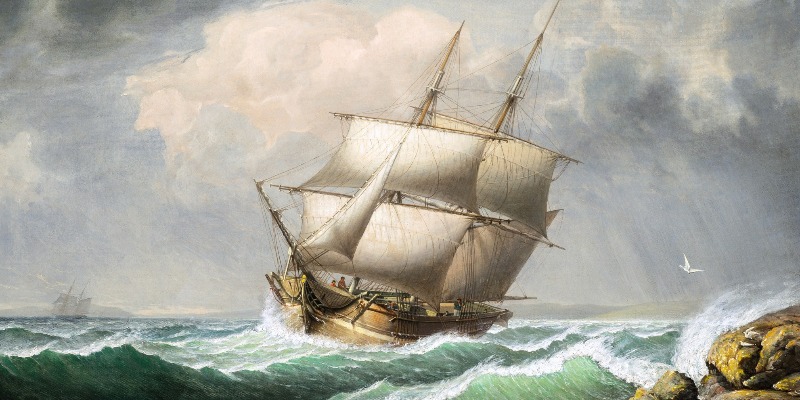 Inseguire Sempre Nuovi Obiettivi: Quando l’Ambizione ci Allontana dalla Felicità Presente
Una riflessione sul rischio di inseguire continuamente obiettivi materiali, professionali e personali senza imparare a godere del presente, della gratitudine e della serenità conquistataA volte ce ne accorgiamo tardi. Abbiamo corso per anni pensando che la felicità fosse sempre un po’ più avanti: dopo quel lavoro, dopo quella promozione, dopo una casa migliore, dopo un riconoscimento, dopo un risultato capace finalmente di farci dire: “Adesso posso respirare”. Ma spesso, quando quel momento arriva, non sappiamo più fermarci. Siamo già con la mente altrove, proiettati verso un nuovo obiettivo, una nuova attesa, una nuova mancanza. Come se il valore della vita non fosse mai nel porto raggiunto, ma solo nella fatica di restare in mare, anche quando le onde diventano troppo alte. L’ambizione non è una colpa. Desiderare di migliorare, lavorare, costruire sicurezza per sé e per la propria famiglia, cercare una vita più dignitosa e piena, è umano e giusto. Senza desideri, forse, resteremmo immobili. Ma il desiderio diventa una trappola quando non lascia spazio alla soddisfazione. Quando ogni conquista viene consumata in fretta, senza gratitudine. Quando ciò che abbiamo inseguito per anni, una volta ottenuto, ci sembra subito insufficiente. Quando il futuro diventa un luogo in cui rimandiamo continuamente la nostra serenità, mentre il presente passa, silenzioso, e non torna più. Viviamo spesso come se il tempo fosse inesauribile. Sacrifichiamo giornate, relazioni, salute, affetti, pause, piccoli piaceri quotidiani, convinti che prima o poi ci sarà il momento giusto per goderci tutto. Ma quel momento, se non impariamo a riconoscerlo, rischia di non arrivare mai. La ricchezza, il prestigio, il lavoro, la visibilità, il bisogno di apparire, perfino certe forme di amore vissute come conquista continua, possono trasformarsi in una navigazione senza riposo. Il mare promette orizzonti, ma può anche stancare l’anima quando non si vede più una riva. Forse la vera maturità non consiste nel rinunciare ai propri obiettivi, ma nel scegliere quelli che hanno davvero un senso. Quelli utili, necessari, condivisibili. Quelli che non ci svuotano, ma ci costruiscono. Quelli che possiamo raggiungere senza perdere noi stessi lungo il tragitto. E soprattutto, forse dovremmo imparare a fermarci quando qualcosa di buono è arrivato. Guardarlo. Abitarlo. Condividerlo. Sentire che la fatica fatta non è stata soltanto un passaggio verso un’altra fatica, ma anche una possibilità di pace. Perché alla fine la vita non ci chiederà soltanto quanto abbiamo ottenuto. Ci chiederà quanto siamo stati capaci di vivere ciò che avevamo. Vedi tutti i miei romanzi su Amazon: https://amzn.to/43eXSdL
SCOPRI DI PIU' Informatizzazione, Robot, Intelligenza Artificiale VS Luddismo
Un mondo che sfugge dalle nostre mani man mano che i capelli diventano grigi. I giovani ce la faranno?di Marco ArezioL’avvento della pandemia è stato come uno spartiacque tra il vecchio e il nuovo mondo, non che ci siano state delle fratture nette nella nostra vita, o si sia manifestato uno sconvolgimento visibile agli occhi di tutti e fisicamente verificabile, ma molte cose sono cambiate in modo irreversibile. La pandemia ha creato una sorta di meditazione forzata, chiusi all’interno delle nostre case, in cui il tempo ha giocato un ruolo nuovo, ci ha permesso di pensare, di fare dei bilanci, di capire a che punto ci trovavamo nel cammino della nostra vita e cosa avremmo voluto cambiare. Ne siamo usciti frastornati, addolorati, forse più cinici, ma abbiamo sicuramente messo più al centro la nostra vita, nella scala delle priorità, acquisendo maggiore consapevolezza di chi siamo e di cosa vogliamo. La prima evidente conseguenza di questa meditazione collettiva si è espressa nel diverso rapporto con il tempo e i modi che dedicavamo al lavoro che, al netto dei soliti furbetti del momento, si è fatto sentire soprattutto in quei settori dove meno normata e tutelata era la vita lavorativa. Un canale di attività dove lavorare era una concessione, quasi un favore, e anche la paga pioveva dal cielo come fosse un regalo, dove le ore non si contavano e i guadagni erano risicati. Un esercito di precari che offrivano le loro giornate alle attività soprattutto commerciali, e che non si più presentata al vecchio lavoro dopo la pandemia. Non mangiano più, non hanno da pagare l’affitto o le bollette, non devono vestirsi e fare una vita dignitosa? Si, devono fare tutto questo ma, in silenzio hanno capito che il rapporto tra il datore di lavoro e lavoratore doveva cambiare, ognuno deve fare la propria parte, con rispetto, correttezza e nei tempi lavorativi concordati da entrambe le parti. Si è capito che non si deve vivere per lavorare, che il rapporto con i soldi poteva cambiare, che la società consumistica in cui viviamo non dobbiamo subirla, ma viverla scegliendo come farlo a nostro piacimento. Non è una nuova forma di proletariato sociale, è la consapevolezza che non dobbiamo più vivere per avere, per soddisfare desideri ideali, come una dipendenza senza fine ed incurabile. Lo stop del Covid ci ha fatto capire che si può vivere anche con molto meno di quello che abbiamo sempre pensato fino ad oggi, che il tempo è il vero tesoro che abbiamo, e la sua spesa, con i modi per farlo, spettano solo a noi. Come nel XIX secolo in cui il movimento del Luddismo si preoccupava delle conseguenze dell’industrializzazione del lavoro sulla mano d’opera, e quindi sul sostentamento delle fasce più deboli della popolazione, anche oggi, i più giovani, la generazione meno tutelata, quella più fragili nell’ambito sociale, sta riscoprendo una nuova forma di Luddismo. I giovani di oggi non vanno a distruggere i telai tessili che due secoli fà riducevano la necessità di mano d’opera, gettano nella miseria la popolazione, non incendiamo le sedi dii Facebook, o Twitter, o di Instagram, di Amazon o di società che informatizzano la vita di tutti i giorni, non si rivoltano contro uno stato che non assiste le famiglie che non hanno disponibilità economiche per far laureare un figlio, o per dargli la possibilità di fare un percorso di formazione per imparare un mestiere, sopravvivendo al progresso. I giovani cominciano a capire che i movimenti internazionali dei capitali creano mondi nuovi, dove il tecnicismo e le competenze informatiche di alto livello sono necessari per vivere, dove molte attività di medio o bassa scolarizzazione potranno essere sostituite dall’intelligenza artificiale, da un robot o da qualcosa che ancora non c’è. A questo punto potrebbe entrare in scena Marx, rivendicando il diritto di tutti i popoli, di tutte le classi sociali, a vivere una vita dignitosa, economicamente stabile e preferibilmente tranquilla. Molte fasce della popolazione sono già state colpite dal progresso tecnologico, per esempio gli anziani sono esclusi da ogni relazione con la pubblica amministrazione, con le banche con buona parte delle attività sociali in quanto non hanno le competenze informatiche di base. Molte persone in età lavorativa rischiano, o hanno già rischiato, di essere sostituite da forme più o meno intelligenti di macchine, sia in fabbrica, che in ufficio che nel commercio, entrando nel tunnel di una nuova povertà e di un abbandono sociale. I soldi sono sempre il motore di tutti i cambiamenti sociali ed ambientali, e il loro uso, crea comportamenti a volte sbagliati, opachi e dannosi che, protratti negli anni, hanno cambiando non solo la testa delle persone ma anche il pianeta in cui viviamo. Le catastrofi ambientali causate in questi ultimi 6 o 7 decenni, ancora ad oggi in parte negate da qualcuno, stanno portando il mondo verso situazioni a cui non siamo preparati, come la mancanza di acqua, energia, le migrazioni climatiche inarrestabili, le guerre locali, l’inquinamento diffuso anche nella nostra catena alimentare. Ma stiamo ancora camminando, mentre ci avviciniamo al burrone, con gli occhi che ci hanno bendato, le cuffiette nelle orecchie per ascoltare la loro musica, mi viene in mente proprio il suono dei soldi nella canzone dei Pink Floyd. Ma è questo dobbiamo sentire? Siamo ancora in tempo, cambiando stile di vita, modo di pensare e ricordandoci che noi tutti siamo il loro mercato e i loro soldi, quindi, il Luddismo moderno è sapere rinunciare al superfluo, scollegarsi dai social che sono anche una macchina per indottrinare le nostre scelte e riaccendendo il nostro cervello.
SCOPRI DI PIU' Quali Sono i Meccanismi Cerebrali della Rabbia e Come Gestirla
La competizione quotidiana fra persone con armi sociali diverse crea spesso situazioni di rabbia e di odio di Marco ArezioIn macchina, in ufficio, in casa, con gli amici o i conoscenti, si possono creare situazioni difficili che comportano un coinvolgimento emotivo e di difesa, scatenando picchi di rabbia non sempre facilmente gestibili. La frenesia della vita non è più, come in passato, una scelta, attraverso la quale si tentava di salire la scala sociale, di raggiungere il benessere economico o le condizioni di vita appaganti, oggi la frenesia consuma le persone senza dare in cambio piccoli gradini e poche prospettive. La rabbia è una risposta emotiva complessa, che coinvolge diversi sistemi e aree del cervello, le cui principali sono: Amigdala Questa struttura profondamente situata nel cervello gioca un ruolo cruciale nella percezione e nella reazione alle minacce. Quando identifichiamo una situazione come minacciosa o frustrante, l'amigdala può attivarsi rapidamente, innescando una risposta di "combattimento o fuga". Ippocampo Vicino all'amigdala, l'ippocampo è coinvolto nel riconoscimento e nella memoria delle situazioni che hanno provocato rabbia in passato. Corteccia prefrontale Quest'area del cervello è coinvolta nel pensiero razionale, nella pianificazione e nel controllo degli impulsi. Quando siamo arrabbiati, la corteccia prefrontale può aiutarci a valutare se esprimere o no quella rabbia e in che modo. Ipotalamo Questa regione regola molte funzioni autonome del corpo, tra cui la risposta di "combattimento o fuga". Quando siamo arrabbiati, l'ipotalamo può innescare una serie di risposte fisiologiche come l'aumento della frequenza cardiaca, la dilatazione delle pupille e il rilascio di ormoni come l'adrenalina. Sistema limbico Oltre all'amigdala e all'ippocampo, altre parti del sistema limbico sono coinvolte nella regolazione delle emozioni e possono contribuire alla risposta della rabbia. Neurotrasmettitori Diverse sostanze chimiche nel cervello giocano un ruolo nella modulazione della rabbia, ad esempio, livelli ridotti di serotonina sono stati associati a comportamenti aggressivi. È importante notare che mentre queste aree del cervello sono coinvolte nella rabbia, l'espressione e la gestione della rabbia sono influenzate da una combinazione di fattori biologici, ambientali e psicologici. Ad esempio, l'educazione, le esperienze personali e le abitudini cognitive possono modulare la nostra tendenza a sentirci arrabbiati e il modo in cui esprimiamo quella rabbia. Se ci si sente particolarmente inclini a forme frequenti di rabbia, è necessario capire come raggiungere un equilibrio per poter gestire o superare situazioni che, alla lunga, inficeranno la serenità individuale. Infatti, prima di poter gestire la rabbia o l'odio, è essenziale riconoscerli. La consapevolezza di sé può aiutare a capire cosa scatena queste emozioni e a riconoscere i segnali fisici associati, come tensione muscolare o aumento della frequenza cardiaca. Ci sono tecniche, come la respirazione profonda e la meditazione che possono aiutare a calmare il sistema nervoso e a ridurre la rabbia o l'odio. Inoltre, parlare dei propri sentimenti con qualcuno di fiducia o scrivere in un diario può aiutare a processare e rilasciare emozioni intense. In ogni caso, se ci si sente sopraffatto dalla rabbia, bisognerebbe cercare di prendere una pausa, allontanandosi dalla situazione stressante e darsi del tempo per riflettere, in modo da prevenire reazioni impulsive. E’ importante anche cercare di vedere la situazione che ha provocato l’esplosione di rabbia, da una prospettiva diversa, forse c'è una spiegazione logica o un malinteso alla base. Una costante attività fisica può aiutare a ridurre lo stress e a liberare la tensione, ma è anche importante evitare situazioni, persone o cose che sai scateneranno la rabbia, se possibile. Infine, la ruminazione su eventi passati può alimentare il senso di rabbia, quindi bisognerebbe lasciare andare il passato e concentrati su ciò che si può facilmente controllare nel presente. © Vietata la Riproduzione
SCOPRI DI PIU' L’Intimità Autentica: Oltre il Corpo, Dentro l’Anima
Scoprire il coraggio di aprirsi emotivamente, donando una parte di sé che rimane per sempredi Marco ArezioNella vita tendiamo a pensare all'intimità come a qualcosa di visibile, tangibile: un abbraccio caldo, un bacio appassionato, un momento di vicinanza fisica. Eppure, l'autentica intimità va oltre i gesti e il contatto corporeo. Risiede in un luogo più profondo, invisibile ma potentissimo: è un'apertura del cuore, un atto di condivisione che ci rende vulnerabili, ci espone in modo unico e ci fa sentire intensamente umani.Il Coraggio di CondividereRaccontare chi siamo, aprire il libro delle nostre fragilità, dei nostri sogni e delle paure che ci tengono svegli la notte, è un gesto di coraggio straordinario. È come consegnare una parte del nostro essere, un dono che non può essere facilmente restituito. Quando decidiamo di condividere i nostri pensieri più intimi con qualcuno, stiamo aprendo la porta a una dimensione interiore che spesso cerchiamo di proteggere con ogni forza.Il Corpo e il CuoreIl corpo è importante, certo, ma è qualcosa di concreto, che possiamo riprendere e riappropriarci. Il cuore, invece, è più delicato: quando doniamo una parte del nostro mondo interiore, quel frammento rimane legato per sempre alla persona che lo ha accolto. Questo è ciò che rende l'intimità così rara e preziosa: è una promessa silenziosa, un filo invisibile che ci unisce e ci cambia.La Fiducia nell'AltroLa vera intimità è fatta di parole sussurrate nel buio, di silenzi che non hanno bisogno di essere riempiti, di una fiducia totale che ci permette di spogliarci di ogni difesa. È la scelta di mostrarsi per come siamo, senza filtri, senza maschere, sapendo che dall'altra parte ci sarà qualcuno pronto ad accogliere e custodire ciò che gli stiamo offrendo. Non c'è intimità più profonda di questa: aprirsi completamente, non solo con il corpo, ma con l'anima.Il Rischio e la Magia dell'IntimitàForse è per questo che spesso abbiamo paura di aprirci davvero. L'idea che qualcosa di così prezioso come il nostro mondo interiore possa essere ignorato, sottovalutato o, peggio, ferito, ci spaventa. Ma è proprio nel rischio che si nasconde la magia dell'intimità: solo accettando la possibilità di essere feriti possiamo sperimentare la bellezza di un legame profondo, un legame che sfida il tempo e trasforma entrambi.ACQUISTA IL LIBRORiscoprire l'Intimità AutenticaIn un mondo che sembra premiare la superficie, riscoprire il valore dell'intimità autentica è un atto rivoluzionario. Significa scegliere la profondità, l'autenticità, significa permettere a qualcuno di vedere veramente chi siamo. Questa è la vera essenza dell'intimità: non il semplice contatto fisico, ma l'incontro delle anime, un'unione così profonda da farci sentire finalmente a casa, finalmente compresi.© Riproduzione Vietata
SCOPRI DI PIU' Slow Life: l'Eccessivo Controllo di Sé e di ciò che ti è Intorno
Una spesa di energie mentali e fisiche continue che ti prostra senza portarti significativi benefici Lascia che le cose si rompano, smetti di sforzarti di tenerle incollate. Lascia che le persone si arrabbino. Lascia che ti critichino, la loro reazione non è un problema tuo. Lascia che tutto crolli, e non ti preoccupare del dopo. Dove andrò? Che farò? Nessuno si è mai perso per la via, nessuno è mai rimasto senza riparo. Ciò che è destinato ad andarsene se ne andrà comunque. Ciò che dovrà rimanere, rimarrà comunque. Troppo sforzo, non è mai buon segno, troppo sforzo è segno di conflitto con l’Universo. Relazioni Lavori Case Amici e grandi amori.ACQUISTA IL LIBRO Consegna tutto alla Terra e al Cielo, annaffia quando puoi, prega e danza ma poi lascia che sbocci ciò che deve e che le foglie secche si stacchino da sole. Quel che se ne va, lascia sempre spazio a qualcosa di nuovo: sono le leggi universali. E non pensare mai che non ci sia più nulla di bello per te, solo che devi smettere di trattenere quel che va lasciato andare. Solo quando il tuo viaggio sarà terminato, allora finiranno le possibilità, ma fino a quel momento, lascia che tutto crolli, lascia andare. [Claudia Crispolti] Categoria: Slow life - vita lenta - felicità
SCOPRI DI PIU' Il Male Banalizzato: La Minaccia Sottile della Meschinità Umana
Come le piccole cattiverie quotidiane danneggiano il nostro benessere e come difendersi dal male invisibile delle persone tossichedi Marco ArezioViviamo in un mondo complesso, dove le interazioni umane sono spesso segnate da una varietà di comportamenti e atteggiamenti. Purtroppo, è innegabile che tra noi circoli un certo tipo di persone che incarnano il lato oscuro dell'umanità. Gente malvagia, bugiarda, meschina, che sembra nutrirsi delle disgrazie altrui e che trova piacere nel danneggiare chi ha una vita forse più gratificante della loro. Questo tipo di persone rappresenta una minaccia sottile ma costante, un male banale e insidioso che, se non riconosciuto e gestito, può causare danni profondi e duraturi. La Banalità del Male Il concetto di "banalità del male" è stato introdotto dalla filosofa Hannah Arendt nel suo libro "La banalità del male: Eichmann a Gerusalemme". Arendt analizzava come il male possa essere perpetrato non solo da mostri e sociopatici, ma anche da individui comuni che semplicemente eseguono ordini senza riflettere sulle conseguenze delle loro azioni. Questo concetto si può applicare anche al tipo di persone che descriviamo in questo articolo: individui che non compiono grandi atrocità, ma che attraverso la loro invidia, gelosia e meschinità, minano la felicità e il benessere degli altri. I Motivi dietro il Comportamento Meschino Le ragioni che spingono queste persone a comportarsi in modo così negativo possono essere molteplici. Spesso, alla base di tutto c'è una profonda insicurezza e una scarsa autostima. Queste persone non tollerano il successo altrui perché lo percepiscono come una minaccia alla propria identità e al proprio valore. L'invidia diventa un motore potente, spingendole a cercare di distruggere ciò che non possono avere. Un altro fattore può essere la mancanza di empatia. La capacità di comprendere e condividere i sentimenti degli altri è fondamentale per costruire relazioni sane e positive. Tuttavia, alcune persone mancano completamente di questa capacità, vedendo gli altri solo come strumenti da manipolare per i propri fini. Infine, la cultura e l'ambiente sociale in cui una persona cresce possono influenzare notevolmente il suo comportamento. Una società che premia la competizione estrema e il successo a tutti i costi può incoraggiare atteggiamenti meschini e malvagi, alimentando una mentalità dove l'altro è visto come un ostacolo piuttosto che come un alleato. Il Pericolo del Male Banale Il male banale è particolarmente pericoloso perché è subdolo e difficile da individuare. Non si manifesta in grandi gesti o atti violenti, ma in piccoli comportamenti quotidiani che, nel tempo, possono avere un impatto devastante. La menzogna, la diffamazione, la manipolazione emotiva sono tutte armi utilizzate da queste persone per minare la fiducia e il benessere degli altri. In un contesto lavorativo, per esempio, una persona meschina può sabotare il lavoro dei colleghi, diffondere pettegolezzi dannosi o prendersi il merito per il lavoro altrui. Questi comportamenti non solo danneggiano le vittime dirette, ma creano un ambiente di lavoro tossico che può portare a stress, burnout e un calo della produttività. Anche nelle relazioni personali, il male banale può avere conseguenze devastanti. Un partner manipolativo o un amico invidioso possono erodere la nostra autostima e il nostro senso di sicurezza, lasciandoci vulnerabili e isolati. Come Difendersi Riconoscere e difendersi dal male banale non è facile, ma è possibile. Il primo passo è sviluppare una forte consapevolezza di sé e dei propri valori. Conoscere il proprio valore e avere fiducia in se stessi può renderci meno vulnerabili agli attacchi delle persone malvagie e meschine. Inoltre, è importante circondarsi di persone positive e di supporto. Costruire una rete di relazioni sane e genuine può fornirci la forza e il sostegno necessari per affrontare le difficoltà e per respingere le influenze negative. Infine, dobbiamo imparare a riconoscere i segnali del comportamento manipolativo e meschino. Essere attenti ai piccoli dettagli, come i cambiamenti nel tono di voce, il linguaggio del corpo e le parole utilizzate, può aiutarci a identificare le persone tossiche e a prendere le distanze da esse. Conclusioni In un mondo ideale, tutte le persone agirebbero con empatia, gentilezza e integrità. Tuttavia, la realtà è diversa e dobbiamo essere consapevoli che ci sono individui che incarnano il male banale, alimentato dall'invidia, dalla gelosia e dalla mancanza di empatia. Riconoscere e difendersi da queste persone è fondamentale per proteggere la nostra felicità e il nostro benessere. Costruire relazioni positive e sviluppare una forte consapevolezza di sé sono strumenti potenti che possiamo utilizzare per resistere al male banale e per promuovere un ambiente più sano e positivo intorno a noi.
SCOPRI DI PIU' La forza del tempo e l’armonia della natura
Un viaggio interiore tra resilienza e movimento di Marco ArezioEsistono luoghi, reali o immaginati, che racchiudono il potere di evocare emozioni profonde, di sospendere il caos e restituirci alla nostra essenza. Sono spazi dove il tempo sembra stratificarsi, rendendo tangibile il dialogo tra passato e presente, tra ciò che resta immutato e ciò che si trasforma. In questi luoghi, il respiro della natura si fonde con le tracce di chi è venuto prima, creando un’armonia che parla di resilienza, ma anche di cambiamento. La resilienza non è mai statica: è il risultato di un continuo adattarsi. È il legame tra ciò che abbiamo costruito per durare e il costante movimento che ci attraversa, come un fiume impetuoso che modella le sue rive. Il tempo, così come l’acqua, non si ferma, ma trova sempre la sua via. E in questo fluire incessante, noi cerchiamo un equilibrio, tra radici profonde che ci trattengono e la spinta verso nuovi orizzonti. Spesso, per ritrovare il nostro centro, è necessario abbandonarsi al silenzio. Un silenzio che non è assenza, ma spazio: uno spazio dove i ricordi, le emozioni, e i sogni possono fluire liberi, senza ostacoli. È qui che possiamo ascoltare ciò che è davvero autentico in noi, ciò che sopravvive ai cambiamenti, proprio come fanno le cose più solide e vere.ACQUISTA IL LIBRO Il passato non è mai del tutto passato: vive nelle pietre, nei profumi, nelle forme che riconosciamo inconsciamente come familiari. È un compagno di viaggio che ci ricorda chi siamo stati, ma che ci spinge anche a non restare immobili. Ogni passo avanti, ogni decisione, porta con sé le tracce di ciò che ci ha formati. E allora, in un mondo che sembra accelerare sempre di più, possiamo imparare a rallentare. Possiamo trovare luoghi, esterni o dentro di noi, dove l’acqua e la pietra si incontrano, dove la stabilità abbraccia il cambiamento, e dove il tempo ci invita non a rincorrerlo, ma a camminare al suo fianco. In questo incontro tra forza e delicatezza, tra staticità e fluire, ritroviamo la calma necessaria per ricominciare.© Riproduzione Vietatafoto: L. Carotenuto
SCOPRI DI PIU' La Natura siamo Noi, Capirlo ci Aiuterebbe a non Farci del Male
La Natura siamo Noi, Capirlo ci Aiuterebbe a non Farci del MaleIn Natura, l'azione e la reazione sono continue. Tutto è legato a tutto.Niente è separato. Tutto è collegato, interdipendente.Ovunque, ogni cosa è collegata a tutte le altre.Ogni domanda riceve una risposta che le corrisponde.Svami Prajnanapada
SCOPRI DI PIU' Slow Life: Vivere nel Presente senza Idealizzare la nostra Impronta Futura
Chi si ricorderà di noi, dei nostri sacrifici e delle nostre rinunce fra alcune generazioni?di Marco ArezioLa nostra vita è formata da una certa quantità di piccoli pezzi di un puzzle, ricevuti alla nostra nascita, che rappresentano idealmente i giorni della nostra esistenza, apparentemente tutti uguali ma in realtà molto diversi tra loro, di cui ce ne dobbiamo prendere cura, riempirli di colori più o meno intensi, in base a come passeremo le giornate. Alla nostra nascita ci vengono regalati, sparsi e confusi nell’area della vita e, giorno per giorno, ne spostiamo uno alla volta verso la zona di destinazione, costruendo il disegno della nostra vita. I giorni vissuti o consumati faranno transitare da un’area all’altra la nostra dotazione di pezzi di puzzle, in una danza continua, dall’alba al tramonto, meccanismo, questo, che non si fermerà mai più. Da giovani guardiamo il mucchio disordinato che abbiamo avuto alla nascita e ci sentiamo invincibili, immortali, carichi di tempo e inclini a non considerare l’importanza di questo meccanismo di transizione, consci dei tanti pezzi che vediamo sparsi che ci attendono. Siamo molto concentrati su noi stessi, sulle nostre attività, sugli obbiettivi che ci siamo dati, su quelli che gli altri ci chiedono, avvolti nel turbinio delle cose, delle esigenze che sembrano siano irrinunciabili. Può essere tale la nostra foga di costruire un’immagine di noi stessi, di afferrare e consumare ogni desiderio che riteniamo indispensabile nel momento in cui lo pensiamo, che possiamo barattare i nostri obbiettivi con la velocità di spostamento dei pezzettini del puzzle della nostra vita, dal posto primario alla zona di in cui ogni pezzo si incastra con un altro, senza più muoversi. Per essere quello che vorremmo o che gli altri ci spingono ad essere, utilizziamo la scorta di tempo che abbiamo, senza valutare il costo, nella convinzione di poter guadagnare un posto rilevante tra i nostri simili, per il presente e per il futuro.ACQUISTA IL LIBRO Ma chi si ricorderà di noi fra qualche generazione? I figli godranno legittimamente dei nostri sacrifici, i nipoti avranno un ricordo già un po' sbiadito della nostra vita trascorsa a costruirci, imputando più ai propri genitori la loro situazione sociale che a noi. Fra 100 anni, forse, non sapranno più chi eravamo, cosa facevamo, confondendo date e luoghi, senza un grande interesse per le vite spese, anche perché più ci si allontana nei ricordi, meno si godrà dell’importanza sperata. I nostri beni, tanto faticosamente accumulati, barattando il nostro tempo, saranno progressivamente divisi, ereditati, venduti, forse separati e magari in mano a sconosciuti. Nessun senso di affezione per quelle cose che ci siamo faticosamente costruiti e vissute, tutto ridotto ad un valore e, a volte, gli eredi ringrazieranno la fortuna se cadrà in tasca il risultato di un’eredità, forse faticando a mettere a fuoco da chi proviene, ma alla fine, quello che conta, sono i soldi o un bell’immobile. Se avessimo costruito una ditta importante, lavorando giorno e notte, può essere che i nostri figli continuino il nostro lavoro, ma anche loro saranno soggetti alle leggi della vita, tra alti e bassi, e non è detto che il nostro nome continui nel tempo. Tante cose potranno cambiare, persino la genesi dell’attività stessa, un ricordo sfuocato o assente dai più che lavoreranno al suo interno. Forse si può pensare che la vita sia oggi, che la nostra impronta nelle generazioni future sia una idea che ci facciamo, traslando il nostro ego troppo avanti, pensando che potremmo essere in un certo senso immortali, ma le cose non andranno sempre come pensiamo. Lasciamo che i pezzettini del puzzle, durante la nostra vita si spostino lentamente, coloriamoli di tonalità calde, e non cerchiamo di barattarli con i mille desideri che potrebbero affannare la nostra mente. Niente ha più valore del tempo, quindi non disturbiamo il lento movimento che i giorni segneranno la nostra vita, non chiediamo di andare più veloce, perché non si tornerà più indietro. Guardiamo con attenzione ogni singolo pezzetto di puzzle, giorno per giorno, e non rattristiamoci se il disegno della nostra vita si sta formando, incastrando pezzo dopo pezzo, giorno dopo giorno, niente può influenzare il suo movimento, ma godiamoci ogni singolo elemento, con la calma, insegnando ai nostri figli e ai nostri amici di aver cura di loro, di tenerseli stretti, di curarli e di sorridergli. Quando avremo in mano l’ultimo incastro, guarderemo tutti quelli che abbiamo curato, amato, colorato e vissuto e ci sentiremo soddisfatti della nostra nuova casa, inserendo senza timore l’ultimo pezzo mancante.
SCOPRI DI PIU' Alleggerirsi dalle Aspettative: Il Coraggio di Ritrovare se Stessi
Quando i pesi che non ci appartengono ci impediscono di volare, è tempo di riscoprire le nostre ali e riconquistare la libertà interioreCi sono momenti nella vita in cui si avverte un peso, uno di quelli che non si è scelto, che non appartiene al nostro percorso, ma che, in qualche modo, è finito sulle nostre spalle. Questo peso non è altro che il riflesso delle aspettative degli altri, dei giudizi non richiesti, delle responsabilità che qualcuno ci ha attribuito senza domandarci se le desiderassimo davvero. Col passare del tempo, portare questi carichi diventa una seconda natura, una parte di noi che, però, non ci appartiene. E, alla fine, ci ritroviamo a camminare sotto il loro fardello, sempre più curvi, sempre più distanti da chi siamo veramente. Ma cosa significa davvero “alleggerirsi le spalle”? Non si tratta semplicemente di un gesto fisico, ma di un atto di libertà interiore. È una scelta consapevole di guardare dentro di sé, riconoscere quei pesi che non ci appartengono e lasciarli andare. Alleggerirsi non è un atto di egoismo, ma di amore verso se stessi. È la comprensione che non siamo responsabili per tutte le aspettative che gli altri hanno su di noi. E soprattutto, non siamo responsabili per i pesi che ci sono stati affidati senza il nostro consenso. Questa consapevolezza ci porta a riscoprire una parte di noi stessi che abbiamo dimenticato: le nostre ali. Le ali sono quelle risorse interiori, quella capacità innata di essere liberi, di volare sopra le difficoltà, di trovare una prospettiva nuova e più autentica.Sono un simbolo di speranza e di potenziale, qualcosa che aspetta solo di essere riscoperto e utilizzato per andare verso la propria realizzazione.Eppure, spogliarsi dei pesi che non ci appartengono non è semplice. Richiede il coraggio di ammettere a se stessi che alcune responsabilità e aspettative non sono nostre e non devono esserlo. Richiede il coraggio di deludere, di dire “no” quando non si ha la forza di sostenere anche le battaglie degli altri. E, soprattutto, richiede il coraggio di accettare la nostra vulnerabilità. Riconoscere che, sotto a tutto quel peso, c’è un “io” autentico che ha bisogno di volare, che desidera esprimersi liberamente e vivere in armonia con il proprio essere. Nel momento in cui riusciamo a liberarci da ciò che ci schiaccia, scopriamo un senso di leggerezza che non sapevamo nemmeno potesse esistere. Ogni passo diventa più facile, ogni respiro più profondo. La vita si riempie di nuove possibilità, e le nostre ali, finalmente libere, ci permettono di esplorare un mondo di opportunità.ACQUISTA IL LIBRO Questo cammino verso la leggerezza e la libertà interiore può sembrare lungo e difficile, ma è un percorso che merita di essere intrapreso. Ci porta alla riscoperta di un’identità che era nascosta sotto strati di “doveri” imposti dall’esterno. Ci permette di riappropriarci della nostra esistenza e di vivere in modo più autentico, senza temere i giudizi e senza il peso delle aspettative altrui. In definitiva, liberarsi dei pesi significa ritrovare il coraggio di volare. Significa riconoscere il proprio valore intrinseco e accettare che, sotto quei carichi, ci sono le ali della nostra vera essenza, pronte a spiccare il volo verso una vita vissuta pienamente, secondo le nostre regole, i nostri sogni e il nostro autentico desiderio di essere liberi. © Riproduzione Vietata
SCOPRI DI PIU' Il peso invisibile dell’apparenza: perché consumiamo per sentirci visti
Un’analisi psico-sociale sui meccanismi che spingono individui e comunità a investire risorse, tempo e identità in comportamenti di consumo orientati all’immaginedi Marco ArezioViviamo in un tempo in cui il valore percepito di una persona sembra misurarsi sempre più attraverso ciò che possiede, mostra o ostenta. Dietro a questa dinamica non c’è soltanto un’industria del consumo capace di generare desideri continui, ma anche un complesso intreccio psicologico e sociale che porta molti individui a investire energie, risorse economiche e persino la propria autostima in un processo di rappresentazione più che di autenticità. Non si tratta semplicemente di comprare oggetti: è il tentativo, spesso inconsapevole, di trovare un posto nel mondo attraverso simboli esteriori. È la ricerca di un riconoscimento che, nella percezione collettiva contemporanea, sembra passare quasi inevitabilmente per la costruzione di un’immagine. Ma dietro ogni immagine c’è una fragilità, e dietro ogni fragilità c’è una storia.L’identità come performance In un contesto sociale che premia la visibilità, l’identità rischia di trasformarsi in una vera e propria performance. L’individuo viene spinto a costruire se stesso come un prodotto da esporre, valutare e confrontare. Una sorta di vetrina emotiva e materiale dove ciò che si mostra diventa più importante di ciò che si vive davvero. Questa rappresentazione nasce da un bisogno profondo: essere accettati. Il timore di non essere abbastanza — abbastanza interessanti, abbastanza realizzati, abbastanza forti — induce molte persone a usare il consumo come strumento per colmare il vuoto della percezione di sé. Gli oggetti diventano così una sorta di corazza, una protezione contro il giudizio altrui, un segnale che rassicura: “anche io valgo”. La pressione sociale e la paura dell’esclusione Ogni epoca ha avuto i suoi codici simbolici, ma oggi questi codici sono diventati più rapidi, più fluidi e soprattutto più visibili. La società iperconnessa amplifica la pressione sociale: ogni contenuto condiviso, ogni immagine confrontata, ogni storia pubblicata diventa un elemento di paragone continuo. La paura dell’esclusione — un impulso radicato nel nostro cervello primitivo — trova terreno fertile in questo scenario. Essere fuori dal gruppo equivaleva, per i nostri antenati, a mettere a rischio la sopravvivenza. Oggi non rischiamo più la vita, ma rischiamo qualcosa che molti percepiscono come altrettanto importante: il senso di appartenenza. Così, si spende per non sentirsi esclusi, si acquista per non sembrare inferiori, si accumula per tenere il passo con un ritmo che spesso nessuno può sostenere davvero. Il consumismo come anestetico emotivo Non si compra solo per apparire. Molti consumi diventano tentativi di colmare un vuoto emotivo. Una giornata difficile, un momento di solitudine, un senso di frustrazione: ogni occasione può trasformarsi in una spinta verso l’acquisto impulsivo. È un meccanismo psicologico semplice ma potente: l’atto di comprare genera una breve scarica di dopamina, una sensazione di eccitazione e sollievo. Tuttavia, questa sensazione dura poco, e quando svanisce lascia dietro di sé una zona d’ombra ancora più ampia. Il ciclo ricomincia, e il consumo diventa un anestetico che illude senza mai risolvere. La distanza tra ciò che desideriamo e ciò che ci serve davvero Uno degli aspetti più significativi di questo fenomeno è la distanza crescente tra il desiderio autentico e il desiderio indotto. Molte persone non comprano ciò che veramente le rappresenta, ma ciò che rappresenta un ideale esterno: un modello culturale, un’aspettativa percepita, un’immagine di successo. In questo disallineamento si crea una frattura interiore. Gli individui rischiano di costruire vite non basate sui propri bisogni reali, ma su un copione che la società ha scritto per loro. Ciò genera smarrimento, senso di inadeguatezza, e una profonda perdita di contatto con la propria identità più autentica. La libertà che nasce dall’autenticità La via d’uscita non passa attraverso il rifiuto del consumo in sé — impossibile in un mondo interconnesso e complesso — ma attraverso una nuova consapevolezza. Significa recuperare la capacità di riconoscere ciò che ci serve davvero, ciò che ci fa stare bene, ciò che ci rappresenta senza bisogno di dimostrare nulla a nessuno.Essa permette di liberarsi da un modello di confronto continuo e di trovare una dimensione più equilibrata nella gestione delle risorse, nelle scelte quotidiane, nel rapporto con il proprio valore personale. Non si tratta solo di psicologia: è un gesto profondamente sociale, perché ogni individuo che sceglie la sincerità interiore rompe una catena di aspettative collettive e apre spazio a una società meno frenetica e più umana. Ripensare la cultura dell’immagine Per trasformare questo meccanismo occorre un cambiamento culturale. Una società che valorizza la sostanza più dell’apparenza è una società che favorisce relazioni più autentiche, meno competitive e più solidali. Ciò riduce non solo la pressione emotiva sugli individui, ma anche lo spreco sistemico di risorse, il consumismo compulsivo e la necessità di “comprare identità” attraverso beni materiali. Ripensare il valore della semplicità, della lentezza, dell’essenzialità non è un ritorno al passato, ma un possibile futuro più sostenibile — psicologicamente, socialmente e anche ambientalmente.Alla fine, la domanda fondamentale diventa: per chi viviamo davvero? Se la risposta è “per lo sguardo degli altri”, allora continueremo a rincorrere modelli impossibili. Se la risposta è “per noi stessi”, allora troveremo finalmente un equilibrio che non dipende da ciò che possediamo, ma da ciò che siamo.© Riproduzione VietataACQUISTA IL LIBRO
SCOPRI DI PIU'
