








 Odori nei polimeri riciclati: come affrontare il problema?
La valorizzazione dei polimeri riciclati passa anche attraverso la soluzione del problema degli odoridi Marco ArezioIn un’ottica di economia circolare i polimeri riciclati che provengono dal post consumo, quindi dalla raccolta differenziata domestica, devono essere valorizzati riuscendo a risolvere anche il problema degli odori. La necessità di utilizzare maggiormente i polimeri riciclati che provengono dal post consumo è ormai diventata una questione primaria per il riciclo delle materie plastiche. Come riportato nell’articolo apparso sul portale della plastica e dell’economia circolare rMIX è necessario che si verifichino due condizioni fondamentali: Rimodulazione delle aspettative estetiche dei prodotti finiti fatti in plastica riciclata Riduzione o cancellazione degli odori che i prodotti fatti con l’input da post consumo portano con se dopo la produzione.Nel primo caso è importante poter produrre più prodotti con plastiche riciclate, specialmente quelli oggi realizzati con plastiche vergini solo per questioni estetiche che si potrebbero definire trascurabili, aumentando così il consumo di rifiuti plastici. Nel secondo caso, il problema dell’odore, condiziona ancora fortemente gli acquisti di granuli riciclati, specialmente in quei paesi dove è meno sentita la problematica della difesa ambientale. Se vogliamo fare un esempio, un flacone del detersivo prodotto con un HDPE riciclato, mantiene dopo la produzione una quota di odore (profumo?) di detersivo che proviene dalla lavorazione dei flaconi della raccolta differenziata, in cui le fragranze dei liquidi contenuti precedentemente rimangono anche dopo il lavaggio. Come vedete non è un problema invalidante per chi dovrà riempire nuovamente il flacone riciclato con liquidi profumati, ma è, ed è stato sempre un tema discusso dagli acquirenti di polimero. Sebbene le cose da questo punto di vista stiano lentamente cambiando, dove si trovano maggiori complicazioni sono quei prodotti fatti con PP o PP/PE o LDPE la cui materia prima ha contenuto residui alimentari, detergenti, cosmetici o dove il processo di rigenerazione presenza delle criticità. I fattori che contribuiscono maggiormente alla creazione degli odori sono rappresentati da: Residui alimentari, che creano processi microbiologici Residui di cosmetici che presentano difficoltà di pulizia durante il lavaggio Tensioattivi che vengono inglobati nelle plastiche Contaminazioni nelle acque di lavaggio del rifiuto plastico Contaminazioni causate dalla degradazione dei polimeri in fase di produzione dei granuli. Ad oggi una soluzione piena e definitiva del problema, da applicare nella produzione su larga scala dei polimeri riciclati, sembra non esserci ancora, infatti, si stanno percorrendo varie strade per cercare di mitigare e, in un futuro risolvere la presenza di questi odori. Copertura degli odori Esistono sul mercato numerosi prodotti, sotto forma di masterbach, che si utilizzano in fase di estrusione o iniezione dei prodotti, contenenti varie fragranze che aiutano a mitigare un odore pungente come può essere quello di alcune produzioni di polimeri. Le fragranze sono numerose: vaniglia, pino, fragola, arancia, limone, lavanda e tante altre. Processi Meccanici Esistono impianti di produzione dei granuli riciclati che, durante la lavorazione degli scarti plastici e della produzione del granulo stesso, riducono in modo sostanziale le fonti che generano gli odori sgradevoli. Questi impianti si basano su una tripla combinazione tra filtrazione, degasaggio e aspirazione delle parti volatili in modo da migliorare il problema. Ricerca scientifica Nello stesso tempo la ricerca sta facendo passi avanti per cercare di individuare, in modo scientifico ed inequivocabile la fonte degli odori dei composti provenienti dalla raccolta differenziata. L’istituto tedesco Fraunhofer Institute for Process and Engineering and Packaging (IVV) sta studiando come migliorare i processi di riciclo dei rifiuti da post consumo. Il lavoro si concentra, con un approccio olfattometrico e analitico, allo studio e la catalogazione degli odori presenti nelle plastiche post consumo, valutandone l’intensità e la provenienza, identificando i materiali che li producono attraverso un’analisi chimica. I dati raccolti da queste catalogazioni scientifiche aiuteranno i ricercatori a trovare processi adatti alla soluzione dei problemi causati dal decadimento microbiologico, dall’invecchiamento della plastica, dai risultati chimici dei processi termici e dai residui delle lavorazioni meccaniche della plastica che causano odori sgradevoli.Controllo analitico degli odori in laboratorioOggi abbiamo comunque la possibilità, attraverso una strumentazione di laboratorio, che unisce l'attività di un gascromatografo (GC) e uno spettrometro a mobilità ionica (IMS) di avere un quadro preciso sull'intensità e sulla natura degli odori che provengono dal rifiuto da riciclare o dalla scaglia o granulo prodotti dalle plastiche post consumo. Questo strumento ci aiuta ad individuare i componenti molesti dal punto di vista odoroso nei rifiuti in ingresso, ma anche sulla materia prima prodotta o sui prodotti finali realizzati con la plastica riciclata, così da stabilire azioni correttive o, con il cliente, un range analitico e non opinabile, del livello odori nei prodotti ed accettato dalle parti.Categoria: notizie - tecnica - plastica - riciclo - odori - post consumo
SCOPRI DI PIU' Pellicole in PVC per Alimenti: Quali Contaminazioni Possibili?
Da molti anni gli alimenti possono essere porzionati attraverso un imballo costituito da una pellicola in PVCdi Marco ArezioE’ ormai nostra abitudine acquistare porzioni di cibo che il negoziante o la grande distribuzione confeziona attraverso una pellicola in PVC. Anche nelle nostre case, lotti parziali di cibo, vengono comunemente avvolti in queste pellicole per aumentare la durata della conservazione e salvaguardarne la qualità.Sebbene oggi esistano anche diverse pellicole per alimenti in PE, il mercato del PVC è ancora quello più importante per via di numerosi fattori tecno-economici. L’uso del polimero di PVC permette di realizzare una pellicola molto resistente, con una bassa permeabilità all’acqua e all’ossigeno, con una buona resistenza agli acidi e agli alcali diluiti. Inoltre, per un fatto del tutto pratico, le pellicole alimentari in PVC hanno una ottima capacità di confezionamento, saldandosi facilmente ad un piatto o ad una ciotola o su se stesso. Dal punto di vista economico, la presenza del cloro nel composto in PVC, fondamentale per la sua struttura chimica, riduce in modo sensibile il costo del prodotto finito, questo perché si configura un risparmio di etilene pari a circa il 50% rispetto all’uso del PE a parità di prodotto. Utilizzando il PVC è possibile inserire una serie di additivi che ne possono modificare le caratteristiche prestazionali, avendo la possibilità di creare, con un unico polimero, prodotti differenti. Vediamo gli additivi principali che vengono usati nell’industria del packaging: • Agenti anti blocking: riducono la tendenza all’adesività • Agenti anti appannamento: promuovono la formazione di un velo di liquido omogeneo e continuo • Antimicrobici: prevengono la crescita di microrganismi • Antiossidanti: Prevengono la degradazione del film dovuta all’atmosfera • Antistatici: Riducono l’accumulo di cariche elettriche che attraggono la polvere • Agenti rigonfianti: vengono impiegati per produrre schiume da materie plastiche • Catalizzatori: fanno iniziare la polimerizzazione nella produzione di resine plastiche • Coloranti: permettono la colorazione delle pellicole • Agenti accoppianti: favoriscono l’accoppiamento tra i pigmenti e i polimeri • Ritardanti di fiamma: riducono l’infiammabilità dei materiali che sono combustibili • Stabilizzatori di calore: riducono la degradazione del PVC in acido cloridrico • Lubrificanti: Riducono adesività tra il PVC e le parti metalliche • Plastificanti: migliorano la flessibilità, la lavorabilità e la dilatabilità Tutti questi additivi, ma specialmente i plastificanti, sono soggetti ad una strettissima normativa per permetterne l’uso in ambito alimentare. C’è da considerare che in commercio esistono circa 300 tipologie di plastificanti e quelli approvati per l’uso alimentare, sono soggetti alla normativa di disciplina igienica degli imballaggi, recipienti, utensili destinati a venire in contatto con le sostanze alimentari o con sostanze d’uso personale. Le sostanze che potrebbero trasferirsi dall’imballo all’alimento possiamo dividerle in tre categorie: • Sostanze aggiunte: sono principalmente rappresentate dagli additivi del PVC sopra elencati • Residui: rappresentano parti di materiale polimerico con incomplete reazioni (monomeri, catalizzatori, solventi, adesivi ecc.) • Prodotti di neo formazione: sono sostanze che si originano dalla decomposizione spontanea dei materiali o durante le operazioni di trasformazione in manufatto Queste sostanze definite di neoformazione, sono molto variabili tra loro, in funzione di molti fattori chimico-fisici che si possono presentare e che possono influire sull’eventuale trasferimento di sostanze all’alimento di difficile gestione e risoluzione.Categoria: notizie - tecnica - plastica - pellicole alimenti - PVC - packaging
SCOPRI DI PIU' EPS (Polistirolo Espanso) Riciclato: Da Dove Viene e Cosa E’
Come riciclare un materiale dai molteplici impieghi proveniente dai settori del packaging, edilizia e fooddi Marco ArezioL’EPS o più comunemente chiamato polistirolo espanso, è ottenuto dal polistirene per mezzo di un processo di polimerizzazione che si realizza attraverso una reazione chimica dello stirene. In fase di polimerizzazione, al polistirene vengono aggiunti degli additivi espandenti come il pentano, favorendo la nascita dell’EPS, che si presenta in piccole palline dall’aspetto vetroso e di granulometria differente. Portando poi le palline ad una temperatura di circa 90 °C attraverso l’uso del vapore, il gas in esse contenuto, innesca la loro espansione volumetrica pari a 20 - 50 volte il volume delle stesse. Terminata la fase espansiva si passa alla sinterizzazione delle palline, che consiste, sempre attraverso l’impiego di vapore a 110 - 120 °C, nella capacità di agglomerarsi tra loro, con la possibilità di creare blocchi monolitici. L’EPS così prodotto viene impiegato in molteplici settori, quali quelli degli isolanti in edilizia, per la protezione degli oggetti durante le fasi di imballo, e nel settore alimentare per la produzione di contenitori di varie tipologie. Questo larghissimo impiego multisettoriale, porta alla creazione di una grande quantità di rifiuti che devono essere correttamente gestiti, avviandoli al riciclo, in quanto l’EPS può essere un prodotto circolare.Come si ricicla l’EPS con il sistema meccanico La prima criticità che si incontra parlando di riciclo dell’EPS è il suo volume in rapporto con il suo peso, due elementi che determinano costi per il deposito degli scarti e per il loro trasporto. Infatti è un materiale molto leggero, circa 15-25 Kg. /m3 e molto voluminoso. Per questi motivi la prima fase del riciclo dell’EPS risiede nella sua riduzione volumetrica, attraverso la frantumazione degli scarti per via meccanica, in modo da ricavare pezzi irregolari con dimensioni da 2 a 10 cm. Terminata la fase della frantumazione si passa a quella della macinazione, che consiste nell’impiegare mulini a martelli o mulini a coltelli con alberi controrotanti, che hanno la capacità di ridurre l’EPS alle dimensioni desiderate. In alternativa alla macinazione, gli scarti di EPS frantumati possono essere compattati con presse specifiche, così da ridurne in modo monolitico il volume, portando il peso specifico tra i 300 e gli 800 Kg/m3. Se si opta per la macinazione degli scarti si ottiene una materia prima che può essere utilizzata per le fasi di estrusione, creando poi un polimero cristallo granulare con una fluidità alta, intorno a 14-18, utilizzabile per lo stampaggio ad iniezione. Per estrudere l’EPS è necessario dotarsi di un impianto di alimentazione forzata in quanto il materiale è molto leggero, inoltre è consigliabile dotarsi di un impianto di degasaggio per togliere i gas presenti all’interno della struttura cellulare. Se gli scarti macinati o compattati provengono dalla raccolta differenziata, quindi post consumo, sul nastro trasportatore è consigliabile inserire un magnete che possa intercettare eventuali elementi metallici presenti nel macinato. Inoltre è sempre opportuno setacciare il macinato in modo da eliminare eventuali impurità costituite da legno, carta, elementi non ferrosi che non vengono intercettati dai magneti. Ci sono altri sistemi di riciclo non meccanici per l’EPS che possono essere elencati qui di seguito: • Sistema del cracking molecolare per via termomeccanica • Sistema a microonde e infrarossi che genera un processo pirolitico controllato • Sistema di dissoluzione liquida che permette il recupero dell’EPS non contaminato
SCOPRI DI PIU' Il Packaging Attivo Moderno con Radici Millenarie
Studiare come l’imballo interagisce con il prodotto contenuto, di come il tempo, la struttura, la chimica fa evolvere questa relazionedi Marco ArezioIl packaging attivo attuale è ben definito dal regolamento CE 450/2009 che recita: “… per materiali e oggetti attivi destinati a venire a contatto con i prodotti alimentari s’intendono materiali e oggetti destinati a prolungare la conservabilità o mantenere o migliorare le condizioni dei prodotti alimentari imballati. Essi sono concepiti in modo da incorporare deliberatamente componenti che rilasciano sostanze nel prodotto alimentare imballato o nel suo ambiente, o le assorbano dagli stessi”.Sembra essere una conquista dei nostri tempi quella di conservare meglio i prodotti all’interno degli imballi, che siano alimentari o di altri prodotti, facendoli, a volte interagire con l’imballo che li contengono. Questo significa preoccuparsi e studiare come l’imballo interagisce con il prodotto contenuto, di come il tempo, la struttura, la chimica fa evolvere questa relazione, verificandone alla fine i pro e i contro, sul prodotto che verrà utilizzato. In realtà il problema è già stato in qualche modo affrontato nel corso dei millenni passati, anche senza avere a disposizione i molteplici imballi di cui disponiamo oggi. Non c’era la plastica, l’alluminio, il Tetra Pack, ma il legno, il vetro e la ceramica si, e soprattutto attraverso le botti di legno, i nostri predecessori intuirono che la botte aveva una relazione stretta con la qualità finale del vino. Infatti intuirono che le botti di legno pregiato cedevano ai vini e ai distillati sostanze polifenoliche che miglioravano il colore, il sapore e l’aroma del prodotto. Oggi, con l’aumento delle tipologie di imballo a nostra disposizione, si sono moltiplicati anche i problemi che dobbiamo considerare e risolvere al fine di controllare le reazioni avverse tra imballo e prodotto e favorire quelle positive. Tra quelle indesiderate o dannose possiamo elencare: L’Umidita. Questa favorisce la proliferazione delle muffe e dei batteri in alcuni casi, mentre in altri è necessario controllare la respirazione aerobica dei vegetali e dei microrganismi. Per questi motivi è necessario agire in modo da poter controllare lo sviluppo dell’umidità nelle confezioni in base al tipo di prodotto contenuto. Per fare questo è possibile utilizzare sacchetti contenenti gel di silice, cloruro di calcio e ossido di calcio, oppure materiali multistrato contenenti composti igroscopici, come il Pitchit film. L’Ossigeno. E’ noto a tutti che la presenza di ossigeno faciliti la riduzione della durata dei prodotti alimentari conservati a seguito delle reazioni (ossidazioni chimiche ed enzimatiche, degradazione dei pigmenti e degli aromi) e dei metabolismi (respirazione aerobica, proliferazione di batteri aerobi, muffe e lieviti). Un sistema ampiamente usato è la conservazione dei cibi attraverso il sottovuoto, ma esistono altri metodi, come le bustine che assorbono l’ossigeno, costituiti da piccoli elementi che, attraverso una reazione chimica tra Fe metallico e O2, ne riducono la presenza all’interno dell’imballo. Questa metodologia non è applicabile a tutti gli imballi in quanto la reazione chimica è innescata in presenza di un certo grado di umidità e la presenza di ferro può interferire con i sistemi logistici automatizzati in presenza di metal detector. L’Etilene. L’etilene è un ormone vegetale che influenza il processo aerobico e la maturazione di molti frutti, pertanto la sua riduzione produce un rallentamento della maturazione del prodotto. Si possono inserire negli imballi delle sostanze capaci di adsorbire l’etilene, quali carbone attivo, gel di silice e zeoliti. Composti volatili derivanti dalla degradazione degli alimenti. Specialmente la degradazione lipidica e proteica degli alimenti produce delle sostanze volatili di odore sgradevole. Le aldeidi volatili (esanale, nonanale, ecc.) prodotte durante l’ossidazione dei lipidi insaturi, possono essere intercettate da composti chimici inseriti nei copolimeri poliolefinici (PE/PP). Esistono altre sostanze chimiche, come il solfuro di idrogeno (H2S) e i mercaptani (R-SH) volatili, che vengono generati dalla degradazione proteica, possono essere sequestrati con adsorbenti specifici. Ci sono poi delle sostanze protettive e migliorative che interagiscono con i prodotti contenuti negli imballi. Facendo una rapida carrellata possiamo citare: Gli Antiossidanti. Contenuti nei materiali plastici destinati alle produzioni per il packaging favoriscono un’azione protettiva nel tempo. Esistono anche antiossidanti naturali, come l’α-tocoferolo, che viene aggiunto nella produzione di film specifico per l’imballo. Gli Antimicrobici naturali. Sono sostanze deputate al controllo della proliferazione microbica negli alimenti che interagiscono con l’umidità e la temperatura all’interno dell’imballo a contatto con il prodotto fresco. Categoria: notizie - tecnica - plastica - packaging - imballo
SCOPRI DI PIU' Rivestimenti Polimerici per Imballi Alimentari in Metallo
Rivestimenti Polimerici per Imballi Alimentari in Metallodi Marco ArezioLe scatole in metallo per la conservazione degli alimenti hanno una lunga storia ma se nel passato, presentavano delle carenze dal punto igienico e tossicologico, specialmente a causa delle saldature che venivano fatte in lega Sn-Pb, attualmente la qualità dei prodotti costruiti sono decisamente elevate. Oggi la protezione degli alimenti è principalmente affidata allo strato polimerico di rivestimento interno, detto coating, che si frappone tra la parete di metallo e il cibo contenuto. La funzione primaria di questa barriera è quello di proteggere i prodotti alimentari dalla luce, l’ossigeno, gli enzimi, l’umidità, gli inquinanti e i microorganismi che ne comporterebbero la modificazione della struttura dell’alimento e la sua qualità. Lo scopo è anche quello di aumentare la vita utile dell’alimento o della bevanda che in condizioni normali, cioè non inscatolato, si deteriorerebbe con più velocità, in quanto le reazioni biochimiche, enzimatiche e l’attività dei microorganismi farebbero normalmente il loro corso. Quindi, per aumentare la vita degli alimenti, le confezioni in metallo vengono normalmente rivestite con film di resine sintetiche applicate sul foglio metallico ancora piano, film che assume spessori di pochi micron. La scelta del tipo di resina dipende dalle sue caratteristiche meccaniche, chimiche o termiche in base al contenuto che devono ospitare. Qui di seguito possiamo elencare le principali: • Colofonia è costituita principalmente da acido abietico, che viene normalmente additivata con ZnO per controllare le reazioni chimiche che si formano attraverso gli aminoacidi solforati delle proteine. • Resine Viniliche sono della famiglia delle resine termoplastiche, normalmente PVC, che hanno un’ottima resistenza agli acidi, ma hanno il difetto di assorbire i pigmenti degli alimenti. • Resine Fenoliche vengono composte attraverso la polimerizzazione della formaldeide e del fenolo che hanno un’ottima resistenza ai trattamenti termici, al PH e ai grassi. Attraverso il contenuto di formaldeide possiamo identificare due famiglie di resine fenoliche: Novolacche (termoplastiche) e Resoli (termoindurenti). • Resine Epossidiche sono resine termoindurenti costituite dal Bisfenolo A e dall’Epicloridrina che costituiscono il rivestimento più comune negli alimenti in scatola soprattutto nei cibi sott’olio a base di pesce. • Resine Poliestere sono resine termoindurenti ottenute da diversi monomeri come l’Anidride Ftalica, l’Anidride Maleica o l’Acido Fumarico, integrati con oli vegetali e pigmenti. Hanno la caratteristica della flessibilità dando allo strato della parete metallica questa caratteristica. • Resine Epossi-Fenoliche sono il risultato della polimerizzazione delle resine epossidiche con quelle fenoliche attraverso dei catalizzatori. Sono utilizzate come rivestimento trasparente di molte scatole metalliche in cui sono contenute conserve in olio, vegetali o cibi per animali. Per quanto riguarda le caratteristiche tossicologiche esistono norme di legge specifiche che pongono limiti sulla possibile migrazione delle sostanze del packaging negli alimenti, in cui si prendono in considerazione sia la migrazione specifica che la migrazione globale. Tuttavia la comunità scientifica ha dato nuovo impulso agli studi e alle ricerche sugli aspetti tossicologici relativi alle materie plastiche impiegate nell’industria alimentare, con particolare attenzione non più al singolo elemento che costituisce l’imballo, ma tiene in considerazione l’effetto cocktail che è dato da tutti gli elementi che vengono a contatto con il cibo, traslati nel tempo e con caratteristiche termiche differenti. Indubbiamente il cibo o la bevanda contenuti nel packaging al momento dell’imballo hanno determinate caratteristiche, ma a distanza di tempo e in condizioni climatiche differenti, la qualità del cibo che arriva sulla tavola potrebbe essere differente. Quindi sarebbe consigliabile una verificata attraverso un’analisi chimica, a campione, con uno strumento composto da un gascromatografo e uno spettrometro a mobilità ionica che, in modo semplice e rapido, daranno la fotografia, analitica, della qualità del cibo o delle bevande.Categoria: notizie - tecnica - plastica - riciclo - metallo - imballi - packaging Vedi maggiori informazioni sulle materie plastiche
SCOPRI DI PIU' Le Bottiglie in Plastica Possono Cedere Sostanze all’Acqua Contenuta?
Scopriamolo verificando l’acqua contenuta in una bottiglia di PET utilizzando il naso elettronicodi Marco Arezio Il packaging delle bibite e dell’acqua minerale è passata, nel giro di pochi anni, dalle bottiglie di vetro a quelle di plastica per una serie di importanti di fattori che hanno fatto di questo sistema di imbottigliamento il più usato in assoluto al mondo. Intorno alle bottiglie di plastica, in particolar modo al suo materiale primario, il PET, si sono sviluppate campagne di sostegno e campagne di denigrazione tra le più aspre, giocate tra i produttori di bibite, i produttori di materie prime, la distribuzione e il cittadino. I temi fortemente discussi sono ambientali, da una parte, rivendicando una sorta di patente di inquinatori da parte dell’opinione pubblica verso i produttori di bottiglie in PET, a causa della massiccia presenza nei mari dei prodotti usa e getta. E’ ovvio a tutti che i produttori di bottiglie in plastica non hanno nessuna parte a questo disastro ambientale che è da attribuire al consumatore finale, che non si preoccupa di conferire la bottiglia vuota a centri di riciclo o a provvedere al suo riutilizzo. Dall’altra parte i produttori di bibite hanno identificato nella bottiglia in plastica, tra l’altro, oggi, costituita da una parte di materiale riciclato, un grande vantaggio in termini di costi di produzione, di risparmio sulla logistica e di un impatto ambientale, in fase di produzione, minore rispetto ad altri materiali per il packaging. Ma c’è un’altra questione da considerare, e cioè il rapporto tra la bottiglia in plastica e il suo contenuto, l’acqua per esempio, rapporto che è un matrimonio solidale finché l’acqua non viene utilizzata dal consumatore. Durante la permanenza dell’acqua nelle bottiglie di plastica, tra il momento dell’imbottigliamento e il momento del suo consumo, la bottiglia può ricevere gli effetti della luce, dell’irraggiamento solare e dell’aumento delle temperature della plastica sotto l’effetto del sole. Ogni modifica delle condizioni standard della plastica, caldo, freddo, luce, tempo di vita della bottiglia, che possono modificare la struttura della plastica, potrebbero essere condivisibile con l’acqua contenuta che il consumatore di beve. Come facciamo a sapere se elementi volatili che nascono a seguito delle possibili mutazioni della plastica si trasmettano o meno nell’acqua? Non assaggiandola, in quanto alcune sostanze che potrebbero essere cedute possono essere insapori, non guardandola controluce, perché alcune sostanze potrebbero essere non visibili ad occhio nudo. Oggi abbiamo a disposizione uno strumento di laboratorio di piccole dimensioni ma efficacissimo, chiamato naso elettronico, che analizza in modo scientifico gli elementi volatili dei materiali. Attraverso la campionatura di porzioni di acqua contenute in varie bottiglie in plastica si inseriscono le provette nel naso elettronico e, in modo automatico, si riscaldano i campioni creando delle parti volatili che vengono intercettate da un gascromatografo (GC), che dialoga con uno spettrometro a mobilità ionica (IMS), i quali ci restituiscono un esame tridimensionale delle parti volatili contenute nell’acqua andando ad indentificare esattamente la quantità e la tipologia chimica dei composti contenuti. Cosa beviamo dunque? Acqua o altro? Ce lo dirà il naso elettronico.Categoria: notizie - tecnica - plastica - riciclo - PET - packaging - bottiglie
SCOPRI DI PIU'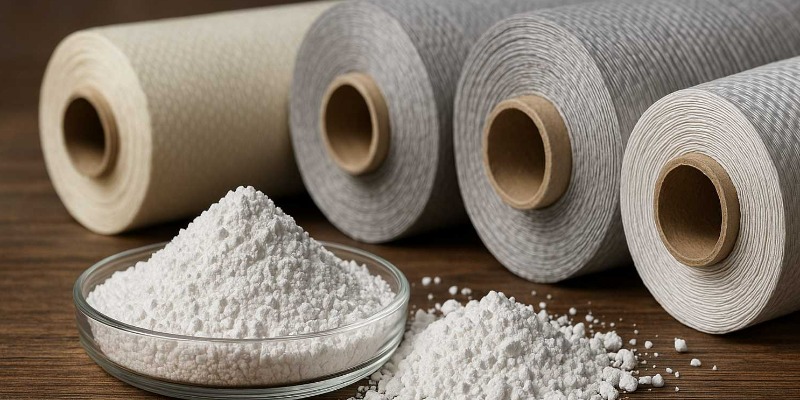 Il Ruolo del Carbonato di Calcio nella Produzione di Tessuti in Raffia e PP Raffia
Un approfondimento tecnico sull’impiego del CaCO₃ come additivo funzionale e sostenibile per l’industria dei tessuti in polipropilenedi Marco ArezioL’utilizzo del carbonato di calcio (CaCO₃) nei materiali plastici e, in particolare, nella produzione di tessuti in raffia e PP raffia, è una delle pratiche più consolidate e strategiche dell’industria moderna dei polimeri. Sebbene inizialmente introdotto come semplice filler per ridurre i costi di produzione, oggi il CaCO₃ si è trasformato in un additivo multifunzionale, capace di modificare profondamente le proprietà fisico-meccaniche, ottiche e termiche del polipropilene, contribuendo al tempo stesso a una maggiore sostenibilità dei processi industriali. Nei tessuti in raffia, destinati a usi che spaziano dai sacchi da imballaggio ai geotessili, il carbonato di calcio non rappresenta più una semplice aggiunta, ma un elemento chiave di ottimizzazione strutturale e produttiva. Il contesto industriale dei tessuti in PP raffia Nel lessico tecnico, il termine “raffia” si riferisce a nastri estrusi di polipropilene (tape yarns) che, dopo essere stati stirati, assumono una struttura resistente e leggera, simile alle fibre naturali. Questi fili vengono poi intrecciati o tessuti per ottenere materiali di grande versatilità: dai classici sacchi industriali per cereali, sementi, polimeri e cemento, fino ai teli agricoli, ai geotessili drenanti e alle strutture per l’arredo tecnico. Il polipropilene, tuttavia, presenta una serie di limiti noti ai tecnologi: è un materiale semicristallino, soggetto a ritiro, a una certa fragilità a freddo e a difficoltà di stabilizzazione dimensionale durante l’estrusione. È in questo scenario che il carbonato di calcio assume un ruolo tecnico essenziale. Proprietà e comportamento del carbonato di calcio Il CaCO₃ è un minerale abbondante, stabile, termicamente inerte e compatibile con numerosi polimeri. Dal punto di vista morfologico, le sue particelle – naturali o precipitate – offrono una superficie di contatto che interagisce con la matrice polimerica durante la miscelazione e l’estrusione. Questa interazione non è di tipo chimico, ma fisico-meccanico: le particelle agiscono come centri di nucleazione per la cristallizzazione del PP, favorendo un raffreddamento più rapido e un orientamento cristallino più controllato. Ne deriva una struttura più omogenea, un miglior controllo del ritiro e un’elevata stabilità del processo produttivo, elementi cruciali quando si opera in linee di estrusione continue ad alta velocità. Miglioramento della processabilità e della stabilità dimensionale Durante l’estrusione della pellicola di polipropilene destinata alla raffia, il CaCO₃ svolge un’azione nucleante che accelera la formazione dei cristalliti, migliorando la solidificazione del film e la successiva fase di taglio in nastri. La presenza del minerale riduce le deformazioni termiche, garantisce spessori più uniformi e contribuisce alla regolarità del tiraggio durante lo stiramento. Nei processi industriali moderni, dove la costanza qualitativa è determinante, anche variazioni minime nella fluidità del polimero possono compromettere la tessitura; l’aggiunta di CaCO₃ riduce questi rischi, stabilizzando il comportamento reologico del fuso. Incremento delle proprietà meccaniche e superficiali Dal punto di vista meccanico, l’effetto del CaCO₃ sulla raffia di PP è duplice: aumenta la rigidità del materiale e ne migliora la resistenza all’abrasione. Ciò risulta particolarmente importante per prodotti soggetti a sfregamenti ripetuti, come i sacchi per l’industria alimentare o edilizia, i big-bags e i teli tecnici. Inoltre, le particelle minerali conferiscono una maggiore opacità e migliorano la finitura superficiale, favorendo la stampabilità e riducendo la lucentezza eccessiva tipica del PP puro. Ne deriva un aspetto visivo più “tessile”, opaco e naturale, apprezzato anche nel packaging di qualità. Tipologie di carbonato di calcio: GCC e PCC La distinzione tra GCC (Ground Calcium Carbonate) e PCC (Precipitated Calcium Carbonate) è di rilevanza industriale. Il GCC, ottenuto per macinazione meccanica di rocce calcaree, offre un costo inferiore e una distribuzione granulometrica più ampia, adeguata per applicazioni standard. Il PCC, invece, viene prodotto per precipitazione controllata e presenta particelle più fini, sferiche e regolari. Questa caratteristica migliora la dispersione nel PP e consente di ottenere superfici più lisce, maggiore opacità e migliori prestazioni in termini di resistenza a trazione. La scelta tra le due tipologie dipende da fattori economici, dal tipo di applicazione e dalla compatibilità con gli additivi o i masterbatch coloranti impiegati. Aspetti termici, reologici e ottici Uno degli effetti più rilevanti dell’aggiunta di CaCO₃ è l’aumento della conducibilità termica del composto. Ciò permette un raffreddamento più rapido dei nastri estrusi, riducendo i tempi di ciclo e aumentando la produttività. Dal punto di vista reologico, la viscosità del polimero caricato risulta più stabile e prevedibile, semplificando il controllo delle temperature e delle pressioni di estrusione. Sul piano ottico, il carbonato di calcio contribuisce a un maggiore grado di opacità e a una colorazione più uniforme, favorendo processi di stampa flessografica e serigrafica, elementi cruciali per l’identificazione dei prodotti industriali e commerciali. Vantaggi economici e impatto ambientale L’introduzione del CaCO₃ consente di ridurre la quantità di polipropilene vergine per unità di prodotto, con un risparmio economico significativo. Tuttavia, il vantaggio non è solo di costo: essendo il carbonato di calcio un minerale naturale non derivato dal petrolio, la sua incorporazione comporta una riduzione dell’impronta di carbonio complessiva del manufatto. Inoltre, i moderni sistemi di compound permettono di utilizzare CaCO₃ proveniente da scarti di lavorazioni minerarie o dal recupero di residui marmorei, inserendo così la produzione di raffia in un ciclo di economia circolare. Il tessuto risultante mantiene la compatibilità con i processi di riciclo meccanico del PP, poiché il filler non altera le proprietà termiche in modo significativo e non rilascia sostanze nocive durante il reprocessing. Prospettive di ricerca e innovazione nei compositi PP-CaCO₃ Le più recenti ricerche nel campo dei materiali compositi polimerici stanno esplorando la funzionalizzazione superficiale del carbonato di calcio, mediante trattamenti con acidi grassi o silani, per migliorarne l’adesione alla matrice polimerica. Queste modifiche incrementano l’efficienza del trasferimento di carico tra fase minerale e fase polimerica, riducendo la fragilità e ampliando la finestra di applicazioni industriali. Si osserva, inoltre, un crescente interesse verso masterbatch avanzati, contenenti CaCO₃ ultra-fine (
SCOPRI DI PIU'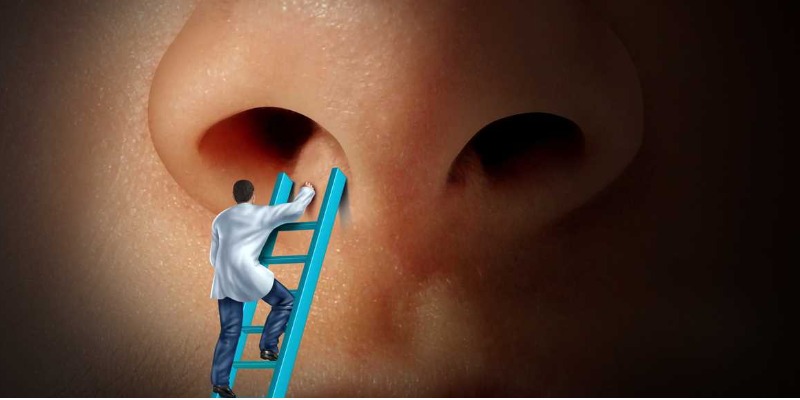 Granulo in Plastica Riciclata da Post Consumo con Certificazione dell’Odore
I Prodotti in Plastica Riciclata Puzzano? Si, No, Forse, un Po', Ogni Tanto, Spesso…in questo campo vige l’incertezzadi Marco ArezioLa plastica riciclata da post consumo sta entrando in modo sempre più nelle produzioni degli oggetti che quotidianamente utilizziamo e che troviamo sugli scaffali dei negozi, nelle catene distributive di mobili od oggetti per la casa, negli interni delle nostre auto e in molti prodotti che maneggiamo ogni giorno. Non sempre l’uso della plastica da post consumo è stata una scelta volontaria da parte dei produttori di articoli in plastica, in quanto la sua provenienza dalla raccolta differenziata, porta con sé delle problematiche odorose che, se non gestite bene, possono compromettere i prodotti finali creando fastidi ai clienti. Ma la necessità impellente di riutilizzare la quantità più alta possibile di plastica riciclata nelle produzioni di articoli, al fine di ridurre i rifiuti, ha imposto un nuovo modo di vedere le miscele per fare i prodotti plastici. Le grandi catene distributive di articoli per la casa, per esempio, si sono indirizzati alla produzione dei loro articoli con una percentuale di plastica riciclata da post consumo, ma impongono che la materia prima non porti con sé odori molesti. La verifica dell’accettabilità o meno della materia prima viene fatta, normalmente con un sistema di tests compiuti da persone che mettono a diposizione il loro naso per avvallare gli acquisti della materia prima e la messa in commercio dei prodotti. Normalmente sono valutazioni empiriche, soggettive e personali che lasciano ampi spazi di discussione su ciò che è un odore molesto e quello che può essere una fragranza. Tra il produttore di materia prima e il distributore di prodotti per la casa vige una costante incertezza tra cosa sarà vendibile in termini di materia prima e cosa sarà acquistabile dal cliente finale se l’odore dovesse essere percepito in modo diverso rispetto ai testers. E’ necessario, quindi, stabilire in modo scientifico ed analitico i gradienti degli odori e la loro provenienza chimica per stabilire, tra le parti, un range che tuteli sia la produzione ma anche la vendita finale dei prodotti per la casa. Oggi la tecnologia ci viene incontro attraverso una macchina da laboratorio che intercetta, in modo analitico, le sostanze odorose dei campioni liquidi, solidi o in polvere, restituendo una valutazione esatta dei componenti chimici presenti e delle loro quantità, confrontati con un archivio di 80.000 sostanze odorose. Il sistema di controllo è utile al produttore di materia prima, non solo alla fine del processo, attraverso l’analisi tecnica dei livelli odorosi dei granuli plastici che andrà a vendere, ma sarà molto utile anche per analizzare la materia prima d’ingresso, per classificare in modo esatto il suo comportamento nelle successive ricette. Il conoscere in modo certo l’apporto odoroso del rifiuto o del semilavorato in entrata, permette di gestire in modo più semplice le ricette che porteranno alla produzione di un granulo con i gradienti odorosi stabiliti. L’utilità della macchina è tangibile anche per chi acquista la materia prima e la trasforma in prodotti finali, in quanto ha la certezza di immettere nel circuito un granulo certificato dal punto dell’odore e può realizzare un controllo di qualità, dal punto di vista dell’impatto odoroso, sui prodotti che andrà a proporre al pubblico. Categoria: notizie - tecnica - plastica - riciclo - post consumo - certificazione odoriVedi maggiori informazioni sul riciclo
SCOPRI DI PIU'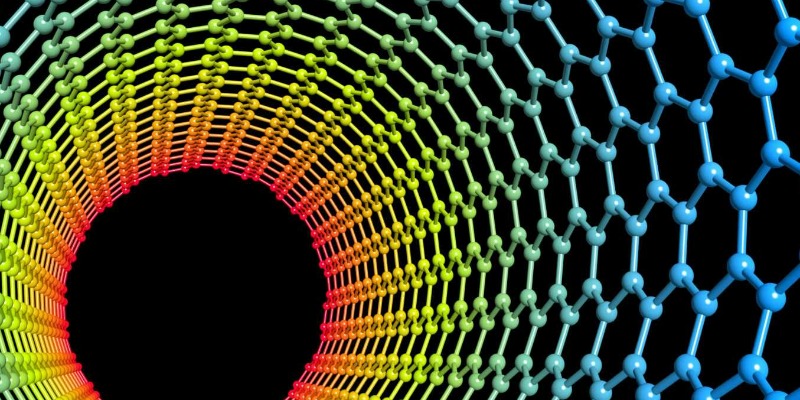 Rivestimenti Nano Polimerici con Proprietà Antimicrobiche. A che Punto Siamo?
Polimeri contenenti nanoparticelle con la capacità di inibire la proliferazione di molti microrganismi, nel settore del packaging, trasporto ed ospedaliero di Marco ArezioI microorganismi che ci circondano e che possono causare fastidi, malattie e persino la morte in alcuni casi, sono invisibili all’occhio dell’uomo ma, non solo ci fanno compagnia in ogni posto in cui stiamo, ma spesso siamo noi stessi che li trasportiamo da una parte all’altra, durante la nostra vita quotidiana.La ricerca scientifica da anni sta studiando il fenomeno, non è tanto concentrata sull’intervento diretto alla disinfezione delle superfici che tocchiamo, ma quanto ad evitare il meccanismo di prolificazione dei microrganismi sulle superfici. Per superfici intendiamo tutti quegli oggetti che, in maniera diretta od indiretta, possono essere vettori di contatto con il nostro corpo e, di conseguenza, potrebbero fare insorgere delle malattie di rapida diffusione. Questo vale per il mondo del packaging, per quello ospedaliero, per mezzi di trasporto, nelle nostre case, per i luoghi di aggregazione sociale, insomma, in tutte quelle situazioni in cui i microorganismi hanno facile vita nel replicarsi. Dal punto di vista tecnico questo fenomeno può essere compreso in quello che si definisce biofouling, cioè processi di contaminazione biologica depositati sulla superficie dei materiali. Questo processo inizia con la formazione di un film primario sulla superficie del materiale in presenza di almeno due variabili, microrganismi e umidità. Tra i microrganismi predominanti ci sono batteri e diatomee, che producono una grande quantità di materia organica, ad esempio acidi polisaccaridi che formano una pellicola in superficie con molti nutrienti, che viene utilizzata per la colonizzazione di altri organismi più grandi. Per esempio, in campo sanitario, si è scoperto che si possono formare micro-pellicole, composte da microrganismi, in dispositivi medici come cateteri vascolari, protesi articolari e cateteri urinari, che risultavo, a volte, resistenti agli antibiotici. Altri ambiti sotto osservazione sono per esempio i mezzi di trasporto o gli ambiti ospedalieri, la cui lotta contro i microrganismi infettivi viene combattuta con nanoparticelle metalliche disponibili in molti tipi e quantità. In questo modo, le nanoparticelle Cu, ZnO, Se, ZrO 2, SiO, TiO 2, tra le altre, possono essere utilizzate in tutti i luoghi sociali e nostre case in presenza di elevata umidità. Il vettore per le nanoparticelle può essere un polimero, di qualsiasi tipologia, che costituisce i prodotti, per esempio, le nanoparticelle d’argento o di rame, sono materiali interessanti che possono essere utilizzati per combattere il biofouling, poiché hanno proprietà antimicrobiche ad ampio spettro e sono efficaci contro molteplici batteri, virus e funghi. Inoltre, le nanoparticelle di ossido di ferro, hanno anche caratteristiche antimicrobiche, ma il loro studio è stato meno ampio rispetto alle nanoparticelle Ag e Cu, ma è importante notare che la loro biocompatibilità è un motivo importante per implementarne l'uso nei prodotti commerciali come quelli per il packaging. Categoria: notizie - tecnica - plastica - nanopolimeri - antimicrobici
SCOPRI DI PIU'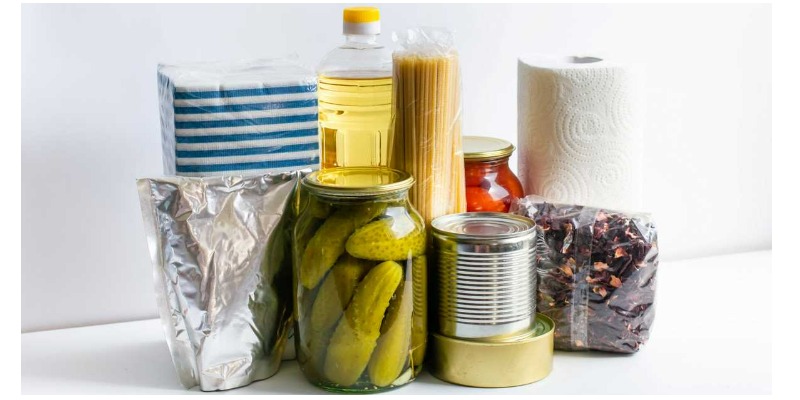 Qualità Chimico-Fisiche del Vetro. Confronto con Carta, Plastica e Alluminio
I materiali per gli imballi alimentari in commercio hanno caratteristiche, qualità, costi di smaltimento e riciclabilità differentidi Marco ArezioNel mondo del packaging alimentare troviamo materie prime estremamente differenti tra loro, alcune di esse, come la carta e il vetro, hanno una storia millenaria, mentre la plastica e l’alluminio hanno una storia più recente. Non vogliamo entrare volutamente in un duello di marketing sulla preferenza tra un materiale o l’altro, ma vorremmo analizzare alcuni aspetti che riguardano la conservazione dei beni contenuti, la durabilità dell’imballo, la riciclabilità. In verità a queste analisi dovremmo aggiungere quella relativa ai costi di produzione comparati e all’impatto ambientale sulla logistica, che verranno affrontati in altra sede. Se diamo uno sguardo al passato possiamo dire che il vetro è stato il materiale principe del packaging con cui si contenevano gli alimenti liquidi, latte, vino, liquori, olio e altri generi alimentari, mentre a partire dal boom economico degli anni 60 del secolo scorso, anche l’acqua minerale e le bibite avevano trovato una loro quota di mercato attraverso la confezione nelle bottiglie. Per quanto riguarda le scatole alimentari in metallo possiamo riferirci al XIX° secolo come inizio in America e in Inghilterra delle prime produzioni industriali, nonostante i costi per realizzarle risultassero molto elevati e il cibo in scatola era quindi un lusso per pochi. A spingere la loro diffusione arrivarono però le guerre mondiali, in quanto gli eserciti trovarono comodo e logisticamente utile affidare il rancio dei soldati a questa tipologia di imballo. Con l’avvento delle lattine di alluminio iniziò una larga diffusione a partire dalla metà degli anni ’50 del secolo scorso, del cibo e delle bevande confezionate nel metallo morbido. Per quanto concerne l’uso degli imballi in carta, dobbiamo arrivare alla metà degli anni ’50 del secolo scorso per vedere l’avvio, in Svezia, dei primi imballi per liquidi alimentari in confezioni di cartone e film plastici. A partire dal 1973, quando l’azienda Du Pont brevetta il PET possiamo dire che sono nati gli imballi alimentari su larga scala, con l’intento di erodere quote di mercato a quelli di vetro. Se vogliamo fare un paragone delle qualità fisico chimiche dei principali imballi alimentari possiamo elencare alcune comparazioni generali: Cessioni possibili di sostanze costituenti l’imballo • Vetro: sodio e calcio già presenti negli alimenti • Plastica: componenti degli additivi specialmente se presenti grasso o alcool • Carta o Cartone: additivi e coloranti • Metallo: Stagno e piombo entro i limiti di legge. Sostanze tossiche dalle vernici (ad alta temperatura) Impermeabilità ai liquidi, gas ed agenti microbiologici • Vetro: 100% • Plastica: variabile a seconda del polimero • Carta o Cartone: solo se assenti abrasioni superficiali • Matallo: solo se assenti abrasioni superficiali Corrosione dell’imballo • Vetro: Solo acido fluoridrico e soluzioni alcaline a Ph superiore a 8 • Plastica: può rilasciare microplastiche in corrispondenza delle piegature • Carta o Cartone: attaccabile da insetti e topi • Metallo: generata da eventuali imperfezioni della struttura Sterilizzabilità • Vetro: 100% a secco ed a umido • Plastica: con particolari additivi batteriostatici • Carta o Cartone: in fase di confezionamento con acqua ossigenata o UV o agenti chimici • Metallo: 100% anche ad alte temperature Trasparenza • Vetro: perfetta con vetro chiaro • Plastica: dipende dal polimero, difficile con polimeri riciclati in HDPE • Carta e Cartone: no • Metallo: no Protezione alla luce Attinica • Vetro: buona nei verti colorati • Plastica: buona con additivi specifici • Carta o Cartone: opaco • Metallo: opaco Sanificazione • Vetro: ottima • Plastica: monouso da riciclare • Carta o Cartone: monouso da riciclare • Metallo: monouso da riciclare Riciclabilità • Vetro: continua e senza degrado. Economica solo con il vuoto a rendere • Plastica: possibile un certo numero di volte con qualche degrado qualitativo. Difficile il riciclo dei poliaccoppiati • Carta e Cartone: riciclabile con degrado. Difficile il riciclo dei poliaccoppiati carta-plastica • Metallo: buono In conclusione, a questa analisi andrà aggiunta una comparazione economica dell’imballo alimentare in funzione della durabilità del prodotto sugli scaffali e il costo del riciclo o dello smaltimento dell’imballo a fine vita, nonché dell’impatto ambientale sia della produzione, che della logistica che della circolarità o meno del rifiuto.Categoria: notizie - tecnica - vetro - riciclo - qualità - rottame
SCOPRI DI PIU' Bisfenolo A negli Imballi Alimentari: il Parere dell'EFSA
Bisfenolo A negli Imballi Alimentari: il Parere dell'EFSAdi Marco ArezioCome abbiamo già avuto modo di trattare nell'articolo "Rivestimenti polimerici per imballi alimentari in metallo" il massiccio ricorso ai prodotti alimentari preconfezionati, siano essi con imballi di metallo, di plastica o di altri materiali, pone l'interrogativo delle possibili sostanze chimiche, potenzialmente pericolose per la salute umana, che si potrebbero generare all'interno della confezione.Alcune di queste sostanze possono essere generate dall'effetto cedente dei materiali da imballo verso il cibo, altre riguardano la cessione di sostanze chimiche che si generano dagli alimenti stessi a causa dell'imballo.Infatti, l'Autorità europea per la sicurezza alimentare (EFSA) ha riesaminato i rischi da Bisfenolo A (BPA) negli alimenti proponendo di abbassare considerevolmente la dose giornaliera tollerabile (DGT) rispetto a quella della sua precedente valutazione del 2015. Le nuove conclusioni dell'EFSA sul BPA vengono esposte in una bozza di parere scientifico disponibile a pubblica consultazione fino al 22 febbraio 2022. Tutte le parti interessate sono invitate a parteciparvi. La DGT è la stima della quantità di una sostanza (espressa in rapporto al peso corporeo in kg) che può essere ingerita quotidianamente nel corso dell’esistenza senza rischi degni di nota. Nella sua valutazione del rischio da BPA del 2015, l'EFSA aveva stabilito una DGT temporanea di 4 microgrammi per chilogrammo di peso corporeo al giorno. Nella sua bozza di valutazione ex novo del BPA, pubblicata oggi, il gruppo di esperti dell'EFSA sui materiali a contatto con gli alimenti, gli enzimi e i coadiuvanti tecnologici (gruppo CEP) ha stabilito una DGT di 0,04 nanogrammi per chilogrammo di peso corporeo al giorno. L'abbassamento della DGT è il risultato della valutazione di studi apparsi nella letteratura dal 2013 al 2018, in particolare quelli che evidenziano effetti avversi del BPA sul sistema immunitario: in studi su animali si è osservato un aumento del numero di cellule "T-helper", un tipo di globuli bianchi che svolge un ruolo fondamentale nei meccanismi immunitari cellulari e che, se aumenta, può portare allo sviluppo di infiammazioni polmonari allergiche. Confrontando la nuova DGT con le stime dell'esposizione dei consumatori al BPA tramite l'alimentazione, l'EFSA conclude che sia l'esposizione media che quella elevata al BPA superano la nuova DGT in tutte le fasce di età, dando così adito a preoccupazioni di termini di salute. Un approccio sistematico Il dr. Claude Lambré, presidente del gruppo CEP, ha dichiarato: "Questa bozza aggiornata è il risultato di un’accurata valutazione durata diversi anni. Abbiamo applicato un approccio sistematico per selezionare e valutare le evidenze disponibili. I nuovi studi scientifici apparsi nella letteratura ci hanno aiutato ad affrontare importanti elementi di incertezze circa la tossicità del BPA". L'EFSA ha già valutato la sicurezza del BPA destinato a materiali a contatto con gli alimenti nel 2006 e nel 2015. Allora i suoi esperti riuscirono a stabilire solo una DGT temporanea in ragione di alcuni elementi di incertezza , sottolineando la necessità di colmare le lacune riscontrate nei dati.Categoria: notizie - tecnica - plastica - riciclo - bisfenoloFonte: EFSA
SCOPRI DI PIU'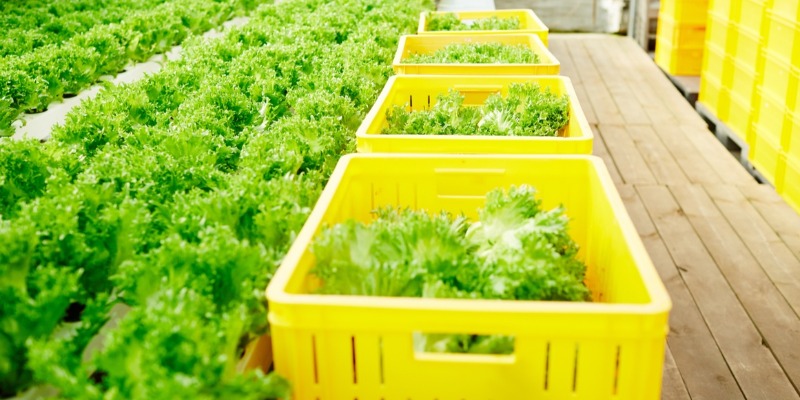 Casse agricole: la scelta del polipropilene o dell’hdpe riciclato
Robustezza, visibilità, durabilità, sicurezza, resistenza alle temperature e riciclate, questo si chiede a una cassa agricoladi Marco ArezioIn campagna quando c’è il periodo della raccolta della frutta e della verdura, che si svolge ancora prevalentemente a mano, i contenitori dei prodotti agricoli raccolti, per essere trasportati ai reparti di lavorazione e confezionamento, devono presentare caratteristiche particolari. Le casse agricole, dette da trasporto in quanto hanno la funzione di ricevere il frutto o la verdura tolta dalla pianta o dal campo, sono elementi generalmente in plastica adatti a contenere il prodotto per essere poi trasportato nei centri di lavorazione e confezionamento. In passato tutte le casse agricole da trasporto erano prodotte utilizzando polimeri vergini, ed realizzate utilizzando colorazioni sgargianti come il giallo, il rosso, il bianco per essere facilmente notabili nel campo. Questo tipo di imballo viene anche impiegato per il contenimento e la spedizione della frutta lavorata di elevato peso, che deve anche ricevere una conservazione alle basse temperature. Oggi la cassa agricola viene generalmente prodotta in materiale riciclato, che sia in PP o in HDPE, utilizzando materiali provenienti dalla raccolta differenziata. Si è cercato di dare una normativa alla filiera del prodotto che imponesse l’uso di materiali riciclati provenienti dalle sole casse agricole, ma in effetti la tracciabilità, nelle fasi di lavorazione della plastica attraverso la raccolta, macinatura, lavaggio ed eventuale granulazione, non permette che venga escluso un possibile contatto con altre tipologie di plastiche o contaminazioni. Questo perché, pur potendo disporre di imballi provenienti dalla sola agricoltura, i processi di trasformazione e riciclo in una nuova materia prima, sottopongono l’input al passaggio in macchine di triturazione e a impianti di lavaggio ed estrusione, nel caso dei granuli, che hanno lavorato anche altre materie prime. Sulla base di queste informazioni bisogna però dire che il prodotto raccolto nel campo ha già di per sé un grado di protezione che può essere la buccia, anch’essa tra l’altro, sottoposta all’irrorazione di insetticidi ed antifungini durante la fase di crescita del prodotto, i quali hanno un impatto decisamente più importante rispetto ad un contatto tra la frutta e con un prodotto inerte come la plastica riciclata. La scelta della plastica da utilizzare dipende dal ciclo di lavoro delle derrate alimentari che verranno contenute e dal tipo di logistica che si deve impiegare. Se la cassa ha una mera funzione di mobilità del raccolto dal campo fino allo stabilimento di lavorazione, non è di grande importanza la scelta se usare una cassa in polipropilene o in polietilene ad alta densità, ma se la frutta o la verdura devono essere conservate nelle celle frigorifere, la scelta cade sull’HDPE che ha un grado di resistenza alle basse temperature più importante rispetto al polipropilene. La produzione della materia prima, di entrambe le categorie plastiche, avviene attraverso l’uso dello scarto degli imballi che il sistema della raccolta differenziata può mettere a disposizione e tramite la riconversione a nuovo di magazzini di aziende delle bibite o della logistica, che periodicamente sostituiscono il loro parco contenitori. Vediamo le differenze di produzione della materia prima: Il Polipropilene viene generalmente prodotto dai rifiuti di imballi del settore alimentare, cassette agricole e industriali che vengono selezionati per provenienza, macinati in dimensioni di circa 10-12 mm., deferrizzati, lavati in impianti a rotazione e a decantazione in vasca, densificati per lacune tipologie di imballi e, se richiesto, avviati agli estrusori per la granulazione. La fluidità del prodotto realizzato, normalmente, si aggira intorno ad un range compreso tra 6 e 12 a 230°-2,16 kg. e può essere generalmente colorato con colori scuri. La materia prima gode di una certa abbondanza nei mercati della plastica e ha generalmente un prezzo contenuto sia per quanto riguarda il macinato che il granulo. Le casse risultano robuste, in quanto normalmente la percentuale di PP all’interno della ricetta è solitamente intorno al 90%, ma sono sconsigliate per un uso nelle celle frigorifere.Il Polietilene ad alta densità non gode della stessa facilità di reperimento sul mercato in quanto l’industria del packaging, soprattutto quella delle acque minerali e delle bibite, ha da tempo puntato su imballi in film plastici, lasciando il mercato del riciclo senza prodotto. Ci sono ancora aree di produzione nel mondo in cui si preferisce la realizzazione delle casse con materiali vergini, specialmente in alcuni settori alimentari in cui esiste un contatto diretto con il cibo non protetto, e questo genera un piccolo mercato del riciclo. Altre produzioni di casse con materia prima vergine vengono eseguite in paesi in cui i sistemi di separazione dei materiali e il successivo riciclo non sono così sviluppati da creare un ciclo di approvvigionamento sufficiente per chi costruisce questi imballi. In ogni caso, la produzione di un HDPE riciclato per la produzione di casse agricole passa dalla separazione per colore delle casse disponibili, così da poter impiegare la materia prima senza aggiungere coloranti in fase di stampaggio, la macinazione e la deferrizzazione del macinato in HDPE e il successivo lavaggio con il doppio passaggio come per il polipropilene. La fluidità varia da 6 a 8 a 190°/2,16 Kg. e il macinato può essere impiegato direttamente in macchina per produrre la cassa oppure passare alla fase di granulazione.Categoria: notizie - tecnica - plastica - riciclo - PP - HDPE - casse agricole
SCOPRI DI PIU'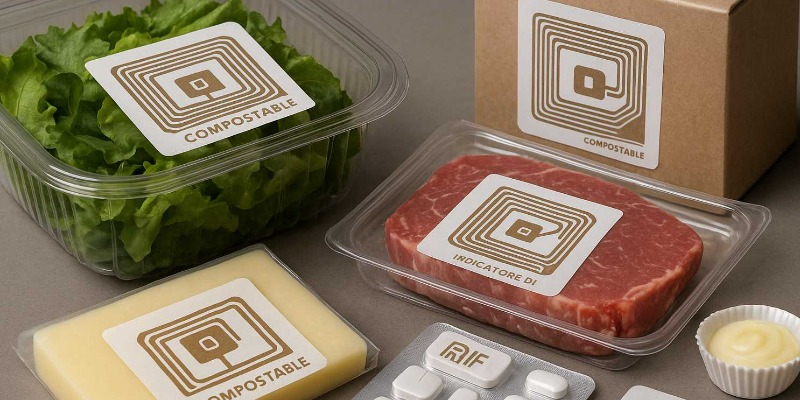 Etichette RFID, Tag NFC e Indicatori di Freschezza Compostabili: Frontiere e Innovazione Sostenibile per il Packaging Alimentare e Farmaceutico
Verso un packaging intelligente e completamente compostabile: sfide, soluzioni e prospettive per l’integrazione di dispositivi elettronici sostenibili nei flussi di raccolta organicadi Marco ArezioNegli ultimi decenni, il settore del packaging ha conosciuto una vera e propria rivoluzione. Se un tempo l’imballaggio era solo un mezzo per contenere, proteggere e trasportare le merci, oggi è divenuto un veicolo di informazione, sicurezza, interazione e, sempre più spesso, sostenibilità ambientale. L’avvento dell’Internet of Packaging (IoP) ha permesso di arricchire le confezioni di prodotti alimentari, farmaceutici e di largo consumo con etichette intelligenti: RFID, tag NFC e indicatori di freschezza sono ormai realtà consolidate sulle linee produttive di aziende globali, in grado di offrire nuovi livelli di tracciabilità, autenticità e controllo della qualità. Tuttavia, questa spinta verso l’innovazione digitale si accompagna a una sfida ancora più pressante: riuscire a gestire la fine vita di imballaggi dotati di componenti elettronici senza appesantire l’impatto ambientale, integrando questi dispositivi nel ciclo virtuoso dell’economia circolare. Così, il packaging intelligente si trova oggi a un bivio: diventare davvero sostenibile, o rischiare di trasformarsi in un nuovo problema di smaltimento. Smart Packaging e nuove esigenze di tracciabilità e sicurezza La diffusione del packaging intelligente è nata dall’esigenza di avere sempre più informazioni sul ciclo di vita del prodotto: da dove arriva, come viene conservato, se è stato manipolato correttamente lungo la filiera. Etichette RFID e tag NFC consentono di tracciare i prodotti in modo univoco, facilitando sia la logistica sia la gestione degli stock, mentre indicatori di freschezza e sensori ambientali sono in grado di rilevare in tempo reale eventuali variazioni di temperatura, gas o umidità, segnalando alterazioni che possono compromettere la sicurezza o la qualità dell’alimento o del farmaco. Queste tecnologie sono ormai imprescindibili per le aziende che vogliono ridurre gli sprechi, garantire sicurezza ai consumatori e soddisfare le richieste di trasparenza del mercato. Ma proprio la presenza di componenti elettronici, se non adeguatamente progettati, può compromettere la possibilità di avviare l’imballaggio verso il riciclo o la compostabilità, andando a inquinare i flussi di raccolta organica e costituendo un potenziale rischio per l’ambiente. Problematiche ambientali dei dispositivi elettronici tradizionali L’entusiasmo per il packaging smart si scontra ancora oggi con i limiti imposti dall’utilizzo di materiali convenzionali nella fabbricazione delle etichette elettroniche. La struttura di questi dispositivi, infatti, è tipicamente basata su substrati plastici come PET o PP, su piste conduttive in rame, argento o alluminio, su microchip di silicio e su adesivi sintetici. Nessuno di questi materiali può essere considerato realmente biodegradabile o compostabile, anzi, spesso sono fonte di rilascio di microplastiche e metalli pesanti. Se dispersi nei flussi di rifiuti organici, possono peggiorare la qualità del compost prodotto, con rischi di contaminazione per i suoli e le colture. Per questa ragione, la normativa europea (EN 13432) e quella americana (ASTM D6400) stanno imponendo criteri sempre più stringenti non solo per i materiali d’imballo, ma anche per tutte le componenti funzionali, comprese quelle elettroniche, richiedendo la completa compostabilità per tutto ciò che accompagna il prodotto alla fine del suo ciclo di vita. Architettura di una smart label compostabile: materiali innovativi e processi produttivi La ricerca scientifica e tecnologica ha risposto a queste nuove sfide ambientali con uno sforzo senza precedenti, portando allo sviluppo di una nuova generazione di etichette e sensori che sono progettati fin dall’origine per essere compostabili. Le fondamenta di queste soluzioni risiedono nei substrati bio-based, ossia supporti ricavati da materie prime rinnovabili come il PLA (un polimero ottenuto dalla fermentazione di zuccheri vegetali), la cellulosa rigenerata o il PHB, un biopolimero microbico. Questi materiali non solo sono compatibili con le moderne tecniche di stampa elettronica, ma si degradano in modo sicuro sia negli impianti di compostaggio industriale che, in alcuni casi, anche in ambienti domestici. La seconda rivoluzione riguarda i materiali utilizzati per le piste conduttive e i circuiti: invece dei classici metalli pesanti, si stanno affermando inchiostri a base di carbonio, grafite o nanotubi di carbonio, e polimeri organici conduttivi come PEDOT:PSS o polianilina, tutti in grado di degradarsi durante il compostaggio. Anche le versioni “green” di conduttori metallici – come nanoparticelle di argento incapsulate – stanno trovando applicazione, anche se con qualche limite in termini di costo e durabilità. Il vero salto di qualità, però, è quello dei microchip e dei sensori eco-compatibili: oggi si lavora su transistor organici su supporti cellulosici, dispositivi a film sottile totalmente biodegradabili e memorie transitorie che si dissolvono a contatto con l’umidità. Pur con prestazioni limitate rispetto ai classici chip in silicio, queste soluzioni risultano già sufficienti per tag NFC e RFID a ciclo breve, ideali per monitoraggi puntuali e packaging monouso. Infine, gli indicatori di freschezza possono essere realizzati senza elettronica, utilizzando film reattivi a base di sostanze naturali come pectina, alginati o pigmenti vegetali, capaci di cambiare colore a seconda della presenza di gas o variazioni di temperatura: un’informazione di sicurezza immediatamente fruibile dal consumatore e, soprattutto, del tutto biodegradabile. Tecniche di produzione e integrazione industriale Le innovazioni nei materiali hanno stimolato una rapida evoluzione anche nei processi produttivi. Le etichette smart compostabili vengono oggi prodotte attraverso la stampa inkjet di inchiostri conduttivi su substrati bio-based o su carta, la serigrafia per realizzare circuiti più spessi e robusti, e la laminazione o l’accoppiamento a bassa temperatura, in modo da non alterare le proprietà dei materiali compostabili. Si prestano grande attenzione anche agli adesivi, privilegiando quelli naturali a base di amido o destrine, proprio per evitare ogni rischio di contaminazione nei flussi organici. L’obiettivo è riuscire a integrare queste tecnologie nelle linee di produzione esistenti, garantendo scalabilità, efficienza e competitività dei costi. Limiti attuali e sfide tecniche Sebbene i risultati siano promettenti, la strada verso una completa adozione delle etichette compostabili non è priva di ostacoli. Il primo limite riguarda la durata: questi dispositivi sono perfetti per prodotti a ciclo di vita breve – come alimentari freschi o farmaci monodose – ma meno adatti a logistiche a lungo termine. La portata di comunicazione dei tag passivi RFID o NFC, ad esempio, è ancora inferiore rispetto a quella dei tradizionali circuiti metallici, soprattutto alle frequenze più alte. Sul fronte economico, i costi di produzione, seppur in discesa, restano superiori alle soluzioni convenzionali, anche se la crescita della domanda e l’industrializzazione stanno rapidamente riducendo il divario. Esistono infine alcune difficoltà di compatibilità con i sistemi di lettura standard, spesso ottimizzati per etichette metalliche, che richiederanno aggiornamenti e adattamenti tecnologici da parte degli operatori logistici e industriali. Applicazioni reali e casi studio Nonostante questi limiti, numerosi casi di successo dimostrano come la rivoluzione delle etichette smart compostabili sia già una realtà. Nel settore alimentare, per esempio, alcune aziende stanno sperimentando confezioni di insalate pronte, carne e latticini dotate di indicatori di freschezza e tag NFC compostabili, in grado di monitorare la catena del freddo e garantire la qualità fino al consumatore finale. Anche in ambito farmaceutico, i blister e le confezioni “intelligenti” si stanno dotando di tag NFC compostabili, offrendo sicurezza nella tracciabilità e agevolando uno smaltimento sostenibile. Nella logistica e nel settore e-commerce, buste e scatole compostabili con tag smart integrati permettono l’autenticazione del prodotto e il tracking lungo tutta la supply chain, senza appesantire la frazione residua dei rifiuti. Normativa e standard: una corsa verso la conformità L’adeguamento alle normative rappresenta un passaggio cruciale per la diffusione del packaging intelligente e compostabile. Le norme EN 13432 e ASTM D6400 sono oggi il riferimento per chi intende certificare la compostabilità dei materiali, prevedendo limiti precisi sulla biodegradabilità, la disintegrazione, l’assenza di metalli pesanti e la sicurezza eco-tossicologica. Gli organismi di certificazione stanno aggiornando i loro protocolli per includere i dispositivi elettronici, ponendo particolare attenzione alla sicurezza alimentare e all’impatto ambientale del compost prodotto. La direzione è chiara: solo i dispositivi che rispettano questi requisiti potranno essere integrati senza riserve nei flussi di raccolta organica. Prospettive di ricerca e scenari futuri La ricerca non si ferma, anzi accelera su più fronti. Ci si muove verso l’elettronica transiente e disassemblabile, dispositivi progettati per dissolversi spontaneamente o essere facilmente separati dai materiali compostabili. Prende piede la stampa di circuiti “on demand” su materiali biodegradabili, utile per la personalizzazione delle informazioni lungo tutta la filiera. Si studiano soluzioni che integrano la tracciabilità con blockchain e IoT senza compromettere la compatibilità ambientale. Infine, grande attenzione viene dedicata all’educazione del consumatore: istruzioni chiare e simboli intuitivi sono fondamentali affinché lo smaltimento sia davvero corretto e non rischi di contaminare i flussi organici. Questa rivoluzione è sostenuta da una solida collaborazione tra università, industria e regolatori, con l’obiettivo di standardizzare le nuove tecnologie e accelerare la transizione verso un packaging più intelligente, sostenibile e rispettoso dell’ambiente. Conclusioni: il futuro del packaging smart è compostabile Mai come oggi l’innovazione nel settore del packaging si trova davanti a una scelta decisiva: continuare a crescere puntando su intelligenza, tracciabilità e interattività, oppure fermarsi per non aggravare la pressione ambientale. L’integrazione di etichette RFID, tag NFC e indicatori di freschezza compostabili rappresenta la sintesi di queste esigenze, dimostrando che è possibile coniugare tecnologia avanzata e rispetto dell’ambiente. I progressi nei materiali, nei processi produttivi e nella normativa hanno aperto la strada a packaging realmente smart e, allo stesso tempo, pienamente compatibili con la raccolta organica e i principi dell’economia circolare. Restano criticità tecniche ed economiche, ma la direzione intrapresa dal settore è netta: il packaging del futuro sarà sempre più integrato, interattivo e sostenibile. La sfida, ora, è giocata sulla velocità di questa transizione e sulla capacità di fare sistema tra ricerca, industria e policy maker, per costruire insieme una filiera innovativa, trasparente e davvero green, senza compromessi sulla salute del pianeta.© Riproduzione Vietata
SCOPRI DI PIU' LDPE Riciclato da Post Consumo: 60 Tipologie di Odori Ostacolano la Vendita
LDPE Riciclato da Post Consumo: 60 Tipologie di Odori Ostacolano la Venditadi Marco ArezioLa raccolta differenziata degli imballi della plastica, specialmente per quelli in LDPE, è una conquista moderna che permette, attraverso il riciclo, il riutilizzo degli imballi esausti con il duplice vantaggio di ridurre l’impronta carbonica e il prelievo di risorse naturali dalla terra per creare nuovi prodotti. Molto si deve ancora fare però nel settore del riciclo in quanto la quota di plastica che viene raccolta e riutilizzata è ancora largamente inferiore a quella che viene prodotta ogni giorno. Questo scompenso quantitativo tra quanto si ricicla e quanto si produce di nuovo ha molte cause: • Limitata diffusione della raccolta differenziata nel mondo • Difficoltà nel riciclo di molti imballi plastici multistrato • Bassa qualità della materia prima riciclata • Mancanza di una cultura del riciclo Nei paesi dove la raccolta differenziata è avviata e funziona stabilmente, la produzione di materia prima riciclata soffre di un giudizio abbastanza negativo sulla qualità della stessa, causata da fattori che dipendono anche, ma non solo, dalla filiera del riciclo meccanico. Questa valutazione negativa incide in maniera rilevante sulle vendite della materia prima riciclata, relegando il suo uso solo ad alcuni settori di impiego, riducendone quindi i quantitativi vendibili e abbassando il prezzo medio per tonnellata, che comporta, a sua volta, un basso margine economico per le aziende che riciclano. Inoltre, meno granulo riciclato si vende, meno rifiuto plastico si può riciclare e più grande diventa il problema del suo smaltimento, rischiando di far finire in discarica la preziosa materia prima che potrebbe essere riutilizzata. Tra i problemi di cui soffre la materia prima riciclata, nonostante l’enorme sviluppo impiantistico del settore, quello dell’odore è tra i più sentiti dai clienti che potrebbero utilizzarla per produrre film, imballi rigidi, materiali per il settore edile, per l’automotive, giardinaggio, mobili e molti altri prodotti. Ad oggi la percezione dell’odore di una materia prima plastica proveniente dal post consumo è affidata, in modo del tutto empirico, ad una sensazione nasale di chi la produce e di chi la utilizza, che valutano in modo estremamente soggettivo sia la tipologia che l’intensità degli odori presenti nella plastica riciclata. Valutazione che poi si può scontrare con il cliente finale che comprerà il prodotto realizzato e darà un’ulteriore valutazione, personale, dell’odore. Il naso umano è sicuramente uno strumento eccellente ma ogni persona percepisce le sollecitazioni odorose in modo del tutto personale, ed è per questo che, in casi particolari, si assoldano gruppi di persone che insieme fanno valutazioni sugli odori da intercettare. Se prendiamo ad esempio la filiera del riciclo delle materie plastiche, partendo dalla raccolta differenziata, si è visto che i sacchi in LDPE e gli imballi flessibili che vanno al riciclo, portano con sé un numero elevatissimo di sostanze chimiche che generano odori nella filiera del riciclo. La rilevazione delle fonti degli odori non è stata studiata attraverso metodi sensoriali empirici, quindi attraverso il naso umano, ma attraverso un’indagine chimica svolta da uno strumento di laboratorio che consiste in un gascromatografo con uno spettrometro a mobilità ionica. Questo strumento ha analizzato i componenti chimici, all’interno di una larga campionatura di LDPE riciclato proveniente dalla raccolta differenziata, andando ad individuare 60 tipologie di sostanze chimiche che generano odori. La campionatura analizzata proveniva dal ciclo meccanico tradizionale di riciclo in cui il materiale viene selezionato, triturato e lavato con una permanenza in acqua di circa 15 minuti. Gli odori più comuni percepiti dal naso umano, di questa campionatura sono stati:• Muffe • Urina • Formaggio • Terra • Fecale • Sapone • Caffè • Sudato • Peperone Queste famiglie di odori percepite sono create da circa 60 composti chimici che si associano durante la fase di raccolta e lavorazione della plastica riciclata. Si sono individuati alcuni punti critici: Il sacco della raccolta differenziata che contengono gli imballi plastici domestici da selezionare in cui troviamo diverse tipologie di polimeri, possono contenere residui di sostanze come detersivi, cibo, oli, disinfettanti, prodotti chimici, creme e molti altri. Questo miscuglio di elementi chimici diversi si può legare alla superficie della plastica ma, in funzione del tempo di sodalizio, potrebbe anche penetrare al suo interno. La selezione tra le varie plastiche, attraverso macchine a lettori ottici, crea una certa percentuale di errore che si traduce nella possibilità di avere quantità di plastiche miste all’interno della frazione selezionata. La fase di lavaggio del macinato plastico ha la funzione di dividere ulteriormente, per densità, le plastiche immesse e ha lo scopo di pulirle dai residui di prodotti che gli imballi hanno contenuto o sono venuti in contatto. Ad eccezione del PET, gli altri polimeri provenienti dalla raccolta differenziata, vengono generalmente lavati in acqua fredda, processo che non incide in maniera rilevante nel processo di pulizia al fine di abbattere gli odori. La fase di estrusione del materiale lavato, per la formazione del granulo, potrebbe comportare un degradamento della materia prima in cui sono presenti frazioni di polimeri diversi da quella principale che quindi fonderanno a temperature diverse. Questo può causare la formazione di elementi chimici che daranno origine ad odori. Intervenire su queste fasi porterebbe a miglioramento significativo della qualità dei polimeri da post consumo prodotti, non solo attraverso un abbattimento delle tipologie e dell’intensità degli odori, ma ne migliorerebbe anche le performace tecniche. Il controllo analitico degli odori, attraverso strumenti che ne rilevino le genesi chimiche, può aiutare non solo in fase di certificazione del livello odoroso della materia prima finale in modo inequivocabile e non più empirico, ma darebbe un importante supporto anche in fase di creazione di ricette sulle tipologie di materia prima da usare durante le fasi di riciclo del rifiuto plastico, sull’individuazioni delle fonti migliori e sui risultati dei processi produttivi nello stabilimento (selezione, lavaggio ed estrusione). Ridurre gli odori e migliorare la qualità del granulo da post consumo porterebbe all’apertura di nuovi mercati nei quali si potrebbe impiegare la materia prima riciclata al posto di quella vergine con un vantaggio ambientale, economico e industriale.Categoria: notizie - tecnica - plastica - riciclo - LDPE - post consumo - odoriVedi maggiori informazioni sul riciclo dell'LDPE
SCOPRI DI PIU' Plastica Riciclata: Come Impiegare la Gas Cromatografia a Mobilità Ionica
 Plastica Riciclata: Come Impiegare la Gas Cromatografia a Mobilità Ionica per la ricerca analitica degli odoridi Marco ArezioCome abbiamo ampiamente descritto in altri articoli, i cui links li troverete nella parte finale di questo intervento, il mondo delle plastiche riciclate o da riciclare, specialmente quelle che provengono dalla raccolta differenziata, definite da post consumo, hanno il problema di gestire la componente odorosa che si instaura all’interno della materia prima riciclata. Odori che provengono dalla composizione eterogenea della plastica nella fase di raccolta, dai processi di fermentazione dei residui organici incorporati nelle plastiche da riciclare, dalle acque di lavaggio non gestite in maniera corretta, dalla degradazione in fase di estrusione dei granuli, di plastiche mischiate a quelle principali e di sostanze chimiche assorbite dai contenitori durante la loro funzione di imballo, come i tensioattivi per esempio. La produzione di granuli riciclati fatta senza il controllo chimico della materia in ingresso, del controllo delle acque e dei materiali estrusi per la vendita, è come guidare nella notte a fari spenti. L’impegno delle risorse aziendali per acquistare la materia prima da riciclare, i costi di trasformazione, i costi logistici e quelli di vendita, potrebbero essere messi a rischio dall’impossibilità di produrre una materia prima in plastica riciclata che soddisfi le aspettative del cliente finale in fatto di odori. Il controllo analitico degli odori nelle materie di ingresso ci permettere di selezionare i fornitori, dividerli per categorie e stilare ricette di produzione che tengano conto dell’impronta odorosa dei prodotti in entrata. Lo stesso controllo analitico verrà utilizzato per controllare il processo di produzione e la formulazione corrette di ricette, non solo dal punto di vista tecnico estetico, ma anche odorifero, per dare al cliente finale una qualità in più sempre più ricercata dal mercato. E, infine, il commerciale può serenamente proporre un granulo che ha una patente per l’odore, non opinabile o discutibile attraverso altri nasi, soprattutto da quelli che sono addetti all’acquisto del granulo prodotto, ma attraverso una certezza fornita da un’analisi chimica dei componenti odorosi presenti nel prodotto. Come funziona questa tecnologia da laboratorio? La tecnologia alla base della strumentazione di cui stiamo parlando è la GC IMS (Gas Cromatografia a mobilità ionica). Questa tecnologia si applica alle sostanze organiche volatili provenienti da uno spazio di testa statico generato in condizione standardizzate. Una colonna gas cromatografica permette il frazionamento preliminare delle sostanze volatili introdotte prima della entrata nel cuore dello strumento. Il cuore dello strumento è costituito da un tubo metallico di 9,8 cm al cui interno viene creato un campo elettrico di 5.000 Volt; le sostanze volatili provenienti dalla colonna cromatografica vengono ionizzate tramite una sorgente contenente trizio (una sostanza radioattiva a bassa intensità). Il processo di ionizzazione avviene a pressione ambiente e si basa sull’interazione fra l’acqua presente in tracce nel gas di azoto che fa da “carrier”: Il processo chimico-fisico di ionizzazione è tale per cui le sostanze volatili organiche come alcoli, aldeidi, chetoni, acidi carbossilici composti aromatici, ammine, tioli , composti alogenati , etc , vengono caricati elettricamente e rese quindi rilevabili dalla piastra di Faraday posta alla fine del tubo di volo. Le sostanze sopracitate sono quelle responsabili degli “odori “che vengono percepiti dall’ olfatto umano: va segnalata la “estrema sensibilità” del sistema di rilevazione che raggiunge il livello delle parti per miliardo (ppb). Il naso elettronico è quindi costituto da un rilevatore GC IMS, con accoppiato un autocampionatore che ha il compito di riscaldare i flaconi di vetro da 20 ml in cui si trovano le sostanze (liquide o solide) che sviluppano le sostanze volatili. La modalità di esecuzione delle analisi è estremamente semplice, dato che non vi è alcuna preparazione del prodotto da analizzare. Nel settore delle plastiche riciclate o da riciclare è veramente semplice preparare i campioni ed ottenere i tests. Il risultato analitico è costituito da un diagramma a tre dimensioni come una carta geografica delle montagne: la “carta geografica” indica il tempo di eluizione dalla colonna cromatografica, il tempo di volo e l’intensità del segnale di ogni singola sostanza organica volatile. Questa strumentazione permette quindi di confrontare in maniera “oggettiva“ delle plastiche riciclate che emettono delle sostanze organiche volatili percepibili all’ odorato.Categoria: notizie - tecnica - plastica - riciclo - gascromatografia a mobilità ionica - odori Links Utili:GRANULO IN PLASTICA RICICLATA DA POST CONSUMO CON CERTIFICAZIONE DELL’ODORE CONTROLLO ANALITICO DEGLI ODORI NEL SETTORE DEL RICICLO ODORI NEI POLIMERI RICICLATI: COME AFFRONTARE IL PROBLEMA? ODORI NELLA PLASTICA: CONTROLLARE LA FILIERA PER EVITARE CONTESTAZIONIINFO SULLA MACCHINA
SCOPRI DI PIU'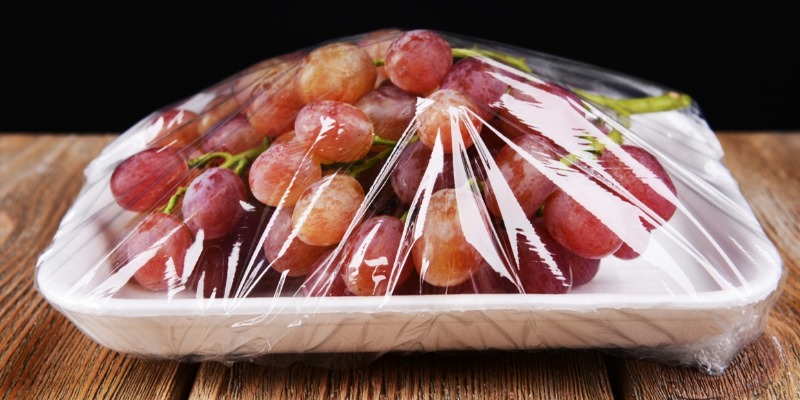 Se il cibo è consumabile te lo dice la nuova bio pellicola
Il nuovo packaging cambia colore in base alla qualità del cibo che contiene di Marco ArezioLa ricerca universitaria e scientifica nel campo del packaging si sta concentrando sul problema della effettiva scadenza dei cibi, studiando bio pellicole che possano aiutarci a classificare, oltre all’etichetta apposta, la reale qualità del cibo contenuto. Le nuove bio pellicole sono formate da bio plastiche, realizzate dalla trasformazione dello zucchero contenuto nelle barbabietole e nel mais, alle quali vengono aggiunti additivi provenienti dagli scarti del settore agroalimentare. Questi additivi sono, a loro volta, scarti della filiera agroalimentare come la canapa, il lino, gli scarti del caffè, vari scarti di vegetazione, e altri prodotti naturali. Hanno diverse proprietà che possiamo riassumere: Buone proprietà meccaniche Resistenza al fuoco Proprietà antiossidanti Proprietà antifungine Proprietà antimicrobiche Tra gli additivi di cui abbiamo parlato prima, l’aggiunta di ossido di zinco e alluminio, nella produzione delle bio pellicole, sviluppa delle proprietà antimicrobiche che possono allungare la scadenza dei prodotti freschi, riducendo così gli sprechi dato dalla scadenza dei prodotti. Mentre l’aggiunga di un additivo come l’olio di cardarolo e una particolare molecola chiamata porfirina, attribuiscono alla pellicola proprietà antiossidanti e antifungine, che nel campo del packaging alimentare aiutano a segnalare il deterioramento del prodotto. Ma come avviene questo meccanismo? Quando la bio pellicola entra in contatto con alcuni analiti, come l’acqua, l’etanolo, l’ammoniaca o altri prodotti che derivano dalla degradazione alimentare, in combinazione con la luce, questi elementi tossici penetrano nel polimero della pellicola creando reazioni di colore. Le pellicole realizzate in laboratorio sono completamente biodegradabili e bio compostabili, questo significa che alla fine del loro ciclo di vita possono diventare concime e rientrare nel pieno rispetto della circolarità dei prodotti.Categoria: notizie - tecnica - plastica - etichetta - packaging - imballoVedi maggiori informazioni sul packaging alimentare
SCOPRI DI PIU' Sacchetti in LDPE Riciclato: Come Evitare Problemi Qualitativi
Sacchetti in LDPE Riciclato: Come Evitare Problemi Qualitatividi Marco ArezioIl mondo dei sacchetti in LDPE riciclato è ampiamente rappresentato dalla tipologia che usiamo tutti i giorni per la raccolta differenziata che, attraverso il loro diverso colore, ci aiutano a separare in modo corretto i rifiuti.La tendenza nella produzione del sacchetto era rappresentata dalla riduzione massima dello spessore e dall’uso di materie prime sempre meno qualitative. Tutto questo rientrava in una logica di mercato in cui il sacchetto doveva costare sempre meno, creando quindi dei prodotti sempre meno performanti dal punto di vista qualitativo.Le problematiche maggiori che si riscontravano erano le seguenti:• Fragilità del sacco sotto l’effetto del peso del rifiuto introdotto con rottura delle pareti per sfondamento • Scollamento dei punti di saldatura delle labbra del sacco con apertura verticale dello stesso • Taglio del sacchetto in presenta di impurità nella parete • Irregolarità della superficie con fenomeni chiamati “occhio di pernice” • Difficoltà nella realizzazione dei colori • Odore pungente dei sacchi anche dopo molto tempo • Secchezza del sacchetto a causa dell’uso di film raccolti degradati dal sole, specialmente per lo scarto che proviene dalle serre agricole Tutti questi problemi sarebbero da analizzare singolarmente in quanto ogni punto ha una lunga storia da raccontare e un chiaro percorso per la sua risoluzione. Nell’articolo di oggi facciamo un salto, arrivando direttamente alle ricette che possono risolvere tutte queste problematiche, permettendo la produzione di sacchi qualitativamente corretti con un occhio ai costi generali di produzione. La maggior parte dei problemi elencati derivano dall’uso al 100% di un input da post consumo, da raccolta differenziata o dei teli agricoli, il cui riciclo meccanico, seppur eccellente con le nuove linee produttive, comporta molte delle problematiche citate. Sicuramente ad una maggior qualità delle linee di riciclo, intese come selezione, lavaggio, densificazione, filtrazione ed estrusione dei granuli, corrisponde una minore quantità ed importanza di problemi, ma il riciclo meccanico del rifiuto proveniente dalla raccolta differenziata o dal settore agricolo, ha comunque dei limiti qualitativi ad oggi non ancora risolti. Per questo motivo l’attenzione alla preparazione di ricette per compounds, realizzati con l’attenzione alla risoluzione di questi problemi, dà la possibilità di creare dei granuli in LDPE, provenienti dal riciclo, con qualità superiori, rimanendo nell’ottica dell’economia circolare che impone il consumo dei rifiuti che realizziamo quotidianamente. Il compound dovrebbe contenere una parte significativa di un input di film di LDPE che non provenga dalla raccolta differenziata, non necessariamente di provenienza post industriale, ma da uno scarto che non sia stato mischiato e inquinato da altre materie plastiche miste. In base alla caratteristica del prodotto finale da realizzare, si deciderà come comporre la ricetta dell’input, così da poter garantire la qualità attesa dal cliente. Gli indici qualitativi devono risolvere i problemi di cui abbiamo parlato tenendo conto di alcune indicazioni:• Permettere la produzione del sacco a partire da 20 micron • L’elasticità deve essere maggiore rispetto ad una ricetta con il 100% post consumo • La tenuta delle saldature, anche a freddo e sotto il peso del contenuto del sacco, deve essere elevata. • L’assenza di piccoli corpi estranei, che si formano a causa della degradazione di materiali differenti dall’LDPE in fase di estrusione, che incidono sul taglio longitudinale accidentale del prodotto. • Poter realizzare una superficie liscia, senza piccole corrugazioni o irregolarità. • La ricetta deve prevedere la possibilità di fare film con colori chiari e scuri, semitrasparenti negli spessori minori. • Assenza o la riduzione marcata dell’odore pungente tipico del post consumo deve poter essere perseguita. Sulla scorta di una modulazione corretta dell’input del materiale e l’attenzione alle fasi eli riciclo e granulazione, è possibile migliorare in modo notevole la qualità dei sacchetti in LDPE che si producono, con un maggiore margine di contribuzione sulla produzione e una maggiore soddisfazione del cliente finale, avendo sempre sotto controllo i costi. Categoria: notizie - tecnica - plastica - riciclo - LDPE - post consumo - sacchetti - film - qualità Articoli correlati:CHE QUALITÀ DI FILM È OTTENIBILE CON L'USO DELL' LDPE RICICLATO?LDPE RICICLATO DA POST CONSUMO: 60 TIPOLOGIE DI ODORI OSTACOLANO LA VENDITALDPE DA POST CONSUMO. COME RIDURRE LE IMPERFEZIONI. EBOOKVedi maggiori informazioni sul riciclo dell'LDPE
SCOPRI DI PIU'
