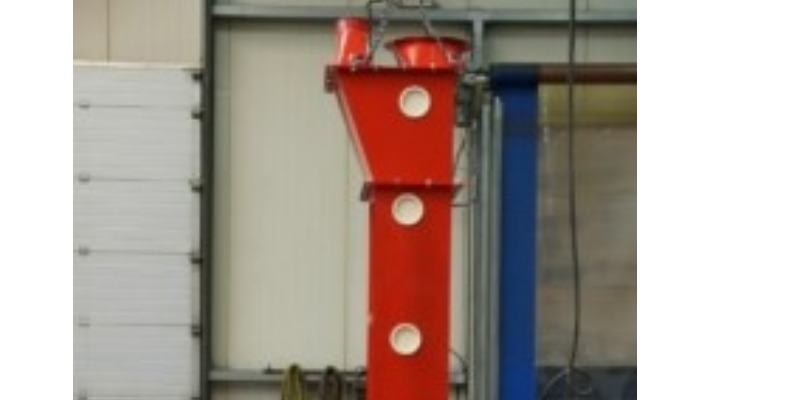
Plastic Flake Separation with Spectroscopy
Code: 572: Plastic Flake Separation by Spectroscopy.
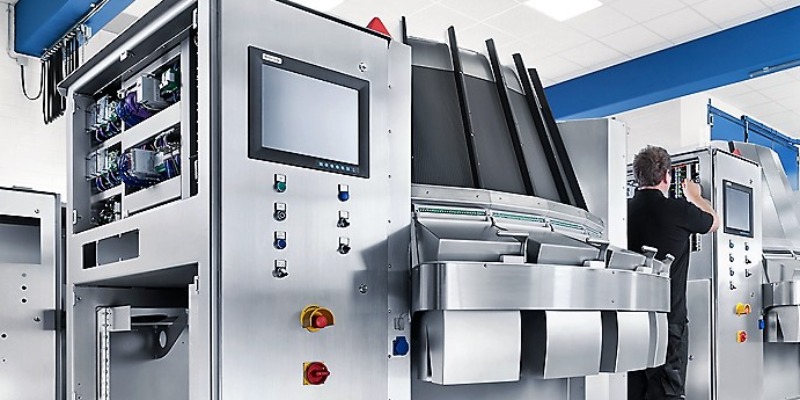
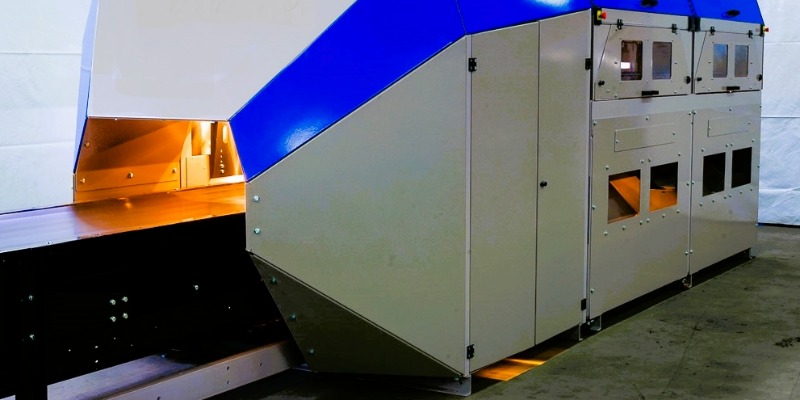
We produce a machine that allows the rapid separation of plastic flakes allowing the recovery and enhancement of materials that in the past had no interest.
A laser spectroscopy-based plastic flake sorting system that separates previously inseparable plastics with maximum precision and speed, enabling long-term recovery of valuable raw materials.
The machine intervenes where vision systems or other established detection systems and methods fail.
The system uses a highly efficient and accurate detection method based on high-speed laser spectroscopy, it identifies good material in a stream of plastic flakes or granules using its specific optoelectronic spectrum and separates it from various foreign materials and contaminants in one process phase.
How Spectroscopy Works for Plastics
Preparation of the flakes
Before separation, plastic flakes obtained from shredding plastic waste must be properly prepared. This may include cleaning to remove impurities, dust or food residue that could interfere with subsequent spectroscopic analysis.
Illumination and Detection
The central step of spectroscopic separation involves illuminating the plastic flakes with a specific light source. When light impacts the flakes, each type of plastic (e.g. PET, HDPE, PVC) reflects, absorbs or transmits wavelengths of light uniquely due to its specific chemical and physical properties.
Spectroscopic Analysis
Spectroscopic sensors detect wavelengths refracted, transmitted or emitted by plastic flakes. This data is then analyzed by software which, thanks to advanced algorithms and pre-existing databases, is able to identify the type of plastic based on its spectroscopic "fingerprint". This imprint is unique for each type of plastic, allowing precise classification.
Physical Separation
Once identified, the plastic flakes can be physically separated. This can occur through air blowing systems, mechanical arm systems or other physical separation methods that exploit the information provided by spectroscopic analysis to select and separate flakes of different materials.
Collection and Recycling
The plastic flakes now separated by type can be collected in separate containers to be subsequently sent to the relevant recycling plants, where they will be transformed into new products or materials, closing the cycle of the circular economy.
Advantages of Spectroscopy in the Separation of Plastic Flakes
High Precision: Spectroscopy allows for extremely precise classification of different types of plastic, essential for quality recycling.
Efficiency: The ability to quickly process large volumes of flakes makes this method efficient and suitable for industrial needs.
Flexibility: The technology can be adapted to recognize and separate a wide range of plastics, including those that are more difficult to distinguish with traditional methods.
Origin: Germany
Category: Machines and molds - recycled plastic - selection - spectroscopy - ground
If you are a subscriber to rMIX see the customer's contacts, if you are not, subscribe by choosing the contract you prefer