




- The Nature Restoration Law: A new law to restore biodiversity and tackle climate change
- European Green Deal and ecosystem restoration: Objectives and measures of the Nature Restoration Law
- Nature restoration and climate resilience: The crucial role of the EU Nature Restoration Law
- Nature Restoration Law: How European law aims to save terrestrial and marine ecosystems
- Biodiversity and sustainability: The opportunities of the Nature Restoration Law for Europe
- Restoring Biodiversity in Europe: The Goals of the New Green Deal Law
- Nature Restoration Law and challenges for Member States: Planning and monitoring for a sustainable future
A Key Initiative of the European Green Deal to Restore Biodiversity and Strengthen Climate Resilience
The "Nature Restoration Law" proposed by the European Commission represents a fundamental step towards the implementation of the European Green Deal, with the aim of halting and reversing the decline of biodiversity by 2030.
This law is an integral part of the EU Biodiversity Strategy for 2030 and aims to establish binding measures for the restoration of degraded ecosystems, in both terrestrial and marine environments, across Europe.
Objectives and Scopes
The law aims to cover a wide range of ecosystems, setting specific objectives for the restoration, sustainable management and protection of specific areas, with the aim of:
- Restore at least 20% of the EU's terrestrial and marine ecosystems by 2030, with the aim of further scaling up restoration efforts by 2050.
- Strengthen the resilience of ecosystems and their contribution to climate change mitigation and adaptation to it, through carbon sequestration and protection against natural disasters.
- Contribute to the recovery of populations of declining species by improving the natural conditions these species need to survive and thrive.
Key Measurements
The measures provided for by law include:
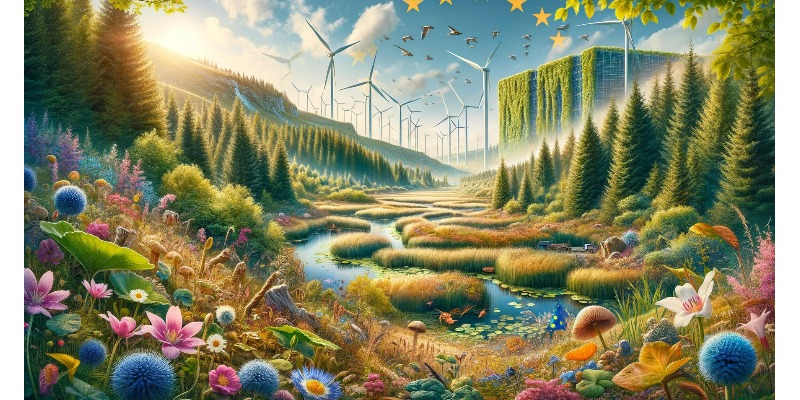
Restoration of terrestrial ecosystems: This includes the restoration of forests, peatlands, wetlands, and agricultural systems, with a focus on reducing pesticide use and restoring soil health.
Restoration of marine ecosystems: Actions aimed at restoring critical marine ecosystems, such as posidonia meadows, coral environments and brackish wetlands.
Restoring Rivers and Streams: The law aims to return waterways to a more natural state by removing physical barriers such as aging dams and restoring natural flood zones.
Pollution Reduction: Measures to reduce nutrient pollution in aquatic systems, improving water quality and supporting aquatic biodiversity.
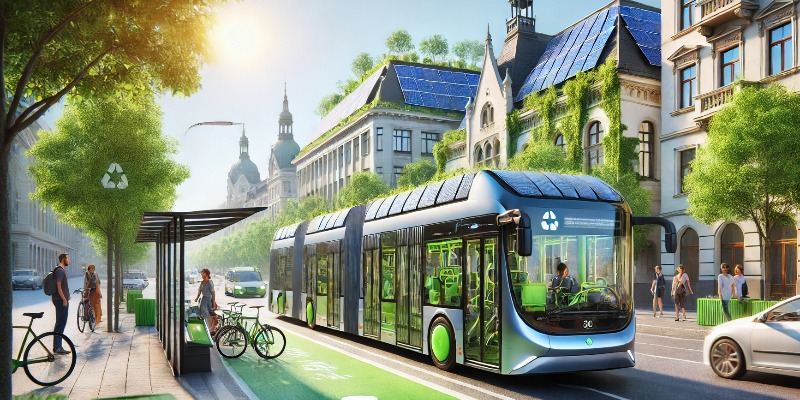
Protection and restoration of urban biodiversity: Incentives for the development of urban green infrastructure, such as parks, gardens, green roofs and walls, to improve the quality of air and life in cities, as well as supporting urban biodiversity.
Implementation and Monitoring
To ensure that the objectives of the law are achieved, the proposal provides for robust monitoring and reporting mechanisms.
EU Member States will have to draw up nature restoration plans detailing how they intend to achieve specific objectives within the set deadlines.These plans will need to be updated regularly and subject to review and approval by the European Commission.
Challenges and Opportunities
The adoption and implementation of the Nature Restoration Law represents a significant challenge for Member States, requiring investment, planning and coordination at all levels of government. However, the law also offers multiple opportunities:
Improvement of Public Health: The reduction of pollution and the increase in green areas directly contribute to the physical and mental well-being of populations.
Sustainable Economic Development: The law can stimulate the green economy through the creation of new jobs in environmental restoration and sustainable management of natural resources.
Climate Change Resilience: By restoring and protecting ecosystems, the EU can improve its resilience to the impacts of climate change, such as floods, droughts and forest fires.
Biodiversity: Restoring natural habitats will help halt and reverse the decline of biodiversity, ensuring the survival of threatened species and maintaining healthy and functional ecosystems.
Conclusions
The Nature Restoration Law is an ambitious step towards realizing the objectives of the European Green Deal and the EU Biodiversity Strategy for 2030.
Despite the challenges associated with its implementation, the law represents a crucial opportunity to address the climate and biodiversity crisis in Europe. Through the restoration of degraded ecosystems and the protection of natural habitats, the EU is committed to building a more sustainable and resilient future for current and future generations.
The holistic approach proposed by the law, which covers a wide range of ecosystems and aims to integrate nature conservation with economic development, marks a significant change in the way environmental issues are addressed at the political level.
Furthermore, the Nature Restoration Law emphasizes the importance of participation of citizens and local communities in restoration and conservation processes. This inclusive approach is essential to ensuring the long-term success of restoration initiatives, as ecosystem conservation requires the commitment and collaboration of all sectors of society.