




- What are recycled thermoplastic elastomers
- The advantages of TPE
- What are the main TPEs
- Where Thermoplastic Elastomers are used
- How TPEs are recycled
The right recipes lead to the creation of recyclable TPE blends with surprising characteristics
Thermoplastic elastomers (TPE) are elements made up of different families of materials that combine to create a compound with improved characteristics.
Also called thermoplastic rubbers, they are, precisely, the union between a plastic and a rubber, this marriage allows you to take advantage of the characteristics elastic properties of the rubbers, which are expressed in the ability to be deformed on the basis of an applied force, both in length and in width, and then resume their original shape when the force is lost, and on the other hand the possibility, like all thermoplastic polymers , to be processed and recycled.
Thermoplastic elastomers, therefore, can be easily used in injection molding and in the extrusion of manufactured articles.
The first TPEs were put on the market in the 1950s of the last century, through the production of the thermoplastic polyurethane polymer, to then widen the range of blends, in the following decades, to other types of thermoplastic elastomers.
The advantages of TPEs
- First of all, the TPE blends can be recycled through the mechanical recycling system and reused as new raw material
- Ease of processing compared to vulcanized rubbers, therefore with faster process times and lower costs of the final products
- Excellent resistance to oils even higher than rubber
- Weldability and transparency in some formulations
- Excellent resistance to both low and high temperatures
- Possibility of making finished products lighter than vulcanized rubbers
What are the main TPEs
- Polyolefin compounds such as TPO
- Styrenic compounds such as SBS and SEBS
- Polyurethane compounds
- Copolyester-based compound
- Vulcanized compounds such as TPV
Where are Thermoplastic Elastomers used
- Medical and pharmaceutical sector for gaskets, valves, pipes and objects that go into the autoclave
- Footwear sector for the production of soles, heels, heel pads and safety shoes
- Food and agricultural sector such as supports for barcodes, irrigation pipes, artificial turf, blocking cables, fruit and vegetable separators, supports for branding.
- Construction such as steel pipe coatings, road bitumen modification ingredients, sound-absorbing and anti-vibration elements
- Sporting goods such as hard shells for ski boots, ski tips and tails, snowboards, sportswear and swimwear
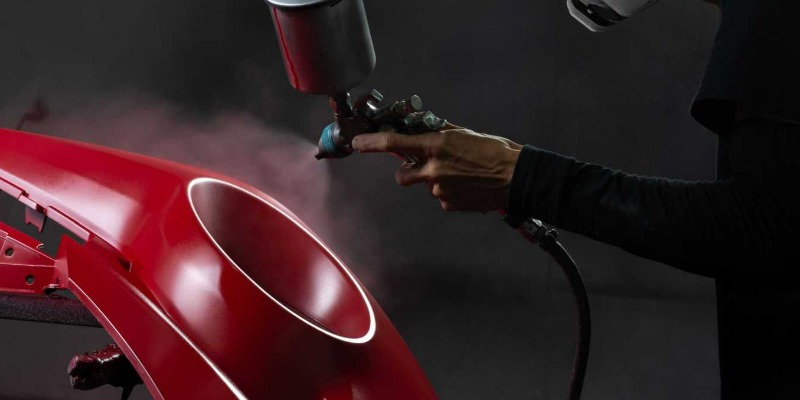
- Automotive such as dashboards, some bodywork and gearbox parts, gaskets, airbag zone covers, door panels and various trims.
How to recycle TPE
Most of the products made in TPE are recyclable through mechanical recycling plants, therefore, the operations that the selection of the material will be carried out, dividing the various types of thermoplastic elastomers, the grinding, washing if necessary, and the granulation of the material to reuse it in production.
An important phase of the process certainly concerns the selection of waste since, sometimes, it is possible to find waste of TPE on which remains even appreciable quantities of other materials of a different nature, such as for example polyurethane foams or cross-linked polyethylenes, which can pollute the final product.
Automatic translation. We apologize for any inaccuracies. Original article in Italian.