- Introduction to biomass-derived polymers
- Lignocellulosic biomass as a source of polymers
- Processes for converting biomass into functional polymers
- Lignocellulosic polymers for the production of bioplastics
- Lignocellulosic polymers for the production of sustainable fuels
- Advantages and challenges in the use of lignocellulosic biomass
- Applications of lignocellulosic biopolymers in industrial sectors
- Future prospects of lignocellulosic polymers for a sustainable economy
An overview of polymers synthesized from lignocellulosic biomass: opportunities, challenges, and future developments for the circular economy
By Marco Arezio
The focus on biomass-derived polymers has grown in recent years in response to the need to reduce reliance on fossil fuels and mitigate the environmental impact of plastic and fuel production.
Lignocellulosic biomass, mainly composed of lignin, cellulose, and hemicellulose, is one of the most promising sources for the synthesis of sustainable polymers.
This article explores the state of the art in research on lignocellulosic polymers and their use in the production of bioplastics and biofuels, examining the advantages, challenges, and emerging applications.
Lignocellulosic biomass as a source of polymers
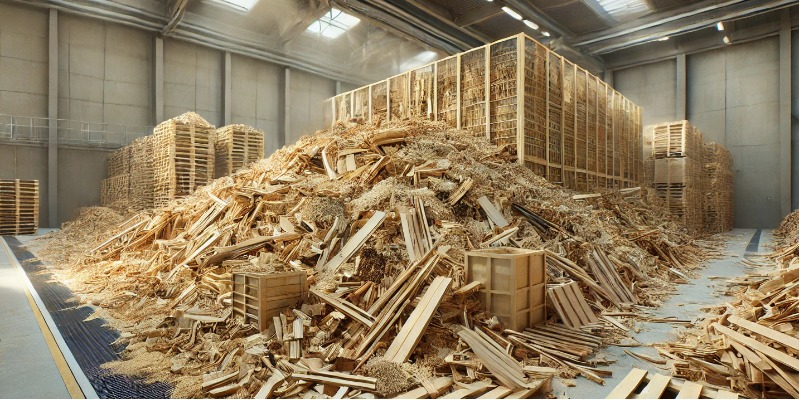
Lignocellulosic biomass, abundantly found in non-food plant sources such as agricultural residues, forest waste, and urban refuse, is a renewable resource primarily made up of three natural polymers: cellulose, hemicellulose, and lignin.
Cellulose is a linear polysaccharide of glucose units, hemicellulose is a heterogeneous group of polysaccharides, and lignin is a complex macromolecule of polyphenols. The intricate chemical structure and molecular diversity of lignocellulosic biomass make it possible to synthesize polymers with specific properties for numerous industrial applications.
Biomass conversion processes into polymers
To convert lignocellulosic biomass into functional polymers, various chemical, thermochemical, and biochemical technologies are employed. The main conversion methods include:
Enzymatic and chemical hydrolysis: This process converts cellulose and hemicellulose into fermentable sugars, which can be further transformed into biopolymers such as polylactic acid (PLA), used for compostable bioplastics.
Thermochemical processes: Techniques like pyrolysis and gasification enable the conversion of biomass into intermediate chemical compounds such as bio-oil, syngas, and biochar, which can be used for biopolymer and biofuel synthesis.
Lignin chemical treatments: Lignin can be converted into aromatic monomers and other functional molecules, used as raw materials for producing polyurethanes, resins, and other high-performance polymers.
Polymers derived from lignocellulosic biomass for bioplastics
Among the polymers derived from lignocellulosic biomass, biopolymers obtained from cellulose-derived sugars are the most promising for bioplastics production. Examples include:
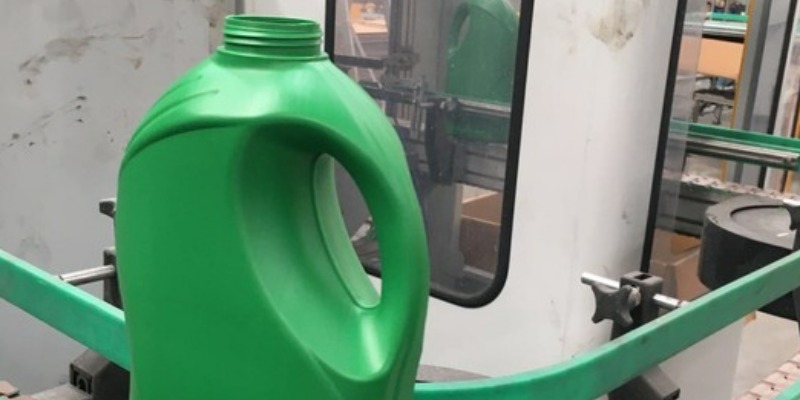
Polylactic acid (PLA): A biodegradable polymer produced from lactic acid, a fermented derivative of biomass sugars. PLA is widely used in packaging, the food industry, and medical sectors due to its compostability and good mechanical properties.
Polyhydroxyalkanoates (PHA): Polymers produced by bacteria through sugar fermentation, which are completely biodegradable. PHAs find applications in medical fields and as packaging materials thanks to their durability and biodegradability in natural environments.
Lignin-based polyurethanes: Lignin, a by-product of biomass processing, can be used as a phenol source to produce polyurethanes, a versatile class of polymers used for coatings, foams, and composite materials. Lignin offers advantages in terms of chemical resistance and reduced production costs compared to conventional polyurethanes.
Lignocellulosic polymers for sustainable fuels
In addition to bioplastics production, lignocellulosic biomass is also studied for biofuel synthesis.
The main approaches include:Bioethanol: Produced through the fermentation of biomass sugars, bioethanol is a renewable fuel that can replace gasoline or be blended with it. Its production reduces greenhouse gas emissions and utilizes widely available biomass sources.
Biodiesel: Although biodiesel is commonly produced from vegetable oils, there are approaches to synthesizing similar fuels from lignin and other lignocellulosic compounds. These processes often involve pyrolysis and gasification to obtain bio-compatible oils for internal combustion engines.
Biogas: Anaerobic digestion of lignocellulosic biomass produces biogas, a mixture of methane and carbon dioxide. This fuel can be used to generate energy or heat, representing a sustainable alternative to fossil natural gas.
Advantages and challenges of using lignocellulosic biomass
The use of lignocellulosic biomass offers numerous advantages, including reduced carbon emissions, decreased dependence on fossil fuels, and the utilization of renewable resources. However, its practical application still presents significant challenges:
Production costs: Biomass conversion processes are often more expensive than traditional fossil-based methods, particularly for large-scale production.
Conversion efficiency: The complex structure of lignin and the natural resistance of lignocellulosic biomass to degradation make achieving high yields in conversion processes difficult.
Infrastructure compatibility: Adapting existing infrastructures for the use of bioplastics and biofuels is a critical issue, especially in the energy and transportation sectors, where transition costs can be high.
Applications and future prospects
Lignocellulosic biomass-derived polymers are already in use in various sectors, and their applications continue to expand.
In addition to common uses in packaging and construction materials, lignocellulosic biopolymers are emerging in the automotive sector for producing lightweight and biodegradable components. 3D printing technologies could also facilitate the use of customizable lignocellulosic materials for manufacturing tailored objects and durable products.
Current research focuses on optimizing conversion processes and creating new biopolymer formulations to improve the mechanical, thermal, and chemical properties of the resulting materials. Moreover, efforts to reduce production costs and increase compatibility with existing industrial systems are crucial to accelerating the adoption of lignocellulosic polymers on a global scale.
Conclusion
Lignocellulosic biomass-derived polymers represent a sustainable and innovative solution for producing bioplastics and renewable fuels.
While still facing technical and economic challenges, the use of lignocellulosic biomass has the potential to significantly reduce the environmental impact of conventional plastics and fuels.
With the evolution of conversion technologies and continued commitment to research and development, lignocellulosic polymers could play a key role in the transition toward a more sustainable and circular economy.
© All rights reserved