- War in Iran and the Closure of the Strait of Hormuz: Chronology and Data of the Conflict (February–March 2026)
- Why the Strait of Hormuz Controls Plastics Prices: Naphtha, Ethylene, and Petrochemical Feedstock
- Polymer Prices March 2026: PP at €1,200/t, PE +€500/t — Data Updated as of March 24
- Plastic Supply Chain Disruption: Freight Rates, Force Majeure, and Gulf Supply Blockade
- Impact on European Petrochemicals: Crackers, Processors, and Italian Districts Under Pressure
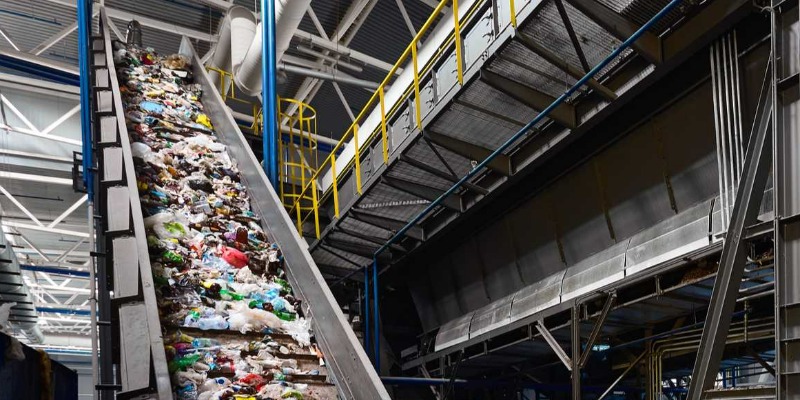
- Recycled Plastics in Crisis: How the Iranian Conflict Is Affecting Mechanical and Chemical Recycling in Europe
- Post-Hormuz Plastics Market: Exports Blocked, Freight Rates Up 40%, and Inventories Piling Up
- 2026 Scenarios for the Plastics Industry: Short, Medium, and Long Term: War and Energy Transition
- Institutional Responses: EuPC, European Commission, CONAI, and Emergency Measures for the Plastics Industry
- Frequently Asked Questions: PE and PP Prices, Feedstock Supplies, Recycling, and Business Outlook 2026
The closure of the Strait of Hormuz caused by the conflict in Iran is shaking up the global plastics supply chain
by Marco Arezio · Market Analysis | 25 March 2026

1. Geopolitical Context: the Iran War and the Closure of Hormuz
On 28 February 2026, Israel, in coordination with the United States, launched a pre-emptive military operation against Iranian targets linked to its nuclear and ballistic programmes. Iran responded with missiles and drones against Israel, Saudi Arabia and US bases in the region, simultaneously declaring the closure of the Strait of Hormuz — the 34-km maritime corridor between the Iranian coast and the Musandam Peninsula (Oman) that connects the Persian Gulf to the Gulf of Oman.
According to data from the U.S. Energy Information Administration (EIA), in 2024 approximately 20 million barrels of crude oil per day and around 400 million m³ of LNG transited that strait every day.
By 9 March 2026, the number of ships in transit had fallen from 129 (the February average) to just 4 per day: a 97% reduction in maritime traffic.
For the first time in modern history, Tehran achieved this not through mines or conventional naval blockades, but by physically targeting tankers attempting passage — as documented by the British agency UKMTO with the sinking of the Skylight — and by causing war-risk insurance premiums to quadruple. The major shipping operators (Maersk, Hapag-Lloyd) have suspended transits.

2. Why the Strait of Hormuz is the Heart of the Global Petrochemical Industry
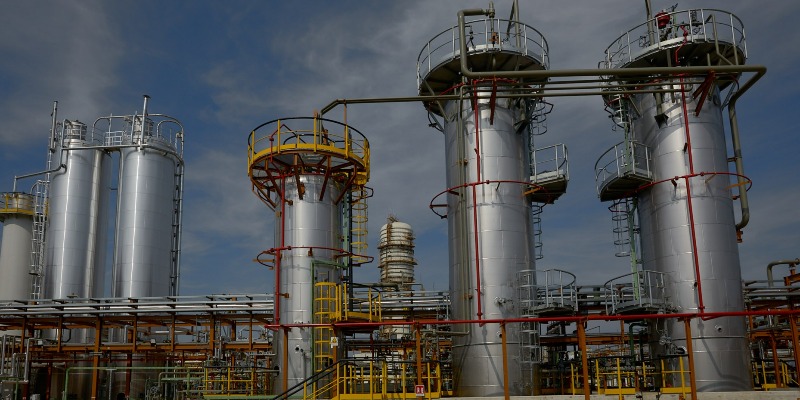
The Strait of Hormuz is not merely an oil corridor: it is the obligatory transit point for much of the entire global petrochemical supply chain. Around the Persian Gulf is concentrated the most competitive feedstock production base in the world, with integrated cracking facilities in Saudi Arabia (SABIC, ARLANXEO), the United Arab Emirates (Borouge), Kuwait, Qatar and Iran.
According to an analysis by Laboratorio REF Ricerche (March 2026), 84% of polyethylene (PE) exports from GCC countries transit through the Strait. Similarly, according to ICIS data, approximately 80% of Asian sea-imported naphtha demand was covered by Middle Eastern supply in 2025. With the Hormuz blockade, all these flows have been interrupted or severely curtailed.
Petrochemical Products at Risk
The link between the Hormuz blockade and plastics prices is direct and structural. The value chain starts with hydrocarbons (crude oil and natural gas) and runs through these stages:
• Naphtha (from crude oil refining) → feeds ethylene crackers
• Ethylene + Propylene → base monomers for PE (polyethylene), PP (polypropylene), PVC, PET
• Methanol → intermediate for resins, plasticisers, solvents
• MEG (monoethylene glycol) → precursor of PET and polyester fibres
• Butadiene → synthetic SBR rubber, elastomeric components
Iran, in particular, was in 2025 the world's largest methanol exporter with over 9 million tonnes (source: ICIS Supply and Demand database). With Iranian plants idle and shipments blocked, scarcity immediately ripples through to spot markets for intermediates and commodity resins.
Qatar suspended LNG production — and with it part of its aluminium and chemical output — after Iranian attacks near the North Field extraction sites, the world's largest natural gas deposit. Italy, as ISPI data remind us, depends on Qatar for over 11% of its gas consumption, three times the European average.
3. Impact on Virgin Plastics: Feedstocks, Resins and Prices
3.1 Commodity Polymer Price Increases — Data to 24 March 2026
The escalation has triggered the fastest wave of commodity polymer price increases in twenty years. Data updated to 24 March 2026 paint an extraordinarily severe picture across all geographical areas.
In Europe, according to Platts/S&P Global data, PP homopolymer injection FD NWE reached €1,200/t on 13 March, an increase of €220/t from the start of the month. Polyethylene experienced increases of between €200 and €500/t depending on grade, with LDPE earning a rare premium over mLLDPE due to supply scarcity (source: ChemOrbis/Platts, Italy). European producers have halted quotations due to supply stoppage from the Gulf region.
LyondellBasell announced cumulative increases of 35 cents/lb (over $770/t) for North American PE through May 2026. In the USA, HDPE rose by 36.57% in the first weeks of March. The polymer-grade propylene (PGP) spot price jumped to the 40–45 cents/lb range (from 32.5 in January), with PP contract increases of 4 cents/lb in February, 2 cents in March and 4 cents nominated for April (sources: Argus Media, Plastics Technology, RTi).
The picture in India is even more dramatic: Reliance Industries raised PE prices three times in eight days; Indian Oil followed with four rounds of its own. Overall, Indian polymers rose ~43% from 28 February (source: S&P Global), with spot highs of 100–150% on some grades. In Asia, PP injection CFR Far East grew by $330/t from 2 March. In Africa, PP raffia rose 39%.
By 13 March 2026, ICIS had counted 31 force majeure declarations or sales allocations for chemical products in Asia and the Middle East, 2 in Europe and 1 in the Americas. Plastribution UK stated: the main problem is no longer the price but finding physical material.
Naphtha — the main feedstock for Asian crackers — recorded the sharpest increase: from $619–621/t (CFR East Asia, on 28 February) to $1,077–1,079/t on 17 March (+74% in two weeks), according to PolymerUpdate. This forced numerous Asian crackers to cut operating rates: Northeast Asian crackers are expected to run at ~70% utilisation in March (vs 80% in February), South Korean ones at below 65%.

3.2 Supply Chain Disruption: Logistics and Availability
Beyond prices, the immediate problem is physical: tankers and bulk carriers are no longer transiting the Strait. Routes via the Cape of Good Hope add 10–15 days of sailing time and increase transport costs by 40–72%. This creates a dual difficulty for European converters: reduced availability of imported feedstock and uncertainty over delivery times, making any stable industrial planning impossible.
The Italian production districts most exposed, according to the CGIA research office (March 2026), are: the plastics districts of Treviso, Vicenza and Padova; rubber and plastics articles in Varese; the Brindisi petrochemical hub; Sarroch petrochemical complex (Cagliari); Salerno chemical cluster. CGIA estimates an impact of approximately €10 billion in additional energy costs for Italian companies in 2026.
3.3 The Rerouting Option: Limits and Opportunities
The alternatives to the Strait of Hormuz for hydrocarbon transit from the Gulf are limited. The Trans-Arabian Pipeline (TAPLINE), now decommissioned, and the Abqaiq–Yanbu pipeline in Saudi Arabia have a capacity of approximately 5 million bbl/day, enough to cover only a fraction of the usual volume. The Fujairah terminal (UAE), on the Gulf of Oman, can play a partial buffer role. For LNG, no equivalent-capacity alternative to Hormuz exists today.
In the medium term, this crisis is accelerating investment in alternative routes, additional regasification capacity and strategic LNG storage. On the petrochemical side, a revival of North American (USA, Canada) and European shale-gas crackers is expected, with a structural rebalancing of supply chains.
The EIA in its March 2026 Short-Term Energy Outlook projects Brent to remain above $95/bbl for the next two months, falling below $80/bbl in Q3 only if the conflict is resolved. Should the blockade persist, analysts at BIC Advisory Group estimate supply chain and price repercussions 'lasting months, with trade route adjustments that will take years'.

4. Impact on Recycled Plastics: A Sector Already in Structural Crisis
The Iran conflict arrives at an already critical moment for the European plastic recycling sector. According to Laboratorio REF Ricerche (March 2026), in 2024 total volumes recycled in Europe fell for the first time, from 7.7 to 7.5 million tonnes, and sector turnover has declined for the second consecutive year — with the largest closure of recycling operating capacity ever recorded on the continent.
4.1 The Paradox of the Crisis: Is Recycled More Expensive than Virgin?
Until the Hormuz crisis, the sector's main problem was that virgin polymers, produced in excess primarily by Asian and Middle Eastern plants, were cheaper than European recyclates. The conflict has reversed this dynamic sharply and, in some respects, paradoxically.
On one hand, the rise in virgin feedstock costs (naphtha, ethylene, propylene) makes first-production polymers more expensive, theoretically increasing the competitiveness of recyclate. On the other hand, the energy costs of recycling plants have soared along with the gas price (from €32 to €55/MWh in a few days), making the regranulation, washing and mechanical sorting process significantly more costly. Recycling plastic or smelting aluminium are energy-intensive activities: with gas back above €45/MWh, the economic advantage of recyclate narrows.
4.2 The Logistical Blockade of Secondary Raw Materials (SRM)
The second front directly affects European recycling export flows to Asia. Italy in 2024 had already reached its ten-year peak (2015–2024) for extra-EU exports of plastic SRM (103,352 tonnes, source: Laboratorio REF 2026). With the Hormuz crisis, maritime freight rates for the export of paper and plastic to Asia increased by 40% in three weeks, effectively blocking recycling trade routes.
The consequence is that Italian operators are stockpiling tonnes of recycled material that can neither be disposed of nor sold: plants paralysed on one side by rising operating costs and on the other by the impossibility of exporting semi-finished products to their usual destination markets.
Making matters worse, from May 2026 the European ban on exporting plastic waste to non-OECD countries will come into force — a measure already scheduled that, combined with the logistical blockade caused by the war, risks generating an unprecedented bottleneck in the management of post-consumer plastic flows.
4.3 Chemical Recycling: Between Opportunity and Vulnerability
Chemical recycling — pyrolysis, gasification, depolymerisation — could theoretically benefit from the crisis, as it produces pyrolysis oil that substitutes fossil naphtha as feedstock for crackers. However, these plants are also energy-intensive and require high operating temperatures (400°C for pyrolysis, 700–800°C for gasification). With gas at €55/MWh, the operating margins of these technologies narrow considerably.
The strategic considerations remain valid in the medium term: chemical recycling allows contaminated and mixed plastic fractions not mechanically recyclable to be valorised, reducing dependence on Gulf feedstocks. Investment in this direction is set to accelerate in the post-crisis phase.

5. Scenarios: Short, Medium and Long Term for the Plastics Supply Chain
5.1 Short Term (1–3 months): Import-Driven Stagflation
The most immediate scenario, as defined by I-Com, is one of 'import-driven stagflation': rapidly rising energy inflation, slowing industrial output and pressure on the balance of payments of importing countries. For the plastics supply chain this translates into:
• Suspension or reduction of production by European converters with limited liquidity
• Reallocation of purchases towards US, North African and North Sea suppliers — at higher prices
• Shutdown of mechanical recycling plants running at a loss
• Build-up of unsold SRM stockpiles at Italian and European logistics hubs
5.2 Medium Term (3–12 months): Acceleration of Structural Transitions
Should the conflict persist or resolve with a new, unstable geopolitical equilibrium, an acceleration of some structural transitions already underway is plausible:
• Revival of European and North American petrochemicals, with investment in shale ethane crackers
• Diversification of supply routes towards West Africa, Norway and Alaska
• Acceleration of chemical recycling and high-quality mechanical recycling for premium fractions (PET, HDPE, PP)
• Consolidation of the European recyclate market through insolvencies and acquisitions in the recycling sector
5.3 Long Term: Structural Rethink of Gulf Dependency
In the long term, the 2026 Hormuz crisis could prove the turning point for a redefinition of global petrochemical supply chains. Dependence on a single maritime corridor for a fifth of global energy needs — and for over 80% of Asian naphtha — has proven a systemic vulnerability impossible to ignore. An acceleration of investment in the circular economy, substituting imported virgin materials, and a profound revision of the procurement policies of major European converters is likely.
6. Institutional and Sector Responses
On the European front, EuPC issued an urgent appeal to political leaders for the application of an energy price cap, already discussed at the EU Council on 19 March 2026. The IEA coordinated an initial emergency oil stock release equivalent to approximately one fifth of total reserves available among member countries, while noting that this measure cannot be considered a solution.
For plastic recycling, the European Commission had already presented on 23 December 2025 a package of measures including: harmonised End of Waste (EoW) criteria for mechanically recycled plastics, mass-balance allocation rules for chemical recycling, relaunch of the Circular Plastics Alliance and establishment of separate customs codes for plastic SRM. The crisis has given new urgency to these measures.
In Italy, Assorimap, Corepla and trade associations are negotiating with MASE and MIMIT extraordinary support measures for recycling plants, including partial coverage of additional energy costs. The adjustment to the CONAI contribution (expected to exceed €600/t from July 2026 for certain bands) has been described by several operators as a necessary but insufficient 'war tax'.
7. FAQ
How much have PE and PP prices increased due to the closure of Hormuz?
As of 24 March 2026 the data are as follows. In Europe, PP Homo Injection NWE reached €1,200/t (+€220/t from the start of March, source S&P Global Platts); PE has seen increases of between €200 and €500/t by grade. In the USA, HDPE rose 36.57% in early March; LyondellBasell announced cumulative increases of 35 cents/lb through May 2026. In India, spot prices on some grades have risen +100–150% from 28 February. In Africa, PP raffia rose 39%. For Q2 2026, analysts forecast prices to remain elevated with Brent above $95/bbl (source: EIA STEO March 2026).
Why does plastic recycling suffer more when virgin plastic becomes more expensive?
Recycling is an energy-intensive activity: washing, optical sorting, extrusion and regranulation processes require gas and electricity. With energy costs doubled, the competitive advantage of recyclate diminishes even as virgin material revalues. In addition, freight for export to Asia (+40%) is blocking the sale of SRM, creating an unsold stockpile that squeezes margins upstream in the value chain.
Is Iran an important supplier of plastics to Europe?
Yes, indirectly. Iran is the world's largest methanol producer (over 9 million tonnes in 2025), a key intermediate for resins, plasticisers and solvents. Iran also exported polyolefins and petrochemical products to Asia and the Middle East. The shutdown of Iranian production and additional sanctions tighten spot markets for intermediates, with knock-on effects on the prices of end resins.
What is the alternative route for Gulf LNG and oil?
The main alternative is the Cape of Good Hope (Africa), which adds 10–15 days of sailing time and increases transport costs by 40–72%. The Abqaiq–Yanbu pipeline (Saudi Arabia) can carry approximately 5 million bbl/day, a fraction of the usual volume. For LNG there are no routes of equivalent capacity today: this makes European countries dependent on Qatari supplies (such as Italy, at 11%) particularly vulnerable.
What changes for companies buying certified recycled plastic in Europe?
In the short term, companies purchasing certified recyclate (e.g. food-grade rPET, rHDPE, rPP for automotive) may find prices less volatile than imported virgin — but with lower physical availability due to the SRM export blockade. In the medium term, the crisis could incentivise the development of a shorter, more 'domestic' recyclate supply chain in Europe, reducing dependence on SRM imports from Asia.
Are Italian plastics districts at risk of closure?
The risk is real for smaller, less capitalised companies. The districts of Treviso/Vicenza/Padova, Varese (rubber and plastics), Brindisi and Sarroch (petrochemical) are among the most exposed. CGIA estimates that Italian companies will pay approximately €10 billion more in energy costs in 2026. EuPC has already called for emergency measures, and the issue will be central to upcoming EU Council sessions on industry.
8. Sources and References
The information in this article is based on verified primary and institutional sources:
• S&P Global Platts: 'Polypropylene prices rise globally following outbreak of Middle East war' (13 March 2026) — spglobal.com
• S&P Global: 'War in the Middle East cools polymer trade in the Americas' (3 March 2026) — spglobal.com
• PolymerUpdate.com: 'Polymer prices surge sharply amid supply disruptions as Middle East tensions escalate' (March 2026) — polymerupdate.com
• Syntex America: 'Hormuz Crisis Week 3: 50% of Global PE Supply Disrupted, Prices Spike 50-80%' (20 March 2026) — syntexamerica.com
• PlasticsToday / ICIS (Joseph Chang): 'Iran War Creates a Dire Strait for Resin Markets' (17 March 2026) — plasticstoday.com
• Argus Media: 'Iran war to push up PE, PP prices: LyondellBasell' (19 March 2026) — argusmedia.com
• Bloomberg: 'Iran War Ripples Are Driving Up Prices for Plastics Ingredient' (19 March 2026) — bloomberg.com
• ChemAnalyst: 'Are Feedstock Shortages and War Risks Pushing Petrochemical Prices to New Highs?' (March 2026) — chemanalyst.com
• Plastics News / ICIS: 'Impacts of Middle East conflict could reshape Europe recycled plastics market' (March 2026) — plasticsnews.com
• Plastics Technology: 'March 2026: Prices Up for PE, PP, PS, PVC' (Feb/March 2026) — ptonline.com
• Fortune / Yahoo Finance: Brent crude price tracker (24 March 2026) — fortune.com
• Investing.com: Brent Oil Futures live data (24 March 2026) — investing.com
• EIA Short-Term Energy Outlook (March 2026) — eia.gov
• I-Com – Institute for Competitiveness: 'The closure of the Strait of Hormuz: a global energy shock' (20 March 2026) — i-com.it
• ISPI – Institute for International Political Studies: 'From Iran to the world: 6 charts on the economic impact of war' (March 2026) — ispionline.it
• CGIA Mestre: 'The Iran war sends the bill to businesses' (7 March 2026) — quotidiano.net
• Laboratorio REF Ricerche: 'The plastics recycling crisis: proposals to overcome it' (March 2026) — laboratorioref.it
👤 Author Note
This article is written by the rMIX Editorial Team, specialised in the analysis of virgin and recycled plastics markets, technical polymers and the circular economy applied to the plastics industry.
rMIX – The Recycling Portal in the Plastics Industry is a specialist B2B business directory and marketplace with over 25 years of experience in the sector. Analyses are based on verifiable primary sources (EIA, ISPI, I-Com, ICIS, Coface, Laboratorio REF Ricerche) and real-time market intelligence.
For information, business enquiries or further analysis: www.rmix.it | info@rmix.it
Last updated: 25 March 2026