




- The Problem of Dispersion of Color Masterbatches
- Static Mixers: Solution for Color Dispersion
- Key Components of the Static Mixer
- Factors in Choosing a Static Mixer
- Energy Efficiency of Static Mixers in the Coloration of Plastic Materials
- Tangible Benefits of Using a Static Mixer
- Choice of the Correct Static Mixer
- Operating conditions of a Static Mixer
The Use of Static Mixers to Improve Uniformity and Reduce Costs in the Coloring Process
by Marco Arezio
In the plastics industry, the quality and uniformity of the color of finished products are crucial to meet consumer expectations and maintain high production standards. However, inadequate dispersion of color masterbatches can lead to visible defects such as spots, streaks, or color shadows, compromising the quality of the finished product.
This article delves into the use of static mixers as a solution to improve the dispersion of color masterbatches, especially in contexts where plasticizing capacity is insufficient.
The Problem of Color Masterbatch Dispersion
Color masterbatches are high concentrations of pigments or dyes dispersed in a carrier resin, used to color or impart other properties to plastic materials. Homogeneous dispersion of the masterbatch is essential to ensure the color uniformity and mechanical properties of the finished product.
However, several factors, such as the viscosity of the polymer, the physical properties of the pigments, and the processing conditions, can negatively affect the dispersion, leading to production defects.
Static Mixers: A Solution for Color Dispersion
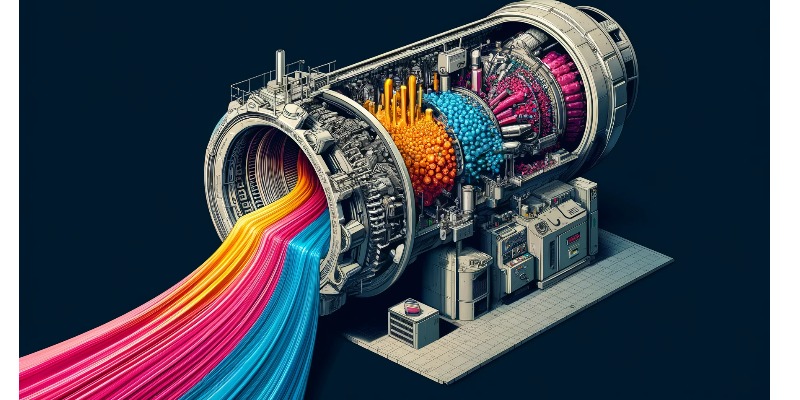
Static mixers represent an effective technology for improving the dispersion of color masterbatches without the need for moving parts. These devices utilize the geometry of their internal elements to divide, recombine, and orient the material flow to achieve homogeneous mixing. Unlike dynamic mixers, static mixers do not require external energy for movement, reducing operational and maintenance costs.
Advantages of Static Mixers
Improvement in Product Quality: The use of static mixers ensures optimal color dispersion, eliminating visual defects such as spots and streaks.
Cost Reduction: The ability to achieve uniform dispersion with fewer quantities of masterbatch reduces the direct costs of materials.
Versatility: Available for different processes, such as injection molding and extrusion, and adaptable to various types of resins and dyes.
Sustainability: By minimizing the use of dyes and the generation of waste, static mixers help reduce the environmental footprint of plastic production.
Key Components of the Static Mixer
The Body of the Static Mixer: Structure and Materials
The body of the static mixer is the structural element that encloses and supports the mixing elements, providing the channel through which the molten plastic material and color masterbatches pass during the mixing process.
The design and construction of the mixer body are crucial to ensure efficiency, durability, and optimal integration into the production process.
Key Features
Resistance to High Temperatures and Corrosion: During the mixing process, the mixer body must withstand high temperatures and, depending on the materials treated, possible corrosive agents. This resistance is vital to maintain the structural integrity and functionality of the mixer over time.
Chemical Compatibility: The material of the body must be compatible with a wide range of polymers and dyes used in the plastics industry, avoiding chemical reactions that could alter the properties of the finished product or damage the mixer itself.
Internal Geometry: The internal geometry of the mixer body is designed to optimize material flow and facilitate effective mixing through static elements. This includes consideration of the flow channel shape, surface finish, and any specific features required for particular applications.
Materials Used for Making a Static Mixer
Stainless Steel: It is the most commonly used material for the body of static mixers in the plastics industry, thanks to its excellent resistance to corrosion, high temperatures, and compatibility with a wide variety of materials.
Special Alloys: For applications requiring specific features, such as greater resistance to corrosion or temperature, special alloys can be used. Although more expensive, these materials offer superior performance in particularly aggressive environments.
Coated and Composite Materials: In some circumstances, the mixer body can be made using composite materials or may be coated with specific materials to enhance resistance to corrosion, reduce material adhesion, or for economic reasons.
Factors in Choosing a Static Mixer
The selection of the static mixer body requires careful consideration of several factors:
Production Process: The type of production process (e.g., extrusion or injection molding) can influence the choice of material and geometry of the mixer body.
Material to be Processed: The chemical and physical nature of the polymers and dyes used determines the chemical resistance and thermal requirements of the mixer body.
Operational Conditions: The specific conditions of temperature, pressure, and flow in the production process affect the selection of material and design of the mixer body to ensure optimal performance and durability.
In conclusion, the body of the static mixer plays a crucial role in the success of the entire mixing process, directly influencing efficiency, product quality, and the durability of the system. Careful selection of material and geometry, based on a thorough understanding of the process needs and the properties of the materials handled, is essential to achieve the best results in the coloring of plastics.
Energy Efficiency of Static Mixers in the Coloring of Plastics
Energy efficiency is a crucial factor in the plastics industry, not only to reduce operational costs but also to minimize the environmental impact of production. Static mixers, thanks to their specific design and mode of operation, emerge as highly energy-efficient solutions in the coloring phase of plastic materials.
Principles of Energy Efficiency
No Moving Parts: Unlike dynamic mixers that require electric motors for the movement of paddles or blades, static mixers operate without any moving parts. This eliminates the need for additional energy to operate the device, significantly reducing the overall energy consumption of the mixing process.
Optimization of Material Flow: The internal geometry of static mixers is designed to create an optimal laminar flow that ensures effective mixing without the need for additional mechanical force. This approach not only improves the quality of the mixing but also minimizes flow resistance, further reducing the energy needed to transport the material through the mixer.
Integration into Existing Processes: Static mixers can be easily integrated into existing production systems without the need for significant modifications. Their passive operation results in minimal disruption to workflows and the ability to operate in synergy with the energy efficiency of existing facilities.
Tangible Benefits of Using a Static Mixer
Reduction in Operational Costs: The lower energy consumption of static mixers directly translates into reduced operational costs. This advantage is particularly significant in large-scale productions where even small efficiencies can accumulate substantial savings over the long term.
Environmental Sustainability: Energy efficiency contributes to reducing the carbon footprint of the plastics industry. By using less energy, static mixers help companies move towards more sustainable production practices, in line with increasing regulatory pressures and consumer expectations for greater environmental responsibility.
Reduced Maintenance: The absence of moving parts significantly reduces the need for maintenance and related production interruptions, indirectly contributing to energy efficiency. Fewer maintenance requirements mean less downtime and more efficient use of resources.
Reducing Production Costs through the Use of Static Mixers
The use of static mixers in the plastics industry offers significant advantages in terms of reducing production costs, especially in the coloring phase of materials. This section examines how static mixers contribute to reducing both direct and indirect costs, positively affecting the profitability of production operations.
Direct Reduction in Material Costs
Efficiency in Using Colored Masterbatches: One of the main advantages of using static mixers is their ability to disperse pigments from the masterbatch more uniformly and efficiently within the plastic resin. This efficiency allows achieving the desired shade using smaller quantities of masterbatch compared to traditional methods, leading to significant savings on material costs.
Minimization of Production Waste: Uniform dispersion of dyes reduces the likelihood of visual defects such as streaks, spots, or color inhomogeneity in finished products. This translates into a smaller amount of production waste and, consequently, savings on costs related to re-melting, recycling, or disposing of defective materials.
Optimization of Resources: The ability of static mixers to work effectively with different types of polymers and dyes allows companies to standardize mixing equipment, reducing the need for specialized devices. This aspect contributes to greater production flexibility and further cost containment.
Indirect Reduction in Operational Costs
Energy Efficiency: As previously mentioned, the absence of moving parts in static mixers significantly reduces energy consumption, leading to a reduction in operational costs related to energy.
Reduced Maintenance: The simplicity of construction and the absence of moving parts in static mixers minimize maintenance needs. This reduces maintenance costs and downtime, improving the overall productivity of the plant.
Durability and Reliability: The robustness and resistance to corrosion and high temperatures of the materials used for the bodies of static mixers ensure a long service life. The reduced need for replacement or repair further contributes to cost savings in the long term.
Impact on Profitability
The combination of these advantages—from reducing the consumption of raw materials to decreasing energy costs and maintenance—translates into a positive impact on the profitability of companies. Improved operational efficiency and superior quality of finished products can also strengthen the competitive position of companies in the market, attracting customers through the offer of high-quality products at competitive prices.
Choosing the Right Static Mixer
Choosing a suitable static mixer for the production of colored plastic materials involves a thorough assessment of various critical factors directly related to the production process itself. These factors influence not only the efficiency and effectiveness of the mixing but also the quality of the finished product, energy efficiency, and the reduction of production costs. Below, we examine the main critical factors for selecting a static mixer in relation to the production process.
Type of Production Process
The first critical factor concerns the specific type of production process in which the static mixer will be integrated, such as extrusion or injection molding. Each process has unique characteristics that influence the choice of mixer:
Extrusion: Requires static mixers capable of handling continuous material flows and that can be effectively integrated into extrusion lines. The choice might lean towards mixers with a greater ability to manage material pressure and volume.
Injection Molding: Here, the mixer must be able to handle intermittent production cycles with rapid changes in pressure and volume. A compact design that can be integrated close to the injection chamber might be preferable to minimize thermal degradation of the material.
Materials to be Processed
Selecting an appropriate static mixer for coloring plastics requires a deep consideration of the materials to be processed. This aspect is crucial because the physical and chemical characteristics of the polymers and color masterbatches directly affect the efficiency of mixing and the quality of the finished product. Below, we analyze the critical factors related to the material to be processed that must be evaluated when choosing a static mixer.
Polymer Viscosity
The viscosity of the melted polymer is one of the determining factors in choosing a static mixer. Materials with different viscosities require specific configurations of mixing elements to ensure homogeneous dispersion of the masterbatch:
High Viscosity Materials: Require mixing elements that create wider flow channels or specific geometries to facilitate material movement and ensure effective mixing.
Low Viscosity Materials: Can be processed effectively with narrower mixing elements that increase the interaction between the polymer and the masterbatch, improving color dispersion.
Thermal Properties
The thermal stability of the polymer and masterbatch is another critical factor. Heat-sensitive materials require a mixing process that minimizes exposure to high temperatures to prevent degradation. Selecting a mixer that ensures quick and efficient dispersion can help reduce the material's dwell time at high temperatures.
Chemical Compatibility
The chemical reaction between the material being processed and the static mixer, including its internal elements, can influence the choice of construction material for the mixer:
Corrosion: Corrosive materials require a mixer built with corrosion-resistant alloys or advanced materials to avoid product contamination and mixer corrosion.
Adhesion: Some materials tend to adhere to the internal surfaces of the mixer, requiring the use of materials or coatings that minimize adhesion to facilitate cleaning and maintain mixing efficiency.
Particle Size and Shape of Masterbatch
The size and shape of masterbatch pellets or particles can affect the mixing dynamics within the static mixer. Materials with different granulometries may require specific configurations of mixing elements to ensure uniform distribution of color in the melted polymer.
Concentration and Type of Dye or Additive
The concentration and type of dye or additive in the masterbatch determine the difficulty of achieving uniform dispersion and can influence the choice of mixer:
High Concentration: Masterbatches with a high concentration of pigments or additives require more intense mixing to prevent clumping and ensure uniform color.
Type of Additive: Specific additives may require particular mixing conditions, such as specific temperatures or mixing times, influencing the choice of mixer design and material.
Production Capacity
The desired production capacity can influence the size and design of the static mixer. Mixers with a larger internal volume or a specific arrangement of mixing elements may be necessary to handle high production volumes while maintaining the effectiveness of mixing.
Integration into Existing Workflow
The ease with which the static mixer can be integrated into existing production systems, without requiring significant modifications to the infrastructure or processes, is a critical factor. This includes considerations about the physical configuration of the plant, material flow logistics, and compatibility with other equipment.
Environmental and Safety Considerations
Finally, environmental and safety regulations can influence the choice of static mixers, especially in terms of the materials used, emissions, and energy consumption. Compliance with local and international regulations is essential to ensure sustainable and safe production.
Operational Conditions of a Static Mixer
Choosing an optimal static mixer for the coloring process of plastic materials must carefully consider the specific operational conditions in which the device will be used. These conditions can vary widely based on the type of production process, the nature of the materials handled, and the qualitative goals of the finished product. Below, we examine the critical factors related to the operational conditions that influence the choice of a static mixer.
Process Temperature
The temperature at which the polymer and masterbatch are processed is crucial for selecting the static mixer. Different materials require specific processing temperatures to ensure proper melting and mixing:
Heat-Sensitive Materials: For polymers or dyes sensitive to high temperatures, it is necessary to choose a mixer that minimizes temperature increase during mixing, possibly through a design that promotes rapid heat transfer.
High Melting Temperature Materials: Polymers that require high melting temperatures need mixers made from materials that can withstand such conditions without degrading or altering the properties of the product.
Process Pressure
The pressure under which the material is processed in the static mixer can vary significantly and has a direct impact on the selection of the device:
High Pressure: Processes operating at high pressure require robust static mixers, capable of withstanding without deforming or losing mixing efficiency.
Pressure Variations: Processes that experience wide fluctuations in pressure require a mixer designed to maintain consistent performance through these variations, ensuring homogeneous mixing regardless of pressure fluctuations.
Flow Rate
The speed at which material passes through the static mixer affects the quality of the mixing and overall production:
High Flow: A high flow rate requires a mixer that can handle rapid volumes of material while maintaining uniform dispersion of dyes and additives.
Low Flow Rate: For processes with slower flows, a mixer with mixing elements specifically designed to optimize contact between the polymer and masterbatch might be necessary to prevent material segregation.
Available Space
The size and configuration of the space where the static mixer will be installed play a significant role in selecting the device. It is essential to choose a mixer that fits into the existing infrastructure without requiring substantial modifications:
Space Limitations: In environments with limited space, a compact mixer or one specifically designed to integrate into tight spaces may be necessary.
Maintenance Accessibility: It's important to consider not only installation but also ease of access for maintenance or cleaning operations.
Operational Duration
The expected operational duration without interruptions is crucial for high-efficiency processes. Static mixers built with durable materials and designed for prolonged operations can reduce downtime and improve production continuity.