- PVC and aluminum windows: why their recycling is strategic in sustainable construction
- PVC-U in windows and doors: technical characteristics and environmental benefits
- Coextrusion in windows and doors: innovation for the sustainability and quality of PVC
- Technical recycling of PVC: from the construction site to the recycled granule, all the phases
- Recycling aluminum from window frames: how it happens and what environmental benefits it has
- Gaskets and hardware: why their recovery is essential for effective recycling
- How to reuse recycled PVC: main industrial and construction applications
- PVC recycling in Europe: achievements and objectives of the VinylPlus programme
Discover How Technical Recycling of Discarded PVC Window Frames Works, the Characteristics of the Polymer, and What New Products Are Made from the Recycled Material
By Marco Arezio
In recent years, the topic of sustainable recycling of PVC and aluminum window frames has become increasingly important in construction management, especially when dealing with energy retrofit strategies and sustainable renovation of existing buildings. As interventions for building recovery multiply, it becomes crucial to responsibly manage waste materials, taking into account the environmental, economic, and regulatory implications involved.
The Unique Characteristics of PVC-U
The PVC used in the production of window frames, technically referred to as PVC-U (unplasticized PVC), stands out for its ability to provide high rigidity and sturdiness without the need for additional plasticizers. This particular polymeric material has intrinsic properties such as resistance to deformation under extreme thermal variations, notable durability against weathering, and excellent insulating capacity—both thermally and acoustically.
Furthermore, its low maintenance requirements contribute to extending its useful life even further, making it particularly suitable for sustainable construction applications and for effective and long-lasting recycling processes.
Innovation in Manufacturing: Coextrusion
One of the most significant technological innovations in PVC window frame production is the coextrusion technique, an advanced process that simultaneously bonds distinct layers of virgin PVC and recycled PVC within a single extruded profile.
During coextrusion, two separate flow channels feed into a common die head, allowing for the creation of a finished product composed of an external layer of virgin PVC—ensuring excellent aesthetic performance and a uniform surface resistant to aging—and an internal layer of recycled PVC, which contributes to the sector’s environmental sustainability and circular economy efforts.
This technology not only maintains the product’s structural performance, guaranteeing rigidity and durability over time, but also adds value to recycled material by significantly reducing the need for virgin resources, thereby minimizing environmental impact and supporting responsible resource management practices.
How PVC Recycling Takes Place
PVC recycling is a complex process requiring meticulous organization and specific techniques to ensure the quality of the resulting secondary raw material. First, discarded PVC window frames are collected at construction sites or authorized collection centers and undergo an initial disassembly phase, during which glass, seals, hardware, and other non-plastic components are carefully removed.
Next comes mechanical shredding, carried out with specialized mills capable of reducing the plastic into fragments of uniform and manageable size. This step greatly facilitates the subsequent treatment, which consists of thorough washing to remove as much paint, adhesives, dust, organic contaminants, and any other potentially harmful impurities as possible.
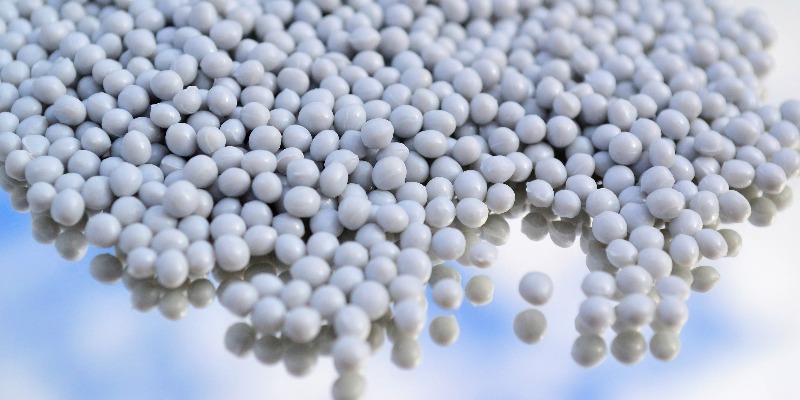
Once cleaning is complete, the material is subjected to a controlled drying phase, generally using hot air systems or specific dehumidification technologies. Finally, the clean and dry PVC is converted—via extrusion or granulation—into uniform granules, ready to be reintroduced into industrial production cycles. These granules maintain high quality standards and contribute to the overall sustainability of the sector.
Recycling Aluminum: Energy Efficiency and Environmental Benefits
Aluminum is another widely used material in green building, recognized for its excellent mechanical properties and high recyclability. After separating any extraneous materials such as glass and seals, the aluminum is melted at high temperatures and transformed into pure ingots.
This method is extremely advantageous in terms of energy savings, allowing for up to a 95% reduction in energy consumption compared to primary aluminum production. Such a practice also has substantial environmental benefits, significantly lowering greenhouse gas emissions and helping to conserve natural resources.
The Importance of Accessories in the Recovery Process
Even seemingly secondary elements, such as rubber seals and metal hardware, play a crucial role in the recycling process and require careful, technically advanced management.
Seals, made mostly from vulcanized elastomers, can undergo advanced treatments like chemical or thermochemical devulcanization.These procedures break the crosslinks within the material, yielding a processable rubber that can be reused in high-quality products such as technical flooring for industrial settings, shock-resistant linings, acoustic and thermal insulating materials, and specific components in the automotive sector.
Metal hardware—generally composed of steel, aluminum, or brass alloys—undergoes an initial mechanical shredding that breaks the material down into small parts, facilitating subsequent separation.
This separation is carried out through magnetic separation technologies that efficiently isolate ferrous from non-ferrous metals, or through density-based methods that take advantage of different material densities, such as vibrating tables or flotation systems in fluid media. Such technical precision ensures a high recovery rate of metals, allowing for their efficient reintegration into metallurgical production chains and thereby contributing to the overall economic and environmental sustainability of the recycling process.
Industrial Applications of Recycled PVC
Recycled PVC is an extremely versatile resource, with a wide range of industrial applications, thanks to its mechanical and thermal properties that closely resemble those of virgin material.
In the construction sector, aside from its traditional use in making electrical conduits, roller shutters, baseboards, fencing, and coextruded window profiles, recycled PVC is also employed in the manufacturing of insulation panels, cladding sheets, and prefabricated components for modular buildings.
In agriculture and urban infrastructure, recycled PVC is used to produce advanced drip irrigation systems, pipes for stormwater drainage, and modular structures for greenhouses and agricultural sheds. Moreover, in the field of urban design, it is used to create benches, planters, noise barriers, and playground equipment.
The electrical industry benefits from its insulating properties and chemical resistance in the production of cable ducts, junction boxes, supports, and casings for electronic devices and industrial wiring systems. The versatility of recycled PVC thus not only significantly reduces the consumption of virgin resources but also supports industrial strategies focused on sustainability and minimizing environmental impact.
The Benefits of Recycling: Economic and Environmental
Widespread adoption of effective recycling systems offers numerous economic and environmental advantages. First of all, it significantly reduces emissions of carbon dioxide and other pollutants, making a tangible contribution toward international climate change mitigation objectives. Moreover, it cuts down on the volume of waste sent to landfills, alleviating overall environmental impact. This approach fosters the development of circular production chains, encouraging technological innovation and promoting local economic growth.
Over the past five years, PVC recycling in Europe has seen remarkable progress, thanks in part to initiatives such as the VinylPlus program, launched in 2000 and renewed with ambitious goals for 2030.
According to the VinylPlus annual report, in recent years the volume of recycled PVC has consistently exceeded 700,000 tons per year, with an ever-increasing integration of recycled material into new products, including window frames, flooring, and construction components. This progress has been accompanied by targeted technological investments aimed at improving recycling processes, thereby enhancing the quality of the recovered material and encouraging its use in more technical and structural applications.
This trend has not only contributed to achieving European sustainability targets but has also generated new specialized job opportunities, boosting the economic development of industrial districts oriented toward the circular economy. It has further strengthened Europe’s competitive position in the field of plastic polymer recycling.
© Reproduction Prohibited