






- State of the Climate 2024: How the Planet is Reaching the Point of No Return
- Climate Risk Indicators 2024: Ocean Temperatures and Deforestation at Historic Highs
- Impacts of Climate Change: Effects on Coastal Communities and the Global Ecosystem
- Global Warming and Food Security: The Serious Implications for Agriculture
- Water Crisis: Impacts of Climate Change on Drinking Water Resources
- Signs of Hope for the Climate: Slowing Deforestation and Growth of Renewable Energy
- Renewable Energy: The Growth of Clean Sources as Key to Climate Resilience
- Actions Necessary to Avoid Climate Disaster: The Importance of Environmental Sustainability
Global Climate Report: Historic Negative Records but Opportunities for a Turning Point
by Marco Arezio
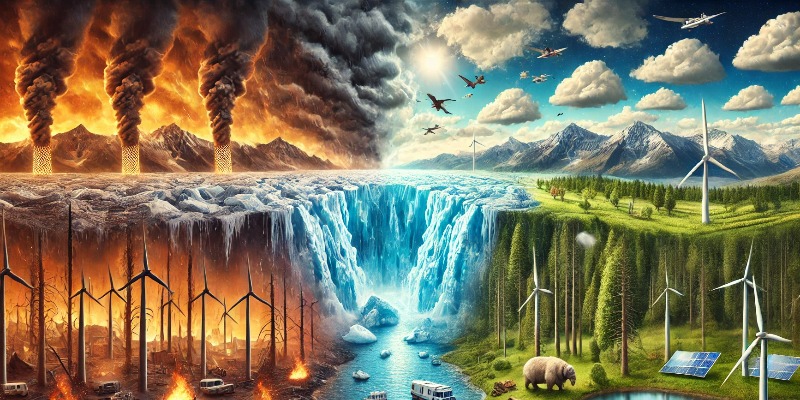
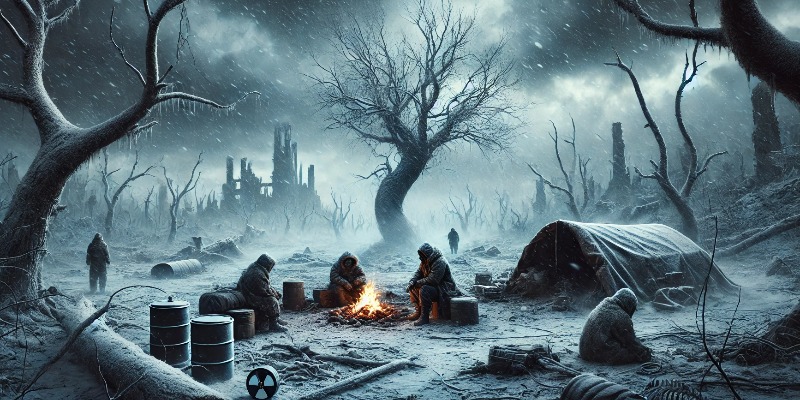
The global climate report for 2024 highlights a disconcerting truth: the planet is increasingly close to an irreversible climate disaster.
This study, published by Oxford Academic, shows that historical records have been reached in 25 out of the 35 climate risk indicators monitored, including ocean temperatures and loss of tree cover.
However, there are also signs of hope that suggest the path toward a more sustainable future is not yet entirely blocked.
Climate Risk Indicators: A Worrisome Scenario
The data reported in the study highlights a concerning situation that can no longer be ignored. Ocean temperatures have reached unprecedented levels and continue to rise, with particularly severe effects in polar regions.
Here, the warming is altering ocean currents and threatening the delicate balance of the global climate. The oceans, which are crucial regulators of the Earth's climate system, are losing their ability to absorb heat and CO2, further intensifying the climate crisis.
Ocean warming is closely linked to the increased intensity and frequency of coral bleaching events.
Coral reefs, which are home to vast biodiversity and act as a buffer against storms, are in great danger. Their loss not only threatens marine biodiversity but also jeopardizes the safety and livelihoods of coastal communities that depend on these ecosystems for their survival.
The loss of tree cover is another alarming indicator. Deforestation continues at an unabated pace, especially in tropical areas, with devastating impacts on the planet's ability to absorb CO2. Forests, often called the "lungs of the Earth," are crucial for regulating the climate and preserving biodiversity.
Their destruction not only contributes to increased greenhouse gas emissions but also jeopardizes the ecological stability of entire ecosystems, making the planet even more vulnerable to climate change.
The Consequences of Warming and Global Challenges
Rising ocean temperatures have a ripple effect on many other climate indicators. The melting of polar ice, both in the Arctic and Antarctic, has significantly accelerated, contributing to sea level rise.
This phenomenon represents a direct threat to millions of people living in coastal areas vulnerable to rising sea levels.
Extreme weather events, such as hurricanes and floods, are becoming more frequent and intense, straining urban and rural infrastructure and imposing increasingly high economic costs for reconstruction and adaptation.
Agriculture, a vital component of global food security, is also suffering the effects of climate change. Persistent heatwaves and prolonged droughts are reducing agricultural productivity, especially for staple crops like wheat, corn, and rice.
The decrease in agricultural yields is contributing to rising food prices, making food inaccessible to millions of people, especially in the poorest communities. The resulting food insecurity exacerbates global inequalities, fueling conflicts and forced migration.
Water resources are also increasingly under pressure, as climate change is altering precipitation cycles unpredictably.
Some regions face unprecedented droughts, while others are hit by intense rains and destructive floods.
Access to potable water is compromised in many areas around the world, creating further social tensions and limiting access to a fundamental right for human life.Positive Signs: Hopeful Prospects for the Future
Despite the deeply worrying global picture, there are also some encouraging signs that suggest change is possible.
The slowdown of deforestation in the Amazon is a positive example. Although deforestation has not yet been completely halted, the introduction of stricter policies and growing public awareness are making an impact.
The Amazon, often called the "lungs of the world," is essential for regulating the global climate and maintaining biodiversity; preserving it is crucial for the health of our planet.
The increase in renewable energy production is another sign of hope. Solar and wind energy are experiencing unprecedented growth thanks to public and private investments and government incentives.
This energy transition is crucial for reducing greenhouse gas emissions and moving toward a more sustainable and resilient economy.
The growing accessibility of renewable technologies also represents an opportunity for developing countries, which can accelerate the shift to cleaner energy production without relying on fossil fuels.
Local communities and non-governmental organizations are also increasingly committed to promoting environmental sustainability.
Reforestation projects, initiatives to protect natural habitats, and environmental education programs are raising awareness about sustainability issues. The adoption of more resilient and regenerative agricultural practices, such as agroforestry, is helping farmers face new climate challenges and contribute actively to mitigating climate change.
Conclusions: Acting Now to Avoid the Point of No Return
The 2024 climate report issues a clear warning: we are very close to the point of no return.
Climate conditions are rapidly deteriorating, and the risk indicators are showing alarming signs. However, progress in reducing deforestation and adopting renewable energy indicates that change is possible. This requires a collective, coordinated effort on an unprecedented scale from governments, businesses, and citizens.
Every action counts. Reducing meat consumption, choosing sustainable transport, and supporting public policies geared toward sustainability are actions that individuals can take to contribute to this fight.
Governments must continue to implement ambitious policies to reduce emissions and promote the energy transition. Similarly, companies must commit to making their operations and supply chains sustainable, reducing their ecological footprint.
Education and awareness are powerful tools for change. Understanding the impact of our daily choices on the environment is essential for adopting more responsible behaviors.
We must work together to create a culture of sustainability that places respect for our planet at its center. Only through a shared commitment and global awareness can we hope to avoid the point of no return and ensure a livable future for future generations.
© Reproduction Prohibited
Sources
Oxford Academic (2024). Global Climate Report 2024.
McGill University (2024). Climate Indicators and Future Projections.