- What are Bituminous Roofs Made with Recycled Materials
- Production Process of Bituminous Roofs with Recycled Materials
- Assembly of Bituminous Roofs Made with Recycled Materials
- Advantages of Recycled Bituminous Roofs Compared to Other Roofs
- Recycling and End of Life of Bituminous Roofs Made with Recycled Materials
- Technical books and manuals



Discover the Environmental, Technical and Economic Benefits of Recycled Bituminous Roofing Tiles
by Marco Arezio
In the contemporary construction landscape, the focus on sustainable and environmentally friendly solutions has led to the rediscovery and innovation of traditional materials and technologies, among which recycled bituminous tiles stand out.
This article aims to explore, through five dedicated points, the various aspects of this roofing solution: from its nature and production process, through the mounting techniques, to the technical, economic, and environmental advantages, up to the recycling strategies and end-of-life management.
The goal is to provide a comprehensive overview that highlights not only the importance of recycled bituminous tiles in sustainable construction but also how they fit into a broader context of circular economy and environmental respect.
What Are Recycled Bituminous Tiles
Recycled bituminous tiles are an innovative solution in the roofing landscape, offering an effective response to the growing demands of environmental sustainability.
These tiles maintain the properties of resistance and durability typical of traditional bituminous tiles but are distinguished by the use of recovered materials, significantly contributing to waste reduction and efficient resource use.
Composition and Materials
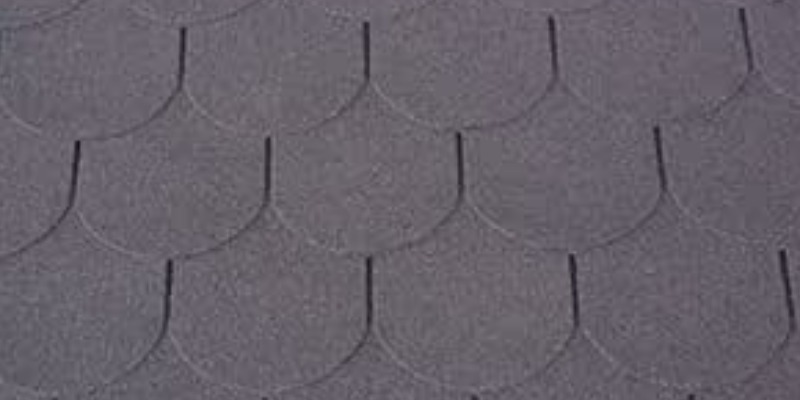
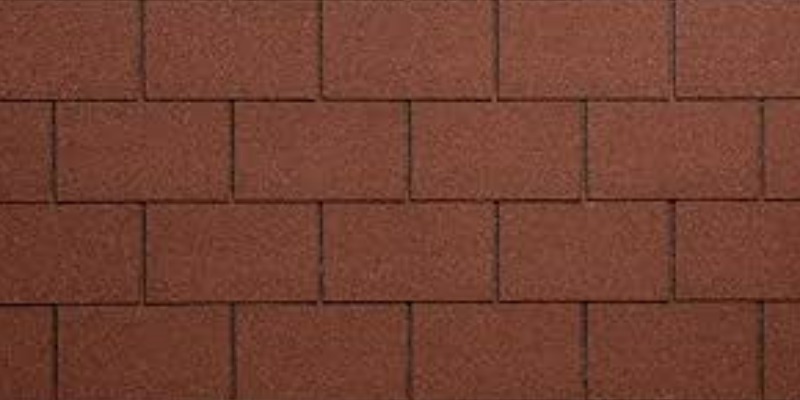
Bituminous tiles are primarily made of bitumen, a petroleum derivative, reinforced with fiberglass or cellulose fibers, and covered with mineral granules that provide color and additional protection. In the eco-sustainable version, some traditional components are replaced with recycled materials: plastic, used tire rubber, asphalt scraps, and glass.
These materials, otherwise destined for landfill, are treated and reused, reducing the environmental impact associated with the production of tiles.
Environmental Benefits
The use of recycled materials in bituminous tiles offers several environmental benefits:
Waste Reduction: Incorporating recycled materials helps decrease the amount of waste sent to landfills.
Resource Conservation: Reduces the need to extract and process raw materials, preserving natural resources.
Emission Reduction: The production process for recycled tiles generally requires less energy than producing traditional tiles, contributing to the reduction of greenhouse gas emissions.
Recycling Process
The recycling process for producing bituminous tiles includes several stages:
Collection and Selection: Materials destined for recycling, such as used tires and plastic, are collected and carefully selected to eliminate impurities.
Treatment: The selected materials are then shredded or melted, depending on their nature, to obtain a usable form for tile production.
Integration into the Production Process: The treated recycled materials are mixed with bitumen and other components to form the mass from which the tiles will be derived.
Contribution to Sustainability
The adoption of bituminous tiles made with recycled materials represents a significant step forward towards sustainability in the roofing sector. These solutions not only meet functional and aesthetic needs but also promote a circular economy model, where materials maintain their value through successive cycles of use and reuse, reducing the overall environmental impact.
In conclusion, bituminous tiles derived from recycled materials embody an emblematic example of how sustainability practices can be effectively integrated into the construction sector, offering products that are ecological, functional, and durable.
Their widespread use represents a winning strategy for contributing to environmental protection while promoting innovation and resilience in the construction sector.
Production Process of Recycled Bituminous Tiles
The production process of recycled bituminous tiles is an excellent demonstration of how technological innovation can meet sustainability. This process not only aims to produce a building material that is durable and reliable but also commits to reducing environmental impact through the efficient use of recycled resources.
Selection and Preparation of Recycled Materials
The starting point is the accurate selection of recycled materials, which must meet well-defined quality criteria to ensure the performance of the final product. Materials such as plastic, tire rubber, and asphalt scraps are collected from certified recycling centers.
Plastic: It is shredded into small pieces and cleaned to remove contaminants.
Tire Rubber: After being shredded, the rubber undergoes a process to free it from metal and textile fibers.
Asphalt Scraps: They are ground to achieve the desired granularity.
Mixing with Bitumen
The prepared materials are then mixed with bitumen. This phase requires precise temperature control to ensure that the bitumen and recycled materials bond effectively, forming a homogeneous mixture. The proportion of bitumen to recycled materials varies according to the technical specifications desired for the final tile.
Formation of the Tile
The obtained mixture is then transferred to a production line where the tile formation process takes place:
Impregnation of Reinforcement: A mat of fiberglass or cellulose fibers passes through a bituminous mixture bath, absorbing it and ensuring the tile's structural integrity.
Layering: Subsequent layers of the mixture are added to increase thickness and physical properties of the tile.
Cooling and Cutting: After layering, the tile is cooled and cut to the desired dimensions.
Addition of Mineral Granules
Once the base of the tile is formed, a layer of mineral granules is applied to the surface. These not only provide color and aesthetics to the tile but also improve UV and weather resistance. In some variants, the granules can be replaced or supplemented with finely ground recycled materials.
Quality Control
Each stage of the production process is subject to rigorous quality controls to ensure that the tiles meet the required standards in terms of strength, durability, and performance. Tests are performed to verify adherence, flexibility, and resistance to weathering agents.
Environmental Impact of the Production Process
The production process of recycled bituminous tiles is designed to minimize environmental impact. The use of recycled materials reduces dependence on natural resources and decreases the amount of waste destined for landfills. Additionally, the energy optimization of the production phases helps reduce CO2 emissions, making the process more sustainable.
Installation of Recycled Bituminous Tiles
The installation of recycled bituminous tiles is a critical phase that determines the functionality, aesthetics, and durability of the roofing. This chapter explores the optimal installation practices, integrating architectural considerations that influence the choice and application of these materials.
Surface Preparation
Before proceeding with the installation of the tiles, it is essential to properly prepare the roofing surface. This includes:
Cleaning: Removing debris, old tiles, or other materials from the roofing surface.
Inspection: Checking the integrity of the supporting structure and any damaged areas that require repair.
Waterproofing: Applying a layer of waterproof underlayment to further protect the building from water infiltration.
Guidelines for Installation
The installation of recycled bituminous tiles follows specific procedures that ensure maximum effectiveness:
Initial Placement: Tiles should be positioned starting from the lower edge of the roof, moving upwards. This ensures optimal overlap that facilitates water runoff.
Fastening: Tiles are fixed to the roofing surface using nails or specific adhesives.
It is important to follow the manufacturer's instructions for the number and arrangement of fastening points.Alignment: Maintaining precise alignment of the tiles is crucial for the aesthetic appearance and functionality of the roof. The use of guide lines or measuring tools can help ensure the uniformity of the installation.
Architectural Considerations
During the installation of recycled bituminous tiles, various architectural considerations must be taken into account:
Roof Design: The shape and slope of the roof influence the choice of tiles and installation techniques. Roofs with steep slopes or many interruptions (chimneys, skylights, etc.) require detailed planning to ensure the integrity of the roofing.
Aesthetics: The variety of colors and textures available allows the tiles to be integrated with the building's architecture, contributing to the overall aesthetic harmony. The selection should consider the environmental context and local regulations, if present.
Roof Ventilation: Proper ventilation beneath the roof surface is essential to prevent moisture buildup and extend the life of the tiles. Architectural design must include solutions for adequate ventilation.
Advantages of Recycled Bituminous Tiles Compared to Other Roofing Options
Recycled bituminous tiles offer numerous advantages over other roofing solutions, from a technical, economic, and environmental perspective. Comparing them to other types of waterproof roofing highlights the effectiveness of this innovative solution in the context of sustainable construction.
Technical Advantages
Durability: Recycled bituminous tiles are highly resistant to weathering agents such as rain, snow, and UV rays, ensuring a long lifespan for the roof.
Ease of Installation: The lightness and flexibility of bituminous tiles make them easy to install on a wide range of building structures, reducing installation time and costs.
Aesthetic Versatility: Available in various colors and textures, they allow for easy integration with the building's architecture.
Comparison with Other Roofing
Ceramic or Cement Tiles: While offering traditional aesthetics and good durability, they are generally heavier and more expensive, both in terms of materials and installation.
Metal Roofing: Although durable and lightweight, they can be more expensive and require specific maintenance to prevent corrosion.
EPDM Membranes (Ethylene Propylene Diene Monomer): Although they provide good waterproofing, they do not offer the same aesthetic variety as bituminous tiles and can be more challenging to install on roofs with many interruptions.
Economic Advantages
Cost-Effectiveness: Recycled bituminous tiles are often more affordable compared to other roofing solutions, thanks to lower material costs and ease of installation.
Maintenance: They require limited maintenance, helping to reduce costs over the long term.
Environmental Advantages
Waste Reduction: The use of recycled materials in their production process significantly contributes to reducing the amount of waste sent to landfills.
Lower Environmental Impact: Generally, the production of recycled bituminous tiles requires less energy and produces fewer CO2 emissions compared to the production of traditional tiles or other roofing materials.
Environmental Comparison
Ceramic or Cement Tiles: Although they may have a long lifespan, their production process is energy-intensive and produces a significantly higher carbon footprint.
Metal Roofing: They can be recycled at the end of their useful life, but their production requires a large amount of energy and resources.
EPDM Membranes: Despite being durable, the production of EPDM is based on hydrocarbons, and the material is less easily recyclable at the end of its useful life compared to recycled bituminous tiles.
Recycling and End-of-Life of Recycled Bituminous Tiles
The lifecycle of bituminous tiles does not end with their removal from the roof. They can be recycled and reused in various ways, significantly contributing to reducing the environmental impact of the construction sector. The recycling process is detailed in several stages, each of which plays a crucial role in transforming used tiles into valuable resources for new uses.
Collection and Transport
The process begins with the collection of bituminous tiles removed during renovation or demolition work. These are then transported to specialized recycling facilities. It is important that transportation is organized efficiently to minimize environmental impact and associated costs.
Selection and Cleaning
Upon arrival at the recycling facility, the tiles undergo a selection process to separate any non-recyclable materials or contaminants. They are then cleaned to remove nails, adhesive residues, and other debris.
Shredding
Once cleaned, the tiles are shredded into small pieces or granules. This process is essential for facilitating the subsequent transformation phase. The size of the fragments is carefully controlled to meet the specific requirements of various end uses.
Further Processing
The tile fragments may undergo further processing, depending on the needs. This can include separating additional materials, such as fiberglass from bitumen, or treatments to modify the chemical-physical properties of the recycled materials.
Reuse
The recycled materials find use in a variety of applications, including:
Asphalt for Roads: The granules of recycled bituminous tile can be integrated into the asphalt used for road paving, improving the resistance and durability of the road surface.
New Roofing: Part of the recycled material can be reused in the production of new bituminous tiles, contributing to the reduction of virgin resource consumption.
Subbases for Paving: The tile fragments can be used as material for subbases in paving projects, offering an economical and sustainable solution.
Books and Technical Manuals
"Sustainable Building Materials" by Paolo Fumagalli. This book, available in Italian, offers a comprehensive overview of eco-friendly building materials, with a particular focus on the recycling and reuse of materials in the construction sector, including a section on recycled bituminous tiles.
"Sustainable Construction: Green Building Design and Delivery" by Charles J. Kibert. Although in English, this book is a key resource for understanding the principles of sustainable construction, including recycled materials for roofing and their environmental implications.
"Recycling of Roofing Materials," an article in the Journal of Green Building. This study, though in English, delves into the recycling process of bituminous tiles and their environmental impact, providing detailed data and analysis.
"The Use of Recycled Materials in Construction: Regulations, Performance, and Case Studies" – An article available through Italian university resources, which explores Italian and European regulations related to the use of recycled materials in construction, including case studies on bituminous tiles