- Why You Should Build a Fallout Shelter for Your Family
- Needs Analysis: How to Plan Your Shelter
- Choosing the Ideal Location for the Fallout Shelter
- Materials and Structures: Building a Strong and Safe Shelter
- Essential Resources for a Self-Sufficient Shelter
- Construction Phases of an Underground Bomb Shelter
- Maintenance and Periodic Checks: Ensuring Efficiency and Readiness
- Companies Specialized in the Design and Construction of Bunkers
Discover How to Design and Build a Safe, Self-Sufficient Nuclear Shelter with Practical Tips, Specialized Companies, and Advanced Technologies for Maximum Comfort and Protection
By Marco Arezio
In an increasingly unpredictable world, ensuring your family’s safety has become a priority. Extreme weather events, nuclear threats, or health emergencies may make having a well-designed, secure shelter indispensable. Building a nuclear shelter is a significant decision that requires careful planning, but the benefits in terms of protection and peace of mind are invaluable. This guide will explore how to design and build a civil-use shelter, considering all the necessary details for an optimal result.
Why Build a Nuclear Shelter?
Imagine a scenario where you face a sudden emergency: a nuclear attack, a natural disaster, or chemical contamination. In such cases, a nuclear shelter is more than just a structure—it’s a life insurance policy.
Modern shelters are no longer bare and claustrophobic spaces. Today, they can be designed to offer a comfortable environment equipped with all the necessary amenities to face isolation periods with ease. Thanks to innovative materials and advanced technologies, it’s possible to create a shelter that is both safe and livable.
Steps to Designing Your Shelter
Assessing Your Needs
Before starting, carefully reflect on your family’s specific needs. How many people will the shelter need to accommodate? For how long must it ensure autonomy? What is the budget you’re willing to invest? Defining these aspects is the first step to designing a shelter tailored to your requirements.
For example, a family of four will need sufficient space for sleeping, eating, and daily activities. Also, consider whether the shelter will only need to withstand short emergencies or provide self-sufficiency for months.
Choosing the Location
The shelter’s location is crucial. It must be built in a safe area, preferably near your home, but away from seismic zones or flood-prone areas. The soil should be stable and suitable for supporting an underground structure.
Once the location is chosen, consider the shelter’s depth. Greater depth provides superior protection against radiation and impacts but also involves higher construction costs and timelines.
Designing the Structure
The shelter's structure must be robust and designed to protect against explosions, radiation, and chemical contamination.
Walls and Ceilings: Reinforced concrete is the most commonly used material due to its strength. Walls should be at least 30–120 cm thick to ensure adequate protection.
Access Door: It must be armored and airtight, designed to withstand high pressure and prevent harmful substances from entering.
Ventilation Systems: It is essential to install HEPA filters and activated carbon systems to purify the air from radioactive or chemical agents. An emergency ventilation system must be included in case of malfunctions.
Resources for Self-Sufficiency
A nuclear shelter must be able to ensure self-sufficiency for the required time.
Water: Install high-capacity tanks with filtration and purification systems. Calculate at least 4 liters of water per person per day.
Food: Store freeze-dried or canned foods with long shelf lives. Plan an adequate supply for the intended duration.
Energy: A generator is fundamental, but also consider installing solar panels and batteries to reduce fuel dependency.
Waste Management: Plan a system to treat wastewater and safely dispose of waste.
Building the Shelter
Excavation and Site Preparation
The first step is excavating the site. This work requires specialized machinery and thorough soil evaluation to ensure stability.
Once excavation is complete, proceed with laying the foundations, which must be robust and well-insulated.Constructing the Main Structure
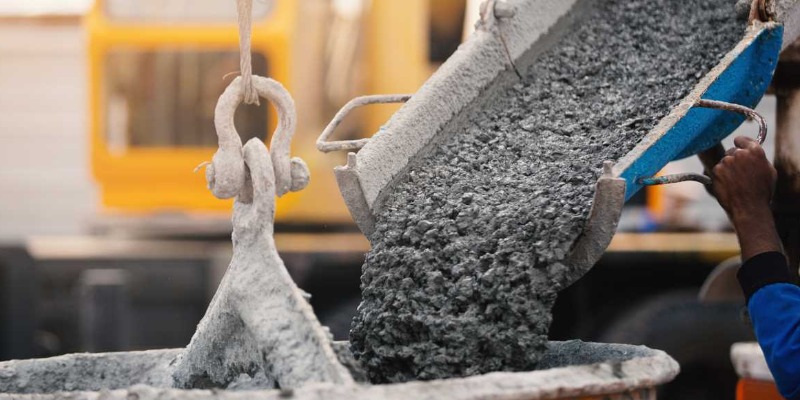
The main structure is built using reinforced concrete and steel. The walls should be reinforced and equipped with insulating materials to maintain a stable temperature inside the shelter.
Installing Systems
Once the structure is complete, it’s time to install the systems:
Ventilation: The ventilation system is essential for providing clean air and preventing CO2 buildup.
Electricity: Generators should be installed in a separate area to reduce contamination risks.
Lighting: Use LED lights to reduce energy consumption and create a comfortable environment.
Interior Fittings
The shelter's interiors should be carefully designed to ensure comfort and functionality. Install foldable beds, multifunctional furniture, and spaces dedicated to relaxation. A compact kitchen and a chemical or composting toilet are essential for managing daily needs.
Maintenance and Use
A nuclear shelter requires periodic maintenance to remain ready for use. Regularly check the ventilation, energy, and water supply systems. Replace air filters and update food supplies annually.
Specialized Companies for Building Bunkers
If you wish to rely on experts for your shelter's construction, several specialized companies can offer customized, high-quality solutions. Here are some of the main ones:
Vivos Group (USA): Specializing in luxury shelters, this company provides highly customizable and integrated solutions. Their shelters are equipped with advanced technologies, such as state-of-the-art air filtration systems, backup energy generators, and tailored furnishings to ensure maximum comfort. Vivos Group handles every stage, from design to construction, and also offers community shelters for those who wish to share spaces with other families, combining safety and socialization.
Atlas Survival Shelters (USA): Recognized as a world leader in prefabricated bunkers, Atlas Survival Shelters offers reliable and robust solutions for various needs. Their catalog includes modular shelters that can be installed quickly, with customizable configurations to meet specific requirements. These bunkers are designed to withstand explosions and radiation and come equipped with advanced systems for ventilation, water treatment, and energy generation. Atlas also provides excellent consultancy services to guide customers in choosing the ideal solution, for both domestic and commercial use.
Bunker Schutzraum GmbH (Germany): A European company specializing in highly personalized shelters, designed to ensure maximum safety and comfort. Their shelters are built with top-quality materials, such as reinforced steel and high-density concrete, to resist explosions and chemical or nuclear contamination. They offer a wide range of customization options, including advanced air filtration systems, soundproof chambers, and sustainable energy solutions. The company employs a team of expert engineers and provides consultations to tailor each shelter to clients’ specific needs, ensuring a reliable, bespoke result.
These companies can guide you through every stage, from design to construction, ensuring a shelter that fully meets your needs.
Conclusion
Building a nuclear shelter is a significant investment, but with careful planning and expert help, it can provide your family with invaluable protection. Carefully assess your needs, choose the best materials, and rely on professionals to ensure a safe and durable result. A well-designed shelter is not only a safety measure but also a responsible step toward your family’s future.
© All Rights Reserved