







- Material Essentiality: Minimize to Maximize
- Advanced Strategies for Recycling in Packaging
- Reuse and Recycle: Materials that Make the Difference
- Innovative Design for Efficient Packaging
- Towards Zero Waste: Waste Reduction Practices in Packaging
- Sustainability in Design: Combining Aesthetics and Ecology
- Pioneering Materials: The Vanguard of Sustainable Packaging
- Environmental and Economic Impact of Eco-friendly Packaging
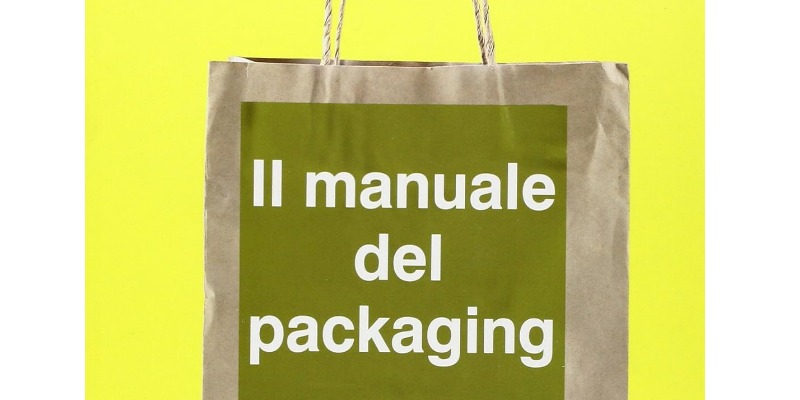
Principles, Practices, and Innovations for a Future where Packaging Nourishes the Planet
by Marco Arezio
In today's context, where circular economy and environmental sustainability are becoming increasingly central, packaging transforms from a mere container to a protagonist in reducing the environmental impact of products.
Sustainable packaging design not only aims to minimize the use of natural resources and reduce waste but also optimizes recycling processes and ensures effective protection of the content.
Let's take a closer look at how these considerations translate into concrete practices, exploring some fundamental principles and successful examples in the industry.
Minimizing Material Usage
In the context of sustainable design, minimizing the material used is not only an ecological practice but also an economic and logistical necessity.
Focusing on minimizing the materials used in packaging not only reduces the use of natural resources but also lightens the load on waste management systems and reduces transportation costs.
For example, using recycled or Forest Stewardship Council (FSC) certified paper for box production ensures that the wood comes from responsibly managed forests while allowing experimentation with reduced thicknesses that maintain the necessary robustness to protect the contents.
Similarly, in the field of plastic materials, designing modular containers that use less material or are designed to be refilled reduces waste generated and promotes a culture of reuse.
For metals, adopting lighter but robust alloys reduces the material needed for cans and other packaging, maintaining protective properties but with a lower environmental impact.
Facilitating Recycling
Facilitating recycling is fundamental to closing the material life cycle. This goal is achieved by designing packaging that can be easily disassembled or is composed of a single material, thus simplifying the recycling process.
Eliminating the use of permanent adhesives or composite materials that cannot be easily separated is crucial.
Clear recycling instructions, such as easily visible and understandable symbols, help consumers identify the correct disposal method, encouraging responsible and informed behaviors.
This principle is effectively applied when, for example, labels on glass or metal containers are designed to be removed without residue, ensuring that the recycled material is of high quality and free from contamination.
Using Recycled and Recyclable Materials
The adoption of already recycled and easily recyclable materials is essential to support the environment and reduce the ecological footprint.
Corrugated cardboard made with a high percentage of recycled fiber not only demonstrates the effectiveness of recycling but also serves as an example for the industry of how recycled materials can be reused without compromising quality or safety.
Similarly, the use of recycled PET in beverage bottles not only reduces dependence on petroleum as a raw material but also shows how materials can have a second useful life.
Aluminum, with its ability to be infinitely recycled without losing quality, represents an ideal model of material sustainability in the metal sector.
Innovation and Design for Efficiency
Innovation in design is crucial to overcoming the challenges posed by the need for more sustainable packaging.
For example, the introduction of foldable packaging that does not require adhesive tape not only reduces the material used but also simplifies the recycling process.
Plastic bottles that change color to indicate when they are empty can increase the likelihood that they will be recycled correctly.
Regarding metal, cans with easily removable labels prevent contamination of recycled materials, increasing the efficiency of the recycling process.
Through these insights, we can see how every aspect of packaging design is interconnected with sustainability principles that not only respect the environment but also offer economic and practical benefits, highlighting the importance of a holistic approach in designing the packaging of the future.







