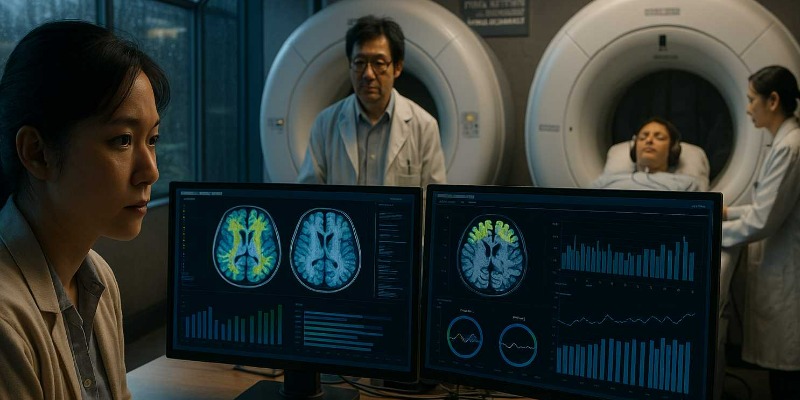
The fifth chapter of the novel tells the border between science, ethics and humanity in a society increasingly marked by new technologies. In the heart of the Kyoto Institute for Advanced Neuro-Economics, an innovative experiment tests trust and cooperation between volunteers, involving a mysterious pill called LYL-8.
Between laboratories, international conferences and market simulations, profound reflections emerge on the emotions that guide our daily choices. The plot unfolds between scientific discoveries, moral tensions and a question that runs through the entire chapter: what remains of man when anger, fear and revenge are silenced by chemistry? Through the stories of Aya Nakamura, Haruto Ishikawa and other characters, the reader is invited to reflect on the value of trust, the complexity of feelings and the possible consequences of a society that is too peaceful. A chapter full of current questions, which questions the future of Homo sapiens and the nuances of living together.
A team of Japanese scientists announces the molecule LYL 8, capable of inhibiting the negative impulses of the amygdala; financial markets, governments and bioethicists question the impact of a society without anger
Stories. Osaka unveils LYL 8: the first ‘anti-anger pill’. Chapter 5 – The new heart of Homo sapiens
The dawn of March 23, 2025, arrives gray and weary. Light rain falls gently on the polycarbonate skylights of the Kyoto Institute for Advanced Neuro-Economics, tracing streams that race toward the gutters. The city awakens slowly, like someone aware that a long, question-filled day awaits.
In the institute’s basement, the corridors carry the reassuring scent of concrete and the livelier aroma of American coffee someone left behind in a thermos. At the end of one of these corridors, an oval room houses two large MRI machines: silent giants, linked together by a bundle of cables that resemble the veins of a mysterious animal.
Natsumi Sugawara, a precise and discreet engineer, adjusts the settings of the machines with the patience of someone who has learned not to be distracted by the outside world’s news.
Her colleague, Haruto Ishikawa, wears an unbuttoned lab coat and glasses always slightly fogged. He has a gentle manner and tries to put the volunteers at ease, handing out headphones and words of encouragement. Many feel like students on the eve of an important exam.Some of the volunteers have taken a microdose of a new pill, LYL-8, which promises calm, serenity, a sort of artificial inner peace. Others have taken only a placebo, identical in appearance but with no effect. All are there to take part in an experiment that might forever change the way we understand trust.
The test is a repeated version of the famous Prisoner’s Dilemma: a test of trust, where each person must choose whether to cooperate with the other or think only of themselves, knowing that the result will affect not just their own score but also that of the person across from them. The money at stake is only virtual, but the weight of each decision is real, tangible—like every click on the keyboard is a handshake that might change the course of a relationship.