- Optimization of process parameters in plastic molding
- Real-time quality control with machine learning
- Predictive maintenance: preventing failures in plastic molding
- Simulation of innovative materials thanks to artificial intelligence
- Reduction of waste and improvement of production efficiency
- Machine vision for molding defect identification
- Machine learning and sustainability: working with recycled materials and bioplastics
- Demand forecasting and supply chain optimization in molding
Discover How Artificial Intelligence is Revolutionizing Injection Molding by Optimizing Production Parameters, Reducing Waste, and Enhancing Sustainability
by Marco Arezio
Plastic molding is one of the most widely used industrial processes, a cornerstone of manufacturing across a broad spectrum of sectors. However, despite its established nature, this technique still presents significant challenges, such as optimizing parameters, reducing waste, and improving product quality. In this context, machine learning (ML) is emerging as a groundbreaking technology capable of transforming traditional methods and introducing a new paradigm based on efficiency, precision, and sustainability.
An Ancient Technology Meets Artificial Intelligence
The art of plastic molding relies on injecting molten materials into predefined molds, where they cool and take shape. While the principle is straightforward, controlling the variables that influence the final product's quality requires expertise and attention. Temperature, pressure, injection speed, and cooling times must be calibrated precisely, as an error in any of these parameters can result in defects like warping, bubbles, or irregular surfaces.
Historically, this optimization has been an empirical process, dependent on the skills of technicians. However, the growing complexity of materials, the demand for cost reductions, and the pressure for greater sustainability require more advanced solutions. This is where machine learning comes into play.
Intelligence That Learns from Data
Machine learning, a branch of artificial intelligence, is based on algorithms capable of analyzing vast amounts of data, identifying patterns, and making autonomous decisions. In the context of plastic molding, ML systems can process information from sensors embedded in machinery and translate it into real-time corrective actions.
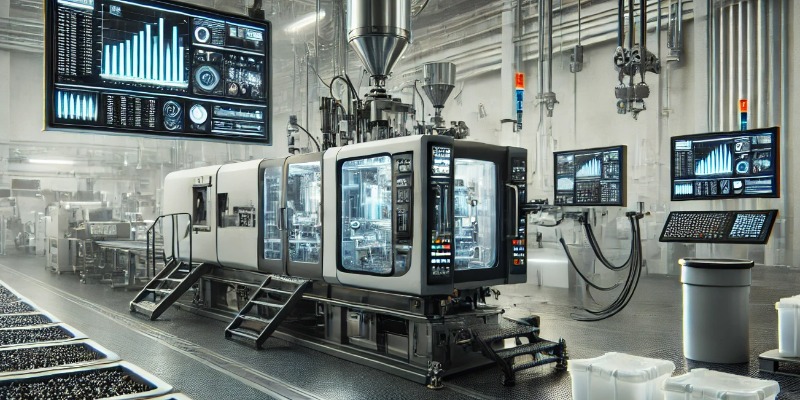
Imagine a molding machine equipped with sensors that continuously monitor variables such as temperature, pressure, and material viscosity. The data collected is analyzed by predictive models that not only identify optimal configurations for a specific product but can also adapt to sudden changes, such as variations in material composition or environmental conditions. This continuous learning enables more precise calibration, minimizing defects and waste.
A New Era of Quality Control
A critical aspect of molding is quality control, which traditionally requires manual inspections or post-production testing. Machine learning, combined with vision systems, enables real-time quality monitoring directly on the production line. Using convolutional neural networks, machinery can detect defects like warping, cracks, or surface imperfections with greater accuracy than human inspectors.
This technology goes beyond simply identifying defective products; it also provides instant feedback, allowing operators to adjust operational parameters and prevent recurring errors. The result is a smoother production process, consistent quality, and reduced resource waste.
Predicting Problems Before They Occur
Another area where machine learning makes a significant impact is predictive maintenance. Molding machinery, like any industrial equipment, is subject to wear and tear, which can lead to costly downtime. By analyzing sensor data, ML can identify early signs of anomalies. Unusual vibrations, fluctuations in energy consumption, or changes in cycle times can signal the need for intervention, enabling maintenance to be scheduled in advance and minimizing downtime.
A New Approach to Materials
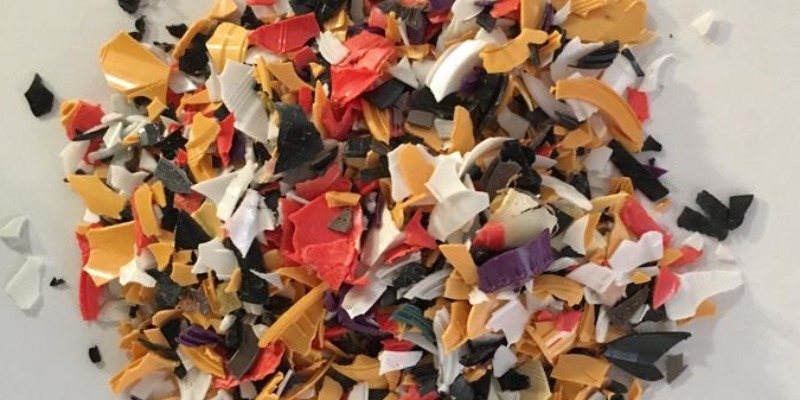
As sustainability becomes a priority, manufacturers are experimenting with more eco-friendly materials, such as bioplastics and recycled polymers. However, these materials have different properties compared to traditional plastics, requiring a more flexible approach to processing. Machine learning can simulate the behavior of new materials during molding, predicting flow or cooling issues and optimizing parameters without the need for extensive physical testing.
Beyond the Process: Supply Chain Efficiency
The potential of machine learning extends beyond the production floor. By analyzing historical data and market trends, algorithms can forecast future product demand, optimize raw material orders, and reduce excess inventory. This systemic approach ensures that every phase of production, from supply to distribution, is optimized to cut costs and enhance overall efficiency.
Future Prospects
The combination of machine learning and plastic molding represents a tremendous opportunity for the manufacturing sector. Beyond immediate benefits in quality, efficiency, and sustainability, this technology paves the way for even more ambitious innovations. Integration with digital twins, advanced robotics, and even quantum computing promises to further revolutionize the production process, making it increasingly intelligent and adaptable.
Conclusion
Machine learning is not just cutting-edge technology but a necessity for the future of the plastics industry. In an era where precision, sustainability, and competitiveness are more critical than ever, adopting AI-based solutions means not only improving operational efficiency but also contributing to a more responsible industry. This is the future of plastic molding: intelligent, sustainable, and continuously evolving.
© Reproduction Prohibited