




- Properties and Types of Polymers Used in Electronic Displays
- Polyethylene Terephthalate (PET), Polyethylene Naphthalate (PEN) and Polyimide (PI)
- Conductive Polymers and Specialty Coatings
- Recent Developments in Advanced Polymers
- Graphene and Two-Dimensional Display Materials
- Shape Memory Polymers and Advanced Coating Techniques
- Applications in Mobile Devices and Televisions
- Problems and Future Prospects
Developments in the Use of Polymers in Foldable and Transparent Screens for Mobile Devices and TVs
by Marco Arezio
In recent years, the evolution of electronic devices has experienced significant acceleration thanks to the development of innovative materials that combine flexibility, transparency, and resilience.
Flexible and transparent polymers have become a crucial component for the new generation of electronic displays, including foldable and transparent screens for mobile devices and TVs.
These materials offer significant advantages in terms of design, energy efficiency, and durability, enabling the realization of innovative products that, just a few years ago, seemed like visions of the future.
In this article, we will explore recent technological developments in the use of polymers for electronic displays, focusing on the technical challenges and future applications of these advanced materials.
Properties and Types of Polymers Used in Electronic Displays
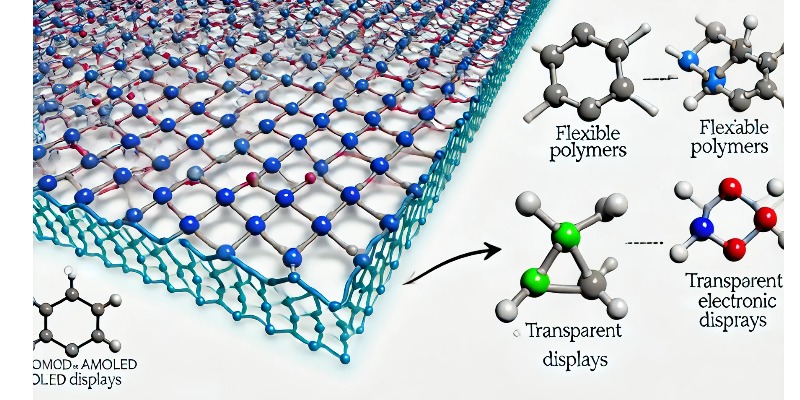
The polymers used in electronic displays must meet a series of fundamental requirements, such as high optical transparency, mechanical flexibility, thermal stability, and resistance to chemical agents.
Among the most commonly used polymers are polyethylene terephthalate (PET), polyethylene naphthalate (PEN), and polyimide (PI).
PET is appreciated for its good transparency and flexibility and is widely used for the production of flexible substrates for liquid crystal displays (LCD).
PEN offers better thermal stability compared to PET, while PI is often chosen for its excellent mechanical and thermal resistance, making it suitable for more complex screens, such as foldable ones.
Conductive polymers, such as electroactive polymers (EAP) and polyethylene oxide (PEO), are used to improve the conductive capacity of devices, contributing to the production of thinner and more responsive displays.
Additionally, the introduction of special coatings, such as metal oxides or carbon nanotubes, can further enhance the transparency and conductivity of polymers, making them suitable for OLED (Organic Light Emitting Diode) and AMOLED (Active Matrix OLED) displays.
Recent Developments and Technological Innovations
In recent years, technological progress has led to the creation of advanced polymers that allow not only flexibility but also the ability to be folded multiple times without compromising optical or electronic performance.
A significant example is represented by transparent polyimides, which have been modified to reduce intrinsic coloration and improve transparency in the visible spectrum range.
These materials enable the production of screens that can be folded or rolled without deterioration of the displayed images.
Another relevant innovation concerns the use of graphene layers and two-dimensional materials, such as molybdenum disulfide (MoS₂), to improve the electrical properties of the polymers used in displays.
Graphene is particularly interesting due to its high electrical conductivity and transparency, making it an ideal candidate for transparent electrodes in flexible displays.
By combining graphene with flexible polymers, researchers have been able to create thin, lightweight, and very durable electrodes, which contribute to the efficiency and image quality of foldable displays.
Other developments include the use of shape memory polymers, which allow the material to return to its original configuration after being folded.
These materials can improve the durability of devices, preventing structural damage that could occur with repeated use.
Furthermore, the introduction of advanced coating techniques, such as atomic layer deposition (ALD), has improved scratch resistance and protection against environmental factors, such as humidity, which can compromise the integrity of displays.
Applications in Mobile Devices and Televisions
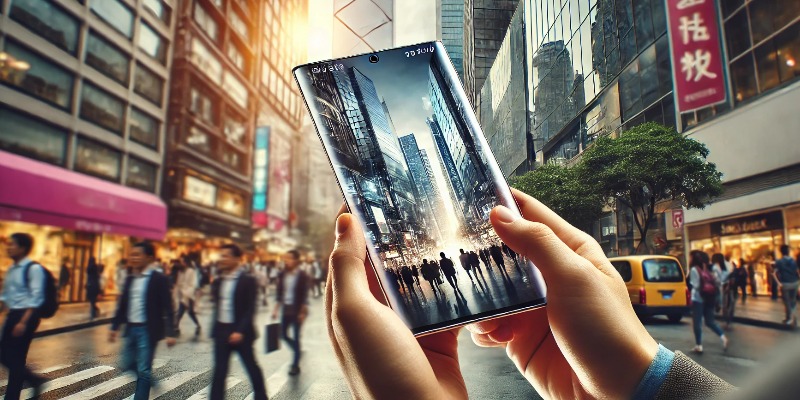
The most obvious application of flexible and transparent polymers is in foldable mobile devices, such as smartphones and tablets.
Leading manufacturers in the industry, such as Samsung, Huawei, and LG, have already introduced foldable devices to the market that utilize advanced polymer technology. These devices offer a unique combination of portability and a large display area, enhancing the user experience for both entertainment and productivity.
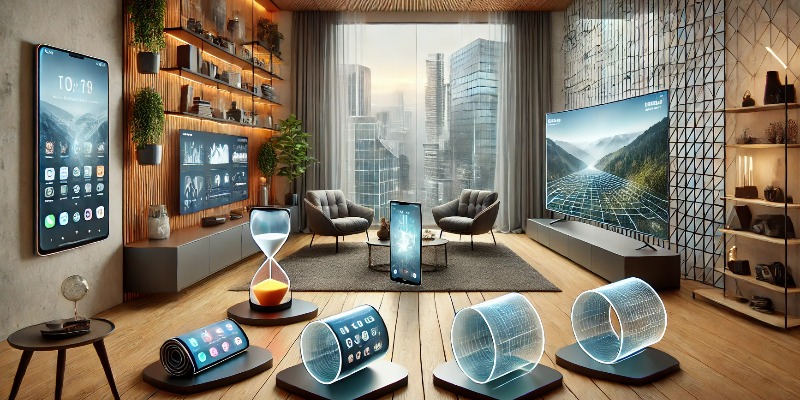
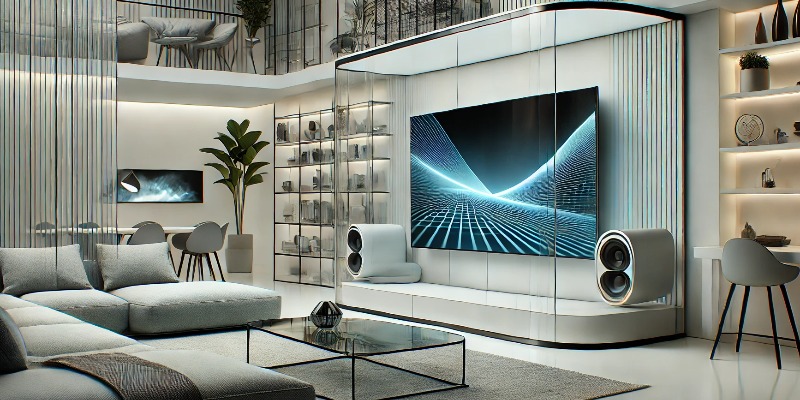
Televisions are also benefiting from advances in flexible polymers. LG and other manufacturers have presented prototypes of rollable TVs, which use polymeric substrates to offer ultra-thin screens that can be stored when not in use, reducing visual clutter in domestic environments.
These televisions represent a radical change in the design of entertainment devices, allowing for greater integration of electronics into home decor and daily life.
In addition to smartphones and TVs, flexible polymers are also used in wearable devices and transparent screens for augmented reality (AR) applications. These screens allow users to interact with information overlaid on the real world, opening new possibilities for industrial, medical, and entertainment applications.
Challenges and Future Prospects
Despite significant progress, the use of flexible polymers in electronic displays still presents some challenges. One of the main issues is long-term durability: repeated folding and handling of the devices can lead to microfractures in the polymers, compromising display performance.
Research is focusing on the formulation of polymers with greater mechanical resistance and self-healing capabilities, which could solve this problem.
Another challenge is the need to improve the optical quality of polymers, particularly by reducing reflection and improving transparency. The introduction of nanoparticles and anti-reflective layers could provide a solution to enhance the visual performance of polymeric displays.
In the future, the integration of flexible polymers with other emerging technologies, such as microLED displays, could lead to even more efficient and high-performing devices.
MicroLEDs offer superior image quality and greater energy efficiency compared to OLEDs, and their combination with polymeric substrates could pave the way for new categories of electronic devices, such as flexible, low-energy screens for outdoor applications and durable foldable devices.
Conclusion
Flexible and transparent polymers represent one of the most promising innovations in the field of electronic displays.
Thanks to their ability to combine optical transparency, mechanical flexibility, and resistance, these materials are transforming the way we interact with electronic devices, opening new possibilities for the design and application of smartphones, TVs, and other devices.
Although there are still significant challenges to be addressed, recent progress suggests that the use of advanced polymers will continue to grow, contributing to the creation of more innovative, functional devices capable of enhancing our daily experience with technology.
© Reproduction Prohibited