- Introduction to LEED: What it is and Why it is Important
- The History of LEED: From Foundation to Today
- How the LEED Certification System Works
- The Phases of the LEED Certification Process
- The Main Evaluation Criteria of LEED
- The Advantages of Energy Efficiency in LEED Buildings
- Indoor Air Quality and Occupant Wellbeing
- LEED and the Economic Impact: Incentives and Real Estate Value
How the LEED System is Transforming the Construction Industry by Promoting Ecological Practices, Energy Efficiency, and Occupant Well-being
by Marco Arezio
Leadership in Energy and Environmental Design, better known as LEED, represents one of the most prestigious and recognized standards worldwide for the design, construction, and management of sustainable buildings.
Developed by the U.S. Green Building Council (USGBC), the LEED system promotes green building practices that favor environmental, economic, and social sustainability. This article will explore what LEED is, its history, how it is applied, and the benefits it offers.
What is LEED?
LEED is a certification system for sustainable buildings that evaluates and recognizes the environmental and sustainability performance of constructions.
LEED-certified buildings are designed to reduce environmental impact and improve the quality of life for their occupants. The system evaluates various aspects, including energy efficiency, water resource use, indoor air quality, use of sustainable materials, and site design.
The History of LEED
LEED was developed by the USGBC in 1998, in response to the growing demand for greener and more sustainable buildings. The first version of LEED, known as LEED v1.0, was launched as a pilot project and included criteria for evaluating new commercial building construction.
In the following years, the LEED system was continuously updated and improved, expanding to include a wide range of building types, including residential, commercial, schools, hospitals, and entire neighborhoods.
Application of the LEED System
The LEED certification process is divided into several phases and involves the evaluation of a building based on a series of specific criteria. Here are the main steps to obtain LEED certification:
Project Registration: The first step is to register the project with the USGBC. This involves creating an account and submitting preliminary information about the project.
Planning and Design: During this phase, the design team works to integrate LEED criteria into various project stages. Aspects such as material selection, energy efficiency, water use, and indoor air quality are considered.
Documentation and Submission: Once the design and construction are complete, the team must gather and submit all necessary documentation to demonstrate that the building meets LEED requirements.
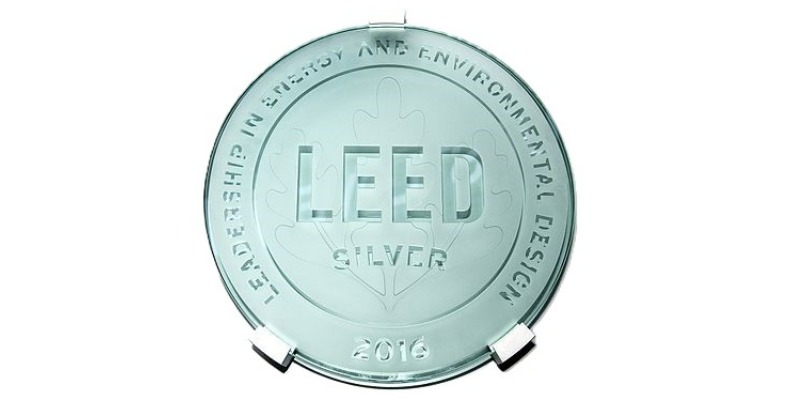
This can include material certifications, energy reports, and other evidence of compliance.Review and Certification: The USGBC reviews the submitted documentation and evaluates the project based on LEED criteria. If the building meets the requirements, a certification is awarded, which can be at different levels (Certified, Silver, Gold, Platinum) depending on the score achieved.
Benefits of LEED Certification
LEED certification offers numerous benefits for both building owners and society in general. Here are some of the main advantages:
Energy Efficiency and Savings: LEED-certified buildings are designed to reduce energy consumption, resulting in significant savings on operational costs. The use of advanced technologies and efficient materials contributes to a lower environmental impact.
Improved Indoor Air Quality: LEED places great emphasis on indoor air quality, requiring efficient ventilation systems and materials with low emissions of volatile organic compounds (VOCs). This helps create healthier environments for occupants, improving comfort and productivity.
Sustainable Water Resource Use: LEED promotes water management practices that reduce water consumption and improve water resource efficiency. This includes the use of high-efficiency water fixtures, rainwater harvesting systems, and greywater recycling.
Economic and Fiscal Incentives: In many countries, LEED-certified buildings can benefit from economic and fiscal incentives. This includes tax reductions, grants, and access to favorable financing, making the investment in sustainable buildings more attractive.
Property Value: LEED certification can increase the property value of a building. Sustainable buildings are increasingly in demand by tenants and buyers who appreciate the environmental and health benefits offered.
Social Responsibility and Corporate Image: Achieving LEED certification is a sign of social responsibility and commitment to sustainability. This can improve corporate image and attract customers, investors, and employees who share these values.
Conclusion
Leadership in Energy and Environmental Design represents a global benchmark for the construction of sustainable buildings.
Through a holistic approach to building design and management, LEED promotes practices that reduce environmental impact, improve quality of life, and offer tangible economic benefits.
LEED certification is not just a recognition of environmental excellence but also an investment in the sustainable future of our cities and communities.