- Journey through abandoned industrial cathedrals
- The Crespi d'Adda Factory (Bergamo, Italy)
- The Montemartini Power Plant (Rome, Italy)
- Tate Modern (London, UK)
- Evolution of industrial tourism
- Urban reconversion and regeneration
- The future of industrial cathedrals
Exploring Places Where Industrial Heritage Meets Culture and Urban Regeneration
by Marco Arezio
Industrial cathedrals, monumental testimonies of an era where human labor and technological progress intertwined, are today fascinating locations brimming with stories. These sites evoke a sense of connection to the past, offering a glimpse into a time when work shaped communities and landscapes. Nowadays, many of these structures have become tourist attractions, narrating tales of toil, innovation, and resilience. Industrial tourism is not just about exploring unique architectural spaces but also reflecting on the relationship between humanity, technology, and the environment. This itinerary will take you to discover three extraordinary industrial cathedrals on a journey that intertwines history, culture, and surprising urban landscapes.
1. The Crespi d’Adda Factory (Bergamo, Italy)
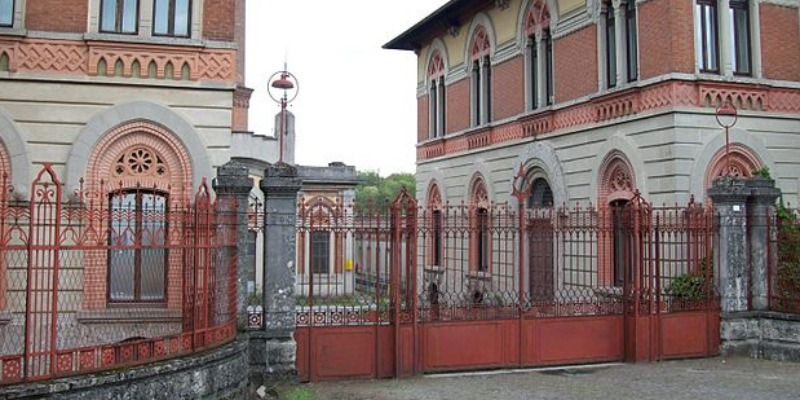
Listed as a UNESCO World Heritage Site, the workers' village of Crespi d’Adda is one of Italy’s finest examples of industrial archaeology. Founded in the late 19th century by the Crespi family, the village was a model of corporate welfare, where the industry provided not only jobs but also comprehensive care for workers and their families. It included housing, schools, a hospital, a theater, and a church—all designed to meet the community's needs and ensure a high quality of life during a time of significant social and economic transformation. The now-closed textile factory stands as a symbol of the industrial revolution and the paternalistic vision that characterized many businesses of the era, where employers took on a quasi-patriarchal role, offering services and infrastructure to their workers. This approach embodied a blend of industrial progress and social control typical of the late 19th century.
What to See
The majestic cotton mill with its now-silent weaving halls, towering chimneys standing like monuments to labor, and the perfectly preserved workers' village, with its orderly houses, school, and church that reflect a community shaped by the rhythm of the factory. Don’t miss visiting the hydroelectric plant on the Adda River, a well-preserved example of how hydropower supported the industrial development of the village. The still-operational plant illustrates the connection between natural resources and technological advancement, offering a glimpse into sustainable industry even in the late 19th century.
Recommended Activities
Join guided tours to uncover Crespi’s history, explore the organization of the village, and learn about the technical innovations of the era. Don’t miss a walk along the Adda River to admire the landscape and understand the link between water and industrial development.
2. Centrale Montemartini (Rome, Italy)
A former power plant built in 1912 to supply electricity to the city of Rome, Centrale Montemartini is now an extraordinary museum blending industrial archaeology and classical art. One of the first examples of repurposing an industrial site into a cultural space in Rome, it is part of the Capitoline Museums complex. This fusion of ancient and modern represents a captivating dialogue between technological progress and the millennia-long history of the city.
Located in the Ostiense district, Centrale Montemartini was one of the capital’s earliest thermal power plants, designed to meet the growing energy demands of a rapidly expanding urban and industrial Rome.
With its imposing machinery, such as Diesel engines and turbines, the facility symbolized early 20th-century industrialization and technical innovation. However, as more advanced technologies emerged, the plant was gradually decommissioned, finally closing in the 1960s.The site’s rebirth as an exhibition space came in the 1990s when restoration work at some Capitoline Museums halls necessitated temporary relocation of Roman sculptures. This experiment proved highly successful, leading to the plant’s permanent transformation into a museum. The integration of majestic classical statues with massive industrial machinery creates a striking contrast, captivating both lovers of ancient art and industrial archaeology.
What to See
The large Diesel engines and early 20th-century turbines serve as a backdrop to displays of Roman sculptures, mosaics, and sarcophagi. The power plant itself is an engineering marvel, with its vast spaces once dedicated to energy production for the city. Notable pieces include the "Niobe Group" and the "Portrait of Antinous," which stand in dramatic juxtaposition to vintage machinery. The museum also features mosaics and frescoes that reflect life in ancient Rome, offering a unique perspective on the city’s historical continuity and the integration of its technological and artistic past.
Recommended Activities
Admire the contrast between archaeological artifacts and the industrial environment during a guided tour. Take the opportunity to explore the Ostiense district, rich in street art and trendy restaurants, and visit the nearby Basilica of St. Paul Outside the Walls to round off your cultural day.
3. Tate Modern (London, UK)
The renowned former Bankside Power Station, now known as Tate Modern, is one of the world’s foremost museums of contemporary art. Originally built in the 1940s to meet the energy demands of a rapidly growing London, the Bankside Power Station was a symbol of Britain’s post-war industrial progress. Its towering chimney was visible from various points in the city, a true beacon of industrial power. With the decline of coal usage, the power station was decommissioned in the 1980s, remaining unused until the 1990s, when the celebrated architecture firm Herzog & de Meuron transformed it into an art space. The redesign preserved many original elements, such as the chimney and Turbine Hall, now reimagined as exhibition and cultural spaces. This transformation is a stellar example of urban regeneration, blending industrial heritage with contemporary art, breathing new life into a historic structure and city symbol.
What to See
The immense Turbine Hall, hosting large-scale installations; the art galleries featuring works by world-renowned artists like Picasso, Warhol, and Hockney; and the panoramic terrace with breathtaking views of the Thames and London’s skyline.
Recommended Activities
Join thematic workshops and guided tours to delve deeper into the dialogue between contemporary art and industrial space. End your day with a stroll along the Thames, visiting the Globe Theatre or Millennium Bridge.
© Reproduction Prohibited
Photo: Wikimedia