- What is Climate Finance and Why is it Important?
- Innovative financial instruments for least developed countries
- Clean Energy for Sustainable Development
- International programs for access to renewable energy
- Biodiversity as an economic and environmental resource
- Global strategies for biodiversity conservation
- Social inclusion: the heart of climate finance
- Building a resilient future through sustainable investments
How Clean Energy and Biodiversity Support Economic and Environmental Development in Emerging Economies
In recent decades, climate change has emerged as a major global challenge, with profound impacts on economies, societies and the environment.
This environmental crisis is particularly severe in the least developed countries, which have limited resources and fragile infrastructure. These nations, while contributing only a small part to global greenhouse gas emissions, are exposed to extreme weather events such as floods, prolonged droughts, devastating hurricanes and rising sea levels, with dramatic effects on their capacity for development and economic survival. For this reason, it is crucial to invest in climate finance and sustainability strategies, aimed at strengthening the resilience of these territories, promoting sustainable economic development and protecting biodiversity.
Climate finance: a pillar for economic resilience
Climate finance includes funds and financial instruments specifically designed to mitigate the effects of climate change and help the most vulnerable communities adapt to unavoidable changes. However, for least developed countries, often characterized by limited access to global financial markets and reduced institutional capacity, it is crucial to make these instruments truly accessible and usable.
Major international organizations, such as the Green Climate Fund, the World Bank , and several regional development banks, have significantly increased their efforts and resources dedicated to these countries, implementing programs aimed at strengthening resilient infrastructure, improving energy efficiency, and promoting innovative technologies. The goal is to create stable economic and environmental conditions that allow achieving sustainable development goals, while reducing the economic and social vulnerability of the countries involved.
Clean Energy: A Catalyst for Sustainable Development
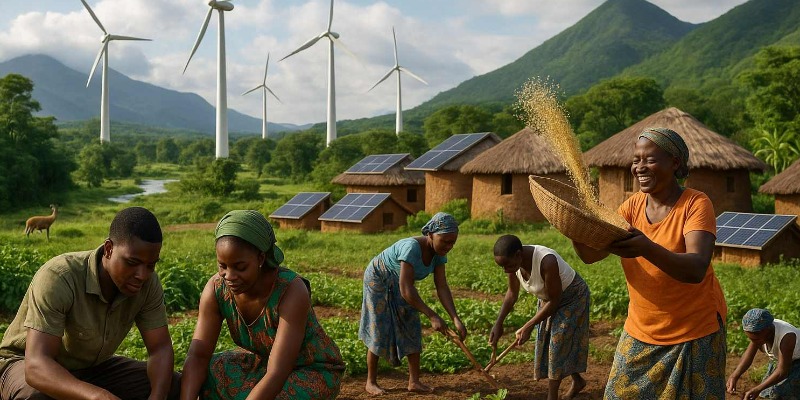
Access to clean energy is a central element of the climate finance strategy for least developed countries. Technologies such as solar, wind, hydropower and geothermal energy offer concrete solutions to reduce dependence on fossil fuels and ensure access to sustainable and reliable energy sources.
Innovative programs such as the World Bank's "Lighting Africa" have brought solar energy to remote rural areas of sub-Saharan Africa, significantly improving the quality of life and promoting economic activities that were previously impossible. The spread of clean energy generates immediate tangible benefits, reducing emissions and pollution, creating jobs and stimulating further private investment in the sustainable energy sector.
Furthermore, it promotes the development of local technical skills, necessary to manage advanced technologies and ensure the sustainability of the solutions adopted.Biodiversity: Preserving Natural Capital
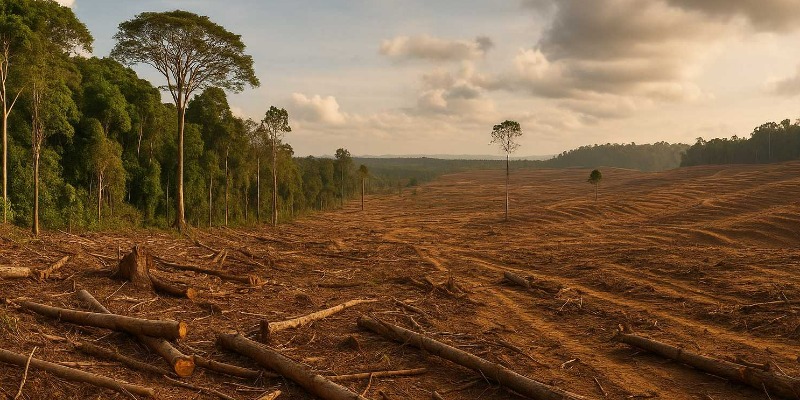
Protecting biodiversity is another key pillar of sustainable investing. Least developed countries often have extraordinary and unique biodiversity, which is vital to the ecological health of the planet. However, these territories are subject to enormous pressure from deforestation, intensive agriculture, overfishing and loss of natural habitats.
International programs such as the Global Environment Facility (GEF) and the United Nations Development Programme (UNDP) have funded projects aimed at conserving ecosystems, restoring degraded habitats and sustainable use of natural resources. These interventions contribute not only to environmental protection, but also generate important economic benefits through ecotourism, sustainable management of forests and marine resources, local employment generation and the promotion of sustainable agricultural practices.
Social and economic inclusion: a crucial factor
A central, often overlooked, element of climate finance is social inclusion. Ensuring that local communities are actively involved in the design and implementation of interventions is crucial to the long-term success of projects. Participatory and inclusive approaches increase the effectiveness of initiatives, contribute to the reduction of social inequalities and ensure equitable access to natural and energy resources.
To achieve this goal, it is important that interventions include a robust training and awareness plan for local populations, which promotes the development of technical and managerial skills, as well as participatory monitoring to continuously evaluate and adapt the strategies adopted.
Conclusion: Towards a resilient and sustainable future
Climate finance and sustainable investments represent a real opportunity for the least developed countries to address the environmental and economic challenges of the future. Through targeted interventions in the energy sector, protection of biodiversity and promotion of social inclusion, these nations can build a more equitable and prosperous future.
Ensuring widespread and simplified access to these financial instruments is not only a moral imperative, but also a strategic investment to ensure lasting and widespread environmental, social and economic benefits for the entire global community.
© Reproduction prohibited