




- The symbolic meaning of the work Cavour in Macerie
- Why the artist chose building rubble as material
- Cavour as a figure of reconstruction and historical memory
- Sustainable art as a form of contemporary expression
- The dialogue between past and present through waste materials
- Conceptual Art and Recovery: A New Life for Construction Waste
A contemporary work of art made with building rubble that transforms the face of Camillo Benso into a symbol of rebirth
by Marco Arezio
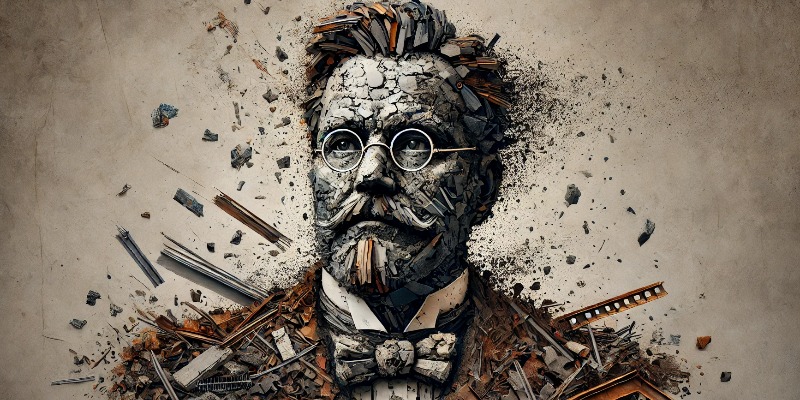
Cavour in Macerie is a contemporary artwork that combines history, matter and symbolism in a powerful and evocative portrait of Camillo Benso, Count of Cavour. The artist has chosen to use only building rubble, fragments of destroyed or abandoned buildings, to construct a recognizable and intense image of the famous Italian statesman.
The choice of material is not accidental. The rubble represents what remains after the collapse, the abandonment, the change . They are a symbol of ruin but also of possibility. Using these rough and broken fragments to give shape to one of the fathers of united Italy, the artist communicates a profound message: the reconstruction of collective identity also arises from the rubble of history and the mistakes of the past.
Cavour's face emerges from the composition with strength and dignity, as if he were literally coming to life from the ruins. Bricks, rubble, twisted iron and stones are transformed into human features, period clothing, a determined gaze. The contrast between the fragility of the material and the solidity of the historical figure invites us to reflect on how resilient memory is, capable of being reborn in new forms, even through waste.
Cavour in Macerie is part of the sustainable art and conceptual art with recycled materials, interpreting the dialogue between past and present in a modern way. The work is part of a growing interest in art made with waste and recycled materials, offering an emblematic example of how creativity can transform degradation into beauty, and memory into living matter.
© Reproduction prohibited